
Tikal vs Chichen Itza 2026: Which Maya Ruins to Visit?
Key Takeaways:
- Tikal offers jungle immersion with 3,000+ structures across 16 square kilometers of rainforest, while Chichen Itza provides more concentrated experience with iconic structures in smaller, more managed site
- Budget differences: Tikal entrance $24 plus $8-12 shuttle from Flores; Chichen Itza entrance $27 with easier $5-8 transport from nearby towns, but Mexico’s overall higher tourism costs offset savings
- Accessibility favors Chichen Itza: 2.5 hours from Cancún vs Tikal’s domestic flight or 8-10 hour bus from Guatemala City, plus Chichen Itza offers wheelchair access while Tikal demands high physical fitness
- Crowds differentiate dramatically: Chichen Itza receives 2.5-3 million annual visitors creating dense tourism environment, while Tikal’s 300,000-400,000 yearly guests allow genuine archaeological exploration
- Climbing capability represents major distinction: Tikal permits scaling multiple temples for jungle canopy views, while Chichen Itza banned climbing in 2006 limiting visitor interaction
- Both merit UNESCO World Heritage status, but serve different traveler priorities: adventure seekers prefer Tikal’s remote jungle challenge, while cultural tourists favor Chichen Itza’s convenience and New Seven Wonders status
Planning Your Maya Ruins Decision for 2026
The choice between Tikal and Chichen Itza represents one of the most significant decisions for travelers planning Maya archaeological site visits in 2026. Both rank among the world’s most important pre-Columbian ruins, both hold UNESCO World Heritage designation, and both offer profound insights into Maya civilization’s architectural achievements, astronomical knowledge, and cultural sophistication. However, the visitor experiences differ dramatically based on location, accessibility, crowd levels, physical requirements, and surrounding tourism infrastructure.
Tikal National Park in Guatemala’s Petén jungle delivers authentic archaeological adventure combining massive temple complexes with pristine rainforest ecosystem. The site spans 16 square kilometers with over 3,000 structures, only a fraction excavated, creating exploration opportunities that extend far beyond main tourist circuits. Temple IV rises 65 meters above the jungle canopy, offering spectacular sunrise views and howler monkey choruses. The remote location means committed travel investment but rewards visitors with genuine jungle immersion, active wildlife, and the sensation of discovering ancient cities amid natural forest rather than manicured parks.
Chichen Itza in Mexico’s Yucatán Peninsula provides convenient access to Maya’s most photographed monuments including El Castillo pyramid, the Great Ball Court, and the Temple of Warriors. The site’s proximity to Cancún (203 kilometers) and Mérida (120 kilometers) enables easy day trips, while extensive infrastructure supports visitors of all ages and abilities. The iconic pyramid’s inclusion in the New Seven Wonders of the World brings international recognition but also massive crowds reaching 8,000-12,000 daily visitors during peak season. The managed environment offers comfort and convenience while sacrificing the adventure and solitude found in Tikal’s jungle setting.
Understanding these fundamental differences proves essential for matching archaeological site selection to personal travel priorities. Adventure travelers, wildlife enthusiasts, and those seeking authentic exploration experiences find Tikal’s challenges and rewards align with their values. Cultural tourists prioritizing iconic monuments, convenient logistics, and beach vacation combinations discover Chichen Itza better serves their needs. Photography enthusiasts must weigh Tikal’s spectacular sunrise opportunities and wildlife against Chichen Itza’s architectural perfection and dramatic lighting during equinox events. Budget travelers find costs similar overall despite different pricing structures, though time investment differs significantly.
People Also Ask About Tikal vs Chichen Itza 2026
Which is better, Tikal or Chichen Itza, in 2026?
Neither site objectively surpasses the other; the better choice depends entirely on traveler priorities and circumstances. Tikal excels for adventure-focused travelers who value jungle immersion, wildlife encounters, climbing temples for panoramic views, exploring vast archaeological zones with minimal crowds, and experiencing sites in natural rainforest settings. The remote location, physical demands, and travel time requirements suit travelers with flexible schedules, good fitness levels, and interest in authentic archaeological exploration rather than quick tourist experiences.
Chichen Itza serves travelers prioritizing convenience, accessibility, and visiting world-famous monuments in comfortable, well-managed environments. Families with young children or elderly members, travelers with limited time or mobility challenges, and those combining ruins visits with Caribbean beach vacations find Chichen Itza’s infrastructure and location superior. The site’s fame guarantees impressive photography and the satisfaction of experiencing structures recognized globally through New Seven Wonders designation and countless media representations.
Serious Maya culture enthusiasts should visit both sites during extended Central America travels. Tikal represents Classic Period (250-900 CE) peak achievement with immense jungle cities and hieroglyphic inscriptions, while Chichen Itza showcases Late Classic and Terminal Classic (600-1000 CE) architectural innovation with unique Toltec influences. Together, they provide comprehensive understanding of Maya civilization’s geographic spread, temporal development, and cultural variations across the empire’s vast territories. Budget 4-5 days for each destination including surrounding attractions and travel time.
Is Tikal more impressive than Chichen Itza in 2026?
Architectural impressiveness depends on criteria used for evaluation. Chichen Itza’s El Castillo (Pyramid of Kukulcán) represents Maya engineering pinnacle with precise astronomical alignments creating shadow serpent effects during equinoxes, 365 steps matching solar year days, and acoustic properties generating handclap echoes resembling sacred quetzal bird calls. The structure’s geometric perfection, symbolic sophistication, and technical achievements create instant visual impact that photographs dramatically and represents Maya architectural mastery in single iconic monument.
Tikal’s Temple IV surpasses Chichen Itza’s structures in raw height (65 meters vs El Castillo’s 30 meters), offering dramatic jungle canopy emergence that creates different aesthetic impact emphasizing vertical monumentality and integration with natural landscape. The Great Plaza’s twin pyramid complexes (Temple I and Temple II) create ceremonial space of immense power, while the site’s overall scale demonstrates urban planning sophistication managing large populations in challenging jungle environment. Tikal’s impressiveness comes from cumulative effect across dozens of major structures rather than single monument dominance.
Personal response varies based on what impresses individual travelers. Some find Chichen Itza’s concentrated architectural perfection and symbolic complexity more moving than Tikal’s dispersed monumentality. Others respond more powerfully to Tikal’s scale, jungle setting, and sense of discovery amid living forest. Photography enthusiasts often prefer Tikal for sunrise temple vistas and wildlife integration, while architecture specialists may favor Chichen Itza’s superior preservation and detailed decorative programs. Both sites fully justify their UNESCO World Heritage status and international archaeological significance.
How much does it cost to visit Tikal vs Chichen Itza in 2026?
Direct entrance fees show similar pricing with minor differences. Tikal National Park charges $24 for foreign visitors in 2026 (check INGUAT or park entrance for current rates as pricing may vary), while Chichen Itza costs approximately $27 for combined federal and state fees. Both prices include museum access and full-day site exploration. Sunrise visits require additional supplements: Tikal $5-8 for early entry, Chichen Itza occasionally offers special early access programs at similar premiums though less consistently than Tikal’s established sunrise protocol.
Transportation costs differ significantly based on starting locations. Tikal requires domestic flight from Guatemala City ($120-180 round trip) or overnight bus ($25-35 one way), then $8-12 shuttle from Flores to archaeological site. Chichen Itza benefits from closer proximity to major tourism hubs with buses from Cancún ($15-25 round trip), Playa del Carmen ($20-30), or Mérida ($8-15), or organized day tours ($45-75 including transportation, guide, entrance). Independent travelers find Chichen Itza more economical for transportation, though packaged tour prices narrow the gap.
Accommodation costs vary by base city selection. Flores, Guatemala offers budget hotels at $15-25 per night, mid-range $40-70, creating affordable multi-day stays for Tikal access. Chichen Itza’s nearest towns (Pisté, Valladolid) charge $25-40 budget, $60-90 mid-range, while Cancún and Playa del Carmen command premium prices $80-200 per night for comparable quality. Overall trip costs depend on total itinerary: Tikal integration with broader Guatemala travel costs less than Chichen Itza within expensive Mexican Caribbean destinations, though day-trip visitors from beach resorts find Chichen Itza more economical than separate Guatemala journey for Tikal alone.
Can you climb the pyramids at Tikal and Chichen Itza in 2026?
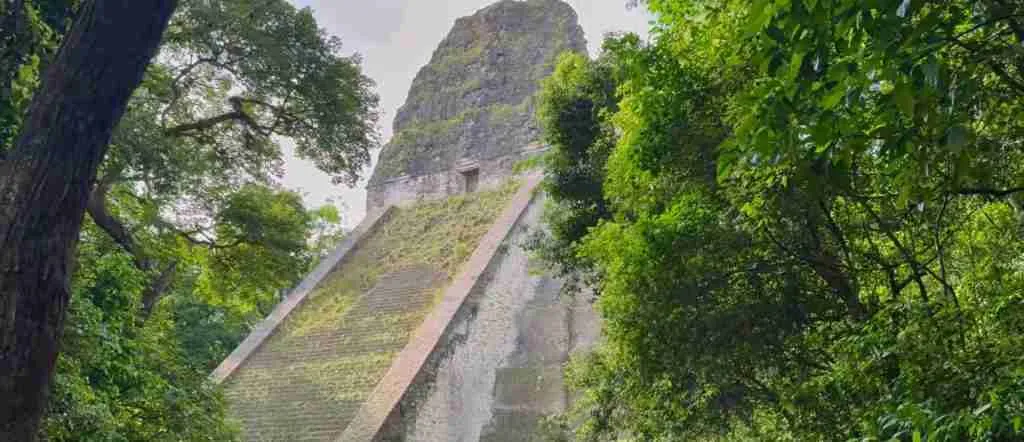
Tikal permits climbing several major temples including Temple II, Temple IV, and Temple V, creating interactive archaeological experiences impossible at many world heritage sites. The wooden staircases installed on temple faces enable safe ascent and descent while protecting ancient stone structures from excessive wear. Reaching temple summits requires good physical fitness given steep angles (60-70 degrees in places), high steps, and significant heights (Temple IV reaches 65 meters). The panoramic jungle views, howler monkey vocalizations, and sensation of surveying ancient cities from rulers’ perspectives justify the physical exertion for most visitors.
Chichen Itza banned climbing in 2006 after tourist fatalities and to protect structures from erosion caused by millions of annual visitors. All major pyramids including El Castillo, Temple of Warriors, and Osario remain permanently closed to climbing. Visitors appreciate architectural magnificence from ground level, photograph from optimal angles, and rely on interpretive information from guides or signage for understanding structural details invisible from base. Some travelers feel disappointed by climbing restrictions, though the policy preserves structures for future generations while eliminating dangerous situations on steep, uneven ancient stairs.
This climbing capability distinction represents major decision factor for active travelers and adventure seekers. The physical engagement of scaling Tikal’s temples, experiencing archaeological sites from multiple vertical perspectives, and earning panoramic views through effort creates memorable experiences unavailable at Chichen Itza or most major Maya sites. Conversely, the climbing prohibition at Chichen Itza improves access for families with young children, elderly visitors, and those with mobility limitations who can fully appreciate the site without missing key experiences locked behind physical challenges.
Extended multi-day tours – 5+ days
Featured Tikal Multi-Day Tour Packages

3 days
Tikal 3-Day Discovery Tour
- ✓ Comprehensive Tikal experience
- ✓ Expert local guides included
- ✓ All accommodation included
- ✓ Transportation provided
5 days
Tikal 5-Day Highlights Experience
- ✓ Comprehensive Tikal experience
- ✓ Expert local guides included
- ✓ All accommodation included
- ✓ Transportation provided
7 days
Tikal 7-Day Cultural Journey
- ✓ Comprehensive Tikal experience
- ✓ Expert local guides included
- ✓ All accommodation included
- ✓ Transportation provided
10 days
Tikal 10-Day Complete Adventure
- ✓ Comprehensive Tikal experience
- ✓ Expert local guides included
- ✓ All accommodation included
- ✓ Transportation provided
Multi-day tour packages powered by TourRadar. Prices and availability subject to change.
Essential Comparison Overview for 2026
Geographic Location and Climate Context
Tikal occupies Guatemala’s Petén region deep within lowland tropical rainforest at approximately 300 meters elevation. The jungle setting creates enclosed, intimate atmosphere where temples emerge from dense vegetation rather than dominating open landscapes. The rainforest ecosystem supports diverse wildlife including howler monkeys, spider monkeys, toucans, parrots, coatis, and hundreds of bird species creating continuous natural soundtrack during site exploration. Temperatures range 25-32°C (77-90°F) year-round with high humidity 70-90%, while annual rainfall reaches 1,500-2,000mm concentrated in May-October rainy season.
Chichen Itza sits on Mexico’s Yucatán Peninsula limestone plain in tropical dry forest zone with more open vegetation and lower canopy than Petén jungle. The site occupies relatively flat terrain with structures rising from manicured grounds providing dramatic silhouettes against sky rather than jungle backdrop. Wildlife presence diminishes compared to Tikal due to developed surroundings and heavy visitor traffic, though iguanas, birds, and occasional coatis appear. Temperatures range 23-35°C (73-95°F) with dry season November-April bringing comfortable conditions, while May-October brings heat, humidity, and afternoon thunderstorms similar to Tikal’s rainy season.
The environmental differences shape visitor experiences significantly. Tikal’s jungle immersion appeals to nature enthusiasts who appreciate archaeological sites integrated within living ecosystems, where temple exploration combines with wildlife observation and botanical interest. The forest canopy provides natural shade during hot midday hours, though humidity remains challenging. Chichen Itza’s open setting creates dramatic photography with structures standing against blue skies or dramatic cloud formations, but offers less shade requiring more strategic timing to avoid excessive sun exposure during peak heat hours 11:00 AM to 3:00 PM.
Site Size and Archaeological Scope
Tikal’s mapped archaeological zone encompasses 16 square kilometers with over 3,000 structures identified, though only the central 10 square kilometers receives regular tourist access. The major temple complexes spread across extensive area requiring 8-12 kilometers of walking for comprehensive visits covering the Great Plaza, Temple IV, Temple V, Mundo Perdido (Lost World complex), Group G, and connecting causeways. The vast scale means most tourists see only 10-15% of the total site during typical 6-8 hour visits, with extensive unexcavated areas and remote temple groups accessible to serious archaeology enthusiasts willing to hike several hours on unmarked jungle trails.
Chichen Itza covers approximately 5 square kilometers with the main tourist circuit measuring roughly 1.5 kilometers across. The compact layout enables visitors to see major highlights including El Castillo, Great Ball Court, Temple of Warriors, Sacred Cenote, Group of a Thousand Columns, and Observatory (El Caracol) within 3-4 hours of steady touring. The smaller size creates more managed feel but also allows thorough exploration without extreme physical exertion, suitable for broader age ranges and fitness levels. Additional structures exist in surrounding areas though most visitors concentrate on the central archaeological zone.
The size difference influences trip planning substantially. Tikal demands full days for meaningful exploration with many visitors spending 8-12 hours on site, often across multiple days for comprehensive coverage. Chichen Itza accommodates half-day visits enabling same-day combination with cenote swimming, colonial town exploration, or other Yucatán attractions. Serious Maya enthusiasts find Tikal’s scale provides days of discovery potential, while time-pressed travelers appreciate Chichen Itza’s efficient highlight circuit delivering major archaeological experiences within limited time frames.
Preservation State and Excavation Levels
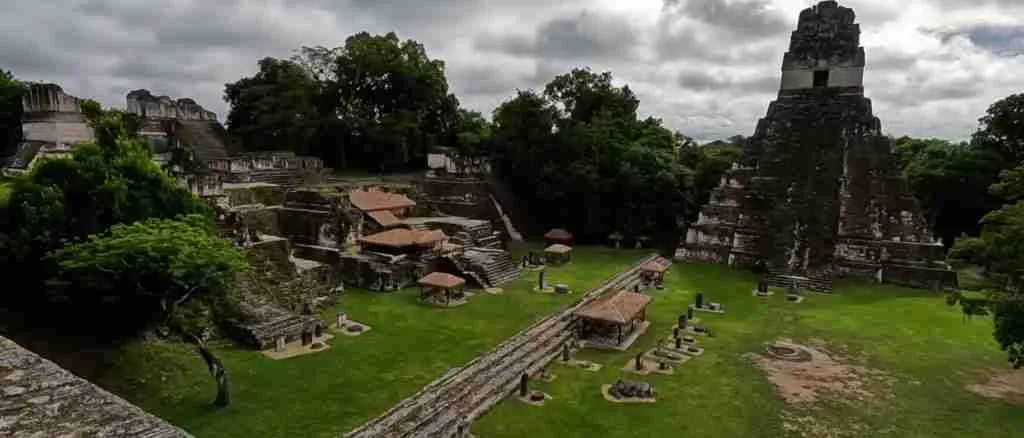
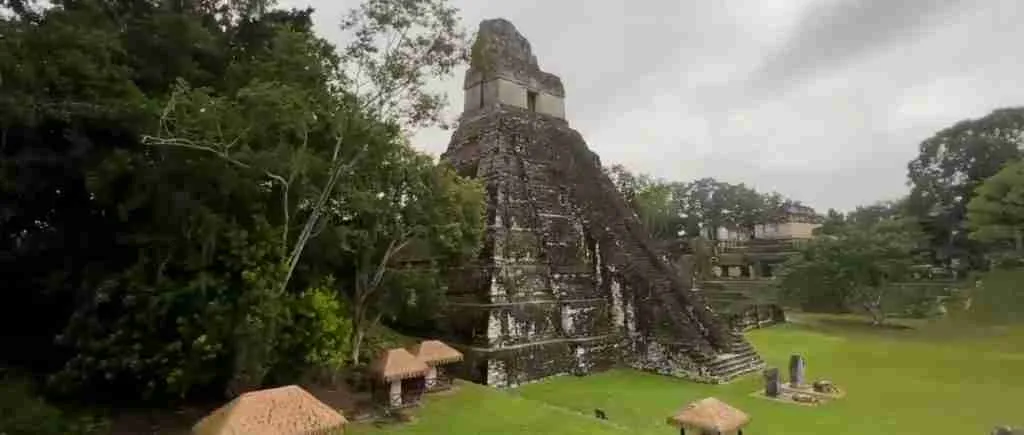
Tikal presents mix of fully excavated and partially cleared structures, with many temple pyramids emerging from jungle in various restoration states. Temple I and II at Great Plaza show complete reconstruction with accurate profile restoration based on archaeological evidence. Temple IV remains partially covered by jungle with wooden stairs leading to summit platform but unrestored stone faces creating rugged, organic appearance. The preservation approach emphasizes archaeological authenticity over tourist presentation, maintaining the discovery atmosphere that characterized early explorations while providing safe access to major monuments.
Chichen Itza underwent extensive restoration particularly during the 20th century, resulting in well-preserved structures with cleaned facades, reconstructed details, and manicured surrounding landscapes. El Castillo appears in near-complete state with precise stone alignment, intact decorative programs, and structural stability supporting its iconic photographic appeal. The polished presentation creates impressive visual impact but removes some of the adventurous discovery feeling that partial excavation provides. The contrast between fully restored Chichen Itza and partially wild Tikal represents different archaeological philosophy balancing preservation, accessibility, and authentic encounter with ancient sites.
Cultural and Historical Significance
Chronological Development and Historical Importance
Tikal flourished during the Classic Period (250-900 CE) representing the pinnacle of lowland Maya civilization. The city served as major political, economic, and military center ruling vast territories and engaging in complex warfare and alliance networks with rival cities like Calakmul, Caracol, and Uaxactún. The site’s hieroglyphic inscriptions provide detailed dynastic histories including ruler names, military conquests, and astronomical observations creating comprehensive understanding of Maya political systems. Temple I commemorates Jasaw Chan K’awiil I (682-734 CE), whose reign marked Tikal’s resurgence after earlier defeats, while multiple stelae throughout the site document eight centuries of continuous occupation and political development.
Chichen Itza achieved prominence later during Terminal Classic and Early Postclassic periods (800-1200 CE), demonstrating architectural and cultural synthesis between Maya traditions and central Mexican influences particularly from Toltec civilization. The site shows unique hybrid character combining Maya astronomical precision with Toltec military iconography, creating distinctive artistic style visible in El Castillo’s feathered serpent motifs and the Temple of Warriors’ columned facades. Chichen Itza’s prosperity derived from controlling northern Yucatán trade routes and cenote access, with the Sacred Cenote serving religious and political functions as primary water source and ritual sacrifice location.
Both sites contributed fundamentally to understanding Maya civilization through excavation and research. Tikal’s University of Pennsylvania expeditions (1956-1970) revolutionized Maya archaeology by establishing chronologies, deciphering hieroglyphs, and documenting complex urban planning. Chichen Itza research revealed Maya astronomical sophistication through El Castillo’s solstice and equinox alignments, demonstrating integration of cosmology, mathematics, and architecture. The sites complement each other chronologically and geographically, together illustrating Maya civilization’s temporal depth and regional variation across 800+ year span from Classic florescence through Postclassic transformation.
Architectural Innovation and Engineering Achievement
Tikal exemplifies Classic Maya architectural principles including steep temple pyramids with small summit shrines, elaborate roof combs adding height and displaying dynastic imagery, corbeled vault construction creating interior spaces, and integration with natural topography using hills and elevated platforms. Temple IV’s roof comb originally soared 70+ meters, making it the tallest pre-Columbian structure in the Americas. The Great Plaza’s twin pyramid design creates symmetric ceremonial space emphasizing cosmic duality, while the extensive causeway system connected dispersed plaza groups demonstrating sophisticated urban planning across challenging jungle terrain.
Chichen Itza showcases architectural evolution incorporating new forms and decorative programs. El Castillo’s nine-platform design symbolizes underworld levels, with four staircases of 91 steps each plus summit platform totaling 365, matching solar calendar year. The engineering precision creates equinox light-and-shadow serpent effect descending pyramid face, while acoustic properties produce distinctive echoes. The Great Ball Court measures 168 meters long with perfect acoustics enabling whispers at one end to be heard clearly at the opposite end 150+ meters distant. The Temple of Warriors features extensive colonnaded halls unknown in earlier Classic Period Maya architecture, demonstrating new spatial concepts and construction techniques.
The artistic programs differ significantly between sites. Tikal’s stelae and carved lintels emphasize hieroglyphic texts recording historical events, astronomical observations, and dynastic genealogies with elaborate ruler portraits. Chichen Itza favors sculptural decoration including feathered serpent columns, chacmool figures (reclining human forms holding offering vessels), and extensive bas-reliefs depicting warriors, processions, and mythological scenes. These stylistic differences reflect both temporal change (Classic vs Postclassic art conventions) and cultural synthesis (Maya-Toltec interaction at Chichen Itza vs pure Maya tradition at Tikal).
Site Experience Comparison for 2026
Crowd Levels and Tourism Density
Tikal receives approximately 300,000-400,000 annual visitors spreading across the massive site area and year-round season with relatively even distribution. Peak season (December-March) brings maximum numbers but even at busiest times, the extensive jungle trails and dispersed temple groups prevent overwhelming crowding. Most tourists concentrate at Great Plaza, Temple IV sunrise viewing, and main museum, while secondary areas including Temple V, Mundo Perdido, and outlying groups see minimal visitor traffic. Early morning arrivals (4:00-6:00 AM for sunrise) experience sites in near solitude before main tourist waves arrive 9:00-10:00 AM from Flores shuttles.
Chichen Itza attracts 2.5-3 million yearly visitors, creating significantly higher density despite smaller physical footprint. Peak season days see 8,000-12,000 visitors making popular photo spots like El Castillo intensely crowded especially 10:00 AM to 2:00 PM when day-trip buses converge from Cancún, Playa del Carmen, and cruise ship ports. The concentrated arrival pattern creates conga-line tourism at major monuments with challenging photography conditions as hundreds of people simultaneously attempt similar compositions. Spring equinox (March 20-21) brings especially massive crowds exceeding 20,000 people for serpent shadow phenomenon.
The crowd experience fundamentally differs between sites. Tikal enables genuine archaeological exploration with moments of solitude, opportunities for contemplation, and space for personal discovery. Photographers find pristine compositions without crowds photobombing temple shots, while nature enthusiasts enjoy wildlife undisturbed by excessive human presence. Chichen Itza delivers major monument viewing within busy tourism environment where shared experience and social energy create different atmosphere. Strategic timing helps: arrive right at opening (8:00 AM) for less crowded first hours, visit during shoulder season (April-May, September-November) for reduced numbers, or book special early-access tours when available.
Physical Requirements and Accessibility
Tikal demands high physical fitness for comprehensive exploration. The site requires 8-12 kilometers of walking on uneven jungle trails with roots, rocks, and elevation changes. Temple climbing involves very steep wooden staircases with 60-70 degree angles, steps 30-40 centimeters high, and significant heights reaching 65 meters for Temple IV. The combination of heat (30-35°C), humidity (70-90%), and physical exertion challenges even fit travelers. Visitors need good cardiovascular condition, strong legs for climbing, decent balance for steep stairs, and ability to walk steadily for 6-8 hours with brief rest breaks.
Chichen Itza offers better accessibility with paved paths connecting major monuments, relatively flat terrain, shorter walking distances (3-4 kilometers for complete circuit), and no climbing requirements since all temples closed to ascent. The site accommodates wheelchairs and mobility aids on main paths, though some secondary areas have steps or uneven surfaces. Families with young children, elderly visitors, and those with moderate mobility limitations can enjoy comprehensive Chichen Itza experiences, while equivalent groups would struggle significantly at Tikal’s challenging terrain and climbing requirements.
Heat management differs between sites. Tikal’s jungle canopy provides natural shade across most trails and plazas, reducing direct sun exposure though maintaining high humidity. Chichen Itza’s open layout means extended exposure to intense sun requiring hats, sunscreen, and strategic timing to avoid midday peak heat. Both sites require significant water consumption (3-4 liters per person recommended) given tropical conditions and physical activity. Tikal’s longer visit durations increase dehydration risk, while Chichen Itza’s shorter but more sun-exposed circuit presents different but equally important heat management challenges.
Wildlife and Natural Environment
Tikal National Park protects 576 square kilometers of pristine Petén rainforest creating exceptional wildlife habitat. Howler monkey troops vocalize loudly throughout the site, particularly during dawn hours, while spider monkeys leap through temple-adjacent trees. Bird enthusiasts record 300+ species including ocellated turkeys strutting plaza areas, various toucan species, parrots, and occasional resplendent quetzal sightings. Coatis wander trails seeking dropped food, agoutis scurry through underbrush, and leaf-cutter ant highways cross paths. The integration of archaeology and ecology creates unique experiences where temple climbing delivers wildlife observation opportunities from jungle canopy height impossible in ground-level environments.
Chichen Itza’s wildlife presence diminishes dramatically due to developed surroundings, heavy visitor traffic, and dry forest ecosystem supporting lower biodiversity than rainforest. Iguanas sun on temple stones representing most commonly seen animals, while various bird species including turkeys and tropical birds appear occasionally. The Sacred Cenote attracts some wildlife but extensive human presence and limited natural habitat constrain animal numbers. For travelers prioritizing nature experiences alongside archaeology, this represents significant disadvantage compared to Tikal’s vibrant ecosystem integration.
The environmental context shapes photographic opportunities distinctively. Tikal photographers capture temples emerging from jungle, wildlife interactions, sunrise mist over forest canopy, and nature-architecture integration. Chichen Itza enables architectural photography emphasizing structure details, geometric precision, and sculptural programs against clean sky backgrounds. Both offer valid photographic subjects but appeal to different artistic interests: Tikal for adventure and nature photography incorporating ruins, Chichen Itza for precise architectural documentation and iconic monument imagery.
Budget Comparison for 2026
Transportation Costs Analysis
Reaching Tikal requires domestic flight from Guatemala City ($120-180 round trip depending on booking timing and season) arriving Flores airport, then $8-12 shuttle to archaeological site. Alternatively, overnight luxury buses cost $25-35 one way from Guatemala City, saving accommodation expense but requiring 8-10 hours transit. Total transportation from international arrival to Tikal: $140-200 via flights, or $65-95 via overnight buses. For travelers already in Guatemala exploring Antigua, Lake Atitlán, or other highlights, Flores represents logical northern extension with shuttle connections available though time-consuming (8-12 hours from most locations).
Accessing Chichen Itza from major Yucatán tourism hubs proves simpler and cheaper for point-to-point travel. Buses from Cancún cost $15-25 round trip (2.5 hours each way), from Playa del Carmen $20-30 (3 hours), from Mérida $8-15 (1.5 hours). Organized day tours including transportation, guide, and entrance run $45-75 from Cancún area resorts. For travelers basing in Valladolid (charming colonial town 40 kilometers from ruins), local transportation costs just $5-8 each way. Total transportation from Cancún airport to Chichen Itza and return: $30-50 budget option, $60-90 comfort tour, significantly cheaper than Tikal’s Guatemala City connection.
However, total trip cost comparison must consider broader itinerary context. Travelers visiting Guatemala to explore Antigua colonial architecture, Lake Atitlán indigenous cultures, or other Guatemalan attractions find Tikal integration logical and economical as part of comprehensive Guatemala trip. Those focused solely on Maya ruins might spend more reaching Guatemala than a Mexico-only itinerary would cost. Conversely, travelers already planning Mexican Caribbean beach vacations find Chichen Itza represents minimal incremental cost, while separate Guatemala trip for Tikal alone adds substantial expense. The “better deal” depends entirely on overall travel plans beyond single archaeological site visits.
Accommodation and Living Costs
Flores, Guatemala offers budget accommodation $15-25 per night in clean hostels and guesthouses, mid-range hotels $40-70, and premium lakefront properties $80-150. Meals cost $3-6 at local comedores, $10-18 at tourist restaurants, creating daily food budgets $20-50 depending on dining preferences. Three days in Flores (optimal for Tikal plus secondary activities) costs $105-225 for accommodation and meals using mid-range options, or $60-120 for budget travelers. The overall affordability supports extended stays without excessive expenditure.
Valladolid near Chichen Itza charges $25-40 budget accommodation, $60-90 mid-range, similar to Flores but reflecting Mexico’s generally higher tourism costs. Meals run $8-12 for simple restaurants, $15-25 for tourist venues, slightly above Guatemala prices. However, most Chichen Itza visitors base in Cancún, Playa del Carmen, or Tulum where accommodation costs $80-200 per night mid-range, $200-400 upscale, with meals $15-30 per person at standard restaurants. The Mexican Caribbean’s resort environment creates significantly higher daily costs than Flores despite similar archaeological site entrance fees.
Budget-conscious travelers minimize costs by staying in Valladolid rather than expensive beach resorts, bringing packed lunches to Chichen Itza (food vendors inside charge premium prices), and using public transportation versus organized tours. This approach creates comparable total costs to Guatemala despite higher baseline Mexican prices. Luxury travelers find Mexico offers more upscale accommodation and dining options than Flores’s limited premium inventory, though Tikal’s adventure character may appeal more than Cancún’s mass-tourism environment regardless of budget level.
Tour and Guide Service Pricing
Tikal guided tours cost $50-60 for certified guides serving groups up to 8 people for 4-hour site exploration, hired at park entrance or pre-arranged through Flores agencies. Full-day private tours including transportation from Flores, guide, entrance fees, and lunch run $120-180 per person depending on group size. Specialized tours focusing on birds, photography, or extended exploration to remote temple groups command premium rates $150-250 per person. Audio guides available at entrance for $5 provide economical self-guided alternative with good information quality.
Chichen Itza guides charge $50-70 for 2-hour tours serving groups up to 8 people, hired at site entrance with official guide certifications required. The shorter tour duration reflects smaller site size and lack of climbing opportunities reducing exploration time. Full-day Cancún tours including transportation, guide, entrance, and sometimes cenote visits or colonial town stops cost $60-90 per person for group tours, $200-300 for private experiences. The organized tour market is more developed and competitive at Chichen Itza given higher visitor volumes and mature tourism infrastructure.
Guide value differs between sites based on information density and exploration complexity. Tikal’s vast scale and jungle navigation benefit significantly from expert guidance maximizing limited time and highlighting features easily missed during independent exploration. Chichen Itza’s concentrated layout and extensive signage enable effective self-guided visits, though guides add cultural context and historical narratives enhancing appreciation beyond basic architectural observation. Budget travelers can successfully visit both sites independently using guidebooks or apps, while those prioritizing deep cultural understanding find guide investments worthwhile at either location.
Transportation and Accessibility for 2026
International and Domestic Access Routes
Tikal’s gateway city Flores receives domestic flights exclusively from Guatemala City (1 hour flight time) with no direct international service in 2026. International visitors fly into Guatemala City’s La Aurora International Airport connecting through major US hubs (Houston, Miami, Atlanta) or Latin American cities (Panama City, San Salvador, Mexico City). After clearing Guatemala customs, travelers book separate domestic tickets to Flores on Avianca or TAG Airlines ($120-180 round trip) with 3-6 daily departures accommodating various itineraries. Alternatively, overnight luxury buses ($25-35 one way) depart Guatemala City evening arriving Flores morning, though the 8-10 hour journey suits only budget travelers or those uncomfortable with small aircraft.
Chichen Itza benefits from Cancún International Airport’s extensive connectivity with direct flights from dozens of US and Canadian cities, European capitals, and Latin American hubs. Most international visitors arrive Cancún then travel overland to Chichen Itza (203 kilometers, 2.5-3 hours) via rental car, bus, or organized tour. Alternatively, Mérida’s international airport offers connections through Mexico City and limited US cities, providing closer access (120 kilometers, 1.5 hours to ruins). The multiple gateway options and extensive international flight availability make Chichen Itza considerably more accessible for North American and European travelers than Tikal’s domestic-flight-only access.
Overland access from neighboring countries shows interesting differences. Tikal connects to Belize via 3-4 hour shuttle from San Ignacio to Flores ($25-35), enabling travelers to combine both countries in single trips. Guatemala also shares borders with Honduras and El Salvador, though these routes see less tourist traffic. Chichen Itza’s Yucatán location provides limited overland access from Guatemala or Belize requiring very long bus journeys (12-18 hours), making it impractical for most cross-border itineraries despite geographic proximity. The accessibility differences shape logical itinerary construction with Tikal fitting Guatemala-Belize regional travel while Chichen Itza serves Mexico-focused journeys.
On-Site Transportation and Navigation
Tikal’s extensive area requires significant walking on marked jungle trails connecting temple groups. The main circuit from entrance to Great Plaza to Temple IV to Temple V and back covers approximately 6-8 kilometers depending on route choices and side trips. Well-maintained paths with occasional wooden boardwalks protect both visitors and forest floor, though tree roots, rocks, and muddy sections during rainy season demand attention and appropriate footwear. No vehicle access exists within the archaeological zone; all movement occurs on foot creating genuine jungle hiking experience. The park provides trail maps at entrance, while smartphone GPS works in most areas despite jungle canopy.
Chichen Itza offers paved walkways connecting all major monuments with smooth, flat surfaces accommodating wheelchairs and strollers on primary routes. The compact layout means walking distances under 3 kilometers for complete circuit viewing all highlights. Vendors along paths sell water, snacks, and souvenirs at premium prices but provide convenient resupply points. The manicured grounds and clear sightlines make navigation simple with El Castillo visible from most site locations serving as central reference point. Shaded areas exist but limited compared to Tikal’s forest cover, making strategic rest breaks important during hot midday periods.
Seasonal Accessibility Considerations
Tikal remains accessible year-round though rainy season (May-October) brings daily afternoon thunderstorms creating muddy trails and occasional access disruptions to remote areas. The main archaeological zone stays open with trails passable using caution, though heavy rain can make wooden staircases slippery requiring extra care during temple climbing. Wildlife activity increases during rainy season as lush vegetation supports expanded animal populations, partially offsetting weather challenges. Dry season (November-April) provides optimal conditions with clear trails, reliable weather, and maximum visibility for photography, though December-March peak season brings highest crowd levels within still-manageable overall visitor numbers.
Chichen Itza likewise operates year-round with rainy season May-October bringing afternoon storms similar to Tikal’s pattern. The paved paths drain quickly returning to usable condition within hours of rain cessation. Hurricane season (June-November) occasionally impacts Yucatán though direct hits remain relatively rare and typically come with several days warning allowing itinerary adjustments. The dry season November-April delivers perfect conditions with minimal rain, comfortable temperatures, and blue skies, though peak crowds during December-March create challenging photography and viewing conditions at major monuments.
Special events affect accessibility at both sites. Chichen Itza’s spring equinox (March 20-21) brings massive crowds exceeding 20,000 people requiring advance planning, very early arrival, and tolerance for dense tourism environment. Tikal avoids similar event-driven crowding though some Guatemalan holidays see increased domestic visitation. Both sites close occasionally for maintenance, restoration work, or government events, making advance confirmation wise during travel planning. Check official websites or contact hotels for current access status particularly when scheduling tight multi-destination itineraries with inflexible timing.
Best Time to Visit Each Site in 2026
Optimal Seasons for Tikal
December through February represents peak season for Tikal visits offering optimal weather conditions with minimal rainfall, comfortable temperatures 25-30°C (77-86°F), lower humidity compared to other months, and excellent visibility for photography. The dry season ensures reliable trail conditions, reduces mosquito populations, and enables confident planning without weather contingencies. However, this period coincides with North American and European winter holidays bringing maximum visitor numbers and peak accommodation rates in Flores. Book hotels, shuttles, and tours 4-6 weeks ahead for December-February travel to secure preferred options.
March and April extend dry season benefits with even hotter temperatures 30-35°C (86-95°F) creating more challenging midday conditions but maintaining excellent morning and late afternoon exploration opportunities. Crowds begin diminishing as school holidays end and summer heat builds in Northern Hemisphere encouraging travel to cooler destinations. These shoulder months offer good value with 15-20% lower accommodation rates than peak season while maintaining reliable weather. The increased heat demands more water consumption and strategic scheduling favoring early morning intensive hiking with afternoon rest breaks.
July and August provide excellent alternative timing despite technically falling within rainy season. Afternoon thunderstorms occur 3-4 times weekly but typically last only 1-2 hours and clear rapidly, rarely disrupting morning archaeological site visits when most exploration occurs. The jungle appears particularly lush and photogenic, wildlife sightings increase due to active breeding seasons, and tourist numbers drop 30-40% from peak season creating more solitude. Accommodation rates decrease 20-25%, and last-minute bookings become feasible rather than requiring extensive advance planning. Morning visits to Tikal avoid rain almost entirely, with afternoon Flores activities like lake tours or town exploration providing enjoyable rain-safe alternatives.
Optimal Seasons for Chichen Itza
November through February delivers ideal Chichen Itza conditions combining dry weather, moderate temperatures 23-28°C (73-82°F), and comfortable humidity levels. However, this peak season brings maximum crowds with 8,000-12,000 daily visitors making popular photo locations intensely congested especially 10:00 AM-2:00 PM. The winter months attract North Americans escaping cold weather, European winter vacationers, and cruise ship passengers converging on Yucatán creating busy tourism environment. Despite crowds, the guaranteed good weather and optimal comfort justify peak season timing for visitors prioritizing conditions over solitude.
April and May represent shoulder season sweet spots with good weather persisting from dry season, increasingly hot temperatures 28-33°C (82-91°F), but significantly reduced tourist numbers as winter vacation season ends. Crowds decrease 40-50% from peak months while weather remains reliable for outdoor archaeological exploration. Early morning visits (arriving at 8:00 AM opening) provide almost private viewing of major monuments before day-trip buses arrive 10:00 AM onward. Hotel rates drop 25-35% in nearby Valladolid, while even Cancún and Playa del Carmen see seasonal price reductions making this excellent value period for budget-conscious travelers willing to tolerate increasing heat.
September and October offer unconventional timing with rainy season and hurricane risk creating lowest tourist numbers and cheapest accommodation rates. However, weather remains quite manageable with many days featuring morning sunshine suitable for Chichen Itza visits before afternoon storms. Hurricane forecasting provides several days warning enabling itinerary flexibility, while actual direct hits remain relatively rare. Adventurous travelers comfortable with weather uncertainty and flexible planning find this period delivers empty archaeological sites, 40-50% discounted hotels, and authentic experiences unavailable during crowded peak season. The dramatic afternoon clouds create spectacular photography opportunities with mood and atmosphere impossible during clear blue-sky months.
Special Event Considerations
Chichen Itza’s spring equinox (March 20-21) creates the famous serpent shadow descending El Castillo’s northern staircase, attracting 20,000+ visitors for the astronomical phenomenon. While spectacular, the extreme crowds make this challenging timing for general visits unless specifically interested in the equinox event. Similar shadow effects occur in days leading up to and following the actual equinox with far fewer visitors, providing better alternatives for observing the phenomenon without overwhelming crowds. Autumn equinox (September 22-23) produces similar effects with smaller crowds due to hurricane season timing, representing better option for equinox enthusiasts willing to accept weather risk.
Tikal lacks comparable mass-draw special events, though Guatemalan holidays including Semana Santa (Easter week) and Christmas-New Year period bring increased domestic tourism. These represent busier times by Tikal standards but rarely reach overwhelming density given the site’s vast area and limited accommodation capacity in Flores naturally constraining visitor numbers. Maya cultural celebrations occasionally occur in surrounding villages offering authentic experiences for travelers interested in contemporary Maya communities, though these don’t directly affect archaeological site access or crowd levels.
Photography enthusiasts should consider equinox and solstice timing at both sites for optimal astronomical alignments demonstrating Maya astronomical knowledge, though be prepared for larger crowds at Chichen Itza during these events. General tourists benefit from avoiding equinox dates at Chichen Itza while visiting anytime at Tikal produces manageable conditions. Dry season timing (November-April) serves most visitors well at both locations, while adventurous travelers exploring rainy season shoulder months (May, October-November) discover significant advantages in reduced crowds, lower prices, and dramatic weather creating memorable photographic conditions.
Sample 2026 Itineraries
Tikal-Focused Four-Day Adventure
Day One features evening arrival in Flores via afternoon domestic flight from Guatemala City ($120-180 round trip) or overnight bus arriving morning. After settling into mid-range hotel ($40-70 per night), explore Flores island including main plaza, cathedral, craft markets, and lakefront promenade. Sunset boat tour on Lake Petén Itzá costs $10-15 per person providing beautiful perspectives of the island. Dinner at lakefront restaurant runs $12-18. Early bed preparation for pre-dawn Tikal departure. Flight/bus $120-180, accommodation $40-70, meals $25-35, boat tour $10-15. Total Day One: $195-300 per person including accommodation.
Day Two involves 4:00 AM shuttle departure to Tikal ($8-12 round trip) for sunrise viewing from Temple IV. Tikal entrance fee costs $24 (check official park website for current rates). Comprehensive site exploration 6:00 AM to 4:00 PM covering Great Plaza, Temple I and II, Temple V, Mundo Perdido, museums, and extensive trail networks. Pack lunch from Flores ($8-12) or purchase meals at park restaurant ($10-15). Optional private guide adds $50-60 for enhanced cultural understanding. Return Flores late afternoon, rest and casual dinner at local comedor ($8-12). Shuttle $8-12, entrance $24, guide optional $50-60, meals $16-27. Total Day Two: $48-123 per person (excluding accommodation $40-70).
Day Three visits Yaxhá archaeological site via organized tour ($45-65 including transportation, entrance, guide) departing 8:00 AM, returning 3:00 PM. This secondary Maya site provides excellent contrast to Tikal’s massive scale with intimate temple groups and spectacular hilltop views. Alternatively, stay in Flores for lake activities including kayaking ($15-20), cultural workshops ($15-25), or relaxed town exploration. Lunch included in tour or at Flores restaurant ($10-15). Evening free for Flores dining and packing for departure. Tour $45-65, meals $15-25. Total Day Three: $60-90 per person (excluding accommodation $40-70). Four-day total: $303-513 per person excluding three nights accommodation which adds $120-210 mid-range hotels.
Chichen Itza Day Trip from Cancún
Early morning departure from Cancún hotel via organized day tour ($60-90 per person including round-trip transportation, entrance fee, and guide service) or first-class bus ($15-25 round trip). The 2.5-3 hour journey departs 7:00-8:00 AM arriving Chichen Itza 10:00-11:00 AM. Comprehensive guided tour covers El Castillo, Great Ball Court, Temple of Warriors, Sacred Cenote, Observatory, and Group of a Thousand Columns over 2-3 hours. Free time allows photography, souvenir shopping at extensive vendor areas, and lunch at on-site restaurants ($12-18) or packed meals from Cancún ($8-12).
Afternoon return to Cancún arrives 4:00-5:00 PM with evening free for beach, hotel amenities, or Cancún dining. Premium tour packages ($80-120) include stops at colonial Valladolid town, cenote swimming at Ik Kil or other cenotes, and buffet lunch creating full-day cultural experience beyond archaeological site alone. The single-day format enables Chichen Itza visit without disrupting beach vacation base or requiring hotel changes. Tour $60-90, meals if not included $12-18. Total day cost: $72-108 per person.
Comprehensive Maya Heritage Two-Week Journey
Dedicated Maya civilization enthusiasts can combine both sites in extensive Central America exploration. Days 1-3: Arrive Guatemala City, transfer to Antigua for colonial architecture and acclimatization ($50-80 per night mid-range accommodation). Days 4-7: Travel to Flores (flight $120-180 or bus $25-35), explore Tikal (full day), visit Yaxhá or Uaxactún (day trip), relax in Flores ($40-70 per night). Days 8-9: Fly Guatemala City to Cancún or overland through Belize to Mexico ($200-350 depending on route). Days 10-11: Cancún beach relaxation and Caribbean activities ($80-150 per night). Days 12-13: Chichen Itza day trip plus additional Yucatán sites like Uxmal, Cobá, or Tulum. Day 14: Departure.
This comprehensive itinerary costs $2,500-4,000 per person including international flights, domestic transportation, mid-range accommodation, meals, entrance fees, and tours. The combination provides complete Maya civilization understanding spanning geography (lowland jungle to Yucatán plain), chronology (Classic Tikal to Postclassic Chichen Itza), and architectural styles (pure Maya to Maya-Toltec synthesis). Budget travelers can reduce costs through hostels, public transportation, and self-guided visits, while luxury versions incorporate premium hotels, private guides, and charter flights between destinations.
Making Your Final Decision for 2026
Choose Tikal If You Prioritize
Adventure and jungle immersion with archaeological exploration integrated within pristine rainforest ecosystem. Tikal delivers authentic discovery experiences combining ancient temples, howler monkey vocalizations, extensive wildlife, and the thrill of climbing tall pyramids for panoramic jungle canopy views. The remote setting and physical challenges create accomplishment and memories distinct from typical tourism. Active travelers comfortable with demanding hiking, steep temple staircases, tropical heat and humidity, and multi-day commitment to reaching distant Petén region find Tikal’s rewards justify the effort.
Genuine archaeological scale and complexity with vast site spanning 16 square kilometers containing thousands of structures mostly unexcavated. Serious Maya culture enthusiasts appreciate the opportunity to explore beyond main tourist circuits into jungle areas where temples emerge from forest in various excavation states, creating time-travel sensation to early archaeological discovery periods. The combination of extensively developed central zone with wild peripheral areas enables both comfortable exploration and adventurous discovery according to individual interests and capabilities.
Relative solitude and contemplative experiences avoiding mass tourism atmosphere. Despite 300,000-400,000 annual visitors, Tikal’s vast area and jungle setting create intimate encounters with ancient monuments. Photographers capture temple compositions without crowds, while travelers seeking spiritual or educational connections with Maya heritage find space and silence for reflection. The sunrise temple climbs, early morning wildlife activity, and afternoon jungle stillness provide profound experiences impossible at heavily trafficked sites.
Choose Chichen Itza If You Prioritize
Convenience and accessibility with easy day-trip distance from major tourism infrastructure. Travelers based in Cancún, Playa del Carmen, or other Riviera Maya beach destinations can visit Chichen Itza without changing hotels, managing complex logistics, or committing multi-day blocks exclusively to archaeological site access. The straightforward transportation, shorter visit duration, and comfortable facilities enable cultural enrichment within relaxed beach vacation framework rather than requiring dedicated adventure travel preparation.
World-class iconic architecture with the most photographed and recognizable Maya monuments. El Castillo’s geometric perfection, symbolic sophistication, and New Seven Wonders status create bucket-list appeal attracting travelers seeking famous landmarks. The architectural quality, preservation state, and historical significance deliver impressive experiences within manageable timeframes suitable for broad age ranges and fitness levels including families with children, elderly travelers, and those preferring observation over physical exertion.
Comprehensive tourism infrastructure with established services, English-speaking guides, comfortable amenities, and reliable logistics. Chichen Itza benefits from decades of tourism development creating polished visitor experiences with extensive food options, shopping, professional guide services, and smooth coordination between various providers. Travelers valuing comfort, predictability, and efficient use of limited vacation time appreciate these systematic advantages over more adventurous but potentially complicated remote site visits.
Consider Visiting Both Sites If
You have 2-3 weeks for comprehensive Central America travel enabling both Guatemala and Mexico exploration. The geographic separation (1,000+ kilometers) and distinct national contexts make joint visits logical only within extensive itineraries rather than brief trips. However, serious Maya culture enthusiasts find the combination provides unparalleled understanding of civilization’s geographic spread, temporal development, and cultural variation. The contrasts between jungle Classic Period Tikal and Yucatán Postclassic Chichen Itza illustrate Maya adaptability across ecosystems and time periods.
You desire diverse travel experiences balancing adventure archaeology with beach relaxation. Tikal satisfies cultural curiosity and adventure spirit through jungle immersion and remote exploration, while Chichen Itza enables easy cultural enrichment within comfortable beach vacation. The combination delivers both intellectual satisfaction and physical relaxation rather than choosing between active archaeological focus versus passive resort leisure. Plan Tikal first for adventurous exploration, then Chichen Itza integrated with Caribbean beach recovery as satisfying narrative arc.
Your photography goals include comprehensive Maya architectural documentation. The sites’ different styles, settings, and preservation states create varied portfolio opportunities impossible from single destination. Tikal provides dramatic jungle-temple integration and sunrise panoramas, while Chichen Itza delivers perfect architectural geometry and detailed sculptural programs. Professional photographers and serious enthusiasts justify both visits for complete coverage of Maya artistic and architectural achievement across geographic and temporal ranges.
Additional Frequently Asked Questions
Can I visit both Tikal and Chichen Itza in one week?
Technically possible but extremely rushed and not recommended. Minimum 3 days needed for Tikal including travel from Guatemala City (1 day), full Tikal exploration (1 day), and return (1 day). Chichen Itza requires minimum 2 days including Cancún arrival and day trip. This leaves only 2 days for connections between countries, requiring expensive flights and sacrificing depth for breadth. Better to choose one site for week-long trips, or plan 10-14 days minimum for both destinations with adequate time at each location plus travel buffers.
Which site has better souvenir shopping?
Chichen Itza offers more extensive vendor areas with hundreds of stalls selling textiles, pottery, carvings, and tourist items at competitive prices given intense vendor competition. Flores provides smaller markets with quality Guatemalan crafts including jade jewelry, textiles, and wood carvings often at lower absolute prices than Mexico. Both sites have official museum stores with higher-quality reproductions and educational materials. Budget more shopping time at Chichen Itza for variety, visit Flores artisan cooperatives for unique Guatemalan crafts.
Are drones allowed at either site?
Both sites prohibit recreational drone use to protect archaeological structures, prevent visitor disturbance, and maintain site dignity. Professional film crews can apply for permits through appropriate authorities (INGUAT for Tikal, INAH for Chichen Itza) requiring advance application, fees, insurance, and specific usage conditions. Recreational visitors found with drones face confiscation and possible legal penalties. Use ground-based photography only at both locations.
Which site is better for kids?
Chichen Itza accommodates children better with shorter walking distances, paved paths, no climbing requirements, and nearby amenities including restaurants and clean bathrooms. The 3-4 hour visit duration suits children’s attention spans, while the iconic pyramids create visual impact holding interest. Tikal’s extensive hiking, steep climbs, heat exposure, and long visit duration challenge children under 10. However, older children (10+) with good fitness often love Tikal’s adventure character, jungle wildlife, and climbing opportunities. Choose based on children’s ages, fitness, and interest in nature versus comfort preference.
Can I swim at either location?
Neither archaeological site allows swimming, but both areas offer excellent swimming opportunities nearby. Tikal visitors swim in Lake Petén Itzá from Flores island or El Remate beaches. Chichen Itza is near numerous cenotes including Ik Kil (5 kilometers) and Cenote Sagrado though the latter is sacred site without swimming access. Day tours often combine Chichen Itza with cenote swimming creating comprehensive cultural and recreational experiences.