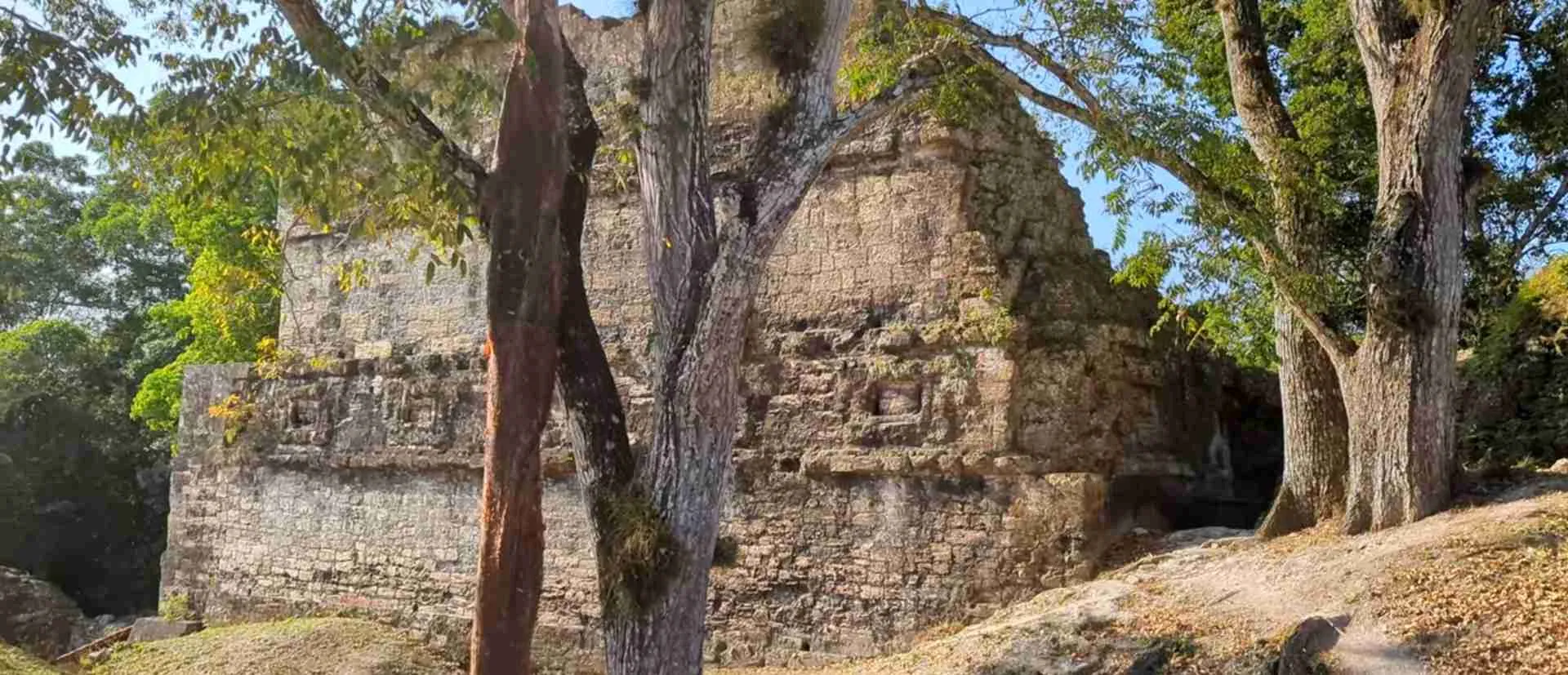
Tikal National Park 2026: Complete UNESCO Maya Ruins Guide
Key Takeaways:
- Tikal National Park opens daily 6 AM – 6 PM with sunrise tours starting 4 AM, requiring advance booking for optimal jungle pyramid experience
- Park entrance costs $20 for foreign visitors in 2026 (250 Quetzales), with sunrise/sunset tours adding $4 supplement (check official INGUAT website for current rates)
- Flores serves as the primary gateway, located 65 kilometers from Tikal with shuttle services costing $8-12 roundtrip
- Peak dry season (November-April) offers clear weather and optimal photography conditions, while May-October brings dramatic storm clouds and fewer crowds
- Budget travelers spend $45-65 per day while mid-range visitors allocate $80-120, excluding accommodation near the ruins
- Advance guide booking ensures English-speaking expertise during high season December-March when certified guides sell out 2-3 weeks ahead
Introduction to Tikal National Park Planning 2026
Tikal National Park stands as Guatemala’s most magnificent archaeological treasure, where towering Maya pyramids pierce through dense Petén jungle canopy. This UNESCO World Heritage Site combines cultural and natural significance, protecting 575 square kilometers of tropical rainforest alongside one of Mesoamerica’s most powerful ancient cities. Temple IV rises 65 meters above the jungle floor, offering sunrise views across an endless green ocean dotted with pyramid peaks.
Planning your 2026 Tikal visit requires understanding the intersection of archaeological exploration, jungle trekking, and wildlife encounters. The site encompasses over 3,000 structures spanning 16 square kilometers, with major temple complexes connected by ancient causeway systems. Spider monkeys swing through ceiba trees, toucans call from strangler figs, and howler monkey roars echo across dawn plazas.
This complete guide provides comprehensive planning information for 2026 visitors, from practical logistics and budget strategies to optimal timing and booking recommendations. Whether you’re planning a sunrise pyramid climb, multi-day archaeological exploration, or integration with broader Guatemala itineraries, this resource covers essential details for your UNESCO World Heritage experience.
Tikal’s remote jungle location demands more advanced planning than typical archaeological sites. The nearest town Flores sits 65 kilometers away, requiring coordinated transportation, accommodation, and tour arrangements. Understanding seasonal patterns, crowd dynamics, and booking timelines ensures optimal experiences at this bucket-list destination.
People Also Ask About Tikal National Park 2026
How much does it cost to visit Tikal National Park in 2026?
Tikal National Park entrance costs $20 for foreign visitors (250 Quetzales) for standard hours 6 AM – 6 PM in 2026. Sunrise tours (4-6 AM) or sunset tours (4-6 PM extension) require an additional $4 supplement (50 Quetzales). Check the official INGUAT (Instituto Guatemalteco de Turismo) website for current official rates as pricing may vary. Guided tours range $25-45 for half-day group tours to $80-150 for private full-day experiences with certified archaeologist guides.
Transportation from Flores adds $8-12 for shared shuttle roundtrips or $60-80 for private vehicle transfers. Budget travelers complete full-day visits for $45-65 total including entrance, guide, transport, and meals. Mid-range visitors spending $80-120 benefit from private guides, better meals, and flexible scheduling. Luxury experiences with expert archaeologists, gourmet jungle picnics, and premium transport reach $200-300 per person.
What is the best time to visit Tikal in 2026?
December through March offers optimal Tikal weather with clear mornings, minimal rain, and comfortable temperatures 18-28°C. This peak dry season provides perfect conditions for sunrise pyramid climbs and full-day archaeological exploration. Temple IV sunrise views feature clear horizons with pyramid silhouettes emerging from morning mist.
November and April represent shoulder season sweet spots with good weather, fewer crowds than peak months, and lower accommodation rates. May through October brings afternoon rainstorms, dramatic cloud formations, and significantly reduced visitor numbers. Wet season advantages include lush jungle vegetation, active wildlife, and atmospheric photography with storm clouds gathering over pyramids.
Do you need a guide for Tikal in 2026?
Guides enhance Tikal experiences significantly but remain optional for park entry. Certified guides provide crucial archaeological context, Maya historical narratives, and navigation through complex site layouts. Half-day group tours cost $25-45 per person and cover major temple complexes over 4-5 hours. Private guides charging $80-150 for full days offer customized pacing, photography assistance, and specialized archaeological expertise.
Independent exploration works well for visitors with archaeological background and detailed site maps. The main Grand Plaza, Temple complexes I-IV, and central causeway system feature clear signage and established paths. Guides prove particularly valuable for sunrise tours when darkness requires expert navigation, and for accessing lesser-known structures beyond main tourist circuits.
How many days do you need at Tikal in 2026?
One full day covers Tikal’s major highlights for most visitors, including sunrise at Temple IV, Grand Plaza exploration, North Acropolis climbing, and visits to Temples I, II, and V. This standard itinerary encompasses 6-8 hours of archaeological exploration with time for wildlife observation and jungle atmosphere.
Archaeological enthusiasts benefit from two days, allowing comprehensive exploration of outlying complexes like Temple VI, Group G, and Mundo Perdido. This extended timeline provides morning and afternoon photography sessions, detailed inscription study, and visits during different light conditions. Combining Tikal with nearby sites Uaxactún (23 kilometers north) or El Mirador expeditions creates multi-day Petén archaeological circuits.
Extended multi-day tours – 5+ days
Featured Tikal Multi-Day Tour Packages
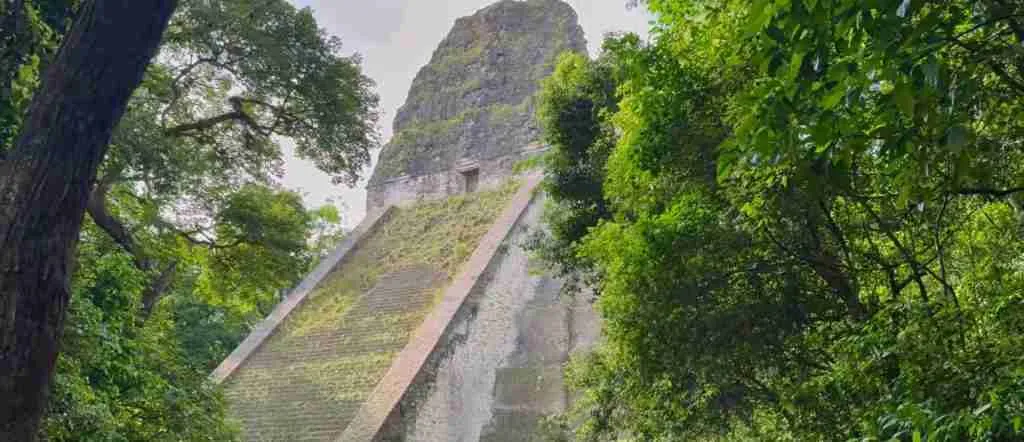
3 days
Tikal 3-Day Discovery Tour
- ✓ Comprehensive Tikal experience
- ✓ Expert local guides included
- ✓ All accommodation included
- ✓ Transportation provided
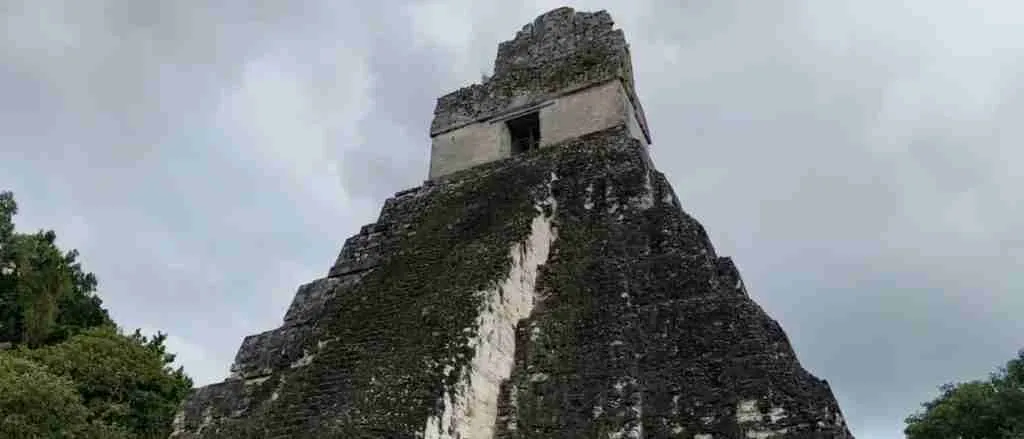
5 days
Tikal 5-Day Highlights Experience
- ✓ Comprehensive Tikal experience
- ✓ Expert local guides included
- ✓ All accommodation included
- ✓ Transportation provided
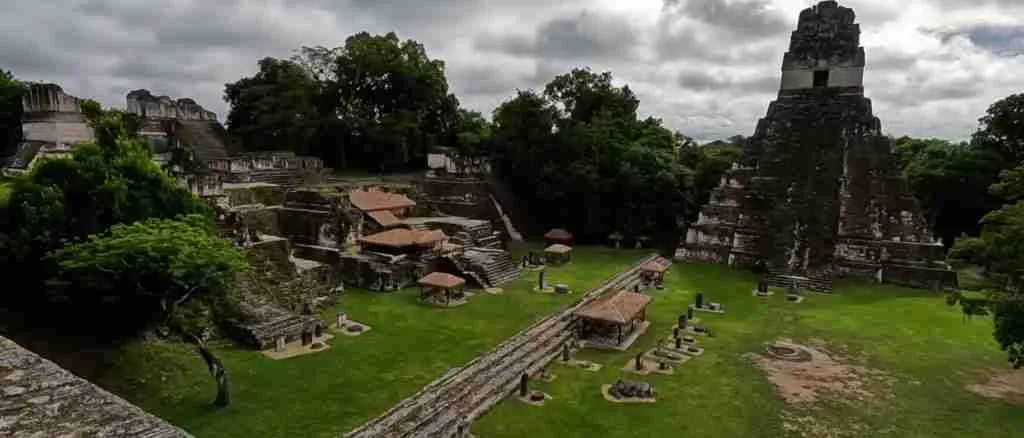
7 days
Tikal 7-Day Cultural Journey
- ✓ Comprehensive Tikal experience
- ✓ Expert local guides included
- ✓ All accommodation included
- ✓ Transportation provided
10 days
Tikal 10-Day Complete Adventure
- ✓ Comprehensive Tikal experience
- ✓ Expert local guides included
- ✓ All accommodation included
- ✓ Transportation provided
Multi-day tour packages powered by TourRadar. Prices and availability subject to change.
Essential Planning Information for Tikal 2026
Tikal National Park Opening Hours and Access 2026
Tikal National Park opens daily 6 AM – 6 PM for standard admission throughout 2026. Sunrise tours require special 4 AM entry permits with the additional $4 supplement fee. These early access slots sell out during peak season December-March, requiring advance booking 1-2 weeks ahead through official tour operators or park administration.
Sunset extension permits allow visitors to remain in the park until 6 PM rather than the standard 5 PM last entry. This timing captures golden hour light on pyramid facades and potential sunset views from Temple IV when weather cooperates. The park closes completely by 6 PM with no overnight camping permitted within archaeological zones.
Entry tickets purchased at the park entrance accept cash Quetzales, US dollars, or credit cards. The visitors center 500 meters before the main entrance provides bathrooms, drinking water, small restaurant, and luggage storage. No food or large backpacks enter archaeological areas, though water bottles and small bags pass security checks.
Current Costs and Budget Breakdown 2026
Tikal entrance fees cost $20 for foreign adults (250 Quetzales), $10 for foreign students with valid ID (125 Quetzales), and $4 for Central American residents (50 Quetzales) in 2026. Sunrise/sunset supplements add $4 per person (50 Quetzales). Check official INGUAT and CONAP (National Council of Protected Areas) websites for current rates as pricing may vary.
Guided tours represent the largest variable expense beyond entrance fees. Group tours with 8-15 participants cost $25-45 per person for half-day experiences covering major sites. Semi-private tours (4-6 people) range $45-65 per person with more flexible pacing. Private guides charge $80-120 for half days or $150-200 for full days, ideal for photography-focused visits or specialized archaeological interests.
Transportation from Flores includes shared shuttles at $8-12 roundtrip departing 4-5 AM for sunrise tours or 8-9 AM for standard visits. Private transfers cost $60-80 roundtrip with flexible scheduling and hotel pickup. One-way chicken bus service costs $2-3 but requires long waits and lacks sunrise timing coordination.
Food and beverages at park facilities include restaurant meals at $8-15, pre-packed lunch boxes from Flores hotels at $6-10, or outside food brought from Flores supermarkets at $3-5 per person. Water bottles cost $1-2 at the visitors center compared to $0.50 in Flores stores.
What to Bring and Wear for Tikal 2026
Footwear requires closed-toe hiking shoes or trail runners with good tread for steep pyramid stairs and uneven jungle paths. Sandals and flip-flops create safety hazards on ancient limestone steps worn smooth by centuries. Lightweight long pants protect against mosquitoes while allowing ventilation during humid jungle conditions.
Sun protection includes wide-brimmed hats, sunglasses, and SPF 50+ sunscreen for exposed pyramid summits. Morning temperatures start cool at 18-20°C for sunrise tours, warming to 28-32°C by midday. Layering with light long-sleeve shirts provides sun protection while allowing temperature adjustment.
Insect repellent with 30%+ DEET proves essential for jungle trails where mosquitoes and sand flies concentrate in shaded areas. Dawn and dusk represent peak insect activity periods. Reapply every 2-3 hours during full-day visits.
Camera equipment benefits from telephoto lenses (70-200mm minimum) for wildlife photography and wide-angle lenses (16-35mm) for pyramid architecture. Sunrise photography requires tripods and fast lenses (f/2.8 or faster) to capture low-light conditions. Binoculars enhance wildlife spotting and architectural detail observation from pyramid summits.
Water requirements reach 2-3 liters per person for full-day visits in hot conditions. The park provides limited refill stations, so carry sufficient capacity from Flores. Snacks like trail mix, energy bars, and fruit maintain energy during 6-8 hour archaeological explorations.
Best Time to Visit Tikal National Park 2026
Seasonal Weather Patterns and Optimal Timing 2026
Tikal’s tropical rainforest climate divides into distinct dry season (November-April) and wet season (May-October). The dry season offers consistent morning clarity with temperatures 18-28°C, minimal rainfall, and optimal pyramid climbing conditions. December through March represent peak months with the most reliable weather but also maximum crowds and highest accommodation rates.
November and April serve as shoulder months with excellent weather and reduced visitor numbers compared to peak season. These transitional periods provide 70-80% of dry season weather benefits at 20-30% lower costs. Morning clarity remains high with afternoon cloud buildup becoming more common toward wet season transitions.
Wet season months May through October bring afternoon thunderstorms, humidity above 80%, and dramatic atmospheric conditions. Morning visits (6-11 AM) often enjoy clear skies before 2-4 PM storm arrivals. Advantages include lush green jungle, active wildlife, minimal crowds, and deeply discounted accommodation. Photography enthusiasts appreciate storm clouds gathering over pyramid complexes and post-rain light quality.
July-August represent mid-wet season when visitor numbers drop to 30-40% of peak season levels. This timing suits those prioritizing solitude, authentic jungle atmosphere, and budget optimization. Rain gear, waterproof camera protection, and flexible schedules become essential.
Crowd Dynamics and Strategic Planning 2026
Peak season December-March brings 1,500-2,500 daily visitors with maximum concentration during 9 AM – 2 PM standard tour windows. Sunrise tours (4-6 AM) reduce crowd encounters significantly, with only 100-200 visitors present during these early hours. Temple IV sunrise viewpoint accommodates 50-75 people comfortably, though peak days can see 100-150 present.
Strategic timing places major temple visits before 10 AM or after 2 PM when group tours concentrate in central complexes. The Grand Plaza sees maximum crowds 10 AM – 1 PM while outlying structures like Temple VI and Group G remain uncrowded throughout the day. Afternoon visits benefit from lower temperatures, improved light for west-facing structures, and departing tour groups.
Easter week (March 24-31, 2026) and Christmas-New Year (December 20-January 5) represent absolute peak periods with advance accommodation booking essential 2-3 months ahead. These holidays see Guatemalan domestic tourism surge alongside international visitors.
Shoulder months November and April offer the best balance of weather reliability and manageable crowds. Wet season May-October provides near-private experiences at major complexes, though infrastructure maintenance can close some remote structures during heaviest rain periods.
Wildlife Viewing and Natural History Timing 2026
Early morning hours (4-8 AM) provide optimal wildlife encounters when howler monkeys vocalize at dawn, spider monkeys feed actively, and bird species concentrate near temple complexes. Ocellated turkeys, great curassows, and oscillated motmots frequent the Grand Plaza area during quiet morning hours.
Dry season wildlife concentrates near permanent water sources, making sightings more predictable along established trails. Wet season disperses animals across the expanded jungle but increases overall activity levels and breeding behaviors. Jaguar tracks appear regularly on remote trails though actual sightings remain extremely rare.
Bird migration periods April-May and September-October bring additional North American species supplementing resident tropical birds. Experienced birders record 200+ species during multi-day visits, with endemic species like orange-breasted falcon nesting on tall pyramid structures.
Transportation to Tikal National Park 2026
Getting to Flores Gateway City 2026
Flores serves as Tikal’s primary gateway, connected to Guatemala City by daily flights and overland bus services. TAG Airlines and Avianca Guatemala operate 3-5 daily flights from Guatemala City (GUA) to Flores Airport (FRS) with 55-minute flight times. Advance booking 2-4 weeks ahead secures fares at $80-140 roundtrip, while last-minute bookings reach $180-250.
Overnight buses from Guatemala City to Santa Elena/Flores cost $15-25 for standard service or $30-45 for luxury reclining seats with blankets and meals. Linea Dorada, ADN, and Fuente del Norte operate comfortable overnight services departing Guatemala City 8-10 PM and arriving Flores 6-8 AM. Total journey time spans 8-10 hours on paved highways.
Shuttle services connect Flores with Antigua ($60-80, 9-10 hours), Lanquín/Semuc Champey ($25-35, 6-7 hours), and Belize border crossings ($30-40, 3-4 hours). These tourist-oriented services offer comfortable minivans with air conditioning and door-to-door hotel transfers.
Flores to Tikal Transportation Options 2026
Shared tourist shuttles from Flores to Tikal cost $8-12 roundtrip with multiple daily departures. Sunrise tour shuttles depart hotels 3:30-4 AM for 4 AM park entry, while standard morning shuttles leave 7:30-8:30 AM. Return shuttles operate 12 PM – 5 PM with flexible timing based on visitor preferences. Book through Flores hotels or tour agencies 1 day ahead.
Private transfers cost $60-80 roundtrip for up to 4 passengers with flexible scheduling and hotel pickup. This option suits early risers missing shared shuttle times or groups wanting customized timing. The 65-kilometer journey takes 60-75 minutes on paved roads through Petén jungle.
Public chicken buses operate Santa Elena to Tikal for $2-3 per person with departures every 1-2 hours from 6 AM – 3 PM. Return services run until 5-6 PM. This budget option lacks sunrise timing coordination and requires long waits between departures. Journey time extends to 90-120 minutes with multiple village stops.
Rental cars from Flores cost $45-65 per day for economy vehicles or $70-95 for 4WD SUVs. The paved highway to Tikal requires no special vehicle capabilities. Self-drive provides maximum flexibility for sunrise tours and multi-day visits, though parking costs $2-3 at the park entrance.
Multi-Site Circuit Planning 2026
Uaxactún, located 23 kilometers north of Tikal, combines with Tikal visits for comprehensive archaeological circuits. The unpaved road requires 60-90 minutes driving in dry season or 90-120 minutes during wet season. This remote site receives 10-20 daily visitors compared to Tikal’s hundreds, offering authentic exploration experiences.
Yaxhá, positioned 70 kilometers southeast of Tikal, features stunning lakeside pyramid complexes with sunset viewpoints. Organized tours from Flores cost $45-65 including transportation, guide, and entrance fees. Self-drivers navigate paved roads in 90-120 minutes.
El Mirador, Guatemala’s largest Maya city, requires 5-7 day jungle expeditions on foot or horseback. This adventurous option suits experienced trekkers seeking remote archaeological exploration. Organized expeditions from Flores cost $300-500 per person including guides, camping equipment, meals, and permits.
Accommodation Strategies Near Tikal 2026
Flores and Santa Elena Options 2026
Flores, the charming island town 65 kilometers from Tikal, offers the widest accommodation selection across all budget levels. Budget hostels cost $8-15 per person for dorm beds or $20-35 for private rooms with shared bathrooms. Popular options include Los Amigos Hostel, El Retiro Hostel, and Hostal Yaxha providing social atmospheres and tour booking services.
Mid-range Flores hotels range $50-80 for comfortable rooms with air conditioning, hot water, and lake views. Hotel Isla de Flores, Hotel Petén, and Hotel Casazul combine colonial architecture with modern amenities and central locations. These properties include breakfast, rooftop terraces, and tour coordination assistance.
Santa Elena, the mainland town adjacent to Flores, provides budget alternatives at $25-45 for clean hotels with basic amenities. This option suits those prioritizing cost savings over Flores’ atmospheric setting. The 5-minute taxi ride ($1-2) to Flores restaurants and tour offices creates minimal inconvenience.
Luxury Flores properties like Hotel Camino Real Tikal and Las Lagunas Boutique Hotel cost $120-180 per night with swimming pools, upscale restaurants, and concierge services for specialized tour arrangements.
Near-Park Jungle Lodges 2026
Three jungle lodges located near Tikal park entrance provide ultimate convenience for sunrise tours and multi-day visits. These properties sit 1-5 kilometers from entrance gates, eliminating the 65-kilometer Flores commute.
Jaguar Inn, the budget-friendly jungle option, costs $30-50 per night for simple rooms with fans and shared bathrooms or $60-80 for private bungalows with air conditioning. The property sits 500 meters from the park entrance with an on-site restaurant and tour desk.
Tikal Inn offers mid-range comfort at $80-120 per night with pool facilities, restaurant, bar, and bungalow-style accommodations in jungle gardens. The location 2 kilometers from the entrance provides quick sunrise tour access while maintaining quieter settings.
La Lancha and Las Lagunas Boutique Hotel represent luxury jungle experiences at $200-350 per night. These boutique properties feature gourmet dining, infinity pools, spa services, and expert naturalist guides for private archaeological and wildlife tours.
Booking jungle lodges 4-6 weeks ahead during peak season December-March ensures availability, as total capacity reaches only 100-150 rooms across all properties. Last-minute availability improves during shoulder and wet seasons.
Strategic Accommodation Selection 2026
Flores-based accommodation suits single-day Tikal visits, budget travelers, and those wanting evening restaurant options and social atmospheres. The 3:30-4 AM shuttle pickup for sunrise tours creates early wake-ups but remains manageable for most visitors. Flores provides far more dining, shopping, and entertainment options than jungle lodges.
Jungle lodge accommodation optimizes multi-day Tikal visits, serious wildlife enthusiasts, and luxury travelers seeking immersive jungle experiences. The premium location eliminates commute time, allows flexible afternoon returns for rest before sunset sessions, and provides atmospheric jungle settings with nature sounds.
Split strategies combine 1-2 nights at jungle lodges for intensive Tikal exploration followed by Flores nights for town atmosphere, budget optimization, and social engagement. This hybrid approach maximizes both archaeological access and overall Guatemala experience quality.
Guided Tour Options for Tikal 2026
Group Tour Structures and Providers 2026
Group tours with 8-15 participants cost $25-45 per person for half-day experiences covering major temple complexes over 4-5 hours. These tours depart Flores 4 AM for sunrise programs or 8-9 AM for standard schedules. Providers include Tikal Mayan Adventure, San Juan Travel, and Martsam Travel, all offering certified guides with archaeological expertise.
Standard group tours follow established circuits visiting Temple IV sunrise viewpoint, Grand Plaza complexes, North Acropolis, Temple V, and selected minor structures. Guides provide historical context, Maya civilization overview, architectural analysis, and wildlife identification. The pace accommodates varied fitness levels with regular rest stops.
Small group tours (4-6 participants) cost $45-65 per person with more personalized attention, flexible photography stops, and customizable routing. These semi-private experiences balance cost efficiency with quality guide interaction and reduced crowd dynamics.
Private Guide Advantages 2026
Private guides charging $80-120 for half days or $150-200 for full days provide completely customized Tikal experiences. This investment suits photography enthusiasts needing specific light timing, archaeology specialists wanting detailed inscription study, or families requiring child-friendly pacing.
Private guides adjust routes based on real-time crowd conditions, accessing lesser-known structures when main complexes become crowded. They provide extensive time at preferred locations, detailed answers to specialized questions, and photography assistance including composition suggestions and timing coordination.
Certified archaeologist guides, available through advance booking, offer expert-level interpretation of hieroglyphic inscriptions, architectural symbolism, and current archaeological research. These specialists charge $200-300 for full days but deliver unmatched intellectual depth for serious Maya civilization students.
Self-Guided Exploration Strategies 2026
Independent exploration works well for budget travelers, those with prior Maya site experience, or visitors preferring flexible self-paced discovery. Detailed site maps available at the entrance visitors center mark all major structures, established trails, and navigation waypoints.
Self-guided visitors benefit from advance research using guidebooks, archaeological publications, and online resources. The main temple circuit from entrance to Temple IV, Grand Plaza, and back covers 4-6 kilometers over 4-5 hours at moderate walking pace. Clear signage marks major structures in Spanish and English.
Smartphone apps like “Tikal Guide” and “Guatemala UNESCO Heritage Sites” provide self-guided audio tours, GPS navigation, and archaeological information accessible offline. Download these before arrival as park WiFi remains limited to entrance areas.
Combining self-guided morning exploration with afternoon guided tours creates hybrid experiences. This approach allows independent sunrise experiences followed by expert interpretation during cooler afternoon hours when personal energy for research diminishes.
Sample Tikal Itineraries 2026
Classic One-Day Sunrise Itinerary 2026
This comprehensive single-day itinerary covers Tikal’s essential highlights with optimal timing and crowd avoidance strategies.
3:30-4:00 AM: Depart Flores via pre-arranged shuttle, arriving Tikal entrance 4:30 AM for sunrise tour check-in. Purchase entrance tickets ($20) and sunrise supplement ($4). Begin guided flashlight walk through dark jungle to Temple IV base.
4:30-5:45 AM: Climb Temple IV wooden staircase in darkness, reaching summit platform before sunrise. Settle into viewing positions while guides provide Maya cosmological context and temple construction history. Watch jungle canopy emerge from darkness as eastern horizon brightens.
5:45-6:30 AM: Experience Tikal sunrise from Temple IV summit, watching sun rise over endless jungle with Temples I, II, and V pyramids punctuating the canopy. Photograph changing light as howler monkey calls echo across the forest. This represents Tikal’s most magical hour with optimal light quality and minimal crowds.
6:30-8:00 AM: Descend Temple IV and walk to Grand Plaza via established jungle trails. Stop for wildlife observation including spider monkeys, howler monkeys, toucans, and various parrot species. Guides identify bird calls and animal tracks along forested paths.
8:00-10:00 AM: Explore Grand Plaza complex including Temple I (Temple of the Great Jaguar), Temple II (Temple of the Mask), North Acropolis, and Central Acropolis. Climb permitted structures for architectural perspectives and photography opportunities. Guides explain Maya astronomical alignments, hieroglyphic inscriptions, and ceremonial functions.
10:00-11:30 AM: Visit Temple V, the second tallest pyramid at 57 meters with steep summit access providing 360-degree views. Continue to Mundo Perdido (Lost World) complex featuring the Great Pyramid and surrounding structures representing earlier architectural periods.
11:30 AM-12:30 PM: Break for lunch at visitors center restaurant or picnic area. Review morning photos, rest in shade, refill water bottles, and prepare for afternoon exploration.
12:30-2:30 PM: Explore outlying complexes including Temple VI (Temple of Inscriptions) featuring extensive hieroglyphic texts, Group G residential complex, and Mendez Causeway. These quieter areas see 90% fewer visitors than main plaza complexes.
2:30-3:30 PM: Return to Grand Plaza for afternoon light photography on west-facing structures. Observe changing light quality and crowd departures as most group tours conclude by 2 PM.
3:30-4:00 PM: Final wildlife observation and temple complex views before departing toward park entrance. Stop at visitors center for bathroom facilities and souvenir browsing.
4:00-5:15 PM: Return shuttle to Flores, arriving by sunset for evening in the island town.
Total Day Cost: Park entrance $20, sunrise supplement $4, guided tour $35-45, roundtrip transport $8-12, meals $12-18, water and snacks $5-8. Total: $84-107 per person (excluding Flores accommodation).
Budget-Focused Standard Day Itinerary 2026
This cost-optimized itinerary maintains quality Tikal experience while minimizing expenses through strategic timing and service selection.
7:30-8:00 AM: Depart Flores on budget shuttle ($8 roundtrip) arriving Tikal 9 AM. Purchase entrance ticket ($20) and proceed to visitors center for free site map and facilities.
9:00-10:30 AM: Self-guided exploration begins at Grand Plaza using detailed site map and guidebook. Temple I and Temple II provide architectural highlights while North Acropolis offers climbing opportunities and plaza perspectives.
10:30 AM-12:00 PM: Walk to Temple IV via established trail, arriving as morning group tours depart. Climb 65-meter pyramid for jungle canopy views and breeze. Photography benefits from mid-morning clear light before afternoon clouds.
12:00-12:45 PM: Packed lunch from Flores supermarket consumed in shaded picnic area near visitors center. Cost $3-5 compared to restaurant meals at $12-15.
12:45-2:30 PM: Continue self-guided exploration to Mundo Perdido, Temple V, and Temple VI. These afternoon hours see reduced crowds as group tours conclude.
2:30-3:30 PM: Final Grand Plaza visit with different light conditions and near-empty plazas. Last photos and architectural observations.
3:30-4:00 PM: Depart on 4 PM shuttle returning to Flores by 5:15 PM.
Total Day Cost: Park entrance $20, roundtrip transport $8, packed lunch $4, water and snacks $3. Total: $35 per person (excluding Flores accommodation).
Two-Day Archaeological Deep Dive 2026
This extended itinerary provides comprehensive Tikal coverage with time for detailed study, multiple light conditions, and outlying complex exploration.
Day 1 – Sunrise and Major Complexes:
Follow classic sunrise itinerary covering Temple IV dawn experience, Grand Plaza exploration, Temple V, and Mundo Perdido. Conclude by 2 PM and return to jungle lodge for afternoon rest, pool time, and wildlife observation around accommodation grounds. Evening nature walk with lodge naturalist guides.
Day 2 – Outlying Structures and Detail Study:
8:00-9:30 AM standard park entry focusing on Temple VI inscriptions, Group G residential complex, and Group H palace structures. These areas receive minimal visitors, allowing contemplative observation and detailed photography.
9:30-11:30 AM return to Grand Plaza for hieroglyphic inscription study on dated monuments. Focus on Stelae 16 and 31 with major historical texts. Photograph structures in opposite light from Day 1.
11:30 AM-12:30 PM lunch break and review sessions.
12:30-3:00 PM explore Temple IV, North Acropolis, and Central Acropolis in afternoon light. Different angle photography and architectural detail observation. Wildlife activity increases as afternoon temperatures moderate.
3:00-4:30 PM final temple complex visits with focus on personal interests developed during two days of exploration.
Total Two-Day Cost: Park entrance $20 x 2 days, jungle lodge $80-120 x 2 nights, meals $40-60, guided tours (optional) $80-150, transportation $15-25. Total: $315-495 per person for comprehensive two-day experience.
Money-Saving Strategies for Tikal 2026
Advance Booking Advantages 2026
Flight booking to Flores Airport 4-6 weeks ahead reduces costs by 30-50% compared to last-minute purchases. Guatemala City-Flores roundtrip flights booked early cost $80-140 versus $180-250 for week-before reservations. Flexibility with travel dates allows targeting midweek flights when fares drop below weekend rates.
Jungle lodge accommodation booking 2-3 months ahead during peak season secures preferred properties before sellouts force expensive last-minute alternatives. Shoulder season November and April bookings made 3-4 weeks ahead capture early-bird discounts of 15-25% at mid-range properties.
Organized tour booking through Flores agencies 2-3 days before visits allows comparison shopping across multiple providers. However, sunrise tours during peak December-March sell out 1-2 weeks ahead, requiring earlier commitments for guaranteed spots.
Seasonal Timing for Budget Optimization 2026
Wet season May-October delivers 40-60% cost reductions across accommodation, tours, and optional services compared to peak dry season December-March. Flores mid-range hotels charging $70-90 in January drop to $40-55 in July-August. Jungle lodges reduce rates by similar percentages.
Shoulder months November and April provide 85-90% of peak season weather reliability at 70-80% of peak costs. This sweet spot balances budget optimization with comfort and convenience.
Avoiding absolute peak periods (Christmas-New Year, Easter week) prevents premium holiday surcharges of 25-40% above normal peak season rates. Planning visits for January 10-March 15 or November 1-December 15 captures peak weather without holiday inflation.
Self-Guided Exploration Savings 2026
Independent Tikal exploration eliminates $25-65 guided tour costs while maintaining quality experiences for prepared visitors. Investment in detailed guidebooks ($15-25), archaeological references ($10-20), and site maps creates comprehensive information resources for self-guided interpretation.
Smartphone apps providing audio tours and GPS navigation cost $3-8 as one-time purchases, delivering unlimited usage across multiple Guatemala archaeological sites. This investment pays off quickly compared to per-site guided tour fees.
Combining initial self-guided exploration with optional afternoon guide hiring creates hybrid approaches. Spend morning hours independently following your interests, then hire guides for 2-3 hours ($40-60) to address specific questions and access expert knowledge on priority topics.
Food and Beverage Cost Control 2026
Purchasing water, snacks, and picnic supplies from Flores supermarkets before Tikal visits reduces costs by 50-70% compared to on-site purchases. Flores supermarket water costs $0.50 per liter versus $1.50-2 at Tikal visitors center. Complete packed lunches cost $3-5 versus $12-18 for restaurant meals.
Reusable water bottles filled at Flores hotels eliminate multiple bottled water purchases. Most jungle lodges provide filtered water refill stations for guests.
Breakfast included in hotel rates provides free morning meals, eliminating $5-8 per person expenses. Focus hotel selection on properties including breakfast during rate comparisons.
Transportation Efficiency 2026
Shared shuttle services from Flores at $8-12 roundtrip deliver 85-90% cost savings versus private transfers at $60-80. The minor convenience trade-off of fixed departure schedules proves worthwhile for budget-focused travelers.
Chicken bus services at $2-3 per person work for flexible schedules without sunrise requirements. This public transportation delivers maximum savings though requires patience for multiple village stops and longer journey times.
Rental car sharing among 3-4 travelers divides $45-65 daily rates to $12-17 per person, competing with shuttle costs while providing schedule flexibility. This works best for groups coordinating multi-day itineraries.
Booking Strategies and Reservations 2026
Official Booking Channels and Procedures 2026
Tikal entrance tickets purchase at park gates accepts cash (Quetzales or US dollars) and major credit cards. No advance online booking system exists for general admission, though sunrise tour permits require coordination through authorized tour operators or park administration offices in Flores.
Official park information comes from INGUAT (Instituto Guatemalteco de Turismo) offices in Flores and Guatemala City. Contact information: inguat.gob.gt provides current regulations, seasonal hours, and permit requirements.
CONAP (Consejo Nacional de Áreas Protegidas) manages conservation areas and issues special permits for research, professional photography with commercial equipment, or drone usage. Apply 2-4 weeks ahead through Flores CONAP office with detailed project descriptions.
Tour Operator Selection and Verification 2026
Reputable Flores-based operators include Tikal Mayan Adventure, San Juan Travel, Martsam Travel, and local hotel tour desks. Verify operator credentials through online reviews, Flores tourism office recommendations, and confirmation of certified guide employment.
Quality indicators include detailed itinerary descriptions, certified guide credentials, proper vehicle insurance, and established office locations in Flores rather than street-corner operations. Established operators maintain backup plans for vehicle problems and guide illnesses.
Price comparisons across 3-4 operators reveal standard market rates versus inflated tourist prices. Variation of $5-10 represents normal competition while $20+ differences suggest either premium services or potential quality issues.
Booking confirmation requires written receipts, detailed itinerary outlines, and explicit service inclusions/exclusions. Verbal agreements create disputes over services, timing, or payment expectations.
Accommodation Booking Platforms 2026
Flores and jungle lodge bookings through Booking.com, Hotels.com, and Expedia provide wide property selections, verified reviews, and flexible cancellation policies. Direct hotel bookings through property websites sometimes offer 10-15% discounts bypassing platform commissions.
Hostel bookings through Hostelworld and Booking.com include verified reviews from recent guests, accurate facility descriptions, and secure payment processing. Read recent reviews for current property conditions rather than relying on outdated information.
Jungle lodge advance booking 6-8 weeks ahead during peak December-March prevents sellouts forcing expensive last-minute alternatives or elimination of preferred stay-at-park strategies. Shoulder and wet seasons allow 2-3 week advance reservations.
Sunrise Tour Reservation Requirements 2026
Sunrise tours during peak season December-March require advance booking 1-2 weeks ahead as park limits 4 AM entries to manage environmental impact and visitor experience quality. Bookings through Flores tour operators include entrance fees, transport, guide services, and sunrise permit coordination.
Last-minute sunrise bookings during wet season May-October succeed with 2-3 day notice as demand drops significantly. However, confirming availability prevents disappointing schedule changes on arrival.
Hotel concierge services in Flores coordinate sunrise tour bookings, often maintaining relationships with preferred operators. This convenience suits those avoiding independent research and booking processes, though direct booking sometimes secures lower rates.
2026 Updates and Current Information
Infrastructure Developments and Access Changes 2026
Tikal’s entrance road from Flores maintains fully paved conditions throughout 2026 following 2024-2025 improvement projects. The highway supports dry season speeds of 80-90 kph and wet season speeds of 60-70 kph with good drainage preventing flooding.
Park entrance facilities expanded in 2024 include improved bathroom facilities, larger restaurant space, and enhanced luggage storage areas. These improvements accommodate growing visitor numbers while maintaining environmental standards.
Temple IV wooden staircase system receives ongoing maintenance ensuring safe access for the 200-300 daily climbers during peak season. Wet season months feature additional slip-resistant treatments though caution remains essential on rain-dampened surfaces.
Conservation Initiatives and Visitor Impact 2026
Tikal’s UNESCO World Heritage status includes both cultural and natural criteria, requiring balanced management of archaeological preservation and rainforest conservation. Current initiatives limit certain structure climbing to prevent stone erosion, restrict group sizes in sensitive areas, and enforce strict no-littering policies with park ranger monitoring.
Sustainable tourism programs educate visitors on low-impact practices including staying on established trails, respecting wildlife observation distances, and using designated bathroom facilities. These programs maintain the delicate balance between tourism access and long-term preservation.
Archaeological research continues across the 575-square-kilometer park with new structures discovered regularly. LIDAR surveys reveal previously unknown structures beneath jungle canopy, suggesting the known 3,000 structures represent only a fraction of ancient Tikal’s true scale.
Digital Services and Technology Integration 2026
WiFi availability at Tikal entrance visitors center supports basic email and messaging though bandwidth limitations prevent large file uploads or video streaming. The park interior lacks cellular coverage from major Guatemala carriers, requiring offline map downloads and GPS navigation preparation.
Mobile payment acceptance expanded at entrance gates and visitors center facilities includes Visa, Mastercard, and American Express for entrance fees, meals, and souvenirs. Cash remains essential for tips, small purchases, and backup payment options.
Online information resources include official INGUAT website (inguat.gob.gt), UNESCO Tikal designation page, and independent archaeological research published through university programs. These digital resources provide free advance planning information supplementing guidebooks.
Health and Safety Protocols 2026
Basic first aid stations at the entrance visitors center handle minor injuries, insect bites, and dehydration cases. Serious medical emergencies require evacuation to Flores medical facilities 65 kilometers away. Travel insurance covering medical emergencies and evacuation costs protects against expensive medical transport needs.
Malaria risk exists in Petén region requiring consultation with travel medicine specialists 4-6 weeks before departure. Prophylactic medications, insect repellent use, and long clothing provide layered protection approaches.
Snake awareness proves important on jungle trails where fer-de-lance and coral snakes inhabit forest floors. Staying on established paths, watching step placement, and avoiding thick vegetation reduces encounter risks. Actual snake sightings remain relatively rare with proper trail discipline.
Frequently Asked Questions About Tikal 2026
Can you climb the pyramids at Tikal in 2026?
Select Tikal pyramids allow climbing while others remain closed for preservation. Temple IV provides full summit access via wooden staircase system, offering 65-meter elevation and jungle canopy views. Temple II allows partial access to lower platforms. Temple V permits climbing to upper levels with steep original stone stairs requiring good fitness and caution.
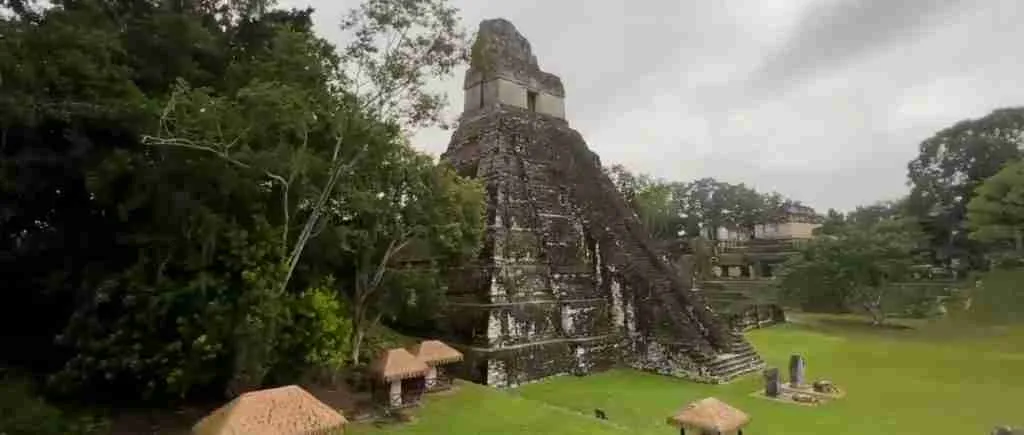
Temple I (Temple of the Great Jaguar) closed to climbing in 1996 following visitor accidents on steep ancient stairs. Visitors now appreciate this iconic structure from plaza level and adjacent viewpoints. North Acropolis and Central Acropolis offer various climbing opportunities across multiple structures.
How long does it take to see Tikal completely?
Most visitors complete Tikal’s major highlights in one full day spanning 6-8 hours. This timeframe covers Temple IV sunrise, Grand Plaza complexes, Temple V, Mundo Perdido, and main causeway systems. Adding outlying structures, detailed inscription study, and comprehensive photography extends to 10-12 hours.
Two-day visits allow thorough exploration of all major complexes, multiple light conditions for photography, detailed archaeological study, and reduced physical demands through spread-out pacing. Three or more days suit serious archaeology students, professional photographers, or those combining Tikal with nearby sites Uaxactún or Yaxhá.
Is Tikal worth visiting in the rainy season?
Wet season Tikal visits (May-October) deliver excellent value for budget travelers and those prioritizing authentic jungle atmosphere over guaranteed perfect weather. Morning hours often feature clear skies with afternoon storms arriving 2-4 PM. This timing allows comprehensive archaeological exploration before rain begins.
Advantages include dramatically reduced crowds (70-80% fewer visitors), lower accommodation costs (40-60% off peak rates), lush green jungle vegetation, and active wildlife. Disadvantages include afternoon rain likelihood, higher humidity, muddy trail conditions, and occasional structure closures during heaviest rain periods.
What wildlife can you see at Tikal?
Tikal’s protected rainforest hosts remarkable wildlife diversity including howler monkeys, spider monkeys, coatimundis, gray foxes, and rarely-seen jaguars. Bird species exceed 300 with highlights including ocellated turkeys, great curassows, toucans, parrots, and orange-breasted falcons nesting on pyramid structures.
Early morning hours (4-8 AM) provide optimal wildlife encounters when animals feed actively and bird songs fill the jungle. Guides with binoculars and spotting scopes enhance wildlife identification and appreciation. Serious birders record 100+ species during full-day visits.
Do you need bug spray at Tikal?
Insect repellent with 30%+ DEET proves essential for Tikal jungle trails where mosquitoes and sand flies concentrate in shaded areas. Dawn and dusk represent peak insect activity periods coinciding with sunrise tours and afternoon visits. Reapply every 2-3 hours during full-day exploration.
Long lightweight pants and long-sleeve shirts provide additional protection while allowing ventilation in humid conditions. Ankle areas require particular attention as biting insects concentrate near ground level. Wet season increases overall insect populations though midday heat reduces activity levels.
Can you visit Tikal independently without a guide?
Independent Tikal exploration works well for budget travelers and those preferring self-paced discovery. Detailed site maps from entrance visitors center mark all major structures and established trails. Main temple circuits feature clear signage in Spanish and English.
Self-guided visitors benefit from advance research using guidebooks, archaeological publications, and smartphone apps. However, guides provide valuable context on Maya civilization, hieroglyphic interpretation, astronomical alignments, and current archaeological research that significantly enriches the experience beyond self-guided exploration.
What should I wear to Tikal?
Lightweight long pants protect against mosquitoes, sun exposure, and vegetation scratches while allowing ventilation. Closed-toe hiking shoes or trail runners with good tread prove essential for steep pyramid stairs and uneven jungle paths. Avoid sandals which create safety hazards on worn limestone steps.
Light long-sleeve shirts provide sun protection and insect barriers. Wide-brimmed hats, sunglasses, and SPF 50+ sunscreen protect exposed areas on pyramid summits. Layering accommodates temperature changes from cool 18-20°C sunrise conditions to hot 28-32°C midday temperatures.
Is Tikal better than other Maya sites?
Tikal stands among the most impressive Maya archaeological sites alongside Chichén Itzá, Palenque, and Copán. Its unique combination of massive pyramid architecture, jungle setting, and wildlife richness creates experiences unavailable at other sites. Temple IV at 65 meters represents one of the tallest pre-Columbian structures in the Americas.
The remote rainforest location provides authentic atmosphere contrasting with more accessible sites. Tikal’s 575-square-kilometer protected area maintains ecological integrity supporting howler monkeys, jaguars, and pristine jungle. This wilderness setting distinguishes it from sites surrounded by modern development.
How early should I book Tikal sunrise tours?
Peak season December-March sunrise tours require booking 1-2 weeks ahead as park limits 4 AM entries to manage environmental impact. Hotel tour desks and Flores operators coordinate these specialized permits with park administration.
Shoulder months November and April allow 3-5 day advance booking while wet season May-October permits last-minute arrangements 1-2 days before visits. However, confirming availability prevents disappointing schedule changes upon Flores arrival.
What is the best viewpoint at Tikal?
Temple IV summit provides Tikal’s most spectacular viewpoint, rising 65 meters above the jungle canopy with 360-degree views across endless rainforest. Sunrise from this platform ranks among world-class archaeological experiences as the sun illuminates Temples I, II, and V emerging from morning mist.
Temple V offers alternative perspectives at 57 meters with views emphasizing South Plaza complexes and jungle expanses. North Acropolis provides plaza-level perspectives highlighting temple relationships and ancient urban planning. Each viewpoint delivers distinct photographic opportunities and architectural appreciation.