Things to do in Rome in 3 days: 2026 Best Tours & Planning
Three days in Rome demands strategic planning that balances ancient ruins (Colosseum €18, Roman Forum included), Vatican treasures (€15-20 depending on booking method), Renaissance masterpieces (Borghese Gallery €17 reserved slots), and neighborhood exploration through markets, trattorias, and hidden piazzas where contemporary Romans live amid 2,700 years of continuous urban history. The optimal 3-day structure dedicates full days to Ancient Rome, the Vatican complex, and central Renaissance/Baroque districts while leaving evenings for Trastevere dining, Spanish Steps crowds, or Testaccio nightlife experiencing the city’s living culture beyond monument tourism.
Key Takeaways for Rome in 3 Days 2026
- Book Colosseum tickets (€18 standard admission including Roman Forum and Palatine Hill) exactly 30 days before your visit date when slots open on the official ticketing.colosseo.it website—prime morning time slots (8:30-10 AM) sell out within hours, particularly for April-October travel when demand peaks
- Vatican Museums require advance online booking at tickets.museivaticani.va costing €15 total (€10 admission + €5 skip-the-line fee) versus €20 purchasing at the door without reservation—Wednesday mornings see smallest crowds as Pope Francis conducts weekly audiences drawing pilgrims away from museum areas
- The €18 Colosseum ticket provides 24-hour validity covering three sites (Colosseum + Roman Forum + Palatine Hill), allowing split visits across two days if Ancient Rome sightseeing proves overwhelming in single session—enter Colosseum first, then explore Forum and Palatine during Day 2 using same ticket before expiration
- Rome’s historic center measures remarkably compact with 90% of major monuments within 3-kilometer radius enabling extensive walking exploration—comfortable shoes prove essential as cobblestone streets, uneven Roman pavement, and continuous uphill/downhill terrain create more challenging conditions than flat modern cities
- Free attractions delivering exceptional cultural value include Pantheon (architectural marvel requiring no admission), all major churches (Baroque interiors rivaling museum quality), Trevi Fountain, Spanish Steps, Campo de’ Fiori market, and Trastevere’s medieval streets—allocate €60-80 daily for admission tickets, €40-60 for meals, €15 for transport creating realistic €115-160 per person daily budget
- Summer 2026 heat (June-August temperatures reaching 35°C/95°F) necessitates sunrise starts (7-8 AM monument openings), midday breaks escaping heat in air-conditioned museums or shaded gardens, and evening exploration resuming after 6 PM when temperatures moderate—winter visitors (November-February) enjoy mild 10-15°C/50-60°F weather perfect for all-day walking without heat stress
People Also Ask About Rome in 3 Days 2026
Is 3 days enough time to see Rome in 2026?
Three days permits comprehensive coverage of Rome’s essential monuments—Colosseum, Roman Forum, Palatine Hill, Vatican Museums, Sistine Chapel, St. Peter’s Basilica, Pantheon, Trevi Fountain, Spanish Steps, and 2-3 major churches or museums—while allowing brief neighborhood immersion in Trastevere, Monti, or Testaccio revealing contemporary Roman life beyond tourist circuits. However, the city’s depth means three days merely introduces Rome’s layered history and culture without exhausting possibilities: you’ll miss Ostia Antica’s remarkably preserved port city, Appian Way’s ancient road lined with catacombs and ruins, Villa Borghese gardens, Capitoline Museums, Baths of Caracalla, multiple UNESCO World Heritage basilicas, countless neighborhood trattorias, and the slower exploration pace that reveals hidden courtyard fountains, artisan workshops, and local markets where Romans actually shop. First-time visitors accomplishing a well-planned 3-day itinerary will leave satisfied having experienced Rome’s highlights while recognizing that return visits could easily fill additional weeks exploring secondary monuments, regional day trips (Tivoli’s Villa d’Este and Hadrian’s Villa, hill towns like Orvieto), and deeper neighborhood engagement. The optimal approach treats 3 days as intensive introduction covering the non-negotiable monuments every Rome visitor should experience, executed efficiently with advance ticket reservations, strategic timing avoiding peak crowds, and realistic daily pacing preventing exhaustion that ruins enjoyment—attempting too much creates rushed superficial experiences where you photograph monuments without absorbing their significance or understanding the historical context that makes Rome meaningful rather than merely Instagram-worthy.
What is the best order to visit Rome attractions in 2026?
Optimal sequencing follows geographic clustering and chronological logic progressing through Roman history: Day 1 dedicates to Ancient Rome (Colosseum, Roman Forum, Palatine Hill) establishing foundational understanding of the Republic and Empire that created Western civilization; Day 2 explores the Vatican (Vatican Museums, Sistine Chapel, St. Peter’s Basilica, Castel Sant’Angelo) demonstrating Catholic Church power and Renaissance artistic achievement; Day 3 covers central Rome’s Renaissance and Baroque monuments (Pantheon, Trevi Fountain, Spanish Steps, Piazza Navona, Campo de’ Fiori) interspersed with neighborhood exploration revealing contemporary culture. This progression builds historical narrative coherence—experiencing ancient Roman engineering and imperial grandeur before encountering the papal authority that succeeded the Empire, then seeing how Renaissance and Baroque periods transformed medieval Rome into the city tourists now visit. Geographic logic reinforces this sequencing: Ancient Rome sites cluster in one archaeological zone walking distance from each other; the Vatican occupies a distinct western district requiring dedicated half-day minimum; central monuments scatter across the historic core but connect via pleasant walking routes through shopping streets and residential neighborhoods. Alternative orderings work if booking constraints force adjustments—Vatican Museums opening hours (Monday-Saturday 9 AM-6 PM, closed Sundays except last Sunday monthly) might require Day 1 Vatican visit if your trip includes Sunday when Colosseum remains open but museums close—but the Day 1 Ancient Rome, Day 2 Vatican, Day 3 Central pattern optimizes both historical logic and practical movement efficiency minimizing backtracking and transportation time while maximizing walking exploration discovering trattorias, gelaterias, and neighborhood character between monuments.
How much does 3 days in Rome cost in 2026?
Budget-conscious travelers spending €115-160 per person daily (€345-480 total 3-day trip) achieve comprehensive Rome experiences staying in hostels or budget hotels (€40-70 nightly), eating mix of street food/pizza/casual trattorias (€40-60 daily for three meals), purchasing individual monument tickets rather than passes (€60-80 daily admission costs), and walking extensively versus using taxis. Mid-range visitors allocating €200-300 daily (€600-900 total) enjoy comfortable 3-star hotels (€120-180 nightly), sit-down trattoria and osteria dining (€80-120 daily), guided tours providing cultural context (€40-60 per tour), and occasional taxi/Uber convenience supplementing walking and metro. Luxury travelers spending €400+ daily access 4-5 star hotels in prime locations (€300-600+ nightly), upscale restaurant dining (€150-250+ daily), private guided tours (€200-400), and driver services eliminating public transport entirely. Specific 2026 costs creating these budgets include Colosseum tickets (€18), Vatican Museums (€15-20), Borghese Gallery (€17), Pantheon (free), major churches (free), hop-on-hop-off bus passes (€30-40 for 24-48 hours), metro/bus tickets (€7 for 24-hour pass, €12.50 for 48 hours, €18 for 72 hours), pizza slices (€3-5), sit-down trattoria meals (€15-25 per person for pasta and wine), mid-range restaurant dinners (€35-60 per person including wine), espresso (€1-1.50 standing at bar, €3-5 seated at tables), gelato (€3-5 for two scoops), bottled water (€1-2 at supermarkets, €3-4 at tourist area kiosks). The range derives from accommodation choices accounting for 40-50% of total costs—switching from €150 nightly 3-star hotel to €50 hostel bed saves €300 across three nights, while upgrading from €150 hotel to €400 luxury property adds €750 to trip totals, both scenarios maintaining identical sightseeing experiences and monument access demonstrating that lodging flexibility creates budget range more than activity selections.
What Rome attractions require advance booking in 2026?
Mandatory advance reservations include Colosseum tickets going on sale 30 days before visit dates through ticketing.colosseo.it—waiting until arrival risks sold-out time slots particularly March-October peak season, while booking earliest possible slots (8:30-10 AM) prevents afternoon heat and crowds. Borghese Gallery (€17 admission) requires timed-entry reservations made weeks or months ahead through galleriaborghese.beniculturali.it given the 360-person maximum capacity maintaining intimate viewing conditions that sell out rapidly. Vatican Museums technically allow same-day door purchases (€20 versus €15 advance online), but summer queues stretch 2-3 hours and advance booking through tickets.museivaticani.va proves essential for time-efficient visits. Papal Audience tickets (free) require online requests through vatican.va if attending Wednesday morning St. Peter’s Square gatherings—submit applications 2-4 weeks ahead as distribution occurs first-come basis. Underground Colosseum tours accessing hypogeum areas where gladiators and animals waited before entering the arena sell out within minutes when slots release 30 days ahead—these €24 specialty tickets include standard Colosseum areas plus restricted underground and third-tier upper level viewpoints. Catacombs tours operated by religious organizations (Domitilla, Callixtus, Priscilla) accept walk-ins but reservations at catacombe.roma.it guarantee English-language tour timing. Castel Sant’Angelo, Capitoline Museums, and Ara Pacis accept walk-in visitors but online booking at coopculture.it adds €2 reservation fees while eliminating ticket office queues. Major churches (St. Peter’s Basilica, Santa Maria Maggiore, San Giovanni in Laterano) remain free without reservations though St. Peter’s security lines extend 30-60 minutes during peak midday hours—morning or late afternoon visits skip queues. The Pantheon requires free timed-entry tickets reservable at pantheonroma.com but rarely sells out except Christmas/Easter periods. Restaurants in tourist areas accept walk-ins except Friday-Saturday evenings when reservations at popular Trastevere and Testaccio trattorias prove prudent, while neighborhood pizzerias and casual spots operate first-come seating without booking systems.
Extended multi-day tours – 5+ days
Featured Rome Multi-Day Tour Packages
5 days
The Ultimate Rome Food & Cultural Small-Group Tour Package – 5 Days
- ✓ Comprehensive Rome tour
- ✓ Expert local guides included
- ✓ All accommodation arranged
- ✓ Transportation provided
3 days
3-Day Pompeii, Capri & Sorrento Mini Tour
- ✓ Comprehensive Rome tour
- ✓ Expert local guides included
- ✓ All accommodation arranged
- ✓ Transportation provided
3 days
Advent in Rome: Markets, Churches & Tiramisu
- ✓ Booking needs min. 2 travelers
5 days
Ciao Italia: 5 Days, 2 Cities, Infinite Wonders
- ✓ Comprehensive Rome tour
- ✓ Expert local guides included
- ✓ All accommodation arranged
- ✓ Transportation provided
Multi-day tour packages powered by TourRadar. Prices and availability subject to change.
Introduction to Planning Your 3-Day Rome Visit in 2026
Rome simultaneously overwhelms and enchants first-time visitors confronting a city where ancient temples share blocks with Baroque churches, medieval towers rise beside Renaissance palaces, and archaeological ruins interrupt modern streets as routine urban features rather than protected museum exhibits. This layered density—2,700 years of continuous occupation creating architectural palimpsest where Imperial Rome’s marble columns support medieval brick walls topped with Renaissance loggias—means that successful 3-day visits require strategic planning balancing major monuments demanding hours of exploration with spontaneous wandering through neighborhoods where contemporary Romans shop at markets, drink espresso at corner bars, and maintain daily life rhythms unchanged for generations. The city rewards visitors who understand that Rome isn’t merely an outdoor museum preserving dead civilizations but a living capital where ancient history provides constant backdrop to modern existence, where you’ll eat lunch at trattorias occupying buildings constructed atop 2,000-year-old foundations, where neighborhood fountains supplying drinking water date to Renaissance engineering projects, and where citizens complain about metro construction delays caused by archaeological discoveries halting tunneling every time workers encounter yet another ancient ruin beneath contemporary streets.
The practical reality of Rome in 3 days necessitates difficult choices accepting that comprehensive coverage proves impossible within this timeframe. You’ll miss extraordinary sites that would constitute highlight attractions in lesser cities: Ostia Antica’s remarkably preserved Roman port settlement rivals Pompeii’s fame without the crowds; Villa Adriana (Hadrian’s Villa) in Tivoli demonstrates imperial luxury across 120 hectares of ruins, gardens, and architectural experimentation; the Appian Way ancient road lined with catacombs, tombs, and aqueduct ruins creates haunting countryside escapes from urban density; Capitoline Museums house world-class classical sculpture collections; Baths of Caracalla’s massive ruins demonstrate Roman bathing culture’s architectural ambition; countless churches contain Caravaggio paintings, Bernini sculptures, and mosaic programs that museums elsewhere would feature as centerpiece attractions. Accepting these omissions without regret enables focusing energy on the non-negotiable monuments every first-time visitor should experience: the Colosseum’s gladiatorial arena, Roman Forum’s political heart of the ancient world, Vatican Museums’ unparalleled Renaissance art collections, Sistine Chapel’s Michelangelo ceiling, St. Peter’s Basilica’s overwhelming scale, and central Rome’s iconic fountains and piazzas that define the city’s postcard image.
This guide structures optimal 3-day itineraries balancing major monument visits requiring advance planning and timed entries with spontaneous neighborhood exploration discovering trattorias, artisan workshops, market energy, and residential character that reveals Rome beyond tourist circuits. The day-by-day framework provides proven routing minimizing backtracking while maximizing walking efficiency, strategic timing recommendations avoiding peak crowds and summer heat, realistic hourly schedules preventing rushed superficial experiences, and budget guidance spanning hostel-staying backpackers through luxury travelers hiring private guides and drivers. The essential philosophy treats 3 days as introduction rather than completion—executing well-planned visits to must-see monuments while leaving gaps for serendipitous discovery creates satisfaction and appreciation motivating return trips, whereas attempting comprehensive coverage stuffing every waking hour with scheduled activities produces exhaustion and diminishing returns where the fifteenth church blurs indistinguishably into the twentieth regardless of artistic merit or historical significance.
Successful Rome visits depend on advance preparation more than spontaneous discovery. Booking Colosseum tickets 30 days ahead when slots open, reserving Borghese Gallery timed entries weeks or months in advance, and purchasing Vatican Museums skip-the-line tickets before arrival eliminates the uncertainty and wasted time that plague unprepared visitors discovering sold-out monuments or spending vacation hours standing in ticket queues. However, over-scheduling every hour creates rigid itineraries preventing the detours, extended lunch breaks, and unplanned explorations that often become trip highlights—finding that perfect family-run trattoria serving grandmother’s recipes, stumbling upon neighborhood festivals or markets, extending Pantheon visits because the architecture demands more contemplation than guidebook schedules allow. The balance point schedules morning monument visits when crowds remain manageable and energy runs high, leaves midday flexible for meals and rest, then resumes exploration through late afternoon and evening when temperatures moderate and neighborhoods come alive with aperitivo crowds and evening passeggiata (traditional Italian evening strolls). This rhythm matches Roman patterns rather than fighting against local culture, creating more authentic experiences than tourist-bubble isolation produces.
Day 1: Ancient Rome 2026 — Colosseum, Roman Forum & Palatine Hill
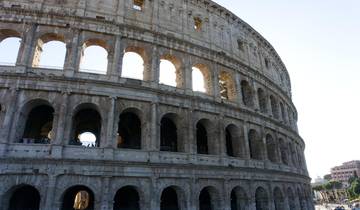
Ancient Rome exploration begins at the Colosseum, the Flavian Amphitheater completed in 80 AD representing both Roman engineering genius and the Empire’s cultural priorities elevating mass entertainment to state importance. Arriving for the 8:30 AM opening slot (book this earliest time exactly 30 days ahead when reservations open) beats crowds pouring in after 10 AM and escapes summer heat that turns the exposed archaeological site into an oven by midday. The €18 standard ticket grants access to the arena’s first and second levels where you’ll walk the spectator galleries imagining 50,000 Romans watching gladiatorial combats, animal hunts, and elaborate staged spectacles, the hypogeum (underground area) visible below revealing the tunnel systems, trap doors, and mechanical lifts that raised fighters and beasts into the arena creating dramatic entrances. Allow 90-120 minutes for thorough Colosseum exploration including the informative exhibits explaining construction techniques, gladiatorial training, and the 400-year entertainment program that defined Roman culture—audio guides (€6 extra) or guided tours (€25-40) provide historical context transforming ruins into comprehensible narrative rather than mere photo opportunities.
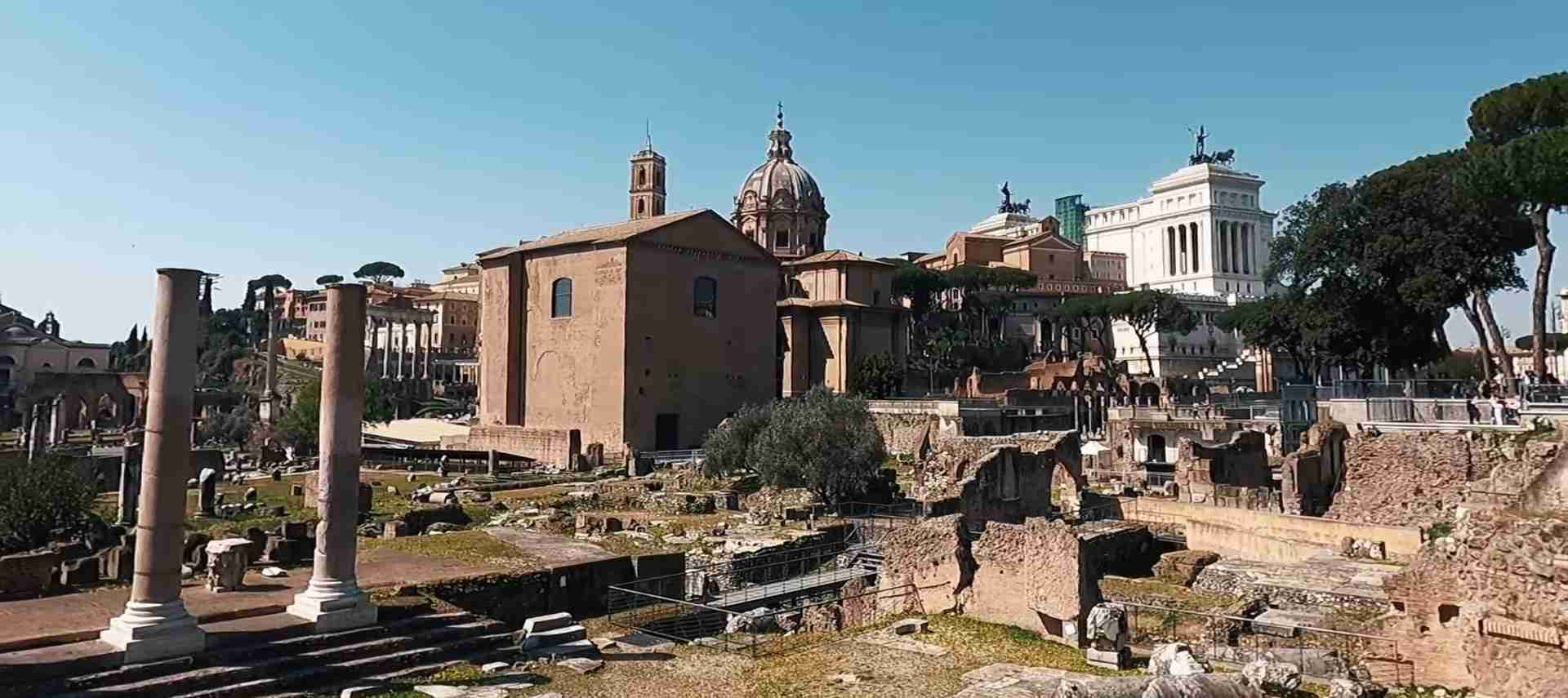
Exit the Colosseum through the western gates and walk 200 meters to the Roman Forum entrance (included in your Colosseum ticket, no additional admission), the political, commercial, and religious center of ancient Rome now reduced to marble columns, temple foundations, and basilica remnants scattered across the valley between Palatine and Capitoline Hills. Navigation proves challenging as the Forum’s complexity and current ruined state obscure the original layout—invest in detailed maps or guided tours understanding how the Senate House, temples to Saturn and Vesta, triumphal arches, and basilicas functioned as integrated civic complex rather than random archaeological debris. The Via Sacra (Sacred Way) processional street runs the Forum’s length connecting major monuments: Arch of Titus commemorating the 70 AD Jerusalem conquest, Temple of Antoninus and Faustina with Corinthian columns supporting a medieval church, the Curia (Senate House) where Republican-era debates shaped Western political philosophy, and Basilica of Maxentius and Constantine demonstrating late Imperial architectural ambition through massive barrel-vaulted ruins. Budget 2-2.5 hours for Forum exploration, the extensive site rewarding patient visitors who study individual monuments understanding their historical roles rather than speed-walking past columns for selfie documentation without comprehension.
Palatine Hill rises directly adjacent to the Forum, accessible via connecting paths that your Colosseum ticket covers—this exclusive residential district where emperors constructed elaborate palace complexes demonstrates the privilege and luxury that Imperial Rome’s elite enjoyed. The climb proves moderately strenuous but rewards effort with panoramic views across the Forum, Circus Maximus chariot racing stadium, and central Rome’s terracotta roofscape. Palatine’s highlights include the House of Augustus (Emperor Augustus’s surprisingly modest residence decorated with colorful frescoes), House of Livia (his wife’s quarters), the Flavian Palace’s grand reception halls and private apartments demonstrating later emperors’ increasing architectural ambition, and the Palatine Museum displaying sculptures, frescoes, and artifacts discovered during excavations. The Farnese Gardens occupying the hill’s northern section provide shaded rest areas and spectacular overlooks perfect for picnic lunches (bring food from nearby shops as on-site concessions prove limited and overpriced) or simply appreciating the ancient cityscape without the crowds that pack the Forum below. Allocate 90-120 minutes for Palatine exploration including garden time and view appreciation, bringing water bottles as summer heat and limited shade create dehydration risks during extended exposure.
Ancient Rome morning exploration (Colosseum 8:30-10:30 AM, Forum 10:30 AM-1 PM, Palatine 1-2:30 PM) typically exhausts energy reserves and requires midday breaks before resuming afternoon activities. Options include returning to accommodations for rest during peak heat hours (June-August 1-4 PM temperatures reach uncomfortable levels for outdoor sightseeing), finding air-conditioned restaurants for extended lunches, or visiting nearby indoor attractions like Capitoline Museums (€16 admission) showcasing classical sculpture collections and Renaissance/Baroque paintings in climate-controlled galleries. Alternatively, explore the Monti neighborhood immediately north of the Forum—this gentrified-yet-authentic district combines trendy boutiques, artisan workshops, and traditional trattorias where Romans lunch rather than tourist-trap establishments surrounding the Colosseum. Via dei Serpenti and Via del Boschetto host excellent casual dining options serving Roman classics (carbonara, amatriciana, cacio e pepe pasta dishes €12-16, roasted artichokes €8-10, saltimbocca alla romana veal €18-22) in relaxed settings without the inflated prices and mediocre quality that plague Colosseum-adjacent restaurants targeting one-time visitors who’ll never return.
Late afternoon through evening dedicates to experiencing Rome’s living neighborhoods rather than additional monument visits after morning’s historical immersion. The Aventine Hill district south of Circus Maximus offers peaceful residential streets, the famous Aventine Keyhole (peek through the Priory of the Knights of Malta gate seeing St. Peter’s Basilica perfectly framed at the end of a garden vista), and the beautiful Santa Sabina basilica preserving 5th-century early Christian architecture. Testaccio neighborhood adjacent to Aventine has evolved from working-class district to foodie destination maintaining authentic character—explore the Testaccio Market (morning visits show Romans shopping for fresh produce, afternoon finds food stalls serving lunch to office workers and residents), visit the MACRO Testaccio contemporary art space in converted slaughterhouse buildings, and plan dinner at traditional Roman trattorias like Flavio al Velavevodetto (Via di Monte Testaccio 97) or Da Felice (Via Mastro Giorgio 29) serving the city’s best carbonara, gricia, and amatriciana pasta dishes (€14-18) in casual neighborhood settings. Alternatively, Trastevere’s medieval streets across the Tiber River attract crowds for evening dining and nightlife—while increasingly touristy, the atmospheric narrow lanes, Santa Maria in Trastevere’s stunning mosaic basilica, and dense concentration of restaurants and bars create vibrant energy perfect for first-night Rome experiences.
Day 2: Vatican City 2026 — Museums, Sistine Chapel & St. Peter’s Basilica
Vatican Museums demand full morning dedication arriving at opening (9 AM Monday-Saturday) when galleries remain relatively uncrowded before tour group influxes after 10:30 AM transform Sistine Chapel and Raphael Rooms into claustrophobic human traffic jams. Purchase skip-the-line tickets (€15 total: €10 admission + €5 reservation fee) through the official tickets.museivaticani.va website weeks ahead—door purchases cost €20 and require standing in lines extending 1-3 hours during peak season. The museum complex spans 7 kilometers of galleries housing arguably the world’s finest art collection accumulated through 500 years of papal patronage: Egyptian antiquities, classical Greek and Roman sculpture, Renaissance tapestries, maps, and paintings culminating in the Raphael Rooms and Sistine Chapel. Strategic routing follows marked one-way paths through Pio-Clementino Museum’s classical sculptures (Laocoön, Apollo Belvedere, Belvedere Torso inspiring Michelangelo), Gallery of Maps’ stunning 16th-century cartography covering Italy’s regions in detailed frescoes, Raphael Rooms decorated with the artist’s School of Athens and other philosophical/theological masterworks, and finally the Sistine Chapel where Michelangelo’s ceiling (1508-1512) and Last Judgment altar wall (1536-1541) overwhelm with scale and artistic achievement requiring extended contemplation despite the crowds and guards enforcing silence and no-photography rules.
Budget 3-4 hours minimum for Vatican Museums exploration though art enthusiasts could easily spend full days examining the collections—attempting comprehensive coverage in 2 hours produces rushed superficial experiences where you photograph famous works without absorbing their significance or understanding the historical/religious context that makes Vatican art meaningful rather than merely beautiful. The physical demands prove substantial: kilometers of walking across marble floors, standing to view ceiling frescoes creating neck strain, crowds requiring constant navigation, and limited seating forcing tired visitors to sit on floors in corners. Bring water bottles (fountains provide free refills throughout the complex), wear comfortable walking shoes, and plan strategic rest breaks in lesser-visited galleries where benches allow sitting while viewing less-crowded masterworks. The museum cafeteria offers overpriced mediocre food, so many visitors prefer exiting after the Sistine Chapel (one-way routing prevents returning once you leave), grabbing lunch at nearby Prati neighborhood restaurants, then returning refreshed for St. Peter’s Basilica exploration rather than enduring full-day museum marathons without breaks.
St. Peter’s Basilica entry remains free (separate from Vatican Museums admission) but requires security screening creating 30-90 minute lines during midday peak hours—visiting early morning (7-8 AM when the basilica opens before museum crowds) or late afternoon (4-6 PM as tour groups depart) minimizes waits. The world’s largest church overwhelms through sheer scale: 220 meters long, 150 meters wide at the transept, the dome rising 136 meters creating interior spaces that dwarf human perception making Bernini’s 29-meter bronze baldachin over the papal altar appear normal-sized until you recognize human figures at its base. Essential viewing includes Michelangelo’s Pietà (1498-1499) behind protective glass following vandalism decades ago, the dome climb (€10 for elevator to intermediate level plus 320 stairs to cupola top, €8 for 551 total stairs) offering spectacular Rome panoramas, papal crypts beneath the basilica where popes since St. Peter receive burial, and Bernini’s Baldachin, Cathedra Petri (Chair of St. Peter), and colonnade embracing St. Peter’s Square demonstrating Baroque architecture’s theatrical power. Allow 90-120 minutes for thorough basilica exploration including dome climb (highly recommended despite stair counts and tight spiral passages near the top—the views justify the effort), though you could spend hours examining the church’s countless altars, side chapels, sculptures, and artistic treasures rivaling museum quality throughout.
Castel Sant’Angelo, the circular fortress/prison/papal residence visible from St. Peter’s Square, sits 10 minutes’ walk across Ponte Sant’Angelo bridge and provides afternoon diversion if Vatican morning exploration leaves energy for additional sightseeing. Emperor Hadrian constructed this massive cylinder in 139 AD as his mausoleum; medieval popes converted it into fortress connected to the Vatican via the Passetto di Borgo elevated escape passage used during 1527’s Sack of Rome when Pope Clement VII fled invading troops. The €15 admission includes access to all levels: ancient burial chamber, medieval prison cells, Renaissance papal apartments decorated with frescoes, weapons collection, and rooftop terrace offering different perspectives on St. Peter’s dome and central Rome cityscape. Budget 90 minutes for comprehensive exploration, though the fortress also functions as pleasant shaded rest spot escaping afternoon heat while maintaining cultural engagement rather than retreating to hotels. Alternatively, skip Castel Sant’Angelo and dedicate afternoon to Prati neighborhood exploration—this residential/commercial district immediately northeast of the Vatican hosts excellent restaurants (less touristy than Vatican-adjacent areas), Via Cola di Rienzo shopping street, and relaxed neighborhood character where Romans conduct daily life providing authentic glimpses beyond tourist circuits.
Evening options in 2026 include returning to the centro storico (historic center) for dinner at Piazza Navona-area restaurants, though this tourist-heavy zone trades authenticity for atmospheric dining in stunning Baroque squares. Better alternatives explore neighborhoods offering superior food at lower prices: Prati near the Vatican serves excellent Roman cuisine in trattorias catering to locals rather than captive tourist audiences; Trastevere across the river provides medieval street charm with dense restaurant concentrations (quality varies significantly—avoid overly aggressive touts soliciting customers, seek establishments where Romans eat); the Jewish Ghetto area between Piazza Venezia and Trastevere specializes in Roman-Jewish fusion dishes like carciofi alla giudia (deep-fried artichokes) and fiori di zucca (fried zucchini blossoms stuffed with mozzarella and anchovy); Testaccio south of Aventine offers the city’s most authentic traditional Roman cuisine. Budget €35-60 per person for full trattoria dinners including appetizer, pasta, main course, wine, and dessert, or €15-25 for simpler pizza-and-beer meals at casual spots. Gelato constitutes obligatory evening dessert—seek artisan gelaterias (Giolitti, Gelateria del Teatro, Fatamorgana) serving natural-ingredient gelato rather than neon-colored tourist-trap versions made from powder mixes, paying €3-5 for generous two-scoop portions in cones or cups.
Day 3: Central Rome Renaissance & Baroque 2026 — Piazzas, Fountains & Churches
Day 3 follows no strict chronological opening-hours schedule, allowing relaxed morning starts (9-10 AM) exploring central Rome’s Renaissance and Baroque monuments concentrated in the historic core between Piazza Venezia, Piazza di Spagna, and Piazza del Popolo. Begin at the Pantheon, the best-preserved Roman building worldwide and architectural marvel constructed by Emperor Hadrian around 126 AD featuring the largest unreinforced concrete dome ever built—free admission via timed-entry tickets reserved at pantheonroma.com though rarely selling out except major holidays. The Pantheon’s oculus (9-meter circular opening at the dome’s apex) provides the building’s sole light source creating dramatic illumination effects as sunbeams move across the coffered interior throughout the day, while the floor’s gentle slope and drainage holes address rain entering through the open roof. Allow 30-45 minutes for thorough appreciation including the royal tombs (Vittorio Emanuele II, Umberto I) and Raphael’s burial monument, though many visitors spend mere minutes photographing the famous oculus before rushing to next attractions missing the contemplative experience the Pantheon’s harmonious proportions and spatial genius deserve.
Walk 5 minutes northwest to Piazza Navona, Rome’s finest Baroque square built atop Domitian’s 1st-century stadium (the elongated oval shape preserves the ancient racetrack footprint) and dominated by Bernini’s Fontana dei Quattro Fiumi (Fountain of the Four Rivers) representing the Nile, Ganges, Danube, and Río de la Plata symbolizing Catholic Church reach across continents. The square’s café tables tempt weary tourists with seats offering exceptional people-watching, though prices at these prime locations reach tourist-trap levels (€6-8 espresso, €12-15 basic cocktails versus €1.50 and €8-10 at neighborhood bars)—better value exists walking one block from the square to side streets where locals actually drink without paying 400% location premiums. The adjacent streets host excellent shopping for clothing, leather goods, and artisan crafts, while Santa Maria della Pace church one block west contains Raphael’s Sibyls fresco demonstrating Renaissance mastery in intimate setting rather than crowded Vatican galleries.
Continue northwest 10 minutes reaching Piazza di Spagna and the Spanish Steps, the 135-step monumental stairway built 1723-1726 connecting the square to Trinità dei Monti church above—sitting on the steps was prohibited in 2019 to prevent damage and littering (€250 fines enforce compliance), but the surrounding area remains photo-opportunity central for tourists capturing iconic Rome images. The Fontana della Barcaccia (Fountain of the Old Boat) at the steps’ base creates foreground interest in compositions, while Via dei Condotti luxury shopping street extending from the square hosts Gucci, Prada, Bulgari, and every high-end brand imaginable targeting affluent visitors. Walk up the steps to Trinità dei Monti for elevated views across Rome’s roofscape toward St. Peter’s dome, then explore the Pincian Hill gardens providing shaded walking paths and Villa Borghese park access. Alternatively, descend from Piazza di Spagna east to Via del Corso shopping street or south toward Trevi Fountain for continued urban exploration discovering the dense layering of monuments, shops, restaurants, and residential buildings creating Rome’s characteristic texture.
Trevi Fountain (Fontana di Trevi), the Baroque masterpiece completed 1762 depicting Neptune’s chariot emerging from Palazzo Poli’s facade, sits 10 minutes southeast of Spanish Steps in a tiny piazza perpetually packed with tourists tossing coins (tradition claims right-hand throw over left shoulder ensures Rome return) and posing for photos. The fountain’s 26-meter height and dramatic sculptural program overwhelm the intimate square, creating spectacular theatrical effect enhanced by nighttime illumination transforming the white Carrara marble into glowing stage set. Visit early morning (7-8 AM) or late evening (10-11 PM) escaping the worst crowds that make midday access to the fountain edge nearly impossible, though even off-peak hours see substantial tourist presence given the location’s fame. Nearby streets host tourist-trap restaurants charging inflated prices for mediocre food—walk 5-10 minutes away from the fountain finding better-value trattorias serving Romans rather than captive tourist audiences who’ll never return to evaluate quality or complain about pricing.
Campo de’ Fiori market square provides morning (7 AM-1:30 PM) produce, flower, and spice stalls where Romans shop for fresh ingredients, the colorful displays and vendor energy creating photogenic scenes and authentic glimpses of daily food culture beyond monument tourism. The market transitions afternoon/evening into restaurant and bar zone, the square’s perimeter tables filling with aperitivo crowds and dinner seekers—quality varies significantly from tourist traps with aggressive touts to legitimate establishments serving decent Roman cuisine, so research specific recommendations or observe where locals eat rather than accepting first solicitation. The nearby Jewish Ghetto district (between Campo de’ Fiori and Tiber Island) merits exploration for both historical significance (enforced residential segregation from 1555-1870 created the dense warren of narrow streets and tall buildings compensating for restricted area) and culinary traditions blending Roman and Jewish cuisines in dishes like carciofi alla giudia and baccalà (salt cod). The Great Synagogue and Jewish Museum (€11 combined ticket) provide historical context, while the Portico d’Ottavia archaeological ruins demonstrate how ancient monuments integrate into living neighborhoods rather than isolated archaeological parks.
Optional afternoon additions depending on energy and interest include Piazza Venezia’s Vittoriano monument (nicknamed the “wedding cake” or “typewriter” by Romans who consider it architectural excess), the Capitoline Museums (€16) housing world-class classical sculpture and painting collections in Renaissance palaces designed by Michelangelo, or the Ara Pacis museum (€12) protecting Emperor Augustus’s Altar of Peace in Richard Meier’s controversial contemporary building. Alternatively, declare afternoon free time for shopping Via del Corso and surrounding streets, extended trattoria lunches, gelato tasting expeditions comparing multiple artisan shops, or simply wandering neighborhoods without guidebook agendas discovering street life, neighborhood bars, and local character that creates Rome’s appeal beyond monument checklists. Many visitors find these unstructured explorations become trip highlights, the pressure-free wandering allowing organic discoveries impossible when rushing between scheduled monument visits checking items off predetermined lists.
Practical Logistics for Rome in 3 Days 2026
Rome’s Leonardo da Vinci-Fiumicino Airport (FCO) connects to the city center via Leonardo Express train (€14, 32 minutes to Termini Station running every 15 minutes 6:23 AM-11:23 PM), FL1 regional train (€8, 48 minutes to Termini with stops at Trastevere and other stations, less frequent departures), taxis (€48 fixed fare to central Rome, 30-60 minutes depending on traffic), Uber (€45-65 for UberX, 30-60 minutes), or airport buses (Terravision, TAM, SIT services €6-7, 55-70 minutes to Termini). The Leonardo Express delivers optimal speed and convenience for most travelers, while taxis make sense for groups splitting the €48 fare four ways or late-night arrivals when train service ceases. Ciampino Airport (CIA) serving budget airlines requires COTRAL/Atral buses to Anagnina metro station (€1.50), Terravision/SIT buses to Termini (€6, 40-50 minutes), or taxis (€30 fixed fare to city center)—the smaller airport handles primarily European budget routes while intercontinental flights use Fiumicino.
Public transport within Rome relies on metro (3 lines: A, B, B1), buses, and trams operating 5:30 AM-11:30 PM weekdays with reduced weekend schedules and special night bus routes. Single tickets cost €1.50 (valid 100 minutes including one metro ride plus unlimited buses/trams, no re-entering metro after exit), while multi-day passes prove more economical for intensive use: 24-hour pass €7, 48-hour €12.50, 72-hour €18, 7-day €24. Purchase tickets before boarding at metro stations, tobacco shops (tabacchi displaying black-and-white “T” signs), or newsstands—validate single tickets and passes in yellow machines aboard buses or entering metro stations as unvalidated tickets receive €50+ fines if controllers perform random checks. However, Rome’s compact historic center makes walking the primary transportation mode for most tourist activities: Colosseum to Trevi Fountain 2.3 kilometers (25-30 minutes), Trevi to Pantheon 750 meters (10 minutes), Pantheon to Piazza Navona 400 meters (5 minutes), Spanish Steps to Vatican 3 kilometers (35-40 minutes). Metro proves useful for longer distances like Termini Station to Vatican (Line A to Ottaviano stop, €1.50, 8 minutes) but limited coverage in the centro storico (no stops near Pantheon, Trevi, Spanish Steps) reduces relevance for concentrated sightseeing itineraries.
Accommodation location significantly impacts daily logistics and walking distances to major monuments. The centro storico (Pantheon, Piazza Navona, Campo de’ Fiori area) positions you at the geographic heart of tourist attractions with Renaissance and Baroque monuments outside your door, excellent restaurant density, and walking access to most Day 3 sights—expect to pay premium prices (€150-300+ nightly for mid-range 3-star hotels, €350-600+ for 4-star luxury) for this convenience. Trastevere across the river offers atmospheric medieval streets, excellent dining, and more affordable rates (€100-200 for equivalent quality) while remaining walkable to central monuments. Monti near the Colosseum balances authentic neighborhood character with tourist proximity and reasonable pricing (€120-250). Termini Station area provides budget options (€60-120) and public transport access but lacks charm and suffers from some safety concerns requiring evening caution. Testaccio delivers authentic Roman residential feel and outstanding food scene at moderate prices (€80-180) but requires walking or public transport reaching distant Vatican and northern attractions. Prati near Vatican works for visitors prioritizing papal sites and preferring quieter residential districts (€100-220) at the expense of longer distances to southern monuments. Book accommodations months ahead for April-October peak season when Rome’s limited hotel capacity creates availability challenges and inflated pricing, while November-March offers better rates and selection as demand drops.
Restaurant reservations prove unnecessary for most casual lunch and dinner options, though Friday-Saturday evenings at popular Trastevere and Testaccio trattorias may require booking 1-2 days ahead or accepting waits during peak 8-9:30 PM dinner hours. Romans eat late (1-2:30 PM lunch, 8:30-10 PM dinner) with restaurants opening for service 12:30-3 PM and 7:30-11 PM—arriving outside these windows finds kitchens closed despite dining rooms appearing open. Cover charges (coperto) of €1.50-3 per person appear as separate line items on bills covering bread and table settings—this is normal practice, not a tourist scam, though overcharging coperto amounts merits questioning. Tipping operates differently than American standards: service charges (servizio) sometimes appear on bills making additional tips unnecessary, or leave 5-10% cash for good service rather than the 15-20% American percentages. Credit cards work everywhere in 2026 following mandatory electronic payment system implementations, though small cafés and street food vendors prefer cash for purchases under €10-15. ATMs (bancomat) provide best currency exchange rates withdrawing euros directly rather than airport exchange bureaus charging 10-15% markups through poor rates and fees.
Saving Money on Rome Attractions in 2026
Free attractions delivering world-class experiences include the Pantheon (architectural marvel rivaling any museum), all major churches (St. Peter’s Basilica, Santa Maria Maggiore, San Giovanni in Laterano, Santa Maria in Trastevere contain artistic treasures matching museum quality without admission charges), Trevi Fountain, Spanish Steps, Piazza Navona’s Baroque fountains and architecture, Campo de’ Fiori market, Roman streets and neighborhoods revealing daily life and cultural character, and countless smaller churches, fountains, and archaeological fragments incorporated into living city fabric. Walking costs nothing while revealing architectural details, street life, and neighborhood character that rushed monument-hopping misses—allocating full days to wandering without admission expenditures proves entirely possible while delivering rich cultural experiences understanding Rome’s layered history and contemporary vitality.
The first Sunday of each month provides free admission to state museums (Colosseum, Roman Forum, Palatine Hill, Borghese Gallery, Castel Sant’Angelo, and others) attracting massive crowds exploiting the waived fees—arrive at opening time accepting 30-60 minute lines or skip this supposed “deal” recognizing that the €18 Colosseum ticket saves hours of queueing time worth far more than the admission cost for visitors with limited vacation days. Roma Pass tourist cards (€32 for 48 hours, €52 for 72 hours) include free admission to first 1-2 museums (depending on card type) plus unlimited public transport and discounts at participating attractions—calculate whether your specific itinerary justifies the pass cost versus individual ticket purchases, as many visitors save minimal amounts given that free churches, walking exploration, and just 2-3 paid monuments across 3 days mean the pass benefits only travelers visiting 4+ admission attractions. Youth discounts benefit EU citizens 18-25 paying reduced rates at state museums (€4 Colosseum instead of €18, €4 Vatican instead of €10), while under-18s enter free at most attractions requiring parental ID documentation proving age.
Dining costs drop dramatically eating like Romans rather than tourists: morning cornetto and cappuccino standing at bars costs €3-4 versus €12-15 seated at cafe tables; pizza by the slice (pizza al taglio) provides €3-5 lunch portions satisfying hunger without €15-25 sit-down restaurant costs; aperitivo happy hours (6-9 PM) at neighborhood bars include free buffet snacks with drink purchases (€8-10 cocktails or €4-6 wine) creating light dinner substitutes; supermarkets and alimentari (grocery shops) sell fresh mozzarella, prosciutto, bread, wine, and picnic supplies at fraction of restaurant prices for self-catered lunches in Villa Borghese gardens or along the Tiber embankments. Avoid restaurants immediately adjacent to major monuments (Colosseum, Trevi Fountain, Spanish Steps, St. Peter’s Square) where captive tourist audiences enable inflated pricing and mediocre quality—walk 5-10 minutes away from monuments finding better food at 30-50% lower costs where establishments compete for local repeat customers rather than exploiting one-time foreign visitors. Water fountains (nasoni) throughout Rome provide free potable water refilling bottles rather than buying €3-4 tourist-area bottles constantly, while tap water in restaurants is safe drinking directly negating expensive bottled water purchases.
Best Time to Visit Rome in 2026
Spring (April-May) and fall (September-October) deliver optimal weather conditions combining mild temperatures (15-25°C/60-75°F), manageable crowds smaller than summer peaks, and museum/monument accessibility without winter reduced hours—these shoulder seasons balance pleasant outdoor exploration with reasonable hotel rates and restaurant availability. Easter week (April 20-27, 2026) creates exceptional crowds and inflated pricing as pilgrims flood the city for papal celebrations, while late May-early June sees pleasant weather before summer heat arrives. September particularly appeals with post-vacation reduced crowds, lingering warm temperatures perfect for gelato and outdoor dining, and museums resuming normal operations after August closures affecting some smaller institutions.
Summer (June-August) challenges visitors with temperatures regularly reaching 32-38°C/90-100°F creating uncomfortable outdoor sightseeing during midday hours, though sunrise starts (Colosseum 8:30 AM opening), afternoon museum breaks escaping heat in air-conditioned spaces, and evening exploration resuming after 6 PM make the season manageable. Many Romans vacation in August, creating the paradox where tourist areas remain packed while neighborhood restaurants and shops close for 2-4 week holidays—the city feels simultaneously crowded and empty depending on location. Advantages include longest daylight hours enabling extended evening exploration and outdoor dining, though heat and crowds arguably outweigh these benefits for most visitors.
Winter (November-February) offers lowest prices on flights and hotels (30-50% below peak season rates), smallest crowds at monuments eliminating security and ticket lines, and mild temperatures (8-15°C/45-60°F) suitable for all-day walking without heat stress. Disadvantages include shorter daylight hours limiting afternoon exploration, occasional rainy periods requiring flexible itineraries, and some seasonal closures at archaeological sites and outdoor attractions. Christmas and New Year periods reverse the general winter pattern creating peak crowds and premium pricing as holiday travelers fill the city—avoid December 20-January 7 unless specifically seeking holiday atmosphere and accepting associated costs and congestion. January-February provides the year’s best value combining low season pricing with good weather (occasional crisp sunny days perfect for photography), though some visitors find the quiet seasonal lull less energetic than spring/fall vibrancy.
Frequently Asked Questions About Rome in 3 Days 2026
Do I need to book Colosseum tickets in advance for 2026?
Absolutely—Colosseum tickets go on sale exactly 30 days before your visit date through the official ticketing.colosseo.it website, with prime morning time slots (8:30-10 AM) selling out within hours or days for April-October peak season visits. The €18 standard admission includes Colosseum access plus Roman Forum and Palatine Hill for 24-hour validity, while €24 Arena Floor tickets add gladiatorial perspective access and extend validity to 48 hours. Attempting same-day purchases at the on-site ticket office risks finding sold-out time slots or facing 1-3 hour lines, wasting precious vacation hours that advance planning easily prevents. The booking window opening exactly 30 days ahead requires planning your visit dates months in advance, then setting calendar reminders to purchase tickets precisely when slots release—flexibility proves impossible as you cannot book 35 or 40 days ahead, only the exact 30-day window. Underground tour tickets accessing the hypogeum areas where gladiators and animals waited before arena entry sell out within literal minutes when released, requiring immediate purchasing when the 30-day window opens. Night tour tickets for atmospheric after-hours Colosseum visits similarly disappear rapidly. The bottom line: Colosseum ticket booking constitutes the single most important advance reservation for Rome trips, even more critical than hotels or flights given that sold-out monument access ruins entire itineraries while alternative lodging always exists.
Can I visit both the Colosseum and Vatican in one day in 2026?
Physically possible but inadvisable as rushed combined visits produce superficial experiences rather than meaningful engagement with Rome’s two most significant monument complexes. A proper Colosseum-Roman Forum-Palatine Hill morning requires 4-5 hours (8:30 AM-1 PM including walking between sites and thorough exploration), while Vatican Museums-Sistine Chapel-St. Peter’s Basilica demands another 4-5 hours (9 AM-1:30 PM or 2-6:30 PM)—attempting both in one day creates 9-10 hour marathon sightseeing sessions with minimal breaks, rushed movement between attractions preventing contemplation, and exhaustion diminishing appreciation as fatigue accumulates. The Vatican and Colosseum sit opposite sides of the city requiring 30-45 minute transit (walking, metro, or taxi) adding dead time between monuments. Better strategies dedicate full days to each complex allowing proper exploration pacing with lunch breaks, rest periods, and flexibility responding to crowding or personal energy levels. Combination day tours sold by commercial operators promising “Vatican and Colosseum in one day” achieve this through 6-8 hour group experiences spending 2-3 hours at each location plus bus transfers, lunch stops, and inevitable waiting—you’ll see both monuments but sacrifice the depth, flexibility, and personal pacing that independent visits provide. Emergency situations where travelers face absolutely minimal Rome time (arriving one afternoon, departing next evening) might justify combined visits accepting the compromises involved, but anyone with 2-3+ days should structure separate Vatican and Ancient Rome days maximizing the significant ticket investments through proper time allocation rather than cramming attractions into exhausting single-day marathons.
What should I wear when visiting churches and the Vatican in 2026?
Vatican Museums, St. Peter’s Basilica, and major Rome churches enforce dress codes prohibiting bare shoulders, shorts/skirts above knee length, low-cut or revealing tops, and flip-flops—security turns away inappropriately dressed visitors without admission refunds or exceptions. Men require covered shoulders and pants or knee-length shorts; women need covered shoulders (shawls or scarves acceptable to drape over tank tops), skirts/dresses below the knee or full-length pants, and modest necklines. Practical implementation means wearing standard casual clothing (t-shirts, jeans, lightweight pants, modest dresses) rather than beach attire or revealing clubwear, with lightweight shawls or scarves carried in bags for draping over shoulders when entering churches if wearing sleeveless tops earlier during outdoor sightseeing. Summer visitors balancing dress codes against 35°C/95°F heat benefit from loose linen or cotton pants, breathable long-sleeve shirts in light colors reflecting sun rather than absorbing heat, and comfortable closed-toe walking shoes providing arch support for marble museum floors and cobblestone streets—fashionable sandals work better than athletic sneakers for meeting dress code expectations while maintaining foot comfort during extended walking. Winter travelers layer clothing allowing temperature regulation as you move between cold outdoor areas and overheated church interiors where crowds and lack of ventilation create warmth, with light jackets or sweaters easily removed and carried. The enforcement strictness varies: St. Peter’s Basilica security applies dress codes rigorously turning away obvious violators, while smaller neighborhood churches prove more lenient except during Mass services when respectful attire becomes expected cultural courtesy rather than enforced rule. Bring modest backup clothing items (shawls, lightweight long pants) ensuring Vatican access regardless of earlier sightseeing outfit choices rather than discovering dress code violations at security checkpoints after waiting in entry lines.
Is Rome safe for tourists in 2026?
Rome ranks among Europe’s safest major cities with violent crime against tourists remaining extremely rare, though petty theft (pickpocketing, bag snatching, distraction scams) targets visitors at crowded tourist sites, public transport, and busy restaurant areas. Pickpockets operate at the Colosseum, Trevi Fountain, Spanish Steps, Vatican area, Termini Station, and packed metro trains, typically working in pairs or groups creating distractions while accomplices lift wallets, phones, or bags—secure valuables in front pockets, cross-body bags worn forward, money belts under clothing, or hotel safes rather than back pockets, loose purses, or backpack outer compartments. Common scams include “friendship bracelet” sellers forcibly tying strings on tourist wrists then demanding payment, fake petition signers requesting donations after you’ve provided signatures, and groups of children creating chaos while picking pockets—politely but firmly refuse all unsolicited street interactions walking away quickly without engagement. The Termini Station area contains higher concentrations of aggressive panhandlers and minor drug dealing creating uncomfortable atmospheres though not dangerous physical threats, while late-night isolated streets in any neighborhood warrant normal urban caution avoiding dark alleys and remaining aware of surroundings. Women traveling solo report occasional catcalling and unwanted romantic attention from local men but rarely experience threatening behavior, with standard big-city awareness (avoiding excessive alcohol consumption, staying in public areas, using official taxis, traveling in groups after dark) providing adequate protection. Emergency services dial 112 for police/ambulance, with English-speaking operators and tourist police stations near major monuments equipped to handle foreign visitor issues. Overall, Rome’s reputation as moderately risky for petty crime but very safe regarding violent threats means reasonable precautions (securing valuables, maintaining awareness in crowds, avoiding obvious tourist markers like visible cameras and guidebooks in high-theft areas) enable safe enjoyable visits without paranoid constant vigilance ruining vacation experiences.
Do I need a guided tour or can I explore Rome independently in 2026?
Independent exploration proves entirely feasible for confident travelers comfortable with self-navigation, basic Italian phrases for restaurant ordering and directions, and advance research understanding monument significance—detailed guidebooks, smartphone apps, and online resources provide sufficient historical context for meaningful visits without professional guide mediation. Benefits include complete schedule flexibility adjusting pacing and stopping durations based on personal interest rather than group timing, freedom selecting which monuments to visit and skip rather than following predetermined tour routing, and cost savings eliminating €40-80 per person per tour guide fees. However, guided tours deliver value through expert historical narratives transforming ruins into comprehensible stories, privileged access to restricted areas like Colosseum underground or Vatican Secret Archives, skip-the-line privileges at crowded attractions, and efficient routing maximizing limited timeframes—first-time Rome visitors often report that single guided Colosseum or Vatican tour provided essential orientation and knowledge framework making subsequent independent exploration more meaningful. The middle ground combines selective guided experiences for the most complex monuments (Colosseum, Roman Forum, Vatican Museums) where professional expertise adds substantial value, while exploring simpler attractions (Trevi Fountain, Pantheon, piazzas) independently without requiring historical PhD degrees to appreciate public fountains and squares. Small-group tours (8-12 participants maximum) deliver better experiences than massive 30-40 person groups where you cannot hear guides clearly, cannot ask questions without disrupting schedules, and spend excessive time herding participants between stops. Private tours cost €200-400 but customize completely to your interests, pacing, and knowledge level, working well for families or groups where per-person costs divided among 4-6 travelers approach small-group rates while delivering personalized attention. Audio guides rented at monuments (€6-8) provide compromise accessing expert narratives and historical context at self-paced exploration convenience without group scheduling constraints or guide interaction requirements.
What day trips from Rome work within a 3-day itinerary in 2026?
Day trips sacrifice precious limited Rome time better spent exploring the city’s inexhaustible monuments and neighborhoods, though visitors extending stays to 4-5+ days justify excursions experiencing different aspects of Italian culture and history. Tivoli’s Villa d’Este (Renaissance gardens with spectacular fountains) and Villa Adriana (Hadrian’s sprawling imperial estate) sit 30 kilometers east requiring 60-90 minute trains from Roma Tiburtina station (€2.60 regional trains) or organized bus tours (€50-60 including admission and guide)—allocate full days as both villas demand 2-3 hours each plus travel time. Ostia Antica, the remarkably preserved ancient Roman port city 30 minutes southwest via metro and train from Piramide station (€2 using normal metro tickets), rivals Pompeii’s archaeological significance without the crowds and delivers half-day excursions (3-4 hours including travel) fitting afternoon slots after morning Rome monument visits. The hill towns of Orvieto (spectacular cathedral and Etruscan ruins, 60-90 minutes by train €10-20), Assisi (St. Francis basilica and Umbrian landscapes, 2 hours by train €15-25), and Civita di Bagnoreggio (dramatic medieval village accessed via footbridge, 90 minutes by bus €8-12) require full-day commitments but reward with quintessential Italian small-town experiences and countryside landscapes contrasting Rome’s urban density. Pompeii and the Amalfi Coast sit too distant (2.5-3 hours each way to Pompeii, 4+ hours to Amalfi) for comfortable day trips from Rome—these southern destinations merit dedicated 2-3 day visits rather than exhausting single-day bus marathons spending 6-8 hours in transit for 3-4 hours on-site. The strategic question: given only 3 Rome days, do day trips justify losing 8-10 hours that could explore Capitoline Museums, Borghese Gallery, additional neighborhoods, extended restaurant experiences, or simply slower-paced appreciation of the Eternal City’s endless attractions? Most first-time visitors answer no, reserving excursions for return trips after exhausting Rome’s primary monuments, while repeat visitors who’ve “seen Rome” appreciate regional diversity day trips provide.
How do I avoid crowds at Rome’s major monuments in 2026?
Earliest possible entry times (Colosseum 8:30 AM, Vatican Museums 9 AM, Borghese Gallery first slots) beat tour group influxes arriving after 10-10:30 AM, with morning visits additionally escaping summer afternoon heat. Wednesday mornings see reduced Vatican Museums crowds as Pope Francis’s general audiences in St. Peter’s Square draw pilgrim groups away from museum areas. Off-season months (November-February excluding Christmas/New Year) deliver smallest overall crowds though some visitors dislike shorter daylight and occasional rain, while spring (April-May) and fall (September-October) shoulder seasons balance decent weather against moderate crowd levels. First Sunday monthly free admission to state museums creates opposite effect drawing massive crowds exploiting waived fees—avoid these “free” days as the time wasted in longer security and entry lines exceeds the €18 admission savings. Advance ticket purchases with timed entries eliminate ticket office queues while not reducing security checkpoint waits or internal monument crowds—skip-the-line marketing proves somewhat misleading as everyone passes through same security screening creating bottlenecks. Later afternoon visits (4-5 PM at sites closing 6-7 PM) see departing tour groups thinning crowds though leaving minimal exploration time before closures. Consider alternative similar-quality attractions avoiding the absolute most crowded sites: Capitoline Museums showcase classical sculpture rivaling Vatican collections without the overwhelming crowds, Palazzo Altemps displays sculpture and Renaissance frescoes in intimate setting versus packed Borghese Gallery, and Santa Maria sopra Minerva church contains Michelangelo’s Risen Christ sculpture plus beautiful Gothic interiors without Sistine Chapel mob scenes. The reality: completely avoiding crowds at Colosseum, Vatican, Trevi Fountain proves impossible during any tourist season—these sites attract millions annually creating inherent congestion regardless of timing strategies. Better mental frameworks accept crowds as unavoidable aspects of visiting world-famous monuments, arrive with patience and realistic expectations, focus on the actual monuments rather than letting fellow tourists ruin experiences, and balance crowded must-see sites with quieter secondary attractions and neighborhood explorations delivering crowd-free authentic Rome experiences.
What are the best neighborhoods to stay in Rome for a 3-day visit in 2026?
Centro storico (historic center around Pantheon, Piazza Navona, Campo de’ Fiori) positions you at Rome’s geographic heart with Renaissance and Baroque monuments outside your door, excellent restaurant density, and walking access to most Day 3 attractions, though premium pricing (€150-300+ nightly mid-range hotels, €350-600+ luxury) reflects the convenience and atmosphere—this location works best for first-time visitors prioritizing sightseeing efficiency over budget concerns. Trastevere across the Tiber River offers medieval street charm, exceptional dining scenes, and slightly lower rates (€100-200 equivalent quality) while remaining walkable to central monuments, creating balance between authentic neighborhood character and tourist convenience, though evening noise from bars and restaurants affects light sleepers in ground-floor or street-facing rooms. Monti near the Colosseum combines authentic residential feel with immediate proximity to ancient monuments and reasonable pricing (€120-250), the gentrified-yet-local district hosting artisan shops, cafes, and trattorias where Romans actually live rather than pure tourist zones—ideal for visitors wanting neighborhood immersion without sacrificing access to major sites. Prati near Vatican works for travelers prioritizing papal complex exploration and preferring quieter residential atmospheres (€100-220) though requiring longer distances or metro rides reaching southern Colosseum and Testaccio areas. Termini Station vicinity offers budget options (€60-120) and public transport connectivity but lacks charm and suffers from aggressive panhandlers and minor safety concerns requiring evening caution—acceptable for extreme budget travelers or those arriving/departing via train but otherwise skippable given Rome’s compact walkable core making station proximity less valuable than in sprawling cities. Testaccio south of Aventine Hill delivers authentic working-class-turned-foodie neighborhood atmosphere and outstanding traditional Roman cuisine at moderate prices (€80-180) attracting visitors seeking genuine local character, though distances to northern Vatican and eastern Colosseum require walking commitment or metro supplementation. The strategic choice balances budget, desired atmosphere (touristy-convenient versus authentic-residential), and willingness to walk or use public transport, with centro storico and Monti generally representing sweet spots combining acceptable pricing, good locations, and neighborhood character for typical 3-day first-time visits.
Should I buy a Roma Pass or tourist card for 3 days in 2026?
Roma Pass tourist cards (€32 for 48 hours, €52 for 72 hours) include free admission to first 1-2 museums (depending on card type), discounted rates at subsequent attractions, and unlimited public transport (metro, buses, trams), theoretically delivering value for intensive multi-attraction itineraries. However, mathematical analysis reveals minimal savings for typical 3-day Rome visits: standard itineraries visit Colosseum (€18), Vatican Museums (€15), Borghese Gallery (€17), plus free attractions (Pantheon, churches, fountains)—the 72-hour €52 pass saves at most €15-20 compared to individual tickets when you could visit Colosseum and Borghese free then pay discounted Vatican rate, but you still spend €52 versus €50 buying tickets individually, and most visitors skip Borghese Gallery given limited time making savings nonexistent or negative. The public transport inclusion adds marginal value as Rome’s compact historic center requires minimal metro use beyond occasional Termini-to-Vatican or accommodation connections—budget €7-12 on transport versus the €20-35 transport portion of pass pricing. The passes deliver actual value only for visitors planning 4+ paid museum visits (Colosseum, Capitoline Museums, Borghese, Castel Sant’Angelo, Palazzo Altemps, etc.) plus extensive public transport use, or for those prioritizing convenience of single-purchase all-inclusive access versus calculating individual ticket costs and purchases at each attraction. Alternative multi-attraction passes like Omnia Vatican & Rome Card bundle Vatican, Colosseum, and other sites similarly requiring cost-benefit analysis comparing pass pricing to your specific planned visits—often the supposed “savings” evaporate when travelers realize they wouldn’t visit half the included attractions anyway. The honest recommendation: most 3-day Rome visitors save money and hassle buying individual tickets only for actually planned monuments rather than purchasing passes creating psychological pressure to visit additional mediocre museums “getting your money’s worth” when you’d prefer extended lunch breaks, shopping, or relaxed neighborhood wandering. Calculate your personal specific itinerary costs before assuming passes deliver savings—often they don’t unless you’re planning museum marathons visiting 5-6+ paid attractions rather than selective visits to 2-3 must-see monuments supplemented by free churches and piazzas.
What food must I try in Rome in 2026?
Roman cuisine centers on four classic pasta dishes showcasing the city’s culinary identity: cacio e pepe (pecorino cheese and black pepper creating silky sauce coating tonnarelli pasta, deceptively simple requiring technique mastery €12-16), carbonara (guanciale cured pork jowl, egg, pecorino, black pepper creating rich coating without cream despite American bastardizations, €14-18), amatriciana (guanciale, tomato, pecorino in spicy-sweet sauce €14-18), and gricia (amatriciana without tomato, the “white” version predating New World imports €12-16). Carciofi alla giudia (Jewish-style fried artichokes) and carciofi alla romana (braised artichokes with herbs) demonstrate seasonal Roman-Jewish cuisine traditions available November-April when artichokes peak—whole artichokes fried crispy (€8-12) or braised tender (€8-10) showcase techniques perfected over centuries. Saltimbocca alla romana layers veal cutlets with prosciutto and sage creating “jump in the mouth” flavor combinations (€18-25), while abbacchio alla romana (Roman-style lamb) represents traditional Easter dish available year-round at traditional trattorias (€20-28). Supplì (fried rice balls with tomato sauce and mozzarella centers, Rome’s answer to arancini, €1.50-3 each) and fiori di zucca (fried zucchini blossoms stuffed with mozzarella and anchovy €8-12 for 4-5 pieces) provide essential street food and appetizer experiences. Pizza al taglio (pizza by the slice) sold by weight at bakeries and takeaway shops delivers quick €3-5 lunches in varieties like margherita (tomato, mozzarella, basil), pizza bianca (plain focaccia-style), or potato and rosemary, while sit-down pizzerias serve thin-crust Roman-style round pizzas (€8-15) differing from thick Neapolitan versions. Maritozzo (sweet brioche bun filled with whipped cream, €3-4) provides traditional Roman breakfast or snack, while classic gelato from artisan shops (Giolitti, Giolitti, Fatamorgana serving natural-ingredient flavors €3-5 for two scoops) constitutes obligatory daily consumption. Avoid “tourist menu” restaurants near monuments offering mediocre versions of these classics at inflated prices—seek trattorias and osterias where Romans eat, indicated by Italian-language menus, local clientele, and locations 5-10 minutes’ walk from major tourist sites rather than prime piazza positions.