
Thessaloniki Travel Guide 2026: Ultimate City Planning Resource
Thessaloniki combines 15 UNESCO-listed Byzantine monuments spanning 1,200 years with Greece’s newest metro system (opened November 2024), €0.60 public transport tickets, and accommodation costs 15-30% below Athens pricing. This 2026 guide provides verified current costs, strategic timing for visiting Byzantine churches, metro navigation strategies, and authentic dining budgets to help you experience Greece’s second city without the Acropolis crowds or capital-level expenses.
Key Takeaways for Thessaloniki 2026
- 15 UNESCO Byzantine Monuments 2026: Thessaloniki’s World Heritage status (inscribed 1988) celebrates Early Christian and Byzantine architecture from 4th-15th centuries, including the Rotunda’s stunning mosaics, Church of Agios Dimitrios containing patron saint relics, and Hagia Sophia’s 8th-12th century artwork—creating Europe’s most concentrated Byzantine heritage experience accessible within walkable city center
- Revolutionary New Metro System: Greece’s newest metro line opened November 30, 2024 transforms city navigation with €0.60 tickets (70 minutes validity), 13 stations connecting New Railway Station to Nea Elvetia in 17 minutes, Line 2 expansion launching February 2026, and integrated bus-metro monthly passes €16—making Thessaloniki one of Europe’s most affordable public transport systems
- Exceptional Value Positioning 2026: Hotels average €80-160 nightly (versus €120-240 Athens equivalents), Archaeological Museum costs €8 summer admission, combined 5-site UNESCO pass €15 for 3 days, and waterfront dining delivers full taverna meals €12-20 per person positioning Thessaloniki 15-30% cheaper than Athens across accommodation, dining, and cultural attractions
- Year-Round Cultural Accessibility: Unlike island destinations closing October-April, Thessaloniki’s Byzantine churches operate continuously, archaeological museums maintain winter hours, and November-March sees hotel rates drop 30-50% while providing comfortable 10-18°C temperatures ideal for walking tours through UNESCO sites without summer’s 35°C+ heat or tourist crowds
- Strategic Geographic Hub 2026: Thessaloniki’s position enables day trips to Mount Athos spiritual center (90 km east, male-only entry requiring advance permits), Halkidiki’s three-peninsula beaches (60-100 km southeast), Vergina royal tombs (80 km southwest), and Meteora monasteries (230 km southwest)—creating multi-destination Northern Greece itineraries impossible from Athens or island bases
- Authentic Living City Dynamic: Thessaloniki functions as working metropolitan center of 1 million residents rather than tourism-dependent historical site, delivering authentic Greek urban life through student populations (4 universities), waterfront evening volta promenade culture, and Byzantine heritage integrated into daily neighborhood rhythms instead of isolated monument-visiting experiences typical of smaller Greek destinations
People Also Ask About Thessaloniki 2026
How Many Days Should I Spend in Thessaloniki in 2026?
Three to four days provide optimal Thessaloniki exploration balancing UNESCO Byzantine monuments, archaeological museums, waterfront atmosphere, and dining experiences in 2026. Day 1 covers central UNESCO sites (Rotunda, Arch of Galerius, Hagia Sophia, Agios Dimitrios) plus Archaeological Museum requiring 6-8 hours combined. Day 2 focuses on Upper Town (Ano Poli) Byzantine churches, city walls, and panoramic viewpoints needing full day including lunch at traditional tavernas. Day 3 explores Museum of Byzantine Culture, White Tower, waterfront promenade, and Ladadika district dining. Day 4 enables day trips to Vergina royal tombs (3 hours roundtrip) or leisurely museum revisits, market exploration, and cafe culture immersion. Two-day minimum visits sacrifice either upper town churches or comprehensive museum time, while week-long stays allow Mount Athos day trips, Halkidiki beach visits, and deeper neighborhood exploration. Budget travelers maximizing free church access can accomplish surface-level touring in 2 days, though missing archaeological context and Byzantine art depth that museums provide.
Is Thessaloniki Better Than Athens for First-Time Greece Visitors in 2026?
Athens delivers more iconic ancient monuments and global name recognition, while Thessaloniki offers better value, authentic Greek urban culture, and Byzantine heritage Athens lacks in 2026. Choose Athens for Acropolis, Parthenon, and Classical Greece focus—mandatory for visitors wanting world-famous ancient sites and accepting higher costs (hotels €120-240 versus Thessaloniki’s €80-160). Choose Thessaloniki for Byzantine/Christian heritage, affordable pricing, authentic city atmosphere, superior dining value, and escape from mass tourism saturation affecting Athens attractions. Thessaloniki particularly suits travelers with religious/Byzantine interests, those on tighter budgets seeking authentic Greek life, visitors who’ve already seen Athens on previous trips, or travelers wanting Northern Greece base for Meteora/Mount Athos/Halkidiki explorations. Ideal strategy combines both cities in single trip—3-4 days Athens classical sites, 3-4 days Thessaloniki Byzantine heritage, utilizing €45-60 Athens-Thessaloniki flights or comfortable 4.5-hour bus connections maximizing Greek historical chronology from ancient through Byzantine to modern periods represented by distinct city characters and architectural heritage.
Do Thessaloniki’s Byzantine Churches Charge Entrance Fees in 2026?
Thessaloniki’s Byzantine churches function as active Orthodox religious sites providing free entry during visiting hours in 2026, with modest dress requirements (covered shoulders and knees) strictly enforced. The Rotunda represents the single exception charging €6 admission due to museum status and mosaic conservation requirements, while 14 other UNESCO-listed churches including Hagia Sophia, Agios Dimitrios, Panagia Chalkeon, and Vlatadon Monastery welcome visitors without fees. Church visiting hours typically operate 7-11 AM and 5-8 PM daily, with midday closures for afternoon rest and some churches limiting tourist access during services (particularly 6-7 PM vespers). Photography restrictions vary—some churches prohibit all photography, others allow photos without flash, and enforcement depends on priest/caretaker presence. Women entering certain churches must cover heads with scarves (available at entrances). This free access creates exceptional budget travel value—spending €0 experiencing UNESCO World Heritage Byzantine mosaics and frescoes that museums worldwide would charge €10-15+ admission, though visitors should respect functioning religious space by maintaining quiet demeanor, avoiding services unless participating worshipfully, and dressing appropriately to avoid being denied entry after reaching locations.
What’s the Best Way to Use Thessaloniki’s New Metro System in 2026?
Thessaloniki’s metro operates with €0.60 single tickets (70-minute validity), €2.50 day passes, and €16 monthly unlimited cards providing exceptional value for tourists planning intensive 3-7 day city exploration in 2026. Single tickets purchased from station vending machines (cash or card accepted) allow unlimited transfers between metro and buses within 70 minutes—meaning single €0.60 purchase enables metro ride to Venizelou Station then bus transfer to Upper Town churches maximizing transportation efficiency. Day passes (€2.50) become cost-effective after 5+ journeys daily, suiting active sightseeing days visiting Archaeological Museum (Dimokratias station), city center UNESCO sites (multiple stations), and waterfront areas. The metro operates 5:30 AM-12:30 AM Sunday-Thursday, 5:30 AM-2 AM Friday-Saturday with trains every 3-5 minutes peak times, 5-10 minutes off-peak. Line 1 connects New Railway Station (western terminus, intercity bus/train arrivals) through central Venizelou, Agia Sofia, Sintrivani stations to Nea Elvetia (eastern terminus, airport bus connection). Line 2 extension to Mikra opens February 2026 adding Kalamaria beach suburb access. Contactless payment via credit/debit cards enables tap-to-ride without purchasing physical tickets, though first-time visitors should buy day passes or 10+1 ticket bundles (€5.80 for 11 tickets) at station kiosks for guaranteed fare calculation. Metro doesn’t yet reach airport—take Line 01X express bus (€2) from airport to Nea Elvetia station then metro to city center, or direct 01X bus to Aristotelous Square (45-60 minutes, €2).
Extended multi-day tours – 5+ days
Featured Thessaloniki Multi-Day Tour Packages

2 days
Archaeological, Biblical & Byzantine Treasures 2 Days/ 1 Night
- ✓ Comprehensive Thessaloniki tour
- ✓ Expert local guides included
- ✓ All accommodation arranged
- ✓ Transportation provided

3 days
Archaeological, Byzantine & Natural Treasures 3 Days/ 2 Nights
- ✓ Comprehensive Thessaloniki tour
- ✓ Expert local guides included
- ✓ All accommodation arranged
- ✓ Transportation provided
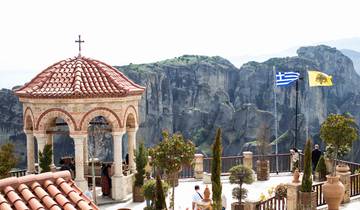
6 days
Northern Greece: In the Shadow of Mount Olympus
- ✓ Booking needs min. 2 travelers
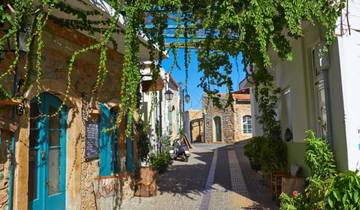
3 days
Escape to Thessaloniki, 3 Days
- ✓ Comprehensive Thessaloniki tour
- ✓ Expert local guides included
- ✓ All accommodation arranged
- ✓ Transportation provided
Multi-day tour packages powered by TourRadar. Prices and availability subject to change.
Introduction to Thessaloniki’s UNESCO Heritage 2026
Thessaloniki rises from the Thermaic Gulf as Greece’s second city and Northern Greece’s commercial-cultural capital, where 15 UNESCO World Heritage monuments testify to 1,200 years of Christian architectural evolution unmatched anywhere in the Mediterranean world. Founded in 315 BC by King Cassander of Macedon and named after his wife (Alexander the Great’s half-sister), Thessaloniki emerged as critical Roman provincial capital, Byzantine Empire’s second-most important city after Constantinople, and early Christianity’s primary European base following Saint Paul’s missionary visits in 49-50 AD. This strategic position at the Adriatic entrance and Via Egnatia crossroads created wealth enabling construction of elaborate churches, monasteries, and fortifications that survived Ottoman conquest (1430-1912), catastrophic 1917 fire destroying much of the city center, and 20th-century modernization that demolished medieval neighborhoods.
The 1988 UNESCO inscription “Paleochristian and Byzantine Monuments of Thessaloniki” recognizes 15 structures spanning from the Rotunda’s 4th-century Roman origins through 14th-century Palaeologan-era churches, creating what UNESCO describes as “a diachronic typological series which had a considerable influence throughout the Byzantine world.” These monuments include the massive Rotunda with its stunning early Christian mosaics, the five-aisled basilica of Agios Dimitrios (patron saint shrine and pilgrimage destination), Hagia Sophia’s 8th-9th century dome mosaics rivaling Constantinople’s destroyed examples, and exquisite late-Byzantine churches demonstrating evolved “cross-in-square” architectural development. Unlike Athens’s ancient focus or island destinations emphasizing beaches and Cycladic architecture, Thessaloniki offers concentrated Byzantine heritage experience requiring no island-hopping logistics or extensive transportation between scattered monuments.
Modern Thessaloniki (population 1 million metropolitan area) functions as living city rather than tourism-dependent museum environment, maintaining vibrant student culture (4 major universities), working port operations, Balkan commercial connections, and authentic Greek urban rhythms that Athens increasingly loses to tourism gentrification. The waterfront promenade enables evening volta (strolling) tradition where locals congregate for coffee, conversation, and Mediterranean sunset viewing—cultural experience impossible to replicate at archaeological parks or beach resorts. This metropolitan character combines with exceptional value positioning: hotels cost 15-30% less than Athens equivalents, taverna meals deliver authentic pricing rather than tourist premiums, and new metro infrastructure (opened November 2024) provides €0.60 public transport versus Athens’s higher fares.
For 2026 travelers, understanding Thessaloniki’s seasonal patterns proves essential beyond summer beach-destination thinking. Spring (April-May) brings comfortable 18-25°C temperatures ideal for walking UNESCO monument circuits without oppressive heat, though occasional rain requires flexibility. Summer (June-August) delivers 28-35°C heat making midday church/museum visits uncomfortable, but enables beach combinations with nearby Halkidiki peninsula and waterfront dining extending late into warm evenings. Autumn (September-October) provides optimal weather-crowd-cost balance with 20-28°C temperatures, reduced accommodation pricing (20-30% below summer), and harvest season food quality. Winter (November-March) sees many Greek islands close entirely, but Thessaloniki maintains full operational status with museum winter hours, heated churches welcoming refuge from 5-15°C temperatures, and hotel rates dropping 30-50% creating exceptional value for budget-conscious cultural travelers accepting cooler weather and occasional rain.
This guide provides verified 2026 costs, metro navigation strategies, Byzantine church visiting logistics, strategic accommodation locations, and realistic daily budgets transforming Thessaloniki’s exceptional UNESCO heritage and authentic Greek urban culture into actionable planning frameworks maximizing value and minimizing common tourist mistakes like poor timing around church closures or inefficient transport routing between scattered monuments.
Understanding Thessaloniki’s 15 UNESCO Monuments 2026
The UNESCO World Heritage inscription encompasses 15 structures demonstrating Early Christian and Byzantine architectural evolution across 11 centuries in 2026. The Rotunda represents the earliest monument, originally constructed 306 AD as Roman Emperor Galerius’s mausoleum and converted to Christian church in late 4th century, featuring exceptional early Christian mosaics in its dome depicting saints and architectural motifs. The structure charges €6 admission (€3 reduced) operating Tuesday-Sunday 8 AM-8 PM April-October, 8 AM-3 PM November-March. The massive circular building’s 24-meter-diameter dome creates acoustic phenomena making whispers audible across the vast interior space. Adjacent Arch of Galerius (303 AD) provides free exterior viewing showcasing Roman triumphal arch design with carved victory scenes.
Agios Dimitrios basilica dominates Thessaloniki’s religious landscape as Greece’s largest church and patron saint shrine containing Saint Demetrius’s relics and crypt marking his 303 AD martyrdom site. The five-aisled basilica operates free admission with visiting hours 7-9 AM, 4-7 PM weekdays (services restricting tourist access during prayers). The church survived 1917 fire that destroyed most of Thessaloniki’s historic center, requiring extensive 20th-century reconstruction incorporating salvaged Byzantine mosaics. The crypt includes Roman bath remains and archaeological museum displaying early Christian artifacts. Modest dress mandatory (covered shoulders/knees), photography restricted inside main church.
Hagia Sophia represents Thessaloniki’s cathedral from 13th century until Ottoman conversion to mosque 1523, featuring extraordinary 8th-9th century mosaics in the dome depicting Christ’s Ascension surrounded by angels and apostles—considered masterpieces of Macedonian Period Byzantine art. The church operates free admission 7-11 AM, 5-8 PM daily except during services. The building’s architectural plan mimics Constantinople’s destroyed Hagia Sophia, creating what UNESCO identifies as “outstanding example of the pure form of the Isaurian period.” Ottoman minaret remains on southwest corner, with British demolishing west porch early 20th century.
Panagia Chalkeon (1028 AD) exemplifies the developed “cross-in-square” Byzantine architectural plan, with three domes, elaborate brickwork patterns, and 11th-century frescoes partially surviving Ottoman mosque conversion (1430-1912). The small church sits in the commercial district requiring 20-minute visit maximum, operating free admission during limited hours (typically afternoons only—verify current schedule at tourist office or hotel). Acheiropoietos basilica (5th century) provides rare example of Early Christian three-aisled basilica plan with columns supporting galleries and preserved Byzantine-era mosaics. Free admission, limited visiting hours.
Hosios David (Latomou Monastery, 5th-6th century) contains extraordinary mosaic “Vision of Ezekiel” depicting Christ in medallion surrounded by evangelical symbols—one of the finest early Byzantine mosaics surviving anywhere. The tiny church operates irregular hours (typically 3-6 PM, but verify current schedule) requiring steep climb to Ano Poli (Upper Town) location. Free admission. Vlatadon Monastery occupies elevated position above city with functioning monastery operations limiting tourist access but providing panoramic city views and Byzantine spiritual continuity. Visit morning hours when chapel opens to visitors, respecting monastic quiet.
The Church of the Holy Apostles (14th century) represents late Byzantine architecture at its most refined, with elaborate brickwork decoration, multiple domes, and interior frescoes depicting biblical scenes. The church sits in dense residential neighborhood requiring local navigation but rewarding visitors with authentic neighborhood context absent from tourist-heavy central monuments. Saint Panteleimon (14th century) demonstrates similar late Byzantine craftsmanship with complex brick patterns and dome arrangements. Both operate free admission with limited afternoon hours.
Thessaloniki’s Byzantine Walls stretch 8 kilometers circumventing the Upper Town (Ano Poli), incorporating 4th-century foundations with extensive Ottoman-era modifications. The walls provide free access for walking, with Heptapyrgio fortress (seven towers) at the highest point offering panoramic city and gulf views. Heptapyrgio operates free admission daily, containing Byzantine and Ottoman prison history exhibition. The walls require 3-4 hours comprehensive walking, or targeted visits to specific tower sections and gates. Byzantine Baths (13th-14th century) represent Greece’s only surviving Byzantine bathhouse, operating as museum Tuesday-Sunday 8 AM-3 PM with €3 admission demonstrating Roman-Byzantine bathing culture continuity.
For 2026 visiting strategy, prioritize central UNESCO cluster (Rotunda, Arch of Galerius, Agios Dimitrios, Hagia Sophia, Panagia Chalkeon) accessible within 2-3 hour walking circuit using metro to Venizelou or Agia Sofia stations. Dedicate separate half-day for Upper Town churches (Hosios David, Vlatadon, wall walking) requiring uphill climb or bus Line 22/23. The Archaeological and Byzantine museums provide essential context for understanding churches’ historical evolution and artistic significance—visit museums first day to build appreciation framework, then churches with informed perspective on architectural and artistic elements. Combined 5-site museum ticket (Archaeological Museum, Byzantine Culture Museum, White Tower, Roman Agora, Galerius Palace Complex) costs €15 for 3-day validity representing excellent value versus individual €6-8 admissions.
Getting to Thessaloniki 2026: Transportation Options and Costs
Thessaloniki Macedonia International Airport (SKG) serves as primary arrival point for most 2026 visitors, located 15 kilometers southeast of city center with extensive European connectivity. The airport receives direct flights from major European cities including London, Paris, Frankfurt, Munich, Vienna, Rome, Milan, and Amsterdam, with budget carriers Ryanair, Wizz Air, and easyJet dominating routes alongside legacy carriers Aegean Airlines and Olympic Air. Advance booking (2-3 months prior) secures fares €50-140 roundtrip from Central European cities, while last-minute or summer peak bookings reach €150-280 roundtrip. Domestic Athens-Thessaloniki flights operate hourly via Aegean/Olympic (55-minute flight) costing €50-120 each way depending on booking timing.
Airport to city transportation operates through multiple efficient channels in 2026. Express Bus Line 01X provides direct connection to city center (Aristotelous Square, New Railway Station) operating 5:30 AM-11 PM with departures every 20-30 minutes for €2 per person—by far the most economical option taking 45-60 minutes depending on traffic. Night Bus 01N operates 11 PM-5:30 AM maintaining airport connectivity during metro closure hours, same €2 fare. Bus Line 02X connects airport to Nea Elvetia metro terminal enabling metro transfer to any city location for combined €2.60 cost (€2 bus + €0.60 metro). Taxis queue outside arrivals charging fixed €25-30 to city center, €35-40 to eastern suburbs, operating 24 hours with no surge pricing. Pre-booked private transfers cost €30-40 for 1-3 passengers with English-speaking drivers meeting arrivals—worthwhile for families with luggage or late arrivals after bus service ends.
Intercity bus arrivals use the KTEL Macedonia terminal located 2 kilometers west of city center, connected by metro Line 1 (New Railway Station or adjacent stops) for €0.60. Athens-Thessaloniki KTEL buses operate hourly 6 AM-11 PM costing €35-43 depending on service class (standard versus premium reclining seats), requiring 6-7 hours with one highway rest stop. Buses from Meteora (3.5 hours, €25-30), Halkidiki towns (1-2 hours, €8-15), and Bulgarian/North Macedonian borders provide regional connectivity. Railway Station serves intercity trains from Athens (4-5 trains daily, 4.5 hours, €40-55 depending on class) with metro station directly adjacent enabling immediate city access via €0.60 ticket. The Athens-Thessaloniki rail route features modern Intercity trains with cafe cars, power outlets, and reclining seats competing effectively with bus comfort at similar pricing.
Ferry connections prove less relevant for Thessaloniki than Athens/islands, though Sporades island services (Skiathos, Skopelos, Alonnisos) operate summer months from Thessaloniki port (7-8 hours to Skiathos, €35-50 depending on vessel speed). The port sits 1 kilometer east of city center accessible via metro or bus Lines 3/15/39. Most travelers combine Thessaloniki with Athens via air/bus/train rather than incorporating ferry connections into Northern Greece itineraries.
For 2026 planning, airport arrival timing significantly impacts first-day utility. Morning arrivals (before 1 PM) enable same-day UNESCO site visits after hotel check-in and orientation, while evening arrivals (after 6 PM) essentially waste first night’s accommodation cost since Byzantine churches close by 8 PM and museums close 5-8 PM. Budget travelers should coordinate bus departure times with accommodation check-in windows to avoid paying for unused nights. Flight booking should account for Greek domestic/EU flight security requiring 1.5-2 hours pre-departure at airport, allowing appropriate transportation buffer from hotel—€0.60 metro to Nea Elvetia station then €2 bus 02X to airport provides economical €2.60 route versus €25-30 taxi cost.
Where to Stay in Thessaloniki 2026: Accommodation Costs and Neighborhood Guide
Accommodation in Thessaloniki ranges €36-300+ nightly in 2026 depending on category, location, and season, with dramatic pricing advantages versus Athens maintaining comparable quality standards. Budget travelers find hostel dormitories €20-30 per bed in Ladadika/city center, budget hotels and guesthouses €36-72 for private doubles, and simple apartments €50-85 nightly. Mid-range hotels cost €80-140 shoulder season rising to €100-180 July-August peaks, while upscale properties range €140-220 shoulder season, €180-280 peak summer. Luxury heritage hotels and 5-star waterfront properties exceed €220-320 nightly. These rates reflect 2026 market pricing with climate resilience tax (€1.50-10 per night based on hotel class) typically included in booking totals.
City Center/Aristotelous Square accommodation positions travelers at Thessaloniki’s commercial-cultural epicenter with waterfront access, metro stations, and UNESCO monuments within walking distance. Mid-range hotels €100-160 occupy renovated early 20th-century buildings featuring period architectural details, central heating for winter stays, and breakfast terraces overlooking pedestrian squares. Budget hotels €50-80 in surrounding streets provide clean functional rooms with shared bathrooms or private facilities lacking luxury amenities but maintaining excellent location value. Aristotelous Square’s advantages include evening entertainment, numerous restaurants, White Tower proximity (10-minute walk), and metro access (Sintrivani/Venizelou stations) while disadvantages center on street noise from bars/restaurants particularly weekends and premium pricing for square-facing views.
Ladadika district (entertainment quarter) offers boutique hotels €120-200 in converted 19th-century commercial buildings featuring exposed brick, wooden beams, and design-focused interiors. The neighborhood’s Ottoman-era warehouse architecture creates atmospheric accommodation with nightlife, tavernas, and ouzeries steps from hotel entrances. Ladadika suits travelers wanting evening entertainment access accepting potential noise from bars operating until 2-3 AM weekends. Metro access via Venizelou station (5-minute walk) enables efficient transportation despite pedestrian-only central streets.
Ano Poli (Upper Town) accommodation provides authentic neighborhood atmosphere with Byzantine churches, Ottoman-era houses, and panoramic gulf views from elevated hillside position. Small guesthouses and boutique hotels €80-140 occupy traditional stone buildings with gardens, terraces, and family-run hospitality creating immersive local experience. The neighborhood requires uphill walks (20-30 minutes from sea level or bus Lines 22/23) making accommodation less suitable for travelers with mobility limitations, evening return from waterfront dining, or intensive daily monument-hopping requiring frequent city center access. Ano Poli excels for travelers prioritizing authentic atmosphere, morning church visits, and willingness to trade convenience for character.
Waterfront/Nea Paralia hotels €100-200 line the renovated seaside promenade east of White Tower, providing sea views, promenade jogging/cycling access, and modern hotel facilities with pools and spas. The area suits families, couples wanting romantic atmosphere, and travelers prioritizing morning exercise routines over immediate Byzantine monument access. Metro stations Papafi and Nea Helvetia (Line 1) enable 5-10 minute access to city center UNESCO sites. Waterfront positioning sacrifices Old Town atmospheric architecture for contemporary resort-style amenities and sunset gulf views.
Eastern suburbs (Kalamaria, Nea Krini) offer apartment rentals €60-120 suitable for week-long stays with kitchen facilities enabling grocery shopping savings. Line 2 metro extension (opening February 2026) transforms these former car-dependent suburbs into metro-accessible neighborhoods offering better value than central hotels for families or groups willing to accept 15-20 minute metro commutes. Beach access (Aretsou, Karabournaki) provides summer swimming options 3-4 kilometers from apartment bases.
For 2026 booking strategy, reserve accommodation 6-8 weeks advance for July-August travel accessing better rates and availability, while shoulder season (April-June, September-October) bookings 2-4 weeks ahead suffice for most properties. November-March sees dramatic discounts (30-50% below summer) with heated rooms and winter operating hotels providing exceptional value for cultural-focused visitors accepting 5-15°C outdoor temperatures. Free cancellation policies until 24-48 hours before arrival enable flexibility for weather-dependent travelers. Breakfast inclusion varies—hotel buffets cost €8-12 when not included in room rate, while bakeries and cafes provide authentic bougatsa (cream pie) and coffee €3-5 total. Properties with kitchenettes enable self-catering reducing daily food costs €15-25 per person versus full restaurant dining.
Transportation Within Thessaloniki 2026: Metro, Buses, and Getting Around
Thessaloniki’s public transportation transformed dramatically with November 2024 metro opening, creating integrated system combining metro trains and city buses under unified €0.60 fare structure in 2026. Metro Line 1 operates 13 stations spanning 9.6 kilometers from New Railway Station (western terminus, intercity bus/train connections) through central Venizelou, Agia Sofia, Sintrivani, Panepistimio stations to Nea Elvetia (eastern terminus, airport bus connection). Trains run 5:30 AM-12:30 AM Monday-Thursday/Sunday, 5:30 AM-2 AM Friday-Saturday with 3-5 minute frequencies peak times, 5-10 minutes off-peak. The complete line traverses in 17 minutes enabling rapid cross-city movement impossible via surface buses.
Metro tickets cost €0.60 for 70-minute validity allowing unlimited transfers between metro and buses within time window in 2026. Purchase from automated vending machines at station entrances (cash or card accepted, English language option available) with digital screens displaying ticket types and prices. Day passes cost €2.50 enabling unlimited travel 24 hours from first validation—worthwhile for intensive sightseeing days visiting Archaeological Museum, Byzantine Culture Museum, Upper Town, and waterfront requiring 5+ journeys. Monthly unlimited passes cost €16 for combined metro-bus access creating exceptional value for week-long stays with daily exploration (€16 monthly versus €2.50 x 7 days = €17.50 individual day passes). Ten-ticket bundles cost €5.80 (11 tickets total with bonus) providing slight discount for moderate users.
Key metro stations for 2026 tourists include Venizelou (Aristotelous Square, city center hotels, Modiano Market, Roman Forum access), Agia Sofia (Hagia Sophia church, central shopping district), Sintrivani (Arch of Galerius, Rotunda, waterfront promenade), Dimokratias (Archaeological Museum, Byzantine Culture Museum), and Nea Elvetia (airport bus connection via Line 02X, eastern suburbs). Line 2 extension opening February 2026 adds 5 stations to Mikra in Kalamaria municipality, expanding metro reach to beach suburbs and residential areas.
City buses complement metro coverage serving areas beyond rail network in 2026. All buses operate same €0.60 fare with 70-minute validity and metro transfer privileges. Critical tourist routes include Cultural Route Line 50 (€2 special fare) departing White Tower hourly looping through city center, Ano Poli, Byzantine monuments, and walls with audio guide in English—excellent orientation tour requiring 50-minute complete circuit. Airport buses 01X (day) and 01N (night) cost €2 running every 20-30 minutes between airport and city center/railway station. Upper Town buses 22/23 serve steep hillside streets connecting sea-level stations to Byzantine churches and walls, with Line 22 using smaller vans navigating narrow Ano Poli lanes.
Ticket validation requires tapping contactless cards or metro tickets on yellow validators at metro gates or bus entry, with €120 fines for non-validation strictly enforced including tourists. Tap-to-ride contactless payment enables paying with credit/debit cards or mobile wallets without purchasing tickets—fare calculation automatically determines cheapest option capping at €2.50 daily maximum. The OSETH mobile app provides real-time bus arrivals, metro schedules, and route planning in English language improving navigation efficiency for first-time visitors.
Taxis operate via street hailing, hotel calls, or taxi ranks at major locations (Aristotelous Square, railway station, airport) charging metered fares €5-12 for most in-city journeys in 2026. Airport runs cost fixed €25-30, Upper Town climbs €8-12 from sea level, and cross-city trips €10-15. Taxis accept cash only (no cards) requiring ATM stops before rides. Ride-hailing apps like Beat operate with limited coverage compared to Athens but provide English-language booking and electronic payment convenience for travelers uncomfortable with cash-only traditional taxis.
Walking remains practical for central UNESCO monuments accessible within 2-kilometer radius of Aristotelous Square, though Upper Town requires either bus transport or 20-30 minute uphill walks unsuitable for travelers with mobility limitations or hot summer midday hours. Bicycle rentals operate through municipal bike-sharing program and private rental shops €10-15 daily, though traffic and cobblestone streets make cycling less pleasant than metro/walking combinations.
For 2026 daily transport budgeting, active tourists using metro and buses 5-8 times daily should purchase €2.50 day passes (€17.50 weekly for 7 days) versus paying €0.60 per trip (€3-4.80 daily adding up to €21-33.60 weekly). Week-long visitors benefit dramatically from €16 monthly passes providing unlimited access at lower total cost than daily individual tickets or day passes. Budget €2-5 daily in transport costs for moderate touring (3-5 trips), €8-12 for intensive daily movement including airport transfer and Cultural Line 50 tourist bus.
Major Attraction and Museum Costs in Thessaloniki 2026
The Archaeological Museum of Thessaloniki charges €8 admission April-October, €4 November-March with reduced €4 rate year-round for EU students, seniors 65+, and children 7-18 in 2026. The museum operates Tuesday-Sunday 8 AM-8 PM summer season, 9 AM-4 PM winter season, closed Mondays except summer months. Collections span Neolithic through Roman periods focusing on Macedonian archaeology including gold artifacts from royal tombs, pottery, sculptures, and the famous Derveni Krater bronze vessel. Budget 2-3 hours comprehensive viewing. Dimokratias metro station provides direct access requiring 5-minute walk from station exit.
Museum of Byzantine Culture operates identical €8 summer/€4 winter pricing with EU reduced rates at €4 in 2026. Hours mirror Archaeological Museum schedule. The purpose-built modern facility presents Byzantine civilization through thematic exhibitions covering early Christian communities, Byzantine cities, worship practices, and post-Byzantine traditions. Exceptional icon collection, religious artifacts, frescoes, and mosaics removed from destroyed churches create comprehensive Byzantine cultural understanding essential for appreciating Thessaloniki’s UNESCO churches in proper historical context. Allow 2-3 hours thorough exploration. Located adjacent to Archaeological Museum enabling combined visits in single afternoon.
Combined Ticket Package costs €15 for 3-day validity covering five state museums/sites: Archaeological Museum, Museum of Byzantine Culture, White Tower, Roman Agora Archaeological Site, and Galerius Palace Complex in 2026. This package provides exceptional value versus €8 individual admissions totaling €40 if purchased separately. The 3-day window enables strategic planning visiting Archaeological and Byzantine museums first day, White Tower and waterfront second day, and Roman Agora/Galerius Palace third day while maintaining flexibility for church visits and dining between museum stops. Purchase combined tickets at any included site ticket office or Archaeological Museum as first stop.
White Tower operates as city symbol and maritime museum charging €8 admission (€4 reduced) Tuesday-Sunday 8:30 AM-3 PM year-round in 2026, or included in €15 combined ticket. The Ottoman-era fortification provides panoramic city and gulf views from rooftop terrace after climbing 6 floors of exhibitions covering Thessaloniki’s history from Byzantine through modern periods. Budget 45-60 minutes including climb and view appreciation. Waterfront location enables combining with promenade walking and cafe stops.
Roman Agora archaeological site costs €3 admission (€1 reduced) or included in €15 combined ticket, operating Tuesday-Sunday 8 AM-3 PM in 2026. The 2nd-century AD forum remains include two-story stoa, underground museum displaying excavated artifacts, and odeon seating. Allow 30-45 minutes exploration. Central location near Aristotelous Square enables easy integration with UNESCO church circuit.
The Rotunda charges €6 admission (€3 reduced) as previously detailed, operating Tuesday-Sunday 8 AM-8 PM summer, 8 AM-3 PM winter in 2026. This represents Thessaloniki’s single charged Byzantine monument, with remaining 14 UNESCO churches providing free access during visiting hours. Galerius Palace Complex including Arched Hall costs €3 (€1 reduced) or combines with €15 ticket, featuring impressive octagonal hall ruins and mosaic floors from 4th-century imperial palace.
Jewish Museum of Thessaloniki charges €8 admission Monday-Friday 9 AM-2 PM (Wednesday additionally 5-8 PM), Sunday 10 AM-2 PM, closed Saturdays in 2026. The museum documents Thessaloniki’s significant Sephardic Jewish community history from 15th-century Spanish expulsion arrivals through Holocaust destruction when Germans deported nearly 50,000 Jews in 1943. Allow 60-90 minutes for thorough understanding of this critical yet often-overlooked Thessaloniki historical component.
Atatürk Museum (birthplace of Mustafa Kemal Atatürk, Turkish Republic founder) operates free admission Tuesday-Sunday 9 AM-5 PM presenting early 20th-century upper-class Ottoman home preservation. Museum of Macedonian Struggle charges €2 admission (€1 reduced) Monday-Saturday 9 AM-2 PM documenting Greek struggle for Macedonian independence from Ottoman control. Folklife and Ethnological Museum costs €2 (€1 reduced) Friday-Wednesday 9 AM-3:30 PM (Wednesday until 9:30 PM) presenting Macedonian traditional culture through costume, craft, and domestic artifact collections.
For 2026 budget planning, prioritize €15 combined ticket as essential purchase providing access to five major sites at substantial €25 savings versus individual admissions. Add Rotunda €6, Jewish Museum €8, and selective smaller museums (Macedonian Struggle €2, Folklife €2) based on specific interests. Total comprehensive museum costs reach €35-40 enabling thorough archaeological, Byzantine, and historical understanding through professional curatorial presentations complementing free Byzantine church access. Many churches and Atatürk Museum provide free cultural experiences balancing paid attractions. First-Sunday-monthly free admission (November-March) at state museums enables budget maximization for winter visitors, while May 18 (Museum Day) and September final weekend (European Heritage Days) provide additional free-access opportunities.
Food and Dining Expenses in Thessaloniki 2026
Thessaloniki dining costs range €8-35 per person for full meals depending on restaurant category and ordering patterns in 2026, with traditional tavernas and mezedopolia (small-plate specialists) providing exceptional value-authenticity combinations. Budget taverna meals cost €10-18 per person including appetizer sharing, main course, house wine or beer, and bread—representative dishes include moussaka €8-10, grilled fish €12-16, souvlaki plates €9-12, Greek salads €6-8, and complimentary bread with €0.50-1 cover charges. Mid-range restaurant meals with multiple mezedes courses, better wine selections, and tourist-area locations cost €20-30 per person. Upscale dining at waterfront atmospheric venues or modern cuisine restaurants reaches €30-45 per person for multi-course meals with wine.
Thessaloniki’s culinary identity reflects Ottoman Turkish, Balkan, and Sephardic Jewish influences creating distinctive flavors absent from island Greek cuisine in 2026. Local specialties include bougatsa (cream or cheese-filled phyllo pastry served warm with powdered sugar and cinnamon, breakfast staple €2-3), soutzoukakia (spiced meatballs in tomato-cumin sauce €9-11), pastourma (cured spiced beef, Ottoman legacy €8-10 as appetizer), and trigona panoramatos (cream-filled triangular phyllo dessert €2-3). Street food culture centers on gyro wraps €3-4, koulouri (sesame bread rings) €0.80-1, and bougatsa from historic shops like Bantis or Serkos providing authentic breakfast under €5 total with coffee.
Waterfront tavernas along Nea Paralia (renovated promenade) charge 20-30% premiums over equivalent-quality establishments two blocks inland from seafront positioning in 2026. A full fish meal at waterfront location costs €25-35 per person versus €18-25 identical dish at Ladadika or Valaoritou district taverna three streets back from promenade. This price differential rewards strategic dining—save waterfront locations for sunset drinks and appetizers (€8-12 per person for drinks and shared mezedes) while taking full meals at inland tavernas maximizing value without sacrificing quality.
Breakfast strategies significantly impact daily costs in 2026. Hotel buffets cost €10-15 when not included in room rate, typically featuring basic continental spreads with packaged products. Traditional bakeries (zacharoplasteia) provide bougatsa €2-3, Greek coffee €1.50-2, fresh juice €2-3 totaling €5-7 for authentic local breakfast far superior to hotel buffets. Cafes serve freddo cappuccino €3-4, fresh juice €3-4, toast or croissant €2-3. Self-catering from supermarkets enables €4-6 breakfasts with Greek yogurt, honey, fresh fruit, and bakery bread particularly economical for week-long stays.
Lunch presents value opportunities between taverna full meals and street food options in 2026. Full sit-down taverna lunches mirror dinner portions and pricing €12-20 per person. Gyro or souvlaki wraps from sidewalk shops cost €3-5 providing filling portable meals for museum days. Bakery pies (spanakopita, tiropita) €2-3, supermarket picnic assembly €6-10 per person, and modiano Market purchases (olives, cheese, bread €8-12) enable budget optimization. Strategic lunch-minimization enables evening splurge dining at atmospheric tavernas—two gyros €6-8 versus €15-20 taverna lunch saves €7-14 daily (€49-98 weekly) redirected toward upgraded dinner venues or activities.
Supermarket shopping costs compare favorably to Western European pricing in 2026. Lidl, AB Vassilopoulos, and Masoutis supermarkets sell Greek yogurt €2-4 per kilogram, feta cheese €6-9 per kilogram, tomatoes €1.50-2.50 per kilogram, fresh bread €1-2 per loaf, bottled water €0.40-0.80 per 1.5 liters, local wine €4-7 per bottle, beer €1-1.50 per can. Weekly self-catering groceries for two people cost €40-65 including breakfast ingredients, lunch picnic supplies, and snacks substantially below €180-250+ weekly equivalent restaurant dining for three daily meals per person.
Coffee and cafe culture adds €5-12 daily to typical budgets in 2026. Freddo cappuccino (€3-4), frappe (€2.50-3.50), and Greek coffee (€1.50-2.50) at traditional cafes provide social hub experience where single purchase justifies hour-long sitting. Modiano Market area cafes offer local atmosphere €2-3 coffee versus tourist-area Aristotelous Square €4-5 pricing. Evening drinks at Ladadika bars range €4-7 for beer, €8-12 for cocktails, with happy hours (typically 6-8 PM) offering 2-for-1 deals. Budget travelers limiting alcohol to supermarket purchases (beer €1.50, wine €4-7 per bottle) for apartment consumption save €10-18 daily versus bar/restaurant drinking.
For 2026 daily food budgeting, budget travelers managing €18-28 daily eat bakery breakfasts (€5-7), gyro or picnic lunches (€5-8), budget taverna dinners (€10-15), supermarket water/snacks €2-3. Mid-range travelers spending €35-50 daily have cafe breakfasts (€8-12), taverna lunches or quality takeaway (€12-18), full taverna dinners with wine (€20-28), coffee/drinks €3-5. Food represents 30-45% of total trip costs for most travelers making dining strategy crucial for budget management—minor adjustments like packed lunches, bakery breakfasts, and controlled alcohol consumption reduce food expenses 35-45% without sacrificing authentic experience or culinary quality through strategic allocation prioritizing atmospheric evening dining over rushed midday meals.
Sample Daily Budget Breakdowns for Thessaloniki 2026
Budget Daily Budget (€35-55 per person): Accommodation €20-30 (hostel dormitory or shared guesthouse room), breakfast €5-7 (bakery bougatsa and coffee), lunch €5-10 (gyro or supermarket picnic), dinner €10-18 (budget taverna meal with house wine), transport €2.50-3 (metro day pass or 4-5 individual tickets), museums €0-8 (free churches or single admission), miscellaneous €3-5 (water, snacks, coffee). Total day cost: €45-81 per person excluding accommodation if calculating daily spend only. This budget requires shared accommodations, exclusively public transport, self-catering some meals, free church focus, and limited museum visits. Realistic for backpackers, student travelers, or extended-stay visitors prioritizing duration over daily comfort spending €315-385 weekly including accommodation.
Mid-Range Daily Budget (€80-130 per person): Accommodation €80-140 per room (€40-70 per person assuming double occupancy), breakfast €8-12 (cafe or hotel buffet), lunch €12-20 (taverna meal or quality takeaway), dinner €20-30 (full taverna dinner with wine and mezedes), transport €2.50-4 (day pass plus occasional taxi), museums €8-15 (combined ticket or 2 individual admissions), activities €5-10 (Cultural Line 50 or Upper Town exploration), miscellaneous €8-12 (coffee, dessert, shops). Total day cost: €140-240 for two people, €70-120 per person. This budget enables comfortable hotels, daily taverna dining, comprehensive museum access, and occasional convenience upgrades while maintaining spending awareness. Represents realistic comfortable travel style for couples or friends splitting accommodation costs, spending €490-840 weekly per person.
Luxury Daily Budget (€180-300+ per person): Accommodation €180-280 per room (€90-140 per person double occupancy), breakfast €12-18 (upscale hotel buffet or waterfront cafe), lunch €25-40 (seafront restaurant full meal with wine), dinner €35-55 (premium taverna or modern cuisine with extensive wine), transport €15-30 (taxis and private transfers), museums €15-25 (comprehensive combined ticket plus specialty museums), activities €20-40 (private walking tours, Cultural Line, Upper Town taxi tours), miscellaneous €15-30 (cocktails, shopping, premium experiences). Total day cost: €360-580 for two people, €180-290 per person. This budget provides boutique/luxury hotels, unrestricted waterfront dining, comprehensive cultural access, and transportation convenience without daily cost constraints, totaling €1,260-2,030 weekly per person.
Weekly Total Cost Ranges 2026 (7 nights, two people): Budget €700-1,300 (€350-650 per person), mid-range €1,200-2,000 (€600-1,000 per person), luxury €2,800-4,500+ (€1,400-2,250+ per person). These totals exclude international flights but include local expenses from arrival through departure. Single travelers pay 40-60% more than per-person shared accommodation costs due to single supplement pricing—budget solos expect €450-750 weekly, mid-range €900-1,500, luxury €2,000-3,500+. Groups of 3-4 sharing apartments reduce per-person accommodation costs 25-40% below double-occupancy rates enabling weekly costs as low as €280-500 per person (budget) while maintaining private rather than hostel accommodations.
The critical budgeting insight for Thessaloniki 2026 involves recognizing accommodation and dining as primary variable expenses determining total costs in 2026. Accommodation represents 35-50% of weekly expenses across budget levels, dining adds 30-40%. Transportation costs remain relatively fixed (€15-25 weekly comprehensive public transport or €35-60 including airport transfer and Cultural Line 50). Museum expenses for moderate touring total €20-40 weekly with combined ticket maximizing value. This cost structure means travelers substantially reduce totals by selecting affordable accommodation areas (eastern suburbs versus waterfront, shoulder season versus summer, guesthouses versus hotels) and implementing strategic dining (packed lunches, bakery breakfasts, supermarket wine versus restaurant alcohol) without eliminating cultural experiences or significantly compromising vacation quality—50% daily cost reductions achievable through accommodation-dining optimization versus museum/transport savings potential of only 20-30%.
Best Time to Visit Thessaloniki 2026: Month-by-Month Weather and Tourism Patterns
April-May 2026 constitute optimal shoulder season with temperatures 15-25°C, 6-8 hours daily sunshine, and occasional spring rain (6-8 days monthly, typically brief showers) creating ideal conditions for walking UNESCO monument circuits and museum exploration without summer heat exhaustion risks. Hotel rates remain 25-35% below July-August peaks, Byzantine churches and museums maintain full operational hours, and Easter celebrations (Orthodox Easter 2026: April 20th) add cultural depth through religious processions, services, and traditional foods. Disadvantages include cooler evenings requiring light jackets and unpredictable weather requiring flexible daily planning. May particularly suits travelers prioritizing comfortable temperatures, uncrowded attractions, and spring wildflower displays in Ano Poli gardens balancing value pricing with reliable weather patterns.
June 2026 delivers increasingly warm conditions (22-30°C air, 21-23°C sea enabling Halkidiki beach combinations) with 10-11 hours sunshine, minimal rainfall (2-3 days monthly), and summer operating schedules beginning at museums/churches extending evening hours. Hotel prices rise gradually through June starting 20% below peak early month reaching near-peak by month’s end. The month represents transition from spring touring comfort to summer beach accessibility, suiting travelers wanting guaranteed sunny weather for monument photography, outdoor dining extending late into warm evenings, and potential beach day trips without July-August extreme heat (often exceeding 35°C) or peak crowds. June especially suits families with school-age children whose academic calendars preclude earlier travel.
July-August 2026 constitute peak season with highest temperatures (28-36°C, heat waves occasionally exceeding 38°C), warmest nights (22-25°C), longest sunshine hours (11-12 daily), and essentially zero rainfall creating challenges for outdoor sightseeing. Hotel rates reach annual maximums, street cafes fill with Greek domestic tourists escaping Athens heat, and air-conditioned museum spaces provide essential midday refuge from oppressive outdoor conditions. Cultural Line 50 bus tours become uncomfortable in exposed upper-deck seating after 11 AM. July-August appeal primarily to travelers specifically wanting beach combinations with Halkidiki (60-100 km southeast, numerous resort beaches), accepting higher accommodation costs and intense heat as tradeoffs for guaranteed swimming weather and maximum Greek summer atmosphere. Byzantine church visits require early morning (7-9 AM before heat) or late afternoon (6-8 PM during vespers) timing avoiding midday saunas in non-air-conditioned medieval spaces.
September 2026 offers ideal weather-cost-crowd balance with temperatures moderating to 24-30°C, sea remaining warm (23-25°C) for Halkidiki beach visits, sunshine abundant (9-10 hours daily), and minimal rainfall (3-4 days) in 2026. Hotel rates drop 25-35% immediately after August 31st despite nearly identical weather conditions, museum crowding decreases substantially, and local cultural season begins with International Film Festival and autumn exhibitions. September combines summer’s reliable conditions with shoulder season pricing and reduced tourist saturation. The month particularly suits travelers without school-age children who can avoid July-August premiums while enjoying peak conditions. Thessaloniki International Trade Fair (early September annually) temporarily increases hotel demand/pricing for 1 week but adds business atmosphere and local energy.
October 2026 represents autumn transition with early month (first two weeks) maintaining summer-like 20-26°C while late October shifts toward 15-20°C creating variable conditions requiring flexible packing. Hotel rates fall to 35-45% below summer peaks creating exceptional value for visitors accepting cooler evenings (12-16°C requiring jackets) and increased rain probability (7-9 days monthly). Many Halkidiki beach facilities close after mid-October though swimming remains possible for cold-tolerant visitors. October suits budget-conscious travelers, those prioritizing museums/churches over beaches, photography enthusiasts capturing autumn light, and visitors wanting authentic non-tourist atmosphere as locals reclaim the city after summer crowds. The month enables comfortable all-day walking without summer heat exhaustion while maintaining full museum/church operational status unlike island destinations closing entirely.
November-March 2026 constitute off-season with reduced tourism infrastructure but full cultural site operations creating unique value propositions. November temperatures 10-16°C gradually decline through winter to January lows 3-10°C before recovering toward March 8-15°C. Rainfall increases to 9-12 days monthly November-December, sunshine reduces to 4-6 hours daily winter creating limited outdoor appeal. Hotel rates drop 40-60% below summer peaks—upscale properties offering luxury rooms €100-150 (versus €250-300 summer) for travelers prioritizing indoor cultural experiences over weather-dependent activities. Thessaloniki’s UNESCO churches, Archaeological Museum, Byzantine Culture Museum, and covered market areas remain fully operational and heated providing comfortable winter refuge. The season suits photographers seeking dramatic storm light, budget minimalists accepting weather limitations, and culture enthusiasts wanting Byzantine heritage without any crowds or queue delays. Christmas/New Year period sees temporary local tourism increasing hotel demand, while January-February represent absolute low season with maximum discounts and minimum visitors.
For 2026 planning, optimal visiting windows rank: (1) September for weather-cost-crowd equilibrium, (2) May-June for spring beauty and comfortable temperatures, (3) October for exceptional value with decent weather, (4) April for Easter cultural experience accepting variable conditions, (5) July-August only if beach focus or school schedules mandate accepting intense heat and peak pricing, (6) November-March for cultural-only visits on extreme budgets accepting winter limitations. Travelers with date flexibility should target May 15-June 20 or September 1-October 10 periods capturing best conditions across all variables. Budget-focused visitors gain maximum value November-March accepting outdoor limitations. Peak experience seekers prioritizing perfect weather choose June or early September avoiding July-August extremes.
Day Trip Options from Thessaloniki 2026
Vergina royal tombs (80 kilometers southwest, 1.5 hours by car or organized tour) represent Macedonia’s most significant archaeological discovery containing Philip II of Macedon’s (Alexander the Great’s father) burial chamber with golden larnax, weapons, and funeral goods in 2026. The underground museum built around tomb structures charges €12 admission operating daily 8 AM-8 PM summer, 8:30 AM-3 PM winter. Organized day tours cost €45-65 including transport, guide, and admission providing hassle-free logistics, while independent travelers rent cars €40-50 daily or take KTEL buses €12-15 roundtrip (limited schedule requiring overnight stay or very early return). Allow 2-3 hours museum exploration plus 3 hours roundtrip travel. Vergina suits history enthusiasts, those wanting Macedonian heritage beyond Byzantine focus, and travelers comfortable with organized tour structures or car rentals.
Mount Athos (90 kilometers east, 2.5 hours by car to Ouranoupoli gateway town) represents autonomous monastic republic maintaining 20 functioning Orthodox monasteries on mountainous peninsula in 2026. Male-only access requires permits obtained minimum 6 months advance through Mount Athos Pilgrims’ Bureau (online application €25 processing fee) with 10 permits daily allocated to non-Orthodox visitors, 100 to Orthodox pilgrims. Women cannot access beyond Ouranoupoli viewing point. Permitted visitors take ferry €10-15 from Ouranoupoli to monasteries maintaining traditional pilgrimage protocols (modest dress, limited photography, attendance at services). Overnight monastery accommodation €25-30 per person typically required given early morning ferries and extensive distances between monasteries. Mount Athos suits male Orthodox pilgrims, spiritual seekers comfortable with monastic protocols, and those planning multi-day immersive religious experiences rather than surface tourism.
Halkidiki peninsula beaches (60-120 kilometers southeast, 1-2.5 hours depending on specific beach) provide swimming, sunbed rentals, and tavernas creating beach-day alternatives to Thessaloniki urban touring in 2026. Kassandra peninsula (western finger, 60-80 kilometers) offers developed resort beaches with facilities (Kallithea, Pefkohori, Sani) accessible via rental car or organized beach tours €35-50 including transport. Sithonia peninsula (central finger, 90-120 kilometers) provides more natural beaches with fewer developments (Kavourotrypes, Kriaritsi) requiring car access. Sunbed rentals cost €8-15 per set (2 loungers + umbrella), taverna lunches €15-25 per person, and swimming season runs May-October with warmest water July-September. Day trips suit summer visitors wanting beach breaks between cultural days, families with children, and travelers prioritizing swimming alongside UNESCO monument touring.
Meteora monasteries (230 kilometers southwest, 3-3.5 hours by car, 4 hours by train) represent UNESCO World Heritage dramatic sandstone pillars topped with Byzantine monasteries requiring either overnight stays or very long day trips in 2026. Train service operates twice daily (early morning departure, evening return €30-40 roundtrip) enabling rushed same-day visits with 4-5 hours Meteora exploration. Organized bus tours depart Thessaloniki 7 AM returning 8-9 PM costing €55-75 including transport, monastery admissions, and lunch providing comprehensive logistics. Six active monasteries charge €3 admission each, operate varied schedules (typically 9 AM-5 PM with midday closures), and require modest dress with women wearing skirts (provided at entrances). Meteora rewards multi-day visits (overnight Kalambaka town) enabling relaxed monastery exploration, sunset photography, and hiking trails between pillars, though determined travelers accomplish abbreviated same-day visits accepting exhausting 14-hour days.
Edessa waterfalls (90 kilometers west, 1.5 hours by car or bus €12 roundtrip) provide scenic natural attraction with 70-meter cascades, walking paths behind falling water, and traditional architecture in 2026. Free access to waterfall park, with museums charging €2-3 admissions. Allow 2-3 hours exploration plus 3 hours transport. Pella archaeological site (40 kilometers west, 1 hour) preserves ancient Macedonian capital with exceptional mosaic floors charging €8 admission (€4 winter). Both sites combine well in single day trip via rental car. KTEL buses serve both destinations independently with limited frequencies requiring schedule coordination.
For 2026 day trip budgeting, Vergina organized tours cost €45-65, independent car rental €40-50 plus fuel €15-20 plus admission €12, Halkidiki beach days €35-70 depending on transport choice (organized tour versus car) plus meals and sunbeds, Meteora €55-75 organized or €30-40 train plus €18-24 monastery admissions, Mount Athos requires specialized pilgrimage planning €50-80 daily including permit, ferry, accommodation. Budget-conscious travelers using public buses and independent access minimize costs €25-40 per destination versus organized tours €45-75 providing convenience and guide context. Strategic day trip planning—one Vergina visit, one Halkidiki beach day, one local site (Pella or Edessa) during week-long stays—adds €80-150 total trip costs while significantly expanding geographic and cultural experiences beyond Thessaloniki’s urban Byzantine focus creating balanced Northern Greece understanding impossible from island-only or Athens-centric itineraries.
Frequently Asked Questions About Thessaloniki Travel 2026
What language is spoken in Thessaloniki and will I need Greek in 2026?
Greek serves as universal language in Thessaloniki with English widely spoken in tourism sector (hotels, restaurants in tourist areas, museums, major shops) but less common in traditional neighborhoods, local markets, and bus drivers in 2026. Tourist industry professionals—hotel reception, waterfront restaurant staff, museum attendants, tour operators—typically speak functional to fluent English enabling standard tourism transactions without Greek language skills. However, Thessaloniki functions as working Greek city rather than tourism-dependent island destination, meaning neighborhood tavernas, Modiano Market vendors, bus conductors, and traditional cafes often operate exclusively in Greek creating occasional communication challenges for non-speakers. Learning basic Greek phrases (hello/yasas, thank you/efharisto, please/parakalo, how much/poso kani) demonstrates cultural respect and facilitates smoother interactions particularly in authentic local establishments. Restaurant menus in tourist areas include English translations, though traditional tavernas may present Greek-only menus requiring pointing at neighboring tables’ dishes or requesting recommendations. Metro and bus systems feature English signage and audio announcements simplifying navigation without Greek comprehension. Archaeological and Byzantine museums provide English exhibition labels, audio guides, and guidebooks enabling full cultural understanding. Google Translate app’s camera function proves invaluable for real-time menu translation and sign reading. Overall, English-only travelers navigate Thessaloniki successfully with minor frustrations in authentic local contexts, while basic Greek phrase familiarity significantly improves local interactions and access to best-value traditional establishments where English-speaking staff absence correlates with authentic atmosphere and lower tourist-premium pricing.
Is Thessaloniki safe for tourists in 2026?
Thessaloniki ranks among Europe’s safest cities for tourists in 2026 with violent crime virtually non-existent in tourist areas and property crime rates low compared to major Mediterranean destinations. Tourist-targeted incidents primarily involve minor pickpocketing in crowded locations (Aristotelous Square during events, packed metro cars, Modiano Market), distraction theft from cafe tables and restaurant chairs, and occasional scooter theft from parking areas. Standard precautions eliminate most risks: secure bags in crowded spaces, never leave phones/wallets on outdoor cafe tables, lock rental accommodations, use hotel safes for passports and excess cash, and avoid isolated parks late evening. Solo female travelers report high comfort levels walking city center and waterfront after dark, though standard urban caution applies to empty streets late night. Greek culture generally protects tourists through hospitality tradition rather than targeting them, with taverna owners and locals often adopting helpful attitudes toward foreign visitors navigating the city. Scams remain rare—occasional taxi overcharging or tourist-trap restaurant bills represent the extent of tourist-focused fraud rather than elaborate pickpocket operations or organized crime found in Barcelona or Rome. Traffic poses higher risk than crime for pedestrians unfamiliar with Greek driving culture (aggressive lane changes, scooter-motorcycle unpredictability, limited pedestrian crossing priority), requiring defensive crossing habits and attention at intersections. Ano Poli (Upper Town) presents some isolated street segments where solo walking very late night (after midnight) merits taxi returns rather than uphill walks, though serious incidents remain extremely rare. Ladadika nightlife district sees occasional drunk altercations between bar patrons (typically among Greeks, not targeting tourists) making 2-4 AM weekend hours slightly less comfortable for solo travelers avoiding bar-heavy streets. Medical facilities include Ippokrateio and AHEPA university hospitals providing emergency care with some English-speaking staff, though serious cases sometimes require Athens evacuation for specialized treatment. Overall, Thessaloniki presents minimal safety concerns for tourists exercising basic common sense and standard European urban precautions, making it ideal destination for nervous travelers, families, solo women, and those prioritizing personal security alongside cultural experiences in authentic Greek metropolitan environment rather than isolated resort bubble protecting tourists from local reality.
Can I visit Thessaloniki’s churches during services in 2026?
Thessaloniki’s Byzantine churches welcome respectful visitors during services as functioning Orthodox religious spaces rather than museum exhibits in 2026, though understanding service protocols prevents disruption and ensures proper cultural experience. Services typically occur 6-7 PM weekday vespers, 7-10 AM Sunday Divine Liturgy, and major feast days maintaining extended schedules. Visitors may enter during services sitting in rear nave areas, standing along side walls, or quietly observing from narthex (entrance area) without approaching altar areas or iconostasis (icon screen separating nave from sanctuary). Photography during services universally prohibited out of respect for worship. Speaking, cell phone use, and movement during liturgy considered disruptive—visitors should time entries during less sacred service moments (processions, hymn singing) rather than consecration, scripture readings, or communion. Women must cover heads with scarves for service attendance at most churches (available at entrances or bring your own), while men remove hats. Modest dress requirements intensify for services—shorts, tank tops, and revealing clothing absolutely prohibited for service participants versus potentially tolerated for brief tourist visits outside service times. Orthodox services involve considerable standing (limited seating in side areas) requiring physical stamina for 60-90 minute vespers or 2-3 hour Sunday liturgies. Non-Orthodox visitors cannot receive communion regardless of Christian denomination—this represents theological position rather than unwelcoming attitude. The service experience provides profound cultural immersion into living Orthodox tradition, with chanting, incense, icon veneration, and elaborate priestly vestments creating multisensory spiritual atmosphere impossible to appreciate from empty church visits. However, visitors uncertain about appropriate behavior or uncomfortable with extended standing may prefer visiting churches outside service hours when exploration, photography (where permitted), and casual observation feel more natural. Churches operating tourist visiting hours typically close to casual visitors during services, reopening afterward. Agios Dimitrios, Hagia Sophia, and major UNESCO churches attract both tourists and regular Orthodox worshippers creating mixed congregations where respectful foreign presence causes no disruption, while smaller neighborhood churches with exclusively local congregations may make tourists feel conspicuous during services despite technical permission to attend. Strategic approach visits major churches during non-service hours for comprehensive exploration, architecture photography, and mosaic viewing, then attends single vespers service at Agios Dimitrios or Hagia Sophia for authentic Orthodox worship experience balancing cultural education with appropriate respect for functioning religious spaces and practicing believers.
How does Thessaloniki compare to Athens for family travel in 2026?
Thessaloniki offers several advantages over Athens for family travel including more compact walkable center, less overwhelming tourist crowds, better value accommodation-dining, and authentic Greek urban culture alongside disadvantages of fewer globally-iconic monuments and less comprehensive tourist infrastructure in 2026. Families with children aged 8+ interested in history appreciate Thessaloniki’s Byzantine churches and Archaeological Museum presenting manageable cultural content versus Athens’s extensive ancient sites requiring multiple full days creating child attention-span challenges. Thessaloniki’s waterfront promenade provides traffic-free space for running, playing, and cycling impossible near Athens’s busy streets, while city parks (Pedion Areos near waterfront) offer playground equipment and shaded areas. The new metro system’s novelty appeals to children fascinated by modern trains and underground stations featuring archaeological displays at Venizelou station. However, Athens delivers more child-oriented attractions including Acropolis Museum’s interactive displays, Panathenaic Stadium running track, and Ancient Agora providing tangible engagement versus Thessaloniki’s contemplative churches requiring sustained quiet behavior unsuitable for young children. Accommodation costs favor Thessaloniki (€100-160 family rooms versus Athens’s €140-220 for comparable quality) creating budget advantages for week-long stays. Restaurant pricing similarly trends 15-20% lower in Thessaloniki with child-friendly tavernas offering half-portions at reduced rates. Athens’s tourist infrastructure provides more English signage, established family tour operators, and child-focused museum programming versus Thessaloniki’s primarily adult-oriented cultural presentations. Beach access comparison favors Thessaloniki with Halkidiki 60-100 kilometers distant versus Athens’s Athenian Riviera requiring similar distances, though both cities enable beach day trips rather than beachfront accommodation. Upper Town’s steep hills create stroller challenges in Thessaloniki, while Athens’s Plaka district maintains similarly challenging cobblestone surfaces. Overall verdict: families prioritizing ancient monuments, child-specific attractions, and established tourist infrastructure choose Athens accepting higher costs and crowds; families wanting authentic Greek city experience, better value, Byzantine heritage exposure, and less tourist-saturated environment choose Thessaloniki accepting fewer globally-famous monuments and more adult-oriented cultural content. Ideal strategy combines both cities in two-week family trip—4-5 days Athens ancient sites, 3-4 days Thessaloniki Byzantine churches and waterfront, utilizing domestic flights or comfortable intercity buses/trains teaching children about Greek historical progression from Classical through Byzantine to modern periods while maximizing geographic diversity and cultural depth impossible from single-city stays.
What should I pack for Thessaloniki in different seasons 2026?
Spring (April-May 2026) packing essentials include layered clothing for 15-25°C variable temperatures, light waterproof jacket for occasional rain, comfortable walking shoes for cobblestone churches and archaeological sites, sunglasses and hat for sunny days, light sweater or cardigan for cool evenings and air-conditioned museums, modest clothing for church visits (covered shoulders/knees—lightweight shawl or sarong suffices for women), and small daypack for museum days carrying water, snacks, and layers. Avoid heavy winter coats (unnecessary) or summer-only tank tops (too revealing for churches, too cold for evening). Summer (June-August) requires sun protection focus—SPF 50+ sunscreen, wide-brim sun hat, UV sunglasses, very lightweight breathable clothing (cotton/linen over synthetics for 28-36°C heat), one light evening outfit for nice tavernas, water shoes for Halkidiki pebble beaches if planning day trips, portable water bottle for constant hydration, minimal layers (single cardigan for over-air-conditioned restaurants), and sandals suitable for both city walking and casual dining (flip-flops insufficient for archaeological sites’ uneven surfaces). Summer heat eliminates jacket necessity though single light layer covers rare cool evening or excessive restaurant air-conditioning. Autumn (September-October) packing mirrors spring with additional light jacket for cooling evenings (12-18°C October nights), combination of short and long sleeves enabling temperature adaptation, and slightly warmer layers for late October approaching winter transition. Winter (November-March) demands warm clothing for 3-15°C temperatures—warm jacket or coat, sweater layers, long pants, closed walking shoes, scarf and gloves for January-February, umbrella for increased rainfall, and indoor-appropriate clothing since significant time spent in heated museums, churches, and cafes escaping cold. Winter still requires modest church-visiting clothing with covered shoulders achievable through sweaters rather than summer’s shawl requirements. Year-round essentials include European two-pin power adapter, basic first aid kit, prescription medications in original containers with doctor’s note for controlled substances, photocopies of passport and travel insurance documents stored separately from originals, and reusable shopping bag for market purchases (single-use plastic bags eliminated in Greece). Unnecessary items often over-packed include excessive clothing changes (laundry services available, hand-washing easy in hotel sinks), heavy guidebooks (mobile apps provide updated information), beach umbrellas (rentals available €8-12 at beaches), snorkel gear (masks sufficient, fins bulky and available locally), formal business clothing (even upscale Thessaloniki restaurants accept smart casual), and multiple pairs shoes (one comfortable walking pair plus one evening sandal/shoe suffices). Luggage strategy: carry-on backpack or small suitcase per person avoids checked bag fees on budget airlines (€15-35 each way per bag), eliminates baggage claim delays, and enables easy metro/bus navigation without managing large luggage through crowded stations or narrow Ano Poli streets. Compact packing maximizes mobility across Thessaloniki’s walkable center while reducing travel stress and additional airline charges.
Do I need to rent a car in Thessaloniki in 2026?
Thessaloniki’s compact walkable center, comprehensive new metro system, and integrated bus network eliminate car rental necessity for visitors focused on city UNESCO monuments, museums, and waterfront exploration in 2026, with cars becoming valuable only for specific day trip scenarios requiring flexibility beyond public transport schedules. Central UNESCO monuments (Rotunda, Agios Dimitrios, Hagia Sophia, Archaeological Museum, Byzantine Culture Museum, White Tower) cluster within metro-accessible radius making €0.60 public transport vastly more economical than €40-60 daily car rental plus €10-15 parking charges plus fuel €8-12 daily. The new metro’s 17-minute cross-city transit and 3-5 minute frequencies eliminate waiting delays making rental cars time-competitive only for distant destinations. However, rental cars provide value for Vergina day trips (no direct bus service, organized tours €45-65 versus €50 car rental plus €15 fuel), Meteora visits enabling flexible monastery schedules versus rigid train times, Halkidiki multi-beach exploration accessing remote coves impossible via organized tours, and Mount Athos gateway town (Ouranoupoli) requiring car access unless joining organized pilgrimage groups. City driving challenges include limited parking in Aristotelous Square area (metered €1.50-2 per hour, municipal lots €12-18 daily), narrow Ano Poli streets unsuitable for larger vehicles, aggressive Greek driving culture unfamiliar to foreign visitors, and metro providing faster city-center access than traffic-congested street navigation. Parking near hotels runs €10-15 nightly at properties without included spaces, while street parking requires Greek-language zone understanding and frequent enforcement causing tourist tickets. Thessaloniki’s taxi availability (€8-15 most destinations) and affordable metro fares make occasional taxis for Upper Town returns or evening Ladadika access cheaper than daily car rental when calculated across week-long stays. Strategic decision matrix: visitors staying exclusively within Thessaloniki focusing on Byzantine monuments need no car (rely on metro €16 monthly pass, occasional taxis €30-50 weekly total); visitors planning 2+ day trips to Vergina, Halkidiki, or Meteora should rent car 2-3 specific days (€40-50 daily versus €90-150 total organized tour costs) rather than week-long rental leaving vehicle parked 4-5 days while using metro for city exploration; visitors combining Thessaloniki with broader Northern Greece road trip touring Mount Athos region, Halkidiki beaches, and mountain villages benefit from week rental (€250-350 weekly rates better than €40-50 daily rates for 7+ days). Budget travelers using exclusively public transport minimize costs €16 monthly metro pass plus €25-40 bus fare to day trip destinations versus €280-420 weekly car rental including parking and fuel, while convenience-focused travelers prioritizing schedule flexibility and multi-stop daily itineraries gain value from rental despite higher absolute costs through time savings and access to public-transport-inaccessible locations creating experiences impossible via metro-only strategies.
How much Greek history knowledge do I need to appreciate Thessaloniki in 2026?
Basic understanding of Byzantine Empire history and Orthodox Christianity dramatically enhances Thessaloniki UNESCO monument appreciation, though museums and guidebooks provide sufficient context enabling meaningful visits without pre-trip historical study in 2026. Visitors arriving with minimal background should prioritize Archaeological Museum and Museum of Byzantine Culture as first-day stops providing comprehensive historical frameworks explaining subsequent church visits—these museums present Byzantine civilization development, religious art evolution, and architectural progression creating essential appreciation context impossible to gain from churches alone. Understanding basic concepts maximizes monument value: Roman Empire’s 4th-century conversion to Christianity under Constantine explains Rotunda’s transformation from pagan mausoleum to church; Byzantine Empire’s role as Eastern Roman continuation after Western Empire collapse contextualizes Thessaloniki’s importance as empire’s second city after Constantinople; iconoclasm controversy (726-843 AD) explains why early churches feature geometric mosaics rather than figurative religious art; Ottoman conquest (1430) and four-century Turkish rule clarifies mosque conversions and minaret additions to Byzantine churches; 1912 liberation and incorporation into modern Greece establishes preservation context. Without this framework, churches appear as similar religious buildings rather than representations of distinct historical periods demonstrating architectural and artistic evolution. However, museums provide this education efficiently through English exhibition labels, audio guides, and chronological layouts eliminating pre-trip study requirements. Visitors completely unfamiliar with Byzantine history gain full appreciation through 4-5 hour combined museum visits establishing knowledge foundations, then applying learned frameworks during subsequent church touring. Pre-trip reading recommendations for enthusiasts include John Julius Norwich’s “Byzantium” trilogy (comprehensive but engaging Byzantine history), “The Orthodox Church” by Timothy Ware (explains Orthodox theology and worship practices visible in churches), and UNESCO’s official Thessaloniki monument descriptions (available online, concise architectural summaries). However, motivated travelers absorb equivalent knowledge from quality museum visits, hired local guides (€120-180 for 4-hour private tours providing expert context), or self-guided audio tours available at major sites. The critical insight involves recognizing Thessaloniki’s UNESCO value derives from chronological architectural progression rather than individual monument fame—visiting churches without understanding their places in 1,000-year evolutionary sequence reduces experience to superficial “pretty old buildings” versus profound appreciation for Byzantine civilization’s artistic development, theological expressions, and historical continuity through conquest, fire, earthquake, and modernization. Budget minimum 6-8 hours comprehensive museum exploration before extensive church touring maximizing educational value and visual understanding transforming otherwise confusing mosaic iconography and architectural elements into coherent historical narrative demonstrating why UNESCO recognized Thessaloniki’s monuments as outstanding universal value meriting World Heritage protection.
Can I visit Thessaloniki as a day trip from Athens in 2026?
Day trips from Athens to Thessaloniki prove logistically possible but extremely rushed in 2026, sacrificing meaningful cultural engagement for transportation time and creating exhausting 14-16 hour days delivering only surface exposure to Byzantine monuments deserving 3-4 day comprehensive visits. The Athens-Thessaloniki distance (500 kilometers) requires 4.5-5 hours by intercity bus (hourly KTEL departures €35-43) or train (4-5 daily, 4.5 hours, €40-55) each direction consuming 9-10 hours of potential 16-hour day in pure transit. Flights operate hourly (55 minutes airtime, €50-120 depending on advance booking) but require 2.5-3 hours total including Athens airport travel from city center (metro 40 minutes), security processing, Thessaloniki airport to city transport (bus 45 minutes), and equivalent return journey adding 5-6 hours transportation overhead. Absolute optimal scenario using 7 AM Athens flight arriving Thessaloniki 9 AM, departing 7 PM reaching Athens 9:30 PM provides only 8-9 hours Thessaloniki time after subtracting airport transfers—insufficient for Archaeological Museum (2-3 hours), Byzantine Culture Museum (2-3 hours), Rotunda and central UNESCO churches (3-4 hours), and authentic dining experiences. Rushed visitors accomplish abbreviated UNESCO church circuit (Rotunda, Agios Dimitrios, Hagia Sophia requiring 3-4 hours combined) plus single museum OR waterfront lunch, missing comprehensive Byzantine heritage understanding and exhausting themselves through airport stress and compressed timing. The €100-240 total cost (€100-240 flights or €70-86 bus/train roundtrip plus €20-30 daily expenses) nearly matches 2-night Thessaloniki budget accommodation (€80-120 total lodging) while delivering fraction of cultural value and creating physically grueling experience versus comfortable multi-day stays enabling morning museum visits, afternoon church exploration, evening waterfront dining, and proper Byzantine heritage appreciation. Alternative approaches: include Thessaloniki as overnight stop during Northern Greece touring (minimum 2 nights enabling 2 full days providing satisfying if abbreviated monument coverage); add Thessaloniki to Athens-focused trip as 3-4 day extension rather than day trip creating comprehensive Greek historical progression from Classical Athens through Byzantine Thessaloniki; or skip Thessaloniki entirely if Athens represents sole Greece destination with insufficient time for proper second-city exploration. Day trips make sense only for travelers with extremely limited vacation time who absolutely cannot allocate overnight stays but still want UNESCO Byzantine monument exposure accepting rushed surface-level experiences missing museums, comprehensive church visits, and authentic Thessaloniki dining culture that separate meaningful cultural engagement from monument check-box tourism. Anyone with scheduling flexibility should plan minimum 2-night (enabling 2 full days) Thessaloniki allocation providing proper city experience without exhausting travel logistics dominating cultural appreciation—better to visit one city thoroughly than two cities superficially through unsustainable day-trip marathons sacrificing quality for quantity.
What are Thessaloniki’s best photo opportunities in 2026?
Thessaloniki’s photography opportunities span Byzantine mosaics, waterfront sunsets, Upper Town panoramas, and archaeological museums requiring understanding of church photography restrictions and optimal timing for outdoor locations in 2026. White Tower represents Thessaloniki’s iconic image with Ottoman fortress silhouette against Thermaic Gulf enabling countless waterfront angle variations—photograph from adjacent promenade (golden hour 6-7 PM summer creates warm light), Nea Paralia walking path (wide-angle compositions including palm trees and modern sculptures), or rooftop bars in waterfront hotels (elevated perspectives). The landmark operates as city symbol appearing in every Thessaloniki promotional material, though photographically somewhat cliché requiring creative compositions to avoid tourist-postcard replication. Rotunda’s massive dome interior with early Christian mosaics creates spectacular photography opportunity—€6 admission permits photography without flash, though low interior lighting requires wide aperture lenses or high ISO settings capturing mosaic details. Natural light streaming through dome oculus creates dramatic illumination midday (11 AM-1 PM optimal) highlighting mosaic colors and architectural curves. Arch of Galerius provides Roman monument photography with modern city context—frame through arch to White Tower beyond, capture sunrise backlighting (6-7 AM summer), or photograph from elevated Ano Poli viewpoints showing arch in urban fabric. Byzantine churches present photography challenges with varied restrictions—some prohibit all photography (Agios Dimitrios crypt, various smaller churches), others allow photos without flash (Hagia Sophia, Panagia Chalkeon), and enforcement depends on priest/caretaker presence creating uncertainty requiring respectful inquiry before photographing. When permitted, Byzantine mosaics and frescoes require careful exposure balancing dark church interiors with illuminated artwork, high ISO capabilities managing low light without flash, and tripods (typically prohibited) necessitating image stabilization or fast lenses. Upper Town (Ano Poli) delivers panoramic city and gulf views from Byzantine walls with Heptapyrgio fortress providing elevated positions—photograph sunset (7-9 PM summer) when golden light bathes city below and Thermaic Gulf reflects sky colors, or blue hour (30 minutes after sunset) capturing city lights beginning illumination against twilight sky. Traditional Upper Town architecture with colorful Ottoman-era houses, narrow cobblestone streets, and flowering balconies creates atmospheric street photography opportunities absent from modern city center. Archaeological Museum prohibits photography in most galleries protecting artifact copyright and conservation concerns, though specific exhibitions occasionally permit non-flash photos—verify current rules at entrance. Museum of Byzantine Culture similarly restricts photography in permanent collections while sometimes allowing photos in temporary exhibitions. Modiano Market’s covered arcades with hanging produce, fishmongers’ displays, and vendor interactions create vibrant market photography opportunities morning hours (8-10 AM peak activity) when vendors arrange displays and shopper activity fills spaces. Ladadika district’s 19th-century Ottoman warehouse architecture with colorful facades, restaurant outdoor seating, and evening lighting delivers atmospheric photography opportunities particularly twilight/evening hours when outdoor dining begins. Waterfront promenade’s modern sculptures, cycling paths, and sunset viewpoints enable creative Gulf photography especially summer months when extended daylight hours (sunset 8-9 PM) allow restaurant dinner preceding sunset photography sessions. Practical photography tips for 2026: carry backup batteries since Byzantine churches and museums often prohibit charging, respect photography prohibitions avoiding confrontations with church staff, arrive Rotunda and permitted churches early morning (9-10 AM) avoiding tour groups filling frames, shoot Upper Town panoramas during golden hour avoiding harsh midday light, and consider photo workshops (€80-120 for 4-hour sessions) led by local photographers knowing optimal locations, church access protocols, and seasonal lighting patterns maximizing Thessaloniki’s unique Byzantine and waterfront photography opportunities within cultural respect boundaries.