
The Ultimate 2026 Brighton Guide: London Day Trips & The Best of British Seaside
Brighton stands as England’s most accessible seaside escape from London, combining Victorian elegance with contemporary cool just one hour south of the capital. This vibrant coastal city transforms a simple day trip into an unforgettable experience of pier entertainment, Regency architecture, independent shopping districts, and pebble beach relaxation, all connected by frequent direct trains that make spontaneous seaside visits remarkably easy.
Key Takeaways: Brighton Day Trip Essentials 2026
- Quick London Access 2026: Direct trains run every 7-15 minutes from London Victoria and London Bridge to Brighton, reaching the coast in 58-90 minutes with advance fares from £8 and same-day tickets £18-45.
- Budget Day Trip 2026: Experience Brighton for £20-35 per person including off-peak train travel, budget dining at award-winning cheap eats, and free beach exploration plus the iconic pier walk.
- Mid-Range Day Trip 2026: Comprehensive Brighton experience costs £70-110 per person covering standard train travel, quality restaurant meals, Royal Pavilion admission, and pier entertainment.
- Comfortable Day Trip 2026: Full-day luxury Brighton visit runs £145-180 per person including flexible train tickets, upscale dining, Royal Pavilion entry, unlimited pier rides, and SEA LIFE aquarium admission.
- Perfect Day Trip Duration 2026: Most visitors spend 6-8 hours in Brighton allowing time for the Royal Pavilion, lunch in The Lanes, pier activities, and beach strolls before evening trains back to London.
- Best Visit Times 2026: Summer weekends offer maximum energy but peak crowds and £1 pier admission, while autumn and spring weekdays deliver quieter exploration, free pier entry, and identical sunshine hours with fewer visitors.
People Also Ask About Brighton Day Trips 2026
How much does a Brighton day trip from London cost in 2026?
A Brighton day trip from London costs £20-35 per person for budget travelers, £70-110 for mid-range visitors, and £145-180 for comfortable experiences. Budget trips use advance train tickets from £8, cheap eats from award-winning restaurants like Fatto a Mano, and free beach activities. Mid-range trips include standard off-peak trains £18-35, quality restaurant meals £15-25, Royal Pavilion admission £17, and pier entertainment. Comfortable trips feature flexible anytime tickets £35-45, upscale dining £30-45, multiple attractions including the Royal Pavilion and SEA LIFE, and unlimited pier ride wristbands £32.
How long is the train from London to Brighton in 2026?
The fastest trains from London to Brighton take 58 minutes on Gatwick Express services from Victoria, while standard Southern and Thameslink trains complete the journey in 60-90 minutes depending on the number of stops. Thameslink services operate from St Pancras, Farringdon, Blackfriars, and London Bridge taking 65-85 minutes, while Southern trains from Victoria typically reach Brighton in 65-75 minutes. All services run direct with no changes required, and trains depart approximately every 7-15 minutes throughout the day providing exceptional flexibility for spontaneous day trips.
What is the best way to get from London to Brighton in 2026?
Direct train travel represents the best way to reach Brighton from London in 2026, combining speed, frequency, and convenience that other transport options cannot match. Trains depart every 7-15 minutes from multiple London stations with journey times under one hour, eliminating driving stress, parking fees £15-30, and coastal traffic congestion. Book advance tickets from £8 or use off-peak day returns £18-35 for same-day flexibility. The fastest Gatwick Express services from Victoria take 58 minutes, while Thameslink from London Bridge offers excellent value at similar speeds. Coaches operate from Victoria Coach Station at lower fares but take 2-3 hours with limited frequency.
Is Brighton worth visiting for a day trip in 2026?
Brighton delivers exceptional day trip value in 2026, packing Victorian architecture, contemporary culture, beach relaxation, and entertainment into a compact walkable area just one hour from London. The Royal Pavilion’s exotic interiors provide cultural depth, The Lanes and North Laine districts offer independent shopping and dining unlike anywhere in London, Brighton Pier delivers classic seaside entertainment with modern thrills, and the pebble beach provides genuine coastal atmosphere. Unlike resort towns requiring multi-day stays to justify travel time, Brighton’s proximity and train frequency allow morning departures and evening returns without rushed schedules, making it perfect for spontaneous escapes when London’s energy becomes overwhelming.
Extended multi-day tours – 5+ days
Featured London Multi-Day Tour Packages
3 days
London 3-Day Discovery Tour
- ✓ Comprehensive London experience
- ✓ Expert local guides included
- ✓ All accommodation included
- ✓ Transportation provided
5 days
London 5-Day Highlights Experience
- ✓ Comprehensive London experience
- ✓ Expert local guides included
- ✓ All accommodation included
- ✓ Transportation provided
7 days
London 7-Day Cultural Journey
- ✓ Comprehensive London experience
- ✓ Expert local guides included
- ✓ All accommodation included
- ✓ Transportation provided
10 days
London 10-Day Complete Adventure
- ✓ Comprehensive London experience
- ✓ Expert local guides included
- ✓ All accommodation included
- ✓ Transportation provided
Multi-day tour packages powered by TourRadar. Prices and availability subject to change.
Introduction: Discovering England’s Most Vibrant Seaside City in 2026
Brighton defies the tired British seaside stereotype with remarkable consistency and style. Where other coastal towns surrendered to decline decades ago, Brighton transformed itself into England’s most progressive city, combining Victorian architectural heritage with LGBTQ+ pride leadership, environmental innovation, and culinary excellence that rivals London’s best neighborhoods. The compact city center concentrates everything essential within a 20-minute walk from the station: the Royal Pavilion’s Indo-Saracenic splendor sits five minutes from the seafront, The Lanes’ independent boutiques connect directly to North Laine’s vintage markets, and Brighton Pier’s fairground entertainment anchors a seafront promenade stretching east toward the Marina and west toward Hove’s calmer atmosphere.
London’s relationship with Brighton runs deep through transportation history. The 1841 railway opening transformed a modest fishing village into Victorian England’s premier resort, with day-trippers flooding south every weekend to escape industrial London’s pollution. That tradition continues in 2026 with modern refinements: Gatwick Express services complete the journey in 58 minutes, contactless payment works across all services, and frequent departures eliminate the advance planning that other destinations require. The train itself becomes part of the experience, transitioning from London’s urban density through Surrey’s wooded hills, past Gatwick Airport, and across the South Downs before tunneling under the chalk cliffs for a dramatic seafront arrival.
Brighton’s 2026 character reflects decades of careful preservation balanced with progressive social policies. The Royal Pavilion restoration continues George IV’s exotic vision with historically accurate Chinese and Indian decorative schemes, while the surrounding gardens showcase Regency landscape design. The Lanes maintain medieval street patterns while hosting contemporary jewelers and independent fashion designers. North Laine evolved from commercial quarter to bohemian paradise without losing architectural authenticity. This preservation extends beyond buildings to cultural identity: Brighton Pride remains one of Europe’s largest LGBTQ+ celebrations, the Brighton Festival rivals Edinburgh for artistic programming, and the city council leads UK environmental initiatives with ambitious carbon neutrality targets.
The practical advantages of Brighton day trips in 2026 extend beyond proximity. Unlike coastal destinations requiring weekend hotel bookings and advance restaurant reservations, Brighton operates as a genuine city with infrastructure supporting both residents and visitors. Restaurants serve lunch until 3pm rather than closing at 2pm like resort towns. Museums maintain year-round opening hours instead of seasonal schedules. Public transport connects every neighborhood without the car dependency plaguing most seaside areas. This urban sophistication means spontaneous Tuesday visits work as well as planned Saturday trips, and visiting outside traditional holiday periods often delivers better experiences without peak-season crowds.
Weather patterns favor Brighton through extended seasonal windows. The South Downs create a microclimate delivering 30-50 percent more sunshine than inland England, with average summer temperatures reaching 20-23°C but rarely exceeding uncomfortable levels. Spring and autumn remain remarkably mild, with September temperatures often matching June figures, and winter’s coastal position moderates temperature extremes in both directions. Rain occurs less frequently than London despite the coastal location, and the open seafront position prevents the humidity that makes inland English summers oppressive. This weather reliability means fewer canceled plans and more successful spontaneous visits than less predictable UK destinations.
Transportation to Brighton 2026: London Train Options and Ticket Strategies
Three train operators serve the London-Brighton route in 2026, each with distinct characteristics affecting journey experience and ticket pricing. Understanding these differences optimizes both journey time and cost, particularly for flexible day trips where departure time remains uncertain until the morning.
Gatwick Express Services to Brighton 2026
Gatwick Express operates the fastest London-Brighton services, completing the journey from Victoria in 58-65 minutes with a single stop at Gatwick Airport. These services run twice hourly on weekdays with reduced weekend frequency, targeting business travelers and airport passengers rather than leisure day-trippers. The premium speed comes without premium pricing: Gatwick Express tickets cost identical amounts to Southern services on the same route, making the faster journey pure advantage when departure times align with Express schedules.
The Victoria departure point offers excellent central London connections via Victoria Underground station serving District, Circle, and Victoria lines. The station’s position near Westminster, Belgravia, and Pimlico makes it ideal for visitors staying in these areas or connecting from Heathrow via Piccadilly line. Platform announcements typically occur 10-15 minutes before departure, and Brighton trains usually depart from platforms 14-19, requiring the main concourse walk rather than the lower-level Gatwick platforms. Weekend engineering works occasionally force Gatwick Express services onto alternative routes through different London stations, so checking National Rail on departure morning confirms the current operating pattern.
First class upgrades on Gatwick Express provide table seating, complimentary refreshments, and quieter carriages for £15-25 additional cost when booked in advance. The upgrade delivers value for morning business meetings or laptop work during the journey, but standard class remains perfectly comfortable for leisure day trips with adequate seating even during busy periods. WiFi operates throughout the journey with decent speeds for email and browsing, though large file transfers struggle through the South Downs tunnels.
Southern Railway Services to Brighton 2026
Southern operates the majority of London-Brighton services from Victoria, running approximately four trains per hour throughout the day with journey times of 65-75 minutes. These services stop at Clapham Junction, East Croydon, Gatwick Airport, and several Sussex stations before reaching Brighton, providing excellent connections from southwest London neighborhoods and Surrey suburbs. The additional stops add only 10-15 minutes compared to Gatwick Express, making Southern the practical choice for most day-trippers when Express services don’t align with desired departure times.
Southern tickets offer identical pricing to Gatwick Express for the same journey types, but the operator provides better off-peak flexibility with trains every 15-20 minutes rather than twice hourly. This frequency eliminates the anxiety of missing a specific departure and supports spontaneous travel decisions. Southern accepts Gatwick Express tickets and vice versa, allowing travelers to board whichever service arrives first at Victoria rather than waiting for a specific branded train.
Weekend Southern services occasionally divide at Haywards Heath, with forward carriages continuing to Brighton and rear carriages diverting to other destinations. Platform announcements and digital displays indicate which carriages serve Brighton, but joining the train mid-platform rather than at the rear eliminates any division confusion. The conductor always makes announcements before the split occurs, and Brighton-bound carriages display clear destination information on platform-side displays.
Thameslink Services to Brighton 2026
Thameslink operates Brighton services from St Pancras, Farringdon, Blackfriars, and London Bridge, providing crucial north and east London connections that Victoria and Southern cannot match. Journey times range from 65 minutes from London Bridge to 85 minutes from St Pancras, with the longer duration offset by superior value: Super Off-Peak Day Returns cost £18 on Thameslink compared to £38-45 on Victoria services. This £20-27 saving makes Thameslink the budget choice for day trips, particularly for travelers starting in King’s Cross, Shoreditch, or south London areas near London Bridge.
Thameslink trains operate approximately four times per hour from London Bridge and twice hourly from St Pancras, with all services continuing through City Thameslink at Farringdon and Blackfriars. The route crosses the Thames twice, providing excellent views from the elevated track between Elephant & Castle and London Bridge. Trains use newer rolling stock than Southern and Gatwick Express services, with air conditioning, better WiFi, and USB charging points at most seats. The improved comfort partially compensates for the longer journey time, particularly during summer when older Southern trains become uncomfortably warm.
The St Pancras departure point connects to six Underground lines plus Eurostar and East Midlands Railway services, making it ideal for travelers arriving from north London, Hertfordshire, or international services. London Bridge offers excellent southeast London connections via Jubilee and Northern lines plus suburban rail services from Kent and Surrey. The Farringdon stop provides Circle, Metropolitan, and Hammersmith & City line access plus the Elizabeth Line, covering central and west London areas. This multi-station flexibility allows travelers to optimize departure location based on accommodation or morning appointments rather than defaulting to Victoria.
Ticket Types and Pricing Strategies 2026
Advance tickets purchased 1-12 weeks before travel deliver the lowest fares from £8 for off-peak trains. These tickets restrict travel to the specific service booked, with no refunds or changes without fees, making them suitable only for firm plans with known departure times. Advance availability fluctuates based on demand, with popular morning and evening services selling out weeks ahead while midday trains remain available days before travel.
Off-Peak Day Returns cost £18-38 depending on operator and route, allowing travel on any off-peak service outbound and return. Off-peak periods typically begin at 09:30 on weekdays, covering all day travel on weekends and bank holidays. These tickets provide excellent flexibility for spontaneous day trips, allowing travelers to catch earlier or later trains than originally planned without penalty. The return portion remains valid for one month, supporting multi-trip visits without purchasing separate single tickets. Off-peak tickets purchased at station ticket machines on the day of travel cost identical amounts to advance purchases, eliminating the advance booking requirement that some destinations enforce.
Anytime Day Returns cost £45-55 and permit travel on any train including peak-hour morning and evening services. These tickets suit business travelers and visitors with inflexible schedules requiring specific arrival times. The premium price rarely delivers value for leisure day trips unless early morning arrival becomes essential for specific activities or events. Most Brighton attractions open 10am-11am, making peak-hour travel unnecessary for tourism purposes.
Railcards reduce all ticket types by one-third when one traveler holds a valid card. The 16-25 Railcard costs £30 annually and pays for itself after four journeys, the Two Together Railcard costs £30 and requires both cardholders to travel together for the discount, and the Senior Railcard costs £30 for over-60s travelers. The Family & Friends Railcard costs £30 and provides discounts for up to four adults traveling with children, with additional child discounts. Network Railcard costs £30 and covers southeast England including Brighton, delivering one-third off for the cardholder plus three additional adults traveling together.
2-for-1 offers through Days Out Guide provide Royal Pavilion entry discounts when presenting train tickets, though online advance purchases often deliver better value than the 2-for-1 restriction requiring paired visitors. The scheme works best for couples visiting multiple attractions in a single day, where combined savings exceed individual advance purchase discounts.
Journey Experience and Onboard Facilities 2026
All London-Brighton trains feature standard class seating with adequate legroom and window tables suitable for laptop work. Power outlets appear at some tables on newer trains, though not at all seats, and USB charging points supplement traditional outlets on Thameslink services. WiFi operates across all operators with reasonable speeds for browsing and email, though streaming video and large downloads struggle through the tunnel sections approaching Brighton. Toilets appear in every few carriages with baby changing facilities and wheelchair-accessible options.
Refreshment trolley service operates on some peak-time trains selling hot and cold drinks, snacks, and sandwiches at premium prices. Most services omit trolley service, particularly off-peak and weekend trains, making station purchases or packed provisions the reliable option. Brighton station features extensive refreshment facilities including Costa Coffee, Pret a Manger, and independent cafes, while London Victoria offers even more comprehensive options throughout the main concourse and underground shopping area.
Luggage racks appear at carriage ends and above seats, adequate for day trip requirements though insufficient for large suitcases during busy periods. Day-trippers rarely encounter luggage space problems except during early morning Monday commuter services when business travelers occupy significant rack space. Bike spaces appear on some services with advance reservation required through the train operator’s app or website, though day-trip visitors rarely need bike facilities given Brighton’s compact walkable center and comprehensive local bus network.
The journey provides exceptional scenery through multiple landscape zones. The initial London section crosses the Thames at Battersea offering Westminster and City skyline views before entering suburban southwest London. Beyond Croydon, the route climbs through wooded North Downs countryside with occasional glimpses of the Shard and London skyline behind. The Gatwick Airport section passes the terminal before re-entering countryside for the most scenic portion through the Low Weald’s agricultural landscape. The final dramatic section tunnels under the South Downs chalk hills before emerging at sea level with the English Channel visible ahead. This geographic transition from urban to rural to coastal encapsulates the day trip’s appeal: comprehensive landscape change within one hour.
Royal Pavilion 2026: Brighton’s Exotic Palace and Essential First Stop
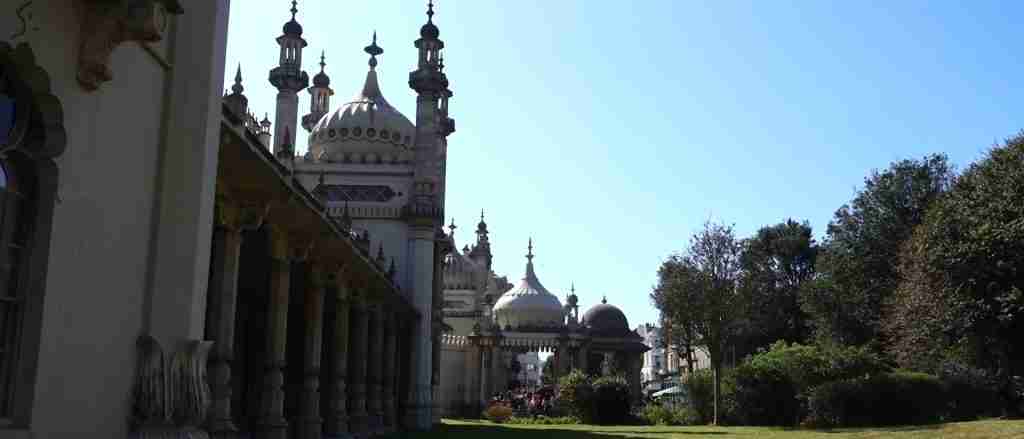
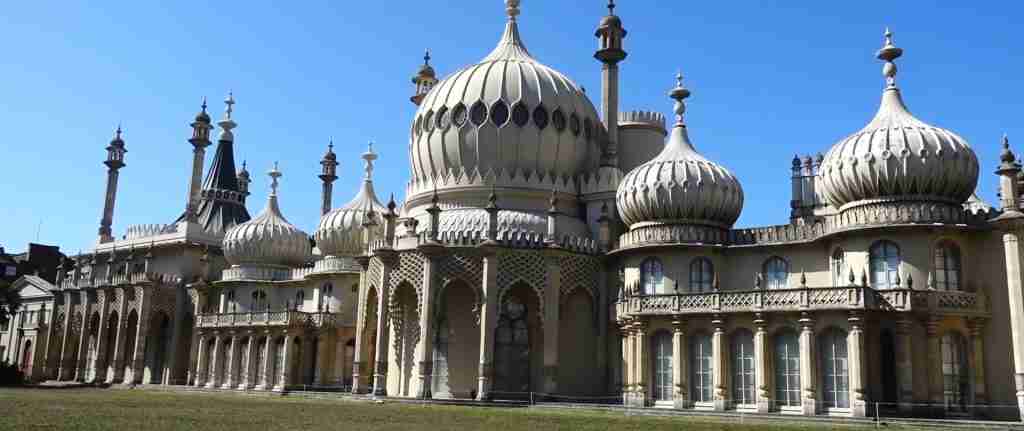
The Royal Pavilion dominates Brighton’s cultural landscape as England’s most extraordinary royal palace, combining Regency grandeur with Indian exterior architecture and Chinese-inspired interiors that created scandal when completed in 1823. George IV’s seaside pleasure palace remains as audacious today as Victorian critics found it then, with Nash’s Indo-Saracenic domes and minarets rising incongruously from Brighton’s seafront gardens. The palace’s 2026 restoration continues decades of conservation work returning decorative schemes to their 1823 appearance, when Chinese wallpapers, dragon chandeliers, and palm tree columns represented cutting-edge exotic luxury rather than historical curiosity.
Admission costs £17 for adults and £11 for children in 2026, with family tickets £44 for two adults and two children providing savings over individual purchases. Online booking delivers five percent discounts reducing adult admission to £16, and annual passes at £27 for individual visitors represent excellent value for anyone planning two or more visits within twelve months. Brighton & Hove residents receive significantly reduced admission at £17 including up to four accompanying children, supporting the palace’s community integration rather than tourist-only orientation.
Tickets include unlimited return visits for one year from purchase date, transforming a single day trip cost into multiple-visit value. This policy encourages exploration beyond rushed two-hour visits, allowing travelers to experience the palace during different seasons and lighting conditions. Summer afternoon visits capture the gardens in full bloom, while winter morning visits deliver the interiors without peak-season crowds. The annual validity particularly benefits London residents making frequent Brighton trips, who can visit the palace multiple times across different occasions without additional expenditure.
Ground Floor State Rooms 2026
The Banqueting Room overwhelms visitors immediately with its 30-foot-high domed ceiling supported by palm tree columns and dominated by a one-ton crystal chandelier held in a massive flying dragon’s claws. George IV hosted legendary dinners here for up to 100 guests, with elaborate Chinese decorative schemes complementing French cuisine served on silver-gilt plate. The recently restored decorative painting recreates the original 1823 color schemes, replacing Victorian alterations with historically accurate pigments and techniques. The room’s acoustic properties were deliberately engineered for conversation across the full table length, allowing George IV to dominate dinner discourse from his central position.
The Music Room represents the palace’s finest interior space, featuring 12 shell-shaped wall niches holding Chinese figures, elaborate dragon decorations throughout, and a spectacular dome painted to simulate Chinese lanterns. Musical performances occurred regularly during George IV’s residence, with the room’s design optimizing acoustics for chamber music and vocal performances. The 2026 presentation includes period instruments and occasional live music demonstrations, bringing the space’s original purpose back to life beyond static museum displays. The red and gold color scheme achieves almost overwhelming visual intensity, deliberately designed to impress guests with conspicuous expenditure and exotic taste.
The Saloon forms the palace’s social heart, where guests gathered before and after meals for conversation and entertainment. The recently completed restoration returned the original Chinese Export wallpaper, removed during Victorian modifications, back to its intended position. These hand-painted papers demonstrate remarkable craftsmanship with landscapes, figures, and architectural details creating immersive scenic environments. The furniture includes original pieces commissioned for the palace alongside later additions that complement the original schemes, all arranged to recreate the Regency social patterns of formal visiting and entertainment.
The Great Kitchen showcases technological innovation alongside decorative extravagance, with iron palm tree columns supporting the ceiling and elaborate copper equipment covering work surfaces. George IV’s French chef Carême supervised operations here, creating elaborate multi-course meals that established new standards for English royal dining. The 2026 presentation includes replica food displays showing typical banquet courses, and the scale of equipment reveals the massive staff required to execute these dinners. Four separate spits roasted multiple meats simultaneously, while specialized ovens handled pastries, puddings, and decorative centerpieces that formed essential banquet elements beyond the actual eating.
Upper Floor Private Apartments 2026
Queen Victoria’s Apartments occupy the first floor, reflecting her brief occupation before deciding the palace lacked privacy and selling it to Brighton in 1850. These rooms show more restrained decoration than the state rooms, though still incorporating Chinese wallpapers, bamboo furniture, and elaborate drapery. Victoria’s Bedroom features original 19th-century Chinese Export wallpaper, recently reinstated after years in storage, demonstrating the quality of decorative materials George IV commissioned even for private spaces. The intimate scale contrasts sharply with state room grandeur, revealing the palace functioned as both entertainment venue and private residence despite its relatively modest overall size.
The North Gallery connects private apartments to state rooms through a long space decorated with chinoiserie panels and oriental ceramics. This gallery served crucial social functions during George IV’s residence, allowing guests to circulate between rooms without crowding any single space. The 2026 layout recreates this flow pattern, guiding visitors through spatial sequences designed for specific social purposes. The gallery’s decorative schemes set sophisticated tone before guests entered state rooms, building anticipation through gradual intensity increases rather than immediate overwhelming spectacle.
Upstairs rooms include special exhibitions changing throughout the year, covering topics from palace history to broader Regency period themes. Recent exhibitions explored Brighton’s development as a resort town, George IV’s relationships with his architects and designers, and the palace’s transformation into a First World War hospital for Indian soldiers. These temporary exhibitions add depth beyond static room displays, and annual pass holders can return for new exhibitions without additional cost.
Palace Gardens and Grounds 2026
The restored Regency gardens surround the palace with historically accurate plantings recreating early 19th-century landscape design. The layout follows Nash’s original plans, with serpentine paths, specimen trees, and ornamental flower beds arranged in picturesque naturalistic style contrasting with geometric Georgian formality. Spring bulbs provide spectacular displays March through May, while summer borders peak June through September with roses, perennials, and bedding plants. The gardens remain open year-round with free access even when the palace closes, providing peaceful green space in Brighton’s compact center.
Garden benches offer seating throughout for rest and contemplation between palace tours, and the landscaping creates multiple intimate spaces despite the relatively compact overall area. The recent restoration included archaeological investigation revealing original garden features, now incorporated into the contemporary layout with interpretive signs explaining historical development. The gardens connect to the wider cityscape with views toward the seafront and surrounding architecture, positioning the palace within its urban context rather than isolating it behind walls.
Audio guides included with admission provide room-by-room commentary available in multiple languages, with specialized children’s versions incorporating games and activities. The standard adult guide runs approximately 90 minutes covering all main rooms with detailed historical and architectural information. Shorter highlight tours condense essential information into 45 minutes for visitors with limited time. The guide system uses visitor-owned smartphones via QR codes or WiFi download, eliminating equipment rental queues though traditional handsets remain available at the entrance for visitors without compatible devices.
Guided tours operate every Saturday afternoon, led by specialist palace guides offering deeper insights than audio guides provide. These tours explore decorative techniques, restoration challenges, and historical contexts in greater detail than self-guided visits allow. The 90-minute tours cost no additional fee beyond standard admission and require advance booking through the palace website. Special tours occasionally explore usually closed areas including upper-floor rooms and restoration workshops, announced through the palace’s mailing list and social media channels.
Brighton Pier Entertainment 2026: Classic Seaside Thrills
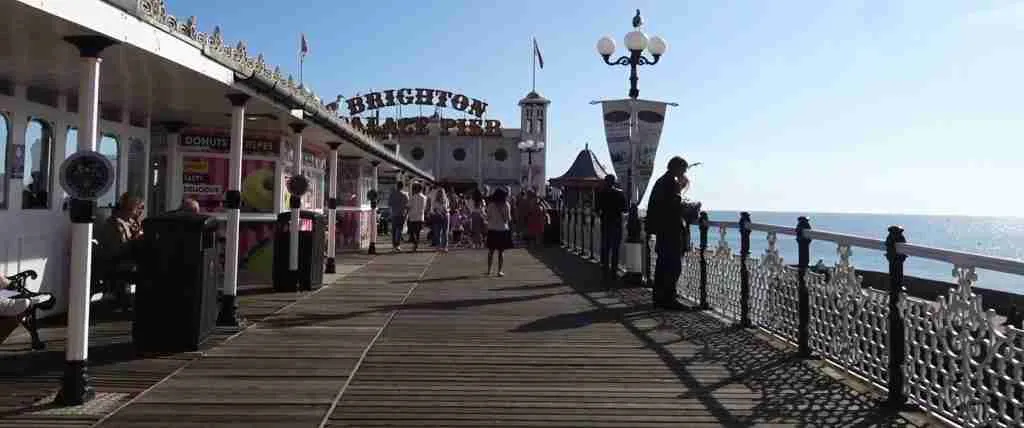
Brighton Palace Pier extends 525 meters into the English Channel, providing the quintessential British seaside experience with modern refinements addressing contemporary expectations. The Grade II* listed structure opened in 1899 as Brighton’s third pier, outlasting both the West Pier’s skeletal remains visible offshore and the 1823 Chain Pier’s complete disappearance. The 2026 pier combines Victorian architectural preservation with modern ride safety and entertainment technology, creating an attraction that satisfies nostalgia while delivering genuine thrills.
Pier admission costs £1 per person over age two during peak season from March through October. This 2026 reintroduction of admission fees after their 1985 removal reflects rising maintenance costs for the Grade II* listed structure, though the minimal charge barely impacts visit economics. Brighton & Hove residents with BN postcodes obtain free entry year-round by registering for a resident’s card that also delivers exclusive offers at pier businesses. Admission becomes free outside peak season November through February, and charges cease each evening when rides and kiosks begin closing, typically around 8-9pm though timing varies seasonally.
Pier Rides and Attractions 2026
Unlimited ride wristbands cost £32 for adults and £27 for visitors under 1.2 meters tall, with 20 percent online booking discounts reducing prices to £26 and £22 respectively. These wristbands provide access to approximately 20 rides including roller coasters, drop towers, carousels, and family attractions operating throughout the pier. Individual ride tickets cost £3-8 per attraction, making wristbands economical for anyone planning more than five rides. The wristband system allows unlimited re-rides throughout the operating day, encouraging extended pier visits rather than rushed experiences.
The Crazy Mouse roller coaster delivers classic wild mouse thrills with sharp turns and negative G-forces through compact layout optimized for the pier’s limited space. The enclosed design protects riders from wind exposure while maintaining open sections for sea views. The Turbo Coaster provides more traditional roller coaster experience with higher speeds and longer duration than the Crazy Mouse, though both appeal to similar thrill-seeker demographics. Both coasters operate height restrictions excluding young children, with family rides concentrated in the pier’s central section.
The Booster catapults riders 40 meters above the pier with panoramic English Channel and Brighton skyline views, combining height sensation with genuine aerial perspective. This ride attracts adult thrill-seekers and teenagers rather than families with young children. The Helter Skelter provides traditional spiral slide entertainment from a Victorian-style tower, delivering nostalgia alongside modest thrills suitable for all ages. The iconic structure appears in countless Brighton photographs and represents the pier’s heritage appeal beyond modern mechanical rides.
Family attractions include carousels, teacup rides, and a ghost train maintaining British seaside tradition. These rides accommodate young children and provide gentler entertainment between more intense attractions. The pier’s layout concentrates family rides in the middle section between arcade buildings and extreme rides at the pier’s end, allowing parents to keep groups together while accommodating different age thrill preferences.
Arcades and Gaming 2026
Two major arcade buildings dominate the pier’s center section, filled with contemporary and vintage gaming machines from penny pushers to modern video games. The Palace of Fun occupies the largest arcade space with hundreds of machines offering everything from classic 2p coin pusher games to virtual reality experiences. Traditional slot machines, prize redemption games, and skill-based challenges fill the space alongside modern dance machines and simulation games. The nostalgic appeal of older games running alongside contemporary entertainment creates multi-generational appeal, with grandparents introducing grandchildren to games from their youth while teenagers gravitate toward modern offerings.
Redemption games dominate contemporary arcade economics, where successful play earns tickets redeemable for prizes ranging from small toys to electronics. The prize shop occupies prominent space near arcade exits, encouraging extended play to accumulate sufficient tickets for desired items. Arcade machines accept both coins and contactless card payment through most machines, eliminating the change machine queues that once slowed arcade sessions. The contactless system tracks spending more effectively than cash feeding, benefiting both operators and players who can monitor expenditure through bank apps rather than losing track with physical coins.
The second arcade building at the pier’s end provides additional gaming space with similar machine mix, separating crowds across two locations rather than concentrating everyone in a single overcrowded space. The separated arcade strategy improves visitor flow along the pier’s length, encouraging exploration beyond the entrance area that Victorian piers tended to concentrate attractions. The rear arcade’s position near extreme rides creates natural grouping where thrill-seekers gather while families concentrate around the central attractions.
Pier Dining and Refreshments 2026
Palm Court Restaurant occupies prime position halfway along the pier with floor-to-ceiling windows providing unobstructed English Channel views. The restaurant serves traditional British seaside favorites dominated by fish and chips alongside burgers, salads, and children’s menu options. Fish and chips cost £12-18 depending on portion size and fish choice, with cod, haddock, and plaice options. The restaurant operates table service rather than counter ordering, creating more relaxed dining atmosphere than typical pier fast food outlets. Advance booking remains unnecessary even during busy summer weekends, though peak lunchtime periods 12:30-2pm can involve 15-30 minute waits for tables.
Horatio’s Bar at the pier’s end provides drinks service in more casual setting with outdoor seating when weather permits. The bar stocks mainstream beers, wines, spirits, and soft drinks at expected tourist venue pricing £5-9 for pints and £6-10 for mixed drinks. The location capitalizes on end-of-pier position with seating facing both back toward the shore and out over open water, creating distinct viewing experiences. The bar atmosphere suits afternoon drinks rather than extended evening sessions, with most visitors using it for refreshment breaks between pier activities rather than as primary destination.
Fast food kiosks line the pier selling hot dogs, burgers, donuts, candy floss, and other traditional seaside snacks. These outlets operate counter service with typical prices £4-8 for main items and £2-4 for sweets. The food quality matches expectations for carnival-style venues: adequate but unremarkable compared to Brighton’s excellent restaurant scene. Most visitors treat pier dining as convenient refueling rather than culinary highlight, with the Royal Pavilion’s gardens or The Lanes offering better lunch options for food-focused travelers.
Pier Atmosphere and Photography 2026
Brighton Pier functions as much as photographic backdrop as active attraction, with the distinctive silhouette featuring in countless Instagram posts, travel blogs, and traditional photography. The best external shots come from the beach facing north, capturing the pier’s full length against the sky with Victorian ironwork details visible. Dawn and dusk lighting creates dramatic silhouettes, while midday summer sun illuminates the pier’s colors and architectural details. The pier’s lighting system transforms the structure after dark with thousands of bulbs outlining the Victorian framework, creating classic seaside illumination that appears in postcards and promotional materials.
Internal pier views looking back toward the shore frame Brighton’s cityscape with the seafront promenade, hotels, and South Downs backdrop visible. These shots work particularly well from the pier’s end position where minimal infrastructure obstructs the view. The juxtaposition of Victorian pier architecture against contemporary city development illustrates Brighton’s historical continuity alongside modern evolution. Weather adds drama to pier photography, with storm clouds, sunset colors, and dramatic lighting creating atmospheric images that calm sunshine shots cannot match.
The pier operates year-round except Christmas Day, though hours vary seasonally with summer extending from 10am to midnight and winter contracting to 10am to 5-6pm depending on weather and visitor levels. Ride operations depend on weather conditions, with high winds forcing closure of exposed attractions while arcade gaming continues. The £1 admission fee allows pier walking even when rides close, maintaining public access to this historic structure during all conditions that permit safe pier use.
Brighton Beach Experience 2026: Pebbles, Promenade, and Coastal Atmosphere
Brighton’s pebble beach distinguishes this resort from sandy counterparts along England’s coast, creating distinctive character that divides opinion between those preferring easy beach lounging and those appreciating the unique seaside texture. The smooth round stones extend several meters from promenade to waterline, requiring careful walking but providing natural drainage that eliminates muddy sand stickiness. The pebbles shift continuously with tidal action, creating meditative sound as waves roll stones back and forth with each wave cycle. This acoustic quality defines Brighton’s beach atmosphere, providing constant background soundscape absent from sandy shores.
Beach access works differently than sandy resorts, requiring shoes or thick towels for comfortable stationary positioning. Most visitors spread towels or blankets directly on pebbles rather than attempting sandy beach activities like castle building that stone surfaces prevent. The stone surface discourages lengthy beach sessions that Mediterranean sand beaches encourage, aligning with Brighton’s character as active city destination rather than passive resort. Visitors typically combine beach time with other city activities rather than spending entire days beach-planted, supporting the day trip model that Brighton excels at providing.
Seafront Promenade and Infrastructure 2026
The seafront promenade extends several kilometers from Brighton Marina eastward through Brighton proper to Hove westward, providing continuous car-free walking route with beach access throughout. The 2026 promenade features upgraded cycling infrastructure with separated bike lanes reducing pedestrian-cyclist conflicts that plagued earlier mixed-use designs. The promenade position below street level creates separation from vehicle traffic noise, though positioned high enough for beach views and sea air without descending to beach level.
Promenade facilities include public toilets every few hundred meters, though quality varies and most charge 30-50p for access. Beach restaurants, cafes, and bars line the promenade at regular intervals, with outdoor seating extending onto the promenade during summer months. Water fountains appear periodically for bottle refilling, and emergency call points connect to coast guard services for marine safety concerns. The infrastructure quality matches world-class urban waterfronts rather than British seaside town standards, reflecting Brighton’s investment in year-round coastal amenity rather than seasonal tourism infrastructure.
Beach huts add traditional British seaside character along specific promenade sections, with the colorful structures functioning as changing rooms, storage spaces, and gathering points for extended beach visits. These huts operate on seasonal rental basis rather than daily hire, creating local community fixture rather than tourist amenity. The huts photograph beautifully with their varied colors against pebble beach and blue water, appearing frequently in Brighton promotional materials and travel photography.
Swimming and Water Activities 2026
Sea swimming attracts hardy enthusiasts throughout the year, with water temperatures ranging from 7-10°C in winter to 16-19°C in summer. The relatively mild temperatures compared to northern UK waters make Brighton popular with sea swimming clubs and cold water therapy practitioners. Summer temperatures rise enough for comfortable swimming without wetsuits for most visitors, though the English Channel never reaches Mediterranean warmth. The pebble beach entry requires careful walking until reaching swimming depth, unlike sandy beaches offering gradual wading approaches.
The Beach Box swim facility near the Palace Pier provides changing rooms, showers, and lockers for swimmers using the sea year-round. The facility targets regular sea swimmers rather than casual beach visitors, with membership programs supporting morning swim clubs that use Brighton’s waters daily regardless of season. This infrastructure reflects Brighton’s active sports culture beyond typical seaside tourism, positioning the waterfront as fitness destination rather than purely leisure space.
Stand-up paddleboarding gained significant popularity along Brighton’s waterfront in recent years, with equipment rental operations appearing at multiple beach locations. The relatively calm inshore waters protected by offshore barriers create suitable conditions for beginner paddleboarders, though wind conditions vary significantly with offshore breezes creating challenging conditions and onshore winds providing more sheltered experiences. Rental rates typically run £20-35 per hour with beginner lessons £45-60 for 90-minute sessions including equipment.
Kayaking and sailing operate from Brighton Marina rather than the main beach, with the marina’s sheltered waters providing better launch conditions than the open beach. Several operators offer guided kayak tours exploring the coastline toward the Seven Sisters cliffs eastward or the calmer Hove seafront westward. These tours typically run 2-3 hours covering 5-8 kilometers and cost £40-65 per person depending on group size and included equipment.
Seafront Bars and Restaurants 2026
The seafront restaurant scene spans traditional fish and chips shops to contemporary Asian fusion venues, with the eastern end near the Marina concentrating more upscale dining while the Palace Pier area maintains traditional seaside offerings. The historic Fishing Museum Quarter near the West Pier ruins features several excellent seafood restaurants serving fresh catches from the remaining Brighton fishing fleet. These venues deliver authentic coastal dining rather than tourist-trap mediocrity, with locals frequently dining alongside visitors.
The Bandstand near Hove boundary hosts regular summer events including concerts, outdoor cinema screenings, and community gatherings. The Victorian structure creates natural performance space sheltered from prevailing winds while remaining open to sea views. Event programming runs May through September with free and ticketed events mixing throughout the season. The location provides excellent sunset viewing position with western exposure unobstructed except by offshore horizon.
Beach bars proliferate during summer months with temporary structures offering cocktails, craft beers, and casual dining directly on or adjacent to the beach. These seasonal venues capture Mediterranean beach club atmosphere transported to English seaside setting, with the contrast between sophisticated cocktail service and pebble beach creating distinctively Brighton character. The bars operate May through September with extended hours during July and August, closing or operating reduced hours during shoulder seasons when weather becomes less predictable.
Beach Activities and Seasonal Character 2026
Summer weekend beach atmosphere ranges from family-friendly to carnival-like depending on specific location and time. The Palace Pier area concentrates families with children and coach tour groups, creating energetic crowded environment with street performers, food vendors, and constant activity. Moving eastward toward the Marina or westward toward Hove delivers progressively quieter experiences with more local residents and fewer day-trippers. The western end near Hove provides the calmest beach atmosphere, popular with retirees and residents seeking relaxation rather than entertainment.
Spring and autumn beach experiences offer the best balance between pleasant weather and manageable crowds. September particularly delivers excellent conditions with water temperatures remaining at summer levels while visitor numbers drop significantly after school holidays end. The shoulder seasons eliminate the peak summer beach congestion while maintaining most seafront amenities and restaurant operations, creating ideal conditions for day-trippers preferring exploration over sunbathing.
Winter beach walking provides dramatic coastal atmosphere with storm watching popular among locals and weather photography enthusiasts. The exposed promenade position catches full force of Channel storms, with waves occasionally overtopping the sea defenses during particularly severe weather. The winter beach reveals Brighton’s genuine coastal character beyond tourist resort functions, with dog walkers, fitness runners, and contemplative walkers replacing summer’s beach leisure seekers.
The Lanes and North Laine Shopping 2026: Brighton’s Independent Retail Heart
Brighton’s two shopping districts confuse many first-time visitors with similar names and adjacent locations but distinctly different characters. The Lanes occupy the medieval old town with narrow pedestrian streets running at irregular angles between Brighton’s main shopping streets and the seafront. North Laine sits north of The Lanes across the main road, filling the former commercial quarter with vintage shops, record stores, and bohemian independent retailers. Both areas concentrate Brighton’s retail identity into walkable districts easily covered during half-day exploration, though serious shopping enthusiasts can spend entire afternoons working through the concentrated independent retail offerings.
The Lanes Historic Quarter 2026
The Lanes’ medieval street pattern survives from Brighton’s fishing village origins, with narrow passages barely wide enough for two people creating intimate shopping environment impossible in modern retail developments. The tight spaces concentrate visual interest while creating natural browsing pace that benefits retailers selling higher-value items requiring closer inspection. Contemporary jewelry shops dominate the district alongside antique dealers, art galleries, and upscale boutiques catering to visitors seeking unique purchases rather than chain store predictability.
Independent jewelers form The Lanes’ retail backbone, with multiple established businesses selling contemporary designs, vintage pieces, and custom commissions. These shops range from affordable silver jewelry to high-end precious stones, accommodating various budgets while maintaining consistent quality standards. The concentration creates natural competition driving customer service and design quality above typical tourist jewelry standards. Many shops offer repair services, resize facilities, and custom design consultations, supporting local customers alongside tourist sales.
The Lanes’ restaurant scene fills the district with quality dining options ranging from traditional afternoon tea venues to contemporary fusion restaurants. The narrow streets create natural outdoor dining spaces sheltered from wind while maintaining pedestrian flow, with most restaurants offering both indoor seating and outdoor tables during mild weather. The architectural scale suits intimate dining rather than large group celebrations, with most venues seating 30-50 covers in cozy environments emphasizing quality over capacity.
Architectural details reward close observation throughout The Lanes, with historic buildings features preserved through careful conservation regulations. Bay windows, decorative ironwork, and varied roof lines create visual interest across narrow sight lines. The district maintains residential uses alongside retail and dining, with upper floors hosting apartments preserving the neighborhood’s lived-in character rather than becoming purely commercial zone. This mixed use generates evening activity beyond typical shopping district patterns, with residents supporting local businesses throughout operating hours.
North Laine Alternative Shopping 2026
North Laine evolved from commercial district to bohemian quarter through gradual organic development rather than planned transformation. The grid street pattern provides easier navigation than The Lanes’ medieval maze, with parallel streets running northeast from the station toward the Level park. Contemporary use favors vintage clothing shops, record stores, independent bookshops, and alternative fashion retailers serving younger demographics and counterculture interests. The area captures Brighton’s progressive reputation more directly than The Lanes’ upscale offerings, with LGBTQ+ friendly businesses, vegan restaurants, and environmental activism visible throughout.
Vintage clothing shops concentrate heavily in North Laine with multiple large stores stocking extensive inventories spanning decades of fashion. These operations go far beyond charity shop offerings, with curated selections, organized sizing, and quality control producing shopping experiences closer to contemporary boutiques than thrift stores. Prices reflect the curation quality, with items ranging from £15 for basic pieces to £150+ for designer vintage finds. The vintage scene attracts fashion students, costume designers, and style-conscious shoppers seeking distinctive looks unavailable in chain stores.
Independent record stores maintain significant presence in North Laine despite vinyl’s supposed obsolescence, with several shops stocking extensive collections of new releases, classic albums, and rare finds. These stores function as community hubs for music enthusiasts, hosting in-store performances, release parties, and serving as information exchanges for Brighton’s music scene. The listening stations allow pre-purchase sampling, and knowledgeable staff provide recommendations matching chain store algorithms cannot achieve. Record shopping creates natural browsing pace encouraging extended sessions rather than quick purchases, with many visitors spending hours working through vinyl collections.
Alternative fashion retailers range from punk-inspired clothing to contemporary streetwear, gothic aesthetics to retro revival styles. The diversity reflects Brighton’s accepting atmosphere where individual expression receives encouragement rather than judgment. Many shops combine new and vintage items, create custom alterations, or feature local designer works alongside international alternative brands. The shopping experience emphasizes personal service and style consultation over mass market transaction efficiency.
North Laine’s cafe culture supports extended browsing sessions with independent coffee shops appearing every few buildings. These venues typically feature ethical sourcing, vegetarian or vegan menus, and community notice boards advertising local events, room shares, and Brighton’s alternative culture activities. The cafes function as social spaces rather than pure transaction points, encouraging lingering over single drinks while reading, working, or people watching through street-facing windows.
Brighton Shopping Practicalities 2026
Most independent shops open 10am-6pm Monday through Saturday with reduced Sunday hours 11am-5pm, though specific times vary by business. The Lanes maintain more consistent schedules than North Laine where some shops operate shorter hours or skip specific weekdays. Late night shopping occurs Thursday until 8pm in major retail areas, though The Lanes and North Laine independent shops rarely extend beyond 6pm regardless of day. Holiday periods see extended hours December through New Year, while January sales create crowded conditions throughout both districts.
Payment methods universally include contactless cards throughout both districts, with most shops accepting all major cards without minimum purchase requirements. Cash remains useful for market stalls and occasional shops, though the majority of transactions occur electronically. ATMs appear regularly along main routes with both bank-operated machines offering free withdrawals and independent machines charging £2-3 fees clearly displayed before transaction completion.
Brighton’s shopping etiquette follows general UK retail customs with friendly service expected but not the effusive American-style engagement some international visitors anticipate. Shop assistants typically acknowledge entry and offer help without hovering, allowing browsing freedom until customers request assistance. The independent nature of most shops means staff often possess significant product knowledge and genuine enthusiasm about merchandise, creating opportunities for engaged conversations when customers demonstrate interest rather than rushing transactions.
Bag policies vary by shop with most providing paper or reusable bags for purchases, though the UK’s plastic bag charge means disposable plastic bags cost 10p when offered at all. The charge applies to all retailers regardless of size, encouraging customers to bring reusable bags or accept paper alternatives. Many shops showcase environmental commitments through bag policies, packaging choices, and product sourcing, reflecting Brighton’s progressive environmental stance.
Brighton Dining Scene 2026: Budget to Fine Dining Excellence
Brighton’s restaurant quality consistently surprises first-time visitors expecting typical seaside mediocrity, instead discovering culinary depth rivaling London neighborhoods at significantly lower prices. The city’s restaurant scene benefits from proximity to Sussex farms, Channel fisheries, and London’s food trends without London’s commercial property costs or wage expectations. Independent restaurants dominate over chains, creating diverse options where individual chef visions drive menus rather than corporate formulas. The 2026 scene reflects continued evolution toward sustainability, plant-based options, and global influences integrated into British seasonal cooking.
Budget and Value Dining Brighton 2026
Budget-conscious diners find exceptional value throughout Brighton, with the 2026 BRAVO Awards highlighting restaurants delivering quality without premium pricing. Fatto a Mano won Best Cheap Eats for authentic Neapolitan pizzas cooked in clay ovens with prices remaining impressively low. These pizzas cost £8-12 with generous portions suitable for main meal rather than starter sizing. The restaurant avoids tourist trap tactics despite prime location, maintaining quality standards that attract regular local customers ensuring consistent business beyond seasonal tourist variations.
La Choza brings Mexican street food to North Laine with bold flavors and reasonable pricing that earned BRAVO recognition. Tacos, burritos, and sharing plates cost £6-10 per item with portions sized for satisfaction rather than upselling additional dishes. The bright interior and outdoor seating create festive atmosphere supporting the food’s energy level, making budget dining feel celebratory rather than constrained by economic limitations.
Casazul operates from Brighton Open Market with zero-waste commitment and affordability combined, earning Sustainability Champion recognition alongside value dining praise. The Mexican menu features tacos, seasonal stews, and mole with vegetarian options throughout. Meal deals provide complete lunches £8-12, positioning the restaurant as everyday option for locals rather than special occasion destination. The open market setting adds authentic character while keeping overhead costs low enough to support accessible pricing.
MOGUMOGU serves Japanese comfort food from a compact London Road cafe with prices defying contemporary ramen restaurant expectations. Made-to-order bowls cost £9-13 with authentic preparation and fresh ingredients that match specialist venues charging significantly more. The limited seating creates cozy atmosphere though often requires waits during peak lunch and dinner periods. The food quality at this price point represents Brighton’s independent restaurant value proposition clearly: chef-driven quality without corporate margin requirements.
Fish and chip shops range from basic takeaway operations £7-10 to sit-down restaurants £12-18, with quality varying significantly across this spectrum. The better operations source sustainable fish, use fresh potatoes for chips, and maintain cooking oil rigorously for consistent quality. Regency Fish Bar near the Royal Pavilion and Bardsley’s in Baker Street both deliver reliably excellent fish and chips at mid-range pricing. The traditional meal remains essential Brighton experience despite countless contemporary alternatives, connecting visitors to centuries of seaside tradition.
Mid-Range Restaurant Excellence 2026
Mid-range dining £15-25 per main course concentrates in The Lanes, North Laine, and Kemptown with diverse global influences. Indian restaurants particularly excel in Brighton with several operations sourcing ingredients carefully and developing complex spice profiles rather than defaulting to generic curry house formulas. The Chilli Pickle near Jubilee Library serves contemporary Indian cooking with seasonal British ingredients integrated thoughtfully, creating dishes connecting Brighton’s location to subcontinental techniques. Mains cost £14-19 with exceptional vegetarian options throughout the menu.
Italian restaurants beyond pizza specialists include several excellent trattorias serving regional Italian cooking rather than generic red-sauce Italian-American adaptations. Semolina near North Laine emphasizes pasta made in-house with seasonal ingredients and careful wine pairings. The restaurant operates reservation-essential policies during weekend evenings, though weekday lunch service remains more accessible. Prices remain reasonable £14-22 for pasta and secondi despite the quality level justifying higher positioning.
Asian fusion restaurants reflect Brighton’s progressive food culture with several venues integrating techniques and ingredients across East Asian cuisines. Moshimo combines Japanese fundamentals with contemporary presentations and surprising ingredient combinations. Monday and Tuesday half-price member deals deliver exceptional value, though standard pricing £16-24 remains fair for the quality. The restaurant’s sustainability focus includes avoiding endangered fish species and sourcing responsibly, aligning with Brighton’s environmental values.
Vegetarian and vegan restaurants proliferate beyond occasional menu additions, with dedicated operations serving exclusively plant-based menus. Terre à Terre pioneered upscale vegetarian dining in Brighton during the 1990s and continues innovating with creative dishes that satisfy omnivores alongside vegetarians. Prices £16-22 reflect the elevated preparation and ingredient quality rather than premium vegan positioning, making the restaurant destination for anyone appreciating creative cooking regardless of dietary requirements.
Fine Dining and Special Occasions 2026
Fine dining options include several restaurants operating at levels rivaling London establishments while maintaining Brighton’s relaxed atmosphere. 64 Degrees operates small plates concept with open kitchen and counter seating allowing chef interaction throughout service. The constantly evolving menu reflects seasonal availability and chef inspiration rather than static signature dishes, with plates £8-18 supporting extensive tasting menu construction. The informal atmosphere contrasts with traditional fine dining formality while maintaining rigorous technique and ingredient quality.
The Salt Room near Brighton Marina specializes in seafood with panoramic seafront views and sophisticated preparations. Mains cost £22-35 with fish sourced from sustainable operations and careful cooking techniques highlighting rather than obscuring ingredient quality. The restaurant accommodates special occasions with more formal service style than casual Brighton operations, though never approaching stuffiness that alienates younger diners. Advance reservations remain essential for weekend dinners, though weekday lunch service offers better availability and slightly reduced pricing.
Riddle & Finns seafood restaurants operate two Brighton locations with champagne and oyster bar focus. The narrow Lane location specializes in counter dining with theater-style chef viewing, while the Meeting House Lane operation offers more conventional table service. Both emphasize fresh shellfish and classic preparations rather than experimental modernism, delivering reliable excellence through technique and ingredient selection rather than novelty. Prices £20-32 for mains position the restaurants as special occasion venues rather than weekly dining, though the quality justifies the premium.
Casual Dining and Global Options 2026
Brighton’s casual dining scene includes extensive Middle Eastern, Thai, Vietnamese, Korean, and contemporary British gastropub options filling the space between budget and fine dining. These restaurants typically charge £12-18 for mains with relaxed atmospheres supporting both quick meals and extended dining sessions. Many operate flexible service models allowing customers to order small plates for sharing or traditional multi-course structures depending on appetite and time availability.
Gastropubs throughout Brighton serve elevated pub food beyond typical chips-with-everything offerings, with several operations sourcing carefully and employing skilled kitchen teams. The Geese Going Bare near The Lanes combines historic pub atmosphere with contemporary British cooking at reasonable prices £13-20. The Sunday roast £16-19 delivers traditional comfort while weekday menus explore seasonal British ingredients with modern techniques. The pub maintains proper local atmosphere rather than becoming tourist dining theater, ensuring authentic Brighton character.
Brunch culture thrives across Brighton with numerous cafes and restaurants offering extended breakfast and lunch menus satisfying late risers and leisurely weekend dining. Small Batch Coffee operates multiple locations serving excellent coffee alongside creative breakfast and brunch dishes £8-14. The Australian-influenced menu includes avocado toast variations, shakshuka, and breakfast bowls that became brunch staples but remain executed carefully rather than defaulting to Instagram-focused presentation over flavor.
Getting Around Brighton 2026: Local Transportation and Walking Routes
Brighton’s compact center makes walking the primary transportation mode for most visitors, with the station positioning 15 minutes from the Royal Pavilion, 20 minutes from the pier, and 25 minutes from Brighton Marina. The entire central area from Hove boundary eastward to the Marina covers approximately 3 kilometers, easily walkable within one hour without stops. This walkability eliminates local transport requirements for day-trippers covering standard tourist routes, though bus services provide useful connections for Marina visits, Hove exploration, or weather-compromised mobility.
Brighton Bus Services 2026
Brighton & Hove Buses operates comprehensive local bus network with routes radiating from central points including the station, Old Steine near the Royal Pavilion, and Churchill Square shopping center. Single journey fares cost £2.70 with contactless payment accepted on all buses eliminating cash requirements. Day tickets cost £5.50 providing unlimited travel until 4am the following morning, representing value for anyone planning three or more journeys during a single visit. Weekly tickets cost £22 though these rarely benefit day-trippers unless making multiple Brighton visits within one week.
The most useful tourist routes include the 12 and 12A connecting Brighton Station with Brighton Marina via the seafront, the 1 and 1A running from the station through the center to Whitehawk, and the 7 connecting Brighton and Hove along the seafront. Buses run every 10-20 minutes on major routes throughout the day with reduced evening and Sunday frequency. Route maps appear at all major stops and the company’s website provides journey planning with real-time arrival information.
Bus stops concentrate along North Street, Western Road, and the seafront promenade Old Steine, all within five minutes walk of major tourist locations. Stops display route numbers, destinations, and approximate service frequencies, though consulting the app or website provides more accurate real-time information. Driver announcements typically include major stops, though relying on automatic announcements and digital displays proves more reliable than assuming drivers will announce tourist destinations.
Brighton Walking Routes 2026
The standard tourist walking route from Brighton Station covers approximately 1.5 kilometers to the Palace Pier via the Royal Pavilion and The Lanes. Exit the station via the main entrance onto Queens Road, turn left and walk south toward the town center through Pavilion Gardens. The Royal Pavilion appears on the right after five minutes, with The Lanes’ entrance immediately south of the palace. Continue through The Lanes’ pedestrian streets toward the seafront emerging onto the promenade near the Palace Pier. This route takes 20-25 minutes without stops, passing the majority of Brighton’s essential sights in logical sequence.
Alternative routes through North Laine provide more interesting streetscape and independent shop browsing. Turn right from the station onto Trafalgar Street leading directly into North Laine’s heart. The parallel streets Gardner Street, Kensington Gardens, and Bond Street fill with vintage shops, record stores, and cafes creating distinctive Brighton character. This route adds 5-10 minutes compared to the direct Pavilion Gardens approach but delivers more authentic neighborhood atmosphere.
Seafront promenade walking extends indefinitely in both directions from the Palace Pier, with the eastern route toward Brighton Marina covering 2 kilometers of continuous paved promenade. The western route toward Hove offers calmer atmosphere with residential neighborhoods replacing tourist intensity. Both directions provide excellent views across the English Channel toward the Isle of Wight on clear days, and the promenade’s car-free status makes walking relaxed without vehicle traffic concerns.
Cycling Infrastructure Brighton 2026
Brighton’s cycling infrastructure improved significantly in recent years with protected bike lanes along major routes and the seafront promenade. The BTN BikeShare scheme operates docked bike-sharing with stations throughout the center, though the system requires smartphone app registration and credit card payment. Rental costs £1 to unlock plus £0.05 per minute capped at £15 daily, making the system economical for short point-to-point journeys rather than extended cycling. The seafront dedicated cycle lane provides safe cycling separated from pedestrians and vehicle traffic, ideal for seafront exploration without walking fatigue.
Private bike rental operations near the station and seafront charge £10-20 for half-day rental and £15-30 for full-day depending on bike type and rental duration. These operations provide better value than bike-share for extended cycling including trips to the Seven Sisters cliffs or South Downs exploration beyond city boundaries. Most rentals include helmets and locks, and staff provide route recommendations and safety briefings for visitors unfamiliar with UK cycling conventions.
Taxi Services Brighton 2026
Licensed black cabs operate traditional taxi services with meters starting at £3.20 and charging £1.40 per kilometer plus waiting time. Taxis rank outside Brighton Station, at the Palace Pier, and at Churchill Square, though hailing from the street works anywhere in the center. Ride-sharing apps including Uber operate in Brighton with typical fares slightly lower than licensed cabs for equivalent journeys. The station to Palace Pier taxi journey costs £7-10 depending on traffic and route, though walking remains faster and more practical for this short distance.
Taxis prove most useful for Marina visits, Hove explorations, or carrying shopping purchases back to the station. Evening journeys after pub and restaurant closing times see increased demand creating surge pricing for ride-sharing services and longer waits for traditional cabs. Pre-booking through apps or phone services secures rides during busy periods, particularly weekend evenings and event nights when demand exceeds capacity.
Day Trip Itineraries 2026: Optimizing Your Brighton Visit
Effective Brighton day trip planning balances major attractions, dining quality, and spontaneous exploration within limited timeframes. The following itineraries accommodate different priorities while maintaining realistic pacing that avoids rushed experiences.
Classic Brighton Day Trip Itinerary 2026
Depart London on 09:00-09:30 train arriving Brighton 10:00-10:30, allowing comfortable breakfast before departure without early rising. Walk from station through Pavilion Gardens observing the Royal Pavilion’s exterior before 10:30 opening, using the 15-minute gap for coffee and bakery stops in surrounding streets. Enter the Royal Pavilion at 10:30 with audio guide for comprehensive 90-minute self-guided tour through state rooms, private apartments, and gardens. The relatively early arrival avoids peak midday crowds while providing optimal morning light through the palace windows.
Exit the palace around noon and walk through The Lanes for lunch at one of the district’s many restaurants, with Riddle & Finns offering excellent seafood or Cote delivering reliable French brasserie cooking. Allocate 60-90 minutes for relaxed lunch service, browsing The Lanes’ jewelry shops and galleries between courses if dining alone or seeking activity breaks during extended lunch.
Walk to Brighton Palace Pier around 14:00 for afternoon entertainment, purchasing unlimited ride wristbands if planning extensive fairground activities or paying per-ride for selective experiences. The pier typically requires 90-120 minutes for comprehensive exploration including rides, arcades, and walking to the end for sea views. The afternoon timing avoids morning crowds while maintaining full ride operations before late afternoon maintenance closures.
Descend from the pier to beach level around 16:00 for seafront walking either eastward toward the Marina or westward toward Hove, depending on energy levels and remaining time. The late afternoon light creates excellent photography conditions, and the reduced heat compared to midday makes walking more comfortable. Stop at seafront cafes or bars for refreshments while watching sunset depending on season and remaining time before train departure.
Return to station around 18:00-19:00 for evening trains back to London, arriving before 20:00 for dinner at home or early evening London activities. This schedule completes Brighton’s essential experiences in single day without extreme rushing or significant omissions. Total day cost per person: train £18-35, Royal Pavilion £17, lunch £15-25, pier activities £10-35, refreshments £5-10, totaling £65-120 depending on lunch choices and pier entertainment level.
Budget-Conscious Brighton Day Trip 2026
Book advance train tickets 1-12 weeks before travel securing £8-12 fares, and pack lunch and snacks eliminating restaurant expenditure. Depart London 09:30-10:00 arriving Brighton around 11:00, walk directly to Palace Pier for free beach walking and pier entrance £1 during peak season. Spend morning exploring the pier’s arcades on limited budget £5-10, walking the pier’s full length for sea views and Victorian architecture appreciation without ride expenditure.
Eat packed lunch on beach or in Pavilion Gardens around 13:00, using the Royal Pavilion’s exterior and gardens as free entertainment and photography location without interior admission. The gardens provide peaceful setting for relaxation and the building’s exterior alone justifies photography time given its architectural distinction. Walk through The Lanes and North Laine during afternoon for window shopping and neighborhood atmosphere without purchasing requirements.
Visit Brighton Museum & Art Gallery adjacent to the Royal Pavilion for free admission including fashion collections, decorative arts, and local history exhibitions. The museum requires 60-90 minutes for comprehensive visit and provides air-conditioned refuge during hot weather or shelter during rain. Exit museum around 16:00 for additional seafront walking or return through North Laine exploring remaining streets not covered earlier.
Return to station around 17:30-18:00 for early evening trains back to London using same advance tickets if return flexibility wasn’t purchased. This itinerary delivers authentic Brighton experience for £20-30 per person including train, pier admission, and minimal spending on arcade games or refreshments. The budget approach requires advance planning and packed provisions but accesses Brighton’s essential character without significant expenditure.
Luxury Brighton Day Experience 2026
Book first class train tickets on Gatwick Express for early 08:30 departure, enjoying complimentary refreshments during the 58-minute journey. Arrive Brighton 09:30 and taxi directly to The Salt Room for 10:00 brunch reservation, securing seafront window table for English Channel views alongside upscale breakfast dishes. The early brunch timing avoids lunch crowds while providing substantial meal supporting extended exploration without additional dining stops.
Book Royal Pavilion guided tour departing 11:30, providing deeper historical context than self-guided audio visits deliver. The specialized guide explores restoration techniques, architectural details, and historical anecdotes not covered in standard audio commentary. The tour runs 90 minutes allowing leisurely palace exploration before afternoon activities commence.
Depart palace around 13:00 for private shopping time in The Lanes with personal shopping guide if arranged in advance through local concierge services, or independent exploration of upscale galleries, jewelry shops, and antique dealers. Allocate 90-120 minutes for quality shopping with purchases shipped directly to London addresses eliminating carrying requirements.
Book 15:00 spa treatment at Hotel du Vin or Hilton Brighton Metropole, choosing from massages, facials, or other treatments lasting 60-90 minutes. The spa session provides relaxing interlude between active morning and evening activities, particularly valuable for visitors making regular Brighton trips wanting variety beyond repeated sightseeing. Spa access typically includes facility use beyond scheduled treatment time, supporting extended relaxation.
Book 18:00 dinner reservation at 64 Degrees or Riddle & Finns for upscale dining experience, allocating 2-2.5 hours for multiple course tasting menu or extensive seafood meal. The later dining timing accommodates leisurely service without rushing for train departure, and the quality justifies the premium pricing £40-60 per person plus drinks.
Depart restaurant around 20:30 for taxi to station and 21:00-21:30 trains back to London, arriving before 23:00. This luxury itinerary delivers comprehensive Brighton experience with premium dining, guided culture, and relaxation elements totaling £200-300 per person including first class trains, premium meals, Royal Pavilion tour, shopping, and spa treatment.
Seasonal Considerations Brighton 2026: Weather, Crowds, and Optimal Timing
Brighton’s coastal position and South Downs protection create microclimates delivering more reliable weather than most UK destinations, though seasonal variations still significantly impact visitor experiences. Understanding these patterns optimizes timing for specific preferences regarding crowds, weather, and seasonal activities.
Summer Season Brighton 2026
June through August delivers Brighton’s peak tourism season with maximum sunshine hours, warmest temperatures 18-23°C, and largest crowds concentrating along the seafront and Palace Pier. Summer weekend beach scenes become genuinely crowded with limited space on popular sections near the pier, though moving eastward or westward along the promenade always finds quieter areas. The summer crowds create energy and atmosphere some visitors enjoy while others find overwhelming, depending on urban tolerance and crowd preferences.
Brighton Pride occurs in early August, transforming the city into one of Europe’s largest LGBTQ+ celebrations with parade, park events, and concentrated nightlife. The festival attracts 300,000+ visitors creating genuine overcrowding that makes standard sightseeing challenging. Hotels book months ahead and restaurant reservations become essential. Visitors specifically seeking Pride atmosphere should embrace the festival, while those preferring typical Brighton experiences should avoid early August dates entirely.
Summer pricing reaches annual peaks for hotels and some attractions, though restaurant prices remain relatively stable year-round. Brighton Pier £1 admission operates March through October including summer months, adding minimal cost. The Royal Pavilion and most museums maintain consistent year-round pricing, eliminating seasonal price fluctuations that complicate budget planning at some destinations. Summer advance train bookings sell out faster than other seasons, requiring earlier purchase for lowest fares.
Spring and Autumn Shoulder Seasons 2026
April-May and September-October deliver optimal Brighton visiting conditions combining pleasant weather, reduced crowds, and full facility operations. Spring temperatures reach 13-18°C with increasing sunshine hours as the season progresses, while autumn maintains 14-19°C temperatures well into October. Both seasons provide comfortable walking weather without summer heat or winter chill, and rainfall occurs less frequently than winter months while remaining possible throughout.
The Royal Pavilion Gardens reach peak spring beauty during April-May when seasonal plantings bloom and historic trees leaf out fully. The carefully designed garden schemes deliver color from early spring bulbs through summer perennials, but spring represents the most dramatic transformation period. September maintains full summer planting displays while avoiding peak heat, creating similarly attractive conditions without spring’s freshness appeal.
Autumn Brighton particularly suits food-focused visitors when restaurants transition to autumn menus featuring seasonal British ingredients at peak quality. Local Sussex farms supply restaurants with harvest produce, Channel waters deliver autumn fish varieties, and game season brings venison and other specialties to menus. The culinary timing combined with reduced crowds and maintained sunshine creates ideal conditions for visitors prioritizing dining experiences.
Shoulder season hotel pricing drops 20-40 percent below summer peaks while maintaining comparable weather conditions. The savings allow upgrades from budget to mid-range accommodation or mid-range to luxury without increasing budgets, delivering significantly enhanced experiences for equivalent costs. Spring pricing rises slightly compared to winter baseline but remains well below summer levels, while autumn sees steeper drops as schools return and family travel decreases.
Winter Season Brighton 2026
November through February delivers Brighton’s quietest and cheapest season with temperatures 6-10°C, shorter daylight hours, and increased rainfall probability. The reduced crowds create peaceful exploration conditions for cold-tolerant visitors willing to accept weather uncertainty. Many locals prefer winter Brighton for precisely these reasons: authentic city character emerges when tourist infrastructure scales back to resident support levels rather than visitor service.
Winter seafront walking provides dramatic coastal atmosphere with storm watching popular during the season. The exposed promenade position catches full Channel weather, creating spectacular wave displays during storms while remaining safe behind the substantial sea defenses. Photography enthusiasts particularly value winter light conditions and weather drama unavailable during calmer seasons. The beach and promenade remain accessible throughout winter except during extreme weather warnings when safety concerns close specific sections.
The Royal Pavilion maintains winter opening hours though closes certain days around Christmas and New Year. The reduced winter crowds allow closer inspection of decorative details without navigating around other visitors, and the palace’s heated interiors provide comfortable refuge from cold weather. Winter afternoon light through the palace windows creates different atmospheric effects than summer brightness, revealing decorative schemes under conditions closer to original 1820s candle and gas lighting than electric summer illumination.
Winter restaurant reservations ease considerably with most venues operating walk-in friendly policies except Friday and Saturday evenings. The reduced competition for tables allows trying popular restaurants that require weeks advance booking during summer. Some restaurants close Mondays or operate reduced hours during winter, requiring checking opening times before planning specific dining experiences. Winter menus emphasize comfort food, seasonal game, and warming preparations replacing summer’s lighter seasonal offerings.
Hotel bargains reach annual peaks during January-February with rates dropping 40-60 percent below summer levels. The savings support mid-week breaks and overnight trips that day-trip economics cannot match, creating opportunities for evening entertainment including Brighton’s excellent theater, live music venues, and nightlife that day-trippers miss. Winter overnight visits reveal Brighton’s genuine urban character beyond the seaside resort identity dominating warmer months.
Beyond the Basics 2026: Hidden Brighton and Local Favorites
First-time visitors naturally gravitate toward the Royal Pavilion, Palace Pier, and The Lanes, but Brighton’s depth rewards exploration beyond obvious tourist circuits. Locals frequent entirely different establishments and neighborhoods than visitor guides typically recommend, creating parallel Brighton experiences coexisting without significant overlap.
Kemptown and St James’s Street 2026
Kemptown occupies Brighton’s eastern residential area between the seafront and main commercial district, developing distinct village character within the larger city. St James’s Street forms the neighborhood’s commercial spine with independent shops, LGBTQ+ bars and clubs, and multicultural restaurants reflecting the area’s diverse residential population. The strip delivers authentic urban neighborhood atmosphere rather than tourist-oriented entertainment, with locals shopping daily necessities alongside specialized boutiques serving specific community interests.
Kemptown’s Georgian architecture rivals The Lanes’ medieval streets for historical interest, with Regency squares and terraces demonstrating early 19th-century seaside resort development. These residential streets maintain genuine lived-in character with washing hanging from windows, children’s bikes in front gardens, and neighbors greeting each other on pavements. Walking these streets reveals Brighton’s residential reality beyond commercial tourism zones.
Brighton Open Market near Kemptown fills a Victorian covered market building with independent food vendors, craft stalls, and community enterprises. The market operates Wednesday through Sunday providing local shopping alternatives to supermarket chains while supporting small businesses and sustainable food systems. Casazul’s BRAVO award-winning Mexican operation demonstrates the quality level hiding in this neighborhood market rather than obvious tourist locations.
Hove Boundary and Western Residential Areas 2026
Hove technically constitutes a separate town from Brighton though the boundary remains invisible to casual visitors. The western neighborhoods deliver calmer seaside atmosphere with wider streets, more expensive property, and older demographic compared to Brighton proper’s energy. The stereotype positions Hove as retirement community but reality reveals young families, professionals, and diverse residents attracted by the area’s relaxed character.
The seafront promenade continues seamlessly from Brighton into Hove with progressively quieter beaches and fewer commercial amenities. The western end near Hove Lagoon attracts water sports enthusiasts with sailing, windsurfing, and paddleboarding equipment rental. The lagoon creates sheltered water conditions better suited to learning than Brighton’s open beach, explaining the concentration of instruction operations.
Hove’s restaurant scene skews toward neighborhood establishments serving local residents rather than tourist attractions. These operations often deliver better value and quality than equivalent Brighton venues trading on tourist traffic rather than repeat local custom. The area particularly excels at neighborhood Italian restaurants, independent cafes, and traditional British pubs maintaining genuine local character.
Preston Village and Surrounding Suburbs 2026
Preston Village sits north of Brighton proper maintaining distinct community identity with independent shops, period architecture, and village atmosphere despite urban surroundings. The neighborhood centers on Preston Manor, a grade II* listed manor house operating as museum showcasing Edwardian upstairs-downstairs life. The manor included with the Royal Pavilion multi-attraction pass but sufficiently distant from central Brighton that most tourists skip it, creating authentic local exploration opportunity.
Preston Park adjacent to the village provides large green space hosting weekend cricket matches, tennis courts, and walled rose garden. The park delivers peaceful refuge from seafront crowds while maintaining easy bus access from central Brighton. Summer weekend visits reveal authentic community atmosphere with families picnicking, sports clubs competing, and dog walkers exercising pets far from tourist concentrations.
South Downs Access and Nature Escapes 2026
The South Downs National Park begins immediately north of Brighton providing direct access to dramatic chalk hills and rural landscapes. Several access points work for day-trippers willing to allocate time for countryside exploration beyond urban boundaries. The Ditchling Beacon northwest of Brighton reaches 248 meters elevation with panoramic views across Sussex countryside to the English Channel, accessible via bus 79 then short uphill walk from Ditchling village.
Devil’s Dyke three kilometers northwest represents another popular South Downs viewpoint with dramatic dry valley formation and views across the Weald. The site includes pub, visitor facilities, and walking trails ranging from gentle circular routes to challenging ridge walks. Bus 77 operates from Brighton center to Devil’s Dyke during summer months though service frequency limits spontaneous visits without careful timetable checking.
Stanmer Park sits within Brighton’s northern boundary providing large estate grounds with woodland walks, deer park, and historic buildings. The park operates as working farm alongside public recreation, demonstrating rural land management within urban context. Several circular walking routes run 2-5 kilometers through varied landscapes, and the park’s position within Brighton eliminates the bus journey requirements that Devil’s Dyke and Ditchling Beacon impose.
Practical Travel Tips Brighton 2026: Essential Information
Effective Brighton day trips benefit from understanding practical details that smooth logistics and prevent common visitor frustrations.
Luggage Storage Brighton 2026
Brighton Station operates left luggage facilities charging £7-12 depending on bag size and storage duration, eliminating the need to carry bags during city exploration. The service operates daily though hours don’t extend 24 hours, requiring collection before evening closing typically 20:00-21:00. The facility provides essential service for visitors combining Brighton day trips with other activities requiring luggage transport.
Several private luggage storage services operate throughout central Brighton using hotel reception desks and retail shops as storage points. These services typically charge £5-8 per item for day storage and operate through app-based booking systems. The distributed network provides storage locations closer to the seafront than the station option, reducing backtracking for visitors arriving by car or coach rather than train.
Public Facilities and Practical Needs 2026
Public toilets appear throughout central Brighton including Churchill Square shopping center, the pier, the seafront promenade, and Pavilion Gardens. Most facilities charge 30-50p access fees with contactless payment accepted at modern installations. Department stores, museums, and major attractions provide free toilet facilities for visitors, eliminating fees for anyone comfortable with this access method. Accessibility toilets with baby changing facilities appear at most major locations with radar key access systems operating at some sites.
ATMs operate throughout central Brighton at banks, supermarkets, and convenient locations with free-to-use machines clearly marked. Independent ATMs charging £2-3 fees typically appear in convenience stores and entertainment venues, with fee amounts displayed before transaction completion. Most businesses accept contactless card payment eliminating cash requirements for typical tourist activities, though market stalls and some independent shops prefer cash payment.
Mobile phone connectivity operates reliably throughout Brighton center with all major UK networks providing 4G and 5G coverage. Free WiFi appears in many cafes, restaurants, and public buildings though connection quality varies significantly. The station provides free WiFi though capacity limitations during busy periods reduce speeds to barely functional levels. Most train services include WiFi though tunnel sections approaching Brighton interrupt connectivity briefly.
Emergency and Health Services 2026
Brighton’s Royal Sussex County Hospital provides emergency services 24 hours with accident and emergency department accessing via Eastern Road. The hospital operates within the NHS providing free emergency treatment for UK residents and EU citizens with valid EHIC cards. International visitors should verify travel insurance coverage before requiring treatment, as NHS charges can reach hundreds of pounds for emergency department visits without proper documentation.
Several pharmacies operate throughout central Brighton including large chains near Churchill Square and independent pharmacies in residential neighborhoods. The pharmacies provide basic healthcare advice, over-the-counter medications, and prescription services for UK residents. Late-night and weekend pharmacy services operate limited schedules with duty pharmacy systems rotating coverage among different locations. The 111 NHS telephone service provides health advice and directs callers to appropriate services including emergency departments, urgent care centers, or self-treatment guidance.
Police presence concentrates around key tourist areas including the pier, The Lanes, and North Laine with regular patrols particularly during summer weekends and evening entertainment periods. Brighton generally operates safely for tourists with typical urban caution applying: watch valuables in crowded areas, avoid isolated locations after dark, and maintain awareness in entertainment districts during late evening hours. The tourist-oriented nature of central Brighton means police maintain high visibility and rapid response capabilities compared to purely residential areas.
Frequently Asked Questions: Brighton Day Trips 2026
Do I need to book Brighton attractions in advance in 2026?
The Royal Pavilion benefits from online booking delivering five percent admission discounts and avoiding ticket desk queues, though walk-up tickets remain available at full price throughout the day except during rare special events. Brighton Pier operates walk-up access for both pier admission and ride tickets, though online wristband purchases provide 20 percent savings worth claiming if planning extensive ride sessions. Most restaurants accept walk-in customers except during peak summer weekend lunch and dinner services when advance reservations prevent disappointment at popular venues. Museum entry typically operates walk-in throughout the year. The relatively relaxed booking requirements compared to London attractions simplify spontaneous day trip planning without weeks of advance organization.
Can I visit Brighton and the Seven Sisters in one day from London in 2026?
Combining Brighton and Seven Sisters requires early departure, efficient execution, and realistic expectations about coverage depth rather than leisurely exploration. Depart London before 08:00 arriving Brighton by 09:00, immediately catch bus 12 or 12A to Brighton Marina then transfer to bus 13X toward Eastbourne exiting at Seven Sisters Country Park. The total bus journey requires 60-75 minutes each direction, limiting Seven Sisters time to 2-3 hours before returning to Brighton for abbreviated visit. This schedule delivers cliff views and coastal walking but eliminates Royal Pavilion, extended pier time, and relaxed dining. Most visitors find separate day trips for each destination deliver better experiences than rushed combination attempts.
Is Brighton suitable for families with young children in 2026?
Brighton delivers excellent family day trip experiences with the pier providing dedicated entertainment, the beach offering coastal play opportunities, and compact geography eliminating excessive walking that exhausts young children. Brighton Palace Pier includes numerous rides designed for young children alongside adult attractions, creating multi-generational appeal. The pebble beach requires adjustment compared to sandy beaches but provides rock pooling opportunities when tide permits and stone collecting activities children find engaging. Most restaurants welcome families with several offering dedicated children’s menus and high chair availability. The city’s urban infrastructure including widespread clean public toilets and baby changing facilities supports family visits more effectively than traditional seaside resorts with seasonal facilities.
What happens if it rains during my Brighton day trip in 2026?
Brighton’s indoor attractions include the Royal Pavilion, Brighton Museum & Art Gallery, SEA LIFE aquarium, and extensive covered shopping in The Lanes and North Laine, providing 4-6 hours of quality entertainment without weather exposure. The pier’s arcades continue operating during rain though outdoor rides close in heavy precipitation or high winds. Multiple cinemas including independent arthouse venues offer refuge during extended downpours. Brighton’s urban character means cafes, restaurants, and pubs proliferate for shelter between activities, and the compact geography reduces inter-attraction walking distances minimizing rain exposure. The frequent train service allows early return to London if weather deteriorates severely, though this rarely becomes necessary given the available indoor alternatives.
Are there luggage storage facilities in Brighton for day trips in 2026?
Brighton Station operates official left luggage service charging £7-12 per bag depending on size and storage duration, providing secure storage during city exploration. Several private luggage storage services throughout central Brighton utilize retail shops and hotel reception areas as storage points, booking through smartphone apps and charging £5-8 per item. The distributed private service network provides locations closer to seafront attractions than the station facility, reducing backtracking for visitors approaching Brighton from non-train directions or planning beach-focused activities before returning to the station.
Can I swim in the sea at Brighton in 2026?
Sea swimming remains popular throughout the year at Brighton with water temperatures reaching 16-19°C during summer months and 7-10°C during winter. Summer temperatures support comfortable swimming without wetsuits for most visitors though the English Channel never reaches Mediterranean warmth. The pebble beach entry requires careful walking until reaching swimming depth, and the beach slope means relatively few meters walking achieves sufficient depth for swimming. Water quality testing occurs regularly with results published on Brighton & Hove Council website, and the beach maintains Blue Flag status indicating water meeting European cleanliness standards. Year-round sea swimming attracts dedicated enthusiasts supported by changing facilities and shower provisions near the Palace Pier.
What’s the best area to stay if visiting Brighton overnight in 2026?
The Lanes and surrounding central areas provide optimal location for tourists prioritizing convenience over budget considerations, placing accommodation within five minutes walk of the Royal Pavilion, seafront, and station. Kemptown eastward delivers more affordable options in authentic residential neighborhoods with excellent restaurant access and 15-minute seafront walks. Hove westward offers quieter atmosphere suitable for visitors seeking relaxation rather than energetic nightlife, with slightly longer walks to central attractions compensated by reduced noise and better value. Accommodation north of the station typically provides the most affordable options, though the positioning requires uphill walks and less scenic surroundings. The compact geography means even budget accommodations remain within 25 minutes walk of the seafront, eliminating the isolation problems affecting outlying areas at larger coastal destinations.
Is Brighton expensive compared to other UK seaside towns in 2026?
Brighton’s pricing sits above traditional budget seaside resorts like Blackpool or Great Yarmouth but below upscale destinations like Salcombe or Padstow, reflecting the city’s cosmopolitan character rather than pure resort function. Restaurant quality exceeds pricing premiums with London-level cooking at 20-30 percent lower costs, creating excellent value for quality-conscious diners. Accommodation prices match other popular southeast England destinations though budget options remain available beyond seafront premium areas. Attraction pricing remains reasonable with the Royal Pavilion £17 admission representing excellent value for the unique experience provided. The efficient train connections from London support day trip economics avoiding accommodation costs entirely, positioning Brighton as accessible destination for various budgets.
Do trains run from London to Brighton late at night in 2026?
Train services operate until approximately midnight from Brighton toward London with the last Thameslink departures around 23:45 and final Southern services around 23:55. Return services from London to Brighton run until similar times allowing evening entertainment in either direction. The frequent daytime service reduces to hourly or less during late evening, requiring timetable consultation before assuming specific departure availability. The relatively late service supports evening dining, theater, or entertainment in Brighton for London-based visitors, though overnight accommodation becomes necessary for activities extending past final train departures. Weekend engineering works occasionally alter late night schedules with replacement bus services operating on affected routes, making advance journey planning advisable for late returns.
Can I use London travel cards on Brighton trains in 2026?
London travel cards do not extend to Brighton despite the relatively short distance, requiring separate train tickets for the London-Brighton journey. Oyster cards similarly operate within London’s transport zones without covering national rail services to Brighton. The Brighton train tickets purchased for London-Brighton travel do not include London Underground or bus access, though stations like London Bridge, London Victoria, and St Pancras provide Oyster card tap-out points before national rail ticket validation begins. This separation means visitors require both systems operational during single journeys using public transport to reach London’s main line stations before train departure.