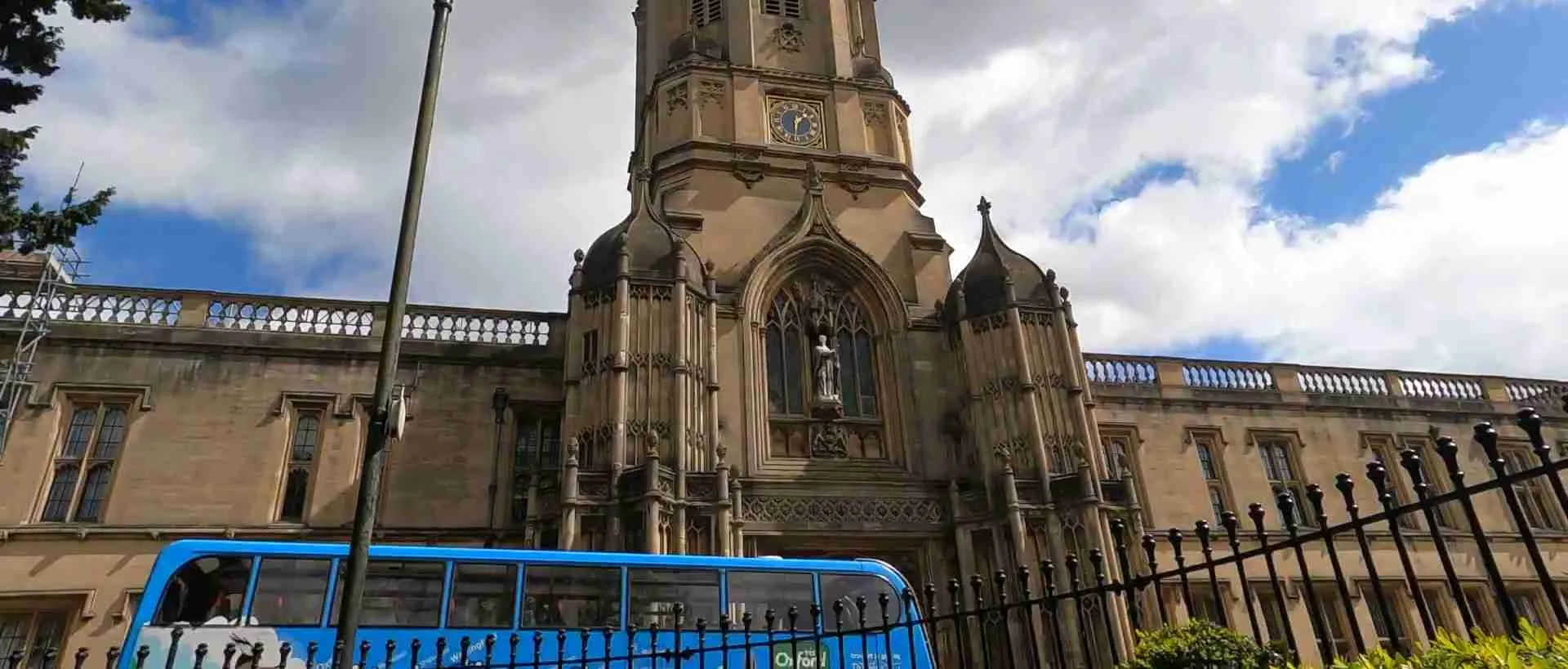
Oxford Day Trip from London: 2026 Guide to Colleges, History, Walking Routes & Hidden Gems
Oxford stands 90 minutes from London by direct train, offering travelers an immersive journey through medieval colleges, world-class museums, and literary landmarks that shaped centuries of scholarship and creative achievement. The city’s compact center delivers remarkable depth for day visitors, with centuries-old quadrangles, historic libraries, and hidden courtyards concentrated within easy walking distance of the train station.
Key Takeaways: Planning Your Oxford Day Trip 2026
- Budget Travelers in 2026: Expect £24-75 per person for the day including advance-booked train tickets, selective college visits, free museum entry, and affordable dining, with free walking tours reducing costs significantly
- Mid-Range Visitors in 2026: Plan for £90-140 per person covering flexible train tickets, multiple college admissions, Bodleian Library guided tour, proper sit-down meals, and professional walking tour
- Transport Efficiency: Direct trains depart London Paddington or Marylebone every 15-30 minutes, reaching Oxford in 44 minutes to 1 hour 20 minutes, with advance tickets from £6 versus same-day fares reaching £27
- College Access 2026: Most historic colleges charge £3-£10 admission with varying opening hours, while several major museums including the Ashmolean remain completely free, making strategic planning essential for maximizing value
- Optimal Timing: Weekday mornings outside university term time offer quieter college visits, while weekends provide fuller museum programming but heavier crowds at popular sites like Christ Church and the Bodleian Library
- Hidden Value: Free-access quadrangles, medieval streets, covered market, and university gardens deliver authentic Oxford atmosphere without admission costs, complementing paid attractions effectively
People Also Ask About Oxford Day Trip from London 2026
How much does an Oxford day trip from London cost in 2026?
Budget travelers spend £24-75 per person for a day trip from London including advance-booked train tickets, selective college visits, free museums, and affordable meals. Mid-range visitors typically invest £90-140 per person with flexible train tickets, multiple college admissions, Bodleian Library tour, proper restaurant meals, and guided walking tour. Train tickets represent the largest variable cost, ranging from £6 for advance bookings to £27 for same-day flexible fares.
How long should I spend in Oxford on a day trip in 2026?
A satisfying Oxford day trip requires 6-8 hours in the city, allowing time for 2-3 college visits, at least one major museum, lunch, and either a guided walking tour or self-directed exploration of hidden gems. Early morning departure from London around 8-9 AM with late afternoon return around 5-6 PM provides this window comfortably, while still catching direct trains with reasonable frequency during off-peak hours.
What’s the best way to get from London to Oxford in 2026?
Direct trains from London Paddington or London Marylebone provide the fastest and most practical transport, with journey times of 44 minutes to 1 hour 20 minutes and departures every 15-30 minutes throughout the day. Great Western Railway operates from Paddington while Chiltern Railways runs from Marylebone. Advance online bookings secure tickets from £6, while same-day purchases cost £15-27. Trains depart from early morning through late evening, offering flexible scheduling for day trips.
Which Oxford colleges should I visit on a day trip in 2026?
Christ Church delivers the most famous architecture including the Great Hall that inspired Hogwarts, charging £5 adult admission. Magdalen College offers stunning grounds and medieval buildings for £10 admission. New College presents excellent Gothic architecture and cloisters with £5 entry. Budget-conscious visitors can focus on Exeter College with £4 admission or explore several colleges offering free entry to courtyards. Two to three college visits fit comfortably in a day trip itinerary.
Extended multi-day tours – 5+ days
Featured Oxford Multi-Day Tour Packages

2 days
From London: 2 Day Windsor, Stonehenge, Bath & Oxford
- ✓ Comprehensive Oxford tour
- ✓ Expert local guides included
- ✓ All accommodation arranged
- ✓ Transportation provided
5 days
England Small-Group Tour: Cotswolds, Oxford, Lacock Village & Bath – 5 Days
- ✓ Comprehensive Oxford tour
- ✓ Expert local guides included
- ✓ All accommodation arranged
- ✓ Transportation provided
5 days
Classic England – 5 Days
- ✓ Comprehensive Oxford tour
- ✓ Expert local guides included
- ✓ All accommodation arranged
- ✓ Transportation provided

6 days
6 Days Royal Christmas Escape: London, Windsor & Blenheim Palace
- ✓ Comprehensive Oxford tour
- ✓ Expert local guides included
- ✓ All accommodation arranged
- ✓ Transportation provided
Multi-day tour packages powered by TourRadar. Prices and availability subject to change.
Introduction to Oxford Day Trips 2026
Oxford represents one of Britain’s most accessible and rewarding day trip destinations from London, combining world-famous university heritage with intimate medieval streetscapes, world-class museums, and centuries of literary and scholarly achievement concentrated in a compact, walkable city center. The city’s proximity to London and excellent train connections make it practical for visitors staying in the capital to experience this historic academic city without overnight accommodation, while its density of attractions ensures a full and engaging day despite limited time.
The University of Oxford dates to the 11th century, making it the oldest university in the English-speaking world, and its 39 independent colleges create a unique architectural and institutional landscape unlike any other British city. These colleges function as self-governing communities with their own quadrangles, chapels, dining halls, and libraries, many dating to medieval and Tudor periods, and several welcome visitors during designated hours. The colleges cluster primarily in the city center east of the train station, with the most famous and visitor-friendly institutions lying within a 15-minute walk of each other, enabling efficient routing for day visitors with limited time.
Beyond college architecture, Oxford offers exceptional free museums including the Ashmolean Museum of Art and Archaeology and the Oxford University Museum of Natural History, both internationally significant collections requiring no admission fee. The Bodleian Libraries complex, one of Europe’s oldest libraries, provides guided tours of spectacular historic reading rooms that served scholars for six centuries. Literary associations run deep through Oxford streets, from the Eagle and Child pub where Tolkien and Lewis met regularly to the Christ Church meadows that inspired Alice’s Adventures in Wonderland, while the Covered Market and independent shops along the High Street offer authentic local character beyond tourist attractions.
Planning an Oxford day trip for 2026 requires understanding the practical rhythms of the city. College visiting hours vary and often close during exam periods in late spring and early summer, while some colleges restrict access during university term time when students actively use the facilities. Weekend visits face heavier crowds at popular sites but benefit from fuller museum programming and more frequent guided tours. Weekday mornings, particularly outside university terms, offer the quietest experience with shortest queues at paid attractions, though some colleges reduce their opening hours on weekdays. Strategic timing, advance booking for trains and popular attractions, and realistic expectations about how much can fit in one day separate successful Oxford day trips from frustrating rushes.
The 2026 landscape includes post-pandemic normalization of visiting patterns with full restoration of college access and tour operations, though advance booking for popular attractions like Bodleian Library tours and Christ Church admission remains advisable, particularly on weekends and during summer months. Train service continues at pre-pandemic frequency with competitive pricing for advance bookings, making early planning financially advantageous. This guide addresses the complete practical and experiential dimensions of Oxford day trips specifically for 2026 travelers, from transport logistics and budget calculations through detailed walking routes and lesser-known discoveries that transform a simple sightseeing visit into genuine engagement with one of the world’s most historic academic cities.
Getting to Oxford from London in 2026
Direct train service connects London to Oxford with remarkable frequency and speed, making this one of Britain’s most straightforward inter-city journeys. Two London stations serve Oxford: Paddington in west London operates Great Western Railway trains, while Marylebone in northwest London handles Chiltern Railways services. Both routes offer direct services requiring no changes, though journey times, frequencies, and station locations differ enough to influence which route travelers choose based on their London base and schedule flexibility.
Great Western Railway trains from London Paddington reach Oxford in 44 minutes to 1 hour on the fastest services, making this the quicker option for most travelers. Trains depart every 30 minutes throughout the day from early morning through late evening, with some services stopping at Reading en route while others run express. Paddington station connects to the London Underground Circle, District, Hammersmith & City, and Bakerloo lines plus the Elizabeth Line, providing excellent connections across central and west London. The station offers ticket machines, staffed counters, and substantial food and retail options for early-morning or late-return journeys.
Chiltern Railways trains from London Marylebone take 1 hour to 1 hour 20 minutes to reach Oxford, running slightly less frequently than the Paddington service but offering competitive pricing and a pleasant journey through the Chiltern Hills. Marylebone station, smaller and less crowded than Paddington, connects to the Underground Bakerloo line and sits close to Baker Street station serving the Circle, Metropolitan, Hammersmith & City, and Jubilee lines. Travelers based in north or northwest London often find Marylebone more convenient despite the slightly longer journey time.
Train tickets from London to Oxford in 2026 cost £6-£27 for a single journey depending on booking timing and ticket flexibility, as checked on official railway booking platforms. Advance tickets, released up to 12 weeks before travel and available for specific trains with no changes permitted, start from £6 and typically range £8-£15 when booked several weeks ahead. These represent exceptional value but require committing to specific departure times, which works well for structured day trip planning. Off-peak tickets, valid on trains outside morning and evening commuter hours on weekdays and all day on weekends, cost £15-£20 and offer flexibility to catch any suitable train within the validity period. Anytime tickets, valid on any train including peak commuter services, reach £25-£27 and make sense primarily for travelers with uncertain schedules or requiring maximum flexibility.
For day trip planning, purchasing advance tickets for both outbound and return journeys in 2026 delivers the best value, often totaling £12-£30 return per person versus £50+ for fully flexible anytime return tickets. The practical trade-off involves committing to specific trains, which constrains Oxford time slightly but rarely proves problematic given the frequency of services. Booking 3-4 weeks in advance typically secures the best advance fares, while last-minute bookings within a few days of travel find advance tickets sold out or priced close to off-peak walk-up fares. The official National Rail website, Trainline, and individual operator websites all sell these tickets at identical prices, though booking directly with Great Western Railway or Chiltern Railways avoids third-party booking fees sometimes charged by aggregator sites.
Oxford railway station sits about 1 mile west of the city center, a 10-15 minute walk to the main college area and central attractions. The walk follows Park End Street east toward Carfax Tower, Oxford’s central crossroads, passing through pleasant streets with the spires and towers of central colleges visible ahead. This represents the most practical approach for mobile visitors, requiring no additional transport costs and providing immediate orientation to the city layout. Alternatively, frequent local buses (routes 1, 5, 13, and others) connect the station to the city center in 5 minutes for £2 single fares, while taxis to central Oxford cost £6-£8 though rarely necessary given the short distance.
For travelers preferring early starts to beat crowds, Great Western Railway runs trains from London Paddington to Oxford beginning around 5:30 AM on weekdays and 6:00 AM on weekends, arriving in Oxford by 7:00-7:30 AM. This enables visiting popular sites like Christ Church or the Bodleian Library when they open at 9:00-10:00 AM with minimal queues. Late return options extend through 11:00 PM from Oxford to London, accommodating full days with dinner before returning. The last trains arrive in London after midnight, providing ample schedule flexibility though later services run less frequently requiring attention to specific departure times.
Driving from London to Oxford covers approximately 60 miles and takes 1.5-2.5 hours depending on traffic, but offers no advantages for day visitors. Oxford operates park-and-ride schemes around the city perimeter charging £2-£3 for all-day parking plus bus transfers, while central parking costs £15-£25 for the day with extremely limited availability. Traffic through west London and on the M40 motorway frequently encounters delays, particularly during weekday commutes and weekend leisure travel. The train delivers visitors directly to the edge of the walkable city center in less time, at lower cost, and without navigation or parking complications, making it overwhelmingly preferable for day trips.
Coach services like Oxford Tube and X90 run from central London to Oxford for £10-£15 return but take 1.5-2 hours with traffic, making them uncompetitive with train travel for time-conscious day trippers. These services primarily serve budget travelers willing to sacrifice time for modest cost savings, particularly those without access to advance train fares. For standard day trip planning in 2026, direct train service from Paddington or Marylebone represents the clear optimal choice combining speed, frequency, comfort, and reasonable pricing when booked in advance.
Oxford Colleges: Planning Your Visits in 2026
Oxford’s 39 colleges form the heart of the university experience and the primary draw for most day visitors, each functioning as an independent, self-governing community with its own architecture, traditions, and atmosphere. These colleges vary dramatically in size, age, architectural style, and visitor accessibility, requiring strategic planning to maximize limited day trip time. Most colleges welcome visitors during designated hours, typically afternoons, charging admission fees ranging from £3-£10, though some restrict access during university term time, exam periods, or special events. Understanding which colleges offer the most rewarding visitor experiences and how to sequence visits efficiently separates successful college touring from disappointing closed gates and wasted time.
Christ Church stands as Oxford’s largest and most famous college, drawing visitors for its starring role in numerous films and television productions including the Harry Potter series. The college’s Great Hall inspired Hogwarts dining hall scenes, while its cloisters and staircases appear throughout the films, making it particularly popular with younger visitors and film fans. Beyond movie fame, Christ Church delivers genuine architectural and historical significance as a college founded in 1546 by Cardinal Wolsey and King Henry VIII, featuring spectacular fan-vaulted ceilings in the cathedral, the largest medieval dining hall in Oxford, and extensive grounds including Christ Church Meadow stretching to the River Thames. Adult admission costs £5 in 2026, reduced to £3 for children 13-17 and over-65s, with pre-booking strongly advised during peak summer months and weekends when queues form at opening time. The college typically opens 10:00 AM-5:00 PM Monday through Saturday and 2:00 PM-5:00 PM Sundays, closing occasionally for college events or exam periods, check the official website for current schedules.
Magdalen College, pronounced “Maudlin,” offers many visitors’ favorite Oxford experience, combining stunning medieval and Victorian Gothic architecture with extensive riverside grounds including a deer park, water walks, and Addison’s Walk, a tree-lined path circling the college meadow. The college’s Great Tower dominates the eastern entrance to the city, its bell tower choir famously singing at dawn on May Morning to celebrate spring. Interior highlights include the magnificent chapel with original medieval glass, the cloisters with carved stone figures, and the New Building overlooking the deer park. Adult admission costs £10 in 2026 with reduced rates of £9 for over-65s, children, and students, slightly higher than most colleges but justified by the extensive grounds accessible to visitors. The college opens 1:00 PM-6:00 PM or dusk, whichever arrives earlier, year-round except during exam periods in late May and June. The generous grounds require at least 45 minutes to an hour to explore properly, more than most colleges, making Magdalen best visited by travelers who enjoy wandering gardens as much as examining architecture.
New College, despite its name dating to 1379 making it one of Oxford’s oldest colleges, presents excellent medieval Gothic architecture in remarkably complete form. The college chapel, cloisters, and hall date largely to the 14th century with minimal later alteration, offering an unusually pure example of medieval collegiate planning. The cloisters, built during the Black Death, feature a particularly atmospheric medieval quality with ancient stone vaulting and a distinctive oak tree growing in the quadrangle center. Garden walls built atop the original Oxford city wall provide pleasant walks, while the hall displays William Holman Hunt’s painting “The Light of the World,” a Pre-Raphaelite masterpiece. Adult admission costs £5 in 2026, reduced to £3 for children and concessions. The college opens 10:30 AM-4:30 PM most of the year, closing during exam periods and university vacations, check current opening before visiting.
Exeter College offers excellent value for budget-conscious visitors at £4 adult admission in 2026, with free entry for children under 12. The college’s chapel, rebuilt in the 1850s by George Gilbert Scott in exuberant Victorian Gothic style, features spectacular stained glass including a William Morris Pre-Raphaelite window. The college educated J.R.R. Tolkien, who set key scenes from “The Lord of the Rings” in locations inspired by Exeter’s architecture and surrounding Oxford landscape. Visitors can access the chapel, front quadrangle, and fellows’ garden daily 2:00 PM-5:00 PM, though the college closes during exam periods and occasionally for events. The smaller scale and shorter visit time compared to Christ Church or Magdalen make Exeter particularly suitable for travelers fitting in multiple colleges or working with budget constraints.
Balliol College, one of Oxford’s oldest founded in the 1260s, combines genuine historical significance with a more relaxed, accessible atmosphere than some grander colleges. The college produced several British Prime Ministers and countless other distinguished alumni, maintaining a reputation for intellectual rigor and political engagement. The architecture spans multiple periods from medieval to Victorian with particular interest in the library and chapel. Adult admission costs £6 in 2026 with reduced rates of £3 for concessions and students. The college opens to visitors 2:00 PM-4:00 PM on weekdays and Sundays, 10:00 AM-4:00 PM Saturdays, providing one of the few options for morning weekend visits. Access excludes exam periods and occasionally closes during college events.
Trinity College delivers classic Oxford collegiate architecture on a manageable scale with particularly beautiful gardens stretching to expansive lawns backing onto Broad Street. The college chapel features an elaborate Baroque carved limewood screen by Grinling Gibbons, extraordinary 17th-century craftsmanship rarely seen in Oxford’s predominantly Gothic churches. The quadrangles present harmonious 17th and 18th-century classical architecture, less dramatic than medieval Gothic colleges but refined and elegant. Trinity typically welcomes visitors 2:00 PM-4:00 PM on weekdays during term time, extending hours during university vacations. Adult admission costs £6, concessions and students £3. The college closes to tourists during exam periods.
Merton College claims to be Oxford’s oldest college, founded in 1264, and preserves more medieval architecture than almost any other college in Oxford or Cambridge. The chapel, library, and Mob Quad date substantially to the 13th and 14th centuries, with Mob Quad recognized as the oldest quadrangle in Oxford built as a unified college design. The medieval library, still functioning in its original form, features chained books and remarkable 14th-century timberwork. Merton opens 2:00 PM-4:00 PM Monday through Friday during term, extending to 10:00 AM-4:00 PM during vacations, though checking the current schedule proves essential as opening times vary seasonally. Adult admission costs £3, among the lowest in Oxford despite exceptional historical significance, making Merton excellent value for visitors interested in genuine medieval architecture.
Several colleges offer free entry to certain areas, providing budget options for comprehensive college touring. Exeter College’s front quad and chapel welcome visitors without charge during opening hours 9:00 AM-5:00 PM except when closed for events. Lincoln College allows visitors to explore the chapel and front quad free of charge during daylight hours, though access to the full college including gardens and hall requires a small fee. University College typically permits visitors to view the front quad and chapel free when open, usually 2:00 PM-4:00 PM, though closing frequently for college functions. These free-access options enable budget travelers to experience multiple colleges without accumulating admission costs, though the areas accessible without payment generally exclude the most impressive halls, libraries, and extensive gardens that justify paid admission at colleges like Christ Church and Magdalen.
College visiting requires understanding practical considerations beyond opening hours and admission fees. Most colleges close entirely during exam periods in late May and June, when students take final examinations requiring absolute quiet and security, limiting tourist access. Many colleges also restrict hours or close completely during university vacations, particularly at Christmas and Easter, or during student arrival and departure periods. The calendar on each college’s website details specific closures, and checking these in advance prevents wasted journeys to locked gates. Additionally, college opening times occasionally change at short notice for special events, visiting speakers, or unexpected circumstances, so day visitors benefit from flexible planning that allows substituting alternative colleges if first choices prove inaccessible.
For day trippers selecting which colleges to visit, the practical strategy involves choosing 2-3 colleges that collectively provide diverse architectural periods, scales, and atmospheres rather than attempting to visit many colleges superficially. Christ Church delivers the grandest scale and most famous associations, Magdalen offers the most extensive grounds and natural beauty, New College presents the most complete medieval architecture, and Exeter or Merton provide more intimate experiences at lower cost. Combining one major college like Christ Church or Magdalen with one or two smaller colleges like Exeter, Merton, or Balliol creates a satisfying and manageable itinerary fitting comfortably in a day trip alongside museums, dining, and city exploration. Attempting more than three or four college visits leads to rushed experiences and architectural overload, diminishing enjoyment of individual colleges.
The Bodleian Libraries: Historic Reading Rooms in 2026
The Bodleian Libraries represents one of Europe’s oldest and largest academic library systems, with continuous operation since 1602 when Sir Thomas Bodley refounded the university library. The complex encompasses multiple historic buildings in Oxford’s city center, including the Old Bodleian Library with its medieval Divinity School and Duke Humfrey’s Library where scholars studied for six centuries, plus the iconic Radcliffe Camera, a neoclassical reading room that forms one of Oxford’s most photographed landmarks. These spaces function as working academic libraries serving Oxford University students and researchers, accessible to the public only through guided tours that provide the sole opportunity for visitors to enter these spectacular historic interiors.
The Bodleian offers several tour options in 2026 with different durations, routes, and pricing to suit various interests and time constraints. The 30-minute Divinity School and Duke Humfrey’s Library tour provides the essential Bodleian experience, covering the two most historically and architecturally significant spaces. The medieval Divinity School, built 1427-1480, features fan vaulting carved with over 400 stone bosses depicting heraldic shields, plants, and figures, creating one of England’s finest Gothic interiors. The space served as the university’s primary examination and ceremony hall for centuries before becoming part of the library complex. Duke Humfrey’s Library, the oldest reading room still in use, dates to the 1480s with original wooden bookcases, painted ceiling beams, and atmosphere unchanged for over 500 years, where scholars including Oscar Wilde, C.S. Lewis, and J.R.R. Tolkien studied. This 30-minute tour costs £12.50 per person in 2026, check the official Bodleian Libraries visitor website for current rates, and provides excellent value for visitors prioritizing iconic spaces over comprehensive library history.
The 60-minute extended tour adds Convocation House and Chancellor’s Court to the Divinity School and Duke Humfrey’s Library route. These 17th-century rooms served as the university’s administrative and judicial chambers where the Chancellor of Oxford University presided over student discipline and degree ceremonies. The spaces preserve original wooden paneling, portraits of past chancellors, and ceremonial furnishings, offering insight into how Oxford governed itself through centuries. This tour costs £16.50 per person in 2026, providing moderate additional value for visitors particularly interested in university history and governance rather than primarily architectural experiences.
The 90-minute extended tour represents the most comprehensive option, including all spaces from shorter tours plus access inside the Radcliffe Camera, a domed neoclassical building completed in 1749 that ranks among Oxford’s most iconic structures. The Camera functions as a reading room rather than housing books, with spectacular circular interior spaces featuring columns, galleries, and the dome rising overhead. Access proves extremely limited as the building serves as an active study space, making this tour the only realistic opportunity for most visitors to experience the interior. The tour costs £22.50 per person in 2026, representing the best value for architecture enthusiasts and photographers willing to invest extra time for the Camera access, though the higher price and longer duration make it less practical for day trippers balancing multiple activities.
All Bodleian tours require advance booking, particularly during peak summer months and weekends when tours frequently sell out days in advance. The official Bodleian Libraries visitor website sells tour tickets online up to one month before the tour date, with tickets releasing exactly 30 days ahead. Walk-up tickets sometimes remain available for purchase at the Weston Library information desk on the day of the tour, but visitors risk finding tours sold out or waiting until later time slots, which proves impractical for day trippers working with fixed train schedules. For 2026 planning, booking Bodleian tours 1-2 weeks in advance generally secures preferred times on weekdays, while weekend tours and July-August dates require earlier booking.
Tours operate throughout the day from mid-morning through mid-afternoon, typically starting every 30-60 minutes depending on demand and season. Morning tours, particularly the first departures around 10:00 AM, offer the calmest experience with fewer concurrent tour groups in shared spaces. Tours conducted in English only, as the library’s historical and architectural details require precise language for proper explanation. Children under 11 cannot join guided tours due to the working library environment and historic spaces requiring careful supervision, while children 11-16 must be accompanied by responsible adults. The tours involve stairs and walking with no lift access, making them unsuitable for visitors with significant mobility limitations.
Beyond paid tours, visitors can explore the Weston Library ground floor entirely free, viewing rotating exhibitions from the Bodleian’s extraordinary collections of manuscripts, early printed books, and historic documents. These exhibitions change several times per year, often featuring treasures like Shakespeare folios, medieval illuminated manuscripts, or correspondence from famous authors and scientists. The Weston Library also houses a pleasant café serving coffee, light meals, and afternoon tea, plus a shop specializing in literary gifts, stationery, and Oxford-themed souvenirs. Visitors can enjoy these amenities without purchasing tour tickets, though accessing the historic Old Bodleian Library and Radcliffe Camera requires joining a guided tour.
The Divinity School offers self-guided admission for £3 per person outside of tour times, allowing budget-conscious visitors to experience at least one spectacular Bodleian space without committing to a full guided tour. This option makes particular sense for travelers who have limited time or interest in detailed library history but want to see the magnificent fan-vaulted ceiling and medieval architecture that appear in numerous films including Harry Potter scenes shot in the Divinity School. Self-guided visits typically operate afternoon hours, check the current schedule on the Bodleian website, and permit visitors to spend as long as desired in the space rather than following a tour group’s fixed pace.
For Harry Potter fans, the Bodleian Libraries featured prominently in several films with the Divinity School serving as Hogwarts Hospital Wing and Duke Humfrey’s Library providing the restricted section of the Hogwarts library in early movies. These connections attract significant visitor interest, and the 30-minute or 60-minute tours cover both spaces, though guides focus on genuine history and architecture rather than film details. Dedicated Harry Potter walking tours offered by private tour companies provide more extensive film location coverage across Oxford including Bodleian exterior shots and college locations.
Museums and Free Attractions in Oxford 2026
Oxford delivers exceptional cultural experiences requiring no admission fees, with several world-class museums offering free entry that enables day visitors to experience significant art, archaeology, and natural history collections without budget impact. These institutions rival many paid attractions in quality and visitor experience, making them essential components of any Oxford day trip itinerary and particularly valuable for travelers managing costs or seeking variety beyond college architecture.
The Ashmolean Museum of Art and Archaeology ranks among Britain’s finest museums, housing over half a million years of human history and creativity from ancient Egyptian mummies through contemporary art. Founded in 1683 as Britain’s first public museum, the Ashmolean occupies a spectacular neoclassical building on Beaumont Street designed by Charles Cockerell in the 1840s, extensively renovated in 2009 with contemporary galleries maintaining the building’s architectural grandeur while providing modern exhibition spaces. The collection spans ancient civilizations including Egyptian, Greek, Roman, and Near Eastern antiquities, European paintings from Renaissance masters to Impressionists, English porcelain and silver, Asian art, and archaeological finds from around the world. Notable treasures include the Alfred Jewel, a 9th-century Anglo-Saxon gold and enamel artifact, Pre-Raphaelite paintings by Rossetti and Millais, drawings by Leonardo da Vinci and Michelangelo, and the Tradescant Collection of curiosities that formed the museum’s foundation.
Admission to the Ashmolean remains completely free in 2026 with no booking required for general visits, though the museum recommends advance booking during busy periods to guarantee entry and avoid queues. Special temporary exhibitions sometimes charge admission with prices varying by exhibition, but the permanent collections encompassing the vast majority of the museum’s holdings never require payment. The museum opens daily 10:00 AM-5:00 PM, closing only on December 24-26 and January 1, providing reliable access throughout the year. A typical visit requires 1.5-3 hours depending on interest level and how thoroughly visitors explore galleries, with the museum’s cafe offering refreshment breaks and the shop stocking excellent art books, jewelry, and scholarly publications.
The Oxford University Museum of Natural History stands as one of Britain’s great natural history collections, housed in a stunning Victorian Gothic building completed in 1860 with cast-iron columns and glass roof creating a cathedral-like interior flooded with natural light. The museum displays dinosaur skeletons, geological specimens, taxidermied animals from around the world, and extensive scientific collections accumulated through centuries of university research. The building itself represents architectural and scientific history, designed to integrate science with art through Pre-Raphaelite carved stonework depicting plants and animals adorning columns and capitals throughout the gallery. The dodo display features particular historical significance as Oxford preserves the only soft tissue remains of this extinct bird alongside the most complete dodo skeleton in existence.
The Pitt Rivers Museum, accessed directly through the Natural History Museum, contains one of the world’s finest anthropological and archaeological collections with over 500,000 objects displayed in the Victorian tradition of densely packed cases organized by type rather than geography or chronology. Walking through the dimly lit galleries reveals extraordinary artifacts from cultures worldwide including shrunken heads from Ecuador, Japanese samurai armor, Native American textiles, African masks, and archaeological finds spanning thousands of years. The museum’s unique Victorian display philosophy, maintaining its original 19th-century arrangement, creates an atmospheric treasure-hunt experience quite unlike modern museum design. The Pitt Rivers does not charge admission and shares the Natural History Museum’s opening hours, making the two institutions easily visited as a combined experience requiring 1-2 hours total.
The Museum of the History of Science occupies the world’s oldest purpose-built museum building, completed in 1683, displaying scientific instruments from medieval astrolabes through early microscopes, telescopes, and mathematical instruments that equipped scholars for centuries. The collection includes the blackboard Einstein used during a 1931 Oxford lecture, preserved with his chalk equations visible, alongside Lewis Carroll’s photography equipment, medieval navigational tools, and early computing devices. The museum, located on Broad Street adjacent to the Bodleian Libraries, offers free admission Tuesday-Sunday 12:00 PM-5:00 PM, requiring 30-60 minutes for a complete visit. The compact size and specialized focus make this museum particularly appealing to science and mathematics enthusiasts or as a brief addition to a Bodleian Library visit given the adjacent location.
The Botanic Garden, Britain’s oldest botanic garden founded in 1621, provides a peaceful retreat from urban sightseeing with greenhouses displaying tropical plants, extensive herbaceous borders, rock gardens, and systematic beds arranging plants by scientific classification. The garden spans three distinct areas: the walled garden featuring themed borders and glasshouses, the riverside area extending to the Cherwell with more naturalistic plantings, and the lower garden with rock and water features. The garden charges £7.20 adult admission in 2026 as a charitable trust operating independently from the university, with children under 16 free, representing one of Oxford’s few gardens requiring payment though the quality justifies the cost for plant enthusiasts. The garden opens 9:00 AM-5:00 PM daily year-round except December 25 and January 1, with later closing in summer months, and requires 45 minutes to 1.5 hours to explore depending on horticultural interest level.
Christ Church Meadow offers extensive riverside walking entirely free, stretching from Christ Church college to the confluence of the Thames and Cherwell rivers. The meadow preserves open grazing land in central Oxford with cattle wandering freely, creating a remarkable rural atmosphere minutes from busy streets. Tree-lined paths along both rivers provide pleasant walks with views back to college towers and spires, particularly beautiful during early morning or late afternoon light. The meadow connects to several other riverside walks extending miles along the Thames and Cherwell, offering day visitors opportunities for peaceful nature breaks between intensive sightseeing. Access points include gates from St. Aldate’s near Christ Church, from Rose Lane east of the college, and from the Thames towpath, with the meadow remaining open during daylight hours year-round.
The University Church of St. Mary the Virgin, Oxford’s official university church dating to the 13th century, permits free entry to the church itself, though climbing the tower to enjoy Oxford’s best aerial viewpoint costs £5 in 2026. The church played central roles in Oxford history including hosting parliaments and serving as the university’s primary ceremonial space before the Sheldonian Theatre’s construction. The interior features a baroque porch designed by Nicholas Stone and a twisted spire that inspired Lewis Carroll’s description of the Queen of Hearts’ castle in Alice’s Adventures in Wonderland. Tower climbing requires navigating 127 narrow spiral stone steps with no lift, but rewards climbers with unobstructed 360-degree views across Oxford’s spires, colleges, and surrounding countryside. The church opens daily 9:00 AM-5:00 PM with later evening hours in summer, extending access for visitors pursuing late afternoon walks or photography.
The Covered Market, trading continuously since 1774, provides authentic Oxford shopping and dining atmosphere without museum formality. The historic market houses butchers, fishmongers, florists, delicatessens, cafes, and specialist shops under Victorian glass roofs, offering everything from fresh produce to handmade pies and artisan coffee. Several traditional cafes serve full English breakfasts, sandwiches, and cakes in no-frills settings popular with locals and students, delivering affordable dining considerably cheaper than tourist-oriented restaurants. The market operates Monday-Saturday 8:00 AM-5:30 PM, Sunday 10:00 AM-4:00 PM, providing accessible lunch options and cultural atmosphere requiring no admission fees. A quick browse takes 15-20 minutes, while stopping for lunch or coffee extends visits to 45 minutes or more.
Guided Walking Tours and Self-Guided Routes 2026
Exploring Oxford on foot with knowledgeable guidance provides context and stories that transform architectural sightseeing into genuine understanding of the city’s history, traditions, and contemporary academic culture. Multiple tour companies offer guided walks led by Oxford students, graduates, or local historians, while self-directed routes enable independent exploration at personal pace following historic streets and landmarks. The compact city center makes both approaches practical for day visitors, with tours typically lasting 1.5-2 hours fitting comfortably into morning or afternoon schedules.
Oxford Official Walking Tours operates as the city’s premier established tour company with Oxford University alumni leading daily walks covering university history, college architecture, and literary associations. The standard university and city tour runs year-round departing multiple times daily, typically 11:00 AM, 1:00 PM, and 2:00 PM, with additional departures during peak summer season. Tours cost £23 per person in 2026, check the official website for current pricing, and include visits inside one or more colleges depending on availability, eliminating separate admission fees. The tours follow routes covering Radcliffe Camera, Bodleian Library exteriors, several college quads, the Bridge of Sighs, and historic streets while guides share university traditions, famous alumni stories, and architectural details that casual visitors miss. Groups typically range 10-20 people maintaining an intimate atmosphere with opportunities for questions. Booking in advance through the company website secures spots, though walk-up availability sometimes exists during weekdays outside peak summer months.
Footprints Tours, a student-run operation founded by Oxford students, offers free walking tours operating on a tips-only basis, providing budget-friendly access to guided experiences. Tours depart from the Oxford Tourist Information Centre on Broad Street at 11:00 AM and 2:00 PM daily lasting approximately 2 hours. The “free” model means guides work entirely for tips provided at tour conclusion based on visitors’ satisfaction and means, with most participants tipping £5-£15 per person depending on group size and appreciation. The tours cover similar ground to paid operators including Radcliffe Camera, college exteriors, and city history, though without entering college interiors since admission fees would conflict with the free tour structure. The student guides bring enthusiasm and current knowledge of university life alongside historical information, appealing particularly to younger travelers and budget-conscious visitors. Tour sizes sometimes grow large on weekends and during summer peak season, reducing intimacy compared to smaller paid tours.
Specialized thematic tours cater to specific interests beyond general university history. Harry Potter film location tours trace filming sites across Oxford including Bodleian Library exteriors, Christ Church cloisters, and New College quadrangles used in multiple films, combining these stops with broader city exploration. These tours typically cost £20-£30 per person with some including admission to filming locations like the Bodleian’s Divinity School. C.S. Lewis and J.R.R. Tolkien literary tours follow the authors’ Oxford connections from the Eagle and Child pub where they met weekly to college locations inspiring Middle-earth and Narnia imagery, appealing to literature enthusiasts familiar with the writers’ Oxford years. Inspector Morse tours for detective television fans visit filming locations from the long-running series set in Oxford. Ghost tours operate evening hours exploring Oxford’s darker history with stories of hauntings, executions, and tragedies, offering atmospheric after-dark alternatives to daytime sightseeing. These specialized tours typically require advance booking and cost £20-£30 per person depending on inclusions and duration.
For self-directed exploration, several efficient walking routes connect major sites without requiring guide services. A classic Oxford highlights route begins at the railway station, proceeding along Park End Street and New Road to reach Worcester Street, which leads to Gloucester Green and the Covered Market. From the market, High Street extends east past historic colleges including University College, Queen’s College, and Magdalen College, with the University Church tower providing aerial orientation. Turning north on Catte Street leads to Radcliffe Camera and the Bodleian Libraries complex, with Broad Street continuing west past Trinity, Balliol, and the Sheldonian Theatre back toward the city center. This loop covers Oxford’s essential sights in 2-3 hours at a moderate pace including time for photographs and brief college exterior viewing, expandable to a full day with museum visits and college admissions along the route.
A literary and riverside route traces Oxford’s connections to Alice’s Adventures in Wonderland and Narnia authors. The route starts at Christ Church, entering the college if time permits or viewing Tom Tower and Alice’s Shop across the street that likely inspired the Old Sheep Shop in Through the Looking Glass. Christ Church Meadow provides riverside walking toward the Botanic Garden, with the Cherwell river flowing through landscape that inspired Lewis Carroll’s boat trip with Alice Liddell when he first told the Alice story. Crossing Magdalen Bridge and turning north along Holywell Street leads to the Eagle and Child pub where Tolkien and Lewis met regularly with their Inklings literary group. The route continues through college areas Tolkien knew well before returning via Broad Street, requiring 2-3 hours at a leisurely pace with time for pub stops and bookshop browsing.
A museum and hidden Oxford route focuses on free attractions and lesser-known corners. Beginning at the Ashmolean Museum on Beaumont Street, the route proceeds down St. Giles past the Victorian Gothic Martyrs’ Memorial to Broad Street and the Museum of the History of Science. From there, narrow lanes like Turl Street and Queen’s Lane wind between colleges revealing medieval street patterns, courtyards, and unexpected architectural details invisible from main roads. The route continues to the Natural History Museum and Pitt Rivers Museum before circling back through University Parks, Oxford’s largest green space, providing peaceful walking through landscaped grounds. This route emphasizes authentic Oxford atmosphere and free cultural experiences over famous landmarks, appealing to repeat visitors or travelers preferring quieter discovery to tourist highlights.
Mobile apps and audio guides provide alternative self-directed options. The Rick Steves Audio Europe app offers free downloadable Oxford walking tours with commentary from the guidebook author covering major sites at personal pace. Several commercial apps provide similar services with varied quality and coverage, typically costing £3-£8 for downloads. These options suit independent travelers who want more context than simple map-following provides but prefer avoiding group tours or fixed departure times. The trade-off involves less personal interaction and inability to ask questions compared to live guides, plus occasional technical issues with GPS accuracy or audio playback in busy areas.
For photography enthusiasts, morning light favors east-facing locations including Magdalen College Tower and New College viewed from New College Lane, while late afternoon sun illuminates west-facing sites like the Radcliffe Camera from Brasenose Lane and Christ Church Tom Tower from St. Aldate’s. The golden hour before sunset provides particularly beautiful light on honey-colored Oxford stone, with colleges and spires glowing warm against evening skies. Early morning walks before tourist crowds arrive offer clean architectural shots without people in frame, particularly valuable at popular viewpoints like the Bridge of Sighs and Radcliffe Camera square. Sunrise through autumn and winter months occurs late enough for travelers arriving on early trains to catch first light illuminating colleges before opening hours, creating atmospheric photographs impossible during crowded midday periods.
Dining and Food Options in Oxford 2026
Oxford offers dining spanning traditional British pubs serving substantial meals through international restaurants, historic tea rooms, and casual cafes accommodating day trip budgets and time constraints. Understanding where to find good food efficiently proves essential for maximizing sightseeing time while experiencing local atmosphere without excessive costs or tourist-trap disappointments.
Traditional pubs deliver reliable British meals in atmospheric historic settings, with several establishments claiming centuries of continuous operation. The Turf Tavern, hidden down narrow lanes near the Bodleian Libraries and famously difficult to find without directions, operates in a 13th-century building with low ceilings, multiple small rooms, and outdoor courtyard seating. The pub menu features British classics including fish and chips, steak and ale pie, and ploughman’s lunches at £10-£18 per main course, with substantial portions satisfying hearty appetites after morning walking. The Eagle and Child on St. Giles, where Tolkien and Lewis met regularly with the Inklings literary group, maintains literary associations with memorabilia decorating walls while serving similar pub food at comparable prices. Both pubs become extremely busy during lunch hours, particularly weekends, so arriving before 12:30 PM or after 2:00 PM avoids the worst crowds and enables securing tables without long waits.
The Covered Market provides the best value dining in central Oxford with several traditional cafes serving full English breakfasts for £8-£10, sandwiches for £5-£8, and simple hot meals under £12. Alpha Bar, operating since 1935, specializes in traditional fry-ups with minimal frills and maximum substance, popular with locals and students for no-nonsense breakfast or lunch. The market’s sandwich vendors and pie shops offer takeaway options under £8, suitable for picnic lunches in college grounds or riverside meadows, stretching budgets further while avoiding sit-down meal time. Coffee shops and bakeries throughout the market provide cakes, pastries, and hot drinks for £3-£5, perfect for mid-afternoon energy boosts between museum visits.
Chain restaurants including Pret a Manger, Leon, and Café Rouge cluster around Cornmarket Street and Queen Street providing reliable if unexciting options with consistent quality and pricing. These establishments serve sandwiches, salads, and simple hot meals for £8-£15, with quick service suiting rushed schedules. The guaranteed standards appeal to travelers prioritizing efficiency or dealing with dietary restrictions, though the identical menus found across Britain offer nothing distinctively Oxford beyond convenient locations near major attractions.
For special occasions or extended lunch breaks, proper sit-down restaurants provide more refined experiences at correspondingly higher prices. Quod Restaurant & Bar in the Old Bank Hotel on High Street offers modern British and European cuisine in an elegant setting with mains £18-£32, three-course meals reaching £45-£60 per person with drinks. The Grand Cafe, occupying the building where England’s first coffeehouse opened in 1650, serves breakfast, lunch, and particularly famous afternoon tea in a soaring space with balcony seating overlooking High Street. Afternoon tea costs £30-£50 per person depending on selected tier, including finger sandwiches, scones with clotted cream and jam, pastries, and tea or coffee, providing a quintessentially English experience requiring 1.5-2 hours to enjoy properly.
International dining brings variety beyond British classics. Edamame on Holywell Street serves excellent Japanese including ramen, donburi, and bento boxes for £12-£18, while Oli’s Thai on Magdalen Street offers authentic Thai curries and stir-fries at similar prices with quick service. Pint Shop on George Street combines craft beer selection with American-style comfort food including burgers and fried chicken for £14-£20 per main. These restaurants require advance booking or off-peak arrival to secure tables, particularly Friday and Saturday evenings when university students and locals fill dining rooms.
Vegan and vegetarian options extend beyond basic garden salads thanks to Oxford’s progressive food scene. The Gardeners Arms on Plantation Road operates as a dedicated vegan pub with plant-based versions of British classics, while Turl Street Kitchen functions as an entirely vegetarian cafe using surplus food to prevent waste, serving creative meals for £8-£12. Most mainstream pubs and restaurants now offer substantial vegetarian and vegan options beyond token side dishes, making dietary restrictions manageable even in traditional establishments.
Coffee culture thrives in Oxford with independent cafes providing alternatives to chain outlets. Society Cafe on St. Michael’s Street roasts its own beans and offers quiet atmosphere suitable for breaks between sightseeing, while Missing Bean on Turl Street attracts students with strong coffee and comfortable seating. Prices match national standards at £3-£4 for espresso-based drinks, with pastries and cakes adding £3-£5.
Budget day visitors can manage food costs under £20 per person daily by combining Covered Market breakfast or lunch with pub meal or takeaway sandwich, plus coffee and snacks from market vendors or chain cafes. Mid-range diners spending £30-£45 per person access proper sit-down restaurant meals in pleasant settings with full menus and reasonable wine selections. Splurging on afternoon tea or upscale dining reaches £50-£90 per person with multi-course meals and drinks in Oxford’s finest restaurants, justifiable for special occasions but consuming significant time better spent sightseeing during limited day trips.
Practical meal timing influences Oxford dining success. Arriving for lunch before 12:30 PM finds restaurants less crowded with faster service and easier table availability, while post-2:00 PM dining encounters kitchens winding down with reduced menus and staff preparing for evening service. Pubs welcome mid-afternoon snacks and drinks when proper meals may be unavailable, making them useful for flexible schedules. Coffee and cake around 3:00-4:00 PM bridges lunch and train departure while avoiding heavy meals that might cause discomfort during travel.
Hidden Gems and Off-the-Beaten-Path Oxford 2026
Beyond famous colleges and marquee museums, Oxford conceals remarkable spaces and experiences that most day visitors miss, from secret gardens through medieval alleyways to specialist museums and viewpoints revealing different perspectives on the city. Discovering these lesser-known treasures transforms a standard tourist checklist into genuine exploration, particularly rewarding for repeat visitors or travelers who prefer quieter discoveries to crowded highlights.
The Oxford Castle & Prison complex preserves nearly 1,000 years of history from Norman conquest through Victorian incarceration in buildings that functioned as county prison until 1996. Guided tours conducted by costumed guides lead visitors through original prison cells, climb the Saxon St. George’s Tower for panoramic city views, and descend into the atmospheric 11th-century crypt surviving from the original Norman castle. The prison’s harsh conditions persisted into the late 20th century, with tours conveying genuine historical grimness rather than sanitized heritage experiences. Adult admission costs £16 in 2026 for the guided tour, premium pricing for what amounts to an hour-long experience, but the unique access and compelling storytelling justify costs for history enthusiasts interested in Oxford beyond academic heritage. Tours depart throughout the day from the castle complex on New Road, requiring advance booking during peak summer months.
University Parks sprawls across 70 acres northeast of central colleges, providing extensive green space with specimen trees, the River Cherwell flowing along its eastern boundary, and cricket pitches active during summer months. The parks attract far fewer tourists than college grounds while offering equally pleasant walking and relaxation opportunities, with locals and students using the space for running, picnics, and informal games. No admission fee applies, and the parks remain open dawn to dusk year-round, accessed from Parks Road or South Parks Road. Spring brings spectacular display of flowering trees and bulbs, while autumn colors paint the landscape in October and November. The riverside path along the Cherwell connects to Port Meadow north of the city, extending walking options for travelers with time and energy beyond standard sightseeing circuits.
The Sheldonian Theatre, designed by Christopher Wren in 1664-1669 as his first major architectural commission, functions as Oxford’s ceremonial hall hosting graduation ceremonies, concerts, and lectures in a spectacular interior inspired by Roman theater design. The building permits self-guided visits when not in use for events, charging £5 admission to view the main auditorium with its painted ceiling depicting Truth descending upon the Arts and Sciences. Climbing to the cupola provides excellent city center views across Bodleian buildings and college roofs without the crowds ascending St. Mary’s Church tower. The Sheldonian opens Monday-Saturday 10:00 AM-4:30 PM excluding event days, with opening times varying seasonally, check the website before visiting as ceremony schedules frequently close the building mid-day. The five-minute visit suits travelers passing nearby rather than deserving special trip planning, but represents good value for architectural and view enthusiasts.
The Botanic Garden’s riverside location and mature plantings create a peaceful contrast to urban college quads, particularly valuable during high-season crowds. While the garden charges £7.20 admission as mentioned earlier, the quality and tranquility reward visitors who enjoy plants and gardens beyond architectural sightseeing. The glasshouses display exotic species from deserts, tropics, and mountains, while outdoor borders showcase alpines, herbs, and systematically arranged plant families demonstrating botanical relationships. The garden closes at 5:00 PM daily, earlier in winter months, making it unsuitable for late afternoon visits unless specifically targeted earlier in the day. The adjacent Christ Church Meadow provides free alternative green space for travelers not particularly interested in horticulture.
The Oxford Union Society, the world-famous student debating society founded in 1823, occasionally offers tours during university vacations viewing the historic chambers where countless future politicians, writers, and leaders honed public speaking skills. The society’s library features Pre-Raphaelite murals painted by William Morris, Edward Burne-Jones, and Dante Gabriel Rossetti depicting Arthurian legends, though the quality suffered from the artists’ experimental fresco techniques. Tours operate irregularly during summer vacation periods only, requiring checking the Oxford Union website for current schedules. When available, tours cost £8-£10 per person, providing insider access to active student society spaces rarely visible to casual visitors.
The Merton College Fellows’ Garden, accessible only with Merton admission ticket, ranks among Oxford’s most beautiful college gardens with mature trees, herbaceous borders, and medieval walls incorporating parts of Oxford’s original city fortifications. The garden’s secluded atmosphere and historical layers reward exploration, particularly during spring flowering and autumn colors. Visitors often skip gardens when rushing college visits, but Merton’s gardens justify lingering if time permits, adding 15-20 minutes to basic college tours.
Blackwell’s bookshop flagship store on Broad Street extends far beyond typical retail, descending three levels underground in the vast Norrington Room housing over 160,000 titles in a former warehouse. The shop serves Oxford scholars and students while welcoming browsers interested in academic and general titles impossible to find in chain bookshops. The literary atmosphere, combined with knowledgeable staff and regular author events, makes Blackwell’s a destination for book lovers rather than simple shopping. No admission fee applies, and the shop opens Monday-Saturday 9:00 AM-7:00 PM, Sunday 11:00 AM-5:00 PM, providing rainy day alternatives to outdoor sightseeing.
Port Meadow, a vast common land two miles northwest of the city center, preserves landscape and agricultural use unchanged for over 1,000 years with grazing cattle and horses wandering freely across flat wetland meadows extending to the Thames. The meadow floods regularly during winter creating temporary lakes favored by wildfowl, while summer brings wildflowers and exceptional sunset views across open countryside improbable minutes from central Oxford. The walk to Port Meadow from central colleges takes 30-40 minutes following Walton Street north past the Oxford University Press building, then Walton Well Road to the meadow gate. The meadow hosts The Perch Inn, a historic pub with riverside garden serving good food and drinks for travelers who walk the distance. Port Meadow represents Oxford’s contemplative, rural character persisting alongside academic formality, rewarding visitors with time and interest in experiencing Oxford beyond tourist highlights.
Alice’s Shop on St. Aldate’s opposite Christ Church occupies the building that served as a sweet shop when Alice Liddell, inspiration for Alice’s Adventures in Wonderland, shopped there as a child living in Christ Church deanery. Lewis Carroll transformed the shop into the Old Sheep Shop in Through the Looking Glass, mentioning specific features visitors can still identify. The building now sells Alice-themed gifts, books, and souvenirs with Victorian authenticity in a tiny space that often escapes tourist attention despite prime location. No entry fee applies, and the shop welcomes browsers alongside purchasers, requiring 5-10 minutes to explore thoroughly.
The Bridge of Sighs, properly named Hertford Bridge connecting two parts of Hertford College over New College Lane, represents one of Oxford’s most photographed landmarks despite being relatively modern, completed in 1914. The name references Venice’s famous bridge due to superficial resemblance, though the Oxford version functions as practical college passage rather than prison route. Viewing the bridge from New College Lane provides classic Oxford street views with medieval college walls, the bridge overhead, and Bodleian buildings visible ahead, particularly photogenic during morning light. The spot attracts heavy foot traffic but no entry fees or queue management, accessible anytime day or night.
Practical Tips and Planning Strategies 2026
Successfully executing an Oxford day trip requires understanding practical realities beyond itinerary planning, from bathroom access through weather contingencies to avoiding common mistakes that diminish experiences. Small strategic decisions about timing, ticketing, and backup planning separate smoothly executed visits from frustrating complications.
Advance booking for three elements proves essential: train tickets for best pricing, Bodleian Library tours to ensure access, and potentially Christ Church admission during peak summer weekends. Train tickets released 12 weeks in advance usually offer optimal advance fares, though booking 3-4 weeks ahead typically still finds reasonable prices. Bodleian tours sell out 1-2 weeks before weekend dates during summer, while weekday availability persists closer to tour dates. Christ Church sometimes requires timed entry booking during July and August weekends when visitor numbers require crowd management, though weekday visits usually permit walk-up entry. All other Oxford attractions accept walk-up visitors without advance booking, though queue lengths vary by timing and season.
Weather significantly influences Oxford experiences given extensive outdoor walking between colleges, museums, and dining. Britain’s maritime climate brings unpredictable conditions year-round, with sudden showers possible even during summer months. Waterproof jacket or compact umbrella proves essential carrying regardless of morning forecasts, while layered clothing accommodates temperature swings from cool mornings to warm afternoons in transitional seasons. Museums and libraries provide weather refuge, making flexible itineraries that can shift indoor when rain arrives more successful than rigid outdoor schedules. Wet weather actually benefits photography by reducing harsh shadows and enhancing stone colors, consolation for photographers caught in showers.
Bathroom access requires strategic awareness as Oxford lacks abundant public facilities. Museums including the Ashmolean, Natural History Museum, and Weston Library provide free public toilets without requiring admission. Larger colleges sometimes offer visitor toilets though rarely advertise them. The Covered Market has public facilities requiring £1 coin payment. Chain cafes including Pret, Costa, and Starbucks permit non-customer bathroom use though technically reserving facilities for paying customers. Planning bathroom stops around museum visits or cafe purchases prevents urgent searches during intensive walking sections.
Left luggage facilities at Oxford railway station operate in the station ticket office during staffing hours, typically 6:00 AM-8:00 PM weekdays, charging £5-£7 per bag depending on size. This enables travelers continuing to other destinations or checking out of London hotels on Oxford day trip days to explore Oxford unburdened. No lockers exist at popular attractions, making railway station storage the only practical option for larger bags. Small daypacks carry comfortably during sightseeing and fit under restaurant tables without luggage storage requirements.
Cash requirements remain minimal in 2026 Oxford with widespread card acceptance including contactless payments at nearly all attractions, restaurants, and shops. Carrying £20-£30 cash covers occasional small vendors at markets, church tower admission in exact change machines, or businesses with card minimum purchases. ATMs cluster around central areas including Cornmarket Street, Broad Street, and High Street for travelers needing additional cash. Some smaller colleges collecting admission still prefer cash payment, though most now accept cards.
Photography policies vary by location. Colleges generally prohibit interior photography in chapels and halls, permitting exteriors and quadrangles freely. Museums including the Ashmolean allow photography without flash for personal use, prohibiting tripods and commercial photography without permission. The Bodleian Libraries prohibit all photography during tours to protect manuscripts and minimize disturbance in working library spaces. Respectful exterior photography of people in public spaces remains legal throughout Oxford, though common courtesy suggests avoiding intrusive images of students, staff, and residents going about daily business.
Monday timing requires particular attention as several attractions operate reduced hours or close entirely. The Covered Market closes Sundays, reducing lunch options for Sunday visitors. Museums maintain regular hours throughout the week. Colleges vary individually with some restricting weekday access while others close Sundays, requiring checking specific college websites for weekly schedules.
Group dynamics influence Oxford experiences significantly. Couples or solo travelers move efficiently through attractions, choose dining spontaneously, and photograph without coordinating multiple people. Groups of 4-6 require more meal planning as popular restaurants struggle to seat larger parties without reservations, while photography sessions extend when capturing everyone in frame. Groups exceeding 6 people should consider splitting for college visits or booking formal group tours offering dedicated guides and prearranged access. Walking pace naturally slows for larger groups as stragglers fall behind, extending transit times between attractions.
Phone charging becomes practical concern during full-day trips with heavy navigation, photography, and information lookup depleting batteries. Portable battery packs enable full-day phone use without hunting power outlets. Museums and cafes offer charging points, though availability varies and sitting for extended charging periods consumes valuable sightseeing time. Conserving battery by downloading offline maps and minimizing unnecessary app use extends phone functionality through day trips.
Lost or found items complicate day trips with no fixed accommodation to retrieve forgotten possessions. Oxford’s central police station on St. Aldate’s handles lost property, though items lost in specific museums, colleges, or trains remain with those institutions requiring individual contact. Photograph important documents and keep digital copies of train tickets to enable travel adjustments if originals go missing. Travelling light with essential items only reduces lost property risk.
Accessibility varies significantly across Oxford’s historic environment. The Ashmolean Museum and most ground-floor museum spaces provide wheelchair access with lifts serving upper galleries. College visits present substantial accessibility challenges as medieval buildings predate accessibility requirements, featuring steps, narrow passages, and uneven surfaces throughout. The Bodleian tours explicitly state no lift access and significant stair climbing, excluding visitors with mobility impairments. Christ Church offers partial wheelchair access to cathedral and some quadrangles via alternate routes, though the Great Hall remains inaccessible. Travelers requiring wheelchair access or experiencing mobility limitations benefit from contacting specific attractions before visiting to understand practical accessibility rather than assuming historic buildings accommodate all visitors.
Children under 12 find some Oxford attractions unsuitable for developmental or access reasons. Bodleian tours prohibit children under 11, while the concentrated historical and architectural content throughout Oxford appeals primarily to older children and teenagers with developed attention spans and interest in history or literature. The Natural History Museum, Pitt Rivers Museum, and Christ Church Meadow walking offer family-friendly options when traveling with younger children, while attempting multiple college visits with restless young children often frustrates both children and parents.
Sample Itineraries for Different Travel Styles 2026
Effective Oxford day trip planning benefits from structured sample itineraries demonstrating how to combine attractions, manage timing, and maximize limited hours. These examples provide frameworks adaptable to individual interests rather than rigid schedules requiring exact adherence, with flexibility for spontaneous discoveries or adjusted pace.
Budget Day Trip Itinerary 2026
This itinerary minimizes costs while experiencing core Oxford attractions using free museums, selective college visits, and efficient timing. Advance-booked train tickets from £6, 1-2 college admissions at £3-£10, free museums, Covered Market lunch, and optional free walking tour produce total day costs of £24-£75 per person.
Depart London Paddington 8:30 AM, arriving Oxford 9:30 AM. Walk to city center via Park End Street and New Road, reaching Ashmolean Museum by 10:00 AM for opening. Spend 1-1.5 hours exploring Egyptian antiquities, European paintings, and special exhibitions without admission fees. Exit museum 11:30 AM.
Walk south on St. Giles to Broad Street, viewing Balliol College exterior and reaching Exeter College for £4 admission around 11:45 AM. Tour chapel, front quadrangle, and gardens, exiting by 12:30 PM. Walk east on Broad Street viewing Bodleian Library exterior, Sheldonian Theatre exterior, and Bridge of Sighs without paid admissions.
Reach Covered Market via Market Street by 1:00 PM for lunch at Alpha Bar or similar traditional cafe, spending £8-£12 for substantial meal. Exit market 2:00 PM and walk south on High Street viewing college exteriors including University College and Queen’s College. Reach Magdalen College by 2:30 PM, paying £10 admission to explore extensive grounds, chapel, and cloisters until 4:00 PM.
Alternative: Skip Magdalen admission and spend afternoon at free Natural History Museum and Pitt Rivers Museum, exiting 4:00 PM. Walk along High Street back toward city center, with optional coffee/cake stop at Covered Market cafe for £5.
Depart Oxford railway station on 5:45 PM train, arriving London Paddington 6:45 PM. Total Oxford time: 8 hours.
Mid-Range Comprehensive Itinerary 2026
This itinerary balances major paid attractions with efficient timing and proper meals, producing daily costs of £90-£140 per person including flexible train tickets, multiple admissions, Bodleian tour, sit-down meals, and guided walking tour.
Depart London Paddington 8:00 AM, arriving Oxford 9:00 AM. Walk to Christ Church for 10:00 AM opening, paying £5 admission. Tour Great Hall, cathedral, cloisters, and grounds for 1-1.5 hours, exiting 11:30 AM. Walk north through college area to Bodleian Libraries complex, joining pre-booked 12:00 PM 30-minute Divinity School tour for £12.50, exiting 12:30 PM.
Lunch at nearby pub like the Turf Tavern or Kings Arms, spending £15-£20 for main course and drink, exiting by 2:00 PM. Join 2:00 PM Oxford Official Walking Tour starting from tourist information center on Broad Street, costing £23, covering university history and entering New College included in tour price. Tour concludes 3:30-4:00 PM.
Free time for independent exploration 4:00-5:00 PM: options include Ashmolean Museum, climbing St. Mary the Virgin Church tower, browsing Blackwell’s bookshop, or walking Christ Church Meadow. Coffee and cake at market cafe or chain outlet for £5-£8.
Depart Oxford railway station 6:15 PM, arriving London Paddington 7:15 PM. Total Oxford time: 9 hours.
Literature and History Enthusiast Itinerary 2026
This itinerary emphasizes Oxford’s literary associations, medieval architecture, and scholarly atmosphere, suitable for visitors who have researched Oxford’s authors and historical significance.
Depart London Marylebone 8:00 AM, arriving Oxford 9:20 AM. Walk to Bodleian Libraries for 10:00 AM pre-booked 90-minute extended tour including Radcliffe Camera, costing £22.50. Tour concludes 11:30 AM with deep appreciation for historic library spaces where Tolkien, Lewis, and countless scholars studied.
Visit Museum of the History of Science next door for 30-45 minutes viewing Lewis Carroll photography equipment and historic scientific instruments, free admission. Walk to Eagle and Child pub on St. Giles for lunch where Tolkien and Lewis met with the Inklings literary group, spending £15-£20, exiting 1:30 PM.
Walk to Merton College paying £3 admission to view the oldest library and quadrangle in Oxford, plus medieval city walls in gardens, exiting 2:30 PM. Visit nearby Corpus Christi College and Oriel College exteriors, then walk down Merton Street to view Magdalen College tower from High Street.
Spend 3:00-4:30 PM at Christ Church paying £5 admission, viewing the hall that inspired Hogwarts and cathedral where Lewis Carroll preached, plus meadow walks to Alice-associated landscapes. Visit Alice’s Shop opposite Christ Church for 15 minutes browsing Lewis Carroll themed gifts.
Tea and scones at Vaults & Garden cafe in University Church for £8-£12, exiting 5:30 PM. Depart Oxford 6:00 PM, arriving London Marylebone 7:30 PM. Total Oxford time: 9 hours.
Photography and Hidden Oxford Itinerary 2026
This itinerary prioritizes photographic opportunities and quieter corners beyond standard tourist circuits, suitable for photographers or repeat visitors seeking fresh perspectives.
Depart London Paddington 7:00 AM for early arrival Oxford 8:00 AM. Walk to Radcliffe Camera square for morning light photography of classic Oxford views without crowds, shooting 8:15-9:00 AM. Walk through college areas including New College Lane, Bridge of Sighs, and Queens Lane photographing medieval streetscapes.
Enter New College at 10:30 AM opening for £5 admission, photographing cloisters and chapel without mid-day crowds, exiting 11:30 AM. Walk east to Magdalen College for £10 admission at noon, photographing tower, cloisters, and extensive riverside grounds until 2:00 PM.
Quick lunch at Covered Market for £8-£12, exiting 2:45 PM. Walk through Radcliffe Square photographing afternoon light on Bodleian buildings and Radcliffe Camera. Continue to Oxford Castle complex for 3:30 PM pre-booked tour costing £16, including tower climb for panoramic city photography, exiting 4:45 PM.
Spend 5:00-6:00 PM photographing golden hour light on Christ Church Tom Tower from St. Aldate’s and Broad Street college facades. Quick coffee at market cafe.
Depart Oxford 7:00 PM, arriving London Paddington 8:00 PM. Total Oxford time: 11 hours. Alternative: Stay for sunset photography around 8:00-8:30 PM during summer months, departing Oxford 9:00 PM for 10:00 PM London arrival.
Seasonal Considerations and Best Times to Visit 2026
Oxford experiences distinct seasonal patterns influencing crowds, college access, weather conditions, and overall visitor experience. Understanding these rhythms enables strategic timing decisions maximizing enjoyment while minimizing common frustrations associated with peak periods or weather challenges.
Spring (March-May) delivers excellent Oxford visiting conditions as gardens bloom, weather warms without summer heat, and Easter vacation provides full college access before exam season closures. March sees daffodils and early bulbs flowering in college gardens and Parks, while April brings cherry blossoms and magnolia displays at their peak. May features wisteria cascading over college walls and full spring foliage, creating Oxford’s most photogenic natural season. The downside involves late May exam period closures starting around mid-month when colleges close to tourists for several weeks as students take final examinations requiring campus security and quiet. College access remains excellent March through mid-May before exam closures begin, making April and early May optimal spring visiting windows balancing good weather with full access. Crowds remain moderate compared to summer peaks, particularly on weekdays. Rainfall occurs regularly but less persistently than winter months, making waterproof layers advisable but not constantly necessary.
Summer (June-August) brings peak tourist season with warmest weather, longest daylight, and heaviest crowds at major attractions. June experiences continuing exam period closures at many colleges through mid-month, limiting access despite beautiful weather and full summer opening hours elsewhere. Late June through August provides maximum college access as students depart for summer vacation and institutions open fully to tourists, though crowds intensify correspondingly with international visitors and British holiday travelers filling central Oxford. Christ Church, Magdalen College, and Bodleian tours require advance booking most weekends and sometimes weekdays during July and August to guarantee entry. Weather proves most reliably warm and dry, though British summers still deliver unpredictable rain requiring flexible planning. Extended daylight hours in June and July provide opportunities for evening photography and walks after 8:00 PM while sites remain visible. Budget travelers benefit from knowing weekdays outside school holiday periods (late June and early July before British schools break, September weekdays) offer summer weather without peak crowds.
Autumn (September-November) delivers Oxford’s second excellent visiting season as universities return creating lively academic atmosphere, temperatures remain pleasant, and autumn colors transform college gardens and riverside walks. September combines summer-like weather with reduced tourist crowds as families return to school schedules and international tourism declines. October brings spectacular autumn foliage across University Parks, Christ Church Meadow, and Magdalen College grounds, while cooler temperatures make extensive walking comfortable. November sees quieter conditions still with occasional beautiful clear days between typical British grey weather. College access during Michaelmas term (October-December) varies by institution, with some colleges restricting hours while classes meet but others maintaining regular visitor access. Shorter daylight hours from late October require earlier starts for full-day itineraries, with sunset around 4:30 PM by November limiting late afternoon activities. Rainfall increases compared to summer months making waterproof clothing essential. Academic terms bring university events including formal dinners, guest lectures, and debates creating authentic scholarly atmosphere visible even to visitors.
Winter (December-February) represents Oxford’s quietest and least expensive visiting season with lowest hotel rates, minimal crowds, and full access to attractions except during Christmas and New Year closures. The Ashmolean Museum, Natural History Museum, and Bodleian tours operate normally throughout winter. Colleges maintain regular visitor hours though some reduce access during December exam periods and close completely December 24-January 1 for Christmas vacation. January and February provide authentic term-time Oxford atmosphere with students actively using colleges, libraries, and halls, creating the most genuine sense of working university compared to quiet summer vacation periods. Weather challenges include short daylight hours with sunset around 4:00 PM in December, persistent grey skies, regular rainfall, and occasional cold snaps, though snow rarely disrupts travel seriously. Heating in museums and libraries provides comfortable indoor refuge between outdoor architectural exploration. Budget travelers find winter optimal for train ticket deals and reduced accommodation costs if staying overnight, while photography enthusiasts benefit from dramatic low winter light when occasional clear days arrive.
Weekly patterns influence experiences beyond seasonal considerations. Weekends bring heavier crowds at popular attractions including Christ Church, Magdalen College, and Bodleian tours, with Friday-Sunday seeing peak visitor numbers requiring advance booking and longer queues. Weekdays outside university vacation periods offer quieter college visits with fewer tourists, though some colleges restrict weekday hours when students actively use facilities. Monday closures affect minimal Oxford attractions unlike some European cities where museums close Mondays, making Monday viable visiting days though verifying individual college hours prevents disappointment. Saturday markets and weekend museum programming provide fuller cultural calendars partially offsetting weekend crowds.
Special events occasionally impact Oxford visiting including major rowing regattas on the Thames in May and June, university ceremonies and conferences requiring college closures, and academic year transitions in October and June when student arrivals and departures create temporary disruption. Checking Oxford tourism website event calendars before finalizing day trip dates identifies these potential conflicts, though most events enhance rather than diminish visitor experiences by showcasing authentic university life.
Combining Oxford with Nearby Destinations 2026
Oxford’s central England location enables combining day trips with other attractions creating extended itineraries for visitors spending multiple days in the region. Several significant destinations lie within easy reach via direct train connections, allowing travelers based in London to explore multiple locations across a few days or using Oxford as a base for broader regional touring.
The Cotswolds, designated an Area of Outstanding Natural Beauty, extends west and northwest of Oxford featuring honey-colored stone villages, rolling hills, and quintessential English countryside scenery. Moreton-in-Marsh and Kingham stations on the Oxford-Worcester railway line provide access to northern Cotswolds villages including Bourton-on-the-Water, Stow-on-the-Wold, and Broadway, though limited public transport between villages makes car rental practically essential for comprehensive Cotswolds exploration. Travelers using public transport can reach individual villages on market days when local buses run more frequently, or arrange private guides for group tours. Cotswolds visits require full days rather than combining with Oxford on single day trips due to transport connections and village distances, making multi-day itineraries more practical for experiencing both Oxford and Cotswolds properly.
Blenheim Palace, birthplace of Winston Churchill and UNESCO World Heritage site, lies 8 miles northwest of Oxford in Woodstock village, accessible via direct bus service running every 30 minutes from Oxford city center with journey times of 30-40 minutes. The palace, built in the early 18th century as a gift to the Duke of Marlborough, ranks among England’s grandest country houses with spectacular baroque architecture by Vanbrugh, extensive formal gardens by Capability Brown, and Churchill exhibitions within the palace. Adult admission costs £30-£40 depending on season in 2026, check the official website for current rates, with combined entry to house, gardens, and park. Visits require 3-4 hours minimum for basic house and garden touring, extending to full days with detailed exploration and walks through 2,000-acre landscaped park. Combining Oxford and Blenheim Palace in one day proves ambitious but possible by starting early, visiting Oxford 9:00 AM-1:00 PM for 2-3 key sites, taking afternoon bus to Blenheim for 2:00-5:00 PM palace visit, then evening train from Oxford back to London. This compressed schedule sacrifices depth for breadth, better suited to travelers prioritizing multiple UNESCO sites over immersive experiences in either location.
Stratford-upon-Avon, Shakespeare’s birthplace 40 miles north of Oxford, connects via direct train in 1 hour running every 1-2 hours throughout the day. The historic market town preserves Shakespeare’s birthplace house, Anne Hathaway’s cottage, and multiple buildings associated with the playwright, plus the Royal Shakespeare Company performing in theaters along the River Avon. A combined Oxford and Stratford day trip proves possible but rushed, requiring early Oxford arrival to visit 1-2 colleges and Bodleian tour by noon, then afternoon train to Stratford for 2:00-5:00 PM Shakespeare house visits before evening return to London via Birmingham. Most travelers prefer dedicating full days to each destination, particularly if attending RSC evening performances in Stratford.
Bath, Roman spa city and UNESCO World Heritage site 60 miles west of Oxford, connects via hourly trains taking 1.5-2 hours with one change typically at Didcot Parkway. Bath’s Roman baths, Georgian architecture, and elegant crescents create entirely different urban atmosphere from Oxford’s medieval colleges, meriting separate day trips rather than cramped combination. Travelers spending multiple days exploring southern England might arrange a London-Oxford-Bath-London triangle visiting both historic cities across two separate day trips, or staying overnight in Oxford or Bath to reduce repeated London train journeys.
Windsor Castle, Britain’s oldest continuously occupied castle and official royal residence, lies 30 miles southeast of Oxford but requires awkward train connections via Slough or Reading making direct London-Windsor connections more efficient despite passing relatively close to Oxford geographically. Travelers planning both Oxford and Windsor visits benefit from treating them as separate London day trips rather than attempting combined visits unless traveling by car with route flexibility.
Cambridge, Oxford’s rival university city 70 miles northeast, requires 2.5-3 hours by train from Oxford with multiple changes making this combination impractical for day visits despite parallel interest in historic university architecture. Travelers wanting to experience both ancient universities should allocate separate full days from London, which provides more efficient direct train service to both cities than attempting difficult inter-city connections.
Frequently Asked Questions: Oxford Day Trip 2026
How much does a Bodleian Library tour cost in 2026?
Bodleian Library guided tours cost £12.50-£22.50 per person in 2026 depending on duration and route, check the official Bodleian Libraries visitor website for current pricing. The 30-minute tour covering Divinity School and Duke Humfrey’s Library costs £12.50, the 60-minute extended tour including Convocation House costs £16.50, and the 90-minute comprehensive tour with Radcliffe Camera access costs £22.50. Self-guided Divinity School admission costs £3 for visitors wanting briefer experience without full guided tour. All tours require advance booking, especially during summer months and weekends when spots fill quickly.
Can I visit Oxford colleges for free in 2026?
Several Oxford colleges offer free entry to certain areas including Exeter College front quad and chapel, Lincoln College chapel and quad, and University College front quad during opening hours. However, most famous colleges including Christ Church at £5, Magdalen College at £10, New College at £5, and Balliol at £6 charge admission for comprehensive access to halls, chapels, cloisters, and gardens. Budget travelers can experience Oxford college architecture by viewing exteriors freely along streets, accessing free college areas, and selectively paying for 1-2 complete college visits delivering best interiors and grounds. Many colleges restrict free areas to limited courtyards while charging admission for the most impressive historic spaces justifying paid visits at 2-3 institutions rather than attempting numerous superficial free visits.
What are the must-see attractions in Oxford for first-time visitors?
First-time visitors should prioritize Christ Church for its Great Hall and cathedral, the Bodleian Libraries complex including Divinity School for historic reading rooms, Radcliffe Camera exterior as Oxford’s most iconic building, Magdalen College for extensive grounds and medieval architecture, and the Ashmolean Museum for world-class free collections. A walking tour led by Oxford alumni provides excellent introduction to university history and traditions while entering college spaces independently inaccessible. Adding the Bridge of Sighs, High Street college exteriors, and Christ Church Meadow walks creates comprehensive first-visit experience covering architecture, history, culture, and natural beauty within realistic day trip timeframe. Attempting more than 2-3 college interiors plus museums and walking risks rushed superficial experiences, better to explore fewer sites thoroughly than many attractions inadequately.
Is one day enough to see Oxford?
One full day provides sufficient time to experience Oxford’s essential highlights including 2-3 college visits, major museums, Bodleian Library tour, and walking historic streets with proper meals and relaxed pace. Visitors can meaningfully engage with Oxford’s architecture, history, and atmosphere without feeling rushed if prioritizing efficiently and accepting that comprehensive coverage requires multiple days. The compact city center enables walking between major sites quickly, maximizing sightseeing within limited hours. Travelers with specific deep interests in literature, architecture, or academic history benefit from multiple days or overnight stays allowing museum time, specialized tours, and thorough college exploration, but general visitors seeking introduction to Oxford find day trips entirely satisfactory for understanding why the city matters and experiencing its defining characteristics.
Which Oxford college should I visit if I can only choose one?
Christ Church delivers the most comprehensive Oxford college experience combining architectural grandeur, historical significance, and cultural associations in one visit, justifying its selection if only visiting a single college. The Great Hall inspired Hogwarts dining hall providing movie connection appealing broadly, while the cathedral, Tom Tower, cloisters, and Christ Church Meadow create varied experiences beyond one building. The £5 admission costs half Magdalen’s price while offering comparable depth of exploration. Alternative considerations: Magdalen College provides the most extensive grounds and natural beauty if prioritizing gardens and walks over movie fame, New College offers the purest medieval Gothic architecture for serious architecture enthusiasts, and Exeter College delivers excellent value at £4 for budget travelers accepting smaller scale and shorter visit time.
What is the best way to see Oxford in a few hours?
For limited time visits of 2-3 hours, join a comprehensive walking tour departing hourly from central Oxford, typically costing £20-£25 and covering essential exteriors, historic streets, and entering one college. This efficient approach delivers maximum context and access with minimal time investment, ideal for travelers passing through Oxford en route elsewhere or with afternoon-only availability. Alternatively, self-direct a tight route visiting Radcliffe Camera square, walking through Bodleian Libraries courtyard, viewing Bridge of Sighs, paying £5 for quick Christ Church tour, and browsing Covered Market, achievable in 2-2.5 hours at brisk pace accepting limited depth. Free walking tours operating on tips provide budget option though often last 2 hours consuming most available time in one structured experience.
Are Oxford colleges open during university term time?
Most Oxford colleges continue welcoming visitors during term time when students actively use facilities, though opening hours often reduce compared to vacation periods. Individual colleges set their own policies with some maintaining full visitor access during terms while others restrict hours to afternoons only or close certain days when lectures and tutorials meet. The university runs three eight-week terms annually: Michaelmas term October through December, Hilary term January through March, and Trinity term April through June. Exam periods in late May and June see many colleges close entirely for several weeks requiring absolute quiet and security. Checking individual college websites before visiting confirms current term-time access as policies vary significantly between institutions and change seasonally. Term-time visits offer authentic university atmosphere with gowned students visible and college facilities actively functioning, providing more genuine scholarly sense than quiet summer vacation periods despite sometimes restricted access.
Can I take photographs inside Oxford colleges?
Oxford colleges generally permit photography in quadrangles and courtyards but prohibit interior photography in chapels, halls, and libraries to protect historic fabrics, minimize disturbance to worship and study, and respect privacy of students and fellows using these spaces. Specific policies vary by college with some allowing photography throughout except where posted signs prohibit it, while others restrict photography more comprehensively. When photography proves permitted, flash and tripods typically remain prohibited due to potential damage to historic paintings, textiles, and manuscripts plus obstruction of other visitors. Exterior photography from public streets remains unrestricted as colleges form part of the urban streetscape. Museums including the Ashmolean permit photography without flash for personal use but prohibit tripods and commercial photography without permission. Always check with staff or posted signs before photographing as unauthorized photography risks ejection from colleges.
What should I wear when visiting Oxford in 2026?
Oxford requires no specific dress code for tourists visiting colleges and attractions, with casual comfortable clothing entirely appropriate. Practical considerations include comfortable walking shoes essential for extensive walking on cobblestone streets and stone staircases, layered clothing accommodating variable British weather and movement between heated interiors and outdoor cold, and waterproof jacket or compact umbrella necessary year-round given unpredictable rain. Summer visitors benefit from sun protection including hats and sunscreen as limited shade exists when walking between attractions. Winter requires warm layers, gloves, and weatherproof outerwear for extended outdoor exploration. Avoid high heels as cobblestones and uneven historic paving proves treacherous, while extremely casual beach-style clothing appears out of place in Oxford’s relatively formal atmosphere though no enforcement prevents such attire. Churches and chapels within colleges technically prefer covered shoulders though enforcement remains minimal for brief tourist visits.
Is Oxford suitable for visiting with children?
Oxford accommodates families with older children and teenagers interested in history, architecture, or literature, while younger children often find extensive college visits and historical content insufficiently engaging for their developmental stage. The Natural History Museum and Pitt Rivers Museum provide genuinely child-friendly experiences with dinosaur skeletons, taxidermied animals, and anthropological curiosities fascinating to kids aged 5-15. Christ Church Meadow offers space for running and exploring without museum constraints. Many college visits exclude children under 11 including Bodleian Library tours, while other colleges welcome all ages though interiors feature fragile historic contents and quiet study atmospheres discouraging loud active children. Family-friendly dining including pizza restaurants, casual cafes, and ice cream shops cluster throughout central Oxford. Successful family visits typically limit itineraries to 2-3 child-appropriate sites rather than attempting comprehensive adult-focused college and museum tours, accepting shorter Oxford stays or more playground breaks maintain children’s engagement and family harmony.