The Spiritual Connection: Why Moab is the Sacred Valley of the American Southwest
Moab Valley stands as one of the American Southwest’s most spiritually significant landscapes, where towering red rock formations serve as portals between worlds and the La Sal Mountains shelter sacred beings according to indigenous traditions spanning millennia. For the Ute, Paiute, Navajo, Hopi, and their ancestral predecessors, this convergence of geological wonders and the Colorado River’s only major crossing for hundreds of miles created a ceremonial landscape of extraordinary power that continues to hold deep meaning for tribal nations today.
Key Takeaways: Understanding Moab’s Spiritual Significance
- Portal Landscape: Arches National Park contains over 2,000 natural stone arches that indigenous peoples regard as sacred portals in space and time, essential for ongoing tribal religious practices requiring unobstructed views of the La Sal Mountains where spirits dwell.
- Ancient Trade Crossroads: The Moab Valley served as the only safe Colorado River crossing for hundreds of miles along what Europeans called the Old Spanish Trail, making it a vital center for intertribal trade, cultural exchange, and spiritual pilgrimage for generations before European contact.
- Living Rock Art Gallery: Thousands of petroglyphs and pictographs spanning 10,000 years of human presence cover canyon walls throughout the region, representing sacred communication, ceremonial record-keeping, and territorial marking by Archaic peoples, Fremont culture, Ancestral Puebloans, and historic Ute nations.
- Sentient Stone Beings: Rock spires throughout Canyonlands and Arches are understood by tribal traditions as sentient beings who continue to provide guidance, resources, and spiritual aid to people who approach them with proper respect and ceremonial protocol.
- Multi-Tribal Sacred Geography: At least six federally recognized tribes maintain documented ancestral connections to the Moab region, including the Hopi, Zuni, Navajo Nation, Southern Ute, Ute Indian Tribe, and Paiute Indian Tribe of Utah, each with distinct ceremonial relationships to specific landscape features.
- Contemporary Spiritual Practice: Despite centuries of displacement and cultural disruption, indigenous communities continue to visit Moab’s sacred sites for ceremonies, offerings, prayers, and vision quests, maintaining unbroken spiritual connections to this powerful landscape.
People Also Ask About Moab’s Spiritual Significance
Why do indigenous peoples consider Moab’s arches sacred portals?
Indigenous tribes including the Hopi, Zuni, Navajo, Ute, and Paiute describe the natural stone arches found throughout Arches National Park and surrounding areas as portals in space and time that connect physical and spiritual dimensions. According to ethnographic research conducted by the University of Arizona’s Bureau of Applied Research in Anthropology involving five tribal nations, these formations play essential roles in ongoing tribal religious practices. The arches function as ceremonial gateways where rituals are performed, requiring clear, unobstructed views of the La Sal Mountains, which tribal members identify as dwelling places for spirits and sacred beings. This connection between arches and mountains creates what researchers describe as a powerful spiritual landscape where the physical formations serve as access points to sacred realms, enabling communication with ancestral spirits and divine forces that inhabit the mountain peaks visible through the arch openings.
What indigenous peoples have ancestral connections to Moab?
Moab Valley and its surrounding Colorado Plateau landscape hold ancestral significance for multiple tribal nations spanning thousands of years of continuous occupation. The earliest documented inhabitants include Paleo-Indian hunter-gatherers from over 10,000 years ago, followed by Archaic period cultures (6,000 BCE to 100 CE) who created the haunting Barrier Canyon Style pictographs. The Fremont culture inhabited the region from approximately 600 CE to 1250 CE, leaving distinctive petroglyphs with triangular bodies and elaborately decorated figures. Ancestral Puebloans (formerly called Anasazi) occupied the area roughly 2,000 years ago, creating sophisticated agricultural communities and extensive rock art panels. Modern tribal nations with documented connections include the Ute people (specifically the Sheberetch band who lived directly in the Moab area), Southern Paiute (particularly the San Juan Band), Navajo Nation, Hopi Tribe, and Zuni Pueblo, all of whom maintain that their ancestors inhabited and held ceremonial relationships with this landscape since time immemorial according to their oral histories.
What makes the La Sal Mountains spiritually significant?
The La Sal Mountains, rising to 12,721 feet above sea level southeast of Moab, function as a central sacred feature in the spiritual geography of multiple indigenous nations. Tribal members from the Hopi, Zuni, Ute, Paiute, and Navajo communities consistently describe these mountains as dwelling places for spirits and sacred beings who play active roles in the cosmos and human affairs. The mountains’ visibility from numerous arches and rock formations throughout the region creates what ethnographers identify as a “powerful spiritual landscape” where the physical topography enables ceremonial connections between earth and spirit realms. Indigenous practitioners emphasize that having unobstructed views of the La Sal Mountains from ceremonial sites, particularly from natural arches where rituals are performed, is extremely important for the effectiveness and proper conduct of religious practices. The mountains serve as anchoring reference points in a sacred geography that includes the Colorado River crossing, specific arches, rock art sites, and dwelling locations, creating an integrated ceremonial landscape that has functioned as such for millennia.
How did Moab Valley become a major indigenous trade and ceremonial center?
Moab Valley’s strategic position as the only major Colorado River crossing point for hundreds of miles in either direction established it as an essential hub for intertribal trade, cultural exchange, and spiritual pilgrimage long before European contact. What Spanish explorers later named the Old Spanish Trail was in fact the Old Indian Trail for countless generations, connecting diverse tribal territories across the Intermountain West and Southwest. The crossing enabled movement of goods, ideas, and people between communities inhabiting the Great Basin, Colorado Plateau, and Rio Grande regions. This constant flow of travelers from different cultural backgrounds created a cosmopolitan center where ceremonial knowledge was shared, marriages arranged between groups, and spiritual practices exchanged. The concentration of sacred features surrounding the crossing point, including the arches, La Sal Mountain views, rock art sites, and the river itself as a life-giving force, elevated Moab Valley beyond a mere transportation corridor to a place of pilgrimage where people came specifically to conduct ceremonies, seek visions, and connect with the powerful spiritual forces concentrated in this unique geological setting.
Extended multi-day tours – 5+ days
Featured Utah Multi-Day Tour Packages
3 days
Utah 3-Day Discovery Tour
- ✓ Comprehensive Utah experience
- ✓ Expert local guides included
- ✓ All accommodation included
- ✓ Transportation provided
5 days
Utah 5-Day Highlights Experience
- ✓ Comprehensive Utah experience
- ✓ Expert local guides included
- ✓ All accommodation included
- ✓ Transportation provided
7 days
Utah 7-Day Cultural Journey
- ✓ Comprehensive Utah experience
- ✓ Expert local guides included
- ✓ All accommodation included
- ✓ Transportation provided
10 days
Utah 10-Day Complete Adventure
- ✓ Comprehensive Utah experience
- ✓ Expert local guides included
- ✓ All accommodation included
- ✓ Transportation provided
Multi-day tour packages powered by TourRadar. Prices and availability subject to change.
Introduction: Moab as Sacred Geography
Long before Moab became synonymous with adventure tourism and dramatic red rock landscapes, this valley served as one of North America’s most spiritually significant ceremonial centers. For at least 10,000 years, indigenous peoples have recognized the confluence of geological wonders here as something far more profound than scenic beauty. The concentration of natural stone arches, the commanding presence of the La Sal Mountains, the Colorado River’s crucial crossing point, and thousands of rock art panels combine to create what tribal elders describe as a living sacred landscape where the boundary between physical and spiritual realms grows thin.
Understanding Moab’s spiritual significance requires moving beyond Western frameworks that separate nature from culture, viewing landscape features as mere resources or tourist attractions. For the Ute, Paiute, Navajo, Hopi, Zuni, and their ancestral predecessors, every major formation in this region possesses agency, consciousness, and the capacity to interact with human beings who approach with proper respect and ceremonial knowledge. The arches are not simply erosional features but portals connecting dimensions. The rock spires are not inert stone but sentient beings offering guidance. The mountains are not just elevated terrain but dwelling places of spirits who shape events in both visible and invisible worlds.
Contemporary indigenous practitioners emphasize that despite centuries of colonization, displacement, and cultural disruption, Moab Valley has never ceased being a place of active spiritual practice. Tribal members continue visiting specific sites to conduct ceremonies, leave offerings, seek visions, and maintain the relationships between human communities and the sacred beings inhabiting this landscape. The rock art created by ancestors over millennia is not historical artifact but living communication that continues speaking to descendants who know how to listen. The trails worn into stone by countless generations of footsteps still serve as pilgrimage routes connecting sacred sites in a ceremonial geography that predates written history.
This article explores Moab’s role as a sacred valley through indigenous perspectives, drawing on ethnographic research, tribal oral histories, archaeological evidence, and contemporary indigenous voices. We examine the specific features that make this landscape spiritually powerful, the ceremonial practices conducted here across millennia, the rock art traditions that document this sacred geography, and the ongoing efforts by tribal nations to protect and maintain access to sites that remain central to their religious and cultural identities. By centering indigenous knowledge systems and spiritual frameworks, we gain deeper understanding of why Moab represents far more than spectacular geology, revealing instead a profoundly sacred landscape where human and divine realms have intersected for thousands of years.
Arches as Portals: The Spiritual Architecture of Stone Gateways
Arches National Park contains over 2,000 documented natural stone arches, the greatest concentration of such formations anywhere on Earth. For indigenous peoples, this extraordinary density of arches creates what ethnographers describe as a “portal landscape” of exceptional spiritual power. Rather than viewing these formations as products of erosion acting on Entrada and Navajo sandstone layers, tribal traditions understand arches as purposeful gateways constructed by creative forces to enable communication and passage between the physical world and other dimensions of existence.
Dr. Richard Stoffle’s multi-year ethnographic study involving the Hopi Tribe, Pueblo of Zuni, Southern Ute Indian Tribe, Ute Indian Tribe-Uintah and Ouray, Paiute Indian Tribe of Utah, and Kaibab Band of Paiute Indians documented consistent indigenous perspectives on arches as sacred portals. Tribal participants emphasized that all groups agree the arches function as gateways, though specific ceremonial protocols for approaching and utilizing these portals vary between traditions. Some elders indicated that proper ritual knowledge for entering certain arches may have been lost, stating that nobody alive today should approach particular formations without the complete ceremonial understanding that ancestors possessed.
The portal function of arches operates through their relationship with the La Sal Mountains visible in the distance. Tribal members explained that having unobstructed views of the mountains, identified as dwelling places for spirits and sacred beings, from positions beneath or near arches is extremely important for religious practices conducted at these sites. The arch frames the mountain view, creating a focused connection between the ceremonial participant standing within the portal and the spiritual forces residing in the peaks beyond. This alignment transforms the arch from passive geological feature into active ceremonial architecture enabling specific kinds of spiritual work.
Indigenous practitioners describe conducting various ceremonies at arch sites, including rain prayers, offerings, vision quests, and healing rituals. The arches serve as amplification points where prayers and ceremonial songs travel more effectively to the spirit world. Specific offerings left beneath arches, including cornmeal, pollen, tobacco, and other sacred materials, function as communications sent through the portal to ancestral spirits and divine beings. Walking through an arch requires proper spiritual preparation and prayer, as crossing the threshold without appropriate protocol brings potential consequences or fails to achieve the ceremonial purposes for which the passage was undertaken.
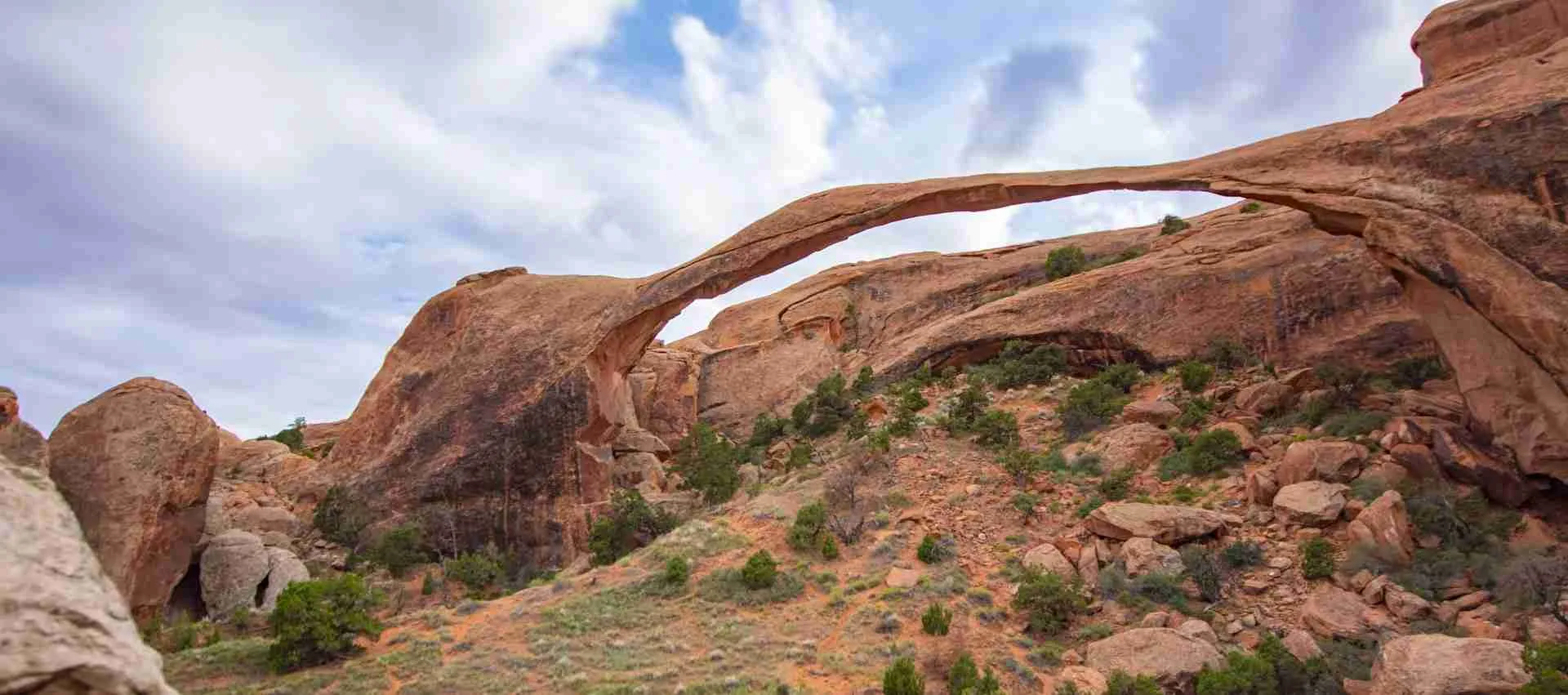
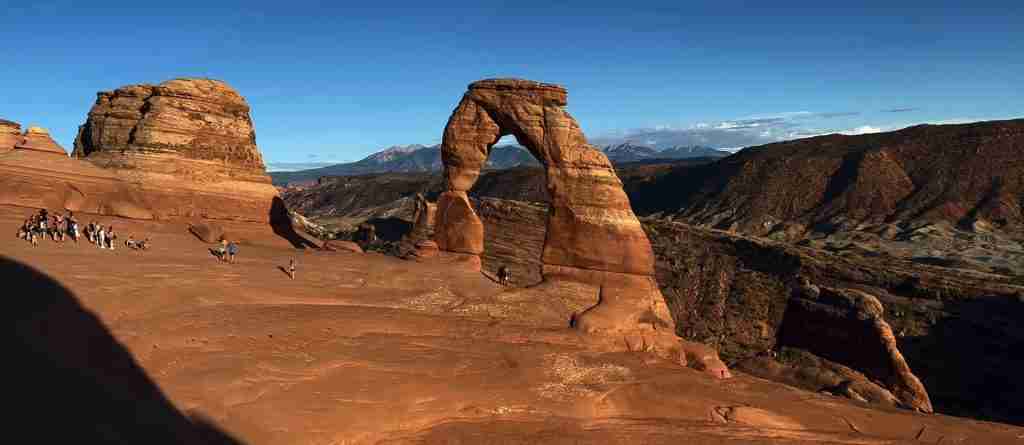
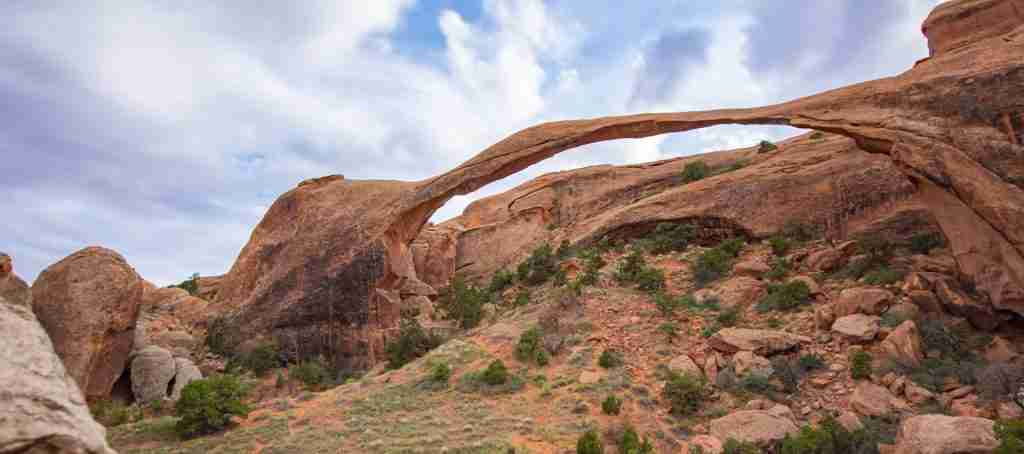
Different arches possess distinct spiritual qualities and purposes within indigenous ceremonial systems. Delicate Arch, perhaps the most iconic formation in the park, holds particular significance partly due to its dramatic framing of the La Sal Mountains and its isolated position requiring pilgrimage to reach. The Windows Section arches, with their large openings and accessible locations, served different ceremonial functions than remote formations requiring difficult access. Landscape Arch’s extraordinary span and delicate structure inspire awe that tribal traditions interpret as evidence of powerful creative forces at work. Double Arch’s interlinked openings create complex portal geometries with specialized spiritual applications.
Contemporary indigenous visitors to Arches National Park continue experiencing these formations as sacred portals, not historical or recreational sites. Tribal members conducting ceremonies at arches follow protocols passed down through generations, including specific times for visits corresponding to seasonal ceremonies, particular songs and prayers appropriate for each formation, and respectful behaviors that acknowledge the arch as a living presence rather than photographic backdrop. Park managers increasingly recognize these ongoing spiritual relationships, though balancing mass tourism with indigenous ceremonial access remains an ongoing challenge.
The portal concept extends beyond individual arches to encompass the entire landscape. Indigenous elders describe the concentration of arches in this region as creating a ceremonial district where multiple gateways enable complex spiritual work impossible in locations with isolated formations. The network of portals allows ceremonial practitioners to conduct multi-site rituals, creating connections between different arches and thereby between different aspects of the spirit world. This sacred architecture of stone gateways transforms Moab Valley into what some traditions describe as a threshold landscape where the separation between physical and spiritual dimensions becomes permeable, enabling extraordinary communications and transformations for those who know how to navigate this powerful terrain.
La Sal Mountains: Home of the Sacred Beings
Rising dramatically to 12,721 feet above sea level at Mount Peale, the La Sal Mountains dominate the eastern horizon from virtually every vantage point in Moab Valley. While geologists explain these peaks as laccolithic intrusions of igneous rock uplifted through surrounding sedimentary layers, indigenous traditions recognize the mountains as something far more significant: dwelling places of spirits and sacred beings who actively shape events in both visible and invisible worlds.
Tribal members from multiple nations consistently describe the La Sal Mountains as inhabited by powerful spiritual presences. These are not metaphorical or symbolic associations but understood as literal reality within indigenous knowledge systems. The beings who make their homes in these peaks include ancestral spirits, elemental forces, healing powers, and entities that tribal languages name but that have no direct English translations. These mountain-dwelling spirits maintain ongoing relationships with human communities, responding to prayers, providing guidance, offering protection, and sometimes requiring specific offerings or behaviors from people who enter their domain.
The mountains function as reference points within a larger sacred geography that encompasses the entire Moab region. Ethnographic research documented that having clear, unobstructed views of the La Sal Mountains from ceremonial sites, particularly from natural arches where rituals are performed, is identified by tribal participants as extremely important. This visual connection enables communication with the mountain-dwelling spirits and allows ceremonial power to flow between the ritual location and the sacred peaks. When vegetation growth, human structures, or other obstructions block these sight lines, the effectiveness of ceremonies conducted at arch sites diminishes or becomes impossible.
The relationship between arches and mountains creates what researchers describe as a “powerful spiritual landscape” where the geological features work together to enable specific kinds of religious practice. An arch serves as the portal or gateway, while the La Sal Mountains visible through that opening represent the destination or connection point. The ceremonial participant standing beneath the arch occupies a threshold position, simultaneously in the physical world of red rock canyons and reaching through the portal toward the spirit world concentrated in the distant peaks. This three-point alignment—human, arch, mountain—creates the ceremonial geometry necessary for many indigenous rituals.
Different peaks and areas within the La Sal range hold specific significance for particular tribes or ceremonial purposes. Some locations serve as places where vision quests are conducted, with seekers spending days in prayer and fasting while exposed to the elements at high elevation. Other sites function as sources of sacred plants, minerals, or materials used in ceremonies throughout the year. Certain springs or water sources in the mountains possess healing properties according to tribal knowledge. The diversity of spiritual functions concentrated in this relatively compact mountain range demonstrates the complexity of indigenous sacred geography.
The La Sal Mountains also feature prominently in tribal origin stories and migration narratives. Oral histories describe ancestors emerging from or traveling through these mountains during foundational journeys that established tribal territories and cultural practices. Specific peaks serve as landmarks in these sacred narratives, marking places where important events occurred, agreements were made with spiritual forces, or knowledge was received that shaped tribal identity. The mountains thus function not only as present-day ceremonial sites but as monuments to deep time, connecting contemporary communities to events that occurred in what Western frameworks might call mythological past but that indigenous traditions understand as equally real history.
Contemporary tribal members continue making pilgrimages to the La Sal Mountains for ceremonial purposes, though access has become complicated by land ownership patterns, wilderness regulations, and the loss of traditional knowledge about specific sites. Some elders express concern that younger generations may not learn the proper protocols for approaching mountain locations or conducting ceremonies that have been performed there for countless generations. Efforts to document traditional knowledge and maintain ceremonial relationships with the mountain spirits represent crucial cultural preservation work for tribal nations seeking to ensure these sacred connections survive into future generations.
Colorado River Crossing: The Heart of a Continental Trade Network
The Colorado River cuts through some of North America’s most formidable terrain, creating deep canyons and sheer cliff barriers that made crossing the river impossible for hundreds of miles in either direction. Moab Valley offered one of the very few locations where the river could be safely forded, and for many centuries, it stood as the only major crossing point between distant alternatives. This geographical reality transformed Moab into a continental crossroads where peoples, goods, ideas, and spiritual traditions from diverse regions converged.
What Spanish explorers in the 18th century named the Old Spanish Trail connecting Santa Fe to Los Angeles had existed for countless generations before European contact as the Old Indian Trail. Archaeological and ethnographic evidence reveals an extensive trade network utilizing the Moab crossing to connect Great Basin communities, Colorado Plateau villages, Rio Grande pueblos, and groups throughout the greater Southwest. Obsidian from distant sources, marine shells from Pacific and Gulf coasts, distinctive pottery styles, and specialized craft goods all traveled along routes that funneled through Moab Valley’s river crossing.
The trail crossed the Colorado River at Moab, continued to Courthouse Wash and Courthouse Spring within what is now Arches National Park, then proceeded toward the Green River crossing further north. This route avoided the deepest canyon sections both upstream and downstream, utilizing terrain that, while still challenging, allowed foot travel and later horse-mounted transport. The consistency of this pathway across centuries created a permanent corridor that shaped settlement patterns, warfare strategies, and ceremonial pilgrimage routes throughout the region.
Beyond its transportation function, the crossing point held ceremonial significance as a threshold between territories and cultural regions. Travelers crossing the river underwent a transition, leaving one tribal jurisdiction and entering another. This liminal quality of the crossing site created opportunities for what anthropologists call “betwixt and between” spiritual experiences, where normal social structures and identities become fluid. Vision quests, coming-of-age ceremonies, and initiations often occurred at boundary locations like river crossings where the transformative power of thresholds could be accessed.
The convergence of peoples from diverse backgrounds at the Moab crossing created opportunities for cultural exchange, intermarriage, and the formation of cosmopolitan communities with connections to multiple tribal traditions. Rock art styles from different regions appear together at sites near the crossing, suggesting that artists from various cultures created images at these locations, perhaps as pilgrimage records or territorial markers. The mixing of ceremonial practices, healing knowledge, and spiritual technologies from different traditions likely accelerated at crossroads locations where sustained contact occurred between groups who might rarely interact in other settings.
The river itself held profound spiritual significance beyond its role as geographical feature. As a life-giving force in an arid landscape, water commanded respect and gratitude. Springs, seeps, and reliable water sources along travel routes became sacred sites where offerings were left and prayers spoken. The Colorado River’s power, volume, and capacity to both sustain life and destroy it inspired awe and ceremonial attention. Specific locations along the river served as places where water-related ceremonies were conducted, rain was prayed for during droughts, and thanks offered during abundant times.
The Moab Valley’s role as crossing point also made it strategically important during periods of conflict and competition for resources. Control of the crossing meant control of trade routes and the economic benefits that flowed through this bottleneck. Defensive positions on cliffs overlooking the crossing offered surveillance of approaching travelers. Rock art panels depicting shields, weapons, and battle scenes may document conflicts over access to this crucial location. The valley’s strategic significance complemented its spiritual importance, creating a landscape where practical and sacred considerations intertwined.
Contemporary indigenous peoples recognize the Moab crossing as a place where their ancestors traveled for millennia, conducting trade, making pilgrimages, fleeing enemies, and seeking new opportunities. Oral histories preserve accounts of specific journeys through this crossing point, connecting living communities to the countless generations who preceded them on these same trails. The physical act of crossing the river at or near the traditional location carries ceremonial weight for tribal members retracing ancestral routes and maintaining living connections to sacred geography their people have known since time immemorial.
Rock Spires as Sentient Beings: Indigenous Perspectives on Living Stone
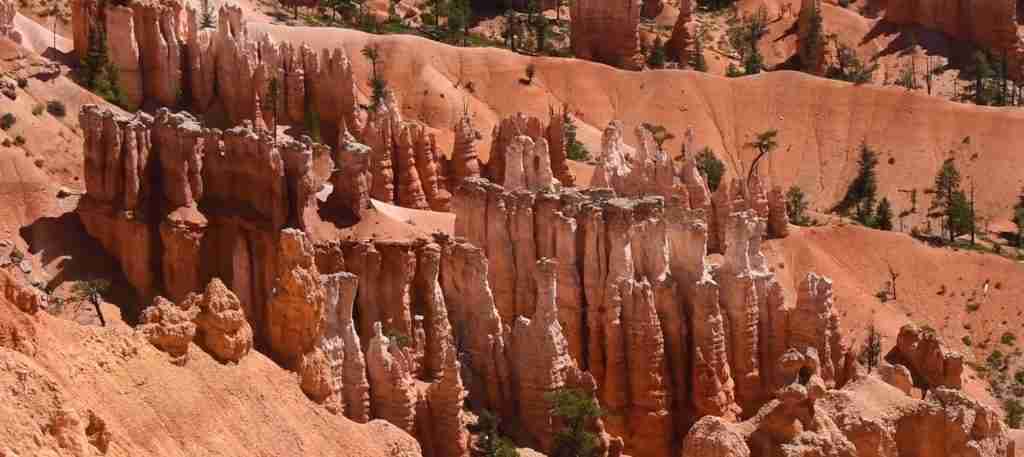
Throughout Canyonlands National Park and the surrounding landscape, dramatic rock spires rise from canyon floors and mesa tops, creating a vertical architecture of stone towers that dominates the visual field. Western scientific frameworks describe these formations as erosional remnants of sedimentary layers, the resistant cores of once-continuous rock strata. Indigenous traditions, however, understand these spires as sentient beings possessing consciousness, agency, and the capacity to interact meaningfully with human communities.
Tribal participants in ethnographic studies consistently describe rock spires as living entities rather than inert geological features. These beings continue providing help and resources to people who approach them properly, offer appropriate respect, and maintain ceremonial relationships passed down through generations. The spires function as spiritual intermediaries, connecting human communities to larger cosmic forces while also possessing their own intentions, preferences, and powers that must be acknowledged and honored.
The concept of sentient stone challenges Western assumptions about consciousness being limited to biological organisms with nervous systems. Indigenous knowledge systems recognize different kinds of awareness and agency operating through minerals, formations, and landscape features. A rock spire’s sentience differs qualitatively from human consciousness but remains real and consequential within indigenous ontological frameworks. The spires observe, remember, respond to offerings and prayers, and exercise influence over events in ways that tribal traditions document through stories spanning countless generations.
Specific rock spires throughout the Moab region hold known identities within tribal oral traditions. Named beings with particular characteristics, histories, and specialized powers are approached for specific purposes. One spire might be known for healing powers, visited by people seeking recovery from illness or injury. Another spire serves as a vision quest location where seekers fast and pray for guidance. A third formation functions as a marker in sacred geography, orienting travelers or indicating the location of other important sites. These individual identities transform what might appear to casual observers as an undifferentiated landscape of rock towers into a known community of distinct beings with whom relationships can be cultivated.
Ceremonial protocols for approaching and interacting with rock spires vary between tribal traditions but share common elements of respect, offering, and prayer. Before approaching a spire for ceremonial purposes, proper prayers must be spoken to announce the visitor’s presence and intentions. Offerings appropriate to the specific being and purpose are left at the base of the spire or in designated locations nearby. Songs associated with that particular formation or type of spiritual work are sung. Only after these protocols are completed does the ceremonial work itself begin, whether healing, vision seeking, prayer for rain, or other purposes.
The spires also function as landmarks in tribal navigation systems, both physical and spiritual. Travelers crossing the landscape used distinctive spires as reference points for route-finding, much as sailors used stars for ocean navigation. But beyond mere geographical orientation, the spires mark waypoints in ceremonial journeys, indicating where specific rituals should be performed, songs sung, or offerings left. A pilgrimage route might be defined not by compass directions or distance measurements but by the sequence of rock spires encountered and the ceremonies conducted at each one.
Rock art panels frequently appear at the bases of prominent spires, suggesting these locations served as important ceremonial centers where multiple generations of indigenous peoples left visual records of their visits, visions, and spiritual experiences. The combination of a powerful rock spire and the accumulated images created by ancestors over centuries intensifies the spiritual charge of such locations. Contemporary tribal members visiting these sites enter a palimpsest of sacred activity, adding their presence to layers of ceremony that stretch back millennia.
The sentience attributed to rock spires extends to their capacity for relationship with individual humans. Tribal traditions describe how a person might develop a special connection with a particular spire through repeated visits, offerings, and ceremonial work. This relationship becomes a source of power and guidance for that individual, who may return to the spire throughout their life seeking assistance during major transitions, illnesses, or spiritual crises. The spire recognizes its human partner and responds to their prayers with particular attention and effectiveness.
Contemporary indigenous practitioners emphasize that the rock spires’ sentience and power remain active in the present, not relegated to some mythological past. Tribal members continue visiting specific spires for ceremonies, still receiving the help and guidance these beings have provided for countless generations. The ongoing nature of these relationships underscores that indigenous spiritual connections to Moab’s landscape are not historical curiosities but living religious practices that require continued access to sacred sites and respect for the protocols governing interaction with sentient stone beings.
The Rock Art Chronicles: 10,000 Years of Sacred Communication
Thousands of petroglyphs and pictographs cover canyon walls, cliff faces, and rock shelters throughout the Moab region, creating one of North America’s most extensive and varied rock art galleries. These images span at least 10,000 years of human presence, documenting the spiritual lives, ceremonial practices, territorial claims, and sacred narratives of countless generations. For indigenous peoples, this rock art represents far more than archaeological data or artistic expression. It constitutes living communication between ancestors and descendants, sacred texts recording spiritual knowledge, and territorial markers asserting continuous presence since time immemorial.
The earliest rock art in the Moab area dates to the Archaic period, roughly 6,000 BCE to 100 CE. The distinctive Barrier Canyon Style pictographs created during this era feature haunting, otherworldly figures painted in mineral pigments. These ghostlike images, some reaching six feet in height, appear to float on canyon walls, their elongated bodies lacking arms, their heads adorned with emanations that might represent spiritual power, horns, or connections to other realms. Tribal traditions interpret these ancient figures as depictions of powerful spiritual beings, shamanic practitioners in trance states, or ancestors communicating from spirit worlds.
Courthouse Wash Panel, located near the entrance to Arches National Park, preserves one of the most significant Barrier Canyon Style galleries in the region. The panel was heavily vandalized in 1980, but subsequent conservation work revealed older pictographs beneath damaged layers, demonstrating the palimpsest nature of these sites where successive generations added images to locations already recognized as sacred. The ghostlike figures painted in ochre, charcoal, and hematite on the red-orange rock face continue speaking to indigenous descendants who understand the visual language their ancestors employed.
The Fremont culture, inhabiting the region from approximately 600 CE to 1250 CE, created distinctive petroglyphs featuring triangular bodies, elaborately decorated heads, and geometric patterns. Fremont rock art appears throughout the Moab area, often depicting anthropomorphic figures wearing elaborate headdresses, carrying shields, or adorned with decorative elements that may represent ceremonial regalia, clan affiliations, or spiritual powers. The famous “Moab Man” petroglyph at the Golf Course Panel exemplifies Fremont style with its antler-like projections and large ear ornaments.
Ancestral Puebloan rock art, created by people inhabiting the region roughly 2,000 years ago, includes images of bighorn sheep, deer, birds, snakes, geometric designs, and human figures engaged in various activities. These panels often appear near ancient dwelling sites, agricultural areas, and water sources, suggesting integration of rock art into daily life and seasonal ceremonial cycles. The birthing scene depicted at Birthing Rock along Kane Creek Boulevard represents specialized ceremonial imagery related to reproduction, fertility, and the perpetuation of human communities.
Historic Ute rock art, identifiable by depictions of horses and mounted riders appearing after Spanish introduction of horses to the region in the 1600s, documents the transition period when indigenous peoples adapted to new technologies while maintaining traditional spiritual practices. The Wolfe Ranch panel near Delicate Arch preserves Ute images showing riders on horseback, dogs, and bighorn sheep, demonstrating continuity of rock art traditions into the historic period. These relatively recent images connect directly to living Ute communities whose ancestors created this art within the past few centuries.
Interpretation of rock art meaning remains complex and contested. Archaeological approaches utilize comparative analysis, dating techniques, and correlation with ethnographic records to propose possible meanings. Indigenous perspectives emphasize that full understanding of these images often requires ceremonial knowledge passed down within specific families or societies, not accessible to outsiders or even to tribal members outside designated groups. Some images served as territorial markers, asserting presence and claim to resources. Others documented visions received during quests or spiritual experiences. Some panels functioned as ceremonial records, visual texts preserving knowledge about rituals, myths, or sacred geography.
Water appears as a frequent motif in Moab rock art, with wavy lines, spirals, and fluid forms representing this precious resource in an arid landscape. Tribal consultant Leigh Kuwanwisiwma, former Director of the Hopi Cultural Preservation Office, explained connections between petroglyphs of wavy lines at Moonflower Canyon and the abundant water nearby, noting that “wherever there’s water, you’ll find maybe an Ancestral site, occupation location, or where they were visiting or making their pilgrimages to conduct ceremony, or connect back to nature.” This association between rock art sites and water sources underscores the integration of spiritual practice with practical resource management.
Bighorn sheep appear repeatedly in Moab petroglyphs across all time periods, representing far more than hunting records. These animals held symbolic significance related to sure-footedness in dangerous terrain, adaptation to harsh environments, and spiritual powers associated with mountain dwelling. Petroglyphs depicting multiple sheep, sheep tracks, and hunters pursuing sheep document both the practical importance of this food source and the ceremonial dimensions of hunting as spiritual activity requiring proper protocols and reciprocity with animal spirits.
The concentration of rock art along major travel routes, including the Old Spanish Trail through Moab Valley, suggests these panels functioned partly as communication between groups moving through the landscape. A traveler encountering rock art left by previous visitors could read territorial claims, warnings, invitations, or information about resources and hazards ahead. The visual language transcended linguistic barriers, allowing people speaking different tongues to exchange information through shared symbolic systems developed over millennia.
Contemporary indigenous communities emphasize the sacred nature of rock art sites and appropriate protocols for visiting these locations. Touching petroglyphs damages the delicate desert varnish surface and the images themselves through oil transfer from human skin. Walking off designated trails around rock art panels causes erosion that threatens site integrity. Removing artifacts like pottery shards or stone tools from rock art sites constitutes federal crime under the Archaeological Resources Protection Act, but more importantly represents profound disrespect to ancestral presences at these sacred locations.
Tribal members continue visiting rock art sites for ceremonial purposes, leaving offerings, speaking prayers, and maintaining relationships with ancestors whose hands created these images. The panels serve as material proof of indigenous presence “since time immemorial,” legally significant in treaty disputes and land claims while also functioning as spiritual anchors connecting contemporary communities to deep time. Rock art vandalism, which has damaged numerous Moab panels including the hateful graffiti at Birthing Rock in recent years, wounds not only historical resources but living sacred sites central to indigenous spiritual practice and cultural identity.
Fremont and Ancestral Puebloan Ceremonial Landscapes
The Fremont culture and Ancestral Puebloans (formerly called Anasazi, a Navajo term now considered inappropriate by many descendant communities) created complex ceremonial landscapes throughout the Moab region during their centuries of occupation. Their dwelling sites, agricultural systems, rock art panels, and architectural features reveal sophisticated relationships between human communities and the sacred geography they inhabited. Understanding these ancestral cultures illuminates the deep roots of spiritual practices that continue in modified forms among contemporary indigenous peoples.
The Fremont culture inhabited much of Utah, including the Moab area, from approximately 600 CE to 1250 CE. Named for the Fremont River where their distinctive archaeological remains were first identified, Fremont peoples created gray ware pottery, intricate basketry, and characteristic rock art with triangular-bodied anthropomorphs. Their territory overlapped significantly with Ancestral Puebloan regions, and considerable debate continues among archaeologists about the relationships between these contemporaneous cultures—whether they represented distinct ethnic groups, different adaptations by related peoples, or complex networks of trade and intermarriage that blurred cultural boundaries.
Fremont peoples developed sophisticated agricultural systems in the Moab Valley, cultivating maize, beans, and squash in the fertile bottomlands along the Colorado River and its tributaries. Archaeological evidence reveals irrigation features, food storage structures, and seasonal settlement patterns that balanced farming with continued hunting and gathering. This mixed subsistence strategy required intimate knowledge of local ecology, weather patterns, and the spiritual forces governing agricultural success. Ceremonial activities related to planting, harvest, and rain-making would have been essential components of Fremont life, though specific ritual details remain incompletely understood from archaeological evidence alone.
The Fremont constructed distinctive pithouses and surface structures throughout the region. These dwellings often occupied defensive positions on mesa tops or in cliff alcoves, suggesting both strategic and ceremonial considerations influenced settlement choices. Some structures appear oriented toward astronomical alignments, solstice sunrise or sunset positions, or views of sacred landscape features like the La Sal Mountains. The integration of architecture with ceremonial geography created built environments that facilitated spiritual practices while providing practical shelter and defense.
Ancestral Puebloan peoples occupied the Moab region during roughly the same period as the Fremont, though their heartland lay to the south and east in the Four Corners area. Ancestral Puebloan sites in the Moab area include cliff dwellings, kivas (ceremonial chambers), agricultural terraces, and extensive rock art panels. Their sophisticated architectural traditions, particularly the construction of multi-story stone masonry pueblos and elaborately designed kivas, demonstrate advanced engineering knowledge integrated with ceremonial purposes. Kivas served as centers for religious ceremonies, initiations, and community gatherings, their underground or semi-subterranean construction representing emergence narratives central to Puebloan cosmology.
Both Fremont and Ancestral Puebloan peoples created extensive rock art throughout the Moab landscape. While stylistic differences allow archaeologists to attribute many panels to one culture or the other, some sites show evidence of both traditions creating images at the same locations across time. This layering suggests certain rock faces held enduring significance as sacred communication sites where successive generations and different cultures added their marks to places already recognized as powerful. The continuity of use across cultural boundaries indicates that sacred geography transcends specific ethnic identities, with landscape features themselves commanding respect from diverse peoples.
Around 1250-1300 CE, both Fremont and Ancestral Puebloan peoples largely abandoned the Moab region along with much of the greater Colorado Plateau. The causes of this widespread demographic shift remain debated, with proposed explanations including prolonged drought, resource depletion, warfare, disease, or social upheaval. Indigenous oral traditions maintained by Hopi, Zuni, and Puebloan peoples describe these abandonments not as collapse but as intentional migrations following spiritual guidance, with ancestors completing phases of existence in particular locations before moving to fulfill destinies elsewhere.
Contemporary Hopi people identify themselves as direct descendants of the Hisatsinom (Ancestral Puebloans), maintaining that their ancestors intentionally left footprints throughout the Four Corners region and beyond as they journeyed toward their destined homeland at the Hopi mesas in northeastern Arizona. This perspective transforms what archaeologists call “abandonment” into sacred migration narratives where Moab represents one of many ceremonial landscapes the ancestors inhabited during their journey through what Hopi tradition calls the Fourth World. The rock art, ruins, and material culture the ancestors left behind serve as evidence of this migration and as spiritual markers connecting contemporary Hopi to lands their people have known for millennia.
The Zuni people similarly maintain oral traditions describing ancestral connections to the greater Colorado Plateau, including the Moab region. Their cosmology identifies multiple sacred landscapes where ancestors emerged, migrated through, or conducted ceremonies during the long journey to Zuni Pueblo. Contemporary Zuni religious practitioners visit sites throughout this vast territory to conduct ceremonies, gather sacred materials, and maintain relationships with ancestral presences that remain active in these landscapes despite the physical departure of Zuni villages centuries ago.
Archaeological evidence from Fremont and Ancestral Puebloan sites reveals sophisticated astronomical knowledge integrated with ceremonial practices. Structures aligned to solstice positions, petroglyphs marking equinox sunrises, and architectural features oriented toward lunar standstills demonstrate careful observation of celestial cycles. These alignments served practical purposes for agricultural timing while also reflecting cosmological systems where earthly activities synchronized with heavenly patterns. The integration of built environment, sacred landscape, and celestial observation created comprehensive ceremonial systems that structured daily life and seasonal cycles.
Contemporary indigenous peoples visiting Moab to conduct ceremonies or reconnect with ancestral sites often approach Fremont and Ancestral Puebloan ruins with protocols similar to those used at natural sacred sites. Offerings are left, prayers spoken, and permission requested before entering dwelling sites or ceremonial structures. The material remains of ancestors command respect as physical evidence of the spiritual relationships earlier generations cultivated with this landscape. Pottery shards, stone tools, and architectural features are left undisturbed, understood as belonging to ancestors and inappropriate for removal or collection by subsequent visitors.
Ute and Paiute: Enduring Presence in the Sacred Valley
The Ute and Paiute peoples represent the indigenous nations with the most direct and continuous historical connections to Moab Valley during the period immediately preceding and following European contact. Their descendants maintain active ceremonial relationships with this landscape, asserting rights to cultural resources, sacred sites, and traditional practices that predate the United States government by millennia. Understanding Ute and Paiute perspectives on Moab’s spiritual significance requires recognizing their status as living communities whose ancestors have inhabited this region since time immemorial according to tribal oral traditions.
The Ute people, whose name gave Utah its designation, traditionally occupied vast territories encompassing the mountains and plateaus of present-day Colorado, Utah, Wyoming, Eastern Nevada, Northern New Mexico, and Arizona. According to Ute oral history, they have lived in this landscape since the beginning of time, with no migration story because they originated here. The Ute language belongs to the Uto-Aztecan family, connecting them linguistically to Paiute, Shoshone, Comanche, and other groups across the Great Basin and Southwest.
The Sheberetch band of Utes lived specifically in the area now known as Moab, with territories extending through the surrounding canyon country. These desert-oriented Utes developed specialized knowledge of arid land survival, water source locations, seasonal plant resources, and game animal patterns in this challenging environment. Their intimate familiarity with Moab Valley and surrounding landscapes created deep ceremonial connections to specific sites where Sheberetch ancestors conducted rituals, sought visions, and maintained relationships with spiritual forces concentrated in this geography.
Ute rock art throughout the Moab region, identifiable by depictions of horses and mounted riders, documents the historic period after Spanish introduction of horses revolutionized Plains and Great Basin indigenous cultures in the 1600s. The Wolfe Ranch panel near Delicate Arch preserves Ute petroglyphs showing riders on horseback alongside dogs and bighorn sheep. These images demonstrate how Utes integrated new technologies into existing cultural frameworks, continuing traditional rock art practices while depicting the transformed mobility and hunting strategies horses enabled. The combination of ancient motifs with historic innovations illustrates cultural continuity through periods of dramatic change.
The Southern Paiute inhabited territories across southern Utah, northern Arizona, Nevada, and southeastern California. The San Juan Band of Southern Paiute maintains the closest historical connections to the Moab area specifically, with ancestral lands extending through the canyon country surrounding the valley. Paiute oral traditions describe ancestors as having always been in this landscape, with creation stories locating their origin in the territories they continue occupying today. Their name for themselves, Nuwuvi, means “the people,” asserting their identity as the original human inhabitants of this region.
Paiute peoples developed sophisticated ecological knowledge adapted to the harsh desert environments they inhabited. Master gatherers of wild plant foods, Paiutes knew locations and seasonal availability of hundreds of edible and medicinal species. They created elaborate basketry for seed collection and food storage, wove sandals from yucca fibers for travel across stone landscapes, and maintained detailed knowledge of water sources throughout territories that might appear waterless to uninformed observers. This practical expertise intertwined with spiritual understanding of relationships between human communities and plant, animal, and mineral nations sharing the landscape.
Both Ute and Paiute peoples suffered devastating disruptions following European and American colonization of their territories. Warfare, disease, forced relocations, loss of traditional lands, and suppression of cultural practices threatened the continuity of knowledge and spiritual relationships that had been maintained for countless generations. The establishment of Mormon settlements in Moab Valley in 1855 initiated direct conflicts with Utes who depended on the grasslands that colonizers plowed for agriculture. By 1887, remaining Utes were relocated to reservations, officially opening Moab Valley for permanent non-indigenous settlement.
Despite these disruptions, Ute and Paiute communities maintained cultural practices and spiritual connections to ancestral territories. Elders preserved ceremonial knowledge, oral histories, and traditional skills through periods when government policies actively suppressed indigenous religions. The Bear Dance, an ancient Ute ceremony celebrating spring renewal and traditionally performed to honor the bear spirit who taught the dance to ancestors, continues being danced by Ute communities today, maintaining unbroken ceremonial traditions despite centuries of colonization.
The Paiute Indian Tribe of Utah, a confederation of five bands (Cedar, Indian Peaks, Kanosh, Koosharem, and Shivwits) lost federal recognition in the 1950s as part of termination policies aimed at ending tribal sovereignty and forcing assimilation. After decades of struggle, they regained federal recognition in 1980, a victory celebrated annually at the Paiute Restoration Powwow held each June in Cedar City. The San Juan Southern Paiute Tribe achieved federal recognition in 1989, though they continue sharing land with the Navajo Nation in complex territorial arrangements reflecting the layered history of indigenous presence and displacement in the Southwest.
Contemporary Ute and Paiute tribal members continue visiting Moab area sites for ceremonial purposes, though access has become complicated by land ownership patterns, park regulations, and the mass tourism that now dominates the landscape. Gathering traditional plants for ceremonial use, conducting prayers at sacred sites, teaching younger generations about ancestral connections to specific locations, and maintaining relationships with the spiritual forces concentrated in Moab Valley remain active components of Ute and Paiute religious practice, not historical curiosities.
Both tribes participate in collaborative management discussions with federal agencies overseeing public lands in the Moab region. The Bears Ears Inter-Tribal Coalition, which includes Ute Mountain Ute Tribe along with Navajo Nation, Hopi Tribe, Zuni Pueblo, and Ute Indian Tribe, advocates for indigenous voices in land management decisions affecting sacred sites and cultural resources. Similar coalitions have formed around Grand Staircase-Escalante National Monument, asserting that tribal nations must play central roles in protecting landscapes their ancestors have stewarded since time immemorial.
Navajo and Hopi Spiritual Connections to the Colorado Plateau
While the Moab area lies at the northern edge of traditional Navajo and Hopi territories, both nations maintain significant ceremonial connections to the Colorado Plateau landscapes surrounding Moab Valley. Their spiritual geographies extend across vast regions encompassing multiple sacred mountains, pilgrimage routes, and sites where ceremonies are conducted or sacred materials gathered. Understanding Moab’s role within these larger indigenous cosmologies reveals how a single landscape can hold different yet overlapping significance for multiple tribal nations.
The Navajo Nation, the second-largest federally recognized tribe in the United States with over 300,000 enrolled members, occupies territories spanning northeastern Arizona, northwestern New Mexico, southeastern Utah, and southwestern Colorado. Their traditional homeland centers on the area bounded by four sacred mountains: Blanca Peak in Colorado, Mount Taylor in New Mexico, the San Francisco Peaks in Arizona, and Hesperus Mountain in Colorado. Within this geography defined by sacred peaks, numerous other ceremonial landscapes including portions of the Moab area hold importance for specific rituals, gathering activities, or spiritual practices.
Navajo oral traditions describe their ancestors emerging into this Fourth World through a reed, with the creation story locating the Diné (Navajo) homeland in the landscape they continue occupying today. Changing Woman, the most important female figure in Navajo cosmology, created the first four clans from which all Navajo people descend. The matrilineal clan system structures Navajo society, with individuals identifying their mother’s clan first, then their father’s, grandmother’s, and grandfather’s clans in formal introductions. This complex kinship network extends spiritual and social obligations across the Nation.
Navajo ceremonial practitioners conduct numerous rituals requiring specific materials, locations, or environmental conditions found in particular landscapes. While the core of Navajo religious practice centers in their traditional homeland further south, the Colorado Plateau’s geological and ecological diversity means that certain ceremonies require accessing sites or resources in peripheral areas including the Moab region. Sacred plants growing only in specific soil types, minerals used in sand paintings, or locations with particular spiritual qualities may bring Navajo practitioners into landscapes they don’t permanently occupy but recognize as important to their ceremonial systems.
The Hopi Tribe inhabits twelve villages on three mesas in northeastern Arizona, with a population of approximately 18,000 enrolled members. Their name means “the peaceful ones,” and their cultural traditions emphasize harmony, balance, and responsibility for maintaining world order through proper ceremonial performance. Hopi oral traditions identify their ancestors as the Hisatsinom who inhabited cliff dwellings and built sophisticated agricultural communities throughout the Four Corners region before migrating to the Hopi mesas in fulfillment of spiritual instructions.
Hopi cosmology describes a series of worlds through which the people have passed, each world ending when inhabitants failed to live according to spiritual principles. The current Fourth World will endure only as long as Hopi people continue performing the ceremonies, maintaining the traditions, and living the balanced existence their ancestors agreed to when emerging into this world. This profound sense of spiritual responsibility extends to lands throughout the Colorado Plateau where Hopi ancestors left footprints during their migration journeys and where contemporary Hopi practitioners continue gathering ceremonial materials and conducting rituals.
Hopi religious leaders maintain detailed knowledge of sacred sites throughout Arizona, Utah, Colorado, and New Mexico, including areas in and around Moab Valley. These sites might include springs where water for specific ceremonies must be collected, locations where salt or minerals used in rituals are gathered, shrines where offerings are left during pilgrimage journeys, or places where particular plants required for ceremonial purposes grow. The geographic distribution of these sacred sites creates a vast ceremonial landscape that Hopi religious societies must maintain access to for proper performance of the ritual calendar that sustains world order.
The Ethnographic Overview and Assessment of Arches National Park conducted by the University of Arizona involved both Navajo Nation and Hopi Tribe representatives among the five participating tribal groups. Their testimony contributed to research findings that arches function as portals in space and time, that La Sal Mountains serve as dwelling places for spirits and sacred beings, and that maintaining unobstructed views of the mountains from arch locations is extremely important for tribal religious practices. These shared perspectives across different tribal nations suggest common elements in indigenous spiritual understanding of Moab’s landscape while also acknowledging that specific ceremonial protocols and the precise nature of relationships with these sites vary between traditions.
Contemporary Hopi and Navajo individuals continue visiting Moab area sites for various purposes including ceremonial activities, cultural education, gathering traditional materials, and maintaining connections to ancestral landscapes. Some visits occur as part of formal religious obligations that Hopi religious societies or Navajo medicine people must fulfill. Other journeys represent personal pilgrimages where individuals seek spiritual renewal or connection to places their ancestors knew. Still other trips serve educational purposes, with elders bringing younger community members to sites where family or clan histories unfolded, teaching traditional knowledge about landscapes that broader society treats as recreational destinations but that indigenous peoples recognize as sacred geography.
The overlap of Navajo, Hopi, Ute, Paiute, and other indigenous nations’ spiritual connections to the Moab region demonstrates the complexity of sacred landscapes in the American Southwest. A single arch might hold different ceremonial significance for different tribes. A particular rock art panel might document the presence of successive cultures over millennia. A water source could serve as sacred site for multiple nations following different protocols. This layering of indigenous claims and spiritual relationships challenges simple narratives of territorial exclusivity, revealing instead how sacred geography often transcends political boundaries and accommodates multiple legitimate indigenous connections to the same places.
Modern Indigenous Advocacy and Sacred Site Protection
Contemporary indigenous peoples continue asserting their rights to protect sacred sites, access ceremonial locations, and influence management decisions affecting landscapes their ancestors have inhabited since time immemorial. Moab Valley and the surrounding Colorado Plateau have become focal points for indigenous advocacy as mass tourism, resource extraction, and development pressures threaten the integrity of sacred sites and traditional practices. Understanding these modern struggles illuminates the ongoing significance of Moab as sacred geography, not merely historical heritage.
The Bears Ears Inter-Tribal Coalition represents a unprecedented collaboration between five sovereign tribal nations: the Navajo Nation, Hopi Tribe, Ute Mountain Ute Tribe, Ute Indian Tribe of the Uintah and Ouray Reservation, and Pueblo of Zuni. Formed to advocate for protection of the Bears Ears region southeast of Moab, the coalition demonstrated that despite differences in language, history, and specific ceremonial practices, these nations share profound connections to Colorado Plateau landscapes and common interests in protecting sacred sites from desecration, looting, and inappropriate development.
Bears Ears National Monument, designated by President Obama in 2016, represented the first time a national monument was created based primarily on indigenous advocacy rather than scientific or scenic values, though the region possesses those qualities as well. The monument’s creation acknowledged that indigenous peoples are not merely “stakeholders” to be consulted but rights-holders with legitimate claims to lands their ancestors have occupied and held sacred for countless generations. The subsequent reduction of the monument by President Trump in 2017 and its restoration by President Biden in 2021 demonstrates the contested nature of indigenous sacred sites within American political systems.
A similar coalition formed around Grand Staircase-Escalante National Monument includes the Hopi Tribe, Navajo Nation, Kaibab Band of Paiute Indians, Paiute Indian Tribe of Utah, Ute Mountain Ute Tribe, and Zuni Pueblo. Representatives from these nations announced the Grand Staircase-Escalante National Monument Inter-Tribal Coalition to ensure indigenous voices play pivotal roles in managing southern Utah’s public lands. As Autumn Gillard, cultural resources manager with the Paiute Indian Tribe of Utah, stated: “We are the living descendants of the ancestors that left their footprints and writings across Grand Staircase-Escalante National Monument. In Southern Paiute teachings, we are taught from infancy that we are stewards of these lands which must be protected and preserved for future generations.”
These coalitions work to influence management plans, protect archaeological sites from vandalism and looting, maintain indigenous access to ceremonial locations and gathering sites within public lands, and educate the broader public about the ongoing spiritual significance of these landscapes to tribal communities. The work requires navigating complex federal bureaucracies, engaging with diverse stakeholder groups including tourism industries and recreational users, and balancing public access with sacred site protection—challenges that require both diplomatic skill and unwavering advocacy for indigenous rights.
Specific issues facing indigenous sacred site protection in the Moab region include rock art vandalism, which has increased as visitation grows. The defacement of Birthing Rock in 2021 with hateful graffiti wounded not just a historical artifact but a living sacred site. Similar vandalism at Courthouse Wash, shooting damage at numerous petroglyph panels, and names carved into rock faces by thoughtless visitors demonstrate ongoing disrespect for indigenous heritage. Federal laws including the Archaeological Resources Protection Act establish criminal penalties for such damage, with fines up to $20,000, yet enforcement remains inconsistent and vandalism continues.
Overcrowding at sacred sites poses challenges distinct from vandalism. When hundreds of tourists crowd Delicate Arch, many climbing on adjacent rocks, shouting, and treating the location as entertainment rather than sacred space, indigenous practitioners seeking to conduct ceremonies find their spiritual work impossible. The noise, the disrespect, the sheer volume of people transforms a powerful ceremonial site into something more like an amusement park. Balancing public access to national parks with indigenous ceremonial needs requires thoughtful management that current systems struggle to provide.
Climate change affects sacred sites and ceremonial practices in numerous ways. Altered precipitation patterns change plant growing seasons and locations, making it harder to find traditional species needed for ceremonies. Increased flooding damages rock art panels and archaeological sites. Drought affects water sources that have sustained indigenous communities and ceremonial practices for millennia. Wildfire patterns shift, threatening ceremonial locations and the plants gathered there. Indigenous peoples, who bear little responsibility for greenhouse gas emissions driving climate change, face disproportionate impacts on their ability to maintain spiritual practices tied to specific landscapes and ecological conditions.
Positive developments include increasing recognition by federal land management agencies that indigenous peoples possess unique expertise and legitimate interests requiring their involvement in planning processes. Co-management arrangements where tribal representatives participate directly in decision-making about public lands represent significant advances over previous approaches that treated indigenous peoples as merely one interest group among many. The Ethnographic Overview and Assessment conducted at Arches National Park demonstrates institutional commitment to understanding indigenous perspectives, though translation of research findings into actual policy changes remains incomplete.
Educational initiatives aimed at helping non-indigenous visitors understand the sacred nature of sites they visit show promise. Interpretive signage explaining that rock art is not merely ancient art but living communication to indigenous descendants, that arches serve as ceremonial portals for ongoing religious practices, and that respect for these sites means following specific behavioral protocols can shift visitor attitudes. When people understand they are walking through a cathedral, not just scenic landscape, many prove willing to modify their behavior accordingly.
Indigenous youth programs focusing on cultural preservation and traditional knowledge transmission represent crucial work for ensuring ceremonial connections to Moab landscapes continue into future generations. Elders bringing young people to sacred sites, teaching traditional languages that encode relationships to landscape, sharing oral histories that link contemporary communities to ancestral presence, and demonstrating proper ceremonial protocols all serve to maintain living indigenous cultures despite centuries of colonization attempting to sever these connections.
The work of modern indigenous advocacy reminds observers that Moab’s significance as sacred valley is not relegated to some distant past but remains vibrantly present in contemporary indigenous spiritual life. The arches still function as portals for tribal practitioners who know how to use them. The La Sal Mountains still shelter the spirits and sacred beings indigenous cosmologies recognize dwelling there. The rock art panels still communicate across time from ancestors to descendants. The Colorado River crossing still marks a ceremonial threshold in sacred geography that has structured indigenous life for millennia. Protecting these sacred connections requires understanding that indigenous peoples’ relationships to Moab Valley are not historical, not recreational, but religious—demanding the same protections and respect accorded to synagogues, churches, mosques, and temples recognized by dominant American society.
Frequently Asked Questions: Moab’s Indigenous Spiritual Heritage
What protocols should non-indigenous visitors follow when visiting sacred sites in Moab?
Visitors to indigenous sacred sites in the Moab region should observe several critical protocols to demonstrate respect for the spiritual significance these locations hold for tribal nations. Never touch rock art panels or petroglyphs, as oils from human skin cause permanent chemical damage to the ancient images and the desert varnish surfaces where they appear. Stay on designated trails and avoid walking off-path near rock art or archaeological sites, since foot traffic causes erosion that threatens site integrity and disturbs cultural resources. Leave all artifacts including pottery shards, stone tools, and other objects exactly where you find them; removing these materials violates federal law under the Archaeological Resources Protection Act and disrespects ancestral presences at these locations. Speak quietly and move respectfully at sacred sites, recognizing these are ceremonial spaces equivalent to cathedrals or temples, not tourist attractions. Do not attempt to conduct your own ceremonies, leave offerings, or perform rituals at indigenous sacred sites unless you are a tribal member with appropriate cultural knowledge and authority. If you witness vandalism or damage to rock art or archaeological sites, report it immediately to the BLM Moab Field Office at 435-259-2100 or the National Park Service, providing photographs and GPS coordinates to assist investigators. Consider hiring indigenous-led tour guides who can provide culturally informed interpretation while ensuring proper protocols are followed during site visits.
Can non-indigenous people visit the natural arches that indigenous peoples consider sacred portals?
Yes, non-indigenous visitors can visit natural arches in Arches National Park and surrounding areas, as these sites are managed as public lands accessible to all Americans. However, understanding the sacred nature of these formations should inform visitor behavior and attitudes. Indigenous peoples who regard arches as portals in space and time connected to ongoing religious practices have not requested that non-indigenous visitors be excluded from these sites, though some tribal elders have indicated that certain ceremonial uses of specific arches may require knowledge that no longer exists in living memory. Visitors should approach arches with the same respect they would show when visiting any sacred space of another culture. This means refraining from climbing on arches, which damages the fragile structures and disrespects their spiritual significance; not shouting, playing music loudly, or engaging in behaviors that treat these locations as mere entertainment; being willing to give space to indigenous people who may be conducting ceremonies; and recognizing that the spectacular photography opportunities these sites offer come with responsibility to photograph respectfully, avoiding images that mock, trivialize, or appropriate indigenous sacred sites. The National Park Service asks that visitors particularly respect the area around Rainbow Bridge National Monument by not approaching or walking under the bridge, acknowledging its cathedral-like sacred status to multiple tribes. When visiting arches, consider the privilege of accessing landscapes that indigenous peoples have held sacred for millennia, and honor that significance through your behavior and internal attitude even if the specific ceremonial protocols belong to traditions outside your own experience.
What happened to the Fremont and Ancestral Puebloan peoples who created so much rock art in Moab?
The Fremont culture and Ancestral Puebloan peoples who inhabited the Moab region from roughly 600 CE to 1250-1300 CE did not disappear but rather relocated to other areas during what archaeologists call the “Great Abandonment” of the Four Corners region. Contemporary Hopi people identify themselves as direct descendants of the Hisatsinom (Ancestral Puebloans), maintaining oral traditions that describe their ancestors’ departure from cliff dwellings and pueblos throughout the Colorado Plateau as intentional migrations following spiritual guidance, not cultural collapse. According to Hopi tradition, ancestors were instructed to leave footprints throughout the Fourth World during their journey to the destined homeland at the Hopi mesas in northeastern Arizona, with each place they inhabited representing a completed phase of their spiritual development. Similarly, Zuni Pueblo maintains oral histories describing ancestral connections to the greater Colorado Plateau, with migration narratives explaining movements through landscapes including the Moab area during long journeys that ultimately led to Zuni Pueblo in western New Mexico. Many Puebloan peoples in the Rio Grande Valley of New Mexico also trace ancestry to migrations from the Four Corners region. The Fremont culture’s descendants remain more difficult to trace with certainty, though connections to modern Ute, Paiute, and Shoshone peoples have been proposed based on cultural and linguistic evidence, with some scholars suggesting Fremont represented a diverse population that dispersed into various successor groups. The causes of these widespread departures around 1250-1300 CE likely included prolonged drought documented in tree ring records, resource depletion from centuries of occupation, social conflicts, spiritual motivations described in oral traditions, or combinations of these factors. What appears to archaeologists as abandonment represents to indigenous descendants the completion of ancestral journeys through landscapes that remain spiritually significant even after permanent villages were relocated elsewhere, which is why contemporary Hopi, Zuni, and other Puebloan peoples continue visiting Moab area sites for ceremonies and maintaining relationships with ancestral presences that endure in these landscapes.
Why is the Moab Valley described as the only major Colorado River crossing for hundreds of miles?
The Colorado River cuts through some of North America’s most rugged terrain, creating deep canyons with sheer cliff walls that made crossing the river impossible for hundreds of miles in both directions from Moab Valley. Upstream from Moab, the river flows through increasingly deep canyons including the dramatic gorge through Canyonlands National Park where vertical cliff walls rise hundreds of feet above the water with no accessible routes to the river’s edge. Downstream from Moab, the river enters Glen Canyon (now mostly submerged beneath Lake Powell) where similar deep canyon walls prevented crossing for great distances. The Moab Valley offered one of the very few locations where the river flowed through relatively open terrain with manageable approaches from both sides, creating a fordable crossing that could be navigated on foot during low water periods and later by horse or wagon. This geographical reality made the Moab crossing point strategically crucial for trade networks spanning the continent. The route that Spanish explorers in the 18th century named the Old Spanish Trail, connecting Santa Fe to Los Angeles, utilized the Moab crossing because no viable alternative existed for hundreds of miles. Indigenous peoples had recognized this crossing’s importance for countless generations before European contact, with archaeological evidence revealing extensive use of trails converging on Moab Valley from all directions. The concentration of rock art, dwelling sites, and ceremonial locations around the crossing point reflects its significance as a convergence zone where diverse peoples, goods, and spiritual traditions met. Control of this crossing meant control of trade routes and the economic benefits flowing through this continental chokepoint, elevating Moab Valley’s importance beyond its local resources to a role as nexus connecting distant regions of indigenous North America.
How do indigenous peoples continue practicing their spiritual connections to Moab today?
Contemporary indigenous peoples maintain active spiritual relationships with Moab’s sacred landscape through various ceremonial practices, cultural transmission activities, and political advocacy for site protection. Tribal members from the Ute, Paiute, Navajo, Hopi, Zuni, and other nations with ancestral connections to the region continue visiting specific sites to conduct prayers, leave offerings, and perform rituals that have been practiced at these locations for generations. Some visits occur as part of formal religious obligations that particular tribal societies or medicine people must fulfill, such as gathering sacred plants or minerals found only in this region for use in ceremonies performed elsewhere, conducting pilgrimage journeys to ancestral dwelling sites and rock art panels where family or clan histories unfolded, or visiting specific arches to perform rituals requiring the portal functions these formations provide. Other journeys represent personal spiritual quests where individuals seek guidance, healing, or renewal through connection to powerful landscape features their ancestors have recognized as sacred for millennia. Cultural education represents another crucial aspect of maintaining spiritual connections, with elders bringing younger community members to sacred sites to teach traditional knowledge about landscape relationships, share oral histories connecting living people to ancestral presence, demonstrate proper ceremonial protocols for approaching different sites, and transmit languages that encode spiritual understandings of geography. Indigenous peoples also engage in political advocacy to protect sacred sites through participation in Bears Ears Inter-Tribal Coalition and Grand Staircase-Escalante Monument Inter-Tribal Coalition, which work to influence federal land management decisions, prevent vandalism and inappropriate development, maintain tribal access to ceremonial locations within public lands, and educate broader society about ongoing indigenous spiritual relationships to these landscapes. Challenges to maintaining these practices include restricted access due to land ownership patterns and park regulations, overcrowding at popular sites that makes quiet ceremony impossible, loss of traditional knowledge as elders pass away without sufficient transmission to younger generations, climate change affecting the plants and ecological conditions required for ceremonies, and ongoing vandalism that damages the sacred sites themselves. Despite these obstacles, indigenous communities demonstrate remarkable resilience in maintaining spiritual connections to Moab Valley that colonization attempted to sever, asserting that their relationships to this landscape are not historical curiosities but living religious practices deserving the same protections and respect accorded to other faith traditions’ sacred sites.
What is the spiritual significance of bighorn sheep in Moab rock art?
Bighorn sheep appear more frequently than any other animal in Moab petroglyphs across all time periods, representing far more than simple hunting records or artistic subjects. These animals held profound symbolic and spiritual significance for indigenous peoples related to their remarkable abilities to navigate sheer cliff faces, survive in harsh desert environments, and demonstrate sure-footedness in terrain that would kill humans or other animals attempting similar movements. Bighorn sheep embodied qualities that indigenous peoples sought to cultivate in themselves: balance, adaptation to challenging conditions, awareness of surroundings, and the ability to find pathways through seemingly impossible obstacles. The spiritual powers associated with mountain-dwelling creatures made bighorn sheep particularly significant as beings that inhabited the threshold between earth and sky, accessible terrain and sacred peaks. Hunting bighorn sheep was never merely a subsistence activity but a spiritual practice requiring proper ceremonies, prayers for permission, protocols for approaching the animals, and reciprocal offerings to the sheep spirits who gave their bodies to sustain human life. Petroglyphs depicting successful hunts documented not just practical achievements but spiritual relationships properly maintained between human hunters and animal spirits. Images showing multiple sheep, sheep tracks, hunters pursuing sheep with atlatls or bows, and solitary sheep on cliff faces all carry ceremonial meanings that extend beyond literal representation. Some traditions associate bighorn sheep with rain-bringing powers, their presence in high mountain areas connecting them to clouds and precipitation that desert peoples depend upon for survival. Other oral histories describe bighorn sheep as messengers between human and spirit worlds, their ability to access heights humans cannot reach making them ideal intermediaries carrying prayers to divine forces dwelling in sacred peaks. The persistent appearance of bighorn sheep imagery across 10,000 years of Moab rock art demonstrates the enduring spiritual importance of these animals to successive cultures inhabiting this landscape, with contemporary indigenous peoples continuing to recognize bighorn sheep as sacred beings deserving respect and ceremonial attention when encountered or depicted.
How did Mormon settlement affect indigenous peoples’ spiritual practices in Moab?
Mormon colonization of Moab Valley beginning with the 1855 Elk Mountain Mission fundamentally disrupted indigenous peoples’ spiritual practices and relationships with sacred landscapes they had maintained for millennia. The Church of Jesus Christ of Latter-day Saints directed faithful missionaries to establish communities in locations with water and arable land regardless of indigenous habitation, explicitly pursuing colonization of lands the Ute people considered their ancestral homeland. When the Elk Mountain Mission arrived in June 1855, they immediately built a stone fort and began planting crops in the tall grasslands that Utes depended upon for wild seed gathering and as forage attracting game animals essential to their food systems. This destruction of indigenous food sources represented not merely economic damage but spiritual violation, as the grasslands functioned within Ute ceremonial systems as sacred spaces where seasonal gathering and hunting practices integrated spiritual protocols with subsistence activities. Initial friendly relations between Utes and Mormons deteriorated as the extent of colonizers’ intentions became clear, leading to armed conflicts that resulted in the mission’s abandonment after just four months in September 1855, marking the first failure of religion-directed Mormon settlement in Utah. However, this temporary Ute victory only delayed colonization. By the 1870s, American and European settlers returned to establish ranches, farms, and fruit orchards, with Moab officially founded in 1880. The decisive blow came in 1887 when remaining Ute people were forcibly relocated to reservations, officially opening Moab Valley for permanent non-indigenous settlement and effectively severing Ute communities from daily access to sacred sites they had visited for countless generations. Mormon and broader American colonization disrupted indigenous spiritual practices through multiple mechanisms: physical removal from sacred landscapes preventing regular ceremonial visits; destruction of springs, gathering sites, and other locations with spiritual significance through agricultural development; suppression of indigenous religions through federal policies promoted by Mormon-dominated territorial and later state governments; interruption of knowledge transmission as elders died without opportunities to bring younger generations to sacred sites for teaching; and transformation of the valley from a living ceremonial landscape to private property where indigenous peoples became trespassers on their own ancestral lands. Despite these devastating disruptions, indigenous peoples demonstrated remarkable resilience in maintaining spiritual connections to Moab through continued visits when possible, preservation of oral traditions describing sacred sites and proper ceremonial protocols, transmission of cultural knowledge through family lines even during periods of intense suppression, and eventual political organization to assert treaty rights and religious freedom protections that enable contemporary ceremonial access to some sacred sites within public lands, though full restoration of spiritual relationships colonization attempted to destroy remains incomplete.
What role do contemporary tribal youth programs play in maintaining Moab’s sacred significance?
Indigenous youth programs focused on cultural preservation and traditional knowledge transmission represent crucial work for ensuring that spiritual connections to Moab landscapes continue into future generations despite the disruptions colonization imposed and ongoing challenges facing indigenous communities. These programs typically involve elders bringing young people to sacred sites within the Moab region to teach traditional languages that encode specific relationships to landscape features, share oral histories linking contemporary communities to ancestral presence at particular locations, demonstrate proper ceremonial protocols for approaching different sites, and transmit ecological knowledge about plants, minerals, and natural features used in spiritual practices. The educational process goes beyond intellectual learning to encompass embodied experience of sacred geography, where young people walk the same trails ancestors traveled, stand beneath the same arches where ceremonies have been conducted for millennia, view the La Sal Mountains from positions that create portal connections their people have utilized for countless generations, and touch the canyon walls where ancestral hands left petroglyphs communicating across time. This direct physical encounter with sacred landscape creates powerful connections that oral instruction alone cannot achieve, embedding spiritual geography in young people’s bodies and memories in ways that support lifelong relationships with these places. Youth programs also address the knowledge gaps created when earlier generations were prevented from visiting sacred sites due to forced relocation, boarding school removal, or suppression of indigenous religions, working to restore information about specific locations, ceremonies, and protocols that may have been partially lost during disruption periods. Some programs incorporate technology including GPS mapping, digital photography, and audio recording to document elders’ knowledge about sacred sites while the elders remain alive to share it, creating archives that future generations can access when elders have passed. Language preservation represents a critical component since many indigenous languages contain words, concepts, and frameworks for understanding landscape relationships that English cannot adequately translate, meaning loss of language equals loss of spiritual knowledge encoded in those linguistic structures. Cultural camps where youth spend extended time in traditional territories learning skills like traditional food gathering, basket-weaving from native plants, ceremony participation, and storytelling help build the comprehensive cultural foundation necessary for maintaining spiritual relationships to Moab’s sacred landscape. These programs face significant challenges including limited funding for tribal cultural departments, difficulty accessing sacred sites located on private lands or in areas where land managers restrict indigenous ceremonial activities, competition for young people’s time and attention from school, jobs, and contemporary cultural influences, and the reality that some traditional knowledge may have been irretrievably lost during colonization’s most destructive periods. Despite these obstacles, tribal youth programs demonstrate indigenous peoples’ determination to maintain unbroken spiritual connections to Moab Valley, asserting through the investment in young people’s education that these landscapes remain sacred in the present tense, not merely in historical past, and that indigenous ceremonial relationships with this powerful terrain will endure into future generations regardless of the obstacles colonization and its ongoing legacy continue imposing.
How does climate change affect indigenous spiritual practices in Moab?
Climate change impacts indigenous spiritual practices in the Moab region through multiple interconnected mechanisms that threaten the ecological conditions, physical sites, and traditional knowledge systems supporting ceremonial relationships maintained for millennia. Altered precipitation patterns shift the growing seasons and geographic distributions of plants that indigenous peoples gather for ceremonial use, making it increasingly difficult to find traditional species at the locations and times when they should appear according to knowledge passed down through generations. Sacred plants that require specific moisture levels, temperature ranges, or seasonal timing to produce the qualities needed for ceremonies may disappear from areas where they grew reliably for centuries, forcing either substitution of different species that lack the same spiritual properties or abandonment of particular ceremonial practices that require unobtainable materials. Changes in water availability affect the springs, seeps, and river flow patterns that indigenous peoples have incorporated into ceremonial systems, with some sacred water sources drying completely while others become unreliable in ways that disrupt seasonal ceremonies timed to water cycles. Increased frequency and intensity of flooding events damage rock art panels that have survived thousands of years of normal weather patterns but cannot withstand the accelerated erosion that climate-driven extreme precipitation causes, with ancient pictographs washing off canyon walls and petroglyphs degrading as once-protected surfaces experience unprecedented water exposure. Wildfire patterns shift in ways that threaten both the physical sacred sites and the plants gathered there, with hotter, drier conditions creating fire behaviors that historical landscapes did not experience, burning through areas that served as ceremonial locations or sources of traditional materials. Temperature increases alter the phenology of plants and animals that indigenous ceremonial calendars track, with spring arriving earlier, fall lasting longer, and seasonal markers that indicated appropriate times for particular ceremonies no longer aligning with the ancestral knowledge that structured spiritual practice for generations. Rising temperatures make pilgrimage to certain sites more dangerous, particularly for elders conducting ceremonies at exposed locations during summer months when heat that would have been merely uncomfortable in past generations now poses genuine health risks. Drought conditions intensify the already arid environment of canyon country, stressing the plants, animals, and water sources that ceremonial systems depend upon while also increasing dust that obscures views of the La Sal Mountains from arch locations, potentially interfering with the portal connections that require clear sight lines to mountain-dwelling spirits. Indigenous peoples who bear essentially no responsibility for the greenhouse gas emissions driving climate change face disproportionate impacts on their ability to maintain spiritual practices that require specific ecological conditions and physical sites now threatened by anthropogenic environmental disruption. The knowledge systems indigenous peoples have developed through countless generations of careful observation and ceremonial relationship with Moab landscapes contain invaluable information about environmental change, resilience strategies, and sustainable relationships with arid land ecosystems that broader society would benefit from heeding rather than continuing the destructive patterns now threatening both indigenous spiritual practices and global climate stability. Contemporary indigenous environmental advocacy often frames climate change not merely as technical problem requiring engineering solutions but as spiritual crisis reflecting humanity’s broken relationship with the natural world, suggesting that the ceremonial protocols and reciprocal obligations indigenous peoples maintain toward landscapes like Moab offer alternative frameworks for human-environment relationships that could address the root spiritual disconnection driving ecological destruction at planetary scale.
What distinguishes Moab spiritually from other areas of the Colorado Plateau?
While the entire Colorado Plateau holds profound spiritual significance for indigenous peoples, Moab Valley possesses a unique combination of features that distinguish it as particularly powerful sacred geography within this larger ceremonial landscape. The extraordinary concentration of natural stone arches creates a density of portal formations unmatched anywhere else on Earth, with over 2,000 documented arches in Arches National Park alone providing ceremonial infrastructure for spiritual work impossible in regions with isolated formations. The La Sal Mountains’ commanding presence visible from throughout the Moab area creates consistent sight lines to these sacred peaks that tribal traditions identify as dwelling places for spirits and sacred beings, with the alignment between arches functioning as portals and mountains serving as spirit homes establishing the powerful ceremonial geometry that makes this landscape exceptional. The Colorado River’s crossing point at Moab Valley, functioning for millennia as the only safe ford for hundreds of miles, transformed this location into a continental crossroads where diverse peoples, goods, and spiritual traditions converged, creating a cosmopolitan ceremonial center that facilitated exchange of religious knowledge and practices between cultures that might rarely interact in other settings. The 10,000-year continuity of human presence documented through rock art spanning Archaic, Fremont, Ancestral Puebloan, and historic Ute periods creates a palimpsest of sacred communication where ancestors from multiple cultures and epochs left visual records at the same locations, demonstrating enduring recognition of particular sites as spiritually powerful across dramatic cultural changes and technological transformations. The diversity of geological features concentrated in relatively compact geography—arches, spires, fins, balanced rocks, canyons, mesas, buttes, and the river itself—creates a sacred architecture of stone that enables complex ceremonial systems requiring access to multiple different formation types within pilgrimage distances of each other. The convergence of different indigenous nations’ ancestral territories and spiritual geographies at this location, with Ute, Paiute, Navajo, Hopi, Zuni, and their predecessors all maintaining ceremonial connections to Moab landscapes, creates a layering of sacred meanings and overlapping spiritual claims that reflect the region’s importance to multiple traditions simultaneously rather than being peripheral to each. The accessibility of sacred sites compared to more remote areas of the Colorado Plateau made Moab attractive for settlement and seasonal occupation, allowing sustained ceremonial relationships to develop rather than just occasional visits to distant sacred peaks or hidden canyon locations. This combination of extraordinary geological features, strategic geographic position, multi-cultural spiritual significance, deep time human presence, and practical accessibility creates a convergence of sacred qualities that distinguishes Moab as particularly powerful within the already spiritually charged landscapes of the Colorado Plateau, establishing its identity as a threshold valley where physical and spiritual dimensions intersect with exceptional intensity.