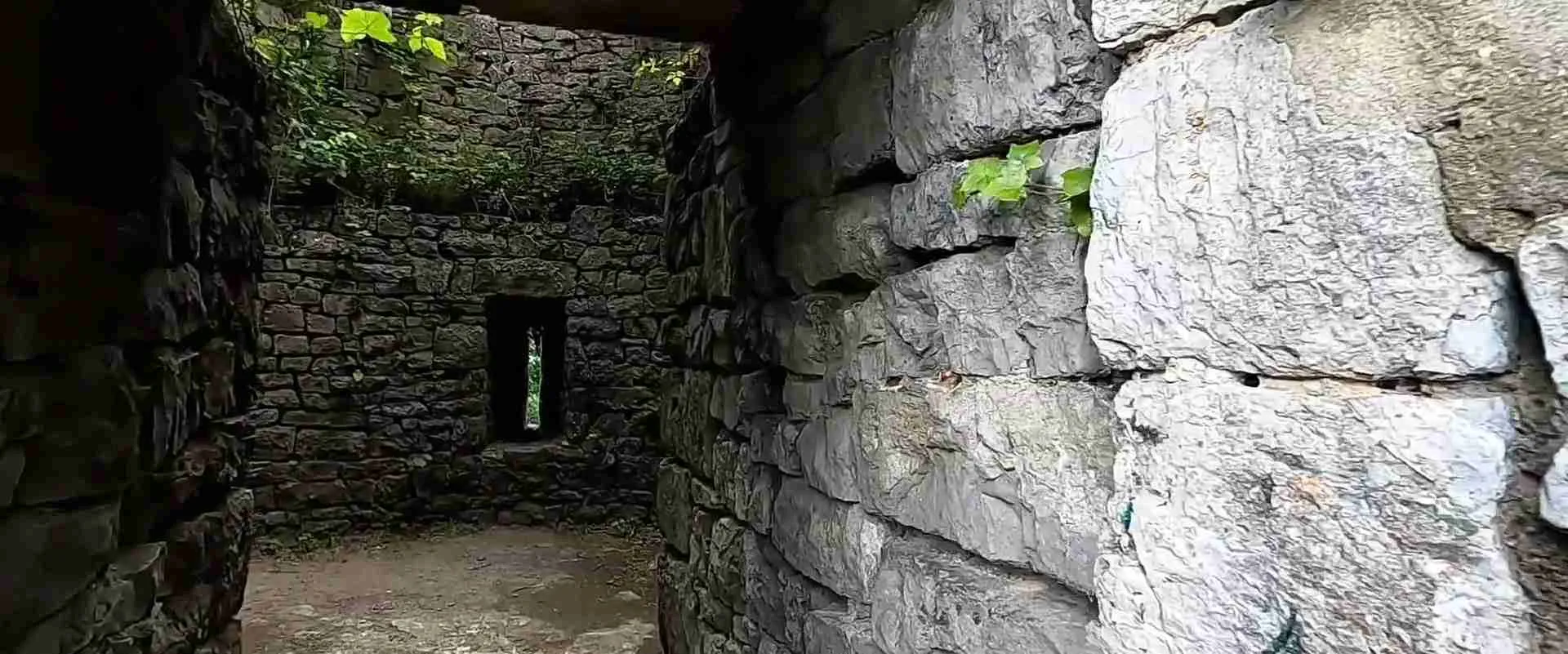
The Meuse and Semois Valleys Off the Beaten Path 2026: A Curated Road Trip Guide to Wallonia’s Hidden Castles
Wallonia’s twin river valleys thread through a landscape where medieval fortresses peer down from rocky spurs, Renaissance towers rise directly from the water’s edge, and entire ruin complexes lie hidden in oak forests visited by only a handful of travellers each week. This curated road trip connects the Meuse from Namur south to Dinant, then arcs deep into the Semois as far as Bouillon, weaving in eleven castles — several entirely free to explore — that together form one of continental Europe’s most concentrated chains of feudal heritage. Distances are modest, roads are spectacular, and 2026 marks a particularly strong season to explore, with Château de Vêves confirming its first full summer daily-access schedule in several years and Château de Modave’s expanded audio trail now covering 25 rooms in eight languages.
Key Takeaways: Wallonia Castle Road Trip 2026
- Route length and structure: The full Meuse-Semois castle circuit covers approximately 280-320 km of driving across four days, with logical overnight bases at Dinant (nights 1-2) and Bouillon (nights 3-4). No toll roads apply anywhere on the route.
- Admission pricing 2026: Castle entrance fees range from free (Herbeumont, Montaigle ruins) to €16 (Château de Bouillon). Most paid sites charge €8-10 per adult. Budgeting approximately €25-40 per person for the full 4-day circuit’s admissions is realistic.
- Budget travel costs 2026: Budget travellers sharing accommodation spend approximately €105-150 per person daily, covering a shared rental car, simple accommodation, brasserie meals, and a mix of free and paid castle visits.
- Mid-range and luxury costs 2026: Mid-range travellers staying in 3-star hotels spend approximately €190-260 per person daily. Luxury visitors combining boutique hotels with quality regional dining invest approximately €320-465 per person daily. All figures assume two sharing accommodation.
- Total 4-day trip cost 2026: Expect approximately €420-600 per person (budget), €760-1,040 per person (mid-range), or €1,280-1,860 per person (luxury) for the complete circuit.
- Seasonal window 2026: July-August offers the widest access, with all major castles open daily. Late spring (April-May) and autumn (September-October) bring lower prices and fewer crowds, with most sites open on weekends. Château de Vêves closes from early November to mid-February.
People Also Ask About the Meuse and Semois Valley Road Trip 2026
How much does the Wallonia castle road trip cost per day in 2026?
Budget travellers sharing accommodation spend approximately €105-150 per person daily on the Meuse-Semois circuit. This covers a B&B or guesthouse (€30-45 per person, two sharing a room), brasserie meals (€35-56), a shared economy rental car with fuel (€25-30 per person), and admissions combining free ruins with one or two paid castles (€8-12 per person). Mid-range travellers in 3-star hotels should plan for €190-260 per person daily. For a complete 4-day trip, budget travellers spend approximately €420-600 per person; mid-range travellers spend approximately €760-1,040 per person. Check official websites before visiting each castle, as prices are confirmed at the time of booking (check official site for current rates).
Which Wallonia castles are free to visit in 2026?
Several of Wallonia’s most atmospheric heritage sites carry no admission charge. The medieval ruins of Château d’Herbeumont in the Semois Valley are freely accessible year-round, offering some of the finest river panoramas in the entire Ardennes. Château de Montaigle in the Molignée valley is open for free exterior access. Château de Poilvache’s dramatic rocky perch above the Meuse can be viewed at no cost, with a small fee for access inside the ruins enclosure during the April-October season. The exterior and river-bank viewpoint for Château de Freyr are freely enjoyed from the Meuse towpath, and the Rocher Bayard — the Meuse’s iconic freestanding rock column — is a free roadside stop. Over a 4-day circuit, three or four stops require no admission at all.
What is the best time of year for the Wallonia castle circuit in 2026?
Late June to late August delivers the widest access, with all major castles open daily and Château de Vêves running its full 10am-5pm daily schedule from 6 July to 23 August. Late April and May offer spring foliage, smaller crowds, and accommodation prices 20-30% below summer peaks. September and early October bring golden light ideal for castle photography and the start of game season in Ardennes restaurants — one of the genuine culinary pleasures of the region. The Château de Vêves closes from 3 November 2025 to 17 February 2026; Château de Modave closes on non-holiday Mondays from April to November. The optimal compromise between access, weather, and price is mid-September, when all major sites remain open but Belgian domestic tourism has wound down sharply.
Do I need a car to visit the Wallonia castle circuit in 2026?
A private vehicle is effectively essential for the full Meuse-Semois circuit. While Bouillon, Dinant, and Namur are all reachable by train from Brussels, the secondary castles — Château de Freyr, Vêves, Lavaux-Sainte-Anne, Modave, Spontin, Herbeumont, and Montaigle — sit in rural locations with no regular bus service. Car rental from Namur city centre averages €30-70 per day depending on vehicle size and season, with petrol currently running approximately €1.85-1.95 per litre in Belgium. Rental agencies at Brussels Airport (BRU) and Charleroi Airport (CRL) offer the widest selection; booking at least two weeks ahead saves 20-30% versus last-minute rates. Cyclists can cover the Meuse valley section (Namur-Dinant) on the dedicated RAVeL 1 trail, but the full 11-castle circuit requires motorised transport.
Extended multi-day tours – 5+ days
Featured Belgium Multi-Day Tour Packages
3 days
Belgium 3-Day Discovery Tour
- ✓ Comprehensive Belgium experience
- ✓ Expert local guides included
- ✓ All accommodation included
- ✓ Transportation provided
5 days
Belgium 5-Day Highlights Experience
- ✓ Comprehensive Belgium experience
- ✓ Expert local guides included
- ✓ All accommodation included
- ✓ Transportation provided
7 days
Belgium 7-Day Cultural Journey
- ✓ Comprehensive Belgium experience
- ✓ Expert local guides included
- ✓ All accommodation included
- ✓ Transportation provided

10 days
Belgium 10-Day Complete Adventure
- ✓ Comprehensive Belgium experience
- ✓ Expert local guides included
- ✓ All accommodation included
- ✓ Transportation provided
Multi-day tour packages powered by TourRadar. Prices and availability subject to change.
Introduction: Why the Meuse and Semois Define Belgian Medieval Heritage in 2026
No other river corridor in northern Europe concentrates feudal architecture quite like the stretch of Meuse between Namur and Hastière, or the wild arc of the Semois between Florenville and Bouillon. In just 300 kilometres of river valley, more than a dozen castles rise from the same Devonian limestone that gave medieval builders both their material and their natural platforms: rocky spurs that dropped sheer to the river on three sides, eliminating the need for artificial fortifications. The result is a chain of fortresses that look, even today, as though they were grown rather than built — organic extensions of the landscape rather than impositions upon it.
For travellers accustomed to Bruges or Ghent as the Belgian itinerary default, the Meuse-Semois circuit comes as a genuine revelation. These are not manicured tourist attractions but lived-in and partially ruined monuments embedded in still-agricultural countryside. The Château de Freyr has belonged to the same family since 1410. Château de Vêves is still inhabited by its hereditary Counts on the upper floors. Château de Spontin received no infrastructure investment for much of the 20th century — which is precisely why its 13th-century keep survives in such remarkable condition. Everywhere, the absence of mass tourism has preserved the quality that mass tourism invariably destroys.
The 2026 season strengthens the case for visiting now rather than later. Castle infrastructure is improving with every passing year: Modave’s audio trail is now the best-equipped on the circuit; Vêves has its fullest seasonal schedule in years; Spontin’s conservation investment is bringing previously inaccessible wings into the visitor circuit. Accommodation stock in Bouillon and Dinant has expanded and improved without yet reaching the pricing levels of Bruges. And the Semois valley’s designation as part of Belgium’s first national park — Parc National de la Vallée de la Semois — adds a conservation framework that should protect both the natural and built heritage of the region for the long term. What follows is a precise, verified guide to getting the most from this circuit in 2026, from the first paid car park in Namur to the final descent from the Herbeumont ruins into the Semois valley below.
Planning Your Meuse and Semois Valley Road Trip 2026
The circuit described in this guide runs approximately 280-320 kilometres of driving spread over four days, with logical overnight stops at Dinant or nearby (nights 1-2) and Bouillon (nights 3-4). The drive from Brussels to Namur, the circuit’s natural starting point, takes 60-80 minutes. Travellers flying into Brussels Airport (BRU) or Charleroi Airport (CRL) will find car rental at both terminals, with BRU offering a wider selection. Booking from Namur city centre rather than the airport saves €10-20 per day on rental rates.
Car rental prices in the Wallonia region average €45-70 per day for a mid-size vehicle when booked two or more weeks in advance, dropping to €30-50 for economy cars. Booked eight weeks ahead for the July-August peak, a 4-day economy rental runs €120-200 in total — shared between two travellers, this comes to €60-100 per person for the trip’s transport infrastructure. On average, car rentals in Belgium cost approximately €49 per day; Namur city-centre agencies including Europcar and Enterprise consistently undercut airport pricing by 15-25%.
Belgium charges no road tolls on regional roads or E-routes through the Ardennes. Petrol (Euro 95) runs approximately €1.85-1.95 per litre in mid-2026; diesel is approximately €2.08-2.16 per litre. A 300-kilometre circuit in a modern petrol car averaging 7 litres per 100 km consumes roughly 21 litres — approximately €39-41 in fuel for the entire trip, split between two to around €20 per person total. Budget an additional €5-10 per day for parking in Dinant and Namur town centres; castle parking at all rural sites is free.
The N96 between Namur and Dinant follows the Meuse’s left bank directly, ranking among Belgium’s finest scenic drives. The N865 and associated valley roads into the Semois carry minimal traffic and are well-maintained. Download offline maps for the Bouillon-Herbeumont segment before entering the deep Semois valley, where mobile signal occasionally drops in forested sections. Belgium’s emergency number is 112; standard rental cars include the legally required warning triangle, high-visibility vest, and fire extinguisher.
The Essential Castles: Your 2026 Roadmap to Wallonia’s Historic Fortresses
Château de Bouillon: The Semois Valley’s Undisputed Landmark 2026
Built on a finger of rock encircled on three sides by the River Semois, Château de Bouillon ranks among Belgium’s oldest and most dramatically positioned fortresses. The site’s defensive use dates to approximately 988 CE, though the structure visible today accumulated across five subsequent centuries. Its most famous occupant, Godefroy de Bouillon, mortgaged the castle to the Prince-Bishop of Liège in 1095 to fund his participation in the First Crusade — an act that handed the castle to ecclesiastical control for 600 years and began a chain of ownership passing through French, Spanish, and Austrian administration before the site entered Belgium’s heritage system.
Inside, the castle comprises three interconnected wards carved into the living rock. The prisons, the Hall of Justice, and the underground water cisterns all survive intact and form part of the standard visitor circuit. In summer, falconry displays operate at the castle’s upper ward; check the daily schedule at the ticket desk on arrival. An audio guide covering eight languages is available at an additional charge beyond the base admission.
Adult admission in 2026 is €16, the highest price point on this circuit, reflecting the site’s scale and programme. Winter hours run Monday-Friday 1-5pm and Saturday-Sunday 10am-5pm. Spring and autumn hours extend to 10am-5pm daily; summer hours reach 10am-6:30pm (April-June and September), 10am-6pm Monday-Friday and 10am-6:30pm weekends. Book tickets in advance online for July and August visits, when Belgian domestic tourism fills the castle consistently. Bouillon’s compact town centre — with excellent riverside restaurants, kayak hire on the Semois, and the Archéoscope medieval experience museum — provides the natural base for the circuit’s southern leg. Summer evenings when the castle is floodlit from the river banks below count among the most atmospheric moments the Belgian Ardennes offers.
Château de Freyr: Wallonia’s Versailles on the Meuse 2026
Six kilometres south of Dinant, Château de Freyr sits directly on the Meuse’s left bank, its formal Le Nôtre-inspired terraced gardens descending to the water. Built in Mosan Renaissance style from 1571 after the original medieval fortress was destroyed by the Duke of Nevers in 1554, the château passed definitively to the Beaufort-Spontin family by inheritance in 1410 and has remained in continuous family ownership ever since — one of Belgium’s most extraordinary examples of uninterrupted dynastic heritage across six centuries.
The interior blends Renaissance, Baroque, and Rococo registers across successive building campaigns. The 16th-century dining room survives largely intact; the Baroque entrance hall dates from the 17th century; the chapel’s Rococo detailing reflects the taste of Frédéric-Auguste de Beaufort-Spontin, who remodelled the gardens in the 1760s and 1770s with Versailles as his explicit model. The orangeries hold orange trees approaching 350 years old, wintered indoors since the French Revolution — among the oldest surviving orangery collections in the Low Countries. A memorable historical footnote adds a culinary dimension: in 1675, the first cup of coffee ever drunk in Belgium was reputedly consumed here during negotiations for the Treaty of Freyr.
Adult admission in 2026 is €10, with seniors, teenagers, and students at €8 and children under 12 free when accompanied by a parent. The 2026 season runs June Thursdays-Sundays from 11am-5pm, July-August Tuesdays-Sundays from 11am-5pm, and September-November on Saturdays, Sundays, and public holidays. Closed on Mondays throughout. Given the restricted schedule, confirm the current calendar at chateau-freyr.be before building your itinerary around the visit. The château is closed to visitors from late November through March.
Château de Vêves: The Sleeping Beauty Castle 2026
Perched on a rocky spike above a tributary of the Lesse River ten minutes by car from Dinant, Château de Vêves is routinely described as Belgium’s most beautiful medieval castle — a claim difficult to dispute on first encounter. Five conical towers frame a 16th-century half-timbered gallery, the whole rising from oak woodland in a silhouette that reads like a medieval illustration given physical reality. The “Sleeping Beauty Castle” nickname, earned by the ensemble’s fairytale proportions, understates the site’s genuine historical depth. Pépin de Herstal constructed a villa here in the 7th century; the current castle dates primarily from a 15th-century rebuild by the Beaufort family, who also owned Freyr and Spontin — creating an interlocking heritage network across the Meuse-Lesse watershed that makes this region unique in Europe.
The self-guided visit moves through furnished rooms including the chapel, great halls, the private apartment wing, and the tower staircases. Children are offered medieval costumes — included in the admission price — for the duration of their visit, a well-executed touch that makes Vêves particularly effective for families. The castle remains inhabited by the Counts of Liedekerke-Beaufort on the upper levels, lending a warmth unusual in heritage sites of this calibre. Special guided family visits with knighthood ceremonies, medieval dances, and archery challenges are offered by reservation on select dates during summer and school holidays; details appear on the official website at chateau-veves.be.
Individual adult admission for the self-guided visit is approximately €10 in 2026; check the official website for confirmed current pricing as this is managed through a dynamic ticketing system. The 2026 schedule is precisely detailed: carnival holiday openings from 16 February (Wednesdays-Sundays); open on weekends and public holidays from 30 March to 1 November; open Wednesdays-Sundays during the spring holidays and autumn school holidays; open every day 10am-5pm from 6 July to 23 August. The castle is closed from 3 November 2025 to 17 February 2026 inclusive. Last entry is 4:30pm throughout the season.
Château de Lavaux-Sainte-Anne: Three Museums in a Famenne Fortress 2026
Situated in the Famenne plain near Rochefort, Château de Lavaux-Sainte-Anne represents a distinctive architectural register from the river-perched fighting castles of the Meuse. Built originally around 1450 as a genuine military fortress — complete with moat, drawbridge, loopholes, and three massive towers — the structure was adapted in 1630 by Baron Jacques Reynard de Rouveroy for more gracious living. Each tower received the bulbous, pointed roof that makes the château so photographically distinctive today, and the courtyard was given an elegant Renaissance residential range. The result is a rare survival of a castle frozen in transition between military and residential function: neither purely fort nor purely palace, and all the more compelling for that ambiguity.
Three museums now occupy the interior. The Museum of the Lords of Lavaux reconstructs daily life in the 17th-century castle through period furnishings, portraits, and household documents. The Museum of Peasant Civilization in the medieval cellars presents rural life in the Famenne region through the late 19th century — farming tools, festive costumes, and domestic objects in a candlelit cellar environment that genuinely transports visitors. The Museum of Nature and Hunting on the first floor showcases an extensive collection of taxidermied specimens illustrating the Famenne’s wildlife diversity, memorable for its sheer encyclopaedic scope. A formal French garden and a wetland ecology trail through the castle’s designated nature zone complete the visit.
Adult admission in 2026 is €9.50, with seniors and students at €8.50 and children aged 3-12 at €6 (costume rental included). The castle opens Wednesday-Sunday year-round from 10am-6pm (last admission 4:45pm), with 7-day opening during all Belgian school holidays. Closed on Good Friday (18 April 2026), 27 October, 1 November, 24, 25, 31 December, and 1 January. Free parking is available on-site. The reliable Wednesday-Sunday year-round schedule makes Lavaux the most accessible site on the circuit for travellers with fixed, inflexible travel dates.
Château de Modave: Stucco and Silence in the Hoyoux Valley 2026
Less discussed in English-language travel writing than Bouillon or Vêves, Château de Modave consistently impresses visitors who encounter it: a 17th-century château crowning a 60-metre rocky spur above the Hoyoux River, surrounded by 450 hectares of classified nature reserve. The castle is celebrated above all for its stucco ceilings — among the finest surviving examples of 17th-century decorative plasterwork in Belgium — executed by Flemish-German master Jean-Christian Hansche for the Comte de Marchin in the 1670s. Brussels tapestries, 18th-century furniture, and mural paintings from the 18th and 19th centuries fill 25 rooms along a self-guided audio circuit that the castle now delivers in eight languages, audio guide included in the admission price.
A mechanical curiosity provides an unexpected dimension to the visit: a working scale reproduction of a hydraulic wheel built in 1667 by Rennequin Sualem, a Walloon engineer whose design was subsequently adopted for the famous Machine de Marly, the hydraulic installation that supplied water to Versailles. The Modave wheel predates the Marly installation and is considered its direct conceptual prototype — a genuinely significant piece of industrial history embedded in a magnificent decorative interior. The castle gardens, freely accessible during opening hours, overlook the Hoyoux gorge and connect to a network of marked walking trails through the surrounding nature reserve.
Adult admission in 2026 is €9.50, with seniors and 60+ visitors at €8, students at €5, and children under 12 free. The audio guide is included in all ticket prices — a structural advantage over most sites on the circuit, where commentary costs extra. Château de Modave opens 1 April to 15 November, daily 10am-6pm (last entry 4:45pm), closed on non-holiday Mondays except in July and August. An exceptional Christmas season opening runs from 12 December 2026 to 3 January 2027. Advance ticket purchase is requested; call +32 85 41 13 69 to confirm your visit.
Château de Spontin: The Living Drawbridge Castle 2026
Tucked into the Bocq River valley between Dinant and Namur, Château de Spontin offers something unique on the entire Belgian castle circuit: an authentic, fully operational drawbridge still raised and lowered as part of daily operations. Built from 1266 by Pierre de Beaufort and developed progressively through the 13th-16th centuries, Spontin sits on a small island in the middle of the Bocq, its rectangular 13th-century keep rising from a water-enclosed courtyard with three flanking towers and a medieval gatehouse. The moat is intact; the curtain walls date from the medieval period; the moated island configuration is unaltered since the castle’s construction.
The 2026 season has seen significant conservation investment, with ongoing work on the neo-Gothic wing and upper residential ranges. Visitors should confirm current access areas before planning a detailed visit, as some interior spaces may be partially closed during restoration phases. Despite this, the castle’s exterior, working drawbridge, courtyard, and ground-floor rooms constitute a compelling and unique stop on the northern Meuse circuit. The current owners have committed personal resources to preserving this nationally significant monument, and their passion for the project is evident throughout.
Adult admission for a self-guided visit with a circuit document is €8 in 2026, with children under 12 at €5. Group guided tours run at €7 per person for groups of 10-15 by advance arrangement. Opening hours to 30 June are Wednesdays, Saturdays, and Sundays from 2pm-5pm. From 1 July to 31 August the castle opens Tuesday-Sunday from 10am-5pm, with the last visit departure at 4:30pm. The castle is closed on Mondays throughout the season. Check the official website at chateaudespontin.be for any private event closures, as the castle occasionally closes for weddings and seminars with limited advance notice.
Hidden Ruins and Free Discoveries: The Off-the-Beaten-Path Circuit 2026
Château d’Herbeumont: The Semois Valley’s Best Free Stop 2026
The medieval ruins of Château d’Herbeumont occupy a rocky ridge above the village of Herbeumont in the heart of the Semois valley, offering panoramas across the river’s spectacular meanders that qualify among the finest viewpoints in the Belgian Ardennes. Founded in 1268 by Jehan de Rochefort, son of the House of Walcourt, the castle passed through four successive noble dynasties — the Houses of Orgeo, La Marck-Rochefort, Stolberg, and Löwestein — before French troops under Marshal de la Ferté, acting on orders from Louis XIV, set it alight on 21 August 1657. The deliberate destruction was thorough: the site lay substantially untouched until archaeological clearance began in 1973. Two decades of restoration work from 1994 onward consolidated the corner towers, ramparts, and curtain walls without attempting reconstruction, leaving the ruins in the complex, layered condition typical of sites destroyed by military intent rather than gradual neglect.
Access is free throughout the year. Rue du Château in Herbeumont village leads directly to the site, where a small car park accommodates a handful of vehicles. Guided tours in multiple languages are available through the local tourism office; self-guided visits follow archaeological interpretation panels installed at each significant section of the ruins. Allow 45-90 minutes depending on how thoroughly you explore the viewpoint terraces, some of which require brief scrambling over uneven ground. The site was classified as Exceptional Heritage of Wallonia in 1993, and its position within the newly established Parc National de la Vallée de la Semois — Belgium’s first national park — adds a conservation framework that should protect the site indefinitely. Visiting Herbeumont at dawn, when mist sits in the Semois meanders below the ridge, is one of the circuit’s genuinely unmissable experiences.
Château de Montaigle: Overgrown Grandeur in the Molignée Valley 2026
At the confluence of the Flavion and Molignée rivers south of Gesves, the ruins of Château de Montaigle embody a different quality of heritage beauty from Herbeumont. Where Herbeumont was comprehensively cleared and interpreted, Montaigle retains much of its vegetation — ivy, moss, and young trees threading through 14th-century masonry in a Romantic, painterly register that has appealed to artists and travellers since the 18th century. The castle traces its origins to approximately 900 CE, though the primary surviving stonework dates from a 14th-century construction phase under the Counts of Namur. Its position above the valley confluence gave simultaneous command over three river approaches — a tactical configuration that made it one of the county’s most valuable defensive assets during the medieval period.
At the base of the ruins, an archaeological museum occupying 100 square metres presents artefacts recovered during excavation campaigns: ceramics, iron tools, architectural fragments, and coins that document occupation from the pre-medieval period through the castle’s eventual abandonment. The museum is accessible independently and provides the historical context that the ruins themselves, stripped by time and vegetation, no longer supply directly. Guided tours of the ruins are available by appointment through the Gesves tourist office. Access to the ruins exterior is free year-round; the museum charges a nominal entrance fee. The Molignée valley below the ruins offers excellent walking, and the village of Falaen at the foot of the site has a small café open in summer.
Château de Poilvache: Meuse Panorama on a Rock Spur 2026
One of Belgium’s largest medieval ruins, Château de Poilvache occupies a rocky spur above the Meuse near Houx, south of Huy, dropping sheer to the river on three sides. The surviving remains — curtain walls, gate towers, a chapel ruin, and the outline of multiple domestic ranges — give a clear impression of the castle’s former scale, which made it one of the most strategically significant fortresses in the County of Namur’s defensive network. The site was besieged repeatedly throughout the medieval period before being systematically dismantled by François I, Duke of Nevers, in 1554 on behalf of French King Henry II. The viewpoint over the Meuse bend visible from the ruins’ upper sections is outstanding: the river curves broadly below, with the village of Houx visible on the bank and the Condroz plateau extending north in a pastoral panorama.
Poilvache opens from April to October: daily from 10:30am to 6:30pm in July and August, and on weekends and public holidays from April to June and September through late October. A small admission fee applies inside the ruins enclosure; check the Maison du Tourisme de la Meuse Condruse for current 2026 pricing before your visit. The approach path from the car park below takes approximately 15 minutes on a moderate uphill track. Sturdy footwear is required. The village of Houx at the river’s edge provides a pleasant picnic stop on the return.
Ruins of the Samson Fortress: A Count’s Castle in the Meuse Gorge 2026
Less visited than Poilvache or Montaigle, the ruins of the Samson fortress occupy the entrance to the Val Samson, a narrow tributary gorge of the Meuse between Namur and Huy. Two medieval towers and a section of curtain wall remain visible — fragments of what was once the seat of a bailiwick controlling 20 kilometres of the Meuse’s right bank from Namur to the Arches forest. Like Poilvache and Montaigle, Samson belonged to the Count of Namur, forming part of a tightly integrated county defensive system. The fortress withstood Norman attack in the 9th century before successive sieges in the 16th century finally rendered it indefensible. The Val Samson gorge itself is a designated scenic zone: the approach road along the gorge floor is narrow and dramatic, with limestone cliffs rising directly above the road on both sides. Access to the exterior is free; the gorge is a viable 30-minute detour from the N90 Namur-Huy road, best combined with the Poilvache visit on the same afternoon.
A Complete 4-Day Road Trip Itinerary 2026
The following itinerary sequences the circuit for maximum efficiency, grouping geographically proximate sites on each day to minimise backtracking and maximise time at individual castles. Driving times are estimates for light-traffic conditions on regional roads during the main season.
Day 1 (2026): Namur to Dinant via the Northern Meuse Castles
Begin at Namur, Wallonia’s capital, where the Citadelle de Namur provides orientation to the region’s defensive geography. The view from its ramparts above the Meuse-Sambre confluence demonstrates exactly why medieval lords valued elevated rock platforms so highly; the citadelle itself is a substantial half-day attraction, but for a castle-focused circuit, an hour at the exterior and strategic viewpoints suffices before heading south into the valleys.
Drive south on the N92 for approximately 25 minutes to reach Château de Spontin in the Bocq valley. Allow 1.5-2 hours for the visit and the drawbridge demonstration before continuing south to the N96 Meuse valley road. Follow it south to Château de Freyr, six kilometres south of Dinant (35 minutes from Spontin). The château’s terraced gardens and Renaissance interiors deserve a generous 2-hour visit. Confirm current opening days before departure, as Freyr’s schedule is seasonal and does not include Mondays.
From Freyr, continue 10 minutes to Dinant and check in to your accommodation. Spend the evening walking the waterfront: the collegiate church of Notre-Dame with its famous onion dome, the Adolphe Sax birthplace museum, and the Citadelle de Dinant accessible by cable car are all within the town centre. Dinant’s riverside restaurant strip delivers good Meuse trout and Ardennes charcuterie boards within a comfortable budget. Day 1 admissions per adult: €18 total (Spontin €8, Freyr €10). Day 1 driving: approximately 80 km.
Day 2 (2026): Dinant Area Castles — Vêves, Lavaux, and the River Ruins
Begin at Château de Vêves at 10am, 10 minutes from Dinant by car. Arriving at opening beats any school groups and captures the best morning light on the towers’ south face. Allow 1.5-2 hours. Drive 20 minutes to Château de Lavaux-Sainte-Anne via the N94 through Houyet, where the three-museum complex warrants a generous 2-2.5 hours. Lunch at the castle’s café or in Rochefort, 5 kilometres east — the Brasserie de Rochefort, producing some of Belgium’s finest Trappist ales, is an appropriate companion to a Famenne lunch stop.
After lunch, drive 45 minutes north to Château de Poilvache near Houx for a mid-afternoon visit to the ruins and river panorama. Allow 45-60 minutes including the approach path. If time allows, continue briefly to the Val Samson fortress ruins (20 minutes further north on the N90) before returning south to Dinant for the night. Day 2 admissions per adult: approximately €23-25 (Vêves approximately €10, Lavaux €9.50, Poilvache small fee approximately €3-5). Day 2 driving: approximately 70 km.
Day 3 (2026): South to the Semois — Montaigle and Château de Bouillon
Leave Dinant heading west and south. A morning detour to Château de Montaigle at Falaen (30 minutes from Dinant via the D94) adds a free atmospheric ruin visit in the green Molignée valley before the main southern drive. After Montaigle, continue south on the E411 motorway toward the Semois — approximately 90 minutes from Dinant to Bouillon without the Montaigle detour, or roughly two hours with it.
Château de Bouillon fills a substantial afternoon. Buy full admission (€16) and plan 2.5-3 hours inside the castle, including the falconry display if the day’s schedule includes one. In summer evenings, the castle is floodlit from the river banks below — a spectacle best enjoyed from the bridge downstream. Dinner in Bouillon town: the riverside terrace restaurants along the Semois serve Semois trout, wild boar, and the region’s outstanding charcuterie boards. Day 3 admissions per adult: €16 (Bouillon; Montaigle is free). Day 3 driving: approximately 100 km.
Day 4 (2026): Herbeumont, Château de Modave, and the Return North
Drive the N894 river road east from Bouillon toward Herbeumont (45 minutes), one of the most beautiful drives in the Belgian Ardennes. Allow 45-90 minutes at the castle ruins, including time on the highest viewpoint terrace for the full Semois panorama. From Herbeumont, drive north via the E411 motorway to Château de Modave in the Hoyoux valley — approximately 2 hours. Arrive for a late-morning opening and spend 1.5-2 hours with the audio guide exploring the 25 rooms and exceptional stucco ceilings. The castle’s picnic area in the former stables makes an ideal lunch stop.
From Modave, the return north to Namur (40 minutes) or Liège (45 minutes) completes the circuit. The route from Modave to either city crosses the Condroz plateau — gentle, pastoral, entirely free of tourist infrastructure — offering a calming counterpoint to the river valley drama of the preceding three days. Day 4 admissions per adult: €9.50 (Modave; Herbeumont is free). Total 4-day admissions per adult: approximately €65-70. Total circuit driving: approximately 310 km.
Accommodation Guide for the 2026 Wallonia Road Trip
Accommodation in the Meuse-Semois region spans from characterful rural B&Bs in converted farmhouses to 4-star relais on the Meuse bank, with prices remaining significantly lower than equivalent properties in Bruges or Brussels. The two recommended base towns — Dinant and Bouillon — anchor each half of the circuit and offer the widest choice within practical driving distance of the principal castles.
Accommodation in Dinant 2026
Dinant’s accommodation ranges from budget guesthouses starting around €65-90 per room to mid-range 3-star hotels in the €100-160 range. The Castel de Pont-à-Lesse, a renovated manor house five kilometres from the town centre with an indoor pool, represents the area’s most compelling 4-star option at €180-250 per room — an excellent base for the northern segment of the circuit. The Ibis Dinant Centre provides dependable chain-standard 3-star accommodation with river views from approximately €95-130 per room, well positioned for walking to the Citadelle and waterfront restaurants. Budget travellers find B&Bs and guesthouses along the Meuse valley road with double rooms from €65-90, often including breakfast. Book 6-8 weeks ahead for any July or August stay: Dinant’s limited bed stock fills quickly during Belgian school holidays.
Accommodation in Bouillon 2026
Bouillon’s hotel scene is more intimate than Dinant’s and, in many respects, better quality for the price. Budget options — small family hotels and riverside B&Bs — begin from approximately €53-80 per room. Mid-range hotels including the Hôtel de la Poste and several smaller relais properties in the surrounding Semois valley run €90-140 per room. The Auberge de Jeunesse de Bouillon provides dormitory accommodation for solo budget travellers from approximately €25-35 per person. Glamping sites directly on the Semois river — available in tent and wooden cabin formats — offer a romantic summer alternative from approximately €60-90 per night for two people, with shared facilities. Bouillon has no large luxury hotel, but several boutique self-catering properties in the surrounding forest villages achieve luxury-equivalent comfort at mid-range pricing.
Rural Accommodation Between the Two Bases 2026
The Famenne plateau between Rochefort and Dinant concentrates several of the region’s best rural accommodation options: converted farm complexes with pools, gîtes ruraux, and chambres d’hôtes offering self-catering or B&B rates from €120-200 per night for properties sleeping four, which divides efficiently between two couples travelling together. Properties within 20 minutes of Château de Vêves and Château de Lavaux-Sainte-Anne make a strong base for Day 2 if a more central location is preferred over basing exclusively in the river towns. Rochefort’s guesthouses and small hotels also provide good-value alternatives to Dinant, with rooms from €70-110 per night and convenient positioning for both the Lesse valley attractions and the E411 motorway south toward Bouillon.
Where to Eat and Drink Along the 2026 Meuse-Semois Circuit
Walloon cuisine in the Ardennes and Condroz is among Belgium’s most distinctive regional food traditions. Rich sauces, game, cured meats, river trout, and the renowned Ardennes ham appear on virtually every restaurant menu. Pricing remains more modest than in Bruges or Brussels: main courses at village brasseries run €14-22, and full restaurant menus with wine average €30-55 per person.
Eating in Dinant 2026
Dinant’s restaurants cluster along the Meuse waterfront and the main square, with Meuse trout, eel, and game menus in season appearing alongside the local specialty couque de Dinant — an extraordinarily hard spiced biscuit more commonly purchased as a souvenir than consumed with any enthusiasm. Budget meals at café-brasseries run €12-20 for a main course with a Belgian beer; mid-range riverside restaurants serve two-course menus for €25-35 per person without drinks. The Maison Leffe near Dinant — housed in the former Leffe Abbey buildings — provides an atmospheric lunch option combining Trappist beer tasting with regional food at mid-range prices, and is one of the area’s most distinctive dining experiences for visitors unfamiliar with Belgian Trappist culture.
Eating in Bouillon 2026
Bouillon’s restaurant offer consistently outperforms expectations for a town of its size. Semois trout à l’ardennaise — poached in white wine with shallots, cream, and fresh herbs — is the signature dish; wild boar stew, venison with juniper sauce, and local cheese boards dominate autumn and winter menus. Restaurant main courses range €15-28; a full dinner at the town’s better addresses runs €35-55 per person with wine. The Saturday morning market in the town square offers Ardennes charcuterie, cheese, and prepared foods from local producers at prices well below restaurant equivalents, making it an excellent source for picnic provisions before heading out on the day’s castle circuit.
Picnicking on the 2026 Circuit
Several sites include designated picnic areas as part of the visit: Château de Modave provides a picnic zone in the former stables, included with admission; Château de Lavaux-Sainte-Anne’s grounds accommodate outdoor eating between museum visits; the Semois valley riverside pull-offs between Herbeumont and Bouillon are among Belgium’s most scenic picnic locations at any time of year. Supermarkets in Rochefort, Dinant, and Bouillon stock high-quality local products — Ardennes ham, fromage de Herve, charcuterie, and the excellent beers of Rochefort and Chimay abbeys — at prices well below café equivalents. A well-stocked picnic cooler on Day 2 or 3, combining supermarket provisions with castle garden settings, cuts food spending substantially without sacrificing regional flavour.
Road Trip Logistics 2026: Navigation, Parking, and Practical Details
Belgian road infrastructure in the Ardennes is excellent. The E411 motorway provides rapid north-south transit from Brussels through Namur and Marche-en-Famenne to Luxembourg. Secondary N-roads — the N92, N96, N97, N865 — carry light traffic and are well-maintained throughout. One-way systems in Dinant’s centre require brief attention; Bouillon’s single Semois bridge creates short delays during peak summer.
Parking at all rural castle sites is free. Town-centre parking in Dinant and Namur uses a blue-zone disc system for on-street spaces (free with disc, 1-2 hour limits) and paid underground or surface lots for longer stays at approximately €1.50-2.50 per hour. Budget €5-10 per day for town parking over the 4-day circuit; all castle sites have free car parks. Fuel stations are reliably present in all main towns and on the E411 motorway; rural fill-up points between villages can be sparse, so maintain at least a quarter tank when heading deep into the Semois valley.
Belgian law requires drivers to carry a warning triangle, high-visibility vest, and fire extinguisher — standard rental car equipment includes these items, but confirm with your rental company before collection. Mobile signal is strong throughout the Namur and Dinant zones. The deep Semois valley between Herbeumont and Vresse-sur-Semois sees occasional signal drops; download offline maps before entering the valley from the E411. Belgium’s emergency number is 112.
Complete Budget Planning for Your 2026 Wallonia Road Trip
The following daily cost breakdowns apply to travellers sharing accommodation throughout the 4-day circuit. All costs are in euros. Hotel room costs are divided by two to produce the per-person figure before adding any other costs — a critical distinction that ensures accurate per-person totals.
Budget Travel on the 2026 Wallonia Circuit
Budget travellers staying in B&Bs and simple guesthouses have access to one of Europe’s most rewarding heritage circuits at genuinely modest cost. Daily per-person costs (two sharing accommodation) break down as follows: accommodation at a budget B&B or guesthouse runs €30-45 per person (two sharing a room priced €60-90 per night, divided before adding other costs); breakfast from a bakery or supermarket adds €5-10; lunch at a brasserie or packed from supermarket adds €12-18; dinner at a local café or simple restaurant adds €18-28; transport — sharing an economy rental car (€30-45/day split to €15-22 per person) plus fuel (€8-10 per person) — adds €25-30; a combination of free ruins and one or two paid castle admissions adds €8-12; and miscellaneous costs (coffee, water, small purchases) add €5.
Adding these verified components, budget travellers spend approximately €105-150 per person daily on this circuit. Over a 4-day trip, the total comes to approximately €420-600 per person. The most significant variable for budget travellers is food: committing to picnic lunches (supermarket provisions, approximately €8-12 per person) rather than brasserie lunches drops the daily total toward the lower end of the range. For a week’s road trip extending this circuit to include Brussels or Luxembourg City, budget approximately €735-1,050 per person total.
Mid-Range Travel on the 2026 Wallonia Circuit
Mid-range travellers staying in 3-star hotels and driving a standard rental car will find the Meuse-Semois circuit provides outstanding value for the depth and quality of the experience. Per-person daily costs (two sharing accommodation): accommodation at a mid-range 3-star hotel runs €60-80 per person (two sharing a room priced €120-160, divided before adding other costs); breakfast at the hotel or a café adds €12-18; lunch at a restaurant with a Belgian beer adds €20-30; dinner at a good regional restaurant with wine adds €35-50; transport — a mid-range rental car (€50-60/day divided by two plus fuel) — adds €35-40 per person; admissions at 2-3 paid castles add €12-18; coffee, snacks, and local craft beers add €8-12; miscellaneous adds €10.
Adding these components, mid-range travellers spend approximately €190-260 per person daily. Over 4 days, this totals approximately €760-1,040 per person. Accommodation is the most significant variable: choosing between a €120 and €160 room each night shifts the 4-day per-person total by approximately €80. Booking accommodation 6-8 weeks ahead and travelling outside Belgian school holidays brings mid-range 3-star rooms to the lower end of the range throughout the circuit.
Luxury Travel on the 2026 Wallonia Circuit
Luxury visitors combining Wallonia’s castle heritage with Belgium’s exceptional regional food culture will find the Meuse-Semois circuit significantly underpriced relative to comparable heritage zones in France or Italy. Per-person daily costs (two sharing accommodation): accommodation at a 4-star or boutique property runs €100-150 per person (two sharing a room priced €200-300, divided before adding other costs); breakfast at the hotel adds €20-30; lunch at a quality restaurant with regional wine adds €35-55; dinner at a fine regional restaurant with a full wine pairing adds €60-90; transport — a premium rental car plus fuel, divided by two — adds €45-55 per person; admissions and optional special guided tours add €25-40; aperitifs, wine, and craft spirits add €20-30; miscellaneous adds €15.
Adding these components, luxury visitors invest approximately €320-465 per person daily. Over 4 days, this totals approximately €1,280-1,860 per person. The Wallonia region’s rural Semois and Condroz zones currently lack Michelin-starred restaurants; luxury visitors seeking the finest dining should plan one overnight in Namur or Liège — both within day-trip distance of the circuit and both hosting the region’s best kitchens — to access the full register of Walloon fine dining.
Comparing Value: The Meuse-Semois Circuit Against Other European Heritage Routes
The mid-range daily figure of €190-260 per person places this circuit among Western Europe’s most affordable heritage road trips. An equivalent circuit in the Loire Valley or Tuscany would place mid-range travellers at €250-350+ per person daily. The Douro Valley in Portugal is comparable in price but covers far fewer accessible historical sites within a four-day window. The Moselle Valley in Luxembourg is nearby but more expensive across all categories. For travellers who prioritise density of genuinely significant heritage per euro spent, the Meuse-Semois circuit is difficult to match anywhere on the continent.
Seasonal Considerations for the 2026 Meuse-Semois Circuit
The four seasons deliver distinctly different experiences on this circuit, and timing the visit correctly has significant practical consequences for what can be seen, how much it costs, and how the landscape reads.
Spring (March-May) brings the most dramatic foliage displays: beech and oak awaken in the castle forests from late March, and by May the Semois valley is in full leaf, with castle towers framed by fresh green canopies that the summer’s heavier growth will eventually obscure. Most major sites open on weekends from late March. Accommodation prices run 20-30% below summer peaks, and sites like Château de Bouillon receive a fraction of July’s visitor volumes. The constraint in spring is Château de Freyr’s Thursday-Friday openings, which don’t begin until June, and the still-closed Château de Vêves in February and early March.
Summer (June-August) maximises access: all sites operate at their fullest schedules, falconry displays run at Bouillon through the warm months, and Château de Vêves opens daily for the peak seven-week window from 6 July. Belgian school holidays — beginning in late June and extending through most of August — bring domestic visitors to Bouillon and Dinant in significant numbers on weekends. Book accommodation 6-8 weeks ahead for mid-July visits. Weekday mornings in July-August remain noticeably quieter than weekend afternoons at all major sites.
Autumn (September-October) is the circuit’s second-best season on almost every measure: most sites retain summer hours through September; October brings golden foliage and the best light conditions for castle photography; hunting season opens in September, making game menus available at regional restaurants; and accommodation prices revert to spring levels after mid-September. Late August — after the main Belgian school return — captures full summer access to all castle sites with accommodation prices already softening, arguably the optimal combination.
Winter (November-February) eliminates Château de Vêves from the circuit and reduces some smaller sites to weekend-only operations, but leaves Château de Lavaux-Sainte-Anne, Château de Bouillon, and Château de Modave (the last in its Christmas decoration from December) accessible for determined winter visitors. Accommodation prices drop to annual lows, and the winter castle experience — cold stone, thin light, empty courtyards — has a particular quality that summer visits cannot replicate.
Money-Saving Strategies for the 2026 Wallonia Castle Circuit
The region offers several structural opportunities to reduce the total trip cost without compromising the quality of the experience.
The VISITWallonia Pass (available at visitwallonia.com) provides reduced admission at partner heritage sites including Château de Vêves throughout 2026. The pass covers up to four people per day and applies to self-guided visits. Confirm current terms at purchase — the pass’s scope and pricing adjust seasonally. The Ardennes Étape card provides similar discounts at a subset of regional heritage sites and accommodation partners.
Booking car rental at least two weeks ahead at a Namur city-centre agency rather than an airport location consistently saves €10-20 per day. A compact car for four days booked six weeks ahead runs 20-30% less than last-minute equivalents. Choosing a diesel vehicle reduces fuel costs meaningfully given the circuit’s 310-kilometre total distance.
Sequencing free sites strategically reduces the 4-day admission total from approximately €66-70 to around €30-35 if Herbeumont and Montaigle are prioritised over multiple paid sites. A fully mixed itinerary — one expensive paid castle, one mid-priced castle, and one free ruin per day — delivers maximum variety at an average daily admission cost of approximately €15 per person rather than €20-25.
Picnic lunches assembled from supermarket provisions in Rochefort, Dinant, or Bouillon save €10-15 per person per day versus brasserie equivalents. The Ardennes produces exceptional charcuterie and cheese available at very modest cost from supermarkets and market stalls. Reserve restaurant spending for dinners, when the Walloon kitchen delivers its best — game stews, river fish, regional cheese boards — and when the experience of eating in a Semois valley restaurant or Dinant waterfront terrace is most rewarding.
Travelling in late May, early June, late August, or September captures the circuit at near-peak access with off-peak pricing. The same 3-star hotel room in Dinant priced at €140 in late July is available at €95-110 in May or September. Over a 4-day stay, timing the trip outside peak school holidays saves €90-180 per person in accommodation costs alone.
Frequently Asked Questions: Meuse and Semois Valley Road Trip 2026
How many days do I need for the complete Wallonia castle circuit in 2026?
Four days provides the right balance of depth and breadth for the full Meuse-Semois circuit. Three very full days can cover the six essential paid castles plus one or two free ruins, but leaves no time to explore Bouillon or Dinant as towns rather than just castle delivery systems. Extending to five or six days allows for kayaking on the Semois or Lesse, the Grottes de Han near Rochefort (one of Belgium’s most impressive cave systems), and a day in Namur city proper. A week-long trip combining the full castle circuit with Brussels makes an excellent Belgian itinerary for first-time visitors with an interest in cultural heritage.
Is the Wallonia road trip suitable for families with children in 2026?
The circuit is exceptionally well-suited for families. Château de Vêves provides medieval costumes for all children visiting throughout the season, and special guided family days with knighthood ceremonies and archery are available by reservation. Château de Lavaux-Sainte-Anne includes costume rental for children 3-12 in the admission price. Château de Modave’s audio guide covers the castle’s stories in formats accessible to older children. Château de Bouillon’s falconry displays make an immediate impression at all ages. The free ruins at Herbeumont and Montaigle provide excellent outdoor exploration environments where children can move freely through archaeological spaces. The circuit’s short driving distances — rarely exceeding 90 minutes between overnight bases — keep travel manageable for families with young children.
What is the cheapest paid castle on the 2026 Meuse-Semois circuit?
Château de Spontin at €8 adult admission is the most affordable fully open castle visit on the circuit. Château de Freyr at €10 and Château de Vêves at approximately €10 are the next lowest. Château de Modave (€9.50) and Château de Lavaux-Sainte-Anne (€9.50) offer the best value when measured against the richness of the interior experience, particularly Modave’s audio guide-included admission and Lavaux’s three-museum scope. Three sites — Herbeumont, Montaigle, and the exterior viewpoint of Poilvache — are freely accessible. A budget traveller prioritising free and low-cost sites can experience five or six castle encounters for a total admission outlay of approximately €20-26 over the full circuit.
Can I do the Wallonia castle circuit by bicycle in 2026?
The full circuit requires a car for practical access to the majority of sites. However, excellent cycling segments exist within the broader route. The RAVeL 1 trail runs along the Meuse from Namur south to Dinant and beyond, passing the river-level viewpoint for Château de Freyr and eventually reaching Hastière. Cycling the Namur-Dinant Meuse segment (approximately 30 km) and combining it with a train return from Dinant makes a very strong day trip, accessible from Brussels with an early train. The Semois valley also has dedicated cycling infrastructure between Bouillon and Herbeumont. None of the interior Namur province sites — Vêves, Lavaux, Spontin, Modave — are realistically accessible by bicycle from the river valley towns without a full day’s detour in each direction.
Which castles on the 2026 circuit require advance booking?
Château de Vêves requires advance booking for its special guided family visits with medieval activities, available on select dates through summer and school holidays; the standard self-guided visit is walk-in throughout the season. Château de Modave requests advance ticket purchase through its online system and a phone call to +32 85 41 13 69 to confirm your visit. Château de Bouillon is walk-in for standard admission but popular summer evening events and torchlit tours sell out — reserve these via the official website if an evening programme interests you. Château de Freyr, Lavaux-Sainte-Anne, and Spontin all operate on a walk-in basis during their advertised opening hours, though group visits at Spontin require advance arrangement.
What regional food and drink is unique to the 2026 Meuse-Semois area?
Ardennes ham — a dry-cured, cold-smoked product with Protected Geographical Indication status — is the region’s most celebrated charcuterie and appears on menus from brasseries to fine restaurants throughout the circuit. Semois trout à l’ardennaise, poached in white wine with shallots and cream, is the classic river fish preparation unique to this valley. Game dishes — wild boar, venison, hare — dominate autumn menus from September onward. Trappist beers from the abbeys of Rochefort and Chimay are both within day-trip distance and available throughout the region at remarkably low prices relative to their international reputation. The hard spiced biscuit couque de Dinant makes an unusual edible souvenir; fromage de Herve, a pungent washed-rind cheese from the Ardennes foothills, is worth requesting on any cheese board.
How crowded is the circuit in summer 2026?
Château de Bouillon is the busiest single site, drawing significant Belgian domestic tourism on July and August weekends and Belgian national holidays. Visiting on a weekday morning in July-August dramatically improves the experience. Château de Vêves, Lavaux-Sainte-Anne, and Modave receive moderate volumes that rarely create queuing or meaningful crowding. The free ruins — Herbeumont especially — attract a small but devoted community of hikers and heritage enthusiasts but see nothing approaching congestion at any point in the year. The circuit’s genuine strength against better-known routes in France or Italy is that even at peak summer, the combination of sites involved means most of the day involves quiet, unhurried heritage exploration.
How do accommodation prices vary seasonally in 2026?
Budget rooms in Bouillon begin from approximately €53 per night in the low season and rise to €80-100 in July-August. Mid-range hotels in Dinant run €95-130 in spring and autumn and increase to €130-160 in peak summer. The sharpest price rises — 25-40% above spring rates — occur during Belgian school holidays in late June, throughout July, the first two weeks of August, and mid-October half-term. Late August, after the main Belgian school return date, offers the most attractive combination of full summer castle access and accommodation prices already tracking toward autumn levels. Booking 6-8 weeks ahead throughout the season secures the best rates at all accommodation categories.
Are the Wallonia castles accessible for visitors with reduced mobility in 2026?
Accessibility varies significantly across the circuit. Château de Lavaux-Sainte-Anne, with its flat courtyard and garden ecology trail, offers the best overall accessibility for visitors with reduced mobility; most of its ground floor is accessible. Château de Modave’s gardens and ground-floor rooms are accessible; upper floors involve stairs. Château de Bouillon is extensively uneven underfoot and involves significant stair climbing — the exterior and first ward are accessible, but the deeper interior requires mobility. Château d’Herbeumont and Château de Montaigle are archaeological ruins with uneven terrain; access for wheelchair users is limited to viewpoints near the entry. Contact individual castles in advance of your visit to confirm current accessibility provisions, as improvement works are ongoing at several sites.
What other attractions complement the 2026 castle circuit?
The Grottes de Han near Rochefort is Belgium’s most dramatic cave system, with a tram journey into the hillside and an underground river sequence that genuinely impresses; it adds approximately two hours to the Day 2 schedule if positioned after Château de Lavaux-Sainte-Anne. The Meuse valley between Namur and Dinant offers kayak rental from several operators, with the Anseremme-Dinant stretch providing a particularly scenic 2-3 hour paddle past the Freyr gardens and limestone cliffs. The Abbaye de Leffe near Dinant and the Abbaye Notre-Dame de Saint-Rémy near Rochefort both produce world-class Trappist ales and accept visitors for tours. The Parc naturel des Hautes Fagnes-Eifel, accessible as a half-day detour from the northern end of the circuit near Liège, provides the largest raised peat bog in Belgium — a remarkable landscape contrast to the castle valleys of the Meuse.