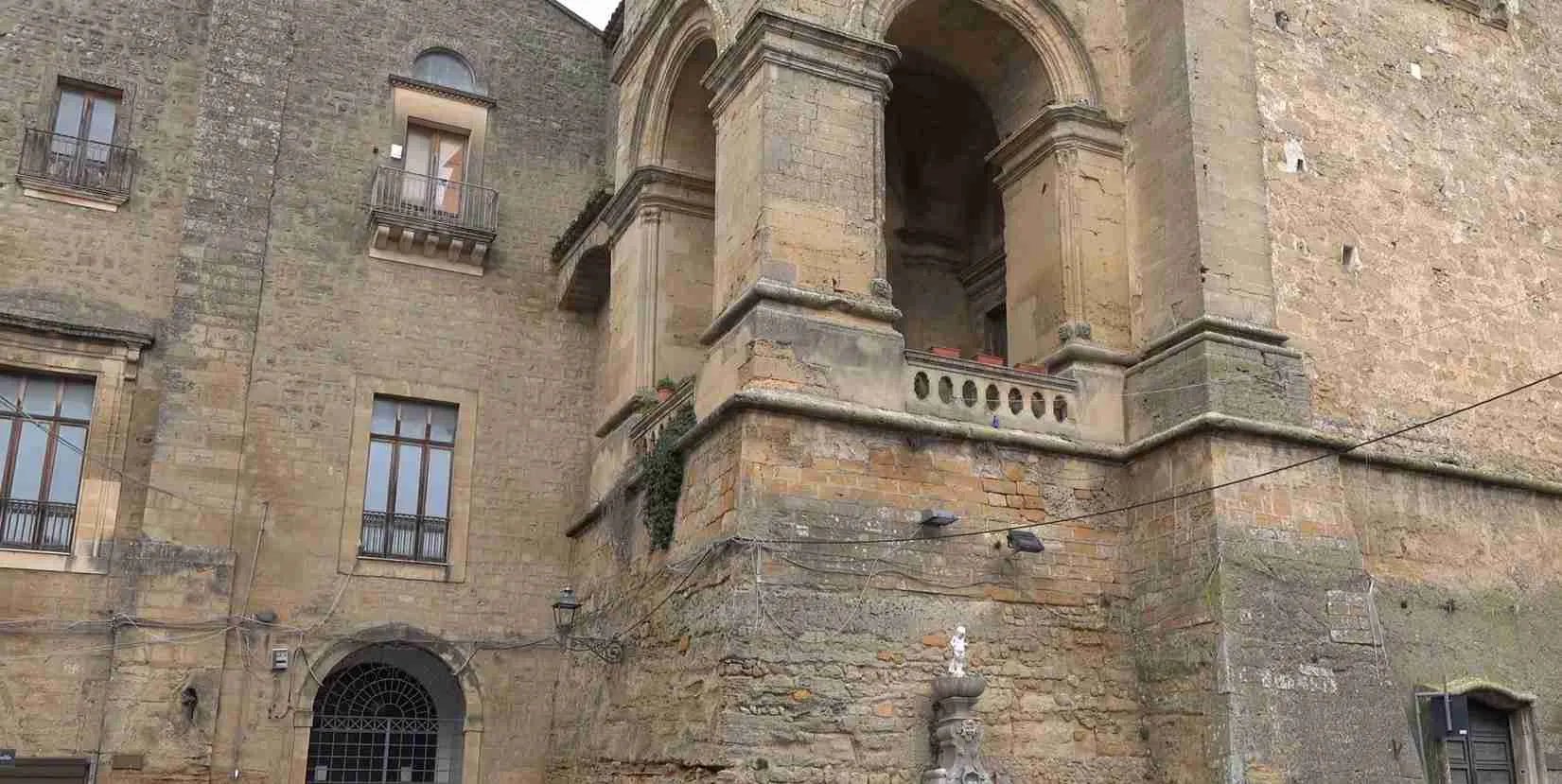
The Island of Myths: A Cultural Itinerary Through Central Sicily’s Hilltop Villages
Central Sicily’s ancient hilltop villages stand as living monuments to millennia of mythology, conquest, and cultural synthesis, where Greek temples crown windswept peaks, Norman fortresses guard valleys once sacred to Demeter, and baroque churches rise from foundations laid by Phoenician traders. This cultural itinerary connects the mythological landscape of Sicily’s heartland through villages that preserve stories reaching back to Homer, architectural treasures spanning twenty-five centuries, and living traditions that continue to honor ancient rhythms of harvest, festival, and sacred ritual.
Key Takeaways: Central Sicily’s Mythological and Cultural Landscape
- Mythological Epicenter: Enna stands at the geographic and mythological heart of Sicily as the site where Hades abducted Persephone, establishing the island as a sacred landscape in Greek mythology and attracting pilgrimage throughout the ancient Mediterranean world
- Architectural Palimpsest: Central Sicily’s hilltop villages preserve visible layers of Sicel, Greek, Roman, Byzantine, Arab, Norman, and Spanish architecture, with single sites often containing foundations from six distinct civilizations spanning three millennia
- Villa Romana del Casale: The Roman villa at Piazza Armerina contains the most extensive and best-preserved collection of Roman floor mosaics in the Western world, with nearly 4,000 square meters of narrative scenes depicting mythology, daily life, and the exotic wildlife of three continents
- Morgantina’s Archaeological Riches: The ancient Greek city near Aidone reveals urban planning, domestic architecture, and artistic production of a major Hellenistic center, including the sanctuary where the cult statue of Demeter presided over mysteries connected to the Persephone myth
- Living Baroque Heritage: Villages like Nicosia and Centuripe preserve intact baroque streetscapes where urban planning, church architecture, and domestic palazzi form unified aesthetic environments unchanged since the eighteenth century reconstruction following the 1693 earthquake
- Cultural Continuity: Annual festivals in villages throughout central Sicily maintain direct connections to ancient agricultural rituals, with harvest celebrations, saint’s day processions, and seasonal observances preserving pre-Christian traditions adapted to Catholic practice over two millennia
People Also Ask About Central Sicily’s Mythological Heritage
Why is Enna central to Greek mythology in Sicily?
Enna occupies the mythological center of Sicily as the site where Hades abducted Persephone while she gathered flowers in the meadows below the ancient city, creating the foundational myth explaining the seasons and establishing Sicily as Demeter’s sacred island. Ancient Greek writers from Cicero to Diodorus Siculus identified the Lago di Pergusa near Enna as the precise location of the abduction, making Enna a pilgrimage destination throughout antiquity. The city’s commanding hilltop position at 931 meters elevation reinforced its sacred status, as ancient observers believed proximity to the heavens increased spiritual power. Enna’s Temple of Demeter, described by Roman writers as among the Mediterranean’s most important sanctuaries, drew worshippers from across the Greek world who came to honor the goddess of agriculture in the landscape where her grief at losing Persephone first created winter.
What makes central Sicily’s hilltop villages architecturally significant?
Central Sicily’s hilltop villages preserve extraordinary architectural continuity spanning 2,500 years, with visible building layers from Greek, Roman, Byzantine, Arab, Norman, and Spanish periods creating palimpsest townscapes where each civilization built upon predecessors’ foundations. Villages like Centuripe occupy sites continuously inhabited since the Bronze Age, with street plans following routes established by ancient Sicels, Greek walls supporting medieval Norman structures, and baroque churches rising above Roman cisterns and Arab water systems. This architectural layering creates unique urban environments where single blocks contain Greek column drums reused in Norman walls, Arab pointed arches supporting baroque bell towers, and Spanish palazzi incorporating Byzantine capitals. The defensive requirements of hilltop positions produced distinctive urban forms with concentric rings of development, narrow streets optimized for siege defense, and central piazzas occupying ancient acropolis sites, preserving medieval and ancient urban patterns lost in Sicily’s coastal cities.
How does Sicilian mythology differ from mainland Greek traditions?
Sicilian mythology blends Greek narrative frameworks with indigenous pre-Greek elements, creating hybrid traditions that reflect Sicily’s position as a cultural crossroads where Greek colonists encountered established Sicel and Sicanian civilizations. The Persephone myth, while known throughout the Greek world, achieves unique specificity in Sicily where ancient writers located the abduction at identifiable Sicilian landmarks and described local topography in mythological narratives. Sicilian versions of Greek myths often emphasize agricultural themes more strongly than Aegean variants, reflecting Sicily’s role as the Mediterranean’s breadbasket where grain cultivation achieved sacred status. The island’s volcanic landscape introduced distinctive mythological elements, with Mount Etna identified as Hephaestus’s forge and the prison of the giant Typhon, creating geological mythologies absent from mainland Greece. Indigenous Sicel deities like Adranus merged with Greek gods, and local hero cults honored legendary kings like Ducetius who resisted Greek colonization, producing a mythological landscape that honors both Greek and pre-Greek traditions.
What archaeological discoveries distinguish central Sicily from other Greek colonial regions?
Central Sicily’s archaeological sites reveal the domestic, economic, and religious life of Greek colonial cities in unprecedented detail, particularly at Morgantina where excavations uncovered complete urban quarters with houses, shops, agora structures, and sanctuaries preserving evidence of daily life from the fourth century BCE. The Villa Romana del Casale’s mosaic program exceeds all other Roman floor decorations in scope and preservation quality, offering insights into elite Roman culture, African wildlife trade, and mythological representation unmatched at any Mediterranean site. Central Sicily’s archaeological distinction stems partly from historical isolation that preserved sites from modern development, as villages like Aidone maintained medieval boundaries that left ancient Morgantina undisturbed while coastal cities expanded over Greek foundations. Necropolis sites throughout central Sicily contain exceptional tomb assemblages including imported Greek pottery, locally-produced ceramics, and grave goods revealing trade networks connecting Sicily to Athens, Corinth, and Punic North Africa, documenting cultural exchange in frontier colonial societies.
Extended multi-day tours – 5+ days
Featured Sicily Multi-Day Tour Packages
8 days
8 days Small Group Sicily Food & Wine Tour (max 8 Guests)
- ✓ Comprehensive Sicily tour
- ✓ Expert local guides included
- ✓ All accommodation arranged
- ✓ Transportation provided
10 days
New Tour of Sicily from Palermo 10 Days
- ✓ Comprehensive Sicily tour
- ✓ Expert local guides included
- ✓ All accommodation arranged
- ✓ Transportation provided
8 days
Splendor of Sicily 8 Days Tour – from Catania
- ✓ Comprehensive Sicily tour
- ✓ Expert local guides included
- ✓ All accommodation arranged
- ✓ Transportation provided
10 days
Journey of Charming Sicily – 10 Days
- ✓ Comprehensive Sicily tour
- ✓ Expert local guides included
- ✓ All accommodation arranged
- ✓ Transportation provided
Multi-day tour packages powered by TourRadar. Prices and availability subject to change.
Introduction: Sicily’s Mythological Heartland
The barren highlands of central Sicily rise steeply from coastal plains, forming a landscape of dramatic escarpments, sulfur-stained valleys, and commanding hilltop positions that have drawn human settlement for five millennia. These inland heights, remote from the famous Greek theaters of Syracuse and Agrigento, preserve Sicily’s deepest mythological roots and most continuous cultural traditions. Here, Greek colonists encountered indigenous Sicel populations who already considered these mountains sacred, creating a synthesis of cultures that produced unique mythological landscapes, architectural innovations, and cultural practices distinct from both mainland Greece and coastal Sicily.
Central Sicily’s mythology centers on the dramatic abduction of Persephone, daughter of the harvest goddess Demeter, by Hades, lord of the underworld. Ancient writers located this foundational Greek myth precisely in the landscape surrounding Enna, identifying specific meadows, lakes, and mountain peaks as settings for divine drama. The myth’s agricultural symbolism—Demeter’s grief creating winter, her joy at Persephone’s return bringing spring—resonated powerfully in Sicily’s grain-growing heartland, where harvest cycles achieved economic and spiritual significance unmatched in the Greek world. This mythological geography elevated central Sicily beyond mere colonial territory, establishing the island as a sacred landscape where mortal farmers participated in divine patterns.
The region’s hilltop villages evolved as strategic positions controlling agricultural plains and mountain passes, each developing distinctive identities shaped by successive waves of conquest and cultural influence. Greek colonists established cities like Morgantina and Enna on sites previously occupied by Sicel settlements, creating hybrid urban forms that combined Greek planning principles with indigenous architectural traditions. Roman conquest brought monumental building programs, including the extraordinary Villa Romana del Casale whose mosaic floors demonstrate imperial wealth and artistic ambition. Byzantine, Arab, and Norman conquests each left architectural signatures, from Byzantine churches to Arab irrigation systems to Norman castles that crown nearly every significant hilltop.
The baroque reconstruction following Sicily’s devastating 1693 earthquake created the architectural environment that defines central Sicily today. Villages destroyed by seismic collapse were rebuilt according to baroque urban planning principles, with dramatic churches, theatrical piazzas, and unified streetscapes that transformed medieval tangles into coherent aesthetic environments. This baroque overlay, far from erasing earlier history, often highlighted ancient and medieval foundations, creating architectural palimpsests where baroque facades rise above Norman walls built on Greek foundations set into bedrock shaped by Sicel hands.
Modern central Sicily preserves this layered heritage with remarkable fidelity. Villages maintain medieval street plans, baroque architecture survives substantially intact, and archaeological sites reveal Greek and Roman cities with exceptional clarity. Agricultural traditions rooted in ancient practice continue, with wheat cultivation following patterns established millennia ago and harvest festivals maintaining ritual elements that predate Christianity. The region’s relative isolation from mass tourism has paradoxically preserved both physical fabric and living culture, creating destinations where visitors encounter not museum reconstructions but functioning communities maintaining continuous connections to ancient and medieval pasts.
This itinerary threads through central Sicily’s hilltop villages in a sequence that reveals mythological geography, architectural evolution, and cultural continuity. Beginning in Enna at the mythological center, the route spirals outward to villages preserving distinct aspects of Sicilian cultural heritage: Norman military architecture at Calascibetta, Roman luxury at Piazza Armerina, Greek urban planning at Morgantina, baroque urban design at Nicosia, and living agricultural traditions throughout. Each village functions as both destination and chapter in a continuous cultural narrative spanning from Bronze Age settlements to contemporary Sicilian life.
Understanding Sicily’s Mythological Landscape
Greek mythology achieved unusual specificity in Sicily, where poets and historians identified precise geographic features as settings for divine events, creating a sacred topography that transformed the island into a landscape of narrative meaning. This mythological geography differed fundamentally from the more abstract settings of many Greek myths, grounding divine stories in places that pilgrims could visit, devotees could worship, and farmers could cultivate. The precision of Sicilian myth-location reflected both the island’s economic importance as the Mediterranean’s primary grain supplier and Greek colonists’ need to establish spiritual authority in territories inhabited by indigenous populations with their own sacred traditions.
The Persephone myth dominates Sicilian mythological geography, providing an origin story for agricultural cycles that shaped island life. According to the myth, Persephone gathered flowers in meadows near Enna when the earth opened, Hades emerged in his chariot, and the god of death abducted Zeus’s daughter to the underworld. Demeter’s frantic search for her daughter and subsequent grief created the first winter when the goddess of harvest withdrew her gifts from humanity. Zeus’s compromise—Persephone would spend part of each year with Hades in the underworld and part with her mother on earth—established the eternal pattern of seasons. Ancient writers from Cicero to Ovid located this drama at specific Sicilian sites: the abduction at Lago di Pergusa, Demeter’s wandering across Sicilian landscapes, her rest at various springs and grottos, and her ultimate reconciliation at sanctuaries that became pilgrimage destinations.
This agricultural mythology achieved economic and political dimensions in Sicily’s grain-dependent economy. The island supplied grain to Athens during its democratic golden age, to Carthage during Punic expansion, and to Rome throughout its republican and imperial periods, making Sicilian agriculture foundational to Mediterranean civilization. Demeter’s special relationship with Sicily elevated farmers beyond mere producers, positioning them as priests in divine service whose successful harvests demonstrated the goddess’s continued favor. Temples to Demeter and Persephone crowned hills throughout Sicily, with the sanctuary at Enna achieving particular prominence as the site closest to the original drama.
Volcanic mythology intersected with agricultural traditions in narratives explaining Sicily’s dramatic geology. Mount Etna, visible from much of the island, became Hephaestus’s forge where the divine craftsman produced Zeus’s thunderbolts and weapons for Greek heroes. The volcano’s eruptions represented Hephaestus at work or the struggles of giants imprisoned beneath the mountain, particularly Typhon who challenged Zeus for cosmic supremacy and was punished with eternal imprisonment under Sicilian bedrock. These volcanic myths connected Sicily to the broader Greek cosmology while explaining the island’s distinctive geological violence through divine narrative.
Hero myths celebrated both Greek colonists and indigenous resistance to Greek expansion. The Sicilian Expedition, Athens’s catastrophic attempt to conquer Syracuse during the Peloponnesian War, generated heroic narratives on both sides, with Syracusan victory celebrated as divine favor and Athenian defeat interpreted as punishment for hybris. Indigenous Sicel heroes like Ducetius, who briefly unified Sicel cities against Greek domination in the fifth century BCE, achieved mythological status in local traditions that honored native resistance even as Greek culture dominated. These competing heroic traditions reflected Sicily’s complex cultural identity as a colonial frontier where Greek, Phoenician, and indigenous populations negotiated power through both warfare and cultural synthesis.
The mythological landscape extended to natural features throughout central Sicily. Springs became sites where nymphs dwelled or gods rested, caves transformed into entrances to the underworld or refuges for divine beings, and unusual rock formations acquired stories explaining their creation through divine action or petrified punishment. This mythological interpretation of landscape created a geography of meaning where every journey involved navigation through sacred space, where farmers tilling fields worked ground sanctified by divine presence, and where natural beauty acquired spiritual significance beyond aesthetic appreciation.
Roman conquest absorbed rather than replaced Greek mythological geography. Roman writers like Cicero and Ovid retold Sicilian myths while advocating for preservation of ancient sanctuaries, and Roman administrative organization often followed boundaries established by mythological associations. The transition from Greek to Roman culture occurred through cultural continuity rather than rupture, with Roman respect for Greek religious traditions maintaining the mythological landscape that Greek colonists had established centuries earlier.
Enna: The Navel of Sicily and Mythological Epicenter
Enna occupies a virtually impregnable hilltop position at 931 meters elevation, commanding views across central Sicily’s interior valleys and mountain ranges. The ancient name “Castrum Hennae” reflected the city’s fortress character, with precipitous cliffs on all sides creating natural defenses that made Enna among Sicily’s most secure positions. This commanding geography combined with agricultural richness in surrounding valleys to make Enna a strategic prize throughout Sicilian history, contested by Sicels, Greeks, Carthaginians, Romans, Byzantines, Arabs, and Normans who recognized control of Enna as essential to controlling Sicily’s agricultural heartland.
The city’s mythological significance centers on its identification as the location of Persephone’s abduction. Ancient writers described meadows below Enna as the most beautiful in Sicily, filled with flowers that attracted Zeus’s daughter and created the setting for Hades’s violent emergence from the underworld. Lago di Pergusa, a natural lake five kilometers from Enna, became specifically identified as the abduction site, with ancient and modern travelers making pilgrimage to the lakeshore where myth became geography. This mythological association elevated Enna from military stronghold to sacred center, creating a spiritual geography that attracted devotees of Demeter and Persephone from across the Mediterranean.
Enna’s Temple of Demeter achieved fame throughout the ancient world as one of the goddess’s primary sanctuaries. Ancient writers described the temple’s magnificence and the elaborate festivals celebrating Demeter’s reunion with Persephone, drawing comparisons to the Eleusinian Mysteries at Athens while asserting Enna’s claim to closer connection with the original mythological events. The temple’s precise location remains uncertain—likely destroyed during medieval transformations of the hilltop—but literary descriptions emphasize its commanding position and architectural grandeur befitting Sicily’s most important agricultural deity. Annual festivals at the sanctuary included processions from Enna to Lago di Pergusa, ritual reenactments of Demeter’s search for Persephone, and agricultural offerings celebrating successful harvests as evidence of divine favor.
The visible cityscape preserves extraordinary architectural layering from twenty-five centuries of continuous occupation. Norman fortifications crown the highest point, built above foundations that likely date to Greek defensive walls. The Castello di Lombardia, Sicily’s largest medieval castle, contains twenty towers protecting successive defensive circuits that reflect centuries of military engineering evolution. Within the castle’s walls, archaeological excavations reveal structural evidence from Sicel, Greek, and Roman periods, demonstrating the site’s continuous military importance across civilizations.
The medieval and baroque city spreads below the castle in concentric rings following the hilltop’s natural contours. The Duomo, dedicated to the Virgin Mary but occupying a site likely sacred to Demeter, demonstrates architectural evolution from medieval foundations through baroque reconstruction. The cathedral’s interior preserves medieval choir stalls, Renaissance frescoes, and baroque altarpieces, creating artistic palimpsest matching the city’s broader architectural character. Nearby, the Torre di Federico II stands as a unique octagonal tower from the thirteenth century, possibly serving as both military observation post and astronomical observatory during Frederick II’s Sicilian reign.
Via Roma connects the castle to the cathedral through the historic center, passing baroque palazzi, medieval churches transformed by baroque facades, and urban spaces that preserve medieval scale despite baroque decoration. The street follows a route likely ancient, connecting the defensive acropolis to the religious center along a path worn by millennia of procession and daily passage. Side streets descend precipitously toward cliff edges, creating dramatic perspectives across interior Sicily’s agricultural valleys where wheat fields extend to distant mountains.
Enna’s mythological significance continues in contemporary practice through festivals that maintain ancient ritual patterns adapted to Catholic observance. Holy Week celebrations achieve particular elaboration in Enna, with processions involving thousands of participants carrying elaborate floats through streets that follow routes established in medieval period but likely echoing ancient processional paths to Demeter’s temple. The agricultural calendar structures community life with rhythms matching ancient practice—planting, cultivation, harvest, and winter dormancy following patterns that Demeter’s grief and joy first established.
The Museo Archeologico di Enna preserves artifacts from the city’s long history and surrounding archaeological sites, with particular strength in materials from indigenous Sicel settlements predating Greek colonization. Pottery, tools, jewelry, and architectural fragments demonstrate the sophistication of pre-Greek cultures and the synthesis that occurred when Greek colonists encountered established civilizations. The museum’s collection of votive offerings from Demeter sanctuaries throughout central Sicily documents the widespread devotion to agricultural deities and the economic importance of successful harvests in sustaining Mediterranean civilizations.
Views from Enna’s heights transform the surrounding landscape into mythological geography. Lago di Pergusa lies visible to the south, its isolated position in agricultural plains matching ancient descriptions of Persephone’s gathering place. Mountain ranges extending in all directions frame valleys where myth located Demeter’s wandering, her rest at specific springs and grottos, and her eventual discovery of Persephone’s fate. This visible mythological landscape creates immediate connection between ancient narratives and physical geography, allowing visitors to inhabit the same visual field ancient devotees experienced when making pilgrimage to Sicily’s mythological center.
Calascibetta: Norman Watchtower Above Mythological Valleys
Calascibetta occupies a dramatic hilltop directly opposite Enna across a deep valley, creating a defensive pairing that controlled access to central Sicily’s agricultural heartland throughout the medieval period. The town’s position at 891 meters elevation matches Enna’s commanding height, and the two settlements maintain visual connection across the intervening valley, creating a landscape of reciprocal observation that reflects military realities of medieval Sicily. This strategic geography made Calascibetta essential to Norman consolidation of Sicilian control, as holding both heights prevented any force from threatening the region’s agricultural production.
The town’s foundation dates to Arab conquest of Sicily in the ninth century, when Muslim forces established a fortified position opposite Byzantine-held Enna to support the prolonged siege that eventually captured Sicily’s interior stronghold. The Arabic name “Qal’at Shibet” (Castle on the Mountain) evolved into the current Italian form, preserving linguistic evidence of the settlement’s military origins. Norman conquest in 1063 transformed Calascibetta from siege camp to permanent settlement, with Count Roger I recognizing the strategic value of maintaining fortified control opposite Enna. The Norman period established the town’s current character, with churches, civic buildings, and defensive structures creating an urban form that subsequent centuries elaborated without fundamentally altering.
The Chiesa Madre San Pietro rises at the town’s highest point, demonstrating Norman ecclesiastical architecture adapted to Sicilian conditions. The church’s foundation dates to 1160 with significant fourteenth-century expansion and baroque modifications that transformed the facade while preserving medieval structural elements. The interior reveals this architectural evolution through Gothic pointed arches supporting baroque vaulting, Norman column capitals beneath Renaissance decoration, and medieval floor plans accommodating baroque side chapels. The church occupies a site likely sacred in multiple religious traditions—Arab mosque possibly built above Byzantine chapel situated on a high point that may have held pre-Christian significance in the mythological landscape visible from its steps.
The town’s urban fabric preserves medieval street patterns with remarkable clarity despite centuries of architectural modification. Narrow streets climb steep slopes following contour lines, creating dramatic perspectives and defensive configurations that channeled potential attackers into killzones overlooked by higher positions. Building density reflects medieval practice of maximizing hilltop space within defensive perimeters, with structures sharing walls and abutting irregularly to create organic urban texture distinct from planned Greek or baroque settlements. This medieval urbanism, largely unchanged since Norman consolidation, creates atmospheric streetscapes where stone paving, weathered masonry, and human-scale architecture evoke centuries of continuous habitation.
The Necropolis di Realmese, located on slopes below the medieval town, contains hundreds of chamber tombs carved into limestone bedrock during the prehistoric and early historic periods. These rock-cut tombs demonstrate burial practices of indigenous populations and early Greek colonists, with tomb architecture evolving from simple chambers to elaborate multi-room complexes as Greek influence increased. The necropolis provides archaeological evidence for continuous occupation of Calascibetta’s strategic position across millennia, with burial customs reflecting cultural synthesis between indigenous Sicel traditions and imported Greek practices.
Views from Calascibetta transform Enna into theatrical spectacle, with the larger city’s hilltop position, crowning castle, and baroque skyline creating dramatic panorama across the valley. This reciprocal visibility structured medieval military strategy, as signal fires and visual communication between the heights allowed rapid warning of threats approaching from any direction. The view also encompasses mythological geography, with Lago di Pergusa visible to the south and the mountain ranges where Demeter wandered extending in all directions, creating visual connection to ancient narratives from a settlement that postdates classical mythology yet occupies landscape shaped by mythological associations.
The town maintains living traditions connecting to medieval agricultural patterns, with feast days, processions, and seasonal celebrations structured around the agricultural calendar. The Festa del SS Crocifisso each May involves elaborate processions through medieval streets, maintaining ritual patterns established during Norman period but incorporating elements that likely echo pre-Christian agricultural festivals. These continuing traditions demonstrate cultural continuity linking contemporary community life to medieval practice and, through medieval synthesis of earlier customs, to ancient agricultural rituals honoring Demeter’s cycles.
Calascibetta’s churches preserve artistic treasures spanning six centuries, with particular strength in baroque painting and sculpture added during the seventeenth and eighteenth centuries. The Chiesa del Carmine contains works by Filippo Paladini, a leading Tuscan painter active in Sicily during the late sixteenth century whose dramatic compositions influenced subsequent Sicilian baroque development. The Chiesa di San Domenico houses elaborate baroque altarpieces and ceiling frescoes creating unified decorative environments characteristic of Counter-Reformation ecclesiastical art. These artistic holdings demonstrate small Sicilian towns’ capacity to attract major artists and commission ambitious decorative programs during baroque flowering that transformed Sicily’s architectural and artistic landscape.
Piazza Armerina and the Villa Romana del Casale: Imperial Luxury in Mythological Landscape
Piazza Armerina occupies a strategic position controlling routes between Sicily’s northern and southern coasts, with the medieval and baroque town spreading across a hilltop at 697 meters elevation. The settlement’s current form dates primarily to Norman conquest and subsequent medieval development, with baroque reconstruction after the 1693 earthquake creating the architectural environment dominating the historic center. However, Piazza Armerina’s fame derives not from the town itself but from the extraordinary Roman villa located five kilometers to the southwest, preserving the most extensive and finest collection of Roman floor mosaics surviving anywhere in the ancient world.
The Villa Romana del Casale represents the pinnacle of Roman domestic architecture and decorative art, constructed during the early fourth century CE for a wealthy aristocrat whose identity remains debated but whose resources exceeded those of all but the empire’s highest elite. The villa’s scale, architectural sophistication, and decorative program demonstrate wealth accumulation and artistic patronage characteristic of late Roman aristocracy, when landed magnates commanded resources rivaling imperial holdings and commissioned artistic programs celebrating power, culture, and cosmopolitan connections.
The villa’s mosaic floors cover nearly 4,000 square meters across more than forty rooms, creating the most comprehensive narrative program in Roman art. The mosaics depict mythology, daily life, hunting scenes, athletic competitions, exotic wildlife from three continents, and allegorical representations of seasons and abstract concepts, executed with technical mastery and artistic sophistication that place them among antiquity’s supreme artistic achievements. The preservation quality exceeds that of comparable sites like Pompeii or Herculaneum, as volcanic mudslides buried the villa during medieval period, protecting mosaic floors from weathering, looting, or reuse that destroyed most Roman floor decorations.
The villa’s architectural organization reflects sophisticated understanding of domestic space, landscape integration, and functional hierarchy. The building complex includes separate zones for public reception, private residence, bathing facilities, and service areas, each with appropriate decorative elaboration matching function and status. The public reception areas display the most elaborate mosaics including the famous “Great Hunt” corridor showing capture and transport of exotic animals for Roman arena games, executed with such detail that individual species remain identifiable—African elephants, Asian tigers, Indian rhinoceros, Saharan ostriches—documenting the global reach of Roman power and the logistics supporting spectacular entertainments.
The “Corridor of the Great Hunt” extends fifty-nine meters through the villa’s core, creating a narrative sequence depicting animal capture across the empire’s African and Asian provinces. The mosaic shows capture techniques specific to each species, transport by ship to Italian ports, and the infrastructure supporting this exotic wildlife trade. Hunting scenes demonstrate Roman aristocratic leisure while documenting North African and Middle Eastern landscapes with geographical accuracy, including vegetation, topography, and architectural elements that transform the corridor into an encyclopedia of empire. The artistic quality matches the program’s ambition, with figures modeled three-dimensionally through subtle color gradation, landscape elements creating spatial recession, and compositional sophistication organizing complex scenes into coherent narratives.
The “Chamber of the Ten Maidens” preserves the villa’s most famous single composition, showing young women exercising in garments resembling modern athletic wear. The mosaic demonstrates the villa’s artistic program extended beyond conventional themes to include representations of daily life, physical culture, and female activity rarely depicted in Roman art. The technical execution achieves extraordinary refinement in rendering human anatomy, fabric texture, and the weight and movement of athletes competing in running, discus throwing, and ball games. This chamber exemplifies how the villa’s mosaics combined artistic excellence with documentary value, preserving evidence for Roman daily life, fashion, athletic practice, and gender roles unavailable from literary sources alone.
Mythological mosaics throughout the villa demonstrate the patron’s education and cultural sophistication through complex iconographic programs requiring classical knowledge to decode fully. The “Chamber of Arion” shows the legendary musician saved from drowning by dolphins enchanted by his music, executed with psychological depth in Arion’s expression and decorative elaboration in the surrounding marine environment. The “Odysseus and Polyphemus” mosaic depicts the Cyclops’s blinding with dramatic composition emphasizing the violence and cunning central to Homeric narrative. These mythological representations functioned as cultural credentials, demonstrating the villa owner’s participation in educated elite culture where mythological literacy signaled social status and intellectual formation.
The villa’s bath complex demonstrates engineering sophistication matching artistic ambition, with hypocaust heating systems, water supply infrastructure, and architectural design creating functional bathing facilities that also served as social and display spaces. The bath mosaics include geometric patterns, marine themes appropriate to water environments, and figured scenes of aquatic deities and creatures. The architectural design creates dramatic spatial sequences through varied ceiling heights, apsidal terminations, and carefully orchestrated lighting effects that transform bathing from hygiene to aesthetic experience.
Modern protective structures and walkways allow visitors to view the mosaics from elevated positions that prevent damage while providing optimal viewing angles. The contemporary architecture intervenes minimally in the archaeological experience, using transparent materials and discrete structural systems that protect without overwhelming the ancient remains. UNESCO World Heritage designation in 1997 recognized the villa’s universal significance and supported conservation programs maintaining the fragile mosaic floors and protecting them from environmental threats.
Piazza Armerina itself merits exploration beyond serving as base for villa visits. The Duomo, dominating the town’s skyline from its hilltop position, demonstrates Sicilian baroque architecture at near-cathedral scale, with elaborate facade decoration, soaring dome, and richly decorated interior. The cathedral occupies a site with probable earlier religious significance, with construction spanning 1604-1719 creating architectural unity despite extended building timeline. The interior preserves baroque altarpieces, frescoed vaults, and a free-standing bell tower visible across the surrounding landscape.
The historic center preserves baroque urban character with church-crowned hills, palazzi-lined streets, and piazzas creating nodes in the urban fabric. The Castello Aragonese, though heavily modified during later periods, retains fourteenth-century defensive character including towers and walls reflecting medieval military architecture. The town’s position allows views across agricultural valleys and mountain ranges, creating visual connections to the mythological landscape that the Roman villa’s owner would have observed from the same heights seventeen centuries earlier.
Aidone and Ancient Morgantina: Greek Urban Life Preserved
Aidone rises at 850 meters elevation in the Erei Mountains, a medieval and baroque hilltop town serving as gateway to Morgantina, one of Sicily’s most important Greek archaeological sites. The modern town preserves baroque urban character with churches, palazzi, and civic buildings creating coherent streetscapes, while the ancient city spread across slopes four kilometers distant reveals Greek urban planning, domestic architecture, and sacred spaces with exceptional preservation. Together, Aidone and Morgantina demonstrate the layered history characteristic of central Sicily, where modern communities maintain connection to ancient foundations through continuous occupation of strategic landscapes.
Morgantina’s origins predate Greek colonization, with Bronze Age and Iron Age settlements occupied by indigenous Sicel populations before Greek influence transformed the site during the sixth century BCE. The city’s name derives from the legendary Sicel king Morges, reflecting indigenous heritage even as Greek urban forms, architectural styles, and cultural practices reshaped community life. This cultural synthesis characterized many Sicilian cities where Greek colonists encountered established populations, creating hybrid societies blending Greek and indigenous elements in ways distinct from both mainland Greece and purely Greek colonial cities.
The archaeological site preserves Greek urban planning with unusual clarity, as the city’s abandonment during the first century BCE left structures substantially intact without later building phases that destroyed earlier remains at continuously occupied sites. The urban grid follows contour lines across hillsides, creating terraced neighborhoods with houses, shops, public buildings, and sanctuaries organized according to Greek planning principles adapted to challenging topography. This visible urban structure allows reconstruction of daily life, economic activity, religious practice, and social organization in ways impossible at sites where only monumental structures survive.
The agora occupies a central terrace, creating a public space where commercial, political, and social life converged according to Greek civic ideals. Excavations revealed shops lining the agora’s perimeter, each consisting of a front room opening to the public space and back rooms for storage and production. These commercial structures preserve evidence for economic specialization including pottery production, metalworking, textile manufacture, and food preparation, documenting the economic complexity supporting Greek urban life. The agora’s stepped design accommodated slope while creating theatrical space for public assembly, with all parts of the terrace visible from multiple vantage points creating social oversight characteristic of Greek democratic culture.
The theater, carved into hillside slopes, provided seating for approximately 4,000 spectators, substantial capacity indicating Morgantina’s importance and the centrality of theatrical performance in Greek cultural life. The theater’s architectural refinement includes carefully calculated acoustics, optimal sight lines from all seating areas, and architectural decoration emphasizing the building’s civic importance. The structure served not only for dramatic performances but also for political assemblies and civic festivals, creating a multifunctional space where culture, politics, and religion intersected in characteristically Greek fashion.
Residential quarters reveal domestic architecture across economic classes, from modest single-room dwellings to elaborate multi-room houses with internal courtyards, decorated floors, and household shrines. The best-preserved houses demonstrate sophisticated planning with zones for different activities—food preparation, storage, entertaining guests, sleeping, and household industry. The architectural organization reflects Greek social customs including gender segregation, with specific rooms designated for women’s work and others for male social activity. Household artifacts including pottery, tools, loom weights, and decorative objects document daily routines and material culture of Greek colonial society.
The Sanctuary of Demeter and Persephone occupies a prominent terrace, emphasizing the agricultural deities’ importance in this grain-producing region. Excavations revealed temple foundations, altars, and thousands of votive offerings including terracotta figurines, miniature pottery, and dedicatory inscriptions. The sanctuary’s architectural form evolved across centuries, with archaic period structures replaced by classical buildings demonstrating increasing wealth and architectural sophistication. The cult practice documented through archaeological evidence connects Morgantina to the broader Sicilian devotion to Demeter, with the sanctuary possibly serving as pilgrimage destination for worshippers traveling to sites associated with the Persephone myth.
A spectacular cult statue of Demeter, discovered through illicit excavation in the 1970s and eventually returned to Sicily after decades in American museums, represents the sanctuary’s most important artistic treasure. The acrolithic statue—with marble head and extremities combined with wooden body now lost—demonstrates the sculptural sophistication achieved in fourth-century BCE Sicily. The goddess’s serene expression, elaborate hairstyle, and idealized features exemplify Greek sculptural ideals while serving cult function as the divine presence worshippers honored with offerings and prayers. The statue’s return to Sicily and display in Aidone’s museum represents not only artistic repatriation but also reunification of object with the cultural and religious context that created it.
The Museo Archeologico di Aidone houses artifacts from Morgantina and surrounding sites, creating comprehensive documentation of the region’s archaeological heritage. The collection spans from prehistoric materials through Greek, Roman, and Byzantine periods, with particular strength in Greek pottery, terracotta figurines, and architectural elements. The museum’s organization presents archaeological material in geographical and chronological context, helping visitors understand how individual objects functioned within ancient communities. The Demeter statue occupies a dedicated gallery, displayed with supporting materials explaining the sanctuary’s role in Sicilian religious life and the statue’s significance as both artistic masterpiece and cult image.
Aidone itself preserves baroque architectural character despite medieval foundations, with churches including the Chiesa Madre di San Lorenzo demonstrating seventeenth and eighteenth-century reconstruction after the 1693 earthquake. The church’s baroque facade, elaborate interior decoration, and prominent bell tower exemplify the architectural transformation that reshaped Sicilian towns during the baroque period. The urban fabric retains medieval street patterns with narrow lanes climbing steep slopes, creating intimate streetscapes distinct from the planned urbanism visible at ancient Morgantina.
Agricultural traditions connect modern Aidone to ancient practices documented archaeologically at Morgantina. Wheat cultivation follows patterns established millennia ago, with planting, cultivation, and harvest rhythms matching those honored in ancient Demeter worship. The landscape surrounding both modern town and ancient city preserves agricultural character, with terraced fields, olive groves, and grain cultivation creating visual continuity across twenty-five centuries of human shaping of this productive landscape.
Centuripe: The Hellenistic Starfish City
Centuripe occupies one of Sicily’s most dramatic hilltop positions at 730 meters elevation, with the town spreading across five ridges radiating from a central height, creating a distinctive starfish or five-pointed star plan visible from surrounding valleys and mountain slopes. This unusual urban form results from topographic constraints and settlement growth along accessible ridges while avoiding the steep ravines separating them. The configuration creates a town lacking clear center, with each ridge developing semi-independently while maintaining connection through the elevated core where medieval fortress and baroque churches crown the highest ground.
The site’s strategic value attracted continuous occupation from prehistoric times through indigenous Sicel settlement, Greek influence, Roman conquest, and medieval fortification. Ancient sources identify Centuripe as Kentoripa, a significant Sicel city that maintained independence longer than many indigenous settlements, negotiating advantageous relationships with both Greek colonists and Carthaginian powers before eventual Roman conquest. The archaeological evidence documents this complex history through artifacts spanning three millennia, with distinctive local pottery styles, imported Greek ceramics, Roman architectural elements, and medieval fortifications creating material record of cultural synthesis and sequential conquest.
The Museo Archeologico Regionale di Centuripe preserves the region’s archaeological riches with particular strength in Hellenistic and Roman materials. The collection includes extraordinary examples of Centuripe Ware, a distinctive local pottery style characterized by elaborate polychrome decoration applied after firing, creating effects impossible to achieve through traditional ceramic techniques. These vessels, produced during the third through first centuries BCE, demonstrate local artistic innovation and the wealth supporting commissioning of luxury goods for both domestic use and grave offerings. The museum’s collection represents the largest and finest assemblage of Centuripe Ware, including vases, plates, and ritual vessels with mythological scenes, floral decoration, and geometric patterns executed with remarkable precision.
Roman remains throughout the town demonstrate Centuripe’s importance during the imperial period, when the city achieved prosperity through agricultural production and strategic position controlling routes across Sicily’s interior. The Castello di Corradino, though medieval in current form, occupies a site with Roman and earlier foundations, with archaeological excavations revealing structural evidence from multiple periods. The Augustales building, dedicated to the imperial cult, preserves architectural elements including columns, capitals, and inscription fragments documenting the social and religious structures supporting Roman administration. These scattered Roman remains, incorporated into later building phases or preserved as isolated fragments, demonstrate construction quality and architectural ambition matching larger Roman cities.
The baroque reconstruction following the 1693 earthquake created Centuripe’s current architectural character, with churches including the Chiesa Madre della Immacolata and the Chiesa del Crocifisso demonstrating large-scale baroque design adapted to the challenging five-ridge topography. The Chiesa Madre occupies a commanding position on the central height, with elaborate facade, expansive dome, and richly decorated interior exemplifying Sicilian baroque ecclesiastical architecture. The church’s interior preserves baroque altarpieces, frescoed vaults, and decorative stucco work creating unified aesthetic environment characteristic of Counter-Reformation artistic programs. The building’s exterior serves as visual landmark across the surrounding landscape, with its dome and bell tower visible from great distances and orienting travelers approaching across agricultural valleys.
The five-ridge plan creates distinctive urban experience with each ridge functioning as semi-autonomous neighborhood connected by steep lanes descending to ravines and climbing to adjacent ridges. This fragmented urbanism produces surprising spatial sequences, with narrow residential streets opening unexpectedly to dramatic views across ravines to parallel ridges, creating constantly shifting perspectives on the town’s architecture and landscape position. The ridge configuration also creates microclimatic variations, with wind, sun exposure, and temperature differing substantially between ridges and influencing where residents locate specific activities across the day and seasons.
Agricultural terraces surrounding Centuripe demonstrate millennia of landscape modification, with stone walls, water management systems, and cultivation patterns creating productive farmland from steep slopes. Olive groves, vineyards, and grain fields extend across terraced hillsides, maintaining agricultural traditions continuous with ancient practice. The visual relationship between town and agricultural landscape remains immediately apparent, with residents’ daily life visibly connected to surrounding cultivation in ways increasingly rare in modern Italian towns where agricultural and urban environments have separated.
Views from Centuripe’s heights encompass Mount Etna to the east, creating dramatic perspective on Europe’s most active volcano. The visual connection between starfish town and volcanic peak creates landscape composition of extraordinary power, with human settlement seemingly insignificant against geological forces that have shaped Sicily across millennia. This view establishes immediate connection to the volcanic mythologies that made Etna Hephaestus’s forge and the prison of rebellious giants, creating visual experience of mythological geography that ancient inhabitants would have recognized.
The town maintains living traditions structured around agricultural and religious calendars, with festivals celebrating harvests, patron saints, and seasonal transitions. The Festa del Crocifisso each September involves elaborate processions through the five ridges, creating ritual that unifies the fragmented urban form through shared religious observance and social participation. These continuing traditions demonstrate cultural continuity linking contemporary community to practices established during medieval period and incorporating elements traceable to pre-Christian agricultural festivals honoring successful harvests.
Nicosia: Baroque Elegance and Cathedral Rivalry
Nicosia occupies a commanding position at 724 meters elevation in the Nebrodi Mountains, with the baroque town spreading across four distinct hills creating dramatic urban topography. The settlement’s medieval origins survive in street patterns, defensive considerations, and the division between historic quarters, while the baroque reconstruction following the 1693 earthquake created the architectural environment defining modern Nicosia. The town’s most distinctive characteristic stems from an unusual ecclesiastical rivalry, with two cathedrals competing for primacy within a single small town, creating architectural and urban dynamics unique in Sicily.
The Cattedrale di San Nicolò occupies the highest point in the historic center, with elaborate baroque facade, soaring campanile, and richly decorated interior demonstrating the architectural ambition driving Sicilian baroque development. The cathedral’s construction spanned the seventeenth and eighteenth centuries, with final completion extending into the nineteenth century as resources permitted increasingly elaborate decoration. The facade demonstrates baroque theatricality through curved forms, sculptural decoration, and dynamic composition creating drama appropriate to ecclesiastical importance. The interior preserves baroque altarpieces, frescoed ceiling vaults, and an ornate organ demonstrating the artistic investment that transformed Sicilian churches during the Counter-Reformation’s emphasis on creating aesthetically overwhelming religious environments.
The Cattedrale di Santa Maria Maggiore occupies a competing hilltop position, creating unusual situation of dual cathedrals within single town. This ecclesiastical rivalry dates to medieval period when the town’s division into distinct quarters—each with its own church, civic institutions, and social identity—created competing claims to primacy. The baroque reconstruction intensified this competition as each cathedral rebuilt with increasing magnificence attempting to outdo its rival. Santa Maria Maggiore’s facade demonstrates this competitive dynamic through elaborate decoration, monumental scale, and architectural sophistication rivaling San Nicolò despite smaller congregation and more limited resources. The dual cathedral situation creates urban dynamics where religious architecture functions as competitive display, with each structure serving as symbol of its quarter’s prestige and identity.
The historic center preserves baroque palazzi demonstrating aristocratic architectural patronage in provincial Sicilian towns. These palaces, though modest compared to Palermo or Catania aristocratic residences, achieve architectural distinction through proportional refinement, facade decoration, and internal spatial organization creating comfortable noble residences appropriate to their owners’ status. The Palazzo di Città (Town Hall) exemplifies this provincial baroque architecture, with facade creating theatrical public presence while internal courtyards and reception rooms provide private spaces maintaining social hierarchies. These palazzi concentrate along major streets connecting the cathedrals, creating baroque streetscapes where ecclesiastical and civic architecture create unified urban environments.
The Chiesa di San Biagio, though smaller than the competing cathedrals, contains artistic treasures including works by significant Sicilian baroque painters. The church’s interior preserves elaborate altarpieces, frescoed vaults, and decorative stucco work demonstrating the artistic investment extending beyond major ecclesiastical commissions to modest parish churches. This artistic richness throughout Nicosia’s religious architecture reflects the town’s economic prosperity during the seventeenth and eighteenth centuries when agricultural wealth supported architectural and artistic patronage rivaling larger Sicilian cities.
The Museo Civico occupies a former convent, preserving archaeological materials from surrounding territories and artistic holdings documenting Nicosia’s cultural heritage. The collection includes prehistoric materials demonstrating early human occupation of mountain territories, Greek and Roman artifacts documenting ancient settlement patterns, and medieval and baroque paintings, sculpture, and decorative arts. The museum’s organization presents these materials in chronological and thematic contexts, helping visitors understand how individual objects functioned within their original communities and how cultural production evolved across centuries.
The town’s position creates dramatic views across the Nebrodi Mountains and interior Sicily, with vistas extending to Mount Etna on clear days. These mountain landscapes demonstrate the geographic diversity within short distances in Sicily, with Nicosia’s position in fertile but challenging upland territories contrasting with the coastal plains and volcanic landscapes visible from the town’s heights. The visual command across surrounding territories reinforced Nicosia’s medieval strategic importance and continues to structure residents’ spatial understanding and connection to broader Sicilian geography.
Agricultural traditions in territories surrounding Nicosia focus on upland crops including olives, hazelnuts, and wheat adapted to mountain conditions. The cultivation practices maintain techniques developed across centuries of agricultural adaptation to challenging terrain and climate, with terracing, water management, and seasonal rhythms following patterns proven effective through long experience. Modern agricultural production continues these traditional patterns while incorporating technological improvements, creating visible continuity in landscape use linking contemporary practice to medieval and ancient antecedents.
The town’s festivals reflect this agricultural heritage through celebrations marking seasonal transitions, harvest completions, and religious observances timed to agricultural rhythms. Holy Week celebrations achieve particular elaboration, with multiple processions involving different religious confraternities competing to create the most impressive displays, echoing the cathedral rivalry in religious practice. These festivals maintain social cohesion through shared participation while allowing expression of quarter identities and competitive dynamics that have structured Nicosia’s community life for centuries.
Cultural Traditions and Living Heritage
Central Sicily’s hilltop villages maintain cultural traditions demonstrating remarkable continuity with medieval and ancient practices, adapted to contemporary life but preserving ritual patterns, agricultural rhythms, and community structures continuous across centuries. These living traditions transform villages from architectural museums into functioning communities where visitors encounter not reconstructions but actual cultural practices maintaining connection to Sicily’s layered past.
Religious festivals structure community life throughout central Sicily, with each village celebrating its patron saint through elaborate processions, religious services, and secular festivities. These festivals typically occur on fixed calendar dates aligned with agricultural rhythms—spring planting, summer cultivation, harvest completion, winter dormancy—creating temporal patterns matching ancient agricultural festivals while expressing devotion through Catholic practice. The processions follow routes through historic centers, stopping at significant churches, shrines, and civic spaces, creating ritual geography where sacred and civic spaces receive annual religious definition through processional passage.
Holy Week achieves particularly elaborate celebration across central Sicily, with daily processions during the week preceding Easter reenacting Christ’s passion through carefully choreographed performances involving hundreds of participants. The processions feature life-size statuary representing biblical scenes carried on elaborate platforms, accompanied by bands, confraternities wearing distinctive habits, and community members maintaining roles passed through families across generations. The artistic quality of processional statuary ranges from medieval works of significant artistic merit to baroque and modern pieces, creating open-air exhibitions of religious art while fulfilling devotional functions.
The Mysteries processions at Enna exemplify the artistic and organizational sophistication these celebrations achieve. The processions involve elaborate platforms carrying gilded statuary, costumed participants performing biblical roles, and carefully timed coordination creating theatrical religious spectacle. The preparations extend across months as confraternities restore statuary, rehearse musical accompaniment, and organize logistics for processions involving thousands of participants and spectators. The festival creates temporal disruption where normal community rhythms suspend and the entire town dedicates itself to religious commemoration and celebration.
Agricultural festivals celebrate harvest completion and seasonal transitions, maintaining pre-Christian ritual elements adapted to Catholic observance. Wheat harvest festivals, particularly important in Sicily’s grain-producing heartland, honor Demeter’s gift through Catholic saints while preserving ritual patterns—communal feasting, processions through fields, offerings of first fruits, competitive displays of agricultural abundance—traceable to ancient agricultural religions. These festivals create social cohesion through shared participation in agricultural rhythms while maintaining spiritual connections to land and seasonal cycles that urbanization and industrialization have severed in many contemporary societies.
Traditional crafts maintain production techniques continuous with medieval and ancient practices, though production scales have diminished as industrial manufacturing displaced artisanal production. Pottery production continues in several villages using techniques and decorative motifs traceable through archaeological ceramics, creating tangible links between contemporary craft and ancient traditions. Textile production, particularly lace-making and weaving, preserves techniques passed through families across generations, with patterns and methods documented in medieval sources still practiced by contemporary artisans. These crafts survive primarily through cultural preservation efforts and tourist demand, as economic viability alone would not sustain production against industrial competition.
Culinary traditions demonstrate both continuity and adaptation, with dishes based on ingredients and techniques ancient in origin—wheat, olive oil, wild greens, preserved fish, simple cheeses—prepared according to recipes refined across generations. The agricultural calendar structures culinary rhythms, with seasonal ingredients determining menu possibilities and preservation techniques extending harvest abundance across winter scarcity. Traditional festive foods associated with specific celebrations maintain ritual significance beyond nutritional function, with elaborate preparations marking important religious and social occasions through foods whose ingredients, preparation methods, and symbolic meanings connect to centuries of practice.
Oral traditions including dialects, stories, and songs preserve linguistic and narrative elements distinct from standard Italian and demonstrating Sicilian cultural particularity. Local dialects contain vocabulary from Greek, Arabic, Norman French, and Spanish layered across centuries of conquest and cultural influence, creating linguistic palimpsests matching the architectural environments they describe. Traditional songs preserve melodies and poetic forms traceable to medieval and possibly ancient origins, maintaining musical heritage that scholarly transcription and performance keep from complete disappearance. These oral traditions function as cultural memory, preserving historical consciousness and community identity through narrative and linguistic continuity.
Community organization maintains structures balancing individual autonomy and collective cooperation developed across centuries of agricultural life where survival required both family self-sufficiency and community mutual aid. Religious confraternities continue to function as social organizations providing mutual support, organizing festivals, and maintaining charitable activities, preserving institutional forms dating to medieval period while adapting to contemporary social needs. These organizations create social cohesion across economic classes and maintain community identity through shared participation in religious and civic activities.
The integration of ancient sites into contemporary community life creates living relationship with archaeological heritage rather than separation between past and present. Villages use ancient theaters for modern performances, celebrate festivals in baroque piazzas built above Greek foundations, and maintain agricultural practices in landscapes shaped by three millennia of cultivation. This integration transforms heritage from museum exhibit into living environment where past and present interpenetrate through continued use and adaptation of spaces, structures, and practices across centuries.
Architectural Heritage Across Civilizations
Central Sicily’s architectural heritage demonstrates extraordinary continuity across twenty-five centuries, with visible building phases from Greek, Roman, Byzantine, Arab, Norman, and Spanish periods creating layered environments where each civilization built upon predecessors’ foundations. This architectural palimpsest results from continuous occupation of strategic hilltop sites where removal and rebuilding proved less practical than adaptation and incorporation, creating structures simultaneously ancient and contemporary through accumulated modifications.
Greek architectural influence appears primarily in archaeological contexts rather than standing structures, with temple foundations, defensive walls, theater caveas, and residential remains documenting Greek building techniques and urban planning principles. The stone construction methods—careful ashlar masonry without mortar, precisely fitted blocks, and architectural refinement through subtle curve and proportion—established standards that subsequent builders admired and sometimes imitated. Greek urban planning principles including grid organization, public space creation, and functional zoning influenced later development even when specific Greek structures disappeared, creating planning continuities across civilizational changes.
Roman architectural legacy includes both monumental public buildings and sophisticated engineering infrastructure. The aqueducts, roads, bridges, and hydraulic systems Romans constructed continued functioning long after empire collapsed, demonstrating engineering quality that subsequent civilizations could not match for centuries. Roman masonry techniques including concrete construction and arch engineering enabled building scales and spatial configurations impossible with Greek post-and-lintel methods, expanding architectural possibility while creating structures whose durability ensured survival. The Villa Romana del Casale represents Roman architectural and decorative art at supreme levels, while scattered remains throughout central Sicily document more typical Roman urban building including baths, temples, administrative structures, and residential buildings.
Byzantine architectural influence appears primarily in religious structures and fortification systems built during the eastern empire’s Sicilian control from sixth through ninth centuries. Byzantine churches introduced Greek-cross plans, dome construction, and decorative programs emphasizing spiritual transcendence through architectural verticality and elaborate mosaic decoration. The fortification systems Byzantine military engineers designed responded to threats from Arab expansion and Lombard incursions, creating defensive networks that later conquerors maintained and elaborated. Byzantine influence persisted beyond political control through religious architecture that Norman conquerors often preserved and incorporated into Latin Christian practice.
Arab architectural contributions transformed Sicilian building practice through introduction of new construction techniques, decorative approaches, and functional innovations. Pointed arch construction, introduced to Sicily during Arab period, enabled larger spans and more efficient load distribution than Roman rounded arches, influencing subsequent Norman and Gothic development. Decorative traditions including geometric patterning, calligraphic inscription, and elaborate stucco work established aesthetic preferences that persisted in Sicilian architecture long after Christian reconquest. Arab engineering innovations particularly transformed water management and agricultural infrastructure, with irrigation systems, underground channels, and sophisticated hydraulic technologies supporting agricultural intensification that made Sicily Mediterranean breadbasket.
Norman architectural synthesis represents central Sicily’s most distinctive contribution to medieval building traditions, combining northern European military architecture with Byzantine ecclesiastical forms and Arab decorative traditions. Norman castles crown virtually every strategic hilltop in central Sicily, with the Castello di Lombardia at Enna exemplifying the scale and sophistication Norman military engineering achieved. These fortifications combined defensive functionality with residential accommodation and administrative space, creating castle complexes serving as military strongpoints, noble residences, and governance centers. Norman ecclesiastical architecture adapted French Romanesque forms to Sicilian conditions while incorporating Byzantine planning principles and Arab decorative elements, creating hybrid churches distinctively Sicilian while participating in broader medieval Christian architectural traditions.
Spanish architectural influence appears primarily through baroque reconstruction following the 1693 earthquake that destroyed much of southeastern Sicily. The baroque rebuilding transformed urban environments throughout central Sicily even in towns not directly affected by seismic destruction, as architectural fashions and ecclesiastical ambitions drove reconstruction and new building in current baroque style. Baroque architecture emphasized theatrical facades, dynamic spatial composition, elaborate decoration, and urban planning creating dramatic public spaces. The style suited Counter-Reformation Catholic Church’s emphasis on creating aesthetically overwhelming religious environments that would inspire devotion and demonstrate institutional power and cultural sophistication.
The layering of these architectural traditions creates urban environments where single buildings contain structural elements from multiple periods, with Greek column drums reused in Norman walls, Arab pointed arches supporting baroque bell towers, and Roman cisterns providing water for baroque fountains. This architectural recycling resulted from both practical economy—reusing existing materials saved labor and cost—and symbolic appropriation—incorporating predecessors’ architectural elements demonstrated continuity and legitimized new authority. The result transforms villages into three-dimensional historical texts where careful observation reveals centuries of building practice, cultural influence, and political change.
Contemporary preservation efforts navigate tensions between maintaining historical authenticity and accommodating modern functional requirements. Restoration work requires archaeological investigation to document building phases, materials analysis to match historical construction techniques, and careful decision-making about which period to emphasize when buildings contain elements from multiple eras. UNESCO World Heritage designation of sites like the Villa Romana del Casale has supported professional conservation while creating regulatory frameworks balancing preservation with community needs for living, working spaces rather than museum environments.
Festivals, Traditions, and Contemporary Cultural Life
Central Sicily’s contemporary cultural life maintains deep connections to historical traditions while adapting to modern social and economic realities. The festival calendar structures community life around religious observances, agricultural rhythms, and civic celebrations that maintain cultural continuity while serving contemporary social functions. These traditions transform villages from architectural settings into living communities where cultural practice remains active rather than performed for tourist consumption.
The Festa della Madonna di Maggio at Enna exemplifies how religious festivals maintain elaborate traditional forms while adapting to contemporary participation patterns. The festival involves processions through the historic center, religious services, and secular festivities extending across multiple days. The preparations engage community organizations, artisans restoring processional statuary, musicians rehearsing traditional accompaniment, and participants in costumes requiring specialized knowledge for proper wearing and performance. The festival creates temporal disruption where normal routines suspend and community identity expresses through shared participation in rituals continuous with medieval practice.
Harvest festivals celebrate agricultural abundance while maintaining pre-Christian ritual elements adapted to Catholic observance. The wheat harvest festivals, particularly significant in grain-producing territories, combine thanksgiving for successful crops with social celebration reinforcing community bonds. Traditional elements include blessing of grain, processions through fields, communal feasting featuring traditional harvest foods, and competitive displays of agricultural products. These festivals maintain spiritual connections to agricultural cycles while serving practical social functions including marriage market, business networking, and political organizing that historically occurred during periodic gatherings of dispersed rural populations.
Holy Week celebrations achieve theatrical elaboration in central Sicilian villages, with daily processions reenacting Christ’s passion through carefully choreographed performances. The Mysteries at Enna involve life-size gilded statuary representing biblical scenes carried through torch-lit streets by confraternity members wearing traditional habits, accompanied by bands performing funeral marches. The Good Friday procession at Piazza Armerina features black-veiled women carrying the Virgin Mary’s statue while men bear Christ’s body in elaborate processional platforms requiring dozens of bearers. These performances maintain religious devotion while functioning as community theater where residents perform inherited roles and spectators participate through witnessing and emotional response.
Traditional crafts maintain production despite economic pressures from industrial manufacturing and changing consumer preferences. Pottery production continues in workshops using techniques documented archaeologically, with contemporary artisans creating functional ceramics and decorative pieces using methods continuous with ancient practice. The distinctive Caltagirone ceramics tradition, though centered in the town of that name, influences production throughout central Sicily, with local workshops creating variations on traditional forms and decorative motifs. Textile production including lace-making, weaving, and embroidery preserves techniques passed through families, with patterns and methods documented in medieval sources still practiced by contemporary artisans whose production serves ceremonial and decorative rather than functional clothing needs.
Culinary traditions demonstrate continuity in ingredients, techniques, and dishes traceable across centuries while adapting to ingredient availability and contemporary tastes. Traditional dishes based on wheat, vegetables, olive oil, and preserved fish reflect historical dietary patterns when meat remained luxury for most populations. Pasta con le sarde (pasta with sardines, wild fennel, pine nuts, and saffron) combines ingredients available since ancient times in preparation methods refined across generations. Pane cunzatu (seasoned bread) transforms simple ingredients—bread, olive oil, tomatoes, oregano, cheese—into traditional food served at festivals and celebrated in culinary heritage preservation. These dishes maintain cultural identity through taste memory connecting contemporary eaters to ancestral foodways.
Wine production throughout central Sicily maintains viticulture traditions continuous with ancient practice while incorporating modern oenology to improve quality and marketability. The indigenous grape varieties including Nero d’Avola, Frappato, and Grillo demonstrate agricultural continuity, with varietals cultivated in Sicily for centuries or millennia producing distinctive wines reflecting terroir and traditional production methods. Contemporary wine producers balance traditional approaches including minimal intervention, indigenous yeast fermentation, and aging in neutral vessels with modern techniques optimizing quality control and consistency. This synthesis creates wines simultaneously traditional and contemporary, expressing Sicilian identity while competing in global markets.
Musical traditions preserve distinctive Sicilian forms including folk songs, work songs, and religious music maintaining melodic and poetic structures traceable to medieval and possibly ancient origins. The canto a chitarra (guitar singing) tradition maintains improvisational performance where singers create verses on traditional themes using established melodic frameworks, demonstrating living oral poetry tradition comparable to epic performance in ancient cultures. Religious music associated with festivals includes both official liturgical compositions and traditional processional songs whose origins predate documented musical history. Contemporary folk music groups perform traditional material while creating new compositions inspired by historical forms, maintaining musical heritage as living practice rather than museum preservation.
Contemporary cultural institutions including museums, cultural centers, and heritage organizations work to preserve traditions while making them accessible to contemporary audiences and visitors. Museums present archaeological materials, historical artifacts, and ethnographic collections documenting local cultural heritage while organizing educational programs, temporary exhibitions, and cultural events maintaining community engagement with heritage beyond passive display. Cultural centers offer language classes in Sicilian dialects, workshops in traditional crafts, and performances of traditional music and theater, creating spaces where heritage transmission occurs through active participation rather than observation. These institutions navigate tensions between preservation authenticity and accessibility, between serving local communities and attracting tourist revenue, between maintaining traditions unchanged and allowing evolution that keeps practices relevant to contemporary participants.
Planning Your Cultural Journey Through Central Sicily
Exploring central Sicily’s hilltop villages requires different approach than visiting coastal cities or major archaeological sites, as the region’s character emerges through accumulated experience of multiple villages, understanding of cultural continuities across sites, and engagement with living traditions rather than single monumental destinations. The itinerary structure should balance efficient movement between villages with sufficient time in each location to appreciate architectural detail, engage with museums and cultural institutions, and experience the rhythms of small-town life that reveal themselves slowly to attentive visitors.
Transportation throughout central Sicily presents challenges requiring planning and flexibility. Public transportation connects major towns but operates on limited schedules requiring careful coordination. Rental car provides maximum flexibility for exploring multiple villages and reaching archaeological sites distant from town centers, though mountain roads require confident driving and navigation. The distances between villages appear modest on maps but require substantial travel time due to winding mountain roads and elevation changes. Plan generous time for travel between destinations and remain flexible about precise schedules as road conditions, weather, and unexpected discoveries can alter timing.
Accommodation options vary significantly between larger towns like Enna and Piazza Armerina, which offer hotels of various categories, and smaller villages where options may be limited to basic hotels or agriturismi (farm accommodations) in surrounding countryside. Agriturismi provide authentic experience of rural Sicilian life with home-cooked meals featuring local ingredients, though they require transportation as rural locations may be distant from village centers. Booking accommodation substantially in advance proves essential during festival periods when limited rooms fill quickly with pilgrims and festival participants. Off-season visits offer easier accommodation availability and lower prices but may miss festivals and cultural events that reveal villages’ living traditions.
Festival timing significantly affects visit experience, as major religious celebrations transform villages through processions, decorations, and community participation revealing cultural dimensions invisible during ordinary periods. Holy Week celebrations from Palm Sunday through Easter achieve particular elaboration throughout central Sicily, with each village presenting distinctive variations on passion reenactment traditions. Patron saint festivals occur on fixed calendar dates throughout the year, creating opportunities to experience specific villages during their most culturally revealing moments. Festival attendance requires advance accommodation booking, flexibility about crowded conditions and altered schedules, and cultural sensitivity about participating appropriately in religious observances. Conversely, visiting outside festival periods offers quieter experience with easier museum access and more opportunities for leisurely exploration without crowds.
Archaeological sites require different visiting strategies than historic town centers. The Villa Romana del Casale benefits from early morning or late afternoon visits avoiding midday heat and tour group crowds, with spring and autumn offering optimal weather conditions. Morgantina requires several hours for meaningful exploration, with comfortable walking shoes essential for navigating archaeological site’s terraced topography. The site lacks shade, making sun protection and water crucial during warm months. Both sites maintain regular opening hours but close on certain holidays, requiring schedule verification before visits. Hiring guides provides historical and archaeological context enriching site interpretation, though quality varies and advance arrangement through reputable agencies ensures knowledgeable guides.
Museum visits complement archaeological and architectural exploration by providing artifact context, historical documentation, and thematic organization helping visitors understand broader patterns. The museums at Aidone, Centuripe, and Enna contain holdings meriting dedicated visits rather than brief stops, with collections organized to document local history comprehensively. Museums typically close Monday with variable hours other days, requiring schedule verification. Audio guides and informational materials in English availability varies between institutions, with smaller museums potentially offering limited English-language resources.
Dining in central Sicily offers authentic experience of inland Sicilian cuisine distinct from coastal seafood traditions dominating much Sicilian culinary identity. Traditional dishes emphasize wheat, vegetables, olive oil, and preserved foods reflecting historical dietary patterns in agricultural interior. Village restaurants range from family-run trattorias serving traditional home cooking to more elaborate establishments presenting refined versions of regional cuisine. Lunch remains the main meal with many restaurants offering fixed-price menus featuring multiple courses. Dinner services begin late by northern European standards, with 8:00 PM representing early seating. Village restaurants may close during traditional afternoon rest hours and on one weekday, requiring meal planning around closure patterns.
Language presents modest challenges as English speakers remain less common in central Sicily than in coastal tourist centers. Basic Italian phrases and patient communication generally suffice for essential interactions, though cultural institutions, hotels, and restaurants in larger towns increasingly offer English-language service. Learning simple Sicilian greetings and phrases demonstrates cultural respect and often elicits warm reception from residents pleased by visitors’ efforts to engage with local language and culture beyond tourist basics.
Photography opportunities abound in architectural details, landscape vistas, and cultural scenes, though sensitivity remains essential during religious services and processions. Some museums prohibit photography or charge fees for camera use, requiring inquiry about policies before photographing. Architectural photography benefits from early morning and late afternoon light creating dramatic shadows emphasizing three-dimensional details. Landscape photography from hilltop villages offers extraordinary vistas particularly during clear weather when Mount Etna becomes visible from multiple vantage points.
Physical demands of exploring hilltop villages require honest assessment of mobility and stamina. The villages involve steep streets, uneven paving, and substantial walking without alternative access methods. Visitors with mobility limitations should research specific site accessibility and plan itineraries emphasizing most accessible locations while accepting some attractions may prove challenging. Summer heat intensifies physical demands, making spring and autumn optimal for extended walking exploration.
Cultural sensitivity enhances visit quality and demonstrates respect for communities maintaining living traditions rather than performing for tourists. Appropriate dress for church visits including covered shoulders and knees, quiet behavior during religious services, and permission before photographing residents show basic cultural respect. Engaging with local traditions including festivals, artisan workshops, and agricultural activities with genuine interest rather than tourist consumption attitude creates more meaningful exchanges and authentic experiences.
Frequently Asked Questions About Central Sicily’s Cultural Heritage
How many days are needed to explore central Sicily’s hilltop villages meaningfully?
A meaningful exploration of central Sicily’s hilltop villages requires minimum five to seven days to visit major sites without excessive rushing, though ten days to two weeks allows deeper engagement with museums, archaeological sites, and cultural traditions. A focused itinerary might dedicate one day to Enna including the city and Lago di Pergusa, one day to Piazza Armerina and the Villa Romana del Casale, one full day to Morgantina and Aidone’s museum, and additional days for Calascibetta, Centuripe, Nicosia, and other villages. This pacing allows time for leisurely meals, rest during afternoon heat, and serendipitous discoveries that emerge through unhurried exploration. Visitors with particular interests in archaeology, baroque architecture, or living traditions might extend stays to pursue specialized study in depth. The dispersed geography and mountain roads make it impractical to attempt visiting multiple distant villages in single days, as travel time consumes substantial portions of each day.
Can central Sicily’s hilltop villages be visited as day trips from coastal cities?
Central Sicily’s hilltop villages can theoretically be reached as day trips from Palermo, Catania, or other coastal cities, but this approach sacrifices the cultural immersion and leisurely exploration that reveal the region’s character. The drive from Palermo to Enna requires approximately ninety minutes each way under good conditions, leaving limited time for meaningful exploration if returning the same day. From Catania, Piazza Armerina lies about ninety minutes distant, again constraining visit time substantially. Day trip visitors miss experiencing villages during early morning and evening hours when residents conduct daily activities, morning markets operate, and softer light creates optimal conditions for photography and architectural appreciation. The approach also prevents attending evening cultural events, experiencing local dining traditions, and developing the slower rhythms that small-town life requires for authentic appreciation. Basing in central Sicily for several nights allows more authentic engagement with the region’s pace and character while eliminating daily long-distance driving.
What distinguishes central Sicily’s archaeological sites from the more famous coastal Greek ruins?
Central Sicily’s archaeological sites at Morgantina and the Villa Romana del Casale offer distinctive experiences unavailable at famous coastal temples and theaters. Morgantina reveals Greek urban life rather than monumental religious or civic architecture, with excavated houses, shops, and domestic spaces documenting daily routines, economic activities, and social organization. This urban archaeology provides insights into how ordinary people lived that complement the architectural splendor of temples at Agrigento or theaters at Syracuse. The Villa Romana del Casale preserves the most extensive Roman mosaic floors surviving anywhere, with nearly 4,000 square meters of narrative compositions demonstrating artistic sophistication and documentary detail unmatched at other Roman sites. The inland location and historical isolation that preserved these sites also means fewer visitors compared to coastal attractions, allowing more contemplative engagement without crowds. The integration of archaeological sites into living villages rather than separated tourist zones creates different visiting experience where ancient and contemporary Sicily interpenetrate through continuous occupation of related landscapes.
Are guided tours recommended for first-time visitors to central Sicily?
Guided tours provide valuable context and logistical simplification for first-time visitors to central Sicily, though independent exploration offers greater flexibility and deeper engagement for travelers comfortable with modest planning challenges. Professional guides offer historical background, architectural interpretation, and cultural insights that transform sites from visual spectacles into understood narratives, particularly valuable at archaeological sites where physical remains require expert explanation for meaningful interpretation. Guided tours also solve transportation logistics in regions where public transit operates on limited schedules and rental car navigation requires confidence with mountain roads. However, group tours operate on fixed schedules that may conflict with personal pacing preferences and limit serendipitous exploration that independent travel enables. A balanced approach might combine guided visits to major sites like the Villa Romana del Casale and Morgantina with independent exploration of villages where architectural and cultural attractions reveal themselves through leisurely wandering rather than requiring expert interpretation. Private guides offer flexibility combining professional expertise with personalized pacing, though at higher cost than group tours.
What makes Enna particularly significant in Greek mythology beyond being the Persephone abduction site?
Enna’s mythological significance extends beyond the specific Persephone abduction event to encompass broader themes of agricultural divinity, seasonal cycles, and Sicily’s sacred geography in Greek religious thought. The city’s identification as Demeter’s primary Sicilian sanctuary made it a pilgrimage destination throughout antiquity where devotees honored the goddess whose gifts of grain cultivation and harvest abundance sustained Mediterranean civilization. The mythological narrative established Sicily generally and Enna specifically as landscape where divine and mortal realms intersected, where agricultural success depended on maintaining proper relationship with deities controlling natural cycles, and where human activities participated in cosmic patterns established by divine drama. Enna’s central geographic position in Sicily reinforced this mythological centrality, as the commanding hilltop visible across interior valleys became symbolic center radiating agricultural fertility across the island. The Temple of Demeter at Enna achieved fame rivaling the Eleusinian sanctuary at Athens, suggesting the Sicilian site’s importance in Mediterranean-wide Demeter cult. This religious significance elevated Enna beyond typical colonial Greek city to sacred center where mythology, geography, economy, and religious practice converged in uniquely powerful synthesis.
How has the 1693 earthquake shaped the architectural character of central Sicily’s villages?
The 1693 earthquake, though centered in southeastern Sicily around Catania and destroying cities including Catania, Ragusa, and Noto, influenced architectural development throughout the island including central regions less directly affected by seismic destruction. The earthquake and subsequent baroque reconstruction created architectural vocabulary and urban planning principles that spread beyond the immediate disaster zone as ecclesiastical authorities, noble patrons, and municipal governments adopted baroque styles demonstrating contemporary sophistication and religious devotion. Central Sicilian villages rebuilt or renovated churches, palazzi, and civic buildings in baroque style during the eighteenth century, transforming medieval townscapes through new facades, expanded interiors, and dramatic public spaces even when original structures survived intact. This architectural transformation reflected both aesthetic preference for baroque theatricality and Counter-Reformation Catholic Church’s emphasis on creating visually overwhelming religious environments inspiring devotion and demonstrating institutional power. The result created remarkable architectural unity across Sicily despite regional variations, with baroque becoming the dominant visual language of Sicilian urbanism that persists as the architectural character defining historic centers today. For villages that did experience significant earthquake damage, including partial destructions during later seismic events, the baroque reconstruction often preserved medieval street patterns and urban organization while creating new architectural surfaces, producing palimpsest environments where baroque facades rise above medieval and ancient foundations.
What role do central Sicily’s hilltop villages play in contemporary Sicilian life beyond tourism?
Central Sicily’s hilltop villages function as living communities with economic, social, and cultural roles extending far beyond tourism, though population decline and economic challenges increasingly threaten sustainability. Agriculture remains the economic foundation for most villages and surrounding territories, with wheat cultivation, olive groves, vineyards, and livestock raising providing employment and structuring community rhythms around planting, cultivation, and harvest cycles. Local industries including food processing, artisan production, and small-scale manufacturing provide additional employment, though economic opportunities remain limited compared to coastal cities causing youth out-migration toward greater opportunity. The villages serve as service centers for dispersed rural populations, with schools, medical facilities, government offices, and commercial establishments serving broader territories beyond town boundaries. Cultural institutions including churches, museums, and civic organizations maintain community identity through festivals, educational programs, and social services creating cohesion across economic classes and age groups. However, demographic challenges including population aging, youth emigration, and birth rate decline threaten village sustainability, with some smaller settlements experiencing severe population loss risking eventual abandonment. Tourism provides economic opportunities through accommodation, dining, guide services, and artisan sales, though mass tourism development remains limited compared to coastal regions, creating both economic challenges and preservation benefits as limited tourist pressure reduces development pressure on historic fabric.
How does cuisine in central Sicily’s interior differ from coastal Sicilian traditions?
Central Sicily’s inland cuisine demonstrates distinctive character shaped by agricultural rather than maritime orientation, with dishes emphasizing wheat, vegetables, olive oil, legumes, and preserved foods rather than the seafood dominating coastal Sicilian cooking. Traditional pasta dishes including pasta alla Norma (with eggplant, tomato, ricotta salata), pasta con le sarde (with sardines, wild fennel, pine nuts), and pasta con i tenerumi (with squash greens) use ingredients available in agricultural interior either grown locally or preserved for storage. Meat appears more frequently in inland cuisine than coastal traditions might suggest, with lamb, pork, and rabbit preparations reflecting pastoral agricultural alongside grain cultivation. The distinctive Sicilian caponata, a sweet-sour vegetable stew, achieves particular refinement in central Sicily where vegetable cultivation and preservation techniques developed sophisticated flavor combinations. Cheeses including pecorino, ricotta, and caciocavallo derive from sheep and cow herding in upland pastures, appearing in both savory dishes and desserts including the famous cassata and cannoli. Bread achieves cultural and culinary importance exceeding its role as mere starch, with distinctive shapes, textures, and flavors varying between villages and special breads prepared for festivals and religious celebrations. This bread tradition connects to ancient importance of grain cultivation and Demeter worship, maintaining tangible link between contemporary food culture and mythological agricultural heritage. The cuisine demonstrates resourcefulness transforming simple ingredients through technique, time, and cultural refinement into dishes achieving sophistication rivaling more elaborate coastal cooking while expressing distinctive inland Sicilian identity.
What archaeological discoveries from central Sicily have international significance?
Central Sicily’s archaeological discoveries include artifacts and sites of international importance that have advanced understanding of Greek colonial society, Roman domestic culture, and indigenous Mediterranean civilizations. The cult statue of Demeter from Morgantina represents a sculptural masterpiece of fourth-century BCE Greek art whose repatriation to Sicily after decades in American museums became an international case study in cultural heritage protection and restitution. The Villa Romana del Casale’s mosaic floors constitute the most extensive and best-preserved Roman mosaic program surviving from antiquity, providing unparalleled documentation of late Roman artistic sophistication, mythological representation, and elite culture. Morgantina’s urban excavations revealed Greek colonial city planning, domestic architecture, and daily life in unprecedented detail, advancing scholarly understanding of how Greek culture adapted to colonial contexts and interacted with indigenous populations. The site’s agora complex, residential quarters, and sanctuary areas provide comparative material for understanding urban development throughout the Greek Mediterranean. Centuripe Ware pottery represents a distinctive local artistic tradition demonstrating provincial innovation and the circulation of luxury goods in Hellenistic Sicily, with museum collections worldwide including examples of this locally-produced but internationally-traded ceramic style. Prehistoric and protohistoric materials from numerous sites throughout central Sicily document indigenous Sicel and Sicanian cultures predating Greek colonization, revealing sophisticated Bronze Age and Iron Age societies that Greek sources often dismissed as primitive. These archaeological materials contribute to international scholarship while creating local cultural heritage resources supporting community identity and educational initiatives.
How can visitors respectfully engage with religious festivals and traditions in central Sicily?
Respectful engagement with central Sicily’s religious festivals and traditions requires cultural sensitivity, appropriate behavior during religious observances, and genuine interest in understanding practices as living faith rather than tourist spectacle. Visitors should dress modestly for festival attendance with covered shoulders and knees when entering churches or participating in processions, removing hats and maintaining quiet during religious services. Photography during services requires discretion and awareness that some moments may be inappropriate for picture-taking, with permission essential before photographing individuals in religious contexts. Understanding basic festival context through advance reading or guide explanation helps visitors appreciate symbolic meanings and historical continuities in ritual practices, transforming observation from visual spectacle to cultural understanding. Participating appropriately in public aspects of festivals including processions, communal meals, and celebrations demonstrates respect while allowing authentic cultural exchange, though visitors should recognize they remain guests in community events primarily serving residents’ religious and social needs. Some sacred moments may be inappropriate for tourist participation, and visitors should respect boundaries around certain ritual spaces or activities. Learning basic religious customs including appropriate behavior in churches, recognition of important religious symbols and figures, and understanding of Catholic practice in Sicilian context prevents inadvertent disrespect. Approaching festivals as genuine expressions of living faith rather than performances staged for visitors honors the communities maintaining these traditions across generations. Small gestures including greeting residents in Italian, purchasing from local vendors, and expressing sincere appreciation for the privilege of witnessing religious traditions build positive relationships and meaningful cultural exchange beyond superficial tourism.