
The Beiras Best Tours & Walking Routes 2026: Top Excursions & Planning
Portugal’s central Beiras region offers the country’s most varied touring landscape within a single contiguous territory: a glacially carved mountain park with mainland Portugal’s highest summit, a UNESCO-listed university city active since the 13th century, twelve medieval stone villages linked by a 600-kilometre certified walking circuit, and twenty-seven schist villages suspended above green valleys on near-vertical slopes. This guide maps every guided tour and self-guided walking route worth booking in 2026, with verified prices, complete route logistics, and seasonal planning advice for first-time and returning visitors to central Portugal.
Key Takeaways
- Coimbra anchors the Beiras tour scene with guided UNESCO campus walks, fado performance evenings, and the Roman town of Conimbriga — one of the best-preserved in the Iberian Peninsula — twenty minutes away by private transfer.
- The GR22 Grande Rota das Aldeias Históricas connects twelve Historical Villages in a loop of approximately 600 kilometres and holds the ERA Leading Quality Trails – Best of Europe certification, one of the most prestigious walking credentials in southern Europe.
- Serra da Estrela private day tours from Coimbra start from approximately €190 per person; the Serra Shuttle bus from Covilhã to Torre costs €12 return, making independent summit access the most economical mountain option in Portugal.
- Budget travelers on self-guided routes spend €45–75 per person daily (two sharing budget accommodation); mid-range visitors combining guided days with self-guided walking average €105–165 per person daily; luxury travelers with private guides and pousada accommodation spend €240–360 per person daily.
- April through early June and September through October deliver the best walking conditions across the Beiras — cool temperatures, wildflowers on the high peaks, and visitor numbers well below summer levels; book Serra da Estrela and Coimbra university tours at least two weeks ahead in July and August.
- The Aldeias do Xisto network maps 600 km of signed Caminhos do Xisto trails across 27 schist villages — all trails are free, well-waymarked, and accessible without booking or a guide for routes below 1,200 metres.
People Also Ask About the Beiras Tours & Walking Routes 2026
What are the best guided tours in the Beiras in 2026?
The top guided experiences in the Beiras for 2026 are the Coimbra University and city walking tour (small-group, led by former students, from €23 per person including admission), private Serra da Estrela day tours from Coimbra covering Torre and the glacial valleys (from approximately €190 per person for a private group, 6.5 hours), and schist village half-day excursions into the Serra da Lousã (€50–80 per person in small groups). Supported multi-day walking on the GR22 using local operators for inn-to-inn logistics and luggage transfers starts from approximately €80–130 per person per day all-inclusive. The Conimbriga Roman ruins tour — 3 hours with private transfer and guide from Coimbra — runs €45–65 per person and adds the strongest archaeological complement to any Coimbra-based itinerary. Verify current operator availability and pricing on GetYourGuide and Viator at time of booking.
How much do tours and walking routes in the Beiras cost in 2026?
Self-guided walking on the Caminhos do Xisto and GR22 is free — trails are signed, GPX files downloadable without charge, and village access unrestricted. Guided tours range from €23 per person for a 2.5-hour small-group city walk in Coimbra to €190 or more per person for a private full-day Serra da Estrela excursion. University of Coimbra circuit admission is €14 per adult (check visit.uc.pt for current rates). Daily all-in costs for two sharing mid-range accommodation run €105–165 per person per day, covering accommodation, three meals, local transport, and one guided experience or museum entry. Budget travelers focused on self-guided routes and rural guesthouses spend €45–75 per person daily; luxury travelers with private guides and boutique hotels spend €240–360 per person daily.
What is the GR22 Grande Rota das Aldeias Históricas?
The GR22 is Portugal’s flagship long-distance cultural walking route, connecting the twelve Historical Villages of Portugal in a circular loop of approximately 600 kilometres through the Beiras interior. It holds the ERA Leading Quality Trails – Best of Europe certification from the European Ramblers Association, awarded for sustainability, cultural richness, and route quality. The route passes through the Serra da Estrela Natural Park, the Douro International Natural Park, and the Tagus International Natural Park. Walkers complete the full circuit in 30–40 days; the North Loop (approximately 300 km) and South Loop (approximately 320 km) can each be walked as independent two-week itineraries, joined or shortened via the GR22.1 Belmonte connection trail.
When is the best time to visit the Beiras for walking and tours in 2026?
April through early June is the optimal window: mountain trails above 1,500 metres are snow-free from mid-April, valley temperatures hold at 15–22°C, spring wildflowers cover the Serra da Estrela hillsides, and crowds remain manageable. September through October offers a second ideal period with harvested fields, lower humidity, and stable weather for long-distance walking. July and August are hot — 30–38°C in the low Beiras — and popular; book guided tours at least three to four weeks ahead during peak season. Winter (November–March) suits low-altitude trail walking and snowshoeing in the high serra, but snow closes high mountain passes and makes Serra da Estrela driving hazardous without chains.
Extended multi-day tours – 5+ days
Featured Coimbra Multi-Day Tour Packages
6 days
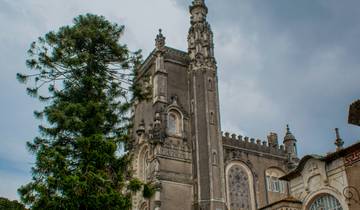
Wine and Gastronomy in the Heart of Portugal
- ✓ Booking needs min. 2 travelers
4 days
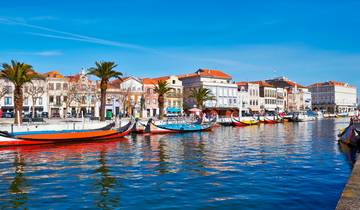
Northern Portugal (from Fatima to Lisbon)
- ✓ Comprehensive Coimbra tour
- ✓ Expert local guides included
- ✓ All accommodation arranged
- ✓ Transportation provided
6 days
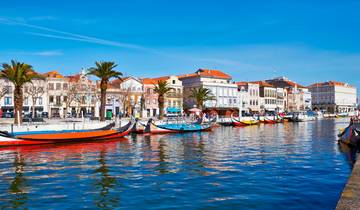
Northern Portugal with Lisbon (15 destinations)
- ✓ Comprehensive Coimbra tour
- ✓ Expert local guides included
- ✓ All accommodation arranged
- ✓ Transportation provided

7 days
Porto to Coimbra self-guided bike tour
- ✓ Comprehensive Coimbra tour
- ✓ Expert local guides included
- ✓ All accommodation arranged
- ✓ Transportation provided
Multi-day tour packages powered by TourRadar. Prices and availability subject to change.
Introduction: Planning Beiras Tours in 2026
The Beiras — the collective name for Portugal’s central mountain heartland — cover a swath of countryside stretching from the rice paddies and lagoons of the coastal Beira Litoral to the granite summits of the Serra da Estrela and the parched Tagus plain of the Beira Baixa. Historically divided into three sub-regions (Beira Litoral, Beira Alta, and Beira Baixa), the area is now administered as the Centro region but retains its geographic logic: a gradual rise from sea level to the highest point in mainland Portugal at 1,993 metres, bisected by the Mondego River and its ancient city of Coimbra.
For 2026 visitors, the Beiras present a genuinely complete touring destination at every budget and fitness level. City walkers spend days in Coimbra’s steep medieval lanes, the baroque Joanina Library, and Roman Conimbriga. Mountain hikers take on Serra da Estrela glacial valley descents or the demanding 600-kilometre GR22 circuit. Cultural travelers loop from fortified hilltop village to schist-stone hamlet without crossing a major road. Adventure travelers kayak the Mondego, ski Penhas da Saúde in winter, and explore 4×4 tracks across the Estrela plateau in summer. Oenophiles base themselves in Viseu for the Dão Demarcated Region and its Touriga Nacional red wines.
This guide follows the practical planning sequence: regional orientation and touring zones, best guided tours by category, key self-guided walking routes, detailed budget breakdowns for all tiers, and a seasonal calendar that identifies the optimal departure window for every experience type covered.
Understanding the Beiras Region for Tours in 2026
Travelers new to the Beiras need one mental map to orient their itinerary effectively. The region divides into four touring zones, each with a distinct character, accessibility profile, and core experience.
Coimbra and the Beira Litoral
Coimbra is the natural base for first-time visitors. Portugal’s former capital sits on a ridge above the Mondego River 240 kilometres north of Lisbon and 120 kilometres south of Porto, served by Alfa Pendular express trains in under two hours from Lisbon. The University of Coimbra — the Iberian Peninsula’s oldest, founded in 1290 and inscribed as UNESCO World Heritage in 2013 — drives a robust guided tour industry with multilingual walking tours departing daily. The surrounding Beira Litoral extends westward to Figueira da Foz on the coast and southward to Conimbriga, the best-preserved Roman town in Portugal. The Buçaco National Forest and Palace, 30 kilometres north of Coimbra, adds a botanical detour of genuine rarity: over 700 exotic species planted by Carmelite monks since the 16th century, growing among endemic Portuguese oak to cathedral height.
Serra da Estrela and the High Beiras
The Serra da Estrela Natural Park — Portugal’s oldest protected area, established in 1976 — rises steeply from the valley floor around Covilhã, Gouveia, and Seia. The plateau tops out at Torre (1,993 m), the highest point in mainland Portugal. The park contains the Vale do Zêzere, a textbook U-shaped glacial valley 14 kilometres long and carved to a depth of 600 metres during the last ice age, alongside the Covão d’Ametade lake, the Poço do Inferno waterfall, and alpine meadows grazed by the Serra da Estrela sheepdog, the ancient breed from which the park takes its name. Queijo Serra da Estrela — the creamy, hand-drained sheep’s cheese with Protected Designation of Origin status — is tasted on virtually every guided tour of the mountain. Covilhã (700 m altitude, population 50,000) is the closest town with a full range of hotels, restaurants, and tour operators.
The Historical Villages of the Interior
Strung across the granite plateaux of the upper Beiras near the Spanish border, the twelve Aldeias Históricas form one of the most compelling rural touring circuits in Western Europe. The villages — Almeida, Belmonte, Castelo Mendo, Castelo Novo, Castelo Rodrigo, Idanha-a-Velha, Linhares da Beira, Marialva, Monsanto, Piódão, Sortelha, and Trancoso — were classified under a national protection programme in the 1990s and have since developed excellent signage, accommodation, and walking infrastructure. Guarda, the highest city in continental Portugal at 1,056 metres, serves as a practical base and hosts the spectacular granite Sé cathedral blending Gothic, Manueline, and Renaissance elements across its 150-year construction history.
Schist Villages and the Beira Baixa Valleys
South and west of the Serra da Estrela, the landscape shifts to darker schist and slate, giving rise to the Aldeias do Xisto network — 27 villages spread across 14 municipalities of the Coimbra and Castelo Branco districts. Where the Historical Villages lean toward military architecture and hilltop drama, the schist villages emphasise organic vernacular building: houses grown directly from the rock, with barely a straight wall or right angle visible in any direction. Piódão, the most photographed, clings to a near-vertical mountainside in the Serra do Açor and has resisted depopulation through rural tourism investment since the 1990s. Talasnal, Casal Novo, Chiqueiro, and Gondramaz in the Serra da Lousã are accessible on day trips from Coimbra in under an hour.
Top Guided Day Tours in the Beiras 2026
Guided tours in the Beiras span everything from 90-minute city walks to full-day mountain excursions and multi-week supported trekking expeditions. The practical distinction that matters most for planning: tours operating out of Coimbra (which cover the widest range of day-trip destinations), tours based within the mountains (mainly Covilhã, Manteigas, and Guarda), and multi-day supported walking packages that use local operators for logistics across consecutive stages.
Coimbra University and City Walking Tours 2026
The signature guided experience in the Beiras is the Coimbra University walk, available in small-group and private formats from multiple operators. Small-group tours led by former University of Coimbra students last 2–2.5 hours and cover the Paço das Escolas (Royal Palace courtyard), the Joanina Library, St Michael’s Chapel, and the Royal Palace interior. These tours include University circuit admission and skip-the-line access to the Joanina Library. Admission to the University of Coimbra circuit is €14 per adult in 2026 — check visit.uc.pt for current rates and to pre-book timed entry for the Joanina Library, which sells out 48–72 hours ahead during July and August. Small-group student-led tours cost €23–32 per person inclusive of admission.
Private walking tours extending into the lower city visit the Sé Velha (Old Cathedral, the best-preserved Romanesque structure in Portugal), the Santa Cruz Monastery (where Portugal’s first two kings are interred), the Jardim Botânico, and the Rua das Parreiras student neighbourhood. Private Coimbra tours covering university plus city run 3 hours and cost €70–115 per person including tickets. Several operators offer evening Coimbra fado experiences — Coimbra fado is a distinct male-voice tradition, performed with Portuguese guitar and viola baixo and historically associated with university students and alumni — combined with dinner for €40–60 per person. Free serenatas (outdoor fado performances) occasionally take place at dusk in front of the University gate during summer months; timing is informal and unannounced.
Serra da Estrela Day Tours 2026
Day tours to the Serra da Estrela are the most spectacular single-day excursion available from Coimbra. The standard private day tour of 6.5 hours departs from Coimbra, ascends to Torre (1,993 m), visits two river beaches in the glacial valleys — including Praia Fluvial de Loriga, named one of the Seven Wonders of Portugal — and includes a tasting of Queijo Serra da Estrela at a mountain dairy. Private group day tours of this format start from approximately €190 per person; check current availability and pricing on GetYourGuide or Viator under “Serra da Estrela day trip from Coimbra” as rates vary by group size and season.
Independent travelers reaching the Serra da Estrela from Covilhã use the Serra Shuttle bus, which departs the Covilhã bus station at regular daily intervals and stops at multiple points on the mountain including Torre at the summit plateau. A return ticket costs €12, making this the most economical access route to Portugal’s highest terrain. Taxi or Uber from Covilhã to Torre costs from €50 return for a vehicle accommodating 3–4 passengers. From within the park, Covilhã-based operators run guided jeep and van tours across the plateau and into the glacial valleys, with half-day (3.5 hours) and full-day (6 hours) formats starting from approximately €35–65 per person depending on group size. Cheese tastings, local ham, and a stop at a mountain spring are standard inclusions.
Schist Villages Tours 2026
Organised half-day tours from Coimbra into the Serra da Lousã target the most accessible cluster of schist villages: Talasnal, Casal Novo, Chiqueiro, and Candal, arranged on the steep southeastern slopes of the Lousã mountain at altitudes of 600–900 metres. These villages are former shepherds’ and weavers’ settlements, largely abandoned during the mid-20th century rural exodus and now in slow repopulation as rural tourism retreats managed by local cooperatives and private owners. Guided tours run 4–5 hours, cost approximately €50–80 per person in small groups, and include 4WD access to the higher villages plus a guided connecting walk along the signed Caminhos do Xisto trails.
Piódão, the most famous schist village, sits in the Serra do Açor 90 kilometres east of Coimbra and is inaccessible by regular public transport from Coimbra — a rental car or organised tour is the practical approach for most visitors. Several Coimbra operators combine Piódão with the Fraga da Pena waterfall — a dramatic 60-metre cascade in a narrow schist gorge — in a full-day excursion costing €60–90 per person. The combined Piódão–Fraga da Pena tour is among the most photographed day experiences available anywhere in central Portugal.
Historical Villages Circuit Tours 2026
Guided excursions to the Aldeias Históricas cover two to three villages in a single day from Guarda or Covilhã. The most popular combination pairs Sortelha — a walled village with a complete Romanesque-Gothic castle circuit still enclosing the inhabited core, its granite houses wedged among boulders — with Monsanto, a village built between and upon enormous granite outcrops voted the “most Portuguese village in Portugal” in a 1938 national competition. Day tours running this circuit from Coimbra or Covilhã cover 200–250 kilometres of driving and cost €70–110 per person in a private group.
The pentagonal castle of Sabugal and the star-fortress of Almeida — the finest Vauban-plan fortification in Portugal — are frequently combined on a second Historical Villages circuit touring the northeastern Beiras toward the Spanish border. Almeida’s complete 18th-century star fortress with its six bastions and intact underground tunnel system takes 90 minutes to walk on the self-guided perimeter circuit (5 km flat, free access) and deserves a minimum half-day.
Roman Ruins and Archaeological Tours 2026
Conimbriga, fifteen kilometres south of Coimbra near Condeixa-a-Nova, is the best-preserved Roman town in Portugal and among the finest in the Iberian Peninsula. The site spans a settled town from the 1st to 5th centuries AD, with elaborate polychrome mosaics, hypocaust heating systems, thermal baths, a forum, and a complete aqueduct visible in situ. Admission is €4 per adult — check the Museu Monográfico de Conimbriga official site for current rates and seasonal hours; reduced rates apply for students and seniors. Private half-day tours from Coimbra combining a guide and private transfer cost €45–65 per person; the site is accessible independently by local bus from Coimbra’s main terminal (approximately 30 minutes, €2 each way).
Wine and Gastronomy Tours in the Dão Region 2026
The Dão Demarcated Region (DOC Dão) covers the Mondego and Dão river valleys between Viseu, Tondela, and Penalva do Castelo, producing some of Portugal’s finest red wines from Touriga Nacional, Tinta Roriz, and Alfrocheiro alongside floral white wines from the Encruzado grape. Dão wines have held Protected Designation of Origin status since 1908. Half-day tours operating from Viseu or Tondela visit two quintas with cellar tours and tastings of four to five wines paired with presunto, regional cheese, and broa de milho (cornbread). Prices run €40–65 per person; full-day tours including a winery lunch start from €75–100 per person. Viseu itself — an underappreciated Beiras city with a pedestrianised historic core, a Gothic-Manueline cathedral, and the Museu Grão Vasco housing one of Portugal’s finest 16th-century altarpiece polyptychs — rewards a full day of self-guided walking without any booking requirement.
Coimbra Walking Tours and City Excursions 2026
Coimbra requires at least two full days for thorough exploration. Its topography — the Alta (upper city on the hill), the Baixa (lower city along the river), and the botanical zones near the Roman walls — creates a natural sequence of circuits that can be managed entirely independently or as a combination of one guided university session and a day of self-guided exploration.
The Alta Walking Circuit 2026
The classical Coimbra Alta walk begins at Largo da Portagem on the riverfront, ascends through the Arco de Almedina (a surviving gateway of the Moorish city wall) into the medieval lanes of the old city, continues up to the University hilltop, and circles back down via the Via Latina and the Jardim Botânico. The full loop covers approximately 4 kilometres with 120 metres of ascent — manageable for most fitness levels, though steep in sections — and takes 3–4 hours including a 30-minute timed visit to the Joanina Library. The Sé Velha (12th-century Old Cathedral with original Romanesque gallery intact; free entry to the nave, small charge for the cloister) and the Museu Nacional Machado de Castro — occupying a Renaissance bishop’s palace built atop a Roman cryptoporticus, one of the most dramatic museum basements in Europe — are the essential stops on the circuit. Museum admission at the Machado de Castro is €6 per adult.
The Mondego Waterfront and Baixa 2026
The Coimbra Baixa presents a flatter, easier walk from the historic hill down to the river. The main axis follows Rua Ferreira Borges and Rua Visconde da Luz toward the Praça do Comércio, passing the Monastery of Santa Cruz (free entry to the church; Portugal’s first two kings, Afonso Henriques and Sancho I, are interred in the elaborate Manueline choir). The Parque Verde do Mondego, on the opposite bank accessible via a pedestrian footbridge, provides 8 kilometres of riverside path, cycling lanes, and a lagoon area — an easy 2-hour flat walk suitable for all fitness levels and particularly useful for families with young children.
App-Based and Self-Guided Scavenger Routes 2026
Several operators offer self-guided city experiences via smartphone, combining clue-solving with walking routes through all major landmarks. These app-based tours cost €8–12 per participant, require no booking (download and start at any time), and last 2–3 hours at the walker’s own pace. They suit families with children aged 10 or above and solo travelers who prefer flexible exploration over group timing. The Coimbra historic centre also contains unmarked gems best discovered on foot without agenda: the Penedo da Saudade panoramic viewpoint above the botanical garden, the azulejo-lined stairways below the Sé Nova, and the fado bars of Rua Quebra Costas open from late evening onward.
Serra da Estrela Hiking and Mountain Experiences 2026
The Serra da Estrela Natural Park encompasses 100,000 hectares of the highest terrain in mainland Portugal, from olive and chestnut-forested lower slopes at 600 metres to wind-scoured granite plateau at over 1,900 metres. The park’s trail network ranges from short interpretive loops accessible from roadside car parks to the demanding GR33 Grande Rota do Zêzere, which traces the full length of the glacial valley for 370 kilometres. Entry to the park is free; no permit is required for hiking.
Torre Summit Area Walks 2026
The Torre plateau (1,993 m) sits at the top of the EN339 road from Covilhã and is accessible by car, taxi, or the Serra Shuttle bus. The summit area holds a military communications tower, a small shop selling Serra da Estrela cheese and woolens, and a winter ski area with limited lifts. The 6-kilometre marked loop from Torre northeast to the Covão dos Conchos — a circular concrete tunnel intake structure that creates a striking visual effect as water drains toward the Lagoa Comprida reservoir — is classified as easy to moderate and takes approximately 2 hours without a guide. Views across the plateau on clear days extend south to the Tagus plain and north toward the Douro valley.
Vale do Zêzere Glacial Valley Descent 2026
The most rewarding full-day walk in the Serra da Estrela descends through the Vale do Zêzere — the most spectacular U-shaped glacial valley in the Iberian Peninsula, 14 kilometres long and carved to a depth of 600 metres. The standard one-way descent from the plateau near the Penhas Douradas meteorological station to Manteigas village covers 14–16 kilometres, losing 800 metres of altitude. Allow 5–7 hours of walking time plus stops. Manteigas is served by a daily bus connection to Gouveia (the nearest town with rail access), making this point-to-point walk logistically practical without a rental car if you book the return journey in advance. The walk is classified as moderate-strenuous and requires proper footwear and wind-proof layers regardless of season.
Covão d’Ametade and Short Manteigas Walks 2026
The Covão d’Ametade — a glacially scoured lake at 1,100 metres above Manteigas, ringed by vertical rock faces fed by waterfalls — is accessible on a 4-kilometre loop from the village, rated moderate, with 200 metres of ascent and exceptional autumn colour from late October. This short loop is the single most rewarding half-day walk in the Serra da Estrela for travelers based in Manteigas. The trail is well-marked and requires no guide. The adjacent Covão do Meio glacial cirque, a further 2 kilometres upvalley, adds another hour for walkers wanting longer time above treeline.
Poço do Inferno Waterfall Walk 2026
The Poço do Inferno (Hell’s Well), a 20-metre waterfall in a narrow gorge below Manteigas, is reached via a signed 3-kilometre round trip from a roadside car park on the EN232. The trail is rated easy, passable year-round, and takes approximately 90 minutes including time at the plunge pool. It is the Serra da Estrela’s most popular short walk and crowds accumulate on summer weekends; arrive before 9:30 AM or after 5:00 PM in July and August for a quieter experience. The Praia Fluvial de Loriga — a river beach in the Loriga valley on the park’s western flank, named among the Seven Wonders of Portugal — adds a swimming stop to round-trip tours from Coimbra during the May–September season.
Winter Walking and Snowshoeing 2026
The Serra da Estrela operates Portugal’s only ski resort (Skiparque at Penhas da Saúde, running December through March when conditions allow), with limited uplift but extensive snowshoeing and winter walking terrain across the plateau above 1,600 metres. Guided snowshoe tours from Covilhã, including equipment hire and a guide, start from approximately €40–60 per person for a 3-hour experience. Snow conditions are variable and not guaranteed — contact operators from late November 2026 onward to confirm before booking. The Pousada da Serra da Estrela at Penhas Douradas and Casa das Penhas Douradas boutique hotel remain open year-round for winter mountain stays.
The GR22: Walking the Historical Villages Route
The GR22 is the Beiras’ most ambitious walking achievement and one of the finest long-distance routes in southern Europe. Connecting all twelve Historical Villages of Portugal in a circuit of approximately 600 kilometres, the route threads through granite plateaux, river gorges, oak and chestnut forests, and the Serra da Estrela Natural Park. Its ERA Leading Quality Trails – Best of Europe certification validates the quality of waymarking, infrastructure, and landscape diversity — one of a small number of Portuguese routes holding this distinction internationally.
Route Overview and Loop Structure
The GR22 divides into two loops joinable at Belmonte or shortened via the GR22.1 connection trail. The North Loop (approximately 300 km) covers Almeida, Castelo Rodrigo, Marialva, Trancoso, Linhares da Beira, and Belmonte, running through the Douro International Natural Park and the terraced wine country of the upper Côa valley. The South Loop (approximately 320 km) visits Sortelha, Monsanto, Idanha-a-Velha, Castelo Novo, Castelo Mendo, Piódão, and Belmonte, passing through the Tagus International Natural Park and the schist Serra do Açor. Most walkers choose one loop as a 14–16 day itinerary or combine both for the full 30–40-day circuit. Stages average 16–22 kilometres and are graded to include at least one village stop per day.
Best Standalone GR22 Sections for Short Visits
For visitors with 3–5 days in the Beiras, the most rewarding GR22 sections as standalone walks are the following:
- Sortelha to Sabugal (approximately 22 km, South Loop Stage): passes through the complete walled circuit of Sortelha — one of the most intact medieval village enclosures in Portugal, its 13th-century walls and keep in exceptional preservation — and descends the Côa valley to the Sabugal pentagonal castle, one of the finest defensive structures in the entire Iberian Peninsula.
- Linhares da Beira to Folgosinho (approximately 14 km, North Loop Stage): connects two of the most dramatically sited villages in the high Beiras on a ridge walk above the Mondego headwaters with long views south toward the Serra da Estrela massif.
- Almeida perimeter walk (approximately 5 km, flat, self-contained): the complete circuit of the 18th-century star-fortress town of Almeida — the best-preserved Vauban-type fortification in Portugal, with intact bastions, ravelin earthworks, and the underground tunnel system used during the Peninsular War siege of 1810. Allow 90 minutes for the full perimeter; no guide required.
- Trancoso city walls walk (approximately 3 km): the complete medieval circuit of Trancoso’s 14th-century walls, still encircling an inhabited town, with the Torre de Menagem (keep) and the remarkable Porta d’El Rei gateway in near-perfect preservation.
Multi-Day GR22 Walking Logistics 2026
The GR22 is waymarked with standard Portuguese trail blazes — red-and-white horizontal bands for long-distance routes — and follows rural tracks, Roman roads, and cobbled village lanes. GPS tracks are downloadable free from aldeiashistoricasdeportugal.com. Accommodation across the Historical Villages ranges from rural tourism houses and village pensions (€40–70 per room) to boutique rural lodges (€80–130 per room). Self-supported walkers carry a daypack and arrange luggage transfers (€15–25 per bag per stage) through local agencies in Guarda, Covilhã, or Fundão. Guided and fully supported GR22 packages — covering accommodation, breakfasts, dinners, luggage transfers, trail notes, and emergency contact — are available from specialist Portuguese walking operators for approximately €80–130 per person per day all-inclusive. Book prime-season April–June and September–October dates at least 6–8 weeks ahead as supported GR22 places fill quickly.
Schist Villages (Aldeias do Xisto) Walking Routes 2026
The Aldeias do Xisto network — 27 villages across the Zêzere and Mondego river basins southeast of Coimbra — offers the Beiras’ most original walking landscape. The terrain is dramatically vertical: schist ridges rise 500–900 metres above densely forested valleys, and the villages cling to contour lines with no visible logic until you understand the pre-modern imperatives of water access, solar orientation, and stone-by-stone construction without mortar or concrete.
Caminhos do Xisto Trail Network 2026
The Caminhos do Xisto (Schist Paths) are a system of 27 signed local walking routes, one centred on each village, totalling over 600 kilometres of trail. Each route is graded and fully mapped on the MyXistoTrails platform (myxistotrails.pt), which provides free GPS downloads, difficulty ratings, distance and elevation profiles, and linked accommodation and restaurant listings. Trail grades range from easy loops of 4–6 km on valley floors to moderate ridgeline circuits of 12–18 km with 400–600 metres of ascent. All trails are free of charge with no booking required.
The most visited trails cluster around three sub-zones accessible from Coimbra as day trips. The Serra da Lousã group — Talasnal, Casal Novo, Chiqueiro, and Candal — are accessible from Lousã town, 35 kilometres southeast of Coimbra. The connecting trail linking all four villages covers 12 kilometres and 450 metres of ascent and takes approximately 5–6 hours for the full circuit. Piódão and the Serra do Açor are reachable by car in 90 minutes from Coimbra; the local Caminho do Xisto from Piódão to the Fraga da Pena waterfall covers 8 kilometres round trip and is classified as moderate at approximately 3 hours. Janeiro de Baixo in the lower Zêzere valley offers a flat 6-kilometre loop through extraordinary river meanders, one of the few Caminhos do Xisto routes accessible to walkers with limited mobility on the lower sections.
The GRZ Grande Rota do Zêzere 2026
The GRZ (GR33) is the Aldeias do Xisto network’s long-distance multi-modal route, running 370 kilometres from the source of the Zêzere River in the Serra da Estrela down to its confluence with the Tagus at Constância. The route is designed for walking, cycling, and canoeing, with 13 intermodal stations where travelers switch seamlessly between hiking, mountain bike, and paddle sections along the river corridor. It passes through 13 municipalities, connects multiple Aldeias do Xisto, and integrates both high mountain landscapes (Serra da Estrela headwaters) and the schist valley towns of the Beira Baixa. The full route takes 15–25 days on foot; the upper section from Serra da Estrela to Fundão (approximately 80 km, 4–5 days) provides the most spectacular introduction to both mountain and valley terrain in a single linked itinerary.
The Great Schist Villages Route near Lousã 2026
The Grande Rota das Aldeias do Xisto na Serra da Lousã is a 75-kilometre loop route circling the full Lousã mountain range and threading through all the schist villages above Lousã and Miranda do Corvo. The route is classified as challenging (approximately 2,500 metres total ascent) and takes 4–6 days to complete in full. Most walkers tackle it in sections: the most rewarding two-day circuit covers the high villages of Talasnal, Casal Novo, and Chiqueiro on Day 1, descending to the Levada irrigation channel walk above Candal on Day 2. Accommodation exists in the restored schist village houses (€50–80 per room, book well ahead as availability is very limited — most villages have fewer than 10 rooms total).
Adventure Activities and Specialty Tours 2026
Beyond walking and cultural tours, the Beiras support a broad range of adventure and specialist activities that extend itineraries into more physically demanding or gastronomically distinctive territory.
Kayaking and Canoeing the Mondego River 2026
The Mondego River — the only major Portuguese river with its entire course within Portugal — offers kayaking from Penacova, a small hill town 25 kilometres northeast of Coimbra, down to Coimbra over 35 kilometres of calm water. The descent takes 5–6 hours, passes through forested gorges and beneath the Buçaco hills, and requires no previous paddling experience. Kayak hire with shuttle return from Penacova costs approximately €25–35 per person from riverside rental operations; book by phone or in person on the day at Penacova riverside. Several Coimbra operators offer guided kayak day tours with safety briefing and a river-bank picnic lunch for €40–55 per person — the most comfortable format for first-time paddlers.
Buçaco Forest and Palace Circuit 2026
The Mata Nacional do Buçaco — a walled forest of extraordinary botanical diversity 30 kilometres north of Coimbra — is one of the most unusual self-guided half-days in the entire Beiras. The forest was planted by Discalced Carmelite monks from the 16th century, incorporating over 700 exotic species brought from Portugal’s overseas territories — cedars from the Azores, giant sequoias from California, Mexican pine, Japanese ginkgo — growing to cathedral height among endemic Portuguese oak and strawberry trees. The neo-Manueline Palace Hotel do Buçaco at the forest’s heart (constructed as a royal hunting lodge 1888–1907) is open to day visitors for lunch and afternoon tea, and its Manueline stone entrance portico and azulejo-clad stairwells are among the finest decorative architecture in Portugal outside Lisbon. Forest circuit: free access, 2–3 hours, no booking required.
4×4 Off-Road Mountain Tours 2026
Several operators in Covilhã, Seia, and Gouveia run 4×4 guided tours across the Serra da Estrela plateau, accessing routes unreachable by standard vehicle — including the GR33 track across the glacial plateau north of Torre, abandoned shepherd corrals (cortes) in remote valleys, and high viewpoints over the Vale do Zêzere. Tours run 4–6 hours and cost approximately €45–80 per person depending on group size; cheese tastings and local aguardente (grape brandy) distillery stops are standard inclusions. Private full-day 4×4 tours cost €120–160 per vehicle (capacity 4 passengers), making them most economical when shared.
Cycling Tours in the Beiras 2026
The GR22 holds dual certification as both a walking route and a mountain bike circuit (homologated by the Portuguese Cycling Federation as a Grande Travessia de BTT). Several operators offer supported MTB tours of the North or South Loop with vehicle backup, luggage transfer, and mechanical support, priced at €80–120 per person per day all-inclusive. Road cycling tours through the Dão valley using the scenic EN231 and quiet rural roads are offered by Viseu-based operators from €40–70 per person per day for guided half-day rides with bike hire included. The GRZ also incorporates dedicated MTB stages through the Aldeias do Xisto territory, fully documented on the MyXistoTrails platform with downloadable tracks.
Fado Evenings and Cultural Experiences 2026
Coimbra fado is a distinct musical tradition from Lisbon fado in almost every dimension: performed exclusively by men (traditionally university students or alumni), accompanied by Portuguese guitar and viola baixo rather than the Lisbon classical guitar, and rooted in lyrical poetry rather than urban melancholy. Formal fado performance evenings in Coimbra’s restaurants and dedicated casas de fado run 2–3 hours and include dinner; prices range from €40–60 per person. The best informal fado experience is the serenata at dusk in front of the University Porta Férrea gate — traditionally performed on the eve of academic celebrations — which costs nothing and represents one of the most authentic musical experiences available anywhere in Portugal.
Self-Guided Walking Circuits in the Beiras
The Beiras trail network fully supports independent walkers who design their own itineraries. The most practical self-guided multi-day circuits are described below with key logistics for travelers without a rental car.
The Almeida and Castelo Rodrigo Circuit (3 Days)
Almeida is the optimal single base for a self-guided introduction to the GR22 North Loop. Day 1: arrive by bus from Guarda (45 minutes, twice daily), walk the complete star-fortress perimeter (5 km, 90 minutes, flat, free), explore the underground casemate tunnels. Day 2: walk the GR22 east along the Côa valley to Castelo Rodrigo (approximately 22 km, 6–7 hours) — a walled village above the Côa valley with a ruined ducal palace, medieval lanes, and extraordinarily dense almond blossom in late February. Day 3: return to Almeida by local taxi (approximately €20 for the vehicle, arrange through guesthouse), then bus back to Guarda or onward to Coimbra. Budget guesthouses in Almeida: €40–60 per room.
The Coimbra Schist Villages Loop (3–4 Days)
A circular self-guided schist tour based in Lousã (local train and bus from Coimbra, 35 minutes) links five Aldeias do Xisto within day-walking distance. Day 1: Lousã town, the castle and first schist ridge trail (6 km, easy). Day 2: full Caminhos do Xisto circuit connecting Talasnal, Casal Novo, and Chiqueiro (12 km, moderate, allow 6 hours). Day 3: taxi to Gondramaz (20 minutes, approximately €12 for the vehicle) and the Gondramaz local loop trail. Day 4: return to Coimbra. Rural accommodation in Lousã and schist village restored houses: €35–65 per room. Book at least a week ahead in spring and autumn high season.
The Piódão and Serra do Açor Trail (2 Days)
Piódão is 90 kilometres east of Coimbra in the Serra do Açor. Bus access from Arganil (reachable from Coimbra by bus in 1.5 hours; Arganil–Piódão by local bus approximately 1 hour, limited schedule — check REDE EXPRESSOS and local timetables carefully before traveling). Day 1: arrive Piódão, explore the village schist lanes and viewpoints, walk the local Caminho do Xisto toward the Serra do Açor ridge (4 km, 2 hours). Day 2: descend to the Fraga da Pena waterfall on the 8-kilometre Piódão return trail (moderate, 3 hours). The village has fewer than 10 rooms total — Casa da Padaria and Casa de Piódão tourist accommodation run €50–80 per room; book several weeks ahead for spring and summer weekends.
Manteigas and the Glacial Valley (3 Days)
Manteigas is the best self-guided base for Serra da Estrela walkers not renting a car. Accessible by daily bus from Guarda and Gouveia. Day 1: Covão d’Ametade loop (4 km, moderate, 200 m ascent, 2.5 hours). Day 2: Poço do Inferno trail (3 km, easy, 90 minutes) in the morning, upper Zêzere valley afternoon walk to Covão do Meio glacial cirque (4 km additional, moderate). Day 3: take the Serra Shuttle bus from Covilhã (arrange a taxi Manteigas–Covilhã, 30 minutes, €20 vehicle, then use the Shuttle for the summit) or walk up the lower Zêzere valley toward the GR33 headwaters. Village pensions and rural tourism houses in Manteigas: €45–70 per room.
Planning Your Beiras Tour Budget in 2026
The Beiras is Portugal’s most cost-effective touring region. Accommodation, restaurants, and transport run 15–25 percent below Lisbon and Porto prices at every budget tier, while the trail network provides exceptional free activity content unavailable in the capital cities.
Budget Travel in the Beiras 2026
Budget travelers focused on free self-guided trails — Caminhos do Xisto, GR22 sections, Serra da Estrela day hikes using the Serra Shuttle — and staying in rural guesthouses and pension-style accommodation spend €45–75 per person daily (two sharing budget accommodation). Components: guesthouse room €30–45 per room divided by two gives €15–23 per person; daily meals including a pastel and coffee breakfast, a menu do dia lunch, and a simple restaurant dinner €26–35; local bus or train transport €5–10; activity costs for self-guided free trails with occasional village entry €0–8. A full week of budget touring the Beiras trails costs €315–525 per person.
Mid-Range Travel in the Beiras 2026
Mid-range travelers mixing one guided day tour every second day with self-guided walking, staying in 3-star hotels or quality rural tourism houses, and eating at mid-range restaurants with occasional wine spend €105–165 per person daily (two sharing mid-range accommodation). Components: mid-range hotel €70–110 per room divided by two gives €35–55 per person; café breakfast, sit-down lunch, and restaurant dinner €45–62; trains and occasional taxi €10–20; guided tour and admissions amortised over the day €15–30. A week at mid-range: €735–1,155 per person. This tier is ideal for the combination of one guided Serra da Estrela day (€190 shared across two, approximately €95 per person), two Coimbra guided city days with museum entries, and three to four self-guided trail days.
Luxury Travel in the Beiras 2026
Luxury travelers using private guides, boutique hotels and pousadas, and upscale regional restaurants spend €240–360 per person daily (two sharing luxury accommodation). Components: boutique hotel or historic pousada €150–220 per room divided by two gives €75–110 per person; upscale regional meals €75–100; private transfers €30–50; private guided tours €60–100. A week at luxury tier: €1,680–2,520 per person. The Pousada do Convento de Belmonte (in the same hilltop village as Belmonte Castle and the birthplace of navigator Pedro Álvares Cabral, discoverer of Brazil), Casa das Penhas Douradas in the Serra da Estrela, and the Palace Hotel do Buçaco (historic royal hunting lodge, 5-star) are the three standout luxury accommodation choices in the Beiras.
Tour and Admission Costs at a Glance 2026
- University of Coimbra circuit ticket (Joanina Library, Royal Palace, Chapel): €14 per adult — book timed entry at visit.uc.pt
- Small-group Coimbra walking tour with former student guide (2.5 hours, skip-the-line, admission included): €23–32 per person
- Private Coimbra walking tour (3 hours, university plus city, admission included): €70–115 per person
- Serra da Estrela private day tour from Coimbra (6.5 hours): from €190 per person for a private group
- Serra Shuttle bus Covilhã to Torre and return: €12 per person
- Schist villages half-day tour from Coimbra (4WD access plus walking): €50–80 per person
- Historical Villages private day tour (Sortelha plus Monsanto): €70–110 per person
- Conimbriga Roman ruins admission: €4 per adult
- Mondego kayaking Penacova to Coimbra (hire plus return shuttle): €25–35 per person
- Dão wine half-day tour from Viseu or Tondela: €40–65 per person
- Coimbra fado evening with dinner: €40–60 per person
- GR22 supported walking package (inn-to-inn, luggage transfers, guide): €80–130 per person per day all-inclusive
Practical Planning for 2026 Beiras Tours
Successful Beiras tour planning requires decisions on base, transport mode, and booking timing before departure. The following covers the key logistical questions in sequence.
Best Bases for Touring the Beiras 2026
Coimbra is the optimal single base for most visitors: UNESCO heritage, excellent rail and bus connections, and the widest range of day-tour operators in the region. From Coimbra, day trips reach the Serra da Estrela (1.5 hours by car), the Serra da Lousã schist villages (35 minutes), Conimbriga (20 minutes), Buçaco Forest (30 minutes), and Figueira da Foz on the coast (45 minutes). For deep exploration of the Historical Villages, move the base to Guarda or Covilhã for 3–4 days: Guarda provides the best access to the North Loop villages (Almeida, Castelo Rodrigo, Trancoso), while Covilhã sits at the foot of the Serra da Estrela and offers the fullest mountain access. Viseu is the optimal base for Dão wine touring and the Grão Vasco Museum. Manteigas is the specialist walker’s base inside the Serra da Estrela Natural Park.
Getting Around the Beiras 2026
A rental car provides the greatest touring flexibility — rural bus services are infrequent and some of the most rewarding destinations (Piódão, remote GR22 stages, high Historical Villages) are impractical without private transport. Car rental in Coimbra runs €30–60 per day for a compact; book at least two to three weeks ahead for July and August. Train services link Coimbra with Guarda (2.5 hours, approximately €15 in second class) and Covilhã (2 hours, approximately €13). The Alfa Pendular from Lisbon Santa Apolónia to Coimbra-B takes 1 hour 50 minutes (approximately €25 second class). Intercity buses (Rede Expressos) connect Coimbra with Castelo Branco, Fundão, and the Beira Baixa towns on daily schedules.
When to Book Beiras Tours in 2026
Coimbra University tours with skip-the-line Joanina Library access require booking 48–72 hours ahead during July and August — use visit.uc.pt directly for timed library entry tickets. Serra da Estrela private day tours from Coimbra book out in 3–5 days outside peak season; allow at least two weeks in July and August. GR22 supported walking packages for prime April–June and September–October dates book out 6–8 weeks ahead with the specialist Portuguese walking operators; contact directly through the Aldeias Históricas official website operator listings. Schist village tours and Mondego kayaking book with 24–48 hours’ notice outside peak season.
Safety and Trail Preparation 2026
Serra da Estrela trails above 1,500 metres require wind-proof and waterproof layers, ankle-supporting footwear, and a full water supply regardless of season — springs above 1,800 metres are unreliable and untreated. Mountain weather above the plateau changes rapidly: clear skies at Torre can give way to dense fog within 20 minutes, and afternoon thunderstorms are common in July and August. Always download the GPX track for any route and carry a paper map as a backup; mobile data coverage above 1,400 metres is intermittent. For GR22 stages through the Beira interior, carry at least 2 litres of water per person per stage in summer — several 6–8 hour sections cross rural terrain with no water source or habitation between villages. The SGIF (wildfire authority) periodically closes mountain trails in August during high fire-risk alerts; check sgif.pt before any high-altitude walk in July and August.
Frequently Asked Questions About Beiras Tours & Walking Routes 2026
Do I need a guide for the Caminhos do Xisto trails?
No guide is required for the Caminhos do Xisto. All 27 trails are signed with standard Portuguese trail blazes, GPS tracks are free to download from myxistotrails.pt, and routes thread through settled, populated country with regular habitation. A guide adds local storytelling, access to working craft producers and cheese dairies, and knowledge of unmarked shortcuts — genuine value on the schist village tours — but is entirely optional for navigation and safety on routes below 1,200 metres.
Is the GR22 suitable for beginner hikers?
The GR22 in its full 600-kilometre circuit is not suitable for beginner hikers — it requires sustained multi-week fitness, navigation confidence, and experience on terrain that varies from flat plateau paths to steep mountain descent stages. However, individual sections are accessible to walkers of moderate fitness: the Almeida fortress perimeter (5 km flat), the Trancoso walls circuit (3 km), and the Idanha-a-Velha to Monsanto section of the South Loop (approximately 18 km on rolling terrain) are all moderate-level stages. The North Loop stages crossing the Serra da Estrela terrain between Belmonte and Linhares da Beira involve substantial ascent and full mountain exposure, requiring experience and proper gear.
Can I visit the Joanina Library without joining a guided tour?
Yes. The Joanina Library is fully accessible on the self-guided University of Coimbra circuit ticket (€14 per adult in 2026), which includes a pre-booked timed entry slot and printed information panels in multiple languages throughout the library. Guided tours add historical narration and expert commentary but are not compulsory. Pre-booking the timed entry slot at visit.uc.pt is mandatory regardless of guided or self-guided choice — walk-up slots are rarely available during summer, and the library’s 18th-century bat colony inspection periods close the library for full days twice every three months.
What is Coimbra fado and how is it different from Lisbon fado?
Coimbra fado is a distinct musical tradition originating in the university, performed exclusively by men — historically students and alumni — accompanying themselves on the Portuguese guitar (a 12-string instrument specific to Portugal) and the viola baixo. It differs from Lisbon fado in three fundamental ways: the Coimbra repertoire is predominantly lyrical and poetic, drawing on medieval troubadour tradition, rather than the urban melancholy of Lisbon; performances traditionally take place as outdoor serenatas under windows rather than in fado houses; and the academic capes (capas negras) worn by performers are specific to Coimbra’s university culture. Formal fado evenings in Coimbra restaurants with dinner cost €40–60 per person; free serenatas at the University gate take place on the eve of academic events and during the Queima das Fitas (May festival).
How many days do I need to explore the Beiras properly?
A focused 5-day visit — Coimbra for 2 days, Serra da Estrela as a 1-day guided excursion, a schist village half-day, and Conimbriga for a half-day — delivers a meaningful introduction to the region’s diversity. Seven to ten days allow the addition of the Historical Villages circuit (2–3 days with a car based in Guarda), a Dão wine half-day from Viseu, and a Mondego kayak. Multi-week walkers tackling the full GR22 or the GRZ need 20–40 days respectively. Build in at least one weather-buffer day for any Serra da Estrela itinerary — afternoon thunderstorms in July and August regularly close plateau trails for several hours and can delay mountain tours from Coimbra.
Is the Serra da Estrela Natural Park accessible in winter 2026?
Lower-altitude trails below 1,200 metres — including the Covão d’Ametade approach from Manteigas, the Poço do Inferno short trail, and the lower Zêzere valley walks — remain accessible year-round in average weather conditions. The EN339 road to Torre and the plateau above 1,600 metres is regularly snow-covered from November through March and requires snow chains on vehicles during winter storms; the road is periodically closed for 2–8 hours after heavy snowfall. The Skiparque ski resort at Penhas da Saúde operates when conditions allow, and snowshoe guided tours from Covilhã run throughout winter on a conditions-dependent basis. Check sierradastrela.pt for current road and trail conditions before any winter ascent above 1,500 metres.
What is the best village to base myself in along the GR22?
Belmonte is the best single-village base for the GR22 because it sits precisely at the junction of the North and South Loops, allowing day walks in either direction on the circuit. It also holds the strongest cultural offering of any Historical Village: the Castelo de Belmonte (12th century, exceptional views of the Serra da Estrela), the Museu Judaico (covering the history of Belmonte’s crypto-Jewish community, which maintained secret Jewish practice for over 400 years), the Igreja de Santiago, and the birthplace of navigator Pedro Álvares Cabral, discoverer of Brazil. The Pousada do Convento de Belmonte (within a converted 15th-century convent) is the prestige accommodation option; rural tourism houses and local pensions run €40–70 per room.
Are there walking routes in the Beiras suitable for families with children?
The best family-friendly walking routes in the Beiras are the Almeida fortress perimeter (5 km flat, stroller-accessible, spectacular military history for older children), the Coimbra Mondego riverside path (8 km flat, fully paved, with playgrounds at the Parque Verde do Mondego), the Poço do Inferno trail (3 km easy, waterfall endpoint, accessible to children aged 5 and above), the Buçaco Forest garden circuit (2–3 hours, shaded, clear paths, exotic trees), and the Covão d’Ametade loop from Manteigas (4 km moderate, stunning scenery, suitable from age 8 with a reasonable pace). Serra da Estrela plateau trails above 1,600 metres are not recommended for children under 8 due to sudden weather changes, limited shade, and exposed terrain. The Mondego kayak from Penacova suits children aged 10 and above with adult supervision.
What practical Portuguese should I know for trail walking in the Beiras?
Trail signs on the GR22 and Caminhos do Xisto use the international trail-blaze system with Portuguese text labels. Essential vocabulary: trilho (trail), percurso (route), caminho (path), km restantes (km remaining), privado (private property), proibida a passagem (no through access), incêndio florestal (forest fire). Most accommodation owners in the Historical Villages and schist villages speak limited English — basic phrases for ordering meals, requesting directions, confirming bookings, and buying provisions at village shops will be genuinely useful and warmly received. Emergency services: 112 (standard European emergency number; works throughout Portugal including mountain areas with weak mobile signal on 2G).
Which walking route in the Beiras is most underrated for 2026?
The Almeida-to-Castelo Rodrigo section of the GR22 North Loop is the most underrated trail in the Beiras. This 22-kilometre stage threads the upper Côa valley — a river gorge of extraordinary vertical drama, lined with almonds and olives on terraced schist slopes — between two of the most complete medieval villages in Portugal, both with substantial castle remains. Most visitors to the Beiras prioritise the Serra da Estrela or Piódão; this borderland section sees a fraction of that footfall and rewards with wild camomile fields, Roman milestones still in their original positions along the via military, and the eerie near-emptiness of a landscape that has barely changed since the 12th century. GPS track downloadable free from aldeiashistoricasdeportugal.com; no guide required.