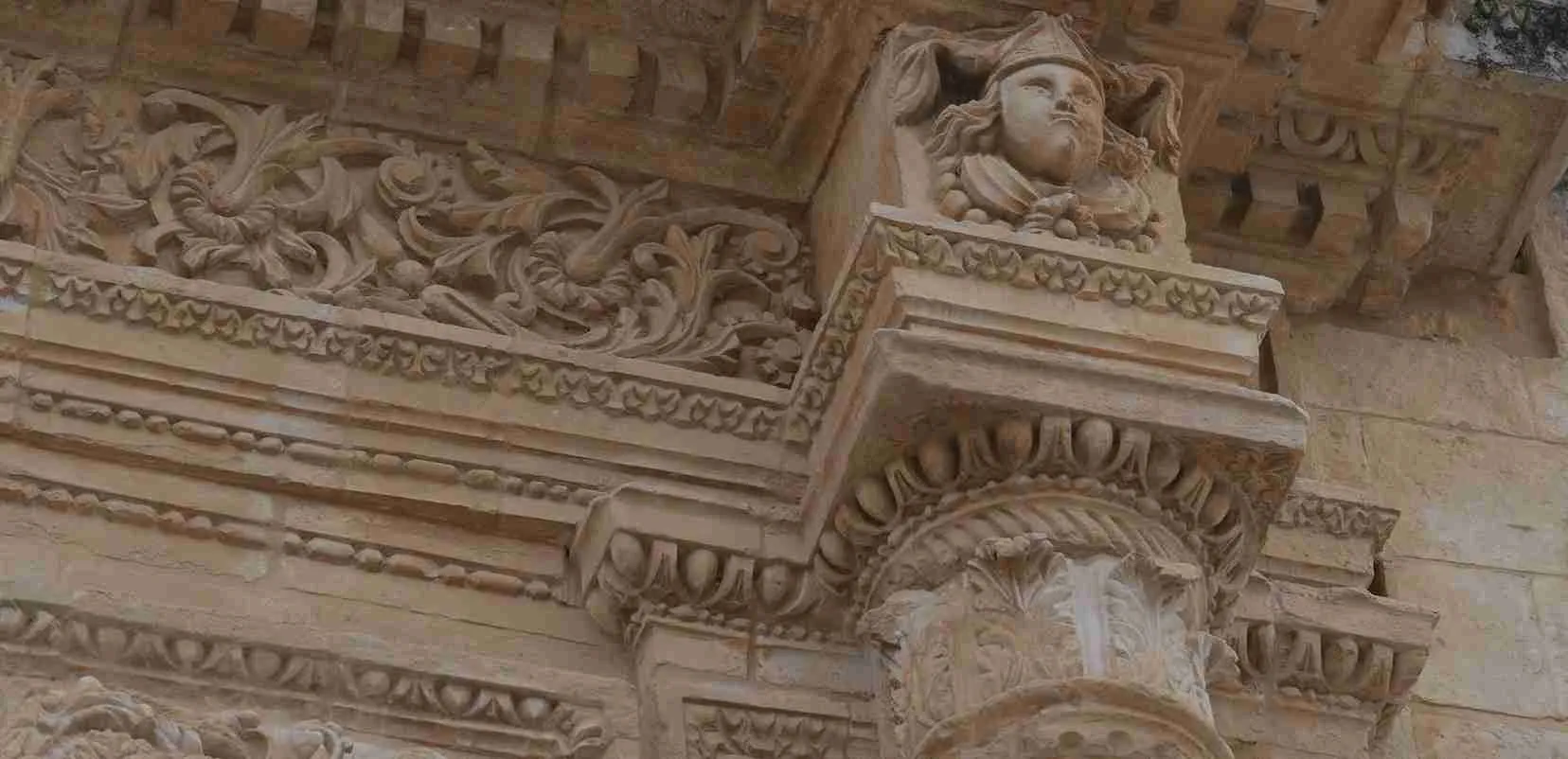
The Alternative Sicily Guide: Hidden Sights You Won’t Find in Guidebooks
Beyond Taormina’s terraces and Palermo’s palaces lies a Sicily few travelers discover—abandoned villages perched on clifftops, Byzantine rock settlements carved into canyon walls, and baroque towns where tourism remains a whisper rather than a roar. This guide reveals the island’s most compelling alternative destinations, from ghost towns frozen in earthquake memories to pristine nature reserves where ancient Greek footpaths wind through coastal wilderness untouched by development.
Key Takeaways: Sicily’s Hidden Treasures
- Ancient Ruins Without Crowds: Selinunte and Segesta rival Agrigento’s Valley of Temples in archaeological significance but receive a fraction of visitors, offering solitary encounters with Greek temples rising from wildflower meadows and hilltop theaters commanding views across western Sicily to the Mediterranean.
- Ghost Towns Tell Stories: Poggioreale stands frozen since the 1968 earthquake, its stone houses and baroque church intact but empty, while dozens of abandoned villages across Sicily’s interior preserve centuries of mountain life now surrendered to nature.
- Natural Wonders Beyond Etna: The Alcantara Gorge cuts basalt columns into cathedral-like formations, Cavagrande del Cassibile conceals emerald pools beneath towering canyon walls, and Zingaro Reserve protects seven kilometers of roadless coastline where Mediterranean scrub meets turquoise coves.
- Baroque Gems in Shadow: Modica and Scicli deliver baroque splendor equal to famous Noto and Ragusa yet remain refreshingly uncrowded, their chocolate traditions and film-location fame attracting discerning travelers rather than tour buses.
- Island Alternatives to Mainstream Choices: The Egadi archipelago offers crystalline waters and prehistoric cave art minutes from Trapani, while the outer Aeolian Islands—Alicudi and Filicudi—preserve car-free simplicity that vanished from Lipari and Stromboli generations ago.
- Interior Mountains Hold Medieval Secrets: Enna commands Sicily’s geographic center from a cloud-kissing fortress, Gangi cascades down mountainsides in stone-house tiers named Italy’s most beautiful village, and Sperlinga’s cave castle carved into sandstone cliffs protected Norman rebels for a year during the Sicilian Vespers.
People Also Ask About Alternative Sicily
What Are the Most Underrated Places to Visit in Sicily?
Selinunte archaeological park contains Europe’s largest Greek ruin complex yet attracts minimal crowds compared to Agrigento, while Pantalica necropolis shelters 5,000 Bronze Age chamber tombs carved into canyon walls in a UNESCO site most tourists never hear about. The Egadi Islands—Favignana, Levanzo, Marettimo—offer crystalline snorkeling and prehistoric cave paintings just 30 minutes by hydrofoil from Trapani. Inland, Enna’s medieval fortress and mountaintop cathedral dominate central Sicily from an eagle’s nest few travelers climb, and the abandoned earthquake town of Poggioreale provides haunting photography opportunities in a ghost village frozen since 1968.
How Do I Reach Sicily’s Hidden Villages and Natural Sites?
Rental cars provide essential access to Sicily’s interior villages and nature reserves, as public transport serves major cities but reaches few alternative destinations. The road network connects all regions, though mountain routes twist through dramatic hairpin turns requiring confident driving. Selinunte, Segesta, and Enna lie along main highways with good signage, while reaching Pantalica, Cavagrande gorges, and mountain villages like Gangi demands navigation through smaller provincial roads. Island alternatives require ferry or hydrofoil connections—Egadi Islands depart from Trapani, outer Aeolian Islands from Milazzo or seasonal connections between islands themselves.
When Is the Best Time to Explore Alternative Sicily?
Spring (April-May) and autumn (September-October) provide ideal conditions for exploring Sicily’s hidden places, with mild temperatures perfect for hiking gorges and wandering ruins, wildflowers carpeting archaeological sites, and minimal tourist presence even at moderately known destinations. Summer brings intense heat that makes inland exploration challenging and fills coastal alternatives with Italian domestic tourists escaping northern cities. Winter (November-March) offers solitude at mountain villages and archaeological sites but brings rain, shortened daylight, and occasional closures of nature reserves and some rural roads.
Are Sicily’s Alternative Destinations Suitable for Families?
Many alternative Sicily destinations accommodate families well, particularly archaeological sites like Selinunte and Segesta where children can explore temple ruins and ancient theaters freely. Coastal alternatives including Egadi Islands and Scopello offer safe swimming in protected coves, while accessible gorges like Alcantara provide gentle wading experiences. However, some locations present challenges—Pantalica requires steep hiking, abandoned villages lack facilities and safety barriers, and interior mountain villages involve winding roads that induce car sickness in young children. Nature reserves with established trails like Zingaro suit active families, while remote mountain hamlets and challenging hikes work better for older children and teens.
Extended multi-day tours – 5+ days
Featured Sicily Multi-Day Tour Packages

3 days
Sicily 3-Day Discovery Tour
- ✓ Comprehensive Sicily experience
- ✓ Expert local guides included
- ✓ All accommodation included
- ✓ Transportation provided
5 days
Sicily 5-Day Highlights Experience
- ✓ Comprehensive Sicily experience
- ✓ Expert local guides included
- ✓ All accommodation included
- ✓ Transportation provided
7 days
Sicily 7-Day Cultural Journey
- ✓ Comprehensive Sicily experience
- ✓ Expert local guides included
- ✓ All accommodation included
- ✓ Transportation provided
10 days
Sicily 10-Day Complete Adventure
- ✓ Comprehensive Sicily experience
- ✓ Expert local guides included
- ✓ All accommodation included
- ✓ Transportation provided
Multi-day tour packages powered by TourRadar. Prices and availability subject to change.
Introduction: Discovering Sicily Beyond the Tourist Trail
Sicily’s tourist narrative follows well-worn paths—Valley of Temples at sunset, Taormina’s Greek theater overlooking Etna, Palermo’s chaotic markets, perhaps a day trip to Cefalù’s Norman cathedral. These iconic destinations deserve their fame, yet they reveal only a fragment of Sicily’s geographic and cultural complexity. The island’s true character emerges in places guidebooks mention in passing or omit entirely: valleys where Greek temples stand alone among wildflowers, baroque towns where residents outnumber visitors, nature reserves protecting coastline that development never touched, and mountain villages where medieval street patterns remain undisturbed by cars or commerce.
This alternative Sicily requires deliberate seeking. Public transport reaches major cities but rarely serves interior villages or nature reserves. Rental cars become essential tools for discovery, enabling spontaneous detours down unmarked roads that end at Byzantine rock churches or abandoned farms. The rewards justify the effort—solitary encounters with archaeological wonders, conversations with elderly villagers in hilltop hamlets, swims in coves accessible only by footpath, and photography opportunities in ghost towns where time stopped decades ago.
The island’s size enables diverse exploration within manageable distances. Sicily measures 280 kilometers east to west and 180 kilometers north to south, with coastal highways connecting major cities and mountain roads threading through interior ranges. Western Sicily harbors Greek temples and prehistoric settlements, the interior mountains preserve medieval fortresses and Norman castles, eastern baroque towns cascade down hillsides rebuilt after earthquakes, and offshore archipelagos protect volcanic islands where ancient lifestyles persist. Each region offers alternatives to mainstream attractions, from the Egadi Islands’ transparency rivaling the Caribbean to Enna’s fortress views across Sicily’s heart to abandoned villages documenting rural depopulation and earthquake trauma.
Exploring alternative Sicily demands adjusted expectations. Many hidden destinations lack tourist infrastructure—no ticket offices, guided tours, or explanatory panels. Archaeological sites close at sunset with no lighting or evening access. Mountain villages offer one family-run trattoria open limited hours. Nature reserves require physical fitness for hiking steep gorges or coastal paths. Yet these limitations create authenticity absent from polished tourist zones. At Selinunte, you wander alone among fallen columns. In Poggioreale’s ghost town, silence amplifies abandoned lives. Along Zingaro’s coastline, you hear only waves and wind through Mediterranean scrub.
This guide organizes Sicily’s hidden treasures by geographic region and theme, providing specific locations, access directions, and context that places alternatives alongside famous counterparts. Ancient sites beyond Valley of Temples reveal Greek Sicily’s full scope. Abandoned villages document earthquake history and rural decline. Natural wonders from gorges to nature reserves showcase Sicily’s diverse landscapes. Lesser-known baroque towns demonstrate architectural mastery without tourist crowds. Hidden islands and coastal villages offer alternatives to Taormina’s refinement. Interior mountains preserve medieval heritage in cloud-wrapped fortresses. Cultural experiences beyond tourist routes connect travelers to Sicilian traditions surviving in small towns and countryside.
Ancient Sicily Beyond Valley of Temples: Archaeological Alternatives
Sicily’s Greek heritage extends far beyond Agrigento’s celebrated Valley of Temples. The island hosted dozens of Greek colonies from the 8th century BCE onward, each establishing cities, temples, and theaters that rivaled or surpassed anything in Greece itself. While Agrigento commands tourist attention, alternative archaeological sites offer equally impressive ruins with minimal crowds, allowing contemplative exploration of Sicily’s ancient past.
Selinunte: Europe’s Largest Greek Ruin Complex
Selinunte sprawls across 270 hectares of coastal plateau, preserving eight massive temple complexes, extensive residential quarters, fortification systems, and harbor works from one of Sicily’s most powerful Greek cities. Founded in 650 BCE and destroyed by Carthaginians in 409 BCE, Selinunte lay abandoned for 2,600 years until archaeological excavations began in the 19th century. The site receives fraction of Valley of Temples visitors despite containing more temple ruins and occupying a more dramatic setting above the Mediterranean.
The Eastern Hill presents Selinunte’s most photogenic temple group—Temple E, reconstructed in the 1950s, rises 25 meters with complete entablature against sea views, while collapsed Temples F and G demonstrate earthquake destruction with massive column drums scattered like fallen dominoes. Temple G, dedicated to Apollo, would have been the Mediterranean’s largest Doric temple if completed, measuring 110 by 50 meters with columns 16 meters tall. The Acropolis area reveals five additional temples, residential street grids, fortification walls, and the ancient harbor that made Selinunte a commercial power. Wildflowers carpet the ruins in spring—poppies, chamomile, and wild fennel (selinon in Greek, giving the city its name) creating impressionist paintings between toppled columns.
Reaching Selinunte requires driving to Marinella di Selinunte on Sicily’s southwest coast, 90 kilometers southwest of Agrigento or 100 kilometers south of Trapani. The archaeological park entrance lies at the east end of Marinella village with ample parking. Walking the full site demands three hours minimum, with little shade and uneven ancient paving requiring sturdy shoes. The site opens daily with extended summer hours, and admission costs less than Agrigento while providing exponentially more space for solitary exploration.
Segesta: Hilltop Temple and Theater in Splendid Isolation
Segesta preserves Sicily’s most perfectly intact Greek temple in a setting of surpassing beauty—a complete Doric temple rising from windswept hilltop surrounded by mountains, valleys, and distant Mediterranean views. Built in the 5th century BCE by the indigenous Elymian people who adopted Greek architectural forms, the temple never received its interior cult chamber or roof, leaving the colonnade standing as pure architectural sculpture. The honey-colored limestone columns glow golden at sunrise and sunset, and the absence of other structures or modern development creates timeless isolation.
Above the temple, a Greek theater carved into Monte Barbaro’s summit accommodates 4,000 spectators in semicircular tiers overlooking valleys stretching to the sea. Unlike temples adapted for Christian use or theaters buried under medieval towns, Segesta’s theater remained on its mountainside, preserving original seating, orchestra, and stage building foundations. Summer performances of Greek drama utilize the ancient space for its original purpose, though most visitors experience the theater empty except for wind, visiting during morning or late afternoon when light sculpts the stone seating and surrounding landscape.
Segesta occupies an isolated mountain valley in western Sicily, 30 kilometers southeast of Trapani and 70 kilometers west of Palermo. A dedicated access road climbs from the A29 highway exit to the parking area and ticket office. From parking, the temple requires a 10-minute uphill walk while the theater demands either a 30-minute steep climb or a shuttle bus that operates in peak season. The site’s remoteness ensures crowds never materialize—even in August, visitors number in dozens rather than thousands, and off-season days see single-digit attendance.
Pantalica Necropolis: Bronze Age City of the Dead
Pantalica conceals Sicily’s most extensive prehistoric burial complex—5,000 chamber tombs carved into vertical limestone canyon walls over a millennium from 13th to 8th centuries BCE. The Anapo River carved dramatic gorges through the Hyblaean Mountains, and Bronze Age inhabitants of the plateau above excavated family tombs in the cliff faces, creating honeycomb patterns visible across the ravines. Later Byzantine Greeks repurposed some tombs as rock-cut churches, adding frescoes to funerary chambers. The entire necropolis and canyon system earned UNESCO World Heritage designation in 2005, yet tourist presence remains minimal due to access challenges and lack of guidebook prominence.
Exploring Pantalica requires hiking canyon trails that pass tomb entrances, Byzantine chapels, and the archaeological zone where the ancient city once stood atop the plateau. The Anapo River trail (7 kilometers) follows the valley floor through lush riparian forest past tombs carved at multiple levels, while plateau trails access the northern necropolis and Byzantine village remains. Spring transforms the canyon into botanical garden with orchids, cyclamen, and endemic flowers, and the isolation supports diverse wildlife including Sicilian porcupines, wild rabbits, and numerous raptors. The trails involve moderate climbing and uneven surfaces, and the remoteness means no facilities, cafes, or services exist within the park boundaries.
Reaching Pantalica demands commitment—the site lies in the Hyblaean Mountains 40 kilometers west of Syracuse and 20 kilometers northwest of the baroque town of Noto, but no public transport serves the park. Two access points exist: the northern entrance via Ferla village approaches the main plateau and Byzantine settlement, while the southern entrance through the Anapo Valley provides canyon floor access. Both roads deteriorate to narrow tracks with minimal signage. Ferla and nearby Sortino offer accommodation bases for overnight visitors, though most travelers day-trip from Syracuse or Noto, accepting the hour-plus drive as necessary for experiencing Sicily’s most impressive prehistoric site in profound solitude.
Morgantina: Excavated Greek City Frozen in Time
Morgantina reveals a complete Greek and Roman city layout across forested hillsides in central Sicily—agora, theater, public buildings, residential quarters, sanctuaries, and fortifications spanning six centuries of occupation from the 6th century BCE to 1st century CE. Unlike coastal sites where tourism development surrounds archaeological zones, Morgantina sits in rural isolation near the village of Aidone, with excavated ruins emerging from olive groves and oak forest. The ongoing excavation means each visit reveals newly uncovered structures, and the lack of tourist infrastructure creates archaeological-dig atmosphere where scholarly investigation rather than commerce drives site presentation.
The agora (marketplace) forms Morgantina’s heart—a vast terraced plaza with meeting halls, commercial stalls, and monumental staircases climbing the hillside. The theater seats 1,000 in tiers carved from bedrock, while residential quarters display intact floor mosaics including geometric patterns and figured scenes. The site museum in Aidone village exhibits spectacular finds including silver treasure and the famous Venus of Morgantina that spent decades in American museums before repatriation. The combination of extensive ruins and world-class museum collections makes Morgantina essential for serious archaeological enthusiasts, yet general tourists bypass the site entirely due to inland location and lack of iconic temples.
Morgantina lies near Aidone in the Erei Mountains of central Sicily, 60 kilometers southwest of Catania and 30 kilometers northeast of Enna. The archaeological site sits 5 kilometers south of Aidone village along a rural road clearly signed from the town center. The site and Aidone museum share ticketing, and combined admission costs significantly less than major archaeological parks while providing superior access to uncrowded ruins and exceptional artifacts. Visiting requires a car, sturdy shoes, and tolerance for minimal shade during summer, but rewards with immersive ancient city experience impossible at developed tourist sites.
Abandoned Villages and Ghost Towns: Earthquake Heritage
Sicily’s seismic history created dozens of abandoned settlements—villages destroyed by earthquakes and never rebuilt, their stone houses and baroque churches left as memorials to lives suddenly interrupted. The 1968 Belice Valley earthquake proved particularly devastating, destroying 14 towns and killing hundreds. Rather than rebuild on dangerous ground, authorities constructed new towns nearby and left ruins standing. These ghost towns now offer haunting photography opportunities and sobering reminders of Sicily’s geologic instability.
Poggioreale: The Most Accessible Ghost Town
Poggioreale stands as Sicily’s most photogenic abandoned town—a complete baroque village frozen at the moment of the 1968 earthquake, with stone houses, ornate churches, civic buildings, and residential neighborhoods intact but empty, streets clear of debris but devoid of life. The earthquake struck during soccer’s World Cup final when most residents gathered in homes and bars watching television, and the 6.1 magnitude tremor collapsed buildings instantly, killing 370 townspeople and rendering the entire settlement structurally unsafe. Authorities built Poggioreale Nuova five kilometers away, and the old town became a memorial preserved in perpetual abandonment.
Walking Poggioreale’s empty streets creates powerful emotional resonance—ivy grows through window frames, frescoed ceiling fragments cling to roofless churches, balconies suspend over void where buildings collapsed, and personal effects from the 1960s sometimes appear in doorways. The main church facade stands complete with baroque decorations, its bell tower leaning precariously, while residential streets preserve intact exteriors despite interiors reduced to rubble. Photographers favor late afternoon light when shadows dramatize structural decay, though the town’s exposure on a hilltop plateau means harsh midday light bleaches color and flattens forms.
Safety concerns complicate Poggioreale visits—buildings remain structurally unstable, no authority maintains the site, and no barriers prevent entry into dangerous structures. Visitors enter at their own risk, and falling masonry, unstable floors, and hidden voids create real hazards. The site never closes and charges no admission, existing in legal limbo as neither protected monument nor condemned property. Despite dangers, photographers, artists, and curious travelers regularly explore the ruins, treating the ghost town as open-air museum of earthquake trauma and rural Sicilian life. The new town of Poggioreale provides services and accommodation nearby, with residents often willing to share memories of the earthquake and abandoned town’s significance.
Reaching Poggioreale requires driving to western Sicily’s interior, 60 kilometers south of Palermo and 40 kilometers east of Trapani. The ghost town sits prominently on its hilltop visible from the main SS119 highway, with an access road climbing to the abandoned settlement. Parking exists at the town’s edge, and exploring the central streets takes two hours though photographers often spend entire days capturing details. Spring provides the most photogenic conditions when wildflowers soften ruins, while summer heat and winter rain make exploration less appealing. Combining Poggioreale with other Belice Valley ghost towns—Gibellina, Salaparuta, and Montevago—creates full day immersion in earthquake landscape.
Other Abandoned Villages Worth Discovering
Dozens of additional abandoned settlements scatter across Sicily, each with unique abandonment stories. Monterosso Almo’s old town on a precipitous ridgetop lost population to the newer settlement in the valley below, leaving a warren of medieval lanes and stone houses gradually surrendering to vegetation. Gagliano Castelferrato preserves Norman castle ruins above an abandoned village whose residents departed after land reforms made mountain farming uneconomical. Niscemi’s Cave di Cusa quarries reveal half-carved temple columns abandoned by Greek workers 2,400 years ago when Carthaginians sacked Selinunte, the stones’ destination—massive column drums still attached to bedrock demonstrate ancient quarrying techniques frozen mid-process.
Borgo Schirò near Monreale represents modern abandonment—an early 20th-century agricultural settlement built by landowners to house farm workers, then deserted after World War II when mechanization eliminated agricultural jobs. The buildings remain structurally sound, their art nouveau and rationalist architecture intact but empty, creating ghost town atmosphere without earthquake trauma. Burgio’s medieval core experienced gradual depopulation rather than sudden catastrophe, with families departing for urban opportunities leaving stone houses to slow decay. These gradual abandonment sites lack Poggioreale’s photographic drama but offer insights into social and economic forces that emptied Sicily’s interior mountains throughout the 20th century.
Natural Wonders Off the Beaten Path: Sicily’s Diverse Landscapes
Sicily’s natural environments extend far beyond Etna’s volcanic drama—dramatic gorges carved through limestone plateaus, nature reserves protecting pristine coastline, mountain forests concealing waterfalls and swimming holes, and coastal formations sculpted by Mediterranean surf. These natural wonders remain largely unknown to general tourists, who concentrate on archaeological sites and beach resorts, leaving wilderness areas and geological marvels to dedicated hikers, swimmers, and nature enthusiasts.
Alcantara Gorge: Basalt Cathedral
The Alcantara Gorge cuts a narrow channel through basalt lava flows, creating cathedral-like walls of geometric columns rising 25 meters above the ice-cold river. Ancient Etna eruptions sent lava streaming down the Alcantara Valley, and subsequent water erosion carved the gorge through the hardened basalt, exposing prismatic columnar formations that resemble pipe organs or honeycomb in stone. The gorge section accessible to visitors extends several hundred meters, with the river ranging from ankle-deep to waist-deep depending on season and rainfall. Summer brings crowds of Italian tourists wading through the frigid water, but spring and autumn allow relatively solitary experiences in this extraordinary geological formation.
The main access point at Motta Camastra includes elevator descent to the gorge floor, changing facilities, and equipment rental (wetsuit boots recommended as the riverbed consists of slippery basalt boulders). More adventurous access exists downstream at various points where trails descend to the river, avoiding the commercial facilities and fees. The water temperature hovers around 8-12 degrees Celsius year-round due to snowmelt from Etna and the Nebrodi Mountains, creating shock-inducing chill that limits wading time but provides refreshing relief during Sicily’s scorching summers. Autumn rains occasionally make the gorge dangerous or inaccessible due to sudden water level rises.
Alcantara Gorge lies on Etna’s northern flank between Taormina and Randazzo, 17 kilometers inland from the coast. The main entrance at Motta Camastra sits directly off the SS185 highway with large parking area and tourist facilities. Swimming in the gorge demands physical fitness for navigating slippery rocks and tolerance for extremely cold water, making the experience unsuitable for young children or elderly visitors despite its popularity as family attraction. The site opens year-round during daylight hours with admission fees at the commercial entrance, while free access points exist upstream and downstream for those willing to find them.
Cavagrande del Cassibile: Canyon Pools and Waterfalls
Cavagrande del Cassibile conceals Sicily’s most spectacular canyon system—a limestone gorge plunging 250 meters deep with emerald pools, waterfalls, and lush riparian vegetation creating oasis conditions in the Hyblaean Mountains. The Cassibile River carved the canyon over millennia, creating a chain of natural pools perfect for swimming, connected by waterfalls and rapids in a landscape reminiscent of tropical gorges rather than Mediterranean Sicily. Byzantine cave dwellings honeycomb the upper canyon walls, while prehistoric tombs carved into cliffs demonstrate human presence spanning millennia. The nature reserve protecting the canyon receives minimal tourism pressure due to access requiring steep 45-minute descent on rough trails with no facilities or services.
Three main access points serve the canyon—the northern entrance near Avola provides the steepest descent to the most spectacular pool complex called Laghetti di Avola, where a series of six pools and waterfalls create natural swimming holes surrounded by ferns, poplars, and wildflowers. The trail zigzags down the canyon face on rocky switchbacks, and the return climb challenges fitness and requires two hours of strenuous hiking. Midday summer heat makes the descent difficult and the ascent punishing, leading experienced visitors to arrive early morning or late afternoon when temperatures moderate and light angles enhance canyon photography. Spring and early summer provide ideal conditions with full water flow, while late summer sometimes reduces pools to shallow puddles.
Reaching Cavagrande requires driving to the Hyblaean Mountains near Avola, 15 kilometers west of Syracuse and 10 kilometers northwest of Noto. The main trail entrance lies along the SP4 road between Avola and the Avola Antica ruins, marked by small parking area that fills quickly on summer weekends. No services, bathrooms, or facilities exist at the trailhead or within the canyon, and the isolation means no lifeguards or emergency services monitor the swimming areas. The reserve technically requires free permits available at local municipal offices, though enforcement remains sporadic. The demanding access, lack of facilities, and remoteness ensure crowds never materialize even during peak season, preserving wild character that casual tourists seeking convenient beach alternatives cannot tolerate.
Zingaro Nature Reserve: Sicily’s Last Roadless Coast
Zingaro Nature Reserve protects seven kilometers of undeveloped Mediterranean coastline on Sicily’s northwest shore—dramatic limestone cliffs plunging to turquoise coves, dwarf palms and wild carob covering hillsides, and resident wildlife including Bonelli’s eagles and peregrine falcons hunting offshore islands. The reserve’s creation in 1981 resulted from local protests against proposed coastal highway construction, making Zingaro Sicily’s first nature reserve and preserving the last significant stretch of coast never penetrated by roads. The coastal trail connecting hidden coves requires hiking only, with swimming accessed by descending steep footpaths to pebble beaches washed by transparent water rivaling the Caribbean in clarity.
The main coastal path extends 7 kilometers from Scopello entrance to San Vito lo Capo entrance, passing seven major coves—Punta della Capreria, Cala della Disa, Cala Berretta, Cala Marinella, Cala Torre dell’Uzzo, Cala Tonnarella dell’Uzzo, and Cala dell’Uzzo. Each requires descent of 50-200 steps on rocky trails, and some coves remain nearly empty even August weekends while others attract swimmers in hundreds. The reserve’s trails connect ancient pastoral settlements, prehistoric cave dwellings, and museum exhibits showcasing Mediterranean ecosystems, providing cultural and natural history alongside scenic hiking. Spring wildflower displays transform the reserve into botanical garden with endemic orchids, irises, and rare cliff-dwelling species carpeting hillsides between trail and sea.
Access requires driving to either Scopello village (southern entrance) or San Vito lo Capo (northern entrance), both on Sicily’s northwest coast between Trapani and Palermo. The reserve charges admission at both entrances with tickets valid for single-day access, and no camping or overnight stays are permitted within boundaries. Hiking the full coastal trail one-way takes 3-4 hours without swimming stops, or visitors walk partial distances to specific coves then return. Summer requires early arrival as parking fills by mid-morning and entrance gates close once visitor capacity is reached. The reserve prohibits plastic bottles, loud music, and fires, maintaining primitive conditions that appeal to nature enthusiasts while deterring casual beachgoers seeking resort amenities.
Vendicari Nature Reserve: Wetlands and Ancient Fish Processing
Vendicari Nature Reserve combines wildlife sanctuary, archaeological sites, and pristine beaches in 1,500 hectares of coastal wetlands on Sicily’s southeast shore. The reserve’s lagoons and salt marshes provide crucial rest stops for migratory birds—flamingos, herons, storks, and hundreds of species pass through during spring and autumn migrations, creating birdwatching opportunities unmatched anywhere in Sicily. Ancient tonnara (tuna processing) buildings from the 18th century decay picturesque beside the shore, Byzantine structures and Hellenistic towers dot the landscape, and multiple undeveloped beaches offer swimming without commercial development.
Three main beach areas serve visitors—Calamosche, Vendicari, and Marianelli—each accessible via walking trails of 10-40 minutes from parking areas. Calamosche earns recognition as one of Sicily’s most beautiful beaches, a crescent of golden sand between limestone headlands where turquoise water and complete absence of development create tropical-island aesthetic. The main Vendicari beach stretches longer with the ruined tonnara buildings providing atmospheric backdrop, while Marianelli remains least developed and least crowded. Spring and autumn offer ideal conditions for combining beach visits with birdwatching and archaeological exploration, while summer sees Italian families filling beaches though crowds remain modest compared to resort areas nearby.
Vendicari lies between Noto and Pachino on Sicily’s southeast coast, with multiple access points along the coast road. The main entrance near Maccari provides closest access to the tonnara and central beaches, while the southern entrance near Marzamemi accesses Marianelli beach. The reserve opens daily year-round with modest admission fees, and facilities include only parking and basic bathrooms—no beach services, restaurants, or lifeguards operate within reserve boundaries. The protection status and access requiring hiking ensure development never intrudes, preserving natural conditions increasingly rare along Sicily’s heavily exploited coastlines.
Lesser-Known Baroque Treasures: Architectural Splendor Without Crowds
The 1693 earthquake that devastated southeast Sicily triggered one of history’s greatest urban planning and architectural achievements—the reconstruction of multiple cities in late baroque style with coherent urban designs, monumental churches, and aristocratic palaces that transformed destruction into artistic renaissance. While Ragusa, Noto, and Catania earn UNESCO recognition and tourist crowds, other earthquake-rebuilt towns demonstrate equal baroque mastery with fraction of visitors.
Modica: Chocolate Capital and Baroque Marvel
Modica cascades down a steep valley in theatrical tiers—upper town and lower town connected by hundreds of steps and precipitous lanes, with baroque churches, aristocratic palaces, and medieval remnants creating architectural layer cake spanning centuries. The 1693 earthquake destroyed the original hilltop settlement, and rebuilding spread down the valley in grand baroque style with San Giorgio church as crowning achievement—a facade of sculptural exuberance rising above monumental staircase, considered Sicily’s finest baroque church exterior. The town’s unique chocolate tradition (cioccolato di Modica) derives from Aztec techniques brought by Spanish rulers, produced by local chocolatiers in grainy bars flavored with cinnamon, chili, or citrus that resemble Mexican chocolate more than European confections.
Upper Modica (Modica Alta) preserves medieval street patterns too steep for baroque rebuilding, while lower Modica (Modica Bassa) showcases coordinated urban planning with grid of intersecting streets, theatrical church facades, and palaces with elaborate balconies supported by grotesque sculptures. San Giorgio and San Pietro churches compete for architectural supremacy—both designed by baroque master Rosario Gagliardi, both featuring dramatic external staircases, both dominating urban vistas with theatrical effect. The town’s topography creates constantly changing perspectives as visitors climb between levels, with baroque domes, bell towers, and palace facades revealing themselves sequentially rather than simultaneously.
Modica occupies the Hyblaean Mountains 15 kilometers south of Ragusa and 60 kilometers southwest of Syracuse. The town receives far fewer tourists than nearby Noto despite comparable architectural quality, partly because Modica’s steepness challenges mobility-impaired visitors and partly because guidebook emphasis on Noto diverts attention. Visiting requires tolerance for steep walking and hundreds of steps connecting upper and lower town, though the physical challenge contributes to authentic experience lacking at flat, accessible Noto. Chocolate shops proliferate along lower town’s main street (Corso Umberto), offering tastings of traditional preparations—the grainy texture and low sugar content surprise visitors expecting conventional chocolate smoothness. Multiple churches open for visits, though hours remain unpredictable outside peak season.
Scicli: Film Location and Baroque Gem
Scicli spreads across valley floor surrounded by dramatic limestone cliffs, its baroque core reconstructed after 1693 earthquake in cohesive late baroque style that earned UNESCO World Heritage designation as part of Val di Noto baroque cities group. Three valleys converge at Scicli, creating natural amphitheater where urban baroque architecture plays against backdrop of raw geology—white limestone cliffs, dark cave openings, and green vegetation frame golden stone palaces and churches. The town gained fame as primary filming location for Italian television series “Il Commissario Montalbano,” bringing domestic tourism awareness but not overwhelming international crowds that plague Noto and Ragusa.
Palazzo Beneventano demonstrates Scicli’s baroque peak—a corner palace with sculptural balconies supported by figures of humans, monsters, and mythological beings, its facade decorated with such exuberance that architectural historians consider it southern Italy’s finest baroque secular building. Church of San Giovanni Evangelista occupies central piazza with neoclassical facade and baroque interior, while hillside church of San Matteo presides over valley from abandoned medieval town above, accessible via steep footpath offering panoramic views. The Madonna delle Milizie cave church carved into cliff face preserves medieval frescoes in site sacred since prehistoric times, combining natural geology with human artistic intervention.
Scicli lies 25 kilometers southeast of Ragusa and 30 kilometers southwest of Modica in Sicily’s southeastern corner. The town remains relatively undiscovered by mass tourism despite UNESCO status and television fame, with visitors numbering in hundreds rather than thousands on typical days. The compact historic core allows complete exploration in half-day, though photographers often linger for specific light conditions on palace facades and church exteriors. The town functions as living community rather than museum-ified tourist zone, with locals outnumbering visitors and traditional commerce continuing alongside modest tourism services. Combining Scicli with Modica and lesser baroque towns—Ispica, Palazzolo Acreide, Ferla—creates alternative route through earthquake baroque zone away from Noto’s crowds.
Palazzolo Acreide: Mountain Baroque and Greek Ruins
Palazzolo Acreide combines baroque reconstruction with important Greek archaeological site on mountain plateau 60 kilometers inland from Syracuse. The town rebuilt after 1693 earthquake in harmonious baroque style, while nearby ancient Akrai—Syracuse’s first inland colony founded 664 BCE—preserves Greek theater, sanctuaries, and rock-cut sculptures. The combination of mountain setting, baroque architecture, and significant but uncrowned archaeological remains makes Palazzolo alternative to coastal destinations, appealing to travelers seeking authentic Sicilian town life alongside historical exploration.
The baroque center clusters around central piazza with San Sebastiano church demonstrating theatrical facade and elaborate interior, while aristocratic palaces line streets descending from square. The town’s elevation (670 meters) provides relief from coastal heat and creates microclimate supporting chestnut forests and mountain pastures—the local cuisine emphasizes mountain products including ricotta, pork, and mushrooms rather than seafood dominant at coastal towns. Ancient Akrai archaeological zone sits at town’s edge with well-preserved Greek theater accommodating 600 spectators, temples dedicated to Aphrodite and Persephone, and quarries containing Santoni—mysterious carved reliefs of seated figures from 3rd-2nd centuries BCE whose purpose remains debated.
Reaching Palazzolo requires driving mountain roads from Syracuse (1 hour) or Noto (40 minutes), with the isolation ensuring tourist presence remains minimal even summer weekends. The baroque town and archaeological site charge separate admission, with combined ticket providing good value. The mountain location means cooler temperatures year-round, making Palazzolo appealing during scorching August when coastal destinations become unbearable. The town preserves working-class authenticity often missing from tourist-focused baroque cities—residents go about daily business, traditional shops outnumber souvenir vendors, and restaurants serve locals rather than tour groups. This authenticity combined with genuine architectural and archaeological interest rewards travelers willing to venture inland away from Sicily’s better-known baroque showcase.
Hidden Islands and Coastal Villages: Marine Alternatives
Sicily’s coastline extends 1,000 kilometers with offshore archipelagos adding hundreds of additional kilometers of shoreline, yet tourism concentrates on Taormina, Cefalù, and Aeolian Islands’ main outposts. Alternative islands and coastal villages offer equivalent beauty with authentic character, where fishing economies persist alongside modest tourism and development pressures remain manageable.
Egadi Islands: Crystalline Transparency Minutes from Trapani
The Egadi archipelago—Favignana, Levanzo, Marettimo—floats off Sicily’s western coast in Mediterranean transparency exceeding Caribbean islands, with underwater visibility reaching 40 meters and marine life protected by Europe’s largest marine reserve. The islands lie just 20-30 minutes from Trapani by hydrofoil, yet their character remains profoundly different from mainland Sicily—car-free town centers, tuna fishing heritage, prehistoric cave paintings, and hiking trails traversing undeveloped coastlines create island immersion without the pretension or crowds that overwhelm Capri or the distant Aeolians.
Favignana serves as archipelago capital and main tourist destination, its butterfly-shaped island featuring 33 kilometers of coastline with numerous swimming coves from sandy beaches to rocky platforms perfect for snorkeling. The island’s former tonnara (tuna processing facility) functions as museum documenting centuries of bluefin tuna fishing that dominated local economy until overfishing and market changes ended the tradition. Favignana town preserves authentic fishing-village character despite August crowds of Italian beach-seekers, with bicycle rental enabling exploration of coastal coves and abandoned tuna-fishing settlements. Levanzo remains smallest and least developed, its 10-square-kilometer area supporting just 200 year-round residents. The Grotta del Genovese preserves prehistoric cave paintings and engravings from 10,000-5,000 BCE depicting animals and human figures, accessible via guided tours that combine archaeology with coastal hiking.
Marettimo stands farthest offshore and most mountainous, its limestone peaks rising 686 meters directly from sea creating dramatic topography unlike Sicily’s other islands. The island attracts hikers who explore 20 kilometers of coastal and mountain trails connecting abandoned shepherd settlements, Norman castle ruins, and marine caves accessible by boat tour. Marettimo’s waters offer Sicily’s best snorkeling and diving due to extreme transparency and abundant marine life—grouper, moray eels, octopus, and occasional dolphins populate rocky bottoms and underwater caves. The island receives fewest tourists due to longer ferry times and lack of sandy beaches, preserving isolation that disappeared from Favignana decades ago.
Hydrofoils and ferries depart Trapani’s port multiple times daily year-round, with summer adding routes from Marsala and seasonal connections between islands. Favignana journey takes 20 minutes, Levanzo 30 minutes, Marettimo 40-60 minutes depending on vessel and stops. Day trips work for experiencing each island, though overnight stays enable sunset, dawn, and off-hours exploration when day-trippers depart. Favignana offers abundant accommodation and services, Levanzo has limited options, and Marettimo provides basic hotels and rooms in fishermen’s houses. All three islands become crowded weekends July-August with Italian domestic tourists but remain manageable weekdays and delightfully empty May-June and September-October when water remains warm but beaches uncrowded.
Outer Aeolian Islands: Alicudi and Filicudi’s Timeless Remoteness
While Lipari, Vulcano, and Stromboli draw tourists by thousands, the outer Aeolian Islands—Alicudi and Filicudi—preserve car-free simplicity that characterized the entire archipelago before tourism development. These volcanic cones rising from the Tyrrhenian Sea support tiny populations (Alicudi 100 residents, Filicudi 250) with traditional lifestyles dependent on fishing, agriculture, and small-scale tourism. No cars, limited electricity from generators, donkeys transporting goods on cobbled paths, and communication with outside world via occasional ferries create time-warp conditions increasingly rare in modern Mediterranean.
Alicudi rises as perfect volcanic cone from the sea, its 5 square kilometers supporting six hamlets connected by steep paths and stone staircases—the island contains no roads suitable for vehicles, and all movement occurs on foot or by donkey. The population clusters around the tiny port area (Alicudi Porto), while abandoned terraced hillsides demonstrate past agricultural intensity now surrendered to Mediterranean scrub. Hiking to the summit (675 meters) requires 2-3 hours on rough paths with no signage or facilities, but rewards with 360-degree views across the Aeolian archipelago to Sicily and Calabria. The island offers handful of small hotels and rooms, one restaurant, and one shop—visitors seeking entertainment, nightlife, or beach facilities choose wrong island.
Filicudi presents slightly more development than Alicudi but remains profoundly uncommercial—seven volcanic hillocks connected by ancient paths, prehistoric Bronze Age settlements on headlands, sea stacks rising offshore, and transparent water supporting abundant marine life. The most famous sight, La Canna, towers 85 meters as vertical basalt column offshore, while underwater archaeology reveals ancient shipwrecks and amphora fields from Greek and Roman periods. Filicudi’s port hamlet offers modest services including several hotels and trattorias, but the island’s interior preserves abandonment—entire villages lie empty on hillsides, their stone houses and terraces reclaimed by vegetation as population departed for mainland opportunities.
Reaching these outer islands requires commitment—hydrofoils and ferries from Milazzo serve both islands but journey times extend 2-3 hours, and summer-only frequency means winter visitors face isolation measured in days between boats. The islands work best for travelers seeking disconnection from modern pace, comfortable with basic facilities, and content to swim, hike, and read rather than pursue entertainment. The rewards include profound tranquility, authentic encounters with residents maintaining traditional island lifestyles, and swimming in transparent water where visibility and marine life rival tropical destinations. These islands represent Mediterranean past—before mass tourism, before development, when isolation meant self-sufficiency and community rather than inconvenience.
Scopello and Tonnara di Scopello: Perfect Fishing Village
Scopello occupies a clifftop above a tiny cove on Sicily’s northwest coast, its hamlet consisting of single cobbled street, handful of houses, and the dramatic Tonnara di Scopello ruins—massive tuna-processing buildings from the 13th century perched on rocks with sea stacks (faraglioni) rising offshore creating postcard-perfect Mediterranean scene. The tonnara buildings now function as exclusive resort, but the rocky shore remains accessible for swimming in water so clear that fish and sea urchins appear magnified. The village itself preserves authentic character despite tourism—permanent residents maintain traditional life, one old-fashioned general store/bar serves as social center, and development remains controlled by preservation regulations.
The tonnara swimming area attracts summer crowds due to stunning setting and proximity to Palermo (70 kilometers), but the confined space limits numbers naturally—the rocky shore accommodates perhaps 100 swimmers comfortably, and access requires navigating narrow path down coastal cliffs. Early morning or late afternoon visits avoid peak density, and the water temperature and clarity make snorkeling exceptional. The nearby Zingaro Nature Reserve’s southern entrance lies walking distance from Scopello, enabling combination of village atmosphere, swimming at tonnara, and hiking coastal trails in single day.
Scopello hamlet offers limited accommodation in converted traditional houses and small family-run pensioni that book months ahead for summer stays. The lack of sandy beach, absence of tourist facilities beyond basic bar and restaurant, and parking limitations discourage casual visitors, ensuring Scopello maintains character that attracted visitors initially. The village functions as base for exploring northwest Sicily—San Vito lo Capo beaches, Erice medieval hilltop town, Segesta temples, and Trapani salt pans all lie within 45-minute drive, while Scopello itself provides atmospheric setting for slower-paced days alternating between swimming, coastal walks, and Italian village rhythms.
Mountain Villages and Interior Sicily: Medieval Fortresses and Cloud-Wrapped Hamlets
Sicily’s interior mountains—Madonie, Nebrodi, Erei, Sicani ranges—preserve medieval hill towns where stone houses cluster below Norman castles, winding lanes maintain centuries-old patterns, and depopulation paradoxically preserves historical character. These mountain villages receive minimal tourism due to inland location and lack of specific attractions, yet they offer glimpses of Sicily’s agricultural past, spectacular views across mountain landscapes, and authentic encounters with residents maintaining traditional lifestyles despite modernity’s encroachment.
Enna: Sicily’s Mountain Capital
Enna commands Sicily’s geographic center from a 931-meter mountaintop plateau, its medieval fortress, Norman castle ruins, and cathedral visible for dozens of kilometers across surrounding valleys and plains. The city served as strategic stronghold throughout history—Sicels, Greeks, Romans, Byzantines, Arabs, Normans, and Aragonese recognized Enna’s defensive value, building successive fortifications that culminated in the Castello di Lombardia, one of Sicily’s largest medieval castles with 20 original towers (six surviving) and walls enclosing vast parade grounds. The views from castle battlements extend to Etna, across central Sicily’s wheat plains, and south to distant mountains, justifying Enna’s claim as “Sicily’s Belvedere.”
Enna’s medieval core spreads below the castle in dense warren of lanes and stone houses, with baroque cathedral dominating central piazza after 1693 earthquake necessitated rebuilding. The interior holds Sicilian baroque treasures including the cathedral treasury’s crown decorated with precious stones and enamel work. The city’s elevation creates climate distinct from lowland Sicily—winter snow occasionally blankets streets, summer temperatures remain moderate, and morning clouds often wrap the mountaintop creating ethereal atmosphere. This elevation and inland location mean tourism remains modest despite genuine architectural and historical interest.
Archaeological museum contains comprehensive collection documenting Sicily’s interior history from prehistoric through Roman periods, while the Rocca di Cerere (Ceres Rock) preserves temple foundations where Phoenicians and Greeks worshipped the grain goddess at Sicily’s agricultural heart. Walking Enna’s perimeter paths reveals defensive topography—sheer cliffs dropping hundreds of meters on three sides, the narrow isthmus connecting to mainland once protected by massive fortifications. This geography made Enna virtually impregnable in medieval warfare, though modern isolation from Sicily’s coastal tourist circuits proves more effective at preserving character than any fortress walls.
Reaching Enna requires driving central Sicily’s interior, 80 kilometers south of Palermo and 85 kilometers northwest of Catania. The city sits astride main highways crossing Sicily but receives minimal tourist traffic as travelers rush between coastal destinations. No trains serve Enna, and bus connections from major cities run infrequently. The reward for making the journey includes crowd-free exploration of significant historical sites, spectacular mountain views, and experience of authentic Sicilian provincial life continuing despite economic challenges. Enna works as base for exploring central Sicily’s alternative destinations—Morgantina archaeological site, Piazza Armerina’s Roman mosaics, and mountain villages of the Erei and Madonie ranges all lie within hour’s drive.
Gangi: Italy’s Most Beautiful Village
Gangi cascades down the northern slope of Monte Marone in the Madonie Mountains, its stone houses, churches, and palaces descending in theatrical tiers that earned national recognition as “Borgo più Bello d’Italia” (Italy’s Most Beautiful Village) in 2014. The medieval town preserves complete historic integrity—no modern construction intrudes on ancient street patterns, stone-paved lanes wind between buildings unchanged for centuries, and depopulation paradoxically maintained authenticity by preventing development pressures that transformed coastal towns. The town’s south-facing exposure creates natural amphitheater where every building commands views across valleys to distant Nebrodi peaks.
Multiple baroque churches demonstrate artistic achievement disproportionate to current population—Chiesa Madre contains paintings by Flemish master Giuseppe Salerno, San Paolo features marble decorations and frescoes, and smaller churches preserve artworks from Sicily’s baroque masters. Medieval gates and sections of town walls survive at strategic points, while noble palaces with elaborately carved portals and balconies testify to aristocratic presence during centuries when Gangi prospered as agricultural center. The town’s cultural calendar includes Holy Week processions of Spanish origin and summer festivals celebrating traditional harvest celebrations, providing visitors glimpses of religious and agricultural traditions maintained despite rural depopulation.
The surrounding Madonie Mountains offer hiking in forests of cork oak, holm oak, and endemic Nebrodi fir, with trails leading to mountain refuges, shepherds’ settlements, and panoramic viewpoints. The regional park designation protects 40,000 hectares of mountain landscape where wildlife including golden eagles, griffon vultures, and wildcats persists in Sicily’s most extensive remaining wilderness. Gangi functions as northern gateway to the park, with multiple trails departing from town into mountains. Winter brings snow to higher elevations while Gangi’s south-facing position often remains clear, and autumn provides spectacular foliage displays as deciduous forests transform mountainsides into tapestries of gold and russet.
Gangi occupies the Madonie Mountains 140 kilometers east of Palermo and 115 kilometers west of Catania, accessible via winding mountain roads that limit casual tourist traffic. The town offers modest accommodation in converted traditional houses and small hotels, with several trattorias serving mountain cuisine emphasizing mushrooms, wild boar, lamb, and chestnuts. Summer brings domestic tourists and diaspora families returning for holidays, but spring and autumn see minimal visitors despite ideal conditions. The recognition as Italy’s most beautiful village increased awareness but not overwhelmed the town—Gangi retains working community character with services supporting residents rather than tourists. Combining Gangi with other Madonie villages—Petralia Soprana, Polizzi Generosa, Geraci Siculo—creates immersive experience of Sicily’s mountain heritage largely ignored by travelers focusing on coastal destinations.
Sperlinga: Cave Castle and Norman Heritage
Sperlinga preserves Sicily’s most unusual castle—a fortress carved directly into massive sandstone outcrop, its rooms, corridors, stables, and fortifications excavated from living rock rather than constructed with masonry. The site served human habitation since prehistoric times, with successive cultures enlarging cave chambers and adding defensive features. The Normans established the castle complex in the 11th century, carving elaborate halls, defensive positions, and living quarters into the porous sandstone. During the 1282 Sicilian Vespers rebellion against French Angevin rule, Sperlinga’s castle provided refuge for French garrison that held out for a year while the rest of Sicily fell to rebels—a Latin inscription carved above the entrance commemorates this resistance.
The castle opens for guided tours that navigate narrow rock-cut passages, climb to defensive towers, and explore chambers where evidence of medieval life remains visible—carved niches for lamps, mangers for horses cut into stone floors, cisterns collecting rainwater, and slit windows commanding approaches to the outcrop. The town of Sperlinga spreads below the castle in concentric rings, its medieval street pattern surviving despite 1960s construction that added modern suburbs. Churches preserve baroque facades and treasures, while the Museo Etnoantropologico documents traditional mountain life with tools, clothing, and household objects from the pre-industrial era.
Sperlinga lies in the Erei Mountains of central Sicily, 30 kilometers southeast of Enna and 120 kilometers south of Palermo. The town receives minimal tourism despite the castle’s uniqueness, partly because guidebooks omit it and partly because the inland mountain location seems remote to travelers concentrating on coast and archaeological parks. Visiting requires specific intention—no one passes through Sperlinga en route elsewhere. The reward includes one of Sicily’s most unusual historical sites, authentic mountain town atmosphere, and insights into how defensive topography shaped settlement patterns across Sicily’s interior. The castle visit takes 60-90 minutes, allowing combination with other central Sicily destinations like Enna, Piazza Armerina, or Calascibetta in single day of interior exploration.
Cultural Experiences Beyond Tourist Routes: Living Traditions
Sicily’s cultural life extends far beyond tourist-oriented folklore performances and souvenir shops selling mass-produced ceramics. Traditional puppet theaters, weekly markets, religious festivals, artisan workshops, and fishing village rituals continue in small towns and working-class neighborhoods where tourism plays minimal role in local economy. These authentic cultural experiences reward travelers willing to venture beyond major sites and seek out living traditions rather than staged entertainment.
Traditional Puppet Theaters: Opera dei Pupi
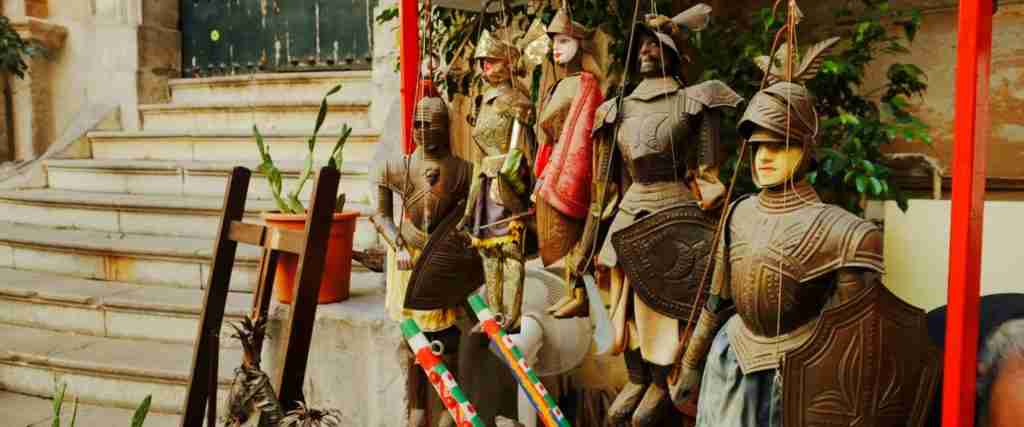
Sicilian puppet theater (opera dei pupi) flourished from the early 1800s through mid-1900s as popular entertainment in working-class neighborhoods, presenting stories from Carolingian romances, chivalric legends, and Orlando Furioso in elaborate productions featuring armored knights, Saracen warriors, and dramatic sword battles. The hand-carved wooden puppets stand up to 120 centimeters tall, weighing 10-15 kilograms, and require skilled puppeteers to manipulate them through choreographed combat sequences. UNESCO recognized opera dei pupi as Intangible Cultural Heritage in 2001, but the tradition survives in only handful of family-run theaters where master puppeteers maintain centuries-old craftsmanship and performance techniques.
Palermo and Catania host active puppet theaters where performances continue for local audiences rather than tourist shows—Teatro dei Pupi Fratelli Napoli in Palermo presents traditional stories in Sicilian dialect with passion and technical virtuosity, while Catania’s Teatro Massimo Bellini occasionally hosts puppet performances in historical theater setting. Smaller towns including Acireale and Syracuse maintain puppet museums and occasional performances. The theaters combine museum function—displaying historic puppets, scenery, and explaining construction techniques—with living tradition as puppeteers continue crafting new characters and performing for audiences that increasingly include families introducing children to heritage rather than regular entertainment-seekers.
Experiencing authentic puppet theater requires research and timing—performances occur irregularly rather than daily, many theaters operate by appointment or during festivals, and language barriers challenge non-Italian speakers as dialogue remains in Sicilian dialect. However, the visual spectacle transcends language, and the enthusiastic puppeteer performances communicate narrative through action, music, and sound effects even when dialogue comprehension fails. The experience connects visitors to working-class Sicilian cultural traditions largely absent from tourist-circuit attractions, providing insight into entertainment forms that shaped collective imagination before cinema and television.
Weekly Markets: Living Social Centers
Sicily’s weekly markets function as social and commercial centers where agricultural producers, fishermen, artisans, and merchants gather to sell directly to consumers. Unlike tourist-oriented markets in major cities, these weekly events serve local populations with goods ranging from fresh produce and fish to clothing, household items, and occasionally contraband. The markets preserve traditional commerce patterns where face-to-face transactions, bargaining, and personal relationships between vendors and customers create social texture absent from supermarkets. Each town’s market day becomes focal point for social interaction as residents shop, gossip, and reconnect.
Notable alternative markets include Vittoria’s Saturday market in the Hyblaean Mountains, one of southeastern Sicily’s largest with hundreds of vendors selling produce from the region’s intensive greenhouse agriculture alongside cheeses, olives, and prepared foods. The market atmosphere remains purely local with minimal tourist presence, and the produce quality and variety demonstrate Sicily’s agricultural abundance. Alcamo’s weekly market in western Sicily spreads through medieval town center with vendors occupying every piazza and street, creating temporary commercial landscape transformed back to pedestrian space by afternoon. Smaller town markets—Gangi, Enna, Caltagirone—offer intimacy where every vendor knows most customers by name.
Market protocol rewards visitors who arrive prepared to engage—bringing reusable bags (plastic bags increasingly prohibited), small bills for purchases, and willingness to communicate despite language barriers. Vendors appreciate genuine interest in products, and many will offer samples of cheese, olives, or produce to potential customers. Photography requires discretion—asking permission before photographing people, avoiding intrusive documentation of vendors and customers, and respecting that markets serve commercial and social functions for participants rather than tourist attractions. The rewards include exceptional produce at fair prices, glimpses of authentic Sicilian social interactions, and sensory immersion in sights, sounds, and aromas that characterize traditional Mediterranean market culture.
Religious Festivals in Small Towns
Sicily’s calendar fills with religious festivals (feste) honoring patron saints, celebrating Easter, and marking important dates in Christian calendar. While cities like Palermo and Catania stage elaborate processions that attract tourists, small towns maintain festivals with profound local significance where religious devotion, community identity, and cultural traditions interweave. These festivals often span multiple days with processions, special masses, traditional foods, music, and social gatherings that engage entire communities. Participating as respectful observer provides insights into Sicilian religious culture and small-town social fabric.
Holy Week celebrations in mountain towns demonstrate Spanish Catholic influence with solemn nighttime processions, hooded penitents carrying heavy statues, and passion plays enacted by townspeople. Gangi, Enna, and dozens of smaller villages maintain elaborate Holy Week traditions where entire communities participate in processions that wind through medieval streets lit only by torches and candles. Summer saint festivals feature outdoor masses, processions through decorated streets, fireworks displays, and communal meals. The festa often represents year’s social high point where diaspora families return, relatives reconnect, and traditional foods prepared for the occasion bring generations together around shared tables.
Approaching festivals as outsider requires cultural sensitivity—these are not performances staged for tourists but living religious and social traditions. Appropriate dress, respectful behavior during religious portions, and recognition that photography may be unwelcome in certain contexts shows consideration for participants. Conversations with English-speaking younger residents often provide context and welcome visitors into festival activities. The experience of witnessing authentic religious devotion and community solidarity expressed through festivals offers profound contrast to Sicily’s tourist attractions, revealing cultural dimensions that persist despite secularization and modernization pressures.
Byzantine and Medieval Hidden Heritage: Rock Churches and Norman Castles
Sicily’s Byzantine and medieval heritage extends far beyond famous sites like Monreale’s mosaics and Norman Palace. Hidden rock-cut churches carved into cliff faces, isolated Norman castles crowning strategic peaks, and medieval villages preserving defensive architecture reward explorers willing to seek obscure locations and difficult access. These sites receive minimal tourism infrastructure or promotion, existing as historical survivals in landscapes where they functioned as religious centers, defensive strongholds, and settlement nodes centuries ago.
Byzantine Rock Churches of the Hyblaean Plateau
The Hyblaean Mountains preserve dozens of Byzantine rock-cut churches excavated into limestone canyon walls, cliff faces, and caves between the 6th and 11th centuries when Sicily formed part of the Byzantine Empire. These small chapels served hermit communities, rural parishes, and monastic settlements, their interiors carved directly from living rock and decorated with frescoes depicting saints, biblical scenes, and Christian symbols. Many churches survive in remote canyons accessible only by footpaths, their frescoes fading but still visible, their carved altars and niches intact. The churches represent Byzantine Sicily largely erased by Norman conquest and Islamic rule, preserved only in marginal locations where subsequent development never reached.
San Nicolicchio near Modica preserves complete Byzantine church with nave, apse, and side chambers carved into cliff face, its interior retaining fresco fragments including saints and geometric patterns. The church overlooks a ravine with access via rough trail requiring 20-minute walk from nearest road. Numerous rock churches dot the landscape between Modica, Scicli, and Ragusa—Cava d’Ispica alone contains over 30 Byzantine excavations including churches, hermitages, and monastic cells carved into the canyon walls. The site’s five kilometers of gorge contain multiple access points, with the Baravitalla section offering the most accessible concentration of rock churches and prehistoric tombs.
Exploring these sites demands determination—many lack signs or official designation, access requires hiking sometimes difficult trails, and the absence of management means frescoes and structures survive unprotected from vandalism and natural decay. However, the remoteness creates powerful encounters with Byzantine heritage in original landscape context. Standing in rock-cut church contemplating fresco painted 1,200 years ago, surrounded by silence and nature, connects directly to Byzantine Sicily’s spiritual life in ways impossible at managed tourist sites. Combining rock church exploration with Pantalica necropolis or Cavagrande canyon creates full-day immersion in Hyblaean landscape and its layered human history from Bronze Age through Byzantine period.
Norman Castles in Remote Locations
Norman conquest of Sicily (1061-1091) resulted in defensive castle network controlling strategic positions throughout the island. While major Norman castles at Palermo, Catania, and Syracuse attract visitors, dozens of smaller fortifications crown remote peaks, guard mountain passes, and overlook interior valleys in locations where modern tourism never penetrated. These ruined castles survive in varying states of preservation from near-complete to fragmentary foundations, often requiring hiking to reach but rewarding with dramatic architecture and commanding views that reveal why Normans chose specific defensive positions.
Castello di Mussomeli occupies isolated rocky outcrop 80 kilometers inland from Sicily’s south coast, its partially restored towers, halls, and chapel creating fairy-tale silhouette against sky. The castle served multiple functions through centuries—Norman defensive fortress, later baronial residence, eventually abandoned to centuries of decay before recent stabilization prevented complete collapse. Interior rooms preserve Gothic architectural details, carved stone windows, and domestic spaces demonstrating castle life beyond purely military function. The approach road climbs through dramatic badlands landscape of eroded clay hills to reach the castle plateau, and the site receives minimal visitors despite architectural interest and spectacular setting.
Castello di Lombardia at Enna represents Sicily’s largest Norman castle, its surviving towers and walls enclosing vast parade grounds atop the mountain capital. Castello di Chiaramonte near Palma di Montechiaro stands isolated on coastal promontory commanding views across Mediterranean and inland plains—the fortress combines Norman foundations with 14th-century Chiaramonte additions, creating architectural palimpsest spanning three centuries. Dozens of additional Norman castles survive in ruined condition throughout interior Sicily—Caccamo, Misilmeri, Caronia, Sperlinga, and many more—each occupying strategic position that controlled territories and routes during Norman and subsequent medieval periods. Exploring these castles requires maps, local information, and willingness to access sites where tourism infrastructure rarely exists, but rewards with medieval heritage experienced in dramatic landscape settings far from tourist crowds.
Practical Tips for Exploring Alternative Sicily
Successfully experiencing Sicily’s hidden destinations requires different preparation than visiting major tourist sites. Rental cars become essential, flexibility replaces rigid itineraries, modest accommodations in small towns offer authenticity over luxury, and tolerance for uncertainty and language barriers proves necessary. These practical considerations and strategies enhance alternative Sicily exploration.
Transportation and Vehicle Considerations
Rental cars provide essential access to alternative Sicily destinations, as public transport serves only major cities and coastal routes. Book vehicles well ahead for summer travel when availability becomes limited and prices increase. International driving licenses theoretically required but rarely checked, though having one prevents potential complications. Sicilian driving culture appears chaotic to northern European or North American visitors—tailgating, aggressive passing, and creative traffic law interpretation are normal. Mountain roads involve countless hairpin turns, narrow passages through village streets, and occasional unpaved sections when reaching truly remote sites. GPS navigation works reasonably well in populated areas but fails in remote mountains where roads may not appear in mapping databases.
Fuel stations concentrate in towns and along major routes, making advance planning necessary when exploring remote areas. Sunday and holiday closures mean stations in small towns may be unavailable, and many close mid-afternoon until evening. Self-service stations exist but often require Italian-issued credit cards with chip and PIN functionality. Parking in historic centers often forbidden or extremely limited—look for parking areas at town edges and walk into pedestrian zones. Mountain villages frequently have inadequate parking, requiring patience to find spaces or willingness to walk significant distances from nearest available parking.
Accommodation in Small Towns and Villages
Alternative Sicily accommodations differ markedly from coastal resort hotels or Palermo boutique properties. Small towns offer family-run pensioni, rooms in private homes, or converted traditional houses as agriturismi (farm stays). These accommodations provide authenticity over luxury—basic rooms, shared meals with proprietors, and genuine hospitality replace amenity-rich hotels and professional service. Advance booking proves essential as inventory remains limited and summer demand from Italian domestic tourists fills available rooms. Off-season (November-March) creates challenges as some rural accommodations close entirely and those remaining may require minimum stays.
Agriturismi working farms offering accommodation provide immersive experiences—meals featuring farm products, opportunities to observe or participate in agricultural activities, and isolation in countryside far from towns. Many agriturismi occupy restored historic structures with traditional architecture and furnishings, creating atmospheric settings. English competence varies widely—some hosts speak fluent English while others manage basic phrases, making Italian language skills or translation apps valuable. The personal nature of small accommodation means host relationships significantly impact experience—enthusiastic hosts share local knowledge and facilitate authentic encounters, while indifferent ones simply provide room and basic breakfast.
Dining in Small Towns
Small-town Sicilian dining operates on local rhythms with limited options and sometimes unpredictable hours. Many towns feature only one or two restaurants, and these may close certain weekdays or limit service to specific hours. Reservations become essential as capacity is limited and walk-in diners risk finding no available tables. Menus emphasize local specialties—mountain towns serve meat-heavy cuisine with mushrooms and game, coastal villages focus on fish and seafood, agricultural areas feature produce and cheeses. Tourist menus and English translations rarely exist, making Italian language skills or willingness to navigate through gesture and goodwill necessary.
Traditional meal timing persists in small towns—lunch service typically 12:30-2:30, dinner not before 7:30 and often starting 8:00 or later. Restaurants frequently close between meals with nothing available mid-afternoon except perhaps a bar serving coffee and pastries. The pace of service differs from tourist restaurants—meals proceed leisurely over multiple courses, and rushing the experience will be misunderstood. Food quality and authenticity generally exceeds tourist-zone restaurants, with family recipes, local ingredients, and honest cooking creating memorable meals when expectations align with small-town realities rather than sophisticated urban dining.
Language and Cultural Considerations
English comprehension diminishes sharply outside tourist zones—most small-town residents speak only Italian and often Sicilian dialect, making communication challenging for monolingual English speakers. Basic Italian phrases for greetings, thanks, and simple questions smooth interactions, while translation apps enable more complex communication. Younger residents typically possess basic English from school, making them valuable intermediaries when available. Patience, humor, and goodwill overcome most language barriers, and Sicilians generally appreciate attempts at Italian even when pronunciation falters.
Cultural differences become more pronounced in traditional small towns. Social conservatism persists in interior villages where church attendance remains high, traditional gender roles continue, and outsiders attract attention. Modest dress and respectful behavior show consideration for local values. Photography requires discretion—many elderly residents dislike being photographed, religious ceremonies demand sensitivity, and private property boundaries should be observed. Small-town social fabric operates through personal relationships where everyone knows everyone else, making visitors conspicuous. This visibility creates both opportunities for authentic interaction when approached respectfully and potential awkwardness when cultural differences create misunderstandings.
Timing and Seasonal Considerations
Spring (April-May) and autumn (September-October) provide optimal conditions for alternative Sicily exploration. Temperatures remain moderate for hiking gorges and climbing to hilltop villages, wildflowers transform archaeological sites and nature reserves, tourist crowds stay minimal even at moderately known destinations, and accommodation remains available without summer’s booking challenges. Spring offers the advantage of maximum wildflower displays and full water flow in gorges and waterfalls, while autumn provides harvest season atmosphere with food festivals, olive pressing, and grape harvest activities.
Summer (June-August) brings challenges—intense heat makes inland exploration uncomfortable and dangerous during midday hours, Italian domestic tourists fill coastal alternatives and island destinations, accommodation prices increase and availability decreases, and some mountain villages become ghostlike as residents decamp to coast. However, summer enables evening exploration as long daylight extends available hours, and summer festivals animate even remote villages. Winter (November-March) offers profound solitude at most alternative destinations but brings significant limitations—many agriturismi and small hotels close, restaurant options become scarce, rain makes hiking treacherous, some roads close due to snow in mountain areas, and shortened daylight limits exploration hours. Archaeological sites and nature reserves remain accessible but may be muddy, uncomfortable, and lacking the scenic beauty of spring.
Safety and Practical Concerns
Exploring alternative Sicily presents practical and safety considerations absent from organized tourism. Many ancient sites lack barriers, safety rails, or warning signs—abandoned villages contain structurally unstable buildings, cliffs have no fencing, archaeological ruins permit climbing that would be prohibited at managed sites. Personal responsibility for safety becomes paramount, as emergency services may be distant and difficult to summon in remote areas. Hiking in gorges and nature reserves demands proper footwear, adequate water, and realistic assessment of fitness and conditions. Summer heat creates genuine health risks including heat exhaustion and dehydration when exploring exposed ruins or hiking unshaded trails.
Crime concerns remain minimal in Sicily’s interior and small towns—petty theft occurs but violent crime against tourists is rare. Standard travel precautions apply: secure vehicles and accommodations, avoid displaying expensive items, maintain awareness in unfamiliar situations. The greater risk comes from environmental hazards, road conditions, and isolated locations where help may be unavailable. Cell phone coverage becomes spotty in remote areas, making paper maps valuable backup for navigation. Travel insurance covering medical evacuation provides peace of mind when exploring far from medical facilities.
Frequently Asked Questions About Alternative Sicily
How Many Days Should I Dedicate to Alternative Sicily Destinations?
Alternative Sicily exploration rewards generous time allocation—rushing between obscure destinations defeats the purpose of seeking authenticity over tourist-circuit efficiency. Minimum one week allows meaningful engagement with alternative Sicily across different regions: three days exploring western archaeological sites and Egadi Islands, two days in baroque towns and Hyblaean gorges, two days in mountain villages and interior castles. Two weeks enables deeper immersion with time for spontaneous discoveries, unhurried exploration of remote sites, and genuine connections with small-town rhythms. Even longer stays support regional focus—spending a week based in Modica to explore southeastern baroque towns and nature reserves, or a week in the Madonie Mountains visiting medieval villages and hiking mountain trails. The alternative approach values depth over breadth, with satisfaction derived from understanding place rather than checking items off lists.
Can I Rely on Public Transportation for Alternative Destinations?
Public transportation severely limits alternative Sicily exploration, as buses serve only major towns and main routes while trains connect coastal cities but bypass interior regions entirely. Reaching Selinunte, Segesta, Enna, or mountain villages via public transport ranges from difficult to impossible, with infrequent buses requiring complex transfers and consuming entire days for journeys accomplished by car in hours. Islands maintain ferry service but reaching departure ports often demands private transport. A few alternatives work without cars—staying in baroque towns like Modica or Scicli allows exploring historic centers on foot, and Egadi Islands are accessible via Trapani ferries with bicycle rental enabling island exploration. However, genuinely experiencing alternative Sicily’s diversity requires rental car or organized private tours that provide flexibility impossible via public transport. Solo travelers or those uncomfortable driving might consider hiring local drivers for day trips, sharing rental cars with other travelers, or accepting limited geographic scope focused on destinations accessible from single base via walking and occasional buses.
What Level of Physical Fitness Do Alternative Destinations Require?
Physical demands vary dramatically across alternative Sicily destinations. Archaeological sites like Selinunte and Segesta require moderate walking on uneven ancient paving with some uphill sections but remain manageable for anyone with basic fitness and mobility. Baroque towns present challenges—Modica’s steep lanes and hundreds of steps connecting upper and lower towns challenge those with knee issues or limited cardiovascular fitness, though main churches and central areas remain accessible. Enna demands steep walking to reach castle and perimeter viewpoints. Gorge exploration at Cavagrande or Alcantara requires 45-60 minute descents on rough trails with equivalent strenuous climbs returning, while Zingaro coastal trail demands sustained hiking with steep sections descending to coves. Mountain villages like Gangi or Sperlinga involve less overall hiking but feature steep village lanes and staircases. Genuinely fit travelers handle all these challenges easily, while those with moderate fitness manage most destinations by adjusting pace and accepting limitations. Mobility-impaired visitors find some sites accessible (main areas of Selinunte, Scopello village, Favignana town) while others prove impossible (Pantalica, Cavagrande, mountain village cores). Assessing individual fitness honestly and researching specific destination requirements prevents disappointing discoveries that desired locations exceed physical capabilities.
Are Alternative Sicily Destinations Family-Friendly?
Family suitability depends on children’s ages and activity preferences. Archaeological sites like Selinunte and Segesta fascinate history-interested children and provide open spaces for exploration and imaginative play, though young children may find ruins boring after initial novelty wears off. Coastal alternatives including Egadi Islands and nature reserves with beach access suit families well—swimming, snorkeling, and beach play occupy children while adults enjoy settings less developed than typical resorts. Alcantara Gorge provides memorable wading experience though very young children find cold water unpleasant and slippery rocks challenging. Baroque towns present mixed suitability—steep stairs and long walking exhaust small children, but gelato shops, piazzas for running, and dramatic architecture provide breaks between cultural content. Mountain villages work better for older children comfortable with hiking and interested in medieval castles and mountain scenery. Abandoned villages lack safety barriers and facilities, making them inappropriate for young children despite photographic appeal. Families succeed by choosing age-appropriate destinations, building in beach time and play breaks, accepting modified itineraries that reduce driving and intensive cultural content, and recognizing that alternative Sicily’s appeal to adults may not translate to children expecting activities and entertainment.
How Do Alternative Sicily Costs Compare to Mainstream Tourist Destinations?
Alternative Sicily generally costs less than mainstream tourist zones, as small-town accommodation, local restaurants, and free or inexpensive admission to most sites reduce daily expenses compared to Taormina hotels and touristy restaurant pricing. Budget travelers manage comfortably on €50-70 daily excluding transportation, covering modest accommodation, meals at local trattorias, and site admissions. Mid-range travelers spend €100-150 daily for better accommodation, more meal flexibility, and car rental included in budget. Luxury options exist sparsely in alternative Sicily—a few boutique agriturismi and converted palaces offer upscale accommodation but nowhere approaches Taormina’s high-end hotel pricing. The significant expense remains car rental—essential for alternative exploration but adding €40-80 daily including insurance and fuel. Island destinations like Egadi increase costs due to ferry tickets and island accommodation premiums. Overall, alternative Sicily rewards budget-conscious travelers while offering less to luxury travelers seeking refined accommodation and dining. The trade involves accepting simpler lodging and dining for authenticity and solitude impossible to purchase at any price in overcrowded tourist zones.
What Photography Equipment Best Suits Alternative Sicily?
Alternative Sicily photography benefits from versatile equipment handling diverse subjects and challenging conditions. Wide-angle lens (16-35mm full frame equivalent) proves essential for architectural interiors, confined baroque lanes, and canyon landscapes. Mid-range zoom (24-70mm) covers most general photography needs from street scenes to moderate landscape. Telephoto (70-200mm) enables canyon wall detail, distant architectural elements, and compression effects in baroque town views. Smartphone cameras handle most photography needs for travelers prioritizing convenience over image quality, particularly in good light conditions. Tripods enable long exposures in dark church interiors and golden hour coastal scenes, though Italian security often prohibits tripods at archaeological sites. Drone photography reveals perspective impossible from ground level at archaeological parks and coastal formations, but regulations prohibit drones at archaeological sites and nature reserves, and permit requirements for other areas create bureaucratic obstacles. The most valuable photography tool remains patience and timing—returning to locations at optimal light, waiting for crowds to disperse, and spending time observing before photographing.
How Can I Learn About Local Festivals and Events?
Discovering local festivals in alternative Sicily requires detective work, as events receive minimal online promotion and rarely appear in English-language tourism materials. Municipality websites sometimes list events but usually only in Italian with minimal detail and irregular updates. Local tourist offices (Pro Loco) in larger towns provide event calendars when staffed, though many close off-season or maintain limited hours. Facebook groups dedicated to specific towns or regions often announce festivals and events, making social media valuable research tool despite requiring Italian comprehension. Conversations with accommodation hosts, restaurant owners, and local residents yield best information—describing travel dates and asking about festivals happening during the visit. Major festivals like Holy Week processions and patron saint celebrations follow predictable calendar dates (Easter, specific saint feast days), enabling advance planning. Smaller food festivals and cultural events occur sporadically with less notice. The spontaneous approach of arriving in destination and inquiring locally about concurrent events often succeeds, though travelers with fixed dates for specific festivals should confirm directly with municipal offices or local contacts before committing travel plans.
Is It Worth Hiring Local Guides for Alternative Destinations?
Local guides add significant value at archaeological sites and Byzantine rock churches where context transforms scattered ruins and faded frescoes into coherent historical narratives. At Pantalica, Morgantina, or Selinunte, knowledgeable guides explain site layouts, historical significance, and architectural details invisible to casual observers. Byzantine rock churches benefit even more from local expertise, as finding churches in remote canyons, accessing locked sites, and understanding iconography requires insider knowledge. However, local guides specializing in alternative destinations remain scarce—most concentrate on major tourist sites where demand ensures steady work. Finding guides for obscure destinations demands research through tourist offices, archaeology departments at regional universities, or cultural associations. Costs vary widely depending on guide qualifications and group size, generally ranging €100-200 for half-day. At sites with minimal interpretation or difficult-to-understand remains, guides transform confusing experiences into meaningful encounters. At simpler sites like baroque towns or beach destinations, guides add less value unless specific historical or cultural depth interests travelers. Self-guided exploration with preliminary research using guidebooks, online resources, and site museums provides satisfactory experiences for independent travelers comfortable with uncertainty and missing some interpretive details.
What Resources Exist for Planning Alternative Sicily Itineraries?
Planning alternative Sicily exploration requires cobbling together information from diverse sources, as mainstream guidebooks dedicate limited coverage to non-famous destinations. English-language guidebooks like Rough Guide Sicily and DK Eyewitness Sicily provide broad overviews with brief mentions of alternative sites but insufficient detail for serious planning. Specialized Italian-language guidebooks offer comprehensive coverage but require Italian reading ability. Online resources include Sicily-focused travel blogs documenting personal experiences at obscure sites, though quality varies widely and information currency uncertain. Google Maps satellite view reveals site layouts and access roads for preliminary planning, while street view (where available) shows ground-level conditions. Italian tourism websites for specific provinces provide event calendars, accommodation listings, and site information, usually only in Italian. Sicily’s regional tourism website (visitsicily.info) offers multilingual information but emphasizes major attractions. Facebook groups dedicated to Sicily travel enable questions to community including residents and frequent visitors who share current information and personal recommendations. The most valuable planning resource remains flexibility—building loose itineraries with extra time for detours, accepting that some sites prove disappointing or inaccessible while unexpected discoveries exceed expectations, and treating wrong turns and dead ends as part of authentic exploration rather than wasted time.
Should I Learn Italian Before Visiting Alternative Sicily?
Italian language skills dramatically enhance alternative Sicily experiences, as English competence drops precipitously outside tourist zones. Basic conversational Italian—greetings, common questions, numbers, food terminology—enables essential transactions and demonstrates respect for local culture. More advanced Italian facilitates genuine conversations with residents, restaurant negotiations, and access to information unavailable in English. However, complete lack of Italian need not prevent alternative Sicily exploration, as smartphone translation apps now handle real-time conversation, menu translation, and sign reading with reasonable accuracy. The combination of gestures, goodwill, and translation technology manages most situations. Italian study before departure proves worthwhile for travelers making extended visits or particularly interested in cultural immersion, while brief visitors might prioritize learning essential phrases and relying on technology for complex communication. The effort to speak Italian, however halting, receives appreciation from Sicilians who encounter few foreign tourists in small towns and interpret language attempts as genuine interest in their culture rather than tourist entitlement to English service.