
The Alamo Complete Visitor Guide 2026: Everything You Need to Know
The Alamo stands as Texas’s most visited historic site, welcoming over 1.6 million visitors annually to the shrine where 189 defenders fought for 13 days against overwhelming odds in 1836. This comprehensive guide covers everything from free church admission and exhibit pricing to guided tours, parking strategies, and the best times to experience this UNESCO World Heritage Site in downtown San Antonio.
Key Takeaways for Visiting The Alamo in 2026
- Free Church Access with Required Reservation: Admission to the iconic Alamo Church, Long Barrack, and historic grounds is always free, but advance timed reservations are mandatory and should be secured through the official website to guarantee entry during your preferred time slot in 2026.
- Exhibit Admission Pricing: The Alamo Exhibit at the Ralston Family Collections Center costs $14 for adults and $10 for children in 2026, showcasing over 500 artifacts including the Phil Collins Collection and the Battle of the Alamo Diorama with immersive multimedia experiences across 10,000 square feet of gallery space.
- Plan for Downtown Parking: The Alamo offers no on-site parking, requiring visitors to use nearby public lots ranging $7-25 daily or reserve spots in advance through SP+ Parking or ParkWhiz, with the closest parking approximately 430-500 feet from the entrance on Houston Street.
- Allow 1.5 to 3 Hours: A complete visit combining the free church tour, paid exhibit exploration, and outdoor grounds typically requires 90 minutes to 3 hours depending on whether you add guided tours or audio experiences, with Living History demonstrations adding educational value throughout the day.
- Beat the Crowds: Weekday mornings between 9 AM and 11 AM offer the quietest experience in 2026, while weekends, holidays, and spring break periods bring significantly larger crowds, particularly during the annual Fiesta San Antonio celebration marking the 190th anniversary of the 1836 battle.
- Combine with River Walk: The Alamo’s location just steps from San Antonio’s famous River Walk enables easy integration into a full day of downtown exploration, with numerous restaurants, hotels, and attractions within comfortable walking distance of this 4.2-acre historic complex.
People Also Ask About Visiting The Alamo 2026
How much does it cost to visit The Alamo in 2026?
Admission to the Alamo Church, Long Barrack, and grounds is completely free in 2026, though timed reservations are required. The Alamo Exhibit at the Ralston Family Collections Center costs $14 for adults and $10 for children. Enhanced experiences include the Victory or Death audio tour at $10 for adults and children or $8 for military, first responders, and seniors 65+. Guided battlefield tours led by Alamo History Interpreters cost approximately $15-48 depending on tour type, with private tours and after-hours experiences at premium rates. The San Antonio CityPASS, which includes Alamo Exhibit admission plus three other major attractions, offers savings of up to 41% versus individual ticket purchases.
What are The Alamo’s hours in 2026?
The Alamo grounds and gift shop are open daily from 9 AM to 5:30 PM in 2026. The Alamo Church operates from 9 AM to 5:30 PM daily, with last entry 15 minutes before closing. The Alamo Exhibit at the Ralston Family Collections Center is open 9 AM to 5 PM daily, with last entry at 4 PM (one hour before closing). The Alamo is closed on Christmas Day. These hours remain consistent year-round, though special events like Dawn at the Alamo (March 6th commemorating the 1836 battle) and Fiesta San Antonio (April) feature extended or modified schedules with ceremonies beginning before standard opening times.
Do I need to book tickets in advance for The Alamo?
Yes, advance free timed reservations are mandatory for entering the Alamo Church in 2026, available through the official Alamo website at thealamo.org. These reservations ensure crowd management and preserve the reverent atmosphere of this sacred historic site. Reservations can be made weeks in advance and should be secured as early as possible during peak tourist seasons including spring break, summer months, and major San Antonio events. The Alamo Exhibit tickets can be purchased online in advance or on-site at the Welcome Center, though online purchase is recommended during busy periods to guarantee entry. Guided tours and audio tour rentals can be reserved in advance or purchased upon arrival, subject to availability.
Can you go inside The Alamo in 2026?
Yes, visitors can enter the historic Alamo Church with a free timed reservation in 2026, experiencing the restored sanctuary where much of the 1836 battle occurred and viewing the memorial shrine honoring the defenders. The Long Barrack, the oldest surviving building on the Alamo grounds dating to the early 18th century, is also accessible with free admission. The Alamo Exhibit at the Ralston Family Collections Center requires a paid ticket and provides climate-controlled access to over 500 artifacts across two stories and 24,000 square feet. All indoor spaces maintain Rules of Reverence including hat removal in the Church, no flash photography inside historic structures, and no food or drinks in the Church, Long Barrack, or Collections Center.
Extended multi-day tours – 5+ days
Featured Texas Multi-Day Tour Packages
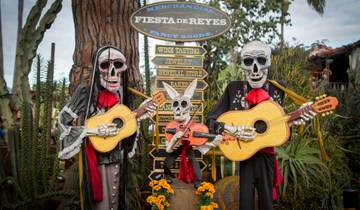
5 days
Dia de Los Muertos in San Antonio
- ✓ Comprehensive Texas tour
- ✓ Expert local guides included
- ✓ All accommodation arranged
- ✓ Transportation provided
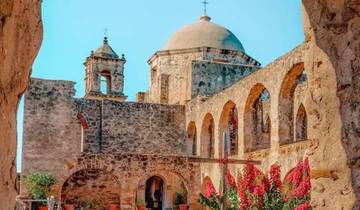
7 days
Great Texas Stories: A Journey Through Cities, Nature, and Adventure
- ✓ Booking needs min. 2 travelers
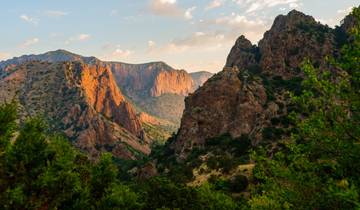
8 days
Big Bend Exploring and Hiking (Women-Only)
- ✓ Comprehensive Texas tour
- ✓ Expert local guides included
- ✓ All accommodation arranged
- ✓ Transportation provided
Multi-day tour packages powered by TourRadar. Prices and availability subject to change.
Introduction: Planning Your Alamo Visit for 2026
The Alamo occupies sacred ground in the heart of downtown San Antonio, serving simultaneously as Texas’s most visited tourist destination, a UNESCO World Heritage Site, and the hallowed shrine where American frontier legends James Bowie, William B. Travis, and Davy Crockett made their final stand. Originally founded in 1718 as Misión San Antonio de Valero, the first Spanish mission in San Antonio, this compound served for decades as a religious outpost before its secularization and transformation into a military garrison. The pivotal 13-day siege in February-March 1836, during which approximately 189 Texan defenders faced President Antonio López de Santa Anna’s Mexican army of over 2,500 troops, ended in a devastating Texan defeat that paradoxically galvanized the Texas Revolution and inspired the rallying cry “Remember the Alamo” that led to independence just six weeks later at the Battle of San Jacinto.
Modern visitors to the Alamo in 2026 discover far more than the iconic stone church façade featured in countless photographs and films. The 4.2-acre complex encompasses meticulously restored historic structures, professionally curated museum exhibits featuring world-class artifact collections, tranquil Alamo Gardens providing reflection spaces, and Living History encampments where costumed interpreters demonstrate frontier life through hands-on activities. The 2021 opening of the Ralston Family Collections Center dramatically expanded visitor opportunities, creating 24,000 square feet of state-of-the-art exhibition space housing the extraordinary Phil Collins Collection alongside the Donald and Louise Yena Spanish Colonial Collection and hundreds of artifacts never before displayed publicly.
Visiting the Alamo requires strategic planning in 2026 to optimize your experience. The mandatory advance reservation system for church entry, implemented to protect the structural integrity of the historic buildings and maintain appropriate crowd levels, means spontaneous visits without prior booking may result in limited access or extended wait times. Understanding the distinction between free admission areas (Church, Long Barrack, grounds) and ticketed experiences (Exhibit, guided tours, audio tours) allows budget-conscious travelers to customize their visit. The Alamo’s downtown location adjacent to the San Antonio River Walk creates excellent opportunities for integrated itineraries combining historic tourism with dining, shopping, and other cultural attractions, while the lack of on-site parking necessitates advance research of nearby parking options to avoid arrival stress.
This complete guide provides verified 2026 information covering all aspects of Alamo visitation, from understanding current admission policies and exhibit offerings to navigating downtown parking challenges and selecting optimal visiting times. Whether you’re planning a brief 45-minute walkthrough of the free areas or a comprehensive half-day immersion including guided tours and exhibit exploration, this resource delivers the practical intelligence needed for a successful visit to Texas’s most important historic landmark.
Understanding Alamo Admission and Ticketing in 2026
Free Admission Areas: Church, Long Barrack, and Grounds
The Alamo Church, the iconic limestone structure most visitors recognize from photographs and serving as the literal “Shrine of Texas Liberty,” offers free admission in 2026 with one critical requirement: mandatory advance timed reservations available exclusively through the official Alamo website. This reservation system, implemented to preserve the nearly 300-year-old structure’s integrity and maintain the solemn, reverent atmosphere befitting a memorial site, assigns specific entry time slots typically in 30-minute increments throughout the day. Visitors should secure reservations as far in advance as possible, particularly during high-demand periods including spring break (March), Fiesta San Antonio (April), summer vacation months (June-August), and major holiday weekends.
Inside the restored Alamo Church, visitors encounter the memorial shrine honoring the 189 defenders who perished during the 1836 siege, viewing the names inscribed on commemorative displays and experiencing the hushed reverence that befits this hallowed ground. The church’s nearly 2-foot-thick limestone walls, quarried from beneath what is now the San Antonio Zoo, showcase Spanish colonial architecture adapted for military defense, with visible modifications from the structure’s transformation from Catholic mission to fortress compound. Photography is permitted inside the church, though flash photography including LED lights is strictly prohibited to protect fragile historic materials and maintain the contemplative atmosphere.
The Long Barrack, located along the Alamo’s eastern boundary and recognized as the oldest surviving structure on the site dating to the early 18th century, provides free admission without reservations in 2026. This long, narrow building originally served as the mission’s convento (priests’ quarters) before conversion to military barracks, and its thick walls bore witness to intense fighting during the 1836 battle. Inside, visitors discover “A Story Bigger than Texas,” an interpretive exhibit exploring the complex 300-year history of the site from its founding as a Spanish mission through secularization, the Texas Revolution, and modern preservation efforts. Interactive displays, period artifacts, and multimedia presentations provide educational context often overshadowed by the battle’s mythology.
The Alamo grounds, encompassing 4.2 acres of meticulously maintained historic landscape in the heart of downtown San Antonio, offer free access to all visitors during operating hours. Plaza de Valero features commemorative monuments including the Alamo Cenotaph, a 60-foot monument dedicated in 1939 honoring the defenders, and the Statues of Heroes in the Cavalry Courtyard, bronze sculptures depicting Alamo soldiers. The restored historic cannons positioned throughout the grounds, including the largest cannon located near the Alamo Exhibit building, provide tangible connections to the 1836 siege’s military realities. Alamo Gardens, created during recent restoration efforts, offer peaceful reflection spaces with native Texas plants and shaded seating areas, transforming what was once commercial development back into contemplative landscape befitting the site’s significance.
Paid Admission: The Alamo Exhibit at Ralston Family Collections Center
The Alamo Exhibit, housed within the purpose-built Ralston Family Collections Center that opened in 2021, requires paid admission priced at $14 for adults and $10 for children in 2026 (check official website for current rates as pricing may vary). This two-story, 24,000-square-foot climate-controlled facility represents the largest expansion of Alamo visitor experiences in the site’s modern history, creating professional museum-grade exhibition space previously impossible within the historic structures’ conservation constraints. The exhibit operates daily from 9 AM to 5 PM, with last entry at 4 PM (one hour before closing) to ensure visitors receive adequate time for complete exploration.
The Phil Collins Collection forms the centerpiece of the Alamo Exhibit, comprising priceless artifacts gifted to the State of Texas by the legendary musician and passionate Alamo historian. Collins spent decades assembling this extraordinary collection of battle-related items, personal possessions of defenders, weapons, documents, and military equipment before donating the entire assemblage to Texas in 2014, ensuring these treasures remain accessible to the public rather than dispersed through private sales. Highlight artifacts include the Battle of the Alamo Diorama featuring Collins’ own narration explaining the siege’s progression, William B. Travis’s legendary “Victory or Death” letter written during the siege and widely distributed to rally support for the Texan cause, personal items belonging to Davy Crockett and James Bowie, period weapons and military equipment used during the battle, and rare documents providing primary source evidence of the siege and its participants.
The Donald and Louise Yena Spanish Colonial Collection, displayed alongside the Phil Collins materials, explores the Alamo’s pre-battle history as Misión San Antonio de Valero and the broader Spanish colonial presence in Texas from 1718 through Mexican independence. These artifacts document daily life, religious practices, architectural evolution, and cultural exchange during the mission period, providing essential context for understanding how a religious compound became the fortress where Texas independence was forged. Visitors discover items ranging from religious artifacts and architectural fragments to tools, pottery, and personal possessions that illuminate the lives of priests, soldiers, and indigenous peoples who inhabited the mission complex generations before the famous battle.
The Alamo Collection, comprising artifacts directly associated with the 1836 battle and its participants, includes weapons, uniform components, personal effects, and archaeological discoveries from ongoing excavations around the historic site. Interactive exhibits throughout the 10,000 square feet of gallery space employ touchscreens, multimedia presentations, detailed maps, and immersive storytelling to engage visitors of all ages, while carefully controlled environmental conditions ensure artifact preservation for future generations. Many items displayed in the Ralston Family Collections Center have never been exhibited publicly before, having remained in storage or private hands until the new facility’s opening created appropriate conservation-compliant exhibition opportunities.
Admission to the Alamo Exhibit can be purchased online in advance through the official Alamo ticketing website or on-site at the Welcome Center near the historic Church. Advance online purchase is strongly recommended during peak tourist seasons when capacity limits may result in sold-out time slots, particularly on weekends and holidays. The exhibit ticket price includes access only to the Collections Center galleries; it does not include guided tours, audio tours, or special programs which require separate purchases. Visitors with disabilities can access detailed information about accessibility accommodations including wheelchair access, accessible parking, and assistance services through the Alamo’s official website.
Enhanced Experiences: Audio Tours and Guided Tours in 2026
The Victory or Death audio tour, named after William B. Travis’s famous rallying cry, enhances Alamo exploration with 45 minutes of rich narrative production narrated by country music legend Ray Benson of Asleep at the Wheel. This self-guided audio experience, available for $10 per person for adults and children or $8 for military personnel, first responders, and senior citizens aged 65+ in 2026, features 37 stops throughout the Alamo complex including the Church, Long Barrack, Exhibit, and grounds. The professionally produced audio incorporates sound effects, period music, and interviews with Alamo curators and historians, creating an immersive storytelling experience that brings 300 years of history to life. Audio tours are available in multiple languages including Spanish, French, German, and Chinese, making the Alamo accessible to international visitors. Devices can be purchased at the Welcome Center and must be returned after use.
Guided battlefield tours led by knowledgeable Alamo History Interpreters provide expert-led exploration of the siege’s military tactics, defensive strategies, and individual acts of heroism that defined the 13-day battle. These approximately one-hour guided experiences, priced at $15-48 per person depending on tour type in 2026 (check official website for current rates), trace the progression of Santa Anna’s siege from initial skirmishing through the final assault, explaining how the vastly outnumbered defenders held their position against overwhelming odds. Interpreters share stories of individual defenders, discuss the weapons and military equipment used by both sides, explain the fortress layout and defensive modifications made by the Texan garrison, and address common myths and historical inaccuracies perpetuated by films and popular culture.
Private tours offer customized experiences for families, school groups, or visitors seeking more intimate access to Alamo historians’ expertise. These specialized tours, priced at approximately $40 per person for private daytime experiences, can be tailored to specific interests such as architectural history, military strategy, Spanish colonial period, or artifact conservation. After-hours tours, conducted outside regular operating hours for exclusive access to the historic site, cost approximately $25 per person and provide unique opportunities to experience the Alamo without daytime crowds. Group tours for organized parties including schools, civic organizations, and tour operators are available at approximately $20 per person with advance reservation requirements.
Living History demonstrations occur throughout the day on the Alamo grounds, providing hands-on educational experiences at no additional charge beyond general admission. Costumed interpreters portraying frontier doctors, arms specialists, camp cooks, and soldiers demonstrate period skills, explain daily life challenges faced by 1830s Texans, display authentic or reproduction weapons and equipment, and answer visitor questions about everything from medical practices to cooking techniques to military discipline. These informal, engaging presentations add tremendous educational value particularly for families with children, transforming abstract historical concepts into tangible, memorable experiences. Living History schedules vary by season and day of week; current schedules are posted on the official Alamo website and at the Welcome Center.
The Alamo Hours and Operating Schedule 2026
Standard Operating Hours Throughout the Year
The Alamo maintains consistent daily operating hours year-round in 2026, simplifying visit planning regardless of season. The Alamo grounds and gift shop operate from 9 AM to 5:30 PM daily, providing access to the 4.2-acre historic complex, outdoor exhibits, monuments, and retail opportunities throughout the day. The Alamo Church, requiring advance timed reservations, admits visitors from 9 AM to 5:30 PM daily, with last entry permitted 15 minutes before closing at 5:15 PM to ensure all guests complete their church visit before closure. The Alamo Exhibit at the Ralston Family Collections Center operates from 9 AM to 5 PM daily, with last entry strictly enforced at 4 PM (one hour before closing) to allow adequate time for exhibit exploration before facility closure.
These standardized hours apply Monday through Sunday including most holidays, with one exception: the Alamo closes completely on Christmas Day, providing staff the opportunity to spend the holiday with families while recognizing that tourist traffic is minimal on December 25th. All other major holidays including New Year’s Day, Independence Day, Thanksgiving, and others maintain normal operating hours, though special commemorative events on certain dates may involve modified schedules or temporary closures of specific areas for ceremonies.
Visitors should plan arrival times accounting for potential wait times at security screening, ticket purchase, and reservation check-in, particularly during peak hours between 10 AM and 3 PM when tourist traffic reaches maximum density. Arriving at opening time (9 AM) or later in the afternoon (after 3 PM) typically results in shorter lines and less crowded exhibit spaces, though afternoon visitors sacrifice maximum exploration time before closing. The church’s timed reservation system distributes visitors throughout the day, preventing the concentration of crowds characteristic of venues without such systems, but visitors must arrive during their designated time slot to guarantee admission.
Special Event Schedule and Annual Commemorations
Dawn at the Alamo, held annually on March 6th to commemorate the 190th anniversary of the battle’s final assault in 2026, features special early morning hours and solemn ceremonies beginning before standard opening time. This deeply moving observance, attracting thousands of participants including descendants of the defenders, history enthusiasts, and local residents, includes wreath-laying ceremonies, roll call of the defenders’ names, musical performances, and speeches by historians and elected officials. The event typically begins around 6 AM with the actual moment of the final assault commemorated at approximately 6:30 AM, creating a profound connection to the historical timeline. Visitors interested in attending Dawn at the Alamo should check the official website in late January or early February 2026 for specific schedule details, security procedures, and any modified access arrangements for the ceremony.
Fiesta San Antonio, a city-wide celebration held annually in April honoring Texas’s multicultural heritage and the Battle of San Jacinto (which occurred six weeks after the Alamo siege and secured Texas independence), brings massive crowds to downtown San Antonio including the Alamo grounds. During the 11-day Fiesta period in 2026, the Alamo maintains regular operating hours but experiences significantly elevated visitor traffic requiring extended wait times for all experiences. The official 2026 Alamo Fiesta Medal, celebrating the 190th battle anniversary, becomes available for purchase both online and at the Alamo Welcome Center, creating additional traffic as collectors and commemoration enthusiasts seek this limited-edition medallion. Visitors planning trips during Fiesta (typically mid-to-late April) should expect larger crowds, longer wait times, and potentially sold-out timed reservations if not booked well in advance.
Summer camps at the Alamo, offered during June and July 2026, bring organized groups of children to the historic site for multi-day educational programs exploring more than 300 years of history through hands-on activities, artifact examination, and immersive experiences. While these camps occur during regular operating hours and don’t restrict public access, they contribute to higher overall visitor numbers during summer months and may result in certain areas or programs being reserved for camp participants during specific time blocks. The camps represent excellent opportunities for families living in or near San Antonio to provide children with deep engagement with Texas history beyond typical tourism experiences.
Private events, corporate functions, and after-hours tours occasionally result in partial area closures or modified access during evening hours after standard closing time. These special arrangements, available through advance booking, generate important revenue supporting Alamo preservation efforts while providing unique experiences for participants. Standard daytime visitors are unaffected by these after-hours programs, though certain outdoor areas may be set up for evening events during late afternoon creating minor visual impacts like tent installations or seating arrangements.
Alamo Parking and Transportation in 2026
Understanding the No On-Site Parking Reality
The Alamo does not offer any on-site parking facilities, a reality driven by the historic site’s location in the densest part of downtown San Antonio surrounded by commercial development, hotels, restaurants, and other attractions. This lack of dedicated parking, while inconvenient, reflects the broader urban context where every square foot of land near the Alamo commands premium value. Visitors must utilize public parking lots, commercial parking garages, street parking where available, or alternative transportation methods including rideshare services, taxis, public transit, or walking from nearby hotels. The Alamo explicitly states no affiliation with any parking lot or structure in San Antonio, meaning no facilities receive official endorsement and pricing remains subject to free-market competition.
The closest parking to the Alamo entrance is located approximately 430-500 feet away on Houston Street and Avenue E, with numerous commercial lots and garages within a two-to-three-block radius of the historic site. Parking rates in downtown San Antonio vary significantly based on proximity to major attractions, time of day, day of week, and special event activity, ranging from $7-25 for all-day parking in 2026 at facilities within comfortable walking distance. Some lots offer hourly rates for visitors planning shorter stays, typically $4-8 per hour, though maximum daily rates provide better value for visits exceeding three hours. Street parking with meters exists on certain blocks surrounding the Alamo, though availability is extremely limited and maximum time limits (typically 2 hours) make street parking impractical for visits combining the church, exhibit, and guided tours.
Advance parking reservation through services like SP+ Parking, ParkWhiz, SpotHero, BestParking, or AirGarage allows guaranteed space securing and often provides discounted rates versus drive-up pricing. These reservation platforms aggregate parking inventory from participating facilities, displaying real-time availability, exact pricing, location details, and user reviews to inform decision-making. Reservations typically require license plate information and payment in advance, with some systems operating via license plate recognition (no ticket or pass required) while others require scanning a QR code or displaying a confirmation on arrival. Cancellation policies vary by platform and facility; travelers should review terms before booking.
Specific Parking Options Within Walking Distance
The 3rd Street Lot at 226 Avenue E, located approximately 430 feet from the Alamo entrance, represents the closest available parking with rates around $15-18 for all-day parking in 2026. This surface lot offers straightforward access without navigating garage levels or complex signage, making it ideal for visitors uncomfortable with multilevel garage parking or those with mobility limitations benefiting from ground-level parking. The lot accepts credit cards and can be reserved in advance through multiple parking platforms.
Hotel Gibbs Valet Kiosk at 105 N. Alamo Street, approximately 459 feet from the Alamo entrance, provides valet parking services with rates around $45-47 for all-day parking, representing a premium option for visitors prioritizing convenience and vehicle security over cost savings. Valet service eliminates the need to navigate parking facilities or walk distances with luggage, making this choice particularly attractive for hotel guests staying at nearby properties who wish to drop vehicles for the day while exploring downtown on foot.
Lots 1726 and 1727 on 3rd Street and East Travis Street, both approximately 485-500 feet from the Alamo, offer all-day parking around $15 with similar access convenience to the 3rd Street Lot. Multiple lots at this distance and price point create some competition preventing monopoly pricing, though rates remain elevated reflecting strong demand for parking near San Antonio’s most popular attraction.
The 300 Avenue E Lot (Lot 1728), located approximately 0.1 miles from the Alamo entrance, provides all-day parking around $15 with slightly longer walking distance (approximately 500-600 feet) offset by potentially greater availability during peak periods when closer lots fill. The Hyatt Regency San Antonio Riverwalk garage at 123 Losoya Street, approximately 0.1 miles away, charges around $47 for all-day parking and primarily serves hotel guests but accepts general public on a space-available basis.
The 300 E. Crockett Street Garage, located approximately 0.2 miles (1,000 feet) from the Alamo, offers covered garage parking around $10 for all-day access, representing the best value among nearby facilities with the trade-off of slightly extended walking distance. For budget-conscious visitors willing to walk 5-7 minutes, this garage provides significant savings versus closer lots. Additional budget options include the Springhill Suites Alamo Plaza Parking Lot at approximately 0.2 miles ($7 all-day) and various lots at 0.7-0.9 miles offering $2-8 all-day rates for visitors comfortable with 10-15 minute walks or who plan to use downtown trolley services for the final approach to the Alamo.
Alternative Transportation: Rideshare, Transit, and Walking
Rideshare services including Uber and Lyft provide convenient door-to-door transportation to the Alamo with designated drop-off locations on Houston Street at Avenue E, the same location where tour buses drop passengers. Rideshare eliminates parking costs, navigation stress, and walking distance from remote lots, though visitors must arrange return trips and accept variable pricing based on demand surge during peak hours or special events. Typical rideshare costs from San Antonio International Airport to the Alamo range $20-35 depending on service type and demand, while rides from downtown hotels average $5-12.
VIA Metropolitan Transit, San Antonio’s public bus system, operates multiple routes serving downtown with stops near the Alamo. Bus fare costs $1.30 per ride or $2.75 for a day pass providing unlimited rides in 2026, making public transit the most economical transportation option for visitors staying outside downtown who don’t require vehicle access during their stay. Routes converge on the downtown transit center within three blocks of the Alamo, requiring short walks to reach the historic site. VIA operates the Frequent Service routes with buses every 15 minutes during peak hours, reducing wait times compared to less frequent neighborhood routes. System maps, schedules, and real-time tracking are available through the VIA goMobile app.
The San Antonio streetcar system, while currently limited in extent, provides free transportation along certain downtown corridors with stops near major attractions including connections to the Alamo area. This historic streetcar service operates primarily as a tourist amenity rather than comprehensive transit system but offers charming period transportation experience complementing historic site visitation.
Walking from downtown San Antonio hotels represents the most convenient option for visitors booking accommodations within the dense hotel corridor surrounding the River Walk and Alamo Plaza. Numerous hotels exist within 0.2-0.5 miles (4-10 minute walks) of the Alamo, including properties along the River Walk, on Alamo Plaza itself, and in the broader downtown core. Walking eliminates all parking and transportation costs while enabling spontaneous exploration of downtown’s restaurants, shops, and attractions between scheduled Alamo time slots or before/after visiting the historic site.
Best Times to Visit The Alamo in 2026
Seasonal Patterns and Weather Considerations
Spring (March through May) brings the heaviest tourist traffic to the Alamo, driven by Texas schools’ spring break schedules (typically mid-March), Fiesta San Antonio (mid-to-late April), and pleasant weather conditions with average high temperatures ranging from the mid-70s to mid-80s Fahrenheit. March 6th, the anniversary of the battle’s final assault, attracts thousands for Dawn at the Alamo ceremonies creating the single busiest day of the year. The combination of comfortable temperatures, blooming landscapes in Alamo Gardens, and peak tourism season means spring visitors should expect maximum crowds, longest wait times, and potential sold-out timed reservations unless booked weeks in advance. Weather conditions are generally excellent during spring with low rainfall probability, though occasional strong thunderstorms can develop rapidly in April and May.
Summer (June through August) maintains heavy visitation despite challenging weather conditions, as families with school-aged children concentrate travel during summer vacation months. Average high temperatures exceed 95°F throughout summer with heat index values frequently reaching 100-105°F due to high humidity. Most of the Alamo historic site occupies outdoor space with limited shade, making summer afternoon visits physically demanding particularly for young children, elderly visitors, or those with heat sensitivity. Morning visits (9 AM – 11 AM) offer relatively cooler conditions, while late afternoon visits (after 4 PM) benefit from declining temperatures though reduced available time before closing. The Alamo Exhibit’s climate-controlled environment provides welcome respite from summer heat, making the paid admission a worthwhile investment during this season. Summer afternoon thunderstorms occur frequently, typically between 3 PM and 7 PM, bringing brief heavy rain that can disrupt outdoor exploration.
Fall (September through November) offers excellent visiting conditions with declining tourist traffic after Labor Day weekend, comfortable temperatures gradually cooling from the low 90s in September to the mid-70s by November, and reduced humidity creating pleasant outdoor exploration conditions. September and early October maintain summer heat levels without summer crowds, representing an underutilized sweet spot for visitors seeking uncrowded experiences in decent weather. Late October and November provide ideal weather conditions with mild days, cool nights, and minimal rainfall, though weekends remain moderately busy with regional tourists from nearby Texas cities. Thanksgiving week brings a brief surge in visitation from families combining holiday travel with Alamo tourism.
Winter (December through February) brings the lightest crowds of the year to the Alamo, with January and February representing the absolute quietest months. Weather conditions vary from pleasant sunny days with temperatures in the 60s to occasional cold fronts bringing temperatures into the 40s or even 30s for brief periods. The Alamo’s outdoor nature means cold days create somewhat uncomfortable touring conditions, though nothing compared to northern winter destinations. December tourist traffic concentrates around the Christmas holiday period (mid-December through New Year’s) when families traveling to San Antonio for River Walk holiday lights and seasonal events add Alamo visits to their itineraries. The week immediately following New Year’s Day through January and early February offers the most uncrowded access of the entire year, ideal for visitors prioritizing minimal wait times and maximum personal space over optimal weather conditions.
Day of Week and Time of Day Strategies
Weekdays consistently deliver lighter crowds than weekends throughout the year, with Tuesday, Wednesday, and Thursday representing the optimal days for uncrowded visits. Monday experiences moderate traffic from weekend visitors extending stays, while Friday sees increasing crowds as weekend travelers begin arriving. School groups, a significant component of weekday visitation, typically arrive mid-morning (9:30 AM – 11 AM) and concentrate in the free admission areas and Living History demonstrations, creating temporary congestion in these spaces while leaving the paid Exhibit relatively uncrowded.
Weekends bring significantly larger crowds, particularly Saturday, as regional tourists from Houston, Austin, Dallas-Fort Worth, and smaller Texas cities make San Antonio weekend getaways centering on River Walk dining and Alamo visitation. Sunday typically sees lighter traffic than Saturday but remains busier than weekdays. Three-day holiday weekends extend weekend crowd levels through Monday, making these periods less attractive for visitors seeking uncrowded experiences.
Opening time arrival (9 AM) provides the most peaceful Alamo experience available during operating hours, with minimal crowds in all areas and optimal photography opportunities before other visitors fill spaces. The first hour of operation (9 AM – 10 AM) maintains relatively light traffic, gradually increasing as late risers and hotel breakfast guests begin arriving. Mid-morning to early afternoon (10 AM – 2 PM) represents peak crowding across all areas including the church, exhibit, grounds, and gift shop, with maximum wait times for security screening, ticket purchases, and restroom facilities.
Late afternoon visits (after 3 PM) offer declining crowd levels as early arrivals complete visits and depart, though significantly reduced available time before closing (5 PM for Exhibit, 5:30 PM for Church) limits exploration possibilities. Visitors arriving after 3 PM can comfortably complete the free church and grounds tour but face insufficient time for the comprehensive Exhibit experience unless moving at brisk pace with minimal time spent reading interpretive materials or viewing artifacts. The final hour before closing typically maintains light crowds as new arrivals cease and remaining visitors begin exiting.
Planning Your Alamo Visit: Sample Itineraries for 2026
Express Visit: 45-60 Minutes (Free Areas Only)
Budget-conscious visitors or those with limited time can experience the Alamo’s most iconic elements in 45-60 minutes by focusing on the free admission areas: the Alamo Church, Long Barrack, and outdoor grounds. This compressed itinerary sacrifices depth for efficiency, providing essential Alamo experience without paid enhancements. Begin with the Alamo Church, using your pre-reserved timed entry ticket to access the restored sanctuary where the battle’s most intense fighting occurred. Spend 15-20 minutes inside the church viewing the memorial shrine honoring the defenders, examining the architecture including the famous curved parapet and thick limestone walls, and reading the informational displays explaining the building’s history from Spanish mission through military fortress to modern memorial. The church’s relatively small interior limits extended browsing but provides powerful connection to the site’s significance.
Exit the church and proceed to the Long Barrack, the oldest surviving structure on the Alamo grounds. Allocate 15-20 minutes exploring “A Story Bigger than Texas,” the interpretive exhibit examining the site’s complex 300-year history from mission founding through modern preservation. Interactive displays, period artifacts, and multimedia presentations provide educational context often overlooked in battle-focused narratives. The Long Barrack exhibit requires no admission fee and accepts visitors without reservations, making it accessible for spontaneous exploration.
Complete your express visit with 10-15 minutes on the Alamo grounds, viewing the Alamo Cenotaph monument, Statues of Heroes bronze sculptures, historic cannons including the large cannon near the Exhibit building, and Alamo Gardens’ tranquil landscapes. If Living History demonstrations are occurring during your visit, spend a few minutes observing costumed interpreters explaining frontier life, weapons, or period skills. This adds tremendous value at no cost, particularly for families with children.
This express itinerary costs nothing beyond parking and provides essential Alamo experience appropriate for visitors combining the historic site with other San Antonio attractions during a busy day. The absence of guided tours or audio enhancements means less educational depth and context, though free interpretive signage throughout the grounds provides basic historical information. Visitors seeking more comprehensive understanding or artifact access should plan extended visits incorporating paid experiences.
Standard Visit: 1.5-2 Hours (Church, Exhibit, and Grounds)
The most popular Alamo visiting pattern combines free admission areas with the paid Alamo Exhibit, creating a 1.5-2 hour experience balancing efficiency with comprehensive artifact access and historical context. This standard itinerary suits most tourists seeking substantive engagement without committing entire half-day periods to single-site exploration. Begin with the Alamo Church using your pre-reserved timed entry, spending 15-20 minutes in the sanctuary absorbing the memorial atmosphere and examining the architecture. Many visitors find the church itself emotionally powerful despite its relatively small size, as the solemn reverence maintained inside creates contemplative space rare in modern tourist attractions.
Proceed to the Alamo Exhibit at the Ralston Family Collections Center, purchasing $14 adult or $10 child admission tickets (check official website for current rates) at the Welcome Center if not pre-purchased online. Allocate 45-60 minutes exploring the two-story, 10,000-square-foot exhibition space housing over 500 artifacts across professionally curated galleries. The Phil Collins Collection deserves substantial attention, particularly the Battle of the Alamo Diorama with Collins’ narration explaining siege progression, William B. Travis’s “Victory or Death” letter inspiring defenders to hold their position, personal items belonging to Davy Crockett and James Bowie making these frontier legends tangible, period weapons and military equipment revealing battle realities beyond Hollywood romanticization, and rare documents providing primary source evidence about siege participants and events.
The Donald and Louise Yena Spanish Colonial Collection illuminates the Alamo’s pre-battle existence as Misión San Antonio de Valero, displaying religious artifacts, architectural elements, tools, and personal possessions documenting mission life during the 18th century. This contextualization helps visitors understand how a religious compound became a military fortress, filling gaps in popular narratives that jump directly from mission founding to 1836 siege without explaining the intervening decades. Interactive exhibits, touchscreen displays, detailed maps, and multimedia presentations engage visitors of all ages while maintaining professional museum standards appropriate to the artifacts’ significance.
Exit the Exhibit and spend 15-20 minutes exploring the Long Barrack and outdoor grounds, viewing monuments, cannons, and gardens while processing the historical information absorbed in the Exhibit. If Living History demonstrations are occurring, devote time to these engaging presentations adding hands-on educational dimension beyond static displays. This standard itinerary provides comprehensive Alamo experience appropriate for first-time visitors seeking substantive engagement without guided tour investment.
Comprehensive Visit: 2.5-3 Hours (Everything Including Guided Tour)
History enthusiasts, Texas heritage devotees, and visitors seeking maximum educational value should allocate 2.5-3 hours for comprehensive Alamo exploration incorporating all available experiences including guided tours. This extended itinerary transforms the Alamo from quick tourist stop into substantive historical learning experience revealing layers of significance impossible to appreciate during brief visits. Begin with a guided battlefield tour led by Alamo History Interpreters, costing approximately $15-48 per person depending on tour type in 2026 (check official website for current rates). These expert-led one-hour tours trace the siege’s progression from initial Mexican army arrival through the final assault, explaining defensive strategies, military tactics, individual acts of heroism, and strategic significance of the Texan defenders’ 13-day stand.
Interpreters share stories of individual defenders bringing humanity to often-mythologized figures like Travis, Bowie, and Crockett, discuss the weapons and military equipment used by both Texan defenders and Mexican army attackers, explain fortress layout and defensive modifications made during the siege, address common myths perpetuated by films like John Wayne’s “The Alamo” and other popular culture representations, and answer visitor questions about everything from daily life during the siege to the battle’s broader significance in Texas Revolution and eventual US westward expansion. The guided tour provides context and narrative structure that dramatically enhances subsequent self-exploration of church, exhibit, and grounds.
Following the guided tour, spend 45-60 minutes in the Alamo Exhibit ($14 adults, $10 children) exploring artifacts with the enhanced understanding provided by the interpreter’s explanations. The Battle of the Alamo Diorama becomes more meaningful when you can identify specific defensive positions explained during the tour, Travis’s “Victory or Death” letter gains additional significance when you understand the desperate situation that prompted its writing, and period weapons and equipment transition from abstract displays to tangible remnants of the historical events just described in detail. The exhibit’s professional curation and conservation-quality displays deserve unhurried examination, particularly for artifacts rarely or never before displayed publicly.
Proceed to the Alamo Church using your pre-reserved timed entry, spending 15-20 minutes in the restored sanctuary viewing the memorial shrine and reflecting on the historical significance with the comprehensive context built through the tour and exhibit. Exit to explore the Long Barrack, spending 20-25 minutes with “A Story Bigger than Texas” exhibit, which provides important balance to battle-focused narratives by exploring the Alamo’s 300-year history including its mission period, secularization, Mexican military use, and complex post-battle history through Texas statehood, Civil War, and modern preservation efforts.
Complete your comprehensive visit with 15-20 minutes on the grounds, viewing monuments, cannons, and gardens while processing the accumulated historical knowledge. If Living History demonstrations are occurring, engage with costumed interpreters applying your enhanced understanding to ask informed questions about period skills, equipment, daily life challenges, and historical accuracy of various portrayals. This comprehensive itinerary delivers maximum educational value appropriate for serious history students, educators developing curriculum, or passionate enthusiasts seeking deep engagement with this pivotal Texas heritage site.
Alamo Photography Tips and Guidelines 2026
Photography Policies and Restrictions
The Alamo permits photography throughout most areas with specific restrictions designed to protect fragile historic structures and artifacts while maintaining the reverent atmosphere appropriate to a memorial site. Photography is allowed inside the Alamo Church without flash, meaning natural light and high-ISO capability become critical for acceptable interior shots given the limited ambient light penetrating the thick walls and small windows. Flash photography including both traditional bulbs and LED lights is strictly prohibited inside all historic structures including the church, Long Barrack, and Exhibit areas to prevent light damage to historic materials, artifacts, paintings, and documents. Modern smartphone cameras with excellent low-light performance often outperform traditional cameras in these conditions, producing acceptable images without flash supplementation.
The Alamo Exhibit at the Ralston Family Collections Center allows photography for personal use without flash, enabling visitors to document their favorite artifacts, interpretive displays, and the impressive Phil Collins Collection. Professional photography equipment including tripods, lighting equipment, external flash units, and other accessories are prohibited without advance authorization, preventing disruption to other visitors and protecting artifacts from accidental contact or damage. Visitors planning professional photography projects must contact Alamo administration weeks in advance to discuss permissions, restrictions, insurance requirements, and potential fees.
Commercial photography including fashion shoots, promotional content creation, influencer content production, and corporate marketing materials requires explicit advance permission from Alamo management with signed agreements addressing usage rights, insurance coverage, liability, and potentially significant fees reflecting the commercial value extracted from the historic site. Unauthorized commercial photography violates Alamo policies and Texas state law protecting the historic site’s image and integrity.
Best Photography Locations and Timing
The Alamo Church façade represents the most photographed view in Texas, with the iconic curved parapet, arched entrance, and limestone construction instantly recognizable worldwide. The classic straight-on façade shot works best during morning hours (9 AM – 11 AM) when soft angled light illuminates the limestone without harsh shadows, or during late afternoon golden hour (4 PM – 5:30 PM in summer, 4 PM – 5 PM in winter) when warm light creates attractive texture and depth. Midday harsh overhead lighting creates unflattering shadows and washes out the limestone’s natural color, producing less appealing results despite maximum brightness.
Crowds present the primary challenge for classic façade photography, as continuous visitor traffic creates the human obstacles and distractions that compromise composition. Arriving at 9 AM opening provides the cleanest shots before crowds accumulate, while patient photographers can wait for brief moments when visitor flow clears the frame during off-peak periods. Wide-angle lenses (16-35mm equivalent) capture the full façade without distortion from extreme angles, while standard focal lengths (35-50mm equivalent) enable tighter compositions isolating architectural details.
The Alamo Gardens behind the historic church offer excellent photography opportunities with native Texas plants, shaded walkways, modern water features, and views of the Ralston Family Collections Center architecture. These gardens, created during recent restoration efforts, provide peaceful photographic subjects contrasting with the battle-focused imagery dominating most Alamo photography. Morning and late afternoon light create the most attractive conditions, while overcast days produce even lighting ideal for garden photography eliminating harsh shadows and blown highlights.
The Alamo Cenotaph monument, located in Alamo Plaza, offers dramatic sculptural photography opportunities with its 60-foot height, detailed relief carvings depicting battle scenes, and commemorative inscriptions honoring the defenders. The monument works best photographed from low angles emphasizing its height and dominance, or from middle distance capturing the relationship between monument, church, and modern downtown San Antonio architecture. Sunrise and sunset create silhouette opportunities positioning the monument against colorful skies, though these dramatic lighting conditions occur outside Alamo operating hours requiring ground-level access from the plaza rather than through the historic site’s gated areas.
Historic cannons positioned throughout the grounds provide popular photographic subjects, particularly the large cannon near the Exhibit building representing artillery power during the siege. These artifacts photograph well in morning or afternoon angled light revealing metal texture and weathering, while overcast conditions reduce reflections and hot spots that plague shiny metal surfaces in direct sunlight. Including visitors examining or posing with cannons adds human scale and engagement, though photographer discretion regarding strangers’ inclusion in images respects privacy concerns.
Dining and Amenities at The Alamo 2026
On-Site Food and Beverage Options
The Alamo maintains extremely limited on-site dining options reflecting its status as historic memorial site rather than theme park or entertainment venue. The Alamo Gift Shop sells snacks, bottled water, and soft drinks providing basic sustenance for visitors needing minor refreshment during their visit. Vending machines are available near the Collections Center by the restrooms, offering additional snack and beverage options including chips, candy, crackers, and various drink choices. These minimal options suit quick energy boosts but don’t constitute meals, requiring visitors planning extended stays to either eat before arriving or leave the grounds to access nearby restaurants.
Visitors may bring their own food and drinks onto the Alamo grounds for consumption in outdoor areas, making packed lunches or snacks a practical option for budget-conscious families or those with dietary restrictions limiting restaurant choices. However, strict rules prohibit open food or drink containers inside the Alamo Church, Long Barrack, or Collections Center, protecting historic structures and artifacts from spills, crumbs, pest attraction, and damage. Visitors must finish food and beverages before entering these buildings or store sealed containers in bags during interior exploration.
The limited on-site dining reflects both the Alamo’s compact 4.2-acre footprint preventing large restaurant installations and the site’s sacred memorial status making food service inappropriate within the historic grounds. This constraint proves minimal given the Alamo’s location in downtown San Antonio’s densest restaurant corridor, with dozens of dining options within one-to-three blocks providing convenient meal access before, during, or after Alamo visits.
Nearby Dining Options Within Walking Distance
The San Antonio River Walk, located just two blocks west of the Alamo, offers the city’s highest concentration of restaurants spanning casual Tex-Mex, upscale American, Italian, seafood, steakhouses, and international cuisines. River Walk dining combines attractive waterfront locations, pedestrian-friendly atmosphere, and variety accommodating every budget level and dietary preference. Casual restaurants along the River Walk include numerous Tex-Mex options serving tacos, fajitas, enchiladas, and queso at $12-20 per person, chain restaurants providing familiar menu items at moderate prices $15-25 per person, and quick-service spots offering sandwiches, salads, and lighter fare $8-15 per person.
Upscale River Walk restaurants provide fine dining experiences with river views, prix-fixe menus, extensive wine lists, and professional service at $40-75+ per person excluding drinks and gratuities. These establishments attract special occasion diners, business travelers, and visitors treating Alamo visitation as part of comprehensive San Antonio cultural tourism rather than quick day-trip checkbox. Reservations are strongly recommended for upscale restaurants, particularly during peak tourist seasons, weekends, and major events like Fiesta San Antonio.
Alamo Plaza and immediately adjacent streets feature fast-casual chains, coffee shops, ice cream parlors, and grab-and-go options serving visitors seeking quick, economical meals without River Walk premium pricing. National chains including Subway, McDonald’s, Starbucks, and similar establishments provide familiar menu items at standard pricing $6-12 per person, while local quick-service restaurants offer unique San Antonio specialties including breakfast tacos, puffy tacos, and barbecue at comparable prices. These convenient options work well for families with young children, budget-conscious travelers, or those preferring familiar brands over local experimentation.
The Pearl district, located approximately 1.5 miles north of the Alamo along the River Walk’s Museum Reach extension, represents San Antonio’s premier culinary destination with James Beard Award-winning restaurants, artisanal food vendors, farmers market (weekends), craft breweries, and upscale food hall options. While too distant for convenient lunch breaks during Alamo visits, the Pearl works excellently for visitors planning full-day downtown exploration or staying multiple days in San Antonio seeking dining excellence worth minor transportation effort. Rideshare from the Alamo to Pearl costs approximately $6-10, or visitors can walk along the River Walk Museum Reach enjoying scenic urban waterfront recreation path.
Restroom Facilities and Visitor Amenities
Public restrooms are located adjacent to the Collections Center by the vending machines, providing accessible facilities for visitors during their Alamo exploration. These restrooms maintain professional cleanliness standards with regular maintenance throughout operating hours, though peak visitation periods (10 AM – 2 PM on weekends and holidays) sometimes result in lines particularly for women’s facilities. Parents with young children should plan restroom stops before church or exhibit entry to avoid emergency situations requiring mid-visit exits and potential difficulty reentering with timed reservations.
The Alamo Gift Shop, located near the church, sells commemorative merchandise, books about Texas history, children’s toys and games with Alamo themes, apparel, replica artifacts, and various souvenirs enabling visitors to take home tangible memories. The gift shop accepts credit cards and cash, with prices ranging from inexpensive items like postcards and magnets at $2-5 to premium merchandise including replica weapons, signed books, and high-end jewelry at $50-200+. Revenue from gift shop sales supports ongoing preservation efforts and educational programming, making purchases contribute directly to the Alamo’s conservation mission.
Free Wi-Fi is available throughout the Alamo grounds enabling visitors to access digital resources, share photos on social media, research additional information about artifacts and exhibits, or coordinate logistics with travel companions exploring other downtown attractions. The reliable Wi-Fi proves particularly valuable for visitors using smartphone apps for photography, note-taking, or travel coordination during their visit.
Drinking fountains and water bottle filling stations provide free hydration options important during San Antonio’s hot weather months when outdoor exploration can quickly lead to dehydration. Visitors should take advantage of these facilities particularly during summer when temperatures regularly exceed 95°F and humidity creates challenging conditions for extended outdoor activity.
Accessibility and Visitor Services 2026
Physical Accessibility for Visitors with Disabilities
The Alamo maintains strong commitment to accessibility compliance under the Americans with Disabilities Act, ensuring visitors with physical disabilities can experience the historic site despite challenges posed by 300-year-old structures built long before modern accessibility standards. Wheelchair-accessible entrances exist for all major buildings including the church, Long Barrack, and Ralston Family Collections Center, though some entrances differ from standard visitor entrances requiring attention to signage directing mobility-impaired visitors to appropriate access points. The historic church’s age and protected status prevent extensive modifications that might compromise architectural integrity, but thoughtful accommodations enable wheelchair users and visitors with mobility limitations to enter and experience the sanctuary.
The Alamo Exhibit at the Ralston Family Collections Center, purpose-built in 2021, incorporates universal design principles throughout with elevators serving both floors, wide corridors accommodating wheelchairs and mobility devices, accessible viewing heights for exhibits and artifacts, and tactile elements enabling blind or visually impaired visitors to engage with certain displays. The modern construction allowed planners to integrate accessibility from initial design rather than retrofitting historic structures, creating seamless experience for visitors with disabilities.
Accessible parking exists at nearby facilities with designated ADA spaces, though the Alamo’s lack of on-site parking means visitors must navigate public parking systems where accessibility features vary significantly. The official Alamo website provides detailed information about accessible parking locations, distances from the entrance, and reservation procedures ensuring visitors with disabilities can plan transportation logistics before arrival. Some parking facilities offer reduced rates for disability placards or license plates, though policies vary by operator.
Paved pathways throughout the 4.2-acre Alamo grounds enable wheelchair access to monuments, gardens, cannons, and outdoor exhibits, though some areas feature slight grades or historic cobblestone sections requiring extra effort to navigate. The majority of the site maintains smooth concrete or asphalt surfaces suitable for wheelchairs and mobility devices, with shaded seating areas positioned throughout enabling rest breaks during exploration.
Service Animals and Assistance
Trained service animals as defined under the Americans with Disabilities Act are always welcome at the Alamo and are permitted throughout all areas including the grounds, Church, Long Barrack, and Ralston Family Collections Center with their handlers. The Alamo maintains clear policies distinguishing between legitimate service animals providing disability-related assistance and emotional support animals or pets, which are not permitted inside historic buildings. Service animals must remain under handler control at all times and be housebroken, with handlers responsible for their animals’ behavior and any cleanup needs.
Dogs are allowed in Plaza de Valero and other outdoor areas of the Alamo grounds but must be on leashes at all times, preventing disturbance to other visitors, wildlife, or landscaping. Pet dogs are not permitted inside the Church, Long Barrack, or Exhibit buildings regardless of size or temperament, reflecting both preservation concerns for historic structures and respect for other visitors who may have allergies, fears, or cultural or religious sensitivities regarding animals in sacred spaces. The Alamo’s full Service Animals Policy, available on the official website, provides detailed guidance for visitors traveling with service animals including documentation requirements, behavioral expectations, and access limitations.
Language Services and International Visitor Support
The Victory or Death audio tour provides multilingual options in Spanish, French, German, and Chinese, making the Alamo accessible to international visitors and non-English-speaking domestic visitors who might otherwise struggle to understand exhibits and interpretive materials presented primarily in English. These professionally produced audio tours feature not only translated narration but also culturally appropriate context and explanations recognizing that international audiences bring different knowledge bases and perspectives to Texas history than American visitors educated through US school systems.
Interpretive signage throughout the grounds includes limited translation in Spanish recognizing San Antonio’s large Hispanic population and proximity to Mexico, though comprehensive multilingual signage remains limited compared to major international tourist destinations. International visitors planning Alamo visits should consider audio tour rental or guided tours as essential purchases for meaningful engagement rather than optional enhancements, as self-guided exploration without these aids risks superficial experience missing the historical significance and complex narratives the site embodies.
The Alamo Gift Shop staff typically includes some Spanish-speaking employees given San Antonio’s demographics, providing language assistance for retail transactions and basic questions, though specialized historical inquiries may require English language proficiency or translation assistance from travel companions. Major credit cards from international financial networks are accepted throughout the site, eliminating currency exchange needs for foreign visitors.
Alamo Rules and Visitor Conduct 2026
Rules of Reverence: Maintaining Sacred Atmosphere
The Alamo maintains a unique set of behavioral expectations reflecting its dual status as active tourist destination and sacred memorial honoring men who sacrificed their lives. These Rules of Reverence, prominently posted at entrances and enforced by staff, ensure all visitors can experience the site in an atmosphere of dignity and respect appropriate to hallowed ground. The primary rule requires guests to remove hats inside the historic Church, a tradition of respect maintained at memorial sites and religious buildings worldwide. This requirement applies to all headwear including baseball caps, sun hats, and beanies, with the sole exception of religious head coverings worn as articles of faith.
No open food or drinks are allowed inside the Church, Long Barrack, or Collections Center, protecting historic structures and irreplaceable artifacts from spills, crumbs, staining, and pest attraction that could cause permanent damage. Visitors must finish beverages and meals before entering these buildings or store sealed containers in bags during interior exploration. Water bottles with secure caps may be carried but not opened inside, preventing hydration emergencies while maintaining protection against accidental spills.
Quiet, respectful behavior is expected throughout the Church and memorial areas, with loud talking, shouting, rough play, or disruptive conduct prohibited. The Church functions as memorial shrine where people come to reflect on sacrifice and honor the dead, creating atmosphere similar to cemeteries or religious sanctuaries where reverent conduct serves both practical crowd management and moral responsibility. Families with young children should discuss appropriate behavior before entering, setting expectations for quiet voices and careful movement preventing disturbance to other visitors seeking contemplative experiences.
Photography and Device Usage Restrictions
No flash photography including LED lights is permitted inside historic structures, a rule protecting fragile artifacts, documents, paintings, and architectural elements from light damage while preventing disruption to other visitors’ experiences. Modern smartphone cameras produce acceptable results in available light without flash supplementation, making this restriction less burdensome than in earlier eras when flash was essential for indoor photography. Tripods, monopods, and other photographic equipment are prohibited without advance authorization, preventing obstruction of pathways and viewing areas in confined historic spaces.
Drones, remote-controlled aircraft, and other unmanned aerial devices are strictly prohibited on Alamo grounds and in the surrounding airspace, reflecting federal aviation regulations, privacy concerns, safety risks from mechanical failures or operator errors, and preservation of the contemplative atmosphere incompatible with drone noise and visual intrusion. Violations may result in confiscation of equipment and potential criminal charges under Texas law protecting the historic site.
Selfie sticks and extendable phone holders are discouraged though not explicitly banned, with staff intervention if such devices obstruct other visitors’ access or viewing opportunities. The compact interior spaces of the Church and Long Barrack make selfie stick use impractical and inconsiderate, while outdoor spaces provide adequate room for conventional photography without extended equipment.
Prohibited Items and Security Screening
No weapons of any kind are permitted on Alamo grounds including firearms, knives beyond small pocket knives, martial arts weapons, clubs, or any other items reasonably construed as weapons. This policy applies regardless of concealed carry permits, open carry laws, or other state regulations allowing weapon possession in public spaces. The Alamo’s status as state historic site, memorial grounds, and high-traffic tourist destination creates exception to general Texas gun laws, requiring even licensed carriers to secure weapons off-site before visiting. Violation of weapons prohibitions may result in criminal charges under Texas law protecting the historic site.
No smoking, vaping, or other tobacco product use is allowed anywhere on Alamo grounds, protecting historic structures from fire risk and smoke damage while maintaining clean air for visitors with respiratory sensitivities. Designated smoking areas do not exist on the compact 4.2-acre site; visitors requiring nicotine must exit to adjacent public sidewalks beyond Alamo boundaries.
No alcohol consumption is permitted on Alamo grounds, maintaining the dignified atmosphere appropriate to a memorial site and preventing intoxication-related behavior disrupting other visitors’ experiences. This prohibition applies even to beer or wine purchased at nearby River Walk restaurants, requiring consumption to occur off Alamo property.
No bicycles, skateboards, roller skates, rollerblades, scooters, hoverboards, or other wheeled recreational devices are allowed on Alamo grounds, preventing damage to historic walkways and ensuring pedestrian safety in crowded conditions. Visitors arriving by bicycle must secure bikes off-site at public bike racks located on adjacent streets, as the Alamo provides no dedicated bicycle parking.
No jogging or running is permitted on Alamo grounds, maintaining appropriate conduct for memorial space while preventing collisions with other visitors in confined areas. The compact site provides insufficient space for running circuits, and numerous city parks throughout San Antonio offer superior running opportunities.
All visitors and bags pass through security screening at Alamo entrances, using metal detectors and bag inspection similar to airport security protocols. This screening, implemented to prevent weapons introduction and protect visitor safety, may create wait times during peak visitation periods. Large backpacks, coolers, and oversized bags face heightened scrutiny or prohibition, with no coat check or bag storage available requiring visitors to pack minimally for their visit.
Combining The Alamo with Other San Antonio Attractions 2026
San Antonio River Walk Integration
The San Antonio River Walk, located just two blocks west of the Alamo, represents Texas’s most-visited tourist attraction with over 15 million annual visitors enjoying the pedestrian-friendly urban waterfront corridor lined with restaurants, shops, hotels, and entertainment venues. The River Walk’s proximity to the Alamo enables seamless integration of both experiences into single-day itineraries, with most tourists combining Alamo visitation with River Walk dining, shopping, or boat cruise experiences. Walk from the Alamo to the River Walk in approximately 5 minutes, descending stairways from street level to the waterfront path running parallel to the San Antonio River approximately 20 feet below downtown street elevation.
GO RIO San Antonio River Cruises offers narrated boat tours departing throughout the day from multiple River Walk docks, providing 35-40 minute loop tours past major landmarks including La Villita Historic Arts Village, King William Historic District, and the Selena Bridge while guides explain San Antonio history, architecture, and culture. Cruise tickets cost approximately $15-20 per person in 2026 with discounts for children, seniors, and military, making river cruises an affordable enhancement to downtown exploration. The San Antonio CityPASS includes GO RIO cruise admission alongside Alamo Exhibit entry and other major attractions, offering savings of up to 41% versus individual ticket purchases for visitors planning comprehensive tourism itineraries.
River Walk dining enables pre- or post-Alamo meals combining convenience with atmosphere, though prices typically run 20-30% higher than comparable restaurants away from the waterfront reflecting premium location and tourist demand. Budget-conscious visitors might eat elsewhere while still enjoying River Walk ambiance through casual strolling along the water, window shopping, and people-watching from public seating areas requiring no expenditure.
San Antonio Missions National Historical Park
San Antonio Missions National Historical Park, a UNESCO World Heritage Site encompassing four Spanish colonial missions south of downtown (Mission Concepción, Mission San José, Mission San Juan, Mission Espada), provides compelling context for understanding the Alamo’s origins as Misión San Antonio de Valero, the fifth mission in the San Antonio River valley. While the Alamo secularized and transformed into military fortress abandoning its religious function, the four southern missions maintained Catholic worship through centuries and continue as active parishes today, offering rare opportunity to experience living Spanish colonial religious architecture still serving its original purpose.
Visiting all four missions plus the Alamo creates comprehensive understanding of Spain’s colonial expansion strategy using religious conversion and agricultural settlement to claim territory, though the time commitment of approximately 4-6 hours makes same-day combination with extensive Alamo exploration challenging. Visitors seriously interested in Spanish colonial history might allocate one full day for Alamo deep-dive including guided tours and Exhibit, and a second day for Missions National Historical Park exploration driving or cycling the Mission Trail connecting all four sites along the San Antonio River.
Mission San José, the largest and most fully restored of the four missions earned nickname “Queen of the Missions” for its architectural grandeur including the famous Rose Window, elaborate stone carvings, restored mill and aqueduct system, and fortified walls enclosing several acres. Admission to all four missions is free through the National Park Service, with donations encouraged to support preservation. Guided tours, ranger programs, and interpretive exhibits provide educational context, while active worship services in the mission churches remind visitors these aren’t merely museums but living faith communities.
Tower of the Americas and Downtown Cultural Attractions
The Tower of the Americas, San Antonio’s 750-foot observation tower built for the 1968 HemisFair world’s fair, rises just east of the Alamo offering 360-degree views of the city, surrounding Hill Country, and downtown landmarks from the observation deck at 579 feet elevation. Admission costs approximately $20-25 for adults and $12-15 for children in 2026, with evening visits particularly attractive during sunset when golden light illuminates the landscape before transitioning to city lights sparkling across the valley. The revolving restaurant at 550 feet enables dining with continuously changing views, though prices reflect the premium location at $35-60+ per person before drinks and gratuities.
Combining the Alamo and Tower of the Americas creates satisfying half-day downtown itinerary occupying 3-4 hours total with lunch or dinner at River Walk restaurants between the attractions. Both sites are included in the San Antonio CityPASS alongside GO RIO river cruise and choice of additional attractions including San Antonio Zoo, San Antonio Botanical Garden, Witte Museum, or San Antonio Museum of Art, providing excellent value for visitors planning comprehensive tourism programs across multiple days.
The San Antonio Museum of Art, located approximately 2 miles north of the Alamo along the River Walk Museum Reach extension, houses significant collections of Latin American art, Asian antiquities, American art, and European paintings within the repurposed 1904 Lone Star Brewery building. The museum’s Latin American folk art collection ranks among the finest in the United States, while the Nelson A. Rockefeller Center for Latin American Art presents pre-Columbian, Spanish colonial, and modern Latin American works in comprehensive galleries. Admission costs approximately $15-20 for adults with discounts for seniors, military, and students, or inclusion in the CityPASS.
Special Events and Programs at The Alamo 2026
Dawn at the Alamo: Annual Battle Anniversary Commemoration
Dawn at the Alamo, held annually on March 6th, commemorates the battle’s final assault with solemn ceremonies beginning before sunrise and attracting thousands of participants including descendants of the defenders, history organizations, military units, political leaders, and the general public. The 2026 event marks the 190th anniversary of the battle, a significant milestone generating potentially larger crowds than typical years. Ceremonies typically begin around 6 AM with the actual moment of the final assault commemorated at approximately 6:30 AM, matching the historical timeline as closely as modern scholarship determines.
The event features wreath-laying ceremonies at the Alamo Cenotaph honoring the defenders, roll call of the 189 known defenders with descendants or representatives answering “present” to honor each name, musical performances often including period instruments or music connected to the battle era, speeches by historians explaining the battle’s significance and correcting common misconceptions, addresses by political leaders from city, county, state, and occasionally federal levels, and silent reflection periods allowing thousands of attendees to contemplate sacrifice and honor the dead. The atmosphere combines formal ceremony with accessible public participation, creating powerful emotional experience for many attendees who describe Dawn at the Alamo as deeply moving despite or perhaps because of its early hour and solemn tone.
Visitors interested in attending Dawn at the Alamo should monitor the official website beginning in late January or early February 2026 for specific schedule details, security procedures, and parking or transportation recommendations. The 6 AM start time and massive attendance create logistical challenges for participants unfamiliar with downtown San Antonio, requiring advance planning regarding parking (many lots open early for the event), public transportation options, or walking routes from nearby hotels. Weather in early March can range from pleasant 60s to cold 40s depending on frontal systems, requiring layered clothing for comfort during outdoor ceremony lasting 60-90 minutes.
Fiesta San Antonio and the Official Alamo Fiesta Medal
Fiesta San Antonio, an 11-day city-wide celebration typically held in mid-to-late April, honors the Battle of San Jacinto (April 21, 1836) where Sam Houston’s army defeated Santa Anna six weeks after the Alamo siege, securing Texas independence. While Fiesta encompasses hundreds of events across San Antonio including parades, concerts, food festivals, and cultural celebrations, the Alamo participates through special programming and the annual official Alamo Fiesta Medal commemorating the connection between the Alamo siege and the independence ultimately won at San Jacinto.
The official 2026 Alamo Fiesta Medal celebrates the 190th anniversary of the battle, creating collectible appeal beyond typical annual medals. Fiesta medal collecting represents a unique San Antonio tradition with hundreds of organizations issuing special medals each year, but the official Alamo medal carries particular significance for historians and serious collectors. Medals are available for purchase online through the Alamo website and on-site at the Alamo Welcome Center, with prices typically $10-15 depending on design complexity and materials. Limited editions often sell out during Fiesta week, encouraging collectors to purchase early either online or during the first few days of availability.
Visitors planning San Antonio trips during Fiesta should expect significantly elevated crowds at the Alamo and throughout downtown, with hotel rates increasing 30-50% and restaurants experiencing longer wait times. Advance reservations for accommodations and Alamo church timed entry become critical, as spontaneous visitors may find sold-out conditions. The festive atmosphere creates exciting backdrop for Alamo visitation, with parades, street celebrations, and special events providing entertainment beyond the historic site itself, though crowd-averse visitors might prefer scheduling trips outside the Fiesta window.
Living History and Educational Programming
Living History demonstrations occur throughout the year on the Alamo grounds, with costumed interpreters portraying camp doctors, arms specialists, soldiers, cooks, and other figures from 1830s Texas frontier life. These presentations, included in free admission with no additional charge, provide hands-on educational experiences particularly valuable for families with children who might struggle to engage with static museum exhibits or written interpretive materials. Interpreters demonstrate period skills including black powder weapon loading and firing (using blanks), 19th-century medical techniques and treatments, cooking methods and foodways, uniform and equipment maintenance, and daily life routines in military garrisons.
Visitors can interact with interpreters, asking questions about anything from weapon accuracy and reloading speed to medical survival rates to food rations and preparation methods. The informal, accessible format encourages curiosity and engagement, with interpreters skilled at adjusting explanations for audience age and knowledge level. Young children enjoy the costumes, props, and hands-on elements, while adults appreciate historically accurate information correcting Hollywood misconceptions about frontier life and warfare.
Living History schedules vary by season, day of week, and interpreter availability, with most demonstrations occurring on weekends and during peak tourist seasons when attendance justifies staffing costs. Current schedules are posted on the official Alamo website and at the Welcome Center upon arrival. Visitors seriously interested in Living History experiences should check schedules before finalizing travel dates, as programs may be reduced or absent during low-visitation winter weekdays.
Summer camps at the Alamo, offered during June and July for children ages 7-13, provide week-long immersive education programs combining hands-on activities, artifact examination, historic site exploration, and age-appropriate historical instruction. These camps represent excellent opportunities for families living in or near San Antonio to deepen children’s engagement with Texas history beyond brief tourism visits, though they contribute to elevated summer visitor traffic and may result in certain areas or programs being reserved for camp participants during specific time blocks. Registration information becomes available in spring through the official Alamo website, with camps typically filling quickly once registration opens.
The Alamo Gift Shop and Souvenirs 2026
Gift Shop Overview and Product Categories
The Alamo Gift Shop, located near the historic church, provides comprehensive souvenir shopping opportunities enabling visitors to take home tangible memories while supporting preservation efforts through purchase revenue. The shop operates during the same hours as the grounds (9 AM – 5:30 PM daily), accepting credit cards and cash with no minimum purchase requirements. The product range spans from inexpensive impulse items priced $2-5 to premium collectibles and replica artifacts at $50-200+, accommodating various budgets and shopping preferences.
Books represent the most extensive category, with dozens of titles covering Alamo history from multiple perspectives, biographies of defenders like Travis, Bowie, and Crockett, Texas Revolution military history and political context, Spanish colonial mission history, preservation and archaeology discoveries, children’s books explaining the Alamo story at age-appropriate levels, and coffee table photography books capturing the site’s architecture and landscapes. Prices range from $8-12 for children’s books to $30-60 for comprehensive illustrated histories, with autographed editions of books by prominent Alamo historians commanding premium prices when available.
Apparel including t-shirts, sweatshirts, hats, and accessories features Alamo imagery, Texas state pride themes, and historical quotes or symbols associated with the defenders. T-shirts typically cost $18-28 depending on quality and design complexity, while sweatshirts and hoodies range $35-50. Children’s apparel in smaller sizes provides family shopping opportunities, with parents often purchasing matching items for the whole family as trip mementos.
Replica artifacts and weapons appeal to history enthusiasts and collectors, with items ranging from small replica coins and buttons at $5-15 to substantial weapon replicas including rifles, pistols, knives, and swords at $75-200+. These replicas vary in historical accuracy and quality from generic souvenirs to museum-grade reproductions manufactured to exacting standards, with prices reflecting the research and craftsmanship involved. The gift shop provides authentication and historical information for premium replicas, helping collectors make informed purchases.
Collectibles and Unique Alamo Merchandise
Commemorative coins, medals, and tokens represent popular collectible categories, with special issues marking anniversary years or significant preservation milestones. The official 2026 Alamo Fiesta Medal (discussed in the Special Events section) becomes available in the gift shop during Fiesta San Antonio (April), typically selling $10-15 and often selling out during the festival period. Other medals and coins commemorate the 190th battle anniversary, preservation achievements, or specific artifacts in museum collections, with prices ranging $8-30 depending on size, materials, and production quality.
Artwork including prints, posters, and photographs captures the Alamo’s architecture, historical scenes, and landscapes in various artistic styles from realistic photography to interpretive paintings. Prices range from $15-30 for standard poster prints to $100-300+ for signed limited edition prints by recognized artists. These items appeal to visitors seeking wall art for homes or offices, with the added significance of commemorating their Alamo visit through quality artwork rather than generic souvenirs.
Children’s toys and games with Alamo themes include puzzles, coloring books, toy weapon sets, building block models, educational card games teaching Texas history facts, and costume accessories enabling dress-up play. These items, priced $8-35, provide productive outlets for children’s post-visit enthusiasm while reinforcing educational content through play. Parents often purchase these items as rewards for good behavior during the visit or as entertainment for car rides and hotel downtime.
Jewelry including necklaces, bracelets, earrings, and rings featuring Texas state symbols, Alamo imagery, or historical themes appeals to visitors seeking wearable souvenirs. Prices span from inexpensive costume jewelry at $10-25 to fine jewelry in sterling silver or with semi-precious stones at $75-200+. The gift shop provides detailed product information about materials, manufacturing origin, and care instructions for premium jewelry pieces.
Supporting Preservation Through Purchases
All revenue from Alamo Gift Shop sales supports preservation efforts, educational programming, archaeological research, and facility maintenance at the historic site, making purchases contribute directly to the Alamo’s conservation mission rather than enriching private retailers. This non-profit structure means shoppers can feel good about souvenir purchases knowing their spending helps preserve this irreplaceable heritage site for future generations. The Alamo clearly communicates this connection between retail sales and preservation funding through in-store signage and staff training, encouraging purchases as meaningful contributions rather than merely commercial transactions.
Friends of the Alamo membership, available for purchase at the gift shop or online, provides benefits including free entry to the Alamo Exhibit at the Ralston Family Collections Center (saving $14 per visit for adult members), tour discounts reducing guided tour costs typically 10-20%, exclusive previews of new exhibits or special programming, members-only events throughout the year, and discounts on gift shop purchases typically 10-15%. Annual memberships start around $40-50 for individuals with family and higher tiers offering expanded benefits, making membership cost-effective for San Antonio residents planning multiple annual visits or out-of-state enthusiasts supporting preservation while receiving tangible benefits.
Donation opportunities beyond membership include the gift shop’s checkout process asking customers to round up purchases to the nearest dollar with the difference going to preservation funds, targeted donation campaigns for specific projects like archaeological excavations or artifact conservation, and legacy giving programs for supporters including the Alamo in estate planning. While these solicitations are presented respectfully without pressure, they reflect the reality that maintaining a 300-year-old historic site requires continuous fundraising beyond admission fees and standard revenue sources.
Understanding The Alamo’s Historical Significance 2026
From Spanish Mission to Military Fortress: 1718-1836
The Alamo originated in 1718 as Misión San Antonio de Valero, the first Spanish mission established in San Antonio and part of Spain’s broader colonial strategy for claiming territory in New Spain (modern Mexico and the American Southwest) through religious conversion and agricultural settlement rather than purely military conquest. Founded by Franciscan friars, the mission aimed to convert indigenous peoples to Catholicism while teaching European agricultural techniques, livestock management, and craft skills creating economically productive settlements securing Spain’s territorial claims. The mission compound grew over decades to include the church, convento (priests’ quarters later becoming the Long Barrack), workshops, storage buildings, irrigation systems, farmland, and defensive walls protecting against periodic raids by Apache and Comanche groups resisting Spanish expansion.
The current Alamo church building began construction in the 1750s but remained incomplete when the mission secularized in 1793, nearly 80 years after founding. Secularization transferred mission lands to individual ownership and ended the Franciscan religious community’s presence, transforming the compound from active religious settlement to abandoned property gradually deteriorating through neglect. Spanish military forces briefly occupied the site, recognizing its defensive value and thick limestone walls, before Mexico achieved independence from Spain in 1821 creating new political realities for the former mission.
Mexican military units stationed at San Antonio used the old mission as barracks and garrison, reportedly nicknaming it “the Alamo” after Álamo de Parras, a Mexican town where some soldiers previously served (though historians debate this etymology). The name stuck, completely replacing “Misión San Antonio de Valero” in common usage by the 1830s. During this period, the compound’s character shifted definitively from religious community to military installation, with modifications including cannon emplacements, defensive trenches, fortified gates, and removal of religious decorations from buildings now serving secular military purposes.
The Thirteen Days: Siege and Battle of the Alamo 1836
The Texas Revolution erupted in October 1835 when Anglo-American settlers and Tejano (Mexican-Texan) residents rebelled against President Antonio López de Santa Anna’s centralist policies eliminating the federalist constitutional protections under which American immigration had occurred. After initial Texan victories capturing San Antonio in December 1835 and driving Mexican forces south across the Rio Grande, Texan military leaders debated whether to defend San Antonio or abandon it as indefensible against the large army Santa Anna would inevitably send northward to crush the rebellion.
Lieutenant Colonel William B. Travis arrived in San Antonio in February 1836 with orders to reinforce the garrison, joining James Bowie (already present with volunteer forces) and legendary frontiersman David Crockett (recently arrived from Tennessee with a small group of volunteers). The combined force of approximately 189 men—the exact number remains disputed among historians—decided to fortify the Alamo compound and resist the Mexican army despite the strategic arguments favoring withdrawal. Their motivations combined military judgment (delaying Santa Anna’s advance would allow Sam Houston time to organize the main Texan army), political symbolism (abandoning San Antonio would demonstrate Texan weakness), and personal honor (frontiersmen’s code demanded standing and fighting rather than retreating).
Santa Anna’s army of over 2,500 troops arrived in San Antonio on February 23, 1836, immediately surrounding the Alamo and beginning artillery bombardment. For thirteen days, the vastly outnumbered Texan defenders held their position, repelling several Mexican probing attacks while enduring continuous cannon fire gradually demolishing sections of the walls and buildings. Travis sent desperate messages requesting reinforcements, including the famous “Victory or Death” letter declaring his determination to never surrender or retreat and pleading for assistance from fellow Texans. Small reinforcement groups managed to slip through Mexican lines, bringing the total defenders to approximately 189, but the massive reinforcements Travis requested never materialized as Houston’s army remained too weak and distant to risk relief attempts.
The final assault came before dawn on March 6, 1836, with Mexican forces attacking from multiple directions simultaneously, overwhelming the exhausted defenders through sheer numerical superiority. The battle lasted approximately 90 minutes, ending in complete Texan defeat with all defenders killed either during the fighting or executed shortly after as rebels against Mexican authority. Mexican forces suffered significant casualties—estimates range from 400 to 600 dead and wounded—but achieved their objective of eliminating the Texan garrison and opening the road northward for Santa Anna’s continued advance into Texas.
Remember the Alamo: From Defeat to Symbol
The Alamo’s immediate military significance was defeat—the Texan force was destroyed, San Antonio remained in Mexican hands, and Santa Anna’s army continued northward threatening the provisional Texas government and Sam Houston’s gathering forces. Yet the siege and battle’s broader impact proved enormous, transforming a tactical defeat into strategic and symbolic victory through multiple mechanisms. The thirteen-day defense delayed Santa Anna’s advance by two crucial weeks, allowing Houston additional time to organize, train, and prepare his army while gathering volunteers outraged by the Alamo defenders’ fate. Santa Anna’s decision to execute all prisoners rather than offering honorable surrender terms violated contemporary military customs and enraged not only Texans but also sympathetic Americans who might otherwise have viewed the rebellion as distant Mexican internal affair unworthy of attention.
The rallying cry “Remember the Alamo!” united previously fractious Texan military and political leaders, provided powerful motivation for volunteers joining Houston’s army, and justified the total defeat of Santa Anna’s forces at the Battle of San Jacinto on April 21, 1836, just six weeks after the Alamo fell. Houston’s forces, shouting “Remember the Alamo!” as they attacked, completely routed the Mexican army and captured Santa Anna himself, forcing him to sign treaties recognizing Texas independence in exchange for his freedom and safe return to Mexico.
The Alamo’s transformation from military defeat to cultural symbol accelerated through 19th and 20th century mythology building, as historians, writers, filmmakers, and politicians emphasized themes of heroic sacrifice, fighting against overwhelming odds, defiance of tyranny, and willingness to die for principles rather than surrender. While modern scholarship has complicated these narratives by examining the defenders’ complex motivations (many were recent immigrants seeking land and economic opportunity rather than purely idealistic freedom fighters), acknowledging the institution of slavery’s role in Texas Revolution politics (Mexican law had abolished slavery while Anglo settlers sought to maintain it), and recognizing the Mexican perspective viewing the Texans as illegal immigrants and rebels against legitimate authority, the Alamo remains powerfully symbolic in American and especially Texan cultural identity.
Frequently Asked Questions About Visiting The Alamo 2026
Is The Alamo free to visit?
Admission to the Alamo Church, Long Barrack, and historic grounds is completely free in 2026, though mandatory advance timed reservations are required for church entry through the official Alamo website. The Alamo Exhibit at the Ralston Family Collections Center, showcasing over 500 artifacts including the Phil Collins Collection, requires paid admission of $14 for adults and $10 for children. Enhanced experiences including the Victory or Death audio tour ($10 adults and children, $8 military/first responders/seniors 65+) and guided battlefield tours (approximately $15-48 per person depending on tour type) involve additional costs. Visitors can create completely free Alamo experiences by focusing on the church, Long Barrack, grounds, monuments, gardens, and Living History demonstrations when available, or enhance their visits through paid options providing deeper engagement with artifacts, expert interpretation, and multimedia presentations.
How long should I plan to spend at The Alamo?
Plan 45-60 minutes for an express visit covering only the free admission areas including the church, Long Barrack, and outdoor grounds with monuments and gardens. A standard visit combining the church, paid Alamo Exhibit, and grounds exploration typically requires 1.5-2 hours, providing comprehensive artifact access and historical context without guided tour investment. Comprehensive visits incorporating guided battlefield tours, audio experiences, and thorough Exhibit exploration demand 2.5-3 hours for maximum educational value and engagement with interpretive programming. Families with young children might extend these estimates by 30-60 minutes accounting for restroom breaks, snack stops, extended gift shop browsing, and slower movement through exhibits. The Alamo’s compact 4.2-acre footprint prevents full-day occupation unlike larger museum complexes, but visitors seeking deep engagement can easily spend half-day periods combining multiple tours, extended Exhibit study, and outdoor reflection time.
Can I visit The Alamo without a reservation?
No, advance timed reservations are mandatory for entering the Alamo Church in 2026, available exclusively through the official Alamo website at thealamo.org. These free reservations, implemented to protect the historic structure and maintain appropriate crowd levels, assign specific entry time slots throughout the day. Visitors arriving without reservations may access the outdoor grounds, monuments, and gardens without restrictions, but cannot enter the church itself regardless of available space or crowd conditions. The Long Barrack and Alamo Exhibit do not require advance reservations and accept walk-up visitors during operating hours, though Exhibit admission requires ticket purchase either online in advance or on-site at the Welcome Center. During peak tourist seasons including spring break, summer months, and major events like Fiesta San Antonio, church reservations often sell out days or weeks in advance, making early booking critical for travelers with inflexible schedules.
Where should I park when visiting The Alamo?
The Alamo offers no on-site parking, requiring visitors to use nearby commercial lots and garages in downtown San Antonio with rates ranging $7-25 for all-day parking in 2026. The closest parking is located approximately 430-500 feet from the Alamo entrance on Houston Street and Avenue E, with multiple facilities within comfortable two-to-three block walking distances. The 3rd Street Lot at 226 Avenue E ($15-18 all-day) represents the nearest option, while the 300 E. Crockett Street Garage approximately 0.2 miles away ($10 all-day) offers the best value for budget-conscious visitors willing to walk slightly farther. Advance parking reservation through services like SP+ Parking, ParkWhiz, or SpotHero provides guaranteed space and often discounted rates versus drive-up pricing. Alternative transportation including rideshare services (Uber/Lyft), VIA Metropolitan Transit buses ($1.30 per ride), or walking from downtown hotels eliminates parking costs and navigation stress entirely.
What is the best time of day to visit The Alamo?
Weekday mornings between 9 AM and 11 AM offer the quietest Alamo experience in 2026, with minimal crowds in all areas, optimal photography opportunities before other visitors fill spaces, and comfortable temperatures during hot summer months before midday heat peaks. Opening time arrival at 9 AM provides the most peaceful atmosphere available during operating hours, gradually increasing as late risers and hotel breakfast guests begin arriving after 10 AM. Mid-morning to early afternoon (10 AM – 2 PM) brings peak crowding across all areas including church, Exhibit, grounds, and gift shop, with maximum wait times for security screening and restrooms. Late afternoon visits after 3 PM offer declining crowd levels but limited remaining time before closing (5 PM for Exhibit, 5:30 PM for Church and grounds), making them suitable for express visits focusing on free areas but insufficient for comprehensive Exhibit exploration requiring 45-60 minutes.
What should I wear when visiting The Alamo?
Wear comfortable walking shoes suitable for extended standing and walking on pavement, as the Alamo tour requires continuous foot traffic across 4.2 acres with limited seating. San Antonio’s hot climate, particularly during summer months when temperatures regularly exceed 95°F, demands sun protection including hats (which must be removed inside the Church), sunglasses, and sunscreen for outdoor areas. Modest clothing respecting the site’s sacred memorial status is appropriate, though the Alamo maintains no formal dress code beyond prohibiting obscene or offensive language on clothing. Weather-appropriate layers work well during cooler months when temperatures can range from pleasant 60s during daytime to chilly 40s or lower during early morning Dawn at the Alamo ceremonies. Small bags or backpacks for carrying water bottles, cameras, purchased souvenirs, and personal items prove convenient, though oversized bags face security scrutiny and potential prohibition with no coat check or storage available.
Are there restaurants near The Alamo?
The San Antonio River Walk, located just two blocks west of the Alamo, offers the city’s highest concentration of restaurants spanning casual Tex-Mex at $12-20 per person, chain restaurants providing familiar options at $15-25 per person, quick-service spots with sandwiches and salads at $8-15 per person, and upscale fine dining establishments at $40-75+ per person. Alamo Plaza and immediately adjacent streets feature fast-casual chains including Subway, McDonald’s, and Starbucks providing economical meals at $6-12 per person, plus local quick-service restaurants offering San Antonio specialties like breakfast tacos, puffy tacos, and barbecue at comparable prices. The Alamo Gift Shop sells limited snacks and beverages, while vending machines near the Collections Center provide additional options, though these constitute minor refreshment rather than meals. Visitors may bring their own food for consumption in outdoor areas with the restriction that no open containers are allowed inside historic buildings.
Can I bring children to The Alamo?
Children are welcome at the Alamo with age-appropriate expectations and parental supervision ensuring respectful behavior in the memorial environment. The site offers excellent educational value for school-age children studying Texas history, with Living History demonstrations providing hands-on engagement, interactive exhibits in the Collections Center featuring touchscreens and multimedia presentations, and outdoor spaces allowing movement and exploration reducing restlessness common in confined museum settings. Very young children (toddlers and preschoolers) may struggle with the reverent atmosphere required in the Church and the abstract historical concepts presented in exhibits, though the outdoor grounds, cannons, and costumed interpreters often capture their interest. Parents should discuss appropriate behavior before entering, emphasizing quiet voices in the Church and memorial areas, careful movement preventing collisions with other visitors or contact with artifacts, and respectful conduct befitting sacred ground where people died. The compact site and relatively brief standard visit duration (1.5-2 hours) prevent excessive child fatigue common at larger museum complexes requiring extended periods.
What makes The Alamo a UNESCO World Heritage Site?
The Alamo achieved UNESCO World Heritage designation in 2015 as part of the San Antonio Missions inscription, which encompasses five Spanish colonial missions including the Alamo (originally Misión San Antonio de Valero) plus Mission Concepción, Mission San José, Mission San Juan, and Mission Espada. UNESCO recognized these missions’ outstanding universal value representing Spain’s colonization strategy in the northern frontier of New Spain during the 18th century, their role in cultural exchange between Spanish, indigenous, and mestizo populations creating unique hybrid culture blending European and indigenous traditions, their architectural significance preserving exceptionally complete examples of Spanish colonial religious and defensive architecture, and their demonstration of early agricultural water management through extensive acequia (irrigation ditch) systems still visible today. The World Heritage designation acknowledges that the Alamo’s importance extends far beyond the famous 1836 battle, encompassing its century as functioning Spanish mission that shaped the cultural, religious, and economic development of the region and established architectural traditions still influencing San Antonio’s character.
Has The Alamo been significantly altered from its 1836 appearance?
Yes, the modern Alamo differs substantially from its 1836 appearance during the battle, with the most iconic feature—the curved parapet atop the church façade—actually added by the U.S. Army in 1850 when they repaired the structure for use as quartermaster depot. The original mission church stood taller with different roofline before partial collapse in the late 18th century left ruins that were modified multiple times during the 19th century. The compound’s defensive walls, which enclosed several acres during the 1836 battle, were gradually demolished during San Antonio’s urban development in the late 19th and early 20th centuries, with commercial buildings constructed on former Alamo grounds before preservation efforts began recovering some property and reconstructing certain walls. The Long Barrack retains much of its original structure as the oldest surviving building, but has undergone extensive restoration and stabilization work. Modern visitors experience a carefully preserved and partially reconstructed site that conveys the Alamo’s historical significance while acknowledging the impossibility of complete authenticity after nearly 200 years of change, damage, repair, and urban encroachment.