
Thailand Culture Itinerary 2026: Temples, History & Traditions
Thailand’s cultural heritage spanning 800+ years of Buddhist kingdoms, temple architecture, and living traditions creates immersive itinerary possibilities focusing authentic experiences beyond superficial tourist temple circuits. This comprehensive culture-focused route emphasizes meaningful engagement with UNESCO World Heritage archaeological sites, active monastery participation, traditional craft workshops, meditation retreats, and culinary traditions across Bangkok’s royal heritage, Ayutthaya and Sukhothai UNESCO ruins, Chiang Mai’s Lanna artisan culture, and lesser-known northeastern Isaan region Khmer temples, delivering depth versus breadth through extended single-destination stays enabling relationship building with monks, craftspeople, and local communities.
Key Takeaways: Thailand Cultural Immersion 2026
- Beyond Temple Tourism: Authentic cultural itineraries emphasize active participation through cooking classes (฿800-1,500), meditation retreats (free at monasteries to ฿3,000-8,000 paid programs), traditional craft workshops (฿500-2,000), and monk chat sessions rather than passive sightseeing, creating meaningful exchanges with practitioners and preserving endangered traditional knowledge through visitor economic support.
- UNESCO Archaeological Depth: Thailand’s five UNESCO-listed historical sites—Ayutthaya (1351-1767), Sukhothai (1238-1438), Si Satchanalai-Chaliang, Ban Chiang prehistoric settlement, and Dong Phayayen-Khao Yai forests—reward multi-day allocations versus rushed single-day visits, with archaeological context understanding requiring minimum 2-3 days per site including museum visits, guided tours, and independent exploration.
- Monastery Immersion Programs: Free temple stays at institutions like Wat Pa Tam Wua (Mae Hong Son) or Wat Pah Nanachat (Ubon Ratchathani) offer 3-10 day meditation retreats with donated accommodation, vegetarian meals, and structured practice schedules, contrasting paid wellness retreats (฿5,000-25,000 per week) offering luxury amenities alongside spiritual programming.
- Living Tradition Workshops: Northern Thailand preserves artisan crafts including silk weaving, silverwork, lacquerware, umbrella painting, and celadon pottery through village cooperatives and cultural centers offering hands-on workshops (฿500-2,000 half-day sessions), with purchases directly supporting craftspeople maintaining techniques facing commercial manufacturing competition.
- Regional Cultural Diversity: Thailand’s distinct cultural zones—Bangkok’s Chakri royal heritage, Northern Lanna kingdom traditions, Northeastern Isaan Khmer influences, and Southern Buddhist-Malay synthesis—require separate allocation recognizing unique languages, architectural styles, cuisines, and religious practices versus treating Thailand as culturally homogeneous entity.
- Seasonal Festival Timing: Cultural calendar peaks include Loy Krathong/Yi Peng floating lanterns November, Songkran water festival April 13-15, Buddhist Lent July-October monastery intensives, and regional festivals like Phi Ta Khon ghost masks (Dan Sai, June-July), though year-round temple ceremonies, ordinations, and merit-making provide continuous cultural access beyond tourist festival periods.
People Also Ask About Thailand Cultural Itinerary 2026
How Long Should I Spend for Cultural-Focused Thailand Trip in 2026?
Cultural-focused Thailand trips require minimum 14-21 days for meaningful engagement versus superficial temple tourism, enabling Bangkok UNESCO sites and cultural programs (4-5 days), Ayutthaya archaeological immersion (2-3 days), Sukhothai historical park depth (2-3 days), Chiang Mai Lanna traditions and monastery participation (5-7 days), and optional extensions to northeastern Isaan Khmer temples (3-4 days) or southern Buddhist-Malay cultural synthesis. This extended timeframe allows participation in multi-day meditation retreats (3-10 days single monastery allocation), cooking class series mastering regional cuisine variations, traditional craft workshops requiring material sourcing and multi-session instruction, and relationship development with monks, artisans, and guides enabling authentic cultural exchanges impossible during rushed itineraries. Three-week allocations accommodate Sukhothai and Ayutthaya combination (both UNESCO sites rewarding bicycle exploration, museum visits, and archaeological context understanding), monastery intensive meditation retreats following initial temple familiarization, or northeastern Isaan cultural circuit including Phimai Khmer temple complex, Ban Chiang Archaeological Museum prehistoric pottery, and Nong Khai Mekong River Naga serpent mythology. Travelers with limited 10-14 day windows should focus single cultural region depth—Bangkok-Ayutthaya-Sukhothai historical triangle, or Chiang Mai northern traditions with monastery participation—versus attempting comprehensive Thailand cultural coverage creating exhausting daily destination changes preventing meaningful immersion.
What Are Best Cultural Experiences Beyond Standard Temple Visits in 2026?
Thailand’s most authentic cultural experiences beyond passive temple touring include meditation retreats at forest monasteries (free at Wat Pa Tam Wua Mae Hong Son, Wat Pah Nanachat Ubon Ratchathani requiring 3-10 day commitments with structured daily schedules), traditional cooking classes combining market ingredient sourcing with hands-on preparation across 5-7 regional dishes (฿800-1,500 half-day programs in Bangkok, Chiang Mai, Phuket), alms-giving participation with monks during pre-dawn merit-making rounds (5:30-7:00 AM daily in Buddhist communities), traditional craft workshops including silk weaving at Chiang Mai women’s cooperatives (฿1,000-2,000), umbrella painting at Bo Sang village (฿500-1,200), and silverwork at Wualai Road studios (฿800-1,500). Monk chat programs at Chiang Mai temples including Wat Suan Dok and Wat Chedi Luang offer informal English-language conversations about Buddhism, meditation techniques, and Thai culture (free, 17:00-19:00 several days weekly), while formal meditation instruction courses at Wat Maha That Bangkok provide beginner Vipassana training (free, 7:00, 13:00, and 18:00 daily sessions lasting 2 hours). Traditional massage courses at Wat Pho Traditional Medical School deliver 30-hour certificates or 5-day intensive training (฿9,500-12,000 depending on course type), combining theory with practical technique instruction in temple that originated Thai massage as healing modality. Home-stay programs in northern hill tribe villages (Karen, Akha, Lisu communities) or northeastern Isaan farming communities provide multi-day cultural immersion (฿1,500-3,000 per night including meals and activities), though require cultural sensitivity, realistic expectations about basic amenities, and awareness of community impact from tourism. Buddhist festival participation including Visakha Puja (May full moon celebrating Buddha’s birth, enlightenment, death), Asahna Puja (July full moon beginning Buddhist Lent), and Loy Krathong (November full moon floating lanterns) offers ceremonial observation and active participation in candlelit temple circumambulations, meditation vigils, and merit-making rituals absent from regular temple visits.
Are Free Monastery Meditation Retreats Suitable for Beginners in 2026?
Free monastery meditation retreats at institutions like Wat Pa Tam Wua (Mae Hong Son), Wat Pah Nanachat (Ubon Ratchathani), or Suan Mokkh (Surat Thani) suit committed beginners prepared for austere conditions, strict schedules, and intensive practice (6-10 hours daily meditation), though require different expectations than paid wellness retreats offering luxury amenities, flexible programming, and tourist-friendly accommodations. Monastery retreats provide donated accommodation (simple huts or dormitories), vegetarian meals (breakfast and lunch only, following monk eating restrictions), basic bedding (thin mats on wooden platforms), and structured routines beginning 3:00-5:00 AM with chanting, alternating sitting and walking meditation sessions, work periods (sweeping grounds, kitchen assistance), and evening Dhamma talks, creating challenging but authentic experiences for serious practitioners. Beginners should verify specific monastery requirements before arrival—Wat Pah Nanachat requires previous meditation experience and minimum week-long stays with head-shaving for men beyond initial visits, while Wat Pa Tam Wua accepts walk-ins for 3-10 day periods without prior experience though maintains strict participation expectations in all activities. The donation-based model relies on Thai lay supporter generosity rather than participant fees, making appropriate financial contributions (฿2,000-5,000 suggested for week-long stays based on ability) essential for monastery sustainability without fixed obligation creating access barriers. Alternative paid beginner programs at venues like Koh Samui International Dharma Hermitage (monthly intro courses), The Sanctuary Koh Phangan (฿8,000-15,000 per week combining meditation, yoga, wellness), or Chiang Mai commercial retreat centers (฿5,000-12,000 weekly) provide gentler introductions with comfortable private rooms, flexible schedules, tourist-standard food, and English instruction, representing better matches for travelers seeking meditation exposure within vacation contexts versus intensive spiritual retreats. Monastery retreats demand genuine commitment to practice rather than cultural tourism curiosity—participants unable to maintain Noble Silence, follow schedules, or respect monastery rules receive dismissals protecting community integrity, making honest self-assessment about readiness and motivation essential before committing to austere free programs versus comfortable paid alternatives.
How Do I Respectfully Participate in Buddhist Temple Culture in Thailand 2026?
Respectful Buddhist temple participation in Thailand requires understanding core protocols including conservative dress covering shoulders and knees with closed-toe shoes (no tank tops, shorts, miniskirts, or sandals—many temples provide sarong rentals ฿20-50 if arriving improperly dressed), shoe removal before entering any building housing Buddha images (leave shoes at designated racks outside entrances), appropriate body positioning never pointing feet toward Buddha images or monks (sit cross-legged or tuck feet behind when seated on floor), and photography permissions (generally allowed in outdoor temple grounds but prohibited inside ordination halls and during ceremonies unless explicitly permitted). Women must never touch monks or hand objects directly to them—place offerings on cloth or table for monk retrieval, maintaining respectful distance during conversations or photo requests (monks may decline photos given monastic humility vows). Proper temple behavior includes quiet voices, switching phones to silent mode, avoiding public displays of affection, and refraining from climbing on Buddha images or ruins for photos regardless of tourist prevalence of such behaviors. Donation box contributions (฿20-100 depending on temple significance and visit duration) support temple maintenance and monk communities, though avoid giving money directly to individual monks outside formal alms-giving contexts to prevent encouraging inappropriate solicitation. When participating in alms-giving (taking bai) during morning rounds (5:30-7:00 AM), purchase offering sets from nearby vendors (฿20-40 for rice and simple foods), kneel or crouch when monks approach (never stand above monks while giving), place food gently in alms bowls without touching hands or bowls, and maintain respectful silence throughout the ritual. Wat Phra Kaew (Temple of Emerald Buddha) within Grand Palace complex enforces strictest protocols given royal chapel status—guards actively turn away improperly dressed visitors, require complete silence inside temple, and maintain barriers preventing close approaches to sacred Emerald Buddha image, creating formality absent from neighborhood temples with relaxed atmospheres. Meditation halls and ordination boundaries (marked by sima stones) restrict access to ordained monks during certain ceremonies—respect closed doors and posted signs even when temple grounds remain open for general visits. Temple etiquette variations exist between active worship sites versus archaeological ruins (Ayutthaya, Sukhothai)—ruined temples permit climbing for photography and informal exploration absent from functioning monasteries, though basic respect requirements for Buddha images persist regardless of temple operational status.
Extended multi-day tours – 5+ days
Featured Thailand Multi-Day Tour Packages
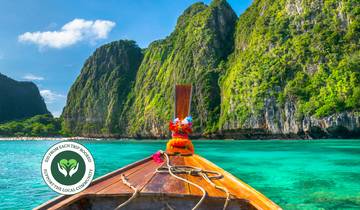
9 days
Amazing Thailand In 9 Days
- ✓ Comprehensive Thailand tour
- ✓ Expert local guides included
- ✓ All accommodation arranged
- ✓ Transportation provided

9 days
Island Hopping in Thailand In 9 Days
- ✓ Comprehensive Thailand tour
- ✓ Expert local guides included
- ✓ All accommodation arranged
- ✓ Transportation provided
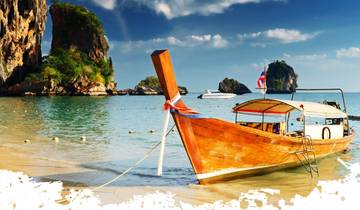
9 days
Fantastic Thailand – 9 Days
- ✓ Comprehensive Thailand tour
- ✓ Expert local guides included
- ✓ All accommodation arranged
- ✓ Transportation provided
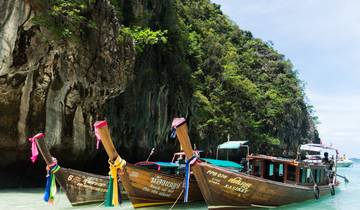
10 days
Thailand Highlights 10-Day Package
- ✓ Comprehensive Thailand tour
- ✓ Expert local guides included
- ✓ All accommodation arranged
- ✓ Transportation provided
Multi-day tour packages powered by TourRadar. Prices and availability subject to change.
Introduction: Thailand’s Living Cultural Heritage 2026
Thailand’s cultural landscape uniquely combines active Buddhist monastic traditions, UNESCO World Heritage archaeological sites documenting 800 years of kingdom evolution, and living craft traditions maintained through village artisan communities, creating immersive itinerary possibilities emphasizing authentic participation versus superficial temple tourism. Unlike neighboring countries where historical sites function primarily as museums detached from contemporary culture, Thailand’s temples remain vibrant spiritual centers hosting daily ceremonies, meditation practice, monk ordinations, and merit-making rituals enabling visitors to observe and participate in authentic Buddhist culture rather than viewing static historical artifacts. This cultural continuity from Sukhothai kingdom founding (1238) through Ayutthaya glory (1351-1767) and Chakri dynasty establishment in Bangkok (1782-present) creates accessible historical narrative through architecture, religious practices, royal ceremonies, and traditional arts maintaining recognizable connections to ancient precedents.
Cultural itinerary design requires acknowledging Thailand’s regional diversity beyond monolithic “Thai culture” simplifications, with distinct cultural zones preserving unique languages, architectural styles, religious practices, and artistic traditions. Northern Lanna kingdom heritage (centered Chiang Mai, 1296-1558) maintains distinctive temple architecture with multilayered roofs, teak wood construction, and northern Thai script, language (Kam Muang), cuisine (khao soi, sai ua), and craft traditions (silk weaving, silverwork, lacquerware) separate from Central Thai Bangkok dominance. Northeastern Isaan region borders Laos and Cambodia, preserving Khmer temple ruins (Phimai, Phanom Rung), Lao-influenced language and sticky rice cuisine, and cultural practices closer to Laotian traditions than Central Thai norms. Southern provinces reflect Buddhist-Malay cultural synthesis through mosque architecture, Muslim populations, and cuisine incorporating turmeric, cardamom, and Penang influences absent from northern regions. Understanding these regional variations enables targeted cultural exploration versus attempting comprehensive Thailand coverage creating exhausting surface-level exposure.
Meaningful cultural engagement requires extended single-destination allocations permitting multi-day experiences impossible during rushed itineraries—meditation retreats demand 3-10 consecutive days for practice depth, traditional craft workshops require material sourcing sessions followed by multi-day instruction, cooking class series build skills across regional cuisine variations, and monastery relationships develop through repeated visits, alms-giving participation, and informal conversations impossible during single temple stops. This depth-over-breadth approach contradicts typical Southeast Asia backpacker routes attempting Thailand-Vietnam-Cambodia coverage within three weeks, instead advocating concentrated 14-21 day Thailand cultural immersion or focused single-region depth (Northern Lanna traditions, or Central Thai UNESCO sites, or Northeastern Isaan villages) delivering authentic understanding versus Instagram checklist completion.
Budget flexibility across cultural itineraries accommodates travelers from backpacker minimalism through comfortable mid-range standards, with costs varying dramatically between free monastery retreats (donations only), budget cultural programs (cooking classes ฿800-1,500, craft workshops ฿500-2,000), mid-range guided cultural tours (฿2,500-5,000 daily including transport, guide, admissions), and luxury cultural immersion (฿15,000-30,000 daily private guides, exclusive access, boutique heritage accommodations). Temple entrance fees remain affordable—most neighborhood temples maintain free access, major sites like Grand Palace charge ฿500, UNESCO archaeological parks ฿100-220 per site—making cultural tourism financially accessible while craft workshop purchases, quality traditional massage courses, and extended meditation retreat donations add variable costs based on participation depth and quality standards.
Core Cultural Zones Thailand 2026
Thailand’s cultural geography divides into five distinct zones requiring separate itinerary consideration, with Central region (Bangkok, Ayutthaya, Sukhothai) documenting Siamese kingdom evolution through archaeological sites and royal ceremonies, Northern Lanna zone (Chiang Mai, Chiang Rai, Pai, Mae Hong Son) preserving artisan traditions and forest monastery meditation lineages, Northeastern Isaan (Ubon Ratchathani, Khon Kaen, Nakhon Ratchasima) maintaining Lao-Khmer cultural influences, Southern provinces (Phuket, Krabi, Surat Thani) representing Buddhist-Malay synthesis, and Central Plains (Phitsanulok, Kamphaeng Phet) bridging historical connections between major capitals. Each zone rewards 5-7 day minimum allocations for cultural depth versus rushed 1-2 day surface coverage, with focused single-zone itineraries (14 days Northern cultural immersion, or 14 days Central Thai UNESCO circuit) delivering superior understanding versus attempting comprehensive five-zone coverage within identical timeframes.
Central region encompasses Bangkok’s Grand Palace, Wat Pho, and National Museum documenting Chakri dynasty royal heritage (1782-present), Ayutthaya UNESCO ruins preserving 417-year capital remains (1351-1767), and Sukhothai UNESCO site showcasing first independent Thai kingdom (1238-1438). The geographical proximity—Bangkok to Ayutthaya 90 minutes by train, Ayutthaya to Sukhothai 5 hours by bus—enables efficient historical circuit touring archaeological progression from Sukhothai founding through Ayutthaya glory to Bangkok contemporary continuation. This central zone concentrates Thailand’s most accessible UNESCO sites, museum collections, and cultural institutions given Bangkok capital city resources, though represents most touristy and commercialized cultural experiences lacking authentic community engagement available in northern villages or northeastern countryside.
Northern Lanna cultural zone centers Chiang Mai (1296 Lanna kingdom capital) preserving distinct architectural traditions through tiered temple roofs (Wat Phra Singh, Wat Chedi Luang), teak wood construction absent from central Thai brick stupas, and artisan villages maintaining traditional crafts including Bo Sang umbrella painting, San Kamphaeng silk weaving, Bor Sang silverwork, and Sankampaeng ceramics. The zone’s mountain geography creates isolated valleys preserving cultural practices—Mae Hong Son province maintains animist beliefs alongside Buddhism, hill tribe villages (Karen, Akha, Lisu) retain indigenous languages and customs, and forest monasteries (Wat Pa Tam Wua, Wat Pah Nanachat branches) continue meditation lineages attracting international practitioners. Northern cuisine distinctiveness includes khao soi coconut curry noodles, sai ua fermented sausage, nam prik dipping sauces, and sticky rice preferences versus central Thai jasmine rice, reflecting Burmese and Shan cultural exchanges absent from isolated central plains.
Northeastern Isaan region remains Thailand’s least touristy cultural zone despite harboring significant Khmer temple complexes (Phimai, Phanom Rung matching Angkor Wat architectural glory), Ban Chiang UNESCO prehistoric site preserving 5,000-year pottery traditions, and Mekong River villages maintaining Lao language (closer to Laotian than Central Thai) and cultural practices. Isaan rewards adventurous cultural travelers comfortable with minimal tourism infrastructure, basic accommodations, limited English, and authentic community interactions impossible in developed tourist zones. The region’s poverty relative to Bangkok wealth creates cultural preservation paradox—economic underdevelopment maintains traditional village life, subsistence farming, and Buddhist monastery centrality absent from commercialized northern tourist towns, though limited visitor amenities challenge travelers expecting tourist-standard accommodations and English-speaking guides available elsewhere.
Bangkok Cultural Foundations 2026
Bangkok cultural exploration requires 4-5 days minimum for Grand Palace, major temple circuits, National Museum, cultural performance attendance, cooking classes, and neighborhood market immersion beyond rushed single-day temple tours, with strategic scheduling avoiding midday heat (10:00 AM-3:00 PM) through early morning temple visits (6:00-9:00 AM) and late afternoon cultural programs (4:00-7:00 PM). Day 1 establishes Buddhist architectural context through Grand Palace and Wat Phra Kaew (Temple of Emerald Buddha) combination visit requiring 2-3 hours comprehensive exploration, with ฿500 entrance fee covering both temple and palace throne halls displaying Thai architectural evolution from traditional Rattanakosin period (1782-1851) through Western-influenced modernization. The Emerald Buddha, Thailand’s most sacred image carved from single jade piece and displayed in ornate gold casing, receives royal seasonal robe changes by King himself (hot season, rainy season, cool season robes) maintaining monarchy-Buddhism connections central to Thai cultural identity. Grand Palace strict dress codes enforcing covered shoulders, knees, and closed-toe shoes require conservative attire planning or entrance booth cover-up rentals (฿200 deposit refunded upon return), with morning arrivals 8:00-9:00 AM avoiding peak tour bus crowds arriving 10:00 AM-2:00 PM.
Adjacent Wat Pho houses Thailand’s famous 46-meter Reclining Buddha with ฿200 entrance fee, functioning as traditional medicine and massage school offering authentic 30-minute sessions (฿260-420 depending on practitioner seniority) superior to tourist spa alternatives charging ฿800-1,500 for identical techniques. The temple’s 108 bronze bowls along reclining Buddha corridor accept ฿20 coin donations for merit-making, each bowl representing one of Buddha’s auspicious characteristics according to Theravada Buddhist cosmology. Wat Pho’s massage school offers professional certification courses (30-hour basic Thai massage ฿9,500, 5-day intensive ฿12,000) combining theory with practical technique instruction, though require advance registration given limited monthly class spaces. River crossing via Chao Phraya Express Boat (฿15-32 per trip) connects Wat Pho’s Tha Tien pier to Wat Arun (Temple of Dawn) across river, where ฿100 entrance accesses central prang tower steep climbing for river panoramas, with Khmer-style architecture and porcelain-decorated surfaces representing Ayutthaya period construction (1768-1782) predating Bangkok capital establishment.
Day 2 cultural depth adds National Museum (฿200 entry, Wednesday-Sunday 9:00 AM-4:00 PM) housing Thailand’s premier collection of Buddhist sculpture, royal regalia, traditional musical instruments, and historical artifacts documenting prehistoric pottery through contemporary period. Free English-language guided tours (Wednesdays and Thursdays 9:30 AM) provide expert context for collection highlights including Ramkhamhaeng Stone (1292, oldest Thai language inscription), Sukhothai Buddha images representing classical Thai sculpture ideals, and royal funeral chariots displaying court ceremonial objects. The museum’s comprehensive galleries require 3-4 hours minimum for cultural foundation understanding, though many tourists skip this essential context favoring photogenic temple exteriors over archaeological and artistic knowledge building. Afternoon cooking class participation (฿800-1,500 for 3-4 hour programs) combines morning market ingredient sourcing at Khlong Toey or Or Tor Kor markets with hands-on preparation of 5-7 traditional dishes including tom yum soup, green curry, pad thai, som tam papaya salad, and mango sticky rice, with recipe booklets enabling home replication.
Days 3-4 expand neighborhood cultural exploration through Chinatown’s Yaowarat Road Chinese temples and traditional medicine shops, Talat Phlu market authentic local food scene absent from tourist zones, Thonburi canal tours via longtail boat (฿600-1,200 per hour charter showing traditional stilt house communities and canal-side temple life), and evening cultural performances at Sala Chalermkrung Royal Theatre (khon masked dance ฿800-1,500 tickets) or Siam Niramit (฿1,500-2,200 tickets, multimedia extravaganza of Thai history and regional cultures). Monk chat programs at Wat Maha That provide informal English conversations about Buddhism and meditation (free, daily 7:00 AM, 1:00 PM, 6:00 PM sessions lasting 2 hours) or beginner Vipassana instruction for dedicated practitioners. Bangkok Art and Culture Centre (free entry, Tuesday-Sunday 10:00 AM-9:00 PM) showcases contemporary Thai artists alongside traditional crafts, providing cultural continuity understanding from ancient precedents through modern interpretations.
Ayutthaya Archaeological Immersion 2026
Ayutthaya Historical Park rewards 2-3 day dedicated exploration versus rushed single-day bus tours, with bicycle rental (฿50-80 daily) enabling independent temple circuit navigation across 4-kilometer island perimeter and Chao Sam Phraya National Museum visit (฿150 entry) contextualizing ruins through recovered Buddha images, royal treasures, and archaeological exhibits explaining 417-year capital period (1351-1767). Major temple sites charging ฿50 entrance each include Wat Phra Si Sanphet (holiest Ayutthaya temple with three royal chedis), Wat Mahathat (famous Buddha head entwined in tree roots), Wat Ratchaburana (interior crypt murals and prang climbing), Wat Chaiwatthanaram (Angkor Wat-inspired riverside temple with symmetrical prang arrangement), and Viharn Phra Mongkol Bopit (free entry, houses large bronze Buddha). Comprehensive six-temple visits total ฿300-350 entrances plus bicycle rental, with strategic morning (7:00-10:00 AM) and late afternoon (4:00-6:00 PM) scheduling avoiding midday heat and capturing golden hour photography lighting ancient brick prangs.
Ayutthaya accommodation overnight enables sunrise photography sessions (6:00-7:00 AM) when soft light illuminates ruins without tourist crowds, though most visitors day-trip from Bangkok (90-minute train journey ฿15-66 depending on class) maintaining capital accommodation bases. The UNESCO designation recognizes Ayutthaya’s significance as Southeast Asian political, economic, and cultural center during 15th-18th centuries, with ruins documenting Burmese invasion devastation (1767) that razed city, destroyed libraries, and dispersed population to new Bangkok capital. Understanding this historical trauma contextualizes Thai national identity—Ayutthaya glory represents cultural peak, Burmese destruction symbolizes foreign invasion threat, and Bangkok restoration demonstrates Thai resilience—making archaeological site visitation essential for cultural comprehension beyond aesthetic temple appreciation.
Bang Pa-In Summer Palace (20 kilometers south, ฿100 entry) combines Ayutthaya area cultural touring, showcasing royal architectural eclecticism through Thai, Chinese, European-style pavilions in landscaped grounds representing 19th-century Thai monarchy navigating modernization pressures. The palace functions as working royal property occasionally closed for ceremonies, requiring advance schedule checking before planning visits. Many Ayutthaya tours bundle palace with floating markets (Damnoen Saduak or Amphawa) creating commercialized experiences departing cultural focus, though independent travelers selecting archaeological depth over tourist attractions appreciate palace architectural education demonstrating Chakri dynasty European engagement while maintaining Thai cultural identity.
Sukhothai UNESCO Historical Depth 2026
Sukhothai Historical Park preserves Thailand’s first independent kingdom capital (1238-1438) across three distinct zones—Central Zone (₿100 entry), Northern Zone (฿100), Western Zone (฿100)—requiring 2-3 days comprehensive exploration via bicycle rental (฿30-50 daily from park entrance shops) covering 45 square kilometers of ruined temples, palaces, and infrastructure. Central Zone concentrates primary temples including Wat Mahathat (kingdom’s spiritual center with 200+ subsidiary chedis), Wat Si Sawai (Khmer prang predating Sukhothai period demonstrating Hindu-Buddhist transition), Wat Sa Si (picturesque island temple), and Wat Trapang Ngoen (reflecting pool surrounding chedi creating iconic photography compositions). The park’s exceptional preservation and bicycle-friendly layout creates contemplative archaeological exploration impossible at more developed Ayutthaya, with Ramkhamhaeng National Museum (฿150 entry) providing essential historical context through recovered sculptures, pottery, and inscriptions including Ramkhamhaeng Stone replica (original housed Bangkok National Museum).
Northern Zone temples feature Wat Si Chum’s massive seated Buddha visible through slit in enclosing mondop structure, creating dramatic photography opportunities and demonstrating Sukhothai period artistic achievement. Western Zone’s Wat Saphan Hin hilltop location requires uphill bicycle or walking access (20-30 minutes from Central Zone) rewarding effort with panoramic Sukhothai plains views and standing Buddha image facing former city center. The three-zone entrance system enables single-zone daily exploration versus exhausting comprehensive coverage single day, with morning Central Zone visits (7:00-11:00 AM) followed by afternoon Northern or Western Zone excursions maintaining energy through spaced scheduling. Sukhothai’s archaeological significance stems from establishing Thai cultural foundations—Ramkhamhaeng developed Thai script (1283), codified Theravada Buddhism as state religion, and established architectural styles influencing all subsequent Thai kingdom building, making historical park visitation essential for understanding Thai cultural evolution from Khmer vassalage through independent kingdom establishment.
Si Satchanalai-Chaliang Historical Park (60 kilometers north, combined UNESCO designation with Sukhothai) offers secondary archaeological exploration for completists, though most cultural itineraries prioritize Sukhothai central park depth over superficial dual-site coverage. Old Sukhothai town accommodation outside park gates provides budget guesthouses (฿300-800), mid-range hotels (฿1,000-2,000), and heritage boutique properties (฿2,500-4,500) with authentic local restaurant access absent from isolated park zone lodging. Strategic accommodation selection enables early morning park access (6:30-7:00 AM official opening) for golden hour photography and heat avoidance, with evening Old Sukhothai walking street night market providing local culture immersion through street food, handicrafts, and traditional music performances maintaining community character despite UNESCO tourism.
Chiang Mai Lanna Cultural Programs 2026
Chiang Mai functions as Thailand’s cultural capital enabling 5-7 day immersion through Old City temple circuit comprehensive exploration, traditional craft village workshops, cooking class series, meditation retreat participation, and cultural performance attendance unavailable in archaeological site itineraries. Day 1-2 establish Lanna architectural understanding through systematic Old City temple visits including Wat Phra Singh (free entry, classic Lanna style with wooden viharn and scripture library), Wat Chedi Luang (฿40 entry, partially earthquake-ruined massive chedi), Wat Phan Tao (free, beautiful all-teak construction), Wat Chiang Man (free, oldest Chiang Mai temple with elephant-buttressed chedi), and Wat Suan Dok (free, royal cemetery with white chedis). These temples maintain active monastery functions hosting daily ceremonies, monk ordinations, meditation sessions, and merit-making rituals enabling cultural observation beyond static ruins—morning alms-giving rounds (6:00-7:00 AM along Ratchadamnoen Road), evening chanting (5:30-6:30 PM most temples), and novice monk education visible in temple compounds.
Monk chat programs at Wat Suan Dok (Monday-Wednesday-Friday 5:00-7:00 PM) and Wat Chedi Luang (daily 9:00 AM-6:00 PM) provide informal English conversations with monks discussing Buddhism, meditation practices, Thai culture, and international cultural exchanges in relaxed settings encouraging genuine dialogue beyond formal tour group lectures. These free programs benefit both visitors seeking Buddhist knowledge and monks practicing English for international Dhamma teaching, creating reciprocal educational exchanges versus transactional tourist services. Doi Suthep temple (฿30 entry plus ฿50 funicular or 300-step naga serpent stairway climb) perched 15 kilometers west at 1,676 meters elevation represents northern Thailand’s most sacred Buddhist site, housing Buddha relics and commanding panoramic Chiang Mai valley views, though crowds and commercialization somewhat diminish spiritual atmosphere versus quieter Old City neighborhood temples.
Days 3-5 engage traditional craft workshops through village visits including Bo Sang umbrella painting (฿500-1,200 for 2-3 hour workshop creating hand-painted parasol), San Kamphaeng silk weaving demonstrations and cooperative purchases (฿800-3,000 for quality silk scarves and textiles), Bor Sang silverwork studios teaching traditional techniques (฿800-1,500 workshop plus material costs), and Sankampaeng celadon pottery factory tours (฿600-1,500 wheel-throwing classes). These artisan villages maintain family-based traditional craft production facing competition from cheap imports and younger generation disinterest in laborious manual techniques, making visitor economic support through workshop participation and quality purchases essential for cultural preservation. Cooking class series (multiple half-day sessions ฿800-1,500 each) building comprehensive Thai cuisine knowledge through successive lessons covering northern specialties (khao soi, sai ua), central Thai classics (pad thai, green curry), regional variations (southern curries, Isaan salads), and advanced techniques (curry paste preparation from raw ingredients, sticky rice steaming methods, carved fruit garnishes).
Days 6-7 accommodate meditation retreat introduction at nearby forest monasteries including Wat Pa Tam Wua (90 kilometers northwest toward Mae Hong Son, free 3-10 day stays with donated vegetarian meals and simple accommodation), Wat Umong forest temple (Chiang Mai suburbs, daily meditation sessions 6:00-8:00 AM free participation), or paid retreat centers offering beginner-friendly programs (฿5,000-12,000 per week including private rooms, flexible schedules, English instruction). Cultural performance options include Khantoke dinner with traditional Lanna dancing and music (฿500-800 per person at Old Chiang Mai Cultural Centre), Fai Ngam Sunday walking street (Ratchadamnoen Road, 4:00 PM-midnight featuring hill tribe handicrafts, street food, traditional music performances), or informal evening temple visits during special ceremonies including Visakha Puja, Asahna Puja, and Loy Krathong festivals transforming ordinary temples into candlelit spiritual celebrations.
Temple Meditation Retreat Integration 2026
Free forest monastery meditation retreats at institutions like Wat Pa Tam Wua (Mae Hong Son), Wat Pah Nanachat (Ubon Ratchathani), Suan Mokkh (Surat Thani), or Wat Ram Poeng (Chiang Mai) offer 3-10 day intensive meditation programs with donated accommodation (simple huts or dormitories), vegetarian meals (breakfast and lunch only following monk eating restrictions), and structured practice schedules beginning 3:00-5:00 AM daily, representing Thailand’s most authentic cultural immersion experiences for dedicated practitioners. Wat Pa Tam Wua (www.wattamwua.com) accepts walk-in visitors year-round for minimum 3-day maximum 10-day stays, providing all meals, bedding, white meditation clothing, and guided instruction completely free relying on departure donations (฿2,000-5,000 suggested for week-long stays), with daily schedule including 4:00 AM wake-up bell, 5:00 AM walking meditation in forest, 6:00 AM alms offering ritual, 7:00 AM breakfast, 9:00 AM sitting meditation, 11:00 AM lunch, 2:00 PM guided meditation instruction, 5:00 PM evening chanting, 7:00 PM Dhamma talk, and 9:00 PM lights out maintaining strict routine discipline.
Wat Pah Nanachat (www.watpahnanachat.org) near Ubon Ratchathani represents Thailand’s only English-primary monastery (established 1975 for foreign disciples of late Ajahn Chah), requiring minimum one-week stays, previous meditation experience, advance email application, and serious practice commitment—men staying beyond one week must shave heads and eyebrows, all participants begin 3:00 AM daily routines, and monastery expects genuine spiritual commitment versus cultural tourism curiosity. The austere forest monastery tradition emphasizes mindfulness in daily activities (walking, eating, working) versus isolated meditation sessions, creating challenging immersive experiences transforming casual Buddhist interest into genuine practice understanding. Suan Mokkh (www.suanmokkh-idh.org) near Surat Thani operates monthly 10-day silent retreats (1st-10th of each month) accepting 80-100 participants in basic concrete cell accommodations (thin mats on concrete sleeping platforms, cold water showers, basic toilets), with retreat fees collected at registration (฿3,500 including all meals and materials) supporting monastery operations while maintaining accessibility versus luxury retreat centers charging ฿15,000-30,000 weekly.
Retreat preparation requires realistic expectation setting about austere conditions, intensive schedules, and cultural differences from commercial wellness programs—monasteries expect participants to follow all rules (Noble Silence, no reading/writing, strict meal times, no evening food, modest dress maintaining white clothing only), maintain genuine practice engagement versus casual vacation mindset, and demonstrate respect for monastic community through adherence to Buddhist precepts. The donation-based or minimal-fee model relies on participants recognizing cultural preservation value and monastery operational costs despite free/subsidized access, making appropriate financial contributions essential for sustainability. Alternative paid beginner retreats at commercial centers like Chiang Mai wellness venues (฿5,000-12,000 per week), Koh Samui beachfront meditation centers (฿8,000-18,000), or Bangkok urban retreat programs (฿6,000-15,000) provide gentler introductions combining meditation instruction with comfortable private rooms, flexible schedules, tourist-standard food, and English-speaking teachers, representing better matches for travelers seeking meditation exposure within vacation contexts versus intensive spiritual commitments.
Traditional Craft Workshop Immersion 2026
Northern Thailand traditional craft villages maintain artisan techniques including silk weaving, umbrella painting, silverwork, lacquerware, and celadon pottery through family-based production facing competition from cheap machine-made imports, with visitor workshop participation and quality purchases providing essential economic support preserving endangered knowledge transmission to younger generations. Bo Sang umbrella village (9 kilometers east of Chiang Mai) specializes in hand-painted paper and silk parasols, offering 2-3 hour workshops (฿500-1,200 depending on parasol size and design complexity) teaching traditional painting techniques using bamboo frames, mulberry paper, and natural dyes, with completed parasols available for immediate purchase or international shipping. The village’s January Umbrella Fair showcases competition displays, street parades, and cultural performances celebrating craft heritage, though year-round workshop access maintains consistent visitor availability.
San Kamphaeng silk weaving cooperative (13 kilometers east of Chiang Mai) demonstrates traditional Thai silk production from silkworm cultivation through cocoon boiling, thread spinning, natural dye creation, and hand-loom weaving, with factory tours (free, daily 8:00 AM-5:00 PM) explaining complete production process and showroom purchases (฿800-5,000 for scarves, shawls, fabric yardage depending on quality and design) directly supporting weaving families. Advanced workshops (฿1,500-2,500 for half-day sessions) teach basic weaving techniques on traditional floor looms, though limited tourist accessibility given weeks-long learning curves for basic competency versus immediate gratification parasol painting. The cooperative model enables collective marketing, quality control, and direct consumer access bypassing middlemen markup, with purchases verified as authentic handmade Thai silk versus counterfeit Chinese imports flooding Bangkok markets.
Wualai Road (Chiang Mai’s traditional silverwork district) hosts multi-generation silversmiths maintaining techniques taught through temple apprenticeship systems, offering workshops (฿800-1,500 plus material costs for created pieces) teaching basic metalwork including traditional bowl hammering, jewelry construction, and decorative repoussé techniques creating raised designs. Saturday evening Walking Street transforms Wualai Road into pedestrian market (4:00 PM-midnight) showcasing local artisan products, traditional music performances, and street food, providing cultural immersion beyond workshop commercial transactions. Baan Celadon ceramic factory (15 kilometers south of Chiang Mai) specializes in traditional celadon pottery with distinctive pale green glaze developed during Sukhothai period, offering wheel-throwing classes (฿600-1,500 for 2-hour sessions creating small bowls or vases) and kiln-fired glazing demonstrations explaining 1,300°C firing temperatures and chemical reactions producing signature colors. Finished pieces require 7-10 days firing and cooling before pickup or international shipping (additional ฿500-2,000 depending on destination and size), creating practical limitations for casual tourists versus serious craft students.
Cooking Class Cultural Education 2026
Thai cooking classes ranging from single 3-hour sessions (฿800-1,500) to multi-day intensive courses (฿4,000-8,000 for 5-day programs) combine cultural education through ingredient recognition, market navigation, traditional techniques, regional variation understanding, and recipe mastery enabling home replication. Superior programs include morning market tours (7:00-9:00 AM at Warorot Market Chiang Mai, Or Tor Kor Market Bangkok, local markets in smaller towns) teaching ingredient selection, vendor negotiations, seasonal availability, and substitute identification before returning to teaching kitchens for hands-on preparation. Typical class curriculum covers 5-7 dishes representing Thai cuisine fundamentals—tom yum soup balancing sour-hot-salty flavors, green curry demonstrating paste preparation from raw ingredients (lemongrass, galangal, green chilies, shrimp paste), pad thai teaching high-heat wok techniques, som tam papaya salad explaining mortar-and-pestle pounding creating flavor integration, spring rolls demonstrating wrapper preparation and tight rolling techniques, mango sticky rice teaching coconut rice preparation and presentation, with recipe booklets documenting exact measurements enabling home replication.
Regional cooking class selection enables cuisine variation understanding—Bangkok schools teach central Thai classics (pad thai, green curry, tom yum), Chiang Mai programs emphasize northern specialties (khao soi coconut curry noodles, sai ua fermented sausage, nam prik dipping sauces, sticky rice preparation), Phuket and southern venues focus seafood preparations and Muslim-influenced turmeric curries, while specialized programs addressing Isaan cuisine explain distinctive fermented fish (pla ra), sticky rice culture, and grilled meat salads (larb, nam tok). Multi-day intensive courses building comprehensive skills across successive sessions cover advanced techniques including curry paste preparation from whole spices (roasting, grinding, balancing), carved fruit and vegetable garnishes creating presentation elements, traditional desserts requiring specialized equipment (coconut scrapers, banana leaf folding), and menu planning combining complementary dishes for complete meal presentations.
High-quality school selection criteria include small class sizes (maximum 8-12 students versus factory-scale 20-30 participant operations), individual cooking stations (each student prepares complete recipes versus demonstration-only formats), English-speaking instructors (ideally native Thai teachers with professional culinary training), market tour inclusion demonstrating ingredient sourcing, and post-class recipe support through email consultations answering home cooking questions. Bangkok’s Blue Elephant Cooking School (฿3,800 for 4-hour class in restored colonial mansion), Chiang Mai’s Thai Farm Cooking School (฿1,000 for half-day including market tour and organic farm ingredients), and Phuket’s various hotel-based programs (฿1,500-2,500 depending on venue) represent quality operators, though independent research through traveler reviews identifying specific instructor quality, class size, and hands-on participation levels remains essential given commercial operations varying widely in educational value versus tourist processing efficiency.
Northeastern Isaan Cultural Circuit 2026
Northeastern Isaan region cultural exploration requires adventurous travelers comfortable with minimal tourism infrastructure, basic accommodation options, limited English signage and guides, and authentic rural community interactions impossible in developed northern and central zones, rewarding effort through Khmer temple architectural magnificence, prehistoric archaeological sites, Mekong River cultural landscapes, and traditional village life maintaining subsistence agriculture and Buddhist monastery centrality. Phimai Historical Park (60 kilometers northeast of Nakhon Ratchasima, ฿100 entry) preserves Thailand’s finest Khmer temple complex (constructed 1108-1152) representing architectural sophistication matching Angkor Wat contemporaneous construction, with laterite and sandstone sanctuary tower, elaborate stone carvings depicting Hindu-Buddhist mythology, and restoration work revealing original grandeur despite 900+ years weathering. The park’s compact single-temple layout enables 2-3 hour comprehensive exploration versus Angkor’s sprawling multi-day requirement, with Phimai National Museum (฿100 entry) displaying recovered Khmer sculptures, lintels, and archaeological context explaining region’s integration into Angkorian empire before Thai kingdoms displaced Khmer influence.
Phanom Rung Historical Park (80 kilometers south of Buriram, ฿100 entry) represents Isaan’s most spectacular Khmer temple positioned atop extinct volcano creating dramatic approach up monumental stairway to hilltop sanctuary, with April full moon alignment phenomenon when sunrise shines through all 15 temple doorways creating photographically stunning event drawing crowds. The temple’s excellent restoration and interpretive signage explaining Khmer architectural elements (prangs, galleries, naga balustrades, lintel narratives) provides self-guided education, though minimal nearby accommodation requires overnight Buriram city (50 kilometers) or Nakhon Ratchasima (140 kilometers) limiting multi-day site immersion. Ban Chiang Archaeological Site (50 kilometers east of Udon Thani, ฿150 entry) preserves UNESCO-designated prehistoric settlement (5,000-1,000 BCE) discovered accidentally 1966 when local villager tripped over partially buried pottery, with museum displaying recovered artifacts including painted pottery vessels, bronze tools, and burial remains documenting early agricultural civilization predating regional metal working conventions.
Nong Khai Mekong River cultural attractions include Sala Kaew Ku sculpture park (free entry) featuring massive Hindu-Buddhist concrete statues created by mystic spiritual teacher Luang Pu Bunleua Sulilat (1932-1996), Wat Pho Chai temple housing highly revered gold Buddha image believed to protect city from disasters, and riverfront promenade evening markets showcasing Lao cultural influences through language (Isaan dialect closer to Laotian than Central Thai), cuisine (sticky rice, larb, som tam), and architecture. The Mekong River’s role as cultural boundary and transportation corridor creates cross-pollination with Laotian traditions, making Nong Khai cultural experiences distinct from central Thai norms and rewarding visitors seeking beyond-Bangkok cultural diversity. Isaan circuit accommodation remains basic with provincial cities offering budget hotels (฿400-1,000), mid-range comfort (฿1,200-2,500), and rare boutique heritage properties (฿3,000-6,000), while English-speaking guides require advance arrangement through specialized cultural tour operators versus walk-in availability in tourist zones.
Cultural Festival Integration Thailand 2026
Thailand’s cultural calendar peaks with major festivals providing authentic ceremonial participation opportunities beyond regular temple visits, though year-round Buddhist observances, merit-making ceremonies, and local celebrations maintain cultural access outside tourist festival periods. Loy Krathong (November full moon, 2026 date November 14-15) represents Thailand’s most visually spectacular festival combining candlelit floating baskets (krathong) on rivers and waterways with northern Yi Peng lantern releases creating thousands of illuminated paper lanterns floating skyward, particularly impressive in Chiang Mai where Lanna traditions enhance celebrations with temple decorations, processions, and cultural performances. The festival’s Buddhist origins honoring water spirits and releasing negative energy create spiritual dimensions beyond photographic spectacle, with participation etiquette including purchasing krathong from local vendors (฿30-100 supporting community income), making wishes while floating offering, and maintaining respectful behavior during temple ceremonies versus party atmosphere some tourist areas develop.
Songkran water festival (April 13-15 representing traditional Thai New Year) transforms entire country into water fights ranging from gentle religious blessings to full-scale street battles, with cultural significance in temple merit-making, elder respect ceremonies (pouring scented water over family seniors’ hands), and house cleaning rituals largely overshadowed by commercialized tourist water warfare. Authentic Songkran experiences emphasize morning temple visits, afternoon family gatherings, and evening cultural performances rather than Khao San Road or Chiang Mai moat tourist bacchanalia, though simultaneous participation in both respectful traditions and celebratory festivities remains possible through morning ceremony attendance before joining afternoon street celebrations. Visakha Puja (May full moon, 2026 date May 23) commemorates Buddha’s birth, enlightenment, and death in single day representing Theravada Buddhism’s holiest observance, with temple ceremonies including candlelit circumambulations (wian tian), meditation vigils, and Dhamma sermon attendance providing solemn spiritual experiences contrasting festival party atmospheres.
Asahna Puja and Khao Phansa (July full moon, 2026 date July 21-22) mark Buddhist Lent beginning when monks enter three-month rainy season retreats remaining temple-bound for intensive practice, with lay Buddhist supporters providing offerings ensuring monastery provisions throughout retreat period. This period represents optimal monastery meditation retreat participation given monk presence and intensive practice schedules, though also creates accommodation scarcity at popular meditation centers requiring advance booking. Regional festivals including Phi Ta Khon ghost mask festival (Dan Sai, Loei Province, June-July dates varying annually based on local astrology), Rocket Festival (Yasothon, May celebrating rice planting season), and Vegetarian Festival (Phuket, October Chinese Buddhist tradition) provide cultural diversity beyond national Buddhist observances, though require specific destination timing and willingness to venture beyond standard tourist circuits.
Cultural Itinerary Budget Planning 2026
Thailand cultural itinerary costs varying from ฿25,000-40,000 ($700-1,100) budget tier to ฿60,000-100,000 ($1,700-2,800) mid-range comfort to ฿150,000+ ($4,200+) luxury heritage experiences across 14-21 day cultural immersion trips, with UNESCO site entrance fees, cooking classes, craft workshops, and cultural program participation representing primary variables beyond basic accommodation and meals. Temple entrance fees remain remarkably affordable given cultural access value—Grand Palace ฿500, major UNESCO sites ฿100-220 per park, neighborhood temples typically free—creating combined archaeological touring costs under ฿2,000 for comprehensive central Thailand UNESCO circuit (Grand Palace, Ayutthaya, Sukhothai, Si Satchanalai, Kamphaeng Phet). Museum entries including National Museum Bangkok ฿200, Ramkhamhaeng National Museum Sukhothai ฿150, Chao Sam Phraya National Museum Ayutthaya ฿150 total under ฿1,000 additional providing essential historical context.
Cultural program costs concentrate in cooking classes (฿800-1,500 per half-day session, ฿4,000-8,000 for multi-day intensive courses), traditional craft workshops (฿500-2,000 depending on craft type and session duration), meditation retreats (free at monasteries with ฿2,000-5,000 suggested week-long donations, or ฿5,000-25,000 paid commercial programs weekly), traditional massage courses (฿9,500-12,000 for Wat Pho certification programs), and guided cultural tours (฿2,500-5,000 daily including transport, guide, admissions). Strategic allocation limits paid cultural programming to 3-5 key experiences (one cooking class, one craft workshop, one meditation retreat, one massage course) totaling ฿10,000-25,000 while maintaining extensive free cultural access through temple visits, market exploration, alms-giving participation, and monk chat programs requiring minimal expenditure beyond modest donations and merit-making offerings.
Accommodation selection dramatically impacts cultural itinerary budgets, with heritage boutique hotels in Chiang Mai, Sukhothai, Ayutthaya (฿2,500-6,000 nightly) offering cultural immersion through traditional architecture, local design elements, and cultural programming versus standard tourist hotels (฿1,200-2,500) or budget guesthouses (฿400-1,000) providing basic sleeping function only. Monastery stays during meditation retreats eliminate accommodation costs entirely for 3-10 day periods, creating budget optimization opportunities for extended cultural trips—a 21-day cultural itinerary including 10 days monastery retreat, 5 days Sukhothai-Ayutthaya archaeological exploration, and 6 days Chiang Mai craft workshops maintains ฿35,000-50,000 total costs through free monastery accommodation and meals offsetting paid program and remaining hotel expenditures. Regional cost variations favor northern and northeastern cultural exploration over Bangkok-based itineraries—Chiang Mai accommodation, food, and workshop costs run 30-40% below Bangkok equivalents for comparable quality, while Isaan cultural circuit delivery even greater savings though trade-off involves limited amenities and comfort.
Frequently Asked Questions: Thailand Cultural Itinerary 2026
Can I Visit Thai Temples Without Buddhist Knowledge or Beliefs?
Thai temples welcome all visitors regardless of religious beliefs, with Buddhist cultural observation and architectural appreciation requiring no faith commitment, though basic protocol understanding (shoe removal, modest dress, respectful behavior around Buddha images and monks) ensures appropriate conduct preventing offense to practicing Buddhists. Temples function simultaneously as religious sites for Thai Buddhist practitioners and cultural attractions for international visitors, with this dual purpose generally accommodated through designated tourist areas versus monk-only sacred spaces, though expectations visitors maintain respectful behavior (quiet voices, no climbing on Buddha images, photography permissions) apply regardless of personal belief systems. Major tourist temples like Grand Palace explicitly operate as museums charging entrance fees and providing guided tours explaining Buddhist concepts, royal history, and architectural significance without requiring religious participation, while neighborhood temples maintaining primary worship functions expect respectful observation during ceremonies versus active tourist engagement disrupting practitioners. Many temples offer meditation instruction, Dhamma talks, and monk chat programs explicitly designed for non-Buddhist international visitors seeking cultural education rather than spiritual conversion, creating accessible entry points for curious travelers without pressure toward religious commitment. Understanding basic Buddhist concepts enhances temple appreciation—Four Noble Truths explaining suffering and liberation path, karma and rebirth cosmology informing merit-making behaviors, monastic discipline (vinaya) explaining monk lifestyle restrictions—though extensive theological knowledge remains unnecessary for respectful cultural tourism. Photography permissions vary by temple and specific spaces—generally allowed in outdoor compounds and around Buddha images but prohibited inside ordination halls (ubosot) during ceremonies, with signs or guards indicating restrictions, though default assumption should favor asking permission versus assuming acceptable creating potential conflicts.
How Should I Handle Money When Visiting Temples and Monasteries?
Temple donations through offering boxes (฿20-100 depending on temple significance and visit duration) support maintenance, monk communities, and charitable programs without fixed obligations, while merit-making offerings during alms-giving or ceremonies range ฿20-100 depending on complexity, with monastery meditation retreat donations (฿2,000-5,000 suggested for week-long stays) replacing commercial fees while maintaining accessibility. Donation box contributions remain entirely voluntary without enforced minimums, though respectful visitors recognizing temple maintenance costs, monk community support requirements, and cultural preservation value typically contribute ฿20 small neighborhood temples, ฿50-100 significant temples like Doi Suthep or Wat Arun, and ฿100-200 for extended visits including meditation sessions or ceremony participation. Merit-making offerings purchased from temple vendors (candles ฿20, incense ฿20, lotus flowers ฿30, complete offering sets ฿40-80) follow visible pricing without bargaining, with vendors operating on temple permission selling standardized religious goods versus commercial souvenirs. Alms-giving (taking bai) during morning monk rounds requires purchasing food offerings from street vendors (฿20-40 for rice and simple prepared foods), with participants kneeling or crouching while placing food in monk alms bowls without hand-to-hand contact or touching bowls directly, making no additional monetary donations during ritual to maintain traditional merit-making focus on food provision. Monastery meditation retreats operating donation-based models (Wat Pa Tam Wua, Wat Pah Nanachat, Suan Mokkh) rely on participant generosity supporting operational costs while ensuring accessibility regardless of financial capacity, with suggested donation ranges (฿2,000-5,000 for week-long retreats) reflecting realistic cost coverage without mandatory payment, and donation boxes accepting contributions at departure in envelopes maintaining privacy versus public displays. Some temples near tourist attractions employ aggressive donation solicitation or “mandatory” offerings creating uncomfortable commercial atmospheres—these represent cultural aberrations versus genuine Buddhist practice, with visitors empowered to politely decline excessive requests while making reasonable voluntary contributions directly to official donation boxes versus individual solicitations. Tipping guides or tour operators leading temple visits follows normal service tipping (฿100-300 depending on group size and duration) separate from temple donations, with direct temple financial support through donation boxes having greater community impact than commercial tour company payments.
What’s the Difference Between Thai Forest Monastery Traditions and Commercial Meditation Centers?
Thai forest monastery meditation traditions following late Ajahn Chah lineage emphasize austere living conditions, intensive daily practice schedules, mindfulness in all activities versus isolated sitting sessions, and donation-based accessibility without commercial fee structures, contrasting commercial wellness retreats offering comfortable private accommodations, flexible programming, tourist-standard amenities, and fixed pricing (฿5,000-25,000 weekly) targeting vacation mindfulness exposure versus committed spiritual practice. Forest monasteries trace lineage to Ajahn Chah (1918-1992) who established meditation training emphasizing simplicity, discipline, and insight practice in remote forest settings away from urban monastery scholasticism, with branch monasteries including Wat Pah Nanachat (English-speaking monastery), Wat Pa Tam Wua (accepting international laypeople), and dozens of Thai-language monasteries maintaining tradition throughout northeastern and northern Thailand. Daily routines beginning 3:00-4:00 AM with meditation, continuing through alms rounds, work periods, meals (breakfast and lunch only), afternoon practice, evening chanting, and Dhamma talks create comprehensive lifestyle immersion versus isolated meditation sessions, with participants expected to maintain practice during all activities (walking, eating, cleaning, working) developing constant mindfulness awareness. Accommodation consists of simple huts or dormitories with basic mats on wooden platforms, shared bathrooms with cold water showers, minimal electricity, and no creature comforts beyond necessities, creating challenging conditions for Western visitors accustomed to climate control, comfortable bedding, and privacy. The donation-based model requires no upfront payment with suggested contributions (฿2,000-5,000 for week-long stays) at departure based on participant ability, ensuring accessibility regardless of financial means while relying on generosity supporting monastery operations. Commercial meditation centers at beachfront resorts, urban wellness venues, or purpose-built retreat facilities offer private rooms with air conditioning, hot showers, comfortable beds, and tourist-standard meals including dinner and dietary accommodations, alongside flexible schedules allowing optional session attendance, reading time, and relaxation breaks versus monastery mandatory participation requirements. These paid programs (฿5,000-25,000 weekly depending on location and amenities) target wellness tourists seeking meditation introduction within vacation contexts, providing English-speaking teachers, beginner-friendly instruction, and comfortable environments reducing practice barriers versus intensive spiritual commitment. The programming typically combines meditation instruction with yoga classes, spa treatments, and cultural excursions creating well-rounded retreat experiences versus monastery exclusive Dhamma focus, though compromising practice depth through dilution and tourist accommodation. Some commercial centers maintain high teaching standards employing experienced meditation instructors and serious curricula despite comfortable amenities, while others operate primarily as hospitality businesses with minimal qualified instruction, requiring careful research through teacher credentials, program structure, and participant reviews before selection. Both models serve legitimate purposes—forest monasteries provide authentic tradition continuation for committed practitioners while commercial centers introduce accessible meditation exposure for curious beginners, with traveler self-assessment about readiness, motivation, and preferred learning environment determining appropriate choice versus universal recommendations.
Can I Participate in Monk Ordination as Temporary Monk in Thailand?
Temporary monk ordination (phra sammaak) remains culturally important Buddhist practice for Thai men (typically 1-3 months between secondary education and career, or shorter periods fulfilling family merit-making obligations), with some temples and programs accepting foreign men for temporary ordination periods ranging 1 week to 3 months subject to language capability, Buddhist knowledge demonstration, and serious commitment verification rather than casual cultural tourism participation. International Forest Monastery Chiang Mai (iMonastery.com) offers structured 30-day temporary ordination program for international participants including pre-ordination preparation, formal ceremony, monastic training in meditation and Vinaya discipline, daily routines matching Thai monastery schedules, and certificate upon completion, though requires advance application, Buddhist practice experience demonstration, and genuine spiritual motivation versus tourism curiosity. The ordination ceremony itself involves head and eyebrow shaving, white robes transitioning to monk saffron robes, precept recitation before monastery community, and formal acceptance into Sangha creating serious religious commitment versus cultural performance, with participants expected to maintain all 227 monastic rules (Vinaya) governing eating, sleeping, speech, and behavior throughout ordination period. Daily monastery life follows 3:00-4:00 AM wake-up, morning alms rounds collecting food from lay supporters, breakfast, meditation sessions, study periods, lunch (last meal of day), afternoon meditation practice, evening chanting, and Dhamma talks, creating intensive immersion in monastic lifestyle far removed from tourist temple visits or meditation retreat participation. Women cannot ordain as bhikkhunis (fully ordained nuns) in Thai Theravada Buddhism despite some reform movements, though mae chi (white-robed eight-precept nuns) positions remain available for extended practice periods at specific temples accepting foreign women, though these involve different status and training than monk ordination without full Sangha membership. Foreign men considering temporary ordination should pursue options through established monasteries with international training programs (iMonastery, Wat Pah Nanachat, selected Bangkok temples) rather than attempting ordinations at random temples lacking English capacity or foreigner accommodation structures, as communication barriers and cultural misunderstandings undermine both participant experience and monastery community harmony. The temporary ordination period requires genuine commitment to Buddhist practice, respect for monastic discipline, and willingness to submit to authority structures versus maintaining tourist independence, making this appropriate only for deeply motivated practitioners rather than casual cultural experimentation, with meditation retreat participation representing more suitable introduction for those uncertain about full ordination intensity.
What Traditional Thai Crafts Can I Learn Through Workshops Versus Just Purchase?
Traditional Thai craft workshops offering hands-on participation include umbrella painting at Bo Sang (2-3 hour sessions ฿500-1,200 creating painted parasols), silk weaving at San Kamphaeng (half-day ฿1,500-2,500 teaching basic loom techniques), silverwork at Wualai Road studios (฿800-1,500 plus material costs for jewelry or bowls), fruit and vegetable carving (฿600-1,200 for basic garnish techniques), Thai massage (30-hour to 5-day intensive courses ฿9,500-12,000 at Wat Pho or commercial schools), and ceramic wheel-throwing at Baan Celadon or Sankampaeng pottery factories (฿600-1,500 creating small pieces). These hands-on workshops enable cultural appreciation through active participation learning traditional techniques, material properties, and artistic decision-making versus passive purchase transactions, though short workshop durations (typically 2-4 hours) provide basic exposure rather than genuine skill mastery requiring months or years of apprenticeship training. Umbrella painting represents most accessible workshop given immediate visual results, straightforward techniques, and take-home finished products within single session, while silk weaving complexity creates limitations—tourists learn basic shuttle passing and pattern reading but cannot produce independent fabrics given weeks-long learning curves for competency. Silverwork and pottery workshops often yield imperfect beginner attempts requiring instructor assistance or refinement, with pieces left for firing, glazing, and finishing before pickup days later or international shipping (additional ฿500-2,000 costs) creating practical complications versus immediate possession. Some crafts including lacquerware, traditional painting, and wood carving remain largely unavailable for tourist workshops given complexity, lengthy processes (lacquerware requires multiple layer applications with weeks-long drying periods between stages), and material costs making beginner education impractical versus demonstration-only factory tours. Fruit and vegetable carving workshops teach decorative garnish techniques (rose tomatoes, cucumber leaves, watermelon centerpieces) applicable to home cooking versus commercial artistic carving requiring years of training, representing practical skill acquisition improving future meal presentations. Thai massage courses ranging from single-day introductions (฿3,000-5,000) to professional certifications (30-hour basic ฿9,500, 5-day intensive ฿12,000 at Wat Pho Traditional Medicine School) provide valuable therapeutic skills applicable to family and friends, though require genuine interest in massage practice versus casual cultural activity given intensive instruction, extensive practice partner requirements, and need for ongoing refinement beyond initial certification. Workshop quality varies dramatically between authentic artisan operations teaching genuine traditional techniques versus tourist-focused commercial enterprises providing superficial craft exposure with minimal instruction and excessive upselling of finished products, requiring careful selection through review research, direct communication about instruction quality, and expectation verification about hands-on participation versus demonstration observations. The most rewarding workshop experiences emphasize process learning, cultural context understanding, and artisan appreciation versus finished product acquisition, with imperfect beginner attempts creating memorable participation experiences beyond perfect purchased items lacking personal engagement stories.
How Can I Respectfully Photograph Monks and Temple Ceremonies?
Monk and temple ceremony photography requires permission requests (verbal asking or gesture indicating camera with questioning expression receiving nod or smile as consent) before photographing individuals, respectful distance maintenance without disrupting ceremonies or meditation practice, flash photography avoidance in dim temple interiors, and cultural sensitivity understanding that some monks decline photos given humility vows or privacy preferences without offense intended toward photographers. The general principle prioritizes ceremony and practice sanctity over photographic documentation—if photography creates disruptions, requires monk activity interruption, or draws attention away from spiritual activities, respectful photographers abstain or wait for appropriate moments versus prioritizing shots regardless of impact. Many temples designate photography-prohibited zones (ordination halls during ceremonies, meditation spaces during practice sessions, private monk quarters) through signage or guard instructions requiring compliance regardless of photographic opportunities visible inside, with violations risking guard intervention and potential temple ejection for serious rule breaking. Monk chat sessions and informal temple ground interactions often welcome photography when requested politely, with monks generally comfortable posing for respectful photos recognizing educational value for international visitors learning about Buddhism, though rush approach without conversation or multiple-shot demands without relationship establishment demonstrate poor manners creating uncomfortable situations. Alms-giving ceremony photography requires extreme sensitivity given sacred nature of merit-making ritual—participants kneeling to offer food should not be photographed mid-ceremony creating disruptions, though respectful distance shots capturing overall scene without singling individuals generally acceptable when maintaining contemplative atmosphere. Some high-profile ceremonies including royal temple events, important ordinations, or festival celebrations explicitly prohibit photography or restrict to designated media areas, with enforcement through security personnel protecting ceremonial sanctity and participant privacy. Flash photography prohibition in temple interiors protects ancient murals, wooden structures, and ceremonial objects from accelerated deterioration while maintaining contemplative atmosphere, requiring photographers to use high ISO settings, fast lenses, or simply abstaining from indoor photography versus flash use causing damage and disturbance. The respectful approach involves spending more time observing and experiencing ceremonies versus constant photographing through camera screens, limiting shots to 3-5 meaningful images rather than hundreds of redundant photos, and prioritizing wider scene-setting shots over intrusive close-ups of individual practitioners engaged in personal spiritual practice. Some travelers adopt complete photography abstention during meditation retreats and intensive practice periods recognizing camera presence creates mindfulness distraction and documentation urge preventing present-moment awareness, though this represents personal choice rather than universal expectation. When photographing temple architecture and Buddha images, respectful positioning avoids feet-toward-Buddha poses (consider where feet point when crouching or sitting for photos), climbing on sacred objects for elevated viewpoints, or mock meditation poses trivializing genuine practice, maintaining cultural sensitivity understanding these represent venerated religious icons rather than exotic backdrops for Instagram content.
What Cultural Mistakes Do Foreign Visitors Commonly Make at Thai Temples?
Common temple etiquette violations by foreign visitors include improper dress (tank tops, shorts, miniskirts, sandals) requiring entrance refusal or cover-up rentals, feet pointing toward Buddha images when seated on floors, touching monks or handing objects directly (particularly women contacting male monks creating serious rule violations), climbing on Buddha images or temple stupas for photographs, and loud voices or disruptive behavior during ceremonies and meditation sessions. The most egregious offenses involve deliberate disrespect—posing with mocking “meditation” gestures beside Buddha images, taking selfies with back turned to Buddha, climbing temple structures explicitly marked off-limits, or treating temples as casual hangout spaces rather than sacred sites deserving reverence. Shoe removal confusion creates frequent problems, with visitors uncertain about where to remove footwear (answer: always before entering any building housing Buddha images, but outdoor temple grounds allow shoes), whether socks acceptable (yes, and sometimes required for women in certain temples), and how to navigate multiple shoe removal/wearing transitions when visiting temples with separate buildings requiring repeated removal. Feet pointing toward Buddha images or monks represents serious cultural insult given Thai belief that feet are lowest, dirtiest body part while head remains highest, holiest—correct sitting positions involve crossed legs (lotus or half-lotus), kneeling, or tucking feet behind body versus casual stretched-legs positioning. Women touching monks or creating situations forcing monks to break their vows (no physical contact with women) through crowded space navigation, photo requests requiring proximity, or object hand-off requiring interaction generates serious cultural violations, with proper protocols placing offerings on cloth or tables for monk retrieval and maintaining respectful distance during conversations. Photography during active ceremonies (chanting, meditation sessions, ordination rituals, alms-giving) disrupts spiritual practices regardless of tourist fascination, with respectful observation from designated areas versus intrusive close-up shooting or flash photography creating disturbances. Donation box confusion about appropriate amounts or expectations creates anxiety—contributions remain entirely voluntary without minimums though ฿20-100 represents respectful range depending on temple significance, while aggressive solicitation near tourist temples requesting “mandatory” ฿100 donations for entry represent non-traditional commercial behavior visitors can politely decline while making reasonable voluntary donations directly to official temple boxes. Temple exploration during restricted hours (typically closing 6:00-8:00 PM with some variation) creates trespassing situations, with locked gates indicating closed access requiring respect rather than climbing attempts or hidden entry seeking. Some temples prohibit menstruating women from entering certain sacred spaces maintaining purity concepts, though these restrictions apply primarily to innermost sanctums versus general temple grounds, remain unenforced absent voluntary disclosure, and vary greatly between temples with many modern urban temples eliminating such restrictions while traditional rural temples maintain older practices. The respectful foreign visitor approach involves pre-visit research understanding specific temple customs, humble behavior accepting correction when unintentionally violating unknown protocols, genuine apologies when making mistakes, and authentic interest in cultural learning versus defensive justification of ignorance or dismissive “it’s just tourism” attitudes trivializing sacred spaces.
Can I Combine Cultural Itinerary with Beach Time or Are They Separate Trip Types?
Cultural itinerary combinations with beach relaxation create viable hybrid trips (Bangkok 3-4 days cultural foundation + Ayutthaya 2 days UNESCO ruins + Chiang Mai 5-6 days Lanna traditions + Southern beaches 4-5 days = 14-17 day comprehensive coverage), though intensive cultural programs including multi-day meditation retreats (3-10 days single monastery allocation), traditional craft course series (5-7 days instruction), or archaeological site depth (2-3 days per UNESCO location) require separate dedicated cultural trips versus attempting comprehensive Thailand coverage single journey. The tension involves cultural depth versus geographical breadth—meaningful meditation practice requires consecutive undistracted days precluding beach party scenes, traditional craft skill development needs repeated instruction sessions impossible when moving between cities every 2-3 days, and archaeological understanding rewards patient museum visits, guided tours, and extended site exploration versus rapid temple photography circuits. Hybrid approaches work best when beach segments function as relaxation conclusions following intensive cultural periods (14 days temples/workshops/meditation followed by 4-5 beach days decompressing before international flights), or when cultural activities integrate into beach destinations—Phuket and Krabi offer temple visits, cooking classes, and traditional massage experiences alongside beach activities, though lack Northern Thailand’s craft village depth or Central UNESCO archaeological significance. The balanced 16-18 day itinerary structure allocating Bangkok 3 days + Ayutthaya 2 days + Chiang Mai 6 days + beaches 4 days + Bangkok return 1 day provides cultural emphasis while maintaining beach component, versus pure cultural trips eliminating beaches entirely for 14-21 days dedicated to temples, meditation, workshops, and UNESCO sites across Bangkok-Ayutthaya-Sukhothai-Chiang Mai-Isaan circuits. Travelers uncertain about cultural interest levels versus beach preferences benefit from conservative 4-5 day cultural allocation (Bangkok temples, single cooking class, Ayutthaya day trip) followed by extended beach focus (8-10 days southern islands), enabling cultural sampling without overcommitment for those discovering limited temple interest, versus opposite approach frontloading 10-12 cultural days risking exhaustion before reaching anticipated beach relaxation. Multi-trip strategies separating cultural-focused Thailand visits from beach-focused return visits enable depth in both areas versus compromised single-trip attempts squeezing incompatible experiences—dedicated 14-21 day cultural immersion (meditation retreat, craft workshops, UNESCO sites) followed by future 10-14 day beach-focused return (island hopping, diving, spa relaxation) delivers satisfaction both trip types versus rushed combinations shortchanging each component. The practical consideration involves matching trip purposes with daily energy allocations—cultural itineraries require morning temple visits (6:00-10:00 AM optimal cool temperatures), afternoon workshop participation or museum exploration (2:00-6:00 PM avoiding midday heat), and evening cultural performances (7:00-9:00 PM), creating structured schedules versus beach trips’ unstructured relaxation allowing spontaneous scheduling, leisure mornings, and minimal commitments beyond sunset appreciation.
How Much Thai Language Do I Need for Cultural Immersion Experiences?
Basic Thai language capability enhances cultural immersion though remains unnecessary for most organized programs (cooking classes, workshops, guided tours) offering English instruction, while meditation retreats at English-speaking monasteries, monk chat programs, and Bangkok-Chiang Mai tourism infrastructure maintain comprehensive English access, though northeastern Isaan rural communities and traditional village homestays require either Thai language ability or translator assistance for meaningful cultural exchanges. Essential polite phrases including “hello” (sawatdee khrap/ka), “thank you” (khop khun khrap/ka), “excuse me” (khor thot), and temple-specific vocabulary (wat=temple, phra=monk, buat=ordain, meditation=samathi) demonstrate cultural respect and facilitate basic interactions, with gender-specific particles (khrap for men, ka for women) added to phrase endings maintaining Thai politeness levels central to respectful communication. Meditation retreat participants at Thai-language-only monasteries require functional Thai understanding instructions, Dhamma talks, and monastic protocols, though international-focused institutions (Wat Pa Tam Wua, Wat Pah Nanachat, Suan Mokkh International Dharma Hermitage) provide English instruction, translated materials, and foreign monk/teacher support enabling practice without Thai fluency. Cooking class markets visits benefit from ingredient vocabulary (galangal=kha, lemongrass=takrai, fish sauce=nam pla, coconut milk=kati) though instructors translate vendor interactions and ingredient selections, with recipe preparation instruction conducted English supported by demonstration regardless of verbal comprehension. Traditional craft workshops similarly rely on visual demonstration and hands-on guidance versus complex verbal instruction, making language capability enhancement rather than requirement for technique learning. Northern Thailand hill tribe homestays and northeastern Isaan village cultural programs present greater language challenges given limited English in rural communities, requiring either Thai language capability enabling direct conversation or organized programs providing translator services mediating cultural exchanges, though authentic village experience depth correlates with language ability facilitating unmediated interactions versus tourist-style managed encounters. Temple ceremony participation and monk conversations at English-offering locations (many Bangkok and Chiang Mai temples, formal monk chat programs) proceed entirely English with translated chanting texts and Dhamma talks, while neighborhood temples maintaining primary local worship functions expect Thai language for deep engagement though welcome silent respectful observation from non-speakers. Investment in basic Thai language learning through apps (Pimsleur, Thai Pod 101), phrasebooks, or pre-trip tutoring sessions creates positive community interactions demonstrating cultural effort respect, with even imperfect attempts receiving enthusiastic local encouragement versus expectation foreigners speak Thai fluently, making limited phrase learning worthwhile social investment beyond functional communication necessity. The tonal language complexity (five tones creating meaning differences beyond syllable pronunciation) creates challenges for English speakers attempting accurate Thai production, though comprehension develops faster than production ability, enabling understanding of vendor prices, time announcements, and basic conversations before accurate speaking capability emerges. Regional language variations including Northern Thai (Kam Muang), Isaan (Lao-influenced dialect), and Southern Thai create additional complexity, with Central Thai serving as standard language most educated Thais speak regardless of regional origins, though remote villages may use regional dialects primarily requiring even greater language investment for meaningful interaction.