
Thailand 5-Day Itinerary 2026: Best of Bangkok & Beyond
Thailand delivers the perfect 5-day introduction to Southeast Asia with Bangkok’s golden temples, Ayutthaya’s ancient ruins, floating markets, and vibrant street food creating an unforgettable first-time experience. This balanced itinerary combines cultural immersion, practical logistics, and strategic pacing to maximize Thailand’s highlights within a working week while maintaining realistic daily schedules and authentic local experiences throughout.
Key Takeaways for Thailand 5-Day Planning 2026
- Bangkok temple circuit costs ฿1,000 total – Grand Palace ฿500, Wat Pho ฿300, Wat Arun ฿200 cover Thailand’s three most significant Bangkok temples with combined exploration requiring 6-8 hours including river crossings
- Ayutthaya day trip runs ฿500-800 per person – Train transport ฿30-100 round trip, temple pass ฿220 for six sites, bicycle rental ฿50, creating UNESCO World Heritage exploration at exceptional value
- Accommodation spans ฿600-3,500 nightly in Bangkok – Budget guesthouses ฿600-1,200, mid-range hotels ฿1,500-2,800, luxury properties ฿3,500-8,000 accommodate all travel styles with consistent quality standards
- BTS/MRT public transport costs ฿16-52 per trip – Skytrain and subway networks connect all major attractions with air-conditioned comfort, making taxis unnecessary for most Bangkok exploration
- Street food delivers ฿40-80 meals daily – Authentic Thai cuisine from vendors and markets costs 75% less than restaurant dining while offering superior flavors and cultural immersion
- Early morning arrival optimizes temple visits – Starting Grand Palace at 8:30 AM opening avoids afternoon crowds and heat, with temple circuits best completed before 2 PM Bangkok temperatures peak
People Also Ask About Thailand 5-Day Itinerary 2026
What is the best 5-day itinerary for Thailand first-time visitors in 2026?
The optimal 5-day Thailand itinerary for 2026 first-time visitors dedicates three days to Bangkok’s temples and markets, one day to Ayutthaya’s UNESCO ruins, and one flexible day for floating markets or additional Bangkok exploration. This distribution balances cultural highlights with practical pacing, allowing proper temple exploration without exhaustion while providing recovery time between intensive sightseeing days. Bangkok serves as the perfect base, eliminating accommodation changes and enabling day trips via efficient public transport. The itinerary prioritizes Thailand’s most iconic experiences—Grand Palace, Reclining Buddha, Ayutthaya temples, floating markets—while building in flexibility for spontaneous discoveries and personal interests. This structure suits travelers seeking comprehensive Thailand introduction without rushing, maintaining realistic daily schedules that accommodate Bangkok’s heat and crowds. Five days proves ideal for experiencing Thailand’s essence while leaving travelers energized rather than exhausted.
How much does a 5-day Thailand trip cost per person in 2026?
A 5-day Thailand trip in 2026 costs ฿7,500-30,000 (approximately $210-850) per person excluding international flights, with final expenses depending primarily on accommodation choices and dining preferences. Budget travelers spending ฿1,500-2,500 daily utilize hostel dormitories (฿400-600), street food meals (฿40-80 per dish), public transport (฿100-200 daily), and standard temple admissions, totaling ฿7,500-12,500 for five days. Mid-range travelers allocating ฿3,500-5,500 daily stay in hotels with pools (฿1,500-2,800 nightly), mix street food with restaurant meals (฿300-600 daily dining), use comfortable transport options, and occasionally hire guides, reaching ฿17,500-27,500 for the trip. Luxury travelers exceeding ฿6,000 daily occupy high-end properties (฿3,500-8,000 nightly), dine at premium restaurants, utilize private transport, and book exclusive experiences. These estimates include accommodation, meals, local transport, attraction admissions, and day trip expenses but exclude international flights, travel insurance, shopping, and optional spa treatments or nightlife spending.
What are the must-see attractions in Bangkok and Ayutthaya for 2026?
Bangkok’s essential 2026 attractions include the Grand Palace complex housing the Emerald Buddha (฿500 admission), Wat Pho’s 46-meter Reclining Buddha (฿300 admission), Wat Arun’s iconic riverside prangs (฿200 admission), and bustling markets like Chatuchak Weekend Market or Damnoen Saduak Floating Market for authentic Thai commerce experiences. Ayutthaya’s UNESCO World Heritage site delivers six major temple ruins including Wat Mahathat’s iconic Buddha head in tree roots, Wat Phra Si Sanphet’s three regal chedis, and Wat Chaiwatthanaram’s Khmer-style riverside architecture, all accessible via ฿220 combined temple pass. These attractions represent Thailand’s historical, religious, and cultural essence, offering photographers spectacular visuals, history enthusiasts meaningful context, and casual visitors memorable experiences without requiring specialized knowledge. The combination captures Thailand’s evolution from ancient Siamese capital through royal dynasties to modern Bangkok, providing comprehensive cultural introduction within realistic 5-day timeframes while maintaining geographical proximity that eliminates excessive travel between sites.
Is 5 days enough time to visit Thailand in 2026?
Five days provides sufficient time to experience Thailand’s Bangkok and central region highlights without feeling rushed, though travelers should recognize this represents an introduction rather than comprehensive Thailand exploration. The timeframe allows proper immersion in Bangkok’s temple circuit with time to appreciate architectural details and historical significance rather than superficial photo stops, enables a full-day Ayutthaya excursion experiencing six major temple ruins without exhaustion, and accommodates floating market visits or additional Bangkok cultural experiences while maintaining realistic daily pacing that accounts for Bangkok’s heat and crowds. However, 5 days excludes Thailand’s beaches, islands, northern mountains, or multiple regional destinations, requiring focused itinerary choices prioritizing cultural and historical experiences over beach relaxation or extensive geographical coverage. This duration suits travelers seeking concentrated Bangkok area immersion, first-time visitors determining whether Thailand warrants extended future visits, or business travelers adding cultural exploration to Bangkok work trips. Those desiring comprehensive Thailand experiences including beaches, islands, and multiple regions should allocate 10-14 days minimum, while 5 days perfectly matches Bangkok and Ayutthaya depth exploration with sustainable travel pace.
Extended multi-day tours – 5+ days
Featured Thailand Multi-Day Tour Packages
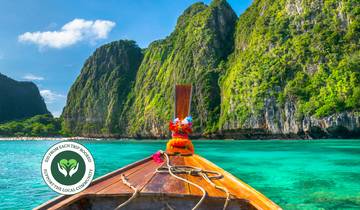
9 days
Amazing Thailand In 9 Days
- ✓ Comprehensive Thailand tour
- ✓ Expert local guides included
- ✓ All accommodation arranged
- ✓ Transportation provided

9 days
Island Hopping in Thailand In 9 Days
- ✓ Comprehensive Thailand tour
- ✓ Expert local guides included
- ✓ All accommodation arranged
- ✓ Transportation provided
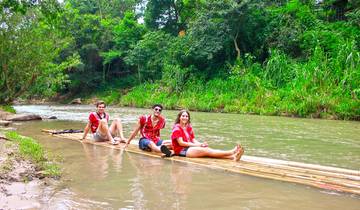
10 days
Thailand Nature Escape 10 Days-Truly Local Experience – Bangkok/Chiang Mai/Chiang Rai
- ✓ Comprehensive Thailand tour
- ✓ Expert local guides included
- ✓ All accommodation arranged
- ✓ Transportation provided
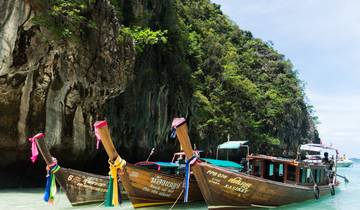
10 days
Thailand Highlights 10-Day Package
- ✓ Comprehensive Thailand tour
- ✓ Expert local guides included
- ✓ All accommodation arranged
- ✓ Transportation provided
Multi-day tour packages powered by TourRadar. Prices and availability subject to change.
Introduction: Planning Your Perfect 5-Day Thailand Adventure in 2026
Thailand stands as Southeast Asia’s most accessible introduction for first-time visitors, combining Bangkok’s explosive energy with Ayutthaya’s serene temple ruins and vibrant markets that have defined Thai culture for centuries. This 5-day itinerary represents careful calibration between must-see highlights and sustainable pacing, avoiding the common mistake of attempting excessive geographical coverage that results in exhaustion rather than enjoyment. Bangkok serves as your consistent base, eliminating time-consuming accommodation changes while positioning you for efficient day trips via Thailand’s excellent public transport network that connects central region highlights seamlessly.
The itinerary structure dedicates three full days to Bangkok’s essential temple circuit, markets, and cultural neighborhoods, allowing proper exploration depth rather than superficial visits. Day trips to Ayutthaya’s UNESCO World Heritage temples and Damnoen Saduak’s floating markets provide contrasting experiences—ancient ruins requiring contemplative appreciation versus bustling commerce demanding active participation. This balance prevents temple fatigue while maintaining cultural focus, with built-in flexibility accommodating spontaneous discoveries or personal interest adjustments without disrupting the overall flow.
Thailand in 2026 maintains its reputation for exceptional value, with street food delivering authentic meals at ฿40-80, efficient public transport costing ฿16-52 per trip, and quality accommodation spanning ฿600-3,500 nightly across all comfort levels. Bangkok’s BTS Skytrain and MRT subway networks have transformed city navigation, making previously difficult attractions easily accessible while eliminating Bangkok’s notorious traffic frustrations that plagued earlier visitors. Modern payment systems accepting QR codes and international cards supplement traditional cash transactions, though carrying Thai baht remains essential for markets, street food, and smaller establishments throughout the itinerary.
This guide emphasizes practical logistics often overlooked in idealistic itineraries—realistic temple visit durations accounting for crowds and heat, strategic timing avoiding midday temperature peaks, and contingency planning for Bangkok’s occasional afternoon downpours. Each day’s structure includes specific transport instructions, admission costs verified for 2026, and time allocations based on actual visitor experiences rather than theoretical estimates. The result delivers five days of authentic Thailand experiences maintaining enthusiasm throughout rather than the exhaustion common to overscheduled Southeast Asia itineraries.
Day 1 Bangkok 2026: Grand Palace, Wat Pho, and Riverside Temples
Day one tackles Bangkok’s most significant temple circuit beginning with the Grand Palace complex opening at 8:30 AM, strategically starting early to beat crowds and maximize cooler morning temperatures before Bangkok’s midday heat intensifies. Grand Palace admission costs ฿500 per person in 2026 (check the official Grand Palace website for current rates), granting access to the Temple of the Emerald Buddha (Wat Phra Kaew) within the palace grounds and representing Bangkok’s highest single attraction expense but delivering Thailand’s most elaborate royal architecture and most sacred Buddhist image. Allocate 2-3 hours for thorough Grand Palace exploration, as the complex spans multiple throne halls, museums, and temple buildings requiring significant walking across marble courtyards reflecting tropical sun intensely.
Dress code enforcement remains strict in 2026—shoulders and knees must be covered with no see-through fabrics, ripped jeans, or form-fitting leggings permitted regardless of coverage. Temple authorities provide rental sarongs and cover-ups at the entrance for ฿200 deposit (refundable upon return) to visitors with inappropriate attire, though arriving properly dressed eliminates this unnecessary expense and queue delay. Photography permits throughout most areas except the interior Emerald Buddha chamber, where strict observation-only protocols apply reflecting the statue’s supreme religious significance to Thai Buddhist traditions.
From Grand Palace, walk 700 meters south (approximately 10 minutes) along Thai Wang Road to reach Wat Pho, Bangkok’s largest temple complex housing the enormous 46-meter Reclining Buddha covered in gold leaf. Wat Pho admission costs ฿300 per person in 2026, with tickets including complimentary water bottle and access to all temple buildings, gardens, and the famous traditional Thai massage school where 30-minute treatments cost ฿260 versus tourist area prices exceeding ฿500 for identical services. The Reclining Buddha hall represents Wat Pho’s headline attraction, though dedicated visitors should explore the temple’s 91 smaller chedis, Chinese rock gardens, and architectural details easily overlooked during rushed visits. Photography permits throughout the complex including the Reclining Buddha from designated positions marked by temple staff.
After Wat Pho, walk to Tha Tien Pier (N8) adjacent to the temple’s river entrance, where cross-river ferries depart every 10-15 minutes for the short journey to Wat Arun on the Thonburi side. Ferry costs ฿5 per person each direction, providing Bangkok’s cheapest and most scenic transport option while delivering optimal Wat Arun photography angles from the water approach. Wat Arun admission costs ฿200 per person in 2026, with the temple’s iconic central prang (tower) climbable via steep stairs offering panoramic Chao Phraya River views rewarding those willing to navigate the challenging ascent. The temple’s distinctive design features thousands of colorful Chinese porcelain pieces embedded in the prangs’ surfaces, creating shimmering effects when sunlight strikes the decorative details that photographs fail to capture adequately.
Day 1 Transportation and Timing for Bangkok Temples 2026
Begin Day 1 by taking the MRT Blue Line to Sanam Chai station (฿17-45 depending on origin), opened specifically to serve Grand Palace visitors and positioning you just 400 meters from the palace entrance via a clearly marked 5-minute walk. This represents Bangkok’s most efficient Grand Palace access, bypassing the previous reliance on Chao Phraya Express boats that required additional walking and potential confusion navigating Old Bangkok’s maze-like streets. Alternative access via BTS Skytrain to Saphan Taksin followed by Chao Phraya Express boat to Tha Chang Pier (N9) still functions but adds 20-30 minutes compared to direct MRT access.
The recommended Day 1 schedule follows this timeline: Grand Palace 8:30 AM-11:00 AM, lunch break 11:00 AM-12:00 PM, Wat Pho 12:00 PM-2:00 PM, Tha Tien ferry and Wat Arun 2:30 PM-4:30 PM, returning to accommodation by 5:30 PM. This pacing allows unhurried exploration without exhaustion while completing temple visits before late afternoon fatigue sets in, with strategic lunch positioning between major sites preventing the common mistake of attempting all three temples consecutively without rest breaks. The schedule assumes moderate walking pace with time for photographs and brief rest stops rather than rushed transit between attractions.
Lunch options near Wat Pho include Tha Tien Market’s riverside food stalls serving authentic Thai dishes for ฿40-80 per plate, providing budget-friendly meals with local atmosphere superior to tourist-targeted restaurants charging triple for inferior quality. Alternatively, cross to Wat Arun side before temple visit for riverside restaurants offering air-conditioned comfort at ฿150-300 per person with Grand Palace and Wat Pho views across the Chao Phraya River creating memorable dining backdrop worth the premium over basic food stalls.
Day 1 Costs Bangkok Temple Circuit 2026
Grand Palace ฿500, Wat Pho ฿300, Wat Arun ฿200, cross-river ferries ฿10 round trip, MRT transport ฿50-100 depending on accommodation location, lunch ฿80-300 depending on dining choice. Total day cost: ฿1,140-1,410 per person (excluding accommodation and dinner). These costs represent actual admission fees verified for 2026 with transport estimates based on typical Bangkok visitor accommodation areas in Sukhumvit, Silom, or Khao San Road zones.
Day 2 Ayutthaya Day Trip 2026: Ancient Capital UNESCO Temples
Day two ventures 80 kilometers north to Ayutthaya Historical Park, Thailand’s ancient capital destroyed by Burmese invasion in 1767 and preserved as UNESCO World Heritage recognizing the site’s exceptional archaeological and historical significance. Ayutthaya requires full-day commitment with early departure enabling maximum exploration time before returning to Bangkok evening, though the day trip’s manageable logistics make independent travel straightforward for confident travelers comfortable navigating basic public transport. Train services from Bangkok’s Krung Thep Aphiwat Central Terminal or Hua Lamphong Station to Ayutthaya depart regularly throughout the morning with journey times 60-90 minutes depending on train type selected.
Ordinary trains from Hua Lamphong cost just ฿15 for third-class non-air-conditioned seating, representing Thailand’s cheapest intercity transport though journey extends to approximately 90 minutes with multiple local stops. Express and Special Express trains from Krung Thep Aphiwat Terminal cost ฿150-345 for air-conditioned second-class seating, reducing journey time to 60-75 minutes with superior comfort justifying the premium for heat-sensitive travelers or those prioritizing speed over budget savings. Both stations sell tickets at station counters on travel day without advance booking requirements, though arriving 30 minutes before desired departure ensures ticket availability and platform location confirmation.
Upon arrival at Ayutthaya Railway Station, bicycle rental represents the optimal temple exploration method, with rental shops adjacent to the station charging ฿50 per day for basic single-speed bikes adequate for the flat temple circuit terrain. The station sits 2 kilometers from the main historical park area across the Pa Sak River, with the river crossing accomplished via ฿5 ferry operating continuously between riverbanks or via ฿100-150 tuk-tuk negotiated at station for direct transport to first temple destination. Cycling delivers freedom to explore at personal pace, stopping for photographs and rest breaks impossible with fixed-schedule tour groups, while covering the 4-5 kilometer historical park circuit without excessive exertion in Ayutthaya’s less intense heat compared to Bangkok’s urban environment.
Essential Ayutthaya Temples 2026: The Six-Temple Pass Route
Ayutthaya temples charge ฿50 individual admission or offer ฿220 combination passes granting access to six major sites, with the combination pass delivering obvious value for visitors planning comprehensive exploration rather than selective temple visits. The six-temple pass includes Wat Mahathat (featuring the iconic Buddha head entwined in tree roots photographed throughout travel media), Wat Phra Si Sanphet (Ayutthaya’s former royal temple with three distinctive chedis), Wat Ratchaburana (climbing the prang interior provides unique archaeological perspective), Wat Phra Ram (serene reflection pools surrounding the central prang), Wat Chaiwatthanaram (Khmer-influenced riverside architecture), and Wat Yai Chai Mongkhon (massive reclining Buddha and tall chedi offering panoramic views).
The recommended cycling route begins at Wat Mahathat for the famous Buddha head photograph when morning light provides optimal conditions, continues to Wat Phra Si Sanphet admiring the three chedis’ architectural elegance, proceeds to Wat Ratchaburana for the climbable prang experience, cycles to Wat Phra Ram for reflective pause amid peaceful grounds, ventures further to Wat Chaiwatthanaram beside the river (requiring 15-20 minute cycle from central park area but rewarding effort with Ayutthaya’s most photographically impressive architecture), and concludes at Wat Yai Chai Mongkhon if time permits before return train departure. This circuit requires 4-5 hours including cycling time between sites, brief rest stops, and temple exploration averaging 25-35 minutes per location.
Temple operating hours run 8:00 AM-6:00 PM across the historical park in 2026, with ticket offices closing 5:00 PM requiring arrival by late afternoon for final admission. Ayutthaya delivers its best atmospheric conditions during morning hours before 11:00 AM and late afternoon after 3:00 PM, avoiding midday heat that makes temple exploration uncomfortable despite Ayutthaya’s generally less intense conditions compared to Bangkok’s urban heat island effect. The ruins’ partially collapsed structures provide limited shade, making sun protection essential—wide-brimmed hats, sunscreen, and water bottles represent mandatory equipment for comfortable temple exploration throughout the day.
Ayutthaya Dining and Return Journey Planning 2026
Ayutthaya’s dining scene concentrates near the railway station and within the historical park’s tourist zones, with riverside restaurants along the Chao Phraya providing superior atmosphere at ฿150-300 per person versus basic noodle shops near the station charging ฿60-100 for standard Thai dishes. The historical park area hosts several casual restaurants serving lunch to temple visitors, though quality varies significantly with many targeting tour groups rather than discerning diners, making the riverside restaurant detour worthwhile for travelers prioritizing meal experiences over convenience. Street food vendors near major temple entrances sell snacks, fresh fruit, and cold drinks at ฿20-60, providing energy maintenance between substantial meals without committing to full restaurant dining.
Return trains to Bangkok depart Ayutthaya throughout afternoon and evening with final departures around 8:00 PM, though most day trippers target 3:00 PM-5:00 PM departures providing temple exploration until early afternoon followed by comfortable Bangkok arrival before dinner. Ordinary trains cost the same ฿15 return journey, while express options require separate ticket purchase matching outbound selection if consistency desired. The railway station operates ticketing until final departure, eliminating advance purchase requirements though late afternoon trains occasionally approach capacity during peak tourist season making earlier arrival beneficial for seat selection preferences.
Day 2 Costs Ayutthaya UNESCO Day Trip 2026
Train tickets ฿30-690 round trip depending on class selected (฿30 for ordinary, ฿300-690 for express/special express), six-temple pass ฿220, bicycle rental ฿50, ferry crossing ฿10, lunch ฿100-300 depending on restaurant choice, snacks and drinks ฿60-100. Total day cost: ฿470-1,370 per person (excluding Bangkok accommodation and dinner). Budget travelers utilizing ordinary trains and basic dining achieve comprehensive Ayutthaya exploration under ฿500, while comfort-prioritizing visitors selecting express trains and nicer restaurants reach ฿1,000-1,400 for the identical temple experiences with superior transport and dining quality.
Day 3 Bangkok 2026: Floating Markets and Local Culture
Day three explores Thailand’s famous floating market culture at Damnoen Saduak, located 100 kilometers southwest of Bangkok in Ratchaburi Province and representing Thailand’s most photographed floating market despite touristy reputation among experienced travelers. Damnoen Saduak delivers the classic “vendors selling from boats” imagery defining Thai floating markets, with early morning departures from Bangkok positioning visitors for peak market activity between 7:00 AM-9:00 AM before tour bus crowds arrive and vendors’ energy diminishes. The market operates until approximately 12:00 PM though post-10:00 AM conditions deteriorate with overcrowding and vendors’ reduced enthusiasm obvious to late arrivals.
Independent travel to Damnoen Saduak requires taking bus #78 from Bangkok’s Southern Bus Terminal (Sai Tai Mai), with buses departing approximately 6:00 AM-7:30 AM for the 90-minute journey costing ฿100 per person. The bus drops passengers approximately 1 kilometer from the actual floating market at a large parking area surrounded by tour operators, where persistent staff push expensive ฿2,000 boat tours that represent significant overcharges compared to legitimate ฿200-400 boat rides available at the actual market entrance. Walking the 1 kilometer to the real market eliminates this scam while providing street-level introduction to the area’s canal-based community.
Organized half-day tours from Bangkok cost ฿700-1,500 per person including round-trip transport, basic boat ride through the floating market canals, and guide providing cultural context often lacking during independent visits. Reputable tour operators like GetYourGuide, Viator, and Klook offer verified tours departing Bangkok hotels 6:00 AM-6:30 AM, arriving Damnoen Saduak by 7:30 AM-8:00 AM for optimal market conditions, and returning Bangkok by noon for afternoon activities. Tours eliminate navigation stress and scam exposure while guaranteeing appropriate market timing, though independent travelers comfortable with early morning public transport save ฿600-1,200 making DIY approach economically attractive despite additional effort required.
Floating Market Experience and Boat Tour Costs 2026
Damnoen Saduak features no entrance fee for walking the market’s land-based sections viewing vendors from fixed wooden walkways paralleling the canals, though the quintessential experience requires hiring longtail boats navigating the narrow waterways providing closeup vendor interaction and signature photography angles. Legitimate boat tours cost ฿200-400 per person for 30-45 minute circuits through the market’s canal network, with prices varying by boat capacity (private charters cost ฿800-1,200 for 2-4 person groups) and negotiation skills applied at the pier entrance where boat operators compete for customers.
The market’s touristy nature manifests through inflated prices for goods, food, and souvenirs compared to Bangkok equivalents, though the unique setting and cultural experience justify the premium for travelers prioritizing atmosphere over bargain hunting. Boat noodles served from vendors’ boats cost ฿80-120 versus Bangkok’s ฿40-60, fresh fruit portions cost ฿60-100 versus Bangkok markets’ ฿30-50, and souvenir items command 200-300% premiums rationalized by tourists’ captive market position. Understanding these dynamics prevents disappointment while enabling informed purchasing decisions balancing experience value against financial considerations.
Photography opportunities dominate the Damnoen Saduak experience with vendors wearing traditional conical hats paddling small boats overflowing with colorful fruits, vegetables, and flowers creating the iconic Thai floating market imagery reproduced across travel media globally. The best photographs require boat tour participation positioning cameras at water level for eye-level vendor shots impossible from elevated walkways, though timing matters critically—pre-9:00 AM delivers natural light without harsh shadows while capturing vendors’ authentic morning energy before tourist fatigue sets in affecting their enthusiasm for being photographed continuously throughout operating hours.
Afternoon Bangkok Alternatives for Day 3 in 2026
Floating market visits conclude by noon even with leisurely morning pacing, leaving afternoon hours for Bangkok exploration activities complementing the morning’s cultural immersion. Chatuchak Weekend Market operates Saturdays and Sundays from 9:00 AM-6:00 PM, spanning 35 acres with over 8,000 stalls selling everything from antiques to live animals, though navigating the maze-like layout requires patience and the massive scale prevents comprehensive coverage making strategic section selection necessary. Mid-week visitors substitute Chatuchak with alternatives like Or Tor Kor Market (excellent food market adjacent to Chatuchak operating daily) or local neighborhood markets throughout Bangkok offering authentic shopping without Chatuchak’s overwhelming scope.
The Jim Thompson House museum preserves American silk entrepreneur Jim Thompson’s traditional Thai teak house collection, operating 9:00 AM-6:00 PM with ฿200 admission and mandatory guided tours explaining both traditional Thai architecture and Thompson’s mysterious 1967 disappearance. The museum’s National Stadium BTS location provides easy access while the mandatory tour format ensures comprehensive understanding impossible through independent exploration, making the guided restriction beneficial rather than limiting despite typical traveler preferences for self-paced museum visits.
Lumphini Park offers peaceful escape from Bangkok’s intensity with the 142-acre urban park featuring jogging paths, paddle boats, and monitor lizards roaming freely among joggers and tai chi practitioners creating surreal urban wildlife encounters. The park operates 4:30 AM-9:00 PM year-round with free admission, though late afternoon visits 4:00 PM-6:00 PM coincide with Bangkok’s cooler temperatures and local workers utilizing the park for post-office exercise making this timing optimal for people-watching and cultural observation beyond the park’s inherent green space appeal.
Day 3 Costs Floating Market and Bangkok Afternoon 2026
Bus to Damnoen Saduak ฿100-200 round trip for independent travel OR organized tour ฿700-1,500 including transport and basic boat ride, floating market boat tour ฿200-400 if traveling independently, market food and purchases ฿200-500, afternoon attraction admission ฿0-200 depending on selection, BTS/MRT afternoon transport ฿50-100, lunch and dinner ฿200-600. Total day cost: ฿750-2,500 per person (excluding accommodation) depending on independent versus tour approach and dining choices.
Day 4 Bangkok 2026: Neighborhoods and Markets Exploration
Day four explores Bangkok’s diverse neighborhoods beyond the temple circuit, beginning with Chinatown (Yaowarat) representing Bangkok’s most vibrant cultural district where Chinese-Thai heritage manifests through historic shophouses, gold traders, and street food achieving legendary status among serious food enthusiasts. Yaowarat Road forms Chinatown’s main artery, lined with century-old businesses, traditional medicine shops, and gold jewelry dealers reflecting the area’s evolution from Chinese immigrant settlement to Bangkok’s commercial heart for specific trading sectors maintaining traditional practices despite modern Bangkok’s transformation around them.
The morning explores Chinatown’s temples including Wat Traimit housing the 5.5-ton solid gold Buddha (฿100 admission including museum access), though the real attraction lies in wandering narrow side streets observing traditional commerce and architecture threatened by Bangkok’s relentless modernization. Talad Noi, Chinatown’s riverside subdistrict, has emerged as Bangkok’s street art hub with historic Sino-Portuguese architecture hosting contemporary murals and hipster cafes creating photogenic contrasts between preserved heritage and artistic intervention. This area rewards aimless wandering rather than checklist-based sightseeing, with discoveries emerging through curiosity-driven exploration rather than guidebook research.
Chinatown’s street food represents Bangkok’s finest, with legendary establishments like Jek Pui curry over rice (฿60), Nai Mong Hoi Thod oyster omelet (฿120), and T&K Seafood attracting Michelin recognition despite humble street-side settings. The area transforms after 6:00 PM when Yaowarat Road converts to pedestrian food street with vendors setting up tables across the roadway creating Bangkok’s most atmospheric dining environment worth experiencing despite prices averaging 20-30% higher than similar dishes in non-tourist neighborhoods—the setting’s energy justifies the premium for travelers prioritizing experience over pure value calculations.
Afternoon: Pak Khlong Talat Flower Market and Riverside Area 2026
Pak Khlong Talat operates 24 hours as Bangkok’s main flower wholesale market, though visiting between 10:00 PM-6:00 AM captures the market’s peak activity when trucks deliver fresh flowers from provincial farms and vendors arrange elaborate displays for the following day’s sales. Daytime visits (2:00 PM-5:00 PM) allow flower appreciation without overnight timing requirements, though activity levels decline significantly compared to overnight operations making the experience less dynamic despite identical visual elements remaining accessible. The market charges no admission with vendors welcoming photographers documenting their displays, creating free cultural attraction delivering Bangkok’s market culture without floating market commercialization or tourist market price inflation.
The Memorial Bridge (Saphan Phut) adjacent to Pak Khlong Talat provides evening gathering space for locals with cheap beer, street food, and Chao Phraya River views creating authentic Bangkok social scene far removed from tourist-targeted Khao San Road or Sukhumvit nightlife zones. Nearby Asiatique The Riverfront operates 4:00 PM-midnight as riverside shopping and dining complex occupying historic warehouse buildings with free admission, though the heavily commercialized environment lacks authenticity compensating through air-conditioned comfort and predictable quality standards appealing to travelers seeking familiar shopping experiences rather than cultural immersion.
Evening: Rooftop Bars and Night Markets in Bangkok 2026
Bangkok’s famous rooftop bars deliver spectacular sunset city views, though drink prices at establishments like Sky Bar at Lebua (฿500-800 per cocktail), Octave at Marriott Sukhumvit (฿400-600), or Moon Bar at Banyan Tree (฿600-900) reflect their premium positioning targeting affluent tourists and Bangkok’s elite rather than budget travelers. Less expensive alternatives exist at mid-range hotel rooftops charging ฿250-400 per drink while delivering comparable views without luxury hotel price premiums—Three Sixty Lounge, Above Eleven, and Zoom Sky Bar represent this category balancing atmosphere with accessibility for mid-range budgets.
Night markets proliferate throughout Bangkok with Rot Fai Night Market (Talad Rot Fai) in Sri Nakarin offering vintage collectibles, clothing, and food in warehouse setting popular with young Thais rather than tourists, operating Thursday-Sunday 5:00 PM-midnight with free admission. Jodd Fairs operates nightly 4:00 PM-midnight near Central Rama IX featuring food-focused stalls and carnival atmosphere, though the manufactured tourist market vibe lacks authenticity compared to neighborhood markets catering primarily to local residents rather than visitor traffic.
Day 4 Costs Bangkok Neighborhoods and Markets 2026
Wat Traimit ฿100, Chinatown lunch ฿100-300, BTS/MRT transport ฿100-150 covering multiple destinations, afternoon snacks and drinks ฿100-200, dinner ฿200-600 depending on restaurant choice, optional rooftop bar drinks ฿500-1,500 if visiting premium establishments, night market purchases ฿200-500. Total day cost: ฿1,300-3,650 per person (excluding accommodation) with significant variation driven primarily by rooftop bar participation and dinner restaurant selection rather than daytime activity costs remaining relatively consistent across spending levels.
Day 5 Bangkok 2026: Flexible Day and Departure Planning
Day five accommodates flexible scheduling based on flight departure times, personal interests, and specific activities from previous days warranting return visits or extended exploration. Late afternoon or evening departures enable final morning activities, while early departures necessitate previous evening preparation minimizing final day stress through strategic packing and checkout timing allowing unhurried departure despite morning time constraints. Bangkok’s two airports—Suvarnabhumi (BKK) for most international flights and Don Mueang (DMK) for budget carriers—require different transport timing with Suvarnabhumi accessible via Airport Rail Link in 30 minutes from city center while Don Mueang demands 45-60 minutes via bus or taxi from most accommodation areas.
Morning options for late departures include revisiting favorite temples or markets, exploring neighborhoods skipped during previous days, shopping at MBK Center or Platinum Fashion Mall for last-minute purchases at local prices, or enjoying final Thai breakfast at street vendor stalls before international departure removes easy access to authentic Thai food. Many travelers dedicate final morning to Thai massage at reputable establishments like Wat Pho’s traditional school (฿260 for 30-minute treatment), Health Land spas (฿400-600 for one-hour traditional Thai massage), or neighborhood shops (฿200-350 per hour) delivering therapeutic treatment and souvenir relaxation representing quintessential Thai cultural experience beyond temples and markets.
Shopping Districts and Last-Minute Activities in Bangkok 2026
MBK Center operates 10:00 AM-10:00 PM as Bangkok’s classic multi-level shopping mall with over 2,000 stalls selling electronics, clothing, souvenirs, and Thai handicrafts at negotiable prices roughly 30-50% below tourist shop rates in Sukhumvit or riverside hotel zones. The mall’s controlled environment provides air-conditioned comfort while the massive scale prevents comprehensive coverage requiring strategic floor selection based on specific shopping priorities—electronics on upper floors, clothing mid-levels, food court basement. Negotiation remains expected throughout the mall unlike fixed-price modern shopping centers, making MBK ideal for travelers comfortable with bargaining culture seeking legitimate local prices rather than tourist premiums.
Siam Paragon, EmQuartier, and Central World represent Bangkok’s upscale shopping with international brands at duty-free prices (tax refund available for purchases exceeding ฿2,000 per store, claimed at airport departure), though prices generally match or exceed home country costs making luxury shopping questionable value unless targeting Thailand-specific brands or utilizing favorable exchange rates benefiting specific currencies. These malls excel for dining with extensive food courts and restaurants spanning all budget levels from ฿100 food court meals to ฿1,500+ fine dining, making them practical final-day meal options combining shopping with climate-controlled comfort during Bangkok’s hottest hours.
Airport Transfer Planning and Timing for Bangkok Departures 2026
Suvarnabhumi Airport (BKK) requires arriving 3 hours before international departures for check-in, security, and immigration processing that occasionally experiences significant queues during peak departure periods 6:00 AM-9:00 AM and 5:00 PM-8:00 PM. The Airport Rail Link operates 6:00 AM-midnight connecting Phaya Thai BTS station to Suvarnabhumi in 30 minutes for ฿45, representing Bangkok’s most reliable airport access eliminating traffic variables affecting taxis during rush hours. Taxis from central Bangkok to Suvarnabhumi cost ฿250-400 depending on traffic with additional ฿50 airport surcharge and toll fees (typically ฿75) paid by passengers, requiring 45-90 minutes depending on departure time and route selected with late afternoon departures facing worst traffic conditions.
Don Mueang Airport (DMK) serves budget carriers including AirAsia, Nok Air, and Thai Lion Air with 2-hour advance arrival sufficient for most flights though security can experience queues during morning departure rush 6:00 AM-8:00 AM. Bus A1 and A2 operate from Mo Chit BTS/MRT stations to Don Mueang costing ฿30 for 30-minute journey, while taxis from central Bangkok charge ฿200-350 plus ฿50 airport surcharge requiring 45-75 minutes depending on traffic. The Airport Rail Link does not serve Don Mueang directly, though future extension remains under construction with no confirmed 2026 completion making current bus and taxi options the only practical public transport alternatives.
Day 5 Costs Final Bangkok Day and Airport Transfer 2026
Breakfast ฿80-200, morning activity admission ฿0-500 depending on selection, lunch ฿100-300, shopping purchases variable, Thai massage ฿200-600 if scheduling final treatment, BTS/MRT transport ฿50-100, airport transfer ฿45-500 depending on method selected (Airport Rail Link ฿45 versus taxi ฿350-500 with surcharges and tolls). Total day cost: ฿475-2,200 per person (excluding accommodation if checkout required) with airport transfer method and shopping purchases creating largest expense variables rather than basic activity and meal costs.
Where to Stay in Bangkok 2026: Accommodation Recommendations
Bangkok accommodation in 2026 divides into distinct neighborhood zones offering different advantages for first-time visitors planning the 5-day temple and day trip itinerary. Sukhumvit Road between BTS Nana and Asok stations provides optimal newcomer positioning with accommodation across all budget levels (฿600-6,000 nightly), direct BTS access enabling 15-30 minute commutes to all major attractions, and concentrated dining, nightlife, and shopping creating comprehensive facilities within walking distance of hotels. The area’s international character makes communication easier for English speakers while maintaining authentic Thai elements in side streets and local markets between major thoroughfares dominated by tourist infrastructure.
Budget travelers (฿600-1,200 nightly) find excellent value in Sukhumvit hostels and guesthouses offering air-conditioned rooms with private bathrooms, WiFi, and basic amenities at prices impossible in Western markets or comparable Asian destinations. Recommended budget properties include Lub d Bangkok Silom (฿800-1,000 for private rooms, ฿400-600 for dorms), Oneday Hostel Bangkok (฿700-900 private rooms), and De Chai The Deco Hotel (฿1,000-1,200) delivering modern facilities with social atmospheres favoring solo travelers and backpackers seeking travel connections alongside comfortable accommodation.
Mid-range hotels (฿1,500-3,500 nightly) deliver swimming pools, fitness centers, substantial breakfast buffets, and professional service at rates representing exceptional value compared to equivalent properties in Singapore, Hong Kong, or Tokyo charging double for similar standards. Properties like Eastin Grand Hotel Sathorn (฿2,200-3,000), Amari Watergate Bangkok (฿1,800-2,500), and The Continent Hotel Bangkok (฿1,500-2,200) occupy this category combining comfort with strategic positioning near BTS stations facilitating attraction access without premium pricing of ultra-luxury properties targeting business travelers and affluent tourists.
Luxury properties (฿3,500-8,000+ nightly) including international chains like Mandarin Oriental Bangkok (฿8,000-15,000), The Peninsula Bangkok (฿7,000-12,000), and Banyan Tree Bangkok (฿5,000-9,000) deliver world-class service, extensive facilities, and prestigious locations though questioning value for temple-focused itineraries where accommodation primarily serves sleeping function rather than destination itself. Mid-luxury properties at ฿3,500-5,000 like Chatrium Hotel Riverside Bangkok or Anantara Siam Bangkok provide 90% of top-tier hotels’ quality at 50% pricing, creating optimal value proposition for travelers desiring luxury touches without premium brand surcharges.
Neighborhood Selection Guide for Bangkok 2026 Accommodations
Sukhumvit serves first-time visitors best with comprehensive facilities, easy BTS access, and English-language comfort, though premium pricing reflects tourist demand. Silom and Sathorn blend business hotels with tourism offering excellent mid-range value, rooftop bars, and evening atmosphere while maintaining BTS connections to major attractions via Siam interchange. Riverside locations deliver Chao Phraya River views and romantic atmosphere at premium prices (฿2,500-8,000) with boat transport to attractions supplementing BTS access available at nearby Saphan Taksin station.
Khao San Road maintains backpacker reputation with accommodation ฿400-1,000 primarily serving budget travelers seeking social atmosphere and bar scene rather than comfort or quiet, though the area’s Old Bangkok proximity positions it well for Grand Palace and temple visits requiring just 15-20 minute walks eliminating transport costs. The neighborhood’s party atmosphere continuing late into evenings makes it unsuitable for early sleepers or travelers prioritizing rest, while limited BTS/MRT access (nearest station Sanam Chai MRT requires 15-minute walk) complicates day trip planning compared to Sukhumvit’s superior public transport connections.
Transportation Guide Bangkok 2026: BTS, MRT, and Getting Around
Bangkok’s BTS Skytrain and MRT subway networks have revolutionized city navigation since their 2000s introduction, transforming previously traffic-dependent attractions into easily accessible destinations via air-conditioned trains operating 6:00 AM-midnight daily. The BTS operates two main lines—Sukhumvit Line (light green) running east-west through tourist areas and Silom Line (dark green) serving business districts—while the MRT Blue Line circles central Bangkok connecting major areas including Chatuchak, Chinatown (via Hua Lamphong station), and riverside zones. Understanding these systems eliminates taxi dependency while dramatically reducing transport costs compared to earlier Bangkok visitors relying exclusively on road-based options.
BTS fares range ฿16-52 per trip depending on distance traveled, with tickets purchased from vending machines at every station accepting coins and banknotes with change provided. The one-day unlimited BTS pass costs ฿140 enabling unlimited rides on Sukhumvit and Silom lines for 24 hours from first use, delivering value for itineraries requiring 4+ BTS trips daily though limited to BTS system excluding MRT connections. MRT fares run ฿17-45 per trip with similar vending machine ticket purchase, though BTS and MRT require separate tickets as the systems operate independently despite physical connection points at certain stations where passengers must exit one system and re-enter the other purchasing new tickets.
The Rabbit Card functions as stored-value card for BTS, MRT Yellow Line, and MRT Pink Line (but NOT MRT Blue Line or Purple Line requiring separate tickets or cards), costing ฿200 initially (฿100 deposit, ฿100 stored value) with recharge available at station machines or 7-Eleven convenience stores throughout Bangkok. The card eliminates ticket machine queues while occasionally offering promotional discounts, making it worthwhile for stays exceeding 3-4 days though short visits using standard tickets avoid card purchase and refund complications at trip conclusion.
Taxis, Grab, and Alternative Transport in Bangkok 2026
Metered taxis start ฿35 flagfall with distance and time-based incremental charges creating typical ฿80-200 fares for cross-Bangkok trips during normal traffic, though rush hour congestion (7:00 AM-9:00 AM and 5:00 PM-7:30 PM) can double journey times and costs making BTS/MRT preferable during these periods despite taxi door-to-door convenience. Drivers should activate meters upon departure—if refusing, exit immediately and find alternative taxi as non-metered journeys invariably result in overcharging foreign passengers. The language barrier complicates destination communication making hotel business cards or Google Maps screen displays essential for showing drivers precise destinations when Thai language skills absent.
Grab (Southeast Asia’s Uber equivalent) operates throughout Bangkok with fares quoted upfront eliminating meter concerns and communication barriers while accepting credit card payment through the app reducing cash handling requirements. Grab costs typically match or slightly exceed metered taxis (฿80-250 for typical cross-Bangkok trips) with surge pricing during rain or rush hour potentially doubling standard fares, though the convenience and transparency justify modest premiums for travelers uncomfortable with traditional taxi negotiations. The app requires Thai phone number for registration and verification making SIM card purchase necessary before Grab access, with airport tourist SIM packages (฿299-599 for 7-30 days unlimited data) including Thai numbers enabling immediate Grab usage upon Bangkok arrival.
Tuk-tuks function primarily as tourist attractions rather than practical transport with drivers charging ฿150-300 for trips BTS/MRT complete in ฿20-40, though the experience appeals to first-time visitors seeking iconic Bangkok moments despite economic inefficiency and exhaust-filled rides through traffic congestion. Always negotiate prices before departure and expect drivers suggesting gem shop, suit tailor, or massage parlor detours receiving commissions—politely decline and insist on direct destination routes to avoid wasting time on commercial pitches disguised as cultural experiences.
Food Guide Bangkok 2026: Street Food, Restaurants, and Dining Costs
Bangkok street food delivers Thailand’s most authentic and economical dining with vendors throughout the city serving dishes at ฿40-80 representing identical or superior quality to tourist restaurants charging ฿150-300 for essentially the same preparations. Pad Thai costs ฿50-70 from street vendors versus ฿180-250 in Sukhumvit tourist restaurants, green curry with rice runs ฿60-80 street-side versus ฿200-300 restaurant, and mango sticky rice sells ฿60-90 from vendors versus ฿150-200 in air-conditioned establishments—the price differences purely reflect overhead and foreigner pricing rather than food quality differences justifying the premiums.
Recommended street food areas include Chinatown (Yaowarat Road evening transformation), Victory Monument area near BTS station (authentic Thai dishes without tourist pricing), Sukhumvit Soi 38 (night food market operating 5:00 PM-2:00 AM), and Or Tor Kor Market near Chatuchak (pristine market with prepared food section). These locations maintain primarily Thai customer bases ensuring authentic flavors and fair pricing, though communication challenges arise at vendor stalls with limited English requiring pointing at desired items or observing other customers’ orders to identify appealing options. Food safety remains excellent at busy vendors with constant turnover ensuring fresh ingredients and proper cooking, while avoiding obviously unclean setups or slow-moving stalls with food sitting unrefrigerated for extended periods.
Restaurant Dining and Budget Allocation for Bangkok Meals 2026
Mid-range Thai restaurants charge ฿150-400 per person for multi-dish meals with popular chains like Baan Khanitha, Err Urban Rustic Thai, and Krua Apsorn delivering excellent quality at reasonable prices occupying comfortable middle ground between street vendors and premium establishments. These restaurants provide English menus, air-conditioned dining, and service standards reassuring nervous first-timers uncomfortable with street food uncertainty, though acknowledging slight quality compromises compared to street specialists perfecting single dishes over decades versus restaurants offering extensive menus across multiple Thai regional cuisines.
Fine dining in Bangkok spans ฿800-2,000+ per person at establishments like Nahm, Bo.lan, and Sühring earning international recognition through innovative Thai cuisine or imported European techniques applied to local ingredients. These restaurants deliver experiences justifying premium pricing for special occasions or culinary enthusiasts, though questioning necessity for travelers primarily seeking authentic Thai flavors better represented through mid-range restaurants and street vendors at fraction of fine dining costs. The value proposition depends entirely on individual priorities balancing culinary exploration against budget considerations within overall trip financial framework.
Daily food budgets in Bangkok 2026 realistically require ฿300-500 for street food-focused eating (breakfast ฿60-100, lunch ฿80-150, dinner ฿120-200, snacks/drinks ฿40-80), ฿600-1,000 mixing street food and restaurants (฿150-250 per restaurant meal with one or two daily), or ฿1,200-2,000+ for primarily restaurant dining across all meals. These estimates assume typical Western portion expectations and modest alcohol consumption (beer ฿60-120 at street-side bars, ฿150-250 in restaurants), with costs increasing significantly for wine consumption or cocktails at bars charging ฿250-500 per drink in tourist areas.
Essential Bangkok 2026 Travel Tips and Practical Information
Weather in 2026 follows Thailand’s traditional patterns with November-February cool and dry season (temperatures 25-32°C, minimal rainfall) representing optimal visiting conditions, March-May hot season (32-38°C with April peak heat), and June-October rainy season featuring afternoon downpours though rarely all-day rain interfering with planned activities. The 5-day itinerary remains viable year-round with hot season requiring strategic timing avoiding midday outdoor exposure and rainy season demanding umbrella/poncho carrying with flexible scheduling accommodating weather disruptions, though both periods deliver lower hotel rates (20-40% discounts) and reduced crowds compensating for climatic inconveniences.
Dress codes at temples enforce shoulders and knees coverage with enforcement particularly strict at Grand Palace turning away improperly dressed visitors regardless of ignorance claims or tourist status. Long lightweight pants or long skirts combined with sleeved shirts satisfy requirements while maintaining comfort in tropical climate, with quick-dry fabrics ideal for temple visits followed by immediate afternoon activities. Rental clothes available at major temples (฿200 deposit, refundable) provide backup for unprepared visitors though advance proper dressing eliminates this hassle and associated queues.
Money, SIM Cards, and Connectivity in Bangkok 2026
Thai baht exchange rates fluctuate between ฿32-36 per USD in 2026 with official rates verified through Bangkok Bank, SCB, or Kasikorn Bank for accurate planning. ATMs throughout Bangkok accept international cards with ฿220 withdrawal fee charged by Thai banks regardless of amount withdrawn, making larger withdrawals (฿10,000-20,000) more economical than frequent small amounts accumulating proportionally higher fees. Credit cards gain acceptance at hotels, restaurants, and larger shops though cash remains essential for street food, markets, tuk-tuks, and smaller establishments throughout the itinerary.
Tourist SIM cards available at Suvarnabhumi and Don Mueang airports from AIS, TrueMove, and dtac cost ฿299-599 for 7-30 days with unlimited data and Thai phone numbers enabling Grab usage and local communication. Airport purchase upon arrival eliminates downtown SIM hunting while ensuring immediate connectivity for maps, translation, and communication facilitating smooth transition from airport to accommodation. Alternative SIM purchase locations include 7-Eleven convenience stores and phone company retail stores throughout Bangkok, though airport convenience during arrival confusion justifies potential modest price premium versus downtown shopping.
Safety, Scams, and Common Tourist Pitfalls in Bangkok 2026
Bangkok maintains excellent personal safety for tourists with violent crime rare though petty theft and tourist scams require standard vigilance. Common scams include Grand Palace “closed today” claims by tuk-tuk drivers suggesting alternative destinations paying driver commissions, gem shop scams promising export profits through business partnerships (complete fraud), suit tailors offering impossibly cheap custom suits (poor quality, high-pressure sales), and massage parlors advertising traditional treatment then pushing sexual services (decline and leave immediately upon inappropriate suggestions). These scams target obvious tourists through friendly English-speaking approaches—maintaining polite skepticism toward unsolicited assistance and adhering to pre-planned itineraries eliminates most scam exposure.
Smartphone theft occurs primarily through bag snatching or pickpocketing in crowded markets and BTS/MRT stations during rush hour—maintaining awareness and securing valuables in front pockets or crossed-body bags reduces risk effectively. Violent robbery remains exceptionally rare with Bangkok’s overall safety superior to many Western cities, though late-night solo walking in unfamiliar areas warrants standard urban caution applied anywhere worldwide. The predominant tourist concerns involve scams and overcharging rather than physical safety, shifting focus toward financial vigilance rather than personal security anxieties plaguing other destinations.
5-Day Thailand Budget Summary 2026: Complete Cost Breakdown
Complete 5-day Thailand costs in 2026 range ฿7,500-30,000 per person depending primarily on accommodation selection and dining preferences, with the following detailed breakdown illustrating typical expenses across budget levels. Budget travelers selecting hostel dormitories (฿400-600 nightly), street food meals (฿300-500 daily), public transport exclusively (฿100-200 daily), and standard admissions without optional tours spend ฿1,500-2,500 daily totaling ฿7,500-12,500 for five days excluding international flights. Mid-range travelers occupying hotels with pools (฿1,500-2,800 nightly), mixing street food with restaurant meals (฿600-1,000 daily dining), using comfortable transport options, and occasionally hiring guides allocate ฿3,500-5,500 daily reaching ฿17,500-27,500 for the complete itinerary.
Luxury travelers exceeding ฿6,000 daily occupy high-end properties (฿3,500-8,000 nightly), dine primarily at restaurants (฿1,200-2,000+ daily), utilize private transport, book premium tours, and add spa treatments and rooftop bar sessions, with five-day totals easily exceeding ฿30,000 per person. These estimates include all accommodation, meals, local transport, attraction admissions, and day trip expenses but exclude international airfare, travel insurance, shopping beyond basic souvenirs, optional spa treatments, extensive nightlife participation, or travel between Thailand destinations beyond this Bangkok-centered itinerary.
Sample Daily Budget Breakdown Bangkok 2026
Budget Level (฿1,500-2,500 daily): Accommodation ฿500-700 hostel or budget guesthouse, breakfast ฿60-100 street vendor, lunch ฿80-150 street food or basic restaurant, dinner ฿120-200 street market, snacks and drinks ฿80-120, BTS/MRT transport ฿100-200, attraction admissions ฿100-500 depending on day’s activities, miscellaneous ฿100-200. Total: ฿1,140-2,170 per day excluding shopping.
Mid-Range Level (฿3,500-5,500 daily): Accommodation ฿1,800-3,000 mid-range hotel with pool, breakfast ฿100-200 (often included with hotel), lunch ฿200-400 restaurant, dinner ฿300-600 restaurant with drinks, snacks and coffee ฿150-300, transport mix of BTS/MRT and occasional taxis ฿200-400, attraction admissions ฿100-500, optional massage or spa ฿400-800, miscellaneous ฿250-400. Total: ฿3,500-6,600 per day excluding shopping.
Luxury Level (฿6,000+ daily): Accommodation ฿4,000-8,000 luxury hotel, meals ฿1,500-3,000 upscale restaurants throughout day, private transport or premium taxis ฿500-1,000, attraction admissions including private guides ฿500-1,500, spa and wellness ฿1,000-2,000, rooftop bars and premium nightlife ฿800-1,500, miscellaneous ฿500-1,000. Total: ฿8,800-18,000+ per day excluding shopping and special experiences.
Frequently Asked Questions Thailand 5-Day Itinerary 2026
What is the best time of year to visit Thailand for a 5-day trip in 2026?
November through February represents Thailand’s optimal visiting season in 2026 with comfortable temperatures 25-32°C, minimal rainfall, and pleasant evening conditions ideal for outdoor dining and market exploration. This cool dry season coincides with peak tourism creating larger crowds at major attractions and higher hotel rates (30-50% premium versus low season), though superior weather conditions and consistent sunshine justify the timing for travelers prioritizing climate comfort over budget savings. March through May hot season delivers temperatures 32-38°C with April peak heat making temple exploration challenging during midday hours, though dramatically lower accommodation rates (40% discounts) and smaller crowds reward heat-tolerant visitors comfortable with strategic timing avoiding peak temperature periods. June through October rainy season features afternoon downpours lasting 1-3 hours but rarely all-day rain, with morning activities generally unaffected and hotel rates 30-40% below high season enabling significant savings for flexible travelers unbothered by occasional schedule adjustments accommodating weather interruptions.
How do I get from Bangkok airport to city center hotels in 2026?
Suvarnabhumi Airport (BKK) connects to central Bangkok via Airport Rail Link operating 6:00 AM-midnight with 30-minute journey to Phaya Thai BTS station costing ฿45, representing the most reliable and economical airport transfer eliminating traffic variables affecting taxis. From Phaya Thai, BTS Skytrain continues to accommodation areas throughout Sukhumvit, Silom, or Siam with total journey 45-60 minutes to most hotels costing ฿65-95 combined fare. Taxis from Suvarnabhumi charge ฿250-400 metered fare plus ฿50 airport surcharge and ฿75 typical tolls, requiring 45-90 minutes depending on traffic and destination with payment in cash required including all surcharges and tolls. Grab operates from Suvarnabhumi with upfront pricing ฿350-500 to central Bangkok depending on destination and surge conditions, though requiring Thai SIM card for app registration making advance SIM purchase at airport necessary before Grab booking. Don Mueang Airport (DMK) lacks rail connection requiring bus A1/A2 to Mo Chit BTS/MRT (฿30, 30 minutes) then continuing via BTS/MRT to final destination, or taxis charging ฿200-350 plus ฿50 airport surcharge requiring 45-75 minutes to central areas.
Can I visit Ayutthaya as a day trip from Bangkok without a tour in 2026?
Independent Ayutthaya day trips from Bangkok function smoothly for confident travelers comfortable with basic public transport navigation, offering significant cost savings (฿470-800 total) versus organized tours (฿1,200-2,800) while providing flexibility impossible with fixed-schedule group excursions. Take morning trains from Krung Thep Aphiwat Central Terminal or Hua Lamphong Station departing 6:00 AM-9:00 AM, arriving Ayutthaya 7:30 AM-10:30 AM with tickets purchased at station (฿15-345 depending on class) without advance booking requirements. Rent bicycles at station area (฿50 per day) for temple circuit exploration, purchase six-temple pass (฿220) at first temple visited, and cycle between major sites following suggested routes from free maps available at railway station or downloaded Google Maps offline before departure. Return trains operate throughout afternoon and evening until approximately 8:00 PM, with most independent visitors targeting 3:00 PM-5:00 PM departures allowing 5-7 hours temple exploration before comfortable Bangkok return. The independent approach requires comfort with minimal English signage and basic Thai communication though Google Translate and offline maps eliminate serious navigation challenges, making DIY Ayutthaya accessible for typical independent travelers rather than requiring tour group participation or advanced travel experience.
What should I pack for 5 days in Bangkok and temples in 2026?
Essential packing for 5-day Bangkok temple itineraries includes lightweight long pants or long skirts (2-3 pairs) and sleeved shirts (3-4) satisfying temple dress codes while maintaining comfort in tropical heat, with quick-dry fabrics ideal for washing in accommodation sinks and drying overnight. Comfortable walking shoes with closed toes protect feet during extensive temple walking on hot marble surfaces and uneven historical park terrain, while sandals suitable for casual dining and evening activities reduce overall footwear weight. Sun protection essentials include broad-spectrum SPF 50+ sunscreen (reapply every 2 hours during outdoor activities), wide-brimmed hat or cap, and sunglasses protecting against intense tropical sun during temple visits lacking shade. Small daypack holds water bottles (1-2 liters daily minimum), temple entrance tickets, camera/phone, portable charger (Thai outlets accept international plugs without adapters), and light rain jacket or compact umbrella for rainy season visits. Modest swimwear enables hotel pool use without temple-appropriate clothing restrictions, while basic medical kit includes anti-diarrheal medication, pain relievers, anti-itch cream for occasional mosquito bites, and any personal prescription medications with copies of prescriptions facilitating customs and emergency pharmacy purchases if required. Travel insurance documentation, passport photocopies, and hotel reservation confirmations stored separately from originals provide backup during unlikely loss or theft situations.
Are credit cards widely accepted in Bangkok for 2026 travel?
Credit card acceptance in Bangkok 2026 concentrates at hotels, international restaurant chains, shopping malls, and larger tour operators, though cash remains essential for street food, local markets, tuk-tuks, traditional Thai restaurants, temple admissions, and smaller shops throughout the itinerary. Hotels universally accept Visa and Mastercard with American Express and Discover less reliable, while restaurants split between card acceptance at mid-range and upscale establishments versus cash-only policies at street vendors and traditional Thai eateries serving local populations primarily. Shopping malls and department stores accept cards consistently with minimum purchase requirements sometimes applied (฿500-1,000), though convenience stores like 7-Eleven accept cards for any amount facilitating small purchases without cash requirements. ATM networks throughout Bangkok enable easy cash withdrawal using international debit or credit cards with ฿220 flat fee charged by Thai banks per transaction regardless of amount withdrawn, making larger withdrawals (฿10,000-20,000) economically preferable to frequent small amounts accumulating proportionally higher fees. Notify your card issuer before Thailand travel preventing fraud blocks on foreign transactions, and carry backup cards stored separately from primary card providing redundancy during unlikely card loss, theft, or technical malfunction scenarios. Daily cash needs realistically require ฿1,000-3,000 depending on activities and dining choices, with ATM access throughout Bangkok enabling easy replenishment without carrying excessive cash risking theft or loss throughout the 5-day itinerary.
Is Bangkok safe for solo travelers in 2026?
Bangkok maintains excellent safety for solo travelers in 2026 with violent crime exceptionally rare against tourists and personal security concerns minimal compared to many Western cities or other Southeast Asian destinations. Female solo travelers report generally positive experiences with harassment limited to occasional catcalling easily ignored and serious safety issues rare, though standard precautions apply including avoiding isolated areas late at night, declining unsolicited assistance from strangers, and maintaining awareness in crowded markets and public transport during rush hours when pickpocketing occasionally occurs. The primary solo traveler concerns involve scams and overcharging rather than physical safety, requiring financial vigilance toward gem shop partnerships, suit tailor deals, closed attraction claims, and inflated prices at tourist-targeted establishments rather than personal security anxieties. Bangkok’s extensive hostel network and social travel infrastructure facilitate solo traveler connections through group tours, bar crawls, and accommodation social areas, eliminating isolation concerns for travelers seeking companionship while enabling complete independence for those preferring solitary exploration. Language barriers create occasional frustration though Bangkok’s tourist infrastructure accommodates English speakers adequately with Google Translate filling communication gaps at establishments lacking English capabilities. Solo dining remains culturally normal at street food vendors and casual restaurants without social stigma attached to eating alone, while Bangkok’s active nightlife scene includes solo-friendly venues welcoming individual patrons rather than exclusively targeting groups or couples.
What are the best areas to stay in Bangkok for first-time visitors in 2026?
Sukhumvit Road between BTS Nana and Asok stations represents optimal first-time visitor positioning in Bangkok 2026, offering accommodation across all budget levels (฿600-6,000 nightly), direct BTS access enabling 15-30 minute commutes to major attractions, and concentrated dining, nightlife, and shopping within walking distance eliminating constant transport requirements. The area’s international character provides English-speaking comfort with restaurants, bars, and shops catering specifically to foreign visitors, though side streets maintain authentic Thai elements preventing complete tourist bubble isolation. Silom and Sathorn districts blend business hotels with tourism facilities delivering excellent mid-range value (฿1,500-3,500 nightly) with BTS connections, rooftop bars, and convenient evening dining while maintaining more professional atmosphere than Sukhumvit’s party zones. Riverside accommodations provide Chao Phraya River views and romantic settings at premium pricing (฿2,500-8,000) with boat transport supplementing BTS access, though distance from main tourist infrastructure creates dependence on taxis or lengthy public transport journeys for activities beyond immediate riverside vicinity. Khao San Road maintains backpacker reputation with budget accommodation (฿400-1,000) and social atmosphere appealing primarily to young travelers prioritizing party scene over comfort, though Old Bangkok proximity enables walking access to Grand Palace area eliminating some transport costs compensating for limited amenities and constant noise from bars operating until late night hours. First-time visitors prioritizing convenience and comprehensive facilities should favor Sukhumvit despite higher costs, while budget-focused travelers comfortable with basic amenities and social hostel environments find excellent value in Khao San Road accepting its limitations.
How much time should I allocate for Grand Palace visit in 2026?
Thorough Grand Palace exploration requires 2-3 hours in 2026 accounting for the complex’s multiple throne halls, museums, temple buildings, and gardens spanning significant area requiring extensive walking across marble courtyards and staircases between architectural highlights. Rushed visits completing Grand Palace in 60-90 minutes miss architectural details, museum exhibits, and quieter courtyard areas offering respite from main attraction crowds while sacrificing photography opportunities requiring patience waiting for crowd-free angles of popular features. The Temple of the Emerald Buddha within Grand Palace grounds demands 45-60 minutes alone including exterior courtyard murals depicting Ramakien epic, multiple smaller Buddha images surrounding the central chapel, and observation time appreciating the Emerald Buddha itself from designated viewing positions respecting temple protocols. Arriving at 8:30 AM opening provides optimal conditions with cooler temperatures, better natural light for photography, and smaller crowds compared to 10:00 AM-2:00 PM peak periods when tour groups dominate creating congestion throughout the complex interfering with peaceful appreciation and photo opportunities. Adequate time allocation prevents the rushed feeling common to over-scheduled itineraries attempting excessive daily attractions, allowing proper immersion in Thailand’s most significant royal and religious architecture rather than superficial checkbox visits satisfying itinerary requirements without delivering meaningful cultural understanding or memorable experiences justifying the ฿500 admission expense and travel effort reaching the attraction.
Do I need travel insurance for a 5-day Thailand trip in 2026?
Travel insurance remains highly recommended for Thailand trips in 2026 despite the country’s excellent medical facilities and general safety, protecting against medical emergencies, trip cancellations, lost luggage, and unexpected disruptions potentially costing thousands beyond insurance premium expenses. Medical coverage proves particularly important as Thailand requires foreigners to pay upfront for hospital treatment with travel insurance enabling access to private hospitals delivering superior care and English-speaking staff versus public hospitals serving primarily Thai populations with language barriers complicating medical communication. Comprehensive policies cost ฿1,500-3,000 for 5-day coverage through providers like SafetyWing, World Nomads, or Allianz covering medical emergencies up to $100,000-250,000, emergency evacuation, trip cancellation/interruption, and lost luggage compensation. Basic policies excluding trip cancellation reduce costs ฿800-1,500 though medical-only coverage sacrifices protection against flight cancellations, accommodation prepayment losses, or other non-medical disruptions. Adventure activities including motorbiking or water sports require specific coverage additions as standard policies exclude high-risk activities, with supplemental extreme sports coverage adding ฿500-1,000 to base premiums. Pre-existing medical conditions typically require disclosure and possible coverage exclusions or premium increases depending on condition severity and insurer policies. The relatively modest insurance costs (1-3% of total trip expenses) provide peace of mind and financial protection against unlikely but potentially catastrophic scenarios, making insurance prudent for travelers unable to absorb sudden medical or trip disruption expenses from personal resources without financial hardship.
Can I drink tap water in Bangkok in 2026?
Bangkok tap water meets municipal treatment standards though travelers should avoid drinking directly from taps, instead consuming bottled water widely available at 7-Eleven convenience stores (฿7-15 for 1.5-liter bottles) and street vendors throughout the city. The concern stems not from treatment inadequacy but distribution infrastructure allowing potential contamination during delivery through aging pipes and building tanks where bacteria growth occurs between treatment and consumption. Hotels and restaurants use bottled or filtered water for drinking and ice production following tourism industry standards, making restaurant ice safe despite contrary advice from outdated guidebooks based on historical conditions no longer applicable to modern Bangkok establishments serving tourist populations. Brushing teeth with tap water poses minimal risk though cautious travelers substitute bottled water for even this purpose, while showering and washing uses tap water without concern as skin contact and incidental mouth exposure during washing carry negligible health risks. Bottled water’s minimal cost (฿100-200 total for 5-day trip consuming 2-3 liters daily) eliminates any value proposition for risking tap water consumption, making universal bottled water use the practical standard among Bangkok visitors regardless of risk tolerance levels or past experiences with developing country water supplies.