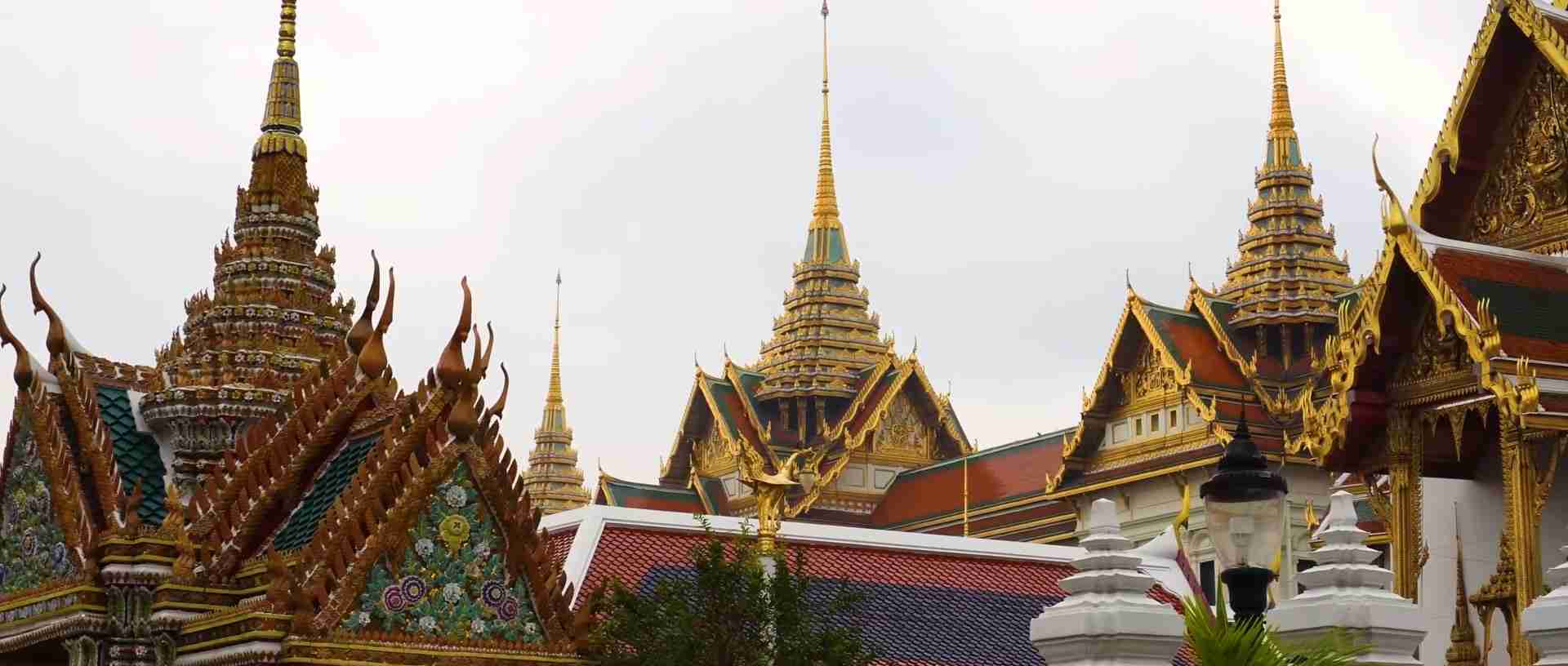
Thailand 10-Day Itinerary 2026: North to South Complete Guide
Thailand’s diverse landscapes from misty northern mountains to crystalline southern beaches create the perfect 10-day journey connecting Bangkok’s vibrant temples, Chiang Mai’s cultural heritage, and tropical island paradises. This comprehensive route maximizes Thailand’s highlights while maintaining realistic travel pacing, combining urban exploration, UNESCO World Heritage sites, and beach relaxation across three distinct regions. Whether traveling on a backpacker budget or seeking mid-range comfort, this north-to-south itinerary delivers Thailand’s essential experiences with practical 2026 logistics, verified costs, and strategic routing that eliminates backtracking.
Key Takeaways: Thailand 10-Day Route 2026
- Optimal Route Efficiency: Bangkok (3 days) → Ayutthaya day trip → Chiang Mai (3 days) → Southern beaches (3 days) follows Thailand’s natural north-south geography, minimizing transit time while covering cultural landmarks, mountain landscapes, and coastal regions without redundant travel.
- Budget Flexibility: Complete 10-day costs range ฿28,000-42,000 ($800-1,200) for budget travelers, ฿56,000-84,000 ($1,600-2,400) for mid-range comfort, and ฿140,000+ ($4,000+) for luxury experiences, with accommodation and dining choices representing the primary cost variables.
- Strategic Flight Timing: Domestic flights between Bangkok-Chiang Mai (฿900-1,200 one-way) and Chiang Mai-Phuket/Krabi (฿2,200-3,000) save 10+ hours compared to buses, with advance booking 4-6 weeks ahead yielding 30-50% savings during promotional periods.
- Seasonal Considerations: November-February 2026 represents peak season with optimal weather across all regions but commands 20-30% accommodation premiums; March-May offers shoulder season value with intense heat; June-October monsoon season delivers lowest prices with regional rainfall variations.
- Cultural Immersion Balance: The itinerary allocates sufficient time for both major attractions (Grand Palace, Doi Suthep, island hopping) and authentic experiences (local markets, cooking classes, temple meditation), avoiding rushed single-day city visits that characterize poorly planned Thailand routes.
- Destination Diversity: Combining Bangkok’s metropolitan energy, Chiang Mai’s mountain tranquility, Ayutthaya’s archaeological significance, and Andaman/Gulf coast beaches provides comprehensive Thailand exposure across climate zones, cultural contexts, and activity types within the 10-day framework.
People Also Ask About Thailand 10-Day Itinerary 2026
How Much Does Thailand Cost for 10 Days in 2026?
Thailand 10-day trip costs range ฿28,000-42,000 ($800-1,200) total for budget travelers, ฿56,000-84,000 ($1,600-2,400) for mid-range comfort, and ฿140,000+ ($4,000+) for luxury experiences. Budget travelers spend ฿2,800-4,200 ($80-120) daily staying in hostels (฿400-1,000 nightly), eating street food and local restaurants (฿350-500 daily), and using buses and trains. Mid-range travelers allocate ฿5,600-8,400 ($160-240) daily for boutique hotels (฿1,500-3,500 nightly), mixed dining including restaurants (฿700-1,200 daily), and domestic flights between regions. Luxury travelers budget ฿14,000+ ($400+) daily for resort accommodations (฿6,000-15,000 nightly), fine dining (฿2,000-4,000 daily), and private transportation. These totals exclude international flights but include all domestic transport, accommodation, meals, and major attractions. Regional price variations affect costs significantly—Bangkok and southern islands typically run 20-30% higher than Chiang Mai and northern regions.
Is 10 Days Enough for Thailand North to South Route in 2026?
Ten days provides sufficient time to experience Thailand’s essential highlights from Bangkok through northern mountains to southern beaches without excessive rushing, though travelers must accept strategic destination selection rather than comprehensive country coverage. The optimal 10-day route allocates Bangkok 2-3 days (Grand Palace, Wat Pho, markets, nightlife), Ayutthaya 1 day trip, Chiang Mai 2-3 days (temples, markets, day trips), and southern beaches 3-4 days (one island destination). This pacing allows meaningful exploration at each stop while accommodating realistic travel times between regions. Travelers attempting more than four distinct destinations within 10 days sacrifice depth for breadth, spending disproportionate time in transit rather than experiencing locations. Alternative approaches include Bangkok-Chiang Mai northern focus (10 days in north only) or Bangkok-islands southern focus (10 days south only), both offering deeper regional immersion. The north-south route works best for first-time visitors seeking Thailand’s diversity snapshot rather than comprehensive single-region expertise.
What’s the Best Transportation Strategy for Thailand 10-Day Trip 2026?
The most efficient 10-day Thailand transportation strategy combines domestic flights for long distances (Bangkok-Chiang Mai, Chiang Mai-southern beaches) with trains or buses for shorter routes (Bangkok-Ayutthaya), balancing time efficiency against costs. Budget airlines flying Bangkok-Chiang Mai cost ฿900-1,200 ($27-36) one-way with 1-hour flight time versus ฿400-700 ($12-21) for 10-12 hour buses, making flights worthwhile for travelers prioritizing time over minimal savings. Chiang Mai-Phuket or Krabi flights range ฿2,200-3,000 ($66-90) for 2-hour journeys compared to 20+ hour bus combinations, where flight premiums represent significant time value. Within cities, Bangkok’s BTS Skytrain and MRT subway (฿16-52 per trip) provide air-conditioned efficiency, while Chiang Mai’s songthaews (shared red trucks, ฿30-60) and Grab ride-hailing offer economical urban mobility. For Ayutthaya day trips, trains from Bangkok’s Hua Lamphong station cost ฿15-66 depending on class for the 90-minute journey. Advance flight booking 4-6 weeks ahead captures promotional fares, with Tuesday/Wednesday departures typically ฿200-400 cheaper than weekend travel. Overnight buses or trains save accommodation costs but sacrifice comfort and reduce next-day energy for sightseeing.
Should I Visit Phuket or Krabi for Southern Beach Days in 2026?
Krabi generally offers superior value and natural beauty for 2026 beach stays compared to Phuket, with less commercialization, lower accommodation costs, and easier access to stunning Railay Beach and Phi Phi Islands, though Phuket provides more nightlife and direct international flight connections. Krabi accommodation ranges ฿800-2,500 ($24-75) nightly for mid-range hotels versus Phuket’s ฿1,200-3,500 ($36-105) for comparable quality, representing 30-40% savings. Krabi’s Ao Nang serves as an ideal base for limestone cliff scenery, island hopping tours to Phi Phi (฿1,200-1,800 including lunch), and Railay Beach longtail boat access (฿100-150 per person). Phuket’s Patong Beach concentrates tourism infrastructure with extensive restaurant options, beach clubs, and Bangla Road nightlife, making it preferable for travelers prioritizing social scenes over natural tranquility. Koh Samui represents a third alternative in the Gulf of Thailand, offering middle-ground positioning between Krabi’s nature focus and Phuket’s development density, with similar pricing to Phuket but requiring longer/costlier flights from Chiang Mai (฿2,600-3,500). For 10-day itineraries with limited southern time, Krabi maximizes beach quality and budget efficiency, while Phuket suits travelers extending southern stays or prioritizing nightlife variety.
Extended multi-day tours – 5+ days
Featured Thailand Multi-Day Tour Packages
9 days
Amazing Thailand In 9 Days
- ✓ Comprehensive Thailand tour
- ✓ Expert local guides included
- ✓ All accommodation arranged
- ✓ Transportation provided

9 days
Island Hopping in Thailand In 9 Days
- ✓ Comprehensive Thailand tour
- ✓ Expert local guides included
- ✓ All accommodation arranged
- ✓ Transportation provided
10 days
Thailand Nature Escape 10 Days-Truly Local Experience – Bangkok/Chiang Mai/Chiang Rai
- ✓ Comprehensive Thailand tour
- ✓ Expert local guides included
- ✓ All accommodation arranged
- ✓ Transportation provided
10 days
Thailand Highlights 10-Day Package
- ✓ Comprehensive Thailand tour
- ✓ Expert local guides included
- ✓ All accommodation arranged
- ✓ Transportation provided
Multi-day tour packages powered by TourRadar. Prices and availability subject to change.
Introduction: Planning Thailand’s Essential 10-Day Journey 2026
Thailand’s geographical diversity from Lanna Kingdom heritage in misty northern mountains through central plains’ archaeological treasures to Andaman Sea’s limestone karsts creates natural routing for comprehensive 10-day explorations balancing cultural immersion with tropical relaxation. The optimal north-to-south itinerary capitalizes on Thailand’s compact size and excellent domestic transportation infrastructure, connecting Bangkok’s metropolitan vibrancy, Chiang Mai’s artisan traditions, and southern beach paradises through efficient flights and ground transport combinations. Unlike rushed multi-country Southeast Asia circuits attempting Thailand alongside Vietnam and Cambodia, this dedicated 10-day Thailand focus allows meaningful destination engagement rather than superficial attraction-checking, with strategic pacing preventing the exhaustion common in overly ambitious Asian itineraries.
Thailand’s tourism infrastructure development over five decades positions it as Southeast Asia’s most accessible destination for independent travelers, with extensive English signage, established backpacker networks, and tourism services across all budget levels from ฿400 hostel dormitories to ฿15,000 luxury resort suites. The country’s compact north-south distance of approximately 1,600 kilometers allows efficient regional transitions—Bangkok to Chiang Mai represents just 700 kilometers (1-hour flight or 10-hour bus), while Chiang Mai to Phuket spans 1,200 kilometers (2-hour flight)—making comprehensive geographical coverage realistic within 10 days when flights replace marathon bus journeys. This connectivity enables itineraries incorporating Thailand’s distinct ecological zones including tropical monsoon forests, limestone mountain ranges, mangrove coastlines, and coral reef marine environments across relatively short distances.
The north-to-south route structure offers logical progression through Thailand’s historical narrative, beginning with Bangkok’s Rattanakosin architecture representing Chakri dynasty consolidation (1782-present), moving to Ayutthaya’s UNESCO ruins documenting Siamese kingdom zenith (1351-1767), continuing to Chiang Mai’s Lanna cultural preservation, and concluding with southern islands’ contemporary resort development. This sequencing builds cultural context before beach relaxation, avoiding the reverse pattern where travelers arrive in southern party destinations first and struggle to engage Bangkok’s temple complexities afterward. Regional climate variations also favor this routing—northern Thailand’s November-February cool season coincides with southern peak conditions, allowing optimal weather capture across both zones during high season travel.
Budget flexibility represents Thailand’s significant advantage for diverse traveler demographics, with viable 10-day experiences ranging from ฿28,000 ($800) backpacker minimums to ฿140,000+ ($4,000+) luxury standards, both delivering authentic Thailand engagement at different comfort levels. This cost spectrum reflects Thailand’s dual-track tourism economy supporting both budget infrastructure (street food, hostels, public buses) and premium services (fine dining, boutique properties, private guides) often within the same neighborhoods. Strategic spending allocation—splurging on key experiences like traditional massage, cooking classes, or island boat tours while economizing on accommodation and daily meals—allows mid-range comfort within budget frameworks, maximizing value without sacrificing memorable experiences.
Seasonal timing dramatically impacts both costs and experiences for Thailand 10-day itineraries, with November-February high season commanding 20-30% accommodation premiums but delivering optimal weather across all regions (cool northern temperatures, minimal southern rainfall), while May-October monsoon season offers 30-50% discounts with regional precipitation variations. March-April represents shoulder season balance with moderate pricing and intense heat (35-40°C), suitable for travelers tolerating high temperatures in exchange for reduced crowds at major attractions. These seasonal patterns influence practical planning—high season visitors should book domestic flights and island accommodations 6-8 weeks advance, while low season travelers can secure spontaneous arrangements with favorable walk-in rates.
Daily Budget Expectations Thailand 2026
Thailand daily costs in 2026 range ฿2,800-4,200 ($80-120) for budget travelers, ฿5,600-8,400 ($160-240) for mid-range comfort, and ฿14,000+ ($400+) for luxury experiences, with accommodation representing 40-50% of daily budgets and dining choices accounting for 25-35% of expenses. These ranges reflect realistic spending across Bangkok, Chiang Mai, and southern beach destinations, though regional variations create 20-30% cost differences between expensive islands (Phuket, Koh Samui) and budget-friendly northern cities. Budget travelers achieve ฿2,800 daily minimums through hostel dormitories (฿400-600 nightly), street food and local restaurants exclusively (฿300-400 daily), public transportation (฿100-200), and free or low-cost temple visits and beach access. Mid-range comfort at ฿5,600-8,400 daily includes boutique hotels or quality guesthouses (฿1,500-2,500 nightly), mixed dining with sit-down restaurants and occasional Western meals (฿700-1,200 daily), ride-hailing apps and occasional taxis (฿300-500), and paid activities like cooking classes or island tours (฿800-1,500).
Luxury travelers spending ฿14,000+ daily allocate ฿6,000-12,000 for resort or boutique hotel suites, ฿2,000-4,000 for fine dining and hotel restaurants, ฿1,000-2,000 for private drivers or premium airport transfers, and ฿2,000-5,000 for spa treatments, private tours, or exclusive experiences like elephant sanctuaries. These luxury costs escalate rapidly in southern beach destinations where resort rates double compared to northern equivalents—Bangkok’s luxury hotels range ฿8,000-15,000 nightly while Phuket five-star resorts command ฿12,000-25,000 for similar standards. Regional accommodation price differences represent the most significant budget variable, with Chiang Mai mid-range hotels costing ฿1,000-1,800 versus Bangkok’s ฿1,800-3,000 for comparable quality, suggesting northern-focused itineraries deliver better value for budget-conscious travelers.
Food costs in Thailand remain remarkably affordable across all regions, with street food meals ranging ฿40-80 for pad thai, noodle soups, or rice dishes, local restaurants charging ฿100-250 for complete meals with beverages, and mid-range sit-down establishments running ฿300-600 per person. Western restaurants and hotel dining increase costs dramatically to ฿500-1,200 per meal, representing poor value propositions given Thailand’s exceptional local cuisine quality. Budget travelers eating exclusively street food and simple restaurants maintain ฿300-450 daily food costs (breakfast ฿60, lunch ฿100, dinner ฿150, snacks ฿90), while mid-range mixed dining allocates ฿700-1,200 daily (breakfast ฿150, lunch ฿300, dinner ฿500, beverages ฿250). Fresh fruit, bottled water (฿10-20), and snacks from 7-Eleven convenience stores provide economical supplementation between major meals, with most travelers budgeting ฿100-200 daily for water, fruit, and incidentals.
Activities and entrance fees vary significantly between free temple access and paid attractions, with major sites like Grand Palace (฿500), Ayutthaya temples (฿50 per site), and Chiang Mai’s Doi Suthep (฿50) representing one-time costs rather than daily expenses. Island activities including boat tours (฿1,200-2,500), scuba diving (฿3,000-4,000 for two dives), and snorkeling trips (฿800-1,500) concentrate southern costs, while northern cultural experiences like cooking classes (฿800-1,500), temple meditation sessions (฿200-500), and craft workshops (฿400-800) provide Chiang Mai alternatives. Free activities including temple visits beyond paid sites, beach access, hiking trails, and market exploration allow zero-cost days balancing expensive tour expenditures, with strategic scheduling alternating paid activity days with free exploration days to maintain budget discipline.
Optimal 10-Day Route Structure Thailand 2026
The most efficient Thailand 10-day route allocates Bangkok 2-3 days, Ayutthaya 1 day trip, Chiang Mai 2-3 days, and southern beaches 3-4 days, following natural north-south progression minimizing backtracking while covering cultural landmarks, mountain landscapes, and coastal regions. This structure prioritizes meaningful destination engagement over superficial multi-city rushing, allowing sufficient time for both major attractions and authentic local experiences at each stop. Alternative approaches include Bangkok-north focus (eliminating southern beaches for deeper northern exploration) or Bangkok-south focus (skipping Chiang Mai for extended island time), both viable for travelers with specific regional interests or return trip intentions.
Day 1-2 Bangkok allocation provides essential capital exposure including Grand Palace and Wat Pho temple complexes, Chatuchak Weekend Market or floating markets, street food tours in Chinatown, and Khao San Road nightlife sampling. Day 3 Ayutthaya day trip explores UNESCO archaeological park via 90-minute train from Bangkok, returning same evening to maintain Bangkok accommodation base. Days 4-6 Chiang Mai segment covers Old City temple circuit including Doi Suthep, night bazaar shopping, cooking classes, and optional day trips to Doi Inthanon or elephant sanctuaries. Days 7-9 southern beach allocation focuses single destination intensity—either Krabi (Railay Beach, Phi Phi day trips), Phuket (Patong Beach, island hopping), or Koh Samui—rather than multiple island hopping that consumes excessive ferry time. Day 10 provides Bangkok return and departure buffer, accounting for domestic flight schedules and international departure timing.
Regional transition logistics require strategic planning around domestic flight timing and positioning, with morning departures maximizing destination time while evening flights reduce accommodation costs through travel day elimination. Bangkok-Chiang Mai flights operate 15+ daily from Suvarnabhumi and Don Mueang airports with 6:00 AM first departures allowing Chiang Mai arrival by 8:00 AM after 1-hour flight, capturing full day 4 for northern exploration. Chiang Mai-southern beaches (Phuket or Krabi) require 7:00-9:00 AM departures for 2-hour flights arriving 9:00-11:00 AM, enabling beach check-in and afternoon orientation. Return flights from southern destinations to Bangkok operate throughout day, with evening departures (6:00-8:00 PM) maximizing final beach day before overnight Bangkok positioning for morning international departures.
Accommodation continuity versus hotel changing impacts both costs and convenience, with Bangkok split-stay approaches (3 nights initially, 1 night return) versus single-hotel booking affecting rates and luggage logistics. Some travelers pre-book entire Bangkok accommodation block (4 nights total) and request luggage storage during Chiang Mai and beach segments, avoiding repeat check-ins while securing better multi-night rates. Others optimize each destination’s neighborhood positioning—Bangkok’s Silom for initial business district access, Khao San return night for airport proximity—accepting dual bookings for location benefits. Chiang Mai and beach destinations justify single hotel bases given short 2-4 night durations, though Chiang Mai travelers often transition from Old City initial nights to Nimman area for shopping and cafe exploration.
Day 1-2: Bangkok Essential Exploration 2026
Bangkok’s initial 48 hours should concentrate Rattanakosin Island’s royal heritage sites, river commerce, and street food culture before northern and southern departures, establishing Thailand historical context while capturing the capital’s essential character. Day 1 begins with 8:00-9:00 AM Grand Palace arrival beating tour bus crowds that arrive 10:00-11:00 AM, allowing peaceful Emerald Buddha temple photography and throne hall exploration. The Grand Palace entrance fee is ฿500 per person covering Wat Phra Kaew (Temple of Emerald Buddha), multiple throne halls, and Queen Sirikit Museum of Textiles within the complex. Dress code enforcement requires covered shoulders and knees with no flip-flops—travelers in inappropriate clothing can rent cover-up garments at the entrance for ฿200 deposit refunded upon return.
After 2-3 hours at Grand Palace (closing ticket sales 3:30 PM, complex open until 4:30 PM), the adjacent Wat Pho temple houses Thailand’s famous 46-meter Reclining Buddha with entry fee ฿200 per person. Wat Pho also functions as Thailand’s traditional medicine and massage school, offering 30-minute traditional Thai massage for ฿260-420 depending on practitioner seniority, representing authentic experiences at reasonable rates compared to spa equivalents charging ฿800-1,500. The temple’s 108 bronze bowls along the reclining Buddha corridor accept ฿20 coin donations for Buddhist merit-making, each bowl representing one of Buddha’s auspicious characteristics. River crossing via Chao Phraya Express Boat (฿15-32 per trip depending on route) connects Wat Pho’s Tha Tien pier to Wat Arun across the river, where ฿100 entrance fee accesses the temple’s steep prang towers offering Chao Phraya River views.
Evening hours (6:00-10:00 PM) focus Bangkok’s street food culture in Chinatown’s Yaowarat Road, where vendors sell pad thai (฿50-80), mango sticky rice (฿60), grilled seafood (฿100-200 per dish), and fresh fruit shakes (฿40-60). Chinatown’s pedestrianized night market operates daily with minimal tourist markup compared to Khao San Road’s inflated pricing, delivering authentic local dining at true local costs. Alternative evening options include Asiatique riverfront night market combining shopping and dining (free entry, BTS to Saphan Taksin then free shuttle boat), or Khao San Road backpacker district for international traveler atmosphere and bar scene (Chang beer ฿60-100, cocktails ฿150-250). Bangkok MRT subway and BTS Skytrain cover most tourist destinations with trips costing ฿16-52 depending on distance, representing Thailand’s most efficient urban public transportation and avoiding notorious traffic congestion.
Day 2 Bangkok exploration shifts to contemporary contrasts with morning Chatuchak Weekend Market (operates Saturdays-Sundays 9:00 AM-6:00 PM) or weekday alternatives like Talad Rot Fai vintage market (Thursdays-Sundays 5:00 PM-midnight). Chatuchak’s 15,000+ stalls across 35 acres sell clothing, handicrafts, antiques, plants, and street food, requiring 3-4 hours minimum navigation and aggressive bargaining to secure 30-40% discounts from initial asking prices. For non-weekend travel, Pak Khlong Talat flower market operates 24 hours near Wat Pho, with peak activity 2:00-6:00 AM when wholesale buyers arrive. Afternoon hours accommodate Siam Square shopping district browsing (BTS to Siam or National Stadium stations), MBK Center’s eight floors of electronics and souvenirs, or Jim Thompson House museum (฿200 entry) showcasing traditional Thai architecture and silk industry history.
Bangkok daily costs day 1-2 including accommodation, meals, transport, and Grand Palace entrance total approximately ฿2,800-3,500 ($80-100) budget tier, ฿5,500-7,000 ($160-200) mid-range, or ฿12,000-16,000 ($350-450) luxury. Budget breakdown: hostel dormitory ฿500-700 per night, street food three meals ฿300, BTS/MRT transport ฿100, Grand Palace and temples ฿800, miscellaneous ฿300. Mid-range allocation: boutique hotel ฿2,000-2,500 nightly, mixed restaurant dining ฿800-1,000 daily, Grab taxis and BTS ฿400, attractions ฿800, massage and activities ฿800. These figures exclude Ayutthaya day trip costs covered in the following section but include Bangkok accommodation for 2-3 nights depending on itinerary structure.
Day 3: Ayutthaya UNESCO Day Trip 2026
Ayutthaya Historical Park day trip from Bangkok provides essential Thailand historical context through the former Siamese capital’s 400-year legacy (1351-1767), with well-preserved temple ruins and UNESCO World Heritage designation justifying the 90-minute journey north. The most economical and authentic approach departs Bangkok’s Hua Lamphong Station via State Railway of Thailand trains running hourly 4:20 AM-10:00 PM daily, with third-class seats costing ฿15 per person and air-conditioned second class ฿35-66 depending on express versus ordinary service. Trains take 75-110 minutes depending on service type and number of stops, arriving Ayutthaya Station across Pa Sak River from the historical island—cross via ferry (฿5) to access temple zones.
Alternative transportation includes minivans departing Bangkok’s Victory Monument (฿60-80 per person, 90 minutes), full-day tours with guide and transport (฿1,200-2,000 per person), or private taxi hire (฿1,500-2,000 round-trip including 4-5 hour wait time). Tours provide convenience and historical context through English-speaking guides but limit independent exploration flexibility and temple selection. Independent travelers maximize value and personalization by combining train transport with on-ground bicycle rentals (฿50-80 full day) or tuk-tuk charter (฿200-300 per hour for vehicle, negotiable for half-day ฿800-1,200). The historical park encompasses an approximately 4-kilometer island perimeter, making bicycles ideal for temple-to-temple transitions while maintaining exercise benefits and photographic flexibility.
Major Ayutthaya temple sites charge ฿50 entrance fee per location, with must-visit priorities including Wat Phra Si Sanphet (holiest temple with three royal chedis), Wat Mahathat (famous Buddha head entwined in tree roots), Wat Ratchaburana (impressive prang with murals), and Wat Chaiwatthanaram (Angkor Wat-style riverside temple). Some temples maintain free admission including Viharn Phra Mongkol Bopit and Wat Thammikarat, while others operate on donation basis. Comprehensive six-temple visits total ฿300 entrance costs plus transportation, with full-day exploration also including lunch at riverside restaurants (฿100-200 per person for Thai dishes). Many temples lack strict dress codes compared to Bangkok’s active religious sites, though modest attire remains appropriate given sacred historical significance—covered shoulders and knees recommended though enforcement remains minimal.
Photography enthusiasts should time visits for early morning golden hour (6:00-8:00 AM) when soft light illuminates ancient prangs and tourist crowds remain minimal, requiring overnight Ayutthaya accommodation for pre-dawn access. Most day-trippers arrive 10:00 AM-2:00 PM when harsh midday sun creates challenging lighting and peak congestion reduces photographic opportunities. Late afternoon 4:00-6:00 PM offers secondary golden hour advantage with sunset temple silhouettes, though requires evening Bangkok return on 6:30-7:30 PM trains. The optimal day trip schedule departs Bangkok 7:00-8:00 AM trains, explores temples 10:00 AM-4:00 PM, and returns 5:00-6:00 PM, arriving Bangkok 7:00-8:00 PM for dinner and evening activities.
Ayutthaya day trip total costs including Bangkok-Ayutthaya return train (฿30-132 depending on class), bicycle rental (฿60), temple entrances six sites (฿300), lunch (฿150), water and snacks (฿60) approximate ฿600-700 ($18-21) per person. This represents exceptional value for UNESCO World Heritage archaeological experience, though organized tour pricing (฿1,200-2,000) appeals to travelers prioritizing convenience and historical interpretation over budget optimization. Some combination tours bundle Ayutthaya with Bang Pa-In Summer Palace (฿100 entrance fee) or include river cruise returns to Bangkok (฿2,000+ including palace visit), extending day trip to 8-10 hours but providing Chao Phraya River scenery and reducing land transportation tedium.
Day 4-6: Chiang Mai Cultural Immersion 2026
Chiang Mai’s northern location 700 kilometers from Bangkok represents Thailand’s cultural counterpoint to metropolitan Bangkok, with Lanna Kingdom heritage, mountain settings, artisan communities, and cooler November-February temperatures (15-25°C nighttime lows) creating distinct regional character. Three-day Chiang Mai allocation allows Old City temple circuit exploration, market shopping, cooking class participation, and day trip selection to Doi Inthanon National Park, elephant sanctuaries, or hill tribe villages. Domestic flights from Bangkok to Chiang Mai operate 15+ daily via multiple carriers (Thai Airways, Bangkok Airways, AirAsia, Nok Air, Thai Lion Air) with ฿900-1,200 ($27-36) one-way fares for 1-hour flights, departing 6:00 AM-10:00 PM from both Suvarnabhumi and Don Mueang airports.
Early morning Bangkok departures (6:00-7:00 AM) arrive Chiang Mai 7:00-8:00 AM, enabling hotel early check-in or luggage storage followed by immediate Old City exploration maximizing day 4 productivity. Chiang Mai International Airport sits 4 kilometers from Old City center, accessible via airport shuttle buses (฿60), metered taxis (฿150-200), or Grab ride-hailing (฿120-180), with the 15-20 minute journey representing Thailand’s most convenient airport-to-city center transit. Accommodation within or immediately surrounding the Old City’s 1.5-kilometer square moat provides walking access to temples and evening markets, while Nimman area 2 kilometers west offers contemporary cafes, boutiques, and younger traveler atmosphere. Budget guesthouse beds range ฿300-800 nightly within Old City, mid-range boutique hotels ฿1,200-2,200, and luxury heritage properties ฿4,000-8,000.
Day 4 afternoon initiates Old City temple exploration with Wat Phra Singh (free entry), Wat Chedi Luang (฿40 entry), and Wat Phan Tao (free) representing Lanna architectural styles distinct from Bangkok’s Rattanakosin period buildings. Wat Phra Singh houses a revered Buddha image and features beautiful Lanna-style wooden structures, while Wat Chedi Luang’s massive ruined chedi (partially destroyed by 16th-century earthquake) showcases ancient brick construction techniques. The Old City’s compact 1.5-square-kilometer area enables self-guided walking tours connecting 30+ temples within 2-3 hours, though temple fatigue encourages selective visiting focused on major sites rather than exhaustive coverage. Chiang Mai’s temples generally maintain free or minimal admission (฿20-50) compared to Bangkok’s high-profile ฿200-500 fees, with quiet courtyard atmospheres and fewer tourists creating contemplative experiences versus capital congestion.
Evening hours introduce Chiang Mai’s market culture through Sunday Walking Street (Ratchadamnoen Road, Sundays 4:00 PM-midnight if visiting Sunday) or Saturday Walking Street (Wualai Road, Saturdays 4:00 PM-midnight), where hundreds of vendors sell handicrafts, clothing, art, and street food along pedestrianized corridors. Non-weekend alternatives include Chiang Mai Night Bazaar (Chang Klan Road, daily 6:00 PM-midnight) offering similar goods with less authentic atmosphere and higher tourist markups. Food stalls at all markets sell northern Thai specialties including khao soi (coconut curry noodles, ฿40-60), sai ua (northern sausage, ฿60), and sticky rice with mango (฿50), providing economical dinners while browsing handicrafts. Aggressive bargaining typically secures 30-40% discounts from initial prices on non-food items including silk scarves, silver jewelry, wood carvings, and paintings.
Day 5 allocates full-day experiences choosing between Doi Suthep temple and city viewpoints (half-day ฿200-300 via songthaew shared truck from Chang Phuak Gate), cooking classes (฿800-1,500 for 3-4 hour morning or afternoon sessions including market tours), elephant sanctuaries (฿2,000-3,500 full-day ethical interaction programs), or Doi Inthanon National Park (Thailand’s highest peak, ฿300 per person park fee plus ฿1,200-1,800 organized tour transport). Doi Suthep temple perched 15 kilometers west at 1,676 meters elevation requires ฿30 entrance fee plus 300-step naga serpent stairway climb (or ฿50 funicular), rewarding effort with gilded chedi, city views, and Lanna religious architecture. Cooking classes through schools like Thai Farm Cooking School or Zabb E Lee typically include morning market tours teaching ingredient selection, hands-on cooking of 5-7 northern dishes, and recipe booklet takeaways, representing cultural immersion with practical utility for home replication.
Day 6 provides flexibility for remaining activities, additional temple visits, or leisure mornings before afternoon Chiang Mai-southern beach departures. Morning options include Warorot Market’s local wholesale atmosphere (6:00 AM-6:00 PM daily, free entry), more cooking class variations focusing different cuisine styles, or spa treatments at Lanna Spa or Fah Lanna Spa (traditional Thai massage ฿300-500 per hour, aromatherapy treatments ฿800-1,500). Nimman area exploration combines Thinking Tree café culture, One Nimman shopping center, and boutique browsing, appealing to younger travelers or those seeking contemporary Thai urban lifestyle beyond historical focus. Afternoon flights to Phuket or Krabi depart 1:00-3:00 PM for 2-hour journeys arriving southern destinations 3:00-5:00 PM, enabling evening beach check-in and sunset orientation.
Chiang Mai three-day costs including accommodation, meals, activities, and local transport total approximately ฿6,000-9,000 ($175-260) budget, ฿12,000-18,000 ($350-525) mid-range, or ฿30,000-50,000 ($875-1,450) luxury. Budget breakdown: guesthouse ฿600 per night for three nights, street food and local restaurants ฿350 daily, songthaew and Grab transport ฿150 daily, temple entrances and activities ฿800 total. Mid-range allocation: boutique hotel ฿1,800 nightly, mixed dining ฿800 daily, transport ฿300 daily, cooking class and day trip ฿3,000 total. These totals exclude Chiang Mai-southern beach flights (฿2,200-3,000) but include all on-ground northern costs.
Day 7-9: Southern Beach Paradise 2026
Southern Thailand beach destinations deliver tropical island paradise completing the north-to-south route, with three-day allocations focusing single island or mainland beach area rather than multiple location hopping that consumes excessive ferry transit time. Primary destination choices include Krabi (Railay Beach access, Phi Phi Islands day trips, limestone cliff scenery), Phuket (developed infrastructure, nightlife, multiple beaches), or Koh Samui (Gulf of Thailand alternative, boutique resort density). Each offers distinct character and cost structures, with Krabi generally providing best value and natural beauty, Phuket delivering maximum convenience and nightlife variety, and Koh Samui representing middle ground between development and tranquility.
Krabi serves as optimal southern destination for 10-day itineraries maximizing beach quality within budget frameworks, with Ao Nang beach town offering accommodation ranges from ฿600 budget guesthouses to ฿3,000 mid-range hotels, plus easy access to Railay Beach (20-minute longtail boat ฿100-150 per person one-way) and Phi Phi Islands tours (฿1,200-1,800 full day including lunch, snorkeling, and multiple island stops). Railay Beach’s dramatic limestone cliffs and rock climbing routes create stunning scenery accessible only by boat due to peninsular geography, maintaining limited development and relative quietude compared to Ao Nang’s main beach commercialization. Krabi flights from Chiang Mai operate 3-5 daily with ฿2,200-3,000 ($66-90) fares for 2-hour journeys, arriving afternoon for evening check-in and sunset beach orientation.
Phuket represents Thailand’s most developed island with extensive accommodation options from Patong Beach budget hostels (฿500-1,000) to Bang Tao Beach luxury resorts (฿8,000-20,000), plus international airport connections enabling direct arrivals without Bangkok transits for travelers extending southern stays. Patong Beach concentrates tourism infrastructure with Bangla Road nightlife, beach clubs, restaurants, and shopping, while quieter alternatives include Kata Beach, Karon Beach, or northern island areas around Mai Khao and Nai Yang. Phuket’s size (543 square kilometers) requires scooter rentals (฿250-350 daily) or Grab taxis for beach-to-beach movement, contrasting with Krabi’s compact Ao Nang walkability. Island hopping tours visit Phi Phi Islands (฿1,800-2,500), James Bond Island (฿1,500-2,200), or Similan Islands (฿3,000-4,500 including transport from distant locations).
Koh Samui in the Gulf of Thailand provides third alternative with Bangkok Airways monopoly on direct flights creating higher transport costs (฿2,600-3,500 from Chiang Mai, ฿2,130-3,000 from Bangkok) but offering boutique resort density and beaches like Chaweng, Lamai, and Bophut. Koh Samui requires ferry connections from mainland Surat Thani (฿300-600 per person, 1.5-2.5 hours depending on ferry type) when arriving via Surat Thani airport budget flights, adding complexity versus Phuket and Krabi direct flights. For 10-day itineraries with limited southern time, Koh Samui’s access complications and similar costs to Krabi make it less optimal unless specifically drawn to its resort styles or Gulf coast positioning.
Day 7 arrival focuses beach orientation and sunset appreciation after morning Chiang Mai departure and afternoon flights, with evening dining at beachfront restaurants (fresh seafood ฿200-500 per person, cocktails ฿180-280, local beer ฿60-120). Day 8 allocates full-day island hopping tours or Railay Beach exploration, depending on destination choice and weather conditions. Phi Phi Islands tours departing 8:00-8:30 AM return 5:00-5:30 PM after visiting Maya Bay, Pileh Lagoon, Viking Cave, and Bamboo Island with snorkeling opportunities, lunch included, and equipment provided. Four Islands tours from Krabi visit Phra Nang Cave Beach, Tup Island, Chicken Island, and Poda Island for ฿800-1,200 per person, offering alternative to more expensive Phi Phi excursions while providing similar limestone cliff and snorkeling experiences.
Day 9 provides leisure beach time, additional water activities like kayaking (฿300-500 per person half-day), snorkeling (฿600-1,000), scuba diving (฿3,000-4,000 for two dives including equipment and boat), or spa relaxation before evening Bangkok return flights. Beachfront Thai massage (฿300-500 per hour) or beach clubs (Phuket’s Catch Beach Club or Café del Mar, Krabi’s Railay beach bars) offer contrasting afternoon activities balancing active water sports with relaxation. Many travelers use day 9 for photography sessions capturing sunrise (6:30-7:00 AM) or sunset (6:00-6:30 PM) at optimal light conditions, with Railay West Beach and Phuket’s Promthep Cape viewpoint representing premier photo locations.
Southern beach three-day costs including accommodation, meals, island tours, and local transport total approximately ฿7,500-12,000 ($220-350) budget, ฿15,000-24,000 ($440-700) mid-range, or ฿36,000-75,000 ($1,050-2,200) luxury. Budget breakdown: Ao Nang guesthouse ฿800 nightly, street food and beachfront simple restaurants ฿500 daily, longtail boats and local transport ฿200 daily, Phi Phi tour or activities ฿1,500. Mid-range allocation: beachfront hotel ฿2,500 nightly, seafood restaurants and beach bars ฿1,200 daily, tour and water activities ฿2,500, taxi and boat transport ฿400 daily. Luxury tier: resort ฿10,000+ nightly, fine dining ฿3,000 daily, private boat tours and spa treatments ฿5,000, private transfers ฿1,000 daily.
Day 10: Bangkok Return and Departure 2026
Final day logistics depend on international flight departure timing and southern beach return flight scheduling, with morning beach departures enabling afternoon Bangkok arrival and evening international flights, or overnight beach stays maximizing final relaxation before early morning next-day departures. Krabi and Phuket to Bangkok flights operate throughout the day with morning options (6:00-9:00 AM departures, 7:30-10:30 AM Bangkok arrivals) enabling full day 10 Bangkok activities before evening international departures, versus evening flights (5:00-8:00 PM departures, 6:30-9:30 PM Bangkok arrivals) that eliminate productive day 10 time but reduce accommodation costs through direct airport connections.
Travelers with evening international departures (8:00 PM or later) can benefit from morning southern beach flights arriving Bangkok noon, allowing afternoon shopping at Siam Paragon or CentralWorld malls, final street food meals in Sukhumvit or Silom areas, or airport-adjacent Suvarnabhumi area attractions. Bangkok’s BTS Skytrain Airport Rail Link (฿45, 30 minutes) connects Suvarnabhumi Airport to Phaya Thai Station enabling final-day city exploration with luggage storage at the airport (฿100-200 per bag per day) or hotels offering post-checkout storage services. Alternative approaches include overnight Bangkok accommodation near Suvarnabhumi for early morning international flights, enabling stress-free departures without overnight airport stays or 4:00-5:00 AM hotel checkouts.
Budget-conscious travelers often select evening southern beach flights (arriving Bangkok 6:30-9:30 PM) connecting directly to overnight international departures, eliminating final Bangkok accommodation costs and maximizing beach time. This approach requires careful flight coordination ensuring minimum 2-3 hour connection buffers between domestic arrival and international departure, accounting for potential domestic flight delays and Suvarnabhumi terminal transit time. Some airlines offer through-check baggage on domestic-to-international connections if booked together, though separate bookings require baggage collection and re-check with associated time consumption.
Final Bangkok day costs for travelers requiring overnight accommodation range ฿500-800 budget (airport area hotels), ฿1,500-2,500 mid-range (Sukhumvit or Silom), or ฿4,000-8,000 luxury (downtown five-star properties), plus meals and final shopping expenditures (฿500-2,000 depending on souvenir intensity). Those connecting direct to international flights eliminate accommodation costs but lose final Bangkok exploration opportunities, representing trade-off between economic optimization and experience completeness. Airport food courts and restaurants provide final Thai meal options at ฿100-300 per person for quality food court selections or ฿400-800 for sit-down restaurants, with convenience store snacks and beverages available throughout terminals.
Accommodation Strategy Thailand 2026
Thailand accommodation selection dramatically impacts both budget totals and daily comfort levels, with strategic booking approaches balancing advance reservations for high-season optimal properties against spontaneous walk-in rates during low season excess inventory. High season November-February 2026 requires 6-8 week advance booking for preferred Bangkok boutique hotels, Chiang Mai Old City properties, and Krabi/Phuket beachfront accommodations, with booking platforms Agoda and Booking.com typically offering 15-25% discounts compared to hotel direct bookings through package deals and loyalty programs. Low season May-October enables same-day or walk-in negotiations securing 30-50% discounts versus online rack rates, particularly for beach destinations experiencing severe occupancy drops during monsoon months.
Bangkok accommodation neighborhoods influence both costs and convenience, with Silom and Sukhumvit areas offering business district amenities, BTS Skytrain access, and nightlife proximity at mid-range ฿1,800-3,500 nightly, while Khao San Road backpacker zone provides budget hostels ฿400-1,000 with social atmosphere but limited public transport connections. Riverside areas including Bangkok’s Chao Phraya riverside hotels deliver premium locations at ฿4,000-10,000 nightly with river views and ferry access to major temples, while Ratchathewi and Pratunam neighborhoods offer mid-range value ฿1,200-2,200 with central positioning and wholesale market access. Budget travelers prioritizing social environments favor Khao San despite transport inconvenience, while mid-range travelers targeting efficient temple touring select Silom or Riverside properties near BTS and express boat piers.
Chiang Mai accommodation clusters within Old City moat boundaries or adjacent Nimman area 2 kilometers west, with Old City offering traditional atmosphere, temple proximity, and walking convenience to night bazaar at ฿600-2,200 nightly depending on quality level. Nimman area appeals to younger demographics with contemporary cafes, boutiques, and international dining but requires songthaew transport (฿40-60) for Old City temple access. Boutique hotels in renovated Lanna-style compounds provide mid-range authenticity at ฿1,500-3,000 nightly, while budget guesthouses and hostels concentrate along Moonmuang Road inside the moat at ฿300-800. Luxury options including 137 Pillars House or Dhara Dhevi command ฿8,000-20,000 for heritage property experiences with extensive grounds and resort amenities.
Southern beach accommodation varies dramatically between destinations and beach-specific zones, with Krabi’s Ao Nang offering budget-to-mid concentration ฿600-2,500, Railay Beach limited to mid-luxury properties ฿3,000-8,000 given boat access exclusivity, and Phuket’s range from Patong budget hostels ฿500-1,000 to Bang Tao luxury resorts ฿10,000-25,000. Beachfront versus back-street positioning creates 40-60% price differentials for comparable quality, with travelers deciding between sea views and beach access premium versus budget optimization. Many mid-range travelers select near-beach properties (5-10 minute walk) at ฿1,200-2,000 saving ฿800-1,500 daily versus direct beachfront equivalents, using savings for superior dining and activities rather than marginally better views.
Dining Strategy and Food Costs 2026
Thailand food costs range dramatically from ฿40 street food meals to ฿2,000+ fine dining experiences, with strategic dining allocation balancing local authenticity against occasional Western comfort while maintaining budget discipline. Street food represents Thailand’s culinary foundation delivering exceptional quality at ฿40-80 per dish for pad thai, boat noodles, som tam (papaya salad), or grilled meats, with night markets and food courts providing hygienic options beyond roadside carts that concern hygiene-sensitive travelers. Bangkok’s Or Tor Kor Market, Chiang Mai’s Warorot Market food section, and Krabi’s night market all offer middle-ground combinations of local prices with permanent roof structures and visible food preparation standards.
Local restaurants charging ฿80-200 per meal provide air-conditioned comfort with English menus and moderate variety, representing budget-conscious quality balance for travelers avoiding street carts while rejecting tourist restaurant premiums. These establishments concentrate around transportation hubs, universities, and residential neighborhoods rather than primary tourist zones, requiring 5-10 minute walks from major attractions but delivering 40-60% savings versus tourist-facing equivalents. Mid-range restaurants at ฿200-400 per person include Northern Thai khao soi specialists in Chiang Mai, seafood restaurants in southern beach towns, and Bangkok’s Chinatown sit-down establishments, all providing superior food quality and presentation while maintaining reasonable costs.
Western food including pizza, burgers, pasta, and international cuisines typically costs ฿300-800 per person, representing poor value propositions given Thailand’s exceptional local cuisine quality and variety. Many travelers budget 1-2 Western meals during 10-day periods for dietary breaks or familiarity comfort, accepting cost premiums as psychological necessities rather than regular practices. Hotel restaurants generally command 100-200% premiums versus street-level equivalents for identical Thai dishes, with breakfast buffets (฿300-600) offering value only when consuming substantial quantities versus simple street breakfast (฿60-100 for rice porridge, roti, or noodle soup).
Beverage costs significantly impact dining budgets, with bottled water (฿10-20 at convenience stores, ฿30-50 at restaurants), fresh fruit shakes (฿40-80), and Thai iced tea (฿30-50) representing economical choices versus imported soft drinks (฿40-60) or Western coffee chains (฿100-180 for lattes). Alcohol pricing favors local options with Chang and Singha beer costing ฿60-100 at bars versus ฿180-280 for cocktails or ฿200-400 for imported spirits. Beach clubs and upscale bars in Phuket and Bangkok double these costs, with cocktails reaching ฿300-500 and beers ฿120-200 at prime locations. Budget travelers minimizing alcohol expenditure while cultural enjoyers moderate intake maintain ฿100-300 daily beverage budgets, while social travelers prioritizing nightlife allocate ฿500-1,000 daily for bar and club participation.
Transportation Between Regions 2026
Inter-regional transportation choices between flights, trains, and buses significantly impact both total trip costs and available destination time, with domestic flights offering time efficiency at moderate premiums while overnight buses eliminate accommodation costs but sacrifice comfort and next-day energy. Bangkok to Chiang Mai represents Thailand’s most trafficked route with 15+ daily flights from multiple carriers charging ฿900-1,200 ($27-36) one-way for 1-hour journeys, competing against overnight VIP buses (฿500-700, 10-12 hours) and trains (฿270-890 depending on class, 12-15 hours). For 10-day itineraries prioritizing destination time over budget minimization, the ฿400-700 flight premium over buses represents worthwhile investment eliminating full transit days and arrival exhaustion.
Chiang Mai to southern destinations including Phuket, Krabi, or Surat Thani (Koh Samui access) operates 3-8 daily flights depending on destination with ฿2,200-3,500 fares for 2-2.5 hour journeys, competing against 18-24 hour bus combinations (฿800-1,400) requiring multiple transfers and overnight travel. The substantial flight time advantage (20+ hours saved) overwhelmingly favors air travel unless extreme budget constraints force bus selection, particularly given lost beach time and cumulative exhaustion from successive overnight buses. Budget airlines AirAsia, Nok Air, Thai Lion Air, and Thai VietJet offer promotional fares 30-50% below standard pricing when booking 6-8 weeks advance, with Tuesday and Wednesday departures typically ฿200-400 cheaper than Friday-Sunday weekend travel.
Bangkok to Ayutthaya short-range transport favors trains (฿15-66 for 90-minute journeys) or minivans (฿60-80, 90 minutes) versus organized tours (฿1,200-2,000) or private taxis (฿1,500-2,000 round-trip including wait time), representing clear public transport value for independent travelers comfortable navigating stations. State Railway of Thailand trains depart Hua Lamphong Station hourly with third-class non-air-conditioned seating at ฿15 providing authentic local experience, second-class air-conditioned at ฿35-66 for moderate comfort, and first-class at ฿66 for express services with assigned seating. Return journey flexibility allows spontaneous scheduling based on temple exploration completion rather than fixed tour departure times, enabling both shorter or extended Ayutthaya durations matching individual interests.
Bangkok urban transport combines BTS Skytrain, MRT subway, Chao Phraya Express Boat, and Grab ride-hailing, with comprehensive coverage of tourist destinations and reasonable costs eliminating rental car necessity. BTS and MRT trips cost ฿16-52 per journey depending on distance with stored-value Rabbit cards offering 5% discounts and eliminating ticket queue waits, while Chao Phraya Express Boats charge ฿15-32 with tourist day passes (฿150) providing unlimited rides. Grab typically costs ฿80-200 for cross-district trips with air-conditioned comfort and GPS tracking improving safety versus traditional metered taxis, though traffic congestion affects all road transport options equally. Daily Bangkok transport budgets approximate ฿100-200 for public transport users or ฿300-500 for Grab reliance.
Seasonal Planning and Weather Considerations 2026
Thailand’s tropical climate creates three distinct seasons affecting both costs and experiences, with November-February high season delivering optimal weather nationwide (cool northern temperatures 15-28°C, minimal southern rainfall) but commanding 20-30% accommodation premiums and peak tourist crowding. March-May hot season reaches extreme temperatures 32-40°C with April representing annual peak heat, creating challenging conditions for temple exploration and outdoor activities while offering moderate pricing between high season and monsoon season rates. June-October monsoon season brings regional rainfall variations with southern Andaman coast (Phuket, Krabi) experiencing peak precipitation August-October while northern regions and Gulf coast receive lighter intermittent showers, creating 30-50% accommodation discounts but requiring weather flexibility.
High season November-February 2026 represents optimal timing for first-time visitors seeking reliable weather across all itinerary regions, with Bangkok’s pleasant 20-30°C temperatures, Chiang Mai’s cool mountain climate 15-25°C, and southern beach consistent sunshine justifying premium pricing for guaranteed conditions. December-January concentrates maximum tourist arrivals particularly around Christmas and New Year holidays when accommodation costs peak 50-80% above shoulder season rates and attractions experience maximum crowding. Late November or February shoulder periods maintain favorable weather while avoiding absolute peak pricing and crowds, representing value-conscious high season compromise options.
Monsoon season June-October creates Thailand’s most budget-friendly period with dramatic hotel discounts particularly in beach destinations experiencing occupancy crashes, though rainfall patterns vary significantly between regions and specific months. Northern Thailand receives minimal monsoon impact with short afternoon thunderstorms clearing rapidly, making Chiang Mai and other northern destinations viable year-round with slight preference for November-February cool season. Southern Andaman coast (Phuket, Krabi, Koh Phi Phi) faces genuine monsoon challenges August-October with rough seas closing some boat tours and daily rainfall reducing beach enjoyment, while Gulf coast islands (Koh Samui, Koh Phangan) receive opposite monsoon patterns with November-December peak rainfall and June-August representing optimal conditions.
Shoulder season March-April and May combines moderate pricing with weather trade-offs including intense heat and occasional late-season rain, appealing to heat-tolerant travelers accepting 35-40°C temperatures for 20-30% cost savings versus high season. Songkran Festival (April 13-15) transforms these months into cultural highlights with nationwide water fights and temple ceremonies, though accommodation and transport costs spike during this 3-day period requiring advance bookings. October represents monsoon season conclusion with improving weather and remaining low-season pricing, creating value opportunities for flexible travelers accepting occasional rain probability in exchange for significant savings.
Money-Saving Strategies Thailand 2026
Strategic expense management across accommodation, dining, transportation, and activities enables significant budget reductions without sacrificing core Thailand experiences, with smart travelers achieving mid-range comfort at near-budget costs through informed decision-making. Accommodation savings begin with neighborhood selection choosing near-attractions properties (5-10 minute walks) over direct beachfront or prime locations, typically saving 40-60% while adding minimal inconvenience. Booking directly with guesthouses and small hotels via phone or walk-in during low season generates negotiated rates 20-40% below online platform pricing, particularly for 3+ night stays where proprietors offer multi-night discounts avoiding platform commission fees.
Dining cost reduction focuses street food and local restaurant emphasis with 80%+ meals at Thai establishments (฿40-200 per meal) and limited Western food exceptions (฿300-800 per meal), potentially saving ฿500-1,000 daily versus mixed Western-Thai dining patterns. Food courts in shopping malls (MBK Center Bangkok, Central Festival Chiang Mai, Jungceylon Phuket) provide air-conditioned comfort with local prices ฿60-150 per meal, bridging gaps between street food hygiene concerns and tourist restaurant premiums. Water bottle refilling at hotel or guesthouse filtered water dispensers eliminates ฿40-60 daily bottled water costs, with reusable bottles (฿80-150 purchase) paying for themselves within 2-3 days while reducing plastic waste.
Transportation economizing prioritizes public options (BTS, MRT, trains, songthaews) over Grab and taxis, saving ฿200-400 daily in Bangkok or ฿100-200 in Chiang Mai. Walking rather than short taxi rides between nearby attractions eliminates ฿80-150 per trip for 10-15 minute walks, accumulating ฿300-600 daily savings while increasing street-level exploration and photo opportunities. Overnight buses or trains between Bangkok and Chiang Mai save one night accommodation (฿500-2,000) while simultaneously providing transport, though comfort sacrifice and next-day exhaustion must be weighed against savings. Early morning domestic flight bookings (6:00-7:00 AM departures) cost ฿200-500 less than peak mid-morning flights while maximizing destination time at arrival cities.
Activity cost control emphasizes free temple access, beach time, and market exploration over paid attractions and tours, potentially eliminating ฿1,500-3,000 in organized tour costs. DIY approaches hiring longtail boats directly from fishermen (฿800-1,500 for private boat) versus organized Four Islands tours (฿1,200 per person minimum 4 people) saves money for small groups while providing schedule flexibility. Cooking classes represent rare paid activity justifications given ฿800-1,500 costs for valuable skills and cultural immersion, while expensive tours to commercialized elephant shows (฿2,000-3,000) offer questionable value versus ethical sanctuary alternatives or omitting elephant experiences entirely. Massage costs at beach massage pavilions (฿300-500 per hour) dramatically undercut hotel spa prices (฿1,500-3,000 per hour) for identical traditional Thai massage techniques.
Complete 10-Day Cost Breakdown 2026
Thailand 10-day total costs consolidating all expenses including domestic flights, accommodation, meals, transportation, activities, and incidentals approximate ฿28,000-42,000 ($800-1,200) for budget travelers, ฿56,000-84,000 ($1,600-2,400) for mid-range comfort, and ฿140,000+ ($4,000+) for luxury experiences. These comprehensive figures exclude international flights to/from Thailand but include all on-ground expenditures from Bangkok arrival through southern beach departure, representing realistic spending for the complete north-to-south itinerary described in previous sections. Regional cost variations create final spending range widths, with southern beach allocation choices (Krabi budget-friendly versus Phuket expensive) significantly impacting totals.
Budget tier breakdown: Bangkok accommodation 3 nights ฿1,500-2,100 (฿500-700 nightly hostel dorm or basic guesthouse), Chiang Mai accommodation 3 nights ฿1,800-2,400 (฿600-800 nightly), southern beach accommodation 3 nights ฿2,400-3,600 (฿800-1,200 nightly Krabi guesthouse), final Bangkok night ฿500-800 (airport area budget hotel). Domestic flights: Bangkok-Chiang Mai ฿900-1,200, Chiang Mai-Krabi ฿2,200-3,000, Krabi-Bangkok ฿2,200-3,000, total flights ฿5,300-7,200. Meals: ฿300-500 daily for 10 days, total ฿3,000-5,000. Activities: Grand Palace ฿500, Ayutthaya temples ฿300, Wat Pho ฿200, Doi Suthep ฿80, cooking class ฿1,000, Phi Phi tour ฿1,500, total ฿3,580. Local transport: Bangkok BTS/MRT/boats ฿800, Chiang Mai songthaews ฿450, Krabi longtails and local ฿600, Ayutthaya bicycle and train ฿200, total ฿2,050. Incidentals and contingency ฿2,000-3,000. Grand total budget tier: ฿28,000-42,000.
Mid-range tier breakdown: Bangkok accommodation 3 nights ฿6,000-7,500 (฿2,000-2,500 nightly boutique hotel), Chiang Mai 3 nights ฿5,400-6,600 (฿1,800-2,200 nightly), southern beach 3 nights ฿7,500-9,000 (฿2,500-3,000 nightly beachfront hotel), final Bangkok night ฿2,000-2,500 (mid-range airport hotel). Flights identical ฿5,300-7,200. Meals: ฿700-1,200 daily for 10 days including restaurant dining and occasional bars, total ฿7,000-12,000. Activities: Same entrance fees ฿3,580 plus cooking class upgrade ฿1,500, additional spa treatment ฿1,200, snorkeling or kayaking ฿800, total ฿7,080. Local transport: Grab rides mixed with public transport ฿3,000-4,000 for 10 days. Incidentals and shopping ฿5,000-8,000. Grand total mid-range: ฿56,000-84,000.
Luxury tier breakdown: Bangkok accommodation 3 nights ฿24,000-30,000 (฿8,000-10,000 nightly five-star), Chiang Mai 3 nights ฿18,000-24,000 (฿6,000-8,000 nightly luxury heritage), southern beach 3 nights ฿30,000-45,000 (฿10,000-15,000 nightly resort), final Bangkok night ฿5,000-8,000 (luxury airport hotel). Flights business class upgrades or premium economy ฿15,000-25,000. Meals: ฿2,000-4,000 daily fine dining and hotel restaurants, total ฿20,000-40,000. Activities: Private tours ฿8,000, luxury spa treatments ฿6,000, private boat charters ฿5,000, exclusive experiences ฿8,000, total ฿27,000. Private car and driver services ฿8,000-12,000 for 10 days. Shopping and luxury incidentals ฿15,000-30,000. Grand total luxury: ฿140,000-220,000+.
These comprehensive cost breakdowns demonstrate Thailand’s exceptional value across all budget tiers, with even luxury ฿140,000+ ($4,000+) totals representing significant savings versus equivalent 10-day Europe or North America itineraries costing $8,000-12,000+. Mid-range travelers at ฿56,000-84,000 ($1,600-2,400) achieve boutique accommodation, quality dining, efficient transport, and comprehensive activity participation—a combination requiring $3,500-5,000+ in Western destinations. Budget backpackers maintaining ฿28,000-42,000 ($800-1,200) totals access identical attractions, transportation networks, and cultural experiences as luxury travelers, differing only in accommodation comfort and dining settings rather than destination access or experience quality.
Essential Packing and Preparation 2026
Thailand travel requires minimal specialized equipment beyond standard tropical clothing, with strategic packing focusing versatile lightweight garments suitable for temple visits (covered shoulders and knees), beach activities, and urban exploration across climate zones. Essential items include conservative temple attire (long pants or skirts, sleeved shirts covering shoulders), swimwear for southern beaches, comfortable walking sandals suitable for temple barefoot requirements, sunscreen SPF 50+ for tropical sun intensity, and reusable water bottle for refilling at filtered stations. Northern Thailand November-February visits require light jacket or sweater for 15-20°C evening temperatures, particularly in Chiang Mai’s mountain elevation where morning and evening cooling creates 10-15°C temperature swings from midday peaks.
Medication preparation includes standard travelers’ diarrhea treatment (loperamide, oral rehydration salts), antihistamines for potential food allergies or insect bites, basic pain relievers (ibuprofen or paracetamol), and any prescription medications in original packaging with documentation. Comprehensive travel insurance covering medical evacuation, hospital treatment, and trip cancellation represents essential investment (฿2,000-5,000 for 10-day coverage depending on age and coverage level), with Thailand’s quality private hospitals delivering excellent care but requiring payment guarantees before treatment. Many budget travelers risk medical costs through insurance omission, facing potential ฿50,000-500,000+ hospital bills for serious illness or accidents requiring hospitalization or evacuation.
Technology requirements include unlocked smartphone for local SIM card usage (฿300-500 for 15GB+ tourist packages valid 15-30 days from AIS, DTAC, or TrueMove providers), universal power adapter for Type A/B/C/O Thailand electrical outlets (220V), and waterproof phone case for beach and boat activities. Portable battery pack (10,000-20,000 mAh capacity) maintains phone power during full-day temple or beach explorations without outlet access. Camera equipment choices range from smartphone-only minimalists to DSLR enthusiasts, with Thailand’s photogenic temples, beaches, and markets rewarding quality photography but not requiring specialized equipment beyond basic smartphone capabilities.
Visa requirements for Thailand vary by nationality, with citizens from 60+ countries including United States, Canada, European Union, Australia, and Japan receiving 60-day tourist exemption stamps on arrival without advance visa applications. This generous allowance covers standard 10-day itineraries with substantial buffer, though extensions beyond 60 days require either visa extension applications (฿1,900 per 30-day extension) or border runs to neighboring countries. Some nationalities require advance e-visa or visa-on-arrival arrangements—verify current requirements at Thai Embassy websites or through official Thailand immigration sources based on specific passport nationality.
Safety and Practical Considerations 2026
Thailand maintains excellent safety standards for international tourists with violent crime rates significantly lower than most Western countries, though standard travel precautions regarding valuables, scams, and traffic safety remain essential for trouble-free experiences. Petty theft including pickpocketing and bag snatching concentrates in crowded tourist areas (Khao San Road, Chatuchak Market, Patong Beach), requiring vigilance with phones, wallets, and cameras in congested spaces. Hotel safes should secure passports, excess cash, and backup credit cards, with daily carry limited to necessary amounts and photocopied identification rather than original documents.
Common tourist scams include tuk-tuk drivers proposing “special tours” to gem shops or suit tailors offering commissions, overpriced jet ski “damage” claims at beaches demanding ฿10,000-50,000 repairs for pre-existing damage, and bar bill inflation through spiked drink prices or unauthorized bottle service additions. Avoiding these requires refusing unsolicited tour offers, thoroughly documenting jet ski condition before rental with photos and videos, and carefully reviewing bar bills before payment while maintaining drink awareness. Taxi meter manipulation particularly affects airport arrivals—insist on meter usage or utilize fixed-price airport shuttle buses and official taxi queues rather than accepting “flat rate” offers from unofficial touts.
Traffic safety represents Thailand’s most significant visitor risk, with motorcycle and scooter accidents causing numerous tourist injuries and fatalities annually. Travelers renting scooters must possess valid motorcycle licenses from home countries (International Driving Permits recommended but not legally required), wear helmets (฿500-1,000 police fines for violations), and recognize that most travel insurance policies exclude coverage for unlicensed motorcycle operation. Left-side driving, aggressive local driving culture, and poorly maintained rental equipment create elevated accident risks, particularly for inexperienced riders attempting first-time motorcycle operation on Thailand’s congested roads.
Health precautions include avoiding tap water for drinking (bottled or filtered water exclusively), washing fruits and vegetables before consumption, and exercising caution with street food from vendors maintaining poor hygiene standards (look for busy stalls with high turnover and visible food preparation). Dengue fever risk exists year-round in urban areas and beaches requiring insect repellent use (DEET 30%+ concentration), air-conditioned accommodation when possible, and covering skin during dawn and dusk peak mosquito activity periods. Rabies concerns apply to stray dogs and monkeys, requiring immediate medical treatment if bitten regardless of injury severity—Thailand has excellent rabies post-exposure prophylaxis availability in major cities but treatment requires multi-dose regimen over 2-4 weeks.
Frequently Asked Questions: Thailand 10-Day Itinerary 2026
Can I Do Bangkok, Chiang Mai, and Beach in 10 Days Without Feeling Rushed?
Yes, the standard Bangkok (2-3 days) → Chiang Mai (2-3 days) → southern beach (3-4 days) allocation provides sufficient time at each destination for meaningful exploration without excessive rushing when using domestic flights between regions. The key enabling factor is flight selection over buses—Bangkok to Chiang Mai 1-hour flights versus 10-12 hour buses save full transit days, while Chiang Mai to Phuket/Krabi 2-hour flights versus 20+ hour bus combinations eliminate additional lost time. With flights, actual destination time totals 8-9 days across three locations, averaging 2.5-3 days per region which allows temple exploration, market shopping, cooking classes, and beach relaxation without marathon pacing. Travelers attempting to add fourth major destination (Ayutthaya overnight, Pai, Koh Samui) within 10 days cross into rushed territory with insufficient time at any single location, while those extending southern beach stays to 4-5 days should reduce Bangkok or Chiang Mai allocations accordingly. The itinerary becomes rushed only when bus transport replaces flights, consuming 2-3 transit days that could otherwise go to destination time, or when attempting to visit multiple southern islands requiring ferry transfers between locations.
Should I Book Accommodation in Advance or Find Places Upon Arrival in 2026?
The optimal strategy combines advance booking for high-season first nights in each destination (November-February 2026) ensuring guaranteed preferred properties upon arrival, with flexibility for extending stays or changing accommodations based on ground-level information and spontaneous opportunities. High season November-February requires 4-6 week advance reservations for quality boutique hotels and beachfront properties in popular areas, as Bangkok’s best-value Silom/Sukhumvit boutiques, Chiang Mai Old City heritage guesthouses, and Krabi beachfront hotels reach 80-100% occupancy during peak months. Booking platforms Agoda and Booking.com offer free cancellation up to 24-72 hours before arrival on most properties, enabling advance securing without commitment while capturing early booking discounts 15-25% below walk-in rates. Low season May-October permits complete spontaneity with same-day bookings or walk-ins negotiating 30-50% discounts versus online rates given severe occupancy drops, particularly in southern beach destinations experiencing monsoon impacts. A balanced approach books first night only at each destination through platforms, then extends direct with property or switches to alternatives if dissatisfied, combining guaranteed arrival accommodation with spontaneous flexibility. Budget backpackers during any season can arrive without bookings and find hostels within 2-3 hours of searching, though accepting whatever availability exists rather than selecting from full inventory options.
What Are the Most Common Mistakes to Avoid on Thailand 10-Day Trips?
The most frequent Thailand itinerary mistakes include attempting too many destinations (five+ locations in 10 days), using buses over flights for long-distance transport wasting multiple days in transit, spending disproportionate time in Bangkok (4+ days) at the expense of northern mountains or southern beaches, booking organized tours for activities easily accomplished independently at 50-70% cost savings, and failing to allocate beach time for post-cultural-touring relaxation. Destination count errors occur when travelers add Ayutthaya overnight, Chiang Rai, Pai, and multiple southern islands to the core Bangkok-Chiang Mai-beach route, creating exhausting transit schedules that sacrifice depth for superficial coverage. The solution maintains three primary bases (Bangkok, Chiang Mai, one beach destination) with possible Ayutthaya day trip, accepting that comprehensive Thailand coverage requires longer trips or focused regional approaches. Transportation mistakes include choosing overnight buses to “save accommodation costs” then arriving exhausted and wasting following days recovering, or selecting trains for “scenic journeys” on routes with limited visual interest while consuming 10-15 hours better spent at destinations. Budget allocation errors concentrate accommodation spending on luxury properties while economizing on food, eliminating Thailand’s exceptional culinary experiences in favor of street food monotony when inverse prioritization (modest hotels, excellent dining) delivers superior overall satisfaction given accommodation’s limited waking hours versus food’s multiple daily touchpoints.
Is It Better to Visit Phuket, Krabi, or Koh Samui for Limited Beach Time?
Krabi provides the best combination of natural beauty, value pricing, and activity access for 10-day itineraries with 3-4 day southern allocations, offering Railay Beach’s dramatic limestone scenery, economical Ao Nang accommodation base (฿800-2,500 mid-range), and convenient Phi Phi Islands day tours (฿1,200-1,800) without the overdevelopment characterizing Phuket’s main beaches. Phuket suits travelers prioritizing nightlife variety, extensive restaurant options, and don’t-have-to-think infrastructure given its larger size and established tourism ecosystem, though pays penalties through higher costs (฿1,200-3,500 mid-range accommodation), traffic congestion between beaches, and commercialized atmosphere. Koh Samui represents middle-ground compromise with boutique resort density and Gulf coast calm versus Andaman wave action, but requires costlier flights (฿2,600-3,500 from Chiang Mai versus ฿2,200-3,000 to Krabi) and additional complexity through Surat Thani ferry connections if using mainland budget flights. For 10-day first-time visitors seeking natural beauty emphasis, Krabi wins through Railay Beach access, Phi Phi proximity, limestone cliff scenery, and budget-friendly rates allowing more money for activities and quality dining. Phuket serves return visitors who exhausted Krabi previously or travelers specifically drawn to beach club scenes, extensive bar options, and established tourism infrastructure despite cost premiums. Koh Samui suits luxury resort enthusiasts willing to pay flight premiums for specific property experiences or travelers visiting during Koh Samui’s optimal June-August window when Andaman coast faces monsoon impacts.
How Much Cash Should I Carry Daily in Thailand 2026?
Daily cash requirements in Thailand 2026 approximate ฿2,000-3,000 ($60-90) for mid-range travelers covering street food, local transport, market shopping, and temple donations, with ATM access throughout major cities enabling regular small withdrawals maintaining security while avoiding excessive cash carrying. Most restaurants, hotels, and tour operators accept credit cards (Visa and Mastercard universally, American Express selectively), though street vendors, small guesthouses, local transport, and temple donations require cash exclusively. ATMs throughout Bangkok, Chiang Mai, and beach towns dispense ฿20,000-30,000 maximum per transaction with ฿220 bank fees per withdrawal, encouraging larger less-frequent withdrawals to minimize fee impact while maintaining reasonable security through money belt or hotel safe storage. Exchange rates at Thai ATMs (using home bank cards) typically beat currency exchange counters by 2-3%, making ATM withdrawal preferable to bringing large USD/EUR cash amounts for manual exchange. Budget travelers spending ฿2,800-4,200 daily maintain ฿3,000-5,000 cash reserves covering 1-2 days, while luxury travelers relying primarily on credit cards for hotels and dining keep ฿2,000-3,000 cash for incidental tipping, street food, and donation purposes. Emergency backup cash of ฿10,000-20,000 stored in hotel safes provides security against ATM card failures, lost wallets, or bank fraud blocks, representing approximately 3-5 day operating budgets depending on spending tier. Credit card usage for major purchases (hotel bookings, tour operators, domestic flights booked in Thailand) provides fraud protection and travel rewards while eliminating large cash carrying needs, with cash reserved for unavoidable cash-only situations.
Should I Take Cooking Classes in Bangkok or Chiang Mai?
Chiang Mai offers superior cooking class experiences compared to Bangkok through northern Thai cuisine specialization (khao soi, sai ua sausage, nam prik dips), better value pricing (฿800-1,500 versus Bangkok’s ฿1,200-2,200), market-to-table farm settings, and more intimate class sizes averaging 6-8 students versus Bangkok’s 12-15 participant industrial scale operations. Chiang Mai cooking schools like Thai Farm Cooking School, Zabb E Lee, and Asia Scenic Thai Cooking School combine morning market ingredient tours with hands-on cooking of 5-7 dishes in outdoor pavilion settings, providing cultural immersion alongside culinary education and recipe booklet takeaways for home replication. Bangkok cooking classes concentrate in commercial kitchen settings teaching central Thai dishes that overlap significantly with restaurant-available options versus Chiang Mai’s northern specialties offering unique regional exposure. The decision ultimately depends on schedule constraints and regional cuisine interests—travelers spending 3+ days in both cities can accommodate classes in either location, while those with single-city time availability should prioritize Chiang Mai classes for better value and distinctive northern flavors. Alternative cooking class locations include southern beach destinations offering seafood-focused classes (฿1,200-2,000) incorporating Thai curry pastes and fish preparations, though these typically deliver inferior value versus Chiang Mai options given tourist resort pricing. Half-day cooking classes (3-4 hours) fit flexible itinerary scheduling better than full-day alternatives (6-8 hours), enabling morning class completion followed by afternoon temple visits, shopping, or relaxation while still providing comprehensive cooking instruction across multiple dish types.
Can I Use Credit Cards Everywhere in Thailand or Do I Need Cash?
Thailand operates dual-payment economy requiring both credit cards for major purchases (hotels, tour bookings, department stores, mid-to-upscale restaurants) and cash for daily transactions (street food, local transport, markets, small guesthouses, temples), with comprehensive ATM networks enabling regular cash access throughout tourist destinations. Visa and Mastercard acceptance approaches 90%+ at hotels rated 3-star and above, established tour operators, shopping malls, and sit-down restaurants, while American Express and other cards face more limited 30-40% acceptance given higher merchant processing fees. Street vendors, food courts, most tuk-tuks and songthaews, 7-Eleven convenience stores, and budget guesthouses remain cash-only, representing significant daily expense categories requiring regular cash reserves. Credit card foreign transaction fees typically add 2.5-3% to purchases unless using specific travel credit cards offering foreign fee waivers, making cash from ATM withdrawals more economical for purchases under ฿1,000 where merchant acceptance exists for either payment type. Thai ATMs accept international cards universally with ฿220 fixed fee per withdrawal regardless of amount, encouraging larger ฿10,000-20,000 withdrawals to minimize per-transaction fee impact while maintaining security through hotel safe storage. Some merchants add 2-3% credit card surcharges to stated prices, technically violating card network rules but occurring frequently enough to verify total charges before authorizing transactions. Budget travelers can operate 80-90% on cash through ATM withdrawals, using credit cards only for hotel pre-bookings and occasional large purchases, while mid-range travelers balance 40-60% credit card usage for hotels and tours against 40-60% cash for dining and activities. Never rely exclusively on credit cards in Thailand without cash backup—ATM locations may be distant, cards can be declined by fraud detection systems, and ubiquitous cash-only situations create problems without adequate Thai baht reserves.
What’s the Optimal Way to Split Time Between Bangkok, Chiang Mai, and Beaches?
The optimal 10-day split allocates Bangkok 2-3 days, Chiang Mai 2-3 days, and southern beaches 3-4 days, with exact proportions adjusting based on individual interests in urban exploration (favor Bangkok), cultural immersion (favor Chiang Mai), or beach relaxation (favor southern destinations). First-time visitors benefit from balanced 2.5 days Bangkok (arrival day afternoon + 2 full days + departure morning), 2.5 days Chiang Mai (arrival morning + 2 full days + departure morning), and 3.5 days beaches (arrival afternoon + 3 full days + departure afternoon) distribution providing authentic exposure to each region’s distinct character without rushing. Culture-focused travelers can extend Bangkok to 3 days and Chiang Mai to 3 days while reducing beaches to 3 days, accepting that comprehensive Bangkok museum coverage (National Museum, Jim Thompson House, MOCA Bangkok) and Chiang Mai day trips (Doi Inthanon, elephant sanctuaries, Mae Sa Valley) justify additional time allocation. Beach-priority travelers who previously visited Thailand or less interested in temple touring can compress Bangkok to 2 days and Chiang Mai to 2 days, extending southern allocation to 4-5 days enabling two-island combinations (Krabi + Koh Phi Phi overnight, or Phuket + Koh Phi Phi day trip + James Bond Island tour) or single-island luxury resort relaxation. The allocation shouldn’t drop any region below 2 days minimum—single-day Bangkok or Chiang Mai stops provide only rushed attraction checking without cultural absorption, while 1-2 day beach allocations barely justify flight costs given limited beach time after arrival and pre-departure scheduling. Ayutthaya day trip from Bangkok adds cultural depth without altering the 2-3-3 split since it replaces one Bangkok day rather than requiring separate allocation, though travelers can skip Ayutthaya entirely to preserve Bangkok urban exploration time for markets, museums, or neighborhoods beyond Rattanakosin Island’s temple concentration.
Is Thailand Safe for Solo Travelers and What Precautions Should I Take?
Thailand maintains excellent safety standards for solo travelers with violent crime rates significantly lower than Western countries and established backpacker infrastructure providing social connection opportunities throughout major tourist routes, though standard precautions regarding valuables, scams, and nighttime situations remain essential for trouble-free experiences. Solo women travelers frequently cite Thailand as one of Asia’s most comfortable destinations given respectful local culture, extensive solo traveler presence eliminating isolation concerns, and hostel/guesthouse social environments facilitating friend groups for shared activities and dining. Primary safety considerations include avoiding excessive alcohol consumption that impairs judgment particularly in beach party destinations, maintaining awareness during nighttime situations when walking alone, and refusing unsolicited help or tour offers from strangers approaching in tourist areas—these often lead to scam situations including overpriced gem shops, fraudulent tour operators, or bar bill inflation schemes. Accommodation security requires using hotel safes for passports and excess cash while carrying only daily requirements, with solo travelers particularly vigilant about room door security and avoiding ground-floor rooms accessible through windows. Meeting fellow travelers occurs naturally in hostels through common areas and organized activities (pub crawls, cooking classes), guesthouses through shared breakfast tables and owner recommendations, and tour operators through small group activities. Solo dining generates zero social stigma in Thailand with locals regularly eating alone at street stalls and restaurants, though finding multiple solo travelers wanting dinner companions remains easy through hostel notice boards or simple restaurant conversations. Transportation safety emphasizes metered taxis or Grab ride-hailing over unmarked vehicles, BTS Skytrain/MRT subway during late hours when possible, and avoiding motorcycle taxi rides particularly after alcohol consumption. Solo female travelers should dress modestly for temple visits respecting local cultural norms, avoid isolated beaches during late afternoon hours, and maintain heightened awareness during evening street walking compared to daytime situations. Emergency contacts include Tourist Police 1155 (English-speaking operators), embassy numbers stored in phone contacts, and hostel/hotel 24-hour front desk for local assistance—Thailand’s tourism infrastructure provides extensive support systems for solo travelers encountering problems.
Should I Buy Travel Insurance for Thailand 10-Day Trip?
Yes, comprehensive travel insurance represents essential investment for Thailand trips given medical evacuation costs potentially reaching ฿500,000-2,000,000+ ($15,000-60,000+) for serious injuries or illnesses requiring air ambulance to Singapore or home country, with even minor hospital treatments costing ฿20,000-100,000 ($600-3,000) at quality private facilities. Thailand’s excellent private hospitals (Bangkok Hospital, Bumrungrad International) deliver care quality exceeding most Western facilities but require upfront payment guarantees before treatment, meaning uninsured travelers face demanding credit card authorization for ฿100,000-500,000+ deposits or risk transfer to inferior public hospitals with overcrowding and language barriers. Insurance costs approximate ฿2,000-5,000 ($60-150) for 10-day comprehensive coverage depending on age, coverage limits, and deductibles, representing 2-5% of total trip budgets while protecting against catastrophic ฿500,000+ medical scenarios or ฿50,000-150,000 trip cancellation losses from pre-departure emergencies. Critical coverage verification includes medical treatment minimums ฿3,000,000+ ($100,000+), emergency medical evacuation to home country or Singapore, trip cancellation and interruption protection, and importantly exclusions for motorcycle/scooter operation without valid motorcycle license—many travelers rent scooters unaware that standard travel insurance excludes coverage for unlicensed riders, creating ฿100,000-500,000+ uncovered accident scenarios. Adventure activity coverage requires specific verification if planning scuba diving, rock climbing at Railay Beach, or other elevated-risk activities often excluded from standard policies or requiring supplemental premiums. Purchase insurance through specialized travel insurance providers (World Nomads, Allianz, Travel Guard) offering medical-focused coverage rather than credit card trip protections that typically provide minimal medical benefits while emphasizing trip cancellation and lost luggage insurance. Pre-existing condition exclusions require careful review for travelers with chronic health issues, with some policies offering waivers when purchased within 14-21 days of initial trip deposit. Thailand medical costs remain 60-80% below Western equivalents for identical treatments, making uninsured approaches tempting for budget travelers, but serious injury or illness scenarios can easily exceed ฿500,000 creating devastating financial impacts—the ฿3,000 insurance cost represents worthwhile protection against low-probability but high-impact medical emergencies.