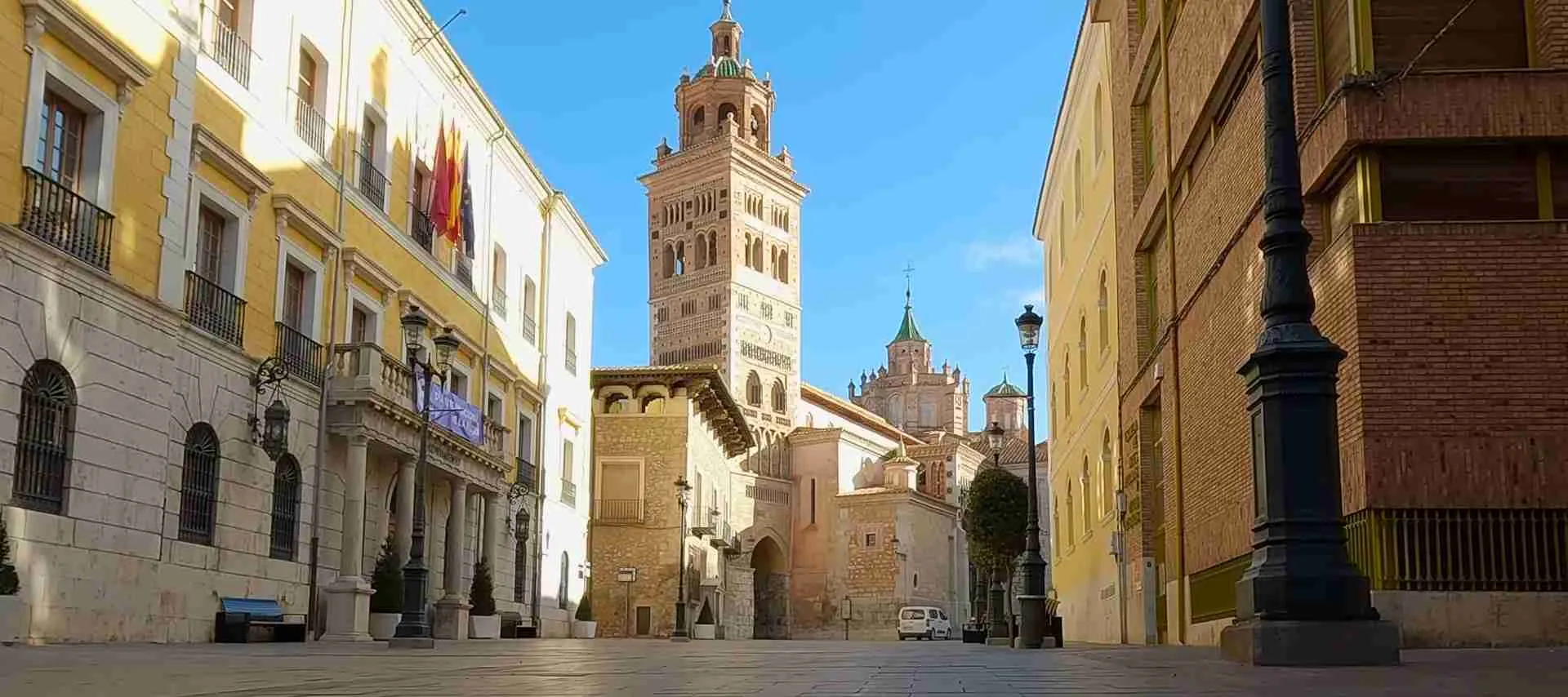
Teruel Travel Guide 2026: Ultimate Planning Resource
Teruel, Aragon’s hidden gem in eastern Spain, offers travelers an extraordinary journey through medieval architecture, UNESCO World Heritage sites, and authentic Spanish culture far from tourist crowds. This compact provincial capital of 36,000 residents preserves four magnificent Mudéjar towers and churches that earned UNESCO recognition in 1986, alongside the romantic legend of the Lovers of Teruel, renowned jamón serrano, and dramatic landscapes that make it one of Spain’s most underrated destinations.
Key Takeaways for Teruel 2026
- UNESCO Mudéjar Architecture Excellence: Teruel contains four of the ten Mudéjar Architecture of Aragon UNESCO World Heritage sites—Cathedral of Santa María tower and ceiling, San Pedro tower and church, Torre de San Martín, and Torre del Salvador—representing the finest examples of Islamic-Christian architectural fusion from the 12th-14th centuries.
- Budget Planning 2026: Daily costs in Teruel range €45-75 per person excluding accommodation, with budget hotels from €40-60 nightly, mid-range hotels €70-100, three-course menu del día lunches €12-20, and major monument entries €5-10, making Teruel significantly more affordable than Barcelona or Madrid.
- Transportation Access 2026: Valencia provides the closest major airport (145km, 1.5-2 hours by bus €16-23), with regular bus connections from Madrid (4-5 hours, €30-35), Zaragoza (2-2.5 hours, €15-20), and Barcelona (6 hours, €38-44), while the compact historic center allows complete exploration on foot.
- Optimal Visit Timing 2026: March through May and September through October offer the best value with lowest hotel rates, comfortable temperatures 15-25°C, and fewer visitors, while avoiding Teruel’s extreme winter cold and summer heat that characterize Spain’s least populated provincial capital.
- Cultural Immersion Authenticity: Teruel’s off-the-beaten-path location preserves genuine Spanish daily life, outstanding regional cuisine featuring jamón de Teruel DOP, medieval festivals including the February Bodas de Isabel de Segura and July’s La Vaquilla del Ángel, and nearby Albarracín (38km), one of Spain’s most beautiful medieval villages.
- Efficient Exploration Strategy 2026: Teruel’s condensed historic center allows comprehensive sightseeing in 1-2 days, with all four UNESCO towers, the cathedral, Plaza del Torico, Mausoleum of the Lovers, and La Escalinata monumental staircase within 15-minute walking radius, perfect for weekend breaks or Valencia-Zaragoza route stopover.
People Also Ask About Teruel Travel 2026
Is Teruel Worth Visiting in 2026?
Teruel rewards travelers seeking authentic medieval Spain beyond mass tourism with exceptional value, architectural significance, and cultural depth. The city’s four UNESCO Mudéjar towers represent irreplaceable artistic heritage combining Islamic brick-and-tile craftsmanship with Christian Gothic structures—Torre de San Martín and Torre del Salvador rank among Spain’s most stunning medieval monuments. The Cathedral of Santa María’s painted wooden ceiling, called the “Sistine Chapel of Mudéjar art,” displays 13th-century scenes of medieval life unmatched elsewhere. Teruel’s isolation preserves genuine Spanish rhythms: locals gathering at Plaza del Torico cafes, traditional market days, and restaurants serving authentic Aragonese cuisine without tourist markups. Hotel costs run 40-50% below Barcelona or Valencia equivalents, while the compact walkable center allows thorough exploration without transportation expenses. The romantic Lovers of Teruel legend adds emotional resonance to historical monuments, and proximity to Albarracín, Sierra de Albarracín nature park, and El Maestrazgo region creates excellent day-trip opportunities. For travelers prioritizing architecture, history, value, and authenticity over beaches or nightlife, Teruel delivers exceptional rewards.
How Many Days Do You Need in Teruel in 2026?
Two days sufficiently cover Teruel’s main attractions with comfortable pacing, though one focused day visits all UNESCO sites and major landmarks. A one-day itinerary includes morning exploration of the Cathedral (1 hour) and Torre del Salvador climb (30 minutes), midday visit to the Mausoleum of the Lovers and San Pedro Church (1.5 hours), afternoon discovery of Torre de San Martín and Plaza del Torico area (1 hour), and evening stroll through La Escalinata monumental staircase district. Two days allow deeper immersion: day one focuses on UNESCO architecture with leisurely monument visits, traditional lunch, and afternoon museum exploration, while day two adds a half-day excursion to Albarracín (38km) or relaxed morning at Dinópolis paleontology park, afternoon shopping for jamón de Teruel and local ceramics, and evening tapas crawl through historic quarter bars. Three days incorporate full-day trips to El Maestrazgo region medieval villages, Sierra de Albarracín hiking, or extended Albarracín exploration with overnight stay. Weekend visitors from Valencia or Madrid find two nights ideal, combining Friday evening arrival, full Saturday exploration, Sunday morning final sights, and afternoon departure.
What Is the Best Way to Get to Teruel in 2026?
Valencia provides the most convenient airport access to Teruel via direct bus service covering 145km in 1.5-2 hours for €16-23 through Samar bus company. Valencia Airport offers extensive European connections, with metro service to Valencia bus station (Estació de Turia) costing €5 and buses departing multiple times daily. Madrid presents the second option with direct buses from Estación Sur de Autobuses to Teruel requiring 4-5 hours for €30-35, or train connections via Madrid Chamartín to Sagunto transfer taking 5.5 hours for €55-75—the bus provides better value and similar journey time. From Zaragoza, both train and bus services reach Teruel in 2-2.5 hours for €15-20, with buses via Jiménez company and trains via Renfe departing from Zaragoza Delicias station. Barcelona requires the longest journey at 6 hours by bus (€38-44) or 5.5 hours by train with Zaragoza connection (€55-85), making Valencia the superior choice for international arrivals. Rental cars offer flexibility for exploring surrounding attractions like Albarracín and El Maestrazgo, with driving time from Valencia 1.5 hours, Madrid 3.5 hours, and Barcelona 4.5 hours via well-maintained highways. Teruel’s bus and train station location near the historic center (600 meters) allows easy walking access with luggage, or brief taxi ride for €5-7.
Where Should I Stay in Teruel in 2026?
The historic center provides optimal accommodation location in Teruel, placing visitors within 5-10 minute walk of all UNESCO sites, Plaza del Torico, restaurants, and attractions while offering superior atmosphere and evening ambiance. Budget travelers find excellent value at Hotel Oriente (3-star, €50-70 nightly) near Plaza del Torico with UNESCO tower views, or CLÁ Hotel-Boutique (€55-75) offering contemporary design 5 minutes from Los Arcos Aqueduct. Mid-range options include Hotel Torico Plaza (3-star, €65-90) directly on the main square with rooftop terrace overlooking Torre del Salvador, and Hotel Reina Cristina (4-star, €80-110) in the historic quarter combining elegant rooms with central location. Upscale selections feature Hotel Palacio La Marquesa (4-star, €100-140) in a restored aristocratic palace with original architectural details, and Parador de Teruel (4-star, €90-130) on the city outskirts offering peaceful gardens, swimming pool, and traditional Parador quality. Aparthotel Teruel (€60-85) provides self-catering duplex apartments ideal for families or extended stays, with modern amenities and historic center proximity. Booking 2-3 months advance secures best rates, especially for festival periods like February’s Bodas de Isabel de Segura weekend (third weekend) or July’s La Vaquilla del Ángel (closest weekend to July 10) when accommodation demand peaks. Off-season months March-May and September-October offer lowest prices, sometimes 30-40% below summer rates.
Extended multi-day tours – 5+ days
Featured Zaragoza Multi-Day Tour Packages
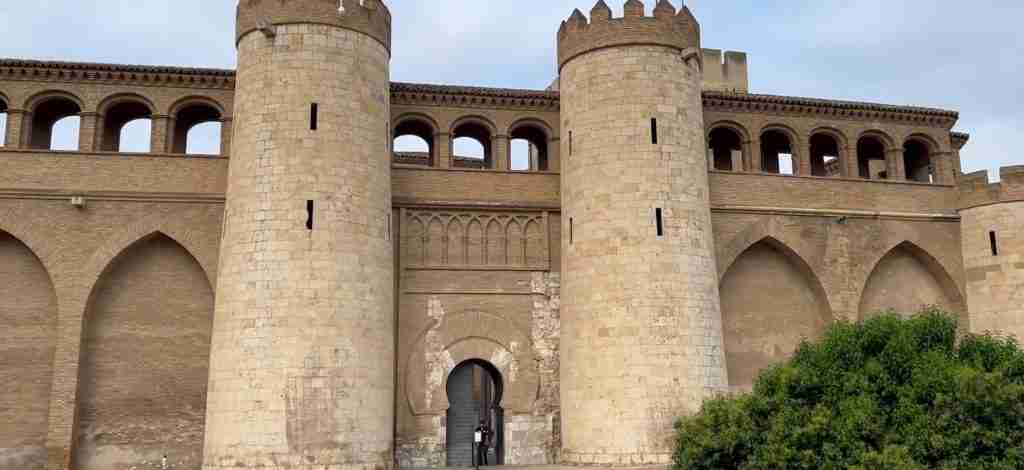
3 days
Zaragoza 3-Day Discovery Tour
- ✓ Comprehensive Zaragoza experience
- ✓ Expert local guides included
- ✓ All accommodation included
- ✓ Transportation provided

5 days
Zaragoza 5-Day Highlights Experience
- ✓ Comprehensive Zaragoza experience
- ✓ Expert local guides included
- ✓ All accommodation included
- ✓ Transportation provided
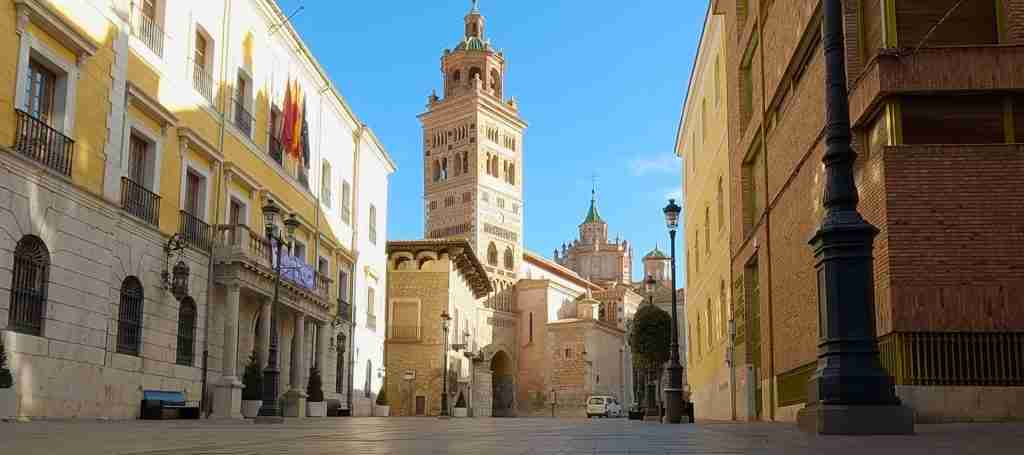
7 days
Zaragoza 7-Day Cultural Journey
- ✓ Comprehensive Zaragoza experience
- ✓ Expert local guides included
- ✓ All accommodation included
- ✓ Transportation provided
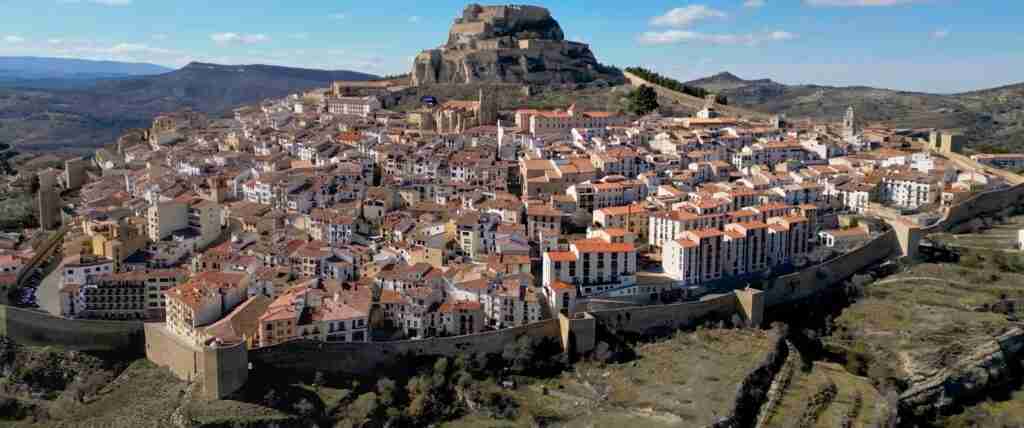
10 days
Zaragoza 10-Day Complete Adventure
- ✓ Comprehensive Zaragoza experience
- ✓ Expert local guides included
- ✓ All accommodation included
- ✓ Transportation provided
Multi-day tour packages powered by TourRadar. Prices and availability subject to change.
Introduction: Discovering Teruel’s Medieval Treasures in 2026
Teruel occupies a singular position in Spanish tourism—a UNESCO World Heritage city that remains profoundly off the beaten path, preserving medieval architectural treasures and authentic cultural traditions in Spain’s least populated provincial capital. Located at 912 meters elevation in Aragon’s southeastern mountains, Teruel’s isolation created both historical challenges and modern advantages: challenging terrain delayed development that destroyed heritage elsewhere, while contemporary obscurity keeps mass tourism away, maintaining the genuine Spanish character that disappeared from coastal destinations and major cities. The reward for travelers who make the journey reveals itself immediately upon entering the historic center, where four soaring Mudéjar towers punctuate the skyline with intricate green-and-white tilework, the Cathedral’s painted ceiling narrates medieval life in vivid 13th-century detail, and narrow streets preserve the intimate scale of a medieval Aragonese town.
Teruel’s UNESCO designation recognizes the Mudéjar Architecture of Aragon, a unique artistic phenomenon born from the Reconquista’s cultural complexity when Christian kingdoms employed Muslim artisans (mudéjares—”permitted to remain”) who applied Islamic aesthetic traditions to Christian religious structures. The resulting architectural fusion created buildings belonging fully to neither Islamic nor Christian traditions but representing an authentic synthesis found nowhere else in Europe. Teruel contains four of the ten components of this World Heritage site: the Cathedral of Santa María de Mediavilla’s tower, roof, and cimborio; the tower and church of San Pedro; the church tower of San Martín; and the church tower of El Salvador. These monuments from the 12th-14th centuries demonstrate extraordinary refinement in brickwork, geometric patterns in glazed ceramic tiles, and wooden coffered ceilings combining Gothic structural systems with Nasrid decorative traditions. Walking Teruel’s streets offers continuous visual engagement with these masterworks—the towers rise unexpectedly around corners, their ornate surfaces revealing new details with changing light, while the Cathedral’s interior transports visitors into medieval visual culture through its comprehensive painted narrative.
Beyond architectural significance, Teruel preserves cultural traditions and local identity increasingly rare in 21st-century Spain. Plaza del Torico, the compact main square crowned by a tiny bull statue symbolizing the city, functions as genuine community gathering place where locals meet for morning coffee, afternoon vermouth, and evening paseo rather than tourist photo opportunity. The city’s famous ham, jamón de Teruel DOP (Denominación de Origen Protegida), comes from free-range pigs raised in surrounding Sierra de Albarracín mountains and cured following centuries-old methods—restaurants serve it without tourist markup, and specialty shops offer vacuum-packed portions for travelers to take home. The romantic legend of the Lovers of Teruel, predating Shakespeare’s Romeo and Juliet by 350 years, permeates the city through the elaborate Mausoleum museum, annual February festival reenacting the tragic 13th-century love story, and numerous artistic interpretations in murals, sculptures, and ceramic tilework. This living connection to medieval heritage, combined with practical advantages of compact layout, affordable costs, excellent regional cuisine, and dramatic surrounding landscapes, positions Teruel as an ideal destination for travelers seeking substance over spectacle in 2026.
Planning Teruel travel in 2026 requires understanding its transportation logistics and optimal visit windows. The city lacks direct airport service, necessitating bus or train connections from Valencia (most convenient), Zaragoza, Madrid, or Barcelona—this travel time investment (1.5-6 hours depending on origin) represents Teruel’s entry barrier but also its protection from day-tripper crowds. The climate presents dramatic seasonal variation: winter temperatures drop well below freezing with occasional snow (Teruel holds Spain’s provincial capital temperature record at -19.8°C), spring and autumn offer comfortable 15-25°C days ideal for walking exploration, while summer exceeds 30°C with intense sun at high elevation. Accommodation costs remain remarkably low year-round by Spanish standards—4-star hotels charging €100 per night would cost €200-300 in Barcelona or Seville—while restaurants serve three-course menu del día lunches for €12-20 and tapas portions for €3-8. The compact historic center measuring roughly 800 meters across allows visitors to reach any monument within 10-15 minutes’ walk, eliminating local transportation costs entirely. This combination of factors—architectural significance, cultural authenticity, practical affordability, and efficient exploration—creates exceptional value for travelers allocating 1-3 days to Teruel within broader Spain itineraries or dedicating weekend visits from Valencia, Madrid, or Zaragoza base cities.
Mudéjar Architecture UNESCO World Heritage Sites in Teruel
Teruel’s four UNESCO World Heritage monuments represent the culmination of Mudéjar architectural achievement, demonstrating how Muslim craftsmen working under Christian rule created an artistic synthesis that transcended its constituent traditions. UNESCO inscribed these buildings in 1986 under criterion (iv): “to be an outstanding example of a type of building, architectural or technological ensemble or landscape which illustrates a significant stage in human history”—the Mudéjar style exemplifies the medieval period when three cultures (Christian, Islamic, Jewish) coexisted on Iberian soil, producing unique artistic expressions impossible before or since. The inscription later expanded in 2001 to include six additional Aragonese monuments in Zaragoza and smaller towns, but Teruel’s concentration of four sites within a compact historic center makes it the premier destination for experiencing this architectural tradition.
The Cathedral of Santa María de Mediavilla dominates Teruel’s religious architecture, combining a 14th-century Mudéjar tower that anchors the city skyline with a 13th-century painted wooden ceiling considered the masterpiece of the entire genre. The tower rises 64 meters in the characteristic double-tower structure of Teruel’s Mudéjar monuments—an inner load-bearing tower surrounded by an outer decorative shell creating a space for stairway access. Its exterior displays elaborate brickwork patterns and geometric glazed tile arrangements in green, white, and black creating visual complexity that rewards extended viewing as patterns reveal themselves at different scales and angles. The Cathedral interior’s artesonado ceiling covers 36 meters length with paintings depicting medieval life in extraordinary detail: hunting scenes, courtly activities, architectural views, religious iconography, heraldic symbols, and fantastic beasts populate the surface in a visual encyclopedia of 13th-century culture. Art historians call this ceiling the “Sistine Chapel of Mudéjar art” for its comprehensive narrative scope and technical virtuosity in tempera painting on wooden coffers. Entry costs €5 including access to the Museum of Sacred Art housed in adjacent cloister spaces with Gothic and Renaissance artworks. Opening hours run 11:00-14:00 and 16:00-20:00 daily, with reduced winter schedule 11:00-14:00 and 16:00-19:00. Allow 45-60 minutes for thorough Cathedral exploration including ceiling study with provided mirrors for neck-sparing viewing.
The Torre de El Salvador and Torre de San Martín—Teruel’s two emblematic towers—rise at opposite ends of the historic center as architectural twins, though legend attributes their near-identical appearance to tragic rivalry. Built in the 14th century, both employ the double-tower structure with inner stone core and outer brick-and-tile shell, reaching approximately 40 meters height with elaborate surface decoration. The Torre de El Salvador, most recently restored and most accessible for climbing, offers tower interior access for €3 (included with €10 combination ticket covering multiple sites) revealing construction techniques and culminating in viewing platform with panoramic vistas across Teruel’s rooftops toward surrounding mountains. Its street-level passage creates dramatic pedestrian tunnel beneath the tower, allowing intimate appreciation of brick barrel vaulting and supporting arches. The Torre de San Martín presents arguably more refined exterior decoration, with ceramic tile work in complex geometric patterns alternating with brick arcading and Kufic-style calligraphic friezes—non-functional Arabic-inspired script serving purely decorative purpose. Both towers exemplify the Almohad-influenced aesthetic that Mudéjar architects adapted to Christian commissions, with horseshoe arches, interlaced arcading, and mathematical precision in proportions and surface patterns. The towers stand approximately 600 meters apart, connected by Calle Joaquín Costa and Calle de los Amantes through the historic center core—a pleasant 10-minute walk passing artisan shops, tapas bars, and residential courtyards.
San Pedro Church and tower form an integrated complex combining 14th-century Mudéjar architecture with the famous Mausoleum of the Lovers of Teruel. The tower represents the oldest of Teruel’s four UNESCO towers, displaying slightly simpler decoration than its later counterparts but maintaining the double-tower structure and brick-tile surface treatment. The attached church underwent significant Modernista renovation in the 1890s, resulting in a stunning gilt-starred ceiling that creates unexpected aesthetic juxtaposition with medieval Mudéjar elements—this layering of centuries demonstrates how Teruel’s monuments served continuous community use rather than museum preservation. Tower access costs €1 additional to the €9 Mausoleum entry (€10 total), worthwhile for completist UNESCO site visitors though the tower interior experience proves less dramatic than El Salvador due to narrower stairways and smaller viewing platform. The Mausoleum entry provides essential context for understanding Teruel’s cultural identity through multimedia displays explaining the 13th-century love story of Diego de Marcilla and Isabel de Segura, archaeological evidence of the historical figures, and artistic interpretations spanning seven centuries. The mausoleum culminates in the chapel containing the alabaster tomb sculptures by Juan de Ávalos (1955) depicting the lovers’ bodies with their hands eternally stretching toward but not quite touching—a powerful visualization of thwarted union that resonates with visitors regardless of prior knowledge. Combined Mausoleum and San Pedro exploration requires 60-75 minutes. Opening hours run 10:00-14:00 and 16:00-20:00 daily with slightly reduced winter schedule.
Visiting all four UNESCO sites efficiently requires strategic routing through the compact historic center. An optimal sequence begins with morning Cathedral visit when lighting illuminates the painted ceiling most favorably (10:00-12:00), proceeds to Torre del Salvador climb for orientation and photographs (30 minutes), continues to midday break at Plaza del Torico cafes (1 hour), then tackles San Pedro Church and Mausoleum in afternoon (90 minutes), and concludes with Torre de San Martín exterior photography in late afternoon golden hour light. This routing covers approximately 1.2 kilometers walking distance easily completed in a half-day with monument visits. A €10 combination ticket (Bono Turístico Mudéjar) covering Cathedral, Torre del Salvador access, and Mausoleum provides savings versus individual entries—purchase at any participating monument or at tourist office on Plaza del Torico. Photography inside the Cathedral ceiling encounters restrictions (no flash, respect other visitors’ quiet contemplation), while tower exteriors and Plaza del Torico street scenes photograph beautifully at any time. The monuments’ UNESCO protection ensures meticulous maintenance and conservation, evidenced in recent restoration work on Torre del Salvador (2017-2019) returning brick and tile surfaces to vibrant original colors—ongoing conservation demonstrates Teruel’s commitment to preserving this irreplaceable heritage for future generations.
The Lovers of Teruel Legend and Mausoleum Experience 2026
The tragic love story of Diego de Marcilla and Isabel de Segura forms Teruel’s emotional heart, a medieval tale of star-crossed lovers whose legend predates Shakespeare’s Romeo and Juliet by 350 years. According to 13th-century accounts, Diego and Isabel grew up together in Teruel as childhood friends whose affection deepened into love, but Diego’s lower social status prevented immediate marriage to Isabel from the wealthy Segura family. Diego departed Teruel seeking fortune for five years to prove worthy, while Isabel’s father agreed to wait but insisted on marriage if Diego failed to return by the deadline. Diego returned one day late after achieving success abroad to find Isabel married that morning to Don Pedro de Azagra of Albarracín. Heartbroken, Diego attended the wedding festivities and approached Isabel that night begging for a single kiss, which she refused out of duty to her new husband. Diego died instantly from grief at her feet. The next day during Diego’s funeral, Isabel approached his body and granted the kiss she had denied—then died immediately, joining Diego in death after refusing him in life. Moved by the tragedy, Teruel’s citizens buried them side by side in San Pedro Church, where their remains rest today.
The Mausoleum of the Lovers occupies a purpose-built structure adjacent to San Pedro Church, opened in 2005 after extensive archaeological and historical research confirmed the existence of historical Diego and Isabel figures. Entry costs €9 for adults (€10 with San Pedro tower access), with reduced rates €7 for students and seniors, and opening hours 10:00-14:00 and 16:00-20:00 daily (check official site for current rates as pricing may vary). The museum experience begins with introductory galleries presenting medieval Teruel’s social structure, marriage customs, and the legend’s evolution through literary and artistic interpretations across seven centuries. Interactive displays examine archaeological evidence discovered during 1950s renovations when workers found two mummified bodies in San Pedro Church’s south wall—anthropological study suggested 13th-century deaths and high social status consistent with legendary accounts, though absolute proof remains elusive. The exhibition explains how the story inspired countless artistic works: plays, poems, operas, novels, films, and visual arts from medieval manuscripts through contemporary installations. A dedicated section explores the controversial history of the bodies’ public display—in various eras, Teruel authorities exhibited the mummified remains in glass cases, reflecting changing attitudes toward death, celebrity, and heritage tourism that contemporary ethics would prohibit.
The emotional climax occurs in the final chamber where Juan de Ávalos’ 1955 alabaster tomb sculptures rest on elevated platforms in a chapel-like space designed for contemplation. The sculptures depict Diego and Isabel in death, their bodies parallel but separated by the gap of Isabel’s marriage vow—their hands reach toward each other across the divide but never quite touch, eternally expressing longing without consummation. The artistic restraint and emotional power of this gesture, combined with dramatic lighting and contemplative atmosphere, creates a genuinely moving experience regardless of visitors’ prior romantic dispositions. The chapel design allows walking completely around the tombs to view the sculptures from all angles, revealing subtle details in the carving: Diego’s anguished expression, Isabel’s conflicted features showing duty warring with desire, the elaborate period clothing, and the symbolic elements referencing the legend. Many visitors report unexpected emotional responses to the sculptures—the universal themes of thwarted love, social barriers, timing’s cruel role in human affairs, and the question of duty versus desire resonate across cultures and centuries. Exit through San Pedro Church allows viewing the Modernista ceiling and medieval chapels, then optional tower climb for additional €1.
Teruel celebrates the Lovers legend annually during the Bodas de Isabel de Segura festival on the third weekend of February, transforming the historic center into a medieval spectacle with costumed reenactments, period markets, theatrical performances, concerts, and processions. The festival attracts 60,000-80,000 visitors to this city of 36,000, creating festive crowded atmosphere with advance hotel booking essential (reserve 3-4 months ahead). Festival participation costs nothing beyond accommodation and meals, with most events occurring in streets and plazas as free public entertainment. The wedding reenactment and funeral processions on Saturday represent festival highlights, performed by local amateur actors with genuine community investment in the story rather than tourist performance. Smaller-scale remembrances occur throughout the year, including the annual May pilgrimage when couples visit the tomb on the anniversary of the lovers’ legendary deaths. The gift shop sells legend-themed souvenirs ranging from tasteful to tacky: ceramic reproductions of the tomb sculpture, love-themed poetry collections, illustrated children’s books explaining the story, locally-made jewelry featuring intertwined hearts, and numerous tchotchkes best avoided. The Mausoleum visit requires 60-75 minutes for complete experience including multimedia presentations, artifact displays, and contemplative time with the tomb sculptures—budget 90 minutes if combining with San Pedro Church and tower access.
Transportation Costs and Connections in Teruel 2026
Reaching Teruel requires advance planning due to absence of local airport service and limited train connections, but multiple bus and train options from major Spanish cities provide reliable access once routes and schedules are understood. Valencia offers the most straightforward connection as closest major airport (145km), with Valencia Airport (VLC) serving extensive European destinations through budget carriers like Ryanair, Vueling, and easyJet, plus traditional airlines connecting to major European hubs. From Valencia Airport, take metro line 3 or 5 to Àngel Guimerà station, transfer to line 1 direction Bétera/Llíria/Paterna, exit at Turia station adjacent to Valencia bus station—total metro journey costs €5 and requires approximately 40 minutes. Samar bus company operates direct Valencia-Teruel service departing multiple times daily, with journey time 1.5-2 hours and fares €16-23 depending on booking timing. Buses depart from Valencia’s Estació de Turia (main bus terminal) and arrive at Teruel’s bus station on Ronda de Ambeles, 600 meters from Plaza del Torico via 10-minute walk or €5-7 taxi. Train service Valencia-Teruel via Renfe requires 2.5-5.5 hours with transfer at Sagunto, costing €20-30—the bus provides superior value and convenience for this route.
Madrid connections operate via direct bus or train with transfer. Samar operates 2-3 direct buses daily from Madrid’s Estación Sur de Autobuses (Méndez Álvaro metro station, line 6) to Teruel, requiring 4-5 hours for €30-35. The bus route crosses La Mancha plain and climbs into Teruel’s mountains with rest stop at approximately the midpoint, arriving at Teruel bus station with same easy center access. Train service from Madrid requires connection at Sagunto or Zaragoza, with total journey time 5-5.5 hours costing €55-75 depending on service class and booking timing—the significantly longer travel time and higher cost make buses preferable unless travelers prioritize train comfort. To reach Madrid from Barajas Airport, take metro line 8 from airport terminal stations to Nuevos Ministerios, transfer to line 6 direction Méndez Álvaro, exit at terminal stop—total journey €5 and 45 minutes to reach Estación Sur de Autobuses for bus departure, or continue to Atocha station for train connections (though Chamartín station in north Madrid offers some services, requiring different metro routing). Madrid-Teruel represents a reasonable day trip option for energetic travelers willing to depart 7:00-8:00 and return 18:00-19:00, though overnight stay allows more relaxed exploration.
Zaragoza provides the shortest journey time at 2-2.5 hours via bus or train, costing €15-20 depending on service. Jiménez bus company operates Zaragoza-Teruel route from Estación Delicias (combined bus and train terminal), while Renfe trains depart from the same station with similar frequencies. Zaragoza’s position as Aragon’s capital and major AVE high-speed rail hub makes it excellent connection point for travelers from Barcelona (1.5 hours via AVE from Barcelona Sants station, €30-60), Basque Country, or northern Spain. The Zaragoza connection also allows visiting the other six Mudéjar Architecture UNESCO sites located in Zaragoza city (Aljafería Palace, La Seo Cathedral, San Pablo Church) and nearby towns (Calatayud, Tobed, Cervera de la Cañada) for travelers pursuing complete World Heritage site circuit—rental car from Zaragoza enables this extended itinerary visiting all ten Mudéjar monuments across several days. Direct Barcelona-Teruel buses operate twice weekly (Monday and Friday) requiring 6 hours for €38-44 via Samar—the long journey time makes overnight stay essential rather than day trip feasible, and the Valencia connection proves more practical for most international travelers arriving from Barcelona.
Local transportation within Teruel proves unnecessary for historic center exploration, as the compact medieval quarter measuring roughly 800 meters across places all major monuments within 10-15 minute walking radius from any accommodation in central location. The city operates local bus service (lines 1-2) connecting outlying residential neighborhoods and Dinópolis theme park to center, with single rides €1.20 and multi-journey cards available—tourists rarely require buses except for Dinópolis visits (Line 1 or 2 from Plaza del Torico, 15-minute journey). Taxis operate from stands at Plaza del Torico, bus/train station, and can be called via phone dispatch—typical fares run €5-7 for station-to-hotel transfers or cross-town trips, with €8-12 for Dinópolis or locations outside immediate center. The train station location (Calle de la Estación) sits 600 meters southeast of Plaza del Torico via straightforward route along Avenida de Zaragoza—easily walkable with luggage in 10-12 minutes, or brief uphill taxi ride for €5-6. The bus station (Ronda de Ambeles) occupies similar distance northwest, also 10-12 minutes walking to center. La Escalinata monumental staircase and elevator system constructed in the 1920s-1930s connects lower neighborhoods to the upper historic center, providing dramatic architectural entry and eliminating elevation gain—the elevator operates free for residents and tourists.
Rental car consideration depends on broader itinerary plans. Travelers limiting visit to Teruel city find cars unnecessary and inconvenient—parking in the historic center proves challenging with narrow medieval streets prohibiting vehicle access, and designated parking areas charge €1.50-2.00 per hour with limited spaces. Hotels typically offer parking arrangements (€8-15 per night) at nearby lots or garages. However, rental cars unlock surrounding region exploration including Albarracín (38km, 45-minute drive through dramatic mountain scenery), Sierra de Albarracín nature parks with hiking trails and traditional villages, El Maestrazgo region medieval towns (Valderrobres, Cantavieja, Mirambel), and complete Mudéjar UNESCO site circuit including smaller Aragonese towns not served by public transport. Car rental from Valencia Airport starts €25-40 daily for economy vehicles, from Madrid €30-50, with booking 2-4 weeks ahead securing best rates through comparison sites. The drive Valencia-Teruel via A-23 highway passes through spectacular landscape of the Teruel-Cuenca mountains entering the province, Madrid-Teruel via N-420/A-23 crosses La Mancha’s vast plains before mountain ascent, and Zaragoza-Teruel via A-23 follows the Jiloca valley with views of Mudéjar church towers in small villages. Fuel costs approximately €15-20 for Valencia-Teruel round trip, €45-55 for Madrid-Teruel, demonstrating car rental’s economic viability for groups of 2-4 travelers sharing costs while gaining scheduling flexibility and regional access impossible via public transport.
Accommodation Costs and Lodging Strategy in Teruel 2026
Teruel’s accommodation market offers exceptional value compared to major Spanish cities, with 4-star hotels priced 40-50% below Barcelona or Valencia equivalents and maintaining quality standards that surprise travelers accustomed to budget-destination compromises. The city’s limited tourist traffic outside festival periods creates competitive pricing year-round, while the compact historic center allows virtually all hotels to claim convenient location within 5-15 minute walk of UNESCO sites, Plaza del Torico, and restaurants. Advance booking 4-6 weeks ahead secures best rates for regular periods, extending to 3-4 months for festival weekends (February’s Bodas de Isabel de Segura, July’s La Vaquilla del Ángel) when the city’s limited inventory struggles to accommodate demand surges. Off-season months March-May and September-October deliver lowest prices, sometimes 30-40% below July-August summer peaks, while maintaining comfortable visiting conditions with mild temperatures and full monument access.
Budget travelers find excellent options in the €40-70 nightly range combining central location with modern amenities. Hotel Oriente (3-star) occupies Plaza del Torico’s arcade perimeter, placing guests directly on the main square with some rooms offering Torre del Salvador views—rates run €50-70 with breakfast €8 additional, attracting praise for helpful staff and unbeatable location despite slightly dated room décor. CLÁ Hotel-Boutique (€55-75) delivers contemporary design in a building conversion 5 minutes from Los Arcos Aqueduct, emphasizing modern aesthetic with minimalist rooms, in-house café, and younger-skewing atmosphere contrasting the heritage hotel dominance. Hotel Isabel de Segura (3-star, €50-65) sits slightly outside immediate center in residential area offering free parking, larger rooms, and breakfast buffet €7, ideal for drivers preferring parking convenience over plaza-front location. Aparthotel Teruel (€60-85) provides self-catering duplex apartments with full kitchens, washing machines, and 1-2 bedrooms ideal for families or extended stays—the apartments’ spaciousness and modern fit-out deliver superior value for groups splitting per-person costs below hotel doubles. Budget hostels remain rare in Teruel given limited backpacker traffic, though sharing economy options appear on Airbnb with private rooms €35-50 and entire apartments €60-90, often representing excellent value though lacking hotel services and reception assistance.
Mid-range hotels (€70-110) provide the sweet spot of quality, location, and value where Teruel particularly excels. Hotel Torico Plaza (3-star, €65-90) occupies the main square’s prime position with rooftop terrace offering 360-degree city views including Torre del Salvador and cathedral, recently renovated rooms with modern bathrooms, and air conditioning essential for summer stays—its plaza-facing rooms capture the social hub’s energy while rear rooms ensure quiet sleep. Hotel Reina Cristina (4-star, €80-110) resides in the historic quarter with elegant traditional décor, spacious rooms featuring quality linens and amenities, breakfast buffet €10 with local products including jamón de Teruel, and service standards befitting its superior category. Hotel Palacio La Marquesa (4-star, €100-140) inhabits a restored aristocratic palace with original architectural details (coffered ceilings, carved stone, ceramic tile), sophisticated room design balancing historic character with contemporary comfort, fitness center, restaurant serving Aragonese cuisine, and bar with extensive regional wine selection. These mid-range properties deliver 4-star experiences at 3-star prices by Spanish coastal standards, making Teruel accessible for travelers prioritizing quality accommodation without luxury budgets. All include free WiFi, air conditioning/heating, flat-screen televisions, and en-suite bathrooms with modern fixtures—baseline standards that ensure comfortable stays across price points.
The Parador de Teruel (4-star, €90-130) deserves special mention as Spain’s state-run heritage hotel chain’s Teruel representative, though its location on the city outskirts (10-minute drive, 25-minute walk) sacrifices central convenience for peaceful setting with gardens, outdoor swimming pool (seasonal), and dedicated parking. The Parador building employs Mudéjar-inspired architecture with brick exterior, ceramic tile details, and interior spaces echoing the UNESCO monuments—staying here extends the architectural immersion beyond sightseeing hours. Room rates include Parador quality hallmarks: substantial breakfast buffets with regional specialties, impeccable maintenance, professional service, and the intangible prestige of the Parador brand attractive to heritage-hotel enthusiasts. The trade-off involves evening restaurant limitations, as walking to historic center tapas bars requires 25 minutes or €8-10 taxi, pushing guests toward the Parador restaurant (quality but limited variety) or rental car dependence. Guests without cars should request walking directions through La Escalinata elevator system reducing uphill return journey strain, or factor taxi costs (€8-10 per trip) into accommodation budget comparison.
Booking strategies significantly impact total costs in Teruel’s relatively small accommodation market. Direct hotel websites sometimes offer lowest rates plus flexible cancellation policies, while major booking platforms (Booking.com, Hotels.com, Expedia) provide user reviews and comparison shopping essential for unfamiliar properties. Package deals bundling Valencia-Teruel bus transport with hotel nights occasionally appear through Spanish travel agencies, worthwhile comparing against independent booking. Loyalty program members find Parador advantages through their rewards system, though selection in Teruel remains limited to the single Parador property. Festival periods (Bodas de Isabel in February, La Vaquilla in July) require earliest possible booking—hotels fill completely with minimum 2-night stays enforced and rates elevated 50-100% above off-season. Smart travelers targeting festivals book hotels immediately upon festival date announcements (typically 6-8 months advance) or explore accommodation in Cella (8km away) or Villalba (10km) with rental car or taxi transport to Teruel. Winter months November-February see softest demand with deepest discounts, though weather considerations (cold temperatures, short daylight hours, potential snow) reduce appeal unless travelers specifically seek atmospheric winter medieval town experience or skiing in nearby Sierra de Albarracín resorts.
Food and Dining Expenses in Teruel 2026
Teruel’s dining scene delivers authentic Aragonese cuisine at prices 30-40% below Barcelona or Madrid equivalents, combining regional specialties like jamón de Teruel DOP with traditional recipes and contemporary interpretations by a small but excellent chef community. The city’s isolation from mass tourism preserves genuine local restaurant culture—establishments serve Teruel residents rather than tourist crowds, maintaining quality standards and traditional preparations while avoiding English-menu tourist traps common in coastal cities. Menu del día weekday lunch menus provide extraordinary value at €12-20 for three courses plus bread and wine/water, while evening dining expenses typically run €25-40 per person for substantial meals with local wine. The compact historic center concentration of restaurants around Plaza del Torico, Calle Joaquín Costa, and adjacent streets allows easy exploration on foot, discovering neighborhood bars serving tapas alongside formal restaurants offering regional tasting menus. Jamón de Teruel—the city’s gastronomic pride holding Denominación de Origen Protegida status—appears on nearly every menu, deserving special attention for its distinctive flavor profile developed from free-range pigs fed on mountain acorns and cured in the region’s particular climate.
Budget-conscious meals center on the Spanish menu del día tradition, where restaurants offer weekday lunch (13:30-16:00) set menus including starter, main course, dessert, bread, and beverage for €12-20. Quality varies but generally maintains standards sufficient for excellent value—typical offerings include local salad with Teruel ham, hearty lentil or chickpea stews, grilled meats (lamb chops, pork loin, chicken), regional vegetables, and simple desserts (flan, fresh fruit, yogurt). Many bars around Plaza del Torico advertise menu del día from €12-15, while slightly upscale establishments charge €16-20 with more refined preparations. Bar Gregory on Paseo del Óvalo earns consistent praise for quality tapas €3-8 per portion with outdoor seating overlooking the landscape, patatas bravas rated among Spain’s best at €4-5, and efficient service handling busy periods—a satisfying tapas lunch runs €15-20 per person with 3-4 portions plus drinks. La Barrica on Calle Joaquín Costa represents a step up in sophistication with innovative tapas presentations €4-10 per portion, extensive wine list featuring Aragonese denominations, and inclusion in the Michelin Guide (without stars but recognition for quality)—expect €25-30 per person for tapas dinner with wine. Budget travelers assembling picnics from markets and bakeries spend €8-12 daily: fresh bread from bakeries €1.50-2.50, jamón de Teruel sliced portions €6-8 per 100g, local cheese €4-6, seasonal fruit €2-3 per kilo, and bottled water €1-1.50.
Mid-range dining (€25-40 per person) encompasses most recommended Teruel restaurants serving traditional Aragonese cuisine with quality ingredients and skilled preparation. Asador Brasería La Vaquilla specializes in wood-grilled meats—Aragonese lamb chops, beef steaks, grilled sausages—with mains €16-24 plus sides, excellent house wine €12-16 per bottle, and rustic atmosphere with visible grill creating theatrical dining. Restaurante Catedral near the main monument offers updated regional recipes in refined setting, mains €14-20, creative starters €8-12, and wine selection emphasizing local producers—dinner with wine runs €30-35 per person. Portal de Guadalaviar attached to Hotel of same name surprises with innovative cuisine including vegan-friendly options rare in traditional Teruel, mains €15-22, tasting menu €35 with wine pairings available €15 additional. Teruel’s signature dish, delicias de Teruel, appears widely: a combination plate featuring local cured meats (jamón, salchichón, chorizo), bread, and tomato preserve, typically €12-16 for generous portions suitable for sharing or solo dining. Evening restaurant reservations prove unnecessary except Saturday nights or festival periods when popular establishments fill—most restaurants accommodate walk-ins throughout the week with 20:30-22:00 peak dining hours.
Higher-end dining options remain limited in provincial Teruel but deliver surprising quality where they exist. Restaurante Método earns Michelin Guide inclusion for its specialization in Balfego red tuna preparations, serving various cuts from common loin/belly to unusual selections like eye and palate, plus Mediterranean cuisine with global influences—tasting menus €50-70 per person excluding wine, à la carte mains €22-32. The intimate wood-lined dining room with skateboard décor creates unconventional atmosphere for serious gastronomy. Taller Cocina de Teruel La Salita receives high ratings for creative market-based cuisine, changing menus reflecting seasonal availability, mains €18-28, tasting menu €45, and terrace seating on quieter streets away from Plaza del Torico tourist concentration. The Parador de Teruel restaurant offers reliably excellent traditional cuisine in formal setting, mains €16-24, excellent wine list, and €25-30 tasting menu showcasing Aragonese products—convenient for Parador guests avoiding evening walk into center but less appealing for its outskirts location and slightly corporate ambiance compared to historic quarter’s character restaurants. These upscale options suit celebration dinners or gastronomy-focused travelers, though Teruel’s culinary identity centers more authentically on traditional preparations and honest ingredients than fine-dining innovation.
Shopping for jamón de Teruel and local products creates excellent value for taking home Spanish flavors. Specialized shops surrounding Plaza del Torico sell vacuum-packed jamón portions €18-25 per 500g with guaranteed freshness for air travel, full jamón hams €120-180 depending on weight and quality grade (though transport logistics challenge casual travelers), artisanal cheeses from Sierra de Albarracín €8-14 per 250g, local honey varieties €6-10 per jar, and ceramic products by Teruel pottery artisans €15-50 for decorative pieces carrying the city’s distinctive green-white color scheme. Mercado Central (central market) operates mornings Monday-Saturday selling fresh produce, meats, cheeses, and prepared foods at local prices—fruit/vegetables €1.50-3 per kilo, quality meats €8-15 per kilo, local eggs €3-4 per dozen. Bakeries throughout the historic quarter sell traditional pastries and breads: suspiros de Teruel (meringue-based sweets) €1.50-2 each, artisanal bread loaves €2.50-4, and trenza de Teruel (sweet braided bread) €3-5. Coffee culture thrives in Plaza del Torico cafes charging €1.20-1.80 for excellent espresso or café con leche, €3-4 for coffee with pastry, creating affordable morning ritual of plaza people-watching with caffeine—far superior to rushing international-chain coffee while offering authentic local atmosphere and Torre del Salvador views.
Major Attractions and Entry Costs in Teruel 2026
Beyond the four UNESCO Mudéjar monuments covered in dedicated section above, Teruel offers diverse attractions spanning medieval architecture, romantic legend, natural history, and regional culture that collectively justify 1-3 day visits depending on interest depth. The compact historic center’s walkable nature allows spontaneous discovery—turning corners reveals unexpected architectural details, artisan workshops, ceramic tile murals depicting local legends, and viewpoints overlooking surrounding mountain landscapes. Strategic planning maximizes time efficiency while maintaining flexibility for serendipitous encounters that often deliver Teruel’s most memorable moments.
Plaza del Torico forms Teruel’s social and geographic heart, a compact baroque-period square dominated by the tiny bronze bull statue (torico) crowning a central fountain that serves as the city symbol and common meeting point. The plaza’s arcade perimeter houses cafes, restaurants, shops, and banks creating continuous people-watching theater as locals conduct daily business, students gather, and tourists photograph the UNESCO tower views rising above surrounding buildings. The architectural ensemble combines 17th-19th century facades in ochre, cream, and terracotta tones with wrought-iron balconies typical of Aragonese urban design. No entry fee applies to plaza access—it functions as living public space rather than tourist sight—but the surrounding cafe tables charge typical Spanish plaza prices: coffee €1.50-2.00, beer €2-3, wine by glass €2.50-4, light tapas €4-8. Morning visits (9:00-11:00) capture local rhythms as residents stop for coffee and conversation before work, evening paseo (20:00-22:00) brings families and couples circulating the plaza perimeter in traditional Spanish promenade, while midday heat drives activity to shaded arcade sections. The plaza’s central location makes it ideal orientation point—all UNESCO monuments, the Mausoleum, La Escalinata, and major streets radiate from this hub within 400-meter radius.
La Escalinata monumental staircase and elevator complex represents Teruel’s most distinctive 20th-century addition, constructed 1920-1921 in neo-Mudéjar style echoing the medieval towers’ brick-and-tile aesthetic while serving modern infrastructure function. The structure connects Teruel’s lower neighborhoods with the elevated historic center, eliminating the punishing uphill walk that historically isolated upper town residents. The grand staircase features elaborate ceramic tile panels depicting regional scenes, allegorical figures, and decorative patterns in the characteristic green-white-ochre Teruel palette, with twin towers flanking the ascent recalling the UNESCO Mudéjar forms. Visitors climb the stairs for architectural appreciation and elevated city views at the landing platforms, or take the free elevator running through the structure’s core for effortless vertical transit. The Escalinata occupies a dramatic position where Calle del Óvalo descends from Plaza del Torico area toward the train station district, creating a gateway entry experience for arriving travelers who walk uphill from the station. Photography opportunities abound at multiple levels: tile detail close-ups, full structure elevations showing the towers against sky, and valley views extending across Teruel’s lower neighborhoods toward surrounding mountains. Budget 15-20 minutes for staircase ascent with photography stops, or 3-4 minutes for elevator ride. No entry fee applies—it functions as public infrastructure—though weekend crowds (locals shopping, families strolling) create congestion reducing photography ease.
Dinópolis represents Teruel’s family-oriented attraction, a large-scale paleontology museum and theme park complex on the city’s eastern outskirts showcasing the region’s significant dinosaur fossil discoveries. Entry costs €30 for adults, €25 for children 4-11, free for children under 4, with combination tickets covering satellite museums in surrounding towns available €35-45 (check official site for current rates as pricing may vary). Opening hours vary seasonally: April-October 10:00-20:00 daily, November-March 10:00-18:00 weekends only with closures for maintenance. The facility combines educational exhibits displaying actual fossils including Turiasaurus riodevensis discovered locally (one of Europe’s largest dinosaurs), reconstructed skeletons, paleoenvironment dioramas, and interactive displays explaining dinosaur biology and extinction theories. Theme park elements include 4D cinema presentations, simulator rides, fossil excavation pits for children, and walking trails through life-size dinosaur reproductions in landscaped outdoor areas. Families with children 4-12 find Dinópolis excellent value justifying half-day to full-day visits, while adult-only travelers may find the educational content less compelling unless particularly interested in paleontology. The complex occupies a 2km distance from Plaza del Torico, requiring city bus (Lines 1 or 2, €1.20), taxi (€8-10), or 25-minute walk. Budget 3-5 hours for comprehensive Dinópolis experience, less if focusing only on museum exhibits versus full park activities.
Museo Provincial de Teruel occupies a beautiful Renaissance palace in the historic center, displaying archaeological finds from prehistoric through Islamic periods, medieval Christian art, ethnographic collections documenting rural Aragonese life, and ceramic production history showcasing Teruel’s long pottery tradition. Entry costs €3 for adults, €2 reduced rates for students/seniors, with Tuesday free admission (check official site for current policies). Opening hours run Tuesday-Friday 10:00-14:00 and 16:00-19:00, weekends 10:00-14:00, closed Mondays. The building itself rewards attention with coffered wooden ceilings, Renaissance courtyard with arcaded galleries, and preserved architectural details from its 16th-century noble residence origins. Collection highlights include Iberian warrior sculptures from pre-Roman sites, Islamic period ceramics with lusterware and glazed tile examples, Romanesque and Gothic religious sculptures and paintings, and the ethnographic section’s reconstructed rural house interiors showing pre-industrial Aragonese domestic life. Budget 45-60 minutes for thorough visit, more if interested in detailed archaeological sequences or detailed ceramic study. The museum lacks the dramatic impact of UNESCO monuments but provides essential context for understanding Teruel’s layered history and regional cultural traditions—recommended for travelers spending 2+ days seeking deeper regional knowledge.
Los Arcos aqueduct-viaduct spans the western edge of the historic center, a 16th-century engineering work bringing water to the upper town through a remarkable arcade structure. The Renaissance architecture combines practical function with aesthetic ambition, creating a monumental presence marking Teruel’s entry from Valencia direction. The structure serves contemporary vehicle traffic on its upper deck while pedestrian walkways below allow appreciation of the arcade’s scale and construction techniques. No entry fee or restricted access applies—it functions as living infrastructure—but the structure photographs beautifully from various angles showing its integration with surrounding buildings and hillside setting. Walking beneath the arches reveals construction details and provides cool shade welcome during summer heat. The aqueduct occupies approximately 400 meters west of Plaza del Torico via Calle de los Amantes, incorporated naturally into walking routes between center and La Escalinata or western residential neighborhoods. The combination of functional infrastructure, Renaissance engineering, and continued daily use exemplifies Teruel’s character where historical monuments remain embedded in contemporary life rather than isolated as museum pieces. Budget 10-15 minutes for aqueduct walk-through and exterior photography during broader historic center exploration rather than dedicated destination requiring separate visit time.
Day Trips from Teruel in 2026: Albarracín and Regional Exploration
Teruel’s strategic location in Aragon’s southeastern mountains positions it as gateway to extraordinary day-trip destinations including Albarracín (regularly cited among Spain’s most beautiful villages), Sierra de Albarracín nature parks, El Maestrazgo medieval towns, and smaller Mudéjar monuments in villages not on the main UNESCO circuit. Rental car unlocks these attractions with flexibility impossible via limited public transport, while organized tours from Teruel provide car-free alternatives though with reduced time and fixed itineraries. The surrounding landscape offers dramatic contrasts to Teruel’s urban monuments—pine forests, limestone cliffs, river valleys, and traditional mountain villages preserving pre-industrial architecture and agricultural lifeways disappearing elsewhere in Spain.
Albarracín stands out as Teruel province’s essential excursion, located 38km west via well-maintained TE-V-9033 mountain road requiring 40-45 minute drive through spectacular scenery. This medieval village clings to hillsides above the Guadalaviar River, its rose-colored adobe buildings, defensive walls, castle ruins, and labyrinthine cobbled streets creating a remarkably preserved ensemble that earned Monumento Nacional status and candidacy for future UNESCO inscription. No entry fee applies for village access—it functions as living community rather than museum, though major monuments charge modest fees. The 16th-century Cathedral combines Gothic and Renaissance elements with excellent baroque altarpiece, entry €3 including attached museum displaying sacred art and medieval manuscripts. The defensive walls and towers surrounding the village allow walking the circuit (partially) for panoramic views across the Guadalaviar valley and Sierra de Albarracín mountains, free access though some sections remain closed for safety. The Casa Museo displaying traditional Albarracín domestic interiors and craft tools costs €2 entry. The Episcopal Palace houses an exhibition space for temporary art displays and permanent collection of religious artifacts, entry €3. Simply wandering Albarracín’s steep streets discovering architectural details, craft workshops (ceramics, textiles, basketry), viewpoint plazas, and hidden corners provides the village’s primary pleasure—budget 2.5-3 hours minimum, though overnight stays allow experiencing the village’s evening tranquility after day-trippers depart and morning light illuminating the rose facades before crowds arrive.
Albarracín’s dining options cluster around Plaza Mayor and adjacent streets, with menu del día lunches €15-20 serving regional specialties like migas (fried breadcrumbs with chorizo), lamb stews, trucha (local trout), and wild mushroom dishes seasonal autumn-spring. Tiempo de Ensueño restaurant earns praise for updated regional cuisine €18-25 mains, Casa de Santiago for traditional preparations €14-20 mains, and various bars for tapas and sandwiches €3-7. Parking presents Albarracín’s main practical challenge—the medieval village prohibits vehicle access except for residents, requiring use of designated parking areas on the village perimeter €3-4 for day visit. The walk from parking to Plaza Mayor requires 10-15 minutes uphill on cobblestones (wear appropriate footwear), though the approach reveals village views and architectural details rewarding the effort. Public bus service Teruel-Albarracín operates limited schedules (1-2 departures daily, primarily serving residents), €5-6 each way, with return timing requiring careful coordination to avoid extended village wait—rental car or organized tour proves more practical for most visitors. Organized half-day tours from Teruel include Albarracín with guide for €40-50 per person including transport, worthwhile for context but limiting exploration time to 1.5-2 hours insufficient for thorough village experience.
Sierra de Albarracín protected landscape encompasses mountain terrain west of Teruel featuring pine forests, limestone cliffs, clear streams, diverse wildlife, and traditional stone villages preserving rural architecture and agricultural practices. The Montes Universales peaks reach 1,800-1,900 meters elevation with hiking trails ranging from easy valley walks to demanding ridge traverses, mountain biking routes, birdwatching sites (golden eagles, Egyptian vultures, Bonelli’s eagles), and trout fishing streams requiring licenses available locally. The Paisaje Protegido designation limits development while allowing traditional farming and forestry, maintaining authentic rural character increasingly rare in accessible mountain areas. Key villages include Bronchales (traditional architecture, wool textile history), Orihuela del Tremedal (preserved medieval core, artisan workshops), and Guadalaviar (hiking trailheads, nature interpretation center). Access requires rental car following TE-V-9033 and connecting local roads, with villages 40-60km from Teruel requiring 45-75 minute drives through mountain scenery. Budget full day for Sierra de Albarracín exploration combining village visits, short hikes, rural restaurant lunch, and photography stops—overnight stays in rural tourism accommodations (casas rurales) allow deeper immersion and multi-day hiking from village bases. The Sierra’s elevation creates noticeably cooler temperatures than Teruel (5-10°C difference), bringing welcome relief during summer and requiring warm layers spring/autumn when snow remains possible above 1,500 meters elevation.
El Maestrazgo region extends northeast of Teruel across wild mountainous terrain characterized by dramatic limestone formations, deep gorges, traditional stone villages, and historical significance from medieval orders of chivalry (maestrazgo means “master’s dominion” referencing Knights Templar and similar orders). The remote landscape preserved architectural ensembles remarkably intact due to 20th-century rural depopulation that, paradoxically, protected heritage by preventing modern development. Key destinations include Valderrobres (excellent Mudéjar church though not in UNESCO site, medieval castle, Gothic old quarter), Cantavieja (fortified hilltop village, arcaded Plaza Mayor, dramatic gorge setting), and Mirambel (exceptionally preserved walled village, winner of Europa Nostra heritage conservation prize). Distances from Teruel reach 80-120km requiring 90-120 minute drives each way via narrow mountain roads demanding careful driving—rental car proves essential as public transport remains virtually non-existent. The reward justifies the effort for travelers interested in rural heritage, dramatic landscapes, and villages where medieval spatial arrangements and building techniques remain visible without modern overlay. Budget full day for El Maestrazgo circuit visiting 2-3 villages with lunch stop and driving time, or overnight stay extending exploration to additional villages, hiking trails, and rock art sites (prehistoric cave paintings in several locations, some accessible with local guides). The region’s remoteness limits dining options to village bars and simple restaurants serving hearty traditional food—travelers expecting refined cuisine or extensive menus will find instead honest farm-based cooking featuring local lamb, vegetables, homemade sausages, and rustic bread.
Additional day-trip options from Teruel include the Rincón de Ademuz, an isolated Valencian territory surrounded by Aragonese provinces creating unusual geographic situation, 90km southeast via mountain roads with traditional villages and hiking trails in Mediterranean-climate valleys. Mora de Rubielos (50km north) combines impressive castle, Gothic church, and summer music festival, while Rubielos de Mora nearby earns Conjunto Histórico-Artístico designation for its preserved Renaissance architecture. The Guadalope and Martín river valleys offer scenic drives through agricultural landscapes transitioning from mountain pine forests to Mediterranean scrubland, with small Mudéjar church towers visible in nearly every village though not reaching UNESCO-level significance. Dinópolis satellite museums in Peñarroya de Tastavins, Galve, and other towns provide paleontology-focused excursions for families, though requiring dedicated interest to justify the driving distances. Most day-trip planning depends on available time, rental car access, and interest priorities—travelers spending 3-4 days in Teruel area can comfortably include Albarracín (half-day minimum), one El Maestrazgo village circuit (full day), and Sierra de Albarracín hiking (half-day), while shorter stays should prioritize Albarracín as the single essential excursion complementing Teruel’s UNESCO monuments.
Sample Daily Budgets and Cost Breakdowns for Teruel 2026
Understanding realistic daily costs in Teruel enables effective budget planning and reveals the city’s exceptional value compared to major Spanish destinations. The following budget tiers reflect actual visitor spending patterns across accommodation, meals, attractions, and incidentals, with all costs per person assuming double occupancy for lodging. These figures derive from recent traveler reports, current pricing research, and typical consumption patterns for different travel styles. Teruel’s compact size eliminates local transportation costs, while free or low-cost experiences (UNESCO tower exteriors, plaza sitting, walking historic streets) allow budget stretching without sacrificing experience quality.
Budget Daily Cost Teruel 2026: Hostel bed or budget hotel share €20-30, breakfast from bakery €3-4, menu del día lunch €12-15, supermarket/bakery dinner €6-8, Cathedral entry €5, beer/coffee €3-4, incidentals €5. Total approximately €35-40 per person daily excluding accommodation, or approximately €55-70 including shared lodging. This budget tier works for backpackers, students, and cost-conscious travelers willing to eat simply, skip some paid attractions, and prioritize free experiences. The budget level allows visiting all UNESCO monuments (€5-10 entries) over 2-3 days by alternating paid and free days, enjoying Plaza del Torico cafe culture with one daily drink, picnicking from market purchases for some meals, and walking everywhere. Budget travelers maximize value through weekday menu del día lunches providing best meal quality per euro, morning bakery visits for fresh bread and pastries at local prices, and evening supermarket stops assembling dinner from jamón, cheese, bread, and wine totaling €8-12. Free experiences include all plaza and street areas, Torre de San Martín and Torre del Salvador exterior photography, La Escalinata staircase, Los Arcos aqueduct, and simply wandering the medieval quarter discovering architectural details, ceramic workshops, and neighborhood life. The budget tier sacrifices comfort and convenience—shared accommodation, self-catering meals, limiting paid attractions—but delivers authentic Teruel experience accessible to travelers with tight financial constraints.
Mid-Range Daily Cost Teruel 2026: Mid-range hotel room €70-100, breakfast €8-10, lunch at local restaurant €18-25, dinner €25-30, cathedral €5, mausoleum €9, tower climbs €3, two drinks €6-8, incidentals €10. Total approximately €85-100 per person daily excluding accommodation (€70-100 lodging, €155-200 with accommodation). This budget tier represents comfortable travel without luxury excess, covering 3-star hotels in central locations, restaurant meals for all occasions, comprehensive monument access, and small pleasures like afternoon vermouth or evening wine. Mid-range travelers enjoy hot hotel breakfasts with local products, leisurely restaurant lunches with wine, dinners at recommended establishments serving regional specialties, and UNESCO monument entry fees without budget stress. This spending level allows visiting Teruel’s full attraction range including all UNESCO sites (€15-20 total entries across 1-2 days), the Mausoleum (€9), Provincial Museum (€3), and optional Dinópolis excursion (€30) for families. Evening drinks at Plaza del Torico cafes, artisan shop browsing with purchases, and taxi rides when feet tire (€5-7) fit comfortably within budget. Mid-range travelers access guided tours (€40-50 for Albarracín half-day), better restaurant wine selections (€15-25 bottles versus house carafes), and accommodation upgrades like rooftop terrace access or superior room categories. This tier delivers optimal Teruel experience balancing quality, comfort, and value without extravagance—the majority of independent travelers occupy this bracket finding costs significantly below comparable spending in Barcelona, Seville, or San Sebastián.
Comfortable/Upscale Daily Cost Teruel 2026: 4-star hotel room €100-140, quality breakfast €12-15, lunch at recommended restaurant €30-40, upscale dinner €40-55, all monument entries €20, drinks and coffee €15-20, incidentals €15. Total approximately €130-165 per person daily excluding accommodation (€100-140 lodging, €230-305 with accommodation). This budget tier covers 4-star heritage hotels, meals at Teruel’s best restaurants including Michelin-mentioned establishments, private transportation when convenient, quality wine selections, and shopping for artisan products without price concern. Comfortable travelers stay at Parador or Hotel Palacio La Marquesa with superior room categories, breakfast in refined hotel dining rooms, lunch at portal de Guadalaviar or similar quality establishments with wine pairings, and dinner at Restaurante Método or Taller Cocina de Teruel with tasting menus. This spending level incorporates rental car costs for Albarracín day trips (€35-50 daily including fuel), private guide services (€150-200 for full-day historical tours), artisan shopping (ceramics €30-60, jamón purchases €40-80), and evening drinks at hotel bars or quality wine bars. The comfortable tier allows experiencing Teruel without financial constraints while recognizing the city’s limited luxury infrastructure compared to major Spanish destinations—even at this spending level, Teruel delivers value with 4-star accommodations costing what 3-star hotels charge in coastal cities and excellent meals totaling less than mediocre ones in Barcelona or Madrid tourist zones.
Sample Two-Day Budget Breakdown: Day one accommodation €80, breakfast €10, cathedral entry €5, lunch menu del día €16, mausoleum entry €9, San Pedro tower €1, coffee €2, dinner €28, wine €12. Day cost €85 excluding accommodation. Day two accommodation €80, breakfast €10, Torre del Salvador entry €3, Albarracín day trip fuel €8, Albarracín lunch €20, Albarracín cathedral €3, dinner €30, drinks €6. Day cost €80 excluding accommodation. Two-day total: approximately €325 per person with accommodation (€80 accommodation × 2 nights = €160, daily expenses €85 + €80 = €165). This mid-range example reflects realistic comfortable travel covering all UNESCO sites, quality meals, and Albarracín excursion while maintaining reasonable spending discipline. Budget travelers reduce by eliminating paid tower climbs (save €4), choosing menu del día for both lunches (save €12 day two), skipping afternoon coffee/drinks (save €8 total), and booking €60 accommodation (save €40), bringing two-day total to approximately €260 per person. Upscale travelers increase by upgrading to €120 accommodation (add €80), choosing restaurant dinners over menu del día lunches (add €30 day one), selecting upscale restaurants (add €25 both dinners), and adding museum visit with taxi transport (add €10), raising two-day total to approximately €470 per person. These variations demonstrate Teruel’s flexibility accommodating diverse budgets while maintaining experience quality—even budget spending delivers authentic medieval architecture, regional cuisine, and UNESCO World Heritage access impossible to achieve at comparable prices in Spain’s tourist-saturated destinations.
Practical Travel Tips and Essential Information for Teruel 2026
Teruel’s isolation and modest tourist infrastructure require attention to practical details that present zero concern in major cities but significantly impact visit success in this provincial capital. Understanding Spanish cultural norms, Teruel’s specific characteristics, and practical logistics prevents frustration while enhancing appreciation for the city’s authentic character. The following guidance addresses common traveler questions and potential pitfalls, drawing from visitor experiences and local insights to smooth the path for first-time Teruel explorers.
Spanish language dominates daily life in Teruel, with English far less widespread than Barcelona, Madrid, or coastal tourist zones. Hotel receptionists, restaurant servers at tourist-oriented establishments, and monument ticket sellers generally manage basic English, but neighborhood bars, shops, markets, and local services operate primarily in Spanish. Download Google Translate app with offline Spanish dictionary before arrival, enabling real-time camera translation of menus and signs. Learning basic Spanish phrases (buenos días, por favor, gracias, la cuenta por favor, cuánto cuesta) demonstrates respect and smooths interactions—locals appreciate effort even with imperfect execution and respond more warmly than to immediate English expectation. Older Teruel residents may speak regional Aragonese dialect variants preserving medieval linguistic features, though Castilian Spanish predominates in contemporary usage. The compact city size and visual landmark clarity (UNESCO towers visible from most locations) reduce language barrier impact on navigation compared to sprawling cities requiring detailed verbal directions.
Climate and packing considerations reflect Teruel’s high elevation (912 meters) and continental climate extremes. Summer (June-August) brings intense sun and temperatures 28-35°C with very low humidity, requiring sun protection (hat, sunscreen SPF 30+, sunglasses), light breathable clothing, and significant water intake—the medieval streets’ stone surfaces reflect heat creating oven-like afternoon conditions. Spring and autumn (March-May, September-October) deliver comfortable 15-25°C days ideal for walking but cool evenings 8-12°C requiring light jacket or sweater. Winter (November-February) proves harsh by Spanish standards with frequent temperatures below freezing, occasional snow, bitter winds, and short daylight hours 9:00-18:00—warm layers (thermal underwear, fleece, wind-resistant jacket), weatherproof footwear, and gloves/hat prove essential for comfortable winter exploration. The medieval streets’ cobblestone and stone surfaces become treacherously slippery when wet, demanding grippy footwear regardless of season—stylish smooth-soled shoes create ankle-injury risk. Pack comfortable walking shoes with good traction as absolute priority, relegating fashion concerns to secondary status. Teruel’s elevation creates noticeably thinner air than coastal cities, potentially causing mild breathlessness during tower climbs or steep street navigation for visitors arriving from sea-level origins—allow brief acclimatization period and slower pace if experiencing unusual exertion.
Spanish meal schedules apply fully in Teruel, differing significantly from northern European and North American norms. Breakfast runs light 7:00-10:00 (coffee and pastry or toast), lunch represents the main meal 14:00-16:00 (restaurants offering menu del día typically 13:30-16:00), and dinner occurs late 21:00-23:00 by northern standards. Restaurants close between lunch and dinner service (typically 16:00-20:30), creating significant challenges for travelers seeking food 17:00-20:00—supermarkets, bakeries, and occasional pizza-kebab shops provide the limited options during this dead zone. Bars serving continuous tapas throughout afternoon provide the best hunger solution during restaurant closure hours. Expect dinner reservations at 21:00 or later on weekends, with kitchens opening 20:30 at earliest—attempting 18:00 or 19:00 dinner encounters closed establishments or empty dining rooms occupied only by fellow foreign tourists. Sunday presents additional complication as many restaurants close or operate reduced hours, particularly neighborhood establishments serving locals—Plaza del Torico restaurants remain open but selection narrows. Plan Saturday evening dinner as the week’s special meal when full restaurant options operate, research Sunday-open establishments advance, and embrace Sunday as picnic or simple meal day reflecting Spanish tradition of home cooking on day of rest.
Safety and security present minimal concerns in Teruel’s provincial tranquility. Violent crime remains virtually unknown, pickpocketing occurs rarely given limited tourist crowds, and late-night streets feel safer than major Spanish cities. Standard precautions suffice: secure valuables in hotel safes, carry bags closed and across body in crowded areas, remain aware of surroundings during evening walks. The historic center’s maze-like streets with poor lighting in some sections create more disorientation risk than crime risk—carrying offline maps (Google Maps downloaded for Teruel area) prevents getting lost when returning late to hotels. Women travelers report feeling completely comfortable exploring Teruel alone at any hour, though as anywhere, obvious solo status combined with alcohol consumption in bars attracts unwanted attention best deflected with polite but firm disinterest. LGBTQ travelers find Teruel tolerant though less openly welcoming than Barcelona or Madrid—public displays of affection between same-sex couples may attract stares from older conservative residents, though younger generations demonstrate indifference typical of contemporary Spain. The city lacks dedicated LGBTQ venues given small population and provincial character, but discrimination in hotels or restaurants remains rare and legally prohibited.
Money and payment options combine modern convenience with traditional cash culture. ATMs concentrate around Plaza del Torico and main streets with standard European banking network acceptance (Visa, Mastercard, Maestro), dispensing €20 and €50 notes with typical foreign transaction fees €3-6 depending on home bank policies. Credit and debit cards work at hotels, most restaurants, and larger shops, though neighborhood bars, small artisan shops, markets, and some tapas bars require cash—carrying €40-60 daily cash reserves prevents payment problems. Contactless payment adoption lags behind major cities, with many establishments requiring chip-and-PIN or signature for card transactions. Currency exchange services remain limited in Teruel—arrive with euros from airport exchange, ATM withdrawals, or home bank rather than expecting local exchange options. Tipping follows Spanish norms of rounding up bills (€18.50 becomes €20) or leaving small change (€1-2 for coffee/drinks, €3-5 for restaurant meals) rather than American percentage-based systems—service charges include in menu prices, making tips optional gratuities for exceptional service only. Staff appreciate tips but don’t expect them, and leaving no tip when service proved mediocre causes no offense.
WiFi and connectivity function reliably in hotels, restaurants, and cafes, though free public WiFi remains limited to some plaza areas and municipal buildings. Most accommodations include free WiFi as standard amenity, while restaurant/cafe WiFi requires purchase (coffee, drink, tapas) for access code—asking “¿Hay WiFi?” and “¿Cuál es la contraseña?” secures password. Mobile data coverage through Spanish carriers or European roaming plans provides best connectivity for navigation, translation apps, and travel logistics. SIM cards with Spanish numbers available at Teruel mobile shops (Movistar, Vodafone, Orange stores) for extended stays requiring local number, typically €15-25 for tourist packages with 5-10GB data valid 28 days. The historic center’s stone buildings sometimes block cellular signals in interior courtyards and ground-floor rooms—hotel room selection matters for guests requiring reliable connectivity, with upper floors and window-facing rooms delivering better reception. Internet speeds suffice for email, messaging, and basic browsing but may struggle with video streaming or large file transfers in budget accommodation using older infrastructure.
Visitor information and tourist assistance centralize at the main tourist office on Plaza del Torico (Calle San Francisco entrance), open Monday-Saturday 10:00-14:00 and 16:00-19:00, Sunday 10:00-14:00, with reduced winter hours. Staff provide free city maps, monument information, accommodation assistance, and regional excursion advice in Spanish and functional English. The office distributes Bono Turístico Mudéjar combination tickets covering multiple monuments, sells local craft items (ceramics, textiles, food products) at fair prices supporting regional artisans, and books guided tours (€10-15 per person for 90-minute Spanish-language group walks, €100-150 for English private tours 3-4 hours). Additional information desks operate at Cathedral entrance during peak season and at Mausoleum year-round. The official Teruel tourism website (www.teruel.es and www.turismodeteruel.es) provides planning information including event calendars, accommodation directories, and downloadable walking route maps, though English translation quality varies. For emergencies, standard Spanish numbers apply: 112 (general emergency), 091 (national police), 092 (local police), with Hospital General San Jorge located on Avenida Ruiz Jarabo providing medical care. Pharmacies (farmacias) marked with green cross signs operate Monday-Friday 9:30-13:30 and 17:00-20:00, with rotating 24-hour duty pharmacy information posted at each pharmacy entrance.
Best Time to Visit Teruel in 2026: Seasonal Planning Guide
Teruel’s continental mountain climate creates distinct seasonal experiences with significant temperature, precipitation, and daylight variation influencing visit comfort and costs. Unlike coastal Spain where summer dominates tourism, Teruel’s spring and autumn windows offer optimal conditions balancing pleasant weather, lower prices, and manageable crowds. Understanding each season’s characteristics, festival timing, and trade-offs enables strategic visit scheduling matching weather preferences, budget constraints, and cultural interest priorities. The city’s year-round monument access eliminates seasonal closure concerns, while the changing light on Mudéjar towers and varying landscapes surrounding the city reward different season choices for distinct aesthetic experiences.
Spring (March-May) provides Teruel’s most appealing visit window combining comfortable temperatures 15-22°C, blooming wildflowers in surrounding mountains, moderate rainfall supporting green landscapes, and tourist low season hotel rates 30-40% below summer peaks. March remains cool with occasional cold snaps (8-15°C) requiring layers but brings longer daylight hours increasing after winter solstice and fewer crowds enabling leisurely monument exploration. April delivers reliable pleasant weather (12-20°C) with Easter week (Semana Santa) creating temporary visitor spike requiring advance booking that week specifically but otherwise quiet conditions. May represents the sweet spot: warm days (18-25°C), minimal rain probability, perfect hiking weather in Sierra de Albarracín, vibrant springtime landscapes, and still-low accommodation prices as summer season hasn’t commenced. Spring disadvantages include variable weather requiring flexible clothing (warm afternoons, cool mornings/evenings), occasional rain disrupting outdoor plans (bring light rain jacket), and some restaurants maintaining reduced winter hours through March before full spring schedule begins. Spring suits active travelers prioritizing hiking, photography capturing the Mudéjar towers against fresh green landscapes and dramatic spring skies, and budget-conscious visitors maximizing value during shoulder season pricing while enjoying comfortable conditions superior to summer heat or winter cold.
Summer (June-August) brings Teruel’s warmest weather (25-35°C), driest conditions, longest daylight hours 6:00-22:00, and peak visitor numbers though never approaching coastal destination crowds. June offers the best summer balance with temperatures 23-30°C hot but not extreme, everything fully open including all restaurants and shops, and summer outdoor events beginning without peak-season price premiums that commence July. July and August deliver intense heat (28-35°C) with blazing sun at high elevation creating punishing midday conditions in stone streets retaining and reflecting heat—morning (8:00-11:00) and evening (19:00-22:00) exploration becomes necessity, with long afternoon siestas in air-conditioned hotels or shaded cafes the only comfortable option. The extreme aridity creates dust and dryness appreciably affecting comfort, while forest fire risk in surrounding mountains occasionally closes hiking trails or creates smoky atmospheric conditions. July’s La Vaquilla del Ángel festival (weekend closest to July 10) transforms Teruel into celebration with bullfights, concerts, processions, fireworks, and street parties—festive atmosphere for culture-interested visitors but challenging for monument-focused tourists seeking quiet contemplation amid crowds and noise. Summer advantages include guaranteed sunshine for photography, open-air dining comfort at plaza terraces, extended daylight allowing unhurried pacing, and regional festival calendars throughout Aragon providing cultural immersion opportunities. Summer suits families constrained by school vacation periods, sun-seekers tolerating extreme heat, social travelers enjoying festival atmosphere, and visitors combining Teruel with Valencia or Zaragoza city stays offering swimming pool or beach relief from mountain heat.
Autumn (September-November) rivals spring as optimal visit timing, with September delivering summer warmth (22-28°C) without extreme temperatures, October offering perfect comfort (15-22°C) with spectacular autumn colors in mountain forests, and November cooling significantly (10-15°C) with increased rain probability as winter approaches. September represents premium timing combining ideal weather, harvest season in restaurants featuring seasonal mushrooms and game, reduced crowds as summer tourists depart, and still-reasonable accommodation prices before holidays spike demand. October’s mild days and cool nights (8-12°C) suit layered clothing and active exploration, with autumn foliage transforming Sierra de Albarracín pine forests with golden aspens and oak groves creating photography opportunities impossible other seasons. November transition toward winter brings unpredictable weather mixing sunny days with cold rainy periods, shorter daylight 8:00-18:00 limiting daily exploration time, and some rural restaurants closing for annual holiday before winter reopening. Autumn disadvantages include weather unpredictability requiring flexible planning and appropriate clothing, potential rain disrupting outdoor activities (33% rain probability October-November), and some cultural events reducing as summer festival season concludes. Autumn suits photographers capturing Mudéjar architecture against dramatic autumn skies and golden mountain landscapes, food enthusiasts timing visits for seasonal products (wild mushrooms September-November, truffle season beginning November), and travelers seeking authentic experience during quietest tourist period while maintaining comfortable weather impossible in winter.
Winter (December-February) presents Teruel’s harshest conditions with frequent below-freezing temperatures (-2 to 8°C), occasional snow blanketing the city and surrounding mountains, bitter winds, short daylight hours 9:00-18:00, and lowest tourist numbers bringing rock-bottom accommodation prices. December maintains some visitors through Christmas and New Year holidays with special lighting displays, nativity scenes, and Christmas markets creating festive atmosphere despite cold, before January-February deliver truly dead season with many visitors questioning why anyone travels to Teruel in these months. The answer lies in dramatic winter beauty: snow dusting Mudéjar towers creates postcard scenes impossible other seasons, clear winter light illuminates architectural details with sharp shadows perfect for photography, complete tourist absence allows private monument experience, and nearby Sierra de Albarracín ski resorts (Valdelinares, Javalambre) combine with Teruel cultural sightseeing for winter sports enthusiasts. February’s Bodas de Isabel de Segura festival (third weekend) transforms winter torpor into crowded celebration requiring earliest possible booking but delivering Spain’s most romantic medieval festival experience. Winter advantages include lowest prices (40-50% below summer, though some hotels close entirely), zero tourist crowds enabling contemplative monument visits, authentic local life observation without tourist veneer, and unique aesthetic opportunities photographing UNESCO architecture in snow. Winter disadvantages dominate: harsh cold requiring serious warm clothing, many restaurants operating reduced hours or closing for annual holiday, some rural attractions closing entirely, difficult driving conditions if snow affects mountain roads, and real possibility of unpleasant visit if expectations assume Spanish warmth rather than mountain winter reality. Winter suits hardy travelers prioritizing budget over comfort, photographers seeking dramatic seasonal imagery, festival-focused visitors targeting Bodas de Isabel specifically, and winter sports enthusiasts combining skiing with cultural sightseeing in ways impossible in summer heat.
Teruel’s Cultural Calendar: Festivals and Events 2026
Teruel’s annual cultural calendar concentrates major events in February (Bodas de Isabel de Segura) and July (La Vaquilla del Ángel), while smaller celebrations, markets, and performances throughout the year provide opportunities for cultural immersion beyond monument sightseeing. These festivals reflect genuine community traditions rather than tourist-oriented spectacles, maintaining authentic character with local participation forming the events’ core rather than professional entertainers performing for visitors. The concentrated festival calendar enables strategic visit timing to coincide with celebrations or deliberately avoid crowds depending on traveler preferences for festive atmosphere versus quiet exploration.
Bodas de Isabel de Segura (Wedding of Isabel de Segura) dominates Teruel’s cultural calendar as the city’s signature event, held annually on the third weekend of February with exact dates varying—2026 dates February 20-23 (Thursday-Sunday). The festival reenacts the tragic 13th-century love story of the Lovers of Teruel through theatrical performances, costumed processions, medieval markets, period music and dance, and community participation transforming the historic center into living medieval tableau. Thursday evening begins festivities with opening ceremony and torch-lit procession through streets to the Mausoleum, setting atmospheric tone. Friday features the wedding reenactment with actors portraying Isabel’s marriage to Don Pedro while Diego watches heartbroken, followed by evening of medieval banquets (tickets sold separately, €40-60 per person) in period costume with traditional music. Saturday delivers the festival’s emotional peak with Diego’s funeral procession through crowded streets, Isabel’s dramatic appearance granting the kiss denied in life, her death, and joint funeral—the pageantry and community investment create genuinely moving experience despite knowing the legend’s outcome. Medieval markets fill Plaza del Torico and surrounding streets selling crafts, food products, and period replicas, while street performers (musicians, jugglers, fire-eaters, dancers) entertain throughout the weekend. Sunday concludes with final processions and closing ceremonies, though many visitors depart Saturday evening after the main events. The festival attracts 60,000-80,000 visitors overwhelming Teruel’s normal population, creating electric atmosphere but requiring advance planning: book accommodation 3-4 months ahead (hotels fill completely, rates spike 50-100%, minimum 2-night stays enforced), expect crowds making leisurely monument visits impossible, and embrace the festive chaos as festival participation rather than competing with it for standard sightseeing. Festival admission remains free with events occurring in public streets and plazas, though special banquets, preferred viewing areas for processions, and some performances charge fees available through advance booking. The Bodas de Isabel suits couples drawn to the romantic legend, culture enthusiasts seeking authentic Spanish festivals, and travelers who enjoy costumed historical reenactments and medieval atmosphere—it proves exhausting and overwhelming for those seeking quiet contemplation or solitary monument experience.
La Vaquilla del Ángel (The Angel’s Heifer) occurs the weekend closest to July 10 annually—2026 dates July 9-13 (Thursday-Monday) with festivities concentrated Friday-Sunday. This summer festival combines religious processions honoring the Virgen del Carmen with secular celebrations including bullfights, concerts, funfair, street parties, and the distinctive vaquilla—young heifers released in temporary bullrings for crowd interaction less violent than traditional corridas but maintaining controversial animal spectacle aspects. The festival’s religious origin traces to 18th-century vow during plague epidemic, evolving into Teruel’s major summer celebration rivaling the February romantic focus with party atmosphere. Daily bullfights (€15-30 depending on seating) attract aficionados and curious tourists, though animal welfare concerns make attendance ethically complex decision. Evening concerts featuring Spanish and regional performers create late-night street party atmosphere (midnight-3:00 AM typical), while traditional parade floats, folkloric dance performances, and fireworks displays provide family-friendly entertainment. Unlike Bodas de Isabel’s contained historic center focus, La Vaquilla sprawls across Teruel with temporary structures (bullring, concert stages, carnival rides) creating more chaotic less picturesque environment. Hotel demand peaks requiring advance booking but less severely than February festival given summer season’s expanded capacity and less concentrated visitor profile. The July timing coincides with extreme summer heat (30-35°C), making outdoor festival participation physically challenging during afternoon hours—locals and experienced visitors schedule activities for evening/night hours, siesta during brutal midday periods, and breakfast early before heat intensifies. La Vaquilla suits party-oriented travelers enjoying late-night festivities and social atmosphere, families with children attracted to carnival elements, and travelers interested in observing controversial bullfighting traditions in relatively accessible setting. It proves less appealing for culture-focused visitors seeking medieval atmosphere, early risers frustrated by 3:00 AM street noise, and animal welfare-conscious travelers uncomfortable with vaquilla spectacles.
Smaller festivals and cultural events throughout the year include Semana Santa (Holy Week, dates vary March/April—2026 dates March 30-April 6) with religious processions carrying elaborate pasos (statue floats) through streets following Spanish Catholic tradition, attracting observant visitors but creating temporary accommodation demand that specific week. May and June bring various music festivals including classical concerts in church venues taking advantage of Mudéjar architecture acoustics, small jazz and folk music series, and the Teruel Capital Mudéjar cultural programming with exhibitions, performances, and activities celebrating the UNESCO heritage. September’s harvest season sees food-focused events in surrounding villages, with truffle festivals, mushroom identification walks, wine harvest celebrations, and hunting season opening events reflecting rural Aragon’s agricultural calendar. October occasionally hosts contemporary art exhibitions using historic palaces and religious buildings as gallery spaces, creating intriguing juxtaposition of cutting-edge art installations within medieval architecture. December’s Christmas market and nativity scene displays transform Plaza del Torico into seasonal celebration, while Three Kings (Epiphany) parade January 5 evening delivers Spanish Christmas tradition’s climax with costumed monarchs distributing sweets to children. These smaller events rarely require advance planning beyond checking dates if interested in specific celebrations, and they provide cultural flavor without the overwhelming crowds and booking challenges of February and July major festivals. Travelers timing visits to avoid major festivals specifically still encounter authentic cultural life through these secondary events, markets, and celebrations reflecting Teruel’s living community character rather than museum-piece preservation.
Photography Tips and Best Viewpoints in Teruel 2026
Teruel’s dramatic medieval architecture, UNESCO Mudéjar towers, and surrounding mountain landscapes create outstanding photography opportunities rewarding both casual smartphone users and serious photographers investing time in optimal lighting and composition. The compact historic center allows efficient coverage of major photographic subjects within 1-2 days, while varying lighting throughout the day transforms the Mudéjar towers’ appearance from morning clarity to golden hour warmth requiring multiple visits for diverse results. Understanding optimal shooting times, respecting photography restrictions in sacred spaces, and accessing the best viewpoints maximizes photographic success while maintaining courtesy toward other visitors and local residents.
The Mudéjar towers—Torre del Salvador, Torre de San Martín, Cathedral tower, and San Pedro tower—reward photography at different times matching light direction and desired aesthetic. Torre del Salvador benefits from morning east-side light (8:00-11:00) illuminating the intricate green-white tile work with sharp detail and rich color saturation, while golden hour (one hour before sunset, varying seasonally) bathes the west face in warm amber light creating dramatic atmospheric images. The tower’s street-level passage allows interesting framing with pedestrians providing scale, while the plaza opposite enables full elevation shots showing the tower against sky—wide-angle lenses (16-35mm equivalent) capture complete tower height from close proximity, while telephoto compression (70-200mm) isolates decorative details against clean backgrounds. Torre de San Martín occupies more open plaza setting allowing circumnavigation for varied angles, with late afternoon west light (16:00-sunset) most favorable illuminating the elaborate tile patterns. The tower’s relationship with surrounding medieval buildings creates compositional opportunities framing the tower through archways or against stone walls, while the plaza’s café tables in foreground add human interest and scale reference. Cathedral tower photography combines exterior elevation shots (morning east light optimal) with interior painted ceiling challenges requiring careful exposure balancing bright windows against darker wooden surface—modern cameras’ HDR modes or bracketed exposures help, though respecting no-flash restriction limits interior options. San Pedro tower sees fewer photographers given its integration with church building and Mausoleum, but its oldest-tower status and slightly simpler decoration provide interesting contrast to later towers’ elaboration.
Plaza del Torico delivers the iconic Teruel scene combining the plaza’s baroque architecture, the central torico fountain, café life, and Torre del Salvador rising in background. The classic composition shoots across the plaza from the northern arcade toward the tower, with morning light (9:00-11:00) front-lighting the scene for balanced exposure while afternoon creates challenging backlit conditions. Including café tables with locals provides authentic atmosphere and sense of place absent in empty plaza shots, though respecting diners’ privacy requires discretion—ask permission before making individuals identifiable in close-ups, and consider obscuring faces in post-processing if including many people. The plaza’s compact dimensions favor normal to slight wide-angle focal lengths (24-50mm) capturing the ensemble without extreme distortion, while longer lenses isolate architectural details or candid moments of plaza life. Sunset timing brings warm plaza illumination with Torre del Salvador silhouetted against western sky creating dramatic contrast, though achieving proper exposure for both bright sky and shadowed plaza challenges dynamic range—graduated neutral density filters or multiple exposures blended in post-processing solve technical issues. Early morning (7:00-8:00) captures plaza awakening with workers opening shops, delivery trucks supplying restaurants, and residents stopping for coffee before the tourist day begins—the authentic working-city atmosphere provides alternative to midday tourist crowds.
La Escalinata monumental staircase photographs dramatically from multiple positions: bottom perspective looking up emphasizes the structure’s scale and geometric ascent with twin towers framing blue sky (wide angle essential, 16-24mm), midpoint landing captures ceramic tile detail panels with natural light illuminating colors (50-85mm for detailed shots), and top perspective looking down shows the valley beyond with city rooftops creating depth (careful composition avoiding distracting elements in lower frame). Morning east light (9:00-11:00) illuminates the tile panels most vibrantly, while late afternoon creates interesting shadow patterns on the staircase treads adding dimensional complexity. Including ascending/descending pedestrians provides scale and narrative interest, though obtaining clean shots without people requires patience or early/late timing when traffic diminishes. The structure’s continuous public use means crowds persist most daylight hours—5-10 minute patience usually yields brief people-free moments for architectural shots. The elevator’s glass façade allows through-the-glass photography during rides capturing unusual perspectives of surrounding architecture and landscape, though reflections challenge clarity requiring anti-reflection positioning or polarizing filters.
Lesser-known viewpoints provide unique Teruel photography beyond the standard monument shots. The upper ramparts of the city’s partial defensive walls accessible from neighborhoods behind the Cathedral offer elevated views across terracotta rooftops toward Torre del Salvador with mountains beyond, particularly beautiful in late afternoon golden light creating warm-toned panoramas. The medieval bridge (Puente Viejo) crossing the Guadalaviar valley southwest of center frames cathedral and towers against landscape background impossible from center positions, requiring 15-20 minute walk from Plaza del Torico but rewarding effort with compositionally stronger images showing Teruel’s relationship with dramatic terrain. Los Arcos aqueduct photographs well from beneath the arches showing Renaissance stonework and structural engineering, or from the eastern approach road where the structure’s full elevation appears dramatically spanning the valley. Dinópolis outskirts (though requiring vehicle access) provide long telephoto opportunities (200-400mm) compressing Teruel’s skyline with UNESCO towers prominent, particularly effective at sunset when backlighting silhouettes the medieval profile against colorful skies. Sunset photography requires seasonal timing awareness: summer sunset occurs 21:30-22:00 with extended golden hour, spring/autumn around 20:00-20:30, and winter 18:00-18:30 limiting afternoon shooting opportunities.
Photography restrictions apply inside religious buildings including Cathedral interior and San Pedro Church—no flash photography allowed preserving fragile painted surfaces from light damage, and tripods prohibited in visitor areas preventing obstruction and enabling rapid security response if needed. Respectful behavior includes minimizing time blocking viewpoints other visitors wish to photograph, silencing camera sounds in quiet sacred spaces, and avoiding intrusive photography of worshippers during religious services (which continue in active churches despite tourist visitation). The Cathedral provides mirrors for ceiling viewing reducing neck strain—these mirrors create unusual compositional opportunities for reflected ceiling photography showing the “Sistine Chapel of Mudéjar art” in frame-within-frame effects. Drone photography faces Spanish regulations requiring registration, insurance, and respecting no-fly zones around populated areas—Teruel’s compact urban core falls within restricted airspace making legal drone operation difficult. Photographers seeking aerial perspectives should explore surrounding countryside where regulations permit recreational drone use outside settlement boundaries.
Practical photography considerations include Teruel’s bright sun requiring lens hoods preventing flare and maintaining contrast, the stone surfaces’ high reflectivity creating exposure challenges (spot metering or exposure compensation -0.3 to -0.7 helps), and the towers’ extreme vertical scale demanding wide-angle lenses or stepped-back positions for complete elevations. Summer’s intense midday light (12:00-16:00) creates harsh shadows reducing architectural detail visibility—morning and late afternoon prove superior for quality results. Spring and autumn’s dramatic weather produces spectacular cloud formations and stormy skies enhancing architectural photography with dynamic backgrounds, while winter’s clear light and occasional snow transform familiar scenes into rare atmospheric images. The compact city size enables returning to locations at different times when light improves or crowds diminish—flexibility and patience yield superior results compared to rushing through all monuments in suboptimal conditions. Backing up images daily protects against card failure or equipment loss, particularly important given limited camera shop options for emergency memory card purchases. Overall, Teruel rewards photographic attention with unique subjects combining Islamic and Christian traditions into UNESCO-protected architectural masterpieces set against dramatic Spanish mountain landscapes—results impossible to capture in Spain’s more famous but more architecturally conventional destinations.
Frequently Asked Questions About Visiting Teruel 2026
Is Teruel a Good Base for Exploring Aragon?
Teruel functions adequately as exploration base for southern Aragon but proves less ideal than Zaragoza for comprehensive regional coverage. The city’s advantages include central location among key attractions (Albarracín 38km, El Maestrazgo villages 80-120km, Sierra de Albarracín immediate surroundings), lower accommodation costs than Zaragoza, quieter atmosphere for relaxation between day trips, and UNESCO monuments providing evening occupation when returning from excursions. However, Teruel’s isolation from efficient transportation networks limits flexibility—no airport nearby, limited train service, modest bus connections, and requirement for rental car to access most regional destinations. Zaragoza offers superior connectivity (major AVE rail hub, international airport, extensive bus network), hosts three additional UNESCO Mudéjar sites within the city, and provides cosmopolitan amenities (museums, shopping, diverse dining) unavailable in provincial Teruel. The optimal strategy uses Teruel for focused 2-3 day UNESCO monument immersion and Albarracín day trip, then bases from Zaragoza for broader Aragon exploration including Huesca, the Pyrenees, and northern Mudéjar sites. Travelers specifically targeting Teruel-area attractions (UNESCO towers, Albarracín, Sierra de Albarracín, El Maestrazgo) justify 3-5 night Teruel stays, while those seeking comprehensive Aragon coverage including Pyrenees mountains, Zaragoza, and western areas benefit from Zaragoza’s logistical advantages despite higher costs and less intimate atmosphere.
Can You Visit Teruel Without Speaking Spanish?
Yes, though Spanish language ability significantly enhances the experience and reduces frustration. UNESCO monuments, mid-to-upscale hotels, and tourist-oriented restaurants typically staff someone with functional English managing basic tourist interactions—purchasing tickets, ordering common menu items, requesting accommodations. Written English appears on monument information panels, hotel documentation, and major restaurant menus providing baseline access. However, neighborhood bars, local shops, markets, taxi drivers, and service contexts outside direct tourism operate primarily in Spanish—ordering off-menu items, negotiating prices, explaining problems, or seeking specific local knowledge challenges non-Spanish speakers. Solutions include: download Google Translate with offline Spanish dictionary enabling real-time camera translation and basic conversation, learn essential Spanish phrases (greetings, please/thank you, numbers, basic questions), carry hotel business card with address for taxi returns, book hotels with 24-hour English-speaking reception for problem-solving, and cultivate patience with communication challenges as part of authentic travel experience. Teruel’s compact size and visual clarity (landmarks visible from most locations) reduce navigation communication requirements versus sprawling cities needing complex verbal directions. The language barrier proves less severe than Morocco or rural Asia but more significant than Amsterdam or Scandinavia—travelers who successfully navigate other non-English-dominant European destinations (Italy, rural France, Greece) manage Teruel with similar strategies and positive attitude.
What Makes Teruel Different from Other Spanish UNESCO Sites?
Teruel’s Mudéjar Architecture represents unique Islamic-Christian artistic synthesis not replicated elsewhere in Europe, distinguishing it from Spain’s many Roman, Gothic, and Renaissance UNESCO sites. While cities like Toledo, Córdoba, and Granada preserve Islamic monuments built under Muslim rule, Teruel’s Mudéjar buildings represent Christian structures built by Muslim craftsmen after the Reconquista—a cultural collaboration producing neither purely Islamic nor purely Christian architecture but authentic fusion art. The technical excellence in brick-and-tile work demonstrates Islamic aesthetic traditions applied to Christian religious functions, creating visually spectacular results in church towers serving Catholic worship. The relative obscurity compared to Santiago de Compostela, Alhambra, or Gaudi’s Barcelona works maintains authentic local-focused atmosphere without mass tourism crowds—visiting Teruel feels like discovering hidden treasure rather than checking famous box, with UNESCO designation validating the site’s world-importance despite general unfamiliarity. The concentration of four UNESCO components within compact walkable city enables efficient comprehensive engagement impossible in dispersed sites like Aragon’s other Mudéjar monuments. Additionally, Teruel’s continued functioning as living provincial capital rather than museum-city preserves genuine Spanish daily life—locals use the UNESCO monuments for actual worship, weddings, and community events rather than mere tourist backdrops. This combination of unique art historical significance, architectural beauty, efficient visitability, authentic atmosphere, and relative obscurity creates distinctive UNESCO experience rewarding travelers seeking substance over fame.
Should I Stay in Teruel or Albarracín?
Stay in Teruel for UNESCO monuments and transportation access, or Albarracín for medieval village charm and tranquil atmosphere—the choice depends on priorities. Teruel offers the four UNESCO Mudéjar towers unavailable elsewhere, greater accommodation variety from budget to upscale, more restaurants providing broader price/quality options, easier arrival/departure via bus and train connections, and urban amenities (shops, services, evening entertainment) absent in tiny Albarracín. Teruel suits travelers prioritizing architectural significance, efficient logistics, dining variety, and urban exploration who can day-trip to Albarracín easily. Albarracín provides the quintessential medieval Spanish village experience—rose-colored adobe houses cascading down hillsides, completely car-free historic center with labyrinthine cobbled lanes, intimate scale enabling thorough exploration, and evening/morning tranquility after day-trippers depart. Albarracín suits romantic getaways prioritizing atmosphere over museums, photographers seeking sunrise/sunset light on the village impossible during day-trip hours, and travelers who prefer village charm over city monuments. Practical consideration: Albarracín’s village parking and steep walking challenge mobility-limited visitors, while Teruel’s flat historic center proves more accessible. The compromise strategy—2 nights Teruel (comprehensive UNESCO site visits, varied dining) plus 1-2 nights Albarracín (relaxed village exploration, early/late photography)—delivers both experiences though requiring accommodation booking in two locations and car transport between them. Budget-conscious travelers favor Teruel’s lower accommodation costs and self-catering options versus Albarracín’s limited higher-priced inventory, while those seeking picturesque village romance justify Albarracín’s premium for unique setting. Most visitors choose Teruel base with Albarracín day trip as optimal balance combining UNESCO monuments, practical logistics, and cost efficiency while still experiencing Albarracín’s charm during 3-4 hour excursion sufficient for main village highlights.
Is Teruel Suitable for Families with Children?
Teruel accommodates families well through combination of manageable scale, engaging attractions, practical logistics, and Spanish family-friendly culture. The compact historic center eliminates extensive walking distances exhausting young children, with most monuments reachable within 10-15 minutes from central hotels. Dinópolis provides the major family-specific attraction—full-day paleontology theme park featuring dinosaur exhibits, 4D cinema, simulator rides, and outdoor exploration areas captivating children 4-12 particularly. Entry costs €30 adults, €25 children, representing substantial but worthwhile expense for dinosaur-enthusiast families. The UNESCO towers offer adventure potential: climbing Torre del Salvador’s spiral stairs, exploring the dark passageways, and emerging on viewpoint platforms rewards kids tolerating cultural sightseeing with tangible accomplishment. The Mausoleum’s love story provides age-appropriate tragedy education for older children (10+) appreciating narrative drama, while younger children enjoy the medieval setting without grasping thematic depth. Plaza del Torico’s cafes welcome families at any hour, with Spanish culture’s acceptance of children in adult spaces (restaurants, bars, plazas evening promenade) reducing the segregation common in northern European contexts. Accommodation favors family-friendly hotels offering connecting rooms or family suites (Hotel Isabel de Segura, Parador de Teruel), while Aparthotel Teruel’s self-catering apartments provide practical space, laundry facilities, and kitchens for picky-eater meal preparation. Challenges include limited dedicated children’s facilities (playgrounds exist but aren’t extensive), cobblestone streets complicating stroller navigation (though historic center’s flat terrain helps), and cultural monument focus potentially boring children under 8 who lack historical interest. Summer heat (30-35°C) stresses young children unused to extreme temperatures, while winter cold similarly challenges. The sweet spot targets families with children 6-14 old enough to appreciate medieval architecture when presented engagingly, active enough for tower climbing and walking exploration, and excited by dinosaur attractions. Very young children (under 4) find limited age-appropriate activities beyond Dinópolis, while teenagers appreciate authentic cultural experience and photography opportunities. Overall, Teruel suits families willing to balance cultural education with playful elements (tower climbing, dinosaur parks, plaza ice cream), particularly those already successfully traveling with children in European heritage cities.
What Should I Buy in Teruel?
Jamón de Teruel DOP represents the premier purchase, vacuum-packed for air travel (€18-25 per 500g) or whole hams for serious enthusiasts (€120-180, shipping possible). The protected designation guarantees authentic regional product from free-range pigs cured in Teruel’s specific climate—specialty shops around Plaza del Torico provide expert selection and proper packaging. Teruel pottery continues centuries-old ceramic traditions, with distinctive green-white color schemes and geometric patterns echoing Mudéjar tile work visible on towers—decorative plates €15-30, serving bowls €20-40, tile reproductions €8-15, and artisan studio pieces €40-100. Shops along Calle de los Amantes and near Plaza del Torico stock tourist-grade ceramics, while serious collectors seek out artisan workshops in surrounding villages for higher-quality works. Local honey varieties (Sierra de Albarracín wildflower, rosemary, thyme) cost €6-10 per jar with distinctive flavors reflecting mountain vegetation, while artisanal cheeses from the sierra’s sheep and goat dairies run €8-14 per 250g—both products travel well and deliver authentic taste of region. Regional wine from nearby Denominación de Origen designations (Somontano, Cariñena, Campo de Borja) provide quality affordable selections €8-20 per bottle, though weight challenges air travelers. Textiles including wool blankets and scarves from traditional mills (Bronchales, Orihuela del Tremedal) demonstrate craftsmanship €40-80, suitable for cooler-climate homes. Trufas de Teruel (chocolate truffles, not the fungus) and suspiros meringue sweets make lightweight gifts €8-15 per box, though perishable. Avoid cheap mass-produced “souvenir” items (plastic bulls, generic magnets) that lack local connection and insult Teruel’s authentic craft traditions—invest in genuine regional products supporting local producers even if costing more than tourist tchotchkes. Shop at specialty food stores, artisan ceramics workshops, and the weekend market for authentic products rather than generic gift shops surrounding Plaza del Torico that stock imported goods passed off as local. The tourist office sells quality craft items at fair prices benefiting regional producer cooperatives, providing reliable alternative to navigating shop authenticity.
Can You Do a Day Trip from Valencia to Teruel?
Yes, though challenging with early departure (8:00-9:00) and late return (19:00-20:00) required for meaningful visit time. The bus from Valencia to Teruel requires 1.5-2 hours each way (€16-23), consuming 3-4 hours of a day-trip’s available time and leaving approximately 6-7 hours in Teruel—sufficient for all four UNESCO monuments with efficient routing (Cathedral, Torre del Salvador, San Pedro/Mausoleum, Torre de San Martín), Plaza del Torico lunch, and La Escalinata stroll, but eliminating relaxed pacing, museum visits, shopping, or Albarracín extension. Successful Valencia-Teruel day-tripping requires accepting rushed monument visits, basic architectural appreciation without deep engagement, and long bus hours bookending the core experience. The 8:00 Valencia bus departure arrives Teruel 9:30-10:00, with return bus typically 18:00-19:00 enabling 8-9 hour Teruel stay. Use the morning for UNESCO site circuit (3-4 hours), midday for Plaza del Torico lunch and rest (1.5 hours), and afternoon for secondary attractions (Mausoleum depth, shopping, Museo Provincial) before 17:30 station walk for return journey. The day trip makes sense for Valencia-based travelers without overnight flexibility, those specifically targeting UNESCO architecture without broader regional interest, or travelers testing Teruel appeal before committing future overnight stays. However, overnight stay proves superior delivering unhurried monument appreciation, evening atmosphere experiencing local plaza culture, quality restaurant dinner, morning photography in optimal light, and Albarracín extension possibility. The transportation time investment (3-4 hours) relative to on-ground time (6-7 hours) makes day-tripping economically questionable given Teruel’s low accommodation costs—a €60 hotel night enables 24+ hours versus €32-46 round-trip bus fare for rushed 8-hour visit. Evaluate personally whether exhausting long days suit travel style and whether Valencia hotel nights being saved justify Teruel experience compromised by time pressure. Many travelers who attempt Valencia-Teruel day trip afterward regret not staying overnight after discovering the city’s depth and charm insufficient time to appreciate.
What Are the Nearest Airports to Teruel?
Valencia Airport (VLC) provides the most practical gateway, located 145km from Teruel with 1.5-2 hour bus connections (€16-23). Valencia Airport serves extensive European destinations through budget carriers (Ryanair, Vueling, easyJet) and traditional airlines, offering best combination of flight options, reasonable fares, and convenient Teruel connections. The airport’s metro link to Valencia city bus station (€5, 40 minutes) connects seamlessly with Teruel bus departures operated by Samar. Madrid’s Adolfo Suárez Madrid-Barajas Airport (MAD) ranks second, 300km from Teruel serving global destinations with excellent connectivity but requiring 4-5 hour bus journey or 5.5-hour train with connection. Madrid makes sense for travelers combining Teruel with capital city visits or connecting through major international hub, but Valencia proves more efficient for Teruel-focused itineraries. Zaragoza Airport (ZAZ) sits 170km from Teruel with 2-2.5 hour connections, though the airport’s limited international service (primarily Ryanair routes to UK, Germany, Romania) restricts usefulness for most travelers—valuable primarily for those already in northern Spain or Basque Country. Barcelona El Prat Airport (BCN) lies 410km distant requiring 6-hour bus journey making it the least practical option, useful only for travelers already Barcelona-based or with specific flight advantages justifying the journey. Teruel’s lack of local airport reflects its provincial status and limited tourism development, but Samar and other bus operators provide reliable connections from all major Spanish airports with advance booking recommended for best schedules. When selecting flights, prioritize Valencia arrivals for direct Teruel access, accept Madrid for global connectivity despite longer transfers, or route through Barcelona only if significantly cheaper fares or superior schedule justify the extended journey.
Is Teruel Wheelchair Accessible?
Teruel presents significant accessibility challenges due to medieval architecture and steep terrain, though determined wheelchair users can visit major attractions with planning and assistance. Plaza del Torico and surrounding historic center streets feature mostly level cobblestones manageable with standard wheelchairs though bumpy requiring upper-body strength or electric wheelchair assistance. The Cathedral entrance includes several steps but staff provide portable ramp enabling ground floor access, though the interior’s narrow aisles and uneven flooring complicate navigation—ceiling viewing via provided mirrors works from wheelchair height. Torre del Salvador and other tower climbs prove completely inaccessible due to narrow spiral stairs—exterior appreciation represents the only option for mobility-limited visitors. The Mausoleum and San Pedro complex incorporate modern accessibility with elevator access and ramp systems throughout the museum sections, making it Teruel’s most wheelchair-friendly major attraction—only the tower climb remains inaccessible. La Escalinata offers elevator alternative to staircase providing barrier-free vertical transit between upper and lower town, essential accessibility feature preventing historic center isolation for mobility-limited travelers. Most mid-to-upscale hotels (Hotel Reina Cristina, Hotel Palacio La Marquesa, Parador de Teruel) provide accessible rooms with roll-in showers and adequate maneuvering space, though budget hotels often lack adaptations—request specific accessibility information when booking. Restaurants around Plaza del Torico generally achieve ground-level street access though interior restroom facilities may include steps. Teruel’s compact size eliminates the extended distances and excessive walking challenging elsewhere, but the medieval infrastructure’s fundamental characteristics (cobblestones, narrow doorways, steps, towers) create inherent barriers impossible to fully resolve while preserving historic integrity. Wheelchair users successfully visit Teruel with realistic expectations (exterior tower appreciation, accessible attractions prioritization, advance hotel accessibility confirmation) and potentially personal assistance for challenging sections, but those requiring completely barrier-free travel find Teruel frustrating compared to modern cities with comprehensive accessibility infrastructure.
What is Teruel’s Jamón de Teruel and Why Is It Special?
Jamón de Teruel holds Denominación de Origen Protegida (DOP) status certifying authentic regional cured ham produced following traditional methods from free-range pigs raised in Teruel province’s particular climate and terrain. The designation guarantees genuine local product distinguishing it from generic Spanish ham or lower-quality industrial production. Teruel’s combination of factors creates distinctive flavor profile: pigs feed on acorns (bellotas) and mountain vegetation in Sierra de Albarracín’s oak and pine forests developing rich fat with nutty characteristics, the high elevation (900-1400m) and continental climate with cold dry winters provide ideal curing conditions, and traditional salt-only curing processes aging 14-36 months create complex flavor development without chemical accelerants or additives common in mass-market production. The resulting ham exhibits deep red color with white fat marbling, sweet-savory flavor balance with subtle nuttiness, and tender texture melting at mouth temperature—connoisseurs distinguish Teruel from other Spanish DOP hams (Ibérico, Serrano) by its particular terroir expression and traditional production methods. Restaurants throughout Teruel serve jamón as tapa (€6-10 for generous portion), ingredient in local dishes (delicias de Teruel, €12-16), and premium sliced presentation (€14-20). The product’s regional importance extends beyond gastronomy to cultural identity—Teruel’s economy historically depended on pig farming and ham curing, and contemporary DOP protection preserves traditional livelihood while preventing industrial dilution of quality standards. Visitors purchase vacuum-packed portions for travel (€18-25 per 500g), whole hams (€120-180), or consume extensively during Teruel stay sampling various quality grades and producers understanding the DOP designation’s significance protecting artisanal food traditions against globalized standardization.