
Aragon Travel Guide 2026: Ultimate Planning Resource
Aragon stands as one of Spain’s most underexplored regions, combining UNESCO World Heritage treasures, Europe’s most spectacular Pyrenean landscapes, and distinctive Mudéjar architecture found nowhere else on Earth. Stretching from the French border’s alpine peaks to Mediterranean-influenced valleys, this autonomous community offers 2026 travelers extraordinary cultural depth, natural beauty, and exceptional value compared to overcrowded destinations like Barcelona or Madrid.
Key Takeaways for Planning Your Aragon Trip 2026
- UNESCO World Heritage Excellence: Aragon preserves 10 components of the Mudéjar Architecture World Heritage Site (inscribed 1986 and 2001), representing the unique fusion of Islamic and Christian design traditions found only in Spain, plus shared designation for Pyrénées-Mont Perdu National Park.
- Strategic Central Location 2026: Zaragoza positions travelers midway between Madrid and Barcelona via high-speed AVE rail (90 minutes to each), creating ideal opportunities for multi-region Spanish itineraries while offering substantially lower accommodation costs than coastal cities.
- Exceptional Value Proposition: Budget-conscious travelers find Zaragoza hotels from €45-65 nightly and Teruel from €40-55, while mid-range Pyrenean accommodations in Torla or Ainsa range €60-90—significantly below Barcelona or Madrid equivalents for comparable quality.
- Pyrenean Adventure Access 2026: Ordesa y Monte Perdido National Park, Spain’s first national park (established 1918), offers Europe-class hiking, wildlife viewing, and mountain landscapes requiring shuttle bus access during July-September peak season to preserve fragile ecosystems.
- Seasonal Planning Advantages: Spring (April-May) and autumn (September-October) provide optimal conditions for cultural tourism in Zaragoza and Teruel with mild temperatures (15-23°C), while summer (June-August) opens high-altitude Pyrenean trails inaccessible during winter months.
- Undiscovered Medieval Heritage: Beyond UNESCO sites, Aragon preserves exceptional medieval towns including Albarracín (often cited among Spain’s most beautiful villages), Ainsa’s fortress complex, and numerous Romanesque monasteries offering authentic experiences without mass tourism pressures.
People Also Ask About Aragon Travel 2026
What Makes Aragon Worth Visiting in 2026?
Aragon combines three compelling advantages for 2026 travelers: exceptional cultural heritage without mass tourism, dramatic Pyrenean landscapes rivaling any European mountain destination, and remarkable value compared to Spain’s overcrowded coastal regions. The region preserves 10 UNESCO-designated Mudéjar monuments representing architectural styles found nowhere else globally, while Ordesa y Monte Perdido National Park offers alpine experiences matching Switzerland or Austria at fraction of the cost. Zaragoza’s position on high-speed rail routes between Madrid and Barcelona allows seamless integration into broader Spanish itineraries, while accommodation and dining costs run 30-40% below major tourist cities. Most significantly, Aragon remains largely undiscovered by international tourists, meaning 2026 visitors experience authentic Spanish culture, uncrowded monuments, and genuine local interactions increasingly rare in Barcelona, Seville, or San Sebastián.
How Many Days Do You Need for Aragon in 2026?
A comprehensive Aragon experience requires minimum 5-7 days, though focused itineraries can capture essential highlights in 3-4 days. A long weekend (3 days) allows Zaragoza exploration including Mudéjar monuments and Aljafería Palace, plus day trip to Teruel or nearby wine country. Five days enables Zaragoza (2 days), Teruel’s Mudéjar architecture (1 day), and Ordesa National Park introduction (2 days) covering the Ordesa Valley’s signature hikes. Seven to ten days permits deeper Pyrenean exploration across all four park valleys (Ordesa, Añisclo, Pineta, Escuaín), medieval town visits (Ainsa, Albarracín), and relaxed pacing without constant hotel changes. Extended itineraries (10-14 days) accommodate serious hiking programs, monastery routes, or comprehensive Mudéjar circuits visiting smaller towns throughout the region. Most visitors combine Aragon with Catalonia, Navarra, or Basque Country given its central Iberian position.
What’s the Best Way to Get Around Aragon in 2026?
Car rental provides maximum flexibility for exploring Aragon’s dispersed attractions, particularly essential for Pyrenean access and medieval village circuits where public transport proves limited. Zaragoza serves as optimal base for rental car collection, with major agencies at the airport and downtown locations offering competitive 2026 rates. High-speed AVE trains connect Zaragoza to Madrid (90 minutes) and Barcelona (90 minutes), while regional trains reach Teruel (2.5 hours) and Huesca (1 hour), though schedules limit same-day excursions. Within Zaragoza, efficient tram and bus networks eliminate driving need, while Teruel’s compact historic center remains entirely walkable. For Ordesa National Park, private vehicles cannot access Pradera de Ordesa during peak season (July 1-September 15 and Easter week), requiring mandatory shuttle buses from Torla-Ordesa. Budget-conscious travelers can combine train access to major cities with strategic car rental for 2-3 day Pyrenean or rural segments, returning vehicles before resuming rail travel.
When Is the Best Time to Visit Aragon in 2026?
Late spring (April-May) and early autumn (September-October) offer ideal conditions for balanced Aragon exploration, combining comfortable temperatures (15-23°C), minimal rainfall, and access to both cultural sites and moderate-elevation hiking trails. Summer (June-August) provides essential timing for high-altitude Pyrenean routes, when trails above 2,000 meters become snow-free and wildflowers peak, though valleys experience afternoon heat (28-35°C) and accommodation costs increase 25-35%. Winter (December-February) limits Ordesa access but creates opportunities for Pyrenean skiing at Formigal-Panticosa (Spain’s largest ski area), while Zaragoza and Teruel remain accessible with mild temperatures (5-12°C) and virtually no crowds at Mudéjar monuments. Avoid late October through early April for Pyrenean hiking plans, as high passes close and many mountain hotels shutter seasonally, though this period suits cultural tourism perfectly with rock-bottom accommodation rates and authentic local atmosphere.
Extended multi-day tours – 5+ days
Featured Zaragoza Multi-Day Tour Packages
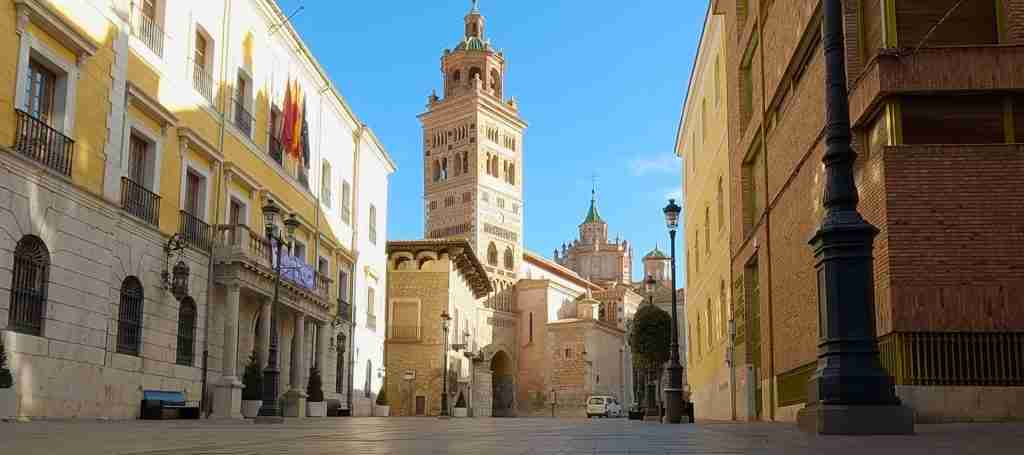
3 days
Zaragoza 3-Day Discovery Tour
- ✓ Comprehensive Zaragoza experience
- ✓ Expert local guides included
- ✓ All accommodation included
- ✓ Transportation provided
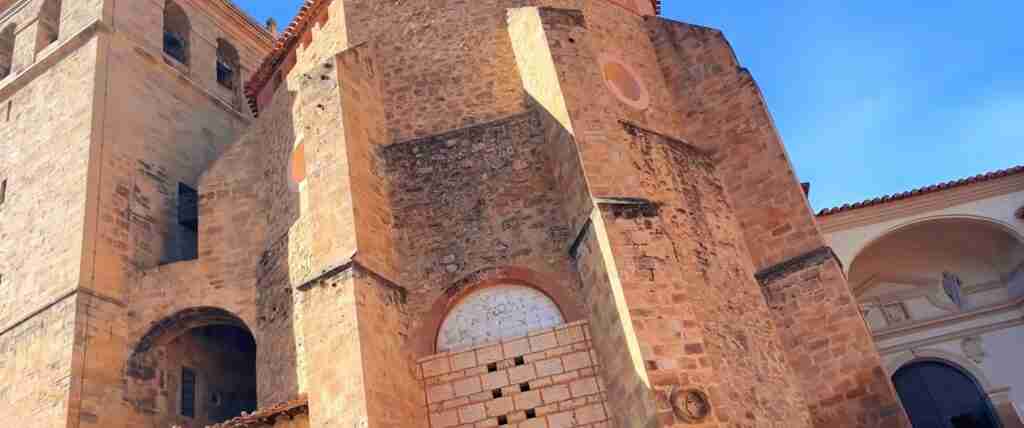
5 days
Zaragoza 5-Day Highlights Experience
- ✓ Comprehensive Zaragoza experience
- ✓ Expert local guides included
- ✓ All accommodation included
- ✓ Transportation provided

7 days
Zaragoza 7-Day Cultural Journey
- ✓ Comprehensive Zaragoza experience
- ✓ Expert local guides included
- ✓ All accommodation included
- ✓ Transportation provided

10 days
Zaragoza 10-Day Complete Adventure
- ✓ Comprehensive Zaragoza experience
- ✓ Expert local guides included
- ✓ All accommodation included
- ✓ Transportation provided
Multi-day tour packages powered by TourRadar. Prices and availability subject to change.
Introduction to Aragon: Spain’s Hidden Treasure for 2026 Travelers
Positioned in northeastern Spain between the Pyrenean mountain frontier with France and the Iberian heartland, Aragon encompasses extraordinary geographic diversity across its 47,719 square kilometers. This autonomous community, one of Spain’s seventeen regions, extends from alpine peaks exceeding 3,300 meters to Mediterranean-influenced valleys producing exceptional wines and agriculture. Despite remarkable cultural heritage and natural beauty, Aragon receives fraction of tourist attention lavished on neighboring Catalonia or distant Andalusia, creating exceptional opportunities for discerning 2026 travelers seeking authentic Spanish experiences beyond overcrowded conventional circuits.
The region’s historical significance exceeds its current tourism profile dramatically. The Kingdom of Aragon, established in 1035, grew into one of medieval Europe’s great powers, eventually forming dynastic union with Castile that created modern Spain. This prestigious past left architectural legacy visible across the territory, from Romanesque monasteries predating the reconquest to Mudéjar masterpieces blending Islamic and Christian traditions. Zaragoza, the regional capital and Spain’s fifth-largest city with 680,000 residents, anchors contemporary Aragon while preserving 2,000 years of continuous urban history from Roman Caesaraugusta through Islamic Saraqusta to modern metropolitan center.
For 2026 planning purposes, Aragon divides conceptually into three distinct zones requiring different approach strategies. Northern Aragon encompasses the Pyrenean ranges including Ordesa y Monte Perdido National Park, demanding outdoor preparation, summer seasonal timing, and appreciation for alpine environments. Central Aragon centers on Zaragoza and the Ebro River valley, offering year-round cultural tourism, excellent transport connections, and urban amenities. Southern Aragon includes Teruel province with its concentrated Mudéjar heritage and dramatic landscapes, accessible year-round but requiring tolerance for smaller-city infrastructure and longer driving distances between sites.
The region’s positioning on Spain’s transportation backbone creates strategic advantages for multi-destination itineraries. High-speed AVE trains place Zaragoza 90 minutes from both Madrid and Barcelona, while highway networks provide efficient car access to Navarra, Basque Country, and Catalonia. International travelers typically enter through Barcelona or Madrid airports, incorporating Aragon as middle segment between Spain’s capital and Mediterranean coast, though Zaragoza maintains its own international airport with limited European connections. This central location allows Aragon to anchor comprehensive northern Spain explorations or serve as unexpected highlight in broader Iberian journeys.
Culturally, Aragon maintains distinctive identity separate from both Castilian and Catalan influences dominating neighboring regions. The Aragonese dialect survives in rural mountain valleys, while traditional jota music and dance remain vigorous elements of local festivals. Gastronomy emphasizes hearty mountain fare—lamb, wild game, and river trout—alongside exceptional wines from Somontano and Cariñena denominations lesser-known internationally than Rioja but offering exceptional quality-price ratios. This cultural distinctiveness, combined with relative tourism underdevelopment, means 2026 visitors encounter genuine regional character rather than tourist-adapted presentations, though requiring greater cultural sensitivity and possibly basic Spanish language skills in rural areas.
Planning Your Aragon Itinerary 2026
Effective Aragon itinerary design balances three primary attraction categories: UNESCO Mudéjar architecture concentrated in Zaragoza and Teruel, Pyrenean natural landscapes centered on Ordesa National Park, and dispersed medieval heritage sites throughout the region. Most visitors select two of three categories given time constraints, though comprehensive 10-14 day programs can address all elements without excessive rushing. The fundamental planning decision involves choosing between cultural-focused itineraries emphasizing cities and monuments versus nature-oriented programs prioritizing hiking and mountain experiences, or attempting balanced combination.
Cultural-focused itineraries (4-6 days) typically allocate 2-3 days for Zaragoza’s monuments including Aljafería Palace, Basilica del Pilar, and La Seo Cathedral, plus full day in Teruel examining its four UNESCO Mudéjar towers and remarkable painted cathedral ceiling. Additional days accommodate excursions to Calatayud for its Mudéjar collegiate church, Albarracín’s medieval streets, or Huesca’s cathedral and old quarter. This approach suits travelers prioritizing architectural heritage, functioning year-round regardless of season, and requiring only moderate physical fitness for urban walking. Accommodation remains concentrated in Zaragoza with Teruel overnight, minimizing hotel changes while maximizing monument access.
Nature-focused itineraries (5-7 days) center entirely on Pyrenean experiences, basing in Torla-Ordesa or Ainsa for Ordesa National Park access plus potential excursions to Añisclo Canyon, Pineta Valley, or surrounding peaks. This approach demands summer timing (June-September) when high-altitude trails open and shuttle buses operate, plus good physical conditioning for multi-hour mountain hikes. Travelers combine iconic routes like Cola de Caballo waterfall trail with quieter alternatives in less-visited park sectors, wildlife observation opportunities, and evening relaxation in authentic mountain villages. Dedicated hikers can spend entire week exploring Ordesa’s four valleys without exhausting possibilities.
Balanced combination itineraries (7-10 days) split time between cultural and natural attractions, typically structuring as: Zaragoza (2 days) → Ordesa National Park (3 days) → Teruel (1 day) → Albarracín (1 day), with remaining days for travel, flexibility, or additional interests. This approach requires car rental for portions connecting Pyrenees to southern destinations, strategic accommodation planning to minimize backtracking, and acceptance that neither cultural nor natural elements receive exhaustive treatment. However, this balanced structure satisfies travelers wanting comprehensive regional overview rather than specialized deep-dive into single aspect.
Seasonal considerations dramatically affect itinerary possibilities. Summer programs (June-August) can access all elevations and regions but face higher costs, larger crowds at Ordesa, and significant afternoon heat in cities. Spring and autumn programs (April-May, September-October) offer ideal urban tourism conditions but limit Pyrenean access to lower elevations, potentially missing signature high-altitude experiences. Winter programs (November-March) work well for cultural tourism with rock-bottom prices but make Ordesa impractical except for specialized winter mountaineering, while opening ski resort opportunities. Most international visitors target May-June or September-October for optimal balance.
Getting to Aragon 2026
Zaragoza serves as Aragon’s primary gateway, accessible via international airport, high-speed rail, and highway networks connecting Spain’s major population centers. Zaragoza Airport handles direct flights from London, Paris, Brussels, and major Spanish cities, though limited intercontinental connections mean most international visitors arrive through Madrid-Barajas or Barcelona-El Prat airports before continuing to Aragon. Budget carriers including Ryanair operate select European routes seasonally, while Iberia and Air Europa provide domestic connections. Airport-to-city transport operates via bus (€1.85, 25 minutes) or taxi (€25-30, 15 minutes) covering the 10 kilometers to central Zaragoza.
High-speed AVE trains provide the most efficient Madrid or Barcelona connections, departing multiple times daily with 90-minute journey times to either capital. Advance purchase fares start €25-35 one-way, while flexible same-day tickets range €45-75 depending on demand. Renfe operates these services with reservation requirements and assigned seating, departing from Madrid-Puerta de Atocha and Barcelona-Sants stations to Zaragoza-Delicias station located 2 kilometers northwest of the historic center. Local buses and taxis complete final connections to city center hotels. Regional trains reach Teruel (2.5 hours, €15-20) and Huesca (55 minutes, €8-12) from Zaragoza, though infrequent schedules limit same-day excursion possibilities.
Car rental from Madrid or Barcelona airports provides maximum flexibility for Aragon exploration, particularly essential for Pyrenean access and medieval village circuits. Major agencies (Europcar, Hertz, Avis) maintain outlets at both airports and Zaragoza city center, with weekly rentals starting €180-250 for compact vehicles including unlimited mileage and basic insurance. Highway tolls apply on premium autopista routes, though free autovía alternatives parallel most corridors with modest time penalties. Madrid to Zaragoza measures 315 kilometers via A-2 autopista (3 hours, €25 tolls) or N-II national road (3.5 hours, free), while Barcelona to Zaragoza covers 300 kilometers via AP-2 (2.5 hours, €28 tolls) or slower alternatives.
Bus services connect Aragon cities to broader Spanish networks, operating from Zaragoza’s Estación de Autobuses with routes to Madrid (3.5 hours, €18-25), Barcelona (3.5 hours, €20-28), and regional destinations. ALSA dominates long-distance operations with modern coaches, advance online booking, and frequent departures, though buses prove slower and less comfortable than trains for major corridor travel. Buses become advantageous for reaching smaller Pyrenean towns lacking rail service, including Huesca-to-Jaca routes (1.5 hours) accessing western Pyrenean valleys.
For travelers incorporating Aragon into broader Iberian journeys, strategic routing minimizes backtracking while maximizing regional diversity. Common circuits include: Madrid → Zaragoza → Barcelona (east-to-west progression), San Sebastián/Bilbao → Pyrenean valleys → Zaragoza → Madrid (Basque-to-capital route), or reverse Barcelona → Zaragoza → Pamplona → Bilbao (coastal-to-coastal traverse). Each approach situates Aragon as natural middle segment between major tourism zones, utilizing the region’s excellent transport position while distributing travel fatigue across multiple segments.
Accommodation Strategies for Aragon 2026
Zaragoza offers comprehensive accommodation spanning all budget categories, from hostels at €18-25 per dormitory bed through mid-range hotels at €60-90 nightly to luxury properties exceeding €120. Budget-conscious travelers find excellent value in Zaragoza’s city-center hostels and budget hotels, with properties like Hotel Via Romana (€45-55) or Hotel Sauce (€50-65) providing private rooms, private bathrooms, and central locations near major monuments. Mid-range options including NH Collection Gran Hotel de Zaragoza (€75-95) or Hotel Palafox (€85-110) deliver four-star amenities, business facilities, and frequently better value than equivalent Barcelona or Madrid properties charging €120-150 for comparable quality.
Zaragoza accommodation concentrates in three distinct zones serving different travel styles. The Casco Antiguo (old town) places visitors within walking distance of Basilica del Pilar, Aljafería Palace, and tapas districts, commanding premium rates (€70-120) but eliminating transport needs and maximizing atmospheric immersion. The Delicias district near the train station offers modern hotels (€55-85) with excellent transport connections but requiring tram rides to monuments. The university zone provides budget alternatives (€40-60) popular with younger travelers, combining reasonable rates with lively dining and nightlife though requiring 15-20 minute walks to major sights.
Teruel presents more limited accommodation inventory given its smaller size (35,000 residents), though sufficient options exist across budget ranges. Budget travelers utilize hostels and pensions (€35-50), while mid-range hotels including Hotel Reina Cristina (€55-70) or Parador de Teruel (€80-110) provide comfortable bases for Mudéjar monument exploration. Teruel’s compact historic center makes all hotels effectively central, eliminating location selection complexity present in larger cities. Book Teruel accommodation well ahead for Easter week and October’s Vaquilla del Ángel festival when demand exceeds supply dramatically.
Pyrenean accommodation requires different planning approach given dispersed village locations and seasonal operation patterns. Torla-Ordesa, the gateway village to Ordesa National Park, maintains numerous small hotels and guesthouses (€60-90 summer, €45-65 shoulder season) serving hikers and climbers. Properties like Hotel Villa de Torla (€70-85) or Hostal Bellavista (€55-70) offer mountain views, hearty breakfasts, and hiking trail information. Ainsa, positioned centrally for accessing all four Ordesa valleys plus surrounding medieval sites, provides upscale rural hotels in converted historic buildings (€80-120) alongside simpler pensions (€50-70). Book Pyrenean accommodation 2-3 months advance for July-August peak season when popular properties sell out entirely.
Rural casa rural properties scattered throughout Aragon offer authentic countryside experiences, particularly valuable for travelers with rental cars exploring dispersed destinations. These family-run guesthouses typically charge €50-80 for double rooms including substantial breakfasts featuring local products, providing insights into regional life unavailable in conventional hotels. Properties cluster around Albarracín, Pyrenean valleys, and Somontano wine country, with booking platforms like Toprural or Escapada Rural showcasing regional inventory. Expect rustic charm rather than luxury amenities, though cleanliness and hospitality standards typically exceed price points significantly.
Transportation Within Aragon 2026
Zaragoza operates efficient urban transport combining tram lines, bus routes, and walkable historic center, eliminating car necessity within city limits. The tramway system features two lines intersecting at Plaza España, connecting the train station, old town, and university zones with frequent service (€1.35 single, €6.95 day pass). City buses expand coverage to peripheral zones and suburbs, utilizing identical fare structure and accepting the same Tarjeta Ciudadana rechargeable card offering modest per-ride discounts for multiple journeys. Historic center monuments cluster within 1-2 kilometer radius, making walking the practical choice for monument-hopping between Aljafería Palace, Basilica del Pilar, and La Seo Cathedral.
Inter-city bus services connect Zaragoza to Teruel, Huesca, and smaller provincial towns, operating from Estación de Autobuses adjacent to Delicias train station. ALSA dominates regional routes with modern coaches, online booking systems, and reasonable frequencies on major corridors. Zaragoza-Teruel buses operate 3-4 daily (2.5 hours, €12-16), while Zaragoza-Huesca services run hourly (1 hour, €7-10). Smaller destinations including Calatayud, Daroca, and Tarazona maintain 2-3 daily connections, sufficient for determined travelers but challenging for same-day excursions given limited morning departure and evening return options.
Car rental provides indispensable flexibility for comprehensive Aragon exploration, particularly essential for Pyrenean access and medieval village circuits where public transport proves inadequate or nonexistent. Major international agencies (Europcar, Hertz, Avis, Sixt) maintain Zaragoza airport and downtown offices, with compact vehicles starting €35-45 daily or €180-250 weekly including unlimited mileage, basic insurance, and second-driver coverage. Upgrade to mid-size vehicles (€45-60 daily) benefits Pyrenean mountain roads and provides more comfortable long-distance driving. Manual transmission remains standard in Spain with automatic vehicles commanding €10-15 daily premiums and requiring advance reservation to ensure availability.
Driving conditions in Aragon range from excellent autopista highways to challenging mountain passes, demanding route-appropriate vehicle selection and realistic scheduling. Major corridors including Zaragoza-Madrid and Zaragoza-Barcelona feature modern multi-lane autopistas with 120 km/h speed limits, requiring tolls (€0.08-0.12 per kilometer) but delivering efficient travel. Smaller roads connecting Pyrenean valleys and medieval towns employ two-lane mountain highways with numerous curves, occasional rough pavement, and speed limits 60-90 km/h, requiring patience and defensive driving. Winter mountain travel demands snow chains or winter tires from November through April at elevations above 1,500 meters, with rental agencies offering seasonal equipment rental (€8-12 per day) when needed.
Organized day tours from Zaragoza provide car-free alternatives for visitors wanting guided Teruel or Pyrenean excursions without rental responsibilities. Local operators offer full-day Teruel tours (€75-95 per person) including transport, guide, and monument admissions, departing Zaragoza mornings and returning evenings. Ordesa National Park day trips operate summer months (€85-110 per person) combining transport, park shuttle, and guided hikes, though limited schedules and group pacing may frustrate independent-minded travelers. These tours suit solo travelers avoiding single-supplement car rental costs or those uncomfortable driving Spanish highways and mountain roads.
Zaragoza: Aragon’s Capital City 2026
Zaragoza functions as Aragon’s political, economic, and cultural center, offering 2026 travelers concentrated monument access, excellent accommodation and dining infrastructure, and strategic transport position for regional exploration. The city’s 2,000-year history layers Roman foundations, Islamic occupation (714-1118), and Christian reconquest into urban fabric still visible today, with Roman theater excavations, Moorish Aljafería Palace, and Gothic-Mudéjar cathedral coexisting within compact historic core. Contemporary Zaragoza balances heritage preservation with modern development, evident in 2008 International Exposition legacy including avant-garde architecture and riverside parks complementing medieval quarters.
The Aljafería Palace demands top priority among Zaragoza monuments, representing the sole surviving major Islamic palace from Spain’s Taifa period (11th century) and one of three UNESCO-designated Mudéjar components within city limits. Constructed 1065-1081 for the Taifa of Zaragoza’s ruling dynasty, the palace preserves exceptional Islamic architecture including intricate stucco decoration, multifoil arches, and octagonal private mosque, later expanded with Christian Mudéjar additions when Aragonese kings adopted it as royal residence. The palace currently houses Aragón’s regional parliament, restricting access during legislative sessions but opening for guided tours (€5 adults, €1 seniors/students) showcasing the Taifa palace, 14th-century Mudéjar expansions, and spectacular late-Gothic throne room ceiling commissioned by Catholic Monarchs.
La Seo Cathedral (Cathedral del Salvador) combines architectural styles spanning seven centuries, with its Mudéjar bell tower, parroquieta (side chapel), and cimborrio (dome) designated UNESCO World Heritage components in 2001. The cathedral’s exterior wall displays remarkable Mudéjar brick and ceramic decoration characteristic of Aragonese ecclesiastical architecture, while interior spaces preserve Gothic, Renaissance, Baroque, and Neoclassical elements reflecting continuous modifications. Cathedral admission (€4) includes access to exceptional tapestry museum housing one of Europe’s finest historic textile collections, though visitors must coordinate timing around religious services when tourist access pauses.
Basilica de Nuestra Señora del Pilar dominates Zaragoza’s riverfront skyline with its four corner towers and eleven colorful tiled domes, functioning as one of Spain’s most important Marian pilgrimage sites. According to tradition, the Virgin Mary appeared to St. James here in 40 AD, making it the first Marian shrine in Christian history and focal point for October’s massive Fiestas del Pilar attracting hundreds of thousands of devotees. The current Baroque structure (1681-1872) features interior frescoes by Francisco Goya and other masters, with basilica access free though donations appreciated. Visitors can ascend one tower (€3) for panoramic city views encompassing the Ebro River, Aljafería Palace, and distant Pyrenean peaks on clear days.
El Tubo neighborhood forms Zaragoza’s traditional tapas district, with narrow medieval streets sheltering scores of bars serving local specialties including ternasco (roast lamb), bacalao (salt cod), and migas (fried breadcrumbs with chorizo). This quarter between Plaza España and the cathedral becomes particularly animated early evenings (8:00-10:00 PM) and late nights (11:00 PM-1:00 AM) when locals practice the tapeo tradition of moving between multiple establishments sampling small plates paired with wines or cañas (draft beers). Budget €15-25 for satisfying tapas dinner with drinks, substantially less than equivalent Barcelona or Madrid experiences while providing more authentic local atmosphere.
Teruel: UNESCO Mudéjar Capital 2026
Teruel, provincial capital of southern Aragon, preserves Spain’s most concentrated collection of Mudéjar architecture with four UNESCO-designated monuments within its compact historic center. The city (population 35,000) occupies dramatic position atop rocky plateau overlooking river gorges, creating picturesque setting enhanced by well-preserved medieval urban fabric. Teruel’s relative isolation—situated 135 kilometers from Zaragoza with no high-speed rail connection—contributes to its remarkable preservation and absence of mass tourism, though requiring greater commitment from visitors compared to easily accessible Zaragoza. Most travelers allocate full day for Teruel’s monuments, with overnight stay recommended for relaxed exploration and evening atmosphere.
The four UNESCO Mudéjar towers—Cathedral of Santa María de Mediavilla, San Pedro, San Martín, and El Salvador—exemplify the distinctive Aragonese interpretation of Mudéjar style, employing elaborate brick and ceramic tile decoration creating geometric patterns covering entire tower surfaces. These 13th-14th century structures served dual religious and defensive functions, with passage gates at tower bases allowing street circulation beneath while upper levels provided bell ringing and surveillance capabilities. Each tower displays unique decorative variations while maintaining consistent design vocabulary of brick reliefs, colored glazed ceramic insets (azulejos), and multifoil arched windows creating visual rhythm across tower heights.
Teruel Cathedral interior preserves Spain’s finest Mudéjar painted wooden ceiling, executed circa 1260 with remarkable narrative program depicting daily life, courtly scenes, hunting expeditions, and religious imagery across hundreds of individual painted coffers. This ceiling, often called the “Sistine Chapel of Mudéjar art,” required complete 20th-century restoration after severe deterioration, with conservators painstakingly recovering and stabilizing original medieval paintings. Cathedral admission (€8) includes audioguide explaining ceiling iconography, architectural evolution, and broader Mudéjar context, essential for understanding the cultural synthesis between Islamic construction techniques and Christian symbolic programs.
The Lovers of Teruel (Amantes de Teruel) comprise Teruel’s most famous legend, romantically tragic tale of Diego de Marcilla and Isabel de Segura immortalized in art, literature, and local identity. Their supposed 13th-century mummified remains rest in elaborate alabaster tombs within a purpose-built mausoleum adjacent to San Pedro church, attracting thousands of visitors annually despite scholarly debate about historical authenticity. The mausoleum (€9 combined with San Pedro tower) employs multimedia presentations recounting the lovers’ story alongside architectural tour of San Pedro’s Mudéjar tower and cloister, creating somewhat kitschy yet genuinely moving memorial to enduring romantic ideals.
Teruel’s Plaza del Torico marks the geographic and social heart of the city, named for the small bronze bull (torico) crowning its central fountain and surrounded by elegant porticoed buildings housing cafes and shops. This square functions as focal point for Teruel’s remarkable Modernist architecture, with buildings dating 1900-1920 displaying colorful ceramic facades influenced by both Art Nouveau and regional Mudéjar traditions. The combination of medieval towers, Modernist facades, and animated street life creates surprisingly sophisticated urban atmosphere defying expectations for small provincial capital, particularly during evening paseo hours when locals promenade and socialize.
Ordesa y Monte Perdido National Park 2026
Ordesa y Monte Perdido National Park, established 1918 as Spain’s first protected natural area and designated UNESCO World Heritage Site in 1997, encompasses 15,608 hectares of spectacular Pyrenean landscapes in Huesca province. The park protects four dramatic valleys—Ordesa, Añisclo, Escuaín, and Pineta—carved by glacial and fluvial action into limestone massif dominated by Monte Perdido (3,355 meters), the third-highest Pyrenean peak. These valleys display textbook examples of glacial geomorphology including U-shaped profiles, hanging valleys, cirques, and moraines, while supporting exceptional biodiversity ranging from Mediterranean species at lower elevations to alpine flora and fauna above treeline. The park forms Spanish component of transnational Pyrénées-Mont Perdu UNESCO site shared with France.
The Ordesa Valley constitutes the park’s most famous and heavily visited sector, accessed via Torla-Ordesa village and offering trails suitable for varied fitness levels. The signature route follows the valley floor from Pradera de Ordesa to Cola de Caballo waterfall (18 kilometers round-trip, 6 hours, moderate difficulty), passing through beech and pine forests, crossing alpine meadows, and providing continuous views of limestone cliffs rising 1,000 meters above the valley floor. This trail experiences significant crowding during July-August peak season, with 2,000+ daily hikers creating occasional congestion at narrow sections and popular viewpoints. Alternative routes including Faja de Pelay (10 kilometers, 5 hours, moderate-difficult) or ascent to Góriz refuge hut (12 kilometers one-way, 7 hours, difficult) reduce crowds while demanding greater fitness and technical skills.
Park access during summer peak season (July 1-September 15) and Easter week requires mandatory shuttle buses from Torla-Ordesa to Pradera de Ordesa parking area, with private vehicles prohibited to protect fragile valley ecosystems from excessive traffic. Shuttle buses operate continuously (€4.50 round-trip, departing every 15-20 minutes) from early morning through evening, with first departure 6:00 AM allowing early starts for long hikes. Purchase shuttle tickets at Torla Visitor Center where staff provide trail maps, weather updates, and hiking recommendations. Outside peak season, private vehicles can drive directly to Pradera parking (free), though spaces fill by mid-morning weekends and holidays requiring early arrival.
Añisclo Canyon offers dramatically different character from Ordesa Valley, with narrower, more vertical terrain where limestone walls squeeze river into gorges exceeding kilometer depth. Access begins from San Urbez parking area reached via winding mountain road from Escalona village, requiring careful driving but manageable in standard vehicles. The main trail descends canyon bottom alongside river (14 kilometers round-trip, 6-7 hours, moderate), passing through narrowest sections where walls nearly touch overhead and waterfalls cascade from hanging valleys. This trail remains significantly less crowded than Ordesa’s signature routes despite comparable scenery, making it excellent alternative for visitors seeking solitude. Early autumn visits (September-October) provide optimal conditions combining trail access, moderate temperatures, and brilliant foliage colors in deciduous forests.
Pineta Valley and Escuaín sector occupy the park’s eastern portions, accessed via Bielsa town and offering quieter alternatives to Ordesa’s crowds. Pineta Valley features gentler terrain suitable for families and moderate hikers, with trail to Llanos de Lalarri meadows (10 kilometers round-trip, 4 hours, easy-moderate) providing spectacular Monte Perdido views and wildflower displays. Escuaín’s dramatic gorges attract technical canyon enthusiasts but also accommodate standard hikers on cliff-edge trails offering vertiginous perspectives. These eastern sectors receive substantially fewer visitors than Ordesa despite equivalent scenic quality, though requiring longer drives from major accommodation bases and receiving less infrastructure investment in terms of marked trails and visitor facilities.
Medieval Towns and Villages 2026
Albarracín claims regular placement on “Spain’s most beautiful villages” lists, with its medieval quarter occupying cliff-top position above Guadalaviar River gorge and preserving exceptional architectural unity spanning 11th-16th centuries. The town’s pink-toned sandstone buildings, narrow cobbled streets, and overhanging upper stories create remarkably photogenic ensemble enhanced by defensive walls climbing surrounding hillsides to ruined castle crowning the ridge. Albarracín functions primarily as day-trip destination from Teruel (37 kilometers, 45 minutes) though several small hotels and casas rurales (€50-75) accommodate overnight visitors wanting evening and morning light for photography or deeper exploration of surrounding Sierra de Albarracín landscapes.
The Cathedral of El Salvador forms Albarracín’s principal monument, with 16th-century construction displaying late Gothic and early Renaissance elements including exceptional altarpiece and tapestry collection. Cathedral admission (€4.50) provides access alongside informative guide explaining construction history, artistic treasures, and the building’s role in town’s ecclesiastical prominence. The Diocesan Museum adjacent to cathedral houses additional religious art and liturgical objects spanning medieval to Baroque periods, offering context for understanding Albarracín’s historical importance beyond its current status as picturesque small town.
Ainsa preserves one of Aragon’s finest medieval fortified towns, with its Plaza Mayor constituting textbook example of arcaded Pyrenean plaza architecture. The town’s strategic position controlling access to multiple mountain valleys made it significant defensive point during medieval border conflicts, resulting in castle construction and fortified urban plan still largely intact today. The 11th-century Romanesque church of Santa María and castle ruins (€3 combined admission) anchor the monumental quarter, while surrounding streets maintain authentic atmosphere without excessive tourist commercialization. Ainsa serves as practical base for Ordesa National Park exploration given its central position relative to all four valleys, combining monument interest with hiking access in ways Torla cannot match.
Sos del Rey Católico, birthplace of King Ferdinand II of Aragon (1452), exemplifies well-preserved medieval hilltop town architecture with its defensive walls, narrow stepped streets, and stone buildings maintaining remarkable architectural consistency. The town occupies elevated position providing commanding views across surrounding agricultural valleys and distant Pyrenean foothills, with its isolation contributing to exceptional preservation. Sos functions primarily as day-trip destination from Zaragoza (135 kilometers) or stopover between Zaragoza and Basque Country, offering intimate medieval atmosphere and several quality restaurants serving traditional Aragonese cuisine without major monument attractions beyond townscape itself.
Daroca, positioned along the historic route between Zaragoza and Teruel, preserves 4 kilometers of medieval walls encircling its elongated historic center squeezed into narrow valley. The town maintains numerous Mudéjar churches including Santa María de los Corporales housing supposed miracle relics, plus well-preserved defensive gates and castle ruins. Daroca receives minimal international tourism despite architectural quality, functioning primarily as local market town and making brief stopover for visitors driving between regional destinations. The town offers handful of small hotels and restaurants (€45-60 accommodation) providing authentic small-town Spanish experience for travelers comfortable navigating limited English and basic infrastructure.
Wine Country and Gastronomy 2026
Somontano wine region, centered on Barbastro town north of Huesca, produces increasingly acclaimed wines rivaling better-known Spanish denominations at substantially lower prices. The region’s 4,000 hectares of vineyards benefit from unique microclimate combining Atlantic and Mediterranean influences with Pyrenean elevation effects, creating ideal conditions for both indigenous varieties (Moristel, Parraleta) and international grapes (Merlot, Chardonnay, Gewürztraminer). Somontano reds typically display bright fruit character with moderate tannins and accessible drinkability, while whites show distinctive aromatic profiles unusual in Spanish viticulture. Wines retail €8-15 at bodegas, substantially below Rioja or Ribera del Duero equivalents for comparable quality.
Bodega visits in Somontano typically operate appointment-basis rather than walk-in tourism, requiring advance contact via website or phone for tours and tastings. Established producers including Enate, Viñas del Vero, and Bodegas Pirineos welcome visitors with tours (€8-15) explaining production processes and regional characteristics followed by guided tastings of 3-5 wines. More exclusive experiences at boutique wineries including Bodega Lalanne or Bodegas Alodia provide intimate sessions (€20-35) featuring reserve wines and food pairings in settings emphasizing personal interaction over mass tourism. English-speaking guides remain less common than major wine regions, though enthusiastic reception compensates for occasional language challenges.
Cariñena denomination, southwest of Zaragoza, represents one of Spain’s oldest protected wine regions (established 1932) specializing in powerful red wines from Garnacha grapes thriving in the area’s hot, dry climate. Cariñena wines traditionally emphasized high alcohol and rustic character, though contemporary producers increasingly pursue balanced, food-friendly styles maintaining regional typicity while appealing to modern palates. The denomination encompasses numerous village-based cooperatives and family estates offering casual tasting experiences (€5-10) without formal appointment requirements, creating accessible introduction to Aragonese wine culture for visitors based in Zaragoza.
Aragonese cuisine emphasizes mountain and agricultural traditions, with roast lamb (ternasco) serving as signature dish alongside hearty stews, river trout, wild game, and vegetables from fertile Ebro valley. Ternasco designation protects young lamb raised following traditional methods and prepared simply roasted with garlic and olive oil, showcasing meat quality through minimalist preparation. Zaragoza restaurants including Casa Lac or La Matilde specialize in ternasco preparation (€18-24 per person), while rural mountain restaurants near Ordesa serve exceptionally flavorful versions benefiting from local pasture-raised animals.
Migas, fried breadcrumbs traditionally prepared by shepherds as trail food, appears throughout Aragon with regional variations incorporating chorizo, bacon, grapes, or vegetables depending on local traditions. This humble dish exemplifies resourceful mountain cuisine transforming simple ingredients into satisfying meals, though contemporary presentations often elevate traditional recipes with refined techniques and plating. Expect to pay €8-12 for substantial migas portions in casual restaurants, making it excellent budget-friendly option for hearty lunches after morning hiking or monument touring.
Pyrenean Activities Beyond Ordesa 2026
The Aragonese Pyrenees extend far beyond Ordesa National Park, encompassing numerous valleys, peaks, and protected areas offering diverse outdoor experiences from technical mountaineering to gentle family walks. The western Pyrenees around Jaca feature Parque Natural de los Valles Occidentales protecting forests, peaks, and traditional mountain villages, with extensive trail networks suitable for multi-day trekking including portions of GR-11 long-distance path traversing the entire Pyrenean range. Jaca itself functions as outdoor sports hub offering equipment rental, guide services, and year-round mountain activities anchored by its 11th-century cathedral and citadel.
Formigal-Panticosa comprises Spain’s largest ski area with 176 kilometers of marked pistes spread across two connected sectors, operating December through April depending on snow conditions. This resort targets intermediate to advanced skiers with varied terrain including challenging off-piste opportunities, modern lift infrastructure minimizing wait times, and village accommodations ranging from budget apartments to upscale hotels. Day lift tickets cost €52-58 during high season (Christmas, February, Easter), dropping to €42-48 shoulder periods (early December, March-April). Equipment rental adds €25-35 daily for complete ski or snowboard packages, making week-long ski holidays economically viable compared to Alps or North American destinations.
Candanchú and Astún ski resorts occupy adjacent valleys near French border, offering smaller-scale alternatives to Formigal with combined 80+ kilometers of pistes and reputation for reliable snow given high base elevations (1,500-2,400 meters). These resorts maintain more traditional Pyrenean character with village-based accommodations and family-oriented atmosphere compared to Formigal’s modern development. Candanchú particularly appeals to beginners and intermediates with gentle terrain and affordable instruction programs, while Astún’s north-facing slopes preserve powder conditions longer after snowfall.
Summer mountaineering in the Aragonese Pyrenees attracts climbers pursuing 3,000-meter peaks (tresmiles) scattered along the French frontier, with routes ranging from straightforward scrambles to technical ascents requiring ropes and protection. Aneto (3,404 meters), the Pyrenees’ highest summit just across the border in Catalonia, draws hundreds of climbers daily during July-August via normal route starting from La Besurta refuge. Posets (3,375 meters) offers quieter alternative with similarly non-technical standard route, while Monte Perdido (3,355 meters) demands greater commitment with glacier crossing and route-finding challenges. Guided ascents through mountain guide companies cost €180-250 per person for single-day objectives or €300-400 for multi-day programs including refuge accommodation.
Canyoning experiences proliferate throughout Pyrenean valleys, with Sierra de Guara just south of the main range gaining international recognition among canyoning enthusiasts for its concentration of exceptional routes. Barranco de Mascún, Barranco de Formiga, and dozens of additional canyons offer half-day and full-day descents combining hiking, swimming, rappelling, and jumping through spectacular limestone gorges. Commercial guiding companies operating from Alquézar village provide equipment, instruction, and supervision for novice to advanced participants, with prices starting €45-60 for half-day beginner canyons and reaching €80-120 for full-day technical routes requiring vertical rappels exceeding 30 meters.
Practical Information for Aragon 2026
Spanish language dominates Aragon with minimal Catalan or Basque influence present in neighboring regions, though English proficiency varies dramatically by location and establishment type. Major Zaragoza hotels, tourist offices, and high-end restaurants maintain English-speaking staff, while smaller towns, rural areas, and traditional establishments require basic Spanish or willingness to navigate through gestures and translation apps. Google Translate’s camera function proves invaluable for menu translation and reading informational plaques at monuments, while learning basic courtesies (“buenos días,” “por favor,” “gracias”) significantly improves local interactions and service quality.
ATMs (cajeros automáticos) appear ubiquitously in cities and towns, accepting international debit and credit cards for cash withdrawals in euros. Banks typically charge €2-4 per transaction regardless of amount, making larger withdrawals economically sensible to minimize fees, while home banks may add additional foreign transaction charges. Credit cards function widely in hotels, restaurants, and shops, though smaller establishments and rural areas maintain cash preference with €50+ purchases sometimes triggering minimum thresholds. Carry €100-150 cash reserves for markets, small restaurants, and emergency situations where cards prove impractical.
Medical services in Aragon meet Western European standards, with public healthcare system (Sistema Nacional de Salud) providing emergency treatment regardless of insurance status though billing visitors later for costs. European Health Insurance Card (EHIC) holders from EU countries receive reciprocal public healthcare access, while non-EU visitors should verify travel insurance coverage includes medical expenses and evacuation. Pharmacies (farmacias) operate throughout cities and towns, staffed by knowledgeable professionals capable of addressing minor health issues and dispensing many medications available only by prescription elsewhere. Mountain activities including high-altitude hiking warrant considering specialized evacuation insurance given remote locations and potential rescue costs.
Mobile phone coverage reaches all populated areas and major highways, though mountain valleys and wilderness areas experience gaps requiring offline navigation preparation. International visitors can purchase Spanish SIM cards from Vodafone, Orange, or Movistar shops (€15-25 including initial data allowance) if their devices support unlocked operation, or rely on home carrier international roaming with associated expense. Download offline maps via Google Maps, Maps.me, or dedicated hiking apps (Wikiloc, AllTrails) before entering remote areas, recognizing GPS functions without data connection while real-time updates require network access.
Tipping customs in Spain remain modest compared to North American expectations, with service charges typically included in restaurant bills and additional gratuities optional rather than mandatory. Leaving small change (€1-2) or rounding up bills demonstrates appreciation for good service without substantial expense, while upscale restaurants may warrant 5-10% additional tip for exceptional experiences. Taxi drivers, hotel porters, and tour guides appreciate small tips (€1-2 for brief services, €5-10 for extended tours) though these remain gestures rather than obligations.
Sample Aragon Itineraries 2026
A balanced 7-day Aragon itinerary combining cultural and natural highlights might structure as: Day 1-2 Zaragoza (Aljafería Palace, cathedrals, tapas districts), Day 3 drive to Ordesa via Ainsa (3 hours including Ainsa stop), Day 4-5 Ordesa National Park hiking (Cola de Caballo, Faja de Pelay), Day 6 drive to Teruel (3.5 hours), Day 7 Teruel Mudéjar monuments plus Albarracín excursion. This itinerary requires rental car from Day 3 onward, two hotel changes (Zaragoza, Torla/Ainsa, Teruel), and accepts that neither Pyrenean nor cultural elements receive exhaustive treatment in favor of representative sampling across attraction categories.
Budget-conscious travelers might condense into 4-day weekend: Day 1 Zaragoza arrival and orientation, Day 2 Zaragoza monuments (Aljafería, cathedrals, museums), Day 3 Teruel day trip via bus or rental car, Day 4 Zaragoza morning plus afternoon departure. This compact itinerary emphasizes cultural attractions accessible via public transport, minimizes accommodation changes, and works year-round regardless of season. Total estimated costs: accommodation €45-65 × 3 nights = €135-195, meals €25-35 daily × 4 days = €100-140, Zaragoza transport €7, Teruel bus round-trip €25, monument admissions €25-30. Total approximately €290-395 per person excluding arrival/departure transport to Zaragoza.
Nature-focused 6-day Pyrenean adventure: Day 1 travel to Torla/Ainsa, Day 2-4 Ordesa Valley and Añisclo Canyon hiking, Day 5 Pineta Valley or Escuaín exploration, Day 6 drive to Jaca with afternoon departure or overnight before continuing west. This program demands good fitness for multi-hour mountain hikes, summer timing (June-September), and tolerance for rustic mountain accommodations. Estimated costs: accommodation €60-80 × 5 nights = €300-400, meals €30-40 daily × 6 days = €180-240, car rental €200-250 weekly, fuel €60-80, park shuttle €5, hiking provisions €40-50. Total approximately €785-1,020 per person excluding arrival/departure transport.
Extended 10-day comprehensive tour: Day 1-3 Zaragoza and surroundings (city monuments, Calatayud Mudéjar, Sos del Rey Católico), Day 4-7 Pyrenean circuit (Ainsa, Ordesa, Añisclo, Jaca), Day 8-9 Teruel and Albarracín, Day 10 return Zaragoza with afternoon departure or overnight before continuing journey. This ambitious itinerary covers major regional highlights while allowing relaxed pacing, suitable for travelers wanting thorough Aragon overview without excessive rushing. Estimated costs: accommodation €55-75 × 9 nights = €495-675, meals €30-40 daily × 10 days = €300-400, car rental €250-300 weekly, fuel €120-150, admissions €50-65, incidentals €80-100. Total approximately €1,295-1,690 per person excluding arrival/departure transport.
Best Time to Visit Aragon 2026
May and September emerge as optimal months for balanced Aragon exploration, combining comfortable temperatures (15-23°C), minimal rainfall, and access to both urban monuments and moderate-elevation mountain trails. These shoulder season months avoid summer heat waves affecting cities, provide snow-free conditions up to 2,500 meters elevation in mountains, and deliver substantially lower accommodation costs than July-August peak. May brings wildflower blooms across Pyrenean meadows and mountain streams at maximum flow from snowmelt, while September offers autumn foliage color in deciduous forests and harvest activities in wine regions.
June through August constitutes high season for Pyrenean tourism, with hotels near Ordesa commanding premium rates and popular trails experiencing significant crowds. These months provide essential timing for accessing high-altitude routes above 2,500 meters where snow persists into early July, while valley temperatures (28-35°C afternoons) make urban sightseeing less comfortable. The extended daylight hours (sunrise 6:30 AM, sunset 9:30 PM) benefit hikers wanting early starts and long trail days, though afternoon thunderstorms pose real danger above treeline requiring early descent timing. Book Pyrenean accommodations 2-3 months advance for July-August to secure preferred properties and dates.
Late March through April offers excellent urban tourism conditions with blooming trees, moderate temperatures (12-20°C), and minimal crowds at Zaragoza and Teruel monuments. Easter week (March 24-31, 2026) triggers major religious celebrations and processions throughout Aragon, creating atmospheric cultural experiences but also accommodation scarcity and price spikes in popular destinations. This period suits cultural tourism perfectly while limiting Pyrenean access to elevations below 1,800 meters where snow still blocks higher trails and roads. Advance planning proves essential for Easter travel given limited hotel inventory in smaller cities.
October and early November extend shoulder season advantages with harvest festivals, wine tastings, and dramatic autumn colors in beech and oak forests. Temperatures cool (10-18°C) but remain comfortable for hiking and urban exploration, while Ordesa trails stay accessible through October before first significant snowfalls close higher elevations. Mushroom season brings foraging enthusiasts to Pyrenean forests and restaurant menus feature seasonal funghi preparations, adding gastronomic dimension to autumn visits. Accommodation rates drop 25-40% compared to summer, creating exceptional value for flexible travelers.
Winter (December-February) suits specialized interests including skiing at Formigal-Panticosa and cultural tourism in Zaragoza or Teruel with rock-bottom prices and absent crowds. Ordesa National Park becomes impractical for standard tourists given road closures, deep snow, and avalanche hazards, though experienced winter mountaineers pursue specialized objectives with proper equipment and knowledge. City temperatures remain mild (5-12°C) with occasional cold snaps and rare snowfall, while Pyrenean valleys experience true winter conditions (−5 to 5°C) supporting ski resort operations. This period offers authentic local atmosphere in cities and excellent value but requires accepting limited outdoor activity options and early sunset timing (5:00 PM).
Budget Planning for Aragon 2026
Daily budget requirements in Aragon vary significantly based on accommodation choices, dining preferences, and activity selections, though the region consistently delivers better value than Spain’s coastal tourism zones. Budget travelers utilizing hostels, self-catering, public transport, and free activities can operate on €40-55 daily per person excluding major transport to/from region. Mid-range travelers expecting private hotel rooms, restaurant meals, rental car access, and paid activities should budget €90-130 daily. Luxury travelers seeking upscale hotels, fine dining, and guided experiences require €180-250+ daily depending on specific preferences.
Accommodation constitutes largest single expense for most travelers, with Zaragoza budget hotels and hostels starting €45-65 for double rooms, mid-range options €60-90, and upscale properties €100-150. Teruel prices run 10-15% lower (€40-55 budget, €55-75 mid-range), while Pyrenean mountain villages command modest premiums (€60-90 mid-range, €80-120 upscale) during summer peak season. Booking 4-6 weeks advance typically secures better rates than last-minute reservation, particularly for summer Pyrenean travel when popular properties sell out entirely. Consider apartment rentals for stays exceeding 3-4 nights, offering kitchen facilities enabling self-catering breakfast and occasional dinners reducing meal costs significantly.
Dining expenses range dramatically based on restaurant selection and meal composition. Budget-conscious travelers utilize supermarkets for breakfast and lunch provisions (€8-12 daily), reserving restaurant dining for evening tapas experiences (€15-25 with drinks). Mid-range approach allocates €10-15 for sit-down lunch menú del día (multi-course fixed-price meals), €8-12 for breakfast/snacks, and €20-30 for dinner with wine. Upscale dining in quality restaurants costs €35-55 per person for multi-course meals with wine, while Michelin-starred or celebrity chef establishments reach €80-150. Zaragoza’s tapas culture enables satisfying dinners for €15-25 sampling multiple bars’ specialties, delivering both authentic experience and reasonable cost.
Transportation costs vary based on public transport versus rental car strategy. Train travel within Aragon costs €8-20 for regional routes (Zaragoza-Huesca €8-12, Zaragoza-Teruel €15-20), while intercity buses run slightly cheaper. Rental cars cost €35-50 daily or €180-280 weekly for basic vehicles including unlimited mileage and insurance, plus fuel expenses (€1.50-1.65 per liter diesel, €1.55-1.70 per liter gasoline) averaging €60-100 weekly for typical regional touring. Parking in cities ranges free to €15-20 daily for secure garages, while rural areas and smaller towns provide free street parking universally. The Ordesa park shuttle costs €4.50 round-trip, nominal expense enabling peak-season access.
Activity and admission costs remain modest compared to many European destinations. Major monuments charge €4-8 admission (Aljafería Palace €5, La Seo €4, Teruel Cathedral €8), while many churches and civic buildings offer free access with donation boxes. Guided tours cost €10-15 for urban walking tours, €75-95 for full-day excursions from Zaragoza, and €180-250 for specialized mountain guide services. Wine tastings range €8-15 for standard experiences to €25-40 for premium boutique visits. Budget €40-60 daily for activities and admissions during active touring days, less for relaxed exploration emphasizing free attractions and hiking.
Frequently Asked Questions About Visiting Aragon 2026
Do I need to speak Spanish to visit Aragon?
Basic Spanish knowledge enhances Aragon experiences significantly, though determined travelers navigate successfully with minimal language skills using translation apps and universal gestures. Zaragoza’s major hotels, tourist offices, and upscale restaurants maintain English-speaking staff providing essential services without language barriers, while smaller establishments and rural areas operate almost exclusively in Spanish. Learning fundamental phrases for greetings, ordering meals, asking directions, and expressing gratitude demonstrates respect for local culture and typically elicits more patient, helpful responses from residents. Consider downloading Spanish language pack for Google Translate enabling offline translation of menus, signs, and spoken conversations, while recognizing that genuine communication attempts in Spanish, however imperfect, generate far more positive interactions than expecting English accommodation.
Is Aragon safe for solo travelers in 2026?
Aragon ranks among Spain’s safest regions for independent travel, with violent crime essentially nonexistent in tourist contexts and property crime limited to opportunistic pickpocketing in crowded urban areas. Solo travelers, including women, routinely explore Zaragoza streets, hike Pyrenean trails, and navigate rural towns without experiencing safety concerns beyond standard precautions applicable anywhere. The region’s low international tourist numbers compared to Barcelona or Madrid actually reduce pickpocket and scam activity targeting visitors, while Spanish cultural norms emphasize late-night social activity making streets animated and populated well past midnight. Mountain hiking solo requires judgment about trail selection, weather awareness, and backup communication plans given remote locations where injuries pose serious consequences, though thousands of solo hikers complete Ordesa routes annually without incident by choosing appropriate difficulty levels and informing others of plans.
Can I visit Aragon’s main attractions without a car in 2026?
Zaragoza and Teruel accommodate car-free visitors effectively through train and bus connections, walkable historic centers, and urban public transport, though Pyrenean exploration and dispersed medieval villages require either rental car or acceptance of limited access via organized tours. Trains and buses connect Zaragoza to Teruel, Huesca, and Calatayud, enabling multi-day city-based itineraries without vehicle rental, while Zaragoza’s internal tram and bus systems provide comprehensive urban coverage. However, reaching Ordesa National Park via public transport involves complex multi-leg journeys (train to Huesca, bus to Jaca, connecting bus to Torla) consuming substantial time and limiting spontaneity. Medieval villages including Albarracín, Ainsa, and Sos del Rey Católico lack practical public transport access, requiring either day tours from Zaragoza (available for major destinations) or car rental for independent exploration. Evaluate personal priorities: urban cultural tourism functions excellently without cars, while comprehensive regional exploration including nature and villages demands vehicle access or tour participation.
What should I pack for an Aragon trip in 2026?
Aragon packing requirements vary dramatically based on planned activities and season, with urban cultural tourists needing standard European city wear while mountain hikers require specialized outdoor gear. Essential items for all visitors include comfortable walking shoes (expect 8-15 kilometers daily walking even for monument-focused itineraries), layered clothing accommodating temperature fluctuations between air-conditioned museums and outdoor heat, sun protection (hat, sunscreen, sunglasses), and small daypack for carrying water, snacks, and purchases. Pyrenean hiking demands proper boots with ankle support, moisture-wicking clothing layers, rain protection, and potentially trekking poles for steep descents. Summer visitors need sun protection and water bottles (refill at fountains throughout cities and villages), while winter travelers pack heavier jacket and potentially gloves for mountain areas. Spain uses Type C and Type F electrical outlets requiring adapters for North American and British devices, sold at airports and electronics shops if forgotten.
How does Aragon compare to other Spanish regions for tourism in 2026?
Aragon offers fundamentally different tourism value proposition than Spain’s heavily visited regions, trading iconic global landmarks and developed tourism infrastructure for authentic local culture, uncrowded monuments, and exceptional nature access at moderate costs. Andalusia surpasses Aragon for Moorish architectural splendor (Alhambra exceeds Aljafería dramatically) and accumulated Islamic heritage, while Catalonia provides more sophisticated urban culture and coastal access Barcelona delivers. However, Aragon counters with unique Mudéjar architecture found nowhere else, Pyrenean landscapes matching any European mountain destination, genuine Spanish atmosphere increasingly rare in tourism-saturated regions, and costs running 30-50% below Barcelona or Seville for equivalent quality accommodation and dining. The region suits travelers prioritizing authenticity over checkboxes, willing to navigate occasional language barriers and basic infrastructure in exchange for memorable experiences without mass tourism distortions affecting Spain’s most famous destinations.
Are the UNESCO sites in Aragon worth a special trip in 2026?
Aragon’s Mudéjar Architecture World Heritage designation represents globally unique cultural phenomenon justifying dedicated travel for architecture enthusiasts and UNESCO collectors, though casual tourists might find individual monuments interesting but not transformative. The Mudéjar style’s fusion of Islamic construction techniques with Christian symbolic programs and European Gothic influences created architectural expressions found exclusively in Spain, with Aragon preserving the finest concentration of intact examples. Aljafería Palace in Zaragoza ranks as the sole surviving major Islamic palace from Spain’s Taifa period, offering insights into 11th-century Hispano-Islamic culture unavailable anywhere else globally. However, these monuments reward prepared visitors who understand historical context, architectural evolution, and cultural synthesis over centuries—lacking such background, visitors may perceive attractive old buildings without grasping extraordinary significance. Research Mudéjar history before visiting, consider guided tours explaining architectural details and cultural meaning, and recognize these UNESCO sites deliver intellectual and cultural depth rather than overwhelming aesthetic grandeur like Alhambra or Sagrada Família.
What’s the food scene like in Aragon in 2026?
Aragonese cuisine emphasizes honest mountain and agricultural traditions over sophisticated elaboration, with signature dishes including roast lamb (ternasco), hearty stews, river trout, wild game, and vegetables from the Ebro valley. The food culture prizes ingredient quality and traditional preparations over contemporary innovation, though Zaragoza supports growing modern gastronomy scene alongside conventional restaurants. Expect substantial portions reflecting agricultural heritage, with meals emphasizing meat and starches more than Mediterranean vegetable-centric cooking common in coastal regions. Vegetarians and vegans find limited dedicated options outside Zaragoza’s progressive restaurants, though traditional vegetable dishes (menestra de verduras, grilled peppers, potato preparations) provide meatless choices when specifically requested. Wine culture celebrates local Somontano and Cariñena productions offering excellent value, while craft beer movement remains less developed than Barcelona or Madrid. The tapas tradition thrives in Zaragoza’s El Tubo district, enabling economical sampling of regional specialties across multiple establishments in single evening, delivering both authentic experience and reasonable costs.
Can I combine Aragon with other Spanish regions in one trip in 2026?
Aragon’s central position between Spain’s major tourism zones enables seamless integration into multi-region itineraries, with Zaragoza functioning as natural connection point between Madrid, Barcelona, Basque Country, and Navarra. Common combinations include: Madrid → Zaragoza → Barcelona (capital-to-coast traverse via high-speed rail with Aragon as middle segment), Bilbao/San Sebastián → Pyrenean valleys → Zaragoza → Valencia (northern Spain arc emphasizing mountains and coast), or reverse Barcelona → Zaragoza → Madrid → Andalusia (comprehensive Spanish overview). Each approach situates Aragon strategically between major destinations, utilizing the region’s excellent transport connections while distributing travel fatigue across multiple segments. Allocate minimum 3-4 days for meaningful Aragon experience within broader journey, accepting that comprehensive regional exploration requires 7-10 days as dedicated focus. The high-speed rail network makes combination particularly practical, with 90-minute Zaragoza connections to both Madrid and Barcelona enabling efficient regional transitions without flight requirements or extensive driving.
What makes Ordesa National Park special compared to other Pyrenean parks?
Ordesa y Monte Perdido distinguishes itself through exceptional geological drama combining four spectacularly different valleys within compact park boundaries, plus historical significance as Spain’s first protected natural area (1918) and UNESCO World Heritage designation recognizing outstanding universal value. The park’s limestone geology creates vertical relief and canyon formations more dramatic than granite Pyrenean ranges further west or east, with cirques, hanging valleys, and waterfalls providing textbook examples of glacial and fluvial geomorphology. Monte Perdido’s position as the third-highest Pyrenean peak combined with surrounding 3,000-meter summits creates alpine environment accessible to properly equipped hikers rather than requiring technical climbing skills necessary for neighboring peaks. The biodiversity spanning Mediterranean to alpine zones within relatively small area concentrates exceptional flora and fauna variation, while trail infrastructure and established routes enable visitors experiencing spectacular landscapes without wilderness navigation skills. However, Ordesa’s fame and accessibility generate summer crowding exceeding quieter parks in Catalan or Basque Pyrenees, requiring strategic timing and route selection for solitude-seeking visitors.
How much time should I allocate for Zaragoza versus smaller Aragon cities?
Zaragoza merits 2 full days for comprehensive monument coverage, tapas experiences, and relaxed pacing, though compressed 1.5-day visits capture essential highlights for time-pressured travelers. The first day accommodates Aljafería Palace, one cathedral (La Seo or Basilica del Pilar), and historic quarter orientation including El Tubo tapas district, while the second day addresses remaining cathedral, museums (Goya, Pablo Gargallo), and deeper neighborhood exploration. Teruel requires single full day examining its four UNESCO Mudéjar towers, cathedral ceiling, and Lovers of Teruel site, plus optional Albarracín excursion extending to full day-and-half. Huesca functions as half-day stopover between Zaragoza and Pyrenees rather than overnight destination, with its modest cathedral and old quarter exhausted in 2-3 hours. Medieval villages including Ainsa, Sos del Rey Católico, and Albarracín work as half-day visits or full-day excursions when combined with surrounding attractions or leisurely pacing. Most visitors allocate 60-70% of Aragon time to Zaragoza and Ordesa National Park, with remaining days distributed among smaller destinations based on specific interests in Mudéjar architecture, medieval heritage, or wine country.