Termas de Colina 2026: Hot Springs Day Trip from Santiago
Key Takeaways for Your 2026 Termas de Colina Visit
- Natural hot springs located 2,850 meters elevation in the Andes, approximately 100 kilometers north of Santiago
- Day trip costs range from $45,000-85,000 CLP ($45-85 USD) per person including transportation and entrance in 2026
- Best visited during autumn (March-May) and spring (September-November) for optimal weather and fewer crowds
- Multiple thermal pools at varying temperatures from 30°C to 50°C cascading down the mountainside
- Accessible via organized tour, rental car, or public transportation with hiking component
- Essential items include swimsuit, sunscreen, water, snacks, and warm layers for temperature changes
Introduction to Termas de Colina 2026
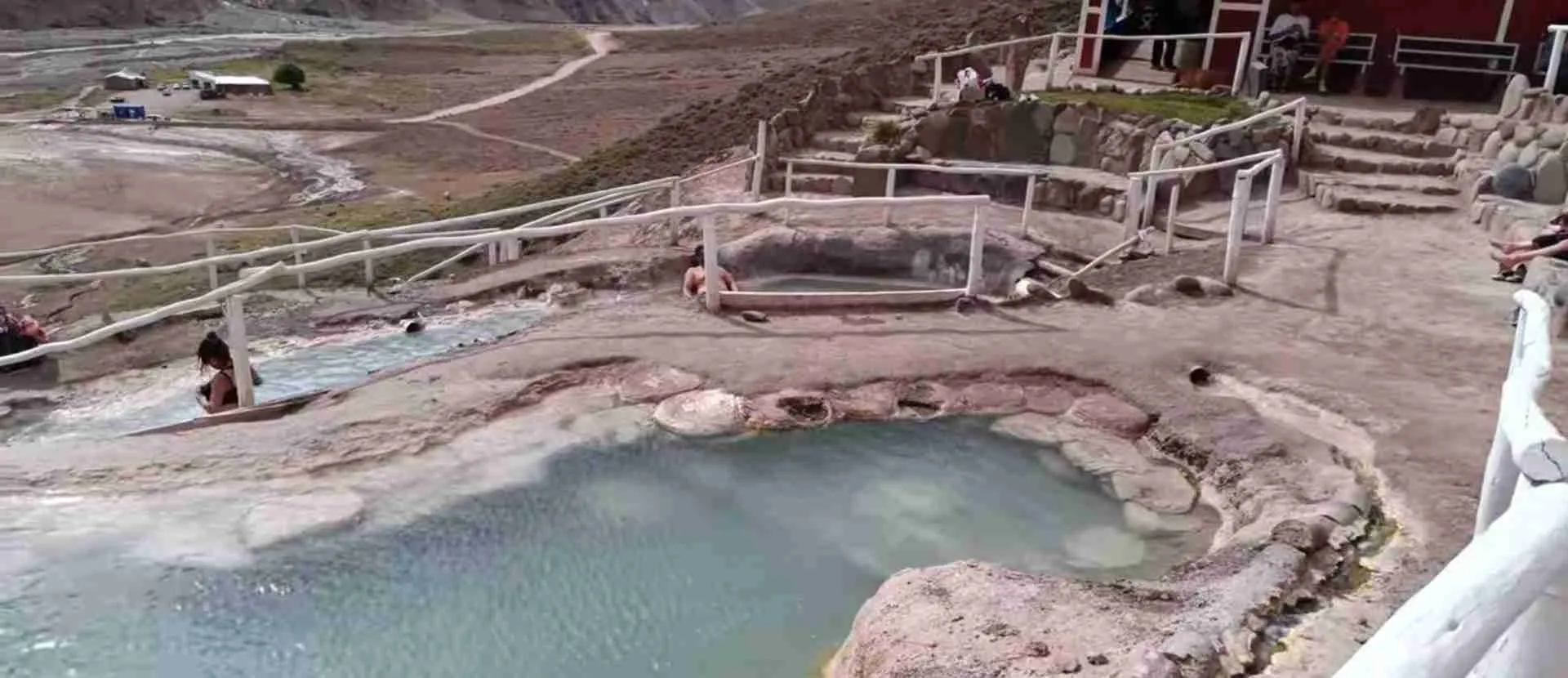
Termas de Colina stands as one of Chile’s most spectacular natural hot springs experiences, offering visitors a chance to soak in mineral-rich thermal waters while surrounded by the dramatic Andean landscape. Located in the Cajón del Maipo region approximately 100 kilometers north of Santiago, these natural pools have attracted travelers seeking relaxation and healing for generations. The springs cascade down a mountainside at 2,850 meters elevation, creating a series of naturally terraced pools that range from comfortably warm to intensely hot.
For 2026 visitors planning a day trip from Santiago, Termas de Colina represents an accessible wilderness adventure that combines natural beauty with therapeutic benefits. The journey itself forms part of the experience, winding through increasingly dramatic Andean scenery as you climb from Santiago’s urban sprawl into the rugged mountain terrain. Unlike commercialized hot springs resorts, Termas de Colina maintains its rustic, natural character, with pools formed by mineral deposits over centuries of thermal activity.
The thermal waters contain high concentrations of sulfur, calcium, and other minerals believed to provide therapeutic benefits for skin conditions, muscle tension, and respiratory issues. Water temperatures vary significantly between pools, allowing visitors to find their ideal comfort level while moving between different bathing areas. The surrounding landscape offers equally compelling attractions, with opportunities for hiking, photography, and wildlife observation in the high Andean environment.
People Also Ask About Termas de Colina 2026
How much does it cost to visit Termas de Colina in 2026?
Visiting Termas de Colina in 2026 involves several cost components depending on your chosen transportation method. Entrance fees run approximately 8,000-10,000 CLP ($8-10 USD) per person (check current rates as pricing may vary seasonally). Organized day tours from Santiago cost 45,000-65,000 CLP ($45-65 USD) per person including transportation, guide services, and entrance fees. Rental car visitors pay fuel costs of approximately 25,000-30,000 CLP ($25-30 USD) round trip plus the entrance fee. Budget travelers using public transportation spend approximately 15,000-20,000 CLP ($15-20 USD) on bus fares plus entrance, though this option requires additional hiking time.
What is the best time to visit Termas de Colina in 2026?
The optimal visiting periods for Termas de Colina in 2026 fall during autumn (March-May) and spring (September-November). These shoulder seasons offer pleasant daytime temperatures, reduced crowds compared to summer peaks, and generally stable weather conditions. Summer months (December-February) bring the largest visitor numbers, particularly on weekends when Santiago residents escape the city heat. Winter visits (June-August) provide a magical experience of soaking in hot water surrounded by snow, though road access becomes challenging and sometimes impossible due to snow and ice. Weekday visits during any season guarantee smaller crowds and more tranquil bathing experiences.
How do you get to Termas de Colina from Santiago in 2026?
Three primary transportation options connect Santiago with Termas de Colina in 2026. Organized tours depart from central Santiago hotels between 7:00-8:00 AM, handling all logistics and providing round-trip transportation in comfortable vehicles with knowledgeable guides. Rental car travelers follow Ruta 57 north toward Los Andes, then turn east toward Colina and continue on increasingly rugged mountain roads for approximately 2.5-3 hours total driving time. Public transportation requires taking a bus from Terminal San Borja to Colina town (approximately 1.5 hours), then arranging local transport or hiking the remaining 25 kilometers to the hot springs. Most 2026 visitors choose organized tours for convenience and safety on mountain roads.
What should I bring to Termas de Colina in 2026?
Essential items for your 2026 Termas de Colina visit include swimwear, quick-dry towel, waterproof sandals or water shoes for navigating rocky pool areas, high-SPF sunscreen (UV radiation intensifies at altitude), sunglasses, and a wide-brimmed hat. Bring warm layers including a fleece jacket and windbreaker, as temperatures drop significantly during the return journey and weather changes rapidly at elevation. Pack sufficient water (minimum 2 liters per person), energy-rich snacks, and a packed lunch if your tour doesn’t include meals. A waterproof bag protects electronics and valuables from steam and splashing. Cash in Chilean pesos covers entrance fees and any purchases at the basic facilities on site.
Extended multi-day tours – 5+ days
Featured Central Chile Multi-Day Tour Packages

3 days
Central Chile 3-Day Discovery Tour
- ✓ Comprehensive Central Chile experience
- ✓ Expert local guides included
- ✓ All accommodation included
- ✓ Transportation provided

5 days
Central Chile 5-Day Highlights Experience
- ✓ Comprehensive Central Chile experience
- ✓ Expert local guides included
- ✓ All accommodation included
- ✓ Transportation provided

7 days
Central Chile 7-Day Cultural Journey
- ✓ Comprehensive Central Chile experience
- ✓ Expert local guides included
- ✓ All accommodation included
- ✓ Transportation provided
10 days
Central Chile 10-Day Complete Adventure
- ✓ Comprehensive Central Chile experience
- ✓ Expert local guides included
- ✓ All accommodation included
- ✓ Transportation provided
Multi-day tour packages powered by TourRadar. Prices and availability subject to change.
Essential Planning Information for Termas de Colina 2026
Location and Access Details for 2026
Termas de Colina sits within the Andes Mountains at coordinates 33°09’S, 70°13’W, approximately 100 kilometers north of Santiago’s city center. The hot springs occupy a dramatic mountainside location at 2,850 meters elevation, where thermal water emerges from underground sources and flows down natural rock terraces into a series of bathing pools. The final approach involves approximately 3 kilometers of unpaved mountain road that becomes challenging during wet weather or winter conditions.
Access roads open year-round during favorable weather, though winter snowfall (June-August) frequently closes the route for days or weeks at a time. Road conditions vary seasonally, with the driest and most reliable access occurring during autumn and spring months. Summer heat creates comfortable driving conditions but brings larger crowds, particularly on weekends and holidays. The facility operates daily from 8:00 AM to 6:00 PM, with last entry at 4:30 PM to ensure visitors complete their experience before darkness falls at this remote mountain location.
2026 Pricing Structure and Fees
Entrance fees for Termas de Colina in 2026 run 8,000-10,000 CLP ($8-10 USD) per adult, with reduced rates for children under 12 at approximately 4,000-5,000 CLP ($4-5 USD). These fees support basic facility maintenance including changing areas, simple restrooms, and trail upkeep. No advance reservations are required or available for individual visitors; payment occurs upon arrival in cash only (Chilean pesos accepted, credit cards not available).
On-site amenities remain intentionally basic to preserve the natural character of the springs. Simple snack vendors occasionally operate during peak periods, selling beverages and basic food items at premium prices reflecting the remote location. The changing facilities provide functional but modest spaces for storing belongings and changing clothes. Visitors seeking more developed amenities should consider the commercial hot springs resorts elsewhere in the region, while those appreciating natural, unspoiled settings find Termas de Colina ideal.
Transportation Options to Termas de Colina 2026
Organized Tours from Santiago 2026
Organized day tours represent the most popular and convenient option for reaching Termas de Colina from Santiago in 2026. Tour operators collect passengers from central Santiago hotels between 7:00-8:00 AM, providing round-trip transportation in comfortable vehicles suitable for mountain roads. Standard tour packages cost 45,000-65,000 CLP ($45-65 USD) per person including professional guide services, entrance fees, and transportation. Premium tours at 75,000-95,000 CLP ($75-95 USD) add lunch, additional hiking excursions, and smaller group sizes for more personalized experiences.
Tour vehicles range from minivans accommodating 8-12 passengers to larger buses for groups up to 20. Smaller group tours offer more flexibility for photography stops and personalized attention from guides. The journey from Santiago takes approximately 2.5-3 hours depending on traffic conditions and the specific route chosen. Guides provide valuable commentary about Andean geology, local ecology, and the cultural significance of thermal bathing in Chilean tradition. Return to Santiago occurs between 5:00-7:00 PM depending on the itinerary and traffic conditions.
Reputable tour operators in 2026 include companies specializing in Andean adventures and nature tourism. Book through your accommodation’s concierge, online travel platforms, or directly with operators based in Santiago’s Bellavista or Lastarria neighborhoods. Advance booking remains essential during summer weekends and Chilean holidays when demand peaks. Tours operate year-round weather permitting, with winter departures contingent on road accessibility.
Rental Car Route and Driving Guide 2026
Self-drive visitors gain maximum flexibility for their Termas de Colina experience, though the journey requires confidence on mountain roads and ideally a high-clearance vehicle. From Santiago, follow Ruta 5 Norte (Panamericana) north for approximately 45 kilometers to the Colina exit. Continue through Colina town center following signs toward “Termas” on increasingly narrow mountain roads. The total driving distance covers approximately 100 kilometers with a journey time of 2.5-3 hours under normal conditions.
Road conditions vary significantly by section and season. The initial highway portion offers excellent pavement and clear signage. After Colina town, roads narrow progressively with sections of gravel and uneven surfaces in the final 25 kilometers. The last 3 kilometers climb steeply on unpaved switchbacks requiring careful driving and appropriate vehicle capability. Four-wheel drive provides significant advantages during winter months or after rainfall, though standard vehicles with reasonable clearance manage the route during dry conditions.
Rental car costs in Santiago range from 35,000-55,000 CLP ($35-55 USD) per day for economy vehicles to 65,000-95,000 CLP ($65-95 USD) for SUVs with four-wheel drive. Fuel costs for the round trip run approximately 25,000-30,000 CLP ($25-30 USD) depending on vehicle efficiency. Add the entrance fee of 8,000-10,000 CLP per person for total self-drive costs. This option works best for groups of 3-4 travelers sharing expenses, making per-person costs competitive with organized tours while offering complete scheduling flexibility.
Public Transportation Route 2026
Budget travelers can reach Termas de Colina via public transportation, though this option requires significantly more time and some hiking ability. Buses depart from Santiago’s Terminal San Borja toward Colina town every 30-45 minutes throughout the day, with journey times of approximately 1.5 hours and fares around 2,500-3,500 CLP ($2.50-3.50 USD) each way. From Colina’s central plaza, options include arranging informal local transport (colectivo or taxi) for the remaining 25 kilometers or beginning the hike toward the hot springs.
Local transport from Colina to Termas de Colina costs approximately 10,000-15,000 CLP ($10-15 USD) per vehicle each way when available. Availability depends on local drivers and varies significantly by day and season. Alternatively, adventurous travelers hike the 25-kilometer route, which takes 6-8 hours one way along mountain roads with significant elevation gain. This hiking option suits only experienced, well-prepared walkers with proper equipment and navigation skills.
The public transportation option works best for flexible budget travelers with time to spare. Departure from Santiago by 7:00 AM allows arrival at the hot springs by early afternoon when using local transport from Colina. Plan for return transport arrangements before leaving Colina, as services become limited in late afternoon. Total public transportation costs run 15,000-25,000 CLP ($15-25 USD) per person round trip plus entrance fees, representing significant savings compared to tours but requiring more planning and flexibility.
What to Expect at Termas de Colina 2026
The Hot Springs Experience in 2026
Termas de Colina features approximately 8-10 natural pools cascading down the mountainside at varying temperatures. The hottest pools near the thermal source reach temperatures of 45-50°C, suitable only for brief immersion and experienced thermal bathers. Mid-temperature pools in the 35-40°C range offer comfortable extended soaking for most visitors. The lowest pools cool to 30-35°C, providing gentle warmth ideal for children and those sensitive to heat.
Pool conditions remain completely natural, with rock and mineral deposit bottoms creating uneven surfaces for footing. Water shoes provide essential protection and traction when moving between pools. The mineral content gives the water a distinctive sulfurous smell and slightly milky appearance, particularly in the hotter upper pools. These minerals create the therapeutic properties that have attracted bathers for generations, reportedly beneficial for skin conditions, muscle tension, and joint problems.
Facilities at the site maintain intentional simplicity to preserve the natural environment. Basic changing rooms provide spaces to store clothing and valuables, though bringing a waterproof bag for important items adds security. Simple restroom facilities operate near the changing areas. No showers exist on site; visitors leave with mineral-rich water on their skin, which many consider part of the therapeutic experience. Food and beverage vendors operate intermittently during peak periods, but bringing your own supplies ensures adequacy.
Optimal Visiting Duration in 2026
Most visitors spend 2-3 hours at Termas de Colina, allowing time to explore multiple pools and fully relax in the thermal waters. Thermal bathing guidelines recommend limiting continuous immersion to 15-20 minutes, with breaks between sessions to prevent overheating. The multiple pool system encourages movement between different temperatures, creating a natural rhythm of warming and cooling that extends comfortable visiting time.
Tour groups follow schedules that typically allocate 2.5-3 hours at the springs, sufficient for a satisfying experience without feeling rushed. Independent visitors with rental cars enjoy unlimited flexibility to extend or shorten their visit as desired. The remote location and journey time mean most visitors find 2-3 hours at the springs appropriate before beginning the return to Santiago. Photography enthusiasts and hiking explorers may appreciate additional time for capturing the landscape and exploring nearby trails.
Best Time to Visit Termas de Colina 2026
Seasonal Considerations for 2026
Autumn months (March-May) offer arguably the best conditions for visiting Termas de Colina in 2026. Daytime temperatures remain comfortable in the 15-20°C range, crowds diminish significantly after the summer peak, and the surrounding mountain landscape displays beautiful seasonal colors. Road conditions remain stable with minimal risk of closures due to weather. The contrast between cool mountain air and hot thermal water creates an ideal bathing experience.
Spring (September-November) provides similar advantages with emerging wildflowers adding visual interest to the journey and surroundings. These months mark the transition from winter road closures to summer accessibility, with improving conditions as the season progresses. Water flows in the surrounding streams run high from snowmelt, creating additional scenic beauty. Spring visitors often enjoy smaller crowds than summer while benefiting from longer daylight hours than autumn.
Summer months (December-February) bring the highest visitor numbers, particularly on weekends when Santiago residents escape urban heat. Temperatures at the hot springs site reach 20-25°C during midday, making the hot water feel less dramatic but still enjoyable. Weekend crowds can fill popular pools, particularly in the mid-temperature range. Weekday summer visits offer the best of both worlds: reliable access and warm weather with manageable crowd levels.
Winter (June-August) provides a magical experience of soaking in steaming water surrounded by snow-covered peaks. However, road access becomes unreliable with frequent closures due to snow and ice. Only visitors with four-wheel drive vehicles and winter driving experience should attempt self-drive winter visits. Tour operators suspend services during road closures, making winter visits unpredictable. Those fortunate enough to visit during accessible winter periods enjoy unforgettable scenery and virtually empty pools.
Weather Patterns and Preparation 2026
Mountain weather at 2,850 meters elevation changes rapidly and dramatically regardless of season. Morning sunshine can give way to afternoon clouds, wind, and even precipitation within hours. The temperature differential between sun-exposed and shaded areas exceeds 10°C at any time of year. Thermal bathers experience rapid body temperature changes when transitioning between hot pools and cool mountain air.
UV radiation at this elevation reaches extreme levels, approximately 40% higher than at sea level. Sunscreen application before and during the visit remains essential, with particular attention to faces, shoulders, and any skin exposed while soaking. Sunglasses and hats provide additional protection during the journey and between pool sessions. The combination of water reflection and altitude creates serious sunburn risk even on cloudy days.
Wind conditions vary but can become significant, particularly in afternoon hours. Warm layers for before and after bathing prove essential regardless of season. The journey from Santiago involves significant elevation change, with temperatures dropping noticeably as you climb into the mountains. Evening return trips feel considerably cooler than morning departures, making layered clothing approach optimal for comfort throughout the day.
Sample Day Trip Itineraries 2026
Organized Tour Itinerary 2026
A typical organized tour from Santiago follows a well-planned schedule maximizing time at the hot springs while ensuring comfortable return before evening. Departure from central Santiago hotels occurs between 7:00-8:00 AM, with pickup times varying by accommodation location. The morning drive through the Andes provides excellent photo opportunities as the landscape transforms from urban to rural to mountainous terrain.
Arrival at Termas de Colina occurs approximately 10:00-11:00 AM, with guides providing orientation to the facilities and safety guidance for thermal bathing. Free time for bathing, relaxation, and exploration extends until 2:00-3:00 PM depending on the specific tour schedule. Some premium tours include lunch either at a designated scenic spot or basic provisions suitable for the mountain environment. The return journey begins mid-afternoon, arriving in Santiago between 5:00-7:00 PM depending on traffic conditions.
Tour cost 55,000 CLP ($55 USD average), packed lunch 8,000-12,000 CLP ($8-12 USD) if not included, snacks and water 5,000-8,000 CLP ($5-8 USD), tips for guide 5,000-10,000 CLP ($5-10 USD). Total day cost: 73,000-85,000 CLP ($73-85 USD) per person for a comprehensive guided experience with all logistics handled.
Self-Drive Day Trip Itinerary 2026
Independent travelers with rental cars enjoy maximum flexibility for their Termas de Colina adventure. Early departure from Santiago by 7:00 AM avoids traffic and ensures arrival at the hot springs by mid-morning. The drive itself warrants leisurely pacing with stops at scenic viewpoints along the mountain road. Pack a cooler with lunch, snacks, and beverages to avoid reliance on limited on-site options.
Arrive at Termas de Colina by 10:00-10:30 AM for a full morning and early afternoon of thermal bathing. The flexibility of self-drive allows extended visits of 3-4 hours or longer as desired. Consider exploring hiking trails in the surrounding area during mid-day when the sun sits highest and hot springs bathing feels less comfortable. Begin the return drive by 3:00-4:00 PM to reach Santiago before darkness falls on mountain roads.
Rental car 45,000 CLP ($45 USD average), fuel round trip 27,500 CLP ($27.50 USD), entrance fee 9,000 CLP ($9 USD), packed lunch and supplies 12,000-15,000 CLP ($12-15 USD), snacks and drinks 6,000-8,000 CLP ($6-8 USD). Total day cost: 99,500-104,500 CLP ($99.50-104.50 USD) for the vehicle. Per person cost for 2 travelers: 49,750-52,250 CLP ($49.75-52.25 USD). Per person cost for 4 travelers: 24,875-26,125 CLP ($24.88-26.13 USD).
Budget Traveler Itinerary 2026
Budget-conscious travelers can experience Termas de Colina at significantly lower cost using public transportation, though this option requires more time and flexibility. Depart Santiago’s Terminal San Borja on an early morning bus to Colina (departure by 6:30 AM recommended). From Colina’s central plaza, negotiate transport to the hot springs with local drivers or begin the hiking approach if adequately prepared.
Using local transport from Colina, arrival at the hot springs occurs by late morning, allowing several hours of bathing before arranging return transport. The return bus schedule from Colina to Santiago runs until approximately 8:00 PM, providing flexibility for afternoon departures from the hot springs. Pack all food and water from Santiago, as options along the public transport route remain limited and expensive.
Bus Santiago-Colina round trip 6,000 CLP ($6 USD), local transport Colina-Termas round trip 22,000 CLP ($22 USD), entrance fee 9,000 CLP ($9 USD), packed lunch and supplies 8,000-10,000 CLP ($8-10 USD), snacks and water 4,000-5,000 CLP ($4-5 USD). Total day cost: 49,000-52,000 CLP ($49-52 USD) per person using local transport from Colina.
Health and Safety Considerations 2026
Thermal Bathing Safety Guidelines
Hot springs bathing requires awareness of potential health impacts, particularly at the extreme temperatures found in Termas de Colina’s upper pools. Water temperatures exceeding 40°C cause rapid body heating that can lead to dizziness, dehydration, and in extreme cases, loss of consciousness. Limit immersion in the hottest pools to 5-10 minutes maximum, moving to cooler pools or resting outside the water between sessions.
Pregnant women, people with heart conditions, those with high or low blood pressure, and individuals with circulation problems should consult medical professionals before hot springs bathing. Children require careful supervision, with their bathing limited to the cooler pools only. The natural pool bottoms create uneven footing that poses slip and fall risks, particularly when transitioning between pools. Water shoes provide essential protection throughout the visit.
Hydration remains critical throughout the hot springs experience. The combination of sweating in hot water and the dehydrating effects of altitude creates significant fluid loss. Bring minimum 2 liters of water per person and drink regularly throughout the visit, not just when feeling thirsty. Alcohol consumption before or during thermal bathing significantly increases health risks and should be avoided entirely.
Altitude Considerations for 2026 Visitors
Termas de Colina sits at 2,850 meters elevation, sufficient altitude to affect visitors not acclimatized to mountain conditions. Symptoms of mild altitude discomfort include headache, slight breathlessness with exertion, and reduced appetite. These effects typically remain minor for day visitors but can intensify when combined with the physical stress of thermal bathing.
Visitors arriving in Santiago from low-elevation origins benefit from one or two days of acclimatization before undertaking the hot springs excursion. The gradual elevation gain during the drive helps bodies adjust progressively. Avoid strenuous hiking or intense physical activity upon arrival at the springs; allow time for your body to adapt to the reduced oxygen levels. Stay well-hydrated and avoid alcohol, which exacerbates altitude effects.
Those experiencing significant altitude symptoms (severe headache, nausea, confusion, difficulty breathing at rest) should descend immediately. The return drive to lower elevation brings rapid improvement in most cases. Visitors with prior altitude sickness experience or underlying respiratory conditions should discuss the excursion with healthcare providers before traveling.
What to Pack for Termas de Colina 2026
Essential Items Checklist
Successful Termas de Colina visits depend on proper preparation given the remote mountain location and limited facilities. Swimwear forms the obvious essential, with quick-dry materials preferred for comfort during the return journey. Water shoes or sandals with secure straps protect feet from hot rocks and uneven pool bottoms while providing traction on wet surfaces. A quick-dry towel minimizes pack weight while providing adequate drying capability.
Sun protection requires serious attention at this altitude. Bring SPF 50+ sunscreen and apply liberally before departure with reapplication mid-day. Sunglasses with UV protection shield eyes from intense mountain sun reflecting off water and rock surfaces. A wide-brimmed hat provides face and neck protection during the journey and rest periods between bathing sessions. Lip balm with SPF protects against chapping from sun and wind exposure.
Warm layers prove essential regardless of season. Pack a fleece or warm mid-layer, plus a windproof outer jacket. Temperatures at the hot springs run 10-15°C cooler than Santiago, and the return journey feels colder as evening approaches. The contrast between hot water and cool air requires quick covering upon exiting pools to prevent chilling. Long pants and closed shoes for the journey complement swimwear for the bathing period.
Food and Supplies for Your 2026 Visit
Pack all food and beverages from Santiago, as on-site options remain extremely limited and unreliable. Minimum water requirements reach 2 liters per person; 3 liters provides a comfortable margin on warm days. Energy-rich snacks like nuts, dried fruit, granola bars, and chocolate sustain energy levels throughout the day. A packed lunch including sandwiches, fruit, and additional snacks ensures adequate nutrition without depending on uncertain vendors.
A small daypack carries supplies during the journey and provides secure storage at the hot springs. Waterproof bags or dry sacks protect electronics, documents, and valuables from steam, splashing, and unexpected precipitation. Cash in Chilean pesos covers entrance fees and any available purchases; credit card facilities do not exist at this location. A basic first aid kit with pain relievers, bandages, and any personal medications provides important backup given the remote setting.
Optional items enhancing the experience include a waterproof camera or phone case for capturing pool photos, a book or journal for relaxation periods, binoculars for spotting Andean birds and wildlife, and a small bag for carrying wet items separately during the return journey. Those planning hiking beyond the immediate pool area benefit from trekking poles and additional water supplies.
Combining Termas de Colina with Other Santiago Excursions 2026
Multi-Day Andean Adventure Planning 2026
Termas de Colina fits naturally into broader exploration of Santiago’s surrounding Andean region. The hot springs make an excellent recovery activity following more strenuous adventures like hiking in Cajón del Maipo or skiing at nearby resorts during winter months. The therapeutic properties of thermal bathing soothe muscles tired from physical exertion while the relaxed atmosphere provides mental recovery from intensive activities.
Consider combining a morning at Termas de Colina with afternoon wine tasting in the Maipo Valley on a longer day trip. The hot springs visit concludes by early afternoon, allowing time to descend toward the valley floor and visit one or two wineries before returning to Santiago. This combination requires careful time management and works best with a rental car providing complete scheduling flexibility.
Visitors spending multiple days in the Santiago region can incorporate Termas de Colina into a progression of natural attractions. Pair the hot springs with visits to Parque Nacional La Campana for native Chilean forest hiking, the coastal cities of Valparaíso and Viña del Mar for Pacific Ocean perspectives, and the ski resorts of Portillo or Valle Nevado for winter sports or summer hiking depending on season.
Alternative Hot Springs Near Santiago 2026
While Termas de Colina offers the most natural and unspoiled experience, several alternative hot springs operate in the Santiago region for visitors seeking different atmospheres. Termas de Colina remains unique for its completely natural, uncommercial character, but developed resorts provide amenities like restaurants, massage services, and comfortable changing facilities that some visitors prefer.
Comparison with alternatives helps visitors choose the experience best matching their preferences. Termas de Colina costs significantly less than developed resorts and provides authentic natural immersion. However, facilities remain basic and the journey requires more effort. Travelers prioritizing comfort and convenience may prefer more developed options, while those seeking genuine wilderness thermal experiences find Termas de Colina unmatched in the region.
Practical Tips for Termas de Colina 2026
Booking and Reservation Strategies 2026
Tour reservations for Termas de Colina excursions should be made 2-5 days in advance during shoulder seasons and 1-2 weeks ahead during peak summer months (December-February) and Chilean holiday periods. Most tour operators accept online bookings through their websites or major travel platforms, with payment typically required upon booking or at pickup. Cancellation policies vary by operator; review terms carefully before committing.
Rental car bookings benefit from advance planning during peak tourist seasons. Reserve vehicles at least one week ahead for summer visits and holiday periods. Specify your intention to drive mountain roads when booking; some rental agreements restrict vehicle use on unpaved roads. Consider collision damage waiver and theft protection given the remote driving conditions and limited roadside assistance availability.
No reservations are required or available for direct entry to Termas de Colina. The facility operates on a first-come, first-served basis with payment in cash upon arrival. Peak weekend periods during summer may see temporary capacity management, but the site rarely reaches limits that turn visitors away. Arriving before 11:00 AM ensures entry without concerns about crowd-related restrictions.
Money and Payment Considerations 2026
Cash in Chilean pesos remains essential for Termas de Colina visits. The entrance facility accepts only cash payment, as does any vendor operating on site. Withdraw sufficient pesos in Santiago before departure, allowing margin for unexpected expenses or opportunities. ATMs do not exist at the hot springs or reliably along the final portion of the route.
Budget approximately 80,000-120,000 CLP ($80-120 USD) per person for a complete day trip including transportation, entrance, food, and incidentals when using organized tours or rental cars. Budget travelers using public transportation can reduce total costs to 50,000-60,000 CLP ($50-60 USD) per person with careful planning and self-supplied meals. Additional spending opportunities remain minimal given the remote, undeveloped nature of the site.
Photography Tips for Termas de Colina 2026
The dramatic Andean setting and steaming thermal pools create exceptional photographic opportunities. Waterproof camera housing or smartphone cases enable capture of images from within the pools, including the classic perspective of steaming water against mountain backdrops. The interplay of steam, light, and landscape produces different effects throughout the day, with morning and late afternoon light generally most flattering.
Protect camera equipment from steam and mineral-laden air, which can damage sensors and lenses with extended exposure. Keep equipment in sealed bags when not actively shooting. The white and pale mineral deposits surrounding pools reflect significant light; adjust exposure compensation to avoid overexposed images. Polarizing filters reduce glare from water surfaces and enhance sky color in landscape shots.
Respect other visitors’ privacy when photographing around the pools. The intimate bathing environment means many people prefer not to appear in photographs. Ask permission before including recognizable individuals in your images. Focus on landscape, architectural, and detail shots that capture the setting’s character without intruding on others’ relaxation experiences.
Frequently Asked Questions About Termas de Colina 2026
Is Termas de Colina safe for children in 2026?
Children can safely visit Termas de Colina with appropriate supervision and precautions. Limit children’s bathing to the cooler lower pools only, never allowing access to the upper pools exceeding 40°C. The uneven rocky surfaces require careful footing; water shoes provide essential protection. Children should not exceed 10-15 minutes of continuous immersion and need close adult supervision throughout their visit. The remote location and limited facilities mean parents must bring all supplies including snacks, entertainment for rest periods, and extra warm clothing.
Do I need to book Termas de Colina in advance for 2026?
The hot springs facility itself requires no advance booking—entry operates on a first-come, first-served basis with cash payment upon arrival. However, organized tours from Santiago require advance reservations, particularly during summer months and Chilean holidays. Book tours 2-7 days ahead depending on season. Rental cars benefit from advance reservation during peak periods. Only the entrance to the hot springs themselves operates without reservation.
What is the water temperature at Termas de Colina?
Water temperatures vary significantly across the pool system, ranging from approximately 30°C in the coolest lower pools to 50°C in the hottest pools nearest the thermal source. Most visitors find the mid-range pools at 35-40°C most comfortable for extended soaking. The temperature variation allows visitors to customize their experience by moving between pools of different temperatures. Natural variation means exact temperatures fluctuate slightly based on seasonal and geological factors.
Can I visit Termas de Colina in winter 2026?
Winter visits (June-August) offer magical scenery with snow-covered mountains surrounding steaming pools, but road access becomes unpredictable due to snow and ice. Road closures occur frequently during winter storms, sometimes lasting several days. Only visitors with four-wheel drive vehicles and winter driving experience should attempt self-drive winter visits. Tour operators suspend services during road closures. Check current road conditions with Chilean highway authorities before attempting winter visits.
How long does it take to drive to Termas de Colina from Santiago?
The drive from central Santiago to Termas de Colina takes approximately 2.5-3 hours under normal conditions. Traffic congestion leaving Santiago can add 30-60 minutes during morning rush hours and weekend departures. The journey covers approximately 100 kilometers, with the final 25 kilometers on progressively narrower mountain roads. Return journeys often move faster due to downhill direction and lighter traffic in late afternoon.
Are there restaurants or food options at Termas de Colina?
On-site food options remain extremely limited and unreliable. Occasional vendors may sell basic snacks and beverages during peak periods, but availability varies unpredictably. Visitors should bring all food, water, and supplies from Santiago. Pack lunch, substantial snacks, and minimum 2 liters of water per person. The nearest reliable food options are in Colina town, approximately 25 kilometers from the hot springs.
What should I do if I experience altitude sickness at Termas de Colina?
At 2,850 meters elevation, mild altitude effects (headache, slight breathlessness) can occur in unacclimated visitors. Rest, hydrate, and avoid strenuous activity while symptoms remain mild. If symptoms become severe (intense headache, nausea, confusion, difficulty breathing at rest), descend immediately. The drive to lower elevation brings rapid improvement. Visitors with known altitude sensitivity or respiratory conditions should consult healthcare providers before planning the excursion.
Is Termas de Colina accessible for people with mobility limitations?
The natural, undeveloped character of Termas de Colina creates significant accessibility challenges. The terrain involves uneven rocky surfaces, steep slopes between pools, and no paved pathways or handrails. Changing facilities are basic without accessibility features. Visitors with mobility limitations should carefully consider whether the site suits their capabilities. Alternative hot springs resorts in the region offer accessible facilities for those requiring more developed infrastructure.
Can I camp overnight at Termas de Colina?
The hot springs facility operates as a day-use area only, with no official camping permitted. The site closes at 6:00 PM and visitors must depart before dark. Informal camping sometimes occurs in the surrounding area, but this remains unauthorized and carries risks related to mountain weather, security, and lack of services. Visitors seeking overnight Andean experiences should explore designated camping areas or mountain refugios elsewhere in the region.
What makes Termas de Colina different from other Chilean hot springs?
Termas de Colina offers the most natural, uncommercial hot springs experience accessible as a day trip from Santiago. Unlike resort-style thermal facilities with developed infrastructure, pools, restaurants, and spa services, Termas de Colina maintains completely natural pools formed by mineral deposits over centuries. The experience emphasizes connection with nature rather than luxury amenities. This authentic character attracts visitors seeking genuine wilderness thermal bathing rather than resort-style relaxation.