Santiago Budget Guide 2026: Complete Cost Breakdown
Key Takeaways for Your 2026 Santiago Budget
- Budget travelers spend $50-70 USD per day in Santiago including hostel accommodation, public transport, and local food
- Mid-range travelers budget $120-180 USD daily for comfortable hotels, occasional taxis, and mixed dining experiences
- Luxury visitors spend $300-500+ USD per day for premium hotels, fine dining, and private transportation
- Santiago’s metro system costs 800-890 CLP ($0.80-0.90 USD) per ride, making public transport exceptionally affordable
- Chilean peso weakness against major currencies creates favorable exchange conditions for international visitors in 2026
- Shoulder seasons (March-May, September-November) offer 15-25% savings on accommodation compared to peak summer
Introduction to Santiago Travel Costs 2026
Santiago de Chile stands as one of South America’s most accessible capital cities for international travelers, offering diverse experiences across budget levels from backpacker-friendly hostels to world-class luxury properties. Understanding the complete cost structure before your 2026 visit enables smart planning that maximizes experiences while respecting financial constraints. This comprehensive budget guide breaks down every expense category visitors encounter, from airport transfers to museum admissions, providing accurate 2026 pricing to inform your travel planning.
The Chilean capital presents a favorable value proposition compared to other major South American destinations. While not as inexpensive as Bolivia or parts of Peru, Santiago offers significantly better value than Buenos Aires or Rio de Janeiro, with modern infrastructure, excellent safety standards, and consistent service quality across price points. The combination of efficient public transportation, diverse dining options spanning all budgets, and numerous free attractions makes Santiago adaptable to nearly any travel budget.
Currency considerations significantly impact 2026 travel budgets. The Chilean peso trades at approximately 900-1,000 CLP per USD, creating purchasing power advantages for visitors from stronger currency zones. This guide provides costs in both Chilean pesos and US dollars for easy reference, though travelers should check current exchange rates as these fluctuate. Credit card acceptance remains widespread in Santiago’s formal economy, though carrying some cash proves essential for markets, street vendors, and smaller establishments.
Seasonal timing directly affects costs, with summer months (December-February) commanding premium pricing for accommodation while winter months (June-August) offer discounted rates despite excellent urban visiting conditions. Understanding these patterns allows strategic trip planning that balances budget constraints with experience priorities.
People Also Ask About Santiago Budget 2026
How much money do I need per day in Santiago in 2026?
Daily spending in Santiago varies dramatically by travel style, ranging from $50-70 USD for budget travelers to $300-500+ USD for luxury visitors in 2026. Budget travelers staying in hostels, eating at local restaurants, and using public transport comfortably manage on $50-70 USD daily. Mid-range travelers enjoying private hotel rooms, a mix of local and upscale dining, and occasional taxis spend $120-180 USD per day. These figures exclude major purchases, expensive tours, or premium experiences that add to base costs.
Is Santiago expensive compared to other South American cities in 2026?
Santiago occupies the mid-range tier among major South American capitals for 2026 travel costs. The city costs significantly less than Buenos Aires (approximately 20-30% cheaper) and considerably less than São Paulo or Rio de Janeiro (30-40% cheaper). However, Santiago runs more expensive than Bogotá (15-20% higher), Lima (10-15% higher), and substantially more than Quito or La Paz. Chile’s stable economy and stronger currency relative to some neighbors contributes to higher prices, balanced by excellent infrastructure and service quality.
What is the cheapest month to visit Santiago in 2026?
Winter months (June-August) offer the lowest accommodation prices in Santiago, with rates dropping 20-35% below summer peaks. July typically represents the absolute lowest pricing point, though weather conditions include cool temperatures (average highs 13-15°C) and occasional rain. Shoulder seasons (March-May and September-November) balance moderate savings of 10-20% with pleasant weather conditions. Budget travelers accepting cooler weather find June-August visits maximize value, while those preferring warmth target May or September for the best value-to-weather ratio.
How much should I budget for food in Santiago 2026?
Food costs in Santiago 2026 range from $15-25 USD daily for budget-conscious eating to $80-150+ USD for fine dining experiences. Budget travelers eating set lunches (menú del día) at local restaurants, shopping at supermarkets, and limiting restaurant dinners spend $15-25 USD daily. Mid-range food budgets of $40-60 USD allow comfortable restaurant dining for most meals. Food-focused travelers exploring Santiago’s excellent culinary scene should budget $80-150 USD or more daily for premium restaurant experiences and wine pairings.
Extended multi-day tours – 5+ days
Featured Central Chile Multi-Day Tour Packages

3 days
Central Chile 3-Day Discovery Tour
- ✓ Comprehensive Central Chile experience
- ✓ Expert local guides included
- ✓ All accommodation included
- ✓ Transportation provided

5 days
Central Chile 5-Day Highlights Experience
- ✓ Comprehensive Central Chile experience
- ✓ Expert local guides included
- ✓ All accommodation included
- ✓ Transportation provided

7 days
Central Chile 7-Day Cultural Journey
- ✓ Comprehensive Central Chile experience
- ✓ Expert local guides included
- ✓ All accommodation included
- ✓ Transportation provided

10 days
Central Chile 10-Day Complete Adventure
- ✓ Comprehensive Central Chile experience
- ✓ Expert local guides included
- ✓ All accommodation included
- ✓ Transportation provided
Multi-day tour packages powered by TourRadar. Prices and availability subject to change.
Accommodation Costs in Santiago 2026
Budget Accommodation Options 2026
Hostel accommodation in Santiago provides excellent value for budget travelers in 2026. Dormitory beds in quality hostels range from 12,000-22,000 CLP ($12-22 USD) per night depending on location, season, and amenities (check booking platforms for current rates as prices vary). The Bellavista and Brasil neighborhoods concentrate the highest density of budget options, with numerous hostels catering to international backpackers. Expect clean dormitories with 4-12 beds, shared bathrooms, common kitchen facilities, and social spaces encouraging traveler interaction.
Private rooms in hostels offer budget-friendly stepping stones between dormitories and traditional hotels. Double rooms with shared bathroom run 28,000-45,000 CLP ($28-45 USD), while en-suite private rooms cost 40,000-60,000 CLP ($40-60 USD). These options suit couples or travelers preferring privacy while maintaining budget discipline. Quality varies significantly; prioritize properties with recent positive reviews and photographs confirming advertised amenities.
Basic guesthouses and residenciales operate throughout Santiago, offering no-frills accommodation at budget prices. Expect small, simply furnished rooms with shared bathrooms for 20,000-35,000 CLP ($20-35 USD) per night. These establishments typically lack the social atmosphere of hostels but provide quiet, functional spaces for sleeping. Located throughout residential neighborhoods, residenciales offer authentic local experiences but require more independent navigation skills.
Mid-Range Hotel Costs 2026
Comfortable three-star hotels throughout Santiago’s central neighborhoods cost 55,000-95,000 CLP ($55-95 USD) per night for standard double rooms in 2026. These properties provide private en-suite bathrooms, air conditioning, reliable WiFi, and daily housekeeping. Breakfast inclusion varies; properties including breakfast represent better value than those charging separately for morning meals. Providencia, Las Condes, and central Santiago offer abundant mid-range options within this price band.
Boutique hotels and upgraded three-star properties occupy the upper mid-range tier at 90,000-150,000 CLP ($90-150 USD) nightly. Expect larger rooms, better locations, enhanced amenities like fitness facilities or rooftop terraces, and more attentive service. The Lastarria and Bellavista neighborhoods concentrate boutique properties with distinctive character and central locations. These rates represent excellent value for travelers accustomed to similar properties at higher prices in European or North American destinations.
Aparthotels and vacation rentals offer compelling value for longer stays or groups, with one-bedroom apartments starting around 60,000-90,000 CLP ($60-90 USD) nightly. Kitchen facilities reduce dining costs substantially, while additional space improves comfort for extended visits. Two-bedroom apartments suitable for families or groups of four cost 100,000-160,000 CLP ($100-160 USD), often representing per-person savings compared to booking multiple hotel rooms.
Luxury Accommodation 2026
Four-star hotels in prime Santiago locations range from 140,000-220,000 CLP ($140-220 USD) per night in 2026. International chain properties (Marriott, Hilton, Hyatt) cluster in Las Condes and the emerging Costanera Center district, offering familiar standards and loyalty program benefits. Upscale local chains provide equivalent quality with Chilean character. These properties feature full-service restaurants, fitness centers, business facilities, and concierge services.
Five-star luxury hotels command 250,000-450,000 CLP ($250-450 USD) nightly for standard rooms, with premium suites reaching 600,000-1,200,000 CLP ($600-1,200 USD) or higher. The Ritz-Carlton, W Santiago, and Mandarin Oriental represent the pinnacle of Santiago luxury, while properties like Hotel Singular Lastarria and The Aubrey Hotel offer boutique luxury with distinctive Chilean aesthetics. These rates align with global luxury standards while delivering arguably better value than equivalent properties in major European capitals.
Seasonal Accommodation Price Variations 2026
Santiago’s accommodation pricing follows clear seasonal patterns that strategic travelers can leverage for significant savings. Summer months (December-February) see peak pricing as Chilean domestic tourism combines with international visitors. Expect rates 20-35% above off-season averages during this period, with premium properties often selling out weeks in advance around Christmas, New Year, and Chilean national holidays (September 18-19).
Winter months (June-August) offer the lowest accommodation pricing, with discounts of 20-35% below summer peaks representing substantial savings. The lower rates compensate for cooler weather (though Santiago’s winter remains mild by global standards) and reduced daylight hours. Business travel maintains occupancy at corporate properties, so the deepest discounts appear at tourist-focused hotels and hostels.
Shoulder seasons (March-May, September-November) balance moderate savings of 10-20% with pleasant weather conditions. These periods offer perhaps the best overall value for travelers seeking both good prices and comfortable visiting conditions. March-April particularly shines, combining autumn warmth with post-summer pricing reductions and fewer crowds at major attractions.
Transportation Costs in Santiago 2026
Airport Transfer Options 2026
Arturo Merino Benítez International Airport (SCL) sits approximately 17 kilometers northwest of central Santiago, with several transfer options serving different budgets. Official airport taxis operate on fixed rates by zone: 25,000-35,000 CLP ($25-35 USD) to central Santiago, Providencia, or Las Condes depending on exact destination. These regulated fares provide certainty and avoid negotiation, with counters located in the arrivals hall.
Shared shuttle services (transfer colectivos) cost 8,000-12,000 CLP ($8-12 USD) per person to central destinations. These door-to-door services combine multiple passengers heading in similar directions, trading travel time for cost savings. Booking in advance through websites or at airport counters ensures availability. Journey times vary based on drop-off sequence but expect 45-75 minutes to most central hotels.
Public bus service connects the airport to Los Héroes metro station in central Santiago. Centropuerto and TurBus Airport operate frequent services costing 1,900-2,500 CLP ($1.90-2.50 USD) per person. Journey time runs 25-40 minutes depending on traffic. From Los Héroes, metro connections reach virtually anywhere in the city for an additional 800-890 CLP. This combination represents the cheapest airport transfer option for solo travelers or those staying near metro stations.
Rideshare services (Uber, Cabify) provide competitive airport transfer pricing at 18,000-28,000 CLP ($18-28 USD) to central destinations depending on traffic and surge pricing. App-based booking offers transparency on pricing before commitment. However, airport regulations require rideshare pickups from designated areas in the parking structure rather than curbside, adding several minutes of walking with luggage.
Metro and Public Transit 2026
Santiago’s metro system ranks among South America’s best, providing fast, clean, and efficient transportation throughout the urban area. Single-ride fares cost 800-890 CLP ($0.80-0.90 USD) depending on time of day, with peak hours (7:00-9:00 AM, 6:00-8:00 PM weekdays) commanding the higher rate. The metro operates seven lines covering over 140 kilometers with 136 stations, connecting all major tourist areas, business districts, and residential neighborhoods.
The Bip! card serves as the universal fare payment method for metro, buses, and integrated transport. Cards cost 1,550 CLP ($1.55 USD) for initial purchase at metro stations, then require loading with credit. Each metro ride debits the card automatically at fare gates. The card offers no discount over cash single rides but provides convenience and enables free transfers between metro and buses within a two-hour window, generating real savings for multi-leg journeys.
Urban buses complement the metro network, reaching areas beyond rail coverage at similar fares of 730-800 CLP ($0.73-0.80 USD) per ride. The Transantiago system integrates buses with metro for seamless transfers using the Bip! card. Bus routes prove less intuitive for visitors than the metro’s clear line structure, but apps like Moovit provide real-time routing guidance. Buses offer essential connections to neighborhoods like Bellavista, Patronato, and outer residential areas poorly served by metro.
Taxi and Rideshare Costs 2026
Traditional taxis in Santiago operate on meters, with base fares of 300-400 CLP ($0.30-0.40 USD) plus 130-150 CLP ($0.13-0.15 USD) per 200 meters traveled. A typical cross-town journey of 8-10 kilometers costs 5,000-8,000 CLP ($5-8 USD). Verify meters are running and reset at trip start to avoid overcharges. Radio taxis ordered by phone cost slightly more but offer increased security and accountability. Taxi availability remains excellent throughout central Santiago, with stands at major intersections and hotels.
Rideshare services (Uber, Cabify, DiDi) operate extensively in Santiago, often undercutting traditional taxi prices by 10-20%. Similar 8-10 kilometer journeys cost 4,000-7,000 CLP ($4-7 USD) during normal conditions, though surge pricing during peak hours or rain can exceed taxi rates. App-based payments provide receipts and accountability, while driver ratings promote service quality. These services prove particularly valuable for trips to areas with limited taxi availability or late-night journeys.
Car Rental Considerations 2026
Rental cars rarely prove cost-effective for Santiago-only visits given excellent public transport, but become valuable for exploring surrounding regions. Economy vehicles cost 35,000-55,000 CLP ($35-55 USD) per day from major agencies at the airport, with weekly rates offering 10-20% daily savings. Insurance adds 15,000-25,000 CLP ($15-25 USD) daily for collision damage waiver and theft protection. Book in advance during summer months when demand from domestic tourists strains inventory.
Parking in central Santiago presents challenges and costs. Street parking requires payment through meters or mobile apps during business hours at rates of 400-800 CLP ($0.40-0.80 USD) per hour depending on zone. Private parking garages charge 1,500-4,000 CLP ($1.50-4 USD) per hour or 15,000-30,000 CLP ($15-30 USD) for full-day rates. Hotels offering free parking provide significant value for those renting vehicles. The combination of rental, insurance, fuel, and parking costs makes car hire sensible only when planning extensive day trips beyond the metro area.
Food and Dining Costs in Santiago 2026
Budget Dining Options 2026
Santiago offers excellent value for budget-conscious diners willing to eat as locals do. The menú del día (daily set menu) represents the cornerstone of affordable dining, available at countless restaurants throughout the city. These fixed-price lunches include starter or salad, main course, beverage, and often dessert for 5,500-8,500 CLP ($5.50-8.50 USD). Quality and portion sizes vary, but well-chosen spots deliver genuinely satisfying meals at remarkable prices. Look for restaurants busy with Chilean office workers around 1:00 PM—local crowds signal good value.
Market halls provide atmospheric settings for budget meals alongside fresh produce shopping. Mercado Central, Santiago’s famous fish market, offers fresh seafood at varied prices—tourist-facing restaurants charge premium rates, but seeking out less prominent stalls yields seafood lunches for 6,000-10,000 CLP ($6-10 USD). La Vega Central, the city’s vast produce market, hosts numerous economical eateries serving hearty Chilean cuisine to market workers and savvy visitors alike at similar prices.
Fast food and casual chains offer predictable pricing for quick meals. International brands (McDonald’s, Subway, Starbucks) price similarly to other major cities at 5,000-9,000 CLP ($5-9 USD) for combo meals. Chilean chains like Doggis (hot dogs) and Dominó (empanadas) provide local flavor at comparable prices. Empanadas from bakeries and street vendors cost 1,500-3,500 CLP ($1.50-3.50 USD) each, serving as filling snacks or light meals. Completo (Chilean-style hot dogs) from street vendors run 2,500-4,000 CLP ($2.50-4 USD).
Supermarkets and self-catering offer the lowest food costs for extended stays or strict budgets. Major chains (Jumbo, Líder, Santa Isabel) stock familiar products plus Chilean specialties. Budget daily food costs through supermarket shopping and minimal restaurant meals run 10,000-15,000 CLP ($10-15 USD) per person. This approach suits accommodation with kitchen access and travelers comfortable forgoing restaurant experiences.
Mid-Range Restaurant Pricing 2026
Casual sit-down restaurants throughout Santiago’s neighborhoods serve quality meals at moderate prices. Main courses at typical neighborhood restaurants cost 9,000-16,000 CLP ($9-16 USD), with complete meals including appetizer or dessert and beverage running 15,000-25,000 CLP ($15-25 USD) per person. The Bellavista, Lastarria, and Italia neighborhoods concentrate accessible dining options with pleasant atmospheres and reliable quality.
Santiago’s diverse immigrant communities create neighborhoods with specialized cuisines at mid-range prices. Patronato’s Korean and Chinese restaurants serve authentic dishes for 8,000-14,000 CLP ($8-14 USD) per main course. Peruvian restaurants have proliferated citywide, offering ceviches and other specialties for 11,000-18,000 CLP ($11-18 USD). These options provide welcome diversity from Chilean cuisine while maintaining accessible pricing.
Wine and cocktail pricing significantly impacts dining costs. Chilean wine offers exceptional value, with quality bottles available in restaurants for 8,000-18,000 CLP ($8-18 USD)—comparable wines might cost 3-4 times more in European restaurants. Premium cocktails at upscale bars run 7,000-12,000 CLP ($7-12 USD), while neighborhood bars serve pisco sours and basic drinks for 4,000-7,000 CLP ($4-7 USD). Limiting alcohol consumption represents one of the most effective strategies for controlling mid-range dining budgets.
Fine Dining and Upscale Options 2026
Santiago’s fine dining scene has earned international recognition, with restaurants appearing on Latin America’s 50 Best lists and attracting culinary tourism. Tasting menus at top restaurants range from 75,000-150,000 CLP ($75-150 USD) per person before wine pairings. Wine pairings add 45,000-90,000 CLP ($45-90 USD) depending on program sophistication. These prices align with similar quality levels in major food cities worldwide while showcasing distinctive Chilean ingredients and culinary creativity.
Upscale casual restaurants occupy the tier below fine dining, serving creative cuisine in elegant settings without tasting menu formality. Expect main courses at 18,000-35,000 CLP ($18-35 USD) and complete dinners with wine running 55,000-95,000 CLP ($55-95 USD) per person. The Vitacura neighborhood concentrates many such establishments alongside Las Condes business district and gentrifying areas of Providencia.
Reservations prove essential for Santiago’s most celebrated restaurants, sometimes requiring booking several weeks ahead for weekend dinner service. More accessible fine dining options accept same-week reservations, particularly for lunch service when prices often drop 20-30% below dinner rates. Several top restaurants offer special lunch menus providing fine dining experience at mid-range prices—excellent value for budget-conscious food enthusiasts.
Attraction and Activity Costs 2026
Free Attractions in Santiago 2026
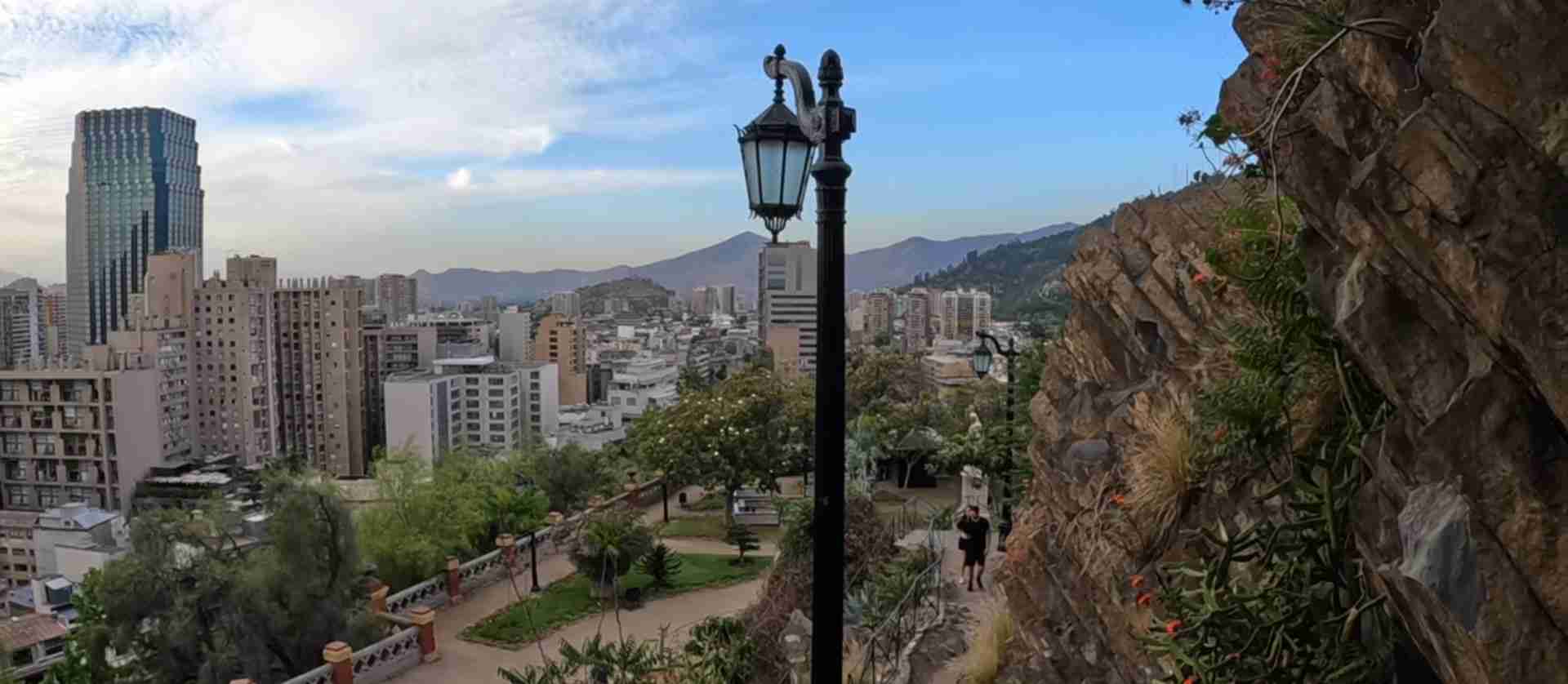
Santiago offers numerous world-class free attractions that comprise significant visitor experiences without impacting budgets. Cerro San Cristóbal, the city’s largest urban park, provides free hiking access with panoramic city views from its 880-meter summit. The funicular and cable car cost 3,500-4,000 CLP ($3.50-4 USD) for those preferring mechanical ascent, but walking trails remain free. The park’s trails, gardens, and viewpoints occupy easily half a day for thorough exploration.
Museums with free admission include several excellent options. The Centro Cultural La Moneda beneath the presidential palace houses rotating exhibitions typically at no charge. The Museo de la Memoria y los Derechos Humanos, documenting Chile’s military dictatorship period, provides powerful free entry experiences. The Museo de Arte Contemporáneo and Museo Nacional de Bellas Artes offer free admission, housing significant collections of Chilean and international art.
Neighborhood walking exploration costs nothing while delivering Santiago’s essence. Barrio Lastarria’s cobblestone streets, antique shops, and café culture provide hours of free wandering. The colorful murals of Bellavista warrant extended exploration without admission fees. The historic downtown circuit connecting Plaza de Armas, La Moneda, and the municipal theater showcases colonial and republican architecture. Self-guided walking requires only comfortable shoes and curiosity.
Paid Attractions Pricing 2026
Major paid attractions in Santiago maintain accessible pricing by global capital city standards. La Chascona (Pablo Neruda’s Santiago house museum) charges 8,000 CLP ($8 USD) for adults with guided tours included (check website for current rates). The Precolumbian Art Museum, housing exceptional indigenous artifacts, costs 7,000 CLP ($7 USD) general admission. The interactive science museum MIM charges 5,500 CLP ($5.50 USD) for adults and 4,500 CLP ($4.50 USD) for children, excellent value for families.
Observatory night visits for stargazing range from 25,000-45,000 CLP ($25-45 USD) per person depending on location and program duration. These experiences venture outside Santiago to escape light pollution, with transportation often included in tour pricing. Wine valley day tours to Maipo, Casablanca, or Colchagua valleys cost 45,000-85,000 CLP ($45-85 USD) per person including transportation and tastings at 2-3 wineries.
Adventure activities near Santiago carry higher price points reflecting equipment and guide requirements. Skiing at nearby Andes resorts costs 45,000-75,000 CLP ($45-75 USD) for lift tickets plus similar amounts for equipment rental. White water rafting on the Maipo River runs 45,000-65,000 CLP ($45-65 USD) per person. Hot springs day trips range from 45,000-85,000 CLP ($45-85 USD) including transportation. These experiences represent splurges within most budgets rather than daily activities.
Tours and Guided Experience Costs 2026
Walking tours operate on both free (tip-based) and fixed-price models throughout Santiago. Free walking tours typically last 2.5-3 hours covering downtown and neighborhood highlights; tips of 5,000-10,000 CLP ($5-10 USD) per person represent fair compensation for quality guides. Fixed-price specialty tours (street art, food, history themes) cost 25,000-45,000 CLP ($25-45 USD) with smaller groups and specialized expertise.
Food tours have proliferated across Santiago, ranging from 40,000-85,000 CLP ($40-85 USD) depending on duration and tastings included. Market tours with cooking components reach 95,000-150,000 CLP ($95-150 USD) for half-day experiences including instruction time. These tours provide efficient cultural immersion while eliminating the research required to find great local spots independently.
Day trip costs to destinations beyond Santiago vary significantly by distance and included activities. Valparaíso and Viña del Mar tours run 45,000-75,000 CLP ($45-75 USD) for full-day visits. Maipo Valley wine tours cost 55,000-95,000 CLP ($55-95 USD) with 2-4 winery visits and tastings. Cajon del Maipo adventure tours (hiking, hot springs, nature) range 45,000-85,000 CLP ($45-85 USD). Multi-destination tours combining several experiences reach 120,000-180,000 CLP ($120-180 USD) for comprehensive full-day adventures.
Sample Daily Budgets for Santiago 2026
Budget Traveler Daily Costs 2026
Budget travelers in Santiago in 2026 can comfortably manage on $50-70 USD per day with careful spending and local-focused choices. This budget assumes hostel accommodation, public transport, budget dining, and free attractions as primary activities.
Hostel dormitory bed 15,000 CLP ($15 USD), metro rides (3-4 trips) 3,000 CLP ($3 USD), menú del día lunch 7,000 CLP ($7 USD), street food dinner 6,000 CLP ($6 USD), coffee/snacks 4,000 CLP ($4 USD), one paid attraction 7,000 CLP ($7 USD). Total day cost: 42,000 CLP ($42 USD) per person (excluding accommodation). With accommodation: 57,000 CLP ($57 USD) per person.
This budget allows comfortable daily experiences without deprivation. The numerous free attractions in Santiago mean budget travelers can enjoy world-class museums, stunning viewpoints, and vibrant neighborhoods without admission costs. Strategic use of menú del día lunches delivers substantial, quality meals at prices impossible in most world capitals. Hostels in Bellavista and Brasil neighborhoods provide social environments, kitchens for occasional self-catering, and central locations reducing transport needs.
Mid-Range Traveler Daily Costs 2026
Mid-range travelers experience Santiago comfortably on $120-180 USD daily, with private accommodation, diverse dining, and mix of free and paid attractions.
Mid-range hotel 75,000 CLP ($75 USD), metro and occasional taxi 8,000 CLP ($8 USD), café breakfast 5,000 CLP ($5 USD), restaurant lunch 18,000 CLP ($18 USD), casual dinner with wine 35,000 CLP ($35 USD), coffee/snacks 6,000 CLP ($6 USD), attractions/tours 20,000 CLP ($20 USD). Total day cost: 92,000 CLP ($92 USD) per person (excluding accommodation). With accommodation: 167,000 CLP ($167 USD) per person.
This budget level enables genuine comfort without constant cost consciousness. Private hotel rooms provide rest and privacy after busy sightseeing days. Restaurant meals span casual to upscale casual options, including Chile’s exceptional wine values. The attractions budget covers one significant paid experience daily while incorporating free options for balance. Occasional taxi use eliminates wait times and evening public transport concerns.
Luxury Traveler Daily Costs 2026
Luxury travelers in Santiago spend $300-500+ USD daily for premium experiences across accommodation, dining, and activities.
Five-star hotel 350,000 CLP ($350 USD), private transfers/taxi 30,000 CLP ($30 USD), upscale café breakfast 12,000 CLP ($12 USD), fine casual lunch 45,000 CLP ($45 USD), fine dining dinner with wine pairing 150,000 CLP ($150 USD), premium tours/activities 80,000 CLP ($80 USD). Total day cost: 317,000 CLP ($317 USD) per person (excluding accommodation). With accommodation: 667,000 CLP ($667 USD) per person.
This budget accesses Santiago’s finest experiences without compromise. Luxury hotels provide exceptional service, central locations, and premium amenities. Fine dining explores Chile’s celebrated culinary scene, including restaurants recognized on global lists. Private tours offer personalized experiences at preferred pacing. Even at these levels, Santiago represents excellent value compared to equivalent luxury travel in European or North American capitals.
Money-Saving Strategies for Santiago 2026
Accommodation Savings Tips 2026
Strategic accommodation booking generates the largest potential savings for Santiago visitors in 2026. Book 4-6 weeks ahead for summer visits (December-February) when demand peaks; winter travelers (June-August) find excellent last-minute deals as hotels compete for scarce visitors. Shoulder season visits (March-May, September-November) offer the best value-to-weather balance while avoiding both premium pricing and weather concerns.
Consider location trade-offs carefully. Providencia and Las Condes command premium rates for convenient locations and upscale neighborhoods. The Brasil neighborhood offers comparable quality at 15-25% lower prices with excellent metro access to attractions. Staying slightly outside the most central zones reduces nightly costs while adding only minutes to daily commutes. Neighborhoods like Ñuñoa and La Reina provide local atmosphere at significant savings.
Extended stay discounts become substantial for visits exceeding one week. Many hotels offer 10-15% discounts for stays of 7+ nights, while vacation rentals typically price weekly stays at effective daily rates 20-30% below nightly bookings. Monthly rates drop further for digital nomads or extended visitors. Negotiate directly with properties for the best extended stay terms.
Food Budget Optimization 2026
Concentrating restaurant spending on lunch rather than dinner maximizes dining value in Santiago. Many restaurants serving $35-50 dinner main courses offer the same dishes at lunch for $15-25, sometimes with abbreviated lunch menus featuring greatest hits. The menú del día tradition makes lunch the best meal value citywide, while dinner pricing reflects evening service premiums and longer meal expectations.
Supermarket shopping supplements restaurant meals economically. Chilean supermarkets stock excellent prepared foods, fresh fruits, quality cheeses, and local wines at reasonable prices. Breakfast self-catered from supermarket purchases costs $3-5 versus $10-15 at cafés. Picnic lunches assembled from market purchases enable combining budget eating with visits to Santiago’s beautiful parks and outdoor spaces.
The Chilean tip expectation (10% service charge often included, modest additional tip appreciated) reduces dining costs compared to destinations with 18-20% tipping cultures. Review bills carefully—service charges appear as “servicio” or “propina”—and add modest additional amounts only when service exceeds expectations. Takeaway and counter service establishments involve no tipping expectation.
Transportation Cost Reduction 2026
The Bip! card integrated transport system generates savings through free transfers. A journey requiring metro plus bus connections costs the same as a single metro ride when completed within two hours using the same Bip! card. Plan routes leveraging these free transfers to reduce daily transport spending. Loading the card with larger amounts avoids repeated queuing at metro station machines.
Walking proves viable for many Santiago routes given the city’s manageable scale and pleasant weather. The corridor from downtown through Lastarria to Providencia stretches roughly 4 kilometers—walkable in an hour while passing numerous attractions, shops, and cafés. Comfortable walking shoes and reasonable fitness enable significant transport savings while providing street-level city experiences superior to underground metro travel.
Airport transfer costs reduce substantially using public bus connections to the metro system. The 2,500 CLP bus fare plus 890 CLP metro connection totals under $4 compared to $25-35 for taxi service. This option adds 15-20 minutes versus direct taxi transport and requires luggage management on public transit, but the savings prove significant for budget travelers, particularly those making multiple airport trips during extended stays.
Practical Money Matters for Santiago 2026
Currency and Exchange 2026
The Chilean peso (CLP) trades at approximately 900-1,000 per USD in 2026, though exchange rates fluctuate based on global economic conditions. This guide uses a reference rate of approximately 1,000 CLP per USD for easy calculation; verify current rates before travel and adjust budget estimates accordingly. The peso has trended weaker against major currencies in recent years, generally favoring visitors from dollar, euro, and pound zones.
ATM withdrawals provide the most favorable exchange rates for obtaining pesos. International networks (Plus, Cirrus) connect to Chilean banks including Banco de Chile, Santander, and BCI. Withdrawal fees vary: Chilean banks typically charge 2,500-5,000 CLP ($2.50-5 USD) per transaction, while your home bank may add additional fees. Maximizing withdrawal amounts reduces per-peso fee impact—many ATMs allow withdrawals up to 200,000-400,000 CLP ($200-400 USD) depending on your card limits.
Currency exchange offices (casas de cambio) operate throughout central Santiago, with concentrations near Plaza de Armas and in Providencia. Rates vary between operators; compare several before exchanging significant amounts. Avoid airport exchange counters offering notably poor rates. Credit card exchange rates typically fall between ATM and exchange office rates, varying by card issuer and specific transaction terms.
Credit Card Usage and Cash Requirements 2026
Credit card acceptance spreads widely through Santiago’s formal economy—hotels, established restaurants, major shops, and chain stores accept Visa and Mastercard universally. American Express finds more limited acceptance. International transaction fees of 1-3% apply to most cards; travel-focused cards waiving these fees provide valuable savings for extended visits. Notify your card issuer of travel dates to prevent fraud blocks on Chilean transactions.
Cash remains essential for significant portions of Santiago spending. Local markets, street vendors, small restaurants, some taxis, and tips require pesos. Budget approximately 30-50% of daily spending in cash for typical tourist activities. Market shopping, neighborhood dining, and transportation edge toward higher cash percentages, while hotel-centered and upscale experiences function largely on cards.
Carry cash in smaller denominations when possible. Breaking 20,000 CLP ($20 USD) notes poses challenges at small vendors and for minor purchases. The 1,000 CLP note serves as the practical minimum for most transactions, with 5,000 and 10,000 notes handling typical daily purchases comfortably. Coins below 100 CLP see limited circulation; don’t worry about accumulating them.
Tipping Customs in Santiago 2026
Restaurant tipping in Chile follows a distinctive pattern. Many establishments include a 10% service charge (servicio incluido) on bills—check before adding additional tips. When service is not included, 10% represents the standard gratuity, with 15% acknowledging exceptional service. Credit card receipts sometimes include tip lines even when service is included; ask staff if uncertain to avoid double-tipping.
Other tipping situations follow lighter expectations than in North America. Hotel porters appreciate 500-1,000 CLP ($0.50-1 USD) per bag. Taxi drivers expect rounding up to the next 500 or 1,000 CLP rather than percentage tips. Tour guides receive 3,000-5,000 CLP ($3-5 USD) per person for full-day tours, more for exceptional experiences. The tip-based free walking tour model expects 5,000-10,000 CLP ($5-10 USD) reflecting tour value and your satisfaction.
Frequently Asked Questions About Santiago Budget 2026
Is Santiago safe for budget travelers in 2026?
Santiago maintains strong safety standards for a major Latin American capital, and budget travel remains entirely practical with basic precautions. Central tourist areas, public transport, and established neighborhoods see regular police presence. Petty theft (pickpocketing, bag snatching) represents the primary concern, particularly in crowded market areas and on metro during rush hours. Standard urban awareness—securing valuables, avoiding flashy displays, staying alert in crowds—enables safe budget travel throughout the city.
How much does a week in Santiago cost in 2026?
Weekly Santiago costs in 2026 range from approximately $350-500 USD for budget travelers, $840-1,260 USD for mid-range visitors, and $2,100-3,500 USD for luxury travelers. These ranges assume consistent daily spending patterns; actual costs vary based on specific choices, seasonal timing, and activity selection. Budget travelers spending strategically on accommodation and food while maximizing free attractions achieve the lower end, while those adding paid tours and upscale meals reach higher figures.
Should I exchange money before arriving in Santiago?
Exchanging small amounts (USD 100-200) before arrival provides convenience for immediate expenses like airport transport and first meals. However, bulk currency exchange in your home country typically yields poor rates compared to Chilean ATMs and exchange offices. The optimal strategy: bring modest USD cash for emergencies, withdraw pesos from ATMs upon arrival, and carry a credit card for larger purchases. Avoid arriving with large amounts of foreign cash requiring exchange at airport counters.
What is the cheapest way to get around Santiago?
The metro system provides the cheapest efficient transportation throughout Santiago at 800-890 CLP ($0.80-0.90 USD) per ride. The Bip! card enables free transfers between metro and buses within two hours, making even multi-leg journeys single-fare. Walking remains free and practical for shorter distances, with many attractions clustered within walkable areas. Shared airport shuttles at $8-12 per person beat taxi costs for airport transfers. Avoid taxis except when convenience justifies the premium.
Are credit cards widely accepted in Santiago?
Credit cards (Visa, Mastercard) see widespread acceptance in Santiago’s hotels, established restaurants, major shops, and chain stores. However, cash remains essential for markets, street vendors, smaller family restaurants, some taxis, and tips. Plan for approximately 30-50% cash spending depending on your activity mix. American Express finds limited acceptance; Visa and Mastercard prove more practical. International transaction fees apply unless using travel-optimized cards.
How much should I budget for food per day in Santiago?
Daily food budgets in Santiago 2026 range from $15-25 USD for budget eating (menú del día lunches, street food, supermarket breakfast), $40-60 USD for comfortable mid-range dining (café breakfasts, sit-down restaurant meals), and $80-150+ USD for upscale dining experiences. The menú del día (set lunch menu) at $5.50-8.50 USD represents exceptional value for satisfying midday meals. Wine prices in restaurants deliver remarkable value compared to global standards.
When is the cheapest time to visit Santiago?
Winter months (June-August) offer the lowest accommodation prices, with savings of 20-35% below summer peaks. July represents the absolute cheapest period for hotels. However, cooler weather (13-15°C average highs) and occasional rain may impact some activities. Shoulder seasons (March-May, September-November) balance moderate savings of 10-20% with pleasant weather. Budget travelers tolerating cooler conditions maximize savings with winter visits; those preferring warmth target May or September for optimal value-to-weather ratios.
Do I need to tip in Santiago restaurants?
Many Santiago restaurants include a 10% service charge on bills—verify before adding additional tips to avoid double-tipping. When service is not included, 10% represents the standard tip, with 15% for exceptional service. Check bills for “servicio incluido” or “propina” line items indicating included gratuity. Tipping culture in Chile remains lighter than in North America; standard restaurant tips of 10% do not offend as they might in US establishments accustomed to 18-20%.
What free things can I do in Santiago?
Santiago offers exceptional free attractions including Cerro San Cristóbal hiking with city panoramas, world-class free museums (Museo de la Memoria, Centro Cultural La Moneda, Museo de Arte Contemporáneo, Museo Nacional de Bellas Artes), neighborhood walking exploration through Lastarria, Bellavista, and historic downtown, and numerous parks and plazas. Free walking tours (tip-based) provide structured introduction to city highlights. The combination of free attractions enables rich Santiago experiences without impacting daily budgets.
How much is a taxi from Santiago airport to the city center?
Official airport taxis operate on fixed zone-based rates: 25,000-35,000 CLP ($25-35 USD) to central Santiago, Providencia, or Las Condes depending on exact destination. Rideshare services (Uber, Cabify) cost 18,000-28,000 CLP ($18-28 USD) for similar routes during normal conditions, though surge pricing can exceed taxi rates. Budget options include shared shuttles at 8,000-12,000 CLP ($8-12 USD) per person and public bus plus metro combination at approximately 4,000 CLP ($4 USD) total.