
Tenerife Best Tours, Routes, Biking, Sailing and Walking Itineraries 2027: Mount Teide, Whale Watching & Masca
Tenerife packs an improbable range of outdoor adventure into a single volcanic island: a UNESCO World Heritage peak rising to 3,718 meters, one of Spain’s most dramatic gorge hikes, year-round whale watching just offshore, and a cycling descent that carries you from alpine landscapes to the Atlantic in a single morning. This 2027 planning guide covers every major activity — routes, permits, prices, operators, and the logistical changes introduced since 2025 — so you can build a week that combines the best of Mount Teide, Masca, the sea, and Anaga Rural Park without losing time to avoidable booking errors.
Key Takeaways
- Mount Teide cable car round-trip tickets cost €42 for adults in 2027; the separate summit permit for Pico del Teide (3,718 m) is free but must be booked months in advance via tenerifeon.es, and the Refugio Altavista remains closed indefinitely.
- The Masca Gorge now operates under a mandatory permit and managed access system — independent hikers book at caminobarrancodemasca.com for a €3 reservation fee and must arrive by TITSA bus 355 from Santiago del Teide; full guided packages with shuttle, helmet, and insurance cost around €41 per adult.
- Whale watching tours depart from Puerto Colón, Los Cristianos, and Los Gigantes all year; a 3-hour catamaran costs €40–70 per person, while a 4.5-hour excursion with lunch to Los Gigantes and Masca Bay runs €55–90.
- The guided Teide cycling descent — transfer up by minibus, then ride from around 2,000 meters to sea level — costs €45–75 per person including helmet and support vehicle; e-bike day rentals start at €35.
- Anaga Rural Park is free to enter and most trails require no permit; only El Pijaral (the Enchanted Forest trail), capped at 45 hikers per day, needs an advance booking via tenerifeon.es.
- Mid-range travelers visiting Tenerife for active holidays should budget approximately €150–235 per person daily (two sharing), which covers a 3-star hotel, meals, a rental car, and one main paid activity per day.
People Also Ask About Tenerife Tours and Itineraries 2027
What are the best tours in Tenerife in 2027?
The most consistently praised experiences for 2027 are the Mount Teide cable car excursion, whale and dolphin watching from Puerto Colón, the Masca Gorge hike, and the guided e-bike descent from the flanks of Teide. For multi-activity visitors, a combined catamaran day sailing from Puerto Colón to the Los Gigantes cliffs and Masca Bay — including whale watching and a swim stop — delivers the island’s coastal highlights in a single outing. In the northeast, a day exploring Anaga Rural Park on foot offers ancient laurel forest, dramatic ridgeline views, and an atmosphere entirely unlike the south coast resorts. All major paid activities require advance booking in 2027, particularly in the March-to-October peak season when Teide summit permits and Masca slots sell out weeks ahead.
How much does a whale watching tour in Tenerife cost in 2027?
Whale watching prices in 2027 range from around €25–35 per person for a 2-hour motorboat tour to €40–70 for a 3-hour group catamaran trip. The most popular option — a 4.5-hour catamaran excursion from Puerto Colón to the Los Gigantes cliffs and Masca Bay, including a buffet lunch and open bar — costs €55–90 depending on the operator and vessel. Small-group tours with marine biologist guides and hydrophone systems, capped at ten passengers, typically run €70–90. Private yacht charters are priced per group. Tenerife’s southwest waters hold resident populations of pilot whales, short-finned sperm whales, and bottlenose dolphins year-round, giving operators in the Teno-Rasca marine sanctuary a high sighting rate across every season.
Is the Masca Gorge hike open in 2027?
Yes, the Masca Gorge trail is open in 2027 but operates under a regulated permit system introduced in stages from 2025 onward. Independent hikers must book a timed permit in advance at caminobarrancodemasca.com and pay a €3 reservation fee; arrival by TITSA public bus route 355 from Santiago del Teide is mandatory. Visitor numbers are capped and entry times are assigned at booking. The trail runs one-way from Masca village down to the beach; a boat transfer back to Los Gigantes is available separately from the pier, though availability should be confirmed when booking. A full guided package — including the shuttle transfer from Santiago del Teide, protective helmet, insurance, and trail access — costs approximately €41 per adult and is available through licensed operators. Children under eight are not admitted.
How do I visit Mount Teide by cable car in 2027?
The Teide cable car at Cañadas del Teide (at 2,356 meters) carries passengers to the upper station at 3,555 meters in around eight minutes. A round-trip ticket costs €42 for adults and €21 for children aged 3–13. The cable car opens at 9:00 daily; last ascent and closing times vary seasonally (generally 4:00–5:40 pm for the last ascent depending on time of year). Booking online in advance is essential, as on-site ticket sales frequently sell out by mid-morning. The cable car ticket does not include access to the summit crater at 3,718 meters — that requires a separate free permit for the Telesforo Bravo route, booked via tenerifeon.es and typically unavailable at less than several weeks’ notice in peak season. Guided excursions including hotel transfer and cable car cost €85 per adult. Note that as of mid-2026, Refugio Altavista remains indefinitely closed, eliminating the overnight option that previously allowed summit hikers to bypass daytime permit quotas.
Extended multi-day tours – 5+ days
Featured Tenerife Multi-Day Tour Packages
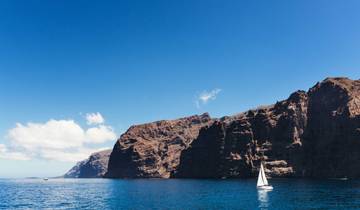
7 days
Sailing the Canary Islands
- ✓ Comprehensive Tenerife tour
- ✓ Expert local guides included
- ✓ All accommodation arranged
- ✓ Transportation provided
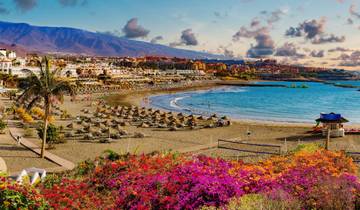
7 days
Hike The Canary Islands
- ✓ Comprehensive Tenerife tour
- ✓ Expert local guides included
- ✓ All accommodation arranged
- ✓ Transportation provided

6 days
Tasting the South of Tenerife
- ✓ Booking needs min. 2 travelers
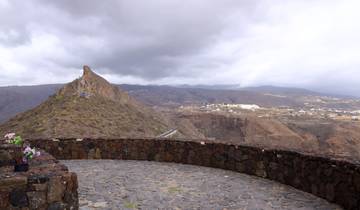
7 days
Tenerife Firsthand – 7 Days Among Volcanoes, Ocean and Adventure
- ✓ Booking needs min. 2 travelers
Multi-day tour packages powered by TourRadar. Prices and availability subject to change.
Getting the Most from Tenerife in 2027
Tenerife divides naturally into two very different worlds. The south — Los Cristianos, Costa Adeje, Playa de las Américas — is the resort coast, warm year-round and dominated by boat trips and beach days. The north and interior tell a different story: ancient laurel forests cloaked in Atlantic mist, cobbled colonial towns, and a volcano so large it creates its own weather system. Active travelers planning a 2027 trip often underestimate how much access management has tightened across the island’s outdoor experiences. Masca, Teide’s summit, and several Anaga trails now all require advance permits or bookings, and popular slots genuinely sell out — sometimes weeks ahead during Easter and summer.
The good news is that the island’s transport infrastructure has improved alongside the permit systems. The Tenerife ON platform (tenerifeon.es) centralizes bookings for regulated natural-area trails across the island, giving visitors a single portal for Masca, Teide summit access, El Pijaral in Anaga, and dozens of other managed paths. TITSA public buses, while infrequent to remote trailheads, have had route 355 formalized as the mandatory access route to Santiago del Teide for Masca hikers — a change that reduces both car congestion on the TF-436 mountain road and the parking chaos that plagued the area before the permit system.
The island’s cycling profile is world-class and has drawn professional teams for winter training for decades. Mount Teide stands alone as the most iconic climb in the Canary Islands — the 47-kilometer ascent from the coast averages five percent gradient — but the island is equally rich in shorter e-bike-friendly routes that open the mountains to less experienced riders. Sailing and whale watching anchor the southern coast’s activity calendar, with the Teno-Rasca special protection area hosting one of Europe’s most accessible cetacean populations. Planning these activities in combination — rather than picking one per day in isolation — is the key to building a genuinely memorable week.
Mount Teide Tours and Summit Experiences 2027
Mount Teide, at 3,718 meters Spain’s highest point and the centrepiece of a UNESCO World Heritage volcanic landscape inscribed in 2007, offers visitors a layered set of experiences at very different altitudes. Most arrive via the cable car; a smaller, more determined group hikes up and down under their own power; and a growing number come specifically for the stargazing, sunsets, and guided crater experiences that the volcanic terrain enables.
Cable Car Tickets and Opening Times for Teide in 2027
The Teide cable car, operated by Volcano Teide (volcanoteide.com), runs between the base station at 2,356 meters and the upper station at 3,555 meters — a vertical rise of 1,199 meters in roughly eight minutes. Round-trip tickets for non-resident adults cost €42; for children aged 3–13 the price is €21. Canary resident rates are substantially lower at €10.50 for adults. One-way tickets are also sold at €23.50 per non-resident adult, with a descent-only option available for purchase at the upper station using QR codes.
Standard operating hours in 2027 are 9:00 to 5:00 pm (last ascent 4:00 pm) during most of the year, with extended hours from 9:00 to 6:40 pm (last ascent 5:40 pm) running from late March to mid-April and throughout July and September. The cable car also operates at sunset for ticketed sunset experiences outside these windows. The parking area at the base station opens at 8:00 am. Book online at volcanoteide.com — on-site tickets are available but frequently exhausted by mid-morning in high season, and there is no refund if the cable car closes due to weather after you arrive without a reservation.
At the upper station, three trails branch out across the volcanic terrain: a short loop to the Rambleta viewpoint, a path toward the Pico Viejo crater (guided tour optional at €54.50 adult including the cable car round-trip), and the Telesforo Bravo route ascending to the true summit. Time at the upper station is limited to one hour for standard cable car visitors. The Science and Legend exhibition at the base visitors’ centre is included free with any cable car ticket.
Teide Summit Permit (Telesforo Bravo Route) in 2027
Reaching the actual summit crater of Pico del Teide at 3,718 meters requires a free permit for the Telesforo Bravo route, obtained through tenerifeon.es. The permit is individual, non-transferable, and assigned to a specific date and time slot. Demand significantly outstrips supply: slots typically sell out weeks to months in advance during March–October peak season. The platform releases new slots at 7:00 am on Mondays for the following two weeks, so setting an alarm on Monday mornings during the weeks before your trip is the most reliable strategy.
The route itself begins at Montaña Blanca (around 2,340 m) and ascends to the upper cable car station before continuing to the summit crater. It is steep — gradient reaching 60% in sections — and classed as very strenuous due to altitude. Hikers should be fit, properly equipped, and aware that altitude effects, including headaches and breathlessness, are common above 3,000 meters. The path is not suitable for children or those with cardiorespiratory conditions. An important constraint for 2027: Refugio Altavista, the mountain shelter at around 3,260 meters that previously allowed hikers to overnight and reach the summit at dawn (bypassing the daytime permit quota), remains indefinitely closed. The daytime permit through tenerifeon.es is currently the only legal route to the summit. Rangers enforce compliance and fines apply for attempting to access the crater without a valid permit.
For visitors who want the summit experience without the logistics burden, Volcano Teide’s guided ascent package combines the cable car, summit permit, and an accredited guide into a single booking — ensuring the permit timings align with the cable car schedule, which self-organized hikers must coordinate independently.
Guided Teide Tours for 2027: With Transfer and Cable Car
The Teide Tour, offered by Volcano Teide, is the most convenient option for visitors arriving from the south coast resorts. Hotel pickups begin at 7:30–8:30 am; the tour visits Teide National Park viewpoints (including Los Roques de García) with a guide before arriving at the cable car. The all-in price of €85 per adult covers the hotel transfer, guide, Teide Legend audio guide in eight languages, cable car round-trip, and entry to the Science and Legend exhibition. The tour without the cable car costs €49 per adult, with a return from the base station at 2:00 pm. Children aged 3–13 pay €42.50 (with cable car) or €24.50 (without).
Third-party operators also offer competitive packages. Half-day excursions from Costa Adeje and Los Cristianos with shared transport and a guide but independently purchased cable car tickets are widely available from €35–55 per person, making them cost-effective for groups who prefer flexibility at the top. Private tours with a dedicated driver-guide run €90–150 per person for small groups. All operators must ensure passengers have cable car reservations with defined entry times, as the system is time-slotted.
Teide Stargazing and Sunset Experiences 2027
Teide National Park sits above the cloud inversion layer for much of the year, giving it some of the clearest skies in Europe and earning it a Starlight certification for astrotourism. Sunset from the upper cable car station — watching the shadow of Teide’s cone extend across the Atlantic while the islands of La Gomera, El Hierro, and La Palma appear on the horizon — is widely considered one of the best sky views in the Canary Islands.
Volcano Teide runs a cable car at sunset service outside standard hours, combined with a guided hike to the Pico Viejo viewpoint. The Sunset and Stars package adds telescope stargazing from the base station at 2,356 meters with Starlight guides after the descent. An Astronomical Tour option also includes a guided visit to the Teide Observatory. The Teide by Night excursion — operated from the south coast with transport, a four-course dinner in Vilaflor village, and guided stargazing — is an alternative for visitors who prefer not to use the cable car. Check current prices and schedules at volcanoteide.com, as seasonal sunset times change monthly.
Whale Watching Tours in Tenerife 2027
The waters off Tenerife’s southwest coast, particularly the Teno-Rasca special protection area, support some of the most accessible whale and dolphin watching in Europe. Several species reside in these waters year-round rather than seasonally: pilot whales are present in permanent family groups; short-finned sperm whales are regularly sighted; bottlenose dolphins, spotted dolphins, and Bryde’s whales make frequent appearances. The year-round reliability is a significant practical advantage — there is no wrong season for a whale watching excursion, and reputable operators with guarantees offer a free second trip if no cetaceans are spotted (a rarely invoked policy given sighting success rates).
Best Departure Ports for Whale Watching in 2027
Three main ports serve whale watching departures in the south of the island. Puerto Colón in Costa Adeje is the highest-traffic hub, offering the widest choice of operators, vessels, and departure times — typically at 9:30 am, 12:00 pm, and 2:30 pm for standard group tours. The port at Los Cristianos carries a smaller selection of operators, including the distinctive pirate-ship style schooners that depart on 2- and 3-hour tours. Los Gigantes, further north on the rugged west coast, launches both whale watching and cliffs-viewing tours into the waters beneath the Los Gigantes cliffs, which rise 400–800 meters from the sea and are accessible only by boat.
For visitors based in the north of the island, some operators offer Tuesday–Thursday–Sunday departures from Puerto de la Cruz on longer catamaran excursions to the southwest, though these involve extended travel time and the range of vessels is narrower than from the south coast.
Whale Watching Prices and Tour Lengths in 2027
The two-hour motorboat tour — the most budget-conscious option — costs €25–35 per person and typically covers the immediate cetacean waters south of Costa Adeje. These shorter trips are fine for catching pilot whales in good conditions but leave no time for additional coastal sights or a swimming stop.
Three-hour catamaran tours are the most popular choice, priced at €40–70 per person depending on vessel capacity, included food and drinks, and whether a marine biologist or biologist-trained guide is on board. Larger catamarans (50–80 passengers) tend toward the lower end of this range; boutique small-group tours capped at 10–12 passengers charge €70–90 and typically include a hydrophone system that lets passengers hear whale vocalizations in real time.
The 4.5-hour catamaran excursion from Puerto Colón to the Los Gigantes cliffs and Masca Bay — including whale watching, a swim stop, buffet lunch, and open bar — runs €55–90 per person and represents the best value for visitors wanting to combine marine wildlife with the island’s western coastal scenery. Always verify the exact inclusions at booking: some operators charge separately for sunbeds (typically €12–15 per pair) and the swim stop location varies by vessel.
What Species to Expect on Tenerife Whale Watching in 2027
Pilot whales are the most commonly sighted species in Tenerife’s waters, present in stable resident groups that are well-known to local operators. These compact, dark-bodied whales commonly travel in pods of ten to thirty individuals and habitually approach boats, making for close and sustained encounters. Short-finned sperm whales appear regularly; their distinctive clicking vocalizations are audible via hydrophone. Bryde’s whales pass through on longer-range foraging runs and are more likely sighted in summer. Atlantic spotted dolphins, common dolphins, and rough-toothed dolphins add variety on most excursions.
Tenerife operates under Spanish and Canary Islands cetacean protection regulations. Compliant operators maintain a minimum approach distance, cut engines when whales are nearby, and cap the total time spent close to an animal. When comparing operators, look for those affiliated with the REMAR cetacean research network or who carry a marine biologist rather than simply a guide with general knowledge — the quality of the on-board information makes a significant difference to the experience.
Masca Gorge Hike in 2027: Permits, Access and Practicalities
The Masca Gorge — Barranco de Masca — cuts through the Teno Rural Park in the northwest of the island, descending from the cliff-clinging village of Masca through nearly six kilometers of basalt canyon walls to a remote black-sand beach. For most of its history the trail was a free and largely unregulated walk; from 2025 onward, a series of management measures transformed it into one of Spain’s most tightly controlled day hikes. The result is a safer, less crowded experience — but one that demands advance planning.
The New Masca Gorge Booking System Explained for 2027
Two parallel access routes exist for the Masca Gorge in 2027, and understanding which applies to your situation is the first planning step.
The independent permit route, managed through caminobarrancodemasca.com, allows self-guided hikers to book timed descent access for a €3 reservation fee (introduced April 2026). Under this system, arrival by TITSA public bus route 355 from Santiago del Teide is mandatory — private vehicle access to the trailhead is not permitted, and hikers with cars must park at the cemetery car park in Santiago del Teide and walk approximately ten minutes to the TITSA stop. The bus runs with departures every 20 minutes on operating days. Permits are individual and non-transferable, require ID verification at the checkpoint, and are not available to children under eight. The booking fee covers timed trail access, a safety briefing, and ranger assistance; personal gear (except a protective helmet, which is mandatory) and return transport are arranged separately. Always check current operating days directly at caminobarrancodemasca.com before booking, as schedules have changed multiple times since 2025.
The guided tour option, offered by licensed operators, bundles the shuttle transfer from Santiago del Teide, protective helmet, insurance, and trail access into a single package priced at approximately €41 per adult. This route suits visitors who prefer not to navigate the bus logistics independently. Both the independent and guided options use the same trail; the key difference is what is included in the price and how you get to the starting point in Masca village.
Masca Gorge Route: What the Hike Looks Like in 2027
The trail descends from Masca village (at roughly 650 meters) through the gorge interior to the beach at sea level — a one-way descent of around six kilometers with approximately 650 meters of elevation loss. The terrain is rocky, uneven, and includes sections with steps and areas where slipping is a genuine risk. The gorge interior is dramatic: basalt walls millions of years old, volcanic dikes cutting vertically through the canyon, endemic plant species including the Masca everlasting, and willow trees lining the seasonal streambed.
The descent is rated high difficulty despite being a downhill route — loose rock, narrow passages, and the significant cumulative strain on knees over six kilometers mean appropriate footwear is non-negotiable. Trail rangers refuse entry to hikers without proper boots; flip-flops and trainers are turned away at the checkpoint regardless of permit status. The village shop in Masca sells boots, though at premium prices. A helmet is mandatory throughout the descent.
Entry time slots are staggered: typically 25 hikers enter every 30 minutes, with the first entry at 8:30 am and the last entry by 11:00 am (the return deadline is 2:00 pm). These windows mean that a solo hiker arriving at the first slot will have the upper canyon largely to themselves, while the 11:00 am slot arrives at the beach as the earliest hikers are departing — a practical detail worth considering if solitude in the gorge matters to you.
Getting to Masca and Returning in 2027
Santiago del Teide serves as the mandatory staging point for the hike. From Los Cristianos, Costa Adeje, and the south coast, TITSA bus route 473 runs to Santiago del Teide; from Puerto de la Cruz, bus 325 connects to Santiago del Teide. Route 355 then covers the final stretch to the Masca TITSA stop (journey time around 20 minutes). Public bus schedules to Santiago del Teide are infrequent by urban standards, so check the TITSA app for current timetables when planning the day.
For the return from Masca Beach, options include a boat transfer to Los Gigantes (available from operators based at the beach, book in advance) or the physically demanding return ascent back up the gorge, which adds two to three hours and requires significant stamina after the descent. As of mid-2026, some accounts report the beach pier as intermittently closed; verify current boat availability directly via caminobarrancodemasca.com or the licensed operators before finalizing plans that depend on a boat exit. The guided package typically includes coordination for the return, which simplifies the logistics considerably.
Masca village itself is worth arriving at least 30 minutes before your entry slot. The village is one of the most picturesque settlements in Tenerife — fewer than 100 inhabitants, traditional Canarian stone architecture, terraced gardens filled with cacti and subtropical plants — and a short walk through the upper lanes before descending provides context for the landscape the gorge was carved from.
Cycling and E-Bike Tours in Tenerife 2027
Tenerife has been a training ground for professional cycling teams — most famously the Tour de France and Vuelta a España contenders who use the island every winter — because of the combination of near-perfect winter weather, diverse terrain, and the legendary Teide ascent. For recreational visitors in 2027, e-bikes have transformed access to routes that were previously only practical for experienced cyclists, and a thriving network of guided tour operators covers everything from gentle coastal paths to full mountain descents.
Teide Descent by Bike: The Iconic Downhill Route in 2027
The Teide descent is the island’s signature cycling experience: you are transferred by minibus to a start point at roughly 2,000 meters on the flanks of the volcano, mount a bike, and ride downhill to sea level through the full vertical range of Tenerife’s landscapes — lunar lava fields, pine forest, banana plantations, and finally the Atlantic coast. The total descent covers 30–40 kilometers depending on the specific route chosen; the ride passes through four distinct ecological zones in a few hours.
Guided descent tours cost €45–75 per person and include a helmet, gloves, and a support vehicle that follows the group and carries extra water and spare parts. The guide stops at viewpoints and village cafés along the route. E-bikes are offered on most guided descents, making the experience accessible to riders of all fitness levels — though road bikes are available for stronger cyclists who want to pedal the flatter or uphill sections with more speed. Book at least 48 hours in advance in peak season; operators include Mr. Bike Tenerife (mrbiketenerife.com), Tenerife eBike Tours, and Teide Cycling (teidecycling.com) among several others based in Puerto de la Cruz and the south coast.
Anaga Mountains Cycling Routes 2027
Anaga offers the island’s most varied mountain cycling terrain in a compact area. The TF-12 ridge road through the park carries minimal traffic outside weekends and provides a rolling route with dramatic Atlantic views on both sides. A standard circuit from Cruz del Carmen visitor centre along the ridge toward Chamorga and back covers around 35 kilometers with significant but manageable elevation change. Guided Anaga e-bike tours, typically priced at €65–95 per person including the e-bike, helmet, and guide, are particularly well-suited to riders who want support on the descents into the northern coastal villages.
Mobile phone signal disappears throughout most of the park interior, so download offline maps before departure. Puerto de la Cruz, on the north coast at the foot of Anaga, is the most convenient base for multi-day Anaga cycling — operators there can deliver bikes to accommodation and collect them, eliminating transport logistics.
Masca Valley Road Cycling in 2027
The TF-436 road descending from TF-82 to Masca village is one of the most technically demanding and visually spectacular road cycling descents in the Canary Islands. Dozens of tight hairpin bends drop through cliffs and ravines; the road is narrow with occasional oncoming traffic. Road bikes rather than e-bikes are preferred here for control on the hairpins. Note that private vehicles now face restrictions accessing Masca village on hiking-activity days — cyclists should check current road-access rules at the island council website, as regulations governing motorized and non-motorized access to Masca have evolved alongside the permit system.
E-Bike Rentals and Guided Cycling Tours in 2027
E-bike day rentals in Tenerife start at €35 per day for a city or trail e-bike and reach €65 for a premium electric mountain bike. Most south-coast rental operators offer free hotel delivery to Costa Adeje, Los Cristianos, and Las Américas, making it easy to set off from accommodation without needing to transport the bike. Electric mountain bikes — with battery assistance sufficient for the longer Teide approach climbs — are the most popular rental choice for visitors tackling the national park independently. Book in advance during peak months, as inventory is limited on the most popular models.
Guided cycling tours tailored to beginners run from €25–35 per person for a 2.5-hour city tour of Santa Cruz de Tenerife (historic streets, coastal promenade, and the landmark Auditorium of Tenerife) to €65–95 for a full-day guided mountain route with an e-bike. Week-long cycling holidays — hotel accommodation, daily guided rides, support vehicle, and bike rental — are offered by specialist operators such as Cycle Classic Tours from around €1,595 per person for a multi-island (Gran Canaria and Tenerife) package.
Sailing and Boat Trips in Tenerife 2027
The island’s southwestern coast, sheltered from the dominant northeast trades, provides calm sailing conditions for most of the year. The combination of towering volcanic cliffs, pilot whale populations, and the photogenic Masca Bay makes Tenerife’s west coast one of Europe’s most scenic short-range sailing destinations. Boat trips range from two-hour whale watching motorboat excursions to five-hour catamaran days with lunch and a swimming stop, to multi-day private charters.
Los Gigantes Cliffs Boat Tours in 2027
The Los Gigantes cliffs — a sheer volcanic face rising between 400 and 800 meters from the waterline — are only fully visible from the sea. No coastal path reaches their base; the only way to appreciate their full scale is by boat. Tours departing from Los Gigantes harbor are shorter (typically 2–3 hours) and focus specifically on the cliffs themselves, the resident pilot whale pod in the Teno marine area, and occasional coves accessible only by water. Prices from Los Gigantes run €25–55 per person depending on duration and vessel type. The small-group Los Gigantes cliff sail tours with lunch, widely listed on booking platforms, cost from around €89 per person and are among the most consistently well-reviewed day activities on the island.
Catamaran Day Trips to Masca Bay 2027
The flagship sailing experience combining whale watching with coastal scenery departs from Puerto Colón and takes 4–5 hours. The catamaran sails first into the whale and dolphin zone off Costa Adeje, then continues northwest along the coast past the Masca cliffs — giving passengers a sea-level view of the gorge they may have hiked or are planning to hike — before anchoring in the sheltered waters of Masca Bay for a swim stop. A buffet lunch with Canarian dishes, sangria, and soft drinks is served on the return. This tour costs €55–90 per person; booking at least several days ahead is recommended in July and August when departures fill quickly.
For visitors who prefer a more environmentally-focused experience, eco-catamarans powered by battery and fuel-efficient engines operate the same Masca–Los Gigantes route with an underwater sound system that lets passengers hear cetacean vocalizations. These operators prioritize smaller group sizes and typically include a sustainability briefing alongside the marine wildlife commentary.
Sunset and Private Sailing Charters 2027
Sunset sailing from Puerto Colón, typically a 2–3 hour excursion departing at 5:00–6:00 pm, is one of Tenerife’s most popular evening activities. A glass-bottom catamaran or sailing yacht carries passengers west along the coast as the light changes on the cliffs; drinks and tapas are usually included. Prices start at around €35–50 per person for a group catamaran sunset trip. Private yacht charters — booking an entire vessel rather than joining a group — start at around €350–500 per half-day for a sailing yacht accommodating six to eight passengers, rising to €800+ for premium vessels. Private charters are particularly popular for anniversary celebrations, small family groups wanting flexibility over itinerary, and travelers who prefer not to share the boat with other parties.
Walking and Hiking Itineraries in Tenerife 2027
Tenerife offers hiking terrain across every landscape type on the island: ancient laurel forest in the northeast, dramatic volcanic calderas in the national park, coastal cliff paths above the south resort towns, and the famous gorge walk at Masca. The diversity means a week of walking need never repeat a landscape type.
Anaga Rural Park Walking Routes 2027
Anaga Rural Park, in the far northeast of Tenerife, is a UNESCO Biosphere Reserve of ancient volcanic ridges draped in laurel forest — one of the last surviving examples of the subtropical forest that once covered southern Europe before the Quaternary ice ages. The park is free to enter and most of its trail network requires no advance permit; a rental car is strongly recommended, as bus access to the northern trailheads at Chamorga and Taganana requires complex connections from Santa Cruz. The visitor centre at Cruz del Carmen, open Tuesday–Sunday 9:30–17:00, provides free maps and current trail conditions.
Key routes include: the Chinamada loop (10–13 km, moderate–hard), tracing the Anaga ridge to the cave-house settlement at Chinamada with ocean views in both directions; the descent to Roque Bermejo (13 km, moderate) through dense laurel forest to a remote Atlantic cove; and the Taganana coastal trail (11.5 km, moderate). Be aware that as of July 2026, Playa de Benijo had been closed for two years due to rockfall — confirm current beach access status before planning any coastal hike that uses it as a destination.
El Pijaral, also marketed as the Enchanted Forest trail (Sendero del Bosque Encantado), runs 6.7 kilometers through the best-preserved section of laurisilva in the park. It requires an advance permit via tenerifeon.es, capped at 45 visitors per day. Permit slots open each Monday at 7:00 am for the following week and typically fill within hours during peak season. This trail is the single most atmospheric walk on the island for those drawn to ancient forest environments.
Teno Rural Park Hiking in 2027
Teno Rural Park, in the northwest corner of Tenerife, is the oldest geological zone on the island — its basalt cliffs, deep barrancos (ravines), and terraced hillsides predate Teide’s volcanic activity by millions of years. The park is dramatically quieter than Anaga and less well-known among international visitors. The village of Buenavista del Norte serves as a practical base; from there the coastal path to Punta de Teno lighthouse (around 4 km each way) is a straightforward and visually rewarding walk ending at the island’s westernmost tip. The TF-445 road to Punta de Teno requires a permit to drive (booked at tenerifeon.es) but the path is freely walkable.
From within the park, the approach path to Masca from the Buenavista direction offers an alternative introduction to the gorge area without descending into it — arriving at the village from the north via a ridge path rather than through the regulated canyon. This route requires no permit, has minimal foot traffic, and ends at Masca village where restaurants and viewpoints provide a natural rest point.
Teide National Park Free Trails 2027
Beyond the cable car and the summit permit, Teide National Park contains a network of free-access trails that require no booking and showcase the volcanic landscape at its most otherworldly. The most popular free route circles the Los Roques de García — the castle-like rock formations at 2,100 meters that appear in nearly every Tenerife photograph — on a 3.5-kilometer loop taking about 90 minutes. This is a very accessible walk with minimal elevation change and a car park directly at the trailhead (Las Cañadas lay-by on the TF-21).
Montaña Blanca trail, the first section of the summit approach, is freely walkable from the trailhead at 2,340 meters to the base of the Teide cone at around 3,100 meters — giving hikers without summit permits an impressive high-altitude experience without needing any reservation. The landscape shifts from pumice desert to massive solidified lava flows within a few kilometers. Start early: the altitude, sun intensity, and mid-morning tourist influx all make early morning (before 9:00 am) the most rewarding time to be on any open trail in the national park.
The Pino de las Cañadas trail descends from the plateau through one of the island’s finest Canary pine forests to the north, passing through several volcanic structures. The Teide by Night excursion accesses the base station car park for evening stargazing, with no hiking required — a viable option for visitors without the physical capacity for extended walks but keen on the park’s atmosphere after dark.
Coastal Walking Routes and Village Trails 2027
Tenerife’s south coast holds a partly continuous coastal path connecting the resort towns from Los Cristianos to Puerto Colón and continuing in sections toward Playa del Duque. The path is flat, paved in most sections, and takes approximately 2–3 hours for the Los Cristianos to Puerto Colón stretch. While not a wilderness hike, it provides a morning activity within walking distance of most south coast hotels and gives a useful sense of the coastline’s geography before taking a boat from Puerto Colón.
In the north, La Laguna (San Cristóbal de La Laguna) — a UNESCO World Heritage city inscribed in 1999 for its well-preserved colonial grid plan — rewards a half-day of walking through its historic centre. The Cathedral of La Laguna, the former governor’s palace (now the Casa de Alvarado Bracamonte), and the pedestrianized streets of the old town are all within a compact walkable area. La Laguna is 30 minutes from Santa Cruz by tram and serves as a natural staging point for those heading to Anaga, making it easy to combine a morning in the historic city with an afternoon hike in the park.
Multi-Activity 7-Day Tenerife Itinerary 2027
The following itinerary assumes a base in the Costa Adeje–Los Cristianos area with a rental car from day two, delivering a mix of the island’s headline experiences without over-scheduling. Masca Gorge and Teide summit permits must be booked before arrival; cable car and whale watching should be reserved at least a week ahead in peak months.
Day 1 — Arrival and South Coast Orientation. Arrive at Tenerife South Airport (TFS). Settle into accommodation on the south coast and explore the coastal path between Los Cristianos and Puerto Colón. Book a restaurant in Los Cristianos for dinner and familiarize yourself with the layout of the marina, the departure point for most boat excursions. If permits and cable car are not yet secured, book them online this evening.
Day 2 — Whale Watching from Puerto Colón. Take the 9:30 am 3-hour catamaran from Puerto Colón (€40–70 per person). The tour returns by 12:30 pm, leaving the afternoon free for the Siam Park water park in Costa Adeje or a relaxed beach afternoon at Playa del Duque. Pick up the rental car in the afternoon for use from day three onward.
Day 3 — Mount Teide Cable Car and National Park. Drive the TF-21 from the south coast, taking about 45 minutes to reach the national park. Stop at the Los Roques de García for the 3.5-kilometer loop trail. Continue to the cable car base station, ride to 3,555 meters, and spend one hour at the upper station. Return via a different route — TF-24 through La Esperanza pine forest — for a panoramic north-facing descent. Dinner in Vilaflor, the highest village in Spain’s Canary Islands.
Day 4 — Masca Gorge Hike. Early start. Take the TITSA bus from Santiago del Teide (route 355) to Masca village; enter the gorge at your permitted time slot (8:30–11:00 am entry window). Descend the six-kilometer trail to the beach. Take a boat from Masca Beach back to Los Gigantes (book in advance and confirm pier status), then bus or taxi back to your accommodation. Allow the full day; you will be tired.
Day 5 — Teide Cycling Descent. Join a guided bike descent tour from around 2,000 meters to the coast. Most operators depart from south coast hotels at 8:00–9:00 am, transfer by minibus to the start point, and return to the coast by early afternoon. The afternoon is free for a swim or second visit to Puerto Colón for a sunset catamaran tour (departs around 5:00–6:00 pm, €35–50 per person).
Day 6 — Anaga Rural Park Walking Day. Drive the TF-12 to Cruz del Carmen (25–30 minutes from La Laguna). Collect a trail map at the visitor centre and walk the Chinamada loop or the forest descent to the northeast coast. Stop in Taganana village for lunch at a local restaurant. On the return, drive through La Laguna and spend an hour in the UNESCO historic centre before heading south.
Day 7 — Catamaran to Los Gigantes, Masca Bay, and Departure. If your flight departs in the evening, the 4.5-hour catamaran from Puerto Colón (departs approximately 10:00 am, returns by 2:30–3:00 pm) fits comfortably before a TFS departure. This trip combines a second chance at cetacean sighting with the sea view of Masca and the Los Gigantes cliffs — a satisfying closing perspective of the island’s most dramatic landscapes. Transfer to the airport.
Activity Costs and Budget Planning for Tenerife in 2027
Tenerife is a mid-range Mediterranean destination by European standards — affordable compared to mainland Spanish cities like Madrid, though resort prices in Costa Adeje have risen steadily since 2022. The dominant cost variable for an active holiday is the daily activity spend, which varies enormously depending on whether you choose free or low-cost options (Anaga hiking, free national park trails) versus guided paid experiences (Teide cable car, whale watching catamaran, guided cycling).
Budget travelers staying in guesthouses or self-catering apartments (hotel cost roughly €30–45 per person sharing), eating at local bars and supermarkets (€22–32 per day), using TITSA buses (€5–10 per day), and mixing free hikes with one low-cost activity per day spend approximately €70–120 per person daily. Over a week, expect €490–840 per person all-in for local costs (excluding flights and pre-arrival bookings).
Mid-range travelers in 3-star hotels (€50–80 per person sharing), eating at standard restaurants for lunch and dinner (€45–65), sharing a rental car (€15–25 per person daily including fuel), and doing one main paid activity per day (Teide cable car, whale watching, guided cycling) spend approximately €150–235 per person daily. A week costs roughly €1,050–1,645 per person in local costs.
Luxury travelers in 4- or 5-star resorts in Costa Adeje (€100–175 per person sharing), dining at hotel restaurants and upscale local venues (€80–120), using taxis and private transfers (€25–45), and booking premium experiences including guided summit ascents, private sailing charters, and full-package Teide tours (€80–120 per person daily for activities) spend approximately €285–460 per person daily. A week approaches €1,995–3,220 in local costs.
Key cost notes for activity planning: the Teide cable car at €42 per adult round-trip, the Masca guided package at approximately €41, and a 3-hour whale watching catamaran at €40–70 are the three headline paid activities most visitors book at least once during a week. Combining all three adds approximately €120–150 to the per-person activity budget for those specific days. Anaga, the free national park trails, and the south coast coastal path provide full days of activity at zero or minimal cost to balance the spending.
Booking Tips and Planning Ahead for Tenerife in 2027
The single most important planning action for a 2027 Tenerife active holiday is booking Teide summit permits before arriving on the island — ideally as soon as the booking window opens on tenerifeon.es, which operates on a rolling 14-day release system (new slots appear each Monday at 7:00 am). Permits for weekends and Easter week can fill within minutes of release. If summit access is a priority, set a Monday morning alarm on the week two weeks before your preferred hiking day.
Masca Gorge permits should similarly be booked at caminobarrancodemasca.com as soon as dates are confirmed, particularly for Friday, Saturday, and Sunday entry (the current operating days under the TITSA bus 355 system). The €3 permit fee is non-refundable and the permit is non-transferable — you cannot simply cancel and book a different day if plans change, so book only when confident about the date.
Teide cable car tickets at volcanoteide.com are best purchased at least one week ahead for peak months and can be canceled free of charge until 6:00 pm the day before. Whale watching and catamaran operators typically offer 24-hour free cancellation. Cycling tour operators vary — confirm cancellation terms when booking, especially for guided Teide descent tours that have minibus and guide costs regardless of weather.
The tenerifeon.es Tenerife ON app is worth installing before arrival — it centralizes permit tracking, trail information, and current access conditions for all regulated natural areas across the island. El Pijaral slots in Anaga open each Monday at 7:00 am local time for the following week and fill quickly; if this trail is a priority, treat the booking process with the same urgency as the Teide summit permit.
Getting Around Tenerife for Tours and Activities 2027
A rental car gives the most flexibility for an active holiday and is the recommended choice for visitors who want to combine Anaga, Teide, and the west coast without depending on infrequent bus connections. The island’s main TF-1 motorway links the south coast to Santa Cruz in 40–50 minutes; the TF-5 continues north to Puerto de la Cruz in another 30 minutes. Roads into Anaga (TF-12) and to the west coast (TF-82/TF-436) are narrower, with hairpin sections that require confident driving. Car rental from TFS Airport averages €40–70 per day for a standard vehicle in peak season, with better rates available on weekly bookings through major platforms.
TITSA buses serve the main towns reliably and are required for Masca gorge access under the current permit system. The L1 and L2 express routes between Santa Cruz and the south coast are frequent (every 20–30 minutes) and cheap (around €3–5 per journey). Free TITSA journey planning is available via the official app. From the south coast, direct express services to La Laguna and Santa Cruz run until late evening, making day trips to Anaga viable without a car if you accept the complexity of the final connection to the park’s northern trailheads.
Taxis are metered and reasonably priced for shorter journeys within the south coast resort strip; longer cross-island runs (south coast to Masca, or south coast to Anaga) are more expensive and should be quoted in advance. Ride-sharing apps are available in the main population centres. Some guided tour operators include hotel pickup as standard, which can eliminate a day’s car rental if the majority of your activities are guided rather than self-organized.
Best Times for Outdoor Activities in Tenerife 2027
Tenerife’s climate is genuine year-round — the Canary Islands sit at the same latitude as southern Morocco, and the northeast trade winds moderate temperatures across the island throughout the seasons. That said, specific activity types have clear optimal windows.
For cycling and hiking, the months from October through April offer the coolest temperatures at altitude, reducing the heat and UV load on long exposed climbs. The Teide summit trail in summer involves temperatures that can turn uncomfortably warm on the ascent and cold at the crater; spring and autumn offer the most comfortable conditions. Anaga is green and atmospheric in all seasons, though the laurel forest trails can be very muddy after winter rain — a nuisance for footwear but harmless for the experience.
For whale watching and sailing, the sheltered southwest coast is calm and suitable for boat trips year-round, though Atlantic swells from the northwest occasionally affect the passage to Los Gigantes between November and February. Most operators cancel when conditions are genuinely unsuitable and offer rebooking at no cost. Bottlenose dolphin sightings are slightly more frequent in summer; pilot whale encounters are consistent across all seasons.
For the Masca Gorge, spring (March–May) and autumn (September–November) are ideal: cooler temperatures in the canyon than summer, lower sighting rates of hiking crowds at the beach, and generally stable weather. Summer entry slots are the most competitive to book and the gorge itself becomes hot in the lower sections by mid-morning. The hike is not suitable in or immediately after heavy rain, when the streambed can carry water and the rock surfaces become treacherous.
High season (July, August, and Easter week) brings the highest prices, the most competition for permits, and the hottest temperatures at sea level. For visitors with flexibility, late September, October, March, and early November typically offer the best combination of availability, price, and conditions for active outdoor holidays.
Frequently Asked Questions About Tenerife Tours 2027
How far in advance should I book the Teide summit permit in 2027?
For visits between March and October, book the free Telesforo Bravo summit permit via tenerifeon.es at least four to six weeks before your preferred hiking date; summer weekends and Easter week can be fully booked eight weeks out. New slots release each Monday at 7:00 am (Canary Islands time) for the following two-week window, so the most reliable strategy is to check every Monday morning until your dates open. Outside peak season, two to three weeks’ notice is often sufficient. The permit is free but carries no booking fee, so there is no cost to attempting a booking that does not come through.
Can I combine the Masca Gorge hike with whale watching in 2027?
Yes, and the combination works particularly well logistically. Hike the gorge on the morning entry slot (8:30 am permit, exiting the beach by around 1:00–1:30 pm), take the boat from Masca Beach back to Los Gigantes (confirm pier availability before booking), and book a whale watching trip from Los Gigantes for a 3:00 pm departure — many Los Gigantes operators run afternoon sessions. Alternatively, schedule Masca and the catamaran to Los Gigantes on separate days so neither experience feels rushed. Confirm boat availability at Masca Beach directly with Los Gigantes operators when booking the gorge permit.
Is the Teide descent cycling tour suitable for non-cyclists in 2027?
Yes, with the e-bike option it is accessible to most adults with basic cycling ability. The guided descent is predominantly downhill with e-bike assistance available on any flat or uphill sections, and a support vehicle follows the group to assist with mechanical issues, carry water, and adjust pace. The primary skill requirement is comfort braking on a loaded bike for extended periods — the route involves sustained downhill stretches that require confidence in speed control. Operators set a minimum age of around 12 and require participants to be able to ride a bicycle independently. No specific fitness level is required beyond the ability to stay upright on a bike for 2–3 hours of largely downhill riding.
Do I need a permit for Anaga Rural Park hiking in 2027?
Most day hiking in Anaga Rural Park requires no permit and is completely free of charge. The main exception is El Pijaral (the Enchanted Forest trail, Sendero del Bosque Encantado), which is capped at 45 visitors per day and requires a free advance booking via tenerifeon.es. Slots for El Pijaral open each Monday at 7:00 am for the following week. All other principal Anaga trails — including the Chinamada ridge route, the descents to Roque Bermejo and Taganana, and the Cruz del Carmen area walks — are accessible without any reservation. Camping within the park is prohibited. Always check for temporary trail closures (due to rockfall, fire risk, or ecological protection periods) on the tenerifeon.es app before departing, as conditions change seasonally.
What is the best whale watching operator in Tenerife in 2027?
Rather than recommending a single operator, look for three quality signals when comparing options: a marine biologist or cetacean-qualified naturalist on board (not simply a guide with general knowledge); a hydrophone system allowing passengers to hear whale vocalizations in real time; and a sighting guarantee offering a free second trip if no cetaceans are spotted. Puerto Colón–based operators with capped small-group sizes (10–12 passengers) consistently receive higher reviews than large 50-passenger vessels for intimacy of encounter and quality of commentary. Book directly through operators’ own websites or established platforms — avoid beach hawkers offering last-minute tickets at steep discounts, as vessel and crew quality varies significantly.
How long does the Masca Gorge hike take in 2027?
Allow 3–4 hours for the descent from Masca village to the beach, depending on your pace and how often you stop. The trail is approximately six kilometers of one-way downhill terrain over roughly 650 meters of elevation loss. The route involves some slow sections through tight and rocky passages that cannot be rushed safely. Add 30–45 minutes of time in the village before entry (worth doing to see the architecture and have a coffee) and factor in return travel — boat from the beach plus bus or taxi back to your base typically adds 2 hours minimum. A full day should be reserved: plan to leave base by 6:30–7:00 am to reach Santiago del Teide for the TITSA connection.
Is it possible to hike up Mount Teide without the cable car in 2027?
Yes, and the Montaña Blanca trail from the trailhead at 2,340 meters is freely walkable without any permit up to the base of the summit cone at around 3,100 meters — which itself is a rewarding full-altitude hike with striking volcanic scenery. Reaching the summit crater at 3,718 meters, however, requires the free Telesforo Bravo permit from tenerifeon.es regardless of whether you use the cable car or hike the entire route. The complete Montaña Blanca approach from trailhead to summit involves around 1,600 meters of elevation gain and takes 5–7 hours up; fit and properly equipped hikers often combine the ascent on foot with a cable car descent. As of mid-2026, Refugio Altavista is closed, meaning overnight stops at the shelter on the way to a sunrise summit are not available.
What should I pack for a Tenerife outdoor week in 2027?
The fundamental packing consideration is layering for altitude. At sea level temperatures in the south reach 23–28°C in summer, but the Teide summit is frequently below 5°C with strong winds; bring a windproof mid-layer and a base layer even if visiting in summer. For Masca, a protective helmet is provided but hiking boots are your responsibility — the checkpoint refuses entry in trainers or sandals. Sun protection at altitude is critical: UV intensity at 3,500 meters is significantly higher than at sea level, and standard SPF30 sunscreen depletes faster. Bring SPF50 and reapply every 90 minutes. For Anaga, the forest interior eliminates sun exposure but the trails can be muddy after rain — waterproof boots or gaiters are useful from November through March. A reusable water bottle with filtration capacity reduces plastic waste across all activities.
Are there good guided walking tours of La Laguna UNESCO city in 2027?
Yes. La Laguna (San Cristóbal de La Laguna), inscribed as a UNESCO World Heritage City in 1999 for its Renaissance grid urban plan and colonial architecture, receives far fewer visitors than Tenerife’s beach resorts despite being the island’s second city and its historic capital. Guided walking tours of the historic centre operate daily, typically departing from the tourist office on Plaza del Adelantado and lasting 1.5–2 hours. They cover the Cathedral of La Laguna, the Santuario del Cristo de La Laguna (the island’s most venerated religious site), and the Dominican and Augustinian monasteries along Calle Herradores. Entry to the main church interiors is free; some museum attachments charge €2–5. La Laguna is connected to Santa Cruz by the Tranvía de Tenerife tram (every 7–8 minutes, around €1.45 per journey), making it easily combined with a Santa Cruz city cycling tour on the same day.
What is the travel insurance situation for active activities in Tenerife in 2027?
Standard travel insurance covers most Tenerife outdoor activities if declared at purchase, but policies differ significantly on what “adventure sports” or “extreme activities” they include without additional premium. Hiking, cycling tours, sailing, and whale watching are covered under most basic travel insurance policies. Activities that may require explicit declaration or supplemental cover include guided summit hiking at altitude above 3,000 meters, multi-day backcountry excursions, and cycling at speed on mountain roads. The Masca guided package explicitly includes accident insurance as part of the €41 fee, covering you on the trail itself. For the Teide summit, Spain’s emergency mountain rescue service (112) operates on the island; confirm your insurance covers helicopter evacuation costs before undertaking the summit route, as evacuation can be expensive if not covered.