
Teide National Park Complete Guide 2026: Spain’s Highest Peak & UNESCO Wonder
Key Takeaways:
- Teide National Park surrounds Spain’s highest peak at 3,718 meters, featuring volcanic landscapes designated UNESCO World Heritage in 2007 for geological significance
- Cable car operates daily 9 AM-4 PM (summer until 5 PM) with tickets €32 for adults in 2026, requiring free peak permits booked months ahead for summit access
- Visit April-May or September-October for optimal weather, fewer crowds, and lower accommodation costs (€80-120 vs summer €150-200 per night)
- Budget €120-180 per person daily including cable car, meals, transportation, and activities (excluding accommodation which ranges €80-200 based on season)
- Book cable car tickets and peak permits 3-4 months ahead during peak season, with sunrise permits requiring 60-90 day advance reservations
- Access via rental car provides maximum flexibility for exploring remote areas, while organized tours from coastal resorts cost €45-75 including transportation and guide
Planning Your Teide National Park Visit in 2026
Teide National Park dominates Tenerife’s central highlands with Spain’s highest peak rising 3,718 meters above the Atlantic Ocean. The UNESCO World Heritage site protects 18,990 hectares of volcanic landscapes formed over millions of years through successive eruptions that created the Canary Islands’ most dramatic terrain. The park receives 4 million annual visitors who come to experience otherworldly rock formations, endemic plant species found nowhere else on Earth, and astronomical observation opportunities from one of the world’s clearest night skies.
The volcanic caldera surrounding Mount Teide stretches 17 kilometers across, creating a natural amphitheater of hardened lava flows, volcanic cones, and pumice fields. The landscape transitions from Canary pine forests at lower elevations through alpine zones to the barren summit region where only specialized plants survive extreme conditions. The park’s geological features provide scientists with crucial evidence about volcanic processes and island formation while offering visitors accessible encounters with active geological phenomena.
Planning your 2026 visit requires understanding seasonal weather patterns, advance booking requirements for cable car and summit access, and strategic timing to balance ideal conditions with crowd management. The park’s high elevation creates microclimates where weather changes rapidly, making proper preparation essential for safe and enjoyable exploration. Transportation logistics, accommodation proximity, and activity scheduling significantly impact your experience of this remarkable UNESCO site.
People Also Ask About Teide National Park 2026
How much does it cost to visit Teide National Park in 2026?
Park entry is free, while the cable car costs €32 for adults and €16 for children ages 3-11 in 2026 (check telefericoteide.com for current official rates). Round-trip cable car tickets include transport from base station at 2,356 meters to upper station at 3,555 meters, providing access to three summit trails. Peak permits for the final 163-meter ascent to the summit remain free but require advance online reservation through the park’s official booking system.
Guided tours from coastal resorts range €45-75 per person including transportation, park entry, and expert commentary on geological features. Stargazing experiences cost €60-95 depending on group size and includes professional astronomical equipment and expert interpretation of Teide’s exceptional night skies. Rental cars cost €35-55 daily for compact vehicles suitable for mountain driving, providing independent access to multiple viewpoints and hiking trails throughout the park.
When is the best time to visit Teide National Park in 2026?
April through May offers optimal conditions with mild temperatures averaging 15-20°C at base elevations, minimal precipitation, and wildflower blooms creating spectacular displays of endemic species. September through October provides similar advantages with stable weather patterns, comfortable hiking conditions, and reduced visitor numbers compared to summer peak season. These shoulder seasons deliver lower accommodation costs and easier cable car reservations while maintaining excellent visibility for summit views.
Summer months June through August bring maximum visitor numbers, requiring cable car tickets booked 4-6 weeks ahead and accommodation reservations 2-3 months in advance. Winter visits December through February offer unique experiences with snow-capped summit and exceptional stargazing during long nights, though cable car operations may face weather closures and some hiking trails become inaccessible. Spring and autumn balance accessibility, comfort, and cost-effectiveness for most travelers planning Teide experiences in 2026.
Do you need advance bookings for Teide National Park in 2026?
Cable car tickets require advance online booking during peak season April through October, with tickets selling out 3-4 weeks ahead during summer months and 1-2 weeks during shoulder seasons. Same-day tickets sometimes become available for early morning or late afternoon time slots, but relying on walk-up availability risks missing cable car access during your visit. Purchase tickets through the official Teleférico del Teide website to guarantee specific time slots and avoid disappointment.
Summit permits for the final ascent to Teide’s peak require separate reservation through the park’s online system, with permits released 90 days in advance and booking essential for sunrise access slots that fill within hours of becoming available. Standard daytime permits show better availability but still require 30-60 day advance booking during high season. Organized tours include all necessary permits and reservations, simplifying logistics for visitors preferring guided experiences.
What’s the best way to get to Teide National Park in 2026?
Rental cars provide maximum flexibility for park exploration, with well-maintained roads accessing multiple viewpoints, visitor centers, and trailheads throughout the protected area. Drive from southern resorts like Playa de las Américas takes 75-90 minutes via TF-21 highway, while northern access from Puerto de la Cruz requires 60-75 minutes via TF-21. Free parking is available at visitor centers, cable car base station, and major trailheads, though spaces fill by mid-morning during peak season.
Public bus line 342 operates from Puerto de la Cruz to Teide cable car base station daily, departing 9:15 AM and returning 4 PM with journey time approximately 90 minutes and fares €4.50 one-way. Bus service limits time in the park and restricts exploration to areas near the cable car station, making this option suitable only for focused cable car experiences rather than comprehensive park visits. Organized tours from all major resorts provide door-to-door service, eliminating driving concerns and including expert commentary on geological features and park history.
Extended multi-day tours – 5+ days
Featured Tenerife Multi-Day Tour Packages
3 days
Tenerife 3-Day Discovery Tour
- ✓ Comprehensive Tenerife experience
- ✓ Expert local guides included
- ✓ All accommodation included
- ✓ Transportation provided

5 days
Tenerife 5-Day Highlights Experience
- ✓ Comprehensive Tenerife experience
- ✓ Expert local guides included
- ✓ All accommodation included
- ✓ Transportation provided
7 days
Tenerife 7-Day Cultural Journey
- ✓ Comprehensive Tenerife experience
- ✓ Expert local guides included
- ✓ All accommodation included
- ✓ Transportation provided

10 days
Tenerife 10-Day Complete Adventure
- ✓ Comprehensive Tenerife experience
- ✓ Expert local guides included
- ✓ All accommodation included
- ✓ Transportation provided
Multi-day tour packages powered by TourRadar. Prices and availability subject to change.
Essential Planning Information 2026
Current Costs and Pricing Breakdown
Cable car tickets cost €32 for adults, €16 for children ages 3-11, and free for children under 3 in 2026, with online booking required during peak season and recommended year-round (check telefericoteide.com for current official rates). The cable car operates 9 AM to 4 PM daily (extended to 5 PM during summer months June-August), with the eight-minute ascent providing 1,200 meters of elevation gain and access to three summit trails. Last ascent departs one hour before closing, with descent continuing until 30 minutes after stated closing time.
Guided day tours from coastal resorts range €45-75 per person based on group size, pickup location, and included services. Basic tours provide transportation and park access, while premium options include cable car tickets, lunch, and smaller group sizes with specialized guides. Stargazing experiences cost €60-95 per person for 3-4 hour evening programs including sunset observation, professional telescope viewing, and expert astronomical interpretation of Teide’s exceptional night skies recognized internationally for clarity.
Rental cars cost €35-55 daily for compact vehicles suitable for mountain driving, with 4×4 vehicles €65-85 daily for visitors planning extensive exploration of unpaved access roads to remote volcanic features. Fuel costs approximately €8-12 for round-trip travel from southern resorts to park core areas, with parking free at all official facilities. Restaurant meals in park visitor centers cost €12-18 for lunch menus, €8-12 for sandwiches and snacks, while bringing packed meals reduces costs and provides flexibility for all-day exploration.
Transportation Options and Schedules
The TF-21 highway provides main access from both north and south Tenerife, with well-maintained roads suitable for standard vehicles and clearly marked signage directing visitors to major park facilities. Drive from southern coastal areas (Playa de las Américas, Los Cristianos, Costa Adeje) takes 75-90 minutes covering 60-65 kilometers through pine forests and volcanic badlands. Northern access from Puerto de la Cruz requires 60-75 minutes via the same TF-21 corridor, offering spectacular views of the Orotava Valley during ascent.
Public transportation via TITSA bus line 342 connects Puerto de la Cruz to the cable car base station, departing 9:15 AM daily and returning at 4 PM with one-way fares €4.50 per person. The service operates year-round except during severe weather conditions, providing budget-conscious access for visitors without rental cars. Limited schedule restricts park exploration time to approximately 5-6 hours, requiring efficient planning to maximize cable car experience, hiking opportunities, and visitor center programs.
Organized tours operate from all major Tenerife resorts with morning departures 8-9 AM and returns 4-6 PM depending on itinerary scope. Tours include air-conditioned transportation, expert guides providing geological and cultural commentary, and strategic stops at multiple viewpoints for photography and interpretation. Premium small-group tours (8-12 participants) offer personalized attention and flexible schedules, while standard coach tours (25-40 participants) provide economical access with fixed itineraries.
Best Time to Visit Teide National Park in 2026
Seasonal Analysis for 2026 Planning
Spring months April and May deliver optimal conditions with daytime temperatures 15-20°C at lower elevations and 8-12°C near cable car base station at 2,356 meters. Clear skies dominate 70-80% of days during this period, with minimal precipitation and moderate winds creating ideal conditions for hiking, photography, and cable car operations. Endemic plant species bloom spectacularly during late April through May, transforming volcanic landscapes with displays of Teide violet, Teide bugloss, and other rare botanical treasures found nowhere else globally.
Summer period June through August brings maximum visitor numbers with cable car tickets requiring 4-6 week advance booking and accommodation costs peaking €150-200 per night for mid-range hotels near park boundaries. Temperatures reach 25-30°C at lower elevations while remaining comfortable 15-18°C near cable car stations, though intense solar radiation at high altitude requires comprehensive sun protection. Long daylight hours extending past 9 PM enable extended exploration, with sunset cable car rides and stargazing programs particularly popular during this season.
Autumn months September and October offer exceptional value with weather patterns matching spring quality but featuring reduced crowds and lower accommodation costs €80-120 per night. September maintains summer warmth while October brings cooler temperatures perfect for strenuous hiking to summit or extended walks through volcanic badlands. Cable car reservations become easier 2-3 weeks ahead, and popular trails see fewer hikers, improving wilderness experience quality and wildlife observation opportunities.
Winter visits December through February present unique experiences with snow-capped summit creating dramatic photography opportunities and exceptional stargazing during extended darkness hours. Cable car operations face occasional weather closures during storms, and some hiking trails become inaccessible due to snow and ice above 2,800 meters. Temperatures range 10-15°C at base elevations and 0-5°C near cable car stations, requiring warm layers and weather-appropriate clothing. Accommodation costs drop to annual lows €60-90 per night, though visitors must accept higher probability of weather-related activity limitations.
Weather Patterns and Crowd Predictions
Teide’s high elevation creates microclimates where weather changes rapidly, with cable car base station frequently experiencing different conditions than summit areas just 1,200 meters higher. Morning hours before 11 AM typically offer clearest visibility for summit views and photography, with afternoon cloud formation common as rising warm air from coastal areas creates condensation at altitude. Check real-time weather conditions via park webcams showing cable car stations and summit before finalizing daily schedules.
Peak visitor periods occur July-August, Christmas-New Year week, and Easter holidays when cable car tickets sell out weeks ahead and parking lots fill by 10 AM. Shoulder season months April-May and September-October see moderate crowds with same-week cable car booking usually successful and mid-morning arrival securing parking without extended searches. Winter months November-March (excluding holidays) experience lowest visitor numbers with walk-up cable car tickets often available except during clear weekend days popular with local residents.
Sunrise permits for summit access create early morning crowds 5-7 AM as visitors hike final ascent before dawn, then disperse after sunrise photos leaving upper trails relatively quiet 8-10 AM. Standard daytime visitors concentrate near cable car stations 11 AM-3 PM, making this period least favorable for solitude-seeking hikers. Late afternoon 3-5 PM offers reduced crowds and spectacular light for photography as sun angles create dramatic shadows across volcanic landscapes.
Accommodation Strategies Near Teide National Park 2026
Budget Accommodation Options
Vilaflor village at 1,400 meters elevation provides closest budget accommodation to park boundaries, with small hotels and guesthouses charging €60-90 per night for double occupancy during shoulder seasons and €80-120 in summer. The mountain village offers authentic Canarian character, local restaurants serving traditional cuisine €15-25 per meal, and strategic positioning for early morning park access within 20 minutes drive. Limited nightlife and tourist infrastructure suit visitors prioritizing nature experiences over resort amenities.
La Orotava town on northern slopes provides budget hotels €70-110 per night with better restaurant selection, cultural attractions including historic quarter with colonial architecture, and public transportation connections to Puerto de la Cruz and other northern destinations. Drive to Teide cable car base station requires 60 minutes via scenic mountain roads passing through Canary pine forests. The town combines park access with traditional Canarian lifestyle, weekly markets, and authentic dining experiences away from tourist resort areas.
Hostel accommodation in Puerto de la Cruz and southern resorts (Playa de las Américas, Los Cristianos) costs €25-45 per night for dormitory beds and €50-75 for private rooms, providing economical bases for Teide day trips. Longer drive times 75-90 minutes to park core areas make early departures essential for optimal morning conditions. Coastal location provides beach access, extensive restaurant options, and evening entertainment balancing mountain exploration with resort convenience.
Mid-Range and Luxury Options
Parador de las Cañadas del Teide offers exclusive accommodation inside park boundaries at 2,152 meters elevation, with rooms €150-220 per night providing immediate access to trails, stargazing programs, and sunrise experiences without early morning drives. The historic hotel features restaurant serving regional cuisine, comfortable lounges with mountain views, and expert staff providing hiking advice and weather updates. Limited room availability requires booking 3-4 months ahead for peak season and 4-6 weeks for shoulder periods.
Puerto de la Cruz hotels in €120-180 per night range provide coastal location with comprehensive amenities, multiple restaurant choices, and organized tour departures directly from hotel areas. Four-star properties offer pools, spa facilities, and evening entertainment balancing active mountain days with relaxation opportunities. Northern location reduces drive time to Teide compared to southern resorts while maintaining access to beaches, botanical gardens, and Orotava Valley cultural attractions.
Luxury resorts in southern Tenerife (Costa Adeje, Playa del Duque) charge €200-350 per night for five-star accommodation with full resort amenities including multiple restaurants, extensive spa facilities, and concierge services arranging private Teide tours. Longer drive times to park (90 minutes) make these properties suitable for visitors balancing Teide visits with beach time, water sports, and resort-based activities. Private tour arrangements eliminate driving concerns while providing personalized Teide experiences with flexible schedules.
Budget Planning for 2026 Teide Visits
Daily Cost Breakdown by Budget Level
Budget travelers spending €80-120 daily per person can experience Teide effectively through strategic planning and cost control. Accommodation in Vilaflor or hostel beds in coastal towns (€30-45 per person), packed breakfast and lunch (€10-15), budget dinner at local restaurant (€15-20), rental car shared between 2-4 people (€10-15 per person), and cable car tickets €32 create comprehensive park access. This budget level excludes guided tours and premium experiences but enables independent exploration, summit permits, and essential park activities.
Mid-range visitors allocating €150-220 daily enjoy comfortable accommodation in park-adjacent towns or coastal hotels (€75-110 per person for double occupancy), restaurant meals for all dining (€35-45 total), rental car costs (€15-20 per person when shared), cable car access €32, and budget for one guided experience like stargazing program (€60-95). This level provides flexibility for spontaneous activities, quality dining experiences, and comfortable rest after active mountain days while maintaining access to all major park features.
Luxury experiences costing €300-450 daily per person include premium accommodation at Parador or five-star coastal resorts (€150-220), all meals at quality restaurants (€80-120), private tour arrangements or rental car with premium insurance (€60-80), cable car access €32, and multiple guided experiences combining day tours with stargazing or photography programs. This budget delivers personalized service, maximum comfort, and comprehensive park interpretation through expert guides and exclusive access to specialized programs.
Money-Saving Strategies
Book cable car tickets and accommodation 60-90 days ahead during shoulder seasons (April-May, September-October) when lower rates combine with excellent weather and reduced crowds. Vilaflor accommodation costs 30-40% less than coastal resorts while providing closer park access and authentic mountain village atmosphere. Pack breakfast and lunch from supermarket purchases (€8-12 daily vs €25-35 restaurant meals) while enjoying dinner at local restaurants to experience Canarian cuisine without maximizing meal costs.
Share rental car costs among 2-4 travelers, reducing individual transportation expense to €10-20 daily while maintaining exploration flexibility impossible with public buses or fixed-schedule tours. Free summit permits provide the park’s ultimate experience without additional cost beyond cable car access, though advance booking 30-60 days ahead is essential for securing preferred time slots. Early morning or late afternoon cable car times sometimes show last-minute availability when midday slots sell out, offering flexibility for spontaneous visitors.
Skip organized tours by following self-guided routes using park maps and visitor center information available free at entry points and online resources. Download offline maps and trail guides before visiting to maintain navigation capability where mobile signals weaken at high elevations. Combine Teide visits with other free or low-cost Tenerife activities like Anaga Rural Park hiking, historic La Laguna exploration, or coastal walks to maximize island value while controlling entertainment costs.
Sample 2026 Itineraries for Teide National Park
One-Day Cable Car & Summit Experience
Morning (7:00-12:00): Depart coastal accommodation 7 AM for 75-90 minute drive to cable car base station, arriving before crowds for 9 AM cable car departure. Purchase coffee and pastry at base station café €5-8 before eight-minute ascent to upper station at 3,555 meters. Hike Telesforo Bravo trail to summit (163 meters ascent, 40 minutes) using pre-booked permit, reaching 3,718-meter peak for sunrise panoramas across Canary archipelago. Descend to upper station for La Fortaleza viewpoint trail (20 minutes) offering volcanic cone perspectives and Atlantic Ocean vistas.
Afternoon (12:00-17:00): Descend via cable car to base station for lunch at visitor center restaurant €12-18 or packed meal at outdoor tables. Drive to Roques de García parking area (15 minutes) for iconic rock formation photography and easy 3.5-kilometer loop trail through volcanic badlands showcasing lava flows, pumice deposits, and endemic plant species. Visit El Portillo visitor center for geological exhibits, 3D film presentation €3, and ranger-led interpretation programs included with park entry. Return to coastal accommodation by 5-6 PM.
Cost Summary: Cable car €32, café breakfast €5-8, visitor center lunch €12-18, fuel €8-12, optional visitor center film €3. Total day cost: €60-73 per person (excluding accommodation).
Two-Day Comprehensive Park Exploration
Day 1 – Cable Car & Upper Trails: Early departure for cable car access and summit permit hike as described in one-day itinerary. Afternoon exploration of Roques de García with extended photography time at golden hour for dramatic light across volcanic formations. Evening stargazing program €60-95 at designated observation points with professional telescopes and expert astronomical interpretation. Return to Vilaflor accommodation for dinner at local restaurant €20-30.
Day 1 Cost Summary: Cable car €32, meals €35-50, fuel €10-15, stargazing program €60-95. Total day cost: €137-192 per person (excluding accommodation €60-90).
Day 2 – Lower Elevation Hiking & Forests: Morning hike on Siete Cañadas trail (16 kilometers, 4-5 hours) through alpine vegetation zones and volcanic landscapes without cable car crowds. Packed lunch consumed at scenic viewpoints along route. Afternoon drive through Canary pine forests at lower park elevations, visiting Chío black sand formations and lava flows from 1798 eruption. Stop at Boca Tauce viewpoint for sunset photography before return to accommodation.
Day 2 Cost Summary: Packed breakfast and lunch €10-15, dinner restaurant €20-30, fuel €12-18. Total day cost: €42-63 per person (excluding accommodation).
Two-Day Total: Cable car €32, stargazing €60-95, meals €65-95, fuel €22-33, accommodation €120-180 (two nights). Complete experience: €299-435 per person over two days.
Three-Day Ultimate Teide Experience
Day 1 – Arrival & Acclimatization: Check into Vilaflor accommodation with afternoon easy walk on Paisaje Lunar trail (4 kilometers, 90 minutes) through unique erosion formations at 1,200-1,400 meters elevation. Evening village dinner at traditional Canarian restaurant €20-30 with local wine tasting €15-25. Early bedtime preparing for pre-dawn Day 2 activities.
Day 1 Cost Summary: Meals €40-60, fuel €8-12. Total day cost: €48-72 per person (excluding accommodation €60-90).
Day 2 – Summit Sunrise & Comprehensive Exploration: Depart 4:30 AM for sunrise summit permit access, hiking final ascent in darkness with headlamps for dawn at 3,718 meters. Post-sunrise cable car descent and breakfast at base station café €8-12. Afternoon Roques de García exploration and visitor center programs. Evening return to Vilaflor for dinner €20-30 and rest.
Day 2 Cost Summary: Cable car €32, meals €40-55, fuel €10-15. Total day cost: €82-102 per person (excluding accommodation).
Day 3 – Extended Hiking & Photography: Full-day Montaña Blanca trail (8 kilometers one-way to Altavista refuge at 3,260 meters, 6-7 hours round trip) experiencing altitude transitions and volcanic geology up close. Packed meals for trail consumption €12-18. Late afternoon descent and celebratory dinner at quality Vilaflor restaurant €35-45 before evening departure to coastal accommodation.
Day 3 Cost Summary: Packed meals €12-18, dinner €35-45, fuel €12-18. Total day cost: €59-81 per person (excluding accommodation).
Three-Day Total: Cable car €32, meals €130-180, fuel €30-45, accommodation €180-270 (three nights). Complete ultimate experience: €372-527 per person over three days.
Cable Car Operations & Peak Access 2026
Cable Car Information and Booking
The Teleférico del Teide cable car operates daily 9 AM to 4 PM with extended hours to 5 PM during summer months June through August, weather permitting. Operations cease during high winds exceeding 60 km/h, heavy precipitation, or electrical storm activity, with real-time status updates available via official website and webcams showing current conditions at upper and lower stations. Last ascent departs one hour before closing, with final descent 30 minutes after stated closing time allowing upper station visitors adequate time for photography and short trails.
The eight-minute journey ascends 1,200 vertical meters from base station at 2,356 meters to upper station at 3,555 meters, with modern cabins accommodating 44 passengers and providing panoramic windows for spectacular views during ascent. Comfortable temperatures inside cabins contrast with potential 10-15°C temperature difference between base and upper stations, making layered clothing essential for summit area exploration. Round-trip tickets include unlimited time at upper station subject to cable car operating hours and final descent timing.
Online booking through telefericoteide.com requires selecting specific time slots for ascent, with flexible descent timing within operating hours. Peak season tickets (April-October) sell out 3-6 weeks ahead for midday slots 11 AM-2 PM, while early morning 9-10 AM and late afternoon 3-4 PM slots show better availability. Tickets are non-refundable but can be changed to different dates subject to availability, providing some flexibility for weather-dependent planning. Group bookings for 15+ people receive discounted rates and dedicated time slots with advance reservation.
Summit Permit System and Regulations
Free summit permits allow access to the final 163-meter ascent from upper cable car station at 3,555 meters to Teide peak at 3,718 meters via Telesforo Bravo trail. The permit system manages visitor numbers to protect fragile summit environment and maintain safety standards on narrow trails exposed to altitude and weather extremes. Permits are issued for specific time windows and must be reserved through the park’s official online system, with presentation of permit and photo ID required at trail access point.
Standard daytime permits cover 9 AM to 5 PM access windows aligning with cable car operations, released 90 days in advance and showing good availability during shoulder seasons when booked 30-45 days ahead. Summer peak season daytime permits fill within 2-3 weeks of release, requiring diligent monitoring of availability and immediate booking when planning summer visits. The online system allows checking real-time permit availability and selecting alternate dates if preferred times are unavailable.
Sunrise permits for 5 AM to 9 AM access create the park’s most sought-after experience, enabling summit arrival before dawn for spectacular sunrise photography and reduced crowds. These permits require hiking the 8-kilometer Montaña Blanca trail to reach upper cable car station area before cable car operations begin, demanding 4-5 hour night hiking with headlamps and appropriate navigation skills. Sunrise permits fill within hours of 90-day advance release, particularly for summer months and holiday periods, making immediate booking essential when permits become available.
Hiking & Activities in Teide National Park 2026
Major Hiking Trails
The Roques de García loop trail (3.5 kilometers, 1-1.5 hours, easy difficulty) provides accessible introduction to park geology through iconic volcanic rock formations featured in countless photographs. The well-maintained path circles distinctive spires and towers of hardened lava and volcanic breccia, with interpretive signs explaining geological processes that created these surreal landscapes. Parking at trail start fills by 10 AM during peak season, making early arrival or afternoon visits strategic for securing spaces and avoiding crowds.
Montaña Blanca to Altavista refuge (8 kilometers one-way, 900 meters elevation gain, 3-4 hours ascent, moderate-difficult) challenges hikers with steady climbing through vegetation zones from pine forest edge to volcanic badlands and finally alpine desert environment. The trail provides acclimatization experience for summit permit holders and reaches 3,260 meters where overnight refuge accommodates hikers planning pre-dawn summit attempts. Day hikers turn back at refuge for 16-kilometer round trip experiencing Teide’s altitude and terrain without cable car assistance.
Siete Cañadas trail (16 kilometers linear, 4-5 hours, moderate difficulty) traverses the park’s central caldera through diverse volcanic landscapes including lava flows, pumice fields, and endemic vegetation communities. The relatively flat route at 2,100-2,200 meters elevation provides comfortable hiking for acclimatized visitors while showcasing geological diversity and rare plant species. Multiple access points via park roads enable shorter out-and-back hikes or one-way walks with car shuttle arrangements.
Stargazing and Astronomical Programs
Teide’s UNESCO Starlight Reserve certification recognizes exceptional dark sky quality resulting from high elevation, low light pollution, and atmospheric clarity produced by oceanic island location. The park offers some of Earth’s best astronomical observation conditions, with professional observatories located on summit slopes studying stars, planets, and cosmic phenomena. Visitor stargazing programs operate year-round, maximizing winter’s extended darkness and summer’s comfortable evening temperatures.
Commercial stargazing tours €60-95 per person provide 3-4 hour evening experiences combining sunset observation at strategic viewpoints with telescope viewing sessions led by expert astronomers. Programs include laser pointer constellation identification, mythology stories from multiple cultures, and detailed observation of planets, star clusters, and galaxies using professional equipment. Small group sizes (8-15 participants) ensure personal attention and adequate telescope time for each visitor.
Self-guided stargazing at designated parking areas and viewpoints offers free alternatives for budget-conscious visitors with basic astronomy knowledge. Bring red headlamps to preserve night vision, warm clothing for evening temperatures dropping 10-15°C below daytime highs, and smartphone apps identifying constellations and celestial objects. New moon periods provide darkest skies, while quarter moon phases offer balance between seeing lunar features and observing faint deep-space objects.
Booking Strategies for 2026 Season
Advance Planning Timeline
Begin planning 4-6 months before intended visit for summer peak season July-August travel, securing accommodation first before cable car tickets and summit permits. Book Parador or Vilaflor accommodation 90-120 days ahead for prime summer dates, with coastal hotels showing better last-minute availability but longer drive times to park. Monitor cable car ticket release and purchase immediately when time slots open for desired visit dates, as midday slots (11 AM-2 PM) sell fastest during peak periods.
Summit permit applications open 90 days before visit date, requiring immediate action for sunrise permits that fill within hours of release during summer and holiday periods. Set calendar reminders for 90 days before planned visit to access permit system when applications open. Standard daytime permits show better availability but still require 30-60 day advance booking during high season to secure preferred time windows aligning with cable car operations.
Shoulder season visits (April-May, September-October) allow more relaxed planning with 30-45 day advance booking typically sufficient for cable car tickets and 14-30 days adequate for daytime summit permits. Accommodation costs drop 25-40% compared to summer peaks while weather quality remains excellent and crowds reduce significantly. This timing provides optimal balance of planning convenience, cost savings, and ideal conditions for hiking and photography.
Weather-Dependent Booking Considerations
Cable car operations close during high winds, storms, or other adverse conditions, with weather-related closures most common December through February and occasional spring shoulder season storms. Check long-range forecasts 7-10 days before visit and monitor real-time conditions via park webcams showing cable car stations and summit areas. Flexible booking with changeable dates provides protection against weather closures, though availability constraints during peak season may limit rebooking options.
Build contingency days into multi-day visit plans, allowing weather flexibility without losing summit opportunities to unexpected closures. Plan alternative lower-elevation activities like forest trails, visitor center programs, or coastal excursions for days with poor summit weather. Shoulder season travel provides better weather rebooking flexibility compared to peak summer when solid bookings limit date changes.
Winter visits carry highest weather uncertainty but offer unique snow-capped summit photography and exceptional stargazing during long darkness hours. Accept probability of weather-related modifications to plans, emphasizing experiences possible despite cable car closures like lower forest hiking, village cultural exploration, or extended photography sessions at accessible viewpoints. Check refund policies for tours and cable car tickets, as weather closures typically enable refunds or date changes unlike standard cancellations.
Safety & Regulations for 2026 Visits
Altitude Considerations
Teide’s elevation creates significant altitude challenges for visitors unaccustomed to thin air, with upper cable car station at 3,555 meters and summit at 3,718 meters containing approximately 35% less oxygen than sea level. Rapid altitude gain via eight-minute cable car ascent prevents gradual acclimatization, potentially triggering altitude-related symptoms including headache, dizziness, nausea, and fatigue. Symptoms typically emerge 30-60 minutes after reaching altitude and resolve after descent, though individuals vary significantly in susceptibility.
Minimize altitude sickness risk by staying well-hydrated before and during summit activities, drinking 2-3 liters of water throughout the day. Avoid alcohol consumption for 24 hours before high-altitude exposure, as dehydration increases altitude symptom severity. Move slowly and deliberately at upper elevations, avoiding exertion that increases oxygen demands and symptom likelihood. Plan 15-20 minute acclimatization period at upper cable car station before beginning summit trails, allowing body to adjust partially to reduced oxygen levels.
Descend immediately if experiencing severe headache, persistent nausea, confusion, or coordination difficulties, as these symptoms indicate serious altitude problems requiring lower elevation. Cable car descent provides rapid relief, with symptoms typically resolving within 30-60 minutes at base station elevation. Individuals with heart conditions, respiratory problems, or pregnancy should consult physicians before planning high-altitude Teide visits, as pre-existing conditions increase altitude complication risks.
Weather Protection
Summit area temperatures average 10-15°C cooler than base station and 20-25°C cooler than coastal resort areas, with wind chill creating apparent temperatures significantly below actual readings. Bring layered clothing including warm jacket, long pants, and closed shoes even during summer months when coastal areas experience 30°C+ temperatures. Morning and evening visits face coldest conditions, with sunrise summit attempts requiring winter clothing including gloves and warm hats even in July and August.
Solar radiation intensity increases dramatically with altitude, causing severe sunburn within 30-60 minutes without protection despite comfortable air temperatures. Apply SPF 50+ sunscreen to all exposed skin, reapplying every 2 hours during extended summit exposure. Wear sunglasses with UV protection to prevent eye damage from intense high-altitude sunlight reflected off light-colored volcanic rocks. Sun protection becomes critical during midday hours 11 AM-3 PM when radiation reaches maximum intensity.
Weather changes rapidly at high altitude, with morning clear skies giving way to afternoon clouds, wind, or precipitation within 1-2 hours. Check weather forecasts before departing for summit areas and monitor sky conditions for deteriorating patterns. Carry rain jacket even during dry season months, as brief showers occur unexpectedly at altitude. Afternoon thunderstorms develop occasionally during summer, creating lightning hazards on exposed summit areas and requiring immediate descent to lower elevations.
Frequently Asked Questions – Teide National Park 2026
Can you visit Teide National Park without a car?
Public bus line 342 from Puerto de la Cruz provides access to cable car base station, operating daily with 9:15 AM departure and 4 PM return for one-way fares €4.50 per person. The limited schedule restricts park time to approximately 5-6 hours suitable for cable car experiences but inadequate for comprehensive hiking or multiple viewpoint visits. Organized tours from all major resorts provide alternative car-free access with door-to-door service, expert guides, and flexible itineraries including multiple stops throughout the park.
How difficult is hiking to Teide summit?
The cable car reduces summit hiking to 163 meters vertical ascent over 600 meters horizontal distance via Telesforo Bravo trail, requiring 40-50 minutes for most visitors at moderate pace. Trail challenges include loose volcanic gravel creating unstable footing, narrow exposed sections with drop-offs, and reduced oxygen at 3,555-3,718 meters elevation causing breathlessness even for fit individuals. Hiking from Montaña Blanca trail without cable car assistance involves 8 kilometers and 1,400 meters elevation gain over 4-5 hours, demanding good fitness and altitude acclimatization.
What wildlife lives in Teide National Park?
The park protects limited wildlife adapted to extreme volcanic environment and high altitude conditions. Endemic invertebrates including Teide grasshopper and various beetle species evolved unique characteristics for survival at altitude. Birds include Canary Islands chaffinch, Berthelot’s pipit, and occasional raptors hunting small prey across open volcanic terrain. Rabbits and Barbary ground squirrels inhabit lower elevations, while mammals avoid harsh summit conditions entirely. Rare plant species rather than wildlife provide the park’s primary biological interest.
Is Teide National Park worth visiting if weather is cloudy?
Cloud cover at lower elevations often clears above 2,000-2,500 meters, with cable car ascending through clouds to reach clear summit conditions offering spectacular above-cloud views. Check park webcams showing upper cable car station and summit conditions before canceling plans based on coastal weather. Lower elevation trails through Canary pine forests and volcanic badlands provide excellent experiences regardless of summit visibility. Cloudy conditions create dramatic photography opportunities with mist swirling through rock formations and forests.
Can you stay overnight in Teide National Park?
Parador de las Cañadas del Teide offers hotel accommodation inside park boundaries at 2,152 meters elevation with rooms €150-220 per night and restaurant serving breakfast and dinner. Altavista mountain refuge at 3,260 meters provides basic dormitory accommodation for hikers planning sunrise summit attempts, requiring advance reservation and suitable only for prepared mountain hikers. No camping is permitted within park boundaries due to environmental protection regulations and altitude safety concerns.
What should I bring for a Teide day trip?
Essential items include layered warm clothing for 15-20°C temperature drops at altitude, sun protection with SPF 50+ sunscreen and sunglasses, 2-3 liters of water per person, and snacks or packed lunch for all-day visits. Comfortable hiking shoes with good traction suit volcanic gravel trails, while camera equipment captures spectacular landscapes. Bring cash for visitor center purchases and café services where card payment may be unavailable. Download offline maps before visiting as mobile signal weakens at remote park locations.
How long should you spend at Teide National Park?
Minimum half-day visits (4-5 hours) enable cable car experience and short summit trails or Roques de García exploration, suitable for visitors on tight schedules or combining Teide with other Tenerife activities. Full-day visits (7-8 hours) allow cable car access, extended hiking, multiple viewpoints, and visitor center programs providing comprehensive park introduction. Multi-day visits enable summit permit hikes, stargazing programs, forest trails, and thorough geological exploration for visitors prioritizing nature experiences over resort activities.
Is Teide cable car scary or dangerous?
Modern cable car cabins feature large windows and smooth operation during the eight-minute ascent, creating stable and comfortable ride experience for most passengers. Occasional swaying occurs during windy conditions but remains within safe design parameters monitored continuously by operators. Individuals with severe height phobia may find the ascending mountain views challenging, though focusing on cabin interior or distant horizons reduces anxiety. Cable car operations cease during high winds or adverse weather, ensuring rides operate only during safe conditions.
Can you see Teide from La Gomera or other islands?
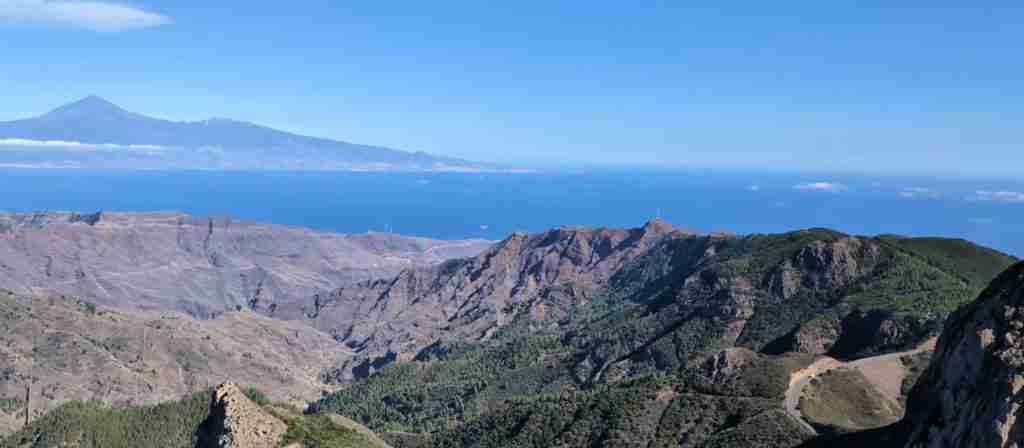
Teide’s 3,718-meter elevation makes it visible from surrounding Canary Islands including La Gomera, La Palma, Gran Canaria, and occasionally Lanzarote during exceptionally clear conditions. The snow-capped summit appears particularly dramatic during winter months December through February, rising above clouds and creating iconic views from neighboring islands. Ferry services between islands enable multi-island itineraries combining Teide visits with exploration of other UNESCO sites and Canarian landscapes.
What is special about Teide stargazing?
Teide’s Starlight Reserve certification recognizes exceptionally dark skies resulting from high elevation, minimal light pollution, and atmospheric stability created by oceanic island location. Professional observatories located on summit slopes conduct cutting-edge astronomical research possible only at premier observation sites worldwide. Visitor programs provide access to professional equipment and expert interpretation, enabling clear views of planets, star clusters, galaxies, and nebulae invisible from light-polluted locations. Winter months offer extended darkness hours maximizing observation time, while summer provides comfortable evening temperatures for extended stargazing sessions.