
Best Canary Island to Visit: Complete Comparison Guide 2026
Key Takeaways:
- Each Canary Island delivers distinct character: Gran Canaria balances beaches and UNESCO sacred mountains, Tenerife offers Mount Teide and resort variety, Lanzarote showcases volcanic landscapes and César Manrique art
- Budget rankings favor Gran Canaria and Tenerife (€85-140 daily) versus premium Lanzarote and La Palma (€100-180 daily), with Fuerteventura offering mid-range value (€75-130)
- Beach excellence: Fuerteventura dominates with 150+ kilometers of pristine sand, while Gran Canaria delivers coastal diversity and Tenerife provides volcanic black sand uniqueness
- Cultural depth: Gran Canaria and Lanzarote lead with UNESCO World Heritage sites, authentic villages, and comprehensive historical attractions versus resort-focused Fuerteventura
- Optimal timing varies by island: Gran Canaria and Tenerife excel year-round, Lanzarote peaks March-May and September-November, Fuerteventura and La Palma suit specific activity focuses
- Strategic 2026 planning matches island selection to travel priorities: adventure seekers choose Tenerife or La Palma, beach lovers prefer Fuerteventura, culture enthusiasts select Gran Canaria or Lanzarote
Understanding Canary Islands Geography and Character in 2026
The Canary Islands archipelago consists of seven major islands positioned 100 kilometers off Morocco’s Atlantic coast, each delivering distinct landscapes, cultural heritage, and travel experiences. The islands span 450 kilometers east to west creating dramatic variety from Lanzarote’s volcanic deserts to La Palma’s laurel forests, Fuerteventura’s endless beaches to Tenerife’s 3,718-meter volcanic peak.
Volcanic origins shape every island’s character creating landscapes ranging from recent lava fields to ancient eroded massifs. The eastern islands (Lanzarote, Fuerteventura) experience minimal rainfall creating desert environments with dramatic volcanic formations and pristine beaches. Western islands (La Palma, El Hierro, La Gomera) capture Atlantic moisture producing lush forests and green valleys. Central islands (Tenerife, Gran Canaria) combine multiple climate zones within compact geography enabling diverse experiences from alpine hiking to beach relaxation.
The archipelago’s subtropical position delivers year-round mild temperatures averaging 20-25°C with reliable sunshine and minimal seasonal variation. Northeast trade winds moderate summer heat while winter remains comfortably warm compared to European mainland. This climate stability makes the Canary Islands exceptional year-round destinations though specific timing optimizes individual island experiences based on activity preferences and budget considerations.
Selecting the best Canary Island for 2026 travel requires understanding each island’s strengths, limitations, and ideal visitor profiles. This comprehensive comparison provides the framework for matching personal preferences, travel style, and budget parameters to optimal island selection ensuring memorable experiences aligned with individual priorities rather than generic recommendations.
People Also Ask About Canary Islands 2026
Which Canary Island is best for first-time visitors in 2026?
Gran Canaria and Tenerife serve first-time Canary Islands visitors best through comprehensive infrastructure, diverse attractions, and balanced experiences. Gran Canaria combines UNESCO Sacred Mountains Cultural Landscape with beach variety, authentic culture in Las Palmas, and compact size enabling complete exploration within week-long visits. Tenerife offers Spain’s highest peak Mount Teide, extensive resort options, whale watching excellence, and superior tourist infrastructure accommodating all budget levels. Both islands provide year-round accessibility through major international airports, comprehensive public transport networks, and extensive accommodation choices from budget hostels to luxury resorts. First-time visitors benefit from these islands’ diversity enabling varied experiences without island-hopping logistics while establishing Canary Islands baseline for potential future visits to specialized islands like Lanzarote’s volcanic landscapes or Fuerteventura’s pure beach focus.
What’s the cheapest Canary Island to visit in 2026?
Gran Canaria delivers optimal budget value balancing low costs with comprehensive experiences. Daily budgets achieve €85-140 per person including accommodation, meals, transportation, and activities through strategic planning. Public bus networks (€8.50 unlimited daily passes) enable car-free exploration, mid-range hotels cost €60-100 nightly near excellent Las Canteras beach, and authentic restaurants serve menú del día lunches at €12-18. Sacred site access including UNESCO Risco Caído costs just €6-8 while 60+ beaches provide free recreation. Fuerteventura offers slightly lower accommodation rates in some zones (€55-95 nightly) but limited free cultural attractions and restaurant variety increase overall costs. Tenerife matches Gran Canaria’s budget potential though Mount Teide cable car (€38) and whale watching tours (€50-80) create higher activity expenses. Lanzarote operates premium pricing across accommodation (€80-140 nightly) and attractions (Jameos del Agua €10, Timanfaya National Park €12) making it least budget-friendly major island despite exceptional volcanic landscapes justifying costs for geology enthusiasts.
Which Canary Island has the best beaches in 2026?
Fuerteventura dominates beach excellence with 150+ kilometers of pristine white sand beaches, turquoise waters, and consistent conditions attracting surfers, windsurfers, and beach enthusiasts worldwide. The island’s eastern coast delivers protected calm swimming at Corralejo and Costa Calma while western shores provide Atlantic swell for water sports. Gran Canaria ranks second through coastal diversity spanning golden Las Canteras urban beach, dramatic Maspalomas dunes, hidden volcanic coves, and authentic fishing village beaches. Tenerife’s black volcanic sand beaches offer unique character at Playa Jardín and Los Gigantes though lack the golden sand appeal many travelers prefer. Lanzarote provides quality beaches at Papagayo and Famara but limited extent compared to Fuerteventura’s endless coastlines. La Palma focuses on natural pools and rocky coastlines rather than extensive beach recreation. Choose Fuerteventura for pure beach vacations, Gran Canaria for beach variety with cultural balance, or Tenerife for unique volcanic beach experiences combined with mountain adventures.
Which Canary Island is best for hiking and nature in 2026?
La Palma earns “Isla Bonita” (Beautiful Island) designation through exceptional hiking diversity, pristine laurel forests, and dramatic volcanic landscapes. The island’s Caldera de Taburiente National Park offers alpine-style hiking through volcanic crater forests, while coastal routes traverse dramatic cliffs and black sand beaches. Tenerife’s Mount Teide National Park provides Spain’s highest peak access via challenging summit climbs or cable car-assisted approaches, with lunar-like volcanic landscapes creating otherworldly hiking environments. Gran Canaria’s UNESCO Sacred Mountains deliver archaeological hiking combining aboriginal cave temples with volcanic ridge trails and hidden barrancos. Lanzarote suits geological exploration through Timanfaya volcanic fields and coastal formations though lacks significant elevation for mountain hiking. Fuerteventura and La Gomera offer specialized hiking focusing on desert landscapes and cloud forest ecosystems respectively. La Palma achieves optimal balance for serious hikers seeking varied terrain, while Tenerife provides iconic Mount Teide summit experiences and Gran Canaria adds cultural heritage to natural beauty.
Extended multi-day tours – 5+ days
Featured Tenerife Multi-Day Tour Packages
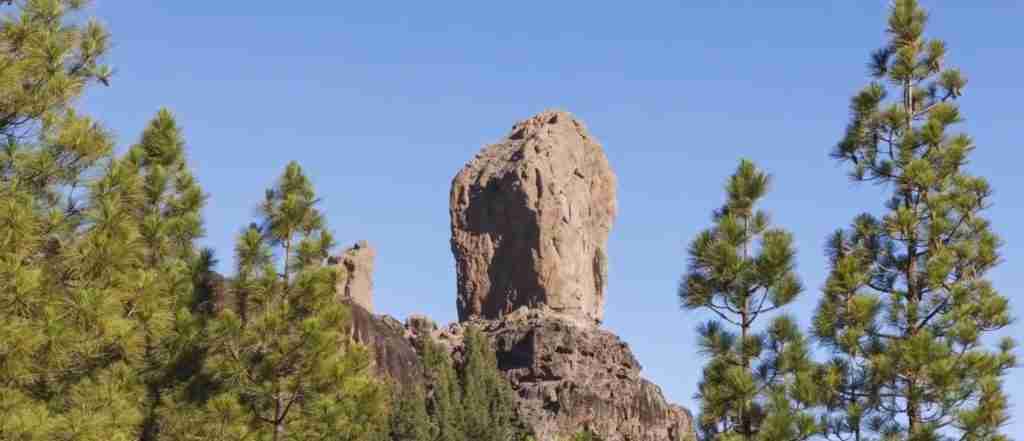
3 days
Tenerife 3-Day Discovery Tour
- ✓ Comprehensive Tenerife experience
- ✓ Expert local guides included
- ✓ All accommodation included
- ✓ Transportation provided
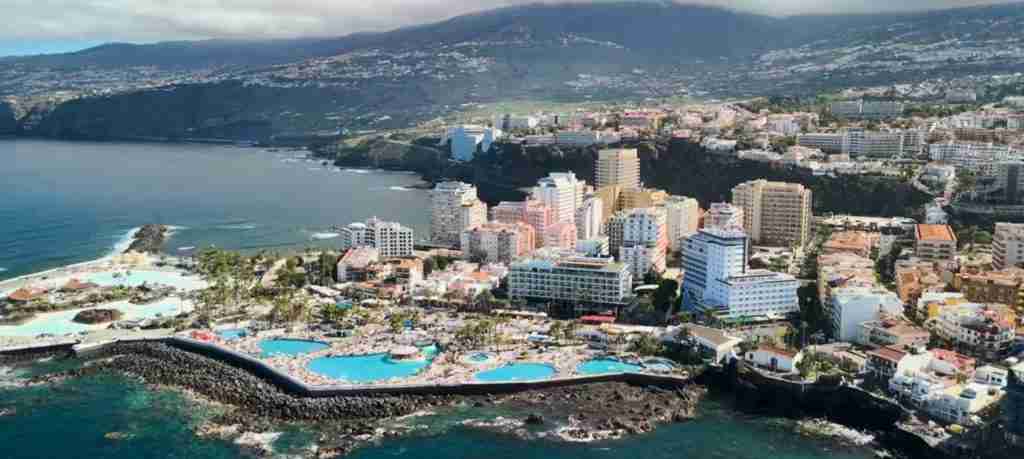
5 days
Tenerife 5-Day Highlights Experience
- ✓ Comprehensive Tenerife experience
- ✓ Expert local guides included
- ✓ All accommodation included
- ✓ Transportation provided

7 days
Tenerife 7-Day Cultural Journey
- ✓ Comprehensive Tenerife experience
- ✓ Expert local guides included
- ✓ All accommodation included
- ✓ Transportation provided
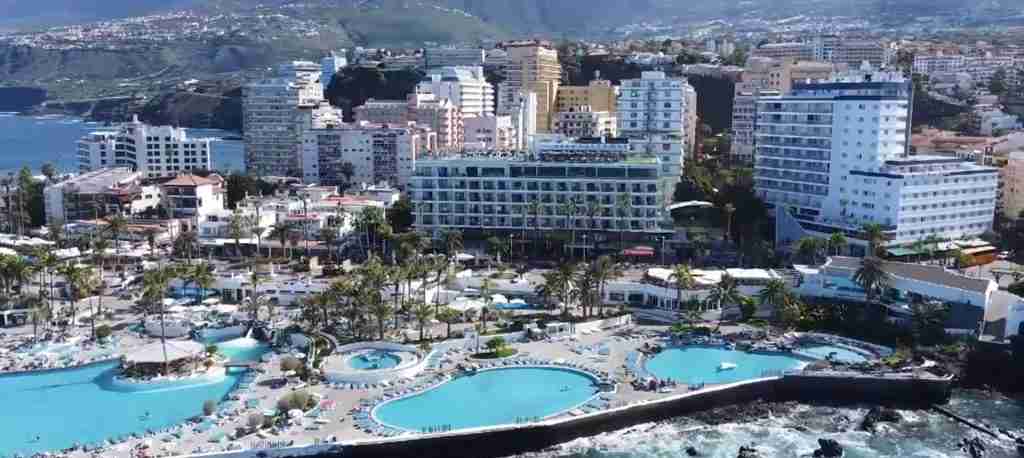
10 days
Tenerife 10-Day Complete Adventure
- ✓ Comprehensive Tenerife experience
- ✓ Expert local guides included
- ✓ All accommodation included
- ✓ Transportation provided
Multi-day tour packages powered by TourRadar. Prices and availability subject to change.
Gran Canaria: Balanced Excellence and UNESCO Heritage
Island Character and Strengths
Gran Canaria achieves exceptional balance across beach variety, UNESCO cultural heritage, authentic urban culture, and diverse microclimates compressed into compact circular geography. The island’s Risco Caído and Sacred Mountains Cultural Landscape (UNESCO 2019) protects exceptional aboriginal cave temples, astronomical sanctuaries, and cliff settlements spanning pre-Hispanic Canarian civilization. This archaeological significance combined with 60+ beaches ranging from golden Las Canteras to dramatic Maspalomas dunes creates unique travel proposition unavailable elsewhere in the archipelago.
Las Palmas de Gran Canaria delivers authentic Spanish city culture with colonial Vegueta district, excellent dining diversity, vibrant evening atmosphere, and 3-kilometer Las Canteras beach providing urban beach excellence. The capital maintains genuine Canarian character versus resort-focused development patterns dominating other islands, creating meaningful cultural engagement opportunities beyond tourist consumption.
The island’s circular structure enables complete exploration within 90-minute drives from any point to opposite coasts. Northern green zones capture Atlantic moisture creating lush valleys and forests, while southern arid regions deliver reliable sunshine and desert landscapes. Central volcanic peaks reach 1,949 meters providing alpine hiking just 40 kilometers from sea-level beaches, compressing continent-scale diversity into manageable island geography.
Best For: Cultural Exploration, Beach Diversity, Balanced Experiences
Gran Canaria suits travelers seeking comprehensive experiences balancing cultural depth with beach relaxation. The UNESCO Sacred Mountains appeal to archaeology enthusiasts, history buffs, and cultural travelers interested in pre-Hispanic Canarian civilization. Beach variety accommodates pure relaxation seekers while providing coastal diversity preventing monotony during extended stays. Las Palmas attracts independent travelers preferring authentic urban culture over resort environments.
Photography enthusiasts benefit from landscape diversity enabling varied portfolios from sacred mountain archaeological sites to dramatic dune formations, colonial architecture to volcanic peaks. The compact geography facilitates efficient multi-location shooting days without excessive travel time between distinct environments.
Families find excellent value through free beach access, affordable accommodation, comprehensive public transport, and age-appropriate cultural attractions. The island avoids extreme specialization enabling diverse family member interests accommodation without compromising anyone’s preferred activities.
Limitations and Considerations
Gran Canaria lacks the singular dramatic landscape focus characterizing Lanzarote’s volcanic fields or Fuerteventura’s endless beaches. Travelers seeking pure specialization in single aspects (volcanic geology, extreme beach lengths, summit mountaineering) find superior options on specialized islands. The balanced approach trades extreme excellence in single categories for comprehensive competence across multiple dimensions.
Resort development in southern zones (Maspalomas, Playa del Inglés) creates standard mass tourism environments lacking Lanzarote’s architectural integration or Tenerife’s natural drama. Visitors prioritizing pristine natural environments over convenient beach facilities prefer less developed islands like La Palma or El Hierro.
2026 Planning Essentials for Gran Canaria
Budget €85-140 daily per person excluding accommodation, or €145-240 including mid-range hotels (€60-100 nightly). Risco Caído sacred site access costs €6-8 requiring 2-4 weeks advance booking during peak season. Public transport via Guaguas Globales provides comprehensive coverage at €1.40 per ride or €8.50 unlimited daily passes. Optimal timing spans April-May and September-October balancing perfect weather, reduced crowds, and 20-30% lower accommodation rates versus summer peaks.
Minimum 5 days covers essential highlights though optimal 7 days enables thorough exploration combining sacred mountains, beach variety, mountain villages, and cultural attractions. Base in Las Palmas for authentic atmosphere and transportation connectivity, or southern resorts for guaranteed sunshine and resort conveniences.
Tenerife: Volcanic Drama and Resort Infrastructure
Island Character and Strengths
Tenerife dominates Canary Islands tourism through Spain’s highest peak Mount Teide (3,718 meters), comprehensive resort infrastructure, exceptional whale watching, and dramatic size enabling diverse experiences. The island’s UNESCO World Heritage Teide National Park protects extraordinary volcanic landscapes creating lunar-like environments and summit climbing challenges unmatched in Atlantic islands.
The island’s 2,034 square kilometers make it largest in the archipelago, supporting tourist infrastructure spanning budget hostels to luxury spa resorts, comprehensive dining from traditional guachinches to Michelin-starred restaurants, and activity operators covering every adventure sport and cultural tour imaginable. This development maturity provides reliability and choice though sacrificing intimate island character maintained on smaller islands.
Geographic diversity ranges from green Anaga Mountains with laurel forests and hiking trails, arid southern coasts with reliable sunshine and major resorts, to alpine Teide summit requiring winter snow equipment. The island essentially functions as miniature continent compressed into manageable geography enabling desert, forest, beach, and mountain experiences within single-day drives.
Best For: Mountain Adventures, Whale Watching, Resort Variety
Tenerife suits adventure travelers prioritizing mountain experiences, summit climbing, and volcanic landscape exploration. Mount Teide cable car (€38) provides accessible summit-area access while serious hikers tackle the challenging full summit climb requiring advance permits. The Teide National Park delivers otherworldly photographic opportunities and geological fascination unmatched elsewhere in the archipelago.
Whale watching excellence positions Tenerife as global leader with year-round resident pilot whale and dolphin populations visible on 90%+ of tours. The western coast’s Los Gigantes cliffs create dramatic backdrops for marine mammal encounters, with responsible operators charging €50-80 for 2-3 hour experiences delivering consistent wildlife viewing success.
Resort travelers benefit from comprehensive infrastructure in Los Cristianos, Playa de las Américas, and Costa Adeje offering all-inclusive options, water parks, golf courses, and entertainment facilities. This development suits families wanting predictable amenities and travelers preferring established tourist infrastructure over cultural exploration challenges.
Limitations and Considerations
Tenerife’s size requires strategic planning and potentially rental car necessity for comprehensive exploration. Driving distances between opposite coasts reach 90-120 minutes creating time commitments exceeding smaller islands’ accessibility. Public transport exists but operates reduced frequencies to remote areas compared to Gran Canaria’s comprehensive urban network.
Southern resort development creates concentrated mass tourism environments with limited authentic Canarian culture. Travelers seeking genuine local experiences require deliberate effort venturing to northern La Laguna (UNESCO World Heritage historic town) and traditional mountain villages bypassed by standard tourist circuits.
The island’s popularity creates peak season crowding at major attractions. Teide cable car experiences multi-hour wait times during summer despite advance booking systems. Whale watching boat capacities exceed intimate wildlife encounter quality as operators scale up to meet demand.
2026 Planning Essentials for Tenerife
Budget €95-155 daily per person excluding accommodation, or €165-280 including mid-range hotels (€70-125 nightly). Mount Teide cable car costs €38, whale watching tours €50-80, and Siam Park water park €38 creating higher activity expenses than Gran Canaria’s free sacred sites and beaches. Rental cars cost €30-50 daily providing efficient island exploration though Titsa bus network offers €10 unlimited day passes covering major routes.
Optimal timing varies by activity: whale watching succeeds year-round, Teide summit climbing peaks April-September with clearest weather, southern beaches deliver reliable sunshine throughout the year. Budget 7-10 days for comprehensive island exploration covering north-south contrasts, mountain experiences, coastal relaxation, and cultural attractions.
Book Mount Teide summit permits 2-3 months ahead during peak season through parquesnacionalesreservas.es. Whale watching tours allow 1-2 weeks advance booking sufficient for quality operators. Accommodation requires 6-8 weeks advance booking for peak summer dates and December-January winter sun season.
Lanzarote: Volcanic Art and Lunar Landscapes
Island Character and Strengths
Lanzarote achieves extraordinary synthesis of volcanic geology and human artistic vision through César Manrique’s architectural integration creating unique Canary Islands destination. The island’s relatively recent volcanic activity (1730-1736 eruptions) left dramatic lava fields, volcanic cones, and lunar landscapes protected within Timanfaya National Park creating otherworldly environments photographed worldwide.
Manrique’s artistic legacy manifests through architectural attractions including Jameos del Agua (volcanic cave concert hall), Jardín de Cactus (sculptural cactus garden), and Mirador del Río (clifftop viewpoint gallery). These installations achieve seamless nature-architecture integration respecting volcanic landscapes while providing cultural experiences elevating Lanzarote beyond pure geological tourism.
The island’s compact 845 square kilometers enable complete exploration within week-long visits. White-washed villages maintain traditional architecture regulated by Manrique-influenced building codes preventing high-rise development and preserving visual harmony. Wine country La Geria demonstrates agricultural adaptation to volcanic ash soils producing distinctive malvasía wines within crescent-shaped protective walls creating photogenic geometric patterns.
Best For: Volcanic Landscapes, Architecture, Wine Tourism
Lanzarote suits geology enthusiasts fascinated by volcanic processes and recent eruption landscapes. Timanfaya National Park (€12 entry) provides guided bus tours through active geothermal zones where underground temperatures reach 400°C creating steam demonstrations and restaurant grilling over volcanic heat. The Martian-like landscapes attract photographers seeking dramatic minimal compositions and unusual color palettes.
Architecture and design enthusiasts appreciate Manrique’s vision integrated throughout the island. Each attraction (Jameos del Agua €10, Cueva de los Verdes €10, Jardín de Cactus €6.50) delivers unique architectural experience synthesizing natural volcanic features with human creativity. These sites combine creating comprehensive artistic journey beyond standard beach tourism.
Wine tourism thrives in La Geria volcanic vineyards where tour-and-tasting experiences (€15-25) educate visitors about unique viticulture techniques while sampling distinctive island wines. The geometric vineyard landscapes create exceptional photography opportunities combining agricultural heritage with volcanic geology.
Limitations and Considerations
Lanzarote’s arid climate and minimal vegetation create stark landscapes lacking the green diversity found on western islands. Travelers preferring lush forests and alpine environments find limited appeal in the desert volcanic character. Beach variety exists but doesn’t match Fuerteventura’s extensive coastlines or Gran Canaria’s diverse beach types.
Premium pricing characterizes the island with accommodation (€80-140 nightly mid-range), attraction entry fees accumulating quickly, and limited budget dining options compared to Gran Canaria or Tenerife. The artistic attractions create higher activity costs versus free natural attractions dominating other islands.
Wind exposure affects the island year-round with northeast trade winds creating challenging beach conditions during winter months. Surfers and windsurfers appreciate these conditions though families with young children find swimming difficult during windy periods requiring selective beach timing and location.
2026 Planning Essentials for Lanzarote
Budget €110-180 daily per person excluding accommodation, or €190-320 including mid-range hotels (€80-140 nightly). Attraction costs accumulate with Timanfaya €12, Jameos del Agua €10, Cueva de los Verdes €10, Jardín de Cactus €6.50, and Mirador del Río €5 totaling €43.50 for complete Manrique circuit. Rental cars cost €25-45 daily providing essential mobility for volcanic landscape exploration and remote beach access.
Optimal timing spans March-May and September-November avoiding extreme summer heat (temperatures exceed 30°C with minimal shade) and winter wind intensity. These shoulder periods deliver comfortable exploration conditions, reduced crowds at popular attractions, and 15-25% lower accommodation rates versus peak season.
Minimum 4-5 days covers essential volcanic landscapes, Manrique attractions, and quality beach time. Extended 7 days enables comprehensive exploration adding La Graciosa island day trip, extensive wine country touring, and multiple beach sampling across the island’s varied coastlines.
Fuerteventura: Beach Paradise and Wind Sports Capital
Island Character and Strengths
Fuerteventura delivers the Canary Islands’ most extensive beach resources with 150+ kilometers of pristine white sand coastline creating paradise for beach enthusiasts, surfers, and windsurfers. The island’s proximity to African coast (100 kilometers) and desert climate produce reliable sunshine, minimal rainfall, and consistent northeast trade winds creating world-class wind sports conditions year-round.
Beach variety spans protected calm swimming at Corralejo’s eastern beaches, dramatic Atlantic surf on western shores, endless southern Costa Calma stretches, and secluded northern coves accessible via rough roads. The coastline diversity accommodates every beach preference from family swimming to advanced kitesurfing without compromising sand quality or natural beauty.
The island’s relatively flat terrain and sparse population maintain pristine natural character with minimal development compared to Tenerife or Gran Canaria. Interior volcanic landscapes create Martian-like desert environments while coastal dunes at Corralejo Natural Park rival Saharan formations creating dramatic photographic opportunities.
Best For: Beach Vacations, Surfing, Windsurfing, Kitesurfing
Fuerteventura suits pure beach vacations prioritizing coastal relaxation over cultural attractions or mountain activities. Travelers seeking endless sand, turquoise waters, and reliable sunshine find optimal conditions without the cultural touring demands characterizing Gran Canaria or Lanzarote. The island enables complete beach-focused itineraries maintaining interest through coastal variety and water sports diversity.
Wind sports enthusiasts recognize Fuerteventura as European capital for surfing, windsurfing, and kitesurfing. Flagship beach breaks at El Cotillo and Corralejo deliver consistent Atlantic swell while southern lagoons provide ideal beginner conditions and advanced freestyle zones. Equipment rental and instruction costs €40-70 daily with numerous quality schools operating year-round professional programs.
Families with beach-focused preferences appreciate calm eastern beaches protecting young swimmers from Atlantic swells. Resort developments in Corralejo and Caleta de Fuste provide child-friendly facilities and comprehensive amenities though sacrifice authentic cultural experiences for predictable convenience.
Limitations and Considerations
Fuerteventura offers minimal cultural attractions or historical sites creating monotony for travelers seeking diverse experiences beyond beach activities. The sparse interior provides limited interest for non-beach days when wind conditions prevent comfortable coastal time. Visitors preferring balanced itineraries combining culture, nature, and beaches find insufficient variety maintaining week-long engagement.
Restaurant diversity remains limited with resort areas dominating dining options at higher prices than authentic local establishments. Budget dining requires supermarket reliance as genuine Canarian restaurants concentrate in few locations. The development pattern emphasizes all-inclusive resorts over independent exploration infrastructure.
Wind intensity creates challenging conditions for beach relaxation during peak trade wind periods. December-March experiences strongest winds benefiting water sports but limiting comfortable sunbathing and swimming for non-sporting visitors. Strategic beach selection and timing become essential for enjoyable non-windy beach days.
2026 Planning Essentials for Fuerteventura
Budget €75-130 daily per person excluding accommodation, or €130-225 including mid-range hotels (€55-95 nightly). Beach access remains free island-wide while water sports instruction and equipment rental adds €40-70 daily for active pursuits. Rental cars cost €25-40 daily providing mobility for remote beach access and northern coastal exploration.
Optimal timing depends on priorities: wind sports peak December-March with strongest consistent winds, calm beach relaxation favors May-October with moderate conditions, overall best balance occurs April-May and September-October combining usable winds with comfortable temperatures.
Minimum 5 days enables multiple beach sampling and basic wind sports introduction. Extended 7-10 days suits dedicated water sports progression or thorough coastal exploration. Base selection varies: Corralejo for northern beaches and nightlife, Costa Calma for southern tranquility, Caleta de Fuste for central access and family facilities.
La Palma: Pristine Nature and Stargazing Excellence
Island Character and Strengths
La Palma earns “Isla Bonita” nickname through exceptional natural beauty combining dramatic volcanic landscapes, pristine laurel forests, and diverse hiking opportunities. The island’s Caldera de Taburiente National Park protects massive volcanic crater with endemic flora and challenging alpine trails creating unique ecological environments. Recent volcanic activity (2021 eruption) added new geological features though affected limited tourism infrastructure.
UNESCO Biosphere Reserve designation (2002) recognizes exceptional biodiversity and sustainable development practices. The island’s environmental protection maintains pristine natural character limiting mass tourism development while attracting eco-conscious travelers and nature enthusiasts. Night sky protection as Starlight Reserve creates world-class stargazing conditions with observatories offering public astronomy programs.
Coastal diversity ranges from black sand beaches to dramatic cliff formations and natural ocean pools. Los Cancajos provides accessible beach swimming while Charco Azul natural pools offer protected ocean bathing in volcanic rock formations. The undeveloped coastline maintains authentic character contrasting sharply with resort beaches dominating other islands.
Best For: Hiking, Nature Photography, Stargazing, Eco-Tourism
La Palma attracts serious hikers seeking challenging trails through volcanic calderas, cloud forests, and coastal cliffs. The island’s trail network spans 1,000+ kilometers with difficulty levels from casual forest walks to demanding multi-day routes. Roque de los Muchachos peak reaches 2,426 meters providing summit experiences and access to astronomical observatories.
Nature photographers benefit from extraordinary landscape diversity and pristine conditions. Laurel forests create mystical atmospheres during low cloud periods, volcanic formations provide dramatic compositions, and endemic flora offers botanical documentation opportunities. The limited development ensures minimal light pollution and human infrastructure intrusion in natural scenes.
Astronomy enthusiasts appreciate exceptional stargazing conditions protected by strict lighting regulations. Observatory tours (€8-12) provide telescope access and expert guidance while independent stargazing succeeds anywhere on the island away from minimal town lighting. The Milky Way visibility and planetary observation quality rival professional dark sky reserves worldwide.
Limitations and Considerations
La Palma’s focus on nature tourism creates limited beach recreation compared to Fuerteventura or Gran Canaria. Travelers prioritizing extensive beach time find insufficient coastal variety and sand quality. The rocky coastline suits exploration and photography rather than extended swimming and sunbathing sessions.
Tourist infrastructure remains limited with fewer accommodation options, restaurants, and organized tours than major islands. This creates authentic experiences but requires greater self-sufficiency and advance planning. Rental cars prove essential as public transport barely exists outside the small capital Santa Cruz de La Palma.
The island’s small size and specialized appeal limit visitor diversity. Travelers seeking vibrant nightlife, shopping, or comprehensive resort amenities find minimal options. La Palma suits nature-focused visitors comfortable with quiet evenings and outdoor activity emphasis over entertainment infrastructure.
2026 Planning Essentials for La Palma
Budget €100-165 daily per person excluding accommodation, or €155-265 including mid-range hotels (€55-100 nightly). Limited competition maintains higher baseline costs than Gran Canaria though avoids Lanzarote’s premium attraction pricing. Rental cars cost €30-50 daily representing essential rather than optional expense given minimal public transport.
Optimal timing spans March-May and September-November for hiking conditions, though summer (June-August) provides clearest stargazing skies. Winter months bring increased rainfall affecting trail conditions and reducing hiking appeal. Budget minimum 4-5 days for basic exploration or 7-10 days for comprehensive hiking circuit completion.
Base in Los Llanos or Santa Cruz de La Palma for accommodation variety and restaurant options. Rural casa rural properties provide atmospheric mountain lodging though require comfort with isolation and self-catering capabilities. Advance booking essential for limited accommodation inventory especially during peak hiking seasons.
Comprehensive Island Comparison: Key Factors 2026
Budget Rankings and Daily Costs
Most Affordable: Gran Canaria – €85-140 daily excluding accommodation. Excellent public transport (€8.50 unlimited daily), free beaches, affordable sacred site access (€6-8), budget dining (€12-18 menú del día), mid-range hotels (€60-100). Achieves maximum value through balanced free and paid attractions.
Budget-Friendly: Tenerife – €95-155 daily excluding accommodation. Comprehensive bus network (€10 daily passes), free hiking and beaches, moderate activity costs (Teide cable car €38, whale watching €50-80). Size creates higher transport costs though public options exist. Mid-range accommodation €70-125.
Mid-Range: Fuerteventura – €75-130 daily excluding accommodation. Free beach access island-wide, though water sports equipment rental (€40-70) increases costs. Limited cultural attractions reduce paid activity expenses. Accommodation €55-95 maintains moderate pricing. Rental car essentially required (€25-40 daily).
Premium: Lanzarote – €110-180 daily excluding accommodation. Attraction costs accumulate quickly (Manrique circuit €43.50), accommodation premium (€80-140), limited budget dining. Unique volcanic art experiences justify higher costs for appropriate audiences.
Premium: La Palma – €100-165 daily excluding accommodation. Limited competition maintains higher baseline costs, essential rental car expense (€30-50), moderate accommodation (€55-100). Specialized nature focus attracts committed audiences accepting premium for pristine environments.
Beach Quality and Variety Rankings
1st: Fuerteventura – Unmatched extent (150+ kilometers), pristine white sand, turquoise waters, variety from calm lagoons to Atlantic surf. Corralejo, Costa Calma, Sotavento deliver world-class beach experiences. Optimal for pure beach vacations.
2nd: Gran Canaria – Exceptional diversity (60+ beaches): golden Las Canteras, dramatic Maspalomas dunes, hidden volcanic coves, authentic village beaches. Variety prevents monotony during extended stays. Balance beaches with cultural attractions.
3rd: Tenerife – Unique volcanic black sand beaches (Playa Jardín, Los Gigantes), good variety though less extensive than Gran Canaria. Beach focus secondary to mountain adventures. Adequate for balanced itineraries.
4th: Lanzarote – Quality beaches (Papagayo, Famara) with limited extent. Volcanic landscape focus supersedes extensive coastal recreation. Sufficient for beach breaks between cultural touring.
5th: La Palma – Rocky coastlines, natural pools, black sand beaches. Coastal exploration rather than extended beach relaxation. Adequate for hiking rest days, insufficient for beach vacation focus.
Cultural Depth and Heritage Rankings
1st: Gran Canaria – UNESCO Sacred Mountains (Risco Caído), comprehensive Las Palmas cultural attractions, authentic mountain villages, colonial heritage. Deepest cultural engagement opportunities island-wide.
2nd: Lanzarote – César Manrique architectural legacy creates unique cultural dimension. Volcanic art integration, wine heritage La Geria, traditional villages maintain character. Cultural focus through artistic lens versus historical depth.
3rd: Tenerife – La Laguna UNESCO historic town, diverse museum network, comprehensive cultural infrastructure. Size enables cultural tourism though dispersed requiring deliberate effort versus resort concentration.
4th: La Palma – Modest cultural attractions in Santa Cruz, traditional villages maintain authentic character. Cultural interest secondary to natural heritage focus. Sufficient for balanced nature-culture mix.
5th: Fuerteventura – Minimal cultural attractions, limited historical sites, resort development dominates. Cultural experiences require deliberate seeking. Adequate for light cultural breaks from beach focus.
Hiking and Nature Activity Rankings
1st: La Palma – Premium hiking diversity, pristine laurel forests, volcanic calderas, 1,000+ kilometer trail network. Challenging routes, exceptional nature photography, stargazing excellence. Optimal for serious outdoor enthusiasts.
2nd: Tenerife – Mount Teide summit experiences, Anaga laurel forests, diverse volcanic landscapes. Cable car option (€38) enables accessible mountain access. Balance adventure with resort infrastructure.
3rd: Gran Canaria – UNESCO Sacred Mountains archaeological hiking, volcanic ridge trails, hidden barrancos. Cultural heritage adds dimension beyond pure nature. Moderate challenges suit varied fitness levels.
4th: Lanzarote – Volcanic field exploration, coastal formations, moderate coastal walks. Geology focus rather than extensive trail networks. Sufficient for casual hiking between cultural attractions.
5th: Fuerteventura – Limited elevation, desert landscapes, minimal trail infrastructure. Hiking secondary to beach and water sports. Adequate for beach-break walks, insufficient for hiking-focused trips.
Strategic Island Selection for 2026 Travel Priorities
First-Time Canary Islands Visitors
Choose Gran Canaria or Tenerife for comprehensive first experiences providing baseline understanding of archipelago character. Gran Canaria suits independent travelers preferring authentic culture, budget consciousness, and balanced experiences. Tenerife accommodates resort preferences, mountain adventure priorities, and comprehensive tourist infrastructure expectations.
Both islands enable week-long explorations covering beaches, mountains, culture, and authentic villages establishing personal preferences for future specialized island visits. The comprehensive character prevents disappointment from over-specialization while providing sufficient depth maintaining engagement throughout typical vacation durations.
Pure Beach and Water Sports Vacations
Select Fuerteventura for unmatched beach extent, pristine sand quality, and world-class wind sports conditions. The island delivers on singular beach excellence without cultural touring demands or mountain activity complications. Budget 5-7 days for thorough beach sampling and water sports progression.
Gran Canaria serves as secondary option providing beach diversity with cultural balance for travelers wanting coastal variety plus occasional non-beach activities. The 60+ beaches prevent monotony while Las Palmas cultural attractions provide weather-backup options.
Adventure and Hiking Focused Trips
Choose La Palma for serious hiking emphasis, pristine trail networks, and ecological diversity. The island rewards outdoor enthusiasts with challenging routes, exceptional nature photography, and authentic wilderness experiences. Budget minimum 7 days enabling comprehensive trail sampling across varied ecosystems.
Tenerife provides alternative combining Mount Teide summit experiences with comprehensive resort infrastructure. The accessibility via cable car enables less technical approaches while serious climbers tackle full summit routes. Balance mountain adventures with whale watching and coastal relaxation.
Cultural and Artistic Exploration
Select Gran Canaria for archaeological depth through UNESCO Sacred Mountains aboriginal heritage, Las Palmas colonial architecture, and authentic Canarian village culture. The island delivers comprehensive cultural engagement without extreme specialization enabling beach balance.
Lanzarote suits travelers fascinated by volcanic geology and architectural art synthesis. César Manrique’s legacy creates unique cultural dimension combining natural landscapes with human creativity. Budget appropriate funds for attraction entry fees creating higher activity costs than free-culture alternatives.
Budget-Conscious Travelers
Choose Gran Canaria maximizing value through excellent public transport, free sacred sites, affordable accommodation, authentic dining at reasonable prices, and comprehensive free beach access. Strategic planning achieves €85-140 daily budgets including activities and quality experiences.
Tenerife provides secondary budget option requiring selective activity choices. Prioritize free hiking and beaches, utilize public transport, select budget accommodation zones, and limit expensive activities (Teide cable car, whale watching) to special occasions maintaining overall budget control.
Romance and Couples Retreats
Lanzarote delivers intimate atmosphere through boutique accommodation, wine country romantic settings, artistic cultural attractions, and dramatic volcanic landscapes creating memorable couple experiences. The island’s compact size enables relaxed pacing without extensive driving demands.
La Palma suits nature-focused couples seeking pristine environments, stargazing romance, and quiet retreat atmospheres. Limited tourism maintains authentic character though requires comfort with minimal nightlife and entertainment infrastructure.
Multi-Island Combinations for Extended 2026 Trips
Classic Two-Island Combinations
Gran Canaria + Tenerife (10-14 days): Comprehensive Canary Islands introduction combining Gran Canaria’s UNESCO sacred mountains and beach diversity with Tenerife’s Mount Teide and whale watching. Inter-island flights (€35-80) or fast ferries (€35-55) enable 5-7 days per island. Budget €140-220 daily excluding accommodation covering both islands’ attractions and inter-island transport.
Lanzarote + Fuerteventura (7-10 days): Eastern islands combination linking volcanic art landscapes with beach paradise. Short ferry connection (35 minutes, €25-35) enables efficient combination. Allocate 4-5 days Lanzarote cultural touring followed by 3-5 days Fuerteventura beach relaxation. Budget €95-155 daily managing Lanzarote’s premium costs with Fuerteventura’s moderate pricing.
Tenerife + La Palma (10-12 days): Western islands pairing maximum mountain adventures combining Teide summit with La Palma’s hiking networks. Ferry connections (€35-55, 2.5 hours) or quick flights (€40-80, 30 minutes) link islands. Allocate 6-7 days Tenerife comprehensive exploration plus 4-5 days La Palma focused hiking. Budget €100-165 daily for nature-activity emphasis.
Specialized Three-Island Circuits
Complete Eastern Triangle (Lanzarote-Fuerteventura-Gran Canaria, 14 days): Comprehensive eastern archipelago circuit progressing from volcanic art through beach paradise to cultural heritage. Efficient ferry networks connect islands enabling budget-friendly transport. Allocate 4 days per island plus 2 days travel/transition. Budget €95-150 daily averaging across islands’ varying cost structures.
Nature Maximum (Tenerife-La Palma-La Gomera, 12-14 days): Western nature-focused circuit combining Mount Teide, La Palma hiking, and La Gomera cloud forests. Targets serious outdoor enthusiasts seeking comprehensive natural diversity. Budget €110-175 daily prioritizing quality accommodation and activity equipment over budget optimization.
Booking and Planning Strategies for 2026 Island Visits
Accommodation Booking Timing by Island
Gran Canaria and Tenerife require 6-8 weeks advance booking for peak summer (July-August) and winter sun (December-January) securing preferred zones and pricing. Shoulder seasons (April-May, September-October) allow 3-4 weeks advance booking maintaining selection while monitoring promotional rates. Las Palmas and northern Tenerife enable shorter booking windows versus southern resort zones filling early.
Lanzarote and Fuerteventura demand similar 6-8 weeks peak season advance booking though limited inventory creates tighter availability constraints. The islands’ resort focus means accommodation dominates tourist infrastructure requiring early commitment versus last-minute flexibility possible in urban Gran Canaria or Tenerife.
La Palma’s limited accommodation inventory requires maximum advance booking regardless of season. Book 8-12 weeks ahead for quality rural properties and strategic base locations. The specialized tourism creates consistent demand from returning nature enthusiasts and international hiking groups.
Inter-Island Transportation Reservations
Inter-island flights through Binter Canarias and Canaryfly operate frequent schedules with fares €35-80 depending on advance booking and route. Book 4-6 weeks ahead capturing promotional fares while maintaining schedule flexibility. Morning flights optimize day utilization enabling same-day activity participation after arrival.
Fast ferry services (Naviera Armas, Fred Olsen) connect major islands with crossings 90-150 minutes depending on route. Standard passenger fares range €35-55 with vehicle transport adding €45-70. Book 2-4 weeks ahead during peak season securing preferred departure timing and seating categories. Ferry travel enables rental car transport for multi-island road trips maintaining vehicle continuity.
Activity and Attraction Pre-Booking Requirements
Mount Teide summit permits require 2-3 months advance booking during peak season through parquesnacionalesreservas.es due to strict daily quotas protecting fragile summit ecosystem. Cable car tickets allow 1-2 weeks advance booking though walk-up availability exists during low season.
Gran Canaria’s Risco Caído sacred sites demand 2-4 weeks advance booking peak season (July-August, December-January) or 1-2 weeks shoulder periods securing preferred morning departure timing. Whale watching tours on Tenerife accommodate 1-2 weeks advance booking for quality operators during busy periods.
Most other attractions allow walk-up access though advance booking provides guaranteed entry timing and avoids potential wait times. Lanzarote’s Jameos del Agua and Timanfaya National Park accept walk-ups but benefit from online reservations during peak visiting hours.
Seasonal Timing Optimization by Island for 2026
Year-Round Islands: Gran Canaria and Tenerife
Gran Canaria and Tenerife deliver excellent conditions year-round making them reliable any-season destinations. Spring (March-May) provides optimal hiking temperatures for sacred mountains and Teide explorations while beaches remain comfortable for swimming. Accommodation rates drop 20-35% compared to summer peaks maintaining quality while reducing costs.
Summer (June-August) guarantees maximum beach conditions and highest temperatures though brings peak crowds and premium pricing. This period suits pure beach vacations accepting higher costs for optimal coastal weather. Sacred mountain hiking requires early morning timing avoiding midday heat exposure.
Autumn (September-November) extends summer beach season with reduced crowds and shoulder-season pricing. Ocean temperatures peak September-October following summer warming creating ideal swimming conditions. This period balances value and quality across both islands.
Winter (December-February) attracts European visitors escaping cold climates creating moderate demand and pricing. Southern coasts maintain 20-22°C temperatures with reliable sunshine while northern zones experience occasional rain refreshing landscapes. This period suits cultural exploration and hiking over pure beach focus.
Seasonal Islands: Lanzarote and La Palma
Lanzarote peaks March-May and September-November when moderate temperatures (20-26°C) enable comfortable volcanic landscape exploration without extreme heat. Summer temperatures exceed 30°C with minimal shade making outdoor touring challenging during midday hours. Winter brings stronger winds affecting beach conditions though maintaining viable touring weather.
La Palma hiking optimizes March-May and September-October balancing trail conditions, weather stability, and comfortable temperatures. Summer delivers clearest stargazing skies though hiking heat intensifies. Winter increased rainfall affects trail conditions reducing hiking appeal though maintaining viability for committed outdoor enthusiasts.
Activity-Dependent: Fuerteventura
Fuerteventura timing depends on priorities: wind sports peak December-March with strongest consistent trade winds creating optimal conditions for surfing, windsurfing, and kitesurfing. Beach relaxation favors May-October with moderate winds and comfortable temperatures. The island functions year-round though seasonal character shifts significantly based on wind patterns and water sports versus pure beach focus.
Frequently Asked Questions About Canary Islands 2026
Can you island-hop easily in the Canary Islands?
Inter-island travel operates efficiently through frequent flights (30-40 minutes, €35-80) and fast ferries (90-150 minutes, €35-55 passengers, €80-125 with vehicle). The comprehensive connection network enables flexible multi-island itineraries with daily services between major islands. Morning flights optimize day utilization allowing same-day activity participation after arrival. Ferry travel suits travelers transporting rental cars for multi-island road trips maintaining vehicle continuity. Book 2-4 weeks ahead during peak season securing preferred timing and competitive fares. Inter-island logistics consume travel days requiring realistic itinerary planning – allocate full days for transfer between islands rather than attempting activity-packed schedules. The connection efficiency supports planned multi-island trips though spontaneous hopping creates higher costs and potential availability challenges during busy periods.
Which Canary Island has the best weather in winter?
Fuerteventura and Lanzarote deliver most reliable winter sunshine due to eastern position and desert climate maintaining 20-24°C temperatures with minimal rainfall. The arid conditions create consistent weather though stronger trade winds affect beach comfort December-February. Gran Canaria’s southern zone (Maspalomas, Puerto Rico) provides excellent winter weather reliability with slightly higher temperatures than northern coasts. Tenerife’s southern resorts (Los Cristianos, Costa Adeje) match Gran Canaria’s winter reliability with 22-25°C consistent sunshine. Northern coasts across all islands experience occasional winter rain showers refreshing landscapes but reducing beach appeal. Western islands (La Palma, La Gomera, El Hierro) receive more winter precipitation maintaining green landscapes but limiting pure sunshine reliability. Choose Fuerteventura or southern Gran Canaria/Tenerife for maximum winter sun guarantee balancing temperature comfort with precipitation avoidance.
Are the Canary Islands expensive to visit?
Canary Islands span budget-friendly to premium pricing depending on island selection and travel style. Gran Canaria and Tenerife enable budget-conscious visits achieving €85-155 daily costs through public transport reliance, strategic accommodation selection, authentic dining, and free attraction emphasis. Fuerteventura maintains moderate mid-range costs (€75-130 daily) through free beach focus though water sports equipment adds expenses. Lanzarote and La Palma operate premium pricing (€100-180 daily) through limited competition, attraction entry fees, and essential rental car requirements. Overall archipelago costs compare favorably to mainland European beach destinations (Spain, France, Italy) while providing year-round reliability and distinctive volcanic landscapes. Strategic planning maximizes value through shoulder season timing (20-35% accommodation savings), public transport utilization, apartment self-catering, and selective paid attraction prioritization. Budget travelers succeed through careful island selection and cost-conscious choices while comfort-focused visitors find excellent value compared to comparable Mediterranean alternatives.
Do you need a rental car in the Canary Islands?
Rental car necessity varies significantly by island. Gran Canaria and Tenerife operate comprehensive public bus networks enabling car-free exploration of major beaches, towns, and tourist attractions though sacred mountain access and hidden locations benefit from vehicle flexibility. Fuerteventura, Lanzarote, and La Palma essentially require rental cars due to limited or nonexistent public transport reaching remote beaches, volcanic landscapes, and hiking trailheads. La Palma especially demands vehicle access as public transport barely exists outside small capital. Consider priorities: cultural touring in Las Palmas or La Laguna succeeds bus-dependent, pure beach resort stays eliminate car needs, volcanic landscape exploration and nature hiking require vehicle mobility. Budget €25-50 daily rental costs plus €6-10 daily fuel for moderate driving. Public bus alternatives cost €8.50-10 unlimited daily passes on islands with networks. Choose based on planned activities, budget parameters, and comfort with scheduled transport versus independent flexibility. Multi-island trips benefit from car rental continuity via ferry vehicle transport maintaining freedom across islands.
Which Canary Island is best for families with children?
Gran Canaria delivers optimal family balance through calm Las Canteras beach, free sacred site exploration, comprehensive public transport, affordable accommodation, and cultural attractions maintaining varied age interest. The compact size prevents excessive driving while beach diversity provides options matching children’s swimming abilities and wave comfort. Budget-friendly costs (€85-140 daily excluding accommodation) accommodate family group expenses. Tenerife ranks second through Siam Park water park, calm southern beaches (Los Cristianos), comprehensive resort infrastructure, and Mount Teide cable car accessible mountain experiences. The island’s size requires strategic planning though rewards with activity diversity. Fuerteventura suits beach-focused families comfortable with limited cultural attractions – eastern calm beaches (Corralejo) provide protected swimming for young children while resorts offer child facilities. Lanzarote’s volcanic attractions fascinate older children interested in geology though premium pricing increases family costs significantly. La Palma suits adventurous families with older children interested in hiking though limited beach recreation and quiet atmosphere may bore younger children seeking entertainment infrastructure.
Can you see all the Canary Islands in one trip?
Visiting all seven major Canary Islands (Tenerife, Gran Canaria, Lanzarote, Fuerteventura, La Palma, La Gomera, El Hierro) requires minimum 3-4 weeks achieving superficial exposure without meaningful depth. Realistic comprehensive trips target 2-3 islands within 10-14 days enabling proper exploration versus rushed surface sampling. Classic pairings include Gran Canaria + Tenerife (central islands comprehensive), Lanzarote + Fuerteventura (eastern volcanic/beach combination), or Tenerife + La Palma (western nature maximum). Three-island circuits demand 14+ days becoming logistically complex with multiple ferry/flight connections consuming valuable exploration time. Inter-island transport costs accumulate (€70-160 per person per connection including flights/ferries) making extensive hopping expensive beyond apparent transportation fees. Quality experiences favor depth over breadth – thorough single island exploration (7-10 days) delivers superior understanding, relaxation, and memorable experiences versus exhausting multi-island rushes attempting comprehensive coverage. Strategic selection matching 2-3 islands to personal priorities optimizes limited vacation time while maintaining sustainable pacing and budget management.
What’s the most authentic Canary Island experience?
La Palma and El Hierro maintain most authentic Canarian character through limited mass tourism, pristine natural environments, and traditional village culture. La Palma’s environmental focus attracts eco-conscious travelers creating sustainable tourism patterns versus consumption-focused resort crowds. Gran Canaria’s northern villages and Las Palmas Vegueta district provide authentic urban Canarian culture within accessible infrastructure – genuine local markets, traditional restaurants serving Canarian specialties at authentic prices, and colonial architecture in actual use versus tourist reconstruction. Lanzarote’s wine country La Geria demonstrates agricultural heritage and traditional viticulture techniques maintaining productive landscapes versus pure tourist attractions. Authentic experiences require deliberate seeking beyond resort concentrations: attend local fiestas celebrating patron saints, dine where locals eat (ask accommodation hosts for recommendations), visit municipal markets observing daily Canarian life, stay in family-run casa rural properties versus international chain hotels, learn basic Spanish enabling genuine conversation versus English-language tourist bubbles. Authenticity exists across all islands requiring effort venturing beyond obvious tourist circuits into genuine communities maintaining traditional lifestyles.
Are the Canary Islands safe for solo travelers?
The Canary Islands maintain excellent safety standards with low crime rates, comprehensive tourist infrastructure, and welcoming local populations creating secure environments for solo exploration. Standard urban precautions apply in Las Palmas and tourist resort areas regarding valuables, late-night awareness, and bag security in crowded spaces. Remote hiking and beach areas require basic safety consciousness – inform accommodation hosts about hiking plans, carry phone with emergency numbers (112 European emergency services), avoid swimming alone at unguarded beaches during strong swell conditions. Solo women travelers report consistently positive experiences across islands with respectful local interactions and safe public transportation. Hostel networks in Gran Canaria and Tenerife facilitate solo traveler connections and group activity participation. The year-round tourism creates continuous international visitor presence preventing isolation while authentic village areas maintain traditional hospitality welcoming respectful visitors. Choose accommodation in established tourist zones for maximum security infrastructure or rural casa rural properties for authentic experiences with family hospitality. Solo travel succeeds easily across islands through common-sense precautions and basic Spanish enabling confident navigation and local interaction.
Which Canary Island has the best food scene?
Gran Canaria leads culinary excellence through Las Palmas restaurant diversity, authentic Canarian specialties island-wide, excellent seafood in fishing villages, and comprehensive price ranges from budget menú del día (€12-18) to Michelin-recommended fine dining (€50-80). The capital’s Vegueta district concentrates quality traditional restaurants serving papas arrugadas, fresh fish, and Canarian wines at reasonable prices. Tenerife ranks second through La Laguna’s traditional establishments, northern coast seafood excellence, and comprehensive restaurant infrastructure spanning budget to luxury. The island’s size supports culinary diversity though quality concentrates in specific zones requiring deliberate seeking. Lanzarote’s wine country delivers distinctive malvasía wines and volcanic soil specialties though limited overall restaurant variety outside resort areas. Fuerteventura and La Palma offer adequate dining though emphasize convenience over culinary excellence – resort restaurants dominate Fuerteventura while La Palma’s isolation limits ingredient variety and chef talent. For dedicated food tourism prioritizing authentic Canarian cuisine, market visits, wine tasting, and restaurant excellence, choose Gran Canaria achieving optimal balance of quality, variety, authenticity, and value across budget ranges.
When is the best time to visit the Canary Islands to avoid crowds?
April-May and September-October deliver optimal crowd avoidance across all islands while maintaining excellent weather conditions. These shoulder periods experience 40-60% fewer visitors than peak summer (July-August) and winter sun (December-January) creating relaxed beach atmosphere, reduced attraction wait times, and authentic local interaction opportunities. Accommodation rates drop 20-35% compared to peak pricing while weather quality remains excellent for beach activities, hiking, and cultural touring. November-February creates quieter conditions though weather reliability decreases slightly with occasional rain showers affecting northern island zones – southern Gran Canaria, Tenerife, Fuerteventura, and Lanzarote maintain good conditions during these months with minimal crowds. March experiences moderate visitor levels as European Easter holidays approach though remains substantially quieter than summer peaks. Avoid absolute peak periods: July-August European summer vacations, Christmas-New Year holidays, Easter week, and German/UK school holidays creating maximum crowding and premium pricing. Strategic shoulder season timing delivers superior experiences through crowd reduction, pricing advantages, and maintained weather quality across most islands.