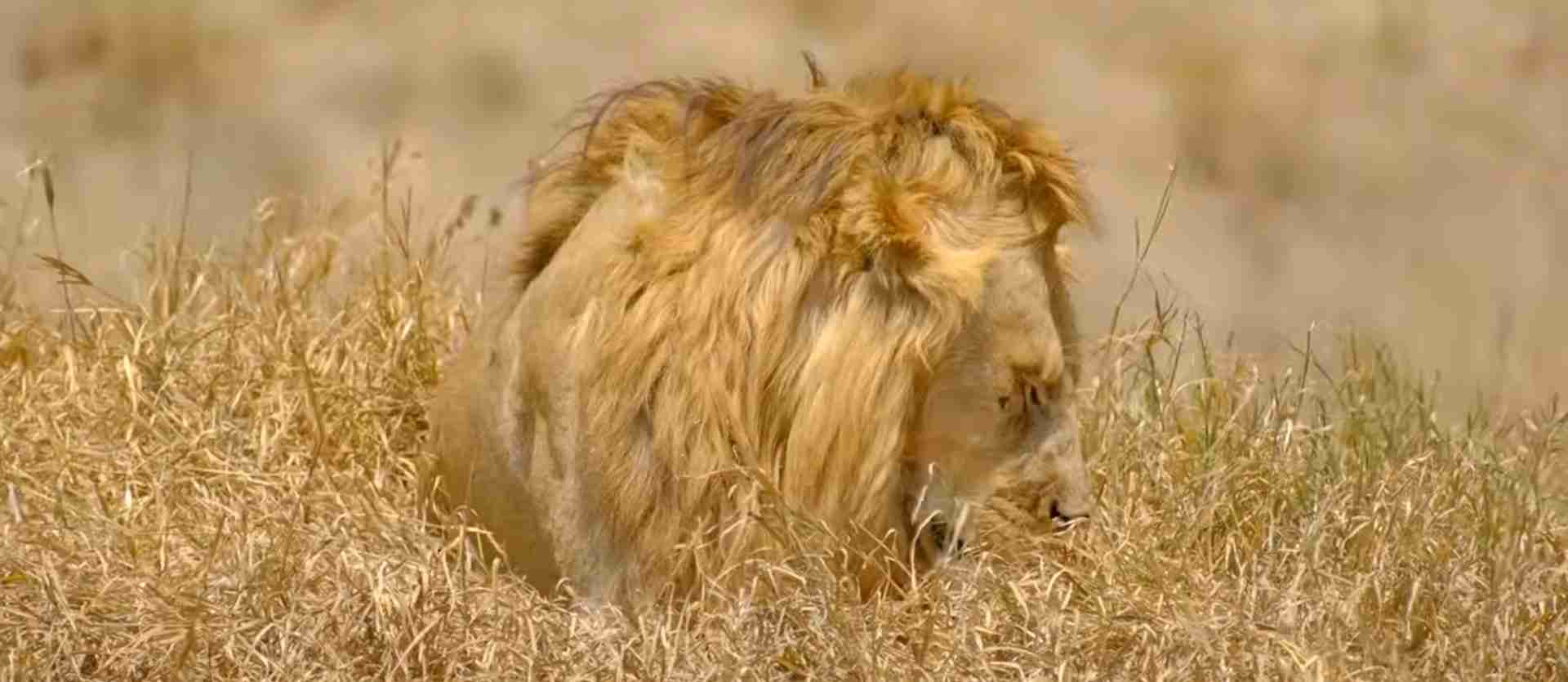
Tanzania vs Kenya Safari: Which Is Better for Your African Adventure?
Key Takeaways
- Tanzania offers larger wilderness areas with fewer vehicles, while Kenya provides more accessible parks with excellent infrastructure and shorter driving distances
- The Great Migration circles between both countries, with wildebeest herds in Kenya’s Masai Mara from July through October and in Tanzania’s Serengeti from November through June
- Kenya delivers better value for budget-conscious travelers with lower park fees and more mid-range accommodation options across its reserves
- Tanzania’s northern circuit combines multiple UNESCO sites including Ngorongoro Crater, Serengeti, and Mount Kilimanjaro in concentrated geography
- Both destinations showcase the Big Five, though Tanzania claims superior elephant and lion populations while Kenya excels for cheetah and leopard sightings
- First-time safari visitors often prefer Kenya for accessibility and cost, while experienced safari enthusiasts gravitate toward Tanzania’s vast wilderness
Introduction to the East African Safari Dilemma
The question of whether to choose Tanzania or Kenya for an African safari ranks among the most debated decisions in adventure travel planning. These neighboring East African nations share remarkable similarities in wildlife populations, cultural heritage, and landscape diversity, yet each delivers distinctly different safari experiences shaped by park management philosophies, infrastructure development, tourism volumes, and geographical characteristics.
Tanzania encompasses over 940,000 square kilometers, making it East Africa’s largest nation with protected areas covering roughly 38% of its landmass. The northern safari circuit alone contains the world-famous Serengeti National Park, the UNESCO World Heritage Ngorongoro Conservation Area, Lake Manyara, and Tarangire National Park within a compact region accessible from Arusha. Southern Tanzania offers the remote Selous Game Reserve (now Nyerere National Park) and Ruaha National Park, rivaling anywhere in Africa for wilderness density.
Kenya, though smaller at approximately 580,000 square kilometers, punches far above its weight in safari reputation. The Masai Mara National Reserve achieves near-mythical status as a wildlife destination, while lesser-known reserves like Samburu, Laikipia, Amboseli, and Tsavo provide diverse ecosystems ranging from semi-arid savannahs to volcanic landscapes with Kilimanjaro backdrops. Kenya’s colonial safari heritage established many practices and expectations that define modern game-viewing worldwide.
This comprehensive comparison examines every factor influencing the Tanzania versus Kenya decision, from wildlife concentrations and park characteristics to practical considerations of cost, accessibility, accommodation quality, and overall visitor experience. Both destinations reward safari travelers with extraordinary wildlife encounters, but understanding their differences enables informed decisions matching individual preferences, budgets, and travel styles.
People Also Ask About Tanzania vs Kenya Safaris
Which country has better wildlife viewing?
Both Tanzania and Kenya deliver exceptional wildlife viewing, though their strengths differ by species and environment. Tanzania claims higher overall wildlife populations, with the Serengeti-Mara ecosystem supporting approximately 1.5 million wildebeest, 500,000 zebras, and 400,000 Thomson’s gazelles. Tanzania’s Ngorongoro Crater hosts the densest concentration of predators anywhere on Earth, with approximately 70 lions inhabiting the 260-square-kilometer caldera floor alongside hyenas, cheetahs, and the endangered black rhinoceros.
Kenya excels for predator sightings despite smaller park sizes, with the Masai Mara’s open grasslands providing superior visibility for cheetah hunts and leopard encounters. Kenya’s Samburu Reserve offers unique northern species including reticulated giraffes, Grevy’s zebras, and gerenuks unavailable in southern circuits. For bird enthusiasts, Kenya’s Lake Nakuru and Lake Naivasha present spectacular flamingo concentrations and over 450 recorded species.
Is Tanzania or Kenya more expensive for safaris?
Kenya offers better value for budget and mid-range travelers, with park fees averaging $60-80 per person daily compared to Tanzania’s $70-100 for major parks like Serengeti. Tanzania imposes strict camping regulations and limited self-drive options that increase operational costs passed to visitors. A mid-range week-long safari averages $3,500-5,000 per person in Kenya versus $4,500-7,000 for comparable Tanzania itineraries.
However, Tanzania’s higher costs often reflect exclusivity and lower visitor densities. Premium camps in remote Tanzania concessions charge $800-1,500 per night but guarantee private game-viewing experiences rarely achievable in Kenya’s more trafficked reserves. Budget-conscious travelers achieve excellent wildlife encounters in Kenya without compromising significantly on experience quality.
When should you visit Tanzania vs Kenya?
The optimal timing depends primarily on Great Migration positioning and desired activities. The wildebeest migration reaches Kenya’s Masai Mara from July through October, with dramatic river crossings peaking in August and September. The herds spend November through June in Tanzania’s Serengeti, with calving season in February creating exceptional predator-prey dynamics on the southern plains.
Both countries offer excellent game-viewing year-round, with dry seasons (June-October and January-February) concentrating wildlife around water sources. The long rains from March through May and short rains in November create challenging conditions but also dramatic landscapes, newborn wildlife, and reduced crowds with lower pricing.
Which is better for first-time safari visitors?
Kenya provides advantages for first-time safari visitors seeking accessible wildlife encounters with predictable outcomes. The Masai Mara’s compact size (1,510 square kilometers) ensures abundant animal sightings within shorter driving distances. Kenya’s safari infrastructure matured over decades of tourism development, with reliable guides, comfortable lodges at every price point, and straightforward logistics from Nairobi.
Tanzania suits first-timers prioritizing wilderness immersion and bucket-list landmarks. Combining Ngorongoro Crater’s guaranteed Big Five sightings with the Serengeti’s endless plains creates unforgettable initiation experiences. Tanzania’s more regulated tourism industry means professional guides and standardized service levels, though with less flexibility for independent arrangements.
Extended multi-day tours – 5+ days
Featured Tanzania Multi-Day Tour Packages
7 days
Big Five Classic Safari in Tanzania **Sustainable Approach to Travel
- ✓ Comprehensive Tanzania tour
- ✓ Expert local guides included
- ✓ All accommodation arranged
- ✓ Transportation provided
9 days
Best of 9 Days Tanzania Safari & Day Adventures
- ✓ Comprehensive Tanzania tour
- ✓ Expert local guides included
- ✓ All accommodation arranged
- ✓ Transportation provided
9 days
Kenya AND Tanzania Classic Safari – Two Birds with One Stone **Sustainable Approach to Travel
- ✓ Comprehensive Tanzania tour
- ✓ Expert local guides included
- ✓ All accommodation arranged
- ✓ Transportation provided

11 days
11 Days Tanzania Wildlife Cultural Safari*
- ✓ Comprehensive Tanzania tour
- ✓ Expert local guides included
- ✓ All accommodation arranged
- ✓ Transportation provided
Multi-day tour packages powered by TourRadar. Prices and availability subject to change.
Wildlife Comparison: The Big Five and Beyond
Lion Populations and Sightings
Tanzania hosts Africa’s largest lion population, with approximately 15,000 individuals across its protected areas representing nearly half of East Africa’s remaining lions. The Serengeti alone supports around 3,000 lions organized into numerous prides adapted to the ecosystem’s seasonal prey movements. Ngorongoro Crater’s isolated population of approximately 60-70 lions achieves remarkable visibility on the open crater floor.
Kenya’s lion population numbers approximately 2,500, with the Masai Mara’s estimated 850 lions representing extraordinary density for the reserve’s size. The Mara’s open grasslands and consistent prey availability create reliable sighting opportunities, while well-habituated prides near popular circuits often tolerate close vehicle approaches. Both countries deliver excellent lion encounters, though Tanzania offers greater chances for remote, exclusive sightings.
Elephant Encounters
Tanzania claims Africa’s largest elephant population at approximately 60,000 individuals, though numbers have fluctuated significantly due to historical poaching pressure. Tarangire National Park hosts the country’s highest seasonal elephant concentrations, with herds exceeding 3,000 gathering along the Tarangire River during dry months. The Selous/Nyerere ecosystem historically contained 100,000+ elephants before devastating poaching reduced populations to approximately 15,000.
Kenya’s elephant population of approximately 36,000 concentrates heavily in protected areas with strong anti-poaching programs. Amboseli National Park provides East Africa’s most iconic elephant photography opportunities, with massive bulls sporting enormous tusks silhouetted against Mount Kilimanjaro. Samburu’s desert-adapted elephants demonstrate remarkable behaviors adapted to harsh northern conditions. Kenya’s smaller population receives intensive protection resulting in healthier, more relaxed elephants that tolerate closer approaches.
Leopard and Cheetah Visibility
The Masai Mara achieves legendary status for predator visibility, particularly leopards and cheetahs inhabiting the riverine forests and open grasslands. Skilled Mara guides locate leopards with remarkable consistency along the Mara and Talek rivers, where these secretive cats rest in fig trees throughout midday hours. Cheetah families hunting Thomson’s gazelles across the Mara’s short-grass plains create wildlife documentary moments accessible to everyday visitors.
Tanzania’s vast wilderness dilutes predator densities, making individual sightings more challenging but often more exclusive. Serengeti’s Seronera Valley concentrates leopards along the Seronera River, while the Ndutu area during calving season offers exceptional cheetah viewing. Central Serengeti kopjes (granite outcroppings) host both species, requiring patient searching rewarded by intimate encounters without competing vehicles.
Rhinoceros Conservation
Black rhinoceros numbers remain critically low throughout East Africa following decades of poaching that eliminated 98% of the population. Ngorongoro Crater maintains Tanzania’s most reliable rhino viewing with approximately 25-30 individuals inhabiting the crater floor. The Serengeti’s rhino population remains minimal despite reintroduction efforts, making sightings exceptional when they occur.
Kenya has achieved remarkable rhinoceros conservation success, with populations recovering to approximately 1,750 individuals including both black and white species. Ol Pejeta Conservancy hosts East Africa’s largest black rhino sanctuary alongside the world’s last northern white rhinos. Nairobi National Park, Lake Nakuru, and the Masai Mara all offer meaningful rhino encounter possibilities. For travelers prioritizing rhinoceros sightings, Kenya provides significantly better odds.
Cape Buffalo and Hippos
Cape buffalo roam abundantly through both countries, with Tanzania’s larger protected areas supporting vast herds numbering in the thousands. Ngorongoro Crater and Serengeti host impressive buffalo concentrations that attract lions specialized in hunting these dangerous prey animals. Tanzania’s southern parks, particularly Katavi and Ruaha, witness extraordinary dry-season buffalo gatherings at remaining water sources.
Hippo populations thrive in rivers and lakes throughout both nations. Kenya’s Masai Mara River hosts dense hippo pods visible during migration river crossings, while Tanzania’s Ngorongoro Crater hippo pool and Serengeti’s Retina Hippo Pool provide reliable viewing. Lake Victoria shorelines, Lake Manyara, and various river systems throughout both countries support healthy hippopotamus populations. Neither country holds significant advantages for buffalo or hippo viewing.
National Parks and Reserves Comparison
The Serengeti: Tanzania’s Crown Jewel
Serengeti National Park spans 14,750 square kilometers of protected wilderness, forming the core of the greater Serengeti-Mara ecosystem that ranks among Earth’s last intact savannah environments. The park’s name derives from the Maasai word “Siringet” meaning “endless plains,” an apt description of the southern grasslands stretching to the horizon without visible boundaries.
The Serengeti divides into distinct ecological zones offering varied experiences. The central Seronera Valley provides year-round wildlife viewing with excellent predator concentrations around the river system. The western corridor follows the Grumeti River where migration herds cross crocodile-infested waters from May through July. The northern sector borders Kenya’s Masai Mara, witnessing migration arrivals from July and departures through November. Southern plains transform during calving season from late January through March into nature’s most spectacular predator-prey theatre.
UNESCO designated the Serengeti a World Heritage Site in 1981, recognizing its ecological importance as one of the oldest ecosystems on Earth with evolutionary processes essentially unchanged for a million years. Annual park fees total $70 per adult daily for non-residents, among Africa’s higher rates but reflecting the ecosystem’s unique global significance.
The Masai Mara: Kenya’s Safari Icon
The Masai Mara National Reserve encompasses 1,510 square kilometers of rolling savannah grassland forming the northern extension of the Serengeti ecosystem. Despite its relatively modest size, the Mara achieves wildlife densities rivaling anywhere on the continent, with abundant resident populations supplemented by the annual Great Migration influx.
The reserve’s open terrain and excellent road networks enable productive game drives covering diverse habitats within single outings. The Mara River bisects the reserve, creating dramatic crossing points where migrating wildebeest face crocodile-filled waters during their seasonal journey. Balloon safaris launched from multiple camps provide aerial perspectives over wildlife-filled grasslands at dawn.
Conservation fees total $80 per adult daily, with additional charges at surrounding conservancies ranging $50-150 depending on the specific area. The private conservancy system extending beyond reserve boundaries has evolved as a conservation success story, providing exclusive wildlife experiences while generating community revenue and protecting habitat from agricultural conversion.
Ngorongoro Crater: Eighth Wonder of the World
Ngorongoro Crater formed two to three million years ago when a massive volcano collapsed after eruption, creating the world’s largest unbroken caldera with a floor covering 260 square kilometers. The crater walls rise 600 meters above the floor, enclosing a virtually self-contained ecosystem supporting approximately 25,000 large animals year-round without seasonal migration.
The UNESCO World Heritage Site combines natural significance with cultural heritage, as Maasai pastoralists maintain traditional grazing rights within the broader conservation area surrounding the crater. Wildlife density on the crater floor approaches unparalleled levels, with predator-to-prey ratios that ensure active hunting drama throughout each game drive. The endangered black rhinoceros survives here in one of its most viable populations.
Conservation fees of $70 per person daily plus vehicle charges of $295-300 per descent make Ngorongoro among Africa’s most expensive wildlife destinations. Crater visits are limited to six hours, with entrance controlled through daily quotas that concentrate vehicles during popular morning hours. Despite crowding concerns, the crater delivers guaranteed Big Five viewing unavailable anywhere else in East Africa.
Amboseli: Kilimanjaro’s Gateway
Amboseli National Park provides Kenya’s most iconic imagery: enormous elephants crossing sun-baked plains beneath the snow-capped summit of Mount Kilimanjaro rising across the Tanzanian border. The park covers only 392 square kilometers, but its strategic location at the base of Africa’s highest mountain creates photographic opportunities combining wildlife with dramatic backdrops.
The elephant population of approximately 1,500 has been studied continuously since 1972 by the Amboseli Elephant Research Project, resulting in individually identified animals with documented life histories spanning multiple generations. These well-habituated elephants display relaxed behaviors around vehicles, enabling close observation of family interactions and social dynamics unavailable in less studied populations.
Park fees total $60 per adult daily, with accommodation options ranging from budget campsites to luxurious lodges positioned for optimal Kilimanjaro views. The park’s compact size allows comprehensive exploration within two days, making Amboseli an efficient component of Kenya safari circuits or a meaningful standalone destination.
Lake Manyara and Tarangire: Tanzania’s Hidden Gems
Lake Manyara National Park stretches along the base of the Great Rift Valley escarpment, covering 325 square kilometers including the seasonal alkaline lake occupying two-thirds of the park’s area. The famous tree-climbing lions of Manyara, while less reliably spotted than their Ugandan counterparts, remain a legendary attraction. Dense groundwater forests along the lake edge host impressive primate populations including baboons and vervet monkeys.
Tarangire National Park often surprises visitors with wildlife concentrations rivaling the Serengeti, particularly during dry season months from July through October. The Tarangire River provides the only permanent water source for surrounding ecosystems, drawing elephant herds exceeding 3,000 individuals alongside zebras, wildebeest, buffalos, and predators following the herbivore concentrations. Ancient baobab trees scattered throughout the landscape create distinctive African imagery unique to this park.
Both parks charge $53.10 per adult daily, representing excellent value compared to Serengeti rates. Safari circuits typically allocate one day each to Manyara and Tarangire before proceeding to the Serengeti, creating comprehensive northern Tanzania experiences showcasing varied ecosystems.
Samburu and Laikipia: Kenya’s Northern Frontier
Samburu National Reserve and the surrounding Laikipia Plateau offer dramatically different landscapes from southern Kenya’s classic savannahs. Semi-arid terrain dominated by acacia scrub and palm-lined rivers supports unique wildlife adapted to harsh conditions. The “Samburu Special Five” includes reticulated giraffe, Grevy’s zebra, Beisa oryx, gerenuk, and Somali ostrich – species rarely seen in Masai Mara or southern circuits.
The Ewaso Ng’iro River flowing through Samburu provides a vital lifeline attracting wildlife to its banks throughout the day. Large crocodiles patrol river pools, leopards hunt along the vegetated shores, and elephants wade through the shallows during afternoon heat. Samburu guides achieve exceptional predator tracking success, with leopard sightings approaching daily frequency during optimal seasons.
Laikipia’s community conservancies pioneered conservation models now replicated throughout Africa, combining wildlife protection with livestock ranching and community development. Properties like Ol Pejeta, Lewa, and Segera offer exclusive safari experiences with minimal vehicle congestion, walking safaris, and night drives prohibited in national parks. Conservation fees vary by property, typically $80-150 per person daily.
The Great Migration: Following the Herds
Understanding the Circular Journey
The Great Migration ranks among Earth’s most spectacular wildlife phenomena, with approximately 1.5 million wildebeest, 500,000 zebras, and 200,000 gazelles completing an annual clockwise circuit through the Serengeti-Mara ecosystem. This ceaseless movement follows rainfall patterns that regenerate grasses essential for grazing, creating an 800-kilometer journey with no true beginning or end.
The migration operates on ecological rather than calendar time, with herd movements responding to rain patterns that vary annually. However, broad seasonal patterns enable reasonable prediction: southern Serengeti plains host calving from January through March; western corridor crossings occur May through July; Masai Mara residency spans July through October; and return southward movements happen November through December. Each phase presents different viewing opportunities and experiences.
Tanzania’s Migration Experience
Tanzania hosts migration herds for approximately eight months annually, offering extended opportunities across varied Serengeti regions. The February calving season on the southern Ndutu plains witnesses approximately 8,000 wildebeest births daily during peak periods, creating extraordinary predator activity as lions, cheetahs, hyenas, and jackals capitalize on vulnerable newborns.
The western corridor crossing season from May through July presents river crossing drama at the Grumeti River, where Nile crocodiles await annual feasting opportunities. While less famous than Mara River crossings, Grumeti events offer excellent photography with fewer vehicles competing for positions. The timing overlaps with southern hemisphere winter holidays, creating peak season conditions with premium pricing.
Northern Serengeti welcomes herds from July through October, with crossings at the Mara River’s Tanzanian tributaries. This region offers comparable drama to Kenya’s crossings with substantially fewer observers, reflecting more challenging access and limited accommodation options. Serious migration enthusiasts often prefer this less-trafficked experience despite logistical complications.
Kenya’s Migration Experience
The Masai Mara receives migration herds from approximately July through October, with peak activity from August through September coinciding with major river crossings. The compact reserve size concentrates herds into visible density, while established crossing points along the Mara River enable positioning for dramatic photography.
River crossing drama represents migration’s most spectacular moments, as thousands of wildebeest plunge into crocodile-filled waters while others hesitate on banks above. Crossings occur unpredictably, sometimes multiple events daily during peak periods, sometimes nothing for days despite gathered herds. Experienced guides read animal behavior to position vehicles advantageously, though luck inevitably influences success.
The Mara’s accessibility from Nairobi and extensive accommodation options make Kenya migration visits logistically straightforward. Daily charter flights connect Wilson Airport to multiple Mara airstrips, enabling efficient safari scheduling. The concentrated activity and reliable infrastructure attract photographers seeking iconic crossing imagery, though vehicle density at popular crossings can be intense.
Safari Costs: Budget Comparison
Park and Conservation Fees
Tanzania’s park fee structure ranks among Africa’s most expensive, reflecting government revenue priorities and efforts to manage visitor numbers. Serengeti National Park charges $70 per adult daily, while Ngorongoro Conservation Area adds $70 plus vehicle fees of $295-300 per crater descent. A typical week-long northern circuit including both destinations accumulates $500-700 in mandatory fees alone.
Kenya’s fee structure offers better value, with Masai Mara charging $80 daily and parks like Amboseli, Lake Nakuru, and Samburu averaging $60. Private conservancies add $50-150 daily depending on location and exclusivity level. A comparable week generates fees of $400-600, representing meaningful savings that compound across longer itineraries or larger groups.
Accommodation Pricing Tiers
Budget accommodation in Kenya starts around $150-250 per person daily including meals and game drives, with basic tented camps and guesthouses near park boundaries. Tanzania’s stricter camping regulations and limited budget options push entry-level pricing to $200-350 daily. Backpacker-style self-drive safaris common in southern Africa remain impractical in both countries due to road conditions and park requirements.
Mid-range properties ($300-600 per person daily) dominate both markets, offering comfortable tented camps with en-suite facilities, quality cuisine, and professional guiding. Kenya’s greater supply at this level creates competitive pricing, while Tanzania’s remote locations and smaller properties command premiums for comparable quality.
Luxury lodges and camps in both countries range $800-2,500 per person daily, with premium Masai Mara and Serengeti properties competing among Africa’s finest safari accommodations. At this level, experience quality converges as both destinations deliver extraordinary service, exclusive locations, and expert guiding regardless of national origin.
Sample Safari Budgets
A moderate seven-day Kenya safari including Masai Mara and Amboseli with mid-range accommodation costs approximately $3,000-4,500 per person sharing. This covers internal flights, park fees, accommodation, meals, game drives, and local transfers but excludes international airfare. Budget options dropping to basic camps and longer road transfers reduce costs to $2,000-3,000.
Equivalent Tanzania itineraries covering Serengeti and Ngorongoro run $4,500-7,000 per person sharing at mid-range level. Budget alternatives exist around $3,500-4,500, though quality compromises become more apparent than in Kenya. Premium experiences in either country exceed $10,000 per person for week-long safaris at exclusive properties.
Landscape and Ecosystem Diversity
Tanzania’s Geographic Variety
Tanzania presents extraordinary geographic diversity ranging from the snow-capped summit of Mount Kilimanjaro (5,895 meters) to the alkaline depths of Lake Natron (-600 meters below sea level). The Great Rift Valley slices through the country, creating dramatic escarpments, volcanic craters, and soda lakes that define the northern safari circuit’s landscapes.
The Serengeti’s endless grassland plains contrast sharply with the forested crater rim of Ngorongoro and the baobab-dotted savannah of Tarangire. Southern Tanzania introduces miombo woodland ecosystems in Ruaha and Selous (Nyerere), while western parks like Katavi and Mahale Mountains border Lake Tanganyika in Africa’s deepest aquatic environments. This diversity enables varied safari experiences across fundamentally different habitats.
Kenya’s Scenic Contrasts
Kenya’s landscapes range from the palm-fringed Indian Ocean coast through sahelian scrubland in the north to alpine moorlands atop Mount Kenya. The Great Rift Valley creates a dramatic geological feature visible from space, with soda lakes including Nakuru, Bogoria, and Elementaita hosting flamingo concentrations numbering millions.
Safari regions encompass the rolling grasslands of the Masai Mara, the semi-arid thorn scrub of Samburu, and the striking volcanic scenery around Amboseli. Kakamega Forest in western Kenya preserves equatorial rainforest habitat for forest elephants and primates, while the Chyulu Hills offer volcanic landscapes with underground cave systems. Kenya’s compact size enables combining diverse ecosystems within single safari itineraries.
Cultural Experiences and Community
Maasai Heritage in Both Nations
The Maasai people inhabit traditional territories spanning the Kenya-Tanzania border, with their pastoralist culture providing iconic imagery associated with East African safari experiences. Both countries offer opportunities for village visits, cultural demonstrations, and interactions with communities maintaining traditional lifestyles alongside modern influences.
Kenya’s community conservancy model has integrated Maasai landowners into wildlife tourism economics, creating financial incentives for conservation while preserving cultural practices. Properties in the Masai Mara conservancies employ local warriors as guides and trackers, combining wildlife expertise with cultural interpretation. Village visits provide income streams directly benefiting communities.
Tanzania’s Ngorongoro Conservation Area uniquely permits Maasai grazing within protected boundaries, representing an accommodation between wildlife conservation and indigenous rights. Cultural bomas (traditional homesteads) welcome visitors throughout the northern circuit, though commercialization concerns have prompted criticism of authenticity at some heavily touristed locations.
Historical Safari Heritage
Kenya’s safari industry traces roots to colonial hunting expeditions of the late 19th century, with famous names like Theodore Roosevelt and Ernest Hemingway cementing the country’s reputation as the birthplace of modern safari tourism. Historic properties including Karen Blixen’s home (of “Out of Africa” fame) and the Norfolk Hotel maintain connections to this storied past.
Tanzania’s safari heritage developed somewhat later, with independence leader Julius Nyerere establishing the national park system that transformed wildlife from colonial hunting resources into protected national treasures. The Selous Game Reserve’s namesake, Frederick Selous, ranks among Africa’s most famous hunters-turned-conservationists, bridging the transition from exploitation to protection.
Accessibility and Logistics
International and Domestic Connections
Kenya’s Jomo Kenyatta International Airport in Nairobi serves as East Africa’s primary hub with extensive international connections to Europe, Middle East, Asia, and limited North American routes. Domestic flights reach safari destinations within 45-90 minutes, with multiple daily departures to Masai Mara, Amboseli, Samburu, and coastal areas. The mature aviation infrastructure enables efficient safari logistics.
Tanzania’s Julius Nyerere International Airport in Dar es Salaam handles most international arrivals, though Kilimanjaro International Airport near Arusha provides direct access to northern safari circuits. Domestic flights to Serengeti, Ngorongoro, and southern parks operate daily but with less frequency than Kenya’s robust network. Improved infrastructure at Kilimanjaro has expanded direct international routing, reducing connection requirements.
Road Networks and Transfer Times
Kenya’s safari circuits benefit from generally superior road infrastructure, with tarmac access to most major reserves and manageable distances between destinations. Nairobi to Masai Mara covers 270 kilometers (5-6 hours driving), while Amboseli sits 240 kilometers from the capital (4-5 hours). Internal reserve roads vary from excellent to challenging depending on season and specific areas.
Tanzania’s distances increase substantially, with Arusha to Serengeti spanning 335 kilometers (7-8 hours driving) including potentially challenging sections. Internal Serengeti roads deteriorate during wet seasons, occasionally closing entirely. The Ngorongoro crater road requires careful navigation, and rainy season conditions can isolate remote camps. Flights mitigate these challenges but add costs that impact budget itineraries.
Choosing Between Tanzania and Kenya
Choose Tanzania When:
Tanzania suits travelers prioritizing wilderness immersion over convenience, bucket-list experiences like Ngorongoro Crater, and willingness to invest higher budgets for exclusive encounters. The country rewards those seeking fewer vehicles at sightings, vast landscapes stretching to horizons, and the prestige of visiting the Serengeti – arguably Earth’s most famous wildlife sanctuary.
Migration seekers timing visits between December and June should focus on Tanzania, when herds occupy various Serengeti regions unavailable in Kenya. Calving season (January-March) particularly justifies Tanzania focus, as this spectacular event occurs exclusively on southern Serengeti plains. Mount Kilimanjaro climbers combining safari extensions naturally begin in Tanzania.
Travelers with sufficient time and budget to explore comprehensively find Tanzania’s diversity unmatched, from northern circuit classics through southern wilderness areas like Ruaha and the Selous to western Tanzania’s chimpanzee-tracking experiences at Mahale Mountains. The country rewards extended exploration with experiences unavailable to rushed itineraries.
Choose Kenya When:
Kenya suits first-time visitors seeking reliable wildlife encounters with straightforward logistics, budget-conscious travelers maximizing value, and those with limited time requiring efficient itinerary execution. The country delivers safari excellence without premium pricing or complicated arrangements.
Migration seekers timing visits between July and October should prioritize Kenya, when the Masai Mara hosts the Great Migration’s most dramatic river crossing events. The concentration of activity within the relatively compact reserve ensures productive viewing regardless of specific timing within this window.
Travelers combining beach destinations appreciate Kenya’s Indian Ocean coastline, with Mombasa, Diani Beach, and Lamu Island accessible from safari circuits. The country also enables diverse ecosystem exploration across shorter distances, with Samburu’s northern specialties, Amboseli’s Kilimanjaro views, and Lake Nakuru’s flamingos all reachable within practical timeframes from Nairobi.
Why Not Both?
Cross-border itineraries combining both countries represent the ultimate East African safari experience, enabling migration tracking across its full annual range while sampling each nation’s distinctive highlights. Overland routes connect Masai Mara to Serengeti directly, while flights link Nairobi and Arusha efficiently.
Two-week itineraries might begin with Kenya’s Samburu and Masai Mara before crossing to Tanzania’s Ngorongoro and Serengeti, showcasing ecosystem diversity and maximizing wildlife encounter opportunities. Such combinations require higher budgets and greater time investment but deliver comprehensive experiences that resolve the Tanzania vs. Kenya dilemma through inclusive exploration.
Frequently Asked Questions About Tanzania vs Kenya Safaris
Is Tanzania or Kenya safer for tourists?
Both Tanzania and Kenya maintain good safety records for tourists within organized safari contexts. Wildlife areas in both countries operate professionally with experienced guides and established protocols. Urban areas in Nairobi and Dar es Salaam require standard metropolitan precautions regarding petty crime. Political stability varies periodically; checking current travel advisories before departure is advisable for either destination. Neither country presents significantly greater risk than the other for safari travelers using reputable operators.
Which country has better safari guides?
Both nations produce exceptional safari guides, with quality varying more by individual guide and camp than by nationality. Kenya’s longer tourism history has developed multi-generational guiding families with deep knowledge passed through decades. Tanzania’s strict certification requirements ensure baseline professionalism across licensed guides. Premium camps in both countries recruit exceptional guides regardless of nationality. Requesting specific guides when booking enables accessing top talent in either destination.
Can you self-drive safari in Tanzania or Kenya?
Self-drive safaris are permitted but impractical in both countries compared to southern African destinations like Botswana or South Africa. Tanzania effectively requires guide services within national parks, while Kenya permits self-driving but poor road signage, challenging conditions, and wildlife tracking expertise requirements make independent exploration difficult. Budget-conscious travelers find that joining group safaris or hiring driver-guides achieves better value than rental vehicles plus park fees.
Which country has better luxury safari options?
Both Tanzania and Kenya host world-class luxury safari properties competing among Africa’s finest accommodations. The Singita brand operates exceptional properties in both the Serengeti and Masai Mara. &Beyond, Asilia, and Nomad maintain multiple premium camps across Tanzania, while Kenya’s Angama Mara, Cottar’s, and Governor’s camps rank among the continent’s most celebrated lodges. At true luxury levels ($1,000+ per person daily), experience quality converges regardless of country selection.
Is the Masai Mara too crowded?
The Masai Mara National Reserve experiences significant vehicle density during peak migration season (August-September), particularly at popular river crossing points and around habituated lion prides. However, the surrounding private conservancies strictly limit vehicle numbers, offering exclusive experiences just outside reserve boundaries. Travelers prioritizing uncrowded sightings should select conservancy-based camps accepting the modest premium over core reserve rates. Morning game drives departing before 6 AM also precede main visitor influxes.
How long should a Tanzania or Kenya safari be?
Minimum recommended safari duration is five days including travel days, enabling meaningful wildlife exposure without excessive rushing. Seven to ten days provide comprehensive experiences covering multiple parks and ecosystems. Two-week itineraries allow thorough exploration including secondary destinations, walking safaris, and cultural components. Budget constraints often determine duration more than wildlife interests, as longer safaris proportionally reduce daily costs through spreading fixed expenses.
What is the best age for children on safari?
Both Tanzania and Kenya welcome family safaris, with children ages seven and above generally engaging productively with wildlife viewing. Many premium camps restrict children under eight from game drives due to attention span and safety considerations. Family-friendly properties offer dedicated children’s programs, shorter game drives, and activities like nature walks and cultural experiences. Both countries provide excellent family safari experiences with appropriate property selection.
Do you need vaccinations for Tanzania and Kenya?
Both countries recommend similar vaccinations including hepatitis A and B, typhoid, and ensuring routine immunizations remain current. Yellow fever vaccination is required when arriving from endemic countries (including travel between Tanzania and Kenya). Malaria prophylaxis is essential for both destinations. Kenya and Tanzania present equivalent health preparation requirements without significant differentiation between them.
Which has better bird watching opportunities?
Kenya holds slight advantages for serious birders, with over 1,100 recorded species compared to Tanzania’s approximately 1,000. Kenya’s Rift Valley lakes including Nakuru, Naivasha, and Baringo host spectacular waterbird concentrations including millions of flamingos. However, Tanzania’s diverse habitats from coastal forests to montane environments support exceptional avian diversity. Dedicated birding itineraries achieve outstanding results in either country with appropriate guide expertise.
Can you see gorillas in Tanzania or Kenya?
Neither Tanzania nor Kenya hosts mountain gorilla populations. Gorilla trekking requires visiting Uganda, Rwanda, or the Democratic Republic of Congo, where mountain gorillas inhabit the Virunga volcanic range and Bwindi Impenetrable Forest. Tanzania does offer chimpanzee trekking at Mahale Mountains and Gombe Stream National Parks, providing great ape encounters unavailable in Kenya. Safari itineraries can combine Kenya or Tanzania wildlife viewing with separate gorilla trekking extensions to neighboring countries.