
Tanzania UNESCO World Heritage Sites: Complete 2026 Guide
Key Takeaways:
- Tanzania protects 7 UNESCO World Heritage Sites including Serengeti, Ngorongoro Crater, Mount Kilimanjaro, and Stone Town Zanzibar
- Budget safaris start at $150-250 per day while luxury experiences range $600-1,500+ daily in 2026
- Northern Circuit (Serengeti, Ngorongoro, Kilimanjaro) offers easiest access and best infrastructure for first-time visitors in 2026
- Dry season (June-October) provides optimal wildlife viewing but commands premium pricing across all UNESCO safari destinations
- Advance booking 6-9 months ahead secures better rates and guarantees availability at popular lodges during 2026 peak season
- Combining wildlife safaris with Stone Town cultural exploration creates comprehensive UNESCO heritage experience
Introduction – Tanzania’s UNESCO World Heritage Legacy
Tanzania stands among Africa’s most UNESCO-rich nations, protecting seven World Heritage Sites that span incredible biodiversity, cultural significance, and geological wonder. From the endless plains of Serengeti where millions of wildebeest migrate annually, to the Ngorongoro Crater’s enclosed ecosystem, to Mount Kilimanjaro’s snow-capped summit rising above equatorial Africa, Tanzania’s natural heritage sites rank among the planet’s most spectacular protected areas. The country’s cultural sites—Stone Town’s Swahili architecture, Kondoa’s ancient rock art, and Kilwa’s medieval trading ruins—reveal centuries of human civilization, artistic expression, and commercial networks that connected Africa to the wider world.
Planning visits to Tanzania’s UNESCO sites in 2026 requires understanding diverse logistics, varying costs, and optimal timing across vastly different landscapes. The Northern Safari Circuit (Serengeti, Ngorongoro, Kilimanjaro area) offers well-developed tourism infrastructure with daily flights from Arusha, extensive accommodation options from budget campsites to luxury lodges, and established safari operators. Southern Tanzania’s Nyerere National Park (formerly Selous Game Reserve) provides more remote, exclusive safari experiences with fewer visitors but higher costs and limited accessibility. Zanzibar’s Stone Town combines easily with any mainland safari, connected by frequent flights and ferries from Dar es Salaam.
This comprehensive guide provides complete 2026 planning information for all seven UNESCO sites, including current pricing structures, seasonal considerations, accommodation strategies, transportation options, and money-saving approaches. Whether planning a classic Northern Circuit safari, attempting Kilimanjaro’s summit, exploring southern wilderness, or diving into Swahili coastal culture, this resource delivers actionable planning details for experiencing Tanzania’s complete UNESCO heritage portfolio.
People Also Ask About Tanzania UNESCO Sites 2026
How much does it cost to visit Tanzania UNESCO sites in 2026?
Tanzania UNESCO site costs vary dramatically by location and travel style. Northern Circuit national park fees cost $70-80 per person per day for Serengeti and Kilimanjaro National Park, while Ngorongoro Conservation Area charges $70-80 daily plus $295 crater descent fee in 2026. Check official Tanzania National Parks Authority (TANAPA) website for current rates as pricing may vary. Budget camping safaris including park fees, guide, vehicle, and basic meals start at $150-250 per person daily. Mid-range lodge safaris cost $300-500 daily, while luxury tented camps and lodges range $600-1,500+ per person per day.
Stone Town Zanzibar offers the most budget-friendly UNESCO experience—the historic quarter itself costs nothing to explore on foot, with individual attractions like House of Wonders ($5), Old Fort ($3), and Palace Museum ($8) charging minimal entry fees. Cultural tours range $30-50 for half-day guided walking experiences. Kondoa Rock-Art Sites charge approximately $30 entry fee, while Kilwa Kisiwani and Songo Mnara ruins cost around $20 combined. Kilimanjaro climbing represents the highest investment, with 5-7 day climbs costing $1,000-2,000 for budget operators up to $4,000-6,000+ for premium guiding services with superior equipment, food, and safety protocols.
When is the best time to visit Tanzania UNESCO sites in 2026?
The dry season from June through October delivers optimal conditions for visiting Tanzania’s wildlife UNESCO sites in 2026. Serengeti offers spectacular game viewing during these months, with the Great Migration typically in western and northern regions July-September, providing dramatic river crossings at Grumeti and Mara rivers. Ngorongoro Crater maintains excellent year-round wildlife viewing but dry months guarantee easier access roads and comfortable weather for full-day crater visits. Animals concentrate around remaining water sources, making wildlife spotting more predictable and rewarding.
Kilimanjaro climbing succeeds best during dry seasons: January-February and June-September offer most reliable summit weather in 2026, with clear skies and stable conditions. The short rains (November-December) and long rains (March-May) bring muddy trails, obscured views, and higher failure rates due to weather conditions. Stone Town, Kondoa rock art sites, and Kilwa ruins can be visited year-round, though the dry season provides more comfortable conditions for walking tours and exploration. The rainy season (March-May) offers significant cost savings—30-50% discounts on safari lodges and reduced crowds—for travelers accepting occasional afternoon showers and slightly more challenging wildlife viewing.
How many UNESCO sites does Tanzania have in 2026?
Tanzania protects seven UNESCO World Heritage Sites in 2026, divided into five natural sites, one cultural site, and one mixed cultural-natural site. The natural heritage sites include Serengeti National Park (inscribed 1981), Kilimanjaro National Park (1987), Selous Game Reserve—now managed as Nyerere National Park (1982), and two properties inscribed together: Ngorongoro Conservation Area holds both natural and cultural designation (1979, extended 2010) due to its geological significance and ongoing Maasai pastoral traditions. The cultural heritage sites include Stone Town of Zanzibar (2000), showcasing Swahili coastal architecture and trading history; Kondoa Rock-Art Sites (2006), preserving ancient paintings spanning two millennia; and Ruins of Kilwa Kisiwani and Songo Mnara (1981), revealing medieval Swahili trading civilization.
These sites collectively represent Tanzania’s extraordinary natural diversity—from savanna ecosystems to montane forests to coastal archipelagos—alongside significant cultural heritage documenting human artistic expression, architectural achievement, and commercial networks. The geographic distribution spans the entire country: northern sites cluster around Arusha (Serengeti, Ngorongoro, Kilimanjaro), central Tanzania holds Kondoa rock art, southern wilderness preserves Nyerere, and coastal locations include Stone Town and Kilwa ruins. Most visitors focus on the accessible Northern Circuit, combining Serengeti and Ngorongoro safaris with optional Kilimanjaro attempts and Stone Town cultural experiences as comprehensive UNESCO itineraries.
Do you need a guide for Tanzania UNESCO sites in 2026?
Yes, professional guides are mandatory for all Tanzania national park UNESCO sites in 2026 due to safety regulations and conservation requirements. Serengeti, Ngorongoro, Kilimanjaro, and Nyerere National Park prohibit independent self-drive tourism—all visitors must join organized safaris with licensed guides and registered vehicles. This regulation protects both wildlife (preventing harassment or dangerous encounters) and visitors (ensuring expert navigation and emergency response capabilities). Licensed safari guides complete extensive training in ecology, animal behavior, and safety protocols, dramatically enhancing the experience through wildlife tracking expertise, ecosystem interpretation, and optimal game viewing positioning.
Kilimanjaro climbing requires registered guides by law, with typical climbing teams including a lead guide, assistant guides, porters, and cook for support. Stone Town Zanzibar allows independent exploration—the compact historic quarter can be navigated freely using maps and signage. However, guided walking tours ($30-50 for 2-3 hours) provide cultural context, historical narratives, and access to private courtyards and buildings not visible during independent walks. Kondoa Rock-Art Sites and Kilwa ruins require local guides both for site access and interpretation—the ancient paintings and medieval architecture gain tremendous meaning through expert explanation of artistic techniques, cultural significance, and historical context that independent visitors would miss entirely.
Extended multi-day tours – 5+ days
Featured Tanzania Multi-Day Tour Packages
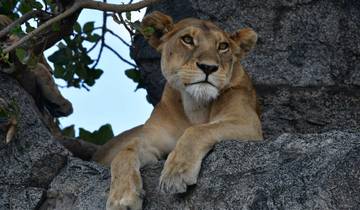
7 days
Big Five Classic Safari in Tanzania **Sustainable Approach to Travel
- ✓ Comprehensive Tanzania tour
- ✓ Expert local guides included
- ✓ All accommodation arranged
- ✓ Transportation provided
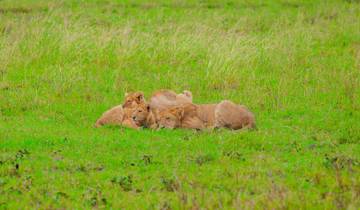
9 days
Best of 9 Days Tanzania Safari & Day Adventures
- ✓ Comprehensive Tanzania tour
- ✓ Expert local guides included
- ✓ All accommodation arranged
- ✓ Transportation provided
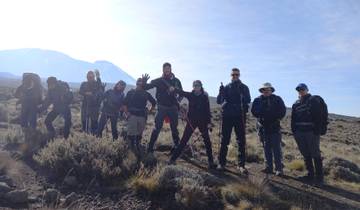
7 days
Climb Kilimanjaro – Lemosho 7 Days | Scenic & Moderate Trek with Expert Guides
- ✓ Comprehensive Tanzania tour
- ✓ Expert local guides included
- ✓ All accommodation arranged
- ✓ Transportation provided

11 days
11 Days Tanzania Wildlife Cultural Safari*
- ✓ Comprehensive Tanzania tour
- ✓ Expert local guides included
- ✓ All accommodation arranged
- ✓ Transportation provided
Multi-day tour packages powered by TourRadar. Prices and availability subject to change.
Essential Planning Information 2026
Current Costs and Entrance Fees 2026
Tanzania National Parks Authority (TANAPA) manages most UNESCO natural sites with standardized fee structures for 2026. Serengeti National Park charges $70-80 per adult per 24-hour period, with children 5-16 years paying $20-30. Check the official TANAPA website at tanzaniaparks.go.tz for current official rates as pricing may vary. These fees cover park access only—safari vehicle fees add $200-300 daily, and guiding services cost $150-250 per day depending on group size. Ngorongoro Conservation Area operates independently with similar daily fees ($70-80 per adult) plus a mandatory $295 crater descent fee per vehicle applicable each time you enter the crater floor, not per person but per vehicle with maximum six passengers.
Kilimanjaro National Park charges complex climbing fees combining park entry ($70-80 daily), camping fees ($50-60 per night per person), rescue fees ($20 one-time), and guide/porter/cook fees regulated by the Kilimanjaro Porters Assistance Project. Total official fees for a 6-day Marangu Route climb reach approximately $800-1,000 per person before adding outfitter costs, equipment, and tips. Stone Town charges no general entry—the UNESCO zone is freely accessible with individual attraction tickets ranging $3-8 for museums and historic buildings. Nyerere National Park (Selous) charges $70-90 per person daily with additional vehicle and guide fees. Kondoa Rock-Art Sites cost approximately $30 per person, while Kilwa Kisiwani and Songo Mnara ruins charge combined entry around $20, both including mandatory guide services.
Travel Requirements and Documentation 2026
International visitors require valid passports with minimum six months remaining validity for Tanzania entry in 2026. Most nationalities obtain tourist visas either online through Tanzania eVisa system ($50 for single entry, $100 for multiple entry) or on arrival at major entry points including Kilimanjaro International Airport, Julius Nyerere International Airport in Dar es Salaam, and Zanzibar Airport. Processing online visas before departure eliminates airport queuing and guarantees approval before travel. American, British, European Union, Canadian, and Australian citizens all qualify for visa on arrival, though advance online application is recommended for smoother entry processing.
Yellow fever vaccination proves mandatory for travelers arriving from yellow fever endemic countries and strongly recommended for all visitors given Tanzania’s risk status. Routine vaccinations should be current, with additional recommendations for Hepatitis A and B, typhoid, and rabies depending on itinerary specifics and rural exposure. Malaria prophylaxis is essential for safaris and coastal areas—Serengeti, Ngorongoro, Nyerere, and Zanzibar all present malaria risk requiring preventive medication. Comprehensive travel insurance covering medical evacuation is critical, particularly for Kilimanjaro climbers (altitude sickness can necessitate emergency helicopter evacuation costing $5,000-15,000) and remote southern safari areas lacking nearby medical facilities. Several insurance providers offer specific coverage for adventure activities including high-altitude trekking.
Tanzania’s Seven UNESCO World Heritage Sites
Serengeti National Park
Serengeti National Park, inscribed in 1981, protects 14,763 square kilometers of pristine savanna ecosystem in northern Tanzania, forming the planet’s most spectacular wildlife arena. The endless grasslands support approximately 1.5 million wildebeest, 250,000 zebras, and 500,000 Thomson’s gazelles participating in the annual Great Migration—the world’s largest terrestrial mammal migration. This continuous circular movement follows seasonal rainfall patterns: herds calve in southern Serengeti January-February, migrate north toward Kenya’s Maasai Mara June-July, cross the Mara River July-September in dramatic scenes of predation and determination, then return south through western Serengeti October-November completing the cycle.
Beyond migration spectacle, Serengeti sustains extraordinary predator populations including approximately 3,000 lions (Africa’s largest population), 1,000 leopards, 500-550 cheetahs, and 7,000-8,000 spotted hyenas. The diverse landscape encompasses short-grass plains in the south perfect for cheetah hunting, acacia woodlands in central Serengeti supporting resident wildlife year-round, and riverine forests along the Grumeti and Mara rivers where massive Nile crocodiles ambush migrating herds. Over 500 bird species inhabit the ecosystem, from massive ostrich and secretary birds stalking grasslands to vibrant lilac-breasted rollers and Fischer’s lovebirds.
Accessing Serengeti requires flying into Kilimanjaro International Airport near Arusha (the primary northern circuit gateway) or directly to Serengeti’s multiple airstrips via light aircraft from Arusha ($300-500 round-trip per person). Road safaris from Arusha cover approximately 335 kilometers requiring 7-8 hours driving through Ngorongoro Conservation Area—most itineraries combine both UNESCO sites in multi-day safaris. The park divides into regions with different character: Seronera (central) offers year-round game viewing and most developed infrastructure; Southern Plains excel January-March during calving season; Western Corridor provides June-July river crossings; Northern Serengeti delivers July-October Mara River drama with fewer crowds than Kenya side.
Ngorongoro Conservation Area
Ngorongoro Conservation Area, designated UNESCO World Heritage in 1979 and extended in 2010, encompasses 8,292 square kilometers including the spectacular Ngorongoro Crater—the world’s largest inactive, intact volcanic caldera. The crater floor spans 260 square kilometers at 1,800 meters elevation, enclosed by 600-meter-high walls creating a natural amphitheater and self-contained ecosystem. Approximately 25,000 large mammals inhabit the crater year-round, including significant populations of black rhinoceros (critically endangered elsewhere), lions, elephants, buffalos, and dense concentrations of zebras and wildebeest that remain resident rather than migrating like Serengeti herds.
The conservation area’s mixed cultural-natural designation recognizes ongoing Maasai pastoral traditions—approximately 40,000 Maasai people live within the protected area, grazing cattle alongside wildlife in traditional semi-nomadic patterns sustained for centuries. This coexistence model balances conservation with indigenous land rights, though increasing tourism pressure and population growth create ongoing management challenges. Beyond the famous crater, Ngorongoro protects Olduvai Gorge where Louis and Mary Leakey discovered crucial hominin fossils documenting human evolution, including 1.75-million-year-old Australopithecus remains. The area also encompasses Empakaai Crater, Olmoti Crater, and several volcanic peaks.
Crater visits follow strict regulations to minimize environmental impact and maintain wildlife welfare. Vehicles enter via designated roads descending the steep crater walls early morning (departures typically 6-7 AM), spend maximum six hours on crater floor, and exit by early afternoon. The $295 per vehicle crater descent fee (maximum six passengers) applies each time vehicles enter—safari itineraries typically include one full-day crater visit as highlight. Morning visits offer optimal wildlife viewing when animals are most active, with afternoon light often creating haze obscuring views. Most safaris combine Ngorongoro with Serengeti as interconnected experiences, using the conservation area as scenic transition between Arusha and Serengeti National Park.
Kilimanjaro National Park
Kilimanjaro National Park, designated UNESCO World Heritage in 1987, protects Mount Kilimanjaro—Africa’s highest peak at 5,895 meters (19,341 feet) and the world’s tallest free-standing mountain. The volcanic massif comprises three distinct cones: Kibo (the highest, with Uhuru Peak summit), Mawenzi (5,149 meters), and Shira (3,962 meters). Despite the equatorial location just 3 degrees south of the equator, Kilimanjaro sustains permanent glaciers and ice fields on its summit, though climate change has reduced ice coverage approximately 85% since 1912. The mountain rises from cultivated farmland at 700 meters through five distinct ecological zones: montane forest, heath and moorland, alpine desert, and arctic summit conditions.
Approximately 35,000-50,000 climbers attempt Kilimanjaro annually, with overall summit success rates around 65%. The mountain’s accessibility—no technical climbing required on standard routes—combined with powerful symbolic significance makes it one of the world’s most attempted major peaks. However, altitude sickness affects over 75% of climbers to some degree, with rapid elevation gain (base to summit in 5-9 days) limiting acclimatization time. Six established routes offer different experiences: Marangu (the “Coca-Cola Route,” 5-6 days, hut accommodation), Machame (6-7 days, scenic but steep), Lemosho (7-8 days, excellent acclimatization), Rongai (6-7 days, drier northern approach), Umbwe (6 days, steep and difficult), and Northern Circuit (8-9 days, highest success rates).
Climbing regulations mandate registered guides and porters—independent climbing is prohibited. All climbers must book through licensed operators who provide guides, porters, cooks, camping equipment (except Marangu huts), and meals. Daily climbing fees include park entry ($70-80 per day), hut/camping fees ($50-60 per night), rescue insurance ($20), and guide/porter wages regulated by Kilimanjaro Porters Assistance Project to ensure fair treatment and adequate equipment for mountain staff. Total costs range from budget operators at $1,000-2,000 for 5-6 day climbs (often with inadequate equipment, food, and safety margins) to premium services at $4,000-6,000+ providing superior gear, better food, experienced guides, comprehensive safety protocols, and optimal acclimatization schedules. The longer routes (7-9 days) significantly increase summit success rates by allowing gradual altitude adjustment.
Nyerere National Park (formerly Selous Game Reserve)
Nyerere National Park, formerly known as Selous Game Reserve until 2019 renaming, covers 30,893 square kilometers in southern Tanzania, making it Africa’s largest protected wildlife area and a UNESCO World Heritage Site since 1982. The vast wilderness protects extraordinary biodiversity including significant populations of endangered African wild dogs (one of the continent’s most important populations), along with elephants, buffalos, hippos, crocodiles, and diverse antelope species. The Rufiji River system—Tanzania’s largest river—flows through the reserve creating complex networks of channels, lakes, and wetlands that concentrate wildlife and provide spectacular boat safari opportunities unique among Tanzania’s UNESCO sites.
Unlike the Northern Circuit’s intensive game-viewing approach with many vehicles, Nyerere offers exclusive wilderness experience with limited visitor numbers and vast territories. Only the northern section (about 12% of total area) is designated for photographic tourism—the remainder functions as hunting concessions and controlled use areas. This exclusivity means fewer crowds but significantly higher costs: $600-1,500+ per person daily for luxury tented camps represents typical pricing. The reserve pioneered walking safaris and boat safaris in Tanzania, with both activities offering intimate wildlife encounters impossible in vehicle-only northern parks. Walking through pristine wilderness accompanied by armed rangers, tracking elephants on foot, and observing hippos from boats creates visceral connections to African ecology.
Accessing Nyerere requires flying from Dar es Salaam to various airstrips within the reserve—road access is extremely difficult and time-consuming (10+ hours on poor roads). Most visitors fly directly to luxury camps for 3-5 night exclusive safari experiences. The remote location and limited tourism development means less predictable game viewing compared to Serengeti or Ngorongoro, but rewards visitors with pristine wilderness, diverse habitats from riverine forests to miombo woodland, and the sense of exploring untouched Africa. Dry season (June-October) concentrates wildlife along the Rufiji River and its tributaries, while wet season (November-April) disperses animals across the vast reserve making sightings more challenging but landscapes more dramatic with lush vegetation and seasonal waterfalls.
Stone Town of Zanzibar
Stone Town, inscribed as UNESCO World Heritage in 2000, occupies the historic core of Zanzibar City on Zanzibar Island (Unguja) off Tanzania’s coast. The town developed between 15th-19th centuries as East Africa’s most significant trading port, connecting African interior resources (ivory, enslaved people, spices) with Indian Ocean trade networks reaching Arabia, Persia, India, and beyond. The distinctive architecture blends Swahili, Arab, Persian, Indian, and European influences creating unique fusion style: coral rag stone buildings with massive carved wooden doors, internal courtyards, rooftop terraces, and elaborate verandas adapted to tropical coastal climate while expressing merchant wealth and cultural sophistication.
Approximately 2,000 buildings occupy the historic quarter’s maze of narrow alleyways—many streets are too narrow for vehicles, maintaining medieval pedestrian character. Notable landmarks include the House of Wonders (Beit-al-Ajaib), the first building in East Africa with electricity and an elevator; the Old Fort (Ngome Kongwe) built by Omani Arabs in 1699; the Palace Museum (Sultan’s Palace) showcasing royal history; and St. Joseph’s Cathedral with Gothic-revival architecture. The Arab influence is particularly strong given Zanzibar’s period as capital of the Omani Empire’s east African territories (1840-1856) when Sultan Said moved his court from Muscat to Stone Town, establishing spice plantations that still produce cloves, cinnamon, and nutmeg.
Stone Town offers Tanzania’s most budget-friendly UNESCO experience—the entire historic quarter costs nothing to walk through, with individual attractions charging $3-8 entry fees. Guided walking tours ($30-50 for 2-3 hours) dramatically enhance understanding by revealing hidden courtyards, explaining architectural features, sharing historical narratives about the slave trade and spice commerce, and providing cultural context for contemporary Swahili life. The town functions as living community, not preserved museum—approximately 20,000 residents conduct daily business, children attend schools, and families occupy historic houses. This authenticity creates both charm and conservation challenges, with crumbling buildings, inadequate sewage systems, and tourism pressures threatening architectural integrity and community cohesion.
Kondoa Rock-Art Sites
Kondoa Rock-Art Sites, inscribed as UNESCO World Heritage in 2006, protect naturally occurring rock shelters decorated with paintings spanning over two millennia of artistic expression in central Tanzania’s Kondoa region. The 242 known decorated sites across 2,336 square kilometers represent exceptional examples of African rock art traditions, documenting cultural evolution, spiritual beliefs, and daily life of hunter-gatherer and early pastoral communities. The paintings depict human figures, wild animals (elephants, giraffes, antelope, lions), domestic cattle (indicating pastoral transition), geometric patterns, and abstract symbols executed in red, white, black, and yellow pigments derived from natural minerals mixed with animal fat binders.
Archaeological and stylistic analysis suggests the oldest paintings date to at least 2,000 years ago, potentially much older, with artistic traditions continuing through recent centuries as different cultural groups occupied the area. Early paintings show exclusively wild animals and human hunters, reflecting hunter-gatherer economy. Later phases introduce domestic cattle, suggesting pastoral Bantu expansion into the region around 1,500-2,000 years ago. The most recent paintings may be just several centuries old, demonstrating remarkable continuity of artistic tradition. The paintings’ cultural attribution remains complex—likely created by diverse groups including ancestral hunter-gatherer communities and subsequent Sandawe people (who still inhabit the region and maintain oral traditions connecting them to the sites).
Visiting Kondoa sites requires hiring local guides in Kondoa town (approximately $30 per person including guide and site entry), who escort visitors to accessible rock shelters approximately 30-60 minutes drive followed by 15-30 minutes walking. The most commonly visited sites include Kolo and Mongo wa Kolo, which feature well-preserved paintings in protected rock overhangs. Conservation challenges include natural weathering, water seepage, and unfortunately some vandalism despite protected status. The remote location (approximately 150 kilometers from main highway between Dodoma and Arusha) means few tourists visit compared to northern safari circuit sites, offering authentic cultural heritage experience but requiring dedicated effort to access. Dry season visits (June-October) provide most reliable road conditions and comfortable walking weather.
Ruins of Kilwa Kisiwani and Songo Mnara
The Ruins of Kilwa Kisiwani and Songo Mnara, inscribed as UNESCO World Heritage in 1981, comprise remains of two medieval Swahili trading cities on islands off southern Tanzania’s coast near Kilwa Masoko. Kilwa Kisiwani flourished 13th-16th centuries as East Africa’s most powerful trading center, controlling commerce in gold from Zimbabwe’s interior, ivory, enslaved people, iron, and other resources exchanged for Persian ceramics, Chinese porcelain, Indian textiles, and Middle Eastern glassware. The ruins include the Great Mosque (built early 11th century, expanded multiple times, including distinctive domed roof section from 14th century), Husuni Kubwa palace complex with over 100 rooms demonstrating sophisticated architectural planning, and Gereza (fort) with massive walls and coral rag construction.
Songo Mnara, located on a nearby island, served as elite residential settlement with well-preserved stone houses, five mosques, and enclosed cemetery demonstrating high-status occupation. The settlement dates primarily to 14th-15th centuries, eventually declining alongside Kilwa Kisiwani when Portuguese disruption of Indian Ocean trade networks, internal political conflicts, and economic competition diminished the towns’ prosperity. The architectural style reveals sophisticated coral rag and lime mortar construction techniques, with carved decorative elements, barrel vaults, and ornate doorways showing clear influences from Arabian, Persian, and Indian architectural traditions adapted to Swahili coastal context.
Visiting Kilwa requires significant commitment—the ruins lie approximately 320 kilometers south of Dar es Salaam (8-10 hours difficult road journey) or accessible via charter flights to Kilwa Masoko ($200-400 per person round-trip). From Kilwa Masoko town, boats transport visitors to Kilwa Kisiwani island (15-20 minutes, $5-10 per person round-trip) where guides lead tours through the extensive ruins (combined entry fee approximately $20 including both sites). Songo Mnara requires separate longer boat journey (45-60 minutes each way) and sees even fewer visitors due to additional logistics. The remote location means few tourists visit despite the sites’ historical significance—those making the effort enjoy virtually private access to some of Africa’s most important medieval Islamic architecture outside Egypt and Sudan. Accommodation in Kilwa Masoko is limited to basic guesthouses; most visitors combine the ruins with beach relaxation at nearby coastal areas or as extension from Nyerere National Park luxury safaris.
Best Time to Visit Tanzania UNESCO Sites 2026
Tanzania’s dry season from June through October offers optimal conditions for visiting wildlife UNESCO sites in 2026. This period delivers minimal rainfall, easier road access, comfortable temperatures (20-28°C daytime in most areas), and concentrated wildlife around permanent water sources. Serengeti provides spectacular game viewing as the Great Migration typically occupies western and northern regions July-September, with dramatic Mara River crossings peaking August-September as hundreds of thousands of wildebeest and zebras brave crocodile-infested waters. The dry season coincides with school holidays in Europe and North America, bringing peak tourist numbers to northern circuit parks—Serengeti and Ngorongoro lodges book solid months in advance requiring early reservations.
Ngorongoro Crater maintains excellent wildlife viewing year-round due to its enclosed ecosystem and permanent water supply, but dry season guarantees comfortable weather and reliable road conditions descending steep crater walls. Kilimanjaro climbing succeeds best during dry seasons—January-February offers clear conditions though slightly cooler temperatures, while June-September provides the longest weather window. The short dry season (January-February) gets less tourist traffic than the longer mid-year dry season, offering slightly lower prices and fewer crowds while maintaining good wildlife viewing and climbing conditions.
The wet season, particularly the long rains from March through May, brings significant cost advantages with lodge prices dropping 30-50% and substantially fewer visitors across all properties. Southern Serengeti becomes inaccessible during heavy rains, but the wildebeest calving season (late January-February) in this region is spectacular—approximately 400,000-500,000 calves are born within a concentrated 3-week period, attracting massive predator concentrations. The landscape transforms during wet months with vibrant green vegetation, dramatic cloud formations, spectacular bird diversity including migratory species, and better photographic light. However, wildlife viewing becomes more challenging as animals disperse widely across landscapes instead of concentrating at water sources, and some remote areas face difficult or impassable road conditions.
For Stone Town Zanzibar, Kondoa rock art sites, and Kilwa ruins, dry season (June-October) provides most comfortable walking conditions though these cultural sites remain accessible year-round. Zanzibar’s beach areas experience best weather during the dry seasons (June-October and January-February), while the rainy seasons bring afternoon storms and rougher ocean conditions affecting water activities. The shoulder seasons (November-December and late May-early June) offer compromise options with transitional weather, smaller crowds than peak season, moderate pricing, and often surprisingly good conditions—occasional rain showers rather than sustained downpours.
Budget Planning for 2026 UNESCO Tours
Budget Safari Options 2026
Budget camping safaris provide the most economical approach to experiencing Tanzania’s wildlife UNESCO sites in 2026, with basic Northern Circuit packages starting at $150-250 per person per day. Check various operators as pricing varies with service quality and group size. These budget safaris typically use public campsites within national parks where you pitch tents, prepare meals over camp fires, and share basic facilities with other camping groups. The experience delivers authentic bush camping with nocturnal animal sounds surrounding camp, spectacular stargazing without light pollution, and genuine connection to wilderness environments. Budget operators include park fees, basic vehicle transport in older Land Cruisers or Land Rovers, driver-guides (often with limited wildlife knowledge), camping equipment, and simple meals (rice, beans, vegetables, occasional meat).
The main compromises with budget safaris involve accommodation comfort (sleeping in tents on the ground, basic sleeping bags, limited padding), meal quality (repetitive simple food, limited variety), guide expertise (less experienced guides with basic English and wildlife knowledge), and vehicle maintenance (older vehicles with higher breakdown frequency). Group sizes tend larger (6-7 clients per vehicle) reducing individual attention and optimal wildlife positioning. Despite limitations, budget safaris access the same UNESCO parks and witness identical wildlife as luxury options—a lion kill or elephant herd impresses equally regardless of accommodation price point.
To maximize budget safari value, join scheduled group departures rather than private trips (sharing costs across more participants), travel during shoulder or wet seasons for reduced prices, limit safari duration to 4-5 days focusing on highlights (Ngorongoro Crater plus central Serengeti provides excellent experience without excessive driving), book directly with Arusha-based operators rather than through international agencies (eliminating middleman markups), and prepare for basic conditions. Budget-conscious travelers combining wildlife UNESCO sites with cultural destinations can stay in Arusha budget hotels ($20-40 per night), visit Kilimanjaro National Park for day hikes to Mandara Hut without full summit attempts ($70-90 park fees plus guide $50), and add Stone Town exploration staying in historic quarter budget guesthouses ($25-50 per night) for comprehensive UNESCO experience under $100 daily average.
Mid-Range Tour Costs 2026
Mid-range safari experiences cost $300-500 per person daily in 2026, delivering significantly enhanced comfort, better guides, superior vehicles, and permanent tented camps or lodges inside national parks. Check booking platforms for current rates. These safaris balance comfort with reasonable pricing, appealing to travelers seeking quality experiences without luxury price points. Accommodation typically consists of permanent tented camps with proper beds, private bathrooms, hot water, and dining tents serving diverse meals including fresh vegetables, meats, and fruits. Some mid-range options occupy special campsites—privately booked sites within national parks providing exclusive location away from public camping chaos.
Mid-range operators maintain newer vehicles with pop-up roofs for game viewing, better suspension for comfort during long drives, and more reliable mechanical condition. Groups sizes typically max at four clients per vehicle, allowing better wildlife positioning and individual attention from guides. The guides themselves usually possess better training, stronger English communication skills, and deeper wildlife knowledge enhancing educational value. Many mid-range operators invest in guides completing Tanzania Professional Safari Guides courses, bronze or silver level certifications, demonstrating commitment to quality interpretation.
A typical 7-day mid-range Northern Circuit safari including Ngorongoro Crater, Serengeti (3 nights), and Lake Manyara or Tarangire costs $2,100-3,500 per person based on double occupancy. This includes all park fees, full board (three meals daily plus water during drives), safari vehicle, professional guide, and accommodations. Flights are typically excluded—adding Arusha to Serengeti flights reduces driving time and adds $300-500 per person for round-trip charter flights. Mid-range safaris can incorporate Stone Town extensions with 3-night beach and cultural combinations adding $400-800 per person for flights, hotels, and tours. This price point delivers very satisfying experiences for most travelers—comfortable enough for relaxation but adventurous enough to feel authentically African.
Luxury Safari Experiences 2026
Luxury Tanzania safari experiences cost $600-1,500+ per person daily in 2026, occupying premium lodges and tented camps offering sophisticated service, exceptional cuisine, exclusive locations, and comprehensive amenities. Check luxury safari operators for current high-season rates as pricing fluctuates seasonally. Top-tier properties include Singita Grumeti in western Serengeti ($1,200-2,500+ per person per night), Four Seasons Safari Lodge Serengeti ($800-1,400), Ngorongoro Crater Lodge perched on crater rim ($900-1,600+ per night), and andBeyond properties throughout northern circuit ($600-1,200 per person). These lodges feature spacious suites or private tents with king beds, elegant furnishings, ensuite bathrooms with soaking tubs, private decks, plunge pools, and attentive personal service.
Luxury experiences extend beyond accommodation to include gourmet dining (multi-course meals, extensive wine lists, bush dinners under stars), private guides (dedicated guide for your group rather than shared vehicle), specialized activities (hot air balloon safaris $550-600, night drives in private conservancies, walking safaris, cultural interactions), spa treatments, premium beverages included, and often private airstrips enabling convenient charter flights between properties. The service level mirrors high-end international hotels—your preferences noted, special requests accommodated, and every detail managed seamlessly.
Private safaris for families or small groups typically cost $1,000-2,500+ per person daily depending on season, accommodations selected, and group size. A 10-day luxury Northern Circuit safari might cost $12,000-20,000+ per person including private guide, premier lodges, charter flights between locations, hot air balloon safari, and all meals and premium beverages. For travelers seeking ultimate luxury, adding Nyerere National Park’s exclusive wilderness camps ($1,000-1,800 per person per night) and ending with Zanzibar private island resort (Mnemba Island Lodge $1,500-2,500 per person per night) creates world-class UNESCO and coastal combination rarely matched elsewhere in Africa. Luxury safaris book extremely far in advance—12-18 months for peak June-October season at most sought-after properties.
Transportation Guide 2026
Accessing Tanzania’s UNESCO sites requires strategic transportation planning given vast distances and varied infrastructure. International visitors arrive at two main gateways: Kilimanjaro International Airport (JRO) near Arusha serves the Northern Circuit (Serengeti, Ngorongoro, Kilimanjaro), while Julius Nyerere International Airport (DAR) in Dar es Salaam serves southern destinations (Nyerere National Park, Kilwa ruins) and Zanzibar connections. Most Northern Circuit safaris begin in Arusha, a bustling town 46 kilometers from Kilimanjaro Airport reached by pre-arranged transfers ($50-70 private vehicle, $10-15 shared shuttle). Dar es Salaam sits 13 kilometers from its airport with transfers costing $25-40 for taxis, $8-12 for airport shuttles.
Road transport dominates Northern Circuit access, with safari vehicles driving from Arusha to Ngorongoro (180 kilometers, 3-4 hours), then onward to Serengeti (additional 150 kilometers, 4-5 hours). Most safaris use this approach, treating the long drive as scenic opportunity through African landscapes—passing coffee plantations, Maasai villages, Great Rift Valley viewpoints, and entering national parks gradually. The alternative involves flying to Serengeti, Lake Manyara, or Tarangire on scheduled light aircraft services operated by Coastal Aviation, Precision Air, and other companies. Arusha to Serengeti flights cost $300-500 per person round-trip, departing multiple times daily and landing at various Serengeti airstrips (Seronera, Kogatende, Ndutu) serving different regions. These flights dramatically reduce travel time (1-1.5 hours flying vs. 7-8 hours driving) but miss overland scenery and cost considerably more.
Zanzibar connections from Dar es Salaam utilize frequent ferries (4-6 daily departures, 1.5-2 hours, $35-40 each way) or quick flights (25 minutes, $80-150 each way). Ferry services include Azam Marine and Kilimanjaro Fast Ferries operating modern vessels with different classes—economy seats, business class with air conditioning, and VIP lounges. Ferries depart early morning through late afternoon from Dar es Salaam port to Stone Town, requiring arrival 30 minutes before departure for immigration clearance. Flights operate multiple times daily via Precision Air, Coastal Aviation, and others, saving time but costing significantly more. From Serengeti or northern parks, direct flights to Zanzibar ($300-450 per person) eliminate Dar es Salaam transit entirely, enabling seamless safari-to-beach transitions.
Nyerere National Park access requires charter flights from Dar es Salaam (1-1.5 hours, arranged by lodges as part of packages) since road access is extremely difficult and time-consuming. Kilimanjaro climbers typically drive from Arusha to mountain gates (Marangu, Machame, Lemosho) in 1.5-3 hours depending on chosen route. Kondoa rock art sites lie approximately 150 kilometers off the main Dodoma-Arusha highway, requiring 4WD vehicles and local guides arranged in Kondoa town. Kilwa ruins demand either challenging 8-10 hour road journey from Dar es Salaam or charter flights to Kilwa Masoko ($200-400 per person round-trip). Within national parks, all game viewing occurs in safari vehicles provided by tour operators—private vehicles are not permitted in Serengeti or Ngorongoro, and self-drive tourism is prohibited in all UNESCO wildlife parks.
Accommodation Strategies 2026
Accommodation options around Tanzania’s UNESCO sites span dramatic price and quality ranges in 2026. In Arusha (main Northern Circuit base), budget travelers find clean hostels and guesthouses at $15-40 per night, mid-range hotels cost $70-150, and upscale properties like Arusha Coffee Lodge or Mount Meru Hotel charge $200-400 per night. Arusha serves primarily as staging point—most visitors spend minimal time in town, overnighting before safari departures or after returning from parks before international flights. The town offers reliable internet, ATMs, supermarkets, and restaurants for final preparations or post-safari relaxation.
Within Serengeti, accommodation clusters into public campsites (included in budget camping safaris, very basic facilities, $50-60 per person camping fees), special campsites (exclusive private sites bookable through safari operators, basic but private, $100-120 per person), mid-range tented camps ($250-500 per person including meals), and luxury lodges/tented camps ($600-2,500+ per person). Location within Serengeti matters significantly—central Seronera area offers year-round game viewing and most accommodation options, northern Serengeti near Kenya border excels July-October during river crossings but has limited properties, southern Serengeti serves January-March calving season, and western corridor targets June-July river crossing season. Booking specific locations matching seasonal wildlife movements maximizes experience quality.
Ngorongoro accommodations divide between crater rim properties with spectacular views (Ngorongoro Crater Lodge $900-1,600 per night, Ngorongoro Serena Safari Lodge $400-700, The Highlands Camp $800-1,200) and more affordable options in Karatu town just outside conservation area ($40-80 budget hotels, $120-250 mid-range lodges). Sleeping on crater rim delivers incomparable sunrise views over the caldera and most convenient early morning crater access, while Karatu accommodations significantly reduce costs for budget-conscious travelers accepting 45-minute additional drive to crater gate. Many safari itineraries overnight one night on crater rim (pre-crater visit) and remaining nights in Karatu or Serengeti.
Zanzibar Stone Town offers diverse accommodation from basic guesthouses in historic buildings ($25-60 per night, often lacking air conditioning), comfortable mid-range hotels in restored townhouses ($80-150), to luxury heritage hotels like Emerson Spice ($250-450) occupying meticulously restored merchant houses with rooftop restaurants. Staying within the UNESCO historic quarter provides authentic experience walking narrow alleys late evening, hearing call to prayer at dawn, and sensing living history. Beach resorts north and east of Stone Town cost $100-300+ per night, offering resort amenities and Indian Ocean access but requiring transportation to visit historic sites. Kilimanjaro climbers use Moshi town hotels ($30-150 depending on quality) before and after climbs, conveniently positioned near mountain gates.
Sample 2026 Itineraries
One-Week UNESCO Highlights
This 7-day itinerary covers Tanzania’s most accessible UNESCO sites, focusing on the Northern Circuit wildlife experience combined with Stone Town cultural exploration. The program balances wildlife viewing, cultural immersion, and reasonable budget without attempting every site—perfect for first-time Tanzania visitors with limited time.
Day 1: Arrival Arusha
Arrive Kilimanjaro International Airport, transfer to Arusha (1 hour), overnight at mid-range hotel for rest after international travel. Accommodation $100-150, dinner $20-30, transfer $50-60 private vehicle. Total day cost: $170-240 per person.
Day 2: Arusha to Ngorongoro Conservation Area
Depart early morning (7-8 AM) for scenic drive through coffee plantations and Great Rift Valley to Ngorongoro Conservation Area (3-4 hours). Stop at roadside viewpoint overlooking caldera. Arrive crater rim lodge for lunch, afternoon at leisure enjoying views. Accommodation $150-250 mid-range lodge, meals $35-50, park fees $70-80. Total day cost: $255-380 per person (excluding accommodation if already in safari package).
Day 3: Ngorongoro Crater Full Day
Early descent into Ngorongoro Crater (6:30-7:00 AM departure), spending 5-6 hours on crater floor game viewing. Expect black rhinos, lions, elephants, hippos, flamingos in crater lake, and vast herds of zebras and wildebeest. Picnic lunch inside crater. Ascend by early afternoon, drive to Serengeti (4-5 hours) or overnight crater rim. Crater descent fee $295 per vehicle (6 passengers), meals $25-40, accommodation $150-250. Total day cost: $175-290 per person excluding accommodation.
Day 4-5: Serengeti National Park
Two full days in Serengeti with morning and afternoon game drives covering different regions. Season determines optimal areas: January-March focus southern plains for calving, June-July western corridor for river crossings, July-October northern Serengeti for Mara River crossings. Expect lions, leopards, cheetahs, elephants, giraffes, and extraordinary concentrations of herbivores. Park fees $70-80 daily, meals $35-50 daily, accommodation $200-400 per night mid-range. Total per day: $305-530 per person excluding accommodation.
Day 6: Serengeti to Arusha, Flight to Zanzibar
Morning game drive exiting Serengeti, long drive back to Arusha (7-8 hours) or fly to Arusha ($300-400). Afternoon or evening flight to Zanzibar ($80-150). Stone Town guesthouse or hotel $60-120. Meals $30-45, flights/transport $150-250. Total day cost: $240-415 per person excluding accommodation.
Day 7: Stone Town UNESCO Heritage Tour
Full day exploring Stone Town UNESCO historic quarter with guided walking tour (3 hours, $30-50) covering House of Wonders, Old Fort, Palace Museum, Anglican Cathedral and former slave market, spice market, and narrow alleyways. Afternoon visiting Forodhani Gardens, Prison Island boat trip optional ($30-40). Meals $35-50, tours and attractions $65-100. Total day cost: $100-150 per person excluding accommodation.
Week Total (excluding accommodation): This one-week UNESCO highlights itinerary costs approximately $1,245-2,005 per person excluding accommodation but including park fees, meals, internal transport, and tours. Adding mid-range accommodation ($150-250 per night × 7 nights = $1,050-1,750) brings total to $2,295-3,755 per person for comprehensive northern Tanzania UNESCO experience. Budget travelers using camping safaris and budget guesthouses can complete similar itinerary for $1,500-2,200 total, while luxury travelers at premium lodges spend $5,000-12,000+ per person for the same routing with vastly superior comfort.
Two-Week Comprehensive UNESCO Tour
This ambitious 14-day itinerary attempts Tanzania’s major UNESCO sites including Northern Circuit wildlife, Kilimanjaro area, Stone Town, and optionally southern Nyerere or cultural sites. This program demands significant budget and good fitness but delivers comprehensive UNESCO heritage experience.
Days 1-2: Arusha Arrival and Kilimanjaro National Park
Arrive Kilimanjaro Airport, overnight Arusha. Day 2 features day hike in Kilimanjaro National Park to Mandara Hut (first mountain hut at 2,700 meters) without full summit attempt—excellent introduction to mountain experiencing montane forest ecosystem, potential colobus monkey sightings, and Maasai village visit. Park fees $70-80, guide $50-70, transport to/from gate $40-60, meals $30-45. Day 1 total: $150-200 per person. Day 2 total: $190-255 per person excluding accommodations.
Days 3-7: Northern Circuit Safari (Ngorongoro, Serengeti, Tarangire)
Five days exploring Northern Circuit with Ngorongoro Crater full day (Day 3), three nights in Serengeti (Days 4-6) covering different regions, and Tarangire National Park (Day 7) famous for enormous elephant populations and ancient baobab trees. Tarangire serves as excellent final wildlife day before returning to Arusha. Daily costs: park fees $70-80, meals $35-50, mid-range accommodation $150-250. Average daily total: $255-380 per person excluding accommodations, or $405-630 including mid-range lodging. Five-day total: $2,025-3,150 per person.
Days 8-9: Kondoa Rock-Art Sites
Adventurous overland journey from Arusha to Kondoa (150-200 kilometers, 5-6 hours depending on road conditions). Day 8 focuses on travel and settling in Kondoa. Day 9 visits ancient rock art sites with local guide, experiencing Tanzania’s earliest artistic heritage. Basic accommodation in Kondoa $30-60, meals $20-35 daily, transport $80-120, site entry and guide $30-40. Two-day total: $280-455 per person.
Days 10-12: Stone Town Zanzibar and Beach
Return to Arusha (or fly from nearby airstrip if arranged), then afternoon flight to Zanzibar. Two full days in Stone Town exploring UNESCO historic quarter, spice tour, Prison Island, and beach areas. Third day combines final Stone Town exploration with beach resort relaxation. Mid-range Stone Town hotel $80-150 per night, beach resort $120-200, meals $35-50 daily, flights $80-150, tours $50-80 daily. Three-day total: $565-1,130 per person.
Days 13-14: Zanzibar Beach and Departure
Final beach relaxation at east coast resort before afternoon/evening departure via Zanzibar Airport or ferry back to Dar es Salaam for international flights. Beach resort $120-200 per night, meals $40-60, departure transfers $30-50. Two-day total: $310-510 per person.
Two-Week Total: This comprehensive 14-day Tanzania UNESCO tour costs approximately $3,880-6,750 per person including all park fees, domestic transport, accommodation, meals, and activities at mid-range comfort level. Budget travelers camping and using basic accommodation can complete for $2,800-4,200, while luxury travelers at premium properties spend $10,000-25,000+ per person for similar routing. This itinerary omits Nyerere National Park (would add $2,500-6,000+ for 3-4 days) and Kilwa ruins (would add $600-1,200 for 2-3 days) due to time and budget constraints, but includes Tanzania’s most significant and accessible UNESCO heritage representing natural wonders, cultural history, and ancient art.
Booking and Reservations 2026
Booking Tanzania UNESCO site visits requires advance planning, particularly for peak dry season (June-October) when lodges fill months ahead and permits for Kilimanjaro sell quickly. Northern Circuit safaris can be booked through Arusha-based operators (offering best value by eliminating international agent markups), international safari companies (providing more comprehensive pre-trip support and guarantees), or online booking platforms. Researching operator reviews on TripAdvisor and SafariBookings.com helps identify reputable companies—Tanzania has many operators with varying quality and reliability standards. Established companies like Bobby Tours, Roy Safaris, and Team Kilimanjaro demonstrate consistent positive reviews and professional service.
For budget travelers, booking last-minute safaris upon arrival in Arusha once offered significant discounts. However, this strategy has become less effective as tourism recovery increases demand and operators maintain fuller schedules. Arriving without reservations during peak season risks limited availability, forcing acceptance of whatever options remain (often lower-quality operators or less desirable itineraries). The approach works better during shoulder seasons (November-December, March-May) when operators have excess capacity and actively discount to fill vehicles. Risk-tolerant budget travelers can try last-minute booking, but should maintain backup plans if desired safaris are unavailable.
Kilimanjaro climbs absolutely require advance booking—quality operators (particularly those prioritizing porter welfare, safety protocols, and proper equipment) fill early. Book 3-6 months ahead for dry season climbs, reviewing operator certification with Kilimanjaro Porters Assistance Project, which audits companies ensuring ethical treatment of mountain staff. Premium operators include Ultimate Kilimanjaro, Climb Kili, and Team Kilimanjaro (all with strong safety records and excellent success rates). Budget operators often cut corners on guide training, porter equipment, food quality, and safety gear—cheap Kilimanjaro climbs frequently result in summit failures, altitude sickness crises, and porter exploitation. The mountain is not worth risking with inadequate support.
Luxury lodge reservations at top properties (Singita, Four Seasons, &Beyond camps, Ngorongoro Crater Lodge) require booking 12-18 months ahead for peak season, 6-9 months for shoulder seasons. These exclusive properties have limited rooms and devoted repeat clientele rebooking annually. Working with luxury safari specialists like Abercrombie & Kent, Micato Safaris, or Wilderness Safaris ensures access to premier properties and seamless logistics. Mid-range lodges book 3-6 months ahead for dry season, 1-3 months for shoulder periods. Stone Town hotels can often be booked closer to travel dates (1-2 months), with Zanzibar beach resorts requiring 2-4 months advance booking for peak season. Nyerere National Park luxury camps book far ahead due to limited properties and exclusive clientele.
Money-Saving Strategies 2026
Significant cost savings come from traveling during shoulder and wet seasons when lodge prices drop 30-50%. The short rains (November-December) often provide excellent wildlife viewing—the first rains green landscapes without creating access problems, and many lodges offer “green season” discounts. Late May and early June mark transition from long rains to dry season, with improving weather but continued lower pricing. March through mid-May experiences heaviest rainfall and lowest prices, rewarding travelers accepting weather challenges with near-empty parks and dramatic cost reductions. Some lodges close during April-May for maintenance, but many remain open offering exceptional value.
Joining scheduled group departures rather than booking private safaris dramatically reduces costs by sharing vehicle, guide, and camping/accommodation expenses across multiple participants. Many operators run regular scheduled safaris departing set dates with guaranteed departures once minimum group size is reached. These typically cost 30-50% less than private safaris with identical itineraries and service levels. The tradeoff involves fixed departure dates, shared vehicle with strangers, and less flexibility modifying plans. For solo travelers or couples on tight budgets, scheduled group safaris offer by far the most economical approach to accessing expensive Northern Circuit parks.
Limiting safari duration to 4-5 days focusing on highest-priority sites (typically Ngorongoro Crater plus Serengeti, sometimes adding Tarangire) reduces total costs while still delivering excellent wildlife experience. Many first-time safari visitors find 3-4 days of intensive game viewing satisfies their wildlife quota—adding more days offers diminishing returns unless targeting specific seasonal phenomena or specialized interests. Combining shorter safaris with lower-cost UNESCO sites (Stone Town is extremely affordable, Kondoa rock art requires modest investment, Kilimanjaro day hikes avoid expensive summit attempts) creates comprehensive UNESCO itinerary within reasonable budget.
Booking directly with Arusha operators rather than through international agents or home-country tour companies eliminates markups of 30-80%. International companies provide valuable services (pre-trip planning support, payment protection, established reputation) but necessarily charge premiums. For experienced travelers comfortable with direct booking, researching operators online, confirming services through detailed email exchanges, and arranging bank transfers directly to operators produces substantial savings. Verify operators through independent review sites, request references from past clients, and confirm registration with Tanzania Tourist Board (TTB) and Tanzania Association of Tour Operators (TATO).
Self-catering where possible reduces costs—Arusha has supermarkets where you can purchase snacks, drinks, and food for safari lunches (operator-provided food is included in safari packages, but having supplementary supplies prevents expensive purchases in parks). In Stone Town, eating at local restaurants rather than tourist establishments cuts meal costs dramatically—$5-10 for substantial meals at Swahili restaurants versus $20-40 at tourist-oriented locations. Zanzibar spice tours booked through hotels cost $50-80, while arranging directly with guides in Stone Town reduces prices to $30-40 for identical experience. Always negotiate tuk-tuk prices in advance in Stone Town—short rides should cost $2-3, not the $10-15 drivers initially quote tourists.
2026 Updates and Current Information
Tanzania National Parks Authority (TANAPA) continues gradual fee increases aligned with regional trends—2026 fees rose approximately 5-7% over 2025 rates for most parks. The park fee structure now differentiates between Northern Circuit parks (Serengeti, Kilimanjaro, Tarangire) charging premium rates given high demand, and less-visited southern and western parks charging lower fees to encourage visitation. Ngorongoro Conservation Area Authority (NCAA) operates independently from TANAPA with separate fee schedules and management priorities balancing tourism revenue with Maasai pastoralist land rights and conservation requirements. The crater descent fee ($295 per vehicle) remains significant revenue generator while limiting daily crater visitors to reduce ecological impact.
Infrastructure improvements continue across Northern Circuit with road upgrades particularly benefiting access to Serengeti and Ngorongoro, though most roads remain unpaved requiring 4WD vehicles during rainy seasons. Kilimanjaro International Airport expanded terminal capacity handling increased tourist volumes, while domestic carrier Precision Air and Coastal Aviation added flights and upgraded aircraft serving safari destinations. New luxury lodges opened in Serengeti including Asanja camps in different regions and Nimali Central Serengeti, while several older properties underwent major renovations upgrading facilities to meet evolving luxury market expectations.
Environmental pressures affect several UNESCO sites—Kilimanjaro’s glaciers continue shrinking with some scientists projecting complete disappearance within 15-30 years given warming trends. This urgency motivates many climbers attempting ascents before the mountain’s iconic snow-capped appearance vanishes. Ngorongoro Crater faces complex challenges balancing growing tourism (generating crucial revenue), expanding Maasai populations requiring grazing lands, and conservation priorities protecting endangered species and fragile ecosystems. UNESCO periodically reviews the site’s management, suggesting potential “in danger” listing if pressures increase without adequate mitigation.
Stone Town’s World Heritage status brought increased international attention and some conservation funding, but challenges persist—aging buildings require expensive restoration, sewage infrastructure remains inadequate, and tourism commercialization threatens authentic community character. Several organizations work on preservation including Aga Khan Trust for Culture, Stone Town Conservation and Development Authority, and various international heritage groups. Zanzibar government promotes “high-value, low-impact” tourism encouraging longer stays and cultural engagement over mass day-trip visitors, though economic pressures favor maximum tourist numbers.
Technology improvements enhance visit experiences—most Northern Circuit lodges now offer WiFi (often limited bandwidth but functional for communication), mobile phone coverage reaches most areas except deepest wilderness, and online booking systems streamline reservation processes. Mobile money services like M-PESA function widely in Tanzania, reducing need for carrying large cash amounts. Drone regulations prohibit flying drones in national parks without special permits, a sensible restriction preventing wildlife disturbance and privacy violations. Park entry increasingly uses digital systems for fee collection and visitor tracking, though expect occasional system failures requiring cash payment backups.
Frequently Asked Questions About Tanzania UNESCO Sites 2026
Can you visit Tanzania UNESCO sites independently without joining organized tours?
Independent visits to Tanzania’s cultural UNESCO sites (Stone Town, Kondoa rock art, Kilwa ruins) are possible and straightforward. Stone Town requires no organized tour—the historic quarter can be explored freely on foot, though hiring guides ($30-50 for 2-3 hours) dramatically enhances understanding. Kondoa and Kilwa require local guides by regulation but can be visited independently by arranging guides locally rather than through safari companies. However, all national park UNESCO sites (Serengeti, Ngorongoro, Kilimanjaro, Nyerere) prohibit independent tourism—you must join organized safaris with licensed operators, registered vehicles, and professional guides. This mandatory guided safari requirement ensures safety, prevents wildlife harassment, and maintains conservation standards.
How physically demanding are Tanzania UNESCO site visits?
Physical demands vary dramatically across sites. Safari game viewing in Serengeti, Ngorongoro, and Nyerere requires minimal fitness—you sit in vehicles observing wildlife with optional short walks at designated areas. The experience suits all ages including young children, elderly travelers, and those with mobility limitations (though rough roads can challenge back problems). Stone Town exploration involves walking several hours on uneven cobblestone streets and stairs in historic buildings—moderate fitness suffices. Kondoa rock art sites require 15-30 minutes walking on rough trails to reach shelters, manageable for most travelers with basic fitness.
Kilimanjaro demands serious physical preparation and fitness. Summit attempts involve 5-9 consecutive days hiking 4-8 hours daily at increasing altitude, culminating in 10-14 hour summit day starting midnight and finishing late afternoon. Altitude affects everyone differently regardless of fitness level—acclimatization time and gradual ascent matter more than peak physical condition. However, good cardiovascular fitness, strong legs for steep descents, and mental determination significantly improve success odds. Preparation should include regular hiking with weighted backpack, cardiovascular training (running, cycling, stair climbing), and ideally high-altitude experience on other mountains.
What wildlife can you expect to see at Tanzania’s natural UNESCO sites?
Serengeti offers Africa’s most spectacular game viewing including the Big Five (lion, leopard, elephant, buffalo, rhinoceros—though rhinos are rare), with approximately 3,000 lions making sightings highly probable during multi-day visits. Cheetahs hunt on southern plains, spotted hyena clans roam throughout, and African wild dogs occasionally appear in small packs. The Great Migration dominates scenery when present—1.5 million wildebeest, 250,000 zebras, and numerous gazelles create horizon-to-horizon herds. Giraffes, hippos, crocodiles, numerous antelope species (topi, hartebeest, eland, impala, Thomson’s gazelle), and over 500 bird species ensure constant wildlife encounters.
Ngorongoro Crater concentrates wildlife in enclosed ecosystem with virtually guaranteed lion sightings (approximately 60-70 individuals resident in crater), large elephant bulls, massive buffalo herds, and Tanzania’s best black rhinoceros viewing—the crater shelters approximately 30-40 individuals, offering decent sighting odds. Hippos occupy crater lake, flamingos congregate at shallow alkaline areas, and the diverse habitats from grasslands to swamps to forest patches support incredible density—approximately 25,000 large mammals in 260 square kilometers. Kilimanjaro National Park protects montane forest with colobus monkeys, blue monkeys, various birds, and forest antelope, though most climbers focus on summit rather than wildlife.
Nyerere National Park provides excellent wild dog sightings (one of Africa’s strongest populations), large elephant herds, healthy lion and leopard populations, and enormous Nile crocodiles in the Rufiji River. The diverse habitats support greater kudu, sable antelope, and other species less common in northern parks. Bird diversity rivals Serengeti with over 440 recorded species including African skimmers, Pels fishing owl, and numerous waterbirds.
Should you visit Serengeti or Ngorongoro Crater if you can only choose one?
If forced to choose, Serengeti offers more diverse wildlife experience with larger territory, varied landscapes, and extended game viewing opportunities over multiple days. The park showcases classic African savanna ecosystem at peak functionality—predator-prey interactions, migration dynamics (season dependent), and sense of endless wilderness. Multi-day Serengeti safaris allow covering different regions with distinct character, increasing wildlife diversity and photographic opportunities. However, Serengeti requires minimum 3-4 days to appreciate properly due to vast size and travel distances between regions.
Ngorongoro Crater delivers concentrated wildlife viewing in spectacular geological setting—the enclosed caldera creates natural amphitheater with guaranteed sightings of multiple species including black rhinos rarely seen in Serengeti. A single day in the crater often produces more diverse wildlife encounters than comparable single day elsewhere in Africa. The crater’s compact size means less driving and more observing, beneficial for limited time or young children with shorter attention spans. The dramatic scenery adds photographic appeal beyond wildlife. For travelers with only 1-2 days available for wildlife experience, Ngorongoro delivers more concentrated value.
The ideal approach visits both—most Northern Circuit safaris combine them naturally since they neighbor each other and access routes overlap. A typical itinerary spends 1 day in Ngorongoro Crater (sufficient to experience highlights) and 3-4 days in Serengeti (allowing proper exploration of this vast ecosystem). This combination creates comprehensive northern Tanzania wildlife experience covering different ecological niches, landscapes, and wildlife populations.
Can you climb Kilimanjaro without prior mountaineering experience?
Yes—Kilimanjaro requires no technical climbing skills since standard routes follow hiking trails without rock climbing, ice climbing, or rope work. The mountain’s accessibility attracts thousands of first-time climbers annually, many without previous high-altitude experience. However, lack of technical requirements doesn’t mean easy—Kilimanjaro challenges everyone due to altitude effects. Approximately 65% of climbers reach Uhuru Peak summit, with failures primarily due to altitude sickness causing severe headaches, nausea, exhaustion, and dangerous symptoms like pulmonary or cerebral edema requiring immediate descent.
Success depends more on acclimatization strategy than fitness level. Longer routes (7-9 days) allowing gradual altitude gain produce significantly higher summit rates (80-90%) compared to rushed 5-6 day itineraries (45-60% success). The principle “climb high, sleep low” through strategic altitude gains and descents helps bodies adapt. First-time climbers should choose longer routes (Lemosho, Northern Circuit) with reputable operators prioritizing safety over speed, budget adequately for quality service ($3,000-6,000+ total), train cardio fitness and leg strength for months beforehand, and maintain realistic expectations about challenge severity.
Previous hiking experience benefits preparation—experience with multi-day backpacking, understanding pace management, and mental toughness dealing with discomfort all transfer to Kilimanjaro. However, the altitude component makes Kilimanjaro unique—no amount of sea-level training replicates effects of oxygen deprivation at 5,000+ meters. Some incredibly fit athletes fail while less physically impressive individuals succeed based on individual altitude response. The key is choosing patient operators, following guide advice, ascending slowly, staying hydrated, and recognizing when symptoms require descent.
How many days should you allocate for visiting Tanzania’s UNESCO sites?
Minimum viable Tanzania UNESCO itinerary spans 7-8 days covering Northern Circuit highlights (Ngorongoro Crater, Serengeti) plus Stone Town Zanzibar. This delivers core wildlife safari experience combined with cultural heritage exposure, though necessarily rushes components and omits several sites. A more comfortable 10-12 day itinerary allows proper Serengeti exploration (3-4 days), adequate Ngorongoro time, additional Northern Circuit park (Tarangire or Lake Manyara), and expanded Stone Town/Zanzibar experience (3-4 days) including beach relaxation and cultural immersion.
Comprehensive UNESCO coverage attempting most sites requires 14-18 days: Northern Circuit safari (5-7 days), Kilimanjaro climb or cultural sites (5-8 days for summit attempt, or 2-3 days for Kondoa/Kilwa cultural sites), and Stone Town/Zanzibar (3-4 days). Adding southern Tanzania’s Nyerere National Park (3-4 days minimum given access logistics) pushes total to 17-22 days. Most international visitors allocate 10-14 days total—sufficient for excellent Northern Circuit safari and Zanzibar combination without attempting comprehensive coverage.
Budget-conscious travelers should prioritize quality over quantity—spending 5-6 days on well-guided safari in Serengeti and Ngorongoro produces more memorable experience than rushing superficial visits to many sites. Similarly, Kilimanjaro deserves proper time allocation (7-8 day routes) rather than rushed cheap climbs with high failure rates. Stone Town can be adequately experienced in 2-3 days, though additional time for Zanzibar beaches and spice tours enhances the visit. The key is matching ambition to available time and budget, focusing on depth rather than checking boxes.
What vaccinations and health precautions are required for Tanzania UNESCO sites?
Yellow fever vaccination proves mandatory for travelers arriving from yellow fever endemic countries (most of equatorial Africa and South America) and strongly recommended for all visitors to Tanzania. Authorities at Kilimanjaro International Airport and Dar es Salaam occasionally request yellow fever certificates even from travelers not arriving from endemic zones, so carrying proof of vaccination prevents entry complications. The vaccine requires administration minimum 10 days before travel for full protection and certificate validity. Routine vaccinations should be current including tetanus, diphtheria, measles, mumps, rubella, and polio.
Hepatitis A vaccination is strongly recommended for all Tanzania travelers given food and water contamination risks. Hepatitis B vaccination is advisable for travelers planning medical procedures, intimate contact with locals, or extended stays. Typhoid vaccination helps protect against food-borne bacterial infection prevalent in developing countries. Rabies vaccination merits consideration for travelers spending extended time in rural areas, working with animals, or visiting areas with limited medical access—post-exposure rabies treatment requires immediate vaccination series sometimes unavailable in remote regions.
Malaria prophylaxis is essential for all Tanzania destinations except high-altitude Kilimanjaro summit attempts. Serengeti, Ngorongoro (crater floor), Nyerere, and Zanzibar all present malaria risk requiring preventive medication. Several prescription options exist (atovaquone-proguanil/Malarone, doxycycline, mefloquine) with different dosing schedules, side effects, and costs—consult travel medicine specialists for appropriate choice. Malaria prevention also includes insect repellent (DEET 30-50%), long sleeves and pants during dawn/dusk peak mosquito activity, and sleeping under bed nets (provided by most lodges).
Water safety requires attention—drink only bottled or treated water, avoid ice in drinks, skip raw vegetables unless confident in washing procedures, and ensure meat is thoroughly cooked. Most safari lodges and mid-range/luxury properties maintain high food safety standards, but street food and budget restaurants carry risks. Traveler’s diarrhea affects many visitors despite precautions—bring anti-diarrheal medication and rehydration salts. Comprehensive travel insurance covering medical evacuation is critical, particularly for Kilimanjaro climbers and southern Tanzania where quality medical facilities are distant.
What is the best route for climbing Kilimanjaro in 2026?
The Lemosho Route stands out as the optimal Kilimanjaro route for first-time climbers in 2026, offering excellent acclimatization profile, stunning scenery, and strong summit success rates. The route typically spans 7-8 days approaching from the western side through remote rainforest and moorland, joining the Machame Route at Lava Tower before continuing via Barranco Valley to Barafu Camp and summit. The longer duration and gradual elevation gain allow bodies to adapt to altitude, while approaching through less-traveled western slopes provides sense of wilderness with fewer crowds than popular Machame and Marangu routes. Summit success rates on properly-paced 8-day Lemosho reach 85-90% with quality operators.
The Machame Route (“Whiskey Route”) represents the most popular choice, combining reasonable costs with good success rates and spectacular scenery. The 6-7 day route ascends steep forested slopes on the southern side, crosses the dramatic Barranco Wall (requires scrambling but non-technical), and summits via Barafu Camp. The route’s popularity means crowded campsites but also well-maintained trails and good rescue access if emergencies arise. Success rates hover around 70-75% on standard 6-day itineraries, improving to 80%+ with 7-day programs adding extra acclimatization time.
Budget-conscious climbers often choose Marangu Route (“Coca-Cola Route”), the only route offering hut accommodation instead of tents. The 5-6 day route ascends and descends via the same path through the northern/eastern approach, passing through cloud forest, moorland, and alpine desert. The shorter timeline and high-volume traffic create lower success rates (45-60%) and more crowded conditions, but costs run lower than other routes and hut sleeping provides some comfort over tents. The route’s reputation as “easy” is misleading—the altitude challenge remains identical to other routes, and the rapid ascent actually makes Marangu more difficult for many climbers.
The Northern Circuit route delivers highest success rates (approaching 90% with quality operators) and most scenic diversity, circling nearly the entire mountain over 8-9 days. This newest route offers superb acclimatization, spectacular views from the rarely-visited northern slopes, and minimal crowds. However, the longer duration increases costs ($600-1,000+ more than 6-day routes) and time commitment may exceed many travelers’ vacation allowances. For climbers with time and budget, Northern Circuit provides optimal Kilimanjaro experience. Avoid the ultra-short 5-day routes sometimes marketed by budget operators—these rushed schedules produce 30-40% success rates and increase altitude sickness risks.
Can you combine Tanzania UNESCO safari with Zanzibar beach holiday?
Combining Northern Circuit safari with Zanzibar beach creates ideal Tanzania vacation balancing wildlife adventure with coastal relaxation. The combination works logistically—Zanzibar lies just 25 minutes flying from Serengeti or Arusha (flights $200-450), or 2 hours ferry from Dar es Salaam ($35-40). Most tour operators offer combined safari-beach packages, or travelers can easily arrange components separately. The cultural contrast between mainland safari and Swahili coastal culture, plus physical recovery (safaris involve long dusty drives, basic accommodation for budget travelers, and intense daily wildlife viewing) makes the combination emotionally and physically satisfying.
Typical itineraries allocate 5-7 days for Northern Circuit safari followed by 3-5 days in Zanzibar. Stone Town merits 1-2 nights exploring UNESCO historic quarter, then transfer to east or north coast beaches (30-60 minutes from Stone Town) for pure relaxation. The beach days allow processing safari experiences, catching up on sleep, enjoying water activities (snorkeling, diving, sailing), and savoring fresh seafood and Swahili cuisine. Several excellent beach resorts exist across budgets: budget beachfront lodges $50-100 per night, mid-range boutique hotels $120-250, and luxury resorts like Baraza or Zuri Zanzibar $400-800+ per night.
Alternative approaches visit Zanzibar first for acclimatization and relaxation before safari intensity, or split time with Stone Town exploration at beginning and beach at end. Some travelers add Zanzibar portion between northern safari segments—for example, 3 days Ngorongoro/Tarangire, fly to Zanzibar for 3-4 days, then return to Arusha for Serengeti portion. This breaks up intensive safaris and maximizes diversity. The combination creates well-rounded Tanzania experience: world-class wildlife, UNESCO cultural heritage, Indian Ocean beaches, Swahili culture, and African coastal cuisine—few destinations offer such comprehensive experiences within compact geography and efficient logistics.
How much should you budget per day for Tanzania UNESCO site visits?
Daily Tanzania UNESCO costs vary dramatically by travel style and destination choice. Budget camping safaris in Northern Circuit cost $150-250 per person daily all-inclusive (park fees, guide, vehicle, camping, meals), representing the minimum viable safari cost. Mid-range safari lodges run $300-500 daily, while luxury properties reach $600-1,500+ per person. These rates include full board (three meals), park entrance fees, guide services, and vehicle transport. Stone Town offers vastly cheaper daily costs—budget accommodation $25-50 per night, meals $15-30 daily, tours $30-50, allowing $70-130 total daily budget for comfortable cultural experience.
Kilimanjaro climbing costs divide into per-day breakdowns of $140-350+ depending on route length and operator quality. Budget operators charge $1,000-1,500 total for 5-6 day climbs ($170-250 daily average), mid-range operators $2,000-3,500 for 6-7 days ($285-500 daily), and premium operators $4,000-6,000+ for 7-8 day climbs ($500-750+ daily). These rates include all mountain fees, guides, porters, camping equipment, meals, and emergency support. Pre- and post-climb hotel nights in Moshi add $30-150 per night depending on chosen property.
For comprehensive Northern Circuit safari plus Zanzibar combination over 10-12 days, budget travelers allocating $150-200 daily average ($1,500-2,400 total) can complete the trip using budget camping safaris, basic Stone Town guesthouses, local restaurants, and public transport. Mid-range travelers budgeting $300-450 daily ($3,000-5,400 total) enjoy comfortable lodges, better guides, improved food, and more activities. Luxury travelers spending $600-1,500+ daily ($6,000-18,000+ total for 10-12 days) access premier properties, private guides, charter flights, and comprehensive service. These estimates include internal transport but exclude international flights. The wide price range means Tanzania UNESCO sites remain accessible across budgets while offering scaling luxury for those prioritizing comfort.