
Stone Town Zanzibar Guide 2026: UNESCO Heritage, History & Hidden Gems
Key Takeaways
- UNESCO Recognition: Stone Town earned World Heritage status in 2000 for its outstanding Swahili coastal architecture blending Arab, Persian, Indian, and European influences over eight centuries
- Optimal Timing 2026: Visit June-October for dry weather, minimal crowds, and comfortable temperatures of 25-28°C, avoiding March-May heavy rains
- Budget Planning: Daily costs range $60-90 for budget travelers, $120-180 for mid-range experiences, excluding accommodation which spans $25-200+ per night based on comfort level
- Strategic Location: Stone Town serves as Zanzibar’s cultural and transportation hub, offering easy access to pristine beaches, spice farms, and island attractions within 30-90 minutes
- Cultural Immersion: Experience authentic Swahili culture through labyrinthine alleyways, historic landmarks, aromatic spice markets, and vibrant street food scenes that define East African coastal heritage
- Booking Advantage: Reserve accommodation and popular tours 2-3 months ahead for high season (July-September, December-January) to secure preferred options and better rates
Introduction: Planning Your Stone Town Experience in 2026
Stone Town, the historic heart of Zanzibar City, stands as East Africa’s finest example of Swahili coastal trading architecture and one of the continent’s most atmospheric UNESCO World Heritage sites. This labyrinthine quarter on Tanzania’s Zanzibar archipelago preserves eight centuries of cultural fusion, where narrow coral-stone alleyways connect ornately carved wooden doors, bustling bazaars, grand merchant houses, and waterfront promenades that have witnessed the evolution of Indian Ocean trade networks.
Planning your 2026 visit to Stone Town requires understanding its unique character as both a living historic quarter and a gateway to Zanzibar’s broader attractions. The town maintains its traditional architecture and street patterns while offering modern amenities that support comfortable exploration. Your Stone Town experience combines architectural discovery with cultural immersion, culinary adventures with historical education, and serves as an excellent base for exploring the wider Zanzibar archipelago.
This comprehensive guide provides the practical information needed to plan your 2026 Stone Town visit effectively. From understanding seasonal patterns and accommodation strategies to navigating transportation options and booking heritage tours, you’ll find detailed planning advice supported by specific costs and confident recommendations. Whether you’re allocating two days or two weeks to Zanzibar, Stone Town deserves significant attention as both a destination and a cultural introduction to Swahili coastal civilization.
The 2026 travel landscape offers enhanced accessibility through expanded flight connections, improved accommodation diversity, and growing tour operator expertise in sustainable heritage tourism. Stone Town’s compact size—approximately 96 hectares of historic quarter—makes it exceptionally walkable, while its position on Zanzibar Island provides convenient access to beaches, spice plantations, and marine experiences that complement your urban exploration.
People Also Ask About Stone Town Zanzibar 2026
How much does it cost to visit Stone Town in 2026?
Visiting Stone Town costs $60-90 per person daily for budget travelers, $120-180 for mid-range comfort, and $250-400+ for luxury experiences in 2026, excluding accommodation. Check current official rates for attractions and tours as pricing varies seasonally. Budget allocations include walking tours at $15-25, spice tours at $35-50, and major attraction entries at $5-15 per site. Meals range from $3-8 for street food and local restaurants to $15-30 for mid-range dining and $40-80+ for upscale waterfront establishments. These estimates reflect typical daily spending patterns allowing comprehensive exploration of Stone Town’s heritage sites, cultural experiences, and culinary offerings.
What is the best time to visit Stone Town in 2026?
The best time to visit Stone Town in 2026 is June through October, offering dry weather, comfortable temperatures of 25-28°C, and lower tourist volumes compared to December-January peak season. This period provides ideal conditions for walking through Stone Town’s narrow alleyways, exploring outdoor markets, and enjoying rooftop dining without rain disruptions. The shoulder months of June and October offer particularly good value with 20-30% lower accommodation rates than July-August peak season while maintaining excellent weather. Avoid March-May when heavy seasonal rains create humidity challenges and limit outdoor exploration, though this period offers the lowest prices and minimal crowds for budget-conscious travelers willing to work around weather patterns.
Do you need advance bookings for Stone Town attractions in 2026?
Advance bookings for Stone Town attractions in 2026 are recommended but not essential for most sites, as the historic quarter maintains relatively manageable visitor flows even during peak season. Book accommodation 2-3 months ahead for high season (July-September, December-January) to secure preferred properties and better rates. Popular spice plantation tours and sunset dhow cruises benefit from 1-2 week advance reservations during peak periods, while Stone Town’s major attractions like the House of Wonders, Old Fort, and Palace Museum accept walk-up visitors throughout the year. Restaurant reservations are advisable for upscale waterfront establishments, particularly Emerson Spice Rooftop and The Rock Restaurant, while local eateries and street food vendors operate on a first-come basis without booking requirements.
What’s the difference between Stone Town and Zanzibar beaches in 2026?
Stone Town serves as Zanzibar’s historic and cultural center with UNESCO heritage architecture, museums, markets, and urban experiences, while Zanzibar beaches lie 30-90 minutes away on the island’s east coast offering pristine white sand, turquoise waters, and resort accommodations. Stone Town provides limited beach access at Forodhani Gardens waterfront, functioning instead as a cultural exploration base where you experience Swahili architecture, spice markets, historical sites, and authentic local life. Most visitors combine 2-3 nights in Stone Town for cultural immersion with 4-7 nights at beach destinations like Nungwi, Kendwa, Paje, or Jambiani for relaxation and marine activities. This combination maximizes your 2026 Zanzibar experience by balancing heritage exploration with tropical beach enjoyment, easily connected through shared taxis, private transfers, or organized tours that operators schedule throughout the day.
Extended multi-day tours – 5+ days
Featured Zanzibar Multi-Day Tour Packages
1 days
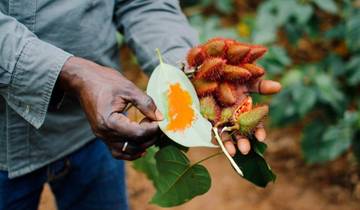
Spice Tour of Zanzibar
- ✓ Comprehensive Zanzibar tour
- ✓ Expert local guides included
- ✓ All accommodation arranged
- ✓ Transportation provided

3 days
3 Days Zanzibar Beach Holiday | Stone Town, White Sand Beaches & Indian Ocean Escape
- ✓ Comprehensive Zanzibar tour
- ✓ Expert local guides included
- ✓ All accommodation arranged
- ✓ Transportation provided

2 days
Explore our 1/2 Day Kuza Cave Private Tours & Excursions | The Best Guided Private Kuza Cave Trip in Zanzibar from Kizimkazi
- ✓ Comprehensive Zanzibar tour
- ✓ Expert local guides included
- ✓ All accommodation arranged
- ✓ Transportation provided

1 days
From Zanzibar: Mikumi Safari Day Trip with Flights and Lunch
- ✓ Comprehensive Zanzibar tour
- ✓ Expert local guides included
- ✓ All accommodation arranged
- ✓ Transportation provided
Multi-day tour packages powered by TourRadar. Prices and availability subject to change.
Essential Planning Information for 2026
Entry Requirements and Visa for 2026
Visitors to Zanzibar in 2026 enter through Tanzania’s unified visa system, requiring most nationalities to obtain authorization before arrival. Tanzania offers single-entry tourist visas at $50 for most passport holders, available through online e-visa application (recommended) or on arrival at Abeid Amani Karume International Airport. Check Tanzania Immigration Services for current official requirements and processing times. US citizens pay $100 for multi-entry visas, while East African Community residents enter visa-free. E-visa applications process within 10 business days and eliminate airport queuing, costing the same $50 as arrival visas. Some nationalities including South Africa, Mauritius, and several Caribbean nations enjoy visa exemptions for stays under 90 days.
Your passport requires six months validity beyond your intended departure date and at least two blank pages for entry stamps. Zanzibar, while semi-autonomous within Tanzania, follows mainland entry regulations without separate visa requirements. Yellow fever vaccination certificates are mandatory only for travelers arriving from yellow fever endemic countries within six days prior to arrival. COVID-19 entry requirements were lifted in 2023, though verification of current health regulations remains advisable through official channels before 2026 travel.
Currency and Payment Options in 2026
Zanzibar’s official currency is the Tanzanian Shilling (TZS), with exchange rates hovering around 2,300-2,500 TZS per US dollar in 2026. US dollars function as an unofficial second currency throughout Stone Town, accepted at hotels, tour operators, and many restaurants, though small vendors and local markets prefer shillings. Carry small denomination US bills ($1, $5, $10, $20) from 2006 or newer, as older or damaged bills face rejection due to counterfeit concerns. ATMs throughout Stone Town dispense Tanzanian shillings with standard international withdrawal fees of $3-5 plus your bank’s charges, with daily withdrawal limits typically at 400,000-600,000 TZS ($170-260).
Credit cards see acceptance at mid-range and upscale establishments, hotels, and tour operators, though 3-5% processing fees apply to Visa and Mastercard transactions. Cash remains essential for street food, local transport, markets, small shops, and budget accommodation, with many establishments offering better rates for cash payments. Exchange currency at banks or authorized forex bureaus for better rates than hotels, and avoid street money changers despite potentially attractive rates due to counterfeit risks. Mobile money services like M-Pesa operate throughout Zanzibar but require local SIM cards and registration, offering convenient payment at some local businesses but remaining impractical for short-term visitors.
Understanding Stone Town’s Layout and Navigation
Stone Town’s historic quarter occupies approximately 96 hectares along Zanzibar Island’s western shore, characterized by a dense network of narrow alleyways, dead-ends, and sudden open squares that developed organically over eight centuries. The town lacks systematic street naming or numbering, with navigation depending on landmark recognition and local directions rather than addresses. Creek Road and Kenyatta Road form the historic quarter’s eastern boundary, while the Indian Ocean waterfront defines the western edge, with most significant sites lying within a 10-15 minute walk of the central Forodhani Gardens.
Major thoroughfares include Gizenga Street (main market area), Hurumzi Street (connecting northern and southern quarters), and the Mizingani Road waterfront promenade. Getting lost in Stone Town’s labyrinth forms part of the authentic experience, though bearing in mind that walking downhill leads toward the waterfront while uphill heads toward Creek Road provides basic orientation. Most accommodations provide hand-drawn maps highlighting landmarks like the Big Tree at Kelele Square, the Old Fort, and major mosques that serve as navigation reference points. Mobile GPS functions poorly in the narrow alleyways due to tall buildings blocking satellite signals, making physical landmarks more reliable than smartphone navigation.
Understanding Stone Town’s UNESCO World Heritage Significance
Stone Town earned UNESCO World Heritage status in 2000 through its outstanding representation of Swahili coastal trading architecture and cultural fusion spanning eight centuries. The designation recognizes the town’s exceptional preservation of architectural elements combining Swahili, Arab, Persian, Indian, and European influences, reflecting the Indian Ocean’s historical role as a cultural and commercial crossroads. UNESCO criteria iii and vi apply: the site represents a unique testimony to a cultural tradition of Swahili coastal building and displays direct association with events, living traditions, and ideas of outstanding universal significance through its role in East African history.
The historic quarter maintains approximately 1,700 buildings within its 96-hectare core zone, with architectural highlights including ornately carved wooden doors featuring brass studs and Islamic geometric patterns, coral-stone construction methods dating to the 19th century, and distinctive baraza stone benches outside residences. The town’s spatial organization reflects Swahili social structures, with narrow winding streets providing natural climate control through shade and sea breezes, while courtyard houses maintain privacy aligned with Islamic cultural values. Portuguese, Omani Arab, Indian, and British colonial influences layer through architectural details, building styles, and urban planning elements.
Conservation challenges face Stone Town’s heritage structures, with many buildings experiencing deterioration from humidity, inadequate maintenance, and development pressures as population density increases. The Stone Town Conservation and Development Authority (STCDA) coordinates preservation efforts, requiring approval for modifications to historic structures and promoting traditional building techniques using coral stone and lime mortar. Several restoration projects have successfully demonstrated sustainable heritage conservation, including the Old Dispensary restoration and the House of Wonders rehabilitation, though ongoing work remains essential to preserve the quarter’s integrity for future generations.
The UNESCO designation brings both opportunities and responsibilities: international recognition attracts heritage tourism that generates economic benefits supporting conservation, while increased visitor numbers create management challenges regarding infrastructure strain, commodification of culture, and gentrification pressures affecting local residents. Your 2026 visit contributes to Stone Town’s preservation when you choose heritage-conscious accommodation, hire authorized guides for cultural insights, and support traditional crafts through purchases from local artisans rather than imported souvenir shops.
Best Time to Visit Stone Town in 2026
Seasonal Weather Patterns for 2026
Stone Town’s location 6 degrees south of the equator creates a tropical climate with two distinct rainy seasons and two dry periods affecting 2026 travel planning. The long dry season from June through October offers optimal conditions with minimal rainfall, comfortable temperatures of 25-28°C (77-82°F), and lower humidity levels around 70-75%. This period provides ideal weather for walking Stone Town’s alleyways, exploring outdoor markets, and enjoying rooftop dining without rain disruptions. July and August experience peak tourist volumes with European summer holidays, while June and September-October offer equally good weather with fewer visitors and 20-30% lower accommodation rates.
The short dry season spans December through February with hot temperatures reaching 30-32°C (86-90°F) and higher humidity at 80-85%, though minimal rainfall supports outdoor activities. This period coincides with European winter holidays and American festive season breaks, bringing maximum tourist numbers and premium pricing throughout December-January. The long rainy season from March through May brings heavy precipitation, particularly April with average rainfall exceeding 250mm, creating challenging conditions for exploring Stone Town’s predominantly outdoor attractions, though this period offers 40-50% discounts on accommodation and virtually empty streets for budget travelers accepting weather limitations.
Crowd Levels and Pricing Patterns Throughout 2026
Peak season pricing and maximum crowds occur during July-August and December-January 2026, when accommodation rates reach their highest levels and popular restaurants require reservations. Stone Town experiences moderate crowding even during peak periods due to its living heritage status with substantial local population, though major attractions like the Old Fort and House of Wonders see queuing during mid-morning high season. Mid-range hotels charge $120-200 per night during peak season compared to $70-140 during shoulder months, while tour operators maintain consistent pricing year-round with minimal seasonal variation.
Shoulder seasons (June, September-November, February) provide excellent value balancing weather conditions with lower tourist volumes, offering 20-35% savings on accommodation while maintaining good weather for exploration. November experiences increasing rainfall as the short rainy season begins, though early November maintains largely dry conditions. June stands out as an exceptional value month with dry season weather beginning, minimal tourist numbers before European holidays, and shoulder season rates across accommodation. Budget season during March-May offers maximum savings with 40-60% discounts from peak rates, though daily rain probability exceeds 60% and many upscale establishments close for annual maintenance during April-May.
Special Events and Cultural Celebrations in 2026
Zanzibar International Film Festival (ZIFF), East Africa’s largest cultural festival, occurs annually in July with exact 2026 dates announced approximately six months ahead. The week-long celebration transforms Stone Town through outdoor film screenings, music performances, traditional dance presentations, and art exhibitions, attracting regional and international visitors while requiring advance accommodation booking 2-3 months ahead. Eid al-Fitr and Eid al-Adha, Zanzibar’s most important Islamic celebrations, bring Stone Town alive with prayers, family gatherings, and festive markets, though dates follow the lunar calendar with Eid al-Fitr projected for late March/early April 2026 and Eid al-Adha in early June 2026 pending moon sightings.
Sauti za Busara, held in February at the Old Fort, showcases African music through four nights of performances featuring traditional and contemporary artists from across the continent. The Zanzibar Beach and Watersports Festival in October promotes marine tourism through beach clean-ups, water sports competitions, and environmental awareness programs. Mwaka Kogwa, the Shirazi New Year celebration in July, occurs in southern Zanzibar villages with traditional rituals including symbolic fighting, though organized tours depart Stone Town for this unique cultural experience. Independence Day on December 9 and Revolution Day on January 12 mark significant political anniversaries with ceremonies and celebrations, though these remain primarily governmental affairs with limited tourist programming.
Getting to Stone Town in 2026
International Flight Connections for 2026
Abeid Amani Karume International Airport (ZNZ) serves Stone Town 8 kilometers southeast of the historic quarter, receiving direct international flights and regional connections throughout 2026. Direct international routes include Emirates from Dubai (5.5 hours), Turkish Airlines from Istanbul (7 hours), Ethiopian Airlines from Addis Ababa (2.5 hours), Kenya Airways from Nairobi (1.5 hours), and RwandAir from Kigali (2 hours). Qatar Airways, Oman Air, and Edelweiss operate seasonal direct services during high season months. European travelers typically connect through Dubai, Doha, Istanbul, or Addis Ababa with total journey times of 12-16 hours from major European cities.
Regional flights connect Stone Town to Dar es Salaam (30 minutes, 10-15 daily flights), Kilimanjaro Airport (1.5 hours, 2-3 daily), Arusha (1.5 hours, 1-2 daily), and Mombasa (1 hour, 3-4 weekly). Precision Air, Coastal Aviation, and Auric Air operate domestic routes with good safety records and modern aircraft. Flight costs range $80-150 for Dar es Salaam connections, $200-350 for Kilimanjaro routes, and $350-650 for international segments depending on booking timing and season. Book international flights 3-4 months ahead for best rates and seat selection, with prices increasing substantially within 6 weeks of departure dates during high season periods.
Airport Transfer Options for 2026
Reaching Stone Town from Zanzibar Airport requires 20-30 minutes through modern paved roads, with multiple transfer options serving different budgets and preferences. Pre-arranged hotel transfers cost $15-30 per vehicle for up to 4 passengers, booked through accommodation providers or international transfer services, offering the most convenient door-to-door service with guaranteed availability regardless of arrival time. Taxi stands outside the terminal building charge fixed rates of 30,000-35,000 TZS ($13-15) per vehicle to Stone Town destinations, though negotiation may reduce rates by 10-15% during quiet periods, with journey times extending 5-10 minutes during afternoon traffic peaks.
Dalla-dalla public minibuses provide the most economical option at 2,000-3,000 TZS ($0.90-1.30) per person, departing from the main road 200 meters outside the airport terminal, though service operates only 6 AM-7 PM with irregular schedules and no luggage storage, making this impractical for visitors with standard baggage. Shared shuttle services offered by some hotels and guesthouses cost $5-8 per person with scheduled departures coordinating with major flight arrivals, requiring advance booking but offering significant savings for solo travelers compared to private taxis. Airport rental cars suit visitors planning extensive Zanzibar exploration beyond Stone Town, costing $35-60 daily for compact vehicles plus $15-25 daily parking fees at Stone Town accommodation, though narrow historic quarter streets limit driving utility.
Ferry Connections from Dar es Salaam in 2026
High-speed ferries connect Dar es Salaam’s ferry terminal to Stone Town throughout the day, offering an alternative to flights with ocean journey times of 90-120 minutes. Azam Marine and Kilimanjaro Fast Ferries operate multiple daily departures from 7 AM to 4 PM, with exact schedules varying seasonally and requiring confirmation 1-2 days before travel. Ferry tickets cost $35-40 for economy class, $60-70 for business class offering air-conditioning and reserved seating, and $90-100 for VIP lounges with refreshments included. Check ferry company websites for current official rates and booking options.
Book ferry tickets 2-3 days ahead during high season to secure preferred departure times, though same-day availability exists during shoulder periods outside holiday weeks. Arrive at Dar es Salaam ferry terminal 45-60 minutes before departure for check-in and security screening, bringing passport for passenger verification required by immigration authorities. Ferry services maintain good safety records with modern vessels equipped with life jackets, though motion sickness affects some passengers during rough seas, particularly March-May when weather conditions can delay or cancel departures. Stone Town’s ferry terminal occupies the Malindi waterfront immediately adjacent to the historic quarter, allowing walking access to central accommodation within 5-15 minutes of arrival.
Accommodation Guide for Stone Town 2026
Budget Accommodation Options (Under $50 per night)
Budget accommodation in Stone Town 2026 spans guesthouses, backpacker hostels, and basic hotels offering essential amenities at $25-50 per night for double rooms. Zanzibar Coffee House provides clean budget rooms at $30-45 with fans, shared bathrooms, and rooftop terrace access, located near Darajani Market with authentic local neighborhood atmosphere. Flamingo Guest House offers similar standards at $25-40 with some rooms featuring private bathrooms, though noise levels from nearby streets affect light sleepers. Jambo Guest House and Karibu Inn maintain simple but clean accommodations at $28-38 with fan-cooled rooms and basic breakfast included.
Backpacker hostels like Stone Town Backpackers and Zanzibar Backpackers cater to solo travelers and budget-conscious visitors with dormitory beds at $12-18 and private rooms at $35-45, featuring common areas, kitchen access, and social atmospheres facilitating traveler connections. These options typically lack air-conditioning, relying on ceiling fans and sea breezes for cooling, with hot water availability varying throughout the day. Street-facing rooms experience significant noise from early morning market activities and evening social gatherings, while inner courtyard rooms offer better sleep quality with trade-offs in natural light. Budget properties generally exclude swimming pools, restaurants, and concierge services, though most provide tour booking assistance and basic travel information.
Mid-Range Accommodation ($50-150 per night)
Mid-range accommodation dominates Stone Town’s heritage hotel sector, with renovated historic buildings offering authentic architectural experiences at $70-150 per night in 2026. Emerson Spice combines Zanzibar architectural heritage with boutique hotel comfort at $100-140, featuring restored merchant house rooms with carved wooden doors, four-poster beds, and rooftop restaurant serving excellent Swahili cuisine. Dhow Palace Hotel occupies a renovated 19th-century building at $80-120 with air-conditioned rooms, traditional furnishings, and small rooftop pool, providing good value for heritage ambiance without premium rates.
Zanzibar Palace Hotel offers elegant rooms at $90-130 in an atmospheric historic setting with attentive service and strategic location near major attractions. Tembo House Hotel, one of Stone Town’s longest-operating establishments, provides reliable mid-range comfort at $85-125 with waterfront location, swimming pool, and blend of historic character with modern amenities. Beyt al Chai boutique hotel maintains traditional architecture at $95-135 with limited rooms ensuring personalized service. These mid-range options include air-conditioning, en-suite bathrooms, breakfast, and often small pools or rooftop terraces, with some providing restaurants serving Swahili and international cuisine. Book 1-2 months ahead for high season to secure availability and better rates.
Luxury and Boutique Properties ($150+ per night)
Luxury accommodation in Stone Town 2026 focuses on exclusive boutique hotels occupying meticulously restored historic buildings, offering $200-500+ nightly rates with exceptional service, fine dining, and architectural significance. Park Hyatt Zanzibar, Stone Town’s first international luxury brand, commands $250-450 with contemporary luxury within historic architecture, featuring swimming pool, spa, multiple restaurants including Zamani Restaurant and Deck seafood grill, and premium waterfront location. The Residence Zanzibar provides ultimate luxury at $400-800 with villa accommodations, though located 45 minutes from Stone Town on the northeast coast.
Emerson Spice Tower top suites offer unique heritage luxury at $200-300 with rooftop location providing panoramic Stone Town views, antique furnishings, and access to acclaimed rooftop restaurant. Zanzibar Serena Hotel occupies two historic waterfront buildings at $220-380, combining Aga Khan-backed restoration quality with international hotel standards, featuring two restaurants, pool, spa, and impeccable service. These luxury options include all modern amenities plus cultural programming, cooking classes, private tours, and spa services, with some offering private boat excursions and personalized Zanzibar experiences. Book 2-3 months ahead for high season, particularly December-January when luxury properties reach capacity weeks before arrival dates.
Alternative Accommodation: Airbnb and Vacation Rentals
Vacation rental apartments and houses provide alternatives to traditional hotels in Stone Town 2026, ranging from $40-150 nightly for entire properties accommodating 2-6 guests. Restored Zanzibar townhouses offer authentic living experiences at $80-150 with full kitchens, multiple bedrooms, and private courtyards, ideal for families or groups wanting space and cooking facilities. Modern apartments in renovated buildings provide $50-90 options with air-conditioning, Western amenities, and self-catering capabilities, though often lacking the character of traditional hotels.
Airbnb listings span budget rooms in local homes at $25-40 to luxury heritage houses at $200-400, with quality varying significantly across properties. Prioritize listings with substantial reviews (25+ reviews) and recent bookings to avoid disappointments, as photos sometimes misrepresent actual conditions. Vacation rentals work well for longer stays exceeding 4-5 nights when cooking meals generates savings offsetting higher nightly rates compared to budget hotels. Consider locations carefully, as some rental properties occupy residential neighborhoods requiring 10-15 minute walks to main attractions through areas lacking evening lighting. Book vacation rentals 1-2 months ahead for high season, though greater availability exists compared to popular hotels during peak periods.
Top Attractions and Hidden Gems in Stone Town
Major Heritage Sites
House of Wonders (Beit-al-Ajaib) dominates Stone Town’s waterfront as East Africa’s tallest building constructed in 1883 by Sultan Barghash, featuring distinctive white pillars and a clock tower visible across the harbor. The building served as a ceremonial palace and currently houses the Museum of History and Culture of Zanzibar and the Swahili Coast, displaying exhibits on Swahili civilization, dhow construction, and Zanzibar’s cultural heritage. Entry costs $5 for adults, $2 for students with valid ID. Check national museum websites for current official rates and opening hours as the building underwent extensive restoration following partial collapse in 2020, with reopening scheduled for completion by late 2026. Photography is permitted throughout most areas, with the rooftop offering exceptional views over Stone Town and the Indian Ocean.
Old Fort (Ngome Kongwe), built by Omani Arabs in 1698-1701 on the site of a Portuguese chapel, serves as Stone Town’s oldest structure and hosts cultural events, craft shops, and the open-air amphitheater used for Sauti za Busara music festival. Entry is free with shops operating standard business hours, while evening performances require separate ticketing at $10-20 depending on events. The fort’s massive walls and bastions provide excellent photography opportunities, particularly during sunset hours when golden light illuminates the ancient stonework. The Forodhani Gardens immediately adjacent offer pleasant waterfront strolling and evening street food markets serving Zanzibar pizza, seafood skewers, and sugarcane juice.
Palace Museum (Sultan’s Palace/Beit el-Sahel) occupies the former residence of Zanzibar’s sultans from the 1880s until the 1964 revolution, displaying royal family artifacts, furnishings, and photographs documenting Zanzibar’s sultanate period. Entry costs $5 for adults, $2 for students, with guided tours included explaining the complex history of Zanzibar’s rulers and their relationships with Omani, British, and local powers. The waterfront location provides excellent views, while interior rooms preserve period furnishings demonstrating the lifestyle of 19th-century Zanzibar royalty.
Religious and Cultural Sites
Anglican Cathedral Church of Christ stands on the former slave market site, constructed 1873-1880 by Universities’ Mission to Central Africa following the slave trade’s abolition. The cathedral commemorates this significant historical transition, with the altar positioned where the slave market’s whipping post stood. Underground chambers preserve the slave holding pens, creating a powerful historical memorial. Entry costs $5 including access to the adjacent slave chambers and excellent historical displays. The cathedral features unique architecture combining Gothic and Arabic elements, with stained glass windows and a symbolic crucifix carved from wood taken from the tree under which David Livingstone’s heart was buried in Zambia.
Hamamni Persian Baths, constructed in 1888 by Sultan Barghash, represent the only surviving public baths in East Africa, modeled on Persian bathhouse traditions. Entry costs $3 with self-guided exploration through the various bath chambers showcasing different temperature rooms, domed ceilings with natural light apertures, and traditional bathing systems. The baths ceased operation in 1920, with conservation efforts maintaining structural integrity while allowing visitors to understand historical bathing practices.
Jami Mosque, Stone Town’s Friday mosque, serves as the quarter’s oldest mosque with construction beginning around 1830, though the current structure reflects substantial 1850s expansion and 20th-century renovations. Non-Muslims cannot enter during prayer times, though respectful exterior viewing is permitted at other times. The distinctive white minaret visible throughout Stone Town provides an important navigation landmark, while the adjacent area hosts active commercial activities reflecting the mosque’s role as a community gathering point.
Markets and Commercial Areas
Darajani Market, Stone Town’s central marketplace, operates daily 8 AM-6 PM offering the most authentic local experience within the historic quarter. The covered market sells fresh produce, spices, seafood, meat, household goods, and traditional medicines, creating a sensory experience of sights, sounds, and particularly aromatic spices that define Zanzibar’s trading heritage. Visit morning hours for maximum activity and freshest products, exercising caution with personal belongings in crowded areas. The market provides excellent photography opportunities, though always request permission before photographing vendors, with small purchases or tips (2,000-5,000 TZS) appreciated when taking portraits.
Spice shops line Gizenga Street and surrounding alleyways, selling cloves, cinnamon, vanilla, black pepper, cardamom, and other spices that made Zanzibar famous. Quality varies significantly between tourist-focused shops and vendors serving local buyers, with the latter offering better value and fresher products. Purchase spices by weight rather than pre-packaged tourist quantities, paying $5-12 per 100 grams for quality products compared to inflated $15-25 tourist prices for smaller amounts. Zanzibar spices make excellent gifts and souvenirs, maintaining quality for 12-18 months when stored properly in airtight containers.
Hurumzi Street and Gizenga Street host numerous craft shops and galleries selling Tingatinga paintings, Makonde carvings, Zanzibar doors replicas, textiles, and jewelry. Quality ranges dramatically from mass-produced imports to genuine artisan work, with prices negotiable at most establishments. Expect initial asking prices 50-100% above fair value, with good-natured bargaining expected and achieving 30-40% discounts through patient negotiation. Support authentic local crafts by purchasing directly from artist studios when possible, paying fair prices that support traditional skills while avoiding obviously mass-produced items likely manufactured on the mainland or imported from Asia.
Hidden Gems and Lesser-Known Sites
Mtoni Palace Ruins lie 5 kilometers north of Stone Town, representing the remains of Sultan Said’s largest palace built in the 1820s. The extensive ruins spread across formerly grand grounds overlooking the ocean, with Persian baths, gardens, and residential structures still visible despite decades of deterioration. Entry costs $3 with minimal interpretation, though the atmospheric ruins and ocean views provide excellent exploration for history enthusiasts. Reach Mtoni Palace through dalla-dalla #501 or #502 from Stone Town (30 minutes, 1,000 TZS) or taxi at 15,000-20,000 TZS ($6-9) round trip including waiting time.
Maruhubi Palace Ruins, closer to Stone Town at 3 kilometers north, preserve the remains of Sultan Barghash’s 1882 palace built for his harem of 99 concubines. The site features impressive pillars, Persian baths, and tropical gardens with informative signage explaining the palace’s history and daily life during Zanzibar’s sultanate period. Entry costs $3, accessible via dalla-dalla #501 (15 minutes, 800 TZS) or taxi at 10,000-15,000 TZS ($4-6) round trip. Visit late afternoon for photogenic light on the pillars and ocean backdrop.
Mangapwani Slave Caves, 20 kilometers north of Stone Town, comprise two main sites: a natural coral cave used for hiding slaves during the illegal trade period after 1873 abolition, and a built chamber with narrow access representing one of East Africa’s most evocative slavery memorial sites. Entry costs $5 with basic interpretation, though hiring a guide ($10-15) provides essential historical context and personal stories bringing the site’s significance alive. Reach Mangapwani through organized tours ($30-40 including Prison Island) or private taxi ($40-50 round trip with waiting time), as public transport requires multiple transfers with challenging logistics.
Budget Planning for Stone Town 2026
Daily Budget Breakdown by Travel Style
Budget travelers visiting Stone Town in 2026 spend $60-90 per person daily excluding accommodation, covering basic meals, entrance fees, local transportation, and modest activities. Budget accommodation adds $25-40 per night for hostel beds or basic guesthouse rooms with shared facilities, bringing total daily costs to $85-130 per person. This budget level includes street food breakfast at $2-4, local restaurant lunch at $5-8, modest dinner at $8-12, attraction entries at $15-20 across three sites, walking tours with tips at $15-25, and minimal snack purchases. Budget travelers rely primarily on walking for transportation within Stone Town, use dalla-dallas for longer distances, and cook occasional meals when staying in hostels with kitchen access. This approach allows comprehensive Stone Town exploration while minimizing costs through careful spending choices and avoiding premium services.
Mid-range travelers budget $120-180 per person daily, adding $70-150 nightly for comfortable heritage hotel accommodation, totaling $190-330 daily per person. This budget covers hotel breakfast, mid-range restaurant lunch at $12-18, quality dinner at $20-35, multiple attraction entries, organized walking tours at $20-30, occasional taxi use within Stone Town at $5-10 per trip, and flexibility for drinks, snacks, and spontaneous purchases. Mid-range budgets accommodate all major Stone Town attractions plus one organized day trip (spice tour $40-50 or Prison Island visit $45-60), comfortable dining featuring Swahili specialties, and evening rooftop dining experiences without constant cost consciousness limiting experience quality.
Luxury travelers allocate $250-400+ daily per person before accommodation, with heritage boutique hotels adding $200-500 nightly per room, creating total daily budgets exceeding $450-900 per person. Luxury budgets include gourmet dining at venues like Emerson Spice Rooftop at $40-70 per person, private guided tours at $80-120, premium day trips with exclusive access, spa treatments, sunset dhow cruises at $60-80, high-end shopping, and comprehensive service experiences. This level eliminates financial constraints from decision-making, focusing instead on experience quality, exclusivity, and comfort across all aspects of Stone Town exploration.
Meal Costs and Dining Budget for 2026
Street food and local eateries provide the most economical dining in Stone Town, with breakfast options including mandazi (fried dough) at $0.50-1, chai tea at $0.30-0.50, and chapati with beans at $1-2. Zanzibar pizza from Forodhani Gardens evening market costs $3-5, seafood skewers run $2-4, and sugarcane juice sells for $0.50-1. Local restaurants along Gizenga Street and near Darajani Market serve Swahili plates of ugali, fish, and vegetables at $4-7, biryani at $5-8, and pilau rice with chicken at $6-9. These authentic options provide the most economical dining while offering genuine Zanzibari culinary experiences.
Mid-range restaurants throughout Stone Town charge $12-25 per person for main courses, with establishments like Lukmaan Restaurant, Stone Town Café, and Archipelago Restaurant offering diverse menus combining Swahili specialties, Indian influences, and international options. Seafood dominates Stone Town dining, with fresh fish, octopus, calamari, and prawns featured prominently at prices ranging $15-30 depending on preparation and venue. Budget $35-50 per person for complete mid-range meals including appetizers, main courses, and non-alcoholic beverages.
Upscale dining at waterfront locations and rooftop venues costs $30-70 per person for multi-course meals. Emerson Spice Rooftop serves Zanzibari fusion cuisine at $40-60 per person in an atmospheric setting with Indian Ocean views. The Rock Restaurant, technically outside Stone Town on Michanvi Pingwe beach, offers premium seafood dining at $50-90 per person in its iconic setting on a rock outcrop, though reaching the restaurant requires $35-50 taxi transportation from Stone Town. Alcohol availability varies as Zanzibar follows Islamic traditions, with licensed establishments charging $8-15 for beer, $12-20 for cocktails, and $30-60 for wine bottles when available.
Transportation Costs Within Stone Town
Walking provides the primary transportation within Stone Town’s compact historic quarter, with most attractions accessible within 10-20 minute walks from central locations. Occasional taxi use costs $5-8 for trips within Stone Town boundaries, using vehicles stationed at designated taxi stands near major hotels and the Forodhani Gardens waterfront. Negotiate fares before entering taxis or request meter use when available, as overcharging affects tourists unfamiliar with appropriate rates. Short trips of 1-2 kilometers cost 8,000-12,000 TZS ($3.50-5.25), while 3-5 kilometer journeys run 15,000-20,000 TZS ($6.50-8.75).
Dalla-dallas (public minibuses) operate along major routes extending beyond Stone Town’s historic quarter to surrounding areas including Bwawani, Amaan Stadium, and the airport road. Fares cost 800-1,500 TZS ($0.35-0.65) depending on distance, with conductors calling destinations and collecting payment during transit. Dalla-dallas follow no fixed schedules, departing when full with 15-20 passengers, creating unpredictable waiting times ranging 5-30 minutes. These options suit adventurous budget travelers willing to navigate local transport systems, though limited English and absence of route maps create challenges for first-time visitors.
Bicycle and scooter rentals provide alternative exploration options at $8-15 per day for bicycles and $20-30 for scooters, though Stone Town’s narrow alleyways, pedestrian-focused design, and substantial crowds make cycling impractical within the historic core. Rentals work better for reaching outlying attractions like Mtoni Palace, Maruhubi Ruins, or beaches beyond Stone Town where road conditions improve and traffic reduces. Most rental operations require passport deposit or $100-200 cash security, returning deposits upon vehicle return without damage. International driving permits are technically required for motorized vehicles, though enforcement remains inconsistent for tourist scooter rentals.
Attraction Entry Fees and Tour Costs
Major Stone Town attractions charge entry fees ranging $3-6 per site, with most visitors entering 4-6 sites during 2-3 day stays creating total attraction costs of $20-36. House of Wonders costs $5, Palace Museum $5, Anglican Cathedral and Slave Chambers $5, Hamamni Persian Baths $3, Old Fort offers free entry except for special events. Check official websites for current rates and opening hours. Combined tickets providing entry to multiple National Museum sites under single pricing save $2-4 compared to individual entry fees, worth considering for visitors planning comprehensive heritage site exploration.
Walking tours represent excellent value for gaining Stone Town orientation and cultural context, costing $20-30 per person for 2-3 hour tours with English-speaking guides covering major sites, historical background, and local culture insights. Free walking tours operate on tip-based models, with guides expecting $10-20 tips per person based on tour quality and group size. Spice tours, while typically visiting plantations outside Stone Town, are commonly booked through Stone Town operators at $35-50 per person including transportation to farms, guided plantation tours explaining spice cultivation, traditional lunch, and return transport. Prison Island tours cost $45-60 including boat transfers, island entry, giant tortoise visits, and swimming opportunities.
Private guides charge $40-80 per half-day and $80-150 for full-day services, providing personalized Stone Town exploration, flexible scheduling, and customized interests focus. Private guides work particularly well for photography-focused tours, in-depth historical exploration, or visitors with limited mobility requiring pace adjustments. Sunset dhow cruises cost $50-80 per person for 2-3 hour sailboat experiences departing from Forodhani Gardens, including drinks and sometimes snacks, offering romantic evening ambiance and ocean perspectives of Stone Town’s waterfront architecture. Book tours through reputable operators or hotels to ensure quality guides, appropriate safety standards, and fair pricing avoiding inflated street vendor rates.
Sample Stone Town Itineraries for 2026
2-Day Stone Town Intensive (Budget Traveler)
Day 1: Begin with free walking exploration through Stone Town’s alleyways, starting at Forodhani Gardens and moving through the quarter’s northern section toward Creek Road. Breakfast features street mandazi and chai at $1.50. Visit House of Wonders $5, Old Fort free entry, and Palace Museum $5. Join afternoon free walking tour (tip $15). Lunch at local Swahili restaurant $6. Evening visit to Darajani Market for cultural immersion, followed by Forodhani Gardens street food dinner sampling Zanzibar pizza $4, seafood skewers $3, and sugarcane juice $0.80. Total Day 1 cost: $40.30 per person excluding accommodation.
Day 2: Morning spice tour via organized group tour $40 including transportation and plantation visit. Return early afternoon for Anglican Cathedral visit $5 and Slave Chambers exploration. Late afternoon walk to Hamamni Persian Baths $3. Budget dinner at local restaurant $7-8. Optional evening rooftop bar drink $5-8 for sunset views. Total Day 2 cost: $60-66 per person excluding accommodation.
2-Day Budget Total: $100-106 per person excluding accommodation ($50-80 for two nights hostel/basic guesthouse), bringing full 2-day experience to $150-186 per person.
3-Day Stone Town Explorer (Mid-Range Traveler)
Day 1: Hotel breakfast included in accommodation. Join comprehensive morning walking tour with professional guide $25 covering major historic sites and cultural context. Lunch at Stone Town Café $15-18. Afternoon visits to House of Wonders $5, Palace Museum $5, and Old Fort for leisure exploration. Sunset drink at Africa House Hotel rooftop $8-12. Dinner at Archipelago Restaurant $25-30. Evening stroll through illuminated Stone Town alleyways. Total Day 1 cost: $83-95 per person excluding accommodation.
Day 2: Morning Prison Island tour with boat transfer $50-60 including giant tortoise visits and snorkeling opportunities. Return for late lunch at Lukmaan Restaurant $12-15. Afternoon Anglican Cathedral $5 and Slave Chambers visit providing historical depth. Relax at accommodation during hot afternoon hours. Evening dinner at waterfront restaurant $30-35 followed by Forodhani Gardens atmosphere. Total Day 2 cost: $97-115 per person excluding accommodation.
Day 3: Morning spice plantation tour $40-45 with traditional lunch included. Return early afternoon for Hamamni Baths $3 and final shopping at craft markets for souvenirs (budget $30-50). Late afternoon sunset dhow cruise $60-70 featuring sailing experience and drinks. Light evening dinner at Stone Town restaurant $15-20. Total Day 3 cost: $148-188 per person excluding accommodation.
3-Day Mid-Range Total: $328-398 per person excluding accommodation ($210-450 for three nights mid-range heritage hotel), bringing full 3-day experience to $538-848 per person.
4-Day Comprehensive Stone Town Discovery (Luxury Traveler)
Day 1: Arrival and hotel breakfast. Private guided Stone Town orientation tour $80-100 providing customized introduction to quarter’s architecture, history, and culture. Lunch at boutique hotel restaurant $25-35. Afternoon spa treatment at Park Hyatt or Serena Hotel $80-120 for relaxation after travel. Sundowner cocktails at rooftop venue $15-20. Evening dinner at Emerson Spice Rooftop $50-65 featuring Zanzibari fusion cuisine. Total Day 1 cost: $250-340 per person excluding accommodation.
Day 2: Private boat charter for Prison Island and Nakupenda Sandbank $150-200 per person including snorkeling, swimming, beach time, and seafood lunch. Return late afternoon for leisure time at hotel pool. Evening cultural performance at Old Fort when available (check schedule) $15-25, followed by waterfront dining $40-60. Total Day 2 cost: $205-285 per person excluding accommodation.
Day 3: Exclusive private spice tour $80-100 with expert guide and luxury transport, followed by cooking class experience $60-80 learning traditional Swahili cuisine preparation. Afternoon visits to Palace Museum $5, House of Wonders $5, and Anglican Cathedral $5 with private guide providing detailed historical context. Evening sunset dhow cruise on private charter $120-150 per person including premium beverages and canapes. Dinner at The Silk Route or 6 Degrees South $50-70. Total Day 3 cost: $320-410 per person excluding accommodation.
Day 4: Morning shopping expedition to high-end galleries and artisan studios with personal shopping assistant $100-150 budget for quality purchases. Lunch at Park Hyatt restaurant $30-40. Afternoon photography tour with professional photographer guide $150-200 capturing Stone Town’s architecture and street scenes. Final evening farewell dinner at premium seafood restaurant $60-80, followed by rooftop cocktails $20-30. Total Day 4 cost: $360-500 per person excluding accommodation.
4-Day Luxury Total: $1,135-1,535 per person excluding accommodation ($800-2,000 for four nights luxury boutique property), bringing full 4-day experience to $1,935-3,535 per person.
Cultural Experiences and Local Life
Understanding Swahili Culture and Etiquette
Stone Town operates as a predominantly Muslim community where Islamic cultural values shape daily life, dress codes, and social interactions. Visitors should dress modestly when exploring the historic quarter, with shoulders and knees covered particularly when entering religious sites or local neighborhoods away from tourist areas. Women benefit from carrying lightweight scarves for covering shoulders or hair when entering mosques or conservative areas, though headscarves aren’t required for non-Muslims in public spaces. Men should avoid walking shirtless outside beach areas, with conservative dress demonstrating cultural respect.
Greeting protocols emphasize respectful acknowledgment, with “Jambo” (hello) and “Asante” (thank you) representing essential Swahili phrases appreciated by locals. Handshakes follow Islamic tradition with right hands only, as left hands are considered unclean in East African culture. When photographing people, always request permission first, with many locals expecting small compensation (2,000-5,000 TZS or $0.90-2.20) for posed portraits, particularly in market areas where vendors may be sensitive about photography affecting their work. Public displays of affection between couples are discouraged in Stone Town’s conservative environment, with hand-holding generally acceptable but kissing or embracing drawing disapproving attention.
Ramadan, the Islamic holy month of fasting, affects Stone Town operations significantly when occurring during travel dates (Ramadan 2026 projected for March 2026, exact dates pending lunar calendar). Many restaurants close during daylight hours, with reduced services affecting lunch options throughout the quarter. Evening iftar meals breaking the daily fast create special communal atmospheres worth experiencing, with restaurants and street vendors offering festive foods and locals gathering for prayers and social interaction. Visitors should avoid eating, drinking, or smoking publicly during Ramadan daylight hours out of respect for fasting residents, with these activities acceptable within hotel properties.
Swahili Language Basics
Swahili serves as Tanzania’s national language alongside English, with Stone Town residents generally speaking Swahili in daily life and English when interacting with tourists. Learning basic Swahili phrases enhances cultural connections and demonstrates respect for local culture, with pronunciation following phonetic patterns making words relatively easy for English speakers. Essential phrases include: “Habari?” (How are you?) answered with “Nzuri” (Good), “Karibu” (Welcome), “Tafadhali” (Please), “Pole pole” (Slowly/carefully, often heard when vendors encourage browsing), “Hakuna matata” (No problem, though overused by tourists).
Numbers prove particularly useful when negotiating prices or asking for costs: Moja (one), mbili (two), tatu (three), nne (four), tano (five), sita (six), saba (seven), nane (eight), tisa (nine), kumi (ten), ishirini (twenty), mia (hundred), elfu (thousand). Food-related terms include chakula (food), maji (water), kahawa (coffee), chai (tea), nyama (meat), samaki (fish), and pilau (spiced rice dish). Directional words like kushoto (left), kulia (right), moja kwa moja (straight ahead), and karibu (near) help when asking for directions, though locals often provide directions by landmarks rather than street names given Stone Town’s complex layout.
Traditional Arts and Crafts
Stone Town maintains several traditional craft practices worth exploring beyond typical tourist shopping. Zanzibar chests, ornately carved wooden storage boxes featuring brass decorations, represent the islands’ furniture-making heritage, with authentic pieces costing $150-400 depending on size and detail quality. Smaller replicas and newly made versions sell at $40-120, providing accessible souvenirs reflecting traditional craftsmanship. Zanzibar doors, famous for their elaborate carved details, brass studs, and diverse cultural motifs, inspire modern craftwork including small door replicas, decorative panels, and furniture elements ranging $30-200.
Tingatinga paintings, Tanzania’s most distinctive art style featuring colorful naive depictions of wildlife, village life, and landscapes, fill numerous galleries throughout Stone Town. Quality varies dramatically from mass-produced tourist items at $15-30 to genuine artist-created works commanding $80-250 based on size, detail, and artist reputation. Visit galleries like Sasik Gallery or Zanzibar Gallery for curated collections with quality assurance, or explore the Hurumzi Street area where multiple small galleries and artist studios offer diverse selections. Makonde carvings, created by the Makonde people from southern Tanzania and northern Mozambique, showcase abstract and figurative wooden sculptures ranging $25-150 for small pieces to $200-800 for substantial artworks from recognized carvers.
Kangas, colorful rectangular cotton fabrics featuring Swahili proverbs printed along borders, serve as traditional East African women’s garments with multiple practical uses from clothing to baby carriers to home decoration. Purchase quality kangas at $5-12 per piece from fabric shops rather than inflated tourist boutiques charging $15-25 for identical items. Each kanga features a Swahili saying printed in its border, with locals happy to translate the meanings expressing wisdom, love, social commentary, or humor. Spices represent Stone Town’s most practical craft purchase, with quality products available at $5-15 per 100 grams for cloves, vanilla, cinnamon, and distinctive Zanzibar pepper varieties.
Food and Dining Guide for Stone Town 2026
Traditional Swahili Cuisine
Swahili cuisine blends African, Arab, Indian, and Persian influences reflecting centuries of Indian Ocean trade, creating distinctive flavors characterized by coconut, spices, and fresh seafood. Pilau, aromatic rice cooked with meat or vegetables and fragrant spices including cardamom, cinnamon, and cloves, represents a Stone Town staple served at celebrations and available daily at local restaurants for $5-8. Biryani, brought by Indian traders, features layered rice and meat preparation with yogurt and spice marinade, served at $6-10 depending on protein choice and restaurant level.
Urojo (Zanzibar soup), Stone Town’s signature street food, combines potato crisps, bhajia (fried lentil fritters), cassava, boiled eggs, fresh cilantro, and tangy tamarind sauce in a unique sweet-spicy-savory flavor profile served in bowls at $2-4 from street vendors throughout the quarter. Mishkaki, marinated meat skewers grilled over charcoal, provide popular street food at $2-4 per portion with beef, chicken, or goat options served with fresh lime and chili sauce. Octopus curry, a Zanzibar specialty, features tender octopus braised in coconut curry sauce with tomatoes and spices, available at seafood restaurants for $12-18 and representing the island’s marine bounty.
Zanzibar pizza, despite its name, bears little resemblance to Italian pizza, consisting of thin wheat dough filled with vegetables, egg, cheese, or meat, folded into a square package and grilled on a griddle at Forodhani Gardens evening market for $3-6. Mandazi, slightly sweet fried bread similar to doughnuts, serves as breakfast staple throughout East Africa, available from street vendors at $0.30-0.60 per piece and excellent dunked in chai tea. Chapati, unleavened flatbread cooked on griddles, accompanies most meals as a staple carbohydrate, served at restaurants for $0.50-1 per piece or available from street vendors wrapped around spiced vegetables or beans for $1-2.
Seafood Specialties
Stone Town’s waterfront location provides access to exceptional seafood with daily catches arriving at Forodhani Gardens fish market each morning. Octopus, squid, barracuda, red snapper, kingfish, tuna, and prawns feature prominently on menus, prepared through grilling, curries, or coconut-based stews. Seafood prices at local restaurants run $8-15 for grilled fish, $12-18 for octopus curry, $15-25 for prawns, and $20-35 for mixed seafood platters. Mid-range establishments charge $15-25 for well-prepared seafood main courses, while upscale venues command $30-50 for the same fish with elevated presentation and waterfront ambiance.
Lobster availability varies seasonally, with closed seasons protecting breeding populations typically March-June, though regulations change based on conservation needs. When available, lobster costs $35-60 depending on size and preparation at restaurants, significantly cheaper than European or American prices but expensive within Tanzanian context. Forodhani Gardens evening market offers the most economical seafood dining, with fresh fish, octopus tentacles, prawns, and calamari grilled on charcoal braziers and served on paper plates at $2-5 per portion, creating an authentic and atmospheric dining experience under starlight alongside locals and tourists.
Recommended Restaurants by Budget
Budget Dining (Under $10): Lukmaan Restaurant, Stone Town’s most famous budget eatery, serves Swahili curries, biryani, and seafood at $4-8 in a no-frills setting with excellent food quality and large portions. Forodhani Gardens evening street food market (6 PM onwards) offers the most authentic dining experience with vendors selling Zanzibar pizza, seafood skewers, sugarcane juice, and urojo soup. Small restaurants along Gizenga Street near Darajani Market serve local workers with Swahili plates at $4-7, providing genuine neighborhood atmosphere. Hajaloo Restaurant near the Old Fort offers fresh juices, sandwiches, and light meals at $3-6 in a casual setting.
Mid-Range Dining ($10-30): Stone Town Café serves varied menu combining Swahili dishes, Indian curries, and international options at $12-20 in an atmospheric heritage building with courtyard seating. Archipelago Restaurant offers creative Swahili-international fusion at $15-25 with excellent seafood and vegetarian options in an elegant setting. Tea House Restaurant provides multi-course meals at $15-25 featuring fresh seafood and traditional preparations in a restored merchant house. Abyssinian Maritim Restaurant serves Ethiopian and Swahili dishes at $12-22 near the Old Fort with rooftop terrace dining.
Upscale Dining (Over $30): Emerson Spice Rooftop ranks as Stone Town’s most celebrated restaurant serving Zanzibari fusion cuisine at $40-65 per person for multi-course meals in an atmospheric rooftop setting with Indian Ocean views and traditional Swahili music. Book 1-2 days ahead for dinner. The Silk Route at Serena Hotel offers fine dining combining Swahili and international cuisine at $35-55 with impeccable service and elegant ambiance. 6 Degrees South at Park Hyatt Zanzibar features contemporary global cuisine at $40-70 in a sophisticated waterfront setting with wine list and cocktail program. The Monsoon Restaurant serves upscale Swahili seafood at $35-60 in a beautifully restored Arab house with intimate courtyard dining.
Booking and Reservations for Stone Town 2026
When to Book for Optimal Availability
High season periods (July-August and December-January) require booking accommodation 2-3 months ahead to secure preferred properties at reasonable rates, with the best heritage hotels reaching capacity 6-8 weeks before major holiday periods. Mid-range accommodation maintains better availability than budget options during peak season, as budget hostels and guesthouses offer fewer total beds creating capacity constraints. Popular boutique properties like Emerson Spice, Park Hyatt Zanzibar, and Zanzibar Serena Hotel book completely for holiday weeks 3-4 months ahead, though cancellations occasionally create last-minute availability.
Shoulder season months (June, September-November, February) provide flexibility with 3-4 week advance booking sufficient for most accommodation preferences, though spontaneous booking risks missing preferred properties as Stone Town’s limited heritage hotel inventory sells steadily even outside peak periods. Budget season (March-May) allows last-minute booking flexibility, with many properties offering same-day availability and willingness to negotiate rates for longer stays or walk-in reservations. Book directly with properties when possible for best rates and flexibility, as third-party booking platforms charge properties 15-20% commission that gets reflected in higher rates or reduced willingness to accommodate special requests.
Reliable Booking Platforms and Tour Operators
Booking.com dominates online accommodation reservations for Stone Town, offering comprehensive property listings, reliable reviews, and flexible cancellation policies that prove valuable for travel planning uncertainty. Properties list officially on Booking.com with verified descriptions and photos, providing protection against misrepresentation common with informal bookings. Airbnb offers vacation rental options ranging from budget rooms to entire heritage houses, though quality verification proves more challenging with greater variability between listing descriptions and actual conditions.
Zanzibar Tourist Board (www.zanzibartourism.go.tz) maintains official information and licensed operator directories, though website functionality proves inconsistent requiring patience. Reputable tour operators include Eco+Culture Tours, offering sustainable heritage tourism with knowledgeable guides and fair pricing at $30-50 per person for walking tours and $45-65 for day excursions. Sama Tours operates comprehensive day trips including spice plantations, Prison Island, and Stone Town walking tours at competitive rates with good English-speaking guides. Mr Kahawa Zanzibar Tours provides budget-friendly options at $25-40 per person with enthusiastic guides and small group sizes creating more personalized experiences.
Book spice tours, Prison Island trips, and sunset dhow cruises directly through hotel concierges or established operators rather than street vendors, ensuring appropriate safety standards, insurance coverage, and quality guides. Hotels typically add 10-15% commission to tour prices but provide accountability and recourse if experiences fail to meet standards. Independent travelers comfortable with direct booking save money approaching operators directly, though this requires research to identify legitimate businesses versus opportunistic vendors. Verify operator licensing through Zanzibar Tourist Board when booking significant excursions, particularly boat trips where safety equipment and maintenance standards vary dramatically between professional operators and informal arrangements.
Cancellation Policies and Flexibility
Stone Town accommodation cancellation policies vary by property and season, with most heritage hotels offering free cancellation 7-14 days before arrival during shoulder season and 14-30 days during peak periods. Budget guesthouses maintain more flexible policies due to lower demand pressure, often allowing free cancellation 3-7 days ahead. Booking platform policies typically override individual property rules when reservations book through third-party services, with Booking.com generally enforcing their listed cancellation terms regardless of what properties might offer for direct bookings.
Peak season reservations frequently require 50-100% deposits at booking with limited refund provisions for cancellations inside 30 days of arrival, particularly for holiday weeks when properties turn away requests. Consider purchasing travel insurance covering trip cancellation when booking expensive accommodation or making substantial advance commitments, as policy costs of $50-100 for $2,000-3,000 trip values provide protection against illness, emergency, or unforeseen circumstances forcing cancellation. Read cancellation terms carefully before confirming reservations, noting differences between “free cancellation” (full refund), “partial refund” (forfeit deposit), and “non-refundable” (no refund) rate categories.
Tour operators typically require 24-48 hours notice for cancellations with full refunds, though weather-dependent activities like dhow cruises may reschedule rather than refund when conditions prove unsuitable. Private tours with dedicated guides often require 3-7 days notice for full refunds due to guide scheduling commitments, though operators usually accommodate rescheduling within the same trip dates without penalty. Pay tour deposits of 20-30% when booking with balances due upon service delivery, avoiding full prepayment unless booking through established operators with strong reputations and online review histories demonstrating reliability.
Practical Travel Tips for Stone Town 2026
Health and Safety Considerations
Stone Town maintains relatively good safety standards for visitors with lower crime rates than many East African urban areas, though basic precautions protect against pickpocketing and opportunistic theft in crowded market areas. Leave expensive jewelry, watches, and unnecessary valuables in accommodation safes, carrying only cash needed for daily activities plus one credit card for emergencies. Pickpocketing occurs primarily in Darajani Market and crowded ferry terminal areas during peak travel times, with incidents targeting distracted tourists examining goods or dealing with luggage. Use front pockets or money belts for cash and passports, keeping cameras and phones secured when not actively using them.
Walking after dark in Stone Town’s well-populated areas near major hotels and Forodhani Gardens proves generally safe, though avoid isolated alleyways away from main thoroughfares after 10 PM. Solo female travelers report feeling comfortable exploring Stone Town during daylight hours, though unwanted attention from touts and vendors occurs, addressed through firm but polite rejection. Avoid aggressive street vendors offering tours or services by making eye contact, saying “hapana” (no) clearly, and continuing walking without engaging in conversation that vendors interpret as negotiation opportunities.
Health precautions include drinking only bottled or filtered water, avoiding ice in drinks outside upscale hotels, and exercising caution with street food during hot afternoon hours when hygiene standards may decline. Malaria risk exists year-round in Zanzibar requiring prophylaxis medication, with options including daily doxycycline ($0.50-1 per tablet), weekly mefloquine ($4-6 per tablet), or daily atovaquone-proguanil ($3-4 per tablet) depending on medical history and preferences. Consult travel medicine specialists 4-6 weeks before departure for current antimalarial recommendations. Dengue fever and chikungunya viruses transmit through daytime-biting mosquitoes requiring 24-hour insect precautions including DEET-based repellent (20-30% concentration), long sleeves and pants during dawn and dusk periods, and accommodation with screens or air-conditioning keeping mosquitoes outside.
Communication and Internet Access
Mobile phone connectivity in Stone Town operates reliably through Vodacom, Airtel, and Tigo networks offering 4G coverage throughout the historic quarter and wider Zanzibar Island. Purchase local SIM cards at airport arrival (recommended) or mobile network shops throughout Stone Town for $2-5 including initial data allocation. Data packages cost $5-10 for 5-10GB monthly plans, $15-20 for 20-30GB plans, providing sufficient connectivity for map navigation, messaging apps, and social media use throughout your visit. International roaming charges from home networks typically exceed $10-20 per day, making local SIM cards economically sensible for stays exceeding 3-4 days.
WiFi availability spans most accommodation options, cafes, and restaurants, though connection speeds and reliability vary substantially between properties. Heritage hotels generally provide reliable WiFi throughout public areas and guest rooms, while budget guesthouses may offer spotty connectivity or limited bandwidth affecting video calls and large file uploads. Forodhani Gardens waterfront and areas around Old Fort provide public WiFi with variable quality. Coffee shops and restaurants offering WiFi include Mercury’s Restaurant, Mtoni Marine Centre, and various cafes along Kenyatta Road, often requiring purchases for access codes.
WhatsApp serves as the primary communication method for booking confirmations, tour arrangements, and local business interactions, with most operators responding quickly to WhatsApp messages while email replies may take 24-48 hours. Download offline map data for Stone Town through Google Maps or Maps.me before arrival, as GPS functionality operates without data connectivity for basic navigation. Stone Town’s narrow alleyways challenge GPS accuracy, with physical landmarks proving more reliable than smartphone navigation for finding specific addresses within the historic quarter’s maze of similar-looking passages.
Money and Financial Management
ATMs operate throughout Stone Town with concentrations near Forodhani Gardens, along Kenyatta Road, and at major hotels, dispensing Tanzanian shillings with daily withdrawal limits typically 400,000-600,000 TZS ($170-260). International transaction fees charged by your home bank typically range $3-5 per withdrawal plus 1-3% foreign exchange charges, making larger infrequent withdrawals more economical than multiple small transactions. Barclays Bank and Stanbic Bank ATMs generally maintain better reliability and cash availability than smaller bank networks, functioning 24 hours with security guards present at many locations.
Carry a mix of US dollar cash (small bills 2006 or newer), Tanzanian shillings, and at least one credit card for emergencies and larger transactions. Exchange currency at banks or licensed forex bureaus for better rates than hotels, with competitive rates at People’s Bank of Zanzibar, NBC Bank, and several forex bureaus along Gizenga Street. Count all money carefully when receiving change, as shortchanging affects tourists particularly in busy market environments. Hotels add 3-5% processing fees for credit card payments, making cash preferred for smaller properties though upscale establishments handle cards efficiently.
Budget approximately 20% above your calculated daily costs for unexpected expenses, spontaneous purchases, tips, and price variations from estimated amounts. Tipping expectations in Stone Town follow moderate standards: restaurants 10% for good service (when service charges aren’t included), tour guides $5-10 per person per day, hotel porters $1-2 per bag, and housekeeping $1-2 daily. Taxi drivers don’t expect tips when fares are negotiated, though rounding up to the nearest 5,000 TZS on metered rides shows appreciation for good service.
Packing Essentials for Stone Town
Lightweight, modest clothing suits Stone Town’s tropical climate and conservative culture, with cotton and linen fabrics providing comfort in humidity. Pack long, loose-fitting pants or skirts, lightweight long-sleeved shirts for sun and cultural protection, and comfortable walking shoes with good support for extensive historic quarter exploration. Sandals work well for casual evening wear and beach excursions, though closed-toe shoes prove necessary for Darajani Market visits and uneven alleyway walking. Bring lightweight scarf or shawl for women covering shoulders when entering religious sites or conservative areas, serving double duty as sun protection and modest covering.
Essential practical items include reef-safe sunscreen (SPF 30-50), insect repellent with 20-30% DEET, reusable water bottle with filter or purification tablets, small first-aid kit with basic medications, hand sanitizer, and wet wipes for hygiene in public toilet situations. Pack prescription medications in original containers with copies of prescriptions, and bring antimalarial prophylaxis with sufficient supply for your entire trip plus 1-2 weeks after departure. Photography equipment should include camera, extra batteries (charging opportunities occur daily in accommodation), memory cards with backup storage, and microfiber cloth for lens cleaning in dusty conditions.
Waterproof phone case or dry bag protects electronics during dhow cruises and beach excursions, while universal power adapter with USB ports charges multiple devices simultaneously (Tanzania uses UK-style 3-pin plugs with 220V electricity). Bring photocopy of passport photo page, extra passport photos (useful for unexpected permit needs), travel insurance documents, and emergency contact information. Download offline map data, translation apps, currency converters, and essential travel documents before departure to ensure access without connectivity. Light daypack carries daily essentials during exploration, with slash-proof design and lockable zippers providing additional security in crowded areas.
Frequently Asked Questions About Stone Town 2026
Do I need a guide to explore Stone Town?
Guides enhance Stone Town understanding through historical context, architectural details, and cultural insights not apparent from independent exploration, though the compact quarter allows successful self-guided visiting. Organized walking tours costing $20-30 per person provide excellent value for initial orientation during first day visits, explaining Swahili culture, Islamic architecture, and Stone Town’s trading heritage while efficiently covering major sites. Independent exploration afterward builds upon this foundation, allowing spontaneous discoveries and personal pace matching individual interests. Stone Town’s maze-like layout means getting temporarily lost while exploring, which forms part of the authentic experience, though major landmarks like the waterfront, Old Fort, and House of Wonders provide reliable orientation points.
Is Stone Town safe for solo female travelers?
Stone Town receives many solo female travelers who report feeling generally safe exploring during daylight hours with standard urban precautions against pickpocketing and unwanted attention. The conservative Muslim culture creates respectful environments, though some female visitors experience persistent attention from male touts and vendors offering tours, transport, or companionship. Firm, polite rejection typically ends unwanted approaches, with phrases like “hapana, asante” (no, thank you) delivered without extended eye contact discouraging further interaction. Dress modestly covering shoulders and knees to minimize unwanted attention while respecting local customs. Most hotels in Stone Town cater to international guests with staff understanding solo traveler needs and providing security information. Avoid isolated alleyways after 10 PM, use taxis for evening returns to accommodation in quieter areas, and trust instincts about situations feeling uncomfortable.
Can you drink alcohol in Stone Town?
Alcohol availability in Stone Town follows Zanzibar’s Islamic cultural context, with licensed establishments serving beer, wine, and spirits to tourists while many local restaurants maintain alcohol-free policies. Hotels catering to international visitors generally serve alcohol at restaurants and bars, with mid-range and upscale properties offering full bars featuring local Safari and Kilimanjaro beers at $3-5, imported beers at $5-7, wine at $30-60 per bottle, and spirits at $8-15 per drink. Some restaurants in Stone Town serve alcohol with meals, though others maintain strict alcohol-free policies requiring advance inquiry when planning evening dining. Forodhani Gardens and street food markets don’t serve alcohol, aligning with local customs and Islamic values. Purchase alcohol at licensed shops near major hotels for private consumption, with selections limited compared to Western standards and prices reflecting import costs and excise taxes.
How long should I spend in Stone Town?
Stone Town merits 2-3 full days for comprehensive exploration covering major heritage sites, cultural experiences, and atmospheric neighborhood wandering, with additional days allowing day trip excursions to spice plantations, Prison Island, and nearby beach areas. Two-day visits provide sufficient time for core Stone Town attractions including House of Wonders, Palace Museum, Anglican Cathedral, markets, and evening street food experiences, with organized walking tours and one cultural excursion fitting comfortably into this timeframe. Three-day stays add depth through leisurely pace, additional heritage sites, shopping time, multiple dining experiences sampling various Swahili specialties, and sunset dhow cruises. Four or more days suit visitors using Stone Town as a base while exploring broader Zanzibar attractions including beach areas, diving opportunities, and historical sites across the island. Many visitors combine 2-3 nights in Stone Town with 4-7 nights at beach destinations on Zanzibar’s east coast for balanced heritage and relaxation experiences.
What’s the best way to get around Stone Town?
Walking provides the best transportation within Stone Town’s compact historic quarter, with most attractions reachable within 10-20 minute walks from central locations. The maze-like alleyway system requires accepting occasional disorientation as part of the authentic experience, with the Indian Ocean waterfront serving as reliable orientation when lost—walking downhill leads toward the waterfront while uphill heads toward Creek Road and the quarter’s eastern boundary. Taxis suit early morning airport transfers, late evening returns to accommodation, and reaching attractions outside the historic core like Mtoni Palace or Maruhubi Ruins at $5-15 per trip. Dalla-dallas (public minibuses) offer economical transport for adventurous travelers at under $1 per journey, though irregular schedules and crowded conditions make these impractical for typical tourist needs. Bicycle and scooter rentals ($8-15 daily for bikes, $20-30 for scooters) work poorly within Stone Town’s narrow, pedestrian-oriented alleyways but provide good options for exploring wider Zanzibar areas beyond the historic quarter.
Is Stone Town suitable for families with children?
Stone Town welcomes families with children offering cultural education, historical interest, and manageable daily walking distances, though limited child-specific attractions require creative engagement strategies. Families succeed in Stone Town by pacing exploration with breaks for pool time at accommodation, incorporating engaging elements like spice plantation tours (children enjoy seeing vanilla, cinnamon, and tropical fruits), Prison Island giant tortoise visits, and beach days balancing cultural immersion with active play. The Old Fort’s open spaces provide running room, while Forodhani Gardens waterfront offers evening entertainment watching local life and sampling street foods. Stroller use proves impractical in Stone Town’s narrow, uneven alleyways, with baby carriers working better for young children needing transportation. Many mid-range and upscale hotels provide family rooms accommodating parents with 1-2 children, though budget properties typically offer standard double rooms only. Child-friendly restaurants serve familiar foods alongside Swahili dishes, with grilled fish, chicken, rice, and fresh fruits available everywhere. Consider children’s heat tolerance in tropical conditions, carrying water, sunscreen, and snacks for energy maintenance during walking exploration.
When is Ramadan in 2026 and how does it affect visiting Stone Town?
Ramadan 2026 projects to occur approximately March 2026, with exact dates determined by moon sightings announced shortly before commencement following Islamic lunar calendar. During Ramadan, practicing Muslims fast from dawn to sunset, affecting restaurant operations throughout Stone Town with many local establishments closed during daylight hours and reopening for iftar (breaking fast) meals around 6:30-7 PM. Tourist-oriented hotels and restaurants generally maintain daytime service for non-Muslim guests, though selections may be limited. Experiencing iftar creates special cultural opportunities, with Forodhani Gardens transforming into festive communal dining as locals break their daily fasts together. Visitors should avoid eating, drinking, or smoking publicly in streets and markets during Ramadan daylight hours out of respect for fasting residents, with these activities acceptable within hotel properties. Some cultural sites maintain reduced hours or close during afternoon prayers, requiring flexible scheduling. The spiritual atmosphere during Ramadan offers unique cultural insights, though travelers sensitive to limited dining options and modified operating hours might prefer avoiding this period.
Can I use credit cards in Stone Town or do I need cash?
Stone Town operates primarily as a cash economy, with US dollars and Tanzanian shillings essential for most transactions outside upscale hotels and established tour operators. Credit cards (Visa and Mastercard primarily, limited American Express acceptance) work at mid-range and luxury hotels, some restaurants, and professional tour operators, though 3-5% processing fees typically apply to card transactions. Budget accommodation, street food, markets, small shops, taxis, and local services require cash payment exclusively, with many vendors offering better rates for cash versus card due to avoided processing fees. ATMs throughout Stone Town dispense Tanzanian shillings reliably, though bring backup US dollar cash (small bills 2006 or newer) for situations when ATMs malfunction or when dollar payments prove advantageous. Carry sufficient cash for 2-3 days of planned spending plus emergency reserve, as ATM availability, while good in Stone Town, becomes limited when exploring Zanzibar’s rural areas or beach zones.
What should I wear when visiting Stone Town?
Modest dress covering shoulders and knees respects Stone Town’s Islamic culture while providing practical sun protection in tropical conditions. Men should wear lightweight long pants or knee-length shorts with collared shirts or t-shirts, avoiding walking shirtless outside beach contexts. Women benefit from long, loose-fitting skirts or pants with lightweight tops covering shoulders, bringing scarves or shawls for additional covering when entering mosques or conservative areas. Beachwear and revealing clothing should remain limited to hotel pool areas and beach destinations, not worn while walking through Stone Town’s residential quarters and cultural sites. Comfortable walking shoes with good support prove essential for historic quarter exploration over uneven surfaces, with sandals appropriate for evening casual wear. Lightweight, breathable fabrics like cotton and linen provide comfort in humidity, with earth tones and darker colors showing less dust and dirt from market visits than light-colored clothing. Conservative dress demonstrates cultural respect, reduces unwanted attention, and actually increases comfort by providing sun protection and reducing overheating through loose-fitting garment ventilation.
Are there beaches in Stone Town itself?
Stone Town lacks conventional beaches, occupying a working waterfront with ferry terminals, fishing harbors, and coral-stone foundations meeting the ocean without sandy shores. The Forodhani Gardens waterfront provides ocean access with sea wall promenade suitable for sunset viewing and evening strolls, though not beach recreation. Zanzibar’s famous pristine white sand beaches lie 30-90 minutes from Stone Town on the island’s northern, eastern, and southern coasts, easily reached through organized tours, private transfers, or public dalla-dallas. Popular beach destinations include Nungwi and Kendwa (northern tip, 60-90 minutes, $25-40 private transfer), Paje and Jambiani (east coast, 60 minutes, $35-50 private transfer), and Nakupenda and Prison Island for day trip beach experiences accessible by boat. Most visitors combine Stone Town cultural exploration with 4-7 nights at beach resorts for comprehensive Zanzibar experiences balancing heritage tourism with tropical relaxation. Day trips from Stone Town to beaches work well for visitors with limited time, though beach destinations deserve extended stays for optimal enjoyment and value from accommodation investments.