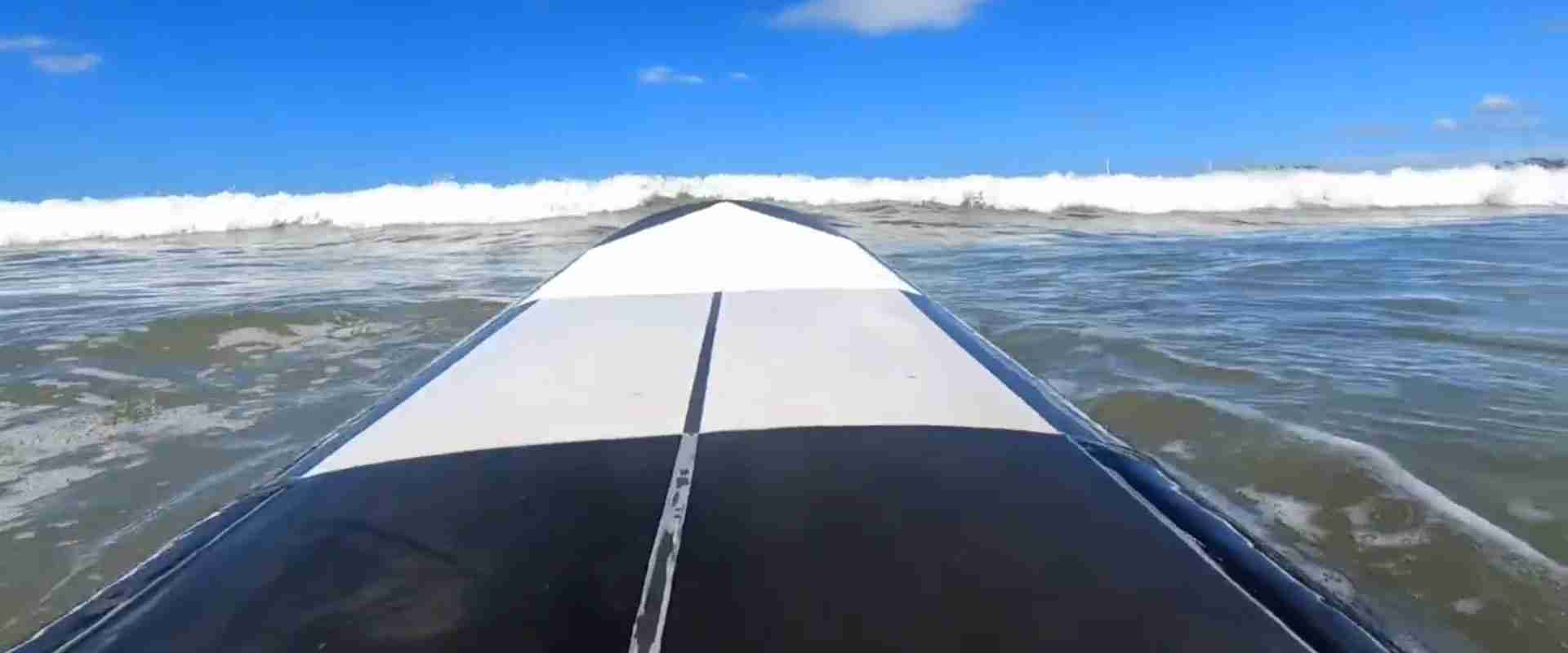
Tamarindo Surf Lessons 2026: Best Schools & Beaches
This comprehensive guide analyzes Tamarindo’s surf school landscape for 2026, examining teaching methodologies, equipment quality, instructor certifications, beach break characteristics, seasonal wave patterns, pricing structures, and booking strategies that maximize learning outcomes while ensuring safe, enjoyable introductions to surfing culture.
Key Takeaways
- Group surf lessons cost $45-65 per 2-hour session in 2026, semi-private $85-120, private $120-180 depending on school and season
- Tamarindo’s main beach offers consistent waves year-round with ideal conditions for beginners from May through November
- Multi-day packages save 15-25% compared to single sessions, with 5-day courses costing $200-280 at established schools
- Morning lessons (7-9 AM) provide best learning conditions with smaller crowds, calmer winds, and cooler temperatures
- Book surf lessons 2-4 weeks ahead during high season (December-April) to secure preferred instructors and time slots
- All reputable schools include surfboard, rash guard, instruction, and beach safety training in lesson prices
Planning Your Tamarindo Surf Experience in 2026
Tamarindo stands as Costa Rica’s premier surf learning destination, combining consistent year-round waves with warm water, professional instruction infrastructure, and beginner-friendly beach breaks that create the perfect environment for first-time surfers. The town’s surf school industry has evolved into one of Central America’s most developed teaching ecosystems, with over 25 certified surf schools operating along the main beach and surrounding breaks, providing instruction in multiple languages with internationally certified instructors and modern equipment fleets.
The 2026 surf season in Tamarindo brings refined booking systems, enhanced safety protocols following international surf instruction standards, and expanded lesson formats catering to different learning styles and experience levels. Understanding the distinctions between Tamarindo’s surf schools, recognizing optimal beach conditions for learning, and implementing strategic booking approaches transforms surf lesson experiences from generic tourist activities into structured skill-building programs that establish solid surfing foundations.
People Also Ask About Tamarindo Surf Lessons 2026
How much do surf lessons cost in Tamarindo in 2026?
Group surf lessons cost $45-65 per 2-hour session in Tamarindo for 2026, with semi-private lessons (2-3 students) ranging $85-120 and private one-on-one instruction costing $120-180 per session (check individual school websites for current rates as pricing varies by season). Multi-day packages offer significant savings, with 5-day group courses typically priced at $200-280 compared to $225-325 for individual sessions. Peak season rates (December-April) run 15-20% higher than green season pricing (May-November), while early morning slots cost the same as afternoon sessions at most schools. Package deals bundling 3-7 days of lessons save 15-25% compared to single-session pricing, making multi-day commitments economically advantageous for travelers planning extended Tamarindo stays.
What is the best time of day for surf lessons in Tamarindo in 2026?
Morning sessions from 7-9 AM provide optimal learning conditions in Tamarindo throughout 2026, with offshore winds creating cleaner wave faces, smaller crowds reducing collision risks, and cooler temperatures preventing early fatigue during physically demanding instruction. Mid-morning slots (9-11 AM) offer similar conditions with slightly increased beach activity but remain excellent for learning. Afternoon lessons (2-4 PM) face stronger onshore winds creating choppier conditions and higher crowd levels as local surfers finish work, though water temperatures stay comfortable year-round at 78-84°F. Sunrise sessions capture the calmest ocean conditions with glassy wave faces ideal for reading wave patterns and practicing pop-up techniques, while afternoon slots work well for travelers who prefer sleeping later or spreading beach time across the day.
Do I need previous surfing experience for Tamarindo lessons in 2026?
Zero prior surfing experience is required for beginner surf lessons in Tamarindo, with all established schools offering complete introduction programs designed for first-time surfers starting from beach safety fundamentals and ocean awareness. Instructors teach proper paddling techniques, wave selection strategies, pop-up mechanics, and balance fundamentals during 2-hour sessions structured to have most students riding waves independently by session end. Basic swimming ability is strongly recommended though not always mandatory, with some schools requiring students to demonstrate comfort in chest-deep water before progressing to wave riding. Intermediate and advanced lessons serve surfers with previous experience seeking to refine techniques, learn new maneuvers, or access more challenging breaks with guided instruction.
What’s included in Tamarindo surf lesson packages for 2026?
Standard surf lesson packages in Tamarindo include surfboard rental (soft-top foam boards for beginners), rash guard or wetsuit top, professional instruction from certified teachers, beach safety briefing, and wave-riding supervision throughout 2-hour sessions. Premium schools add photography services capturing students’ first waves, video analysis for technique improvement, post-lesson feedback sessions, and access to shower facilities with secure storage. Multi-day packages often include equipment use between lessons, allowing practice time without instructors, plus progressive curriculum mapping that builds skills systematically across sessions. Transportation from hotels to lesson locations is included by some schools for accommodations within Tamarindo’s main town area, while others charge $5-10 per person for pickup services from outlying properties.
Extended multi-day tours – 5+ days
Featured Costa Rica Multi-Day Tour Packages

10 days
Essential Costa Rica – Package with Manuel Antonio National Park
- ✓ Comprehensive Costa Rica tour
- ✓ Expert local guides included
- ✓ All accommodation arranged
- ✓ Transportation provided
10 days
Costa Rica Adventure
- ✓ Comprehensive Costa Rica tour
- ✓ Expert local guides included
- ✓ All accommodation arranged
- ✓ Transportation provided
9 days
Costa Rica Quest
- ✓ Comprehensive Costa Rica tour
- ✓ Expert local guides included
- ✓ All accommodation arranged
- ✓ Transportation provided
10 days
Essential Costa Rica – Package with Guanacaste
- ✓ Comprehensive Costa Rica tour
- ✓ Expert local guides included
- ✓ All accommodation arranged
- ✓ Transportation provided
Multi-day tour packages powered by TourRadar. Prices and availability subject to change.
Essential Planning Information for 2026 Surf Lessons
Current Costs and Pricing Structure
Tamarindo’s surf lesson pricing for 2026 reflects the town’s position as Costa Rica’s premier surf instruction destination, with rates structured around lesson format, group size, instructor experience level, and seasonal demand patterns. Understanding these pricing dynamics enables strategic booking decisions that balance budget constraints with learning quality objectives.
Group Lesson Pricing (4-8 students per instructor): Standard 2-hour group sessions cost $45-65 in 2026 depending on school reputation and season (check school websites for current official rates as pricing may vary). High season rates (December-April) average $55-65, while green season pricing (May-November) drops to $45-55 as schools compete for fewer tourists. Group lessons provide cost-effective instruction with the social benefits of learning alongside other beginners, though individual attention from instructors is necessarily limited compared to smaller formats.
Semi-Private Instruction (2-3 students): Semi-private lessons range $85-120 per person for 2-hour sessions, offering significantly more personalized feedback while maintaining some cost savings through shared instructor time. This format works well for couples, friends, or family members with similar skill levels wanting more individual attention without full private lesson costs. Schools typically require groups to book together, with single travelers unable to join existing semi-private sessions due to skill-matching complexities.
Private One-on-One Sessions: Individual private lessons cost $120-180 for 2 hours, providing maximum instructor attention with customized pacing, immediate technique correction, and flexibility to focus on specific skills or challenges. Private instruction accelerates learning curves substantially, with many students achieving in one private session what might require 2-3 group lessons to accomplish. Advanced surfers seeking to refine specific maneuvers or access more challenging breaks benefit most from private formats.
Multi-Day Package Discounts: Five-day surf packages (one 2-hour lesson daily) cost $200-280 for group instruction, $400-550 for semi-private, and $550-800 for private lessons, representing 15-25% savings compared to purchasing individual sessions. Three-day packages cost $130-180 (group), $240-330 (semi-private), and $330-500 (private). Seven-day intensive programs range $270-380 (group), $550-750 (semi-private), and $750-1150 (private). Package pricing makes extended learning commitments economically advantageous while providing the repetition necessary for skill retention and progression.
Kids and Family Programs: Children’s surf lessons (ages 5-12) cost the same as adult group rates at most schools, with some offering slight discounts for family packages booking 3+ students simultaneously. Family packages for 4 people (2 adults, 2 kids) range $160-220 per 2-hour session with semi-private instruction format, compared to $480-720 booking four separate private lessons. Minimum age requirements vary by school from 4-7 years old, with younger children requiring private instruction for safety reasons.
Equipment Quality and Safety Standards
Equipment quality varies significantly across Tamarindo’s surf school spectrum, directly impacting learning success and safety outcomes. Reputable schools maintain fleet sizes of 50-150 surfboards with regular replacement cycles ensuring students learn on modern, properly maintained equipment rather than worn-out boards with compromised performance characteristics.
Beginner surfboards in quality programs measure 8-9 feet in soft-top foam construction, providing the stability, buoyancy, and safety necessary for first-time wave riding. These boards feature rounded rails, foam deck padding, and flexible fins that minimize injury risks during falls while offering forgiving performance characteristics that facilitate standing and balance. Schools replacing foam boards annually or biannually maintain equipment that performs as designed, while budget operations using boards multiple years old force students to learn on equipment with reduced buoyancy, delaminated decks, and damaged fins that complicate already challenging learning processes.
Rash guards provided by schools protect against sun exposure and surfboard friction, with premium programs offering long-sleeve lycra tops in sizes ranging from children’s XS to adult XXXL. Quality rash guards feature flatlock stitching preventing chafing, UPF 50+ sun protection, and quick-dry materials that remain comfortable throughout 2-hour sessions. Budget schools sometimes provide worn rash guards with sun damage reducing UV protection effectiveness or limited size ranges forcing poor fits that cause discomfort during lessons.
Safety equipment standards include first aid kits, emergency communication devices (radios or cell phones in waterproof cases), and rescue boards for instructor use during emergencies. ISA (International Surfing Association) certified schools follow standardized safety protocols with instructor-to-student ratios capped at 1:8 for group lessons, 1:4 for intermediate instruction, and 1:2 for advanced wave access. These ratios ensure instructors can monitor all students simultaneously while responding quickly to difficulties or dangerous situations.
Best Surf Schools in Tamarindo 2026
Top-Rated Established Schools
Witch’s Rock Surf Camp: Operating since 2001, Witch’s Rock represents Tamarindo’s largest and most comprehensive surf instruction operation with a main facility directly on Tamarindo Beach, a dedicated beginner wave pool for fundamental skill practice, and an equipment fleet exceeding 200 surfboards. The school employs 30+ instructors during high season, all holding ISA certifications with bilingual English-Spanish capabilities and many possessing additional language skills for French, German, or Portuguese speakers.
Witch’s Rock’s 2-hour group lessons cost $65 in 2026 high season, $55 in green season, with 5-day packages at $280 (high season) and $240 (green season). The school’s structured curriculum progresses students through defined skill levels with assessment protocols ensuring appropriate wave access based on demonstrated abilities. Post-lesson video analysis included in multi-day packages provides visual feedback showing technique flaws and improvement areas. The on-site accommodation packages bundling lessons with hotel stays offer convenience for dedicated surf-focused trips, though booking flexibility is reduced compared to separate lesson and lodging arrangements.
Iguana Surf: Established in 1991 as Tamarindo’s original surf school, Iguana Surf maintains reputation for experienced instructors (average 10+ years teaching experience) and small group sizes capped at 6 students per instructor compared to industry standard 8:1 ratios. The school operates from a beachfront location with equipment storage, changing facilities, and a retail shop selling surf accessories, beachwear, and sunscreen at competitive prices.
Iguana Surf’s group lessons cost $60 (high season) and $50 (green season) for 2-hour sessions, with 5-day packages at $260 and $220 respectively. Semi-private instruction runs $100 per person with guaranteed maximum 3 students per instructor. The school’s strength lies in instructor quality and teaching consistency, with many instructors working exclusively for Iguana Surf year-round rather than splitting time between multiple operations. This dedicated instructor base creates better student-teacher matching and more personalized progression tracking across multi-day packages.
Blue Trailz: Founded in 2007, Blue Trailz differentiates through eco-conscious operations using recycled and sustainable materials in equipment where possible, beach cleanup initiatives integrated into lesson programs, and partnerships with marine conservation organizations. The school’s instructors complete enhanced environmental education training beyond standard surf instruction certifications, incorporating ocean ecology information into lessons.
Blue Trailz charges $55 for group lessons year-round (no seasonal pricing variation), $95 for semi-private sessions, and $140 for private instruction. Five-day packages cost $240 (group), $420 (semi-private), and $630 (private). The school’s all-women instructor team (rotating 8-12 instructors depending on season) creates comfortable learning environments particularly valued by female surfers, though male students receive equally professional instruction. Photography packages adding professional surf photos cost an additional $35 per session or $125 for 5-day package inclusion.
Specialized and Boutique Programs
Tamarindo Surf Academy: This smaller operation (6-8 instructors) focuses on intensive skill development with mandatory video analysis after each session, detailed written feedback on technique progression, and customized practice drills between lessons. The academy’s programs target serious learners committed to rapid improvement rather than casual vacation surfers seeking introductory experiences.
Pricing reflects the premium instruction quality with group lessons at $70, semi-private at $115, and private at $165 per 2-hour session. Multi-day packages require minimum 3-day commitments at $195 (group), $315 (semi-private), or $450 (private) for the 3-day intensive program. The academy’s approach suits motivated learners willing to invest extra money for accelerated progression but may overwhelm casual participants wanting relaxed, fun-focused introduction to surfing.
Freedom Riding Surf School: Operated by former professional surfer Diego Naranjo, Freedom Riding specializes in intermediate-to-advanced instruction for surfers beyond basic wave-riding skills. The school guides students to Tamarindo’s more challenging breaks including Pico Pequeño, Langosta, and Henry’s reef break, locations inappropriate for beginners but offering progression opportunities for developing surfers.
Advanced group lessons (4 students maximum) cost $75 per session with 3-day minimums required. Private coaching runs $180 per 2-hour session focusing on specific maneuver development like bottom turns, cutbacks, or aerial attempts. The school requires students to demonstrate proficient paddling, wave-catching ability, and basic turns before accepting bookings, ensuring groups maintain skill homogeneity necessary for effective advanced instruction.
Beach Breaks and Learning Conditions 2026
Tamarindo Main Beach Characteristics
Tamarindo’s main beach stretches approximately 1.5 kilometers along a gentle crescent-shaped bay, creating multiple wave zones with varying characteristics suitable for different skill levels. The beach’s sandy bottom composition eliminates sharp reef hazards common at many Costa Rican surf breaks, allowing beginners to fall safely while learning pop-up techniques and balance fundamentals. Multiple sandbars form along the beach length depending on seasonal sand movement, generating left and right breaking waves with different shoulder lengths and power levels.
The northern section near the estuary mouth produces the most consistent beginner waves, with sandbars creating gentle 2-4 foot rollers that break slowly across broad shoulders allowing extended ride time. This zone sees highest concentration of surf school activity, with 10-15 lessons running simultaneously during peak morning hours (8-10 AM). The central beach area generates slightly larger, faster waves suitable for progressing beginners and intermediate surfers, while the southern sections toward Langosta produce more powerful breaks recommended only for experienced surfers.
Wave consistency at Tamarindo ranks among Central America’s highest, with rideable surf occurring 300+ days annually. The beach faces directly west-southwest, capturing swells from South Pacific storms year-round while also receiving North Pacific energy during November-April period. This dual swell exposure ensures consistent wave production regardless of seasonal patterns, though wave size and power vary significantly between wet and dry seasons.
Seasonal Wave Patterns and Conditions
Dry Season (December-April): High season in Tamarindo brings offshore winds from the northeast creating clean wave faces during morning hours (6-11 AM), with winds typically switching onshore by noon. Wave heights average 3-5 feet during this period, with larger 6-8 foot swells arriving every 7-10 days from South Pacific storm systems. These conditions challenge beginners during bigger swell days but create ideal learning environments on smaller days between major swells. Crowds peak during dry season with 20-30 surfers in beginner zones during prime morning hours, requiring enhanced awareness and safety consciousness from all water users.
Green Season (May-November): The wet season produces smaller, more manageable wave conditions ideal for first-time surfers, with average heights of 2-4 feet and fewer large swell days. Morning winds remain calm though onshore winds arrive earlier (10 AM-noon) compared to dry season patterns. The tradeoff for smaller waves comes as afternoon rain showers occurring 3-5 days per week, though mornings typically remain dry for early lessons. Significantly reduced crowds during green season create less congested learning environments with 8-12 surfers in beginner zones compared to 20-30 during high season.
Optimal Learning Months: June through October provides the best combination of manageable wave size, warm water temperatures (80-84°F), reduced crowds, and favorable pricing for beginner surf lessons. Wave consistency remains high while wave power stays in the ideal 2-3 foot range for first-time surfers. September and October represent the absolute peak learning months with minimal crowds, smallest average wave sizes, and highest probability of glassy morning conditions extending beyond 11 AM.
Alternative Beach Breaks for Lessons
Playa Langosta: Located immediately south of Tamarindo main beach, Langosta offers quieter learning environments with fewer crowds and similar beginner-friendly conditions. The beach’s northern sections feature gentle sandbars ideal for first lessons, while the southern reef break (experienced surfers only) demonstrates progression possibilities. Several surf schools conduct lessons at Langosta to escape main beach crowds, though transportation from Tamarindo town requires 5-10 minute drives or 15-20 minute walks along the beach connecting the two areas.
Playa Grande: This protected beach (part of Las Baulas National Marine Park) sits 10 minutes north of Tamarindo across the estuary, accessible via boat shuttle ($2 per crossing) or 15-minute drive around the estuary. Grande offers wider beach space with significantly fewer surfers, creating low-pressure learning environments ideal for nervous beginners. The beach’s status as sea turtle nesting habitat creates access restrictions during October-February evening hours (6 PM-6 AM) when nesting occurs, though daytime lessons remain unrestricted year-round.
Playa Avellanas: Located 20 minutes south of Tamarindo, Avellanas provides the area’s most advanced breaks with powerful reef waves inappropriate for beginners but offering progression opportunities for intermediate surfers after establishing fundamentals. Some surf schools offer advanced instruction at Avellanas for students completing multi-day beginner programs, though separate transportation arrangements and typically higher lesson fees apply for this more remote location.
Booking Strategies for 2026
Advance Reservation Timing
Booking timeline strategy in Tamarindo varies dramatically between high season (December-April) and green season (May-November) periods, with advance reservation benefits and requirements differing substantially across these timeframes. Understanding seasonal booking dynamics enables securing preferred schools, instructors, and lesson times while maintaining flexibility for weather or schedule changes.
High Season Booking (December-April): Reserve surf lessons 2-4 weeks in advance during peak travel months to ensure availability at top-rated schools and access to morning time slots (7-10 AM) when conditions are optimal. Popular schools like Witch’s Rock and Iguana Surf fill morning sessions 3-4 weeks ahead during Christmas holidays (December 20-January 5) and Easter week (dates vary March-April), with afternoon slots remaining available with shorter booking windows of 1-2 weeks. Private lessons require longest advance booking (3-4 weeks) as schools employ limited numbers of instructors qualified for one-on-one instruction compared to larger group-lesson instructor pools.
Early booking (4+ weeks ahead) sometimes provides marginal discounts of 5-10% at smaller schools seeking to fill calendars, though major operations rarely discount given consistent demand. The primary booking advantage comes from instructor selection and time slot access rather than pricing benefits. Travelers with fixed vacation dates benefit most from early reservations ensuring lesson availability during their Tamarindo stay, while flexible travelers can wait until 1-2 weeks out when late-availability deals occasionally appear.
Green Season Booking (May-November): Book surf lessons 3-7 days in advance during low season to maintain planning flexibility while ensuring instructor availability. Schools operate reduced instructor staffs during green season (40-60% of high season capacity), creating occasional full-booking situations despite lower overall demand. Same-day and next-day bookings succeed frequently during May-November, particularly for afternoon sessions and mid-week dates (Tuesday-Thursday) when tourist volumes drop below weekend levels.
Green season travelers gain flexibility to assess weather forecasts before committing to specific lesson dates, valuable given the period’s afternoon rain patterns. Booking 3-4 days ahead allows checking extended forecasts while maintaining access to morning time slots. Last-minute bookings (1-2 days notice) work well for afternoon lessons or weekend sessions when walk-in business creates additional instructor availability.
Multi-Day Package Considerations
Multi-day surf packages deliver significant cost savings (15-25% compared to individual sessions) while providing the repetition necessary for skill retention and meaningful progression. However, package commitments reduce flexibility for schedule changes, weather adjustments, or switching schools if initial lessons prove unsatisfactory. Strategic package booking requires balancing economic benefits against flexibility trade-offs.
Trial Lesson Approach: Book a single introductory lesson before committing to multi-day packages, allowing assessment of instructor quality, teaching style compatibility, group size comfort, and beach conditions at specific schools. This approach costs 15-25% more overall compared to booking full packages immediately but eliminates risks of being locked into unsuitable programs. Schools offering “upgrade” options allowing initial single lessons to convert into package pricing (receiving retroactive discounts on first lesson) provide ideal flexibility, though not all operations extend this option.
Split-Package Strategy: Purchase 3-day packages initially rather than 5-7 day commitments, allowing course corrections if teaching quality, group dynamics, or personal progression rates differ from expectations. After completing initial packages, book additional days as individual lessons or secondary packages based on satisfaction levels and advancement needs. This approach sacrifices some package discount benefits but maintains significant flexibility throughout the learning process.
School Comparison Packages: Book single lessons at 2-3 different highly-rated schools during the first few days of Tamarindo stays, experiencing different teaching approaches, equipment quality, and beach location preferences before committing to multi-day packages. While this eliminates package discounts on comparison lessons, it ensures the eventual multi-day commitment happens with the best-fit school for individual learning styles and preferences. Budget-conscious travelers can offset comparison costs by targeting schools offering intro-session promotions or discounts for first-time students.
Direct Booking vs Third-Party Platforms
Surf lesson bookings occur through three primary channels: direct school bookings (via phone, email, or walk-in), online travel platforms (Viator, GetYourGuide, TripAdvisor Experiences), and hotel concierge arrangements. Each channel presents distinct pricing, flexibility, and service characteristics that impact overall lesson experiences and costs.
Direct School Bookings: Booking directly with surf schools through their websites, phone contact, or in-person visits to their facilities typically offers lowest prices (matching or beating third-party platform rates), maximum scheduling flexibility, and direct communication with instructors or school managers. Schools save the 15-25% commission fees charged by online platforms when receiving direct bookings, sometimes passing these savings to customers through last-minute discounts or package upgrades. Direct bookings also enable specific instructor requests, detailed question-answering about teaching approaches, and customized lesson timing based on individual schedules or preferences.
Payment requirements vary by school, with some requiring full prepayment via credit card or PayPal, others accepting 50% deposits with balances due before lessons, and walk-in focused operations allowing cash payment on lesson days. Cancellation policies for direct bookings range from full refunds with 48-72 hour notice to strict no-refund policies regardless of notice period, making careful policy review essential before committing to prepaid lessons.
Online Travel Platforms: Third-party booking platforms like Viator, GetYourGuide, and TripAdvisor Experiences charge 5-15% premium compared to direct school pricing but provide consolidated reviews, simplified booking processes, and standardized cancellation policies (typically full refunds with 24 hour notice). These platforms suit travelers preferring centralized trip planning with all activities booked through single accounts, though the price premiums and limited customization options represent clear trade-offs.
Platform bookings also create communication barriers between students and schools, with questions or special requests filtered through third-party customer service rather than directly with instructors. Last-minute schedule changes become more complex when coordinating through intermediary platforms versus direct school contact. However, platforms provide dispute resolution processes and refund guarantees that offer protection if schools fail to deliver promised services or lesson quality falls significantly below described standards.
Hotel Concierge Arrangements: Many Tamarindo hotels maintain partnerships with specific surf schools, offering convenient booking through concierge services with lessons charged to room accounts or prepaid as package components. Concierge bookings typically carry highest prices (10-20% above direct school rates) as hotels receive commissions from schools for referrals. Quality varies widely based on whether hotels partner with top-rated schools or prioritize commission rates over instruction quality.
The convenience factor sometimes justifies premium pricing for travelers wanting streamlined planning without research time, though spending 30-60 minutes researching and contacting schools directly saves $20-50+ per person on multi-day packages. Hotels occasionally bundle surf lessons into accommodation packages at rates competitive with direct booking, making package deals worth investigating before assuming concierge pricing exceeds alternatives.
Sample 2026 Surf Lesson Itineraries
3-Day Beginner Intensive Program
Day 1 – Fundamentals and First Waves: Morning 7:30 AM lesson begins with 30-minute beach session covering safety protocols, ocean awareness, paddling techniques, and pop-up mechanics on dry land. Instructors demonstrate proper board positioning, paddle stroke form, and the explosive pop-up motion that transitions students from prone to standing positions. The beach practice phase allows students to develop muscle memory for pop-up sequences before attempting the movement in unstable ocean environments.
The water phase (90 minutes) starts in waist-deep water where instructors push students onto small whitewash waves while coaching pop-up timing and balance adjustments. Most students catch 15-25 waves during first sessions, with typical success rates of standing successfully on 3-8 waves depending on athleticism and previous board sport experience. Instructors provide constant feedback on paddling positioning, pop-up timing, and stance adjustments while ensuring students surf only appropriate waves for their skill levels.
Lesson costs $60, drinking water $3-5, post-lesson breakfast $8-12. Total day cost: $71-77 per person (excluding accommodation).
Day 2 – Wave Selection and Positioning: Second lesson advances to green wave riding for students who demonstrated solid pop-ups on day one, or continues whitewash wave practice for those still developing fundamental skills. Instructors teach wave-reading techniques including identifying wave approach angles, estimating breaking points, and positioning for optimal catching positions. Proper wave selection dramatically impacts riding success, with experienced surfers catching 60-70% of targeted waves compared to beginners’ 20-30% success rates when wave-reading skills remain undeveloped.
The session includes instruction on paddling strategies for reaching lineup positions, timing paddle bursts to match wave speed, and angling boards to follow wave shoulders rather than riding straight toward beach. Students typically catch 20-30 waves during second sessions with improved success rates as muscle memory from day one reduces conscious thought requirements for pop-up execution, freeing mental capacity for wave reading and positioning decisions.
Lesson costs $60, water $3-5, lunch $10-15. Total day cost: $73-80 per person (excluding accommodation).
Day 3 – Turning Fundamentals and Independent Surfing: Final intensive lesson introduces basic turning techniques using weight distribution shifts and rail engagement to control direction during rides. Instructors demonstrate frontside and backside turning mechanics (turning toward vs. away from wave face), explaining how proper stance positioning enables controlled turns rather than relying on arm movements that create minimal directional impact.
The session also develops independent wave-catching abilities, with instructors providing less direct assistance and encouraging students to paddle for and catch waves without pushing help. This transition from assisted to independent surfing represents critical progression enabling continued practice after lesson programs conclude. By day three, most students catch 5-12 waves independently without instructor pushing, though success rates remain lower than assisted wave-catching experienced on days one and two.
Lesson costs $60, water $3-5, celebratory lunch $15-20, equipment rental for afternoon practice $15-20 (optional). Total day cost: $78-105 per person (excluding accommodation).
3-Day Program Total Costs: Lessons $180, meals and water $31-47, optional afternoon rental $15-20. Total 3-day cost: $211-247 per person (excluding accommodation $180-300 for mid-range options).
5-Day Progression Package
Days 1-2: Follow intensive 3-day program structure (fundamentals, wave selection, positioning) with additional emphasis on repetition building muscle memory and confidence. Students require 2-3 sessions before pop-up movements become automatic, allowing focus to shift from mechanical execution to wave reading and positioning strategy.
Day 3: Turning technique introduction with emphasis on looking in intended turn direction (head and shoulder rotation naturally initiates weight shifts), compressing legs during turns (lowering center of gravity increases stability), and extending through turns to maintain speed. Instructors position students on waves with longer shoulders enabling multiple turns per ride rather than single straight-line runs to beach.
Day 4: Paddle-out techniques for reaching lineup positions independently replace instructor towing, teaching students to time paddle advancement between wave sets, identify channels where waves break less frequently, and duck-dive or turtle-roll through whitewater when direct paddling proves impossible. Proper paddle-out skills enable access to better waves breaking beyond whitewash zones.
Day 5: Surf session functions as skill assessment and technique refinement with minimal instructor intervention, demonstrating progression from complete beginners to independent surfers capable of continued practice. Instructors provide detailed feedback on remaining technique weaknesses and practice strategies for post-lesson skill development.
Five-day package lesson costs $280, meals $50-75, rental equipment for practice sessions $40-60. Total 5-day cost: $370-415 per person (excluding accommodation).
Money-Saving Strategies for 2026 Surf Lessons
Seasonal Timing Optimization
Lesson pricing in Tamarindo follows seasonal demand patterns with green season rates (May-November) averaging 15-20% below high season pricing (December-April). A 5-day group lesson package costing $280 during Christmas holidays drops to $240 in September, saving $40 per person while providing superior learning conditions through smaller crowds and more manageable wave sizes. Families or groups of 4+ people save $160-200 per group through seasonal timing optimization alone.
Shoulder season travel during early December or late April captures transition pricing when schools begin raising rates but haven’t reached peak season levels, offering 10% discounts compared to January-March pricing while maintaining dry season weather patterns and wave conditions. November represents optimal value timing with green season rates still applicable but rainy season intensity decreasing, providing frequent morning sunshine periods ideal for surf lessons without high season price premiums.
Package and Group Booking Discounts
Multi-day packages save 15-25% compared to individual session pricing, with 5-day courses costing $240-280 versus $300-325 for five separate lessons. Seven-day packages extend savings to 20-25% with total costs of $270-380 compared to $420-455 for seven individual sessions. Schools offer these discounts to secure advance commitments and reduce daily booking administration, passing efficiency savings to committed students.
Group bookings for families or friend groups traveling together create opportunities for semi-private lesson discounts when booking 2-3 people versus individual privates. Three friends booking semi-private lessons at $100 each ($300 total) pay less than booking individual privates at $140 each ($420 total) while receiving more personalized attention than group lessons at $60 each would provide. Custom group packages for 4-6 people sometimes receive additional 10% discounts through direct negotiation with schools.
Equipment Rental vs Lesson Inclusion
Standard surf lessons include equipment (board, rash guard) for lesson duration only, requiring separate rentals for practice sessions between instruction days. Independent board rental costs $15-20 for half-day periods (4 hours) or $25-30 for full days, adding $75-150 to multi-day lesson package costs for students wanting daily practice between lessons.
Some schools offer discounted or free equipment use between lesson days as package incentives, providing $75-150 in rental value at no additional cost. Blue Trailz includes equipment access for practice sessions in all multi-day packages, while Witch’s Rock charges only $10 per practice day ($50 for 5-day packages) compared to $100-125 in independent rental fees. When comparing package prices between schools, calculating total costs including practice equipment creates accurate comparisons beyond base lesson fees.
Purchasing used surfboards in Tamarindo (available at surf shops and online marketplaces for $150-300) provides long-term savings for visitors planning extended stays or return trips. After 6-8 days of $25 rentals costing $150-200 total, board purchases break even while providing equipment ownership enabling unlimited practice. Reselling boards before departure recoups 40-60% of purchase costs through Tamarindo’s active used surfboard market serving rotating tourist populations.
Self-Guided Practice Between Lessons
Structured practice sessions between formal lessons accelerate skill development while extending surf time without additional instruction costs. Instructors typically provide practice recommendations including specific drills, targeted wave types, and technique focus areas that enable productive solo sessions building on lesson content.
Early morning practice (6-7 AM before first lesson wave) or late morning sessions (11 AM-1 PM after lessons conclude) provide free practice opportunities using rented equipment between instruction days. Two hours of daily practice between lesson days builds muscle memory and wave-reading experience that compound lesson effectiveness, with studies showing students practicing between lessons progress 30-40% faster than those surfing only during instructional time.
Video recording practice sessions using smartphones in waterproof cases ($15-25) or requesting friends to film from beach enables self-analysis comparing actual technique to instructor demonstrations and feedback. Reviewing footage reveals unconscious habits like poor stance width, incorrect weight distribution, or inadequate shoulder rotation that feel correct in water but appear obviously problematic on video playback.
Practical Tips for 2026 Surf Lessons
Physical Preparation and Fitness
Surfing demands significant upper body strength for paddling, core stability for balance, and cardiovascular endurance for repeated wave-catching efforts over 90-120 minute sessions. Travelers arriving in Tamarindo without recent surf-specific fitness training face rapid fatigue that limits lesson effectiveness and enjoyment, with typical beginners catching 50-70% fewer waves during final 30 minutes of sessions compared to opening 30 minutes due to exhaustion.
Pre-trip training focusing on swimming, push-ups, planks, and general cardiovascular fitness creates foundation strength that extends productive lesson time. Two weeks of daily swimming (20-30 minutes) or three weekly sessions builds paddle-specific shoulder and back endurance, while daily planks (3 sets of 30-60 seconds) develop core stability crucial for maintaining balance on unstable surfboards. Travelers unable to commit to structured training benefit from arriving in Tamarindo 1-2 days before first lessons, allowing acclimatization to heat, sun exposure, and ocean conditions before adding surf lesson physical demands.
Sun Protection and Hydration
Tamarindo’s tropical latitude creates intense sun exposure with UV indices reaching 11-12 (extreme) during midday hours year-round. Two hours of surf lessons without proper sun protection causes severe sunburns on shoulders, back, face, and feet (often forgotten), creating painful conditions that prevent return to water for 2-3 days and potentially ruining multi-day lesson packages.
Apply waterproof SPF 50+ sunscreen 20-30 minutes before lessons with reapplication every 90 minutes during extended beach sessions. Cover all exposed skin including ears, nose, lips (use SPF lip balm), tops of feet, and hands. Zinc-based physical sunscreens provide superior water-resistance compared to chemical formulations, maintaining effectiveness despite constant water immersion and physical activity. Long-sleeve rash guards (available for rent or purchase $25-40) provide superior sun protection compared to sunscreen alone while preventing surfboard friction rashes across chest and stomach areas.
Dehydration develops rapidly during physically demanding surf lessons conducted in tropical heat and full sun exposure. Drink 16-24 ounces of water before lessons and bring 32-ounce water bottles for sipping between waves. Symptoms including dizziness, headache, and excessive fatigue often indicate dehydration rather than poor fitness, with proper hydration dramatically improving endurance and lesson enjoyment.
Safety Awareness and Ocean Conditions
Beginner surf lessons occur in relatively safe beach break environments, but ocean hazards including rip currents, marine life encounters, and surfboard collisions create injury risks requiring constant awareness and preventive behaviors. Understanding basic ocean safety prevents most common surf lesson accidents and injuries.
Rip currents form when water pushed toward beach by breaking waves returns to ocean through narrow channels, creating strong seaward flows that exhaust swimmers attempting to paddle directly back to beach against the current. If caught in rip currents (identified by darker water color, choppy surface texture, and gaps in breaking wave patterns), paddle parallel to beach until exiting the current’s flow (typically 20-40 feet laterally), then return to shore using breaking waves for forward assistance. Never attempt to fight directly against rip currents as exhaustion develops rapidly even for strong swimmers.
Surfboard leashes (ankle straps connecting surfers to boards) prevent boards from washing to shore after falls, but create entanglement hazards if wrapped around legs or bodies during wave turbulence. Quick-release buckles enable emergency leash removal if serious entanglement occurs. Holding onto surfboards during falls increases collision injury risks as wave energy throws boards upward while surfers fall downward, creating forceful impacts. Release boards before significant falls and cover head with hands while underwater until turbulence subsides.
Collisions with other surfers represent the most common surf lesson injuries, causing cuts, bruises, and occasionally more serious trauma. Maintain awareness of surrounding surfers, especially when paddling through crowded zones or after falling when disoriented. Beginner zones at Tamarindo host 15-30 simultaneous surfers during peak hours, requiring defensive awareness similar to highway driving where assuming other surfers will maintain safe distances proves dangerous.
Realistic Expectations and Progression Timeline
Surf lesson marketing sometimes creates unrealistic expectations showing students riding waves perfectly on first attempts, while actual beginner progression requires 2-3 sessions before most students catch waves independently with any consistency. Setting realistic expectations prevents frustration and disappointment when immediate mastery doesn’t occur.
Typical first-lesson students stand successfully on 3-8 pushed waves (instructor-assisted) from 20-30 attempts, representing 15-30% success rates. By lesson three, success rates improve to 30-50% for instructor-pushed waves and 10-20% for self-caught waves. After 5 lesson days, committed students typically catch waves independently 30-40% of attempts and ride successfully to beach on 50-70% of caught waves. These benchmarks vary based on previous board sport experience, athleticism, age, and water comfort levels.
Age significantly impacts learning speed, with children 7-14 often progressing fastest due to fearlessness, light weight (easier to pop-up), and rapid motor skill acquisition. Adults 25-45 progress steadily with typical timelines described above, while surfers 50+ often require additional sessions for equivalent skill development due to reduced flexibility, strength, and balance compared to younger learners. However, older surfers who commit to multi-day programs achieve solid fundamental skills enabling enjoyable independent surfing after completion.
Frequently Asked Questions About Tamarindo Surf Lessons 2026
What should I bring to my first surf lesson in Tamarindo?
Bring swimsuit (worn under clothes), waterproof SPF 50+ sunscreen, towel, drinking water (32 oz minimum), change of clothes, and cash for tips ($5-10 per lesson). Schools provide surfboards, rash guards, and instruction, so no additional equipment is necessary. Leave valuables at hotels as beach storage lockers are uncommon. Waterproof phone cases ($15-25) enable photo capturing but create loss risks if cases fail—consider disposable waterproof cameras ($12-18) as safer alternatives. Wear secure footwear like sandals with back straps for walking to beaches, as rocky or coral sections exist along some access paths.
How fit do you need to be for surf lessons in Tamarindo?
Basic fitness enabling 5-10 push-ups, comfortable swimming in chest-deep water, and 30 minutes of moderate aerobic activity provides sufficient foundation for beginner surf lessons. Surfing is physically demanding with significant paddling, pop-up repetitions, and balance requirements, but lessons pace according to student fitness levels with rest periods between wave sets. Students who struggle with initial physical demands improve rapidly across multi-day packages as surf-specific muscles develop and movements become more efficient. Travelers with significant fitness limitations should request private lessons allowing customized pacing and additional rest time compared to group formats.
Can I learn to surf at Tamarindo if I’m not a strong swimmer?
Basic swimming ability is strongly recommended though not always mandatory, with most schools requiring students to demonstrate comfort in chest-deep water (ability to stand and recover from falls without panic). Beginner lessons occur in waist-to-chest-deep water where standing provides safety backup if swimming ability fails. However, unexpected situations including larger wave sets, rip current encounters, or broken board leashes may require swimming in deeper water beyond standing depth. Non-swimmers or weak swimmers should request private lessons disclosing swimming limitations, enabling instructors to maintain closer supervision and adjust lesson locations to shallower zones.
What if weather conditions are bad on my lesson day?
Surf lessons proceed during light rain and cloudy conditions as warm water temperatures (78-84°F year-round) make wetsuit-free surfing comfortable regardless of air temperature or precipitation. Schools cancel lessons only for lightning, dangerous surf conditions (rare at beginner beaches), or extreme weather events. Cancellation policies vary by school, with most offering full refunds or rescheduling for weather cancellations initiated by schools but limited refund options for student-initiated cancellations. Morning lessons experience fewer weather disruptions than afternoon sessions, as rain patterns in Tamarindo typically develop after 2 PM during wet season months (May-November).
Should I book private or group surf lessons in Tamarindo?
Group lessons provide cost-effective instruction ($45-65 vs $120-180 for private) with social benefits of learning alongside other beginners, suitable for budget-conscious travelers and those comfortable with limited individual attention. Private lessons accelerate learning through customized pacing, immediate feedback, and technique correction, ideal for nervous beginners wanting extra attention, experienced surfers refining specific skills, or travelers with limited time requiring rapid progression. Semi-private lessons ($85-120 per person) offer middle-ground options for couples or friend groups seeking more individual attention than groups provide without full private lesson costs. First-time surfers gain sufficient value from group lessons, while return visitors or serious learners benefit more from private or semi-private investment.
How long does it take to stand up on a surfboard?
Most students stand successfully on instructor-pushed waves during first lessons, typically achieving 3-8 successful rides from 20-30 attempts in initial 2-hour sessions. Standing consistently (50%+ success rate) requires 2-3 lessons as muscle memory develops and movements become automatic. Independent wave-catching (without instructor pushing) emerges during lessons 3-5 for committed students practicing between formal instruction days. True “surfing” capability—catching waves independently and riding with control—develops after 5-8 lessons for typical students, though this varies widely based on previous board sport experience, age, fitness level, and practice commitment between lessons.
What’s the best age to start surf lessons?
Children as young as 4-5 years old can begin surf lessons with private instruction providing appropriate supervision and safety measures, though most schools set minimum ages of 5-7 years for group lessons requiring independent following of instructions. Peak learning ages of 7-14 combine physical capability, fearlessness, and rapid motor skill acquisition enabling fast progression. Adults of any age can learn fundamental surfing skills, though progression speed typically slows with age due to reduced flexibility, strength, and balance compared to younger learners. Seniors 60+ successfully learn basic surfing through committed multi-day programs, though additional lessons may be required for equivalent skill development compared to younger students.
Are surf lessons in Tamarindo safe?
Surf lessons at reputable Tamarindo schools maintain strong safety records with serious injuries occurring rarely due to supervised beach break environments, soft-top foam boards, sandy bottoms (no reef hazards), and certified instructor oversight. Minor injuries including scrapes, bruises, muscle soreness, and sunburns occur commonly but rarely prevent continued participation. Schools following ISA safety standards maintain instructor-to-student ratios of 8:1 or better, employ certified instructors trained in water rescue and first aid, monitor ocean conditions continuously, and adjust lesson locations or timing based on surf forecasts and current conditions. Students following instructor guidance, maintaining awareness of surroundings, and using proper equipment experience minimal injury risks during lessons.
Do I need travel insurance for surf lessons?
Standard travel insurance typically covers surf lesson injuries as the activity is not classified as extreme sports by most insurers, though verifying specific policy coverage before traveling is recommended. Adventure sports add-ons or specialized surf travel insurance provide enhanced coverage including equipment damage, lesson cancellation protection, and evacuation services for serious injuries. Medical costs in Costa Rica run lower than US or European rates even without insurance, with emergency room visits costing $150-300 and basic treatments $50-150, though serious injuries requiring advanced care or evacuation create significant expenses ($5,000-25,000+) making insurance valuable for peace of mind beyond just surf lesson coverage.
Can I surf after my lessons end without a guide?
After completing multi-day lesson packages (3-5 days typically), most students possess sufficient skills for safe independent surfing at beginner-appropriate breaks like Tamarindo’s northern beach sections with small waves (2-4 feet). Schools encourage continued practice after lessons end, with equipment rentals available for independent sessions. However, surfing at unfamiliar breaks, during larger swell conditions, or at advanced spots like reef breaks requires additional experience and preferably local guidance. Tamarindo’s main beach environment allows safe solo practice for lesson graduates, while more advanced nearby breaks (Langosta reef, Avellanas) should wait until skill levels match wave power and complexity at those locations.