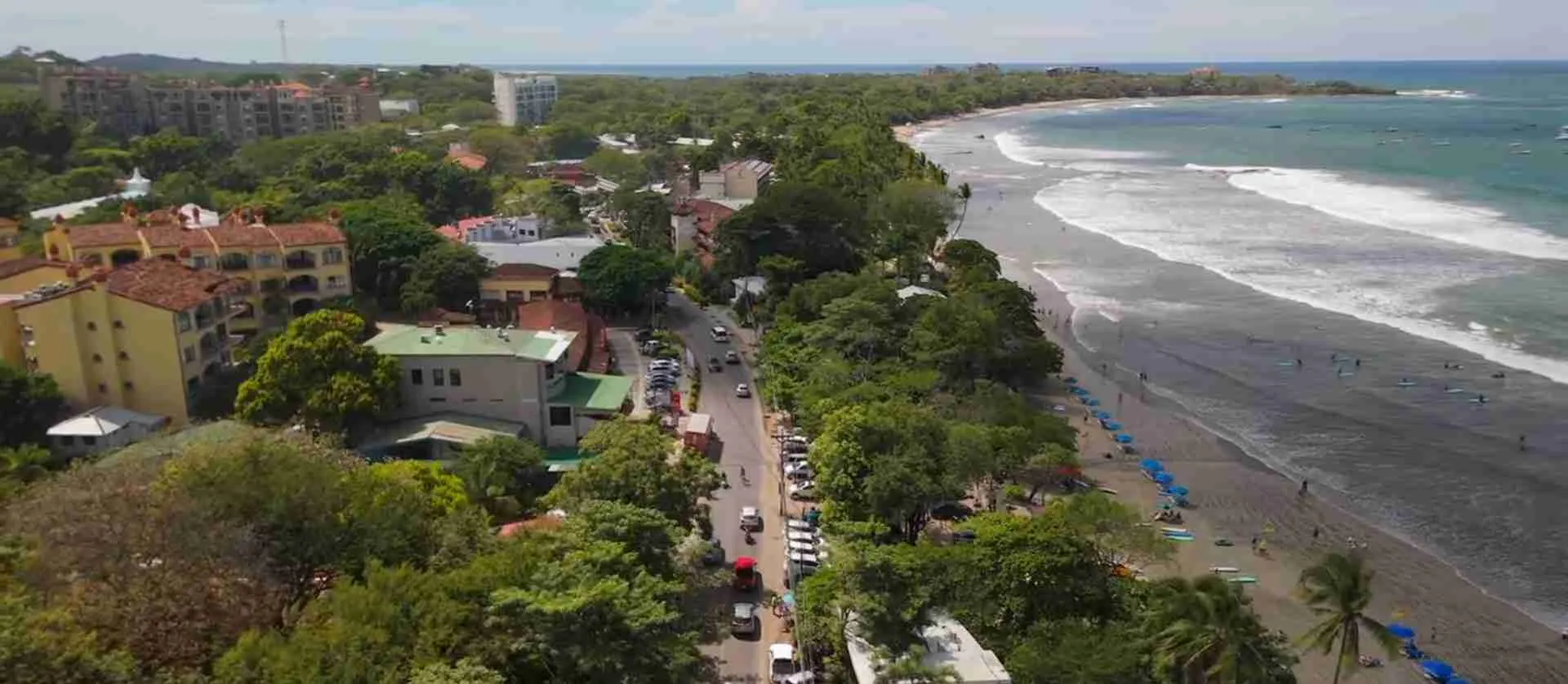
Tamarindo Beach Guide 2026: Surf, Sunsets & Nightlife
Key Takeaways
- Surf Paradise Year-Round: Tamarindo offers consistent waves for all skill levels, with beginner-friendly beach breaks and advanced reef breaks, plus surf schools charging $45-65 for group lessons in 2026
- Spectacular Sunset Viewing: The beach faces directly west, creating stunning Pacific sunsets daily between 5:30-6:00 PM, with beachfront bars and restaurants offering prime viewing locations
- Vibrant Nightlife Scene: From laid-back beach bars to energetic nightclubs, Tamarindo’s nightlife operates until 2:30 AM with cover charges ranging $5-15 at major venues
- Budget-Friendly Options: Daily costs range $40-75 for budget travelers to $150-250 for luxury experiences, with excellent mid-range accommodation at $80-150 per night in 2026
- Easy Accessibility: Located 73 kilometers from Liberia International Airport with shuttle services costing $35-50 per person, making it an ideal first-stop destination for Costa Rica beach vacations
- Strategic Timing: Visit December-April for consistent surf and dry weather, or May-November for fewer crowds and 20-30% lower accommodation rates during green season
Introduction: Planning Your Tamarindo Beach Experience in 2026
Tamarindo has evolved from a quiet fishing village into Costa Rica’s premier beach destination, perfectly balancing world-class surfing, breathtaking sunsets, and Central America’s most vibrant beach nightlife. This comprehensive 2026 guide provides everything you need to plan the perfect Tamarindo experience, whether you’re chasing waves at dawn, watching the sun melt into the Pacific, or dancing until the early hours at beachfront clubs.
What sets Tamarindo apart from other Costa Rican beaches is its unique combination of consistent surf conditions accessible to all skill levels, an established tourism infrastructure that maintains authentic Tico culture, and a social atmosphere that attracts travelers from around the world. The crescent-shaped bay provides protected waters perfect for beginner surfers, while nearby reef breaks challenge advanced riders with powerful hollow waves.
The sunset ritual in Tamarindo transcends simple photography—it’s a daily celebration where locals and visitors gather along the beach, drinks in hand, to witness spectacular displays of orange, pink, and purple across the Pacific horizon. The beach faces directly west, ensuring unobstructed sunset views year-round, with the golden hour creating perfect conditions for both casual observers and serious photographers.
Nightlife in Tamarindo pulses with energy unique in Costa Rica’s beach towns. Unlike quieter coastal destinations, Tamarindo maintains an active party scene with beach bars transitioning seamlessly into nightclubs, live music venues hosting international DJs, and a social atmosphere that encourages spontaneous connections between travelers. The main strip along the beach road transforms after dark into a pedestrian-friendly zone where visitors bar-hop between venues, each offering distinct atmospheres from chill reggae vibes to high-energy electronic dance music.
This guide focuses specifically on maximizing your 2026 Tamarindo experience across these three pillars—surf, sunsets, and nightlife—while providing essential planning information on accommodation strategies, transportation logistics, budget optimization, and booking recommendations. Whether you’re planning a weekend surf retreat, a romantic sunset getaway, or a week-long beach party adventure, Tamarindo delivers exceptional experiences across all three categories.
The destination’s compact size (the main beach area spans roughly 2 kilometers) makes it easy to experience everything Tamarindo offers without extensive transportation. Most visitors walk everywhere within the town center, with accommodations, restaurants, surf shops, and nightlife venues clustered along the beachfront road and parallel streets. This walkability, combined with consistent year-round temperatures (averaging 28-32°C daily), creates an ideal environment for spontaneous exploration and flexible itineraries.
People Also Ask About Tamarindo Beach 2026
What is the best time to surf in Tamarindo in 2026?
Tamarindo offers surfable waves year-round, but the optimal surfing season runs from April through October when consistent southwest swells produce waves ranging 3-8 feet. During this period, morning sessions from 6:00-9:00 AM provide the cleanest conditions before onshore winds develop. The dry season (December-April) brings smaller but more consistent waves ideal for beginners, with wave heights averaging 2-4 feet and gentle beach breaks perfect for learning. Advanced surfers target May-September when larger swells arrive, creating powerful reef breaks at Pico Pequeño and Langosta that produce hollow barrels and vertical walls. Water temperature remains comfortable at 26-28°C year-round, eliminating the need for wetsuits.
How much does a surf lesson cost in Tamarindo in 2026?
Surf schools in Tamarindo charge $45-65 for group lessons (3-6 students) that include board rental, rash guard, and 2 hours of instruction in 2026. Check individual surf school websites for current rates and booking availability. Semi-private lessons (2 students) cost $75-95 per person, while private one-on-one instruction runs $95-125 per session. Multi-day packages offer better value, with 3-day beginner courses priced at $120-165 and week-long programs at $250-350 including all equipment. Board rentals alone cost $15-25 per day for soft-top beginner boards and $25-35 for fiberglass shortboards or longboards. Many surf schools offer early morning sessions at 6:30 AM to catch optimal wave conditions before winds pick up.
Where are the best sunset viewing spots in Tamarindo in 2026?
The main Tamarindo Beach provides the quintessential sunset viewing experience, with the crescent bay offering unobstructed western views as the sun sets directly over the Pacific Ocean. Sunset occurs between 5:30-6:00 PM year-round, with the golden hour beginning approximately 45 minutes earlier. Beachfront bars like Pacifico, Sharky’s, and La Bodega offer elevated viewing platforms with cocktail service, while the northern end of the beach near the estuary provides more secluded viewing away from crowds. For photographers, the rocky outcrop at the southern end creates dramatic foreground compositions with waves crashing against volcanic stones. Playa Langosta, accessible via a 10-minute walk south, offers even more tranquil sunset viewing with fewer tourists and opportunities to spot wildlife including scarlet macaws and howler monkeys in nearby trees.
What is the nightlife scene like in Tamarindo in 2026?
Tamarindo maintains Costa Rica’s most active beach nightlife, with venues operating until 2:30 AM Thursday through Saturday and midnight on weeknights. The scene starts with sunset happy hours at beach bars (5:00-7:00 PM), transitions to dinner and live music (7:00-10:00 PM), then peaks at nightclubs and dance venues from 10:30 PM until closing. Cover charges range $5-15 at major clubs on weekend nights, with many venues offering free entry before 10:00 PM. Popular spots include Aqua Nightclub for electronic dance music, Pacifico for live bands and Latin rhythms, and the Monkey Bar for a more relaxed beach bar atmosphere. Drink prices average $6-9 for cocktails, $4-6 for local beers, and $8-12 for imported spirits. The main strip becomes pedestrian-friendly after 8:00 PM, allowing easy bar-hopping between venues.
Extended multi-day tours – 5+ days
Featured Costa Rica Multi-Day Tour Packages
10 days
Essential Costa Rica – Package with Manuel Antonio National Park
- ✓ Comprehensive Costa Rica tour
- ✓ Expert local guides included
- ✓ All accommodation arranged
- ✓ Transportation provided
10 days
Costa Rica Adventure
- ✓ Comprehensive Costa Rica tour
- ✓ Expert local guides included
- ✓ All accommodation arranged
- ✓ Transportation provided
9 days
Costa Rica Quest
- ✓ Comprehensive Costa Rica tour
- ✓ Expert local guides included
- ✓ All accommodation arranged
- ✓ Transportation provided
10 days
Essential Costa Rica – Package with Guanacaste
- ✓ Comprehensive Costa Rica tour
- ✓ Expert local guides included
- ✓ All accommodation arranged
- ✓ Transportation provided
Multi-day tour packages powered by TourRadar. Prices and availability subject to change.
Essential Planning Information 2026
Understanding Tamarindo’s Beach Layout and Zones
Tamarindo Beach stretches approximately 2 kilometers along a crescent-shaped bay, divided into distinct zones that serve different purposes and attract different crowds. The main beach area, extending from the river estuary in the north to the rocky point in the south, provides the primary hub for swimming, surfing, and socializing. The northern section near the estuary mouth offers calmer waters ideal for beginning surfers and families with children, as the sandy bottom creates gentle rolling waves and the shallow depth extends far offshore.
The central beach area fronting the main town concentrates most activity, with surf schools setting up morning lessons, beach vendors offering rentals and refreshments, and tourists gathering for sunset viewing. This zone experiences the most foot traffic but also provides the easiest access to restaurants, shops, and accommodations. The southern end toward Playa Langosta becomes progressively quieter, with fewer services but more space and tranquility for those seeking less crowded beach experiences.
Beyond the main beach, Tamarindo provides access to several additional surf spots within walking or short driving distance. Playa Langosta, connected via a 10-minute beach walk south (except during high tide when you must walk via the road), offers more consistent waves and fewer crowds. Pico Pequeño, a reef break visible from the main beach’s southern point, produces powerful waves suitable only for advanced surfers. Playa Grande, located 10 minutes north across the estuary via boat ($2 per person) or 20 minutes by car around the estuary, provides world-class beach breaks and important sea turtle nesting grounds.
Current Costs and Budget Planning for 2026
Tamarindo accommodates various budget levels, from backpacker hostels to luxury beachfront villas. Accommodation costs range $25-45 per night for hostel dorm beds, $60-120 for budget hotels and guesthouses, $120-220 for mid-range hotels with pools and amenities, and $250-500+ for beachfront resorts and luxury villas in 2026. Check booking platforms for current rates as pricing varies by season and availability.
Dining costs vary significantly based on venue type and location. Sodas (traditional Costa Rican eateries) serve casados (typical meals with rice, beans, protein, and salad) for $6-10, while beachfront restaurants charge $12-22 for main courses. Higher-end establishments specializing in international cuisine or fresh seafood cost $25-45 per entrée. Breakfast typically runs $5-12, lunch $8-18, and dinner $15-35 per person depending on restaurant choice. Grocery stores like Super Compro and AutoMercado allow self-catering at approximately 60-70% of restaurant costs.
Activity and equipment costs include surf lessons at $45-65 for group instruction, board rentals $15-35 daily, snorkeling tours $45-75 per person, sportfishing charters $400-800 for half-day trips accommodating 4-6 people, zip-line adventures $65-85, and ATV rentals $75-120 per day. Nightlife expenses average $6-9 per cocktail, $4-6 per local beer, with club cover charges $5-15 on peak nights. Budget $50-100 for a night out including drinks and cover charges.
Transportation within Tamarindo remains inexpensive, with most visitors walking to destinations within town. Taxis charge $3-6 for trips within Tamarindo proper, $8-12 to Playa Grande, and $12-18 to nearby beaches like Conchal or Flamingo. Bicycle rentals cost $10-15 daily, while scooter rentals run $25-40 per day. The local bus to San José costs $8-10 and takes approximately 5 hours, while shuttle services to Liberia Airport charge $35-50 per person.
Seasonal Patterns and Weather Considerations for 2026
Tamarindo experiences two distinct seasons that significantly impact the visitor experience. The dry season (December-April) brings sunny skies, low humidity, minimal rainfall, and the largest tourist crowds. Daily temperatures range 28-35°C with cooling ocean breezes in the afternoon. This season coincides with peak surf season for beginners, as waves average 2-4 feet with consistent sets and gentle beach breaks. Accommodation prices peak during this period, particularly during Christmas-New Year and Easter weeks when rates increase 30-50% above standard high-season pricing.
The green season or rainy season (May-November) features afternoon thunderstorms lasting 1-2 hours, increased humidity, lusher vegetation, and significantly fewer tourists. Mornings typically remain sunny and ideal for beach activities, with rain arriving between 2:00-5:00 PM. This season produces the year’s best surf conditions, with larger swells averaging 4-8 feet and powerful waves suitable for intermediate to advanced surfers. Accommodation rates drop 20-40% compared to dry season, creating excellent value for budget-conscious travelers.
September and October represent the wettest months, with more frequent all-day rain events and rougher ocean conditions. However, these months also offer the lowest rates and smallest crowds of the year. November marks the transition period, with decreasing rainfall and improving surf conditions as the dry season approaches. Water temperature remains consistent year-round at 26-28°C, requiring no wetsuit for most visitors.
Comprehensive Surf Guide 2026
Understanding Tamarindo’s Surf Breaks and Conditions
Tamarindo’s reputation as Costa Rica’s premier learn-to-surf destination stems from ideal beach break conditions that accommodate beginners while offering advanced options nearby. The main beach features consistent 2-4 foot waves during dry season (December-April), with multiple peaks spreading crowds across the bay. The sandy bottom eliminates reef-related injury risks, allowing safe wipeouts and learning progression. Waves break in both left and right directions, providing opportunities to practice turns in either direction.
The northern section near the estuary produces the gentlest waves, with long rolling shoulders perfect for first-timers learning to pop up and ride the whitewater. The estuary outflow creates a natural channel that surfers use to paddle beyond the break zone without fighting through continuous wave sets. This area concentrates most surf school activity, with instructors guiding groups of 3-6 students through basic ocean safety, paddling techniques, and wave selection.
The central beach area offers slightly more challenging conditions suitable for progressing beginners and intermediate surfers. Waves here increase to 3-5 feet during optimal swell periods, with steeper faces allowing for more dynamic surfing including bottom turns and cutbacks. Multiple peaks prevent overcrowding despite the area’s popularity, and the consistent wave frequency (6-8 sets per hour during peak conditions) provides ample opportunities for wave-catching practice.
Advanced surfers target Pico Pequeño, the reef break visible from the beach’s southern point. This wave breaks over volcanic rock and coral, producing hollow barrels and vertical walls during larger swells. Pico Pequeño works best at mid to high tide during April-October when southwest swells reach 5-8 feet. The reef creates sharp, powerful waves unsuitable for beginners, with shallow sections requiring experience and confidence. Access requires a 5-minute paddle from the beach or boat transport during larger swells.
Choosing the Right Surf School in 2026
Tamarindo hosts approximately 20 established surf schools, each offering similar services at comparable prices but with distinct teaching philosophies and instructor expertise. Group lessons cost $45-65 for 2-hour sessions including board and rash guard rental in 2026 (check individual school websites for current rates). Most schools maintain 4:1 or 6:1 student-to-instructor ratios, ensuring adequate personalized attention while keeping costs affordable.
Top-rated surf schools include Witch’s Rock Surf Camp, which offers comprehensive packages combining lessons, accommodation, meals, and additional activities at their beachfront facility. Their instructors hold ISA (International Surfing Association) certifications and specialize in progression-based teaching methods. Blue Trailz Surf School focuses on small group instruction with maximum 4 students per instructor, providing more personalized coaching. Iguana Surf, one of Tamarindo’s oldest schools, offers both lessons and extensive rental equipment, making them convenient for multi-day visitors wanting flexibility.
When selecting a surf school, prioritize certified instructors with lifeguard training, appropriate insurance coverage, and quality equipment maintained in good condition. Soft-top foam boards should show minimal wear, with no exposed fiberglass or sharp edges. Rash guards should be clean and offered in multiple sizes for proper fit. Schools should provide pre-lesson safety briefings covering ocean hazards, rip current identification, and proper surfing etiquette including right-of-way rules.
Semi-private lessons (2 students) at $75-95 per person provide accelerated learning with more instructor attention and feedback. Private lessons at $95-125 per session maximize progress for those with limited time or specific goals. Multi-day packages offer best value and fastest progression, with 3-day courses ($120-165) covering fundamentals through wave-riding competency, and week-long programs ($250-350) advancing students to independent surfing capability.
Equipment Rental and Self-Guided Surfing
Experienced surfers who prefer independent sessions find excellent rental options throughout Tamarindo. Daily board rentals cost $15-25 for soft-top beginner boards (7-9 feet long), $25-35 for fiberglass shortboards (5.5-6.5 feet), and $25-35 for longboards (8-10 feet). Weekly rentals receive 20-30% discounts from daily rates. Most shops open 6:00 AM to accommodate early morning sessions and close around 6:00 PM after the final surf window.
Board selection depends on skill level and current wave conditions. Beginners progress fastest on longer, wider boards (minimum 7 feet) with soft foam construction that provides stability and safety. Intermediate surfers transitioning to fiberglass should select boards 2-3 feet taller than their height with moderate width for paddling efficiency. Advanced surfers riding hollow waves at Pico Pequeño prefer shortboards under 6.5 feet that allow sharp turns and critical positioning.
The ideal daily surf schedule targets early morning sessions from 6:00-9:00 AM when offshore winds create clean wave faces and crowds remain minimal. Most serious surfers finish by 9:30 AM as onshore winds develop, creating choppy, less organized conditions. A secondary surf window opens during late afternoon (3:00-5:00 PM) when winds often shift offshore again, though crowds increase with surf school afternoon sessions and local surfers finishing work.
Rip currents pose the primary ocean hazard in Tamarindo, particularly during larger swells and tide changes. The estuary creates a strong outflow that pulls water and swimmers seaward. Identify rip currents by observing channels of darker water, foamy debris lines moving offshore, or areas where waves don’t break consistently. If caught in a rip current, swim parallel to shore rather than fighting directly against the current, then angle toward the beach once clear of the flow.
Ultimate Sunset Viewing Guide 2026
Best Sunset Locations and Timing Strategies
Tamarindo’s geography creates exceptional sunset viewing conditions year-round, with the beach facing directly west toward the Pacific Ocean. Sunset occurs between 5:30-6:00 PM throughout the year due to Costa Rica’s proximity to the equator, with minimal seasonal variation in timing. The golden hour begins approximately 45 minutes before sunset (around 4:45-5:15 PM), creating optimal lighting for photography and the most dramatic color displays across the sky.
The main beach provides the classic Tamarindo sunset experience, with hundreds of visitors gathering nightly to watch the sun descend into the ocean. The wide beach allows space for various viewing preferences—couples seeking quiet moments can walk south toward Langosta, while social groups congregate near beach bars where happy hour specials and live music enhance the atmosphere. The gentle slope of the beach and calm evening waters create perfect conditions for sunset walks along the waterline, with warm Pacific waves lapping at your feet as colors explode overhead.
Beachfront bars and restaurants offer elevated viewing platforms with service, allowing you to enjoy cocktails while watching the sunset from comfortable seating. Pacifico, located at the beach’s southern end, provides multi-level terraces with unobstructed ocean views and a festive atmosphere with live music and food service. Sharky’s, positioned centrally along the beach road, offers both ground-level beach access and a second-story bar with panoramic views. La Bodega maintains a more intimate setting with small tables overlooking the sand and excellent craft cocktails featuring tropical ingredients.
For photographers seeking dramatic compositions, the rocky outcrop at the beach’s southern point creates compelling foreground elements. Waves crash against dark volcanic stones, creating white foam contrasts against orange and purple skies. This location requires timing with low to mid-tide for safe access across the rocks. Bring a wide-angle lens (16-35mm equivalent) to capture both the rocks and expansive sky, with a tripod for long exposures that smooth wave motion into silk-like textures.
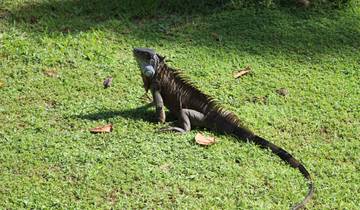
Playa Langosta, accessible via a 10-minute walk south along the beach (except during high tide when you must use the road), offers more tranquil sunset viewing with dramatically fewer people. The beach here maintains the same western exposure but adds wildlife viewing opportunities, as howler monkeys, scarlet macaws, and iguanas inhabit the trees and rocks near the shore. The southern viewpoint provides silhouettes of Tamarindo’s coastline against the sunset, creating unique compositional opportunities unavailable from the main beach.
Sunset Photography Techniques and Equipment
Capturing Tamarindo’s spectacular sunsets requires understanding both technical camera settings and compositional strategies. The intense brightness of the sun creates exposure challenges, as metering for the sun underexposes the foreground while metering for the beach overexposes the sky. Use your camera’s exposure compensation feature to reduce exposure by 1-2 stops from what the meter suggests, preserving detail in the brightest sky areas while accepting darker shadows in the foreground.
Shoot in RAW format rather than JPEG to maximize post-processing flexibility. RAW files capture significantly more dynamic range, allowing you to recover both shadow and highlight details during editing that would be lost in compressed JPEG files. This becomes critical during the 10-15 minute window of peak sunset colors when the light changes rapidly and perfectly exposed shots prove difficult to achieve in-camera.
Compositional strategies should include foreground interest rather than simply photographing the sun and sky. Use silhouettes of surfers riding final waves, palm trees framing the sun, rocks in the shallows, or people walking along the beach to create depth and visual interest. The rule of thirds applies perfectly to sunset photography—position the horizon line in the lower third of the frame if the sky is spectacular, or in the upper third if interesting tide pools or beach patterns deserve emphasis.
Timing your photography session to begin during golden hour (45 minutes before sunset) rather than waiting until the sun touches the horizon yields more varied and often more spectacular images. The warm directional light during golden hour creates long shadows, enhances texture in sand and rocks, and produces rich orange and yellow tones across the entire scene. Continue shooting for 20-30 minutes after sunset when the sky often displays the most vivid purples and pinks, though the sun itself has disappeared.
Sunset Happy Hours and Beachfront Venues
Tamarindo’s beach bars transform sunset viewing into a social ritual, with happy hour specials running from 5:00-7:00 PM at most venues. Standard discounts offer 2-for-1 cocktails, 50% off beer prices, and complimentary appetizers with drink purchases. These promotions create lively atmospheres where travelers meet fellow visitors, share travel stories, and plan evening activities.
Pacifico operates the largest sunset happy hour scene, with a massive beachfront deck accommodating 200+ guests during peak season. Their signature cocktails cost $8-10 (reduced to $5-6 during happy hour), featuring fresh tropical fruits and Costa Rican rum or vodka. Live music starts at 5:30 PM with acoustic guitarists or small bands playing reggae, classic rock, and Latin favorites. The venue transitions from sunset viewing to dinner service to late-night dancing without requiring guests to move locations.
Sharky’s offers a more intimate sunset experience on their second-story terrace, with craft cocktails ($9-12 regular price, $6-8 during happy hour) and creative tapas-style food menus. Their bartenders specialize in mezcal-based drinks and fresh fruit mojitos using ingredients from local markets. The elevated position provides excellent sunset views while maintaining enough distance from the beach to avoid sand and maintain a cleaner, more upscale atmosphere.
The Monkey Bar caters to budget-conscious travelers and backpackers with $3-4 local beers during happy hour and simple rum-and-coke cocktails for $5-6. The ground-level beach bar features sand floors, hammocks, and a casual atmosphere where swimsuits and bare feet remain perfectly acceptable throughout the evening. Bar games including beer pong and flip cup create a party atmosphere that appeals to younger travelers and those seeking social connections.
Nogui’s, while positioned slightly inland from the beachfront, draws sunset crowds with their famous fish tacos ($4-5 during happy hour) and ice-cold Imperial beer served in frozen glasses. Their upstairs deck provides partial ocean views between buildings, creating a local vibe that feels less touristy than beachfront competitors. After sunset, Nogui’s transforms into a lively gathering spot with regular trivia nights and sports broadcasts on multiple screens.
Tamarindo Nightlife Scene 2026
Understanding Tamarindo’s Party Culture and Venues
Tamarindo’s nightlife reputation exceeds all other Costa Rican beach destinations, creating a unique party atmosphere where international travelers, expat residents, and local Ticos converge nightly. The scene evolves throughout the evening, starting with sunset happy hours transitioning to dinner service, then building toward peak nightclub energy between 11:00 PM-2:00 AM. Unlike many beach towns that quiet down after dinner, Tamarindo maintains active venues until legal closing time at 2:30 AM Thursday through Saturday, with Sunday through Wednesday closing around midnight.
The nightlife district concentrates along the main beach road and parallel inland street, creating a compact party zone where all major venues sit within a 10-minute walk. This walkability encourages bar-hopping and venue-sampling, as groups move between different atmospheres throughout the night without requiring taxis or designated drivers. The main strip becomes pedestrian-friendly after dark, with bars spilling onto sidewalks and impromptu street socializing becoming part of the experience.
Music varies significantly by venue, from reggae and acoustic sets at beach bars to electronic dance music at proper nightclubs. Latin rhythms including salsa, bachata, and reggaeton dominate certain venues attracting Tico crowds, while international Top 40 and EDM appeal to North American and European visitors. Most establishments feature live music early in the evening (7:00-10:00 PM) before transitioning to DJ sets that build energy as the night progresses.
Top Nightlife Venues and Their Distinct Atmospheres
Aqua Nightclub operates as Tamarindo’s premier dance club, with a modern sound system, professional lighting, and a spacious dance floor accommodating 300+ guests. The venue opens at 10:00 PM and charges $10-15 cover on Friday and Saturday nights, with free entry before 11:00 PM most evenings. International DJs headline monthly events playing electronic dance music, progressive house, and techno. Cocktails cost $8-10, with bottle service available at $150-250 for groups seeking VIP table reservations. The crowd skews younger (21-35 years old) and includes a mix of tourists and local party-goers creating an energetic, social atmosphere.
Pacifico transitions from sunset viewing to nightlife hub, maintaining a beachfront party atmosphere with live bands, DJ sets, and dancing on the sand. No cover charge applies, making it accessible to all budget levels, though drink prices increase slightly after 10:00 PM. The venue attracts a diverse age range (25-50 years old) and maintains a more casual dress code than exclusive nightclubs. The oceanfront location and open-air design create a quintessentially tropical party experience, with salt air, stars overhead, and waves providing background rhythm.
El Vaquero offers Latin music and dancing, specializing in salsa, bachata, and merengue that attracts both skilled dancers and beginners wanting to learn. The venue provides free dance lessons from 8:00-9:00 PM, teaching basic steps and partner dancing techniques before the main party begins. The crowd includes more Costa Rican locals than other tourist-heavy venues, creating authentic cultural exchange opportunities. Cover charges remain at $5-8, with cocktails priced at $6-8—among the town’s most affordable nightlife options.
The Monkey Bar caters to backpackers and budget travelers with $4-6 drinks, beer pong tournaments, and a hostel-like social atmosphere. The venue never charges cover and maintains a party vibe focused on meeting fellow travelers rather than upscale clubbing. Games, drinking challenges, and group activities create ice-breakers for solo travelers and small groups seeking to expand their social circle. The bar hosts themed party nights including glow parties, beach bonfires, and costume contests.
Nightlife Budget Planning and Money-Saving Strategies
A typical night out in Tamarindo costs $50-100 per person depending on drink consumption, venue choices, and participation in paid activities. Budget-conscious approaches start with attending happy hours (5:00-7:00 PM) at beach bars for discounted drinks, then transitioning to free-entry venues like Pacifico or The Monkey Bar rather than paying nightclub covers. Pre-drinking at your accommodation with supermarket-purchased beer ($1.50-2 per bottle) or rum ($12-18 per bottle) significantly reduces overall costs.
Most venues offer free entry before 10:00-11:00 PM, creating opportunities to establish yourself at a venue before cover charges begin. Arriving early also means shorter lines, better table availability, and interaction with venues during less-crowded periods when bartenders and staff provide more personalized attention. Free dance lessons at venues like El Vaquero add entertainment value without additional cost.
Drink costs vary substantially by venue and drink type. Local beer (Imperial, Pilsen) costs $4-6 at most venues, while imported beers run $6-8. Well drinks using local spirits cost $6-8, premium cocktails with imported liquors $9-12, and specialty craft cocktails $10-14. Purchasing drinks during happy hour periods (when available) cuts costs by 30-50%. Avoiding bottle service and VIP table minimums saves significant money, as basic bottle packages start at $150 and provide minimal value unless sharing costs across large groups.
Safety considerations remain important during nightlife activities. Travel in groups when possible, particularly during late-night walks back to accommodations. Use registered taxis or ride-sharing services rather than accepting rides from strangers. Guard drinks carefully and watch bartenders prepare your order to avoid drink tampering. Keep valuables secured at your accommodation rather than carrying expensive jewelry, large amounts of cash, or unnecessary electronics to venues. Establish a buddy system within your group to ensure everyone returns home safely.
Weekly Nightlife Schedule and Special Events
Tamarindo’s nightlife intensity varies by day of week, with Wednesday through Saturday representing peak party nights and Sunday through Tuesday being quieter with fewer venue options. Thursday nights feature Ladies’ Nights at several clubs offering free drinks for women until midnight, creating particularly crowded dance floors. Friday and Saturday maintain the highest energy with all venues operating at full capacity, live music performances, and extended hours until the 2:30 AM legal closing time.
Monthly full moon parties attract hundreds of participants to the beach for bonfires, drum circles, and impromptu dancing under the stars. These unofficial gatherings create a more organic party atmosphere than commercial venues, with attendees bringing drinks, speakers, and instruments for communal celebration. The events typically begin around 8:00 PM and continue past midnight, weather permitting.
Holiday periods including Christmas, New Year’s Eve, and Easter week feature special events, premium pricing, and advance booking requirements for popular venues. New Year’s Eve parties charge $50-100 cover including open bar and champagne toast, with tickets selling out weeks in advance. These events attract the year’s largest crowds, creating maximum energy but also requiring patience with lines, service delays, and crowded conditions.
Accommodation Strategies 2026
Budget Accommodation Options and Hostel Scene
Tamarindo hosts numerous hostels catering to backpackers and budget-conscious travelers, with dorm beds priced $25-45 per night in 2026 (check booking platforms for current rates). The hostel scene concentrates along streets parallel to the beach, positioning guests within 5-10 minute walks to both surf breaks and nightlife venues. Most hostels include free WiFi, communal kitchens for self-catering, and social common areas designed to facilitate traveler connections.
Selina Tamarindo operates a modern hostel-hotel hybrid offering both shared dorm rooms ($35-45) and private rooms ($80-120) within the same property. The facility features a swimming pool, coworking space with reliable internet for digital nomads, on-site restaurant and bar, and regular social events including movie nights and group surf sessions. The location positions guests a 3-minute walk from the main beach and central nightlife district.
Witch’s Rock Surf Camp combines accommodation with comprehensive surf packages, offering dorm beds at $40-50 per night or all-inclusive packages ($75-120 per person daily) including meals, surf lessons, and additional activities. The beachfront location eliminates commute time to surf sessions, and the package pricing creates good value for visitors prioritizing surf instruction over independent exploration.
Villas Macondo provides a quieter hostel alternative with a residential location 10-minute walk from the beach, appealing to guests seeking peaceful sleep rather than party atmosphere. Dorm beds cost $25-35, with included breakfast and a swimming pool creating resort-like amenities at hostel prices. The removed location reduces noise from nightlife districts while remaining accessible via easy walks or short taxi rides.
Mid-Range Hotels and Guesthouses
Mid-range accommodation in Tamarindo costs $80-150 per night for double occupancy in 2026, providing private rooms, air conditioning, swimming pools, and convenient locations. This category offers the best value for couples and those seeking comfort and privacy without luxury resort pricing. Many properties include continental breakfast, WiFi, and tour booking assistance.
Hotel Tamarindo Diria sits directly on the beach with rooms featuring ocean views, private balconies, and resort amenities including multiple pools, restaurants, and a spa. Rates run $120-180 per night, positioning it at the upper end of mid-range category but delivering excellent location and facilities. The beachfront position means sunset viewing from your balcony and immediate access to surf breaks.
Hotel Arco Iris provides a more boutique experience with individually decorated rooms, lush tropical gardens, and a swimming pool surrounded by flowering plants. Rooms cost $90-140, with the property located a 5-minute walk from the beach in a residential neighborhood that reduces noise while maintaining accessibility. The hotel emphasizes sustainability with solar panels and organic toiletries.
Cabinas Marielos offers excellent budget-friendly private rooms at $60-90 per night, with basic but clean accommodations including air conditioning, private bathrooms, and WiFi. The family-run property provides authentic Costa Rican hospitality and insider knowledge about local attractions, restaurants, and less-touristy experiences. The location sits 8-minute walk from the beach, requiring short walks or $3-5 taxi rides to access surf and nightlife.
Luxury Resorts and Beachfront Villas
High-end accommodation starts at $250 per night and extends beyond $500 for premium beachfront properties in 2026. These properties feature multiple bedrooms, private pools, full kitchens, and concierge services arranging activities, private chefs, and transportation. Luxury accommodations concentrate along Playa Langosta and the southern end of Tamarindo Beach, providing more exclusive and tranquil environments.
Capitán Suizo beachfront boutique hotel offers oceanfront bungalows ($280-400 per night) surrounded by tropical gardens with direct beach access. The property includes a beachfront restaurant, yoga classes, spa services, and a swimming pool designed to blend naturally with the landscape. The hotel maintains a peaceful, romantic atmosphere ideal for couples and adults seeking relaxation rather than party energy.
Jardin del Eden boutique hotel provides hilltop villas ($300-500 per night) with panoramic ocean views, infinity pools, and luxurious appointments. While not directly beachfront (5-minute drive to the beach), the elevated position creates stunning vistas and privacy. The property includes a gourmet restaurant featuring fresh local ingredients and creative preparations.
Private villa rentals through platforms like Airbnb and VRBO offer excellent value for groups, with 3-4 bedroom properties costing $250-450 per night ($60-115 per person for four guests). Many villas include private pools, full kitchens, outdoor living spaces, and proximity to the beach. This option provides the most space and privacy while accommodating self-catering to reduce dining costs.
Location Strategies and Neighborhood Selection
Choosing accommodation location in Tamarindo requires balancing beach proximity, nightlife access, and noise levels. Beachfront properties maximize convenience for surf sessions and sunset viewing but experience higher noise from passing pedestrians, beach bars, and nighttime activities. Properties positioned 5-10 minutes inland reduce costs by 30-40% while maintaining easy beach access via short walks.
The northern end of town near the estuary provides quieter environments with quick access to beginner surf zones, ideal for families and those prioritizing early morning surf sessions over nightlife. The central beachfront area positions guests at the heart of restaurants, shops, and social activity, creating maximum convenience at the expense of quieter surroundings. The southern end toward Langosta offers more upscale, tranquil settings with less foot traffic and more mature vegetation creating privacy.
Consider proximity to amenities when booking accommodation. Properties near Super Compro or AutoMercado supermarkets facilitate self-catering and reduce food costs. Locations near high-quality restaurants provide easy dinner options without requiring taxis. Walkability to surf breaks eliminates the need for board transport in vehicles, while distance from nightlife venues reduces noise interference with sleep.
Transportation Guide 2026
Getting to Tamarindo from Liberia Airport
Liberia International Airport (LIR) serves as the primary gateway to Tamarindo, located 73 kilometers northeast with typical transfer times of 75-90 minutes depending on traffic and route selection. Shared shuttle services cost $35-50 per person and operate on fixed schedules with departures every 2-3 hours throughout the day. Major shuttle companies including Tamarindo Shuttle and Interbus pick up directly at airport arrivals, requiring advance booking through their websites but offering reliable, air-conditioned transportation.
Private transfers provide more flexibility at $100-140 for up to 4 passengers, allowing immediate departure upon arrival rather than waiting for scheduled shuttle times. Private services accommodate luggage more easily than shared shuttles and permit stops at grocery stores or other locations en route. Reputable companies include Costa Rica Shuttle and Tamarindo Transfers, both offering professional drivers and modern vehicles.
Rental cars cost $35-75 per day depending on vehicle size and rental duration, providing maximum flexibility for exploring beaches beyond Tamarindo including Playa Grande, Conchal, and Flamingo. The drive from Liberia follows well-maintained paved roads with clear signage, making navigation straightforward even for first-time visitors. Budget, Enterprise, and Adobe rental agencies maintain airport counters with extensive fleets. Note that Costa Rica requires valid driver’s license, credit card for deposit, and basic insurance (legally mandated and typically $15-25 daily).
Public buses from Liberia to Tamarindo cost $3-4 and operate 4-5 times daily, with 2-hour journey times due to multiple stops in small towns along the route. Buses provide basic seating without air conditioning and limited luggage space, making them impractical for travelers with surfboards or extensive baggage. The schedule requires checking locally as departure times vary seasonally.
Transportation Within Tamarindo
Most visitors walk everywhere within Tamarindo proper, as the compact town measures roughly 2 kilometers along the beachfront with all essential services, restaurants, and accommodations accessible on foot. The flat terrain and grid-like street pattern make navigation intuitive, with the beach providing constant orientation reference. Sidewalks exist along main roads, though some residential streets require walking on pavement shared with vehicles.
Taxis serve as the primary motorized transport option, charging $3-6 for trips within town, $8-12 to Playa Grande, and $12-18 to nearby beaches like Conchal or Flamingo. Taxis operate without meters, requiring price confirmation before departure. Call Tamarindo Taxi at +506 2653-0751 for reliable service, or hail red taxis from designated stands near the beach and main intersections. Uber operates in Tamarindo with similar pricing to taxis and the added convenience of app-based payment and route tracking.
Bicycle rentals cost $10-15 daily and provide efficient transportation for beach access and local exploration. Most rental shops offer basic cruiser bikes suitable for paved roads and beach paths. The flat terrain makes cycling easy, though afternoon heat (30-35°C) can make longer rides challenging. Bike theft occurs occasionally, requiring locks (typically included with rentals) and avoiding overnight parking in unsecured areas.
Scooter rentals run $25-40 daily, expanding your mobility to reach Playa Grande, Langosta, and other nearby beaches quickly. Rentals require valid driver’s license and typically include helmet and basic insurance. Exercise caution on rainy roads when surfaces become slippery, and be aware that Costa Rican traffic laws apply with potential fines for violations. Most rental shops require $200-500 security deposit via credit card.
Reaching Nearby Beaches and Attractions
Playa Grande sits 10 minutes north of Tamarindo across the estuary, accessible via boat taxi ($2 per person, operating 6:00 AM-6:00 PM) or 20-minute drive around the estuary via paved roads. The beach offers world-class surf breaks, less crowded conditions than Tamarindo, and Las Baulas National Marine Park protecting nesting leatherback sea turtles. The boat crossing from Tamarindo takes 5 minutes, with boats departing when they fill (usually 4-6 passengers) rather than fixed schedules.
Playa Conchal, located 20 kilometers south, features unique crushed-shell sand creating white beaches and excellent snorkeling in calm, clear waters. The drive takes 30-35 minutes via paved roads, or organize tours through local operators ($45-65 per person including transportation and equipment). The beach fronts the all-inclusive Westin Conchal resort, with public beach access available through the resort property or via small access roads through neighboring developments.
Rincon de la Vieja National Park offers hiking, waterfalls, hot springs, and volcanic mud baths located 90 minutes inland from Tamarindo. Full-day tours cost $85-120 per person including transportation, park entry, guided hiking, and lunch. The park showcases Costa Rica’s volcanic geography with fumaroles, boiling mud pots, and diverse wildlife including howler monkeys, coatis, and over 300 bird species.
The drive to Monteverde Cloud Forest Reserve takes approximately 3.5 hours via unpaved sections requiring 4WD vehicles during rainy season. The journey covers dramatically different ecosystems, climbing from sea-level beaches to highland cloud forests at 1,400 meters elevation. Most visitors book multi-day trips rather than attempting day trips, given the drive duration and extensive activities available in Monteverde including hanging bridges, zip-lining, and night wildlife tours.
Sample 2026 Itineraries
3-Day Surf and Sunset Getaway
Day 1: Arrival and Orientation
Arrive via shuttle from Liberia Airport ($40-45), check into mid-range accommodation ($100-140). After settling in, walk to the beach for your first surf session—rent a board ($20-25 for soft-top) and spend 2 hours practicing in the beginner-friendly northern section. Return to accommodation to rinse and rest before sunset. Arrive at the beach by 5:00 PM for golden hour photography, then settle at Pacifico’s beachfront deck for happy hour cocktails ($5-6 during specials) and sunset viewing. Dinner at Nogui’s for fish tacos and local beer ($18-25), followed by early night to recover from travel.
Day 1 costs: Shuttle $45, accommodation $120, board rental $25, lunch $12, sunset drinks $12, dinner $25, snacks $8. Total day cost: $82 per person (excluding accommodation $120).
Day 2: Full Surf Experience and Nightlife
Wake for 6:30 AM surf lesson with professional instruction ($55 group lesson including equipment and 2-hour session). Return to accommodation for breakfast (included or $8-10 at local soda). Spend midday exploring town, shopping for souvenirs, and relaxing at your accommodation’s pool. Optional afternoon activity: snorkeling tour to nearby reef ($55-65) or simply relaxing at the beach. Sunset viewing from Sharky’s elevated terrace with craft cocktails ($8-10). Dinner at beachfront restaurant ($25-35), then experience Tamarindo nightlife starting at Pacifico for live music (free entry), moving to Aqua Nightclub around 11:00 PM (free before 11:00 PM, $10-15 cover after). Drinks and dancing until 1:30 AM.
Day 2 costs: Surf lesson $55, breakfast $10, lunch $15, snorkeling tour $60, sunset drinks $18, dinner $30, nightlife drinks $35, late snacks $10. Total day cost: $233 per person (excluding accommodation).
Day 3: Day Trip and Departure
Early morning boat to Playa Grande ($2) for uncrowded surf session and sea turtle conservation area exploration. Bring picnic breakfast or eat at beachside restaurant ($10-15). Return to Tamarindo by midday for lunch at local soda ($8-12). Final beach time and souvenir shopping before 3:00 PM shuttle to Liberia Airport ($40-45). Alternatively, if departing late evening, fit in final sunset viewing and dinner before departure.
Day 3 costs: Boat to Playa Grande $4 round-trip, breakfast $12, board rental Playa Grande $25, lunch $10, snacks $8, shuttle to airport $45, departure snacks $8. Total day cost: $112 per person (excluding accommodation).
3-Day Total Budget: $427-467 per person (excluding accommodation $240-280 for 2 nights), providing a surf-focused experience with nightlife sampling and nearby beach exploration.
5-Day Comprehensive Tamarindo Experience
Day 1-2: Follow the 3-day itinerary above for arrival, initial surf sessions, sunset viewing, and nightlife introduction.
Day 3: Adventure Day
Book full-day zip-line and waterfall adventure to nearby canyon ($95 per person including transportation, equipment, and lunch). These tours depart 7:00 AM and return approximately 4:00 PM, providing adrenaline activities and rainforest exploration. Evening return allows time for sunset viewing and casual dinner. Lighter nightlife after full-day adventure—choose relaxed beach bar atmosphere over intensive nightclub dancing.
Day 3 costs: Zip-line tour $95 (includes lunch), breakfast $10, sunset drinks $12, dinner $20, evening drinks $15. Total day cost: $152 per person (excluding accommodation).
Day 4: Surf Progression and Cultural Exploration
Morning semi-private surf lesson ($85) focusing on technique improvement and wave selection. Post-lesson exploration of Tamarindo town including local market visits, art galleries, and authentic Costa Rican sodas for lunch ($8-10). Afternoon beach time or optional spa treatment for surf-tired muscles. Sunset at La Bodega with premium craft cocktails ($10-12). Dinner at higher-end restaurant featuring fresh seafood ($35-50). Attend salsa night at El Vaquero including free dance lesson at 8:00 PM, followed by social dancing and cultural exchange with local Ticos.
Day 4 costs: Surf lesson $85, breakfast $10, lunch $10, beach refreshments $8, spa treatment $60, sunset drinks $20, dinner $45, nightlife $25. Total day cost: $263 per person (excluding accommodation).
Day 5: Relaxation and Departure
Sunrise beach walk and final surf session (board rental $20). Leisurely breakfast at beachfront cafe ($12-15). Pack and checkout, storing luggage at accommodation while exploring town. Final shopping for coffee, hot sauces, and local crafts. Late lunch at favorite discovered restaurant. Afternoon shuttle to Liberia Airport ($40-45).
Day 5 costs: Board rental $20, breakfast $15, lunch $15, shopping $40, snacks $10, shuttle $45. Total day cost: $145 per person (excluding accommodation).
5-Day Total Budget: $1,050-1,200 per person (excluding accommodation $400-560 for 4 nights), providing comprehensive Tamarindo experience including surf progression, adventure activities, cultural engagement, and varied nightlife experiences.
Week-Long Surf Camp Immersion
For serious surf progression, book week-long all-inclusive surf camp package ($650-850 per person) including accommodation (shared rooms), twice-daily surf lessons, all meals, surf theory workshops, video analysis, and additional activities like yoga and beach games. These packages provide structured progression from beginner fundamentals to independent wave-riding capability, with certified instructors offering personalized coaching.
Typical daily schedule: 6:30 AM surf session (2 hours), breakfast, surf theory or video review, free time, 3:00 PM surf session (2 hours), sunset viewing, dinner, evening activities. Days off allow independent exploration, nearby beach trips, or optional paid excursions. The all-inclusive format eliminates planning stress and ensures consistent surf instruction throughout the week.
Additional costs beyond package price: Nightlife and entertainment ($30-50 daily), souvenirs and personal purchases ($20-40 daily), optional excursions ($50-100 per activity), tips for instructors and staff ($50-100 total for week). Total week budget: $1,000-1,300 per person for comprehensive surf immersion with social atmosphere and built-in community of fellow surf learners.
Money-Saving Strategies 2026
Timing Optimization for Lower Costs
Visiting during green season (May-November) reduces accommodation costs by 20-40% compared to dry season peak rates. A room costing $150 in February might drop to $90-110 in September, creating substantial savings over multi-night stays. Green season also features fewer crowds at surf breaks, restaurants, and beaches, improving the overall experience despite afternoon rain showers. Mornings typically remain sunny and ideal for beach activities, with rain arriving predictably between 2:00-5:00 PM.
September and October represent the absolute lowest-cost period, with accommodation discounts reaching 40-50% below December-April rates. However, these months also experience the most rainfall and roughest ocean conditions, potentially limiting beach activities. May-June and November offer optimal balance—substantial savings with more manageable weather patterns and fewer all-day rain events.
Booking accommodation well in advance (3-4 months) during peak season secures better rates than last-minute reservations, as properties increase prices as availability decreases. During green season, last-minute bookings (1-2 weeks out) sometimes capture deep discounts from properties trying to fill remaining rooms. Monitor hotel websites and booking platforms for flash sales and seasonal promotions.
Food and Dining Cost Reduction
Self-catering using supermarket groceries cuts food costs by 50-70% compared to restaurant dining. Super Compro and AutoMercado stock familiar international brands plus local products, with prices roughly 20% higher than North American or European equivalents. A typical grocery shop providing breakfast items, lunch sandwich ingredients, snacks, and beverages costs $25-40 for 2-3 days.
Eating at local sodas rather than tourist-oriented restaurants reduces meal costs by 40-60%. A typical casado (traditional Costa Rican plate with rice, beans, protein, salad, and plantains) costs $6-10 at sodas versus $15-22 for similar dishes at beachfront establishments. Sodas often provide more generous portions and authentic local flavor beyond the tourist-oriented menu options.
Taking advantage of happy hour specials (typically 5:00-7:00 PM) offers 2-for-1 drinks and discounted appetizers, effectively cutting evening drink costs in half. Some venues include free appetizers with drink purchases during happy hour. Strategic happy hour attendance before dinner reduces overall evening expenses while allowing participation in Tamarindo’s social sunset ritual.
Activity and Equipment Cost Optimization
Multi-day surf lesson packages provide 20-30% savings versus individual sessions. A 3-day beginner course costs $120-165 ($40-55 per day) compared to $45-65 for single lessons. Week-long packages further reduce per-session costs to $35-45. These packages also ensure consistent instructor assignments, accelerating learning through continuity.
Sharing costs with fellow travelers creates savings on private transportation, sportfishing charters, and other group activities. A private transfer to Liberia Airport costs $120 for up to 4 passengers ($30 per person) versus $40-45 each on shared shuttles, saving money while gaining flexibility. Sportfishing charters accommodating 4-6 people at $600-800 half-day cost $100-200 per person when full, versus $300-400 per person for couples chartering privately.
Free activities including beach time, sunset viewing, hiking local trails, and exploring Tamarindo town cost nothing while providing authentic experiences. The beach itself offers unlimited entertainment through swimming, bodyboarding, tide pool exploration, and people-watching. Free walking the beach to Playa Langosta creates a scenic mini-adventure without tour costs.
Accommodation Money-Saving Approaches
Hostels with communal kitchens enable self-catering while maintaining budget accommodation rates. A $30 dorm bed plus $10-15 daily grocery costs ($40-45 total) significantly undercuts $80 hotel rooms plus $40-60 restaurant meals ($120-140 total). Social hostel atmospheres also facilitate meeting fellow travelers for cost-sharing on activities and transportation.
Booking private rooms in hostels rather than hotels provides middle ground—private space with en-suite bathroom ($60-90) while accessing hostel’s communal kitchen and social atmosphere. This hybrid approach suits couples wanting privacy but seeking budget optimization and social opportunities.
Renting apartments or houses through Airbnb and VRBO for groups creates dramatic per-person savings. A 3-bedroom villa at $180-250 nightly ($60-83 per person for three couples) includes full kitchen, living space, often a private pool, and more room than hotel equivalents. Longer stays (week+) receive additional discounts from property owners, sometimes reaching 15-25% off nightly rates.
Booking and Reservations 2026
Accommodation Booking Strategies
Booking platforms including Booking.com, Airbnb, and Hotels.com provide the widest accommodation selection with user reviews, flexible cancellation policies, and competitive pricing. Compare across multiple platforms as rates vary, and properties sometimes offer direct booking discounts. Read reviews carefully, prioritizing recent feedback (within 6 months) as properties’ quality and management change over time.
Direct booking through hotel websites sometimes provides better rates than third-party platforms, particularly during low season when properties offer exclusive deals to avoid platform commission fees. Call or email properties directly to inquire about discounts for extended stays, returning guests, or cash payments (some small properties offer 5-10% discounts for cash to avoid credit card processing fees).
Flexible cancellation policies prove valuable given potential travel disruptions. Select accommodations allowing free cancellation until 24-48 hours before arrival, avoiding non-refundable rates unless certain about travel dates. Some properties offer both refundable and non-refundable rates with 10-15% price differences—evaluate based on your certainty and risk tolerance.
Tour and Activity Reservations
Book major excursions (zip-lining, sportfishing, Rincon de la Vieja trips) at least 1-2 weeks in advance during high season (December-April) when popular tours fill quickly. Green season (May-November) permits more spontaneous booking, often with next-day availability. Reputable tour operators include Tamarindo Adventures, Agua Rica Diving, and Costa Rica Surf & SUP, all maintaining professional websites with online booking and payment options.
Surf lessons rarely require advance booking except during peak holiday weeks (Christmas-New Year, Easter). Most surf schools accept walk-up customers daily, though booking 1-2 days ahead guarantees your preferred time slot and instructor. All-inclusive surf camp packages should be booked 4-8 weeks in advance to secure desired accommodation and dates.
Research tour operator reviews on TripAdvisor and Google before booking, prioritizing companies with consistent recent positive feedback and professional responses to criticism. Verify that adventure activities include required safety equipment, certified guides, and appropriate insurance coverage. Avoid booking through beach vendors or unlicensed operators offering below-market rates.
Transportation Arrangements
Book airport shuttles at least 3-5 days before arrival to guarantee availability, particularly during high season when shuttles fill quickly. Major shuttle companies including Tamarindo Shuttle and Interbus offer online booking with instant confirmation. Provide flight details when booking to ensure shuttle timing aligns with your arrival, accounting for potential flight delays.
Rental car reservations should be made 2-4 weeks in advance during peak season, as available vehicles become limited and prices increase with short notice. Compare prices across major agencies (Budget, Enterprise, Adobe) and third-party aggregators like Rentalcars.com. Verify the total cost includes mandatory insurance, as quoted rates often exclude these required expenses. Read rental agreement carefully regarding fuel policies, mileage limits, and geographic restrictions (some agencies prohibit driving to certain beach roads).
Establish return transportation to Liberia Airport at least 2 days before departure, confirming pickup time and location. Shuttle companies require flight information to adjust pickup times if your departure flight schedule changes. Private transfers offer more flexibility and typically track flight information automatically to accommodate delays.
Restaurant Reservations and Dining Planning
Most Tamarindo restaurants operate on a walk-in basis without accepting reservations, though higher-end establishments like Pangas Beach Club and Seasons by Shlomy appreciate advance notice for large groups (6+ people). During peak season, arrive at popular restaurants before 6:30 PM to avoid 30-60 minute wait times. Calling ahead the same day to check wait times helps plan your evening schedule.
Sunset viewing at beachfront bars requires no reservations but benefiting from premium table locations necessitates arrival by 5:00 PM during high season. Tables directly facing the sunset fill first, with second-tier seating filling by 5:30 PM. Consider this timing when planning your sunset experience, balancing arrival time against desired positioning.
Nightlife venues don’t accept reservations except for VIP table service requiring minimum bottle purchases ($150-250). Regular entry operates first-come, first-served, though arriving before 10:00-11:00 PM typically avoids cover charges and long entry lines. Dress codes remain casual at most venues (sandals and beachwear acceptable), though upscale clubs may refuse entry for excessively casual attire like board shorts or tank tops on men.
Planning Your 2026 Visit
Pre-Trip Preparation Checklist
Verify passport validity (must be valid for at least 6 months beyond travel dates) and confirm Costa Rica’s entry requirements for your nationality. Most nationalities including US, Canada, EU, Australia, and many others receive automatic 90-day tourist visas upon arrival. No advance visa applications required for these nationalities. Print or save digital copies of your passport, accommodation confirmations, and travel insurance policy for reference during travel.
Purchase travel insurance covering medical emergencies, trip cancellation, and baggage loss. Costa Rica’s healthcare system provides excellent private hospitals, but services require upfront payment or insurance guarantee for foreign visitors. Comprehensive travel insurance costs $40-80 for week-long trips, providing essential protection against unexpected medical needs, trip interruptions, or lost luggage.
Pack appropriate clothing for beach climate: lightweight, quick-drying fabrics, swimwear, sun protection including wide-brimmed hat and quality sunscreen (SPF 50+ recommended), reef-safe sunscreen for ocean activities, casual evening wear for restaurants and nightlife. Water shoes or sandals protect feet from hot sand and rocky areas. A lightweight rain jacket covers afternoon showers during green season. Bring or rent surf-specific items including board shorts or rash guards designed for extended water time.
Download offline maps for Tamarindo area using Google Maps, Maps.me, or similar applications, enabling navigation without cellular data. Research and save contact information for your accommodation, shuttle services, and emergency contacts. Consider downloading Spanish translation apps for easier communication, though most tourist-facing businesses in Tamarindo have English-speaking staff.
Money and Banking Considerations
Costa Rica uses Costa Rican Colones (₡) as official currency, though US Dollars are widely accepted throughout Tamarindo. Current exchange rates hover around ₡500-520 per US Dollar, though this fluctuates. Many businesses list prices in dollars, particularly hotels, tours, and restaurants catering to tourists. ATMs dispense both Colones and Dollars, with the choice affecting exchange rates received.
Notify your bank and credit card companies about Costa Rica travel dates to prevent fraud blocks on your cards. Verify your cards’ foreign transaction fees (typically 1-3% per transaction) and ATM withdrawal fees ($3-5 per withdrawal plus potential currency conversion charges). Some banks including Charles Schwab reimburse all ATM fees, making them excellent choices for international travel. Credit cards provide better exchange rates than cash exchange services.
Carry a mix of payment methods: major credit card (Visa and Mastercard widely accepted), small amount of US cash ($100-200 in $20 bills) for tips and vendors not accepting cards, and some local Colones for small purchases and local transportation. Taxis, sodas, and small shops often prefer cash, while hotels and tour operators readily accept credit cards. Avoid carrying large amounts of cash or expensive jewelry to reduce theft risk.
Health and Safety Preparation
No vaccinations are legally required for Costa Rica entry from most countries, though CDC recommends ensuring routine vaccinations are current including measles-mumps-rubella (MMR), diphtheria-tetanus-pertussis, varicella (chickenpox), polio, and yearly flu shot. Hepatitis A and Typhoid vaccines are recommended for travelers eating street food or visiting rural areas. Consult your physician or travel medicine clinic 4-6 weeks before departure for personalized recommendations.
Pack a basic first-aid kit including adhesive bandages, antibiotic ointment, anti-diarrheal medication, pain relievers, any prescription medications (in original containers), and antihistamines for potential allergic reactions. Pharmacies in Tamarindo stock most common over-the-counter medications, though specific brands may differ from your home country. Sunburn treatment including aloe vera gel proves useful given intense tropical sun exposure.
Sun protection requires diligence in tropical latitude—even cloudy days deliver UV radiation causing burns. Apply SPF 50+ sunscreen liberally 30 minutes before sun exposure, reapplying every 2 hours and after swimming. Seek shade during peak UV hours (10:00 AM-2:00 PM), wear protective clothing including long-sleeve rash guards for surfing, and use hats with wide brims. Dehydration poses significant risk in hot, humid climate—drink 3-4 liters of water daily, more when surfing or engaging in physical activities.
Ocean safety awareness prevents most beach-related accidents. Respect warning flags and lifeguard instructions. Riptide currents occur regularly—if caught in one, swim parallel to shore rather than fighting directly against the current. Watch for marine life including jellyfish (seasonal) and rays, though serious encounters remain rare. Avoid touching coral or rocks where injuries from spines, stings, or cuts can occur. Always surf with a buddy rather than alone, particularly when learning.
Cultural Considerations and Etiquette
Costa Ricans, known as “Ticos,” value politeness, friendly greetings, and relaxed “Pura Vida” lifestyle philosophy. Begin interactions with “buenos días” (good morning), “buenas tardes” (good afternoon), or “buenas noches” (good evening), even in English-speaking contexts. This basic courtesy improves service quality and cultural exchange. The phrase “Pura Vida” (pure life) serves as greeting, farewell, expression of satisfaction, or philosophy—use it naturally when appropriate.
Tipping practices differ from North America—restaurant service charges often include 10% service fee added automatically to bills. Review your receipt before adding additional tips. For exceptional service, add 5-10% beyond the included service charge. Bartenders appreciate ₡500-1,000 per drink or round. Tip surf instructors $10-15 for group lessons, $20-30 for private instruction. Taxi drivers don’t expect tips unless providing exceptional service like handling luggage or offering touring information.
Environmental consciousness matters in Costa Rica, which positions itself as ecotourism leader. Use reef-safe sunscreen to protect coral reefs and marine life. Dispose of trash properly—littering on beaches or in ocean waters damages ecosystems and disrespects local culture. Bring reusable water bottles to reduce single-use plastic consumption. Respect wildlife by observing from distance rather than touching or feeding animals. Support businesses demonstrating environmental responsibility through sustainable practices.
Dress codes remain casual throughout Tamarindo, though visiting churches or formal restaurants merits long pants and covered shoulders. Beachwear is appropriate on the beach and at beach bars but inappropriate in town shops, restaurants not directly on sand, and banks. Most establishments welcome footwear-free entry or flip-flops, though upscale venues may require closed-toe shoes. Nude or topless bathing is illegal on Costa Rican beaches—respect local laws and customs.
2026 Updates & Current Information
Recent Development and Infrastructure Changes
Tamarindo continues infrastructure improvements in 2026, with upgraded roads reducing travel time from Liberia Airport by approximately 5-10 minutes through better pavement and traffic flow. The main beach road received resurfacing during 2025, creating smoother pedestrian and vehicle access throughout the central district. New streetlighting improves nighttime safety for evening walks between accommodations and nightlife venues.
Cellular coverage expanded significantly, with both major Costa Rican carriers (Kolbi and Movistar) providing strong 4G LTE signals throughout Tamarindo and extending to nearby beaches including Playa Grande and Langosta. Many accommodations upgraded WiFi infrastructure, offering sufficient bandwidth for video calls and digital nomad work requirements. Several new coworking spaces opened catering to remote workers combining beach lifestyle with professional responsibilities.
Environmental initiatives implemented plastic reduction programs at most beach bars and restaurants, replacing disposable straws, cups, and containers with biodegradable alternatives. Several establishments joined sustainability certification programs demonstrating commitment to environmental protection. Beach cleanup organizations now coordinate weekly volunteer events where visitors can participate in marine conservation efforts.
New Venues and Business Openings
The dining scene expanded with several notable restaurant openings during 2025-2026. A new organic farm-to-table restaurant emphasizes locally-sourced ingredients and creative preparations featuring Costa Rican products. An authentic Italian pizzeria with wood-fired oven joined the international cuisine options. A specialty coffee shop focusing on Costa Rican single-origin beans provides artisan coffee culture beyond the typical tourist cafe offerings.
Nightlife additions include a new rooftop bar with panoramic ocean views creating premium sunset viewing elevated above street level. An electronic music venue featuring visiting international DJs expands the dance music scene. A craft beer bar focusing on Costa Rican microbreweries and imported specialty beers caters to beer enthusiasts seeking alternatives to standard lager options.
New tour operators expanded activity offerings including stand-up paddleboard yoga combining SUP with morning yoga sessions, photography workshops teaching sunset and surf photography techniques, and cultural cooking classes where participants learn to prepare traditional Costa Rican dishes. An ATV rental company added electric ATV options reducing noise and emissions while exploring beach areas.
Ongoing Concerns and Considerations
Water quality varies during rainy season when runoff from rivers and estuary sometimes creates temporary brown water conditions near the northern beach section. This typically clears within 24-48 hours after heavy rains end. Monitor local beach reports and observe water clarity before entering for swimming or surfing. The southern beach section maintains clearer water more consistently throughout the year.
Petty theft occurs occasionally, particularly theft from unattended belongings on the beach. Never leave valuables unattended while swimming or surfing. Most hostels and hotels provide lockers or safe deposit boxes—use these for passports, cash, and electronics. Bicycle and scooter theft happens when vehicles are left unlocked overnight. Always secure rentals with provided locks and park in well-lit, supervised areas.
Traffic congestion increases during peak season (December-April) with more rental vehicles competing for limited parking in the central town area. Arrive early at beaches and restaurants to secure parking, or consider walking and using taxis to avoid parking challenges. Some restaurants and shops operate reduced hours during low season (September-October), so confirm operating schedules before planning dining or shopping activities.
Looking Ahead: Future Developments
Planned infrastructure improvements for late 2026-2027 include expanding the water treatment facility to handle increased tourism without environmental degradation. Road widening projects aim to ease traffic flow during peak season. Discussion continues regarding limiting development to preserve Tamarindo’s beach town character while accommodating growth. Local advocacy groups push for increased protected areas and stronger environmental regulations.
The airport shuttle service market may see consolidation as larger companies acquire smaller operators, potentially affecting pricing and service frequency. Monitor this situation when booking future trips. New accommodation properties under development include several mid-range hotels targeting the growing market of travelers seeking comfort without luxury pricing. Competition should improve value for visitors across all budget categories.
Surf tourism growth continues positioning Tamarindo as Central America’s premier surf destination, with international surf competitions potentially scheduled for 2026-2027. These events would bring additional visitors and media attention while raising the destination’s profile globally. Local surf schools collaborate on quality standards ensuring consistent, safe instruction as the industry expands.
Frequently Asked Questions
Is Tamarindo good for beginner surfers?
Tamarindo ranks among the world’s best destinations for learning to surf, with consistent 2-4 foot waves during most of the year, sandy bottom eliminating injury risks from reefs or rocks, multiple surf schools with certified instructors, and waves breaking in both directions allowing practice of left and right turns. The northern section near the estuary provides the gentlest conditions ideal for first-timers, while the central beach offers slightly more challenging waves for progressing beginners. Water temperature remains comfortable year-round at 26-28°C, requiring no wetsuit. The surf school concentration creates a supportive learning environment where seeing other beginners provides encouragement and reference for your own progression.
What is the rainy season like in Tamarindo?
The rainy season (May-November) features afternoon thunderstorms lasting 1-2 hours rather than all-day rain events. Typical patterns include sunny mornings perfect for beach activities and surfing, with clouds building during early afternoon and rain arriving between 2:00-5:00 PM. Most days clear by evening, allowing normal dinner and nightlife activities. The rain brings intense downpours that can flood streets temporarily but drainage systems handle the water within hours. September and October experience the heaviest rainfall with occasional all-day events. The rainy season also produces the year’s best surf conditions with larger waves averaging 4-8 feet, though rougher ocean conditions may challenge beginner surfers.
How much should I budget per day in Tamarindo in 2026?
Daily budgets vary dramatically by travel style. Budget backpackers managing hostel accommodation ($25-40 dorm bed), self-catering some meals, drinking at happy hours, and participating in free activities spend $50-75 per day. Mid-range travelers staying in private hotels ($100-150), eating at mix of restaurants and sodas, taking surf lessons, and moderate nightlife activities spend $150-250 daily. Luxury travelers in beachfront resorts ($250-400), dining at upscale restaurants, booking private tours and lessons, and enjoying premium cocktails spend $300-500+ per day. These ranges exclude international flights but include accommodation, all meals, activities, local transportation, and entertainment. Groups sharing accommodation and activity costs achieve better per-person value than solo travelers.
Is Tamarindo safe for solo travelers?
Tamarindo maintains good safety for solo travelers, with active tourism creating constant pedestrian presence reducing isolation concerns. The compact town layout allows easy walking everywhere, and the social hostel and bar scene facilitates meeting fellow travelers. Take standard precautions: avoid walking alone late at night in poorly-lit areas, don’t accept drinks from strangers, guard valuables carefully, use official taxis rather than unlicensed rides, and trust your instincts about situations or people that feel uncomfortable. Solo female travelers report generally positive experiences in Tamarindo, though unwanted attention from local men occurs occasionally—firm, polite refusals usually suffice. Join group tours and surf lessons to build social connections and find travel companions for evening activities.
Can you swim in the ocean at Tamarindo?
Swimming is possible and popular at Tamarindo Beach, though ocean conditions vary by season, tide, and location. The northern section near the estuary offers calmer waters suitable for swimming during smaller swell periods, particularly at high tide when water depth increases. The central beach where most surfing occurs maintains moderate wave action that strong swimmers handle comfortably but may challenge weaker swimmers or children. Riptide currents pose the primary swimming hazard—learn to identify them through channels of darker water or areas where waves don’t break consistently. If caught in a riptide, swim parallel to shore rather than fighting directly against the current. Lifeguards patrol during high season (December-April) but coverage becomes inconsistent during low season. For calmer swimming conditions, visit nearby Playa Conchal with protected bay waters.
What Spanish phrases should I know for Tamarindo?
While English is widely spoken in Tamarindo’s tourist-facing businesses, learning basic Spanish phrases enhances cultural exchange and helps when dealing with local services. Essential phrases include: “Buenos días” (good morning), “Buenas tardes” (good afternoon), “Buenas noches” (good evening/night), “Por favor” (please), “Gracias” (thank you), “De nada” (you’re welcome), “¿Cuánto cuesta?” (How much does it cost?), “La cuenta, por favor” (The check, please), “¿Dónde está…?” (Where is…?), “No entiendo” (I don’t understand), “Habla inglés?” (Do you speak English?), and of course “Pura Vida” (pure life—used as greeting, farewell, or expression of satisfaction). Numbers prove particularly useful for negotiating prices and understanding costs. Most Ticos appreciate attempts to speak Spanish even if your pronunciation isn’t perfect.
Are there ATMs in Tamarindo?
Several ATMs operate in Tamarindo’s central area, dispensing both US Dollars and Costa Rican Colones. Banco Nacional and BCR (Banco de Costa Rica) maintain full-service branches with reliable ATMs offering better exchange rates than private machines. Withdraw during banking hours (9:00 AM-4:00 PM weekdays) when staff can assist if machines malfunction or cards get retained. ATMs charge withdrawal fees typically $3-5 per transaction, plus your bank’s international withdrawal fees and foreign transaction charges. Minimize fees by withdrawing larger amounts less frequently rather than small amounts daily. Some ATMs limit single withdrawals to $200-400, though you can make multiple transactions if needed. Carry backup payment methods as ATMs occasionally run out of cash during peak season weekends.
What should I do if I get caught in a rip current while surfing?
Rip currents commonly occur at Tamarindo, particularly near the estuary mouth where outflowing water creates strong seaward currents. If caught in a rip current, remain calm and remember the key principle: don’t fight directly against the current. Instead, swim parallel to shore (perpendicular to the current) for 20-30 meters until you escape the narrow rip channel. Once clear of the current, angle toward shore using waves to assist your progress. If you cannot swim out of the rip, conserve energy by floating or treading water while raising your arm to signal for help. Lifeguards and nearby surfers will assist. Experienced surfers sometimes use rip currents intentionally to paddle out beyond the break zone more easily. Prevent rip current issues by observing wave patterns before entering, identifying channels where waves aren’t breaking consistently, and avoiding these areas for swimming while targeting them for easier paddle-outs when surfing.
Is it better to visit Tamarindo during dry season or rainy season?
The optimal season depends on your priorities. Dry season (December-April) offers guaranteed sunny weather, minimal rain, larger tourist crowds, peak pricing on accommodation and tours, smaller but more consistent waves ideal for beginners, and vibrant social atmosphere. This season suits travelers prioritizing weather certainty, learning to surf, and active nightlife. Rainy season (May-November) provides 20-40% lower accommodation rates, fewer tourists creating uncrowded beaches and surf breaks, larger waves challenging intermediate to advanced surfers, afternoon rain showers balanced by sunny mornings, and more authentic local culture with less tourist influence. This season appeals to budget-conscious travelers, experienced surfers seeking larger waves, and those preferring quieter, more laid-back atmospheres. The shoulder months (May-June and November) offer best compromise—manageable weather, smaller crowds, moderate pricing, and good surf conditions.
Can I rent surfboards for multiple days?
All Tamarindo surf shops offer multi-day board rental discounts providing better value than daily rates. Week-long rentals typically cost 5-6 days’ price for 7 days’ use, creating 15-25% savings. Some shops offer even longer-term rentals at monthly rates beneficial for extended stays or surf camp participants. When renting multiple days, inspect the board carefully before accepting it—check for dings, cracks, or damage you could be charged for upon return. Take photos documenting the board’s condition at pickup. Most shops require credit card hold or cash deposit ($200-300) as security against damage or theft. Daily rental prices run $15-25 for soft-top beginner boards, $25-35 for fiberglass shortboards or longboards, with weekly rates at $80-140 depending on board type. Inquire about board swapping—some shops allow exchanging for different board types during multi-day rentals without additional fees, enabling progression from longer beginner boards to shorter advanced boards as your skills improve.
Conclusion: Making the Most of Your Tamarindo 2026 Adventure
Tamarindo Beach represents the perfect trifecta of surf, sunsets, and nightlife, creating a destination that excels across multiple vacation priorities rather than forcing you to choose between active adventure and social atmosphere. The consistent waves welcome beginners while challenging advanced surfers at nearby reef breaks. The daily sunset spectacle provides natural beauty and social gathering point that defines the Tamarindo experience. The vibrant nightlife scene exceeds all other Costa Rican beach destinations, offering everything from chill reggae bars to high-energy nightclubs.
Your 2026 Tamarindo success depends on strategic planning across several key factors. Timing your visit based on whether you prioritize weather certainty (dry season) or budget savings (rainy season) fundamentally affects your experience. Selecting accommodation that balances beach proximity, budget constraints, and noise tolerance ensures comfortable base for daily adventures. Booking surf lessons with certified instructors accelerates learning while maximizing safety. Budgeting appropriately for your travel style prevents financial stress and allows full participation in activities matching your interests.
The destination’s compact size and walkability create opportunities for spontaneous exploration and flexibility in daily planning. You’re never locked into rigid itineraries—instead, wake up each morning and decide whether surf beckons, lazy beach time appeals, or adventure to nearby beaches sounds exciting. The consistent sunset timing provides reliable evening anchor point around which to structure afternoon and evening activities.
Tamarindo’s evolution from fishing village to premier beach destination created established infrastructure supporting all travel styles and budgets. Whether you’re a backpacker seeking $50 daily adventures or a luxury traveler enjoying $500 experiences, Tamarindo accommodates your needs without judgment or compromise. The social atmosphere encourages connections between travelers from around the world, creating friendships and memories extending far beyond the beach vacation itself.
As you plan your 2026 Tamarindo adventure, remember that perfect experiences come from balancing planning with spontaneity, budgeting with splurging on meaningful experiences, solo exploration with social connection, and adventure with relaxation. The waves, sunsets, and parties will always be there—your job is showing up ready to embrace whatever Tamarindo offers each day. Pura Vida.