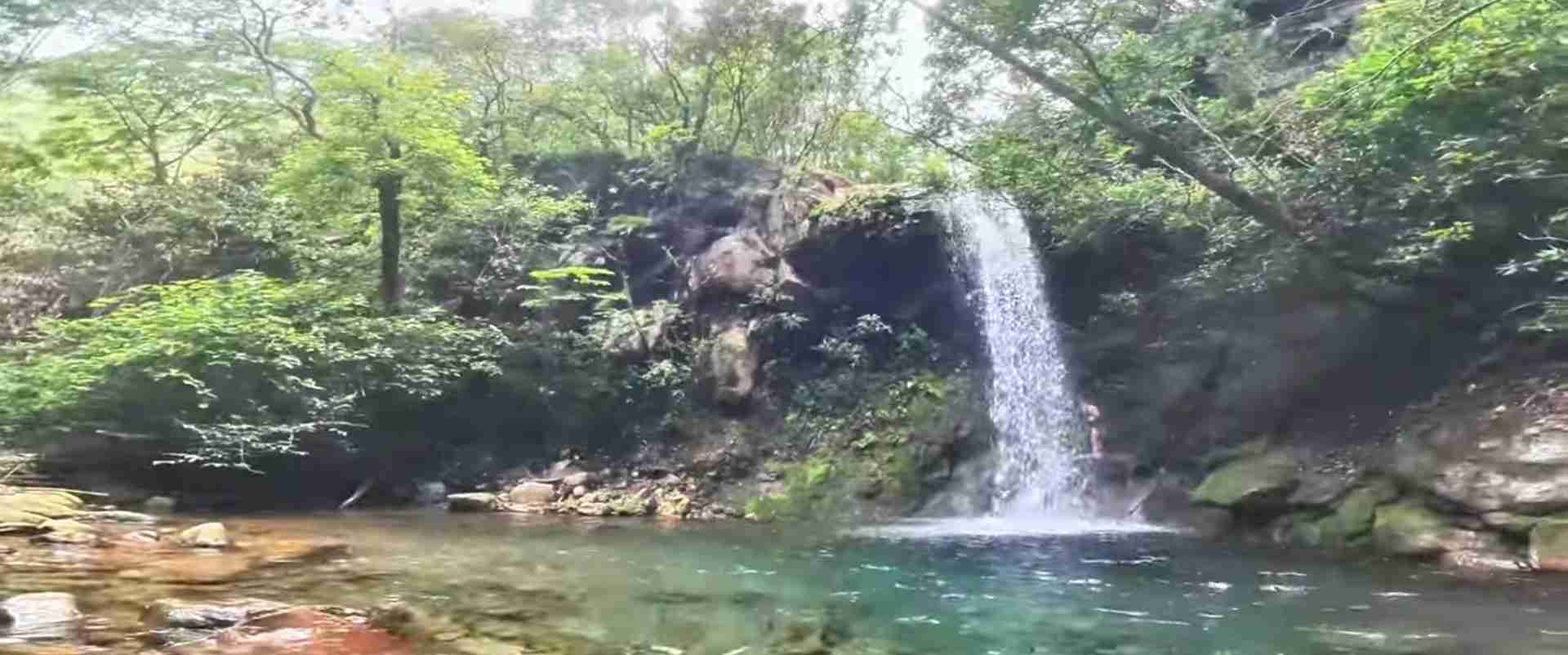
Guanacaste Costa Rica 2026: Complete Travel Guide
Key Takeaways
- Guanacaste offers Costa Rica’s best beaches, active volcanoes, and pristine national parks along 400km of Pacific coastline
- Dry season (December-April) provides guaranteed sunshine with peak costs, while green season (May-November) offers 40-50% savings with afternoon rain
- Budget travelers spend $45-65 daily, mid-range visitors $90-140, luxury travelers $200-350+ including accommodation, meals, activities, and transportation
- Liberia International Airport provides direct connections from major North American cities, making Guanacaste more accessible than San José-based itineraries
- Major destinations include Tamarindo (surf culture), Playa Conchal (luxury resorts), Papagayo Peninsula (exclusive beaches), and Rincón de la Vieja (volcanic adventures)
- Book accommodations 2-3 months ahead for dry season visits, rental cars 4-6 weeks advance for best rates and availability
Introduction to Guanacaste Costa Rica 2026
Guanacaste represents Costa Rica’s Pacific treasure—a sun-drenched province where volcanic peaks meet turquoise waters, pristine beaches stretch endlessly, and tropical dry forest ecosystems thrive. Unlike the country’s Caribbean coast or central highlands, Guanacaste delivers reliable sunshine during peak season, making it the premier destination for travelers seeking guaranteed beach weather alongside adventure activities.
The province extends from the Nicaraguan border south to the Nicoya Peninsula, encompassing some of Central America’s most spectacular coastline. Liberia International Airport has transformed Guanacaste from a remote ranching region into Costa Rica’s most accessible beach destination, with direct flights from major North American and European cities eliminating the need for San José connections.
Guanacaste’s appeal spans multiple travel styles. Beach enthusiasts discover world-class surf breaks, family-friendly swimming coves, and luxury resort complexes. Adventure travelers explore active volcanoes, zip through cloud forest canopies, and encounter wildlife in protected national parks. Cultural seekers experience authentic Tico cowboy traditions in rural communities largely unchanged by tourism development.
Planning your 2026 Guanacaste adventure requires understanding seasonal weather patterns, coastal geography, and the balance between developed resort areas and remote natural reserves. This comprehensive guide provides everything needed to design your perfect Pacific coast experience, from budget breakdowns and transportation logistics to accommodation strategies and money-saving techniques specific to Guanacaste’s unique tourism infrastructure.
People Also Ask About Guanacaste Costa Rica 2026
How much does a Guanacaste vacation cost in 2026?
A week-long Guanacaste vacation costs $1,400-2,100 for budget travelers, $2,500-3,800 for mid-range visitors, and $4,500-7,000+ for luxury experiences in 2026. Budget travelers staying in hostels or budget hotels spend $45-65 daily on accommodation, meals, local transportation, and limited activities. Mid-range travelers in comfortable hotels or vacation rentals spend $90-140 daily including restaurant meals, rental car costs, and regular tour participation. Luxury visitors in beachfront resorts with premium dining, private tours, and spa services spend $200-350+ daily. Check current exchange rates and booking platforms for updated pricing as costs vary by season and advance booking timing.
What is the best time to visit Guanacaste in 2026?
The best time to visit Guanacaste in 2026 is December through April during the dry season when rainfall drops to near zero and sunshine reaches 8-10 hours daily. January-March offers peak conditions with minimal rain, calm seas for swimming, and optimal wildlife viewing as animals concentrate around water sources. December and April provide excellent weather with lower crowds and 15-25% reduced accommodation costs compared to February-March peaks. Green season (May-November) brings afternoon thunderstorms but offers dramatic 40-50% cost savings, lush landscapes, and better surf conditions for experienced riders.
Do you need a rental car in Guanacaste in 2026?
A rental car significantly enhances Guanacaste exploration in 2026, providing access to remote beaches, national parks, and rural communities unreachable by public transportation. Rental cars cost $35-65 daily for economy vehicles, $55-85 for SUVs in 2026, with 4WD essential for rainy season travel and unpaved coastal roads. Public buses serve major towns like Tamarindo, Playa Flamingo, and Nosara for $2-8 per journey, while shared shuttles connect popular destinations for $35-55 per person. Travelers staying in single resort locations manage without cars, while multi-destination itineraries benefit enormously from rental vehicle flexibility.
Is Guanacaste safe for tourists in 2026?
Guanacaste remains one of Costa Rica’s safest regions in 2026, with tourist areas maintaining low violent crime rates and established security infrastructure. Petty theft occurs in beach towns and national parks—never leave valuables in parked cars, use hotel safes for passports and electronics, and avoid displaying expensive jewelry or cameras unnecessarily. Popular beaches employ lifeguards during peak season, though riptides require caution at remote surf breaks. Roads range from excellent highway conditions to challenging unpaved routes requiring 4WD vehicles. Standard travel precautions ensure safe, enjoyable Guanacaste experiences across all major destinations.
Extended multi-day tours – 5+ days
Featured Costa Rica Multi-Day Tour Packages
10 days
Essential Costa Rica – Package with Manuel Antonio National Park
- ✓ Comprehensive Costa Rica tour
- ✓ Expert local guides included
- ✓ All accommodation arranged
- ✓ Transportation provided
10 days
Costa Rica Adventure
- ✓ Comprehensive Costa Rica tour
- ✓ Expert local guides included
- ✓ All accommodation arranged
- ✓ Transportation provided
9 days
Costa Rica Quest
- ✓ Comprehensive Costa Rica tour
- ✓ Expert local guides included
- ✓ All accommodation arranged
- ✓ Transportation provided
10 days
Essential Costa Rica – Package with Guanacaste
- ✓ Comprehensive Costa Rica tour
- ✓ Expert local guides included
- ✓ All accommodation arranged
- ✓ Transportation provided
Multi-day tour packages powered by TourRadar. Prices and availability subject to change.
Essential Planning Information for 2026
Understanding Guanacaste Costs in 2026
Guanacaste prices in 2026 reflect Costa Rica’s position as Central America’s most expensive destination, with costs comparable to mid-range U.S. beach towns. Accommodation represents the largest expense—budget hostels and basic hotels charge $25-45 per night for double occupancy, mid-range hotels and vacation rentals cost $80-150, while beachfront resorts demand $200-450+ nightly during peak season. Check booking platforms for current rates as pricing varies significantly by season and advance reservation timing.
Meals follow Costa Rica’s tiered pricing system. Local sodas (family restaurants) serve casado lunches for $6-10, with dinner plates reaching $8-14. Tourist-oriented restaurants charge $12-20 for lunch, $18-35 for dinner entrees. Beachfront dining and resort restaurants command $25-45 per person for dinner with drinks. Supermarkets offer significant savings—fresh produce, local cheese, and bread cost 40-60% less than restaurant equivalents.
Activities and tours cost $45-165 per person in 2026. National park entries run $12-18, zip-line canopy tours $65-95, volcano tours $85-125, snorkeling excursions $75-110, surf lessons $55-85. Multi-activity packages combining several experiences offer 15-25% savings compared to booking individually. Transportation costs depend heavily on vehicle choice—public buses charge $2-8 between major towns, while rental cars cost $35-85 daily plus $45-75 weekly for mandatory insurance.
Currency and Payment Systems 2026
Costa Rica uses the colón (₡) as official currency, though U.S. dollars function as unofficial second currency throughout Guanacaste. The exchange rate fluctuates around ₡500-550 per USD in 2026. ATMs dispense both colones and dollars, with local currency generally providing better value for small purchases. Credit cards work at hotels, restaurants, tour operators, and larger businesses, with Visa and Mastercard accepted most widely.
Exchange dollars at banks or airport exchanges rather than hotels to avoid 5-8% unfavorable rates. ATM withdrawals incur $3-6 fees per transaction plus your bank’s international charges—withdraw larger amounts less frequently to minimize costs. Many businesses quote prices in dollars for simplicity, particularly accommodations, tours, and rental cars. Keep small bills in both currencies for tipping, local transportation, and rural area purchases where card systems don’t function.
Entry Requirements and Documentation 2026
U.S., Canadian, and EU citizens enter Costa Rica visa-free for 90 days in 2026, requiring only a passport valid six months beyond entry date. No vaccinations are mandatory, though hepatitis A and typhoid immunizations receive recommendations for travelers eating outside tourist areas. Yellow fever vaccination becomes required only for arrivals from endemic countries in South America or Africa.
Travelers must complete an online Health Pass 72 hours before arrival, a simple process requiring passport information and accommodation details. Costa Rica eliminated COVID-19 testing and vaccination requirements for entry, though health protocols may return if new variants emerge. Travel insurance remains strongly recommended, covering medical emergencies, trip cancellations, and potential evacuation needs—policies cost $45-95 for week-long coverage in 2026.
Best Time to Visit Guanacaste in 2026
Dry Season Excellence: December-April 2026
Guanacaste’s dry season delivers Costa Rica’s most reliable beach weather, with December through April receiving less than 5-10cm monthly rainfall. December starts beautifully with scattered showers diminishing rapidly, while January-March offers virtually zero precipitation and cloudless skies. April grows progressively hotter, with temperatures reaching 32-35°C (90-95°F) and humidity building toward May’s rainy season transition.
Dry season advantages extend beyond weather. Wildlife congregates around permanent water sources, making animal observation easier in national parks. Ocean conditions favor swimming and snorkeling, with calm seas and excellent visibility. Waves remain consistent for surfing without the powerful swells and dangerous currents common during rainy season. Dust from unpaved roads increases, and landscapes take on golden brown hues contrasting dramatically with the rainy season’s emerald forests.
Peak season pricing affects all aspects of travel during December-April. Hotels and resorts charge 40-60% more than green season rates, with beachfront properties reaching maximum prices. Rental cars cost $10-15 more daily, tours operate at full capacity requiring advance reservations, and popular beaches fill with visitors. Book accommodations 2-3 months ahead for December-March travel, rental cars 4-6 weeks advance, and popular tours 2-4 weeks early to secure preferred dates.
Green Season Opportunities: May-November 2026
Guanacaste’s green season transforms the landscape through afternoon thunderstorms that drench the province while maintaining morning sunshine. May-November receives 15-30cm monthly rainfall, concentrated in September-October when tropical depressions bring multi-day downpours. Mornings typically stay clear, with rain arriving 2-6 PM and clearing by evening—plan beach time and outdoor activities for morning hours.
Green season offers dramatic cost savings across all travel expenses. Accommodations drop 40-50% below peak rates, rental cars become $10-20 daily cheaper, and tours offer rainy season discounts. Fewer tourists create peaceful beach experiences, easier restaurant reservations, and more personalized tour group sizes. Landscapes explode in emerald vegetation, waterfalls reach maximum flow, and wildlife becomes more active in cooler temperatures.
Rainy season challenges include unpredictable weather, rough ocean conditions with powerful currents, muddy roads requiring 4WD vehicles, and occasional tour cancellations during heavy storms. September-October brings the wettest conditions—consider May-June or November for green season visits with lighter rainfall. Surfing improves dramatically during rainy season with consistent swells, though only experienced riders should attempt the powerful waves.
Month-by-Month Planning Guide 2026
January and February represent Guanacaste’s peak months, offering guaranteed sunshine, calm seas, and optimal wildlife viewing. Temperatures reach 28-32°C (82-90°F) with negligible rainfall. Expect maximum crowds, highest prices, and advance booking requirements for premium accommodations and tours. March maintains excellent weather with slight temperature increases and occasional afternoon breezes, while crowds diminish slightly toward month’s end.
April delivers Guanacaste’s hottest, driest weather with temperatures exceeding 33°C (92°F) and humidity building. Easter week (late March-early April in 2026) brings Costa Rican family vacationers creating busy beaches and full hotels. May marks the transition with afternoon storms beginning unpredictably while mornings stay sunny. Prices drop immediately, crowds vanish, and landscapes green rapidly.
June-August constitutes Guanacaste’s “little summer”—a mid-rainy season dry spell with reduced afternoon storms and pleasant conditions. July-August sees increased North American family travel during school vacations despite rainy season status. September-October brings heaviest rainfall with all-day storms possible, though morning clearings still occur. November transitions back toward dry season with diminishing rain and increasingly sunny weather. December starts the peak season with rapidly improving conditions and rising visitor numbers.
Geography and Destinations Overview 2026
Northern Guanacaste: Papagayo to Tamarindo
Northern Guanacaste extends from the Nicaraguan border south to Tamarindo, encompassing the province’s most developed resort infrastructure. The Papagayo Peninsula hosts Costa Rica’s most exclusive properties—Four Seasons, Andaz Peninsula Papagayo, and other luxury resorts occupying pristine coves with championship golf courses and full-service marinas. These resorts cater to travelers seeking all-inclusive convenience, private beaches, and premium service at $400-900+ nightly in peak season.
Playa del Coco and Ocotal provide alternatives with mid-range hotels, excellent diving access, and authentic fishing village character. Playas Hermosa and Panama offer family-friendly swimming beaches with calm waters, beachfront vacation rentals, and growing restaurant scenes. Playa Flamingo and Potrero attract sailing enthusiasts and sport fishermen, with modern marina facilities and upscale dining options.
Tamarindo dominates northern Guanacaste tourism as the region’s surf capital and nightlife center. This bustling beach town offers hundreds of accommodations from $25 hostels to $300+ boutique hotels, plus Costa Rica’s best surf instruction infrastructure. Tamarindo serves as the base for exploring nearby beaches, national parks, and the Rincón de la Vieja volcano. The town’s development has brought traffic congestion, higher prices, and environmental concerns, though its energy and convenience continue attracting visitors.
Nicoya Peninsula: Nosara to Malpaís
The Nicoya Peninsula extends south from Tamarindo, offering progressively more remote and pristine coastal experiences. Nosara attracts yoga practitioners, wellness seekers, and sustainable tourism advocates to its two distinct beaches—Playa Guiones for surfing, Playa Nosara for swimming. The community maintains environmental consciousness through building restrictions, preservation initiatives, and eco-resort development. Nosara’s remoteness (unpaved roads, limited services) preserves its tranquil character while challenging budget travelers.
Sámara and Carrillo provide family-friendly alternatives with calm swimming beaches, affordable accommodations, and easy road access. These towns maintain authentic Tico character despite tourism growth, offering supermarkets, medical clinics, and reliable services. Playa San Miguel and Coyote attract adventurous travelers seeking isolation, pristine nature, and rustic accommodations far from tourist infrastructure.
The southern peninsula around Montezuma, Santa Teresa, and Malpaís offers Guanacaste’s most dramatic coastline with rocky points, hidden coves, and powerful surf. Montezuma maintains bohemian character with budget accommodations, waterfall hikes, and backpacker energy. Santa Teresa and Malpaís have developed into surf destinations with boutique hotels, yoga studios, and international restaurants, though rough road access (1-2 hours on unpaved routes from paved highways) preserves their remote atmosphere.
Volcanic Highlands: Rincón de la Vieja and Miravalles
Guanacaste’s volcanic highlands provide dramatic contrast to coastal beaches, with Rincón de la Vieja National Park protecting an active volcano, bubbling mud pots, steaming fumaroles, and pristine cloud forests. The park sits 90 minutes from Liberia, offering day trip access or overnight stays in nearby hacienda-style lodges. Volcanic hot springs, zip-line canopy tours, horseback riding, and waterfall hikes create multi-day adventure possibilities.
Miravalles Volcano hosts several geothermal developments producing renewable energy alongside tourist attractions. Hot spring resorts, mud bath facilities, and volcanic viewing platforms attract visitors seeking wellness experiences combined with volcanic landscapes. These highland areas receive more rainfall than coastal Guanacaste even during dry season, maintaining lush vegetation and active wildlife populations.
Transportation Guide for 2026
Reaching Guanacaste in 2026
Liberia International Airport (LIR) serves as Guanacaste’s primary gateway, located 30 minutes from Papagayo Peninsula beaches and 90 minutes from Tamarindo. Direct flights connect Liberia with major North American cities including New York, Los Angeles, Houston, Dallas, Miami, Toronto, and Montreal. Flight times average 4-6 hours from the eastern U.S., 5-7 hours from the western U.S., and 5-6 hours from Canada. International arrivals peak December-April with daily service on multiple airlines, while summer months (June-August) offer reduced but adequate flight availability.
Airfares to Liberia vary dramatically by season in 2026. Peak season (December-March) round-trip flights cost $450-750 from eastern cities, $550-850 from western cities when booked 2-3 months ahead. Green season flights (May-November) drop to $350-550 from the east, $400-650 from the west. Book flights 3-4 months ahead for peak season travel, 6-8 weeks for green season visits to secure optimal pricing.
San José’s Juan Santamaría International Airport (SJO) offers alternative access with more flight options and competitive pricing, though ground transportation to Guanacaste adds 4-5 hours driving or $20-35 per person for shared shuttles. Travelers combining San José sightseeing with Guanacaste beach time benefit from this routing, while beach-focused itineraries work better through Liberia direct access. Private shuttles from San José to Guanacaste beaches cost $180-280 for up to 4 passengers, shared shuttles $45-65 per person.
Car Rental Strategies 2026
Rental cars provide maximum flexibility for Guanacaste exploration in 2026, though Costa Rica’s rental system includes complexities requiring careful planning. Basic rental rates run $35-65 daily for economy cars, $55-85 for SUVs, with mandatory insurance adding $15-25 daily. Full insurance packages (Super Collision Damage Waiver) eliminate deductibles and simplify claim processes—essential given Costa Rica’s challenging road conditions and frequent minor accidents.
Book rental cars 4-6 weeks ahead for peak season travel, 2-3 weeks for green season visits through international booking platforms (Auto Europe, Rentalcars.com, Kayak) for better rates than local suppliers. Verify insurance coverage thoroughly—most U.S. auto insurance and credit card coverage doesn’t transfer to Costa Rica. Budget an additional $45-75 weekly for mandatory Costa Rica insurance beyond base rental rates.
Vehicle choice matters significantly in Guanacaste. Paved highways connect Liberia to major beach towns, though many beach access roads, national park routes, and peninsula destinations require unpaved travel. Dry season travel manages with economy cars on most routes, while rainy season demands 4WD SUVs for safe navigation. Rental agencies enforce strict policies about driving on unauthorized roads—verify your route coverage before departing to avoid violation charges.
Fuel costs $1.10-1.30 per liter ($4.15-4.90 per gallon) in 2026, with gas stations available in all major towns. Roads between Liberia and beach towns average 45-60 minutes driving, while southern peninsula destinations require 2-3 hours including unpaved sections. Budget $50-85 weekly for fuel depending on distances covered. Never leave valuables visible in parked cars—theft from vehicles represents tourists’ most common crime experience.
Public Transportation Options 2026
Costa Rica’s public bus system connects Guanacaste towns affordably but slowly, with routes designed for local needs rather than tourist convenience. Buses from Liberia reach Tamarindo ($3-5, 90 minutes), Playas del Coco ($2-3, 45 minutes), Playa Flamingo ($4-6, 2 hours), and Sámara ($6-8, 3 hours) multiple times daily. Schedules favor early morning and late afternoon departures accommodating work commutes rather than tourist flexibility.
San José-Guanacaste buses provide long-distance connections for $8-15 depending on destination, with comfortable coaches serving major beach towns. Travel times extend 4-6 hours for most destinations given stops in multiple towns. Buses offer minimal luggage space—large surfboards, extensive baggage, and bulky gear creates challenges. Reserve seats advance for popular Friday-Sunday routes during peak season when buses fill completely.
Shared shuttle services (Interbus, Grayline, Easy Ride) provide tourist-oriented transportation between major destinations for $35-65 per person. These air-conditioned vans collect passengers from hotels, offer door-to-door service, and maintain reliable schedules. Shuttles work well for single transfers (Liberia Airport to Tamarindo, Tamarindo to Nosara) but become expensive for multiple destinations—rental cars cost less for itineraries visiting 3+ locations.
Domestic Flights and Alternative Transport 2026
Sansa and Green Airways operate small aircraft connecting Liberia and San José with remote Nicoya Peninsula destinations including Nosara, Tamarindo, and Tambor. Flights cost $75-145 each way, with 25-40 minute flight times replacing 3-5 hour road journeys. Weight restrictions limit baggage to 12-15kg per passenger—surfboards and extensive luggage incur significant surcharges or prohibition. Book domestic flights simultaneously with international tickets for better coordination and pricing.
Private shuttles and drivers offer comfortable alternatives for travelers avoiding rental car hassles. Arrange airport transfers ($50-95 depending on destination) and multi-day tours with drivers through hotel concierges or booking platforms. Full-day driver services cost $180-280 including vehicle, fuel, and guide services. This option works well for families, luxury travelers, and visitors uncomfortable with Costa Rica’s challenging driving conditions.
Accommodation Strategies for 2026
Budget Accommodations: $25-55 Nightly
Budget accommodations in Guanacaste range from backpacker hostels to basic hotels and guesthouses offering essential amenities without luxury touches. Hostels in Tamarindo, Sámara, and Montezuma charge $12-20 for dorm beds, $30-45 for private rooms with shared bathrooms. These properties emphasize social atmosphere with communal kitchens, organized activities, and fellow traveler connections. Facilities vary from basic bunks to renovated properties with pools and modern amenities.
Budget hotels and cabinas offer private rooms with bathrooms, air conditioning or fans, and basic furnishings for $35-55 nightly. These family-run properties provide authentic local experiences, though English proficiency varies. Locations range from beachfront to inland settings—beachfront budget properties become scarce as development favors mid-range and luxury categories. Book directly with properties for potential discounts avoiding booking platform commissions.
Budget travelers maximize savings through strategic planning. Choose accommodations with kitchen access to prepare breakfasts and pack beach lunches, reducing meal costs by 40-60%. Stay in towns rather than resort areas where restaurants and supermarkets serve local populations at lower prices. Consider green season visits when budget properties drop rates 30-50% below peak pricing while maintaining the same facilities and service levels.
Mid-Range Hotels and Vacation Rentals: $80-180 Nightly
Mid-range accommodations provide comfortable amenities, convenient locations, and reliable service at $80-180 nightly for double occupancy. Hotels in this category offer air conditioning, swimming pools, on-site restaurants, tour desks, and modern bathrooms. Properties range from boutique hotels emphasizing design and personalized service to larger hotels with multiple room categories and expanded facilities.
Vacation rentals through Airbnb, VRBO, and local agencies offer excellent value for families and groups, with 2-3 bedroom condos and houses costing $100-220 nightly. Full kitchens enable meal preparation reducing dining expenses significantly, while multiple bedrooms and living spaces provide comfort impossible in hotel rooms. Beach access, pools, and outdoor living spaces enhance the vacation rental experience. Book 2-3 months ahead for peak season availability, verify cleaning fees and security deposits that add 15-25% to nightly rates.
Mid-range properties concentrate in Tamarindo, Playas del Coco, Sámara, and Flamingo with good availability and competitive pricing. Remote destinations command premium rates despite limited services given restricted accommodation supply. All-inclusive packages at mid-range beach resorts cost $140-220 per person daily including meals, drinks, and some activities—calculate whether included amenities justify higher base rates versus à la carte spending.
Luxury Resorts and Premium Properties: $220-550+ Nightly
Luxury accommodations in Guanacaste deliver world-class resort experiences, from Papagayo Peninsula exclusivity to boutique eco-lodges emphasizing sustainability. Four Seasons Resort at Peninsula Papagayo, Andaz Peninsula Papagayo, El Mangroove, and similar properties charge $400-900+ nightly for rooms, $800-2,500+ for suites and villas. These resorts provide private beach access, championship golf, multiple restaurants, spa facilities, and comprehensive activity programs.
Boutique luxury properties offer intimate alternatives emphasizing personalized service, unique design, and exclusive locations. Properties like Rancho Santana near Rivas, JW Marriott Guanacaste, and Secrets Papagayo provide adult-oriented luxury at $300-600 nightly. Eco-luxury lodges near national parks combine comfortable accommodations with pristine natural settings, guided nature tours, and environmental education programs.
All-inclusive luxury resorts simplify budgeting by including meals, premium drinks, water sports, and activities in nightly rates. Calculate total costs comparing all-inclusive pricing ($350-550 per person daily) against room-only rates plus expected meal and activity expenses. Families and groups drinking moderately and participating in included activities often find better value booking rooms separately and paying for meals and tours independently.
Strategic Accommodation Planning 2026
Location choices significantly impact Guanacaste experiences beyond simple accommodation quality. Staying in developed towns like Tamarindo provides walkable restaurant access, nightlife options, and tour booking convenience while sacrificing tranquility. Remote properties offer peaceful seclusion, pristine nature, and exclusive beach access while requiring rental cars for dining and shopping.
Multi-destination itineraries benefit from strategic base changes. Start in Liberia area beaches (Papagayo, Coco, Hermosa) for convenient airport access, move south to Tamarindo for central coast position, then either north to Rincón de la Vieja for volcanic highlands or south to Nosara/Santa Teresa for remote peninsula experiences. Single-location stays work best for relaxation-focused visits, while 2-3 bases enable broader Guanacaste exploration.
Book accommodations using multiple strategies for optimal rates. International booking platforms (Booking.com, Expedia, Hotels.com) provide security and familiar interfaces with customer protection. Direct booking with properties sometimes yields 10-15% discounts through eliminated commission costs—always ask about direct booking rates. Read reviews carefully focusing on recent feedback about maintenance, service quality, and accurate amenity descriptions.
Activities and Experiences 2026
Beach Activities and Water Sports
Guanacaste’s 400km coastline offers every beach experience imaginable, from calm swimming coves to powerful surf breaks. Tamarindo, Nosara, Santa Teresa, and Playa Grande provide Costa Rica’s best surf instruction, with lessons costing $55-85 for 2-3 hour sessions including board rental. Experienced surfers challenge powerful reef breaks at Witch’s Rock, Ollie’s Point, and numerous point breaks accessible by boat.
Snorkeling and diving explore Costa Rica’s Pacific marine environment around the Catalina Islands, Bat Islands, and coastal reefs. Snorkeling tours cost $75-110 including equipment, boat transport, and guide services. Diving trips range $95-165 for two-tank dives, with PADI certification courses available for $350-450. Marine life includes manta rays, sea turtles, tropical fish, and occasional whale shark encounters.
Kayaking, stand-up paddleboarding, and sailing provide additional water activities. Mangrove kayaking tours ($65-95) explore estuarine ecosystems teeming with birds, crocodiles, and tropical wildlife. Sunset sailing cruises ($75-125 per person) offer romantic Pacific Ocean experiences with complimentary drinks and appetizers. Beach areas rent kayaks and paddleboards for $15-25 hourly, enabling independent exploration.
National Parks and Nature Experiences
Rincón de la Vieja National Park protects active volcanic landscapes 90 minutes from Liberia, with entrance fees of $15 per person in 2026. The park offers hiking trails past bubbling mud pots, steaming fumaroles, roaring waterfalls, and pristine cloud forest. Full-day tours cost $85-125 including transportation, guide services, lunch, and hot springs access at nearby thermal resorts.
Palo Verde National Park provides wetland ecosystems supporting Costa Rica’s highest bird diversity, with 300+ species recorded. Boat tours ($75-95) navigate the Tempisque River searching for crocodiles, caimans, monkeys, and spectacular waterbird concentrations. Dry season (January-April) offers optimal wildlife viewing as animals concentrate around permanent water sources.
Santa Rosa National Park protects tropical dry forest ecosystems and significant historical sites where Costa Rica defended against invasions. The park charges $12 entry and provides hiking trails, surfing access (boat required to Witch’s Rock and Ollie’s Point), and camping facilities. Marine sections include pristine beaches supporting sea turtle nesting programs.
Adventure Activities and Canopy Tours
Zip-line canopy tours provide aerial forest perspectives through cables strung between platforms high in the trees. Tours near Tamarindo, Rincón de la Vieja, and throughout Guanacaste cost $65-95 for 2-3 hour experiences including multiple zip lines, suspension bridges, and safety equipment. Some operators combine zip-lining with waterfall rappelling, Tarzan swings, and horseback riding for comprehensive adventure packages.
White-water rafting on the Tenorio and Colorado rivers offers class II-IV rapids through pristine rainforest canyons. Full-day rafting tours cost $95-135 including transportation, equipment, guide services, and riverside lunch. Trips run year-round though rainy season (June-November) provides higher water levels and more exciting rapids.
Horseback riding explores Guanacaste’s ranching heritage through rides across cattle ranches, along beaches, and into forest reserves. Tours cost $65-95 for half-day rides including guide services and refreshments. Sunset beach rides provide romantic experiences with golden light illuminating coastal landscapes. Multi-day riding tours appeal to equestrian enthusiasts seeking extended saddle time.
Cultural Experiences and Local Traditions
Guanacaste maintains strong cowboy (sabanero) culture despite tourism development, with traditional ranches offering cultural demonstrations. Visit working cattle ranches to observe cheese production, learn traditional roping techniques, and experience rural Tico lifestyles. Cultural tours cost $75-110 including transportation, demonstrations, and traditional meals.
Local markets in Liberia, Santa Cruz, and Nicoya provide authentic shopping experiences with fresh produce, crafts, and regional specialties. Saturday farmers markets offer peak selection with tropical fruits, local coffee, handmade tortillas, and artisan goods. Pottery workshops in Guaitil demonstrate pre-Columbian ceramic techniques still practiced by indigenous Chorotega descendants.
Festivals and celebrations occur throughout the year, with July’s Annexation of Guanacaste celebrating the province’s historical independence. Fiestas Cívicas bring rodeos, bullfights (bloodless tradition), folk dancing, and extended celebrations to towns across the region. Time visits to coincide with local festivals for authentic cultural experiences beyond standard tourist activities.
Dining and Cuisine Guide 2026
Traditional Costa Rican Cuisine
Guanacaste dining centers on traditional Costa Rican preparations emphasizing rice, beans, plantains, and fresh tropical ingredients. The casado lunch plate combines rice and beans, protein (chicken, beef, fish), cabbage salad, and fried plantains for $6-12 at local sodas. Gallo pinto (rice and beans) serves as the national breakfast dish, often accompanied by eggs, tortillas, and fresh fruit.
Regional specialties include arroz de maíz (corn rice), tamales wrapped in banana leaves, fresh tortillas made from local corn, and rosquillas (cheese-flavored biscuits). Coastal areas excel at fresh seafood preparations—ceviche, whole fried snapper, lobster, and shrimp appear on most restaurant menus. Tropical fruits provide natural desserts, with mango, papaya, watermelon, and pineapple available year-round at markets and restaurants.
Sodas (local family restaurants) offer authentic dining experiences at budget prices, with meal costs averaging $6-14 per person including drinks. These establishments serve working Ticos and local families, providing genuine cultural experiences alongside excellent value. English menus rarely exist—learn basic Spanish food terms or use translation apps to navigate ordering.
International and Tourist-Oriented Dining
Developed beach towns offer extensive international dining options reflecting global tourist populations. Italian restaurants serve wood-fired pizzas and fresh pasta ($12-20), sushi restaurants prepare fusion rolls combining local fish with Asian techniques ($15-28), and American-style cafes provide familiar breakfasts and burgers ($10-18). These establishments charge 40-80% more than local sodas while delivering varied cuisine and English-speaking service.
Beachfront restaurants capitalize on ocean views with premium pricing—expect $18-35 for entrees, $8-14 for cocktails, and $6-10 for appetizers. Sunset dining creates romantic ambiance though food quality varies from excellent to mediocre across establishments. Research restaurant reviews carefully before committing to beachfront dining, as stunning views sometimes compensate for ordinary cuisine.
Resort dining delivers convenience at significant cost premiums. Hotel restaurants charge $18-35 for breakfast buffets, $20-40 for lunch, and $30-60+ for dinner. All-inclusive resorts include meals and drinks, though quality and variety depend on property category. Budget meals outside resorts, saving resort dining for occasional convenience rather than every meal.
Budget Dining Strategies 2026
Self-catering reduces dining costs by 50-70% through accommodation kitchen facilities. Supermarkets in major towns stock fresh produce, local cheese, bread, meats, and packaged goods at reasonable prices. Prepare breakfasts (eggs, fruit, toast, coffee) for $3-5 per person versus $10-18 restaurant charges. Pack beach lunches (sandwiches, fruit, snacks) saving $12-20 daily over restaurant meals.
Shop at local markets and pulperías (corner stores) for lowest grocery prices, avoiding tourist-area supermarkets that charge 20-30% premiums. Buy tropical fruits from roadside stands—pineapples, mangoes, and papayas cost 60-75% less than supermarket pricing. Visit sodas for lunch rather than dinner, as lunch specials (almuerzo ejecutivo) provide three-course meals for $7-11 versus $12-18 dinner equivalents.
Strategic splurging balances budget meals with occasional restaurant experiences. Enjoy beachfront sunset dinners 1-2 times weekly while cooking other meals, dine at sodas for lunch and cook dinner, or reverse by cooking breakfast and lunch while dining out evenings. This approach maintains affordable daily averages while sampling Guanacaste’s restaurant scene.
Sample 2026 Itineraries
7-Day Beach and Volcano Adventure
Day 1 – Arrival and Papagayo Relaxation: Fly into Liberia International Airport, collect rental car, drive 30 minutes to Papagayo area accommodation. Afternoon beach time at Playa Hermosa or Ocotal, sunset dinner at beachfront restaurant. Accommodation €120-180 mid-range hotel. Rental car €55, airport meal €12-18, dinner €25-35, welcome drinks €10-15. Total day cost: €102-123 per person (excluding accommodation).
Day 2 – Rincón de la Vieja Volcano Tour: Full-day guided tour to Rincón de la Vieja National Park exploring volcanic features, hiking to waterfalls, hot springs relaxation. Tour includes transportation, entrance fees, lunch, guide services €105-125. Breakfast at hotel included or €8-12, dinner in town €18-28. Total day cost: €131-165 per person (excluding accommodation).
Day 3 – Transfer to Tamarindo and Surf Lesson: Morning drive to Tamarindo (90 minutes), check into accommodation, afternoon surf lesson on Tamarindo Beach. Breakfast €8-12, lunch in Tamarindo €12-18, surf lesson €65-85, dinner €20-30, evening drinks €12-18. Total day cost: €117-163 per person (excluding accommodation).
Day 4 – Sailing and Snorkeling Adventure: Full-day catamaran sailing tour to remote beaches and snorkeling sites, including lunch and drinks. Breakfast €8-12, sailing tour €95-125, dinner in town €22-32, gelato €5-8. Total day cost: €130-177 per person (excluding accommodation).
Day 5 – Beach Day and Zip-Line Canopy Tour: Morning beach relaxation, afternoon canopy zip-line adventure. Breakfast €8-12, beach lunch €15-22, zip-line tour €75-95, dinner €25-35, drinks €10-15. Total day cost: €133-179 per person (excluding accommodation).
Day 6 – Day Trip to Playa Conchal and Flamingo: Explore northern beaches, swimming at Playa Conchal, lunch in Flamingo, sunset viewing. Breakfast €8-12, fuel €8-12, lunch in Flamingo €18-28, afternoon snacks €8-12, dinner in Tamarindo €20-30. Total day cost: €62-94 per person (excluding accommodation).
Day 7 – Departure Preparation: Morning beach walk, souvenir shopping, leisurely breakfast, afternoon departure to Liberia Airport. Breakfast €10-15, lunch €15-20, airport snacks €8-12, fuel to airport €10-15. Total day cost: €43-62 per person (excluding accommodation).
7-Day Itinerary Summary: Accommodation €840-1,260 (7 nights mid-range), daily costs €718-963 per person, rental car €385 (7 days including insurance), fuel €120-150. Total trip cost: €2,063-2,758 per person including all expenses.
10-Day Southern Peninsula Explorer
Days 1-3 – Tamarindo Base: Arrive Liberia, transfer to Tamarindo, surf lessons, beach activities, local dining, zip-line tour. Three nights exploring Tamarindo’s beaches, restaurants, and nearby attractions. Daily costs €110-155 per person averaging €132 (excluding accommodation €100-150 nightly).
Days 4-5 – Transfer to Nosara: Scenic drive to Nosara (2.5 hours including unpaved sections), yoga classes, Playa Guiones surfing, wellness activities, organic dining. Two nights in eco-lodge accommodation. Daily costs €125-175 per person averaging €150 (excluding accommodation €140-200 nightly).
Days 6-8 – Santa Teresa and Malpaís: Continue south to Santa Teresa (3 hours mostly unpaved), surf coaching, beach exploration, sunset viewpoints, international dining. Three nights in boutique hotel. Daily costs €135-185 per person averaging €160 (excluding accommodation €160-240 nightly).
Days 9-10 – Return via Paquera Ferry and Departure: Ferry to Puntarenas, drive to Liberia area, final beach day, airport departure. One night near airport, departure day. Daily costs €95-135 per person (excluding accommodation).
10-Day Summary: Accommodation €1,300-1,900 (9 nights), daily costs €1,250-1,680 per person, rental car €550 (10 days SUV with insurance), fuel €180-220, ferry €25 per person. Total: €3,305-4,375 per person.
5-Day Budget Beach Break
Day 1: Arrive Liberia, shared shuttle to Tamarindo €45-55, check into hostel, beach sunset, local soda dinner. Daily cost €72-95 per person (excluding accommodation €25-35 hostel dorm).
Day 2: Surf lesson morning, beach afternoon, self-prepared lunch from supermarket, local dinner. Daily cost €88-118 per person (excluding accommodation).
Day 3: Free beach day, bodyboarding, beach volleyball, sunset watching, budget dining throughout. Daily cost €35-52 per person (excluding accommodation).
Day 4: Day trip to nearby beaches by public bus, beach exploration, local dining, evening Tamarindo nightlife. Daily cost €48-72 per person (excluding accommodation).
Day 5: Morning beach, pack up, shared shuttle to Liberia €45-55, departure. Daily cost €68-88 per person (excluding accommodation).
5-Day Budget Summary: Accommodation €100-175 (4 nights hostel/budget hotel), daily costs €311-425, shuttles €90-110. Total: €501-710 per person.
Money-Saving Strategies for 2026
Timing and Advance Booking Optimization
Green season travel (May-November) delivers Guanacaste’s most significant savings, with accommodations costing 40-50% less than peak season rates. A hotel charging $180 in February drops to $85-95 in June while offering identical facilities, service, and beachfront access. Rental cars decrease $10-20 daily, tours offer rainy season discounts, and restaurants reduce prices targeting smaller tourist populations.
Shoulder season timing maximizes value—visit late November-early December or late April-early May for transitional weather bringing mostly sunny days, diminishing crowds, and reduced pricing. Accommodations charge 25-35% below peak rates during these windows while weather remains largely favorable. Avoid Easter week (late March-early April) when Costa Rican families vacation creating peak season prices despite calendar dates.
Advance booking secures better rates and wider availability. Book flights 3-4 months ahead for peak season, 6-8 weeks for green season. Reserve accommodations 2-3 months early during December-March, 3-4 weeks for other periods. Rental cars booked 4-6 weeks advance cost $5-12 daily less than last-minute reservations. Tours rarely discount for advance booking but sell out for popular dates—reserve 2-4 weeks ahead ensuring availability.
Transportation Cost Management
Rental cars provide best value for groups and multi-destination itineraries despite initial expense. Compare total car costs ($35-65 daily rental + $15-25 insurance + $50-85 weekly fuel = $320-595 weekly) against shuttle costs for similar routes ($35-65 per person per transfer × number of transfers). Three-person groups save money renting cars after 2-3 transfers, couples after 3-4 transfers.
Public buses deliver maximum savings for single-route travel and flexible schedules. Liberia-Tamarindo costs $3-5 versus $50-65 private shuttle, Tamarindo-Nosara $8-12 versus $55-75 shuttle. Time costs increase significantly—buses take 2-3× shuttle duration with multiple stops and schedule restrictions. Budget-conscious travelers accepting time trade-offs save $200-350 weekly choosing buses over rental cars.
Share rides with other travelers through hostel bulletin boards and online forums. Split shuttle costs, share rental cars among multiple travelers, or join informal tour groups reducing per-person transportation expenses. Negotiate private shuttle rates for groups of 4-6 passengers, often securing 20-30% discounts versus individual bookings.
Accommodation Savings Techniques
Longer stays negotiate better rates—request weekly or bi-weekly discounts when booking 5+ nights. Many properties offer 10-20% reductions for extended stays, particularly during green season when occupancy drops. Vacation rentals provide better value than hotels for week+ stays given full kitchens enabling meal preparation and multiple bedrooms accommodating families or groups.
Stay outside premium beach towns where tourism development inflates pricing. Accommodations in Liberia, Santa Cruz, or inland communities cost 40-60% less than equivalent beachfront properties while providing authentic cultural experiences. Drive or bus to beaches for day visits rather than paying premium rates for beachfront sleeping locations.
Book directly with properties asking about best available rates, corporate discounts, or AAA/senior rates. Eliminate booking platform commissions (typically 15-20%) that properties factor into their pricing. Many small hotels and vacation rentals prefer direct bookings, offering 10-15% discounts avoiding commission fees. Always compare direct rates with platform pricing before booking.
Activity and Dining Budget Optimization
Free and low-cost activities fill Guanacaste days without tour expenses. Beach time costs nothing beyond transportation and parking. Hiking in accessible national parks requires only entrance fees ($12-18). Watch spectacular sunsets free from any beach viewpoint. Explore local towns, visit markets, observe wildlife from beaches and mangroves without guided tour costs.
Group tour bookings secure discounts from operators competing for business. Negotiate 10-15% reductions when booking 3+ activities with single operators. Compare prices among multiple tour companies—rates vary significantly for identical experiences. Ask hotel concierges about local operators offering better pricing than heavily marketed international companies.
Dining strategies dramatically reduce food costs. Shop local markets and pulperías for lowest grocery prices, preparing 60-75% of meals in accommodation kitchens. Eat lunch at sodas where casado plates cost $6-12, then cook dinner rather than spending $18-35 in restaurants. Budget one special dinner weekly at beachfront restaurants, maintaining affordable averages while sampling local dining scenes.
Booking and Reservations for 2026
Accommodation Booking Platforms
Booking.com dominates Guanacaste accommodation reservations, offering extensive property selection, flexible cancellation policies, and familiar booking interfaces. The platform provides accurate property descriptions, verified customer reviews, and secure payment processing. Loyalty programs reward frequent bookers with discounts and exclusive rates. Search filters enable precise matching of preferences including budget ranges, amenities, locations, and guest ratings.
Airbnb and VRBO excel for vacation rental bookings, providing entire homes, condos, and unique properties unavailable through hotel platforms. These platforms suit families and groups needing multiple bedrooms, kitchen facilities, and residential neighborhoods. Review host response times, cancellation policies, and cleaning fees carefully—total costs often exceed nightly rates by 20-30% once fees apply.
Direct hotel booking sometimes yields better rates eliminating booking platform commissions. Call or email properties directly asking about best available rates, particularly for extended stays. Many boutique hotels and small properties offer 10-15% discounts for direct bookings paid via bank transfer or cash rather than credit cards incurring processing fees.
Tour and Activity Reservations
Book popular tours advance to secure preferred dates and avoid sold-out disappointment. Sailing tours, volcano excursions, and zip-line adventures fill weeks ahead during peak season (December-March). Reserve 2-4 weeks advance for high-demand activities, 1-2 weeks for standard tours. Green season allows more flexibility with week-of bookings often available.
Tour booking platforms including Viator, GetYourGuide, and TripAdvisor Experiences provide secure booking with customer protection and reviews. Compare prices across platforms plus direct operator websites—rates vary significantly for identical tours. Read review carefully focusing on recent feedback about guide quality, group sizes, and equipment conditions.
Hotel tour desks offer convenience booking tours through property concierges, though rates typically include 15-25% markups above direct operator pricing. Use hotel recommendations for operator quality assessment, then book directly to avoid commission costs. Smaller properties often connect guests with local operators offering authentic experiences unavailable through major booking platforms.
Transportation Booking Systems
Rental car bookings work best through comparison platforms (Kayak, Rentalcars.com, Auto Europe) aggregating rates from multiple suppliers. Book 4-6 weeks ahead for peak season, 2-3 weeks for green season travel. Read insurance requirements carefully—Costa Rica’s mandatory insurance adds $15-25 daily beyond base rates shown on booking platforms.
Shared shuttle services (Interbus, Grayline, Easy Ride) accept bookings online or through hotel concierges. Reserve 1-2 weeks ahead for popular routes during peak season ensuring seat availability. Compare pricing across providers—rates vary $5-15 for identical routes. Verify pickup times and locations carefully as shuttle schedules operate on fixed timetables.
Domestic flights through Sansa and Green Airways require advance booking for best pricing and availability. Book simultaneously with international flights when possible, or reserve 4-8 weeks ahead for independent bookings. Weight restrictions limit baggage significantly—verify luggage allowances before booking if traveling with surfboards, diving equipment, or extensive luggage.
Planning Your 2026 Guanacaste Visit
Pre-Departure Preparation Checklist
Passports must remain valid six months beyond entry date for Costa Rica travel in 2026. Renew expiring passports 6-8 months before departure avoiding last-minute complications. Make photocopies of passport information pages, storing separately from original documents. Photograph important documents with smartphones enabling cloud-backed digital access if originals are lost or stolen.
Complete Costa Rica’s online Health Pass 72 hours before arrival—the simple form requires basic personal information and accommodation details. Print confirmation documents or save digital copies accessible offline. Health Pass requirements may change based on pandemic conditions—check official Costa Rica tourism websites two weeks before departure for current entry protocols.
Travel insurance covering medical emergencies, trip cancellations, and evacuation provides essential protection. Policies cost $45-95 for week-long coverage in 2026, with comprehensive plans covering adventure activities including surfing, zip-lining, and diving. Verify coverage details specifically address planned activities as some insurers exclude high-risk sports from standard policies.
Packing for Guanacaste Climate
Pack lightweight, quick-drying clothing suitable for tropical heat and humidity. Cotton t-shirts, shorts, sundresses, and swimwear form wardrobe foundations. Include one light long-sleeve shirt and pants for sun protection, air-conditioned restaurants, and evening mosquito defense. Dry season visits require minimal rain gear, while green season travelers need compact rain jacket or poncho.
Sun protection requires serious attention in Guanacaste’s intense tropical sunlight. Bring reef-safe sunscreen (required in national parks and marine protected areas), wide-brimmed hat or cap, polarized sunglasses, and rash guard for water activities. Reapply sunscreen every 2 hours when outdoors—even brief beach exposure causes severe burns without adequate protection.
Footwear needs include comfortable walking sandals, flip-flops for beach use, and closed-toe shoes for hiking and adventure tours. Water shoes protect feet on rocky beaches and during river crossings. Athletic shoes work for zip-line tours and volcano hikes. Leave valuable jewelry home to avoid theft and loss—Guanacaste’s casual beach culture doesn’t require formal accessories.
Essential Apps and Digital Resources
Waze navigation app provides superior Costa Rica routing compared to Google Maps, with better unpaved road information and active community reporting hazards. Download offline maps before departing cell coverage areas. WhatsApp enables free communication with hotels, tour operators, and rental car agencies—most Costa Rican businesses prefer WhatsApp over traditional phone calls.
Google Translate assists with Spanish communication in restaurants, shops, and rural areas where English proficiency varies. Download Spanish language pack for offline translation functionality. Currency conversion apps (XE Currency) provide real-time exchange rates helping evaluate whether paying in colones or dollars offers better value.
Weather apps (Weather Underground, AccuWeather) help plan daily activities around afternoon rain patterns during green season. Surf forecast apps (Surfline, Magicseaweed) guide surfers to optimal breaks based on swell direction and size. Taxi apps (Uber operates in Liberia, other areas use traditional taxis) simplify transportation in towns where walking distances exceed comfort levels.
Health and Safety Preparations
No vaccinations are mandatory for Costa Rica entry in 2026, though CDC recommends hepatitis A and typhoid immunizations for travelers eating outside tourist areas. Yellow fever vaccination becomes required only for arrivals from endemic countries in South America or Africa. Routine vaccinations (tetanus, measles) should remain current based on normal health maintenance schedules.
Bring prescription medications in original containers with doctor’s prescriptions, packing double the required amount split between carry-on and checked luggage. Over-the-counter medications (pain relievers, antihistamines, anti-diarrheal medication) cost more in Costa Rica than home countries—pack adequate supplies. Insect repellent containing DEET protects against mosquitoes carrying dengue and other tropical diseases.
Water safety varies across Guanacaste—major towns and resort areas provide potable tap water, while rural areas require bottled water for drinking. Ice in restaurants generally comes from purified sources. Avoid fresh vegetables from street vendors unless thoroughly washed. Most travelers experience mild digestive adjustment during first 2-3 days—normal reaction to dietary changes rather than foodborne illness.
2026 Updates and Current Information
New Developments and Infrastructure Projects
The Pan-American Highway widening project continues through 2026, improving road connections between Liberia and southern destinations. Construction zones require reduced speeds and increased travel time during active work periods. New four-lane sections between Liberia and Tamarindo intersection reduce driving time by 10-15 minutes while improving safety on previously narrow, heavily-trafficked routes.
Liberia International Airport expansion adds gates, immigration facilities, and modern amenities supporting increased international flight capacity. Construction should complete by late 2025 or early 2026, bringing improved passenger experience with reduced wait times for immigration, baggage claim, and customs processing. Additional rental car facilities ease vehicle collection congestion during peak arrival periods.
Sustainability initiatives gain prominence across Guanacaste tourism infrastructure. More properties achieve carbon-neutral certification, ban single-use plastics, and implement comprehensive recycling programs. Marine protected areas expand, strengthening regulations protecting coral reefs, sea turtle nesting beaches, and coastal ecosystems. Visitors should expect increased environmental fees supporting conservation programs.
Technology and Connectivity Updates 2026
Mobile network coverage improves throughout Guanacaste, with major providers (ICE, Claro, Movistar) expanding 4G LTE service to previously underserved areas. Most beach towns now offer reliable cell coverage, though remote peninsula destinations still experience connectivity gaps. Purchase local SIM cards at Liberia Airport or provider stores in major towns for data access during Costa Rica stays.
WiFi availability continues expanding with most accommodations, restaurants, and cafes offering free wireless internet. Connection speeds vary from adequate for email and messaging to sufficient for video calls and streaming. Remote work feasibility improves as infrastructure develops, though bring mobile hotspot devices for critical connectivity needs in case hotel WiFi fails.
Contactless payment systems and digital wallets gain acceptance in tourist areas, though cash remains essential for rural areas, public buses, and small local businesses. ATM availability expands with new machines appearing in smaller beach towns previously requiring cash brought from larger cities. Credit card acceptance increases though 3-5% surcharges sometimes apply to avoid merchant processing fees.
Environmental and Conservation Considerations
Reef-safe sunscreen becomes mandatory in all marine protected areas and national parks in 2026. Products containing oxybenzone and octinoxate damage coral reefs—pack mineral-based sunscreens with zinc oxide or titanium dioxide. Many accommodations and tour operators sell reef-safe products, though prices exceed home country costs by 40-60%.
Single-use plastic regulations strengthen, with many municipalities banning plastic straws, bags, and styrofoam containers. Bring reusable water bottles, shopping bags, and metal straws reducing plastic waste while saving money on bottled water purchases. Most accommodations provide water refill stations, restaurants welcome reusable containers, and supermarkets charge for plastic bags.
Sea turtle conservation programs welcome responsible volunteer participants during nesting season (April-November). Programs cost $45-85 per night including accommodation, meals, and guide supervision during nighttime beach patrols. Visitors should never approach nesting turtles independently, use flashlights near nesting beaches, or disturb marked nest sites.
Frequently Asked Questions
What language do they speak in Guanacaste?
Spanish serves as Costa Rica’s official language and primary communication medium throughout Guanacaste. Tourist areas including Tamarindo, Papagayo Peninsula resorts, and major beach towns employ English-speaking staff at hotels, restaurants, and tour operators. Rural areas, public transportation, and local sodas require basic Spanish for effective communication. Learning essential phrases (greetings, numbers, food terms, directions) significantly enhances travel experiences and local interactions.
Is Guanacaste expensive compared to other Costa Rica regions?
Guanacaste costs 20-40% more than less-touristy Costa Rica regions but delivers better beach access, resort infrastructure, and tourism services. The province charges premium rates for beachfront accommodations, international dining, and adventure tours. Budget travelers find Guanacaste manageable through strategic planning—staying inland, eating at sodas, using public transportation—while mid-range and luxury travelers access excellent facilities justifying higher costs through enhanced comfort and convenience.
How many days should I spend in Guanacaste?
Five to seven days provides adequate time exploring Guanacaste’s diverse attractions without excessive rushing. Five-day trips cover 2-3 beach towns plus one national park or volcano excursion. Seven-day itineraries enable deeper exploration with multiple beach areas, extended nature experiences, and relaxation time. Ten-day visits allow comprehensive coverage including remote peninsula destinations, multi-day adventure activities, and cultural immersion beyond standard tourist routes. Single-location beach relaxation requires less time while multi-destination exploration benefits from extended stays.
Can I drink the water in Guanacaste?
Tap water in major Guanacaste towns and resort areas meets safe drinking standards, with municipal water treatment systems providing potable water. Tamarindo, Playas del Coco, Flamingo, and resort developments offer safe tap water. Rural areas, remote beaches, and small villages require bottled water for drinking and teeth brushing. Ice in tourist restaurants generally comes from purified sources. When uncertain about water safety, choose bottled water—widely available at supermarkets and convenience stores for $0.80-1.50 per liter.
What wildlife can I see in Guanacaste?
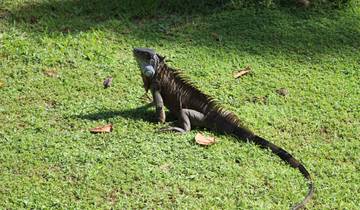
Guanacaste supports remarkable biodiversity including howler monkeys, white-faced capuchins, sloths, iguanas, crocodiles, and hundreds of tropical bird species. Coastal areas host sea turtles (nesting April-November), dolphins, and occasional whale sightings. National parks protect scarlet macaws, toucans, anteaters, and tapirs. Dry season (January-April) concentrates wildlife around water sources improving observation opportunities. Bring binoculars, respect wildlife from safe distances, and never feed animals despite their apparent tameness.
Do I need 4WD vehicle in Guanacaste?
Four-wheel drive becomes essential for rainy season travel (May-November) and southern peninsula destinations requiring unpaved road navigation year-round. Dry season visitors staying in northern Guanacaste (Papagayo, Tamarindo, Coco) manage with economy cars on paved highways. Travelers visiting Nosara, Santa Teresa, or Malpaís require SUVs for rough unpaved roads, steep grades, and river crossings. Check specific destination road conditions before deciding vehicle type—upgrading to 4WD costs $20-30 daily extra but prevents road access problems.
Is Guanacaste safe for solo female travelers?
Guanacaste welcomes solo female travelers with generally safe conditions comparable to other Central American beach destinations. Exercise standard precautions—avoid isolated beaches alone, use marked taxis rather than unmarked vehicles, stay in well-reviewed accommodations, and trust instincts about uncomfortable situations. Tourist towns maintain active expat and traveler communities providing social connections. Dress modestly away from beaches, decline unwanted attention firmly, and keep valuable belongings secure. Solo female travelers report positive Guanacaste experiences when following basic safety awareness.
What’s the best beach in Guanacaste for families?
Playa Conchal and Playas del Coco offer excellent family-friendly conditions with calm waters, gentle waves, lifeguard services, and nearby amenities. Playa Hermosa provides wide sandy beaches, mild surf, and accommodation options ranging budget to luxury. Flamingo Beach delivers protected cove swimming, marina facilities, and developed infrastructure supporting family needs. Avoid powerful surf beaches (Tamarindo, Nosara, Santa Teresa) with young children unless swimming in designated calm areas under careful supervision. Choose accommodations with pools, restaurants, and activities specifically designed for family travel.
Can I use US dollars in Guanacaste?
U.S. dollars function alongside Costa Rican colones throughout Guanacaste, with most tourist businesses accepting both currencies. Hotels, restaurants, tours, and shops quote prices in dollars for convenience. Carry small dollar bills ($1, $5, $10, $20) as change often returns in colones regardless of payment currency. Some businesses offer slightly better value when paying in colones—compare prices before selecting payment currency. ATMs dispense both currencies. Credit cards process in local currency with bank conversion rates generally favorable compared to cash exchange rates.
What should I pack for Guanacaste?
Pack lightweight, quick-drying clothes suitable for beach and tropical weather—swimwear, shorts, t-shirts, sundresses, sandals, and sun protection (hat, sunglasses, reef-safe sunscreen). Include light rain jacket for green season visits, one nicer outfit for upscale dining, athletic shoes for tours and hiking. Bring insect repellent, basic first aid supplies, prescription medications, and reusable water bottle. Leave expensive jewelry home. Dry season requires minimal rain gear while green season demands waterproof bag protecting electronics and important documents. Most forgotten items are available in Guanacaste, though prices exceed home country costs.