
Taj Mahal Walking Tours 2026: Self-Guided Routes & Heritage Walks
Key Takeaways:
- Three main walking routes cover the complete Taj Mahal complex in 2-4 hours with optimal photography opportunities
- Early morning self-guided walks (6:00-8:00 AM) provide the best lighting and smallest crowds for 2026 visits
- Garden pathways follow traditional Mughal charbagh design with strategic viewpoints every 50-100 meters
- Self-guided exploration costs only the entrance fee ($15-18 for international visitors in 2026) with no additional tour charges
- Audio guide rentals ($3-4 in 2026) enhance self-guided walks with comprehensive historical context at 15 key stops
- Riverside walking route outside the complex offers free alternative viewpoints and sunset photography angles
Introduction to Taj Mahal Walking Tours in 2026
The Taj Mahal complex spans 42 acres of meticulously designed gardens, pathways, and architectural spaces perfectly suited for self-guided walking exploration. Walking tours remain the most intimate and flexible way to experience this UNESCO World Heritage monument in 2026, allowing visitors to move at their own pace while discovering hidden architectural details, optimal photography angles, and peaceful garden corners away from main crowds.
Self-guided walking routes provide complete freedom to linger at favorite viewpoints, return to impressive spaces for different lighting conditions, and explore the complex according to personal interests rather than group tour schedules. The Taj Mahal’s symmetrical garden design and clear sight lines make navigation intuitive even for first-time visitors, while the compact layout ensures you can cover the entire complex on foot in 2-4 hours depending on your walking pace and photography stops.
The 2026 visiting season brings enhanced accessibility features including clearly marked pathways, multilingual information plaques at key locations, and mobile app integration for self-guided audio tours. The complex opens daily at 6:00 AM (except Fridays), with sunrise walks offering the most spectacular lighting conditions and manageable crowd levels for peaceful exploration. Walking tours work exceptionally well during cooler months (October-March 2026) when comfortable temperatures encourage extended garden strolls and detailed architectural observation.
People Also Ask About Taj Mahal Walking Tours 2026
How long does a self-guided walking tour of the Taj Mahal take in 2026?
A complete self-guided walking tour of the Taj Mahal takes 2-4 hours in 2026, depending on your pace and photography interests. The basic circuit covering the main mausoleum, mosque, gardens, and museum requires approximately 2 hours of steady walking with brief stops. Photography enthusiasts and architecture lovers spend 3-4 hours exploring different viewpoints, garden pathways, and intricate marble inlay details. Early morning walkers (6:00-8:00 AM) move efficiently through less crowded spaces, while midday visitors (10:00 AM-2:00 PM) encounter fuller pathways requiring slower navigation. The marble platform surrounding the mausoleum takes 20-30 minutes to circumnavigate completely, while the charbagh gardens offer 30-45 minutes of peaceful walking between water channels and cypress trees. Sunset walkers (4:00-6:00 PM in winter, 5:00-7:00 PM in summer) time their visits to capture golden hour lighting, often spending extra time at western viewpoints.
Do you need a guide for the Taj Mahal or can you explore independently in 2026?
Independent exploration works perfectly for the Taj Mahal in 2026, as the complex features intuitive layout, clear pathways, and comprehensive signage in English, Hindi, and multiple other languages. The symmetrical garden design prevents disorientation, while the main mausoleum stands as a constant visual reference point from any location within the complex. Self-guided visitors benefit from complete flexibility in timing, photography angles, and exploration pace without group tour constraints. Audio guide rentals ($3-4 in 2026, available at the entrance) provide detailed historical and architectural context at 15 key stops throughout the complex, offering guide-level information without scheduling limitations. Mobile apps including the official Archaeological Survey of India app offer GPS-enabled walking routes with augmented reality features showing historical views and architectural details. Many visitors prefer independent walks for sunrise photography sessions (6:00-8:00 AM) when personal pace and positioning freedom maximizes golden hour opportunities. However, history enthusiasts interested in deep Mughal dynasty context or detailed inlay technique explanations benefit from professional guide services for their specialized knowledge.
What are the best walking routes for photography at the Taj Mahal in 2026?
The Classic Approach Route provides the most iconic photography sequence in 2026: entering through the Great Gate (Darwaza-i-Rauza) frames the Taj Mahal in the traditional first glimpse composition, then walking the central water channel pathway creates reflection shots with symmetrical garden elements. The Northern Garden Circuit offers side-angle perspectives showing the mausoleum’s proportional beauty against sky backgrounds, particularly effective during 7:00-9:00 AM for soft morning light. The Marble Platform Perimeter walk (15-20 minutes to complete) provides 360-degree architectural views including the less-photographed northern facade with Yamuna River backdrop. The Western Garden Path captures afternoon and sunset lighting (4:00-7:00 PM in 2026) when warm golden light illuminates the white marble with amber tones. The Mosque-to-Guesthouse diagonal route frames the Taj Mahal between red sandstone structures, creating dramatic compositional contrast. The Riverside Path (outside the main complex, free access) offers alternative viewpoints from Mehtab Bagh gardens across the Yamuna River, particularly effective for sunset silhouettes and full-moon night photography. Morning photographers prioritize eastern approaches (6:00-8:00 AM) for soft pink sunrise lighting, while sunset specialists focus on western garden positions (5:30-7:00 PM) for golden hour magic.
Can you walk around the entire Taj Mahal complex in one visit in 2026?
Yes, the entire Taj Mahal complex is fully walkable in one 3-4 hour visit in 2026, covering all major elements including the Great Gate, charbagh gardens, main mausoleum, mosque, guesthouse, museum, and marble platform perimeter. The complex measures approximately 580 meters from north to south and 305 meters from east to west, creating manageable walking distances with clear pathways connecting all sections. A systematic walking route starts at the Great Gate entrance, proceeds through the central garden pathway to the marble platform, circumnavigates the mausoleum for all-angle views, explores the flanking mosque and guesthouse, returns through side garden paths, and concludes at the Taj Museum. Total walking distance covers roughly 2-3 kilometers including all major stops and viewpoints. Comfortable walking shoes are essential as pathways include marble surfaces, stone tiles, and occasional steps. Water fountains and rest areas appear every 100-150 meters along major routes, though carrying your own water bottle remains advisable. The complex’s flat terrain requires no climbing except for optional minaret views (restricted in 2026 for conservation), making it accessible for most fitness levels. Early morning visits (6:00-9:00 AM) allow unhurried complete exploration before midday heat and peak crowds, while evening slots (3:00-6:30 PM closing) offer cooler walking conditions with sunset lighting benefits.
Extended multi-day tours – 5+ days
Featured Taj Mahal Multi-Day Tour Packages

2 days
Taj Mahal Overnight Tour From New Delhi By Car
- ✓ Comprehensive Taj Mahal tour
- ✓ Expert local guides included
- ✓ All accommodation arranged
- ✓ Transportation provided
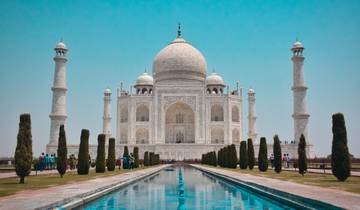
1 days
Private Taj Mahal at Sunrise and Agra Day Tour From Delhi
- ✓ Comprehensive Taj Mahal tour
- ✓ Expert local guides included
- ✓ All accommodation arranged
- ✓ Transportation provided
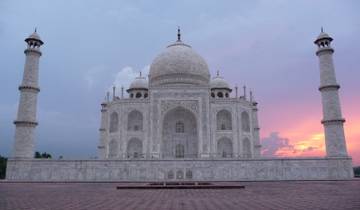
1 days
From Delhi: Taj Mahal & Agra Tour with 5-Star Marriott Lunch
- ✓ Comprehensive Taj Mahal tour
- ✓ Expert local guides included
- ✓ All accommodation arranged
- ✓ Transportation provided
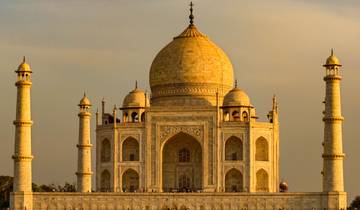
1 days
Same day Trip to Taj Mahal
- ✓ Comprehensive Taj Mahal tour
- ✓ Expert local guides included
- ✓ All accommodation arranged
- ✓ Transportation provided
Multi-day tour packages powered by TourRadar. Prices and availability subject to change.
Essential Planning Information for 2026 Walking Tours
Current Entry Costs and Walking Tour Pricing for 2026
Taj Mahal entrance tickets cost $15-18 for international visitors in 2026 (1300 rupees, check tajmahal.gov.in for current official rates as pricing may vary). This single admission fee provides complete access to all walking routes, gardens, main mausoleum, mosque, guesthouse, and museum with no additional charges for self-guided exploration. Indian citizens pay 50 rupees ($0.60) for the same comprehensive access. Optional audio guide rentals cost $3-4 (250-300 rupees) and provide detailed commentary at 15 strategic stops throughout your walking route, available in English, Hindi, French, German, Spanish, Japanese, and Chinese. The audio guides include approximately 90 minutes of content covering architectural techniques, historical context, Mughal dynasty background, and symbolic garden elements.
Tickets purchased online through the official booking portal (https://asi.payumoney.com) include the same walking access with the convenience of skipping ticketing queues, which saves 15-30 minutes during peak morning hours (8:00-10:00 AM). Children under 15 years enter free with adult supervision, making family walking tours economical. The entry fee includes access from 6:00 AM until 6:30 PM closing (sunset time varies seasonally), allowing early morning walkers and sunset enthusiasts equal access to all routes and viewpoints without time-based pricing variations.
Optimal Timing Strategies for Walking Tours in 2026
Sunrise walking tours (6:00-8:00 AM) offer the best overall experience in 2026, combining exceptional photography lighting, smallest crowd levels, and comfortable morning temperatures before heat intensifies. The complex opens at sunrise year-round (approximately 5:30-6:00 AM depending on season), with the first hour providing nearly private access to popular viewpoints and reflection pool compositions. Morning temperatures range from 15-25°C (59-77°F) in winter months (November-February 2026) and 25-35°C (77-95°F) in summer months (April-June 2026), making dawn walks significantly more comfortable than midday alternatives.
Sunset walking tours (4:00-6:30 PM) deliver spectacular golden hour lighting as the white marble transforms through amber, pink, and rose tones during the final two hours before closing. Evening walks suit visitors who prefer sleeping in or need morning hours for other Agra attractions. The western garden pathways become prime real estate during sunset hours, though arriving by 4:00 PM secures preferred photography positions before crowds gather. October-March 2026 provides the most comfortable evening walking temperatures (18-28°C / 64-82°F), while April-September evenings remain warm but manageable (28-38°C / 82-100°F) with the intensity of midday heat subsiding.
Midday visits (10:00 AM-2:00 PM) experience peak crowds and harsh overhead lighting that challenges photography composition, making these hours less ideal for walking tours despite maximum visibility of marble inlay details under bright sun. Monsoon season (July-September 2026) brings occasional afternoon rains that temporarily clear pathways and create dramatic cloud backgrounds, though walking tours require flexibility for weather-related delays. Full moon nights (monthly special opening, check dates on official website) offer magical evening walking experiences with moonlit marble and romantic atmosphere, though booking these special sessions requires advance planning as tickets sell out weeks ahead.
Complete Walking Routes for 2026 Taj Mahal Exploration
The Classic Central Pathway Route (Duration: 90-120 Minutes)
Begin your walking tour at the Great Gate (Darwaza-i-Rauza), the massive red sandstone entrance structure standing 30 meters tall. Pause inside the gate’s central archway for the iconic first glimpse of the Taj Mahal framed perfectly by the arch, a composition photographed by millions yet never losing its impact. This viewpoint provides the classic postcard perspective with the mausoleum centered at the end of the water channel, approximately 300 meters distant. Spend 5-10 minutes here capturing different angles and allowing the visual impact to settle before continuing.
Descend the entrance stairs and proceed along the central marble pathway bordered by the reflecting water channel. This 300-meter walk takes 8-10 minutes at a leisurely pace, with strategic stops every 50 meters providing progressively closer views and different compositional framing. The water channel creates perfect reflection photography when wind conditions cooperate (typically early morning 6:00-8:00 AM or evening 5:00-7:00 PM). Cypress trees lining the pathway add vertical elements to photographs while providing occasional shade during warmer months.
Reach the raised marble platform (approximately 6.7 meters above garden level) via central stairs or side ramps designed for accessibility. The platform measures 95 meters square, providing ample space for circumnavigation and multiple viewing angles. Walk directly to the mausoleum entrance (southern facade) where intricate marble inlay work becomes visible in stunning detail. The main archway (iwan) stands 33 meters tall, decorated with black marble calligraphy passages from the Quran. Remove shoes here before entering the interior chamber (complimentary shoe covers provided, or bring your own socks for cleanliness).
Inside the mausoleum, the octagonal interior chamber contains the cenotaphs of Mumtaz Mahal and Shah Jahan surrounded by an octagonal marble screen (jali) featuring thousands of precisely cut perforations. The actual tombs lie in the crypt directly below, not visible to visitors. Interior photography is prohibited to preserve the reverent atmosphere and protect delicate inlay work from flash damage. Spend 10-15 minutes inside appreciating the pietra dura inlay featuring semi-precious stones (lapis lazuli, jade, turquoise, coral) creating floral patterns of extraordinary detail. The interior remains cool year-round due to marble’s thermal properties, providing welcome relief during hot months.
Exit and circumnavigate the marble platform clockwise (recommended direction for optimal lighting progression). The western facade provides afternoon photography opportunities, while the northern facade offers Yamuna River backdrop views. Each side reveals identical architectural symmetry yet distinct perspectives worth documenting. The four minarets (standing 40 meters tall) anchor the corners of the platform, positioned 13 meters outside the main structure for earthquake protection. Complete platform circumnavigation takes 15-20 minutes, adding another 20-30 minutes if you stop for detailed photography and inlay observation.
Descend via western or eastern stairs to explore the flanking structures. The western building (Masjid mosque) remains an active worship site with beautiful interior mihrab directing prayer toward Mecca. Visitors enter respectfully outside prayer times, removing shoes and maintaining quiet observation. The eastern building (Mehman Khana guesthouse) mirrors the mosque’s architecture, originally serving as accommodation for visiting dignitaries. Both structures feature identical dimensions (56.1 meters long by 22.9 meters wide) creating perfect architectural balance.
Return through the central garden pathway toward the Great Gate, or explore side pathways for alternative perspectives. The central route concludes at the museum (located south of the Great Gate inside the complex) where Mughal artifacts, architectural drawings, and historical photographs provide context for your walking tour experience. Museum visit adds 20-30 minutes to your total walking time.
The Comprehensive Garden Circuit Route (Duration: 2-3 Hours)
This extended walking route covers the complete charbagh garden system, providing thorough exploration of the Taj Mahal’s landscaping masterpiece and less-crowded pathways away from the central corridor. Start at the Great Gate and immediately diverge from the central path, taking the eastern garden pathway that runs parallel to the main axis. This route passes through the first and second garden quadrants, offering diagonal views of the Taj Mahal that emphasize the dome’s proportional beauty against sky backgrounds.
The eastern pathway measures approximately 400 meters from the Great Gate to the marble platform, passing water channels, raised flowerbeds, and strategically placed trees creating shaded rest areas. Walking this route takes 12-15 minutes at conversational pace, with multiple benches positioned every 50-80 meters for resting while enjoying angled mausoleum views. These eastern perspectives work exceptionally well for morning photography (7:00-10:00 AM) when eastern light illuminates the facade without harsh shadows.
Upon reaching the marble platform, execute the complete perimeter walk as described in the Classic Route (15-20 minutes). However, instead of returning via the central pathway, exit the platform on the western side and follow the western garden path back toward the Great Gate. This creates a full loop experiencing both sides of the garden system. The western pathway provides afternoon and sunset photography advantages (3:00-6:30 PM) when western light creates warm tones on the white marble.
The western garden pathway passes the Masjid (mosque) at close range, allowing detailed architectural observation of the red sandstone structure with its white marble domes. The pathway continues through the third and fourth garden quadrants, featuring water fountains (operational during peak tourist seasons March-October 2026) and carefully maintained flower beds showcasing traditional Mughal garden plants including roses, jasmine, and marigolds.
Extend your garden circuit by exploring the secondary pathways that cross between eastern and western routes, creating smaller walking loops within individual quadrants. These paths take you closer to water channels where reflection photography opportunities multiply. The charbagh design divides the garden into four main sections representing the four gardens of Paradise described in the Quran, with water channels symbolizing the four rivers of Paradise. Walking these symbolic pathways adds spiritual and cultural dimension to your tour beyond architectural appreciation.
The northern garden sections, closest to the marble platform, feature lower vegetation allowing unobstructed views toward the mausoleum, while southern sections near the Great Gate incorporate taller trees creating shaded environments. These variations in landscaping provide different walking experiences within the same complex, with southern pathways offering relief from sun during midday hours (10:00 AM-3:00 PM). Each garden quadrant contains 16 flowerbeds raised above the pathway level, accessible via small steps for closer inspection of plantings and irrigation systems.
Complete the comprehensive garden circuit by visiting both the eastern Mehman Khana and western Masjid for interior exploration (combined time 20-30 minutes), then conclude at the Taj Museum near the Great Gate. The museum displays Mughal miniature paintings, Shah Jahan’s jade goblet, original architectural plans, and historical photographs documenting restoration work. Museum visit adds valuable context to your garden observations, explaining the botanical symbolism and water engineering systems that maintain the garden’s appearance 370 years after creation.
The Photography Specialist Route (Duration: 3-4 Hours)
Designed for serious photographers and Instagram content creators, this route prioritizes optimal shooting positions for different times of day while covering all major viewpoints within the complex. Begin at sunrise (6:00 AM entry) when pink and gold morning light illuminates the eastern facade. Enter through the Great Gate and immediately photograph the classic archway framing composition before crowds gather. This first shot requires 5-10 minutes to capture multiple angles and exposure variations.
Proceed directly down the central pathway, stopping at specific markers (100 meters, 150 meters, 200 meters from the Great Gate) where the reflection pool creates perfect symmetry. These intermediate positions offer composition variations rarely seen in standard tourist photography, showing the Taj Mahal at different scales within the garden context. Each stop requires 10-15 minutes for careful composition, reflection timing (water must be still), and bracketed exposures for HDR processing. Total central pathway photography time: 45-60 minutes.
Upon reaching the marble platform, begin with eastern facade photography capturing the sunrise light at its peak (approximately 6:30-7:30 AM depending on season). The eastern side provides the morning’s best lighting with soft shadows and warm color temperatures. Work systematically around the platform perimeter, photographing each facade completely before moving to the next. Allow 20-30 minutes per side (four sides total = 80-120 minutes) for multiple compositions including: – Wide-angle establishing shots showing complete architecture – Medium telephoto detail shots of inlay work and calligraphy – Vertical compositions emphasizing dome and minarets – Low-angle perspectives emphasizing monumentality – Silhouette opportunities during golden hour transitions
Interior mausoleum photography is prohibited, so photography specialists move directly to the platform’s north side for Yamuna River backdrop compositions. The river views work best during monsoon and post-monsoon seasons (August-November 2026) when water levels rise and boat traffic creates activity in backgrounds. Experiment with both horizontal and vertical formats, as the minarets create strong vertical leading lines while the river provides horizontal balance.
Descend to garden level and explore diagonal viewpoints from the four corners of the main garden quadrants. These corner positions (approximately 150 meters from the platform at 45-degree angles) provide unique perspectives showing the Taj Mahal’s relationship to its garden context. Each corner requires 15-20 minutes for complete exploration of angles and focal lengths (total corner photography: 60-80 minutes). Wide-angle lenses (16-35mm) work best for these contextual compositions, while telephoto lenses (70-200mm) compress the perspective and isolate the mausoleum against sky.
Visit both the Masjid (mosque) and Mehman Khana (guesthouse) for symmetrical framing shots positioning the Taj Mahal between red sandstone structures. These balanced compositions require precise positioning along the platform’s western and eastern edges. Allow 30-45 minutes for these technical compositions, using grid overlay features to ensure perfect horizontal and vertical alignment. The red sandstone provides dramatic color contrast against white marble, particularly effective during afternoon golden hour (4:00-6:00 PM).
Conclude your photography route during the final hour before closing (5:30-6:30 PM in winter, 6:30-7:30 PM in summer) at western garden positions capturing sunset lighting. The marble transforms through amber, pink, orange, and rose tones during this magical period, requiring continuous shooting to capture color variations. Stay until the absolute last moment before closing when staff begin directing visitors toward the exit – often the final 10 minutes provide the most dramatic lighting as the sun drops below the horizon.
Photography specialists often split this route across multiple days, dedicating one sunrise visit for morning light and one sunset visit for evening light, as capturing both optimal lighting periods in a single day proves exhausting and provides limited rest time between sessions. If splitting visits, morning sessions end by 9:00 AM (before harsh midday light), while evening sessions begin at 4:00 PM (allowing setup before golden hour).
Riverside Walking Route 2026: Alternative Perspectives
Mehtab Bagh Garden Route (Free Access, 60-90 Minutes)
Located directly north of the Taj Mahal across the Yamuna River, Mehtab Bagh (“Moonlight Garden”) provides exceptional walking routes with alternative viewpoints unavailable from the main complex. This 25-acre garden park requires no entry fee in 2026, making it the perfect complement to paid Taj Mahal visits or an economical alternative for budget travelers. The garden opens daily from 6:00 AM to 6:00 PM with extended hours during full moon nights for special moonlight viewing sessions.
Access Mehtab Bagh by auto-rickshaw (80-100 rupees / $1-1.20 from Agra Fort area, 150-200 rupees / $1.80-2.40 from Taj Mahal eastern gate area) or by walking along the river path from the Taj Mahal’s northern wall (approximately 20-25 minute walk, 1.5 kilometers). The garden features paved pathways, octagonal pools reflecting the Taj Mahal across the river, and restored Mughal-style plantings creating excellent foreground elements for photography.
The main walking route begins at the garden’s southern entrance and proceeds along the riverbank pathway providing unobstructed views across 300 meters of water to the Taj Mahal’s northern facade. This riverside walk stretches approximately 800 meters from end to end, taking 20-25 minutes at a leisurely pace or 45-60 minutes when stopping frequently for photography. The pathway sits at river level (significantly lower than the Taj Mahal’s marble platform), creating upward viewing angles that emphasize the monument’s height and the dome’s proportions.
Sunset viewing from Mehtab Bagh ranks among Agra’s most spectacular experiences in 2026, as the western light illuminates the Taj Mahal across the river while you stand in gradually cooling shadows. Arrive by 5:00 PM to secure preferred spots along the riverbank wall, as local photographers and tourists gather during the final hour before sunset. The viewing area accommodates hundreds of people comfortably, with the long riverbank providing enough space that crowding rarely becomes problematic.
Photography enthusiasts spend 90-120 minutes at Mehtab Bagh during sunset sessions, arriving early to capture the transition from afternoon light through golden hour, sunset, and blue hour twilight. Bring tripods for long exposure photography during twilight when the Taj Mahal’s lighting system illuminates the monument (though brightness varies seasonally and weather conditions affect visibility). The garden provides no artificial lighting beyond occasional security posts, making it ideal for night sky photography during clear weather when stars and Milky Way appear above the monument.
Morning visits to Mehtab Bagh (6:00-8:00 AM) offer different lighting with the sun rising behind your position, creating dramatic backlighting on the Taj Mahal across the river. Mist rising from the Yamuna River during cooler months (November-February 2026) creates atmospheric conditions where the monument appears to float above layers of fog, particularly magical during the first hour after sunrise. These morning mist conditions occur unpredictably depending on temperature and humidity, so multiple visits increase your chances of experiencing this phenomenon.
The garden’s octagonal pools create reflection photography opportunities when water levels allow, though maintenance schedules and seasonal water availability affect whether pools contain water on your visit date. When operational, these pools provide foreground interest with Taj Mahal reflections, adding compositional depth to photographs. The pools sit centrally within the garden approximately 200 meters from the riverbank, requiring a short diversion from the main riverside pathway.
Combine your Mehtab Bagh visit with exploration of the surrounding riverbank area where local vendors sell refreshments (chai tea 20 rupees, snacks 30-50 rupees, bottled water 20-30 rupees). These informal refreshment stops provide rest areas between photography sessions while offering interaction with local life beyond formal tourist sites. The riverbank area remains safe during daylight hours, though visiting in groups provides additional comfort if you’re unfamiliar with the area.
Sample Walking Tour Itineraries for 2026
Sunrise Photography Walking Tour (6:00 AM – 9:30 AM)
Arrive at Taj Mahal eastern gate at 5:45 AM for 6:00 AM opening (purchase tickets online in advance to skip queues). Security screening and baggage storage takes 10-15 minutes. Enter the complex and proceed immediately to the Great Gate for the classic archway framing shot in soft pink sunrise light.
6:00-6:20 AM: Great Gate photography and first glimpse composition. Capture archway framing with pink sunrise glow on marble, minimal crowds, peaceful atmosphere. Spend time here as lighting improves rapidly.
6:20-7:00 AM: Central pathway walk with reflection photography. Stop at 100m, 150m, and 200m markers for composition variations. Water reflection works best during calm morning air. Take time at each position – this sequence provides your best reflection opportunities.
7:00-8:00 AM: Marble platform perimeter walk starting at eastern facade (sunrise side). Photograph eastern and southern facades while morning light remains soft. Complete detailed inlay work photography before sunlight becomes harsh. Enter interior mausoleum for cenotaph observation (no photography inside). Eastern facade receives prime morning light during this hour.
8:00-8:45 AM: Complete platform circumnavigation photographing western and northern facades. Western side receives indirect morning light creating softer shadows. Northern river view captures ambient morning light without direct sun.
8:45-9:15 AM: Visit Masjid (mosque) and Mehman Khana (guesthouse) for symmetrical compositions. These flanking structures provide framing elements for Taj Mahal photography, working well in morning’s side-lighting.
9:15-9:30 AM: Return through eastern or western garden pathway for alternative angle photography. Exit before crowds peak and temperatures rise.
Total Costs: Taj Mahal entrance $15-18 (1300 rupees, check official website for current rates), optional audio guide $3-4 (250-300 rupees), drinking water 20-30 rupees. Total tour cost: $18-22 per person. Transportation to Taj Mahal (if staying in Agra): auto-rickshaw 80-150 rupees depending on hotel location, ride-sharing app 100-200 rupees, hotel arranged taxi 300-400 rupees.
Comprehensive Full Complex Walking Tour (8:00 AM – 12:00 PM)
This four-hour walking route covers every section of the Taj Mahal complex with moderate pace allowing thorough exploration without rush. Ideal for first-time visitors wanting complete coverage or history enthusiasts interested in detailed understanding.
8:00-8:15 AM: Arrive at eastern gate, complete security screening, rent audio guide at entrance kiosk. Audio guides provide context at 15 stops throughout the complex, synchronizing perfectly with this walking route.
8:15-8:45 AM: Great Gate exploration including interior decorative details, calligraphy passages, and small museum chambers within the gate structure. Audio guide stop #1 explains gate’s architectural significance and symbolic meaning as transition from earthly to celestial realm.
8:45-9:45 AM: Garden system exploration using comprehensive circuit route. Walk eastern garden pathway observing charbagh design, irrigation channels, and plantings. Audio guide stops #2-5 explain garden symbolism, water engineering, and Mughal botanical traditions. Pause at multiple viewpoints for photography and observation.
9:45-11:00 AM: Marble platform and mausoleum complete exploration. Circumnavigate platform clockwise photographing all facades (audio guide stops #6-9 cover architectural details, inlay techniques, and symmetry principles). Enter interior mausoleum for cenotaph viewing and jali screen appreciation (audio guide stop #10 provides historical context while respecting no-photography rule). Visit both minarets’ base platforms for upward perspectives (climbing restricted, but base level views still impressive).
11:00-11:30 AM: Masjid and Mehman Khana interior visits. Audio guide stops #11-12 explain these flanking structures’ purposes and architectural relationship to main mausoleum. Observe interior details including mihrab in mosque and decorative elements in guesthouse.
11:30-12:00 PM: Taj Museum visit near Great Gate. Collections include Mughal artifacts, architectural drawings, Shah Jahan’s personal items, and restoration documentation. Audio guide stop #15 (final stop) synthesizes your walking tour experience with historical overview. Museum provides air-conditioned relief from late morning heat while adding context to visual observations.
Total Costs: Taj Mahal entrance $15-18 (1300 rupees, check official website for current rates), audio guide $3-4 (250-300 rupees), bottled water 20-30 rupees, light snacks from vendors outside complex 50-100 rupees. Total tour cost: $18-23 per person. Morning refreshments before tour at nearby cafes 150-300 rupees per person.
Sunset & Mehtab Bagh Combined Walking Tour (3:00 PM – 7:00 PM)
This afternoon-evening tour combines Taj Mahal sunset viewing with alternative perspectives from Mehtab Bagh garden across the river, providing comprehensive sunset photography opportunities and peaceful evening atmosphere.
3:00-3:15 PM: Arrive at Taj Mahal eastern gate during mid-afternoon lull when crowds are smaller. Complete security screening, store unnecessary bags, proceed directly inside.
3:15-4:00 PM: Museum visit and Great Gate exploration during hottest part of day. Museum’s air-conditioning provides comfortable environment while you wait for optimal evening lighting. Study architectural drawings and historical photographs that inform your upcoming photography session.
4:00-5:30 PM: Garden and marble platform exploration beginning as afternoon light softens. Walk western garden pathways where afternoon sun creates warm tones. Reach marble platform by 4:30 PM to secure preferred western-side positions for sunset photography. Begin photographing western facade as golden hour approaches (approximately 5:00 PM October-March, 5:30 PM April-September).
5:30-6:30 PM: Sunset photography from marble platform western positions and western garden pathways. Watch marble transform through amber, pink, orange tones as sun descends. Remain until closing time (6:30 PM winter, 7:00 PM summer) to capture final dramatic lighting moments. Staff begin directing visitors toward exit 10 minutes before official closing.
6:30-6:45 PM: Exit Taj Mahal and travel to Mehtab Bagh by auto-rickshaw (150-200 rupees, 10 minute journey). Alternative: walk along riverbank path if you enjoy 20-minute walks and want exercise.
6:45-7:00 PM: Arrive at Mehtab Bagh for twilight and blue hour photography. The Taj Mahal’s illumination becomes visible as natural light fades (lighting intensity varies by season and weather). Position along riverbank wall for cross-river compositions. Blue hour provides 20-30 minutes of optimal twilight photography (6:45-7:15 PM in winter, 7:15-7:45 PM in summer) when sky retains deep blue color while monument’s artificial lighting appears. Stay until darkness completes for night photography opportunities if weather permits star visibility.
Total Costs: Taj Mahal entrance $15-18 (1300 rupees, check official website for current rates), Mehtab Bagh entry free, auto-rickshaw transportation to Mehtab Bagh 150-200 rupees, refreshments at Mehtab Bagh vendors 50-100 rupees, return transportation to hotel 200-300 rupees. Total tour cost: $18-23 per person plus transportation. Evening meal at nearby restaurant after tour 300-500 rupees per person.
Walking Tour Practical Tips for 2026
Footwear and Comfort Considerations
Comfortable walking shoes with cushioned soles are essential for Taj Mahal exploration in 2026, as routes cover 2-4 kilometers of marble, stone, and pathway surfaces. Shoes must be removed before entering the mausoleum interior, so wear clean socks or bring slip-on shoes for easy removal. Complimentary shoe covers are provided, though many visitors prefer bringing their own socks for hygiene comfort. Avoid brand new shoes that might cause blisters during extended walking, and break in footwear before your visit to ensure comfort during 2-4 hour tours.
Marble surfaces become extremely hot during summer months (April-September 2026) when afternoon temperatures reach 35-45°C (95-113°F). Morning visits (6:00-9:00 AM) and evening visits (4:00-6:30 PM) avoid the hottest surface temperatures, while midday walkers (10:00 AM-3:00 PM) experience significantly hotter marble platform surfaces requiring shoe protection. Leather or rubber-soled shoes provide better heat protection than thin canvas or sandal-style footwear. The elevated marble platform receives full sun exposure without shade structures, making surface temperatures 5-10 degrees higher than ambient air temperature during peak sun hours.
Garden pathways feature varied surfaces including stone tiles, paved walkways, and occasional gravel sections near water channels. These surfaces remain more comfortable than marble platform throughout the day, as vegetation provides intermittent shade and surfaces retain less heat. However, uneven spots require attention to prevent stumbling, particularly when photographing while walking or focusing on architectural details overhead. Walking poles or hiking sticks are unnecessary for the flat terrain but acceptable if you have mobility concerns.
Photography Equipment and Techniques
Cameras and smartphones are permitted throughout the Taj Mahal complex except inside the mausoleum interior where photography is prohibited for preservation and reverence reasons. Tripods are officially restricted though enforcement varies by season and crowd levels – smaller tabletop tripods (under 30cm height) receive less scrutiny than full-size models. Peak tourist seasons (October-March 2026) see stricter tripod enforcement, while quieter periods (monsoon months July-September 2026) allow more flexibility. Professional photographers should arrive during first or last hour when fewer staff patrol pathways.
Wide-angle lenses (16-35mm equivalent) work best for garden compositions and Great Gate framing shots where you want to capture complete architecture within the frame. Standard zoom lenses (24-70mm equivalent) provide versatility for most situations including platform-level details and garden pathway compositions. Telephoto lenses (70-200mm equivalent) compress perspective for detail shots of inlay work, calligraphy, and distant mausoleum views from garden positions. Bring lens cleaning cloth as dust is common, particularly during dry season (October-May 2026) when air quality decreases.
Sunrise photography requires fast lenses (f/2.8 or larger aperture) or higher ISO settings (800-1600) to handle low light levels during the first hour after opening. Sunset photography benefits from tripods or high ISO capability for twilight and blue hour shooting when light levels drop rapidly. Neutral density filters help control exposure during bright midday hours (10:00 AM-2:00 PM) when marble surfaces reflect intense light creating challenging exposure situations. Polarizing filters reduce glare from water reflections and enhance blue sky contrast.
Battery life becomes crucial during extended walking tours, particularly when shooting hundreds of photographs over 3-4 hour sessions. Bring fully charged spare batteries as opportunities for recharging within the complex are non-existent. Cold weather (December-February 2026) reduces battery performance by 20-30%, making spares even more essential during winter visits. Store spare batteries in warm pockets close to your body to maintain temperature and optimal performance.
Hydration and Weather Protection
Drinking water is essential for walking tours in 2026, particularly during warmer months (March-September) when temperatures reach 30-45°C (86-113°F). Sealed bottled water is available at security checkpoints before entering the complex (20-30 rupees per 500ml bottle, check current rates). No food or large water containers are allowed inside the complex due to preservation regulations, though small sealed water bottles (up to 1 liter) are permitted. Drink water consistently throughout your walk rather than waiting until thirsty, as mild dehydration occurs quickly in warm weather before symptoms appear.
Water fountains within the complex provide non-potable water unsuitable for drinking but adequate for wetting towels or cooling hands during hot weather. These fountains appear near major pathway intersections and rest areas, typically every 150-200 meters. Refrain from drinking fountain water to avoid gastrointestinal issues, and carry your own purified water for all hydration needs.
Sun protection becomes critical during extended outdoor walking tours with limited shade availability. The marble platform offers zero shade structures, providing 20-30 minutes of full sun exposure during perimeter walks and photography sessions. Wide-brimmed hats or caps provide head and face protection, though hats must be removed inside the mausoleum interior as a sign of respect. Lightweight long-sleeve shirts and pants offer better sun protection than shorts and tank tops while maintaining acceptable modesty standards for the religious site. Sunscreen with SPF 30+ should be applied before arrival and reapplied every 90-120 minutes during extended tours.
Monsoon season (July-September 2026) brings afternoon rain showers that temporarily close outdoor areas when lightning occurs nearby. Carry compact umbrella or lightweight rain jacket during monsoon months, and monitor weather forecasts before scheduling walking tours. Morning visits (6:00-10:00 AM) experience fewer rain interruptions than afternoon periods when storms typically develop. Rain creates temporary crowds in covered areas including the Great Gate and museum while outdoor pathways clear, offering opportunities for fewer-people photographs if you don’t mind getting slightly wet.
Security and Prohibited Items
Security screening at Taj Mahal entrances operates similarly to airport protocols with metal detectors, bag scanning, and manual inspection. The screening process takes 5-10 minutes during off-peak hours (6:00-7:00 AM, 2:00-4:00 PM) or 15-30 minutes during busy periods (8:00-11:00 AM, peak tourist season November-February 2026). Arrive with minimal bags and accessories to expedite screening and reduce prohibited item complications.
Prohibited items include: tripods (officially restricted though small models sometimes allowed), drones (strictly prohibited with legal penalties for violations), large bags and backpacks (storage lockers available at entrance), food and beverages (except small sealed water bottles), tobacco products (entirely smoke-free site), weapons and sharp objects (obviously restricted). These items must be stored in lockers near entrance gates (50-100 rupees per locker, verify current rates) or left at your hotel before arrival. The complex provides no liability for stored items, so avoid bringing valuables that require storage.
Mobile phones, cameras, and small bags are permitted throughout the complex. Large camera bags may face scrutiny, so pack essential equipment in smaller carrying cases that pass screening more easily. Professional photographers with extensive equipment should arrive early when screening lines are shorter and staff have more time to inspect specialized gear. Explain your photography intentions respectfully if questioned about equipment, emphasizing that you’re aware of interior photography restrictions and tripod limitations.
Accessibility Features for Walking Tours in 2026
Mobility Assistance and Wheelchair Access
The Taj Mahal complex provides wheelchair accessibility throughout most areas in 2026, with paved pathways connecting the entrance gates to the marble platform via ramp systems. The central garden pathway features smooth marble and stone surfaces suitable for wheelchair navigation, though attendant assistance helps navigate occasional slight inclines and crowded sections during peak hours. Wheelchair users complete the route from Great Gate to marble platform (approximately 300 meters) in 10-15 minutes with assistance or 15-20 minutes independently.
Ramps access the marble platform on both eastern and western sides, allowing wheelchair users to reach the platform level and mausoleum exterior. Interior mausoleum access requires ascending several steps without ramp alternatives, limiting wheelchair users to exterior platform views only. However, the exterior platform provides comprehensive architectural views and the primary photographic experiences, so mobility limitations don’t significantly restrict overall experience. Attendants familiar with accessibility routes are available at entrance gates to provide guidance (tips appreciated, 200-300 rupees reasonable for 2-3 hours assistance).
Manual wheelchairs navigate the complex more easily than powered models due to narrower profiles and better maneuverability in crowded sections. The complex provides no wheelchair rental services, so visitors requiring mobility assistance should arrange equipment through hotels or specialized rental agencies in Agra before arrival. Accessible bathrooms appear near the entrance gates and museum building, though facilities on the marble platform are limited to standard restrooms requiring step navigation.
Audio Guide and Visual Assistance Features
Audio guides available in 2026 include versions for visually impaired visitors featuring enhanced verbal descriptions of architectural elements, spatial relationships, and decorative details that rely primarily on visual observation. These specialized audio guides provide approximately 2 hours of content versus 90 minutes in standard versions, with additional description at each of the 15 stops throughout the complex. Request specialized audio guides at entrance kiosks when showing identification related to visual impairment (no additional charge beyond standard audio guide fee of $3-4 / 250-300 rupees).
The complex features tactile information plaques at major locations including the Great Gate, main mausoleum entrance, and garden pathway junctions. These plaques include raised-relief diagrams showing building layouts and Braille descriptions in English and Hindi. Tactile paving marks the edges of water channels and platform stairs, providing warning indicators for blind and low-vision walkers navigating independently. Service animals are permitted throughout the complex including interior mausoleum areas, with designated relief areas near entrance gates.
Large-print information brochures are available at ticket offices and information desks, providing enhanced readability for low-vision visitors interested in historical background and architectural details. These brochures supplement audio guide content with written descriptions at larger font sizes (18-24 point) and high-contrast text on cream-colored paper reducing eye strain. Magnifying sheets are available at the museum for viewing small artifacts and miniature paintings in cases, though visitors may bring their own magnification devices.
Frequently Asked Questions About Taj Mahal Walking Tours 2026
Can you bring food and drinks on a Taj Mahal walking tour?
Small sealed water bottles (up to 1 liter) are permitted inside the Taj Mahal complex for hydration during walking tours, but food of any kind is prohibited to protect the monument from pest attraction and maintain cleanliness. Eating is restricted to areas outside the complex gates where vendors sell snacks, meals, and refreshments. Plan to eat before entering (cafes and restaurants line the roads approaching the entrances) or after your walking tour concludes. The ban on food includes packaged snacks, fruit, candy, and all other edibles regardless of packaging. Security screening detects and confiscates food items, so avoid bringing anything requiring storage in lockers. Walking tours lasting 2-4 hours rarely require food consumption during the visit itself if you’ve eaten a substantial meal beforehand, though staying hydrated with permitted water remains important.
Are guided walking tours better than self-guided exploration of the Taj Mahal?
Self-guided walking tours and professionally guided tours offer different advantages depending on your interests and learning style. Self-guided exploration provides complete flexibility in timing, photography stops, and pace without adhering to group schedules. Independent walkers spend as much time as desired at favorite viewpoints, return to impressive locations multiple times, and move quickly through sections of less personal interest. Audio guide rentals ($3-4 in 2026) provide historical context and architectural information at your own pace without group tour commitments. Self-guided tours work exceptionally well for sunrise and sunset photography sessions when personal positioning freedom maximizes golden hour opportunities.
Professional guided tours offer specialized historical knowledge, architectural insights, and cultural context beyond standard audio guide content. Knowledgeable guides explain Mughal dynasty politics, construction techniques, symbolic meanings, and restoration efforts with expertise accumulated through years of study and daily site familiarity. Group tours (booked through tour operators, $25-40 per person typically) last 2-3 hours with 8-15 participants, while private guides ($50-80 for 2-3 hours) customize explanations to your specific interests. Guides handle timing optimization, crowd avoidance strategies, and best viewpoint selection based on current conditions and lighting. History enthusiasts, architecture students, and first-time visitors benefit most from guided expertise, while return visitors and photography specialists prefer self-guided flexibility.
What is the best time of day for walking tours at the Taj Mahal?
Sunrise walking tours (6:00-8:00 AM) provide the optimal overall experience in 2026, combining exceptional photography lighting, smallest crowd levels, and comfortable morning temperatures before heat intensifies. The complex opens at sunrise year-round (approximately 5:30-6:00 AM depending on season), with the first 90 minutes offering nearly private access to popular viewpoints and reflection pool photography opportunities. Morning light creates soft pink and amber tones on white marble while producing gentle shadows that enhance architectural details. Temperatures range from 15-25°C (59-77°F) during winter months (November-February 2026) and 25-35°C (77-95°F) during summer months (April-June 2026), making dawn walks significantly more comfortable than midday alternatives.
Sunset walking tours (4:00-6:30 PM) deliver spectacular golden hour lighting as white marble transforms through amber, pink, orange, and rose tones during the final two hours before closing. Evening temperatures moderate from daytime highs, though summer evenings (April-June 2026) remain warm at 32-38°C (90-100°F). The western garden pathways and marble platform western side become premium locations during sunset hours, requiring arrival by 4:00 PM to secure preferred photography positions before crowds gather. Sunset suits visitors who prefer sleeping in or need morning hours for other Agra attractions including Agra Fort and Fatehpur Sikri.
Midday visits (10:00 AM-2:00 PM) experience peak crowds, harsh overhead lighting challenging photography composition, and uncomfortable heat during warm seasons (March-October 2026). However, midday light illuminates marble inlay details with maximum visibility, making this period valuable for close-up observation of pietra dura craftsmanship and calligraphy details despite less favorable overall photography conditions.
How much walking is involved in a complete Taj Mahal tour?
A complete Taj Mahal tour involves approximately 2-3 kilometers (1.2-1.9 miles) of walking depending on which routes you choose and how thoroughly you explore garden pathways and platform perimeters. The central route from Great Gate to marble platform covers 300 meters (985 feet) each direction, totaling 600 meters for round-trip. Adding marble platform perimeter circumnavigation (approximately 380 meters / 1,247 feet) brings the basic circuit to roughly 1 kilometer (0.62 miles). Exploring eastern and western garden pathways adds another 800-1,000 meters (0.5-0.6 miles), while visiting both flanking structures (mosque and guesthouse) includes an additional 400 meters of walking.
The terrain remains flat throughout the complex with the primary elevation change being the 6.7-meter (22-foot) rise to the marble platform accessed via ramps or stairs. No strenuous climbing is required, making the complex accessible for most fitness levels including families with children and older adults. Walking speeds vary from leisurely 2-3 km/hour pace (allowing frequent stops) to brisk 4-5 km/hour pace (minimal stopping), meaning complete exploration ranges from 45 minutes (extremely rushed, not recommended) to 3-4 hours (comprehensive, relaxed pace with extensive photography). Most visitors spend 2-3 hours covering major sections with moderate stops, resulting in actual walking time of 60-90 minutes with remaining time devoted to standing observation, photography, and interior mausoleum visits.
Can you visit the Taj Mahal without booking in advance in 2026?
Walk-in ticket purchases remain available at Taj Mahal entrance gates in 2026 without advance booking requirements, though online booking (https://asi.payumoney.com) provides significant advantages including shorter entry times and guaranteed admission during peak periods. Walk-in visitors purchase tickets at kiosks outside the eastern, western, and southern gates, joining queues that last 10-20 minutes during off-peak hours (weekday mornings September-April) or 30-60 minutes during peak times (weekends and holidays November-February, all days during Indian holiday periods).
Online booking (available 24 hours to 120 days in advance) allows proceeding directly to security screening without ticket purchase queues, saving 15-30 minutes during busy periods. Online tickets cost the same as walk-in purchases ($15-18 / 1300 rupees for international visitors, check official website for current rates) with no booking fees or premium charges. The online system provides QR codes scanned at entrance gates, creating seamless entry process compared to cash-based ticket purchase queues requiring exact change or dealing with change-making delays.
Advance booking becomes more important during peak tourist season (November-February 2026) when daily visitor numbers reach maximum capacity and popular time slots (sunrise entry, sunset entry) occasionally sell out. Morning slots (6:00-8:00 AM) on weekends and Indian holidays warrant advance booking to guarantee entry, while afternoon slots (2:00-5:00 PM) on weekdays rarely face capacity issues allowing walk-in flexibility. Audio guide rentals occur at the site regardless of online or walk-in ticket purchase, requiring additional transaction at entrance kiosks after passing through security screening.
Is it safe to walk alone at the Taj Mahal complex?
The Taj Mahal complex maintains high security standards in 2026 with dedicated security personnel, CCTV monitoring, and strict access controls creating a safe environment for solo walking tours. The monument receives protected status as a national heritage site with significant resources devoted to visitor safety and monument preservation. Solo travelers, including women traveling alone, regularly visit without incident, as the complex’s popularity ensures constant presence of other tourists, guides, and staff throughout daylight operating hours.
Walking pathways within the complex remain well-maintained and clearly marked, preventing disorientation even for solo visitors exploring independently. The symmetrical garden layout and central mausoleum location provide constant visual reference points making navigation intuitive without guide assistance. Security cameras monitor all major areas including the marble platform, garden pathways, and entrance gates. Emergency assistance is available through security personnel stationed at multiple points throughout the complex, identifiable by uniforms and posted at information desks near major attractions.
Solo visitors should follow standard precautions including keeping valuables secure, avoiding isolated areas during early morning or late afternoon extremes when fewer tourists are present, and maintaining awareness of surroundings. Photography enthusiasts should secure camera equipment using straps and avoid leaving bags unattended when setting up tripods or photography equipment. Women traveling alone report respectful treatment from site staff and generally positive experiences, though unwanted photography attempts from other tourists occasionally occur – politely declining or reporting to security addresses these situations effectively. Walking in groups provides additional comfort if you’re uncomfortable solo, and joining other tourists informally for certain route sections offers companionship without formal group tour commitments.
What should you wear for walking tours at the Taj Mahal?
Modest clothing respecting the religious and cultural significance of the Taj Mahal complex ensures appropriate dress standards while maintaining comfort during extended walking tours. Cover shoulders and knees at minimum, with longer pants or skirts preferred over shorts. Lightweight, breathable fabrics work best for warm weather months (March-September 2026) when temperatures reach 30-45°C (86-113°F), while layered clothing suits cooler periods (November-February 2026) when morning temperatures drop to 10-15°C (50-59°F) before warming by afternoon.
Comfortable walking shoes with cushioned soles and good arch support prevent foot fatigue during 2-4 hour tours covering 2-3 kilometers. Shoes must be removed before entering the mausoleum interior, so wear clean socks or bring slip-on shoes for easy removal. Avoid new shoes that might cause blisters, and choose rubber or leather soles providing better heat protection from hot marble surfaces during summer months. Sandals and open-toed shoes are permitted but offer less protection from hot surfaces and provide weaker support during extended walking.
Sun protection clothing including wide-brimmed hats or caps shields against intense sun exposure, particularly during summer months when UV index reaches extreme levels (10-11 rating). Hats must be removed inside the mausoleum interior as a sign of respect but can be worn throughout outdoor areas. Sunglasses reduce glare from white marble surfaces while protecting eyes from sun exposure, particularly useful for photography positioning requiring extended time viewing bright surfaces. Bring lightweight scarf or shawl for additional shoulder coverage if wearing tank tops or short sleeves, and consider clothing with pockets for securely storing small items including phones, money, and entrance tickets during active walking periods.
Are there rest areas during Taj Mahal walking tours?
The Taj Mahal complex provides multiple rest areas along major pathways featuring shaded benches, low walls for sitting, and occasional covered pavilions. These rest spots appear every 100-150 meters along main routes, allowing walkers to pause for breaks without leaving designated pathways. The garden quadrants include raised borders and platform edges suitable for sitting while observing the mausoleum from various angles, combining rest opportunities with continued appreciation of architecture and landscapes.
The Great Gate includes interior chambers with seating areas and museum displays providing air-conditioned relief during hot weather months (April-September 2026). These chambers serve as excellent mid-tour rest locations approximately 20-30 minutes into your walk, offering climate control and historical context simultaneously. The Taj Museum near the Great Gate provides another air-conditioned rest opportunity with seating areas among exhibit displays, ideal for mid-tour breaks during extensive walking tours.
Shaded areas under trees in the garden pathways offer natural cooling during hot afternoons, particularly along the eastern and western routes where mature trees create canopy coverage. These shaded spots reduce temperature by 3-5°C (5-9°F) compared to full sun areas, providing meaningful relief during midday walking. Water fountains (non-potable) appear near major pathway intersections, adequate for cooling hands or wetting towels but unsuitable for drinking. Restroom facilities are located near entrance gates and the museum building, requiring brief diversions from main walking routes but accessible within 5-minute walks from most complex locations.
Can you see the Taj Mahal at sunrise and sunset in the same day?
Yes, visiting the Taj Mahal for both sunrise (6:00 AM entry) and sunset (4:00-6:30 PM entry) within the same day is feasible and popular among photography enthusiasts seeking optimal lighting conditions at both golden hour periods. Single-day admission tickets are valid for one entry only, so visiting twice in one day requires purchasing two separate tickets ($15-18 each / 1300 rupees, check official website for current rates) or approximately $30-36 total for international visitors. The strategy works well for dedicated photographers wanting to capture the monument in different lighting conditions without spending multiple days in Agra.
A typical sunrise-sunset schedule involves arriving at 6:00 AM for opening, conducting a 2-3 hour morning tour focused on eastern light and reflection photography (6:00-8:30 AM), then returning to your hotel for rest during harsh midday light (9:00 AM-3:30 PM). This midday break allows breakfast, rest, equipment charging, and image review before the evening session. Return to the Taj Mahal by 4:00 PM for your second entry ticket, positioning yourself in western garden areas and marble platform western side for sunset photography (4:00-6:30 PM). This schedule provides optimal lighting for both sessions while avoiding the problematic midday period (10:00 AM-3:00 PM) when overhead sun creates harsh shadows and extreme heat reduces comfort.
The dual-visit strategy works best during comfortable weather months (October-March 2026) when midday rest periods are pleasant and morning-to-evening activity remains manageable. Summer months (April-September 2026) make this schedule more challenging due to heat exhaustion risks and uncomfortable midday hotel-bound hours. Transportation between the Taj Mahal and city center hotels (auto-rickshaw 150-200 rupees each way, ride-sharing apps 200-300 rupees) makes return trips economical and practical. Many hotels near the Taj Mahal (within 1-2 kilometers) allow you to walk back for midday rest, further simplifying the logistics of this intensive photography schedule.
What are the best months for comfortable walking tours at the Taj Mahal?
October through March 2026 provides the most comfortable weather conditions for extended Taj Mahal walking tours, with moderate temperatures ranging from 10-28°C (50-82°F), minimal rainfall, and clear skies optimal for photography. Winter months (December-February 2026) bring coolest temperatures (10-20°C / 50-68°F) requiring light jackets for early morning walks but creating pleasant conditions once sun rises. Morning fog occurs occasionally during December-January, adding atmospheric photography opportunities though reducing visibility temporarily.
November and March represent shoulder season perfection with warm days (20-28°C / 68-82°F), cool mornings (15-20°C / 59-68°F), and minimal crowds compared to peak winter months. These months balance weather comfort with lower tourist density, creating ideal conditions for leisurely walking tours without excessive heat or overwhelming crowds. Gardens appear particularly attractive during March when spring flowers bloom and landscaping reaches seasonal peaks.
April-June represents hot season with temperatures climbing to 35-45°C (95-113°F), making midday walking tours uncomfortable and potentially unsafe due to heat exposure risks. Early morning (6:00-8:00 AM) and late afternoon (4:00-6:30 PM) walking tours remain manageable during hot months if you avoid midday heat entirely. Monsoon season (July-September 2026) brings afternoon rain showers temporarily disrupting walking tours, though morning visits (6:00-10:00 AM) typically avoid rainfall and benefit from cleaner air following overnight precipitation. Monsoon months see dramatically fewer tourists, creating opportunities for uncrowded photography despite occasional weather interruptions and increased humidity levels.