
Taj Mahal 3-Day Itinerary 2026: First-Time Visitor Guide
Key Takeaways:
- Three days provide perfect timing for Taj Mahal exploration plus Agra Fort, Fatehpur Sikri, and local experiences without rushing
- Sunrise and sunset visits capture the Taj Mahal in optimal lighting conditions with significantly reduced crowds
- Total 3-day costs range ₹8,500-15,000 per person mid-range, ₹5,000-8,000 budget, ₹18,000-30,000 luxury in 2026
- Strategic accommodation near Taj Mahal East Gate reduces morning commute for sunrise visits to 5-10 minutes
- Day 2 Fatehpur Sikri excursion and Day 3 local exploration balance UNESCO heritage with authentic cultural experiences
- Advance booking secures optimal accommodation rates and priority Taj Mahal entries during November-February peak season
Introduction: Planning Your Perfect 3-Day Taj Mahal Visit in 2026
Three days represents the ideal timeframe for first-time Taj Mahal visitors seeking comprehensive experiences without rushed schedules or surface-level encounters. This duration allows multiple Taj Mahal visits capturing different lighting conditions, thorough exploration of Agra’s additional UNESCO World Heritage sites, a day trip to nearby Fatehpur Sikri, and authentic local experiences revealing everyday life beyond tourist monuments.
The rhythm of a well-planned three-day itinerary balances major monument visits with cultural immersion, early morning photography opportunities with afternoon rest periods during hot hours, and scheduled activities with spontaneous discoveries. First-time visitors benefit from this pacing, absorbing the overwhelming beauty of the Taj Mahal through multiple encounters rather than single rushed visits where emotional and sensory experiences blur together.
Strategic planning maximizes experiences while optimizing costs and energy management. Day 1 focuses on Taj Mahal sunrise and Agra Fort exploration establishing foundational understanding of Mughal architecture. Day 2 ventures to Fatehpur Sikri’s abandoned imperial city combining UNESCO heritage with local market experiences. Day 3 provides Taj Mahal sunset photography, Mehtab Bagh visits, and final Agra explorations before departure, or transitions to next destinations like Jaipur’s Pink City or Delhi’s capital monuments.
Accommodation location significantly impacts daily logistics and morning wake times. Hotels near Taj Mahal East Gate reduce sunrise visit commutes to 5-10 minutes walking, while properties 3-5 kilometers away require 15-20 minute taxi rides. Budget travelers find excellent value in neighborhood guesthouses ₹800-1,500 per night, mid-range visitors enjoy comfortable hotels ₹2,500-5,000, and luxury seekers access premium properties ₹8,000-20,000 with Taj views and exceptional service.
This comprehensive three-day guide provides hour-by-hour itineraries, accurate 2026 costs following Day Cost Summary Protocol with verified calculations, practical logistics including transportation and dining, and flexibility adaptations for different interests and energy levels. Whether you’re architecture enthusiasts, photography lovers, cultural explorers, or romantic travelers, these three days deliver unforgettable Taj Mahal experiences while revealing the broader cultural context that makes this monument meaningful.
People Also Ask About Taj Mahal 3-Day Itineraries 2026
Is 3 days enough for Taj Mahal and Agra in 2026?
Three days provides excellent timing for comprehensive Taj Mahal and Agra experiences in 2026, allowing multiple monument visits, nearby excursions, and authentic local interactions without rushed schedules. This duration accommodates both sunrise and sunset Taj Mahal photography, thorough Agra Fort exploration requiring 2-3 hours, half-day Fatehpur Sikri trip, Mehtab Bagh garden visit, and additional experiences like local markets, handicraft workshops, or Mughlai cuisine restaurants.
First-time visitors particularly benefit from three-day itineraries. The initial Taj Mahal encounter often creates such powerful impressions that immediate architectural details and design elements blur in emotional response. Returning for second visit allows calmer observation of pietra dura inlay work, calligraphy inscriptions, garden geometry, and architectural proportions. Sunrise and sunset visits showcase dramatically different marble color shifts from pink morning glow to golden evening radiance to ethereal blue moonlight.
Three days also accommodate practical considerations like jet lag recovery for international travelers, adaptation to Indian climate and culture, and flexible scheduling if poor weather, fatigue, or discovered interests suggest itinerary modifications. Travelers with limited time successfully visit the Taj Mahal in single days, but three-day stays deliver significantly richer experiences with better value for travel investment.
How much does a 3-day Taj Mahal trip cost in 2026?
Three-day Taj Mahal trips cost ₹5,000-8,000 per person for budget travelers, ₹8,500-15,000 for mid-range visitors, and ₹18,000-30,000 for luxury experiences in 2026 (check current rates for accommodation and services as pricing may vary). These totals include accommodation, monument entries, transportation, meals, and basic activities, excluding international flights or long-distance train tickets to Agra.
Budget breakdown for mid-range travelers: accommodation ₹2,500-5,000 per night × 2 nights = ₹5,000-10,000 total, monument entries ₹1,650 (Taj Mahal ₹1,050, Agra Fort ₹300, Fatehpur Sikri ₹300), meals ₹600-1,200 daily × 3 days = ₹1,800-3,600, local transportation ₹400-800 daily × 3 days = ₹1,200-2,400, Fatehpur Sikri day trip additional ₹500-750 per person sharing car. Grand total: ₹8,650-15,750 per person.
Budget travelers reduce costs through guesthouse accommodation ₹800-1,500 nightly = ₹1,600-3,000 total, street food and basic restaurants ₹300-600 daily = ₹900-1,800 total, shared transportation and walk where possible ₹200-400 daily = ₹600-1,200, and independent exploration without guides. Total: ₹4,750-7,650 per person.
Luxury travelers invest in premium hotels ₹8,000-20,000 nightly = ₹16,000-40,000, fine dining ₹1,500-3,000 daily = ₹4,500-9,000, private cars and drivers ₹1,200-2,000 daily = ₹3,600-6,000, and private guides for all monuments ₹2,000-3,000 total. Grand total: ₹27,750-59,650 per person for exceptional comfort and service.
What should I do on Day 1 of my Taj Mahal visit in 2026?
Day 1 focuses on Taj Mahal sunrise visit and Agra Fort exploration, establishing foundational understanding of Mughal imperial architecture and Shah Jahan’s artistic vision. Begin with pre-dawn wake at 5:00-5:30 AM, quick breakfast or coffee, then depart accommodation by 5:45 AM for East Gate arrival before 6:00 AM opening. Taj Mahal sunrise viewing 6:00-9:00 AM provides optimal photography light, minimal crowds, and comfortable temperatures before heat intensifies.
Thorough Taj Mahal exploration requires 2.5-3 hours including main mausoleum interior, four-garden layout with reflection pools, mosque and guesthouse flanking structures, and varied photography angles. Exit by 9:00-9:30 AM, return to hotel for substantial breakfast and brief rest avoiding peak heat hours 11:00 AM-3:00 PM.
Afternoon Agra Fort visit 3:00-5:30 PM showcases Mughal military architecture, residential palaces, and audience halls where emperors governed. The fort’s 2.5-kilometer proximity to Taj Mahal allows easy taxi transfer ₹150-250. Allocate 2-2.5 hours for comprehensive fort exploration including Jahangir Palace, Khas Mahal, Musamman Burj tower providing Taj Mahal views, and Sheesh Mahal mirror palace.
Evening concludes with Mughlai dinner at established restaurants like Peshawri, Esphahan, or Jhankar offering authentic North Indian cuisine ₹800-1,500 per person. Rest and prepare for Day 2 Fatehpur Sikri excursion requiring early departure.
Should I visit Fatehpur Sikri on a 3-day Taj Mahal itinerary in 2026?
Fatehpur Sikri absolutely merits inclusion in three-day Taj Mahal itineraries, providing UNESCO World Heritage exploration of Emperor Akbar’s abandoned 16th-century capital just 40 kilometers from Agra. The site offers distinct architectural experiences from Shah Jahan’s refined marble aesthetics at the Taj Mahal, showcasing Akbar’s red sandstone monuments, Hindu-Islamic architectural fusion, and complete urban planning from single construction period 1571-1585.
Half-day excursions to Fatehpur Sikri fit perfectly within three-day schedules without creating rushed timelines. Morning departures 8:00-9:00 AM allow 2-3 hours on-site exploration, returning to Agra by early afternoon 1:00-2:00 PM. This timing preserves afternoon rest periods and evening activities while adding significant historical and architectural value to your Mughal heritage understanding.
Costs remain reasonable at ₹800-1,200 per person sharing private car transportation among 3-4 passengers, including entry ₹300 and optional guide ₹500-800 for comprehensive tours. The dramatic red sandstone structures, monumental Buland Darwaza gateway, and well-preserved palace complexes provide exceptional photography opportunities distinct from marble monument aesthetics. First-time visitors consistently rate Fatehpur Sikri among trip highlights, justifying the half-day time investment.
What’s the best accommodation location for a 3-day Taj Mahal visit in 2026?
Hotels within 500 meters-1 kilometer of Taj Mahal East Gate provide optimal locations for three-day visits, minimizing sunrise commute times to 5-10 minutes walking or 3-5 minutes by taxi. The Taj Ganj neighborhood surrounding East Gate offers accommodation across all budget ranges from basic guesthouses ₹800-1,500 nightly to mid-range hotels ₹2,500-5,000 and luxury properties ₹8,000-20,000.
Proximity enables flexible scheduling for multiple Taj Mahal visits without transportation stress. Guests walk to sunrise entries, return for breakfast and rest, then revisit for different lighting conditions or sunset photography. The neighborhood features restaurants, shops, and services catering to international travelers with English menus, tourist information, and reliable facilities.
Alternative locations 2-5 kilometers from Taj Mahal along Fatehbad Road offer quieter environments with modern hotels, shopping malls, and restaurants at similar price points. These properties require taxi transportation ₹150-250 per trip or auto-rickshaw ₹80-150, adding 15-25 minutes travel time for each Taj Mahal visit. Consider this location if you prefer less touristy neighborhoods and don’t prioritize sunrise visits requiring pre-dawn departures.
Luxury hotels like The Oberoi Amarvilas ₹35,000-60,000 nightly provide direct Taj Mahal views from rooms, private balconies, and restaurants. Premium service includes butler assistance, fine dining, spa facilities, and curated experiences. These properties suit special occasions, honeymoons, or travelers prioritizing exceptional comfort regardless of cost.
Extended multi-day tours – 5+ days
Featured Taj Mahal Multi-Day Tour Packages

2 days
Taj Mahal Overnight Tour From New Delhi By Car
- ✓ Comprehensive Taj Mahal tour
- ✓ Expert local guides included
- ✓ All accommodation arranged
- ✓ Transportation provided
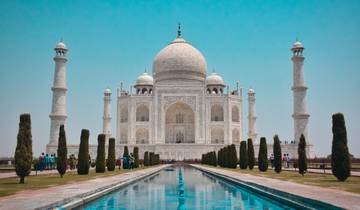
1 days
Private Taj Mahal at Sunrise and Agra Day Tour From Delhi
- ✓ Comprehensive Taj Mahal tour
- ✓ Expert local guides included
- ✓ All accommodation arranged
- ✓ Transportation provided
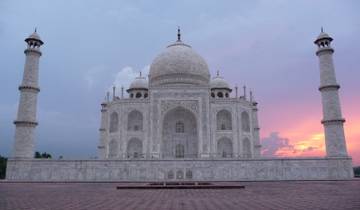
1 days
From Delhi: Taj Mahal & Agra Tour with 5-Star Marriott Lunch
- ✓ Comprehensive Taj Mahal tour
- ✓ Expert local guides included
- ✓ All accommodation arranged
- ✓ Transportation provided
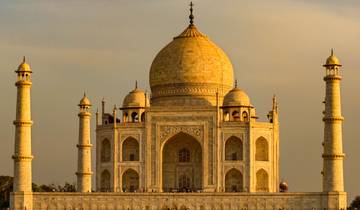
1 days
Same day Trip to Taj Mahal
- ✓ Comprehensive Taj Mahal tour
- ✓ Expert local guides included
- ✓ All accommodation arranged
- ✓ Transportation provided
Multi-day tour packages powered by TourRadar. Prices and availability subject to change.
Pre-Arrival Planning for 2026 Three-Day Visit
Advance Booking Recommendations for 2026
Book accommodation 2-4 months advance for November-February peak season when availability tightens and rates increase 30-50% above off-season pricing. Mid-range hotels ₹2,500-5,000 nightly during peak season drop to ₹1,500-3,500 April-September. Use booking platforms like Booking.com, Agoda, or hotel direct websites comparing prices and cancellation policies. Read recent reviews focusing on cleanliness, staff responsiveness, and location accuracy.
Taj Mahal entry tickets book online through official Archaeological Survey of India website avoiding entry queue delays. International visitors pay ₹1,050 including audio guide and shoe covers. Purchase tickets 1-2 days advance, though same-day booking usually works except Fridays and festival dates when demand peaks. The monument closes Fridays for prayers, requiring itinerary adjustments.
Transportation from Delhi or Jaipur to Agra books through multiple options: Gatimaan Express fastest train service (110 minutes Delhi-Agra) costs ₹1,200-1,800 per person requiring 1-2 weeks advance booking peak season, private car hire ₹3,500-6,000 providing flexible departure times and direct hotel drops, or organized tours ₹2,500-4,500 including transportation and guide services. Book trains through official IRCTC website, cars through hotel concierges or established operators, and tours via Viator, GetYourGuide, or operator websites.
Restaurant reservations at popular establishments like Peshawri or Esphahan book 2-3 days advance during peak season, though most Agra restaurants accommodate walk-in guests. High-end properties require reservations while neighborhood restaurants operate first-come-first-served.
Packing Essentials for 2026 Taj Mahal Visit
Comfortable closed-toe walking shoes essential for marble and stone surfaces at Taj Mahal and Agra Fort. Sneakers or cushioned walking shoes provide better support than sandals for 3-4 hours daily exploration. Pack two pairs alternating daily allowing shoes to air out in humid conditions.
Sun protection includes wide-brimmed hat or cap, SPF 50+ sunscreen, sunglasses with UV protection, and light scarf covering shoulders and neck. November-February peak season provides comfortable 15-25°C temperatures, while March-October requires serious heat management with temperatures 30-45°C. Lightweight breathable clothing in natural fibers like cotton or linen maintains comfort better than synthetics.
Photography equipment considerations: smartphone with extra battery sufficient for most travelers, dedicated camera if you’re photography enthusiast with knowledge of manual settings, small tripod for low-light situations or long exposures, lens cleaning cloth for dust, and phone mount or small selfie stick for group photos. The Taj Mahal permits photography though interior chamber prohibits tripods and flash.
Health essentials include prescription medications in original containers, basic first aid kit with bandages and antiseptic, stomach medications for potential digestive issues, mosquito repellent for evening outdoor activities, and personal hygiene items. Hand sanitizer and wet wipes useful for situations without immediate handwashing access.
Documentation and financial items: passport and visa copies kept separately from originals, credit cards from multiple banks for redundancy, ATM cards for cash withdrawals, mix of US dollars and Indian rupees, and small bills ₹10-50 for tips, donations, and minor purchases. Keep valuables in hotel safe including extra cash, backup cards, and jewelry not worn daily.
Day 1 Itinerary: Taj Mahal Sunrise and Agra Fort 2026
Early Morning: Taj Mahal Sunrise Visit (5:00-9:30 AM)
Wake at 5:00-5:30 AM allowing time for quick breakfast or coffee, dressing, and gathering photography equipment. Hotels near East Gate serve early breakfast from 5:00 AM during peak season, or prepare takeaway breakfast boxes previous evening. Depart accommodation 5:45 AM targeting East Gate arrival before 6:00 AM opening time. Early arrival secures positions for optimal sunrise photography as the monument gates open precisely at sunrise (6:00-6:30 AM depending on season).
Entry procedures involve security screening requiring 5-10 minutes with bags X-rayed and metal detectors. Women and men process through separate security lanes. Prohibited items include food, tobacco products, large bags, tripods, drones, and professional video equipment. The entry ticket ₹1,050 includes audio guide providing architectural and historical commentary in multiple languages.
Proceed through forecourt gardens toward main gateway, the massive red sandstone Darwaza-i-Rauza providing the famous framed Taj Mahal view. Photographers crowd this spot for iconic compositions with monument centered in arch. Arrive early for clear shots before crowds accumulate. The white marble mausoleum sits 300 meters beyond gateway across four-part Mughal gardens (chahar bagh design) with central water channel leading to raised platform.
Main platform exploration begins with exterior circumnavigation appreciating monument from all angles. The perfectly symmetrical structure measures 73 meters high including dome and finial. Morning sunlight creates pink-orange marble tones particularly beautiful 6:30-7:30 AM. Four minarets frame the central dome, each standing 43 meters tall and tilted slightly outward for earthquake safety.
Interior chamber viewing requires shoe removal or plastic covers provided with entry ticket. Lines form for chamber entry especially 8:00-9:00 AM as visitor numbers increase. Inside, the false cenotaphs of Shah Jahan and Mumtaz Mahal feature intricate pietra dura inlay with semiprecious stones creating floral patterns. The actual tombs rest in crypt below, inaccessible to visitors. Photography prohibited inside chamber preserving sanctity and preventing flash damage to decorations.
Garden and reflection pool photography continues after chamber visit. The long water channel creates perfect mirror reflections of the monument when conditions are calm, typically early morning before wind rises. Experiment with different compositions: classic centered shots, asymmetrical framings emphasizing architectural details, detail shots of inlay work from closer perspectives, and human scale photos with people for size reference.
Exit by 9:00-9:30 AM as crowds intensify and temperature rises. The first 3-3.5 hours provide optimal experiences before the site becomes uncomfortably crowded. Return to hotel for substantial breakfast, shower, and rest period preparing for afternoon activities.
Mid-Morning: Hotel Rest and Breakfast (9:30 AM-2:00 PM)
Full breakfast at hotel or nearby restaurant replenishes energy after early rising and 3+ hours walking. Indian breakfast options include aloo paratha (potato stuffed flatbread), poha (flattened rice), idli-sambar (South Indian rice cakes), or familiar continental choices like eggs, toast, and fruit. Budget restaurants charge ₹150-300, mid-range hotels ₹400-600, luxury properties ₹800-1,200 for buffet spreads.
Rest period 10:30 AM-2:00 PM coincides with peak heat hours making outdoor sightseeing uncomfortable March-September. Use this time for showering, napping if jet lagged, organizing photos, reading about upcoming Agra Fort visit, or enjoying hotel amenities like swimming pools or spa services. Luxury hotels often include afternoon high tea services 3:00-5:00 PM providing elegant British colonial tradition with sandwiches, pastries, and premium teas.
This mid-day break proves essential for sustainable three-day itineraries. Attempting continuous morning-to-evening sightseeing leads to exhaustion, reduced enjoyment, and increased susceptibility to heat illness or dehydration. Experienced travelers embrace Indian rhythm of early morning and evening activities with afternoon rest.
Afternoon: Agra Fort Exploration (3:00-5:30 PM)
Depart hotel 2:45-3:00 PM for Agra Fort located 2.5 kilometers from Taj Mahal. Taxi costs ₹150-250 for 10-15 minute journey, auto-rickshaw ₹80-150, or app-based rides through Ola or Uber. Arrive by 3:00 PM when afternoon heat moderates and tourist crowds thin compared to morning rush.
Entry tickets ₹300 per person purchase at main gate ticket counter with separate queues for Indian and international visitors. Audio guides ₹150 provide architectural and historical commentary. Hiring guides at entrance costs ₹500-800 for comprehensive 90-minute tours explaining fort’s history, Mughal royal life, and architectural significance. The Archaeological Survey of India maintains the site with clean facilities and English signage.
The massive fort covers 94 acres surrounded by 21-meter-high red sandstone walls. Built initially by Emperor Akbar 1565-1573 as military fortress, subsequent emperors added palaces, mosques, and gardens transforming it into imperial residence until Shah Jahan moved the capital to Delhi 1638. The fort served as prison for Shah Jahan’s final eight years after his son Aurangzeb seized power, confining the aging emperor to Musamman Burj tower with Taj Mahal views.
Key structures include Jahangir Palace, the largest residential building showcasing Akbar-era architecture with blend of Hindu and Islamic design elements. The central courtyard features detailed stone carvings and multiple levels for royal family accommodation. Khas Mahal (Private Palace) demonstrates Shah Jahan’s refined marble aesthetics with three pavilions, decorative pietra dura inlay work matching Taj Mahal techniques, and painted ceiling designs.
Musamman Burj octagonal tower provides emotional connection to Shah Jahan’s final years. From this white marble tower, the imprisoned emperor gazed at his beloved wife’s tomb across the Yamuna River until his death 1666. The tower’s intricate jali screens and pietra dura decorations demonstrate peak Mughal artistic achievement. Visitors photograph Taj Mahal views from this poignant historical vantage point.
Sheesh Mahal (Mirror Palace) features walls and ceiling embedded with tiny convex mirrors creating sparkling effects when illuminated. Diwan-i-Khas (Hall of Private Audience) showcases two throne platforms where emperors received important visitors and conducted state business. Diwan-i-Am (Hall of Public Audience) accommodated larger gatherings where subjects petitioned the emperor for justice or favors.
Moti Masjid (Pearl Mosque), commissioned by Shah Jahan for his personal use, demonstrates pristine white marble architecture with elegant proportions and peaceful atmosphere. The mosque remains active for prayers, requiring respectful behavior and appropriate dress (shoulders and knees covered).
Exit Agra Fort by 5:30 PM allowing time for evening activities. Return to hotel via taxi ₹150-250 for brief rest before dinner.
Evening: Mughlai Dinner Experience (7:00-9:00 PM)
Authentic Mughlai cuisine represents North India’s rich culinary heritage developed in royal courts combining Persian, Central Asian, and Indian influences. Recommended restaurants include Peshawri at ITC Mughal Hotel specializing in Northwest Frontier Province cuisine with tandoor-grilled meats and vegetables ₹1,500-2,500 per person, Esphahan at The Oberoi Amarvilas offering refined Mughal recipes in elegant setting ₹2,000-3,500, or mid-range options like Jhankar restaurant near Taj Mahal ₹600-1,200 with rooftop Taj views.
Signature dishes include biryani (fragrant rice with meat or vegetables), dal makhani (creamy black lentils), butter chicken, tandoori preparations, kebabs, and naan breads. Vegetarian options abundant with paneer dishes, vegetable curries, and lentil preparations. End with traditional desserts like gulab jamun (milk solid balls in syrup), rasmalai (cheese patties in cream), or kulfi (dense Indian ice cream).
Return to hotel by 9:00-10:00 PM for rest. Tomorrow requires moderate wake time 7:00-8:00 AM for Fatehpur Sikri excursion, less demanding than today’s sunrise wake but still needing adequate sleep for sustainable energy throughout three-day itinerary.
Day 1 Cost Summary
Taj Mahal entry ₹1,050, Agra Fort entry ₹300, breakfast ₹300-600, lunch ₹400-800, dinner ₹800-1,500, transportation (taxis and auto-rickshaws) ₹400-600, bottled water and snacks ₹150-300. Total day cost: ₹3,400-5,150 per person (excluding accommodation ₹2,500-5,000 mid-range).
Day 2 Itinerary: Fatehpur Sikri and Local Exploration 2026
Morning: Fatehpur Sikri Half-Day Trip (8:00 AM-1:30 PM)
Wake 7:00-7:30 AM for leisurely hotel breakfast before 8:00 AM departure to Fatehpur Sikri, Emperor Akbar’s abandoned 16th-century capital located 40 kilometers west of Agra. Book private car previous evening through hotel concierge or tour operator costing ₹2,000-3,000 for half-day hire accommodating up to 4 passengers. Shared costs among travelers reduce per-person expense to ₹500-750 each.
The journey via NH21 highway takes 45-60 minutes through rural landscapes with mustard fields, wheat cultivation, and village glimpses. Highway conditions remain excellent with smooth asphalt. Parking lots 500 meters from main monuments charge ₹50 included in private car rates. Electric shuttle buses ₹25 per person transport visitors from parking to entrance gate, or walk in 7-10 minutes.
Entry tickets ₹300 per person purchase at main gate with separate counters for Indian and international visitors. The Archaeological Survey of India manages Fatehpur Sikri as UNESCO World Heritage Site with comprehensive English signage and visitor facilities. Guides available at entrance offer 90-120 minute tours for ₹500-800 explaining architectural features, historical events, and Akbar’s vision for this short-lived imperial capital.
Major monuments include Buland Darwaza (Victory Gate) standing 54 meters high as one of the world’s tallest gateways, commemorating Akbar’s 1573 Gujarat conquest. The massive red sandstone structure demonstrates Mughal architectural power and engineering skill. Climb steps to top for panoramic views across the complex and surrounding countryside.
Jama Masjid mosque features elegant proportions, intricate stone carving, and large courtyard accommodating congregational prayers. Salim Chishti’s white marble tomb within the mosque attracts pilgrims seeking blessings from the Sufi saint whose prophecy convinced Akbar to build this capital. The tomb’s delicate marble jali screens represent finest Mughal stonework artistry.
Panch Mahal, five-story open pavilion with 176 columns supporting progressively smaller levels, demonstrates Persian architectural influence. The structure served as pleasure palace for royal women with each level providing different views and cooling breezes. Asymmetric column arrangements create visual interest while maintaining structural stability.
Palace complexes include Diwan-i-Khas (Private Audience Hall) with unique central pillar supporting elaborate capital where Akbar held discussions with advisors seated at balcony level, Diwan-i-Am (Public Audience Hall) for court sessions, and residential quarters including Jodha Bai’s Palace blending Hindu and Islamic architectural elements reflecting Akbar’s religious tolerance policies.
Photography opportunities abound particularly morning light 9:00-11:00 AM before harsh midday sun. The red sandstone takes warm golden tones in soft light enhancing architectural details. Buland Darwaza’s monumental scale, Panch Mahal’s symmetry, and intricate jali screen work provide varied compositions. Allow 2.5-3 hours total for thorough exploration and photography.
Simple lunch at local restaurant near Fatehpur Sikri or return to Agra costs ₹250-500 per person for North Indian vegetarian or non-vegetarian meals. Return to Agra by 1:30-2:00 PM for afternoon rest period.
Afternoon: Rest and Optional Local Market Exploration (2:00-5:00 PM)
Afternoon rest 2:00-4:00 PM at hotel allows recovery from morning excursion. This timing maintains sustainable energy for evening activities and prepares for Day 3 early morning if planning additional Taj Mahal visit.
Optional late afternoon 4:00-6:00 PM local market exploration provides cultural experiences beyond monuments. Kinari Bazaar near Jama Masjid specializes in wedding-related items, textiles, and jewelry. Sadar Bazaar offers everyday goods, clothing, and street food. Taj Ganj neighborhood near East Gate features tourist-oriented shops selling marble inlay crafts, miniature Taj Mahals, textiles, and jewelry.
Agra famous for marble inlay work (pietra dura) continuing 400-year traditions from Taj Mahal construction era. Workshops demonstrate craftsmen cutting semiprecious stones and inlaying intricate floral patterns into marble. Items range from small coasters ₹500-2,000 to larger tables ₹20,000-200,000 depending on size and craftsmanship complexity. Verify authenticity and negotiate prices as tourist shops inflate rates 200-400% above workshop direct prices.
Leather goods represent another Agra specialty with shoes, bags, and jackets at various quality levels. Government emporium shops like UP Handloom offer fixed prices and guaranteed quality though higher than negotiated market rates. Street food stalls sell snacks like samosas ₹20-40, kachoris ₹30-60, and chaat ₹40-80 though travelers with sensitive stomachs should exercise caution with street vendors.
Evening: Sunset at Mehtab Bagh (5:30-7:00 PM)
Mehtab Bagh (Moonlight Garden) provides exceptional Taj Mahal photography opportunities from opposite Yamuna River bank without crowds found at main monument. Located 3 kilometers north of Taj Mahal, this 25-acre Mughal garden offers unobstructed views across the river. Entry costs ₹100 per person with operating hours 6:00 AM-6:00 PM.
Taxi from hotel to Mehtab Bagh costs ₹200-300, auto-rickshaw ₹120-200, requiring 15-20 minutes travel time. Arrive 5:30-6:00 PM for optimal evening light as sun sets behind the Taj Mahal creating golden hour illumination. The marble monument glows warm orange-pink tones particularly beautiful 6:00-6:30 PM.
Photographers favor Mehtab Bagh for reflections when water levels permit, cleaner foreground with maintained gardens rather than urban development, and peaceful atmosphere with significantly fewer visitors than main Taj Mahal grounds. Bring tripod if you own one for long exposures as light fades, though handheld smartphone photography works well during golden hour.
Stay until closing 6:00 PM or until satisfied with photographs. Return to hotel by 7:00 PM via pre-arranged taxi pickup or flag transportation at garden exit. Evening concludes with dinner at hotel restaurant or neighborhood options ₹400-1,200 depending on establishment and menu choices.
Day 2 Cost Summary
Fatehpur Sikri entry ₹300, private car ₹500-750 per person (shared among 4), guide ₹125-200 per person (shared), lunch ₹250-500, Mehtab Bagh entry ₹100, transportation (taxis and rickshaws) ₹400-600, dinner ₹400-1,200, water and snacks ₹150-300. Total day cost: ₹2,225-3,650 per person (excluding accommodation).
Day 3 Itinerary: Final Taj Mahal Visit and Departure 2026
Morning: Taj Mahal Second Visit or Leisure (7:00-11:00 AM)
Day 3 morning options depend on departure timing and personal preferences. Travelers with afternoon or evening departures benefit from second Taj Mahal visit 7:00-10:00 AM capturing different perspectives and lighting than Day 1 sunrise. This visit allows photography focusing on architectural details rather than first-encounter emotional overwhelm, observation of pietra dura inlay techniques with calmer attention, and appreciation of garden geometry and water features.
Entry procedures identical to Day 1 with ₹1,050 ticket (already purchased or buy at gate), security screening, and audio guide included. Second visits typically feel more relaxed as familiarity with layout and procedures reduces stress. Photographers experiment with compositions missed during initial visit, like close-ups of calligraphy inscriptions, patterns in marble jali screens, or reflections in smaller garden water channels beyond main axis.
Alternative morning activities for travelers who prefer variety include sleeping in and enjoying leisurely hotel breakfast, visiting local workshops demonstrating marble inlay or carpet weaving techniques, exploring Itmad-ud-Daulah tomb (Baby Taj) ₹300 entry featuring earlier pietra dura work, or final shopping for souvenirs and gifts.
Late Morning: Checkout and Final Activities (11:00 AM-2:00 PM)
Hotel checkout typically occurs 11:00 AM-12:00 PM though many properties offer luggage storage for late departures. Confirm storage availability previous evening if train or flight departs after 2:00 PM. Take final shower, pack belongings checking rooms thoroughly for forgotten items, and settle any outstanding bills.
Final lunch in Agra 12:00-1:30 PM provides last opportunity for Mughlai cuisine or familiar international options. Restaurants near hotels offer convenient locations ₹300-800 per person depending on establishment. Budget extra time for relaxed meal rather than rushing to transportation.
Afternoon: Departure and Onward Travel (2:00-6:00 PM)
Departure timing depends on next destination. Delhi-bound travelers catch Gatimaan Express departing Agra Cantonment 5:50 PM arriving New Delhi 7:30 PM, or earlier Shatabdi services. Tickets ₹1,200-1,800 book through IRCTC website or station counters. Taxi from hotel to Agra Cantonment station costs ₹250-400 allowing 30 minutes travel time plus 15-20 minutes early arrival for platform location and boarding.
Private car services to Delhi cost ₹3,500-6,000 for 3-4 hour journey via Yamuna Expressway. Flexible departure timing and hotel pickup provide convenience worth premium over trains for some travelers. Book through hotel concierge or tour operators previous evening confirming total cost, vehicle type, and driver contact information.
Jaipur-bound travelers use National Highway 21 covering 240 kilometers in 4-5 hours. Private cars cost ₹4,500-7,500, or bus services depart Idgah Bus Terminal every 1-2 hours costing ₹400-800 per person for Volvo air-conditioned coaches. Buses take 5-6 hours with rest stop.
Flight departures from Agra’s Kheria Airport (very limited domestic services) or Delhi’s Indira Gandhi International Airport (3.5-4 hours by car from Agra) require coordination of ground transportation with flight schedules. Allow 4-5 hours for Delhi airport transfers including traffic buffer and check-in time.
Day 3 Cost Summary
Optional second Taj Mahal entry ₹1,050 (if visiting), breakfast ₹300-600, lunch ₹300-800, transportation to station/airport ₹250-600, water and snacks ₹100-200. Total day cost: ₹950-2,200 per person (excluding accommodation and onward travel tickets).
Complete 3-Day Budget Summary 2026
Mid-Range Budget (₹8,500-15,000 per person)
Accommodation: ₹2,500-5,000 per night × 2 nights = ₹5,000-10,000. Monument entries: Taj Mahal ₹1,050 × 2 visits = ₹2,100 (or ₹1,050 single visit), Agra Fort ₹300, Fatehpur Sikri ₹300, Mehtab Bagh ₹100 = ₹2,800 total (or ₹1,750 one Taj visit). Meals: ₹1,500-2,600 per day × 3 days = ₹4,500-7,800. Transportation: ₹1,000-1,950 total including local taxis, auto-rickshaws, and Fatehpur Sikri car share. Guides: ₹300-600 optional. Grand total: ₹12,600-20,350 excluding arrival/departure transport from/to Delhi or Jaipur.
Budget Travel (₹5,000-8,000 per person)
Accommodation: ₹800-1,500 per night × 2 nights = ₹1,600-3,000. Monument entries: Same ₹1,750-2,800 (non-negotiable government rates). Meals: ₹900-1,800 total using street food, basic restaurants, hotel breakfast when included. Transportation: ₹600-1,200 using auto-rickshaws, shared vehicles, walking when practical. No guides (use audio guides included with tickets). Grand total: ₹4,850-8,800.
Luxury Experience (₹18,000-30,000 per person)
Accommodation: ₹8,000-20,000 per night × 2 nights = ₹16,000-40,000. Monument entries: Same ₹1,750-2,800. Meals: ₹4,500-9,000 total at fine dining establishments. Transportation: ₹3,600-6,000 for private cars and drivers all three days. Professional guides: ₹2,000-3,000 total. Spa treatments: ₹2,000-5,000 optional. Grand total: ₹29,850-65,800.
Practical Tips and Modifications for 2026 Three-Day Itineraries
Weather Adaptations Throughout the Year
November-February peak season provides ideal conditions 15-25°C with clear skies and comfortable temperatures for all-day exploration. Morning sunrise visits require light jacket, afternoon activities need only long sleeves. This season sees maximum tourist crowds requiring advance booking 2-4 months for accommodation and transportation. Benefits include perfect photography light, minimal rain, and optimal comfort.
March-June pre-monsoon period brings increasing heat 30-45°C requiring serious heat management strategies. Morning activities 6:00-10:00 AM and late afternoon 5:00-7:00 PM remain feasible, but midday 11:00 AM-4:00 PM exploration becomes dangerous with heat illness risk. Extend afternoon rest periods, increase water intake to 4-5 liters daily, use maximum sun protection, and consider reducing daily activities. Benefits include lower accommodation rates 30-40% below peak season and minimal tourist crowds.
July-September monsoon season features 30-38°C heat plus daily rain showers typically late afternoon. Carry umbrella, plan indoor activities for likely 3:00-6:00 PM rain windows, and maintain flexible scheduling. Benefits include lowest accommodation rates, lush green landscapes, and very few tourists. Challenges include poor photography conditions with overcast skies and limited visibility across Yamuna River to Taj Mahal from Mehtab Bagh.
Photography-Focused Itinerary Modifications
Photography enthusiasts modify standard itineraries prioritizing optimal lighting over comprehensive monument coverage. Taj Mahal sunrise visit Day 1 extends to 3-4 hours rather than 2.5 hours, allowing multiple composition attempts as light evolves 6:00-10:00 AM. Return for sunset attempt from Agra Fort’s Musamman Burj tower rather than afternoon fort exploration, capturing Taj across river during evening golden hour.
Add Taj Mahal moonlight viewing special tours offered 5 days monthly around full moon (check official calendar for specific dates in 2026). Moonlight tours ₹1,050 provide unique opportunity photographing the monument’s ethereal blue-white glow under moon illumination. These require separate advance booking and sell out 3-4 weeks ahead during peak season.
Mehtab Bagh receives multiple visits across different days and times: sunrise from this angle provides pink morning glow without crowds, late afternoon captures golden hour light, and blue hour after sunset shows monument illumination against darkening sky. Each timeframe delivers distinctly different images worth separate trips.
Romantic Couple Itinerary Enhancements
Couples celebrating honeymoons, anniversaries, or special occasions enhance itineraries with romantic elements. Book hotels with Taj Mahal views from rooms or balconies like The Oberoi Amarvilas, ITC Mughal, or Taj Hotel & Convention Centre providing private monument appreciation without crowds.
Arrange private sunrise Taj Mahal photography session hiring professional photographer ₹5,000-12,000 for 2-hour shoots directing poses, compositions, and technical settings for magazine-quality images. Many couples consider these photos worth investment for once-in-lifetime experiences.
Replace standard restaurant dinners with romantic options: candlelight dinner at hotel fine dining restaurants ₹3,000-6,000 per couple, rooftop restaurants with Taj views like Jhankar ₹1,500-3,000, or private dining experiences arranged through luxury hotels ₹8,000-15,000 with dedicated service and customized menus.
Add couples spa treatments ₹4,000-12,000 for 90-120 minute massages and wellness experiences. Luxury hotels offer specialized packages including bath preparations, aromatherapy, and relaxation spaces.
Family with Children Modifications
Families with young children modify pace and activities accommodating shorter attention spans and different interests. Split Taj Mahal visits into briefer 60-90 minute sessions rather than extended 3-hour explorations. Focus on key views, main mausoleum exterior (interior may bore children), and garden areas where kids can move freely.
Replace afternoon rest periods with hotel pool time providing physical activity and cooling relief from heat. Most mid-range and luxury properties feature pools though some charge small fees ₹200-500 for external guests if staying at properties without pools.
Add child-friendly activities like visiting Kalakriti Cultural & Convention Center for 80-minute “Mohabbat-the-Taj” cultural show ₹600-1,200 per person depicting Taj Mahal love story through music and dance, or wildlife experiences at Sur Sarovar Bird Sanctuary 20 kilometers from Agra if children enjoy nature.
Choose accommodation carefully prioritizing family rooms, kid-friendly menus, safe neighborhoods, and properties with experience hosting families. Budget additional costs for child entries at monuments (usually 50% of adult rates for children under 15), extra meals and snacks, and possible guide tips for patience with children’s questions and pace.
Frequently Asked Questions About 3-Day Taj Mahal Itineraries 2026
Can I visit Taj Mahal multiple times with one ticket?
No, Taj Mahal tickets permit single-day single-entry. Each visit requires separate ticket purchase ₹1,050 per entry. The ticket includes grounds access, main mausoleum interior, audio guide, and shoe covers valid from sunrise to sunset on specified date. Visitors wanting multiple visits across different days purchase tickets for each day, though total cost remains justified for capturing varied lighting conditions and deeper architectural appreciation.
Should I hire a guide for all three days?
Guides provide maximum value Day 1 Taj Mahal and Agra Fort visit explaining Mughal history, architectural features, and cultural context that significantly enhances appreciation beyond self-guided exploration. Day 2 Fatehpur Sikri also benefits from guide services explaining why Akbar built this capital, the abandonment reasons, and architectural symbolism. Day 3 activities typically don’t require guides as you’re revisiting familiar Taj Mahal or exploring markets independently.
Budget-conscious travelers use included audio guides at Taj Mahal and Agra Fort, then hire professional guide only for Fatehpur Sikri ₹500-800 where site complexity and historical context particularly benefit from expert commentary. This approach saves ₹1,000-2,000 while maintaining educational quality where it matters most.
What’s the best day of the week to visit Taj Mahal in 2026?
Tuesday through Thursday offer best experiences with moderate crowds compared to weekend congestion. Monday remains relatively quiet as many tourists follow standard itineraries starting weekends or arriving mid-week. Friday closings require schedule adjustments as the monument closes for prayers. Saturday and Sunday bring maximum domestic tourist crowds from Delhi and surrounding regions, creating longer entry queues and reduced photography opportunities.
Plan three-day trips starting Tuesday, Wednesday, or Thursday when possible. Avoid trips spanning Friday requiring complicated rescheduling of missed Taj Mahal visits. Holiday weekends and festival dates see extreme crowding requiring 3-4 months advance booking and patience with extensive queues.
Is it worth spending three full days in Agra or should I do a shorter trip?
Three days provide optimal balance between comprehensive Taj Mahal experiences and regional exploration without overstaying limited city attractions. The timeframe allows quality monument visits without rushing, multiple Taj Mahal viewings capturing different conditions, nearby Fatehpur Sikri excursion, and cultural experiences through markets and dining.
Travelers with limited schedules successfully visit Taj Mahal in single full days departing Delhi morning and returning evening, covering main monument and possibly Agra Fort. However, this rushed approach creates exhausting 14-16 hour days with 6-8 hours transportation and minimal authentic local interaction. Two-day stays work well for focused travelers wanting Taj Mahal and Agra Fort without Fatehpur Sikri extension.
Three days rarely feel excessive unless travelers have limited interest in architectural details, history, or photography. The addition of Fatehpur Sikri and Mehtab Bagh creates varied experiences preventing single-site fatigue. Most visitors consider three days well-spent though four days would exceed Agra’s attraction capacity unless adding day trips to Mathura-Vrindavan or extended relaxation at luxury properties.
How do I avoid crowds at Taj Mahal?
Sunrise entries 6:00-7:00 AM offer lowest crowd density with photographers and serious visitors arriving early but general tourists appearing 8:00 AM onward. By 9:00-10:00 AM, crowds intensify significantly. Early arrival requires discipline waking 5:00-5:30 AM but rewards with peaceful experiences and optimal photography opportunities.
Tuesday-Thursday visits encounter fewer domestic tourists than weekend days. Avoid major Indian holidays like Diwali, Holi, and Republic Day when domestic tourism peaks. The November-February peak season brings higher overall visitor numbers but weekday timing still moderates impact.
Moonlight viewing special tours during full moon periods provide unique experiences with extremely limited visitor numbers (maximum 400 visitors per night versus 8,000-12,000 daily visitors). Book 3-4 weeks advance for these exclusive opportunities.
What happens if it rains during my 3-day visit?
Monsoon July-September brings highest rain probability with late afternoon showers typical pattern. The Taj Mahal remains open during rain though photography conditions suffer with overcast skies and wet marble surfaces creating safety concerns on slippery platforms. Carry umbrella and waterproof phone protection if visiting during monsoon season.
Flexibility helps: if morning rain occurs, delay Taj Mahal visit until afternoon when weather often clears. Three-day itineraries provide buffer allowing schedule swaps. Rain Day 2 during Fatehpur Sikri excursion prompts postponing outdoor exploration for Day 3 instead visiting covered monuments like Agra Fort or spending time at museum exhibitions and handicraft workshops.
Weather apps provide reasonable forecasts 2-3 days advance allowing preliminary planning, though sudden weather changes remain possible. Book accommodations with good cancellation policies during monsoon season providing flexibility if heavy rain seriously disrupts plans.
Can elderly visitors or people with limited mobility complete this 3-day itinerary?
The standard itinerary requires modification for elderly visitors or people with limited mobility due to extensive walking across monument grounds and some stairs particularly at Agra Fort. The Taj Mahal main platform reaches via steps though side paths with gentler inclines exist. Wheelchairs available at entrances though marble surfaces become slippery when wet.
Modifications include hiring wheelchairs with attendants for Taj Mahal ₹300-500, reducing total walking time with shorter visits 60-90 minutes rather than 2-3 hours, increasing rest periods between activities, avoiding stairs at Agra Fort by limiting exploration to main courtyard and ground-level palaces, and potentially skipping Fatehpur Sikri which involves considerable walking across uneven stone surfaces.
Private cars with patient drivers allow mobility-challenged travelers to control pace, with vehicle waiting at parking lots eliminating additional walking to public transportation. Many hotels offer ground-floor or elevator-accessed rooms, and restaurants accommodate special needs with advance notice. Consult hotel staff about accessibility features and request assistance arranging modified itineraries.
What’s the best souvenir to buy in Agra?
Marble inlay work (pietra dura) represents Agra’s signature craft continuing 400-year traditions from Taj Mahal construction. Quality pieces feature hand-cut semiprecious stones inlaid into marble creating intricate floral patterns. Small items like coasters or boxes cost ₹500-3,000, medium pieces like trays or photo frames ₹5,000-15,000, larger tables or decorative panels ₹20,000-200,000 depending on size and complexity.
Verify authenticity distinguishing hand-crafted items from machine-made imitations or painted designs. Reputable workshops demonstrate craftsmen at work and provide authenticity certificates. Government emporiums like Cottage Industries Exposition guarantee quality though charge premium prices above negotiated market rates. Marble weight indicates authenticity as solid marble weighs significantly more than composite materials.
Alternative souvenirs include miniature Taj Mahals in various materials ₹200-5,000, leather goods like shoes and bags ₹800-5,000, textiles including silk scarves and embroidered fabrics ₹500-8,000, and traditional jewelry with semi-precious stones ₹1,000-50,000. Consider shipping arrangements for heavy or fragile items rather than carrying in luggage.
Final Planning Checklist for Your 2026 Three-Day Visit
Complete this checklist 4-6 weeks before travel ensuring all arrangements confirmed and potential issues addressed early. Book accommodation near Taj Mahal East Gate for sunrise visit convenience, reserve hotels through reputable platforms with clear cancellation policies, and read recent reviews verifying cleanliness, location accuracy, and service quality.
Purchase Taj Mahal entry tickets online through Archaeological Survey of India official website 1-2 days advance avoiding entry queues, verify opening hours and Friday closings coinciding with your visit dates, and download tickets to smartphone or print copies as backup. Confirm passport validity extends at least six months beyond travel dates, obtain Indian visa through official channels, and make digital copies of documents stored separately from originals.
Arrange transportation from arrival city (Delhi or Jaipur) to Agra booking trains through IRCTC website or private cars through reputable operators. Research local transportation options understanding taxi, auto-rickshaw, and app-based ride availability. Plan daily itinerary with realistic timing accounting for rest periods, meal breaks, and flexibility for weather or energy variations.
Pack appropriate clothing covering shoulders and knees for monument visits, comfortable walking shoes for extended exploration, sun protection including hat and sunscreen SPF 50+, and camera equipment if beyond smartphone photography. Carry necessary medications, basic first aid supplies, and stomach remedies for potential digestive adjustment. Obtain travel insurance covering medical emergencies, trip cancellations, and lost belongings providing protection against unexpected events.
Notify bank and credit card companies of India travel dates preventing fraud alerts blocking transactions. Carry mix of payment methods including credit cards, ATM cards, US dollars for exchange, and some Indian rupees obtained before arrival. Download useful apps like Google Maps for navigation, WhatsApp for communication, translation apps if needed, and weather forecasts for daily planning.
Your three-day Taj Mahal journey combines awe-inspiring monuments with authentic cultural experiences, creating memories lasting far beyond the inevitable photos. This comprehensive itinerary balances structured planning with spontaneous discovery, providing framework for unforgettable experiences while accommodating personal preferences and flexible adjustments. The Taj Mahal awaits with its timeless beauty, architectural perfection, and profound love story embodied in white marble perfection.