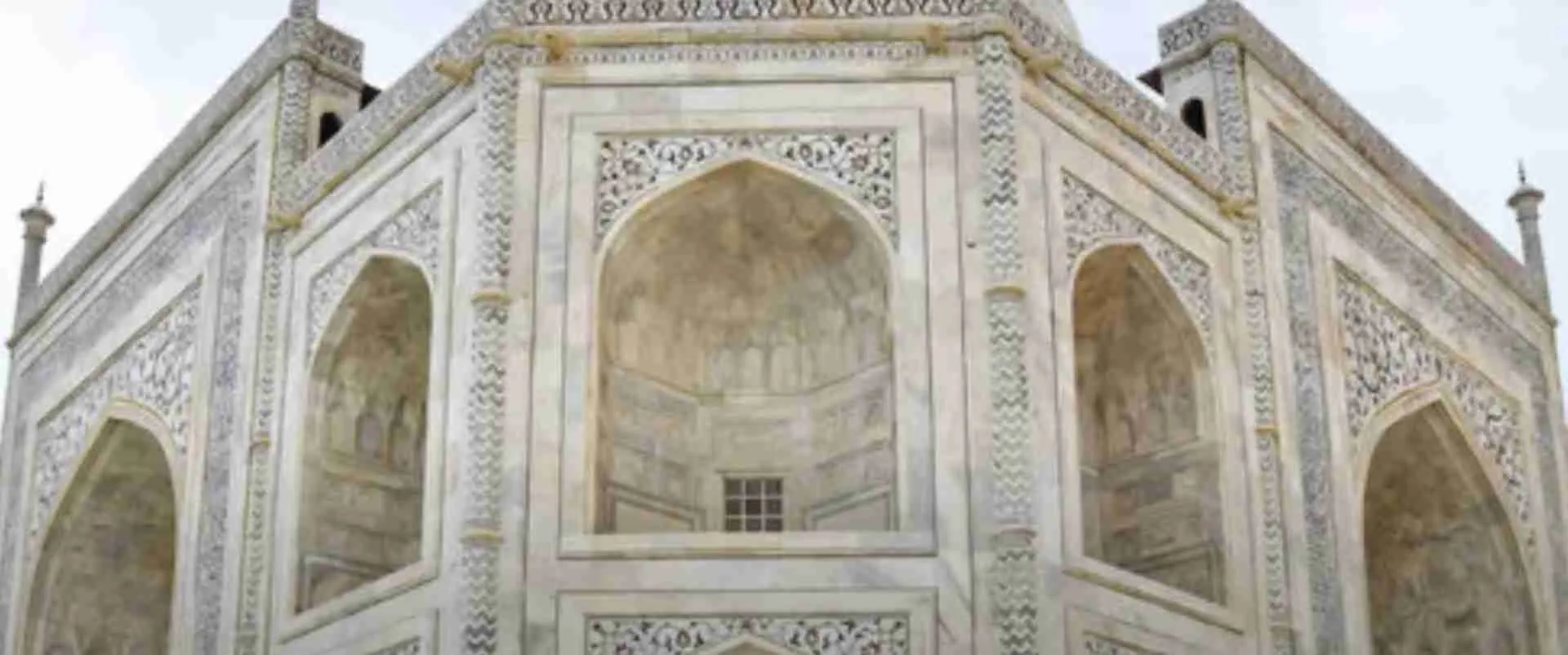
Taj Mahal Preservation: How India Protects This Wonder of the World
Preserving the Taj Mahal represents one of the world’s most comprehensive heritage conservation efforts, combining traditional restoration techniques with cutting-edge scientific monitoring to protect this irreplaceable architectural masterpiece. Nearly four centuries after its completion, the monument faces modern challenges that require innovative solutions to ensure its survival for future generations.
Key Takeaways
- Trapezium Zone of 10,400 square kilometers around Taj Mahal restricts industrial activity to prevent pollution
- Supreme Court intervention has mandated strict environmental controls and restoration guidelines since 1993
- ₹500 crore restoration project (2018-2025) includes marble cleaning, structural repairs, and garden restoration
- Archaeological Survey of India oversees daily maintenance with specialized conservation teams
- Visitor limitations restrict daily entry to 40,000 people to prevent overcrowding damage
- Climate change monitoring tracks temperature, humidity, and pollution effects on marble deterioration
The preservation effort extends far beyond the monument itself, encompassing environmental protection across thousands of square kilometers, strict regulatory frameworks, ongoing scientific research, and international collaboration to address threats ranging from air pollution to climate change. India’s commitment to protecting this UNESCO World Heritage Site demonstrates how modern conservation science can be applied to preserve humanity’s greatest cultural treasures.
Historical Conservation Efforts
Early British Colonial Period (1800s-1947)
The Taj Mahal’s modern conservation history began during the British colonial period when initial documentation and basic maintenance efforts were established. Lord Curzon, Viceroy of India from 1899-1905, initiated the first systematic restoration project after discovering the monument in a state of neglect with damaged marble, overgrown gardens, and deteriorating infrastructure.
Curzon’s restoration included cleaning the marble surfaces, repairing damaged inlay work, restoring the gardens to their original Mughal design, and installing electric lighting systems that allowed evening visits. This early conservation effort established principles of historical accuracy and material authenticity that continue to guide restoration work today.
However, some colonial-era interventions proved problematic, including the use of incompatible modern materials and alterations to the original design. These early mistakes provided valuable lessons about the importance of using traditional materials and techniques when working on historical monuments.
Post-Independence Conservation Framework (1947-1980s)
After India’s independence, the Archaeological Survey of India (ASI) assumed responsibility for Taj Mahal conservation, establishing systematic maintenance protocols and professional conservation teams. The monument was designated as a protected monument under the Ancient Monuments and Archaeological Sites and Remains Act, providing legal protection and dedicated funding.
Post-independence conservation focused on establishing scientific documentation, training specialized craftsmen in traditional techniques, and developing maintenance schedules that could prevent major deterioration. This period saw the creation of specialized workshops where traditional crafts like pietra dura inlay and marble carving were preserved and taught to new generations.
The establishment of conservation laboratories and research facilities during this period provided the scientific foundation for understanding the monument’s materials and deterioration processes, enabling more effective preservation strategies.
Extended multi-day tours – 5+ days
Featured Taj Mahal Multi-Day Tour Packages

3 days
Taj Mahal 3-Day Discovery Tour
- ✓ Comprehensive Taj Mahal experience
- ✓ Expert local guides included
- ✓ All accommodation included
- ✓ Transportation provided

5 days
Taj Mahal 5-Day Highlights Experience
- ✓ Comprehensive Taj Mahal experience
- ✓ Expert local guides included
- ✓ All accommodation included
- ✓ Transportation provided

7 days
Taj Mahal 7-Day Cultural Journey
- ✓ Comprehensive Taj Mahal experience
- ✓ Expert local guides included
- ✓ All accommodation included
- ✓ Transportation provided

10 days
Taj Mahal 10-Day Complete Adventure
- ✓ Comprehensive Taj Mahal experience
- ✓ Expert local guides included
- ✓ All accommodation included
- ✓ Transportation provided
Multi-day tour packages powered by TourRadar. Prices and availability subject to change.
Modern Conservation Challenges
Air Pollution and Acid Rain Impact
Air pollution represents the greatest threat to Taj Mahal preservation, with sulfur dioxide emissions from industrial sources combining with moisture to create acid rain that attacks the marble surfaces. The Mathura Oil Refinery, located 40 kilometers from Agra, and numerous other industrial facilities in the region have contributed to atmospheric pollution that causes measurable marble deterioration.
Acid rain creates a chemical reaction with marble’s calcium carbonate, forming calcium sulfate that appears as yellow staining on the monument’s white surfaces. This process, known as sulfation, not only discolors the marble but also weakens its structure by creating a soft, crumbly surface layer that gradually erodes.
Vehicle emissions from the millions of annual visitors and heavy truck traffic on surrounding highways contribute additional pollutants including nitrogen oxides and particulate matter that settle on marble surfaces and accelerate deterioration processes.
The cumulative effect of air pollution has become increasingly visible since the 1970s, with photographs clearly documenting the development of yellow and brown staining that mars the monument’s pristine white appearance and threatens its structural integrity.
Tourism Pressure and Physical Damage
Mass tourism, while economically beneficial, creates significant conservation challenges through physical wear, humidity increases, and crowd management problems. The Taj Mahal receives over 6 million visitors annually, with peak days seeing more than 40,000 people accessing the monument and its limited spaces.
Visitor impact includes marble surface wear from millions of footsteps, moisture increase from human respiration that creates damaging humidity cycles, vibrations from large crowds that can affect structural stability, and accidental damage from touching, leaning, and photographing activities.
The interior mausoleum chamber experiences particularly intense pressure, with thousands of daily visitors creating humidity levels that far exceed the optimal conditions for marble preservation. The moisture from human breath and perspiration creates condensation that accelerates marble deterioration and promotes biological growth.
Crowd control has become increasingly challenging, with visitor management systems struggling to balance access with preservation needs while ensuring safety and quality experiences for tourists from around the world.
Climate Change and Environmental Factors
Climate change presents emerging challenges for Taj Mahal preservation through increased temperature extremes, changing precipitation patterns, and more frequent severe weather events. Rising temperatures accelerate chemical deterioration processes while thermal cycling creates mechanical stress in marble structures.
Extreme weather events including intense monsoons, severe droughts, and unprecedented temperature spikes create conditions that exceed the monument’s historical experience and the tolerances for which it was designed. These events can cause rapid deterioration that requires immediate intervention.
Changing groundwater levels affect the foundation stability and create new moisture management challenges. The Yamuna River’s declining flow and changing course alter the local microclimate and drainage patterns that have influenced the monument for centuries.
Rising humidity levels and changing seasonal patterns affect the monument’s materials in ways that require constant monitoring and adaptation of conservation strategies to address new environmental conditions.
Supreme Court Intervention and Legal Framework
Landmark M.C. Mehta vs Union of India Case (1993)
The 1993 Supreme Court case M.C. Mehta vs Union of India marked a turning point in Taj Mahal conservation, establishing legal frameworks and enforcement mechanisms that have fundamentally transformed preservation efforts. Environmental lawyer M.C. Mehta’s petition argued that industrial pollution was causing irreversible damage to the monument, requiring immediate government intervention.
The Supreme Court’s landmark judgment established the Trapezium Zone (TTZ), a 10,400 square kilometer area around the Taj Mahal where industrial activities are strictly regulated or banned entirely. This zone includes three categories: prohibition area (no polluting industries), restricted area (limited industrial activity with strict controls), and controlled area (regulated development with environmental monitoring).
The court ordered closure or relocation of hundreds of polluting industries, mandated conversion from coal to natural gas for remaining facilities, and established strict emission standards that are among the world’s most stringent for heritage protection zones.
Subsequent court orders have addressed specific conservation issues including visitor management, restoration standards, and environmental monitoring requirements, creating a comprehensive legal framework that guides all preservation activities.
Regulatory Implementation and Enforcement
Implementation of Supreme Court directives required establishing new regulatory mechanisms and enforcement agencies with specialized expertise in heritage conservation and environmental protection. The Central Pollution Control Board monitors air quality and industrial compliance within the Trapezium Zone.
Regular court hearings review conservation progress and address emerging challenges, ensuring continued judicial oversight of preservation efforts. This ongoing legal process has created accountability mechanisms that have proven essential for maintaining conservation momentum.
The legal framework has become a model for heritage protection worldwide, demonstrating how judicial intervention can effectively address conservation challenges that require coordination across multiple government agencies and regulatory jurisdictions.
Current Restoration and Conservation Projects
Comprehensive Restoration Project (2018-2025)
The current ₹500 crore restoration project represents the most comprehensive conservation effort in the Taj Mahal’s modern history, addressing accumulated deterioration while implementing preventive measures to ensure long-term preservation. This seven-year project combines traditional craftsmanship with modern conservation science.
The restoration includes complete cleaning of all marble surfaces using specialized techniques that remove pollution staining without damaging the underlying stone, structural repairs to address weathering and minor earthquake damage, and restoration of decorative elements including pietra dura inlay work and calligraphy.
Garden restoration aims to recreate the original Mughal landscape design using historical documentation and archaeological evidence, while infrastructure improvements include upgraded visitor facilities, improved drainage systems, and enhanced security measures.
The project employs over 200 specialized craftsmen trained in traditional techniques, working alongside conservation scientists who monitor every aspect of the restoration process to ensure compatibility with historical materials and methods.
Marble Cleaning and Surface Restoration
Marble cleaning represents the most visible and technically challenging aspect of current restoration efforts, requiring removal of decades of pollution staining while preserving the stone’s original surface and decorative elements. The cleaning process uses traditional techniques supplemented by modern conservation science.
The cleaning method employs multani mitti (fuller’s earth), a natural clay that has been used for marble cleaning for centuries, applied as a paste that draws out pollutants without abrasive action. This traditional technique requires skilled craftsmen who understand marble properties and can adjust treatment parameters for different surface conditions.
Surface restoration includes repair of micro-fractures, consolidation of weakened marble areas, and replacement of severely damaged sections using traditional mortars and compatible marble from the original Makrana quarries. All replacement work must match the original in appearance, properties, and aging characteristics.
Quality control measures include regular monitoring of surface conditions, documentation of all interventions, and long-term assessment of treatment effectiveness to ensure that restoration work achieves conservation goals without creating new problems.
Structural Monitoring and Preventive Conservation
Advanced structural monitoring systems continuously assess the monument’s condition using sensors that track movement, temperature, humidity, and other environmental factors that affect marble deterioration. This data enables predictive conservation that addresses problems before they become severe.
The monitoring system includes wireless sensors embedded throughout the structure, automated weather stations that track environmental conditions, and regular laser scanning that documents dimensional changes with millimeter precision.
Preventive conservation measures include improved drainage to prevent water infiltration, controlled lighting systems that minimize thermal stress, and visitor management protocols that reduce physical impact while maintaining access for cultural appreciation and economic benefits.
Environmental Protection Measures
Trapezium Zone Management
The Trapezium Zone represents one of the world’s most comprehensive heritage protection areas, with environmental regulations that extend far beyond the immediate monument vicinity to address regional pollution sources. Management of this vast area requires coordination between multiple state governments and regulatory agencies.
Industrial regulation within the TTZ includes mandatory emission controls for all facilities, required use of cleaner fuels and technologies, regular environmental audits and compliance monitoring, and penalties for violations that can include facility closure and legal prosecution.
Agricultural practices within the zone are also regulated to prevent activities that contribute to air pollution, including restrictions on crop burning and requirements for sustainable farming methods that reduce dust and chemical emissions.
Transportation management includes promotion of cleaner vehicle technologies, restrictions on heavy truck traffic during high pollution periods, and development of alternative transportation routes that reduce emissions in the immediate vicinity of the monument.
Air Quality Monitoring and Improvement
Continuous air quality monitoring provides real-time data on pollution levels that affect the Taj Mahal, enabling rapid response to pollution events and long-term tracking of environmental improvement efforts. Multiple monitoring stations throughout the region provide comprehensive coverage.
The monitoring network tracks key pollutants including sulfur dioxide, nitrogen oxides, particulate matter, and ozone levels that are most damaging to marble surfaces. This data is analyzed to identify pollution sources and assess the effectiveness of control measures.
Air quality improvement initiatives include promoting renewable energy development in the region, supporting industrial modernization that reduces emissions, implementing stricter vehicle emission standards, and developing green transportation options for tourists and local residents.
Regional cooperation with neighboring states ensures coordinated pollution control efforts that address air quality as a regional issue rather than limiting efforts to the immediate Taj Mahal vicinity.
Scientific Research and Innovation
Advanced Conservation Technologies
Cutting-edge conservation technologies are being applied to Taj Mahal preservation, including laser cleaning systems that can remove pollutants with unprecedented precision, nanotechnology treatments that provide protective coatings for marble surfaces, and advanced imaging techniques that reveal deterioration invisible to conventional examination.
Laser cleaning technology offers advantages over traditional methods by providing precise control over cleaning depth and intensity, eliminating the need for chemical treatments that might affect marble properties, and allowing selective removal of pollutants while preserving original surface characteristics.
Nanotechnology applications include development of protective treatments that create invisible barriers against pollution while allowing marble to “breathe” naturally, and consolidation treatments that strengthen weakened marble without altering its appearance or properties.
Advanced documentation techniques using 3D scanning, photogrammetry, and spectroscopic analysis create detailed records of the monument’s current condition while enabling precise monitoring of changes over time.
International Collaboration and Expertise
The Taj Mahal conservation effort benefits from international collaboration with leading conservation organizations, research institutions, and technical experts who bring specialized knowledge and experience from similar projects worldwide.
Partnerships with institutions like the Getty Conservation Institute, UNESCO, and various European conservation centers provide access to advanced research, training opportunities for Indian conservators, and peer review of conservation strategies and techniques.
Exchange programs allow Indian conservation professionals to study advanced techniques at international sites while bringing foreign experts to contribute specialized knowledge to Taj Mahal preservation challenges.
International funding and technical assistance supplement Indian conservation efforts, providing resources for advanced equipment, research projects, and capacity building that enhance the overall preservation program.
Visitor Management and Sustainable Tourism
Carrying Capacity and Access Control
Managing the balance between cultural access and preservation requires sophisticated visitor management systems that limit daily entries while ensuring meaningful experiences for tourists from around the world. Current policies limit daily visitors to 40,000, with advance booking requirements during peak periods.
Time-slot booking systems distribute visitors throughout the day, reducing peak crowding while ensuring the monument can accommodate the enormous demand for access. Special provisions are made for different visitor categories including international tourists, domestic visitors, and local residents.
The interior mausoleum chamber has the most restrictive access controls, with limited numbers allowed inside at any time to prevent humidity buildup and physical damage from overcrowding. Visitors are limited to brief viewing periods to maximize access while protecting the delicate interior environment.
Alternative viewing options including elevated platforms and designated photography areas help distribute visitor pressure across the entire complex while providing excellent viewing and photography opportunities outside the most sensitive areas.
Education and Awareness Programs
Visitor education programs help tourists understand conservation challenges and their role in protecting the monument, creating informed advocates for preservation while enhancing visitor experiences through deeper cultural understanding.
Interpretive materials available in multiple languages explain the monument’s history, architectural significance, and current conservation efforts, helping visitors appreciate the complexity of preservation work and the importance of their cooperation with protective measures.
Guided tour programs train local guides in conservation awareness, ensuring that tourists receive accurate information about preservation efforts while supporting local employment and economic development in culturally appropriate ways.
School education programs bring Indian students to the monument with special focus on heritage appreciation and conservation awareness, developing future generations who understand the importance of protecting cultural treasures.
Future Challenges and Conservation Strategy
Long-term Preservation Planning
Long-term preservation planning must address evolving challenges including climate change impacts, increasing tourism pressure, urban development around the monument, and the need for ongoing funding and technical expertise to maintain conservation efforts.
Climate adaptation strategies include developing resilience to extreme weather events, managing changing moisture patterns, and adapting conservation techniques to address new environmental conditions that may exceed historical experience.
Tourism growth projections require planning for increased visitor pressure while maintaining preservation standards, potentially including development of alternative tourism experiences that reduce pressure on the monument itself while providing economic benefits to local communities.
Technological advancement offers opportunities for improved conservation techniques, better monitoring systems, and more effective visitor management, but requires ongoing investment in research, equipment, and training.
Sustainable Conservation Financing
Sustainable financing for long-term conservation requires diversified funding sources including government allocations, international assistance, tourism revenues, and private sector partnerships that can provide stable support for ongoing preservation efforts.
Revenue generation through tourism must be balanced with conservation needs, ensuring that increased access doesn’t compromise preservation while providing funds necessary for ongoing maintenance and restoration work.
International partnerships and funding mechanisms provide opportunities for technical assistance, equipment procurement, and capacity building that enhance India’s conservation capabilities while sharing costs with the global community that benefits from the monument’s preservation.
Private sector engagement including corporate social responsibility programs, adoption schemes, and technical partnerships can supplement government efforts while ensuring that commercial involvement supports rather than compromises conservation goals.
Frequently Asked Questions
What is the biggest threat to the Taj Mahal?
Air pollution is the most serious threat, with acid rain caused by sulfur dioxide emissions creating yellow staining and weakening marble surfaces. The Supreme Court-mandated Trapezium Zone helps control industrial pollution, but vehicular and regional emissions remain ongoing challenges.
How much money is spent on Taj Mahal conservation?
The current restoration project (2018-2025) costs ₹500 crore (approximately $60 million USD). Annual maintenance and conservation efforts require additional funding, with total preservation costs exceeding ₹100 crore annually.
Who is responsible for Taj Mahal conservation?
The Archaeological Survey of India (ASI) is the primary agency responsible for conservation, working with various specialized organizations, international experts, and conservation laboratories. Supreme Court oversight ensures compliance with conservation mandates.
How is marble cleaning performed without damage?
Traditional multani mitti (fuller’s earth) clay is applied as a paste to draw out pollutants naturally. This centuries-old technique requires skilled craftsmen and is supplemented by modern conservation science for quality control and effectiveness monitoring.
Are there visitor restrictions to protect the monument?
Yes, daily visitors are limited to 40,000 people with advance booking required during peak periods. The interior mausoleum has the strictest controls, with limited numbers allowed inside at any time to prevent humidity damage and overcrowding.
What is the Trapezium Zone?
The Trapezium Zone is a 10,400 square kilometer area around the Taj Mahal where industrial activities are strictly regulated or banned. Established by Supreme Court order in 1993, it includes prohibition, restricted, and controlled areas with different levels of environmental protection.
How does climate change affect the Taj Mahal?
Climate change increases temperature extremes, alters precipitation patterns, and creates more severe weather events that accelerate marble deterioration. Rising temperatures speed chemical reactions while thermal cycling creates mechanical stress in the structure.
What traditional crafts are used in restoration?
Traditional crafts include pietra dura stone inlay work, marble carving and repair, lime mortar preparation, and natural cleaning techniques. ASI maintains workshops where these skills are preserved and taught to new generations of craftsmen.
How effective have conservation efforts been?
Conservation efforts have successfully slowed deterioration and reversed some damage, particularly through pollution control measures and professional restoration work. However, ongoing challenges require continued vigilance and adaptation of conservation strategies.
Can individuals contribute to Taj Mahal preservation?
Visitors can contribute by following conservation guidelines, supporting responsible tourism practices, and raising awareness about preservation challenges. Some programs allow donations to specific conservation projects, though most funding comes from government and institutional sources.