
Taj Mahal Dress Code & What to Wear: Complete Guide for 2025
Visiting the Taj Mahal requires thoughtful wardrobe planning that balances cultural sensitivity, comfort, and personal style while respecting this sacred monument’s significance. While no official dress code is strictly enforced, understanding appropriate attire ensures a respectful visit while maximizing your comfort during the several hours typically spent exploring this UNESCO World Heritage Site.
Key Takeaways
- No strict official dress code exists, but modest, respectful clothing is expected at this sacred mausoleum
- Cover shoulders and knees for cultural sensitivity and sun protection during your visit
- Comfortable walking shoes are essential as you’ll remove them inside the main mausoleum
- Light, breathable fabrics work best year-round, with layers for cooler months
- Avoid revealing clothes like tank tops, short shorts, and low-cut tops out of respect
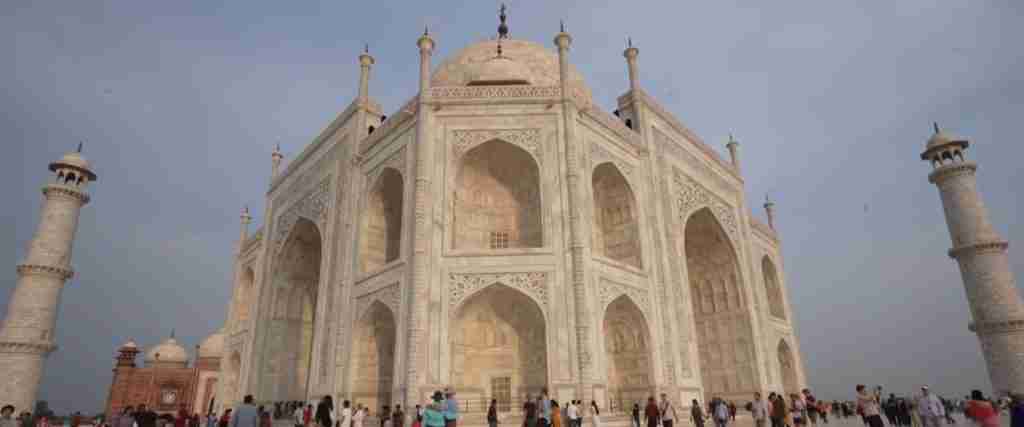
- Bright colors photograph beautifully against the white marble backdrop of the monument
The Taj Mahal attracts visitors from around the world, each bringing different cultural perspectives on appropriate dress. However, as a mausoleum built by a Muslim emperor in a predominantly Hindu country, modest attire shows respect for both religious traditions and local customs while ensuring you feel comfortable among diverse visitors and local staff.
Cultural and Religious Considerations
Respecting Sacred Space
The Taj Mahal functions as a mausoleum and tomb, making it inherently sacred space that deserves respectful attire. While not an active religious site with strict entry requirements, visitors should dress as they would when visiting any important cultural or religious monument worldwide.
Modest clothing demonstrates respect for the memory of Mumtaz Mahal and Shah Jahan, whose love story inspired this architectural masterpiece. Conservative attire also shows consideration for local customs and religious sensibilities of staff, guides, and other visitors who may hold traditional values.
The monument’s significance extends beyond its architectural beauty to encompass cultural, historical, and spiritual dimensions that merit respectful acknowledgment through appropriate dress choices.
Local Cultural Norms
Indian culture generally favors modest dress, particularly when visiting religious or culturally significant sites. While major tourist destinations like the Taj Mahal accommodate international visitors with varying dress standards, showing cultural awareness through clothing choices enhances your experience and interactions with local people.
Conservative dress helps you blend respectfully with the environment while avoiding unwanted attention or discomfort from cultural misunderstandings. Many Indian visitors to the Taj Mahal dress in their finest traditional or modern formal attire, viewing the visit as a special occasion worthy of respectful presentation.
Extended multi-day tours – 5+ days
Featured Taj Mahal Multi-Day Tour Packages

3 days
Taj Mahal 3-Day Discovery Tour
- ✓ Comprehensive Taj Mahal experience
- ✓ Expert local guides included
- ✓ All accommodation included
- ✓ Transportation provided
5 days
Taj Mahal 5-Day Highlights Experience
- ✓ Comprehensive Taj Mahal experience
- ✓ Expert local guides included
- ✓ All accommodation included
- ✓ Transportation provided

7 days
Taj Mahal 7-Day Cultural Journey
- ✓ Comprehensive Taj Mahal experience
- ✓ Expert local guides included
- ✓ All accommodation included
- ✓ Transportation provided

10 days
Taj Mahal 10-Day Complete Adventure
- ✓ Comprehensive Taj Mahal experience
- ✓ Expert local guides included
- ✓ All accommodation included
- ✓ Transportation provided
Multi-day tour packages powered by TourRadar. Prices and availability subject to change.
Specific Dress Code Guidelines
For Women Visitors
Women should aim for modest coverage that includes shoulders, chest, and knees while ensuring comfort for extensive walking and standing. Ideal options include long pants or ankle-length skirts paired with shirts that cover the shoulder area and provide appropriate neckline coverage.
Recommended clothing items include lightweight long-sleeve blouses, knee-length or longer dresses with sleeves, comfortable maxi dresses, flowing pants, and light scarves for additional coverage if needed. Traditional Indian clothing like salwar kameez or elegant kurti tops with leggings are not only culturally appropriate but also practical and comfortable.
Avoid extremely tight-fitting clothes, short shorts, mini skirts, crop tops, low-cut tops, or anything transparent or see-through. While sleeveless tops aren’t explicitly forbidden, covering shoulders shows greater respect and provides sun protection during outdoor exploration.
For Men Visitors
Men should wear long pants and shirts with sleeves, avoiding shorts above the knee and tank tops. Comfortable options include lightweight cotton pants, chinos, or jeans paired with polo shirts, button-down shirts, or casual t-shirts that provide adequate coverage.
Business casual attire works perfectly for Taj Mahal visits, with khakis and collared shirts providing both comfort and appropriate formality. Traditional Indian clothing like kurta pajamas offers excellent comfort while showing cultural appreciation and respect.
Avoid extremely short shorts, muscle shirts, tank tops, or any clothing with offensive graphics or text. Formal wear isn’t necessary, but neat, clean, and modest casual clothing ensures appropriate presentation.
Footwear Considerations
Comfortable walking shoes are essential as you’ll spend considerable time on your feet exploring the complex’s gardens, pathways, and structures. However, remember that shoes must be removed before entering the main mausoleum chamber, so plan accordingly.
Ideal footwear includes comfortable sneakers, walking shoes, or closed-toe sandals that provide support during extensive walking while being easy to remove and put back on. Avoid high heels, flip-flops, or any uncomfortable shoes that might cause problems during long walking periods.
Consider bringing clean socks if wearing closed shoes, as you’ll be walking barefoot on marble floors inside the mausoleum. Some visitors prefer wearing easy-to-remove shoes without socks during hot weather, though this is a personal comfort choice.
Seasonal Dress Recommendations
Winter Clothing (October-March)
Winter months require layered clothing to accommodate significant temperature variations between early morning, afternoon, and evening visits. Mornings can be quite cool (8-15°C/46-59°F), while afternoons warm up considerably (20-28°C/68-82°F).
Essential winter items include light sweaters or cardigans that can be easily removed, long-sleeve cotton shirts, comfortable pants or ankle-length skirts, light scarves for warmth and modesty, and closed shoes with socks for warmth during early morning visits.
Layering allows you to adjust comfort levels throughout the day while maintaining modest coverage. Choose fabrics that breathe well to prevent overheating as temperatures rise during afternoon hours.
Summer Attire (April-June)
Summer months demand clothing that provides maximum cooling while maintaining modest coverage and sun protection. Lightweight, light-colored, breathable fabrics become essential for managing extreme heat (35-45°C/95-113°F).
Recommended summer clothing includes loose-fitting cotton or linen pants, light long-sleeve shirts for sun protection, flowing maxi dresses with sleeves, wide-brimmed hats, and comfortable closed sandals or breathable sneakers.
Avoid dark colors that absorb heat, synthetic fabrics that don’t breathe, or tight-fitting clothes that restrict air circulation. Light colors like white, cream, and pastels reflect heat while creating beautiful contrast against the Taj Mahal’s white marble.
Monsoon Season Dress (July-September)
Monsoon season requires clothing that dries quickly while providing coverage and comfort in humid conditions. Quick-dry fabrics, water-resistant footwear, and light rain protection become essential for navigating frequent showers.
Practical monsoon attire includes quick-dry pants or capris, moisture-wicking shirts with sleeves, light rain jacket or poncho, waterproof or quick-dry footwear, and compact umbrella for sudden downpours.
Avoid cotton clothing that takes long to dry, leather shoes that may be damaged by water, or any delicate fabrics that don’t handle moisture well. Synthetic blends often work better than natural fibers during monsoon conditions.
Photography and Aesthetic Considerations
Colors That Photograph Well
Choosing clothing colors strategically can dramatically enhance your Taj Mahal photographs by creating beautiful contrast against the monument’s white marble backdrop. Bright, vibrant colors typically photograph exceptionally well and help you stand out in images.
Excellent color choices include jewel tones like emerald green, royal blue, and deep purple, warm colors like orange, coral, and magenta, and traditional Indian colors like saffron, turquoise, and gold. These colors create stunning visual contrast while honoring local color preferences.
Avoid all-white or cream clothing that may blend with the marble background, making you disappear in photographs. While white can work as accent colors, having some contrast ensures you’ll be visible and striking in your Taj Mahal photos.
Traditional Indian Clothing Options
Wearing traditional Indian clothing for your Taj Mahal visit can create beautiful, culturally respectful photographs while ensuring appropriate coverage and comfort. Many international visitors choose to purchase and wear traditional outfits as part of their cultural experience.
Popular traditional options for women include salwar kameez (tunic with loose pants), lehenga choli (long skirt with fitted top), or elegant kurtis with leggings. For men, kurta pajamas (loose shirt with pants) or bandhgala suits provide comfort and cultural authenticity.
Traditional clothing can be purchased in Agra’s markets, Delhi, or online before your trip. Choose breathable fabrics like cotton or silk blends, and ensure proper fit for comfort during extensive walking and standing.
Practical Comfort and Safety Tips
Sun Protection Strategy
Regardless of season, strong Indian sun requires comprehensive protection that can be incorporated into your dress choices. Covering skin provides the most effective protection while maintaining cultural appropriateness and preventing sunburn during outdoor exploration.
Essential sun protection includes wide-brimmed hats that shade face and neck, long-sleeve shirts in lightweight, UV-protective fabrics, sunglasses for eye protection, and high-SPF sunscreen for exposed areas like hands and face.
Light-colored, loose-fitting clothing provides better sun protection than tight, dark garments while keeping you cooler throughout your visit. Consider UV-protective clothing specifically designed for sun exposure if you’re particularly sensitive.
Comfort During Extended Walking
Taj Mahal visits typically involve 3-4 hours of walking and standing on various surfaces including marble, stone, and garden paths. Comfortable clothing that allows free movement becomes essential for enjoying your experience without physical discomfort.
Choose clothes that don’t restrict movement, shoes that provide adequate support and cushioning, and fabrics that allow air circulation to prevent overheating during active exploration. Avoid anything that chafes, pinches, or becomes uncomfortable during extended wear.
Consider bringing a small daypack with extra layers, water, and comfort items like Band-Aids for potential shoe issues. Comfortable clothing enhances your ability to fully enjoy and explore this magnificent monument.
What Not to Wear
Inappropriate Clothing Items
Certain clothing items are considered inappropriate for Taj Mahal visits due to cultural sensitivity, practical concerns, or respect for the monument’s significance. Avoiding these items ensures smooth entry and comfortable experiences.
Items to avoid include extremely short shorts or skirts, tank tops or halter tops, low-cut or revealing tops, transparent or see-through clothing, clothing with offensive graphics or text, and overly tight or form-fitting garments.
While these restrictions aren’t strictly enforced through dress codes, inappropriate attire may attract unwanted attention, cause discomfort among other visitors, or result in requests to cover up more appropriately.
Practical Items to Avoid
Beyond cultural considerations, certain clothing choices create practical problems during Taj Mahal visits. High heels become problematic on marble surfaces and during extensive walking, while delicate fabrics may not survive the rigors of tourist exploration.
Avoid high heels or uncomfortable shoes, delicate fabrics that tear easily, expensive jewelry that might be lost or stolen, heavy coats or jackets during warm months, and any clothing that’s difficult to clean if it gets dusty or dirty.
Choose practical, comfortable clothing that can handle walking, sitting, climbing stairs, and potential exposure to dust, heat, or moisture depending on the season of your visit.
Shopping for Appropriate Clothing
Local Shopping Options in Agra
Agra offers numerous shopping opportunities for visitors who need to purchase appropriate clothing or want to buy traditional Indian outfits for their Taj Mahal visit. Local markets provide authentic options at reasonable prices while supporting local businesses.
Popular shopping areas include Kinari Bazaar for traditional clothing and fabrics, Sadar Bazaar for modern and traditional mix, Taj Ganj area for tourist-friendly shops with English-speaking staff, and hotel shopping arcades for convenient, higher-quality options.
Bargaining is expected in local markets, while fixed-price shops offer convenience for those uncomfortable with negotiation. Purchase traditional clothing 1-2 days before your Taj Mahal visit to ensure proper fit and comfort.
Pre-Trip Shopping Preparation
Planning and purchasing appropriate Taj Mahal clothing before your trip ensures you have exactly what you need without shopping pressure or time constraints during your visit. This approach also allows for trying different options and ensuring comfort.
Consider purchasing lightweight, breathable fabrics suitable for Indian climate, modest clothing that meets cultural expectations, comfortable walking shoes appropriate for marble surfaces, and traditional Indian clothing if you want authentic cultural experiences.
Online shopping offers convenience and variety, while local Indian markets in your home country (if available) provide authentic options with the ability to examine quality and fit before purchasing.
Special Considerations for Different Types of Visits
Sunrise and Sunset Visits
Early morning sunrise visits require warmer clothing due to cooler temperatures, while sunset visits may need layers as temperatures drop after dark. Plan clothing that accommodates these temperature variations while maintaining appropriate coverage.
Sunrise clothing should include light sweaters or jackets for early morning coolness, layers that can be removed as temperatures rise, and comfortable shoes for walking in lower light conditions. Sunset visits require similar considerations with emphasis on warmth for evening cooling.
Special Occasion Visits
Anniversaries, proposals, or other special occasions may call for more formal attire while still maintaining cultural appropriateness and comfort. Traditional Indian formal wear can create stunning photographs while honoring the monument’s cultural significance.
Special occasion clothing might include elegant traditional Indian outfits, formal modest Western attire, or dressy casual options that photograph beautifully while remaining appropriate for the setting and practical for walking and standing.
Family Visits with Children
Families visiting with children need practical clothing that keeps kids comfortable while maintaining modest appearance. Children’s comfort and safety take priority, though basic modesty principles still apply.
Child-appropriate clothing includes comfortable pants or longer shorts, t-shirts or light long-sleeve shirts, comfortable shoes that stay on well, and layers for temperature changes throughout the day. Avoid anything too fancy that might be damaged during active exploration.
Frequently Asked Questions
Is there an official dress code for the Taj Mahal?
No strict official dress code exists, but modest, respectful clothing is expected. Cover shoulders and knees, avoid revealing attire, and dress as you would for any important cultural or religious site worldwide.
Can I wear shorts to the Taj Mahal?
Long shorts that cover the knees are acceptable, particularly for men. However, very short shorts are inappropriate. Long pants or ankle-length skirts are preferred for both comfort and cultural sensitivity.
Do I need to cover my head at the Taj Mahal?
Head covering is not required at the Taj Mahal, though you may choose to wear a hat for sun protection or a light scarf for cultural respect and modesty. The choice is personal rather than mandatory.
What shoes should I wear to the Taj Mahal?
Wear comfortable walking shoes that are easy to remove, as footwear must be taken off before entering the main mausoleum. Avoid high heels, flip-flops, or uncomfortable shoes that make walking difficult.
Can I wear traditional Indian clothing if I’m not Indian?
Yes, wearing traditional Indian clothing is welcomed and appreciated as a sign of cultural respect and interest. Purchase well-fitting, modest traditional outfits and wear them with confidence and cultural sensitivity.
What colors should I avoid wearing?
Avoid all-white or cream colors that blend with the marble background, making you disappear in photographs. Dark colors that absorb heat are also impractical during hot months. Choose vibrant, contrasting colors for best results.
Are there different dress requirements for different seasons?
While modesty requirements remain constant, practical clothing varies by season. Winter requires layers for temperature changes, summer needs light, breathable fabrics, and monsoon season calls for quick-dry materials.
Can I wear sleeveless tops?
While not explicitly forbidden, covering shoulders shows greater cultural respect and provides sun protection. If wearing sleeveless tops, bring a light scarf or cardigan for additional coverage when desired.
What should I do if I’m dressed inappropriately?
If you’re concerned about your attire, purchase appropriate clothing from nearby shops in Taj Ganj or Agra markets. Many shops cater to tourists needing modest clothing options for monument visits.
Are there any clothing restrictions for photography?
No specific clothing restrictions exist for photography, though bright colors photograph better against the white marble backdrop. Avoid all-white clothing that may cause you to blend into the monument in photos.