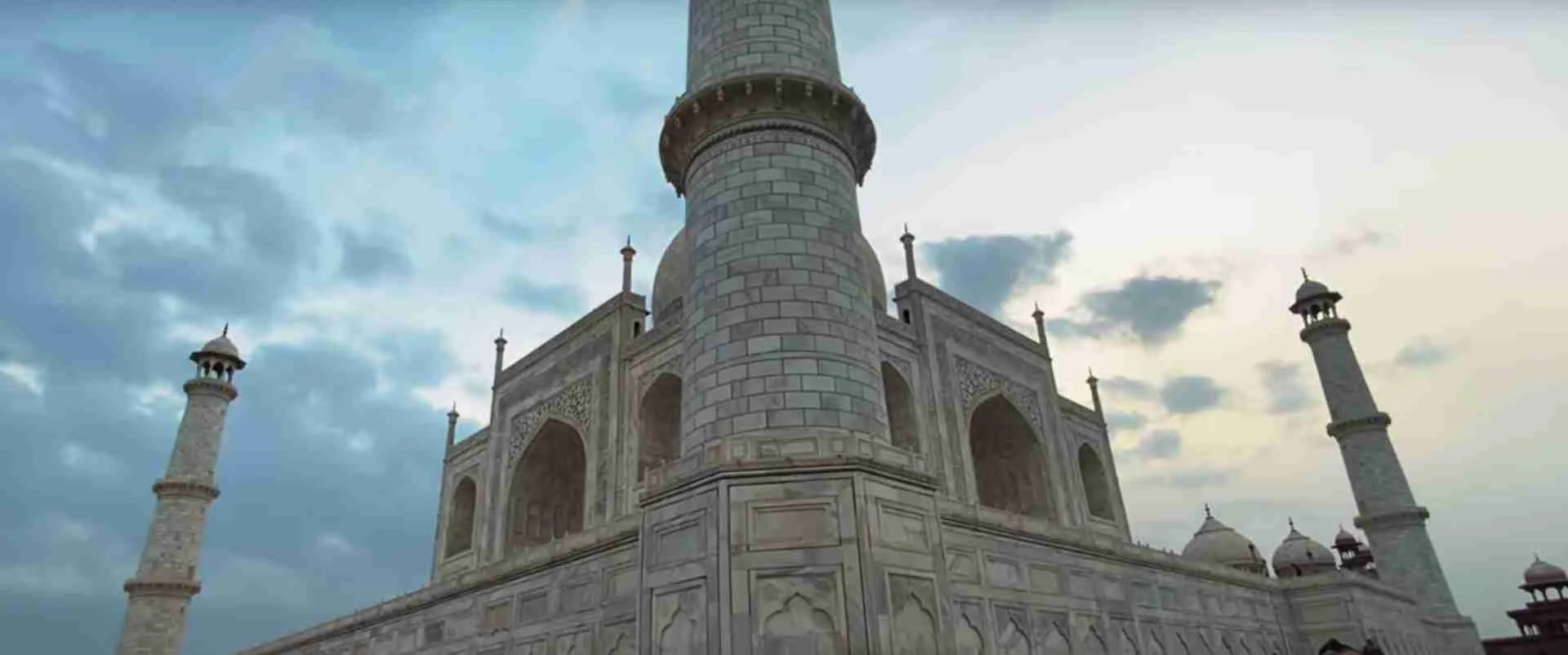
Taj Mahal Weather Guide: Best Months to Visit & What to Expect Year-Round
Understanding Agra’s weather patterns is crucial for planning the perfect Taj Mahal visit, as this monument’s beauty and your comfort level vary dramatically with seasonal conditions. The city experiences a classic North Indian continental climate with three distinct seasons: a pleasant winter, scorching summer, and refreshing but wet monsoon period.
Key Takeaways
- October to March offers ideal weather with comfortable temperatures (15-25°C) and minimal rainfall
- November to February provides perfect conditions for photography with clear skies and golden light
- April to June brings extreme heat (35-45°C) requiring early morning visits and sun protection
- July to September is monsoon season with heavy rainfall but fewer crowds and lush green surroundings
- December and January can be foggy, potentially obscuring Taj Mahal views during morning hours
- Sunrise visits provide the best lighting and temperatures year-round, regardless of season
Each season offers unique advantages and challenges for Taj Mahal visitors, from the crystal-clear winter skies that provide perfect photography conditions to the dramatic monsoon clouds that create stunning atmospheric backdrops. This comprehensive weather guide helps you choose the optimal time for your visit based on your priorities, whether seeking perfect weather, fewer crowds, or specific photographic opportunities.
Peak Season: October to March
October – Perfect Transition Month
October marks Agra’s transition from monsoon humidity to pleasant autumn weather, creating ideal conditions for Taj Mahal visits. Daily temperatures range from 20-30°C (68-86°F), with cool mornings perfect for sunrise photography and comfortable afternoons for extended exploration.
Post-monsoon clarity ensures excellent visibility and air quality, while the recent rains leave gardens lush and green. October skies typically remain clear with minimal cloud cover, providing consistent lighting conditions for photography throughout the day.
Rainfall becomes minimal after early October, though occasional light showers may occur. Pack light layers including a sweater for early mornings, comfortable cotton clothing for daytime, and light rain protection as backup. October represents one of the most popular months, so book accommodations and train tickets well in advance.
November – Photographer’s Paradise
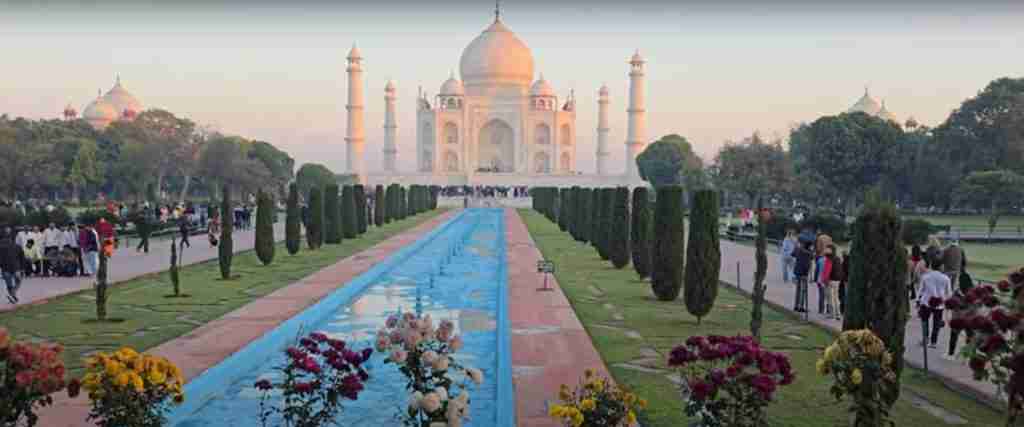
November delivers Agra’s most photogenic weather conditions, with crystal-clear skies, perfect temperatures (15-26°C/59-79°F), and minimal humidity. The month offers ideal lighting conditions throughout the day, from golden sunrise hours to spectacular sunset photography sessions.
Morning temperatures around 10-15°C (50-59°F) create comfortable conditions for early Taj Mahal visits, while afternoon temperatures rarely exceed 26°C (79°F). The absence of heat haze ensures sharp, clear photographs with excellent detail visibility.
November experiences virtually no rainfall, with clear skies dominating the month. Pack warm layers for early morning visits, including light sweaters or jackets, comfortable walking shoes, and sun protection for midday exploration. This peak month sees maximum tourist crowds, requiring advance booking for all services.
December – Cool and Clear
December brings the coolest temperatures of the year, ranging from 8-22°C (46-72°F), creating refreshing conditions after the intense heat of preceding months. Mornings can be quite chilly, particularly during sunrise visits, while afternoons remain pleasantly cool.
Occasional fog during early morning hours may temporarily obscure Taj Mahal views, though this usually clears by 9-10 AM. When clear, December skies provide exceptional visibility and stunning contrast for photography. The cool, dry air ensures comfortable walking conditions throughout the day.
Rainfall remains minimal throughout December, with clear skies predominating. Pack warm clothing including sweaters, light jackets, and closed shoes for morning visits, while keeping lighter layers available for afternoon warming. December’s pleasant weather attracts peak crowds, especially around holidays.
Extended multi-day tours – 5+ days
Featured Taj Mahal Multi-Day Tour Packages

3 days
Taj Mahal 3-Day Discovery Tour
- ✓ Comprehensive Taj Mahal experience
- ✓ Expert local guides included
- ✓ All accommodation included
- ✓ Transportation provided
5 days
Taj Mahal 5-Day Highlights Experience
- ✓ Comprehensive Taj Mahal experience
- ✓ Expert local guides included
- ✓ All accommodation included
- ✓ Transportation provided

7 days
Taj Mahal 7-Day Cultural Journey
- ✓ Comprehensive Taj Mahal experience
- ✓ Expert local guides included
- ✓ All accommodation included
- ✓ Transportation provided

10 days
Taj Mahal 10-Day Complete Adventure
- ✓ Comprehensive Taj Mahal experience
- ✓ Expert local guides included
- ✓ All accommodation included
- ✓ Transportation provided
Multi-day tour packages powered by TourRadar. Prices and availability subject to change.
January – Crisp Winter Beauty
January represents Agra’s coldest month with temperatures ranging from 6-20°C (43-68°F), creating crisp, invigorating conditions perfect for extended sightseeing. Morning temperatures often drop below 10°C (50°F), while afternoons reach comfortable levels around 18-20°C (64-68°F).
Fog can be a significant factor during January, particularly in early morning hours when visibility may be severely reduced. However, when skies clear, January offers some of the year’s most spectacular photographic conditions with brilliant blue skies and excellent air quality.
January sees minimal rainfall, with predominantly dry conditions. Pack warm clothing including thermal layers, sweaters, jackets, and comfortable closed shoes. Bring layers that can be removed as temperatures rise throughout the day. Despite cool temperatures, January remains a popular month requiring advance reservations.
February – Warming Transition
February brings gradually warming temperatures from 10-25°C (50-77°F), creating ideal conditions as winter transitions toward spring. Morning temperatures remain cool and comfortable, while afternoons offer perfect warmth without excessive heat.
Fog becomes less frequent than January, though occasional morning mist may occur. February typically offers excellent visibility and clear skies, making it outstanding for photography with consistent lighting conditions throughout the day.
Rainfall remains minimal during February, with clear, dry conditions predominating. Pack light layers including sweaters for mornings, comfortable cotton clothing for afternoons, and light jackets for evening visits. February’s excellent weather maintains high tourist demand, necessitating advance planning.
March – Spring Perfection
March delivers delightful spring weather with temperatures ranging from 15-28°C (59-82°F), offering warm days and cool evenings perfect for comprehensive Taj Mahal exploration. The month provides excellent balance between comfortable temperatures and clear skies.
March skies remain generally clear with minimal cloud cover, though occasional dust storms may occur later in the month. Air quality typically remains good, with excellent visibility for photography and sightseeing activities.
Rainfall stays minimal throughout March, with dry conditions prevailing. Pack light, breathable clothing for daytime visits, light sweaters for early morning and evening, and dust protection (scarf or mask) for potential sandstorms. March weather attracts significant crowds as temperatures remain ideal.
Hot Season: April to June
April – Heat Begins
April marks the beginning of Agra’s intense heat season, with temperatures rising to 22-35°C (72-95°F) and humidity levels starting to climb. While mornings remain relatively comfortable, afternoons become increasingly challenging for outdoor activities.
Clear skies predominate throughout April, providing excellent visibility but intense solar radiation. The lack of cloud cover means strong, harsh lighting conditions that can create challenging photography situations during midday hours.
Rainfall remains minimal during April, maintaining dry conditions. Pack lightweight, breathable cotton clothing, wide-brimmed hats, strong sunscreen (SPF 50+), and plenty of water. Plan Taj Mahal visits for early morning or late afternoon to avoid peak heat hours.
May – Intense Heat Arrives
May brings serious heat with temperatures soaring to 28-42°C (82-108°F), creating conditions that require careful planning and heat management strategies. Morning visits become essential, as afternoon temperatures can exceed safe comfort levels for extended outdoor activities.
Dust storms become more frequent during May, occasionally reducing visibility and creating challenging conditions. Clear days offer intense, harsh lighting that can wash out photographs during peak hours but provide dramatic conditions during golden hour periods.
May remains essentially dry with minimal rainfall, though dust and heat dominate weather patterns. Pack minimal, light-colored cotton clothing, strong sun protection, cooling accessories like wet towels, and plan for frequent hydration breaks. Many tourists avoid this month due to extreme heat.
June – Peak Heat Season
June represents Agra’s hottest month with temperatures reaching 30-45°C (86-113°F), creating extreme conditions that limit comfortable outdoor activity to very early morning and late evening hours. Heat stroke and dehydration become serious concerns during midday exposure.
Pre-monsoon conditions may bring occasional dust storms and increasing humidity levels. While clear skies continue, the intense heat creates significant heat haze that can affect photograph clarity and visibility during daytime hours.
June remains mostly dry, though occasional pre-monsoon showers may provide temporary relief. Pack minimal, ultra-light clothing, maximum sun protection, cooling aids, and plan for very early morning visits only. Tourist numbers drop significantly due to extreme heat, offering uncrowded monument access.
Monsoon Season: July to September
July – Monsoon Arrival
July brings the arrival of monsoon rains, providing welcome relief from extreme heat with temperatures dropping to 26-35°C (79-95°F). While still warm, the increased humidity and cloud cover create more bearable conditions compared to the preceding hot months.
Rainfall becomes frequent and sometimes heavy, with dramatic cloud formations creating spectacular photographic opportunities. Monsoon clouds provide natural lighting diffusion, creating softer, more even illumination for photography when rain isn’t actively falling.
Expect significant rainfall throughout July, with periods of heavy downpours alternating with clearer intervals. Pack waterproof clothing, sturdy rain boots, quick-dry fabrics, and protective covers for electronics and cameras. Tourist crowds drop significantly, offering peaceful monument experiences.
August – Monsoon Peak
August typically receives the heaviest monsoon rainfall, with temperatures ranging from 25-33°C (77-91°F) and high humidity levels. While temperatures moderate compared to summer months, the combination of heat and humidity can feel oppressive.
Heavy rainfall may occasionally restrict access to Taj Mahal gardens and outdoor areas, though the monument itself remains open except during severe weather. Monsoon clouds create dramatic, ever-changing skies that offer unique photographic opportunities for those willing to work around rain.
August sees the year’s highest rainfall totals, with frequent heavy showers and occasional flooding in low-lying areas. Pack comprehensive rain gear, waterproof bags for valuables, and plan for flexible schedules that can accommodate weather delays. Significantly reduced crowds provide intimate monument experiences.
September – Monsoon Conclusion
September marks the gradual conclusion of monsoon season, with temperatures ranging from 24-32°C (75-90°F) and decreasing rainfall frequency. The month offers a pleasant balance between cooler temperatures and clearing skies as the season transitions.
Rainfall becomes less frequent and intense compared to July and August, with more clear intervals between showers. Post-rain clarity often provides exceptional visibility and air quality, creating excellent conditions for photography when weather permits.
Expect moderate rainfall throughout September, particularly during the first half of the month, with improving conditions toward October. Pack versatile clothing suitable for both rain and clearing weather, including light layers and waterproof protection. Tourist numbers begin increasing as weather improves.
Seasonal Photography Considerations
Golden Hour Timing
Golden hour timing varies significantly throughout the year, affecting optimal photography schedules. Winter months (December-February) offer golden hour from 6:30-7:30 AM and 5:00-6:00 PM, while summer extends these times with sunrise at 5:30 AM and sunset at 7:00 PM.
Monsoon season creates unique lighting opportunities with filtered sunlight through clouds, though timing becomes less predictable due to weather variability. Plan flexible schedules during monsoon months to capitalize on unexpected clear periods with dramatic cloud formations.
Air Quality and Visibility
Air quality varies seasonally, with post-monsoon months (October-November) typically offering the clearest visibility. Winter months may experience pollution from crop burning and urban emissions, while dust storms during pre-monsoon periods can significantly reduce visibility.
Monitor air quality indexes during your visit and plan photography sessions during clearer periods. Early morning hours generally offer better air quality and visibility regardless of season, making sunrise visits optimal for both comfort and image quality.
Crowd Patterns and Seasonal Tourism
Peak Season Crowds (October-March)
Peak season brings maximum tourist crowds, with weekends and holidays seeing particularly heavy visitor loads. November through February represent the busiest months, requiring advance booking for tickets, hotels, and transportation services.
International tourist numbers peak during November-February, while domestic tourism increases during October-December and March. Plan for longer wait times, crowded viewing areas, and higher prices during these months, but enjoy optimal weather conditions.
Off-Season Benefits (April-September)
Off-season travel offers significant advantages including dramatically reduced crowds, lower accommodation prices, and more intimate monument experiences. Heat season (April-June) sees the fewest visitors, while monsoon months (July-September) attract moderate numbers of adventurous travelers.
Photography enthusiasts may prefer off-season visits for uncrowded shots and unique atmospheric conditions, despite challenging weather. Budget travelers benefit from substantial savings on accommodations and services during these periods.
What to Pack for Each Season
Winter Essentials (October-March)
Pack layered clothing to accommodate significant temperature variations between morning and afternoon. Include warm sweaters or light jackets for early morning visits, comfortable cotton clothing for daytime, and light layers for evening activities.
Essential items include comfortable walking shoes, sun protection (hat, sunglasses, sunscreen), warm accessories for cold mornings, and light blankets for outdoor sunrise waiting periods. Camera equipment benefits from lens cleaning cloths for morning condensation.
Summer Survival Kit (April-June)
Pack minimal, light-colored cotton clothing that covers skin for sun protection. Essential items include wide-brimmed hats, strong sunscreen (SPF 50+), cooling towels, insulated water bottles, and portable shade solutions like umbrellas.
Consider cooling accessories like neck fans, instant cold packs, and electrolyte supplements for hydration management. Limit outdoor exposure to early morning hours when temperatures remain manageable.
Monsoon Gear (July-September)
Pack waterproof rain jackets, quick-dry clothing, sturdy waterproof footwear, and protective covers for electronics and cameras. Include lightweight, breathable fabrics that dry quickly between rain showers.
Essential monsoon items include waterproof bags for valuables, umbrella, anti-fungal powder for shoes, and flexible clothing suitable for varying humidity levels. Plan backup indoor activities for heavy rain days.
Health and Safety Considerations
Heat-Related Health Risks
Summer months pose serious heat-related health risks including heat exhaustion and heat stroke. Recognize symptoms like excessive sweating, weakness, nausea, and dizziness, and seek immediate shade and hydration if experienced.
Prevent heat illness through frequent hydration, limiting sun exposure during peak hours (11 AM – 4 PM), wearing protective clothing, and taking regular cooling breaks in air-conditioned spaces.
Monsoon Health Precautions
Monsoon season increases risks of waterborne illnesses, mosquito-borne diseases, and fungal infections. Drink only bottled or properly purified water, use insect repellent consistently, and maintain dry clothing and footwear when possible.
Avoid walking through standing water, which may contain contaminants or hide obstacles. Carry basic first aid supplies including antiseptic, bandages, and anti-diarrheal medication for common monsoon-related health issues.
Special Weather Events and Phenomena
Fog and Visibility Issues
Winter fog, particularly during December and January, can severely impact Taj Mahal visibility during early morning hours. Monitor weather forecasts and consider flexible scheduling to accommodate fog delays, which typically clear by mid-morning.
Fog often creates mystical atmospheric effects for photography when visibility is partial, offering unique creative opportunities for those willing to wait for optimal conditions.
Dust Storms and Air Quality
Pre-monsoon dust storms (April-June) can arise suddenly, reducing visibility and creating challenging conditions. Monitor weather alerts and seek indoor shelter during active dust storms to protect health and equipment.
Dust storms often precede temperature drops and may bring brief relief from heat, though air quality can remain poor for hours after storms pass. Protect cameras and electronic equipment from dust infiltration during these events.
Frequently Asked Questions
What is the best month to visit the Taj Mahal?
November through February offers the best weather with temperatures between 15-25°C (59-77°F), clear skies, and minimal rainfall. November is particularly ideal for photography with crystal-clear conditions and perfect lighting.
Should I avoid visiting during monsoon season?
Monsoon season (July-September) offers unique advantages including fewer crowds, lower prices, lush green gardens, and dramatic cloud formations. While rainfall can be heavy, the monument remains open except during severe weather.
How hot does it get in summer?
Summer temperatures (April-June) can reach 45°C (113°F) in May and June. Morning visits before 9 AM are essential during these months, as afternoon temperatures become dangerously high for extended outdoor exposure.
Is December too cold for visiting?
December temperatures range from 8-22°C (46-72°F), making it pleasantly cool rather than uncomfortably cold. Pack warm layers for early morning visits, but expect comfortable conditions throughout the day.
Does fog affect Taj Mahal visits?
Winter fog (December-January) can temporarily obscure views during early morning hours but typically clears by 9-10 AM. Consider flexible timing or later morning visits during heavy fog periods.
What should I wear during different seasons?
Winter requires layered clothing with warm sweaters for mornings and light cotton for afternoons. Summer demands minimal, light-colored cotton with maximum sun protection. Monsoon needs waterproof gear and quick-dry clothing.
How does weather affect photography?
Clear winter months (November-February) provide optimal lighting and visibility. Summer creates harsh midday lighting but excellent golden hour conditions. Monsoon offers dramatic cloud formations and soft, diffused lighting between showers.
Are there any months to completely avoid?
May and June present the most challenging conditions with extreme heat (40-45°C/104-113°F) that limits comfortable outdoor activity to very early morning hours. However, these months offer uncrowded access for heat-tolerant visitors.
How accurate are weather forecasts for Agra?
Weather forecasts are generally reliable for temperature and major weather patterns, though monsoon timing and intensity can be unpredictable. Check forecasts daily during your visit and maintain flexible plans during monsoon season.
Does climate change affect Taj Mahal weather patterns?
Climate change has intensified heat extremes and made monsoon patterns less predictable. Summer temperatures are reaching higher peaks, while monsoon timing has become more variable, making weather monitoring increasingly important for visit planning.