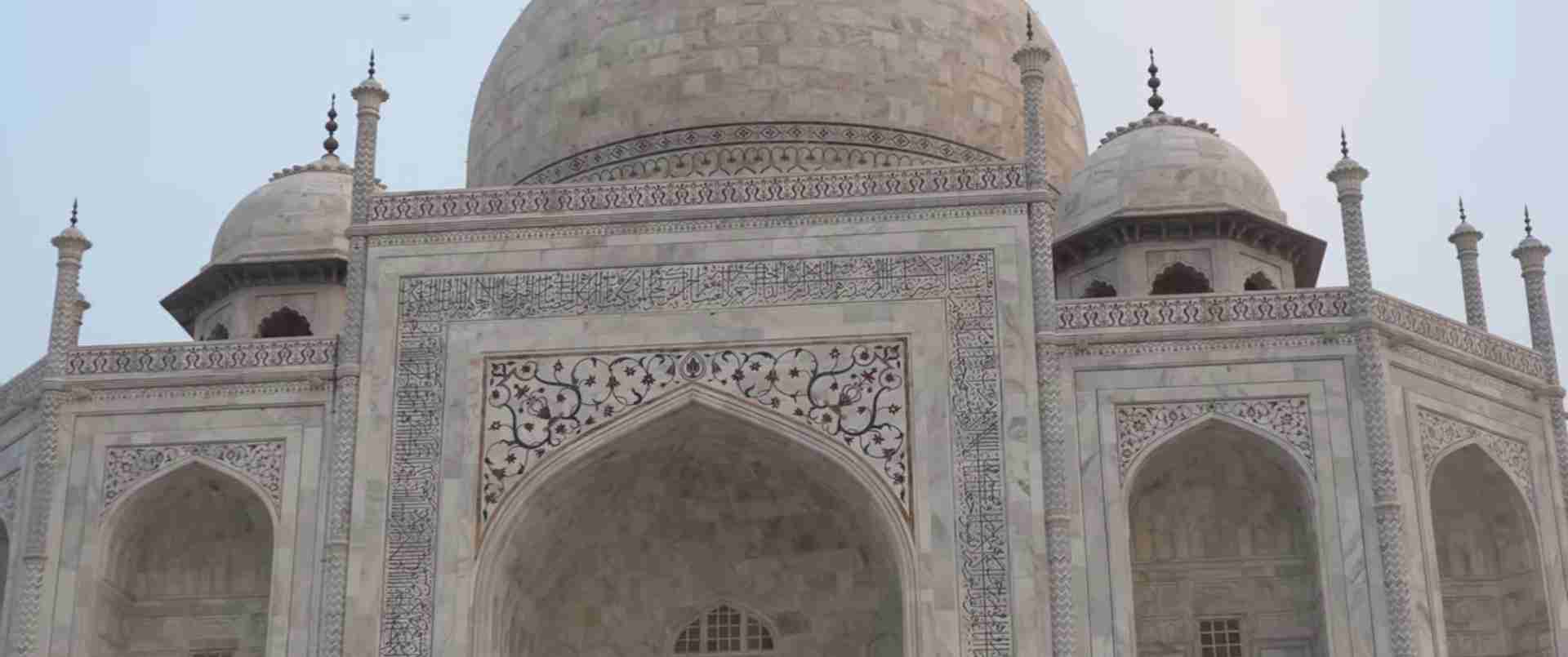
Taj Mahal Day Trips 2026: Best Agra Excursions & Planning
Key Takeaways:
- Agra Fort and Mehtab Bagh combine perfectly with Taj Mahal visits in same-day Agra explorations
- Fatehpur Sikri day trip costs ₹800-1,200 including transportation and entry, just 40 kilometers from Agra
- Mathura-Vrindavan religious circuit offers spiritual experiences 60 kilometers from Agra with moderate costs
- Delhi day trips bring National Museum and Red Fort within 3-4 hours via Yamuna Expressway
- Early morning departures maximize time at UNESCO sites while avoiding afternoon heat and crowds
- Private car day trips cost ₹2,500-4,000 while shared tours range ₹1,500-2,500 per person in 2026
Introduction: Exploring Beyond the Taj Mahal in 2026
The Taj Mahal stands as India’s most iconic monument, but Agra and surrounding regions offer exceptional UNESCO World Heritage sites, spiritual destinations, and historical treasures perfect for day excursions. Planning day trips from Agra in 2026 extends your cultural immersion beyond the marble mausoleum into Mughal imperial cities, ancient Hindu pilgrimage centers, and architectural masterpieces that rival the Taj itself.
Strategic day trip planning transforms a single-monument visit into comprehensive cultural exploration. Agra Fort sits just 2.5 kilometers from the Taj Mahal, creating natural same-day combinations. Fatehpur Sikri, the abandoned Mughal capital 40 kilometers west, provides half-day excursions showcasing 16th-century imperial architecture. Mathura and Vrindavan, birthplace and childhood home of Lord Krishna, offer spiritual experiences distinct from Mughal heritage. Delhi, 230 kilometers north, brings India’s capital monuments within day-trip reach via modern expressways.
Transportation infrastructure improvements make 2026 an excellent year for regional exploration. The Yamuna Expressway reduces Delhi travel times to 3 hours, while upgraded state highways improve access to Fatehpur Sikri and Mathura-Vrindavan. Hotel concierge services, private car operators, and organized tour companies provide multiple booking options at various price points.
This comprehensive guide covers transportation logistics, accurate 2026 costs, detailed itinerary planning, and practical strategies for maximizing day trip experiences. Whether combining Agra monuments, exploring abandoned Mughal cities, experiencing Hindu pilgrimage traditions, or venturing to Delhi, you’ll find specific information for planning memorable excursions that complement your Taj Mahal visit.
People Also Ask About Taj Mahal Day Trips 2026
What is the best day trip from Taj Mahal in 2026?
Fatehpur Sikri represents the best day trip from Taj Mahal for most travelers in 2026. Located 40 kilometers west of Agra, this UNESCO World Heritage abandoned city showcases Mughal architecture at its peak, built by Emperor Akbar in 1571 and mysteriously abandoned just 14 years later. The site features the magnificent Buland Darwaza (Victory Gate), Jama Masjid mosque, Panch Mahal palace, and ornate residential quarters with intricate stone carvings.
Half-day excursions to Fatehpur Sikri cost ₹800-1,200 per person including private car transportation and entry fees in 2026 (check current rates as pricing may vary). The journey takes 45-60 minutes each way via well-maintained highways. Early morning departures at 6:00-7:00 AM allow Taj Mahal sunrise visits followed by Fatehpur Sikri exploration, returning to Agra by early afternoon. This timing avoids peak heat and tourist crowds at both locations.
Fatehpur Sikri requires 2-3 hours for thorough exploration. The site remains significantly less crowded than the Taj Mahal, offering peaceful architectural appreciation. The red sandstone structures provide excellent photography opportunities, particularly Buland Darwaza’s monumental scale and Panch Mahal’s symmetrical design. Guides available at the entrance charge ₹500-800 for comprehensive tours explaining Mughal imperial life and architectural innovations.
Alternative excellent day trips include Agra Fort combinations (within Agra city), Mathura-Vrindavan spiritual circuits (60 kilometers, religious focus), and Delhi explorations (230 kilometers, full-day commitment). Choice depends on interests: Mughal architecture favors Fatehpur Sikri, Hindu spirituality suggests Mathura-Vrindavan, while capital monuments point toward Delhi excursions.
How much does a day trip from Agra cost in 2026?
Day trip costs from Agra vary significantly based on destination, transportation choice, and group size in 2026. Budget travelers spend ₹800-1,500 per person for nearby excursions like Fatehpur Sikri using shared transportation and independent exploration. Mid-range travelers invest ₹2,000-3,500 for private car services with guides. Premium experiences cost ₹4,000-6,000 including luxury vehicles, experienced guides, and entrance fees to all sites.
Fatehpur Sikri day trips cost ₹800-1,200 for private car hire (up to 4 passengers sharing costs), ₹300 entry fee per person, and optional guide services ₹500-800. Total per-person costs range ₹400-700 when sharing car expenses, or ₹1,600-2,100 for solo travelers covering full vehicle costs. The 80-kilometer round trip takes 90-120 minutes total driving time.
Mathura-Vrindavan excursions run ₹1,200-2,000 for private cars (120 kilometers round trip), temple entry remains free though donations ₹50-200 per temple are customary, and meals cost ₹200-400 for simple vegetarian thali meals. Guide services cost ₹600-1,000 for religious and cultural context. Daily totals reach ₹600-1,000 per person sharing transportation costs.
Delhi day trips represent the highest expense at ₹3,000-5,000 per person. The 460-kilometer round trip requires private cars or premium trains. Private vehicles cost ₹5,000-8,000 (shareable among 4 passengers), Shatabdi Express trains cost ₹750-1,200 per person each way, Delhi monument entries total ₹600-1,000, and meals add ₹400-800. Full day costs reach ₹2,500-4,000 per person using trains, ₹1,800-3,000 when sharing private car expenses among four travelers.
Can you visit Agra Fort and Taj Mahal in one day in 2026?
Visiting both Agra Fort and Taj Mahal in one day works perfectly in 2026 given the 2.5-kilometer distance between monuments. Strategic timing allows 2-3 hours at the Taj Mahal and 2-2.5 hours at Agra Fort with comfortable transitions. Most visitors successfully complete both sites in a single day while maintaining quality exploration time at each location.
Optimal scheduling starts with Taj Mahal sunrise visits at 6:00-6:30 AM (sunrise gate opens at 6:00 AM). Spend 2-3 hours photographing the monument in morning light, exploring the interior chamber, and appreciating garden perspectives. Exit by 9:00-9:30 AM, take breakfast break at hotel or nearby restaurant, then proceed to Agra Fort for 10:30-11:00 AM arrival. The fort remains open 6:00 AM to 6:00 PM daily, providing flexible timing.
Transportation between sites takes 15-20 minutes by taxi (₹150-250), auto-rickshaw (₹80-150), or app-based ride services. Walking the 2.5 kilometers takes 30-40 minutes but involves navigating busy roads without dedicated sidewalks. Most travelers choose quick taxi transfers to maximize monument time rather than walking in heat.
Combined entry fees total ₹1,350 for international visitors in 2026: Taj Mahal ₹1,050 plus Agra Fort ₹300. Purchasing tickets online through official platforms prevents entry queue delays. Both monuments accommodate wheelchairs and elderly visitors, though Agra Fort involves more walking across large courtyards and some steps between palace levels. Combined visits provide comprehensive Mughal architecture appreciation, from Shah Jahan’s supreme artistic achievement at the Taj to the military and residential functions preserved at Agra Fort.
How do I plan a day trip to Fatehpur Sikri from Taj Mahal in 2026?
Planning Fatehpur Sikri day trips from Taj Mahal in 2026 involves booking transportation, timing visits strategically, and preparing for site-specific conditions. Book private cars through hotel concierges, tour operators like Agra Day Tours or Heritage Walks India, or directly with licensed drivers meeting government tourism standards. Confirm pricing ₹2,000-3,000 for half-day trips including waiting time, fuel, and parking fees before departure.
Ideal scheduling combines Taj Mahal sunrise visits with mid-morning Fatehpur Sikri exploration. Depart hotel at 5:30-6:00 AM for Taj Mahal sunrise entry at 6:00 AM. Spend 2-2.5 hours at the Taj Mahal, then depart Agra at 8:30-9:00 AM for Fatehpur Sikri. Arrive at the abandoned city by 9:30-10:00 AM for 2-3 hours exploration before temperatures peak. Return to Agra by 1:00-2:00 PM, avoiding afternoon heat and maintaining energy for afternoon rest or additional sightseeing.
Fatehpur Sikri entry fees cost ₹300 per person for international visitors at the main gate ticket counter. The Archaeological Survey of India maintains the site with clear signage in English and Hindi. Hiring guides at the entrance costs ₹500-800 for 90-minute comprehensive tours explaining architectural features, historical context, and cultural significance of Emperor Akbar’s imperial capital.
Essential preparation includes comfortable walking shoes for uneven stone surfaces, sun protection (hat, sunscreen, sunglasses) for exposed courtyards, and water bottles as on-site vendors charge premium rates. The site covers extensive grounds requiring 2-3 kilometers walking across palace complexes, mosques, and residential quarters. Photography opportunities abound, particularly Buland Darwaza’s massive scale, Panch Mahal’s symmetrical design, and intricate stone carved jali screens filtering light through palace windows. Morning light provides optimal photography conditions before harsh midday sun creates strong shadows.
Extended multi-day tours – 5+ days
Featured Taj Mahal Multi-Day Tour Packages

3 days
Taj Mahal 3-Day Discovery Tour
- ✓ Comprehensive Taj Mahal experience
- ✓ Expert local guides included
- ✓ All accommodation included
- ✓ Transportation provided

5 days
Taj Mahal 5-Day Highlights Experience
- ✓ Comprehensive Taj Mahal experience
- ✓ Expert local guides included
- ✓ All accommodation included
- ✓ Transportation provided
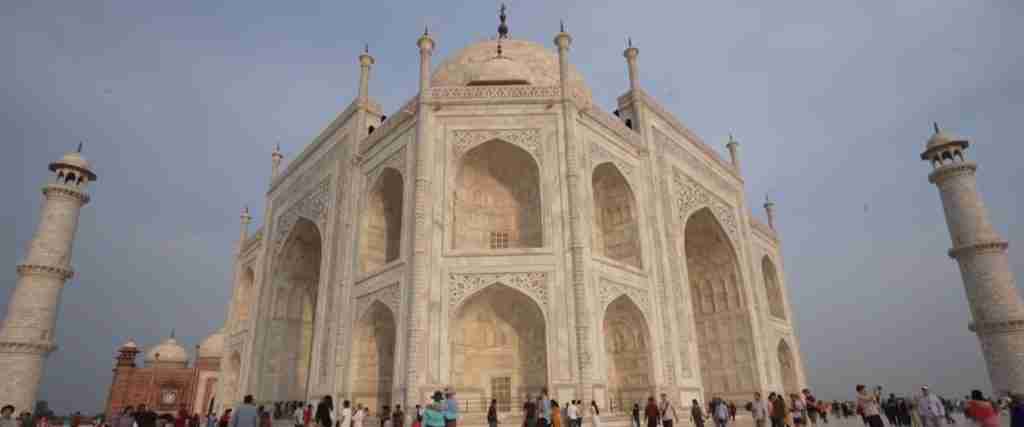
7 days
Taj Mahal 7-Day Cultural Journey
- ✓ Comprehensive Taj Mahal experience
- ✓ Expert local guides included
- ✓ All accommodation included
- ✓ Transportation provided
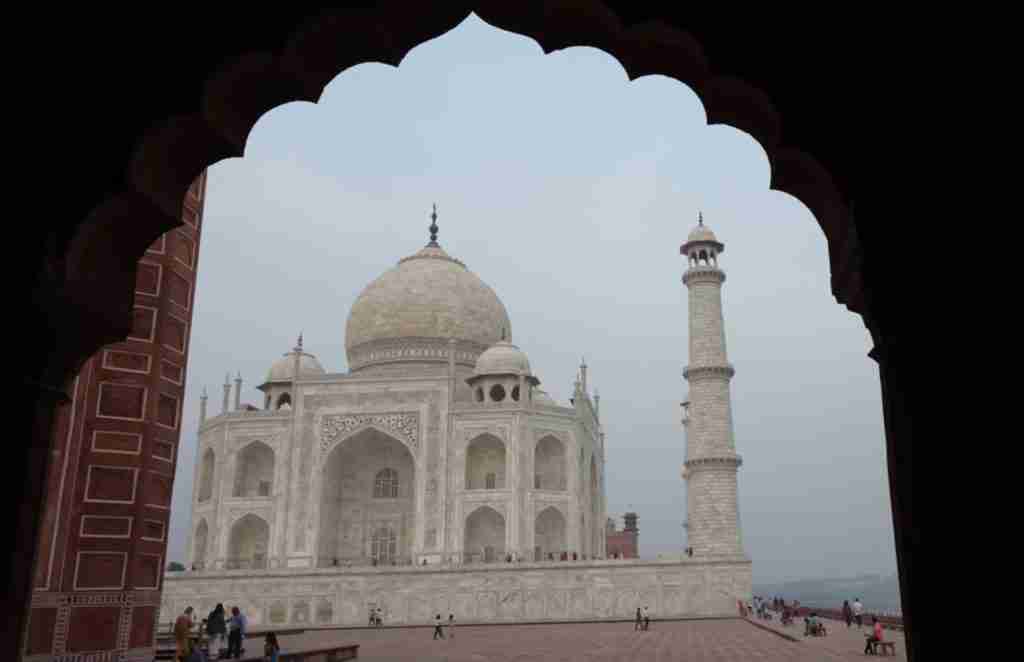
10 days
Taj Mahal 10-Day Complete Adventure
- ✓ Comprehensive Taj Mahal experience
- ✓ Expert local guides included
- ✓ All accommodation included
- ✓ Transportation provided
Multi-day tour packages powered by TourRadar. Prices and availability subject to change.
Essential Planning Information for 2026 Day Trips
Current Costs and Pricing Breakdown for 2026
Transportation represents the primary day trip expense in 2026. Private cars cost ₹2,000-3,000 for Fatehpur Sikri half-day trips (80 kilometers round trip), ₹2,500-3,500 for Mathura-Vrindavan full-day excursions (120 kilometers round trip), and ₹5,000-8,000 for Delhi day trips (460 kilometers round trip). These rates include driver fees, fuel, parking charges, and highway tolls. Sharing costs among 3-4 passengers reduces per-person expenses significantly, making private cars economical for small groups.
Organized tour packages through operators like Agra Day Tours, Heritage Walks India, or hotel concierge services cost ₹1,500-2,500 per person for Fatehpur Sikri tours, ₹2,000-3,500 for Mathura-Vrindavan excursions, and ₹3,500-5,500 for Delhi trips in 2026 (check current rates with tour operators as pricing may vary). These packages include air-conditioned transportation, English-speaking guides, monument entries, and sometimes lunch. Group tours accommodate 6-12 participants, providing social interaction and professional cultural interpretation.
Monument entry fees in 2026 include Fatehpur Sikri ₹300 per person, Agra Fort ₹300, Mathura temples free with customary donations ₹50-200, Vrindavan temples free with donations ₹50-200, Delhi Red Fort ₹500, and Qutub Minar ₹500. Guides charge ₹500-800 for half-day services at individual sites, ₹1,000-1,500 for full-day comprehensive tours covering multiple locations.
Meal costs vary by destination and restaurant choice. Budget options include simple vegetarian thalis ₹150-300, street food snacks ₹50-150, and basic restaurants ₹200-400 per meal. Mid-range restaurants charge ₹400-800 per person for comfortable dining with varied menu options. Mathura-Vrindavan emphasizes vegetarian cuisine reflecting religious traditions, while Agra and Delhi offer diverse Indian and international choices.
Transportation Options and Logistics for 2026
Private car hire provides maximum flexibility and comfort for day trips in 2026. Book through hotel concierges (typically adding 15-20% commission to direct driver rates), established tour operators with online booking systems, or directly with licensed government-approved drivers displaying valid credentials. Confirm vehicles are air-conditioned sedans or SUVs suitable for long drives, particularly important during hot summer months March through September.
App-based services like Ola and Uber operate in Agra for local transportation but long-distance day trips require advance booking through rental packages rather than standard app bookings. These platforms offer competitive rates ₹2,500-4,000 for full-day rentals including driver and fuel. Payment occurs through app systems, providing transparent pricing and eliminating cash negotiation concerns.
Train options work well for Delhi day trips via Shatabdi Express services. The Agra Cantonment to New Delhi Shatabdi Express departs 8:05 AM arriving Delhi 10:00 AM, with return service departing New Delhi 5:30 PM arriving Agra 7:35 PM. Tickets cost ₹750-1,200 per person depending on class selection. Book through official IRCTC website or authorized booking agents 2-4 weeks advance during peak tourist seasons November through February, 1-2 weeks for other periods.
Shared tour buses provide economical options for popular destinations. Multiple operators run daily Fatehpur Sikri tours departing Agra 9:00-10:00 AM, returning 2:00-3:00 PM, costing ₹800-1,200 per person including transportation and guide services. These tours pick up passengers from major hotels, eliminating individual transportation arrangements. Book through hotel desks or online platforms like Viator, GetYourGuide, or directly with tour company websites.
Agra Fort and Mehtab Bagh: Same-Day Combinations 2026
Agra Fort serves as the perfect Taj Mahal companion monument, located just 2.5 kilometers northwest along the Yamuna River. This massive red sandstone fortress functioned as the main Mughal imperial residence until Shah Jahan moved the capital to Delhi in 1638. The fort contains palaces, audience halls, mosques, and gardens showcasing Mughal architectural evolution from Akbar’s military fortifications through Shah Jahan’s refined marble additions.
Entry to Agra Fort costs ₹300 per person for international visitors in 2026. The Archaeological Survey of India maintains the site with clear English signage and accessible pathways. Audio guides available at entrance ₹150 provide detailed commentary on major structures including Jahangir Palace, Khas Mahal, Musamman Burj tower where Shah Jahan spent his final years imprisoned by his son Aurangzeb, and Sheesh Mahal (Mirror Palace) decorated with tiny convex mirrors.
Exploring Agra Fort requires 2-2.5 hours for comprehensive visits. The vast complex covers 94 acres with multiple courtyards, gardens, and buildings spread across the fortress grounds. Key highlights include views of the Taj Mahal from Musamman Burj tower, intricate pietra dura inlay work matching Taj Mahal decorative techniques, and massive defensive walls demonstrating Mughal military engineering. The fort remains significantly less crowded than the Taj Mahal, allowing peaceful architectural appreciation.
Mehtab Bagh (Moonlight Garden) offers exceptional Taj Mahal sunset photography opportunities from the opposite Yamuna River bank. Located 3 kilometers north of the Taj Mahal, this 25-acre garden provides unobstructed views without the main monument’s crowds. Entry costs ₹100 per person with operating hours 6:00 AM to 6:00 PM. Evening visits 4:30-5:30 PM capture the Taj Mahal in golden light with Yamuna River reflections.
Combined same-day itinerary: Taj Mahal sunrise 6:00-9:00 AM (₹1,050 entry), breakfast break 9:00-10:00 AM, Agra Fort 10:30 AM-1:00 PM (₹300 entry), lunch 1:00-2:30 PM, afternoon rest, Mehtab Bagh sunset 4:30-6:00 PM (₹100 entry), dinner. Transportation between sites via taxi ₹150-250 per trip or auto-rickshaw ₹80-150. Total day cost: ₹1,450 entries, ₹400-600 transportation, ₹600-1,000 meals. Daily total: ₹2,450-3,050 per person (excluding accommodation).
Fatehpur Sikri: Abandoned Mughal Capital Day Trip 2026
Fatehpur Sikri stands as one of India’s most remarkable archaeological sites, an entire Mughal imperial city abandoned after just 14 years of occupation. Emperor Akbar built this magnificent capital in 1571 following a prophecy from Sufi saint Salim Chishti, creating palaces, mosques, administrative buildings, and residential quarters in distinctive red sandstone. Water scarcity forced abandonment in 1585, leaving the city remarkably preserved as a UNESCO World Heritage Site showcasing 16th-century Mughal architecture at its zenith.
The journey from Agra covers 40 kilometers west via NH21 highway in 45-60 minutes depending on traffic. Private cars navigate the route efficiently with scenic rural landscapes and glimpses of village life. Highway conditions remain excellent with smooth asphalt and clear road markings. Entering Fatehpur Sikri requires parking at designated lots 500 meters from the main monuments (parking included in private car rates), then walking or taking electric shuttle buses ₹25 per person to the entrance gate.
Ticket counters at the main entrance sell combination tickets ₹300 per person for international visitors covering all monuments within the complex. The Archaeological Survey of India manages the site with English signage, clean restrooms, and drinking water facilities. Guides available at entrance offer 90-120 minute comprehensive tours for ₹500-800, explaining architectural features, historical events, and cultural significance of Akbar’s short-lived capital.
Major monuments within Fatehpur Sikri include Buland Darwaza (Victory Gate), standing 54 meters high as one of the world’s tallest gateways, commemorating Akbar’s Gujarat conquest. The Jama Masjid mosque features elegant proportions and intricate stone carving, with Salim Chishti’s white marble tomb attracting pilgrims seeking blessings. Panch Mahal, a five-story open pavilion, demonstrates Persian architectural influences with 176 columns supporting progressively smaller levels.
Palace complexes include Diwan-i-Khas (Private Audience Hall) with unique central pillar supporting elaborate capital, Diwan-i-Am (Public Audience Hall) where Akbar held court, and residential quarters for royal wives including Jodha Bai’s Palace with Hindu-Muslim architectural fusion. The Pachisi Court features giant game board carved into stone courtyard where Akbar played using people as living game pieces dressed in colorful costumes.
Photography opportunities abound throughout the complex, particularly Buland Darwaza’s monumental scale against blue skies, Panch Mahal’s symmetrical geometry, and intricate jali screen stonework filtering light through palace windows. Morning visits 8:00-11:00 AM provide optimal lighting with softer shadows than harsh midday sun. The red sandstone takes on warm golden tones in early light, enhancing architectural details and decorative carvings.
Sample half-day itinerary: Depart Agra 8:00 AM, arrive Fatehpur Sikri 9:00 AM, explore monuments with guide 9:00 AM-12:00 PM, lunch at local restaurant 12:00-1:00 PM (₹250-500), return Agra 2:00 PM. Private car ₹2,000-3,000, entry ₹300, guide ₹500-800, lunch ₹250-500. Total day cost: ₹1,050-1,600 per person sharing car among 4 passengers, ₹3,050-4,600 for solo travelers covering full car cost (excluding Agra accommodation).
Mathura-Vrindavan: Spiritual Heritage Circuit 2026
Mathura and Vrindavan represent Hinduism’s most sacred Krishna pilgrimage sites, located 60 kilometers north of Agra along the Yamuna River. Mathura marks Lord Krishna’s birthplace around 3000 BCE according to Hindu tradition, while Vrindavan commemorates Krishna’s childhood spent among cowherd families. Both cities overflow with temples, ghats (riverside steps), and religious ceremonies creating intensely spiritual atmospheres distinct from Mughal heritage sites.
Transportation from Agra to Mathura takes 60-75 minutes via NH44 highway covering 60 kilometers. Private cars cost ₹2,500-3,500 for full-day excursions including waiting time at temples and flexibility for multiple stops. The highway passes through agricultural regions with mustard fields, wheat cultivation, and rural villages providing glimpses of everyday Indian life beyond tourist circuits. Vrindavan lies 15 kilometers north of Mathura, adding 20-30 minutes driving time between cities.
Temple entry remains free throughout Mathura-Vrindavan, reflecting Hindu tradition of open worship spaces. Customary donations ₹50-200 per temple support maintenance and religious activities. Appropriate dress codes apply: shoulders and knees covered, shoes removed before entering temple buildings. Many temples prohibit photography inside sanctuaries, though exterior architecture photography remains welcome. Large bags and electronics require checking at security counters before temple entry.
Mathura’s major sites include Shri Krishna Janmabhoomi temple complex built over Krishna’s traditional birthplace, featuring ornate architecture and constant devotional activities. Vishram Ghat along the Yamuna River hosts evening aarti (light ceremony) at sunset with priests chanting Sanskrit hymns while waving oil lamps. Dwarkadhish Temple demonstrates elaborate Hindu temple architecture with multiple shrines, detailed stone carvings, and colorful painted interiors.
Vrindavan’s temple density exceeds 5,000 structures ranging from massive modern complexes to intimate neighborhood shrines. Banke Bihari Temple attracts enormous crowds particularly weekends and festivals, dedicating worship to Krishna’s playful childhood form. ISKCON Temple (International Society for Krishna Consciousness) offers serene gardens, museum displays explaining Krishna mythology, and daily spiritual programs including bhajan singing and philosophy discussions. Prem Mandir, opened 2012, features stunning white marble architecture with intricate carvings depicting Krishna’s life stories illuminated spectacularly at night.
Cultural experiences include witnessing daily aarti ceremonies at river ghats, tasting local prasad (blessed food offerings) distributed at temples, and experiencing bhajan singing where devotees chant Krishna’s names with musical instruments. Street food in both cities emphasizes vegetarian cuisine reflecting Hindu dietary practices: samosas ₹20-40, kachoris ₹30-60, sweets like peda and jalebi ₹50-150 per portion. Restaurants serve pure vegetarian meals with thali sets ₹150-300 providing multiple dishes, rice, bread, and dessert.
Sample full-day itinerary: Depart Agra 7:00 AM, arrive Mathura 8:15 AM, visit Shri Krishna Janmabhoomi and Dwarkadhish Temple 8:30-11:00 AM, travel to Vrindavan 11:00-11:30 AM, lunch at vegetarian restaurant 11:30 AM-12:30 PM (₹200-400), visit Banke Bihari Temple and ISKCON 1:00-4:00 PM, return Agra 5:30 PM. Private car ₹2,500-3,500, temple donations ₹200-600 total, meals ₹400-800, guide ₹800-1,000. Total day cost: ₹950-1,475 per person sharing car among 4 passengers, ₹3,900-5,900 solo (excluding Agra accommodation).
Delhi Day Trip: Capital Monuments and Museums 2026
Delhi day trips extend UNESCO World Heritage exploration to India’s capital, featuring Mughal monuments, colonial architecture, and world-class museums within 3-4 hours travel via Yamuna Expressway. The 230-kilometer journey provides access to Red Fort, Qutub Minar, Humayun’s Tomb, India Gate, National Museum, and vibrant markets creating comprehensive cultural experiences beyond single-site visits.
Yamuna Expressway completed 2012 revolutionized Agra-Delhi connectivity, reducing travel times from 5-6 hours via old GT Road to 3-3.5 hours on modern six-lane highway. Expressway tolls cost ₹375 included in private car rates. The route passes through Noida and Greater Noida suburbs before entering central Delhi. Early morning departures 6:00-7:00 AM avoid heavy traffic, arriving Delhi 9:00-10:30 AM for full-day sightseeing.
Train alternatives include Shatabdi Express services departing Agra Cantonment 8:05 AM arriving New Delhi 10:00 AM, costing ₹750-1,200 per person depending on class. Return trains depart New Delhi 5:30-6:30 PM arriving Agra 7:30-9:00 PM. Booking through official IRCTC website requires advance registration and payment via Indian debit/credit cards or international cards with 3D security. Railway stations provide prepaid taxi services from booking counters outside main exits, charging fixed rates to Delhi monuments ₹300-500 depending on destination.
Priority Delhi monuments within day-trip timeframes include Red Fort (Lal Qila), Mughal imperial residence 1648-1857 with massive red sandstone walls and marble palaces, entry ₹500 per person with 1.5-2 hours exploration time. Qutub Minar, 73-meter victory tower built 1199 showcasing early Islamic architecture in India, entry ₹500 requiring 60-90 minutes. Humayun’s Tomb, inspiration for Taj Mahal design featuring Persian garden layout and dome architecture, entry ₹500 needing 60-90 minutes.
India Gate war memorial and surrounding government district provide iconic photo opportunities with free access. Connaught Place circular market offers lunch options from budget food courts ₹200-400 to established restaurants ₹600-1,200 per person. National Museum near India Gate houses extensive Indian art collections spanning 5,000 years, entry ₹300 requiring 90-120 minutes for highlights tour.
Organized Delhi day tours from Agra through operators like Delhi Heritage Walks or Agra Day Tours cost ₹3,500-5,500 per person including transportation, guide, monument entries, and lunch. These packages maximize sightseeing efficiency with professional drivers navigating Delhi traffic and guides explaining historical context. Tours cover 3-4 major monuments plus market visits and restaurant lunch, returning to Agra by 8:00-9:00 PM.
Sample self-planned itinerary: Depart Agra 6:30 AM by private car, arrive Delhi 10:00 AM, visit Humayun’s Tomb 10:30 AM-12:00 PM (₹500 entry), lunch at Connaught Place 12:00-1:00 PM (₹400-800), visit Red Fort 1:30-3:30 PM (₹500 entry), India Gate drive-by 3:30-4:00 PM, depart Delhi 4:30 PM, arrive Agra 8:00 PM. Private car ₹5,000-8,000, entries ₹1,000, meals ₹600-1,200, guide ₹1,000-1,500. Total day cost: ₹2,150-3,175 per person sharing car among 4 passengers, ₹7,600-11,700 solo (excluding Agra accommodation).
Sample Day Trip Itineraries 2026
Budget Fatehpur Sikri Half-Day Trip
This economical excursion combines efficient timing with shared costs for maximum value. Depart Agra 8:00 AM via shared taxi (arrange through hotel desk, ₹200-300 per person) or private car shared among 4 passengers (₹2,000 ÷ 4 = ₹500 per person). Arrive Fatehpur Sikri 9:00 AM, purchase entry tickets ₹300 at counter. Explore independently using smartphone apps like UNESCO World Heritage India for historical information, or hire guide ₹200-250 per person for small group (negotiate for 3-4 people sharing one guide).
Spend 2.5 hours visiting Buland Darwaza, Jama Masjid, Panch Mahal, palace complexes, and architectural highlights. Carry water and snacks from Agra to avoid premium on-site prices. Photography at major monuments, spending extra time at favorite structures. Depart 11:30 AM, return Agra 12:30 PM. Simple lunch at local dhaba restaurant ₹150-250 either in Fatehpur Sikri or back in Agra.
Daily costs: Shared transportation ₹500, entry ₹300, shared guide ₹250, water/snacks ₹100, lunch ₹200. Total day cost: ₹1,350 per person (excluding Agra accommodation).
Comprehensive Mathura-Vrindavan Spiritual Tour
Full-day religious circuit explores Krishna’s sacred geography with cultural immersion. Private car ₹3,000 shared among 4 passengers (₹750 per person) departs Agra 7:00 AM, arriving Mathura 8:15 AM. Begin at Shri Krishna Janmabhoomi temple complex (donation ₹100), observing morning rituals and exploring birthplace sanctuaries. Visit Dwarkadhish Temple (donation ₹100) with ornate architecture and devotional atmosphere.
Experience Vishram Ghat along Yamuna River where Krishna rested according to tradition, observing pilgrims performing ritual baths and prayers. Travel to Vrindavan 11:00 AM (15 kilometers, 30 minutes). Vegetarian lunch at established restaurant ₹250-400 for traditional North Indian thali.
Afternoon Vrindavan exploration includes Banke Bihari Temple witnessing darshan (deity viewing) rituals, ISKCON Temple with gardens and cultural programs, and Prem Mandir’s stunning marble architecture. If timing permits, attend evening aarti ceremony at major temple 5:30-6:30 PM with devotional singing and lamp offerings. Return to Agra by 8:00 PM.
Daily costs: Private car ₹750 per person (4-way split), temple donations ₹400-600, lunch and dinner ₹500-800, guide ₹250 per person (optional, for cultural context). Total day cost: ₹1,900-2,400 per person (excluding Agra accommodation).
Premium Delhi Heritage Day Trip
Luxury excursion maximizes capital exploration with comfort and expertise. Private air-conditioned car ₹6,000 (₹1,500 per person among 4) departs Agra 6:30 AM via Yamuna Expressway, arriving Delhi 10:00 AM. Professional guide ₹1,500 total (₹375 per person) provides historical context and navigation assistance.
Morning visits Humayun’s Tomb ₹500 entry with detailed architectural explanation, photography time in Persian gardens. Mid-range restaurant lunch Connaught Place ₹600-900 for diverse menu options and comfortable ambiance. Afternoon explores Red Fort ₹500 entry with comprehensive tour of palaces, audience halls, and museum galleries. Drive past India Gate and government district for iconic photo opportunities.
Optional addition: National Museum ₹300 entry for Indian art highlights if time permits, or Qutub Minar ₹500 for Indo-Islamic architecture. Depart Delhi 5:00 PM, return Agra 8:30 PM with highway rest stop. Bottled water and snacks provided in vehicle.
Daily costs: Private car ₹1,500 per person, guide ₹375, entries ₹1,000-1,500, lunch ₹600-900, water/snacks ₹200. Total day cost: ₹3,675-4,475 per person (excluding Agra accommodation).
Booking Strategies and Reservations 2026
Advance planning secures optimal pricing and availability for day trip transportation and tours in 2026. Private car services book through hotel concierges (convenient but 15-20% markup), direct contact with licensed drivers displaying government tourism credentials (best rates but requires research), or established tour operators with online booking systems (transparent pricing, customer reviews).
Hotels maintain relationships with reliable drivers and tour companies, providing quick booking without advance research. Concierge services handle communication, confirm details, and arrange pickup times. Request written confirmation including vehicle details, driver contact information, total costs, and included services. Verify air conditioning functionality particularly for summer travel March-September when temperatures exceed 40°C.
Online booking platforms like Viator, GetYourGuide, and TripAdvisor provide customer reviews, transparent pricing, and booking protection. Fatehpur Sikri tours cost ₹1,200-2,000 per person, Mathura-Vrindavan ₹2,000-3,000, Delhi day trips ₹3,500-5,000 through these platforms. Prices include transportation, English-speaking guides, monument entries, and sometimes lunch. Book 1-2 weeks advance during peak season November-February, 3-5 days other periods.
Direct driver arrangements often provide best value for travelers comfortable with communication and negotiation. Licensed government-approved drivers display credentials and vehicle registration. Meet drivers in advance if possible, inspect vehicle condition, and confirm all details in writing or WhatsApp messages creating documentation. Negotiate inclusive rates covering fuel, parking, tolls, and driver meals. Payment occurs after trip completion, allowing service quality evaluation before final payment.
Tour operator packages from companies like Delhi Heritage Walks, Agra Day Tours, and Heritage Walks India offer comprehensive experiences with professional guides, quality vehicles, and reliable service. Book through company websites or directly via email/phone. Request detailed itineraries, confirm group sizes (small groups 6-8 provide better experiences than large buses 20-30), and clarify included/excluded items. Payment occurs via bank transfer or credit card with booking confirmation documents.
Flexibility benefits travelers adapting to weather, energy levels, and interests. Many private car services allow same-day booking if vehicles are available, particularly off-season April-September. Hotel concierges arrange transportation within 24 hours during non-peak periods. Organized tours require 2-3 days advance booking for confirmation and group coordination.
Practical Tips for 2026 Day Trips
Weather considerations significantly impact day trip comfort and timing. November through February provides optimal conditions with temperatures 15-25°C, clear skies, and comfortable exploration. Book transportation and accommodations well advance during this peak season when demand peaks. March-September brings heat 30-45°C requiring early morning departures, afternoon rest periods, and evening activities when possible. Monsoon July-September adds rain possibility necessitating umbrellas and flexible scheduling.
Pack essentials for all-day excursions: bottled water (2 liters per person minimum), sunscreen SPF 50+, wide-brimmed hat or cap, sunglasses, comfortable closed-toe walking shoes, small backpack for belongings, phone charger or power bank, and basic first aid items. Dress codes for religious sites require shoulders and knees covered. Carry light scarf or shawl for spontaneous temple visits or added sun protection.
Photography equipment considerations include smartphone with backup battery, dedicated camera if preferred, lens cleaning cloth for dust, and small tripod for low-light situations. Fatehpur Sikri and Delhi monuments permit photography though some specific structures may restrict interior photos. Mathura-Vrindavan temples often prohibit photography inside sanctuaries but allow exterior shots. Always ask permission before photographing people, religious ceremonies, or sensitive areas.
Food safety practices prevent illness disrupting travel plans. Stick with bottled water from sealed containers, avoid raw salads and unpeeled fruits, choose hot cooked meals from busy restaurants with visible kitchens, and carry stomach medications as precaution. Vegetarian options generally provide safer choices than meat dishes in roadside restaurants. Major restaurants in tourist areas maintain higher food safety standards than small village eateries.
Money management includes carrying sufficient cash ₹3,000-5,000 as many smaller establishments, temple donations, and parking lots don’t accept cards. Keep small denomination notes ₹10, ₹20, ₹50 for minor purchases and donations. ATMs exist in Agra, Mathura, Vrindavan, and Delhi for cash withdrawals. Credit cards work at established restaurants, hotel bookings, and organized tour payments.
Communication considerations: Many private drivers speak limited English focusing on basic travel vocabulary. Confirm destinations using written names or maps on smartphones. Google Maps works reliably throughout the region for navigation and location sharing. WhatsApp facilitates communication with drivers, tour operators, and accommodations through messaging rather than voice calls. Purchase local SIM cards with data plans from providers like Jio or Airtel for constant connectivity.
Safety practices include keeping valuables secure in front pockets or money belts, maintaining awareness in crowded areas, using hotel safes for passports and extra cash, and traveling during daylight hours when possible. Licensed taxis and tour operators maintain insurance and safety standards. Solo travelers should inform hotel staff of plans and expected return times for accountability.
Frequently Asked Questions About Taj Mahal Day Trips 2026
Is Fatehpur Sikri worth visiting from Agra?
Fatehpur Sikri absolutely merits visiting from Agra, ranking among India’s most significant Mughal archaeological sites and UNESCO World Heritage locations. The abandoned imperial city provides unique insights into 16th-century Mughal court life, architectural innovation, and cultural synthesis between Islamic and Hindu building traditions. Unlike active cities where historical structures integrate with modern development, Fatehpur Sikri remains frozen in time showcasing complete urban planning from single construction period.
The 40-kilometer distance and 45-minute drive make Fatehpur Sikri easily accessible for half-day excursions. Transportation costs remain reasonable ₹800-1,200 including car hire and entry fees. The site’s excellent preservation state, comprehensive English signage, and availability of knowledgeable guides enhance visitor experiences. Architecture enthusiasts, history buffs, and photography enthusiasts find exceptional value in the detailed stone carvings, massive gateways, and palace complexes.
Can I visit Mathura and Vrindavan in one day from Taj Mahal?
Visiting both Mathura and Vrindavan in one day from Agra works well given the 60-kilometer distance to Mathura plus additional 15 kilometers to Vrindavan. Full-day excursions departing 7:00-8:00 AM allow 2-3 hours in each city, returning to Agra by 7:00-8:00 PM. The cities’ proximity permits efficient temple visiting, though spiritual sites benefit from unhurried exploration.
Prioritize key temples in each city rather than attempting comprehensive coverage. Mathura focuses on Shri Krishna Janmabhoomi, Dwarkadhish Temple, and Vishram Ghat. Vrindavan highlights include Banke Bihari Temple, ISKCON Temple, and Prem Mandir. This combination provides representative experiences of Krishna pilgrimage traditions without rushing between locations. Consider hiring guide ₹800-1,000 for cultural context and efficient navigation through temple complexes.
What’s the best time to start a day trip from Agra?
Early morning departures 6:00-8:00 AM optimize day trip experiences in 2026. This timing allows Taj Mahal sunrise visits 6:00-8:00 AM before starting outbound travel, avoiding peak traffic during rush hours 8:30-10:00 AM, and arriving destinations mid-morning when sites open and temperatures remain comfortable. Early starts also permit full-day itineraries returning to Agra by evening, maximizing sightseeing hours.
Specific destination timing: Fatehpur Sikri excursions depart 8:00-9:00 AM for late morning arrival avoiding peak heat. Mathura-Vrindavan trips begin 7:00 AM reaching temples for mid-morning visits and afternoon religious programs. Delhi day trips require earliest departures 6:00-6:30 AM for 10:00 AM Delhi arrival maximizing capital sightseeing before return journey. Coordinate departure times with your Taj Mahal visit schedule and hotel checkout/checkin logistics.
Do I need a guide for day trips or can I explore independently?
Independent exploration works well for confident travelers with good navigation skills and cultural awareness, while guided experiences provide historical context, efficient routing, and language assistance valuable for maximizing limited time. The choice depends on interests, comfort level, and learning preferences.
Fatehpur Sikri benefits from guide services explaining architectural features, historical events, and Akbar’s imperial vision that might not be apparent through independent observation. Guides cost ₹500-800 for 90-minute comprehensive tours providing significant educational value. The site’s excellent English signage and smartphone apps like UNESCO World Heritage India support independent visits.
Mathura-Vrindavan strongly benefit from guides ₹800-1,000 for full-day services explaining Hindu religious traditions, temple protocols, ritual meanings, and cultural practices that may confuse unfamiliar visitors. Guides navigate efficiently between temples, handle donation customs, and ensure appropriate behavior in sacred spaces. Religious sites’ spiritual nature and complex symbolism make guided experiences particularly valuable.
Are day trips from Taj Mahal safe for solo female travelers?
Day trips from Agra remain generally safe for solo female travelers following standard safety precautions. Use licensed transportation through hotels or established tour operators rather than arranging rides with unknown individuals. Organized tours provide built-in social settings and professional oversight. Dress conservatively with shoulders and knees covered, respecting local cultural norms particularly at religious sites.
Specific precautions include traveling during daylight hours, informing hotel staff of plans and expected return times, maintaining phone connectivity, keeping valuables secured, and trusting instincts about situations or individuals causing discomfort. Fatehpur Sikri and Delhi monuments receive significant tourist traffic providing social environments. Mathura-Vrindavan’s religious focus generally creates respectful atmospheres though female travelers should remain alert in crowded temple areas.
Can I combine Taj Mahal and Fatehpur Sikri in one day from Delhi?
Combining Taj Mahal and Fatehpur Sikri in single-day trips from Delhi remains possible but creates extremely long days with 8-10 hours transportation plus 4-5 hours monument visits. The 230 kilometers from Delhi to Agra requires 3-4 hours each way, plus additional 40 kilometers Agra to Fatehpur Sikri. Early departures 5:00-6:00 AM from Delhi permit Taj Mahal visits 9:00-11:00 AM, Fatehpur Sikri 12:00-2:00 PM, returning Delhi 7:00-9:00 PM.
This intensive schedule works for travelers with limited time wanting to maximize major site visits. However, quality experiences suffer from rushing between locations and extended time in vehicles. Consider staying overnight in Agra allowing leisurely Taj Mahal sunrise visits, comfortable Fatehpur Sikri explorations, and possible Agra Fort additions without exhausting travel pressure. Two-day trips provide superior experiences though require additional accommodation costs ₹1,500-4,000 depending on hotel category.
What should I bring for a day trip from Taj Mahal?
Essential day trip items include bottled water (2 liters minimum per person), sunscreen SPF 50+, wide-brimmed hat or cap, sunglasses, comfortable closed-toe walking shoes suitable for uneven surfaces, small backpack for belongings, phone charger or power bank, basic first aid kit with stomach medications, and appropriate clothing covering shoulders and knees for religious sites.
Additional useful items: light scarf or shawl for sun protection or temple coverage requirements, camera equipment if beyond smartphone photography, lens cleaning cloth for dust, hand sanitizer and wet wipes, small umbrella for sun or rain, snacks like energy bars or fruit for energy maintenance between meals, small bills ₹10-50 for temple donations and minor purchases, and photocopies of passport keeping originals secured at hotel.
How much should I budget for a day trip from Agra?
Day trip budgets vary significantly based on destination, transportation choice, and dining preferences in 2026. Fatehpur Sikri economical trips cost ₹1,200-1,800 per person sharing transportation among 3-4 passengers, including car hire ₹500-750 per person, entry ₹300, guide ₹200-300, and simple meals ₹200-450. Solo travelers covering full car costs budget ₹3,000-4,000.
Mathura-Vrindavan full-day excursions run ₹1,800-2,800 per person sharing costs, including private car ₹750-1,000 per person, temple donations ₹400-600, vegetarian meals ₹500-800, and optional guide ₹200-400. Solo travelers budget ₹3,800-5,500 covering transportation independently.
Delhi day trips represent highest expense at ₹3,500-5,500 per person using organized tours, or ₹2,500-4,000 via trains with independent sightseeing. Private car options shared among 4 passengers reduce per-person costs to ₹2,000-3,500, while solo car hire reaches ₹7,000-11,000. Add ₹1,000-2,000 for entries and meals regardless of transportation choice.
Final Recommendations for 2026 Day Trips
Day trips from the Taj Mahal transform single-monument visits into comprehensive cultural journeys exploring Mughal imperial heritage, Hindu spiritual traditions, and India’s capital monuments. Strategic planning maximizes experiences while managing time, costs, and logistics efficiently.
First-time visitors benefit from Agra Fort same-day combinations with the Taj Mahal, requiring minimal additional time or cost while providing essential Mughal architectural context. Fatehpur Sikri represents the ideal half-day excursion for architecture enthusiasts, offering UNESCO World Heritage quality at reasonable costs ₹1,200-2,000 including transportation, entry, and guide services. The abandoned city’s preservation state and historical significance justify the 40-kilometer journey from Agra.
Travelers interested in religious traditions and spiritual experiences find exceptional value in Mathura-Vrindavan day trips. The sacred cities offer authentic Hindu pilgrimage atmospheres distinct from tourist-oriented monuments. Full-day costs ₹1,800-2,800 per person sharing transportation provide cultural immersion through temple visits, ritual observation, and vegetarian cuisine. Consider hiring guides for cultural context and efficient navigation through complex temple networks.
Extended visitors or history enthusiasts justify Delhi day trips despite 8-10 hours total travel time. The capital’s Red Fort, Humayun’s Tomb, Qutub Minar, and museums provide architectural and cultural perspectives beyond regional sites. Organized tours ₹3,500-5,500 simplify logistics while train options reduce per-person costs for independent explorers. Delhi visits work best as stand-alone full-day commitments rather than rushed additions to other activities.
Budget optimization strategies include sharing private car costs among 3-4 travelers reducing per-person transportation 60-75%, choosing mid-morning departures allowing hotel breakfast inclusion and avoiding premium early-morning rates, packing water and snacks from Agra avoiding marked-up on-site vendors, and negotiating guide fees for small groups rather than individual rates. Off-season travel April-September provides lower accommodation rates and reduced tour pricing though weather brings challenges requiring heat management.
Quality experiences prioritize depth over breadth. Visiting 1-2 destinations thoroughly exceeds rushing through 3-4 sites superficially. Allow sufficient time at each location for photography, architectural appreciation, cultural observation, and occasional rest. Fatehpur Sikri merits 2-3 hours, Mathura-Vrindavan benefits from 5-6 hours including both cities, Delhi requires full 8-10 hour commitment for meaningful exploration.
Advanced booking secures optimal pricing and availability, particularly November-February peak season. Reserve private transportation 1-2 weeks advance, book organized tours through reputable operators with customer reviews, and confirm all details in writing. Maintain flexibility for weather adaptations, energy levels, and discovered interests potentially altering plans.
The Taj Mahal’s transcendent beauty represents just one facet of North India’s extraordinary cultural heritage. Day trips expand understanding of Mughal imperial power, Hindu spiritual traditions, and regional diversity creating more complete travel experiences. Whether exploring abandoned cities, ancient pilgrimage centers, or capital monuments, these excursions complement your Taj Mahal visit while providing distinct memories and cultural insights beyond the iconic white marble dome.