Kirkstall Abbey’s Cistercian Hydraulic Engineering in Leeds: Structural Parallels with Fontenay and Cistercian Waterworks Across Europe Kirkstall Abbey, founded in 1152 on the River Aire in what is now Leeds, preserves one of the most substantial ensembles of early Cistercian hydraulic and architectural engineering in northern England. Its mill leats, […]
Read MorePost Tagged with: "hydraulic engineering"
Kachiqhata Quarry Trail: Tracing the Megalithic Drag-Slips Across the Urubamba River
Kachiqhata Quarry Trail: Tracing the Megalithic Drag-Slips Across the Urubamba River Across the Urubamba River from Ollantaytambo’s temple terraces, a quarried hillside of pale pink stone preserves some of the most legible engineering evidence in the Inca world. The rampas—inclined drag channels cut into living bedrock—record the exact path that […]
Read MoreHydraulic Sovereignty of the Incas: Comparing the Apurímac Aqueducts to World Citadel Defenses near Cusco
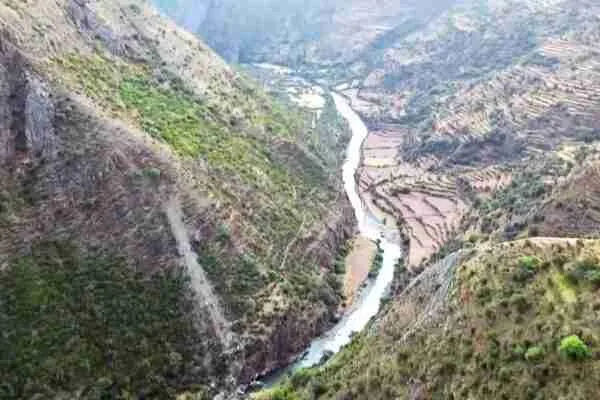
Hydraulic Sovereignty of the Incas: Comparing the Apurímac Aqueducts to World Citadel Defenses near Cusco The Apurímac canyon tests every retaining wall and drainage channel to its structural limits: deep metamorphic gorges, torrential seasonal rainfall, and chronic seismic activity combine to create one of the most demanding environments ever subjected […]
Read MoreThe Liquid Grid: Vittorio Fossombroni’s Neoclassical Regulating Locks and the Hydraulic Engineering of the Canale Maestro della Chiana Arezzo
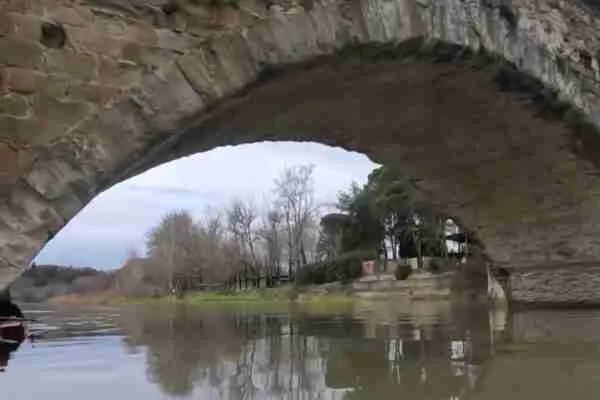
The Liquid Grid: Vittorio Fossombroni’s Neoclassical Regulating Locks and the Hydraulic Engineering of the Canale Maestro della Chiana Between the hills of Arezzo and the ancient lake shores of Chiusi, one of the most ambitious undertakings of Enlightenment Europe transformed a malarial swamp into Tuscany’s most fertile farmland. The Canale […]
Read MoreThe Liquid Arteries of Lucca: The Nottolini Aqueduct and the Geomorphology of the Vorno Springs
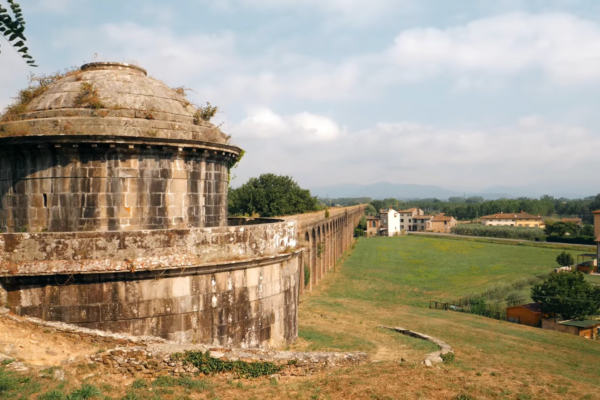
The Liquid Arteries of Lucca: The Nottolini Aqueduct and the Geomorphology of the Vorno Springs Stretching across three kilometres of Tuscan farmland on 460 brick arches, the Nottolini Aqueduct is the most architecturally ambitious monument in the Lucca countryside — a Neoclassical hydraulic machine that reads, from a passing train […]
Read MoreThe Panoptic Utopian Grid: Hydraulic Engineering, Reinforced Concrete, and Social Control at Crespi d’Adda Bergamo
The Panoptic Utopian Grid: Hydraulic Engineering, Reinforced Concrete, and Social Control at Crespi d’Adda Between the Adda and Brembo rivers in Lombardy, the Isola Bergamasca peninsula holds one of industrial Europe’s most extraordinary social and architectural experiments: the workers’ village of Crespi d’Adda, founded from 1878 by textile entrepreneur Cristoforo […]
Read MoreAn Architectural Journey to the Center of the Earth: The Engineering of Pozzo di San Patrizio Orvieto
An Architectural Journey to the Center of the Earth: The Engineering of Pozzo di San Patrizio Deep beneath Orvieto’s volcanic tuff plateau lies one of Renaissance engineering’s most innovative achievements—a 53-meter cylindrical well featuring a revolutionary double-helix staircase system that enabled simultaneous ascent and descent without interference. Commissioned by Pope […]
Read MoreCanal du Midi Guide: Toulouse UNESCO Waterway
Canal du Midi Guide: UNESCO Waterway Key Takeaways Engineering Marvel: The Canal du Midi represents one of the greatest civil engineering achievements of the 17th century, connecting the Atlantic Ocean to the Mediterranean Sea through 328 kilometers of artificial waterway across southern France. Pierre-Paul Riquet’s Vision: Constructed between 1667-1681 under the direction […]
Read MoreAmsterdam UNESCO World Heritage Guide: Canal Ring
Amsterdam UNESCO World Heritage Guide: Canal Ring Significance Key Takeaways UNESCO Designation: Amsterdam’s 17th-century canal ring received World Heritage status in 2010, recognizing exceptional urban planning and hydraulic engineering. Comprehensive Planning: The canal ring represents history’s first large-scale planned urban extension, demonstrating Renaissance ideals applied to city development. Engineering Marvel: The semi-circular canal […]
Read MoreHow Incas Built Machu Picchu: Engineering Mysteries Revealed
The Engineering Mysteries of Machu Picchu: How the Incas Built the Impossible High in the Peruvian Andes, where engineering logic seems to defy possibility, Machu Picchu stands as one of humanity’s greatest architectural achievements. Built around 1450 AD without iron tools, wheeled vehicles, or written blueprints, this “Lost City of […]
Read More