
Sweden Travel Guide 2026: Ultimate Planning Resource
Sweden combines Scandinavian sophistication with raw natural beauty, offering travelers everything from Stockholm’s urban archipelago to Lapland’s Arctic wilderness, medieval towns to cutting-edge design museums. Planning a 2026 trip requires understanding seasonal variations, regional differences, transportation logistics, and cultural nuances that make Sweden unique among European destinations. This comprehensive guide provides practical information, insider strategies, and expert recommendations to help you navigate Sweden’s cities, countryside, and northern reaches with confidence, whether you’re seeking summer midnight sun, winter northern lights, or shoulder season cultural exploration.
Key Takeaways
- Seasonal Sweet Spots: Visit April-May or September-October for optimal weather, 15-30% lower accommodation costs, and fewer crowds compared to peak summer (June-August)
- Regional Diversity: Sweden spans 1,574 km from Malmö to Kiruna, offering dramatically different experiences across southern cities, central countryside, and Arctic north
- Transportation Excellence: Comprehensive rail network connects major cities efficiently, while regional public transport provides excellent urban mobility with integrated ticketing
- Cultural Immersion: Understanding fika culture, Allemansrätten (Right to Roam), and Swedish design appreciation enhances authentic experiences beyond tourist attractions
- Northern Lights Timing: Arctic destinations offer aurora viewing September-March with peak activity December-February, requiring strategic planning for optimal experiences
- Urban-Nature Balance: Sweden excels at combining sophisticated cities with immediate nature access, most urban areas within minutes of parks, forests, or waterfront recreation
People Also Ask About Sweden Travel 2026
What’s the best time to visit Sweden in 2026?
Sweden’s optimal visiting periods depend on travel priorities and regional destinations. Shoulder seasons (April-May and September-October) offer the best overall value, combining pleasant weather with 15-30% accommodation discounts and manageable crowds. Late spring (May-early June) brings blooming nature, long daylight hours, and festival activities without peak summer prices. Early autumn (September-October) delivers stunning fall colors, harvest season experiences, and cultural events as tourists depart. Summer (June-August) provides warmest weather, midnight sun in the north, and full attraction access but commands premium pricing and heavy crowds, particularly during Midsummer celebrations (late June). Winter (November-March) suits northern lights seekers and winter sports enthusiasts, with December-February offering peak aurora activity and premium snow conditions despite shortest daylight hours and coldest temperatures.
How many days should I spend in Sweden in 2026?
Recommended Sweden trip lengths vary by scope and pace preferences. Minimum viable trip spans 5-7 days covering Stockholm (3 days) plus one additional destination like Gothenburg or Uppsala. Comprehensive first-time visits benefit from 10-14 days allowing Stockholm (3-4 days), Gothenburg (2-3 days), and either southern region exploration (Malmö, Lund, castles) or northern experience (Kiruna/Abisko). Extended 2-3 week itineraries enable complete country coverage including both south and north, plus countryside destinations like Dalarna, Gotland island, or west coast archipelago. Northern lights trips require minimum 3-4 nights in Arctic regions to account for weather variability. Summer travelers spending time in archipelagos or hiking national parks benefit from additional days accommodating outdoor activities that weather-dependent schedules may delay.
Is Sweden expensive to visit in 2026?
Sweden ranks among Europe’s pricier destinations but remains the most affordable Scandinavian country, with Stockholm 10-15% cheaper than Oslo and Copenhagen. Budget travelers need $70-100/day using hostels, self-catering, and public transport. Mid-range visitors spending on private accommodations, restaurant meals, and attractions should budget $155-200/day. Significant cost factors include accommodation (averaging $100-200/night mid-range), restaurant dining ($24-33 dinner entrées in Stockholm), and alcohol (heavily taxed at $5.25-6.65 bar beers). However, strategic planning reduces expenses substantially through shoulder season visits, dagens lunch specials (set menus $11-17), excellent hostel networks, free museum days, and comprehensive free outdoor access under Allemansrätten. April 2026 food VAT reduction from 12% to 6% cuts grocery costs approximately 6% for self-catering travelers.
Can I see the Northern Lights in Sweden in 2026?
Sweden’s Arctic regions including Kiruna, Abisko, Jukkasjärvi, and surrounding areas offer excellent northern lights viewing opportunities September-March, with peak activity December-February. Abisko National Park holds particular renown for clear skies and favorable weather patterns creating “blue hole” phenomenon. The aurora oval’s position makes Swedish Lapland ideally situated for frequent displays during solar activity peaks. Successful viewing requires several factors: dark skies (September-March north of Arctic Circle), clear weather (check forecasts, plan flexibility), solar activity (monitor aurora forecasts), and patience (minimum 3-4 nights recommended accounting for clouds). Independent viewing costs nothing beyond Arctic accommodation, while guided tours run $76-142 adding photography assistance and remote location access. Cities like Kiruna provide auroras visible from town during strong displays, eliminating tour requirements for many visitors.
Extended multi-day tours – 5+ days
Featured Sweden Multi-Day Tour Packages
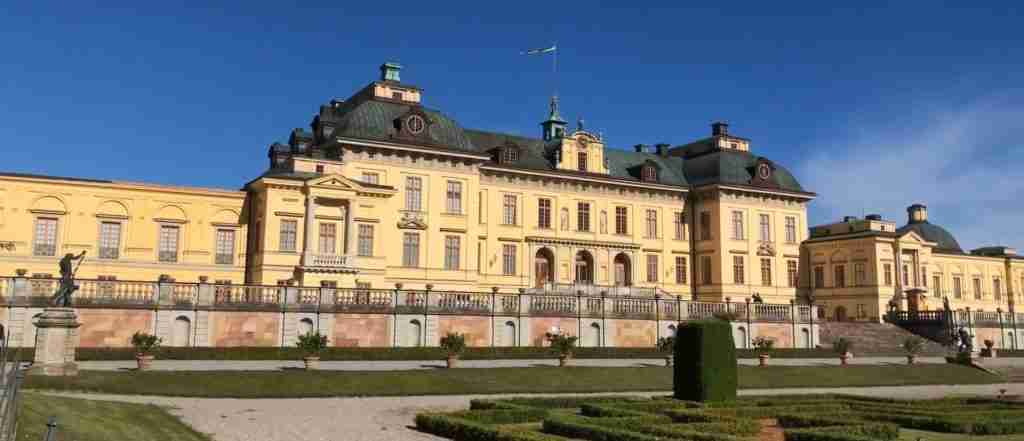
3 days
Sweden 3-Day Discovery Tour
- ✓ Comprehensive Sweden experience
- ✓ Expert local guides included
- ✓ All accommodation included
- ✓ Transportation provided
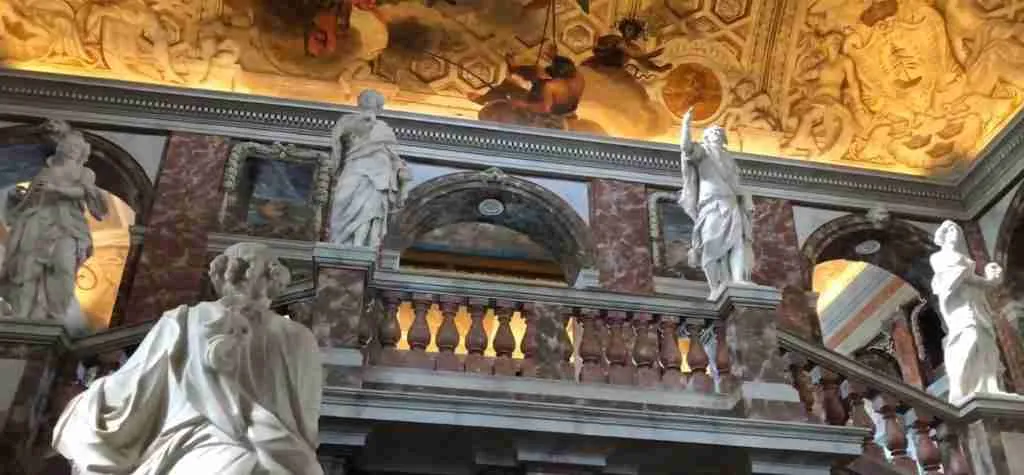
5 days
Sweden 5-Day Highlights Experience
- ✓ Comprehensive Sweden experience
- ✓ Expert local guides included
- ✓ All accommodation included
- ✓ Transportation provided
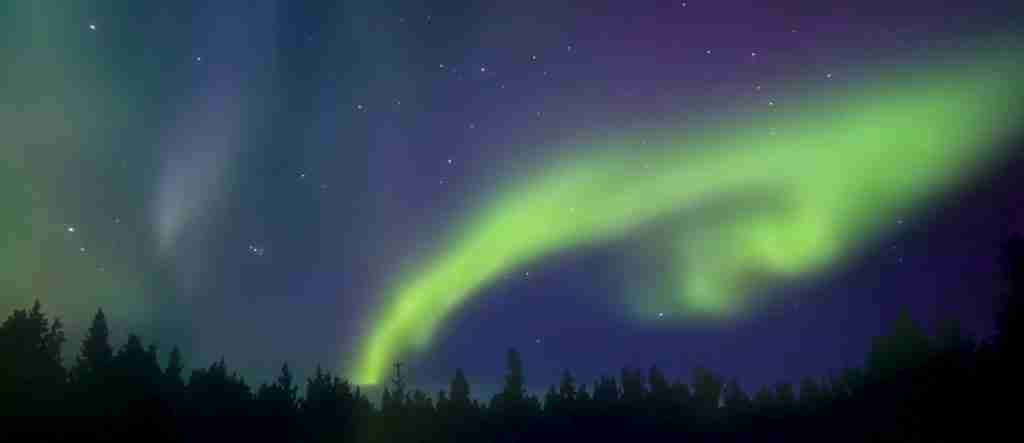
7 days
Sweden 7-Day Cultural Journey
- ✓ Comprehensive Sweden experience
- ✓ Expert local guides included
- ✓ All accommodation included
- ✓ Transportation provided

10 days
Sweden 10-Day Complete Adventure
- ✓ Comprehensive Sweden experience
- ✓ Expert local guides included
- ✓ All accommodation included
- ✓ Transportation provided
Multi-day tour packages powered by TourRadar. Prices and availability subject to change.
Introduction: Why Visit Sweden in 2026
Sweden occupies a unique position among European destinations, combining Scandinavian sophistication with vast wilderness, design excellence with natural simplicity, modern innovation with preserved tradition. This fascinating blend creates experiences impossible to replicate elsewhere, from Stockholm’s waterfront capital spanning 14 islands to Lapland’s reindeer herds and Indigenous Sami culture, from Gothenburg’s acclaimed food scene to Dalarna’s red wooden cottages embodying traditional Sweden.
The country’s commitment to sustainability and quality of life manifests throughout travel experiences. Transparent pricing eliminates hidden costs, excellent public services ensure reliable infrastructure, and environmental consciousness creates pristine natural areas accessible to all. Sweden’s “lagom” philosophy (meaning “just right” or “in moderation”) extends to tourism, emphasizing quality over quantity, authentic experiences over manufactured attractions.
2026 brings several developments enhancing Sweden’s appeal. The April food VAT reduction from 12% to 6% benefits budget travelers through reduced grocery costs. Stockholm continues expanding its already excellent museum landscape, while Gothenburg’s restaurant scene gains international recognition. Northern Sweden infrastructure improvements ease access to remote areas, though preserving the wilderness character that makes these regions special.
Sweden’s seasonal contrasts create dramatically different experiences throughout the year. Summer’s midnight sun bathes northern regions in 24-hour daylight, enabling hiking adventures and archipelago explorations under endless golden hours. Winter transforms the same landscapes into snowy wonderlands with northern lights dancing across dark skies and ice hotels offering unique accommodations. Shoulder seasons deliver autumn’s brilliant colors or spring’s awakening nature without crowds or premium pricing.
The country’s compact size relative to its diversity allows comprehensive exploration within reasonable timeframes. High-speed trains connect Stockholm to Gothenburg in three hours, efficient regional transport reaches smaller towns, and well-maintained roads access remote areas. This infrastructure excellence means travelers maximize time experiencing destinations rather than wrestling with logistics.
Swedish culture rewards visitors who engage beyond surface tourism. Understanding fika (coffee break culture), Allemansrätten (Right to Roam allowing public access to nature), and design appreciation opens authentic local experiences. Swedes speak excellent English, reducing language barriers while maintaining distinct cultural identity worth discovering.
When to Visit Sweden: Seasonal Guide 2026
Spring (April-May): Awakening Season
Spring brings Sweden’s transformation from winter dormancy to vibrant life, creating excellent conditions for value-conscious travelers seeking pleasant weather without summer crowds. April temperatures range 5-12°C (41-54°F), May warms to 10-18°C (50-64°F). Daylight extends rapidly, reaching 16-17 hours by late May in Stockholm.
Nature awakens with spring flowers, budding trees, and returning migratory birds. Stockholm’s parks burst with cherry blossoms and tulips, creating photogenic landscapes throughout the city. Countryside areas offer hiking opportunities on emerging trails as snow melts from all but northern regions.
Accommodation costs remain 20-30% below summer peaks, booking flexibility increases with lower demand. Museums and indoor attractions operate full schedules without summer queues. April brings Valborg (Walpurgis Night) on April 30, featuring bonfires and spring celebrations particularly vibrant in Uppsala’s university town.
Practical considerations include variable weather requiring layered clothing, some attractions maintaining reduced spring hours before summer expansion, and northern regions remaining quite cold (Kiruna averages -5 to 5°C/23-41°F in April). Pack rain gear and flexible clothing options.
Summer (June-August): Peak Season Excellence
Summer represents Sweden’s tourism high season, offering optimal weather, maximum daylight, and full operational schedules for all attractions and services. June-July temperatures average 20-25°C (68-77°F) in southern/central regions, reaching 15-20°C (59-68°F) in the north. August begins cooling slightly, particularly noticeable in evenings.
Midnight sun dominates northern experiences, with 24-hour daylight north of Arctic Circle enabling hiking, photography, and outdoor adventures at any hour. Stockholm’s archipelago becomes prime territory for boat trips, kayaking, and island hopping. Beaches along west and south coasts attract swimming and sunbathing.
Midsummer celebrations (weekend closest to June 21) showcase Swedish traditions with maypole dancing, flower crowns, and festive gatherings throughout the country. This represents Sweden’s most important summer holiday, creating authentic cultural immersion opportunities but also causing accommodation booking challenges.
Music festivals proliferate June-August, including mainstream events in Stockholm and Gothenburg plus smaller regional gatherings. Outdoor cafes, beer gardens, and waterfront restaurants operate at full capacity, creating vibrant urban atmospheres.
Drawbacks include premium pricing (20-40% above shoulder season), heavy crowds at popular attractions requiring advance booking, and occasional heat waves pushing temperatures above comfortable ranges. Book accommodations 3-4 months ahead, expect full tourist infrastructure, and prepare for crowds at major sites.
Autumn (September-October): Golden Season
Autumn emerges as many travelers’ preferred season, balancing pleasant weather with reduced crowds and costs. September maintains summer-like conditions with 15-20°C (59-68°F) temperatures and excellent sightseeing weather. October cools to 8-14°C (46-57°F), requiring warmer layers but remaining comfortable for outdoor activities.
Fall foliage transforms Swedish forests into brilliant displays of reds, oranges, and yellows, particularly spectacular in northern regions where autumn arrives early September. Photography opportunities peak as low-angle sunlight creates golden-hour conditions throughout increasingly long evenings.
Accommodation prices drop 15-25% compared to summer as demand decreases, though quality and service maintain high standards. Attractions operate full schedules through September, gradually reducing hours in October. Museums offer fewer crowds, creating more intimate viewing experiences.
September brings harvest season throughout countryside regions, with farm visits, food festivals, and seasonal markets showcasing Swedish agricultural traditions. Apple picking, mushroom foraging (Allemansrätten permits this), and autumn hiking become popular activities.
Northern regions begin aurora season in September, offering first opportunities for northern lights viewing as darkness returns after summer’s constant daylight. Early autumn provides potential double-value visits combining pleasant weather with possible aurora sightings.
Practical notes: October daylight decreases noticeably (Stockholm ~10 hours by month-end), some rural attractions close for season, and weather becomes increasingly variable requiring flexible planning and appropriate gear.
Winter (November-March): Arctic Wonderland
Winter divides into two distinct experiences: urban southern/central exploration or northern Arctic adventures. Stockholm and southern cities offer cultural immersion with museums, Christmas markets (November-December), and cozy café culture without crowds. Temperatures range -3 to 3°C (27-37°F), manageable with proper clothing.
Northern Sweden transforms into winter sports paradise and northern lights headquarters. Kiruna, Abisko, and surrounding areas offer dog sledding, snowmobiling, ice fishing, and cross-country skiing against backdrop of snow-covered wilderness. The famous Ice Hotel in Jukkasjärvi operates November-April, providing unique accommodations carved entirely from ice.
Aurora borealis viewing peaks December-February when long dark nights combine with solar activity peaks. Abisko National Park’s favorable weather patterns create exceptional viewing conditions, earning reputation as one of world’s best aurora destinations. Independent viewing costs nothing beyond Arctic accommodation, guided tours add photography assistance for $76-142.
Accommodations split pricing: southern/central regions discount 15-30% during off-season winter, while northern destinations charge premiums during peak northern lights season (December-February). Stockholm’s Christmas markets and holiday ambiance create attractive December visits despite cold weather.
Challenges include very short daylight hours (Stockholm 6 hours in December), cold requiring substantial winter gear particularly in Arctic regions (Kiruna -15 to -5°C/5-23°F average), and some attractions reducing hours or closing for season. However, Swedish infrastructure handles winter excellently, with heated public transport, reliable snow clearing, and indoor attractions operating year-round.
Sweden’s Essential Destinations 2026
Stockholm: Capital Excellence
Sweden’s capital spreads across 14 islands where Lake Mälaren meets the Baltic Sea, creating a waterfront metropolis combining medieval architecture with modern design. Stockholm demands 3-4 days minimum, though enthusiasts easily spend a week exploring diverse neighborhoods, world-class museums, and surrounding archipelago.
Gamla Stan (Old Town) forms Stockholm’s historic heart, featuring cobblestone streets, colorful buildings, and the Royal Palace. This island district contains concentrated charm but heavy tourist crowds, particularly summer afternoons. Visit early mornings or evenings for better photography and fewer people.
Museum Island (Djurgården) hosts Stockholm’s premier cultural institutions. Vasa Museum ($20 admission) showcases the remarkably preserved 17th-century warship that sank on its maiden voyage. ABBA Museum ($28) provides interactive exhibits celebrating Sweden’s iconic pop group. Skansen open-air museum ($17-26 depending on season) recreates historical Swedish life across different eras.
Södermalm neighborhood offers hipster cafes, vintage shops, and waterfront views from cliffs overlooking the city. This area provides authentic local atmosphere contrasting with touristy Gamla Stan. Norrmalm contains modern shopping districts, central station, and business areas.
Stockholm archipelago extends 80 km into the Baltic with approximately 30,000 islands, skerries, and rocks. Regular ferry services from central Stockholm access inhabited islands offering swimming, hiking, and traditional Swedish summer experiences. Vaxholm provides the most accessible day trip combining charming town with fortress history.
Public transport excellence includes metro (T-bana) with artistically decorated stations, buses, trams, and ferries all operating under integrated SL ticketing. 72-hour pass ($31.35) provides unlimited travel covering sightseeing needs for most visitors.
Gothenburg: Culinary and Cultural Hub
Sweden’s second city brings maritime character, world-class museums, and acclaimed food scene 456 km west of Stockholm on Sweden’s only west coast. Gothenburg’s more relaxed pace and 15-20% lower prices compared to Stockholm create appealing alternatives for budget-conscious travelers.
Liseberg amusement park ranks as Scandinavia’s largest, operating May-September with additional Christmas season. The park combines thrilling rides with beautiful gardens and seasonal events. Universeum science center provides seven floors of interactive exhibits including rainforest habitat and ocean aquarium, particularly engaging for families.
Art museums include Gothenburg Museum of Art (free Wednesdays) featuring Nordic art collections, and Röhsska Museum specializing in design and craft. Natural History Museum showcases the impressive Malmska Whale skeleton alongside evolution and biodiversity exhibits.
Haga district preserves 18th-century wooden houses now containing cafes, boutiques, and traditional Swedish atmosphere. This area epitomizes Gothenburg’s cozy character, offering fika experiences and shopping without crowds.
West coast archipelago provides island hopping opportunities similar to Stockholm but with different character emphasizing fishing villages and rocky coastlines. Regular boats connect numerous islands, many accessible using standard public transport tickets.
Gothenburg’s restaurant scene earns international recognition, with several Michelin-starred establishments and innovative Nordic cuisine. The city also offers excellent seafood reflecting maritime heritage, fish markets providing fresh catches at reasonable prices compared to restaurants.
Malmö and Southern Sweden
Malmö forms Sweden’s gateway to Continental Europe, connected to Copenhagen by Öresund Bridge enabling easy Denmark day trips. This multicultural city combines medieval old town with modern sustainable architecture, offering 2-3 days exploration before continuing to surrounding region.
Malmö Castle and surrounding parks provide historical context, while Turning Torso tower symbolizes modern architectural innovation. The city’s compact center allows walking between attractions, with efficient public transport extending to suburbs and regional destinations.
Lund, 20 minutes north by train, contains Sweden’s second-oldest university (founded 1666) creating vibrant student atmosphere around beautiful cathedral and medieval streets. The city makes an excellent half-day or full-day excursion from Malmö base.
Skåne region surrounding Malmö offers castles, countryside, and coastal areas. Österlen on the southeast coast provides beaches, art galleries, and traditional fishing villages. This area epitomizes southern Swedish landscape with rolling farmland and mild climate.
Northern Sweden: Arctic Experiences
Swedish Lapland presents dramatically different experiences from southern cities, requiring dedicated 4-7 days to justify the journey north. Kiruna and Abisko form the primary bases for northern lights viewing, winter sports, and Sami cultural immersion.
Kiruna, Sweden’s northernmost town, provides infrastructure access to surrounding wilderness. The Ice Hotel in nearby Jukkasjärvi operates November-April, featuring rooms and sculptures carved from ice annually. Overnight stays cost approximately $750 for ice rooms though day tours ($30) allow visits without expensive accommodation commitment.
Abisko National Park, 100 km west of Kiruna, offers exceptional northern lights viewing thanks to favorable weather patterns creating frequent clear skies. The park’s Aurora Sky Station accessed by chairlift provides elevated viewing platforms with minimal light pollution. Hiking trails operate summer months, including access to Kungsleden (King’s Trail) Sweden’s most famous long-distance path.
Sami culture experiences include reindeer sledding, traditional lavvu (Sami tent) visits, and joik (traditional singing) performances. Authentic encounters require respectful engagement recognizing Sami as Indigenous people maintaining living culture, not historical curiosity.
Reaching northern Sweden requires flights from Stockholm (1.5 hours to Kiruna) or lengthy train journeys (15-17 hours Stockholm-Kiruna overnight). The journey itself provides scenic experiences through changing landscapes, though time commitment suits only those with extended itineraries or specific Arctic interest.
Additional Noteworthy Destinations
Uppsala (1 hour north of Stockholm by train) combines university town atmosphere with significant historical sites including Scandinavia’s largest cathedral and Viking burial mounds at Gamla Uppsala. The city works excellently as Stockholm day trip or overnight stop.
Gotland island, particularly medieval town Visby (UNESCO World Heritage Site), offers summer getaway combining history, beaches, and relaxed island pace. Ferry crossing takes 3 hours from mainland, recommending minimum 2-night stays justifying transport time investment.
Dalarna region northwest of Stockholm epitomizes traditional Sweden with red wooden cottages, folk art, and countryside landscapes. Lake Siljan area provides summer recreation and winter sports, appealing to those seeking authentic Swedish countryside beyond urban experiences.
Sweden Transportation Guide 2026
Getting to Sweden
International flights arrive primarily at Stockholm Arlanda Airport (ARN), Sweden’s largest hub served by major carriers worldwide. Gothenburg Landvetter (GOT) provides western entry point with connections throughout Europe. Budget airlines like Ryanair and Wizz Air serve Stockholm Skavsta (secondary airport 100 km south) and Malmö Airport at lower fares requiring extra transfer time.
From Arlanda to Stockholm city center: Arlanda Express train costs $30 for 18-minute non-stop service, commuter trains with SL supplement cost $12.35 taking 40 minutes, buses run $12-15 taking 45 minutes. The train options provide reliable timing, buses save money with schedule flexibility trade-offs.
European rail connections include frequent services from Copenhagen to Malmö/Stockholm, Oslo to Gothenburg/Stockholm, and Berlin to Malmö. These cross-border trains offer comfortable alternatives to flying for European travelers or those continuing from other destinations.
Intercity Train Travel
SJ (Swedish Railways) operates excellent intercity services connecting major cities with modern, comfortable trains. Stockholm-Gothenburg takes 3-3.5 hours covering 456 km, Stockholm-Malmö runs 4.5 hours. X2000 high-speed trains provide fastest service with superior comfort, regional trains cost less while maintaining reliability.
Advance booking 2-3 months ahead yields significant discounts, with fares dropping 30-50% below same-day purchase prices. Stockholm-Gothenburg ranges $20-50 depending on booking timing and train type. SJ’s mobile app enables easy booking, ticket storage, and real-time journey updates.
Rail passes: Interrail Sweden Pass offers 3-8 days unlimited travel for €100-200 ($106-212). Calculate value by comparing individual ticket costs versus pass price, generally requiring 3+ long-distance journeys to break even. Passes suit flexible itineraries with uncertain routing, while fixed plans often save money buying individual tickets in advance.
Overnight trains operate select routes including Stockholm-Kiruna (15-17 hours), providing transportation and accommodation simultaneously though comfort levels vary and premium cabins command higher prices. These journeys work well for maximizing destination time while minimizing hotel costs.
Regional and Local Transport
Each Swedish region operates integrated public transport including buses, metros, trams, and ferries under regional authorities. Stockholm’s SL, Gothenburg’s Västtrafik, and Malmö’s Skånetrafiken provide comprehensive coverage with similar fare structures: single tickets $3.50-4.10 valid 75-90 minutes, multi-day passes offering better value for active sightseeing.
Stockholm metro (T-bana) features artistically decorated stations worth visiting as attractions themselves. The system connects all major areas efficiently, supplemented by buses for areas lacking metro coverage. Ferries to archipelago islands operate as regular public transport using standard SL tickets.
Gothenburg’s tram network forms the backbone of city transport, efficiently connecting attractions, hotels, and districts. The extensive system makes car rental unnecessary for urban exploration.
Download regional transport apps before arrival: SL app for Stockholm, Västtrafik To Go for Gothenburg, Skånetrafiken for Malmö/southern Sweden. These enable journey planning, real-time updates, and ticket purchases directly from smartphones.
Car Rental and Driving
Rental cars make sense for countryside exploration, northern Sweden, and multi-stop itineraries in areas with limited public transport. Compact cars cost $40-70/day for multi-day rentals, plus fuel (petrol $1.95/liter, diesel $1.73/liter). Insurance adds $15-30/day unless personal coverage applies.
Swedish roads maintain excellent condition with clear signage in Swedish and often English. Speed limits: 110-120 km/h (68-75 mph) highways, 70-90 km/h (43-56 mph) rural roads, 30-50 km/h (19-31 mph) urban areas. Speed cameras enforce limits strictly, violations result in substantial fines.
Winter driving (November-March) requires cold-weather experience and appropriate tires, legally mandated December 1-March 31 in most regions. Northern Sweden demands extra caution with severe weather, wildlife (particularly moose), and remote distances between services.
Parking in cities costs $20-40/day, making urban car rental impractical when excellent public transport exists. Reserve rentals for rural segments, returning cars when reaching cities with comprehensive transit systems.
Swedish Culture and Customs 2026
Fika: Coffee Culture Institution
Fika represents more than coffee break, embodying Swedish social culture around slowing down, conversation, and small pleasures. Pronounced “fee-ka,” this institution involves coffee (typically brewed strong) accompanied by pastries, particularly cinnamon buns (kanelbullar). Fika occurs throughout days at homes, workplaces, and cafes, providing structured pause from activities.
Participating in fika culture enhances authentic Swedish experiences. Visit local cafes rather than international chains, observe table-sharing norms in crowded venues, and embrace the unhurried pace. Swedes often spend 20-30 minutes on fika, not rushing through coffee-to-go style consumption.
Classic fika items include kanelbullar (cinnamon buns), chokladboll (chocolate balls), prinsesstårta (princess cake), and various cookies. Coffee dominates beverages though tea appears increasingly common. Budget approximately $6.65-8.55 for coffee plus pastry.
Allemansrätten: Right to Roam
Allemansrätten (Every Person’s Right) grants public access to nature regardless of land ownership, enabling free camping, berry picking, mushroom foraging, and outdoor recreation throughout Swedish countryside. This ancient tradition, codified in modern law, balances access rights with responsibilities toward nature and property.
Key principles: camp temporarily (1-2 nights same spot) away from homes, leave no trace, respect crops and private gardens, close gates, avoid disturbing wildlife. These rules create sustainable system benefiting both visitors and landowners through mutual respect.
Practical applications for travelers include free wild camping in forests and mountains (excluding national park core areas), foraging wild berries and mushrooms, swimming in lakes and sea, walking/hiking on uncultivated land. This significantly reduces accommodation costs while enabling deep nature immersion impossible through conventional tourism.
Design and Innovation Appreciation
Swedish design philosophy emphasizes functionality, simplicity, and democratic accessibility. This aesthetic permeates daily life from architecture to everyday objects, creating visually coherent environments worth noticing during travels.
Major design museums in Stockholm include Nationalmuseum (free for under-20s, $15.20 adults) covering applied arts and design history, and ArkDes focusing on architecture and urban planning (free admission 2025-2026). These institutions provide context for understanding Swedish design principles.
Shopping for design includes both high-end boutiques featuring contemporary Swedish designers and accessible options like Svenskt Tenn, Design House Stockholm, and various home goods stores implementing design democracy principles.
Social Customs and Etiquette
Swedes value punctuality, personal space, and quiet public behavior. Arrive on time for any scheduled activities, maintain physical distance in queues and public transport, speak quietly in public spaces. These norms create orderly, calm public environments.
Small talk differs from some cultures, with Swedes generally preferring substantive conversation over superficial pleasantries. Don’t interpret quietness as unfriendliness, many Swedes appreciate comfortable silence.
Tipping remains optional in Sweden where service workers earn living wages. Restaurants include service charges in prices, though rounding up bills or adding 5-10% for exceptional service shows appreciation. Taxis and bars rarely expect tips beyond fare rounding.
Shoes-off custom in homes extends to some accommodations, particularly Airbnbs and guesthouses. Look for shoe racks or host cues when entering private spaces.
Practical Travel Information 2026
Currency and Payments
Swedish Krona (SEK) serves as national currency despite Sweden’s European Union membership without euro adoption. Exchange rates fluctuate, approximately 1 USD = 10.50 SEK, 1 EUR = 11.15 SEK as of late 2025.
Sweden operates as one of Europe’s most cashless societies, credit/debit cards accepted virtually everywhere including small cafes, public transport, and even some public toilets. Contactless payment through cards or mobile wallets (Apple Pay, Google Pay) works throughout the country.
Carry minimal cash (200-300 SEK) for rare situations like informal markets or tip jars at free walking tours. ATMs remain widely available for emergency withdrawals, though most transactions proceed electronically without cash needs.
Language and Communication
Swedish serves as official language, though English proficiency reaches extremely high levels particularly in cities and tourist areas. Most Swedes speak excellent English, reducing language barriers for English-speaking travelers. Younger populations and service industry workers typically communicate fluently.
Learning basic Swedish phrases enhances experiences and shows cultural respect: “Hej” (hello), “Tack” (thanks), “Ursäkta” (excuse me), “Pratar du engelska?” (Do you speak English?). Swedes appreciate attempts at Swedish though readily switch to English for clearer communication.
Mobile connectivity: Purchase Swedish SIM cards or eSIMs for extended stays, providing data for navigation, translation apps, and communication. Major providers include Telia, Tele2, and Tre with tourist SIM options available at airports and convenience stores.
Safety and Health
Sweden ranks among the world’s safest countries with low crime rates, reliable emergency services, and excellent healthcare infrastructure. Standard precautions suffice: watch belongings in crowded tourist areas, secure hotel valuables, avoid isolated areas late night.
Healthcare: EU citizens use European Health Insurance Card (EHIC) for emergency medical care. Non-EU travelers should maintain comprehensive travel insurance covering medical expenses and evacuation. Pharmacies (apotek) stock common medications, some available without prescriptions.
Emergency number: 112 for police, ambulance, fire throughout Sweden. English-speaking operators available, services respond quickly with professional standards.
Climate and Packing
Sweden’s climate varies dramatically by season and latitude. Southern regions experience milder conditions year-round, northern Arctic areas face extreme seasonal variations with summer midnight sun and winter darkness.
Summer packing (June-August): Light layers for 20-25°C (68-77°F) days, warmer jacket for evenings, rain gear for occasional showers, comfortable walking shoes. Northern trips require slightly warmer options even summer.
Winter necessities (November-March): Serious cold-weather gear for Arctic regions including insulated jacket, thermal layers, warm boots, gloves, hat. Southern/central Sweden requires standard winter wear manageable with moderate cold-weather clothing.
Shoulder season versatility: Layering system combining t-shirts, long-sleeves, fleece/light jacket, and waterproof shell handles variable spring/autumn conditions. Temperatures fluctuate 5-20°C (41-68°F) requiring adaptability.
Essential Planning Tips 2026
- Book Accommodations Early: Reserve hotels/hostels 2-3 months ahead for peak summer travel (June-August), particularly during Midsummer weekend and major events
- Purchase Multi-Day Transit Passes: Invest in 24-hour or 72-hour passes immediately upon city arrival, breaking even after 4-5 single journeys while enabling unlimited sightseeing mobility
- Research Free Museum Days: Many major institutions offer weekly free admission windows, plan schedules incorporating these to reduce attraction costs substantially
- Embrace Dagens Lunch: Target restaurant experiences for weekday lunch specials (11 AM-2 PM) serving dinner-quality meals at half the price with included salad bar and drinks
- Utilize Allemansrätten: Take advantage of Right to Roam for free camping, foraging, and outdoor access throughout Swedish countryside reducing accommodation and activity expenses
- Download Regional Apps: Install SL (Stockholm), Västtrafik To Go (Gothenburg), and Skånetrafiken apps before arrival for journey planning, real-time updates, and mobile ticketing
- Plan Northern Flexibility: Schedule 3-4 nights minimum in Arctic regions accounting for weather variability affecting northern lights viewing and outdoor activities
- Consider Shoulder Seasons: Visit April-May or September-October for 15-30% accommodation discounts, fewer crowds, and pleasant weather balancing cost and experience quality
- Advance Train Booking: Purchase intercity rail tickets 2-3 months ahead securing 30-50% discounts over same-day pricing for fixed-route itineraries
- Mix Urban and Rural: Balance expensive Stockholm days with countryside exploration or smaller cities offering 20-30% cost reductions while maintaining quality Swedish experiences
Frequently Asked Questions
Do I need a visa to visit Sweden in 2026?
Visa requirements depend on nationality and visit duration. EU/EEA citizens enter Sweden freely for unlimited stays using national ID cards or passports. US, Canadian, Australian, and many other nationalities enjoy visa-free entry for stays up to 90 days within 180-day period under Schengen Agreement rules. Travelers from countries requiring visas must apply at Swedish embassies/consulates before departure, processing taking 15 days minimum. Check official Swedish Migration Agency website for current nationality-specific requirements. Note that 90-day Schengen allowance applies across all Schengen countries collectively, not 90 days per country.
What’s the drinking age in Sweden?
Sweden enforces two separate age limits for alcohol. Systembolaget (state alcohol retail monopoly) sells wine, spirits, and strong beer (above 3.5% ABV) only to customers 20+ years old with valid ID required. Restaurants and bars serve all alcohol to patrons 18+ years old, though many establishments maintain voluntary 20-year minimum policies. Supermarkets sell light beer (maximum 3.5% ABV) to customers 18+. These regulations reflect Swedish public health policies balancing access with responsibility. Enforcement operates strictly with ID checks common, foreign visitors should carry passports or official ID cards when purchasing alcohol or visiting bars.
Can I drink tap water in Sweden?
Swedish tap water maintains excellent quality throughout the country, safe to drink directly from taps without filtration or boiling. Sweden’s strict water quality standards and modern infrastructure create some of Europe’s cleanest drinking water. Restaurants provide free tap water upon request, reducing beverage costs significantly for budget-conscious diners. Bring refillable water bottles for sightseeing, filling from public fountains, hotel taps, or restaurant bathrooms. This saves money while reducing plastic waste aligned with Sweden’s environmental consciousness. Water quality remains consistent across regions including northern areas, eliminating concerns about rural or remote water sources.
What should I know about Swedish Midsummer celebrations?
Midsummer (Midsommar) ranks as Sweden’s most important summer holiday, celebrated on the weekend closest to June 21 with traditional festivities nationwide. Celebrations center on maypole decorating and dancing, flower crown wearing, herring and potato feasts, and aquavit drinking. Many Swedes leave cities for countryside cottages, creating unique atmosphere in urban areas with reduced services but authentic cultural experiences. For travelers, Midsummer offers remarkable cultural immersion opportunities witnessing traditional celebrations, though accommodation books far in advance and some businesses close for the weekend. Public celebrations occur in parks and open spaces throughout Sweden, welcoming visitor participation. Stockholm’s Skansen open-air museum hosts major public Midsummer festivities with traditional music, dancing, and crafts.
How does Sweden handle sustainability and environmental issues?
Sweden leads global sustainability efforts through comprehensive environmental policies, renewable energy adoption, and cultural commitment to nature preservation. The country generates majority electricity from renewable sources (hydropower, wind, nuclear), maintains extensive recycling programs with deposit systems for bottles/cans, and protects vast wilderness areas through national parks and nature reserves. Public transportation emphasizes eco-friendly options with electric buses, biogas vehicles, and extensive cycling infrastructure. Travelers encounter sustainability through visible recycling facilities, minimal plastic use, organic food availability, and cultural norms emphasizing environmental responsibility. Sweden’s climate goals target carbon neutrality by 2045, ambitious timeline driving ongoing innovations in clean technology and sustainable practices affecting visitor experiences through improved environmental quality and nature access.
What wildlife might I encounter in Sweden?
Swedish wildlife includes moose (elk), reindeer, roe deer, wild boar, lynx, wolves, bears, and various bird species. Moose encounters occur most frequently, particularly driving rural/forested areas dawn or dusk when animals cross roads. Exercise extreme caution as moose collisions cause serious accidents, slow speeds in wildlife zones and scan roadsides continuously. Northern Sweden features reindeer herds, many semi-domesticated by Sami herders, approach respectfully avoiding disturbance. Large predators (bears, wolves, lynx) inhabit remote wilderness areas, human encounters remain rare as animals avoid people actively. Birdwatching opportunities include migratory species, eagles, owls, and coastal seabirds. Tick awareness matters in forests and grasslands, particularly May-October, causing Lyme disease risk requiring protective clothing and post-hike body checks. Swedish nature provides safe wildlife experiences through Allemansrätten while respecting animal habitats and behaviors.
Is Sweden family-friendly for traveling with children?
Sweden excels as family travel destination through child-focused services, safety, and attractions appealing to various ages. Public spaces include excellent playgrounds, museums offer interactive children’s sections, and restaurants welcome families with kids’ menus and high chairs. Public transport allows children under 7 free travel when accompanied by adults, many attractions offer reduced children’s pricing or family tickets. Stockholm’s Junibacken museum brings Swedish children’s literature to life, Skansen combines zoo with historical exhibits, and archipelago boat trips provide adventure without museum fatigue. Gothenburg’s Liseberg amusement park and Universeum science center specifically target family audiences. Accommodations frequently provide family rooms or connecting options, many including breakfast benefiting children. Swedish cultural emphasis on work-life balance creates genuinely family-friendly environment where children’s needs receive consideration throughout society. High standards of safety, cleanliness, and service quality enable relaxed family travel without constant vigilance required in some destinations.
What’s the best way to experience Swedish food culture?
Authentic Swedish food experiences extend beyond restaurants into everyday customs and seasonal traditions. Start with dagens lunch at local restaurants weekdays 11 AM-2 PM, serving traditional Swedish dishes at affordable prices ($11-17) with salad bars and drinks included. Visit food halls like Stockholm’s Östermalms Saluhall for quality ingredients and prepared foods combining convenience with local character. Participate in fika culture at neighborhood cafes, ordering coffee with kanelbullar (cinnamon buns) while observing Swedish social customs. Seasonal experiences include summer crayfish parties (August), Christmas smorgasbord traditions, and spring celebrations. Supermarket exploration reveals Swedish staples: lingonberry jam, kaviar (Swedish caviar paste), knäckebröd (crispbread), and various herring preparations. Food tours in major cities provide curated introductions to Swedish cuisine combining tastings with cultural context. For serious food enthusiasts, Gothenburg’s restaurant scene offers innovative Nordic cuisine at Michelin-starred establishments while maintaining Swedish accessibility philosophy.
How do I prepare for seeing the Northern Lights?
Successful northern lights viewing requires understanding aurora science, strategic planning, and realistic expectations. Visit northern Sweden (Kiruna, Abisko, surrounding areas) during aurora season September-March when darkness returns, peak activity December-February. Plan minimum 3-4 nights accounting for weather variability, clear skies essential for viewing. Monitor aurora forecasts through apps like Aurora Forecast or My Aurora Forecast tracking solar activity and local weather. Abisko National Park offers favorable conditions through “blue hole” weather pattern creating frequent clear skies. Independent viewing costs nothing beyond Arctic accommodation, simply venture outside during dark hours with clear skies checking northern horizon regularly. Guided tours ($76-142) provide transportation to remote viewing locations, photography assistance, and cultural context. Dress extremely warmly for winter temperatures -15 to -25°C (5 to -13°F), bring tripod for photography, and maintain patience as aurora displays vary from subtle glows to spectacular dancing lights. Manage expectations recognizing nature’s unpredictability while enjoying Arctic winter experiences beyond aurora focus.
What are common Swedish phrases I should know?
Basic Swedish phrases enhance travel experiences despite widespread English proficiency. Greetings: “Hej” (hay) – hello, “Hej hej” – goodbye, “God morgon” – good morning, “God kväll” – good evening. Politeness: “Tack” (tahk) – thank you, “Tack så mycket” – thank you very much, “Varsågod” – you’re welcome/here you are, “Ursäkta” – excuse me. Questions: “Pratar du engelska?” – Do you speak English?, “Var är toaletten?” – Where is the toilet?, “Hur mycket kostar det?” – How much does it cost?. Dining: “Kan jag få notan?” – Can I have the bill?, “Det var gott” – That was good. Numbers useful for prices: “Ett” (1), “Två” (2), “Tre” (3), “Fyra” (4), “Fem” (5). Swedes appreciate pronunciation attempts though readily switch to English for clearer communication, attempt Swedish greetings while accepting English for complex conversations.