Sweden 3-Day Itinerary 2026: First-Time Visitor Guide
Planning your first visit to Sweden with just three days requires strategic choices to experience the country’s unique blend of medieval history, modern design, and natural beauty. This carefully crafted 3-day itinerary focuses on Stockholm, Sweden’s vibrant capital spread across 14 islands, providing first-time visitors with an efficient route through UNESCO World Heritage sites, iconic museums, charming neighborhoods, and authentic Swedish experiences while managing practical considerations like accommodation, transportation, and budget for your 2026 trip.
Key Takeaways: Sweden 3-Day Itinerary 2026
- Ideal Base for First-Timers: Stockholm serves as the perfect introduction to Sweden, combining royal heritage, Viking history, innovative museums, and accessible island exploration within compact 3-day timeframe
- Daily Budget 2026: Expect 1,500-2,500 SEK per person daily (excluding accommodation) for mid-range travel including attractions, meals, and local transport in Stockholm
- Must-See Attractions: Vasa Museum (230 SEK summer/195 SEK winter), Gamla Stan medieval quarter, Stockholm Archipelago cruise, and ABBA Museum represent essential first-time experiences
- Transportation Pass: SL 72-hour travelcard (375 SEK) provides unlimited public transport access across metro, buses, trams, and ferries for your entire 3-day visit
- Accommodation Strategy: Book centrally-located hotels in Norrmalm or Södermalm (1,400-2,200 SEK per night mid-range) for walkable access to major attractions and excellent public transport connections
- Seasonal Timing 2026: May-September offers optimal weather and longest daylight hours, while December-February provides Northern Lights possibilities in Stockholm’s archipelago and festive Christmas markets
People Also Ask About Sweden 3-Day Itinerary 2026
What should I prioritize on a 3-day first visit to Sweden in 2026?
First-time visitors to Sweden with three days should prioritize Stockholm’s Old Town (Gamla Stan) for medieval architecture and royal heritage, the Vasa Museum showcasing a perfectly preserved 17th-century warship, a Stockholm Archipelago cruise to experience Sweden’s unique island geography, and at least one contemporary attraction like ABBA Museum or Fotografiska photography museum. Add atmospheric experiences like traditional Swedish fika (coffee and pastries) at historic cafés, walking through design shops in trendy Södermalm, and sampling classic Swedish food at traditional restaurants. This combination provides historical context, natural beauty, and contemporary culture. If visiting in winter, add Northern Lights viewing in the archipelago and Christmas markets. Skip trying to cover too many museums—Stockholm offers 75+ museums, but quality depth beats rushed quantity for memorable first impressions.
How much does a 3-day trip to Sweden cost in 2026?
A 3-day trip to Sweden (Stockholm-focused) in 2026 costs approximately 15,000-22,000 SEK (€1,400-2,000) per person for mid-range travel. Budget breakdown includes: accommodation 3 nights at 1,400-2,200 SEK per night (4,200-6,600 SEK total), daily expenses 1,500-2,500 SEK for three days (4,500-7,500 SEK total for attractions, meals, local transport), arrival/departure airport transfers 600 SEK round-trip, and miscellaneous expenses 1,200-1,500 SEK (check official sources for current rates). Budget travelers using hostels, self-catering, and free attractions can reduce costs to 9,000-12,000 SEK total. Luxury travelers with upscale hotels, fine dining, and private tours should budget 25,000-35,000+ SEK. International flights add significant variable cost depending on origin. Stockholm Pass (72-hour, 1,219 SEK) provides value for attraction-heavy itineraries visiting 4+ paid museums plus boat tours.
Is 3 days enough to see Sweden?
Three days provides sufficient time to experience Stockholm’s highlights and gain introduction to Swedish culture, though it only scratches surface of what Sweden offers. This timeframe works well for first-time visitors wanting quality over quantity, focusing deeply on the capital rather than rushing between multiple cities. You can comfortably cover Gamla Stan, 2-3 major museums, an archipelago excursion, and neighborhood exploration with this duration. However, 3 days excludes visiting other regions like Gothenburg (west coast), Malmö (south), or Swedish Lapland (north). If your goal is experiencing Sweden’s diversity—cities, nature, northern wilderness—plan minimum 7-10 days. For first visit specifically to understand Swedish urban culture and history, 3 days in Stockholm accomplishes this effectively. Consider this trip a foundation for potential return visits to explore beyond the capital.
What is the best way to get around Stockholm during a 3-day visit in 2026?
The 72-hour SL travelcard (375 SEK) is the most practical and economical option for getting around Stockholm during a 3-day visit. This pass provides unlimited access to metro (Tunnelbana), buses, trams, and local ferries including routes to Djurgården island where major museums are located. Stockholm’s public transport is efficient, clean, punctual, and extensive—you’ll rarely wait more than 5-10 minutes for connections. The metro itself is an attraction, with over 90 stations featuring art installations creating the world’s longest art gallery. Purchase the card at any metro station or through the SL mobile app. For airport transfer, use Arlanda Express train (295 SEK, 20 minutes) or airport coaches (99 SEK, 40-45 minutes). Walking is excellent for exploring individual neighborhoods like Gamla Stan and Södermalm, but public transport connects areas efficiently. Taxis are reliable but expensive—reserve for late-night returns or situations where public transport is impractical.
Extended multi-day tours – 5+ days
Featured Sweden Multi-Day Tour Packages

3 days
Sweden 3-Day Discovery Tour
- ✓ Comprehensive Sweden experience
- ✓ Expert local guides included
- ✓ All accommodation included
- ✓ Transportation provided
5 days
Sweden 5-Day Highlights Experience
- ✓ Comprehensive Sweden experience
- ✓ Expert local guides included
- ✓ All accommodation included
- ✓ Transportation provided
7 days
Sweden 7-Day Cultural Journey
- ✓ Comprehensive Sweden experience
- ✓ Expert local guides included
- ✓ All accommodation included
- ✓ Transportation provided
10 days
Sweden 10-Day Complete Adventure
- ✓ Comprehensive Sweden experience
- ✓ Expert local guides included
- ✓ All accommodation included
- ✓ Transportation provided
Multi-day tour packages powered by TourRadar. Prices and availability subject to change.
Introduction: Making the Most of Your Sweden First Visit
Sweden’s capital Stockholm presents an exceptional introduction to Scandinavian culture, combining medieval foundations with contemporary innovation in one of Europe’s most visually striking cities. Built across 14 islands connected by 57 bridges, Stockholm offers unique urban geography where water remains constant companion—from the medieval alleys of Gamla Stan to the forested island of Djurgården housing world-class museums, from modernist suburbs to the 30,000 islands of the Stockholm Archipelago extending into the Baltic Sea.
For first-time visitors with limited time, focusing exclusively on Stockholm rather than attempting multi-city coverage provides deeper, more memorable experiences. Three days allows comfortable pacing without exhausting rush, time to absorb Swedish atmosphere rather than merely checking boxes, and flexibility to follow interests whether they lean toward history, design, food, or nature. The city’s compact center and excellent public transportation make logistics straightforward even for first-time European travelers.
This itinerary balances essential attractions with atmospheric experiences—the museums that define Stockholm’s cultural significance alongside the cafés, neighborhoods, and daily rhythms that reveal Swedish lifestyle. Each day follows thematic focus while remaining flexible enough to adapt for weather, personal energy levels, or spontaneous discoveries. The route minimizes backtracking and groups geographically proximate attractions, maximizing time spent experiencing rather than transiting.
Planning considerations for 2026 include understanding seasonal variations in Stockholm’s character. Summer (June-August) brings long daylight hours (up to 18+ hours in June), comfortable temperatures (15-25°C), and outdoor café culture at its peak, though this is also busiest tourist season with highest accommodation prices. Shoulder seasons (May, September) offer excellent balance of good weather, manageable crowds, and reasonable prices. Winter (December-February) presents different appeal—Christmas markets, potential Northern Lights viewing in the archipelago, festive atmosphere, and dramatic snow-covered landscapes, though very short daylight hours (6-7 hours in December) limit sightseeing time.
Pre-Trip Planning for Your Sweden Visit 2026
Booking Accommodation in Stockholm
Strategic accommodation selection significantly impacts your Stockholm experience. The most practical neighborhoods for first-time visitors are Norrmalm (city center), Gamla Stan (Old Town), and Södermalm (trendy southern district). Norrmalm places you within walking distance of Central Station, shopping streets, and easy metro access to all attractions. Mid-range hotels here cost 1,400-2,200 SEK per night, with chains like Scandic, First Hotel, and Clarion offering reliable quality. Book early for May-September travel—3-6 months advance reservation secures better rates and availability.
Gamla Stan accommodation provides maximum atmosphere, sleeping in historic buildings within the medieval quarter. Options lean toward boutique hotels and guesthouses rather than large chains, with prices ranging 1,600-2,400 SEK nightly. The trade-off involves narrow cobblestone streets (challenging with large luggage), tourist crowds during day, and premium pricing for location. However, stepping out your hotel door directly into Stockholm’s most photogenic quarter has undeniable appeal.
Södermalm offers hipster credibility and local flavor, particularly in trendy SoFo (South of Folkungagatan) district. Hotels and guesthouses run 1,200-1,900 SEK nightly for mid-range options, with excellent restaurants, cafés, vintage shops, and nightlife nearby. This neighborhood feels more residential and less touristy while maintaining easy metro access to attractions. Södermalm works especially well for travelers interested in contemporary Swedish design, independent shops, and local dining scene rather than exclusively traditional sightseeing.
Budget alternatives include hostels (350-550 SEK for dorm beds, 800-1,200 SEK for private rooms in budget hostels) and Airbnb apartments (1,000-1,800 SEK nightly for entire apartments). STF af Chapman, a hostel aboard a permanently anchored ship near Djurgården, offers unique accommodation experience combining budget pricing with waterfront location. For luxury travelers, Grand Hôtel Stockholm (3,500-5,500+ SEK nightly) faces the Royal Palace across the water, while Ett Hem (4,000-6,000+ SEK) provides intimate boutique experience in upscale Östermalm neighborhood.
Transportation and Arrival 2026
Stockholm Arlanda Airport serves as primary international gateway, located 42 km north of city center. Arlanda Express trains provide fastest transfer (20 minutes to Central Station, 295 SEK one-way), departing every 10-15 minutes throughout day. Airport coaches (Flygbussarna) offer budget alternative (99 SEK, 40-45 minutes) with comfortable buses departing every 10-15 minutes to Cityterminalen adjacent to Central Station. Taxis to central Stockholm cost 500-700 SEK depending on traffic and exact destination—reputable companies include Taxi Stockholm, Taxi Kurir, and Taxi 020.
Upon arrival, purchase SL 72-hour travelcard (375 SEK) at Central Station or any metro station. This unlimited transport pass covers your entire 3-day visit including metro, buses, trams, and local ferries. Download the SL mobile app for journey planning and real-time updates. Stockholm’s metro system is intuitive with three main colored lines (blue, red, green) each splitting into numbered branches. Station names are clearly marked, announcements include English, and the city’s compact nature means you’re never more than 2-3 stops from major destinations.
Alternative arrival points include Stockholm Skavsta Airport (100 km south, primarily budget carriers, 80-minute airport bus to city 149 SEK) and Stockholm Bromma Airport (8 km west, mainly domestic flights, 20-minute bus to city 100 SEK). If arriving by train from other Scandinavian cities or European destinations, Stockholm Central Station positions you ideally in city center with immediate metro and walking access to all neighborhoods.
Essential Pre-Booking and Advance Planning
Certain Stockholm attractions benefit from advance booking, particularly during peak season (June-August). The Vasa Museum accepts walk-up visitors but lines can extend 30-60 minutes during midday peak (11:00-14:00). Pre-purchasing tickets online through the official website or booking morning arrival (when museum opens 10:00) minimizes wait times. ABBA Museum requires timed entry tickets purchased in advance—walk-up availability is limited, especially weekends and peak season.
Consider purchasing Stockholm Pass (72-hour, 1,219 SEK) if planning attraction-heavy itinerary visiting 4+ paid museums and taking boat tours. The pass includes entry to 75+ attractions including Vasa Museum, Skansen, Royal Palace, Fotografiska, and boat tours, plus unlimited public transport. Calculate value by adding individual entrance fees for your planned attractions—if total exceeds pass cost, it provides both savings and convenience of single entry credential. However, casual visitors focusing on 2-3 museums plus free walking tours may find individual tickets more economical.
Restaurant reservations are advisable for popular establishments, particularly Friday-Saturday dinners. Traditional Swedish restaurants like Pelikan, Tradition, or Den Gyldene Freden book quickly, as do trendy spots in Södermalm. Lunchtime reservations are rarely necessary as many restaurants offer dagens lunch (lunch special) walk-in service. For casual dining and cafés, reservations are unnecessary—Stockholm has abundant options for spontaneous meals.
Day 1: Gamla Stan & Royal Heritage
Morning: Gamla Stan Walking Exploration
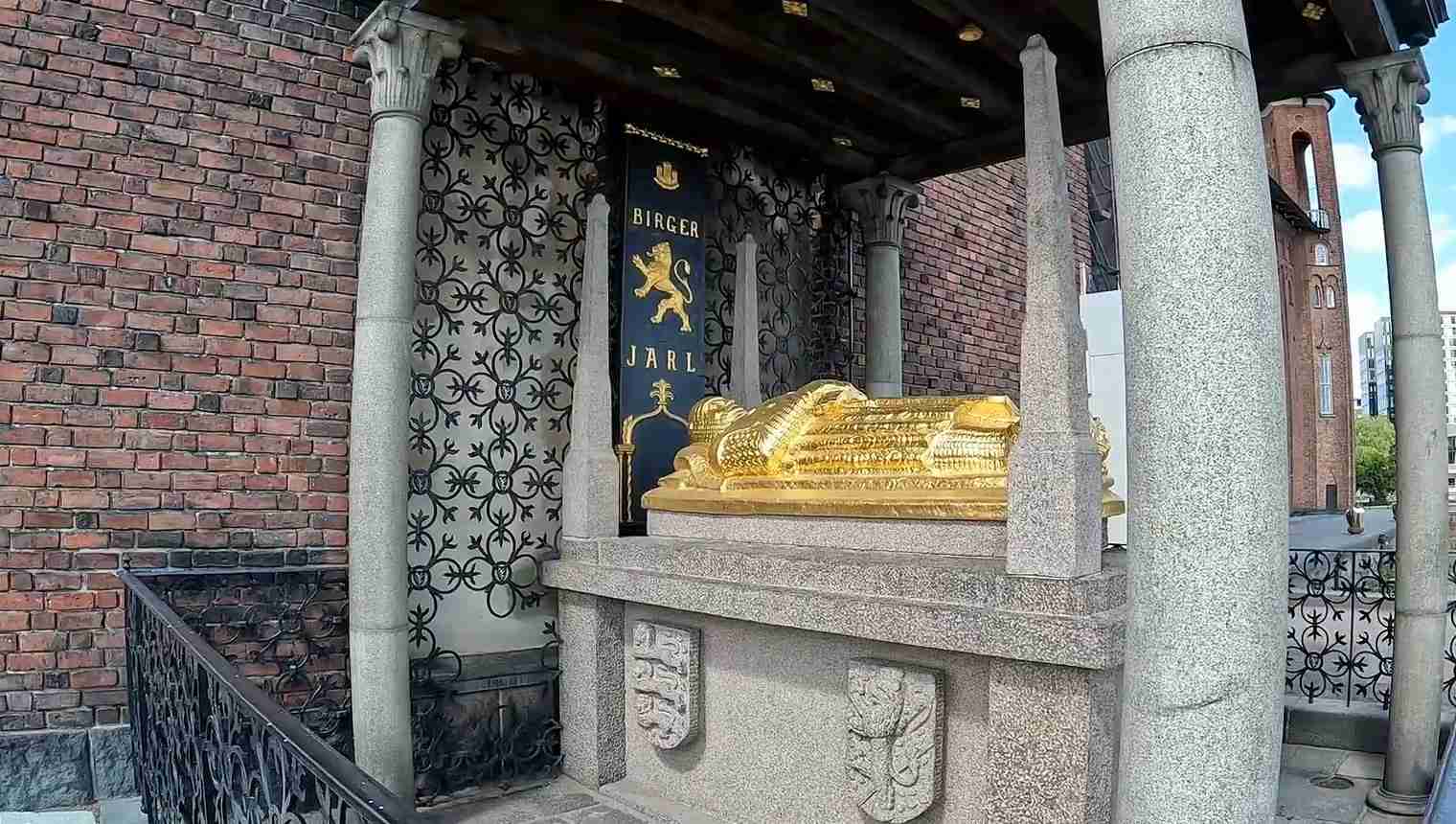
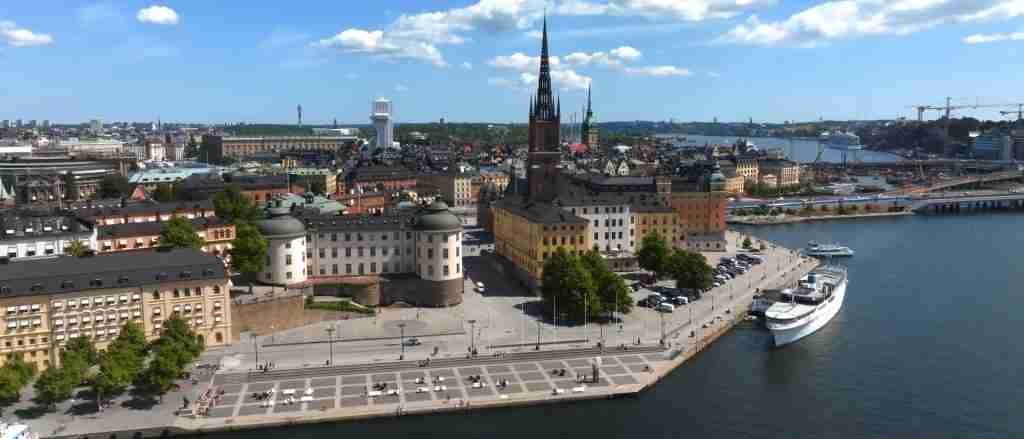
Begin your Sweden adventure in Gamla Stan (Old Town), Stockholm’s medieval heart founded in 1252. Exit Gamla Stan metro station directly into Järntorget square, then walk north through narrow cobblestone lanes toward Stortorget, the main square. The warren of medieval streets—some barely two meters wide—creates atmospheric maze where getting slightly lost becomes part of the charm. Buildings in shades of ochre, rust, and gold date from 15th-18th centuries, many housing artisan shops, cafés, and restaurants today.
Stortorget square anchors Gamla Stan, its colorful buildings immediately recognizable from countless Stockholm photographs. This square witnessed the Stockholm Bloodbath of 1520, when Danish King Christian II executed 82 Swedish nobles, an event that catalyzed Swedish independence. Today the square hosts Christmas markets in December and outdoor café seating in summer. The Nobel Museum occupies the old Stock Exchange building on the square’s north side, offering optional stop (140 SEK entry) for those interested in Nobel Prize history and laureates.
Walk west through Köpmangatan and Västerlånggatan, Gamla Stan’s main shopping streets lined with tourist shops alongside quality Swedish design stores and amber jewelry specialists. Seek out quieter parallel streets like Prästgatan for medieval architecture without commercial density. Visit Tyska Kyrkan (German Church), a stunning Baroque Lutheran church with ornate interior and tall spire dominating the skyline. The church is free to enter when not hosting services, offering respite from street crowds and opportunity to appreciate Swedish ecclesiastical architecture.
Late Morning: Royal Palace & Changing of the Guard
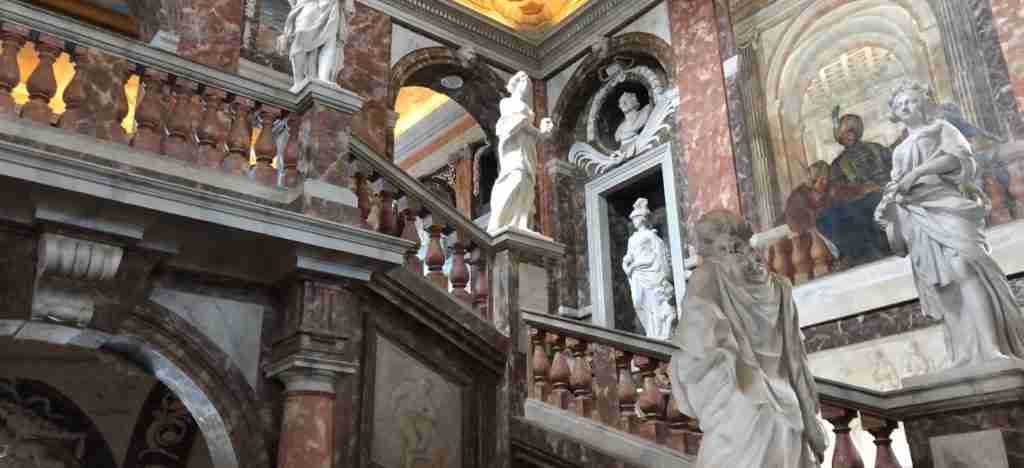
The Royal Palace (Kungliga Slottet) stands on Gamla Stan’s northern edge facing the water, one of Europe’s largest palaces with over 600 rooms. Still the official residence of the Swedish monarch (though the royal family lives at Drottningholm Palace), the building opens several wings to visitors. A combination ticket (190 SEK) provides access to the Royal Apartments showcasing state rooms used for official functions, the Treasury displaying the regalia including royal crowns and orbs, and the Tre Kronor Museum built around excavated medieval palace remains.
Allocate 1.5-2 hours for palace visit, prioritizing the Royal Apartments and Treasury if time is limited. The apartments display royal ceremonial spaces with throne rooms, banquet halls, and guest suites featuring period furniture, tapestries, and artwork spanning several centuries. The Treasury’s highlight is the crown jewels collection including Prince Eugen’s sword and Queen Lovisa Ulrika’s crown, displayed in secure vault-like rooms beneath the palace. Audio guides (included with entry) provide historical context and family stories bringing rooms to life.
Time your visit around the Changing of the Guard ceremony, Stockholm’s most popular spectacle. During summer (May-September), the ceremony occurs daily at 12:15 (Sundays and holidays 13:15), with military band marching through Gamla Stan streets before assembled troops perform synchronized guard change at the palace exterior courtyard. The ceremony runs approximately 40 minutes and is free to watch—arrive 30 minutes early for good viewing position near the palace gates. Winter schedule reduces frequency to Wednesdays, Saturdays, and Sundays.
Afternoon: Djurgården Island Museums
After Gamla Stan, take tram 7 from Norrmalmstorg (or walk 20 minutes) to Djurgården, a former royal hunting ground now transformed into museum island and parkland. Your primary destination is the Vasa Museum, housing a fully intact 17th-century warship that sank on its maiden voyage in 1628 and was raised from Stockholm harbor in 1961. Entry costs 230 SEK May-August or 195 SEK September-April (check official website for current rates). The museum is Stockholm’s most visited attraction for good reason—standing beside the massive wooden warship, 95% original, creates visceral connection to Sweden’s imperial past.
Allocate 2-2.5 hours for thorough Vasa Museum visit. The ship itself occupies a custom-built hall with viewing platforms at multiple levels, allowing appreciation of its 69-meter length and 52-meter height from different angles. Exhibitions around the central hall explain the ship’s construction, ill-fated launch, 333-year underwater preservation, complex salvage operation, and decades-long conservation work. Displays include recovered artifacts (sailors’ belongings, sculptures, cannons), forensic reconstructions of crew members based on skeletal remains, and explanation of why the top-heavy vessel capsized after sailing less than one nautical mile.
If time and energy allow, add the Nordic Museum (Nordiska Museet) adjacent to Vasa, Sweden’s largest museum of cultural history (140 SEK entry). The massive building showcases Swedish life from 1520 to present through exhibitions on fashion, folk art, traditions, and daily life across social classes and regions. Alternatively, save museum energy for tomorrow and spend remaining afternoon exploring Djurgården’s parkland, walking waterfront paths, or relaxing at one of the island’s cafés.
Evening: Traditional Swedish Dinner
Return to Gamla Stan or Södermalm for dinner at traditional Swedish restaurant experiencing authentic local cuisine. Pelikan (Södermalm) occupies a converted 19th-century beer hall with high ceilings, wooden paneling, and traditional menu featuring Swedish classics. Expect to pay 180-280 SEK for main courses like meatballs with lingonberries, pickled herring plates, or gravlax (cured salmon). Tradition (Gamla Stan) offers similar menu in cozier setting with vaulted ceilings. Den Gyldene Freden, Stockholm’s oldest restaurant (operating since 1722), provides upscale traditional dining experience with mains 320-480 SEK.
Traditional Swedish dinner typically includes herring appetizer (try different preparations—mustard, curry, sour cream), followed by meat or fish main course, and concluding with dessert like cloudberry jam with ice cream or semla (cardamom bun with almond paste and cream, traditional Lenten treat available year-round in Stockholm). Pair meals with Swedish beer or aquavit, traditional caraway-flavored spirit typically served ice-cold in small glasses with herring courses.
After dinner, evening walk through illuminated Gamla Stan creates magical atmosphere. The medieval streets, particularly atmospheric after tourist daytime crowds disperse, showcase buildings’ architectural details under warm streetlighting. Walk along the waterfront at Skeppsbron for views across to Djurgården and lit boats in the harbor. Summer evenings (May-August) maintain daylight until 21:00-22:00, while winter darkness by 15:00-16:00 creates different but equally atmospheric experience with Christmas lights and candle-lit windows.
Day 1 Cost Summary
Royal Palace 190 SEK, Vasa Museum 230 SEK (summer rate), lunch 150 SEK, dinner 280 SEK, SL transport included in 72-hour pass purchased, coffee/snacks 80 SEK. Total Day 1 cost: 930 SEK per person (excluding accommodation).
Day 2: Island Hopping & Modern Stockholm 2026
Morning: Stockholm Archipelago Cruise
Day 2 focuses on Stockholm’s unique relationship with water, beginning with Stockholm Archipelago boat tour. The archipelago extends 80 km into the Baltic Sea, comprising approximately 30,000 islands, skerries, and rocks ranging from small rocky outcrops to substantial islands with permanent communities. Standard 2.5-hour tours (280-350 SEK) depart from Strandvägen or Nybroplan, navigating the inner archipelago while guides share history, point out notable summer cottages, and explain Swedish island culture.
Tours typically run May-September (daily departures, multiple times) with reduced November-April schedule depending on ice conditions. The “Under the Bridges” tour specifically navigates the waterways between Stockholm’s islands, passing under the city’s 57 bridges and providing unique perspectives on waterfront architecture. Commentary explains Swedish island traditions including summer cottage culture, swimming culture (Swedes are passionate about wild swimming regardless of water temperature), and the allemansrätten (freedom to roam) law allowing public access to most shorelines.
Longer archipelago tours (full-day, 800-1,200 SEK) venture to outer islands like Vaxholm, a charming fortress town, or Sandhamn, a sailing hub with characteristic red wooden houses. These extended tours include island stops with time for walking, lunch at island restaurants, and swimming from island beaches (summer only). For 3-day first visit, the 2.5-hour inner archipelago tour provides satisfying taste of this unique geography while preserving afternoon time for other experiences.
Late Morning: City Hall & View
Stockholm City Hall (Stadshuset) stands on Kungsholmen island, its distinctive red brick tower dominating the western skyline. The building hosts the Nobel Prize banquet annually, though regular tours (130 SEK) focus on the architectural masterpiece itself—National Romantic style completed 1923 featuring intricate mosaics, the Blue Hall banquet space (actually bare brick despite name), and the Golden Hall lined with 18 million gold mosaic tiles depicting Swedish history.
Guided tours run hourly in English, requiring 45 minutes and providing access to ceremonial halls otherwise closed to public. The highlight for many visitors is climbing the 365-step tower (separate 70 SEK entry) for panoramic Stockholm views from the observation platform at 106 meters height. The climb passes through the tower’s brick spiral, emerging to 360-degree vistas encompassing Gamla Stan, the spreading city, Lake Mälaren to the west, and the archipelago to the east. Tower access operates May-September; book tickets upon arrival as daily capacity is limited.
Afternoon: ABBA Museum & Swedish Pop Culture
Continue to Djurgården’s northern area for ABBA Museum, celebrating Sweden’s most famous pop export. Entry costs 250-280 SEK with mandatory advance booking (check official website for current rates). The highly interactive museum provides more than static exhibition—visitors can sing along in virtual recording studio, perform on stage with holographic ABBA members, and learn about the group’s impact on Swedish and international pop culture.
Allocate 1.5-2 hours for visit, with exhibits chronologically tracing ABBA’s formation, Eurovision victory, global success through disco era, individual members’ personal stories, and eventual reunion concerts. Displays include original costumes (the platform boots and glittering outfits immediately recognizable), gold records, handwritten lyrics, and memorabilia from tours. The museum particularly appeals to ABBA fans but designed to engage even casual visitors through interactive elements and Swedish pop music cultural context.
Adjacent to ABBA Museum, consider visiting the adjacent Gröna Lund amusement park (seasonal April-September, various pass options 120-500 SEK depending on access level) if traveling with children or seeking different afternoon energy. The waterfront park combines traditional carousel rides with modern roller coasters, all on a compact footprint creating unique atmosphere. Alternatively, explore Rosendals Trädgård, a biodynamic garden and café on Djurgården’s southern end serving organic lunches and pastries in greenhouse setting or outdoor garden (May-September).
Evening: Södermalm Design & Dining
Dedicate evening to exploring Södermalm, Stockholm’s hipster heartland south of Gamla Stan. Exit Slussen metro into the SoFo (South of Folkungagatan) district, with its concentration of independent boutiques, vintage shops, design stores, record shops, and cafés. Götgatan serves as main artery, with smaller side streets harboring the most interesting discoveries. Swedish design stores like Grandpa, DesignTorget, and 10-gruppen showcase contemporary Scandinavian aesthetics in home goods, clothing, and accessories.
Walk to Monteliusvägen, a clifftop path providing Stockholm’s best panoramic viewpoint. The elevated walkway overlooks Gamla Stan, City Hall, and Riddarfjärden bay, particularly spectacular at sunset when golden light illuminates the medieval buildings and water. The path attracts locals and visitors alike for evening strolls, photography, and simply appreciating the view. Benches along the route invite lingering, and the area transforms into magical spot during summer’s extended twilight hours.
Dinner in Södermalm offers diverse international options alongside Swedish establishments. Meatballs for the People specializes in variations on Sweden’s signature dish (traditional beef-pork mix, wild boar, vegetarian) with mains 165-195 SEK. Nytorget Urban Deli combines restaurant, food shop, and bar with contemporary Swedish-international menu at 180-320 SEK mains. Pelikan (mentioned Day 1) is also located here. For upscale dining, Fotografiska museum’s top-floor restaurant (main courses 245-385 SEK) pairs modern cuisine with water views and operates independently of museum admission evenings.
Day 2 Cost Summary
Archipelago cruise 320 SEK, City Hall 130 SEK, City Hall tower 70 SEK, ABBA Museum 270 SEK, lunch 140 SEK, dinner 260 SEK, coffee 70 SEK. Total Day 2 cost: 1,260 SEK per person (excluding accommodation).
Day 3: Markets, Shopping & Departure Prep 2026
Morning: Östermalms Saluhall Food Market
Dedicate your final morning to experiencing Stockholm’s food culture at Östermalms Saluhall, the city’s premier indoor food market housed in a beautiful 19th-century brick building. The market hall, reopened in 2020 after extensive renovation, features 14 specialty vendors selling everything from seafood and charcuterie to cheese, baked goods, and prepared foods. This isn’t primarily a tourist market but a local shopping destination where Stockholmers purchase quality ingredients, creating authentic food culture experience.
Walk the hall perimeter examining displays: Lisa Elmqvist seafood stall (operating since 1926) offers prepared herring, gravlax, smoked salmon, and shrimp salad with impeccable freshness. Melanders serves charcuterie and Swedish cheeses including västerbotten, a beloved aged cow’s milk cheese. Tysta Mari operates a sit-down restaurant serving traditional Swedish preparations using ingredients from market vendors. For breakfast or mid-morning fika, order open-face sandwiches with seafood, Swedish pastries, or coffee at any of the several cafés within the hall.
The market provides opportunity to purchase edible souvenirs: Swedish candy (pick-and-mix style sold by weight), cloudberry jam (Arctic berry considered Swedish delicacy), crispbread, or small packages of gravlax spices. Prices reflect quality—expect to pay 80-150 SEK for breakfast, higher for restaurant lunch. The market opens Monday-Saturday (closed Sundays), with 09:00 opening allowing early morning visit before crowds.
Late Morning: Design Shopping District
From Östermalms Saluhall, explore the surrounding Östermalm neighborhood, Stockholm’s most upscale shopping area. Stureplan square anchors the district, with Sturegallerian shopping center housing Swedish and international brands. However, the more interesting shopping lies along Nybrogatan, Biblioteksgatan, and surrounding streets showcasing Swedish design excellence.
NK (Nordiska Kompaniet), Sweden’s iconic department store on Hamngatan, merits browsing for Swedish design, particularly basement level dedicated to Scandinavian home goods, glass, ceramics, and textiles. Swedish brands like Svenskt Tenn (founded 1924, famous for Josef Frank textiles), Asplund (contemporary furniture), and R.O.O.M. (modern Scandinavian design) maintain flagship stores in this area. For Stockholm-specific souvenirs, DesignTorget curates affordable Swedish design items including kitchenware, accessories, and gifts starting from 100-200 SEK.
Fashion-focused visitors appreciate Acne Studios flagship on Norrmalmstorg for contemporary Swedish fashion, Filippa K for minimalist style, and COS (Scandinavian-designed diffusion line of H&M) for accessible Nordic aesthetics. These areas cater to higher budgets, but window shopping and appreciating Stockholm’s design culture costs nothing while providing insight into Swedish aesthetic values—minimalism, functionality, quality materials, and connection to nature.
Midday: Final Museum or Relaxation
Depending on departure timing and personal energy, incorporate one final cultural experience or dedicate time to relaxed departure preparation. Fotografiska (photography museum) on Södermalm’s waterfront showcases four major photography exhibitions changing quarterly, with work from international and Swedish photographers (185 SEK entry). The institution emphasizes contemporary photography spanning documentary, art, and experimental work. The museum’s top-floor café/restaurant provides stunning water views and serves as pleasant spot for final Stockholm coffee even without visiting exhibitions.
Alternatively, visit one of Stockholm’s many public parks for final Swedish nature experience. Humlegården in Östermalm features formal gardens, hundred-year-old trees, and the Royal Library building creating peaceful urban oasis. Tantolunden in Södermalm offers wilder character with community gardens, fruit tree orchards, and locals tending allotment plots. Djurgården’s forests provide extensive walking paths if you have several hours and want active farewell to Stockholm.
For spa and relaxation, several Stockholm spas offer half-day packages. Centralbadet (established 1904) near Central Station features Art Nouveau architecture and offers day spa access (350 SEK weekdays, 420 SEK weekends) including pools, saunas, and steam rooms. Yasuragi, located 30 minutes from city center, provides Japanese-inspired spa experience with extensive facilities (595 SEK day pass). These options suit travelers with evening flights wanting relaxation before travel.
Afternoon: Departure & Final Impressions
Collect luggage from hotel (most offer free luggage storage if checking out before evening departure) and head to airport allowing adequate time—2 hours minimum for international flights, 90 minutes for European destinations. Arlanda Express provides efficient transfer with regular departures until late evening. If time permits before departure, Central Station area offers final shopping at mall-style Gallerian or duty-free shopping at airport (though Swedish prices mean better deals elsewhere in Europe for most goods).
For afternoon or evening departures, consider final traditional Swedish meal at one of Central Station’s nearby restaurants. Restaurangen in NK department store offers dagens lunch (lunch special) 125-165 SEK with quality traditional preparations. Tradition near Mariatorget (Södermalm, 15 minutes from station) serves traditional Swedish fare in casual atmosphere with mains 185-265 SEK.
Day 3 Cost Summary
Östermalms Saluhall breakfast 110 SEK, Fotografiska Museum 185 SEK, lunch 160 SEK, airport transfer (Arlanda Express) 295 SEK, miscellaneous shopping/coffee 120 SEK. Total Day 3 cost: 870 SEK per person (excluding accommodation).
Practical Information for Sweden First Visit 2026
Money and Payment
Sweden operates as highly cashless society—many establishments no longer accept cash at all, including some museums, many cafés, and public transportation ticket offices. Credit and debit cards (Visa, Mastercard) are universally accepted and preferred payment method. Contactless payment works everywhere including small purchases. Notify your bank of Sweden travel dates to avoid card blocks. ATMs exist throughout Stockholm but fees for foreign cards can be substantial (50-75 SEK withdrawal fee plus your bank’s charges).
Tipping in Sweden differs from American norms. Restaurant service charges are included in prices, though rounding up the bill or leaving 5-10% for excellent service is appreciated but not expected. Taxi drivers, tour guides, and hotel porters appreciate small tips but again not mandatory. The absence of tipping culture means displayed prices reflect actual cost—refreshing simplicity for budget planning.
Sweden uses Swedish Krona (SEK). As of 2025-2026, approximate exchange rates run 10-11 SEK per Euro, 10.5-11.5 SEK per US Dollar (verify current rates before travel). Some tourist-focused establishments display prices in Euros but paying in SEK provides better exchange rate. Currency exchange offices exist at airports and city centers but offer poor rates with high fees—using ATM for Krona withdrawal or simply using credit cards throughout stay provides better value.
Language and Communication
Swedish is the official language, but English proficiency in Stockholm approaches 95% among service industry workers, younger generations, and educated professionals. All major attraction signage, museum exhibits, and restaurant menus include English. Metro announcements are bilingual. Most Swedes switch effortlessly to English upon recognizing non-Swedish speaker, making Stockholm one of Europe’s easiest capitals for English-only visitors.
Learning a few Swedish phrases shows cultural respect: “Hej” (hey – hello), “Tack” (tahck – thank you), “Förlåt” (fur-LOHT – excuse me/sorry), “Hej då” (hey-doh – goodbye). However, don’t feel obligated—Swedes appreciate the effort but won’t judge English use. Swedish restaurants increasingly use English exclusively on menus given international customer base. Wi-Fi is ubiquitous and free in cafés, hotels, museums, and many public spaces, facilitating translation apps or other communication tools if needed.
Safety and Health
Stockholm ranks among Europe’s safest capitals with very low violent crime rates. Standard urban precautions apply—watch belongings on public transport, be aware of surroundings in crowded tourist areas, and avoid deserted areas late at night. Pickpocketing exists primarily in very crowded locations (Gamla Stan during peak season, packed metro cars) but is relatively uncommon compared to southern European cities. Swedish police are professional, helpful, and English-speaking if assistance needed.
Healthcare in Sweden is excellent though expensive for non-EU visitors. EU citizens should carry European Health Insurance Card (EHIC) for reciprocal coverage. Non-EU visitors need comprehensive travel insurance covering medical emergencies. Pharmacies (Apotek) are widely available for minor ailments, with pharmacists providing advice and over-the-counter medications. For serious medical issues, emergency number is 112 (English-speaking operators). Tap water is safe and excellent quality throughout Sweden—carry refillable bottle rather than purchasing bottled water.
Weather and What to Pack
Stockholm’s weather varies dramatically by season, requiring specific packing strategies. Summer (June-August) temperatures range 15-25°C, requiring light layers, sunscreen (surprisingly necessary given long daylight exposure), sunglasses, and light rain jacket for occasional showers. One warmer layer for cool evenings is advisable. Spring (April-May) and autumn (September-October) run 5-15°C with more variable weather—pack layering options, waterproof jacket, and light gloves/scarf for cool mornings.
Winter (November-March) demands serious cold-weather gear with temperatures -5 to +5°C, though Arctic blasts can push below -10°C. Bring insulated winter coat, warm hat, gloves, scarf, and waterproof boots with good traction for icy sidewalks. Indoor spaces are well-heated, making layering system essential—heavy coat for outside, lighter layers for indoors. Daylight hours reduce dramatically in winter (6-7 hours in December) affecting sightseeing schedules. However, Stockholm’s winter atmosphere—Christmas markets, possibility of snow-covered medieval buildings, Northern Lights potential—offers different appeal than summer crowds.
Cultural Etiquette
Swedes value punctuality, personal space, and quiet public behavior. If invited to someone’s home (rare for tourists but possible through hospitality platforms or business contexts), remove shoes at entrance—this is non-negotiable Swedish custom. Queue discipline is serious—jumping queues is major social transgression. When queuing, maintain reasonable distance from person ahead (Swedes prefer significant personal space).
Public transport etiquette includes keeping voices low, not eating strong-smelling food, and moving toward doors when your stop approaches. Swedes rarely make eye contact or small talk with strangers on public transport—this isn’t rudeness but cultural norm. In service interactions, greet staff with “Hej” upon entering shops and cafés, and “Tack” when receiving items or leaving. Swedish communication tends toward directness without elaboration—don’t be offended by succinct responses.
Fika (coffee break culture) is central to Swedish life. Join locals for fika (coffee and pastry, usually cardamom buns or cinnamon rolls) at cafés, treating it as social break rather than caffeine grab-and-go. Sitting in cafés is encouraged—Swedes linger over coffee for extended periods. This provides excellent people-watching and absorbing local atmosphere opportunity.
Extending Your Sweden Visit Beyond 3 Days
Day 4-5 Options: Stockholm Depth
Additional Stockholm days allow deeper exploration of attractions skipped in basic 3-day itinerary. Day 4 could focus on Drottningholm Palace, Sweden’s royal family residence and UNESCO World Heritage site located 11 km west of city center. Access via metro plus bus or summer boat services (60 minutes, 250 SEK round-trip boat), the palace features formal gardens, Chinese Pavilion, palace theater with original 18th-century stage machinery, and lavish royal apartments. Allocate full day for palace grounds, theater tour, and gardens.
Day 5 might explore Stockholm’s modern architecture and Hammarby Sjöstad eco-district showcasing Swedish sustainability leadership. This former industrial area transformed into model sustainable neighborhood demonstrates Swedish green urban planning. Alternatively, visit Skogskyrkogården (Woodland Cemetery), a UNESCO World Heritage site combining modernist architecture with forest landscape in stunning collaboration between architects Gunnar Asplund and Sigurd Lewerentz. The crematorium, chapels, and landscaped grounds represent landscape architecture and modernist design at highest levels.
Day 6-7: Beyond Stockholm
With week-long visit, venture beyond Stockholm to additional Swedish regions. Uppsala, 70 km north (40 minutes by frequent trains, 95 SEK one-way), offers Sweden’s oldest university (founded 1477), impressive Gothic cathedral, Viking-era burial mounds at Gamla Uppsala, and the historical home-museum of botanist Carl Linnaeus. Day trip allows morning departure, full day exploration, and evening return to Stockholm.
Alternatively, visit the medieval town of Sigtuna, Sweden’s oldest town (founded 980 AD) located 45 km northwest. The charming lakeside town features medieval church ruins, traditional wooden houses, Sweden’s smallest town hall, and rune stones scattered throughout. Combine with nearby Skokloster Castle, a well-preserved 17th-century Baroque palace with extensive collections. Full-day combination visit is feasible via local buses and brief train connections.
For nature experience, explore Stockholm Archipelago more extensively with overnight stay on outer islands. Sandhamn, sailing hub with yacht clubs, restaurants, and beaches, offers island atmosphere with tourist infrastructure. Utö, southern archipelago’s largest permanently inhabited island, features old mining heritage, beaches, and forests. Ferry connections from Stockholm city center reach various islands (2-3 hours one-way), with accommodations ranging from hostels to boutique hotels. This provides authentic Swedish island life experience impossible to capture on brief day cruises.
Frequently Asked Questions
What is the best month to visit Sweden for first-timers in 2026?
July offers optimal conditions for first-time Sweden visitors combining reliable weather (15-22°C), longest daylight hours (18+ hours daily allowing extended sightseeing), and full operation of all attractions and services. However, July also brings highest prices (accommodation rates increase 20-40% versus shoulder seasons) and maximum crowds particularly in Stockholm’s Gamla Stan and at major museums. June provides similar advantages with slightly fewer crowds but includes peak mosquito season if venturing beyond cities. August brings transition weather remaining pleasant (12-20°C) with decreasing tourist numbers and harvest season food experiences. For budget-conscious travelers willing to accept shorter days and variable weather, May or September offer excellent value with accommodation 15-30% cheaper, fewer crowds, and still-reasonable weather (8-16°C). December appeals to those seeking Christmas markets and Northern Lights possibilities, accepting very short daylight hours (6-7 hours) and cold temperatures (-2 to +3°C).
Should I buy the Stockholm Pass for a 3-day visit in 2026?
The 72-hour Stockholm Pass (1,219 SEK) provides value if you plan visiting 4+ paid attractions and taking boat tours during your 3-day visit. The pass includes entry to major museums (Vasa Museum 230 SEK, Royal Palace 190 SEK, Fotografiska 185 SEK, ABBA Museum 270 SEK, Skansen 220 SEK), boat tours (250-350 SEK), and unlimited public transport (72-hour SL pass alone costs 375 SEK). If your itinerary includes Vasa Museum, Royal Palace, one boat tour, and 2-3 additional museums, the pass saves 200-400 SEK while providing convenience of single entry credential. However, travelers focusing primarily on walking tours, free attractions, and 2-3 museums may find individual tickets more economical. The pass requires intense sightseeing pace—visiting enough attractions to justify cost means museum-heavy days. Calculate your specific planned attractions’ total cost and compare to pass price before purchasing.
Is it necessary to learn Swedish before visiting?
No Swedish language knowledge is necessary for Stockholm visit. English proficiency among Swedes (especially in service industries, younger generations, and Stockholm) approaches 90-95%, making English perfectly functional for all tourist needs. Museum exhibits include English translations, restaurant menus are bilingual or English-only, public transport announcements include English, and shop staff switch to English immediately upon recognizing non-Swedish speaker. Learning basic greetings (“Hej” for hello, “Tack” for thank you, “Förlåt” for excuse me) shows cultural respect and delights locals but isn’t functionally necessary. Translation apps work well for any unusual situations requiring Swedish, though you’ll rarely need them. Stockholm ranks among Europe’s easiest capitals for English-only visitors to navigate confidently.
How much should I budget per day in Stockholm for mid-range travel in 2026?
Budget 1,500-2,500 SEK per person daily for mid-range Stockholm travel excluding accommodation. This breaks down to: breakfast at hotel or café (80-150 SEK), lunch at casual restaurant or dagens lunch special (120-180 SEK), dinner at mid-range restaurant (220-350 SEK), one major museum entry (140-280 SEK), coffee/snacks during day (60-100 SEK), local transport covered by 72-hour pass (375 SEK total divided by 3 days = 125 SEK daily), and miscellaneous expenses (100-150 SEK). Add accommodation costs separately: budget hotels/hostels (800-1,200 SEK per night), mid-range hotels (1,400-2,200 SEK), luxury hotels (2,500-4,000+ SEK). Total mid-range daily costs including accommodation: 2,900-4,700 SEK per person. Budget travelers using hostels, self-catering, and free attractions can reduce this to 1,200-1,800 SEK daily including accommodation. Luxury travelers should expect 5,000-8,000+ SEK daily.
Can I visit Stockholm archipelago in winter?
Yes, but with significant limitations compared to summer operations. Winter archipelago cruises operate November-March on reduced schedules (typically weekends only, weather permitting) visiting only inner archipelago islands accessible despite ice conditions. Ice formation closes outer archipelago to boat traffic, limiting options significantly. However, winter visits offer unique atmosphere—frozen sea ice, snow-covered islands, dramatic light conditions, and near-total absence of tourists create magical environment for hardy visitors. Some specialized tours offer ice-skating on frozen archipelago channels or winter island hiking. Regular summer boat tour companies mostly suspend operations, but few year-round operators like Strömma run Christmas-themed cruises and special winter excursions. Check specific operator schedules before planning winter archipelago visits—many routes cease entirely December-February. For guaranteed winter archipelago experience, consider ice-skating tours or winter walking on islands accessible by bridge or winter-maintained ferry routes.
What Swedish foods should I try during 3-day visit?
Essential Swedish foods to experience include: köttbullar (Swedish meatballs) with lingonberry jam, the national dish served everywhere from traditional restaurants to IKEA cafeterias; gravlax or gravad lax, salmon cured with salt, sugar, and dill, typically served on crisp bread or as appetizer; sill (pickled herring) prepared various ways—mustard, curry, onion, sour cream—traditional accompaniment to aquavit; smörrebröd, open-face sandwiches on crisp or rye bread with toppings ranging from seafood to cheese; kanelbullar (cinnamon buns), Sweden’s most beloved fika pastry; and prinsesstårta (princess cake), green marzipan-covered layer cake with cream and jam. For beverages, try aquavit (caraway-flavored spirit served ice-cold), Swedish craft beer, or glögg (mulled wine) if visiting in winter. Experience traditional husmanskost (Swedish home cooking) at restaurants like Pelikan or Tradition for authentic preparations. Don’t miss fika culture—coffee with pastry treated as social ritual rather than quick caffeine break.
Is Stockholm expensive compared to other European capitals?
Yes, Stockholm ranks among Europe’s more expensive capitals, though not as costly as Oslo or Copenhagen. Restaurant meals cost 15-25% more than Berlin or Prague, 10-15% more than Paris, but 10-15% less than Oslo or Zürich. Accommodation follows similar patterns with Stockholm hotel rates comparable to London but higher than most continental European cities. Public transportation is reasonably priced (43 SEK single ticket compares well to other capitals), and many major museums charge moderate entry fees (195-280 SEK) comparable to European peers. Alcohol prices are notably high due to Swedish alcohol taxes—expect beer at bars 75-95 SEK, wine by glass 95-120 SEK. Grocery stores offer budget alternatives to restaurants with sandwich materials, yogurt, and pastries at reasonable prices. The cashless society eliminates hidden costs and makes budgeting straightforward—what you see is what you pay with no tipping pressure. Overall, Stockholm requires higher budget than southern or eastern Europe but remains manageable with planning and strategic choices about dining and accommodation.
What time do attractions open and close in Stockholm?
Stockholm attractions generally follow consistent schedules, though variations exist seasonally. Major museums like Vasa typically open 10:00 and close 17:00 (summer season extends to 18:00 for some venues). Some museums close Mondays (though Vasa operates daily year-round). The Royal Palace opens 10:00, closing 16:00 winter or 17:00 summer. ABBA Museum runs 10:00-18:00 most days, extending to 19:00-20:00 summer weekends. Shops generally open 10:00-11:00 and close 18:00-19:00 weekdays, with shorter Saturday hours (10:00-16:00) and many shops closed Sundays (though tourist areas maintain Sunday hours). Restaurants serve lunch 11:30-14:00 (dagens lunch specials often end 14:00 sharp), close 15:00-17:00, and reopen for dinner 17:00-18:00, serving until 22:00-23:00. Cafés maintain more flexible hours, often 08:00-18:00, with some extending to 20:00 or later in trendy neighborhoods. Always verify specific attraction hours online before visiting, as schedules adjust seasonally and some venues close entirely for maintenance certain periods.
Can I drink tap water in Stockholm?
Absolutely—Stockholm tap water is exceptional quality, among Europe’s best. The city draws water from Lake Mälaren, treating it to very high standards before distribution. Tap water is perfectly safe for drinking, cooking, ice-making, and teeth-brushing. Restaurants serve tap water free upon request (still standard practice despite cashless payment trends). Carrying refillable water bottle saves money versus purchasing bottled water and reduces plastic waste—fill at hotel, public fountains, or by asking restaurants. Many Stockholmers proudly tout their tap water quality, and taste tests often show locals cannot distinguish tap from bottled premium water. The environmental consciousness makes requesting tap water socially acceptable and environmentally responsible choice. No need for water purification tablets, filtered bottles, or bottled water purchases—the infrastructure providing clean tap water throughout Sweden represents one of many quality-of-life advantages Swedish development has achieved.
What souvenirs should I buy in Sweden?
Quality Swedish souvenirs worth purchasing include: Dala horses (traditional red wooden horses from Dalarna region, ranging 100-500+ SEK depending on size and craftsmanship), Swedish design items from brands like Iittala, Orrefors glass, or Kosta Boda crystal (elegant homeware, 200-2,000+ SEK), Swedish textiles particularly from Klippan or Ekelund (kitchen towels, throws, featuring traditional patterns, 150-800 SEK), cloudberry jam (Arctic berry jam considered Swedish delicacy, 80-120 SEK for quality versions), Swedish candy from bulk bins at grocery stores or specialty shops (pick favorites by weight, 50-150 SEK), and design books or coffee table books about Swedish style and design (200-500 SEK). For fashion, Swedish brands like Acne Studios, Filippa K, or COS offer contemporary Nordic style though prices reflect quality. Avoid mass-produced “Sweden” t-shirts and cheap souvenirs in Gamla Stan tourist shops—these are typically imported and lack authenticity. Focus on actual Swedish-made items from established brands or traditional crafts for memorable, quality purchases representing genuine Swedish culture.