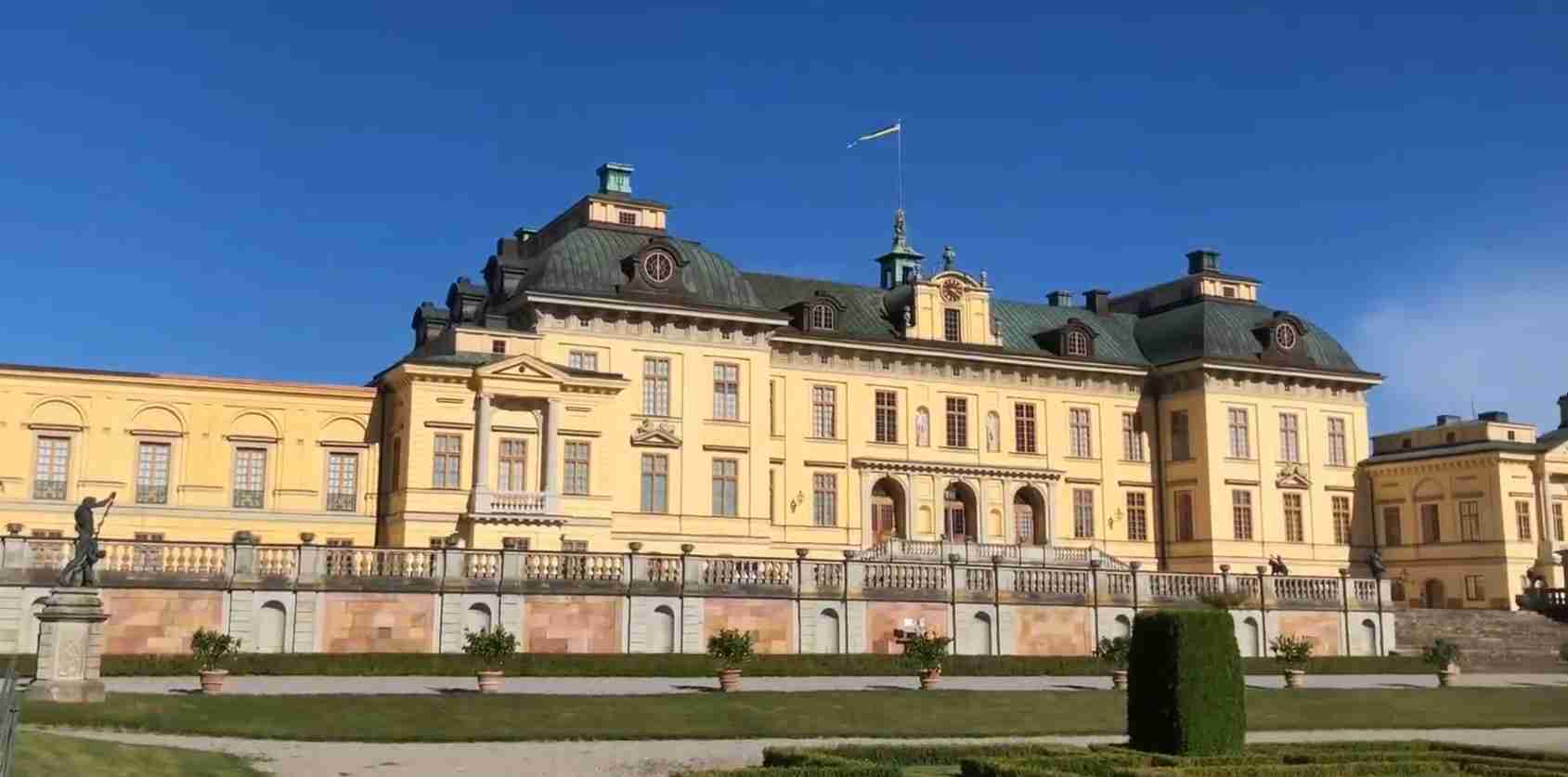
Sweden Best Tours & Walking Routes 2026: Complete Travel Guide
Sweden offers extraordinary opportunities for both guided tours and independent walking adventures, from the midnight sun of Lapland to the historic streets of Stockholm. Whether you’re seeking Northern Lights expeditions, multi-day hiking along the legendary Kungsleden Trail, or expertly curated city tours, planning your 2026 Swedish adventure requires understanding the best routes, tour operators, seasonal timing, and practical logistics to maximize your experience in this spectacular Scandinavian destination.
Key Takeaways: Sweden Tours & Walking Routes 2026
- Tour Pricing 2026: Multi-day guided tours range €4,660-5,920 for 10-14 day packages, with Northern Lights winter tours and summer hiking expeditions as top choices
- Kungsleden Trail: Sweden’s iconic 440 km King’s Trail offers sections suitable for all levels, with the Abisko-Nikkaluokta portion (105 km, 6-7 days) being most accessible for first-timers
- Best Seasons: Summer (June-September) for hiking and city tours, winter (December-March) for Northern Lights and Arctic adventures, with shoulder seasons offering value pricing
- Stockholm Walking Tours: City tours start around 350-500 SEK per person, with self-guided routes through Gamla Stan, Djurgården, and waterfront areas available year-round
- Mountain Huts: Swedish Tourist Association (STF) operates 16+ mountain huts along Kungsleden, spaced 10-20 km apart, with beds, cooking facilities, and provisions available
- Tour Operators 2026: Major providers include Nordic Visitor, Intrepid Travel, TourRadar operators, and Wild Sweden for specialized outdoor experiences
People Also Ask About Sweden Tours & Walking Routes 2026
What are the best guided tours in Sweden for 2026?
The best Sweden tours for 2026 include multi-country Scandinavian packages (10-14 days, €4,660-5,920), Northern Lights expeditions in Lapland (December-March, featuring dog sledding and ice hotels), summer hiking tours along Kungsleden, Stockholm city experiences, and Arctic adventures to Abisko. Nordic Visitor and Intrepid Travel offer highly-rated small group tours with 10% early booking discounts for 2026 departures. Winter tours feature the ICEHOTEL, husky sledding, and reindeer encounters with Sami herders, while summer packages focus on archipelago cruises, Viking heritage sites, and mountain trekking. Tour prices include accommodation, expert guides, most meals, and internal transportation.
How difficult is the Kungsleden Trail in 2026?
The Kungsleden Trail varies in difficulty depending on the section chosen. The most popular Abisko-Nikkaluokta section (105 km, 6-7 days) is classified as moderate, suitable for hikers with basic fitness and no technical climbing skills required. Terrain includes rocky paths, river crossings with bridges, and elevation changes up to the Tjäktja Pass (1,150m). Well-marked trails and mountain huts every 10-20 km make navigation straightforward. The full 440 km trail from Abisko to Hemavan takes 3-4 weeks and includes more remote, challenging sections requiring tent camping between Kvikkjokk and Ammarnäs. Weather can be unpredictable even in summer, with temperatures ranging 5-18°C.
What do guided tours cost in Sweden for 2026?
Guided tours in Sweden for 2026 range significantly by duration and style. Multi-day packages (10-14 days) cost €4,660-5,920 per person, including accommodation, guide, transport, and most meals (check operator websites for current rates). Day tours in Stockholm cost 350-650 SEK for walking tours, 800-1,200 SEK for archipelago cruises, and 1,500-2,500 SEK for full-day excursions to places like Uppsala or Drottningholm Palace. Northern Lights tours in Lapland run 2,500-4,500 SEK for evening expeditions, while week-long Arctic adventures cost €2,800-3,500. Self-guided hiking with STF mountain hut accommodations costs 450-650 SEK per night, offering budget-friendly alternatives to fully guided treks.
When is the best time to hike Sweden’s trails in 2026?
The best time to hike Sweden’s trails in 2026 is July-August for optimal weather and trail conditions. During these months, temperatures range 10-18°C, most snow has melted from high mountain passes, and STF mountain huts operate full services. June offers the midnight sun phenomenon and fewer crowds but possible lingering snow at higher elevations and peak mosquito season. September brings beautiful autumn colors and fewer insects, though temperatures drop to 5-12°C and early snowfall can occur by month’s end. The Kungsleden and other mountain trails are generally inaccessible October-May due to snow cover and extreme cold, suitable only for experienced winter expeditions with specialized equipment.
Extended multi-day tours – 5+ days
Featured Sweden Multi-Day Tour Packages
3 days
Sweden 3-Day Discovery Tour
- ✓ Comprehensive Sweden experience
- ✓ Expert local guides included
- ✓ All accommodation included
- ✓ Transportation provided
5 days
Sweden 5-Day Highlights Experience
- ✓ Comprehensive Sweden experience
- ✓ Expert local guides included
- ✓ All accommodation included
- ✓ Transportation provided
7 days
Sweden 7-Day Cultural Journey
- ✓ Comprehensive Sweden experience
- ✓ Expert local guides included
- ✓ All accommodation included
- ✓ Transportation provided
10 days
Sweden 10-Day Complete Adventure
- ✓ Comprehensive Sweden experience
- ✓ Expert local guides included
- ✓ All accommodation included
- ✓ Transportation provided
Multi-day tour packages powered by TourRadar. Prices and availability subject to change.
Introduction: Sweden’s World-Class Tours & Walking Routes for 2026
Sweden stands as one of Europe’s premier destinations for both organized tours and independent trekking, offering experiences that range from sophisticated city explorations to remote Arctic wilderness adventures. The country’s unique geography—stretching from the cosmopolitan capital of Stockholm across vast forests to the Arctic wilderness of Lapland—creates exceptional diversity for travelers in 2026.
The organized tour market in Sweden has evolved significantly, with operators now offering highly specialized experiences that go far beyond traditional sightseeing. Winter tours capitalize on Sweden’s position within the Aurora Oval, providing some of Europe’s best Northern Lights viewing opportunities combined with unique activities like staying at the ICEHOTEL, dog sledding through snowy forests, and meeting indigenous Sami reindeer herders. Summer tours focus on the midnight sun phenomenon, archipelago cruising, Viking heritage exploration, and accessing Sweden’s extensive network of mountain trails.
For independent walkers, Sweden’s allemansrätt (freedom to roam) law provides unprecedented access to nature, allowing hikers to traverse private and public lands freely while respecting the environment. The crown jewel of Swedish trekking is Kungsleden (The King’s Trail), a 440 km route through Swedish Lapland that passes through four national parks and showcases some of Europe’s most pristine wilderness. The trail’s infrastructure, developed and maintained by the Swedish Tourist Association (STF) since the early 20th century, makes multi-day wilderness trekking accessible to a broader range of hikers than comparable routes elsewhere in Europe.
Planning for 2026 requires understanding seasonal patterns, booking windows, and the logistics unique to Swedish tourism. Many tour operators offer early booking discounts of 10% for 2026 departures when reserved by late 2025, while mountain huts along popular routes like Kungsleden can fill months in advance for peak July-August dates. The practical aspects—from transportation connections between trail access points to understanding the STF hut system—make the difference between a smoothly executed adventure and logistical frustrations.
Understanding Sweden’s Tour Landscape for 2026
Tour Categories and Specializations
Sweden’s organized tour market divides into several distinct categories, each serving different traveler preferences and budgets. Multi-country Scandinavian tours typically run 10-14 days, combining Sweden with Norway, Denmark, and sometimes Finland. These comprehensive packages visit capitals like Stockholm, Copenhagen, and Oslo, include fjord cruises, and showcase cultural highlights across the region. Pricing for 2026 ranges €4,660-5,920 per person for quality small-group tours (check operator websites for current rates), with accommodations in centrally-located hotels, most meals, expert guides, and internal transportation included.
Sweden-focused tours offer deeper exploration of the country’s diverse regions. Stockholm-based packages (3-5 days) concentrate on the capital’s museums, royal palaces, and archipelago, with city walking tours, boat excursions, and visits to attractions like the Vasa Museum and ABBA Museum. Southern Sweden tours explore the medieval town of Lund, coastal Malmö, and the artistic Österlen region. Northern expeditions to Lapland emphasize nature and indigenous culture, often including stays in traditional lavvus (Sami tents), wilderness activities, and Northern Lights viewing.
Adventure and activity tours cater to outdoor enthusiasts. Hiking tours along Kungsleden or other mountain trails provide guided trekking with luggage transfers, hut reservations, and expert route guidance. Kayaking tours navigate the Stockholm Archipelago’s 30,000 islands, while cycling tours follow scenic routes like the Göta Canal. Winter adventure packages combine dog sledding, snowmobiling, ice fishing, and Northern Lights photography, creating comprehensive Arctic experiences.
Major Tour Operators for 2026
Nordic Visitor specializes in Scandinavian travel with a strong Sweden portfolio. Their 2026 offerings include both guided small groups and self-drive options, with early booking discounts of 10% for reservations made in 2025. Tours feature carefully selected accommodations, detailed itineraries, and local expertise. The company’s flexibility allows customization of standard packages, appealing to travelers who want structure with personalization.
Intrepid Travel brings small group adventure focus to Sweden, with maximum group sizes ensuring intimate experiences. Their Sweden tours emphasize sustainable travel practices, local interactions, and off-the-beaten-path discoveries alongside classic highlights. Tours include a mix of activities—from urban walking tours to countryside hikes—with accommodations ranging from comfortable hotels to traditional mountain lodges. Intrepid’s youth-oriented sub-brand offers specially designed tours for 18-35 year olds.
Wild Sweden focuses exclusively on nature-based experiences, offering specialized tours that dive deep into Swedish wilderness and wildlife. Their expertly guided packages include wolf tracking in Värmland, brown bear observation in central forests, moose safaris, and multi-day wilderness treks. These tours attract serious nature enthusiasts and photographers seeking authentic wildlife encounters with minimal environmental impact.
TourRadar aggregates tours from multiple operators, providing a comparison platform for Sweden packages. Their 2026 Sweden listings include over 120 different tours from budget to luxury levels. This marketplace approach allows travelers to compare operators, read verified reviews, and find the best fit for their interests and budget. Many operators listed offer flexible booking with free cancellation up to certain dates before departure.
Seasonal Tour Considerations for 2026
Summer tours (June-September) dominate Sweden’s organized tour calendar, capitalizing on mild weather, long daylight hours, and full access to mountain trails and archipelago routes. Peak season (July-August) sees highest tour prices but also best trail conditions, with all STF mountain huts fully staffed and provisioned. June offers the midnight sun phenomenon in northern Sweden, where the sun never fully sets above the Arctic Circle, creating unique photography opportunities and extended hiking days. However, June also brings peak mosquito season in northern regions, requiring proper insect protection.
Shoulder season tours (April-May, September-October) provide value pricing and fewer crowds while maintaining generally good weather. May tours capture spring awakening in southern Sweden, with blooming gardens and migrating birds, though northern mountains remain snow-covered. September offers spectacular autumn colors across Swedish forests and mountains, with temperatures cooling to comfortable hiking levels and mosquitoes largely absent. Some mountain huts close after mid-September, limiting options for independent trekkers but organized tours continue with adjusted logistics.
Winter tours (December-March) focus almost exclusively on northern Sweden and Northern Lights experiences. The Aurora season peaks December-February, with long dark nights providing optimal viewing conditions. Arctic adventure tours combine Aurora hunting with daytime activities like husky sledding, snowmobile safaris, ice fishing, and visits to the famous ICEHOTEL in Jukkasjärvi. Winter tour pricing remains high despite off-season timing, reflecting specialized equipment needs, limited accommodation options, and high demand for Aurora experiences. February-March offers slightly warmer temperatures and more daylight while maintaining good Northern Lights viewing probability.
Stockholm Tours & Walking Routes 2026
Guided City Tours
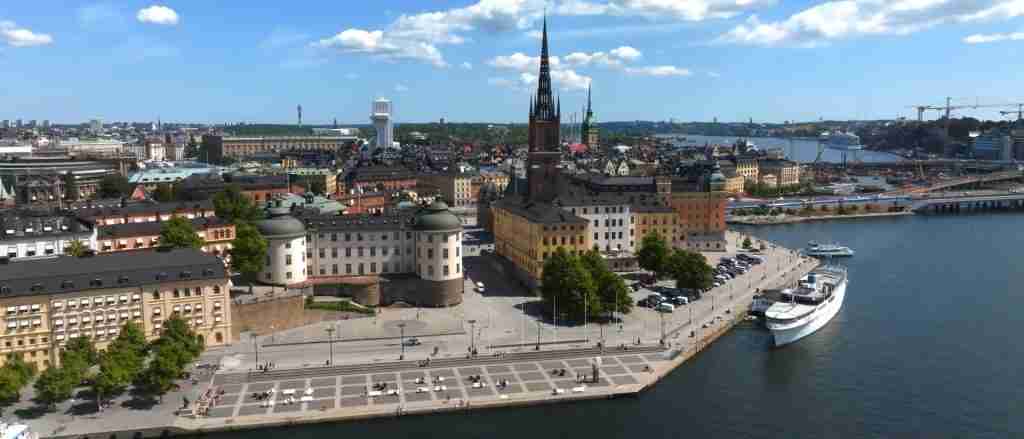
Stockholm’s compact, walkable center and spread across 14 islands creates ideal conditions for walking tours. Classic city walking tours (2-3 hours) cover Gamla Stan (Old Town), the medieval heart with cobblestone streets, the Royal Palace, and Stockholm Cathedral. Tours cost 350-500 SEK per person, with small groups led by licensed guides providing historical context and local insights. The narrow lanes of Gamla Stan, including Mårten Trotzigs Gränd (Sweden’s narrowest alley at just 90 cm wide), create atmospheric settings for learning about Stockholm’s development from Viking settlement to modern capital.
Specialized tours explore specific themes. Food tours (3-4 hours, 800-1,200 SEK) visit traditional food halls like Östermalms Saluhall and Hötorgshallen, sampling Swedish specialties including herring preparations, gravlax, traditional pastries, and craft beers. Photography tours guide participants to optimal viewpoints across the city, from the heights of Södermalm providing panoramic city vistas to waterfront positions for capturing Stockholm’s reflection in surrounding waters. Viking history tours include visits to museums displaying archaeological finds and nearby historical sites where Norse traders once operated.
Archipelago boat tours represent Stockholm’s most distinctive touring option. The Stockholm Archipelago extends 80 km east into the Baltic Sea, comprising approximately 30,000 islands, skerries, and rocks. Standard tours (2-3 hours, 280-350 SEK) navigate the inner archipelago, passing summer cottages, rocky islets, and historical fortifications. Extended tours venture to outer islands, visiting charming villages like Sandhamn and Vaxholm, with their characteristic red wooden houses and maritime heritage. Full-day excursions (800-1,200 SEK) include island stops for walking, swimming, and traditional Swedish fika (coffee and pastries) at island cafés.
Self-Guided Walking Routes
Stockholm’s excellent public transportation and walkable design facilitate self-guided exploration. The Djurgården Island Loop (approximately 8 km, 2-3 hours) provides an easy route combining nature, culture, and museums. Starting from Strandvägen, cross the Djurgården Bridge to this former royal hunting ground, now home to major museums including Vasa Museum (230 SEK May-August, 195 SEK September-May), Skansen open-air museum (180-260 SEK seasonal variation), and ABBA Museum (250-280 SEK). The route circles the island on waterfront paths and forest trails, offering peaceful walking between cultural attractions.
The Södermalm Heights Walk (approximately 6 km, 1.5-2 hours) explores Stockholm’s hipster district and provides spectacular city viewpoints. Start at Slussen and climb to Monteliusvägen, a clifftop path offering panoramic views across Gamla Stan and City Hall to Kungsholmen. Continue to Skinnarviksberget, Stockholm’s highest natural point, for 360-degree city views. The route passes through trendy Södermalm neighborhoods with independent boutiques, vintage shops, and cafés, ending near the atmospheric SoFo (South of Folkungagatan) district known for design shops and restaurants.
The Royal Route Walk (approximately 10 km, 3-4 hours) traces a path between major royal and governmental landmarks. Begin at the Royal Palace in Gamla Stan, walk along Strandvägen’s grand waterfront boulevard lined with elegant 19th-century apartment buildings, continue to Djurgården’s royal parklands, circle back through Östermalm’s embassy district, and end at Drottningholm Palace (accessible via boat or metro then bus). This longer walk provides insight into Stockholm’s development as a royal capital and modern governmental center.
Stockholm Pass and Transportation
The Stockholm Pass provides entry to 75+ attractions and unlimited public transportation use. Pass options include 24-hour (559 SEK), 48-hour (696 SEK), 72-hour (1,219 SEK), and 120-hour (1,579 SEK) versions. The pass covers major museums like Vasa, Skansen, and Nordiska Museet, plus boat tours and city transportation. Value depends on planned itinerary—visiting 3-4 major attractions daily justifies pass cost, but casual sightseers may find individual tickets more economical.
Stockholm’s SL (Storstockholms Lokaltrafik) public transportation system includes metro (Tunnelbana), buses, trams, and ferries. Single tickets cost 43 SEK (75 minutes unlimited transfers), while travelcards offer better value for multiple days: 24-hour (175 SEK), 72-hour (375 SEK), 7-day (450 SEK). The metro’s distinctive art installations in over 90 decorated stations make it an attraction itself, particularly stations like T-Centralen, Kungsträdgården, and Solna Centrum with their dramatic cave-like designs and artistic installations.
Kungsleden Trail: The King’s Trail 2026
Trail Overview and Sections
Kungsleden stretches 440 km from Abisko in the north to Hemavan in the south, passing through four national parks: Abisko, Stora Sjöfallet, Sarek, and Pieljekaise. The trail traverses diverse landscapes ranging from alpine peaks and glacial valleys to birch forests, mountain heaths, and wetlands. Established by the Swedish Tourist Association in the early 20th century, the trail maintains its status as one of the world’s premier long-distance hiking routes, attracting thousands of international hikers annually.
The trail divides into five distinct sections: Abisko to Nikkaluokta (105 km, 6-7 days) is the most popular and accessible section, featuring dramatic mountain scenery, well-maintained huts, and the option to summit Kebnekaise (2,106m), Sweden’s highest mountain. This section appeals to first-time Kungsleden hikers, offering a complete wilderness experience without requiring weeks of vacation time or extreme remoteness.
Nikkaluokta to Saltoluokta (73 km, 4-5 days) continues south through varied terrain, with several lake crossings requiring boat transfers (included in regular summer service). Saltoluokta to Kvikkjokk (51 km, 3-4 days) passes near the impressive Sarek National Park, known for Europe’s wildest terrain but accessible only to experienced mountaineers with proper equipment. Kvikkjokk to Ammarnäs (166 km, 9-11 days) represents the most remote section, with limited hut availability requiring tent camping and strong navigation skills. Ammarnäs to Hemavan (78 km, 4-5 days) concludes the route with gentler terrain and good hut coverage.
Trail Difficulty and Requirements
The Abisko-Nikkaluokta section rates as moderate difficulty, suitable for hikers with basic fitness and outdoor experience. Daily distances range 13-20 km, with the Tjäktja Pass (1,150m elevation) representing the highest and most challenging point. Well-marked trails follow established paths, though rocky terrain and muddy sections require proper footwear. River crossings utilize bridges or established fords, eliminating the need for technical river crossing skills.
Weather conditions require preparation despite summer hiking season. Temperatures range 5-18°C during July-August, with potential for rapid changes. Rain occurs frequently, making waterproof clothing essential. Strong winds affect exposed sections, particularly around Tjäktja Pass and open mountain plateaus. Mosquitoes peak in July, requiring insect repellent and head nets for comfortable hiking. August offers the best balance of stable weather, reduced insects, and good trail conditions.
Physical demands include multi-day hiking with loaded backpack (10-15 kg typical for hut-to-hut hikers, 15-20 kg for tent campers). Daily elevation gains rarely exceed 500m, but cumulative climbing over multiple days requires sustained fitness. Most hikers complete the Abisko-Nikkaluokta section in 6-7 days, with flexibility to adjust pace based on conditions and personal preference. Carrying lighter loads by using mountain huts reduces physical strain compared to camping.
Mountain Huts and Accommodation
The Swedish Tourist Association operates 16 mountain huts along Kungsleden, spaced 10-20 km apart for comfortable daily hiking stages. Huts provide basic accommodation with bunk beds (mattress, pillow, and blanket provided), communal kitchens with gas stoves, and water access. Most huts stock basic provisions (pasta, rice, chocolate, instant meals) for purchase, though prices reflect remote location transport costs. Hikers should carry their own sleeping bag liner and main food supplies.
Hut costs for 2026 range 450-650 SEK per night (check STF website for current rates), with STF membership providing 10-15% discounts. Reservations are mandatory during peak season (July-August) and recommended for June and September. Some huts offer full-service mountain stations with restaurants, hot showers, and private rooms (800-1,400 SEK), particularly at Abisko, Kebnekaise, and Saltoluokta. These upgraded facilities provide comfortable rest points along the route.
Hut etiquette emphasizes community and environmental respect. Hikers share dormitory-style sleeping quarters, prepare meals in communal kitchens, and maintain cleanliness by washing dishes and cleaning up after cooking. Huts operate on trust-based systems for some provisions, with payment boxes for items consumed. Quiet hours typically run 22:00-07:00, respecting fellow hikers’ rest needs. Composting toilets and water conservation practices reflect the trail’s environmental sustainability focus.
Beyond Kungsleden: Other Swedish Hiking Routes 2026
Southern Sweden Trails
The Skåneleden network in southern Sweden comprises 1,260 km of trails divided into five main routes. These trails traverse Skåne’s diverse landscapes including beech forests, coastal cliffs, rolling farmland, and historical sites. The milder climate and gentler terrain make Skåneleden accessible year-round, appealing to hikers seeking comfortable walking without Arctic conditions. Trails connect charming towns and villages, enabling easy resupply and accommodation in guesthouses, hotels, or campgrounds.
Sörmlandsleden stretches 1,000 km around Stockholm in a network of interconnected loops. The trails pass through deep forests, along lake shores, and past Bronze Age sites and rune stones. Most sections lie within 90 minutes of Stockholm by public transportation, enabling day hikes and weekend backpacking trips without extensive travel. Well-maintained trails, frequent shelters, and proximity to civilization make Sörmlandsleden ideal for beginners or families with children.
Central Mountain Trails
The Jämtland Triangle connects three mountain stations (Storulvån, Sylarna, and Blåhammaren) in a 47 km loop through spectacular mountain scenery. This 3-4 day hike showcases central Sweden’s mountains without Kungsleden’s crowds. STF mountain huts provide nightly accommodation, while the varied terrain includes valley walking, mountain passes, and optional summit climbs. The route’s moderate length and good infrastructure suit hikers wanting authentic mountain experience in a manageable timeframe.
Padjelantaleden (Padjelanta Trail) runs 140 km through Padjelanta National Park, Sweden’s largest national park. The trail passes through wide valleys, crosses Europe’s largest mountain lake (Virihaure), and offers opportunities to encounter Sami culture. Less crowded than Kungsleden, Padjelantaleden provides a more solitary wilderness experience while maintaining reasonable accessibility with strategically placed mountain huts and clear trail markings.
Coastal and Archipelago Routes
The High Coast Trail (Höga Kustenleden) stretches 130 km along Sweden’s UNESCO World Heritage High Coast, where the land rises from the sea faster than anywhere else on Earth. The trail climbs to viewpoints offering stunning vistas of forested slopes meeting the Baltic Sea, passes through fishing villages, and provides access to Sweden’s highest coastal cliffs. Well-developed infrastructure includes marked trails, overnight shelters, and proximity to coastal towns for resupply. May-September offers optimal hiking conditions with moderate temperatures and minimal precipitation.
Bohusleden explores Sweden’s western coast across 370 km of trails through Bohuslän’s distinctive granite landscape. The route alternates between coastal sections with sea views and inland passages through forests and farmland. The trail’s proximity to Gothenburg and excellent public transportation connections enable easy access for day hikes or multi-day excursions. Coastal sections feature Sweden’s characteristic smooth rock formations, while inland areas showcase traditional red-painted wooden houses and agricultural landscapes.
Guided Hiking Tours for 2026
Multi-Day Guided Treks
Professional hiking tour companies offer guided versions of major Swedish trails, providing logistical support, expert guidance, and reduced physical burden. Wild Sweden operates week-long Kungsleden treks (€2,800-3,500 per person) with expert naturalist guides, group equipment, prepared meals, and luggage transfers between huts. Groups remain small (6-10 participants maximum), ensuring personalized attention and minimal environmental impact. Guides provide insights into Arctic ecology, identify wildlife and plants, and share knowledge of Sami culture and history.
Wildhartt specializes in Swedish Lapland adventures, offering both fully guided group treks and supported self-guided options. Their guided tours include not just trail guidance but photography workshops, wilderness skills training, and wildlife observation techniques. Supported self-guided options provide detailed route planning, accommodation bookings, luggage transfers, and 24-hour emergency support while allowing hikers independence and flexibility. This hybrid approach appeals to experienced hikers wanting infrastructure support without constant guided supervision.
Nordic Visitor’s self-drive hiking packages combine independent flexibility with professional planning. These tours provide detailed daily itineraries, all accommodation bookings, rental car, and comprehensive support materials including GPS files and recommended routes. Hikers enjoy complete schedule flexibility while benefiting from expert route selection and seamless logistics. Packages typically run 7-10 days, combining hiking days with cultural visits and rest days in charming mountain villages.
Day Hiking Tours from Major Cities
Stockholm-based hiking tours provide accessible mountain and forest experiences without overnight commitment. Tyresta National Park tours (6-8 hours, 800-1,200 SEK including transport and guide) explore virgin forest just 20 km from Stockholm, with ancient pines, clear lakes, and diverse wildlife. Tours include moderate hiking (10-15 km), nature interpretation, and traditional Swedish outdoor lunch. Spring through autumn tours showcase seasonal variations from spring flowers to autumn colors.
Uppsala region day hikes combine forest walking with historical sites. Tours visit areas around Sweden’s oldest university town, including forests where famous botanist Carl Linnaeus conducted his research. Routes pass Viking-era burial mounds, medieval churches, and traditional farmland, blending natural and cultural heritage. Moderate walking (8-12 km) suits most fitness levels, with options to extend or shorten routes based on group preferences.
Gothenburg archipelago hiking tours access car-free islands via ferry, combining coastal walking with maritime heritage. Southern archipelago islands like Vrångö, Styrsö, and Brännö offer marked trails across granite landscapes, through fishing villages, and along dramatic coastlines. Northern archipelago tours reach wilder, more remote islands with pristine nature and minimal development. Full-day tours (900-1,400 SEK) include ferry transport, guide services, and traditional Swedish lunch at island restaurants.
Planning Your Sweden Tour or Hiking Trip for 2026
Booking Timelines and Strategies
Early booking provides significant advantages for 2026 Sweden travel. Tour operators typically release new year itineraries 12-18 months in advance, with early booking discounts (10-15% off) available for reservations made 6-12 months before departure. Nordic Visitor and other major operators offer these discounts explicitly for 2026 bookings made through late 2025. Additionally, early booking secures preferred departure dates, room categories, and tour styles before popular options fill.
Mountain hut reservations along popular trails like Kungsleden require advance planning. STF opens summer season bookings (June-September) in early February, with peak July-August dates filling within weeks for popular huts. Independent hikers should book huts immediately when reservations open if planning July-August treks. June and September maintain better availability, offering good alternatives for flexible travelers. Some hikers book slightly longer time windows than minimum required, providing schedule flexibility for weather or personal preference adjustments.
Flight and accommodation bookings follow general European patterns, with 3-6 months advance purchase typically securing reasonable prices for summer Sweden travel. Shoulder seasons (May, September) offer better value with lower tourist demand. Stockholm accommodation fills during major events like Midsummer (late June) and the Stockholm Marathon (June), requiring early booking. Consider staying in Stockholm suburbs connected by excellent public transportation for budget savings versus central location convenience.
Transportation and Access 2026
International access to Sweden centers on Stockholm Arlanda Airport, receiving direct flights from major European cities and long-haul destinations including New York, Chicago, Dubai, and Bangkok. Arlanda Express trains connect to Stockholm Central Station in 20 minutes (295 SEK), while airport coaches provide budget alternatives (99 SEK, 40-45 minutes). Gothenburg Landvetter Airport serves western Sweden with European connections, while Malmö connects via Copenhagen Airport across the Öresund Bridge.
Accessing northern Sweden and Kungsleden trailheads requires additional planning. Kiruna Airport receives direct flights from Stockholm (1.5 hours) and serves as the primary gateway to Abisko. From Kiruna, buses connect to Abisko (90 minutes, 150-200 SEK) where the Kungsleden begins. Alternatively, overnight trains from Stockholm to Kiruna (15 hours) provide atmospheric travel through Sweden’s length, with sleeping compartments available (800-1,500 SEK depending on class and booking timing).
Sweden’s extensive public transportation network facilitates movement between regions. SJ trains connect major cities efficiently, with Stockholm-Gothenburg (3 hours), Stockholm-Malmö (4.5 hours), and other intercity routes offering comfortable travel. Regional buses serve smaller towns and tourist destinations. Many tour packages include all internal transportation, eliminating independent booking needs. For self-drive hiking trips, rental cars provide flexibility for reaching trailheads and exploring remote areas, with Swedish roads well-maintained and driving straightforward for visitors.
Gear and Preparation
Kungsleden and other mountain hiking requires specific equipment regardless of season. Essential items include sturdy waterproof hiking boots (broken in before departure to prevent blisters), waterproof jacket and pants (Gore-Tex or equivalent), warm layers including fleece or down jacket, hiking poles for stability on rocky terrain, and a backpack sized appropriately for chosen accommodation style (30-40L for hut-to-hut, 50-65L for camping).
Summer mountain hiking requires sun protection despite northern latitude. The midnight sun period (June-July) means extended daylight exposure, making sunscreen (SPF 30+), sunglasses, and sun hat essential. Conversely, temperatures can drop near freezing even in summer, particularly at night or in poor weather, requiring warm sleeping bag if camping (comfort rating 0-5°C recommended). Mosquito protection becomes crucial during July, with repellent containing DEET or Picaridin and head nets providing relief in worst-affected areas.
Navigation tools include detailed hiking maps (Calazo maps or STF Outdoor Maps cover Kungsleden sections), compass, and GPS device or smartphone with offline maps downloaded. While Kungsleden is well-marked with cairns and painted symbols on rocks, having reliable navigation tools provides security in fog or poor visibility. Mobile phone coverage is spotty or absent in mountain areas, requiring offline navigation capabilities and informing someone of planned itinerary before departure.
Health and Safety
Sweden’s wilderness hiking poses minimal risk with proper preparation. Medical facilities in mountain areas are limited—nearest hospitals may be hours away by helicopter evacuation. Comprehensive travel insurance covering hiking activities and emergency evacuation is essential. Basic first aid knowledge and carrying first aid kit with supplies for blisters, minor injuries, pain relief, and any personal medications prevents minor issues from becoming serious problems.
Weather-related risks include hypothermia from cold, wet conditions, even in summer. Understanding early signs (shivering, confusion, loss of coordination) and knowing treatment (getting dry and warm immediately) can be lifesaving. Conversely, heat exhaustion is possible during sunny days when hiking with heavy pack, requiring adequate hydration (2-3 liters water daily) and recognizing symptoms (dizziness, nausea, excessive fatigue).
Wildlife encounters in Swedish mountains are generally benign. Brown bears inhabit some regions but encounters are rare, with bears typically avoiding humans. Following basic bear safety (store food properly, make noise while hiking, never approach or feed bears) minimizes risk. Mosquitoes and midges present the most common wildlife nuisance, particularly in July. Reindeer herds graze throughout mountain areas—maintaining respectful distance supports the Sami people’s traditional livelihood.
Cultural Considerations and Sustainable Travel
Allemansrätten: Right to Roam
Sweden’s allemansrätten (freedom to roam) law grants everyone the right to access nature, including private land, with certain responsibilities. Hikers may walk, camp for one night, pick berries and mushrooms, and enjoy nature freely. However, this freedom comes with the principle “don’t disturb, don’t destroy”—respect property, leave no trace, don’t disturb wildlife or livestock, avoid private gardens and cultivated land, and take all waste away. Understanding and respecting allemansrätten demonstrates cultural awareness and ensures its continuation for future generations.
Camping regulations under allemansrätten allow one-night stops with tent on uncultivated land, maintaining reasonable distance from houses. Longer stays or larger groups require landowner permission. Mountain huts and designated camping areas along trails like Kungsleden provide established sites where camping regulations are clear. Using these maintained facilities supports infrastructure that makes wilderness access possible while concentrating impact in designated areas rather than dispersing it across pristine landscapes.
Sami Culture and Reindeer Herding
Northern Sweden remains the traditional land of the Sami people, Europe’s only indigenous population. Reindeer herding continues as central economic and cultural practice for many Sami. Hikers in Lapland encounter reindeer herds, with specific considerations required: maintain distance from reindeer and avoid separating animals from herds, never chase or attempt to pet reindeer, keep dogs on leash (dogs frightening reindeer is serious issue), and avoid camping directly on migration routes during herding seasons (spring and autumn).
Cultural tours including Sami experiences provide respectful learning opportunities. These tours, offered by Sami guides and cultural organizations, explain traditional lifestyle, reindeer herding practices, traditional crafts, and contemporary Sami life. Visits to Sami camps, traditional meals featuring reindeer meat and other local foods, and demonstrations of traditional handicrafts (duodji) offer authentic cultural exchange. Choosing tours operated by Sami people ensures economic benefits return to communities and experiences remain culturally appropriate.
Environmental Impact and Sustainability
Sweden’s pristine wilderness requires active protection from tourism impacts. Leave No Trace principles apply throughout: pack out all waste (including toilet paper where composting toilets are unavailable), use established campsites and huts rather than creating new impact sites, minimize campfire impacts by using stoves for cooking, and wash dishes and bodies away from water sources using biodegradable soap sparingly. The increasing popularity of trails like Kungsleden makes individual responsibility crucial for maintaining trail character and environmental quality.
Tour operators increasingly emphasize sustainability, with certifications like KRAV (Swedish organic standard), carbon offset programs, and partnerships with environmental organizations. Choosing operators with demonstrated environmental commitments supports industry movement toward sustainable tourism. Individual travelers can minimize impact by using public transportation, staying in eco-certified accommodations, supporting local businesses and restaurants, and traveling during shoulder seasons to distribute tourism pressure across longer periods.
Budget Planning for Sweden Tours 2026
Tour Package Budgeting
Multi-day organized tours to Sweden represent significant investment but provide comprehensive experiences with minimal planning stress. Budget ranges for 2026 include: economy tours (hostels, basic hotels, larger groups, limited inclusions) €2,200-3,500 for 7-10 days; mid-range tours (comfortable hotels, small groups, most meals, activities) €4,660-5,920 for 10-14 days; luxury tours (premium hotels, private guides, exclusive experiences) €8,000-12,000+ for 10-14 days.
What’s typically included in tour prices: accommodation for all nights, breakfast daily, some lunches and dinners (varies by operator), internal transportation (buses, trains, ferries), professional guide services, entrance fees to major attractions, and airport transfers in Sweden. What’s usually extra: international flights, alcoholic beverages, some meals (particularly lunches), personal expenses and souvenirs, travel insurance, and tips for guides and drivers (10-15% of tour cost suggested).
Early booking discounts (10-15% off) significantly reduce tour costs, as do shoulder season departures (April-May, September-October). Single supplements for solo travelers typically add 40-60% to base tour price, though some operators offer limited single rooms at reduced supplements or twin-share matching for solo travelers. Group discounts may apply for 6+ travelers booking together, worth inquiring about for family or friend groups.
Independent Hiking Costs
Self-organized hiking trips on routes like Kungsleden offer substantial savings versus guided tours while requiring more planning. Key costs include: transportation to/from trailheads (Stockholm to Kiruna/Abisko: 800-1,500 SEK one-way by overnight train, or 1,200-2,000 SEK by flight plus bus), mountain hut accommodation (450-650 SEK per night along Kungsleden), food (hikers typically spend 200-350 SEK daily for hut cooking provisions plus any hut meals purchased), and gear (if purchasing new equipment, budget 10,000-25,000 SEK depending on what’s needed).
Sample 7-day Kungsleden trek budget (per person, Abisko-Nikkaluokta section): Transport Stockholm-Abisko return 2,500 SEK, STF hut accommodation 6 nights 3,600 SEK, food 7 days 2,100 SEK, incidentals and emergency reserves 800 SEK. Total approximately 9,000 SEK (€850-900) per person, compared to €2,800-3,500 for guided alternative. Camping instead of using huts reduces accommodation costs but increases gear requirements and physical burden.
Daily Costs in Swedish Cities
Stockholm represents Sweden’s most expensive city, with daily costs varying significantly by travel style. Budget travelers (hostels, self-catering, free attractions, public transport) should budget 800-1,200 SEK daily. Mid-range travelers (budget hotels, restaurant meals, paid attractions, tours) need 1,500-2,500 SEK daily. Luxury travelers (quality hotels, fine dining, private tours) should expect 3,500-5,000+ SEK daily.
Specific Stockholm costs: hostel dorm bed 350-550 SEK, budget hotel room 800-1,200 SEK, mid-range hotel 1,400-2,200 SEK. Meals: convenience store sandwich 60-90 SEK, casual restaurant lunch 120-180 SEK, mid-range dinner 250-400 SEK, fine dining 600-1,200+ SEK. Attractions: Vasa Museum 230 SEK (summer) or 195 SEK (other seasons), Skansen 180-260 SEK, Stockholm Pass 559-1,579 SEK depending on duration. Transport: single ticket 43 SEK (75 minutes), 24-hour pass 175 SEK, 72-hour pass 375 SEK.
Frequently Asked Questions
Do I need previous hiking experience to walk Kungsleden?
The popular Abisko-Nikkaluokta section of Kungsleden is suitable for hikers with basic fitness and no previous multi-day hiking experience, though some preparation helps. The trail is well-marked, huts are spaced for manageable daily distances (13-20 km), and the terrain, while sometimes rocky and muddy, requires no technical climbing or scrambling. What matters more than experience is adequate fitness (ability to hike 4-6 hours daily with a loaded pack), proper gear (especially waterproof boots and clothing), and realistic expectations about basic mountain hut accommodation and changeable weather. Many first-time multi-day hikers successfully complete this section each summer. More remote Kungsleden sections south of Nikkaluokta require greater self-sufficiency and experience.
Can I hike Kungsleden solo as a woman?
Solo hiking on Kungsleden is common and generally safe for women, with many solo female hikers completing the trail each year. The trail’s popularity means you’re rarely alone for long, particularly on the Abisko-Nikkaluokta section where you’ll encounter other hikers daily. Mountain huts provide social interaction with other trekkers each evening. That said, basic safety practices apply: inform someone of your itinerary, carry emergency communication device (though cell coverage is limited), trust your instincts about any situation that feels uncomfortable, and consider hiking during peak season (July-August) when trail traffic is highest. Many solo women appreciate the trail’s balance between wilderness solitude and reasonable accessibility to help if needed.
What’s the difference between guided and self-guided hiking tours?
Guided tours provide an expert leader who navigates, makes decisions, shares knowledge about nature and culture, and manages logistics. Groups typically include 6-12 participants, with all planning, accommodations, and meals arranged. This removes decision-making and navigation stress, provides learning opportunities from expert guides, and offers ready-made social group. Trade-offs include fixed schedule, group pace that may not match your preference, and higher cost (€2,800-3,500 for week-long Kungsleden versus €850-900 independent). Self-guided tours (also called supported independent tours) provide detailed route plans, all accommodation bookings, sometimes luggage transfers, and emergency support, but you hike at your own pace and make daily decisions. This balance suits experienced hikers wanting some infrastructure support while maintaining independence. Fully independent hiking offers maximum flexibility and lowest cost but requires complete self-sufficiency for planning, navigation, and problem-solving.
How physically demanding is a week-long hiking tour in Sweden?
A typical week-long hiking tour in Swedish mountains (like Kungsleden’s Abisko-Nikkaluokta section) requires moderate fitness rather than exceptional athleticism. Daily hiking distances range 13-20 km (8-12 miles) over 5-7 hours including breaks, with elevation gains typically 300-500 meters per day (highest point is Tjäktja Pass at 1,150m). Terrain includes rocky paths, some steep sections, muddy areas, and well-maintained trails. The challenge comes from sustained daily effort over consecutive days while carrying a backpack (10-15 kg if using huts, 15-20 kg if camping). Good preparation involves building up to 15-20 km walks with loaded pack before your trip. Most people with reasonable fitness who exercise occasionally can complete these hikes, though you’ll feel it in your legs! Rest days are uncommon on week-long tours, so pace yourself and listen to your body.
What should I pack for summer hiking in Swedish Lapland?
Essential gear for summer Lapland hiking includes: waterproof hiking boots (broken in before trip), waterproof jacket and pants (Gore-Tex or equivalent), warm layers (fleece or down jacket for cool mornings/evenings), moisture-wicking base layers, hiking pants/shorts, sun protection (hat, sunglasses, SPF 30+ sunscreen), mosquito protection (repellent with DEET, head net for July), hiking poles, backpack (30-40L for hut-to-hut, 50-65L for camping), sleeping bag (if camping, comfort rating 0-5°C), basic first aid kit, maps and navigation tools, water bottles or hydration system (2-3L capacity), headlamp (though barely needed during midnight sun season), and personal toiletries. If using mountain huts, you need lighter sleeping bag liner rather than full bag. Don’t forget practical items like blister treatment, personal medications, and phone with offline maps. Swedish weather is changeable—layers and waterproofing matter more than having lots of specialized gear.
Are guided tours suitable for solo travelers?
Guided tours work excellently for solo travelers, particularly those wanting social interaction without managing all logistics independently. Most tour companies welcome solo bookings, with many tours attracting mix of couples, solo travelers, and small groups creating diverse social dynamics. Solo travelers often form close bonds with fellow tour participants over shared daily experiences. The main consideration is single supplement costs—most tours charge 40-60% extra for solo travelers wanting their own room rather than sharing. Some operators offer twin-share matching programs connecting solo travelers willing to room together, eliminating supplements. Small group tours (maximum 10-12 people) provide better opportunities for getting to know everyone versus larger groups. If social interaction is priority, choose tours during peak season when they’re more likely to fill with diverse participants.
How do mountain huts work on Kungsleden?
Swedish Tourist Association (STF) mountain huts along Kungsleden provide basic accommodation in dormitory-style rooms with bunk beds (mattress, pillow, blanket provided—bring sleeping bag liner). Huts include communal kitchens with gas stoves, cooking equipment, dishes, and running water (sometimes heated). Most stock basic provisions (pasta, rice, chocolate, instant meals, fuel canisters) for sale, though prices reflect remote transport costs. Huts operate on trust system with minimal staffing—hikers pay upon arrival (450-650 SEK per night), prepare own meals, clean up after themselves, and maintain quiet hours (typically 22:00-07:00). Reservations are essential during peak season (July-August) and recommended other months, made through STF website or by phone. Some huts offer full-service mountain stations with restaurants, hot showers, saunas, and private rooms at higher cost (800-1,400 SEK). Huts are spaced 10-20 km apart for comfortable daily stages, though spacing varies by section.
What’s the best time to see Northern Lights on a tour?
Northern Lights viewing tours in Swedish Lapland operate December-March, with late December through February offering optimal conditions. During these months, you get the longest dark nights (sunrise to sunset is only 2-4 hours at winter solstice), giving maximum viewing windows. Aurora activity follows 11-year solar cycles, with 2025-2026 near solar maximum providing strong auroral displays. Clear skies are essential—tours typically include multiple evening expeditions to maximize chances, as weather varies. March extends into aurora season with slightly warmer temperatures (important for comfort) and increasing daylight, though fewer dark hours reduce viewing probability. Most tour operators report 70-85% success rates for seeing auroras over multi-night winter tours, though nothing is guaranteed with natural phenomena. Tours combine aurora hunting with other winter activities (dog sledding, snowmobiling, ice fishing) ensuring value even if auroras don’t appear.
Can I combine city touring with hiking in one trip?
Combining Stockholm city touring with mountain hiking makes excellent sense for first-time Sweden visitors wanting diverse experiences. A common pattern involves 2-3 days exploring Stockholm (major museums, Gamla Stan, archipelago cruise, local food experiences), then traveling north to Abisko for 5-7 day Kungsleden hike, returning to Stockholm for 1-2 final days before departure. This creates balanced trip with cultural and wilderness components. Transport between Stockholm and Abisko works via overnight train (atmospheric option letting you wake up in different landscape) or flights (faster but less scenic). Some tour operators offer packages combining these elements with all logistics arranged. If organizing independently, book Stockholm accommodation before and after hiking portion, allowing flexibility for hiking pace without worrying about pre-paid city hotel nights if trail days run long. Total trip length of 10-14 days provides comfortable pacing without feeling rushed.
Do I need special permits or permissions to hike in Sweden?
No permits are required for hiking anywhere in Sweden, including national parks and nature reserves, thanks to allemansrätten (freedom to roam) law. This applies to both day hiking and overnight wilderness camping. You can hike Kungsleden, other trails, or cross-country anywhere without permission, advance notification, or fees beyond accommodation costs (if using mountain huts). This contrasts with some countries requiring wilderness permits, quota systems, or entrance fees. The only requirements are respecting property, following camping regulations (maximum one night in same spot unless using designated campgrounds, reasonable distance from houses), and adhering to “don’t disturb, don’t destroy” principles. National park regulations add minor restrictions in some areas (no motorized vehicles, fishing permits required for fishing, sometimes specific camping areas designated) but general hiking remains completely unrestricted. This freedom is both privilege and responsibility—maintaining low environmental impact ensures this remarkable access continues.