
Sumidero Canyon 2026: Boat Tour from Tuxtla Gutiérrez
This comprehensive guide covers everything needed to plan your 2026 Sumidero Canyon boat tour, from departure logistics and pricing to wildlife viewing opportunities and photography tips. Whether you’re planning a day trip from Tuxtla Gutiérrez, adding the canyon to a broader Chiapas itinerary, or organizing a Mexico road trip including this natural wonder, this guide provides the detailed planning information you need for an unforgettable experience.
Key Takeaways:
- Boat tours cost $250-300 MXN per person for 2-hour canyon cruises departing from Chiapa de Corzo – check current rates at embarcadero as pricing may vary
- Tours depart 8:30 AM-4:00 PM daily with first departures offering coolest temperatures and best wildlife viewing
- The canyon reaches 1,000 meters depth with spectacular limestone walls rising vertically from Grijalva River
- Combined tour packages from Tuxtla Gutiérrez including transport and viewpoints cost $450-600 MXN
- Early morning departures (8:30-10:00 AM) provide optimal conditions with calm water and active wildlife
- The UNESCO Biosphere Reserve protects crocodiles, spider monkeys, pelicans, and diverse tropical species
Introduction: Chiapas’ Most Spectacular Natural Wonder in 2026
Sumidero Canyon stands as one of Mexico’s most dramatic natural formations, where the Grijalva River has carved a massive gorge through limestone mountains over millions of years. The canyon walls plunge 1,000 meters (3,280 feet) vertically from rim to river surface, creating a geological spectacle that rivals the Grand Canyon for sheer dramatic impact on a more compressed scale.
The boat tour through Sumidero Canyon represents an essential experience for anyone visiting Chiapas in 2026. These 2-hour cruises depart from the colonial town of Chiapa de Corzo, just 15 kilometers from state capital Tuxtla Gutiérrez, navigating 32 kilometers through the heart of the canyon beneath towering cliffs adorned with waterfalls, hanging vegetation, and diverse wildlife.
The canyon earned designation as part of a UNESCO Biosphere Reserve in 1980, protecting 21,789 hectares of tropical dry forest ecosystem. The river and canyon walls support remarkable biodiversity including American crocodiles basking on riverbanks, spider monkeys swinging through riverside vegetation, white pelicans fishing in calm waters, and occasional jaguars prowling remote cliffs – though jaguar sightings from boats remain exceedingly rare.
What makes Sumidero Canyon tours particularly special is the accessibility of this wilderness experience. The journey requires no hiking, climbing, or special equipment – comfortable boats with shade canopies transport visitors through pristine nature while expert guides share geological history, ecological information, and local legends. The tour suits all ages and fitness levels, making it ideal for families, seniors, and anyone seeking impressive natural beauty without physical demands.
People Also Ask About Sumidero Canyon Tours 2026
How much does a Sumidero Canyon boat tour cost in 2026?
Standard boat tours cost $250-300 MXN per person for 2-hour canyon cruises departing from Chiapa de Corzo embarcadero. Check current rates at the boat dock as pricing may vary. This price includes life jacket, tour guide commentary, and complete navigation through the canyon. Children under 5 ride free, children 5-12 pay $150-200 MXN. Organized tour packages from Tuxtla Gutiérrez including hotel pickup, boat tour, and canyon viewpoints cost $450-600 MXN per person. Private boat charters for groups cost $2,500-3,500 MXN for boats accommodating 15-20 people, worthwhile for families or groups of 8+ travelers splitting the cost.
What is the best time to take Sumidero Canyon boat tour in 2026?
The best time is early morning departures (8:30-10:00 AM) during dry season (November-April). Morning tours offer coolest temperatures (25-28°C vs afternoon 32-35°C), calm water conditions, most active wildlife viewing as animals feed and move during morning hours, and optimal photography light without harsh midday shadows. First departures at 8:30 AM see fewest boats sharing the canyon. Dry season provides clearest water visibility, minimal rain risk, and comfortable humidity levels. Wet season (May-October) brings dramatic waterfalls but afternoon thunderstorms and rougher water. For 2026 planning, December-March represents the absolute peak window for ideal conditions.
How long does the Sumidero Canyon boat tour take in 2026?
The boat tour lasts 2-2.5 hours covering 32 kilometers round trip through the canyon. Tours depart from Chiapa de Corzo embarcadero and travel upstream through progressively deeper sections of the canyon, reaching the Chicoasén Dam at the far end before returning via the same route. Plan 3-4 hours total including arriving at dock 15-30 minutes before departure, waiting for boat to fill (departures occur when boats reach capacity or on fixed schedule during high season), and post-tour time for bathroom breaks and purchasing refreshments. Combined tours including viewpoints add 2-3 hours for visiting five canyon rim observation points, totaling 5-7 hours for complete experience.
Is Sumidero Canyon boat tour safe in 2026?
Yes, the boat tours are very safe with excellent safety records. All boats are equipped with life jackets for every passenger (wearing is mandatory), experienced licensed captains navigate the river, boats feature sturdy fiberglass construction designed for river conditions, and shade canopies protect from sun. Water conditions remain calm throughout most of the year as the river flows slowly through this section. The Grijalva River is controlled by upstream Chicoasén Dam, preventing flash floods and maintaining predictable water levels. Tour operators follow strict safety protocols enforced by local authorities. Pregnant women, very young children (under 2), and people with severe motion sickness should consult operators about conditions. Overall, millions of tourists have enjoyed these tours safely over decades of operation.
Extended multi-day tours – 5+ days
Featured Chiapas Multi-Day Tour Packages

3 days
Chiapas 3-Day Discovery Tour
- ✓ Comprehensive Chiapas experience
- ✓ Expert local guides included
- ✓ All accommodation included
- ✓ Transportation provided
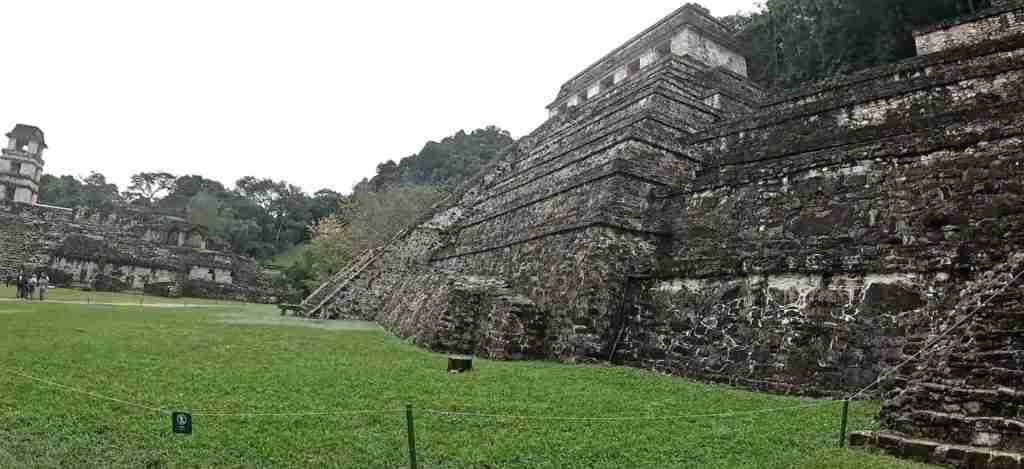
5 days
Chiapas 5-Day Highlights Experience
- ✓ Comprehensive Chiapas experience
- ✓ Expert local guides included
- ✓ All accommodation included
- ✓ Transportation provided
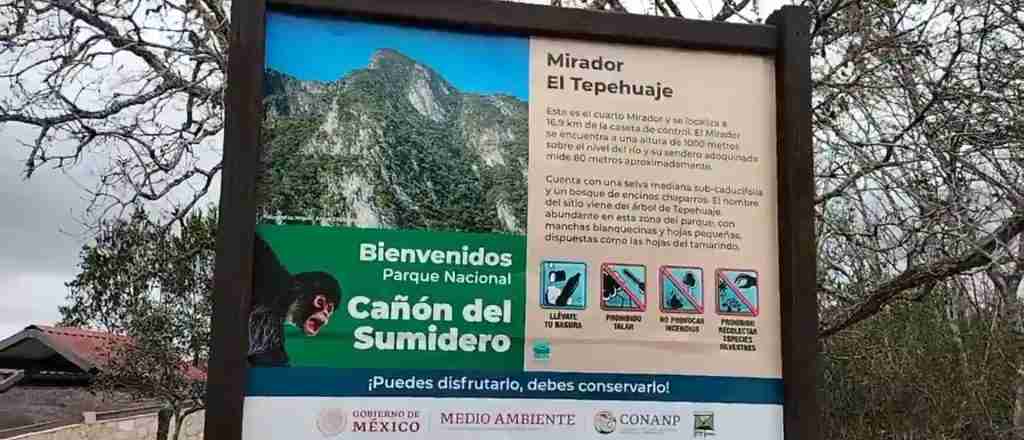
7 days
Chiapas 7-Day Cultural Journey
- ✓ Comprehensive Chiapas experience
- ✓ Expert local guides included
- ✓ All accommodation included
- ✓ Transportation provided
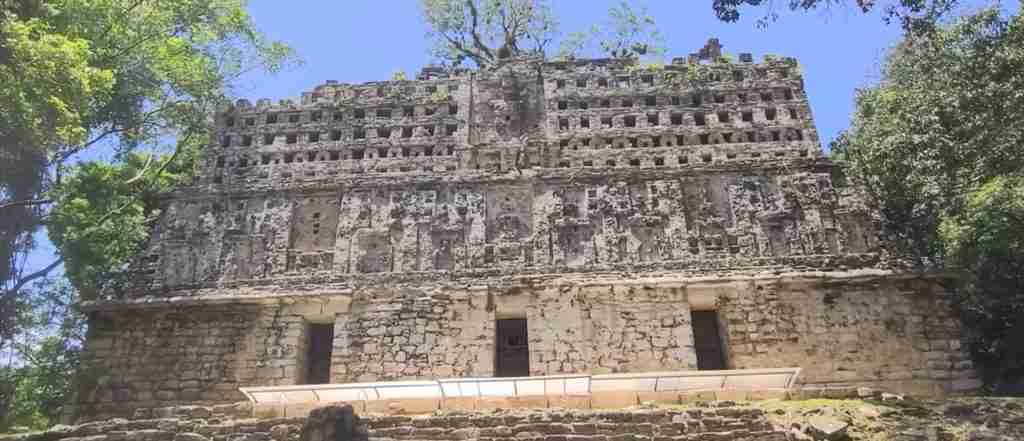
10 days
Chiapas 10-Day Complete Adventure
- ✓ Comprehensive Chiapas experience
- ✓ Expert local guides included
- ✓ All accommodation included
- ✓ Transportation provided
Multi-day tour packages powered by TourRadar. Prices and availability subject to change.
Essential Planning Information for 2026 Tours
Location and Getting to Chiapa de Corzo
Sumidero Canyon boat tours depart from the embarcadero (boat dock) in Chiapa de Corzo, a colonial town on the Grijalva River 15 kilometers southeast of Tuxtla Gutiérrez. The embarcadero sits on the town’s riverfront, clearly marked with signs and visible boat docks along the water.
From Tuxtla Gutiérrez, reach Chiapa de Corzo via several transport options. Colectivo minivans depart from the corner of 3a Norte and 9a Oriente in Tuxtla’s city center every 10-15 minutes from 6:00 AM-8:00 PM, costing $15-20 MXN per person for the 25-minute journey. These shared vans drop passengers at Chiapa de Corzo’s main plaza, a 5-minute walk to the embarcadero following signs or asking locals.
Taxis from Tuxtla Gutiérrez to Chiapa de Corzo cost $150-200 MXN for the entire vehicle, accommodating up to 4 passengers. Negotiate price before departure. Uber operates in Tuxtla and provides slightly lower rates of $120-180 MXN depending on surge pricing. Both taxis and Uber can drop directly at the embarcadero entrance.
Driving yourself from Tuxtla Gutiérrez takes 20-25 minutes via Highway 190. Free parking is available near the embarcadero, though spaces fill quickly 10:00 AM-2:00 PM during high season (December-March). Arrive before 9:00 AM or after 3:00 PM for easier parking access.
Organized tour operators in Tuxtla Gutiérrez offer comprehensive packages including hotel pickup, eliminating transport coordination. These tours cost $450-600 MXN and pick up from major hotels 7:30-8:30 AM, typically visiting canyon viewpoints before or after the boat tour.
Boat Tour Schedules and Departure Times
Boat tours operate daily 8:30 AM-4:00 PM with the last departure leaving by 4:00 PM to ensure return before dusk. During high season (December-March) and weekends year-round, boats depart on fixed schedules every 30-45 minutes from 8:30 AM-3:30 PM as passenger volume warrants continuous operation.
Low season (April-November) and weekdays operate on a fill-up system where boats depart when reaching 80-90% capacity, typically 15-25 passengers depending on boat size. Wait times range from immediate departure if arriving as a large group fills the boat, to 45-60 minutes during slow periods. Early morning (8:30-10:00 AM) and early afternoon (1:00-2:00 PM) see highest passenger volumes with shortest wait times.
The embarcadero ticket offices open 8:00 AM allowing early arrivals to purchase tickets before first departure. Arriving 8:15-8:30 AM positions you for the very first boat of the day, offering advantages including fewer boats sharing the canyon, calmest water conditions, coolest air temperature, and most active wildlife before heat drives animals into shade.
Special sunrise tours operate during peak season on weekends, departing 6:30-7:00 AM with advance reservation required. These early departures cost $350-400 MXN per person (premium pricing) but reward photographers and nature enthusiasts with extraordinary light conditions and virtually empty canyon before standard tours begin. Contact tour operators in Tuxtla Gutiérrez to arrange sunrise access as embarcadero doesn’t directly sell these early tours.
Tour Boat Types and Capacity
The boat fleet consists primarily of fiberglass lanchas (open motorboats) designed specifically for canyon navigation. Standard boats measure 8-10 meters length, accommodating 15-25 passengers on bench seating arranged in rows. Each boat features a shade canopy covering 70-80% of seating area, protecting passengers from direct sun during the 2-hour journey.
Boats are powered by outboard motors (typically 75-115 horsepower), providing sufficient speed to navigate upstream against current while maintaining fuel efficiency for the 32-kilometer round trip. Captains moderate speed based on conditions, traveling faster on wider straight sections and slowing through narrow passages or near wildlife viewing areas.
Life jackets are provided for all passengers with wearing mandatory throughout the journey. Boats carry sufficient jackets in various sizes from infant to adult extra-large. The boats maintain low freeboard (distance from waterline to deck), making entry and exit easy even for elderly passengers or those with limited mobility. No climbing or stepping over high gunwales is required.
Premium tour operators offer larger boats with 30-40 passenger capacity, featuring cushioned seats, bathrooms onboard, and fully covered canopies. These upgraded boats cost $350-450 MXN per person and operate primarily for organized tour groups with advance reservations. Independent travelers at the embarcadero typically ride standard lanchas unless specifically requesting premium boats and willing to wait for them to fill.
Weather and Seasonal Considerations for 2026
Sumidero Canyon experiences distinct wet and dry seasons affecting tour conditions significantly. The dry season (November-April) provides optimal touring conditions with minimal rainfall, lower humidity (50-65%), comfortable temperatures (22-30°C), clear skies for photography, and calmer water. December through March represents peak touring season when conditions are most reliable.
The wet season (May-October) brings afternoon thunderstorms arriving 2:00-5:00 PM on 60-70% of days. Morning tours (8:30 AM-12:00 PM) usually proceed before rain develops, making early departures essential during this period. Wet season advantages include spectacular waterfalls cascading down canyon walls at full volume, lush green vegetation, fewer crowds, and dramatic cloud formations. However, heavy rain can temporarily suspend tours for safety, though complete day cancellations are rare.
Temperature variations affect tour comfort substantially. Dry season mornings start pleasantly at 22-25°C, warming to 28-32°C by afternoon. The canyon creates natural air conditioning effect with cool air settling in the gorge, making temperatures 3-5°C cooler than Tuxtla Gutiérrez at the same time. Wet season brings higher humidity reaching 80-90%, making even moderate temperatures feel much warmer.
For 2026 planning, book tours during December 15-March 15 for guaranteed excellent conditions. April-May transitions see increasing heat and occasional late-season rains. June-October requires flexibility with afternoon thunderstorms, but morning tours remain highly viable and reward visitors with dramatic landscapes enhanced by wet season water volume.
Comprehensive Cost Breakdown for 2026
Boat Tour Pricing Structure
The standard boat tour costs $250-300 MXN per adult for the 2-hour round-trip journey through the canyon. Check current rates at Chiapa de Corzo embarcadero as pricing may vary. This fee includes all necessary equipment (life jackets), tour guide commentary in Spanish (some guides speak basic English), and complete navigation from embarcadero through the canyon to Chicoasén Dam and return.
Children under 5 years ride free when sharing parent’s lap space. Children 5-12 years pay reduced rates of $150-200 MXN. Students with valid Mexican student ID cards receive 10-15% discounts at some operators. Senior citizens (60+) with Mexican credentials also qualify for small discounts, though international seniors pay standard rates.
Private boat charters for exclusive group use cost $2,500-3,500 MXN for boats accommodating 15-20 passengers. This option becomes cost-effective for groups of 10+ people when compared to individual tickets ($250 x 10 = $2,500). Private charters allow custom pacing – stopping longer at preferred viewpoints, spending more time photographing wildlife, or adjusting the route slightly within operational boundaries.
Premium boat tours with upgraded vessels featuring cushioned seats, onboard bathrooms, and better shade coverage charge $350-450 MXN per person. These boats typically serve organized tour groups but independent travelers can request them by asking at ticket offices and accepting longer wait times for boats to reach capacity.
Photography permits for professional equipment (defined as tripods, external lighting, or obvious commercial gear) cost additional $200-300 MXN. Personal cameras, smartphones, and standard tourist photography require no special permits or fees. Video recording for personal use is included in base ticket price.
Organized Tour Package Pricing from Tuxtla Gutiérrez
Comprehensive tour packages from Tuxtla Gutiérrez combine boat tours with canyon viewpoint visits and transportation. Standard packages cost $450-600 MXN per person and include hotel pickup/drop-off from Tuxtla hotels, air-conditioned transport to Chiapa de Corzo, boat tour admission, visits to 3-5 canyon viewpoints (El Roblar, Tepehuaje, Los Chiapa, Coyota, El Chiapilla), bilingual guide, and sometimes lunch at Chiapa de Corzo restaurant.
Premium packages cost $800-1,200 MXN and add extended itineraries visiting Chiapa de Corzo’s colonial center, traditional cuisine lunch at quality restaurant, handicraft market visit, professional photography opportunities at viewpoints, and smaller group sizes (maximum 12 vs standard 20-30). These premium options appeal to travelers prioritizing comfort and cultural immersion beyond just the boat tour.
Multi-day packages combining Sumidero Canyon with other Chiapas attractions exist. Popular 2-day packages pairing Sumidero Canyon with Palenque archaeological zone cost $2,500-3,500 MXN including transport, admissions, one night accommodation, and most meals. 3-day packages adding San Cristóbal de las Cobán exploration cost $4,500-6,500 MXN. These multi-day options provide value for travelers covering multiple destinations efficiently.
Book organized tours through hotels in Tuxtla Gutiérrez, online platforms (Viator, GetYourGuide, Civitatis), or directly with tour operators in the city. Booking 2-3 days in advance during high season (December-March) ensures availability and preferred departure times. Last-minute bookings often available but may face limited time slot options.
Additional Expenses and Budget Planning
Beyond the boat tour ticket, budget for several supplementary expenses. Parking at Chiapa de Corzo embarcadero costs $30-50 MXN for 4-6 hours if driving personally. Colectivo transport from Tuxtla Gutiérrez costs $15-20 MXN each way per person ($30-40 MXN roundtrip). Taxi or Uber transport runs $150-200 MXN each way ($300-400 MXN roundtrip for vehicle).
Food and beverages add to daily costs. Bring bottled water for the boat tour – the embarcadero vendors sell bottles for $15-25 MXN (versus $10-12 MXN at Tuxtla supermarkets). Snacks at embarcadero kiosks cost $30-60 MXN for chips, fruit, or pastries. After the tour, restaurants in Chiapa de Corzo serve traditional Chiapaneco cuisine with meals costing $120-200 MXN for main course with drink. The town’s famous pozol (corn-based beverage) costs $15-25 MXN from plaza vendors.
Canyon rim viewpoint access charges $35 MXN per person entrance fee to the scenic road accessing the five main overlooks. This fee is separate from boat tour costs unless included in organized packages. Driving the scenic route requires vehicle entrance fee plus per-person charge.
Souvenirs and handicrafts are available at Chiapa de Corzo’s artisan markets and embarcadero shops. Locally made textiles, amber jewelry, and wood carvings range $50-500 MXN depending on item quality and size. Budget $100-300 MXN if interested in purchasing regional handicrafts.
Sample 2026 Budget Breakdown
Budget Independent Visit: Boat tour $250 MXN, roundtrip colectivo $40 MXN, water and snacks $50 MXN, lunch in Chiapa de Corzo $150 MXN. Total: $490 MXN ($28-30 USD) per person (excluding accommodation).
Mid-Range Independent Visit: Boat tour $300 MXN, roundtrip Uber $300 MXN, water and snacks $60 MXN, quality restaurant lunch $220 MXN, viewpoint access $35 MXN, souvenirs $150 MXN. Total: $1,065 MXN ($60-65 USD) per person (excluding accommodation).
Organized Tour Package: All-inclusive package $550 MXN including boat tour, transport, viewpoints, guide, additional water/snacks $40 MXN, optional lunch upgrade $100 MXN, souvenirs $200 MXN. Total: $890 MXN ($50-55 USD) per person (excluding accommodation).
Premium Experience: Premium boat tour $400 MXN, private transport $400 MXN, viewpoint access $35 MXN, upscale lunch $350 MXN, photography guide $500 MXN, souvenirs $300 MXN. Total: $1,985 MXN ($115-120 USD) per person (excluding accommodation).
Complete Canyon Journey: What to See in 2026
Early Canyon Section: Departure to First Narrows
The journey begins at Chiapa de Corzo embarcadero where the Grijalva River flows wide and calm at approximately 200 meters width. The initial 5 kilometers travel through relatively open riverbanks with low hills rising on both sides. This section provides opportunity to spot white pelicans fishing in the calm waters – these large birds migrate to the region October-March, creating spectacular displays when flocks of 20-30 birds fish cooperatively.
American crocodiles appear frequently along this opening section, basking on muddy banks or rocky outcrops warming in morning sun. The reptiles range from 1-meter juveniles to impressive 4-meter adults. Crocodiles are most visible during dry season (November-April) when they need to thermoregulate actively. Tour boats approach within 10-15 meters for excellent viewing and photography while maintaining safe distance from these powerful predators.
Riverside vegetation transitions from scrubby dry forest to denser tropical growth as the canyon deepens. Tour guides identify local tree species including ceibas (sacred to Maya culture), wild figs, and various palm species. During wet season (May-October), lush green vegetation covers every surface, while dry season reveals more of the underlying limestone geology.
The first dramatic feature appears approximately 8 kilometers into the journey – a striking waterfall called “Christmas Tree” (Árbol de Navidad) formed by mineral deposits creating formations resembling a decorated tree cascading down the cliff face. During dry season, the waterfall reduces to trickles highlighting the mineral patterns. Wet season transforms it into a powerful cascade shooting white water 70-80 meters down the cliff.
Main Canyon Section: The Deepest Gorge
At kilometer 12, the canyon walls begin their spectacular rise. Over the next 15 kilometers, limestone cliffs ascend vertically from the river surface, reaching maximum depths of 1,000 meters (3,280 feet). This section delivers the overwhelming geological impact that makes Sumidero Canyon famous – sheer rock faces towering on both sides, the river narrowing to 150 meters width or less, and the sky reduced to a ribbon overhead.
Several significant features mark this section. The “Cueva de Colores” (Cave of Colors) shows mineral staining in rainbow patterns across the cliff face – iron oxides create reds and oranges, copper compounds generate greens and blues, and manganese produces purple-black streaks. These color variations result from millions of years of chemical weathering and mineral deposition.
Spider monkeys inhabit the mid-canyon sections where sufficient vegetation clings to cliff faces and ledges. These acrobatic primates swing through riverside trees and occasionally cross the river by descending to the water’s edge at narrow points. Morning tours (8:30-11:00 AM) provide best chances for monkey sightings as they feed actively during cooler hours.
Multiple waterfalls cascade into the canyon throughout this section. “Velo de Novia” (Bridal Veil) waterfall drops 120 meters in misty cascades resembling a wedding veil – during wet season it becomes a thundering torrent, while dry season reveals the delicate rock formations beneath. Tour boats often pause beneath smaller falls allowing passengers to feel the spray and appreciate the scale.
The canyon walls display obvious geological stratification – horizontal layers of different limestone and sedimentary rock types showing millions of years of deposition. Fossil evidence appears in certain exposed layers, though viewing from moving boats makes detailed fossil observation challenging. Tour guides explain the 70-million-year formation process beginning when this area was submerged beneath ancient seas.
Dam and Turnaround Point
The tour reaches its terminus at Chicoasén Dam, a massive hydroelectric facility 32 kilometers from Chiapa de Corzo. The dam rises 261 meters creating Mexico’s fourth-largest reservoir (Netzahualcóyotl Reservoir). The dam’s concrete face appears suddenly around a river bend, contrasting dramatically with natural canyon formations.
Boats cannot approach the dam closely due to security restrictions and current patterns, but viewing from 200-300 meters provides adequate perspective for photographs. The dam represents significant engineering achievement completed in 1981, generating 900 megawatts of electricity for southern Mexico’s power grid.
At this turnaround point, captains typically idle the boat 5-10 minutes allowing passengers to absorb the scene, take photographs, and ask questions. Some operators serve complimentary bottled water at this midpoint. The dam’s presence creates calm water conditions throughout the navigable canyon, as controlled releases maintain steady river levels downstream.
The return journey follows the same route but reveals different perspectives. Lighting conditions change as the boat reverses direction, illuminating previously shadowed cliff faces. Wildlife viewing often improves on return trips as guides spot animals they noted during the upstream journey, positioning boats optimally for viewing and photography.
Wildlife and Ecological Highlights
Sumidero Canyon’s UNESCO Biosphere Reserve status protects exceptional biodiversity within tropical dry forest ecosystem. The boat tour provides access to wildlife viewing impossible from canyon rim viewpoints, as animals frequent the river corridor for water and food sources.
American crocodiles represent the canyon’s most iconic wildlife. The Grijalva River population numbers 150-200 individuals ranging from hatchlings to massive adults exceeding 4 meters length. These reptiles are most visible during dry season when they bask extensively to regulate body temperature. Wet season sightings decrease as warmer water allows crocodiles to remain submerged longer. The species is protected under Mexican environmental law with hunting prohibited – the canyon population recovered significantly since conservation measures began in the 1990s.
White pelicans arrive October-March during North American winter, using the canyon as wintering grounds. Flocks of 30-50 birds fish cooperatively, forming v-formations to concentrate fish in shallow areas. These massive birds with 3-meter wingspans create dramatic wildlife photography opportunities when dozens take flight simultaneously.
Spider monkeys inhabit mid-canyon vegetation, traveling in troops of 8-15 individuals. They feed on fruits, leaves, and insects found in riverside trees. Morning tours encounter monkeys most frequently as troops move and feed actively before midday heat. The monkeys’ acrobatic abilities amaze visitors as they leap gaps between trees and climb vertical cliff faces using specialized gripping tails.
Bird diversity impresses serious ornithologists. Species regularly observed include great blue herons, snowy egrets, green kingfishers, black vultures, white-tailed kites, and various parrot species. During migration periods (October-November and March-April), North American warblers and flycatchers pass through the canyon, temporarily increasing species counts by 40-50 species.
While jaguar sightings from boats are extremely rare (perhaps 2-3 reported sightings annually), evidence of their presence includes tracks on muddy banks and occasional prey remains on riverside ledges. These apex predators hunt white-tailed deer, peccaries, and large iguanas that also inhabit the canyon ecosystem.
Canyon Viewpoints: Combining Boat Tour with Rim Perspectives 2026
The Five Main Viewpoint Locations
While the boat tour provides intimate canyon-floor experience, the rim viewpoints offer breathtaking aerial perspectives impossible from water level. A paved scenic road accessing five main viewpoints parallels the canyon’s eastern rim, creating opportunities to see the gorge from above before or after boat touring.
The viewpoints are named El Roblar, Tepehuaje, Los Chiapa, La Coyota, and El Chiapilla, distributed along 22 kilometers of rim road. Entrance to the scenic road costs $35 MXN per person collected at the access gate. The road is paved and suitable for all vehicles, though curves are sharp and shoulders minimal – drive cautiously.
La Coyota Viewpoint sits at kilometer 7 and offers the most dramatic perspective. The platform cantilevers over the rim providing views straight down 900+ meters to the river winding far below. This viewpoint captures the canyon’s true depth most impressively. Safety railings protect visitors but those with severe fear of heights may find the exposure challenging. Photography here benefits from wide-angle lenses (16-24mm) to capture both canyon width and depth.
Los Chiapa Viewpoint at kilometer 12 provides excellent perspective on river meandering and a prominent waterfall visible on the opposite canyon wall. This viewpoint works particularly well during late afternoon (3:00-5:00 PM) when angled light illuminates the far wall beautifully. Telephoto lenses (70-200mm) compress the canyon creating dramatic compositions showing the river’s serpentine path.
El Chiapilla Viewpoint at kilometer 18 offers the widest vistas capturing 5+ kilometers of canyon in single views. This location works excellently for panoramic photography and shows the geological layering in canyon walls most clearly. Interpretive signs explain the formation process and identify visible rock strata.
Each viewpoint includes parking areas, shaded rest benches, clean restrooms, and vendors selling drinks and snacks. Allow 15-20 minutes per viewpoint for walking to viewing platforms, photography, and returning to vehicles. The complete five-viewpoint circuit requires 2-2.5 hours including driving time between locations.
Combining Boat Tour with Viewpoints
Visitors combining boat tour and viewpoints face a logistical decision: viewpoints before or after the boat tour. Most organized tour packages visit viewpoints first (9:00 AM-11:30 AM), then proceed to Chiapa de Corzo for boat tour (12:00-2:00 PM). This sequence allows morning light at viewpoints and post-lunch boat touring when some crowd pressure eases.
Independent travelers with personal vehicles might prefer the reverse: boat tour early (8:30-10:30 AM) when conditions are optimal, then drive the scenic road (11:00 AM-1:30 PM) before afternoon heat becomes oppressive. This sequence captures both experiences during prime hours but requires managing your own transport between Chiapa de Corzo embarcadero and the scenic road entrance (20-minute drive).
For photography enthusiasts, consider splitting the viewpoints across two visits – morning trip to eastern-facing viewpoints (Tepehuaje, Los Chiapa) for optimal light 8:00-10:00 AM, boat tour midday, then return for western-facing viewpoints (La Coyota, El Chiapilla) for afternoon and golden hour light 4:00-6:00 PM. This maximizes photographic opportunities but requires full day commitment and personal vehicle.
The boat-only experience provides comprehensive canyon appreciation for travelers with limited time. The viewpoints add valuable perspective but are not essential if time constraints exist. Conversely, serious photographers and nature enthusiasts benefit significantly from experiencing both perspectives to fully understand the canyon’s scale and ecosystem.
Photography Tips and Techniques for 2026
Equipment Recommendations for Boat Tours
Sumidero Canyon boat tours present specific photographic challenges and opportunities requiring appropriate equipment choices. Wide-angle lenses (16-35mm) capture the canyon’s towering walls rising on both sides, creating sense of enclosure and scale. These focal lengths work excellently when walls narrow creating dramatic framing of sky overhead.
Telephoto zoom lenses (70-200mm or 70-300mm) prove invaluable for wildlife photography and distant waterfall details. Crocodiles often bask 20-40 meters from boats, requiring telephoto reach for frame-filling images. Monkey troops in cliff vegetation photograph best with 200mm+ focal length. Waterfalls on opposite canyon walls also benefit from telephoto compression.
A standard zoom (24-70mm or 24-105mm) covers general boat tour photography effectively – wide enough for cliff walls, long enough for fellow passengers and medium-distance subjects. Many photographers bring only this one lens rather than switching lenses in the rocking boat environment.
Camera stabilization presents challenges. The moving boat creates vibration and rocking motion, making sharp images difficult at slow shutter speeds. Shoot at minimum 1/250 second to freeze boat motion when using telephoto lenses. Image stabilization systems help but cannot eliminate all movement. Increase ISO to 400-800 if necessary to maintain adequate shutter speeds. Modern cameras handle these ISO values with minimal noise.
Protect equipment from water spray. While boats rarely encounter heavy water, waterfall proximity and occasional splashing occur. Keep cameras in protective bags when not shooting. A dry bag for storing equipment during potentially wet sections provides insurance against water damage. Rain covers for cameras and lenses are essential during wet season tours.
Optimal Lighting Conditions
Canyon photography faces lighting challenges due to extreme depth and narrow width. The 1,000-meter-deep gorge means canyon floor receives direct sunlight only during midday hours when sun reaches overhead position. Morning and afternoon tours experience partially shadowed conditions with dramatic contrast between sunlit cliff tops and shadowed river-level areas.
Early morning tours (8:30-10:00 AM) capture soft directional light illuminating eastern canyon walls beautifully while western walls remain in deep shadow. This creates dramatic three-dimensional modeling highlighting geological textures and stratification. Sky overhead appears vivid blue contrasting with dark cliff shadows.
Midday tours (11:30 AM-1:30 PM) receive the most even lighting as overhead sun penetrates to canyon floor. This lighting works well for eliminating harsh shadows but can appear flat and less dramatic. Midday is optimal for photographing waterfall details and wildlife in even light without extreme contrast.
Afternoon tours (2:00-4:00 PM) reverse the morning pattern with western walls illuminated and eastern walls shadowed. Golden hour light (last hour before sunset) creates warm color tones but penetrates the deep canyon minimally, limiting impact compared to open landscape photography.
During wet season, cloud cover diffuses harsh sunlight creating more even lighting throughout the day. While less dramatic than dry season’s strong directional light, cloudy conditions eliminate extreme contrast allowing easier exposure management and often produce moody atmospheric images with mist and fog effects.
Viewpoint Photography Strategies
Canyon rim viewpoints offer completely different photographic opportunities than boat tours. The aerial perspective enables capturing the river’s meandering path, the canyon’s true depth, and the relationship between vertical walls and serpentine water below.
Wide-angle lenses (16-24mm) prove essential for viewpoint photography. The vast depth-of-field challenges require foreground interest combined with distant canyon views. Look for interesting rocks, vegetation, or architectural elements (railings, platforms) to anchor compositions while including canyon depths behind.
Graduated neutral density filters help balance bright sky against shadowed canyon depths, though modern cameras’ dynamic range often handles this contrast adequately through careful exposure and post-processing. Bracketing exposures (shooting multiple exposures at different settings) provides flexibility for combining images in post-processing.
Timing viewpoint visits for optimal light makes significant difference. Eastern viewpoints (Tepehuaje, Los Chiapa) photograph best 8:00-11:00 AM when sun illuminates the far western wall across the canyon. Western viewpoints (La Coyota, El Chiapilla) favor afternoon light 3:00-6:00 PM illuminating eastern walls and canyon depths.
Sunset photography from western viewpoints can be spectacular during dry season (November-April) when clear skies allow extended golden hour. The canyon orientation means sunset colors reflect on rock faces creating warm red-orange tones. However, the sun sets behind the western rim meaning dramatic sunset colors appear in the sky rather than illuminating the canyon directly.
Wildlife and Crocodile Photography
Photographing American crocodiles from tour boats requires different approach than typical wildlife photography. The reptiles remain relatively stationary when basking, allowing careful composition. However, boat movement, fluctuating distance, and need for quick reactions complicate the process.
Telephoto lenses (200mm minimum, 300-400mm ideal) enable frame-filling crocodile portraits from safe boat distances. Fast shutter speeds (minimum 1/500 second) freeze both subject and boat motion. Continuous autofocus modes track crocodiles as boat positioning changes. Back-button focus techniques separate focus acquisition from shutter release, preventing autofocus hunting in complex scenes.
Crocodile photography benefits from overcast days or early morning when harsh shadows don’t create extreme contrast on dark reptilian skin. Direct midday sun creates hotspots on wet scales while leaving eye sockets in deep shadow. Slight cloud cover or morning’s softer light reveals texture and detail better.
Monkey photography presents greater challenges due to movement, often distant positions, and dark fur against bright sky. Shoot in continuous high-speed mode to capture sequences of movement. Expose for the monkeys rather than bright background sky, accepting blown-out highlights in backgrounds to maintain detail on animals. ISO 800-1600 may be necessary to maintain fast shutter speeds in dappled forest light.
Bird photography, particularly pelicans, works well with telephoto reach and fast continuous shooting. White pelicans against dark water create extreme contrast – expose for the white birds and let water go dark, or expose more conservatively and lift shadows in post-processing. Capturing pelicans in flight requires fast shutter speeds (1/1000 second minimum) and anticipating their movements.
Practical Tips for Maximizing Your 2026 Experience
What to Bring on Your Boat Tour
Sun protection ranks as the highest priority. Despite boat canopies providing shade, reflected light from water creates intense UV exposure. Bring SPF 50+ sunscreen, applying 30 minutes before departure and reapplying after the first hour. Wide-brim hats protect face and neck, though secure them as boats generate wind. Sunglasses with polarized lenses reduce water glare and enhance water clarity for spotting crocodiles and fish.
Hydration is essential. The 2-hour tour plus waiting time before/after means 3-4 hours in heat and humidity. Bring 1-2 liters of water per person in reusable bottles. Embarcadero vendors sell water but at inflated prices ($15-25 MXN vs supermarket $10 MXN). Avoid alcohol before tours as dehydration risk increases.
Camera equipment should include extra batteries and memory cards. The abundant photo opportunities exhaust battery life quickly, especially when reviewing images on LCD screens. Bring 2-3 batteries for SLR/mirrorless cameras. Memory cards fill quickly when shooting continuous sequences of wildlife – 32GB minimum, 64GB recommended. Pack a dry bag or waterproof case for protecting electronics from spray and rain.
Insect repellent with DEET helps at embarcadero and during boat loading/unloading when mosquitoes congregate near water. Once underway, boat speed creates breeze eliminating most insect issues. Wet season visitors encounter more mosquitoes than dry season travelers.
Comfortable clothing matters significantly. Quick-dry fabrics handle humidity and potential spray better than cotton. Long-sleeve lightweight shirts protect from sun while remaining breathable. Closed-toe shoes with good tread handle wet boat decks safely – avoid flip-flops or smooth-soled shoes. A light rain jacket serves dual purpose protecting from occasional spray and afternoon wet-season showers.
Binoculars enhance wildlife viewing and geological detail observation. 8×42 or 10×42 configurations provide excellent magnification while remaining compact enough for boat use. Stabilized binoculars reduce shake from boat movement but cost significantly more than standard optics.
Booking Strategies and Advance Planning
Independent travelers can purchase tickets directly at Chiapa de Corzo embarcadero without advance booking year-round. This flexibility allows adjusting plans based on weather and personal schedule. The risk is longer wait times during peak periods (Christmas-New Year, Easter week, July-August) when boats fill quickly and departures occur on fixed schedules.
Advance booking makes sense for travelers with rigid schedules or visiting during peak season. Contact tour operators in Tuxtla Gutiérrez 3-7 days ahead to reserve spots. Many hotels in Tuxtla can arrange tours directly, adding convenience though possibly small commission fees to prices.
Organized tour packages warrant booking 1-2 weeks in advance during high season (December-March) to secure preferred dates and departure times. Most tour operators require 24-48 hour cancellation notice for full refunds, providing some flexibility if weather deteriorates or plans change.
For sunrise tours or photography-focused experiences, book 2-4 weeks ahead. These specialized tours operate less frequently with limited capacity. Photographers seeking optimal conditions should communicate specific needs (longer stops at wildlife areas, particular viewpoints) when booking to ensure tour format matches expectations.
Group discounts apply for parties of 10+ people. Contact embarcadero operators or tour companies directly to negotiate group rates, typically 10-20% below individual pricing. Groups can also arrange private boat charters ensuring exclusive use and customized pacing.
Tour Guide Quality and Language Considerations
Standard boat tours include captain/guide who provides commentary in Spanish throughout the journey. Guide quality varies significantly based on individual knowledge and communication skills. The best guides explain geological formation, identify wildlife species, share local legends, and engage passengers with questions and interaction.
English-speaking guides are less common but available with advance request. Tour operators that cater to international tourists provide bilingual guides, though this may add $50-100 MXN per person to costs or require private tour arrangements. Basic English explanations cover major features but detailed geological or ecological information is typically Spanish-only.
Independent travelers at embarcadero face luck-of-the-draw regarding guide assignment based on which boat you board. Asking ticket sellers about English-speaking guides may result in being directed to specific boats, though no guarantees exist. During low-season weekdays, English-speaking requests face more difficulty than busy high-season periods when multiple boats operate simultaneously.
Bringing a Spanish phrasebook or translation app helps non-Spanish speakers follow along with guide commentary. Key terms to learn include “cocodrilo” (crocodile), “cascada” (waterfall), “mono araña” (spider monkey), “pelícano” (pelican), and “presa” (dam). Most guides speak clearly and point at subjects being discussed, making context understandable even with limited Spanish comprehension.
Photography-focused travelers might prefer less commentary and more quiet observation time. Communicate this preference to guides who often accommodate by reducing talk during particularly scenic sections or wildlife encounters. Standard tours balance narration with quiet periods allowing passenger conversation and photography.
Safety Considerations and Precautions
Boat tour safety record is excellent with very few incidents reported over decades of operation. The primary risks are minor – sunburn, dehydration, minor seasickness, and slips on wet decks. Following basic precautions eliminates most concerns.
Life jacket use is mandatory with no exceptions. Operators provide jackets in all sizes and verify proper wear before departure. Children’s jackets include crotch straps preventing jacket slipping off. The requirement seems excessive given calm water conditions, but accidents can happen and the regulation ensures consistent safety standards.
Boat loading and unloading present the highest injury risk. Docks can be wet and slippery, boats rock slightly as passengers board, and the gap between dock and boat varies with water levels. Watch your step, use provided handrails, and accept crew assistance when needed. Elderly passengers or those with mobility limitations should communicate needs to crew who provide extra support.
Swimming in the Grijalva River is prohibited during tours due to crocodile presence and dam-controlled current variations. While the water appears calm, subsurface currents exist and crocodiles are unpredictable. The prohibition is strictly enforced – violators face tour termination without refund and potential legal consequences.
Motion sickness affects some passengers despite generally calm water. Boats travel at moderate speeds creating gentle rocking motion as they navigate river currents. Sitting in the middle of the boat reduces motion compared to bow or stern positions. Over-the-counter motion sickness medications (Dramamine, Bonine) taken 30-60 minutes before departure prevent symptoms for susceptible individuals. Ginger candies provide natural alternative.
Medical considerations: Pregnant women should consult healthcare providers before booking. While boat rides are gentle, the 2-hour duration and tropical heat create stress. Tour operators recommend against pregnant women in third trimester participating. Travelers with heart conditions should note the tour involves no physical exertion but does include heat exposure and potential stress from encountering crocodiles at close range. Anyone with serious medical conditions should consult physicians before booking.
Extending Your Visit: Chiapa de Corzo and Surrounding Attractions 2026
Exploring Colonial Chiapa de Corzo
After completing the boat tour, spend 1-2 hours exploring Chiapa de Corzo town, which offers colonial architecture, traditional cuisine, and artisan markets. The town dates to 1528, making it one of Chiapas’ oldest Spanish settlements, with historic buildings surrounding the central plaza.
The “Mudéjar Fountain” (La Pila) dominates the main plaza – a 16th-century Moorish-influenced brick fountain resembling the Spanish crown. This architectural gem is Chiapa de Corzo’s most photographed monument. The surrounding plaza features shaded arcades with restaurants, cafes, and handicraft shops.
Sample traditional Chiapaneco cuisine at plaza-area restaurants. Pepita con tasajo (pumpkin seed sauce with dried beef) costs $120-180 MXN and represents the region’s signature dish. Cochito (slow-roasted pork) served with tortillas and salsas runs $150-200 MXN. The famous pozol beverage – fermented corn-based drink served cold – costs $15-25 MXN from street vendors and provides refreshing indigenous tradition.
The Ex-Convento de Santo Domingo museum houses archaeological artifacts from pre-Hispanic Chiapas and colonial religious art. Entry costs $45 MXN with exhibits explaining regional history from ancient times through Spanish conquest and colonial period. The museum’s lacquerware (laca) collection showcases Chiapa de Corzo’s renowned artisan tradition.
Artisan markets sell distinctive Chiapa de Corzo lacquerware – decorative gourds painted with intricate flower and animal designs. Quality pieces range $200-2,000 MXN depending on size and detail. Textiles, amber jewelry, and traditional clothing appear in multiple market stalls. Wednesday and Sunday see expanded markets with more vendors and local food stalls.
Nearby Attractions for Multi-Day Itineraries
San Cristóbal de las Cobán sits 60 kilometers from Tuxtla Gutiérrez (1.5 hours via Highway 190), offering colonial architecture, indigenous culture, and surrounding highland villages. This mountain town serves as excellent base for exploring Chiapas, with 2-3 days providing adequate time for town exploration, nearby villages (San Juan Chamula, Zinacantán), and canyon day trips.
Palenque archaeological site lies 215 kilometers north (4.5-5 hours), presenting one of Mexico’s most important Maya ruins with exceptional architecture and jungle setting. Travelers combining Sumidero Canyon and Palenque need minimum 3-4 days covering both destinations plus transit time. This combination works well for comprehensive Chiapas cultural exploration.
Lagos de Montebello (Montebello Lakes National Park) sits 140 kilometers southeast near Guatemala border, featuring 50+ crystal-clear lakes in various blue-green shades surrounded by pine forests. Day trips from Tuxtla or San Cristóbal cost $600-900 MXN including transport and entry fees. The lakes combine well with Sumidero Canyon for nature-focused itineraries.
El Aguacero waterfall and Arcotete natural arch sit within 30 kilometers of Chiapa de Corzo, offering additional natural attractions for travelers with extra time. El Aguacero features 25-meter cascade with swimming area (entry $30 MXN), while Arcotete’s natural limestone arch spans a river with walking trails and cave formations (entry $35 MXN).
Sample 2026 Itineraries
Half-Day Boat Tour Only
7:30 AM – Depart Tuxtla Gutiérrez hotel via colectivo ($15 MXN) or taxi ($150-200 MXN) to Chiapa de Corzo.
8:00 AM – Arrive Chiapa de Corzo embarcadero. Purchase boat tour ticket ($250-300 MXN). Brief wait as boat fills with passengers.
8:30 AM – Depart on boat tour through Sumidero Canyon. Enjoy 2-hour journey with wildlife viewing, waterfalls, and geological formations.
10:30 AM – Return to embarcadero. Visit restrooms, purchase cold drinks.
10:45 AM – Walk to Chiapa de Corzo main plaza (5 minutes). Explore La Pila fountain and colonial architecture.
11:15 AM – Lunch at plaza restaurant ($120-200 MXN). Sample traditional pepita con tasajo or cochito.
12:30 PM – Return to Tuxtla Gutiérrez via colectivo or taxi.
Boat tour $250-300 MXN, transport roundtrip $30-400 MXN (depending on colectivo vs taxi), water/snacks $40 MXN, lunch $150 MXN. Total: $470-890 MXN ($27-51 USD) per person.
Full-Day Tour with Viewpoints
7:30 AM – Hotel pickup by organized tour operator. Air-conditioned transport to canyon rim scenic road.
8:30-11:00 AM – Visit five canyon viewpoints (La Coyota, Los Chiapa, El Chiapilla, El Roblar, Tepehuaje). Photography stops at each location capturing aerial perspectives. Viewpoint entry $35 MXN included in package.
11:30 AM – Arrive Chiapa de Corzo. Brief plaza exploration and restroom break.
12:00 PM – Depart on boat tour through Sumidero Canyon. Extended 2.5-hour journey with comprehensive commentary.
2:30 PM – Return to embarcadero. Lunch at Chiapa de Corzo restaurant included in tour package.
4:00 PM – Return transport to Tuxtla Gutiérrez hotels.
4:45 PM – Arrive hotel.
All-inclusive tour package $550-650 MXN, additional snacks/drinks $60 MXN, souvenirs optional $100-300 MXN. Total: $610-1,010 MXN ($35-58 USD) per person.
Two-Day Chiapas Highlights Itinerary
Day 1 – Sumidero Canyon:
Morning: Boat tour through Sumidero Canyon (8:30-10:30 AM). Afternoon: Canyon viewpoints drive with personal vehicle or organized tour. Late afternoon: Explore Chiapa de Corzo town, visit Ex-Convento museum, shop artisan markets. Evening: Return to Tuxtla Gutiérrez accommodation.
Costs: Boat tour $300 MXN, viewpoints $35 MXN, museum $45 MXN, meals $350 MXN, accommodation Tuxtla $600-1,200 MXN.
Day 2 – San Cristóbal de las Cobán:
Morning: Drive or bus to San Cristóbal (1.5 hours). Explore colonial center, visit Santo Domingo church and crafts market. Afternoon: Day trip to indigenous villages San Juan Chamula and Zinacantán ($400-600 MXN organized tour). Evening: Overnight San Cristóbal.
Costs: Transport to San Cristóbal $150 MXN, village tour $500 MXN, meals $400 MXN, accommodation San Cristóbal $500-1,000 MXN.
Two-day total: $2,880-4,280 MXN ($165-245 USD) per person including accommodation, transport, activities, and meals.
Frequently Asked Questions
Can you swim in Sumidero Canyon in 2026?
No, swimming is prohibited in the Grijalva River within Sumidero Canyon due to American crocodile presence and unpredictable currents from dam-controlled water releases. The ban is strictly enforced for visitor safety. Crocodile populations exceeding 150 individuals make swimming extremely dangerous despite seemingly calm water. For swimming opportunities near Tuxtla Gutiérrez, visit El Aguacero waterfall 30 kilometers from the city where designated swimming areas exist away from crocodile habitat.
What is the best month to visit Sumidero Canyon in 2026?
December through February represents the optimal period. These dry season months offer comfortable temperatures (22-28°C), minimal rainfall, low humidity (50-65%), calm water conditions, excellent wildlife visibility, and reliable clear weather for photography. March-April remain good but temperatures climb to 30-32°C. May-October wet season brings afternoon thunderstorms though morning tours remain viable with dramatic waterfall displays. Peak tourism occurs December-January during Mexican holiday periods, while February provides excellent conditions with fewer crowds.
How deep is Sumidero Canyon in 2026?
Sumidero Canyon reaches maximum depth of 1,000 meters (3,280 feet) from rim to river surface in its deepest sections around kilometers 18-24 of the boat tour route. Average depth throughout the navigable canyon ranges 600-800 meters. The Grijalva River at canyon floor sits approximately 450 meters above sea level, while canyon rims reach 1,400-1,450 meters elevation. The depth rivals many famous gorges worldwide – for comparison, the Grand Canyon’s average depth is approximately 1,600 meters, making Sumidero roughly 60% as deep while being dramatically narrower creating more imposing visual impact.
Are there crocodiles in Sumidero Canyon in 2026?
Yes, Sumidero Canyon supports healthy population of 150-200 American crocodiles (Crocodylus acutus) distributed throughout the navigable river section. These reptiles range from 1-meter juveniles to adults exceeding 4 meters length. Crocodile sightings occur on virtually every boat tour with highest visibility during dry season (November-April) when reptiles bask extensively on muddy banks and rock outcrops. American crocodiles are protected species under Mexican environmental law with hunting prohibited. Despite impressive numbers, attacks on tour boats have never occurred as boats maintain safe distances and crocodiles are habituated to watercraft presence avoiding interaction.
Can you take a boat tour during rainy season 2026?
Yes, boat tours operate year-round including May-October rainy season. Morning departures (8:30 AM-12:00 PM) usually proceed before afternoon thunderstorms develop, which typically arrive 2:00-5:00 PM. Tours are temporarily suspended only during active heavy rain or lightning for passenger safety, resuming when storms pass. Wet season advantages include spectacular waterfalls at full volume, lush green vegetation, fewer crowds, and dramatic cloud formations. Bring rain jacket and waterproof camera protection. Tour operators rarely cancel full days – morning tours almost always run successfully even during wet season.
How long does it take to drive from Tuxtla Gutiérrez to Chiapa de Corzo in 2026?
The drive from Tuxtla Gutiérrez to Chiapa de Corzo takes 20-25 minutes covering 15 kilometers via Highway 190. The road is well-maintained and clearly signed. From Tuxtla’s city center (Parque de la Marimba area), follow signs toward Highway 190 east. Traffic is light except during morning rush hour (7:30-9:00 AM) and evening rush (5:30-7:00 PM) when commuting adds 10-15 minutes to the journey. Direct colectivo vans cover the route in 25 minutes for $15-20 MXN, while taxis complete the journey in 20 minutes for $150-200 MXN.
Is Sumidero Canyon worth visiting if you’ve seen the Grand Canyon?
Yes, absolutely. While both are river-carved gorges, they provide completely different experiences. Sumidero’s 1,000-meter depth is less than the Grand Canyon’s but the canyon is dramatically narrower (150-300 meters vs several kilometers), creating more imposing vertical walls immediately adjacent. The boat tour through Sumidero provides intimate canyon-floor perspective impossible at the Grand Canyon where viewpoints remain distant from the Colorado River. Sumidero’s tropical ecosystem, abundant wildlife (crocodiles, monkeys, pelicans), waterfalls, and lush vegetation contrast completely with Grand Canyon’s arid environment. Think of them as complementary experiences rather than competing attractions – the boat journey format and jungle setting make Sumidero compelling even for Grand Canyon veterans.
Can you visit Sumidero Canyon and Palenque in the same trip 2026?
Yes, combining both destinations works well for comprehensive Chiapas exploration. Palenque sits 215 kilometers north of Tuxtla Gutiérrez requiring 4.5-5 hours driving or 5-6 hours via bus. Suggested itinerary: Day 1 – Arrive Tuxtla, afternoon Sumidero Canyon boat tour. Day 2 – Morning canyon viewpoints, afternoon travel to Palenque. Day 3 – Palenque archaeological site. Day 4 – Optional Palenque waterfalls or return travel. This combination provides UNESCO World Heritage archaeological site plus spectacular natural wonder. First-class ADO buses connect Tuxtla and Palenque for $350-450 MXN with multiple daily departures. Rental cars offer more flexibility for accessing canyon viewpoints and Palenque waterfalls.
Are boat tours suitable for young children in 2026?
Yes, boat tours work well for families with children of all ages. The 2-hour duration maintains most children’s attention, especially with wildlife sightings providing excitement. Boats have low freeboard making entry/exit easy even for toddlers. Life jackets are provided in all sizes including infant/toddler options with crotch straps. Shade canopies protect from sun exposure. The gentle boat motion rarely causes seasickness. Children under 5 ride free. Bring snacks, drinks, and small toys/books for occasional bored moments. Very young children (under 2) may become restless toward tour’s end – consider touring early morning when temperatures are coolest and children are freshest. Many families successfully tour with children as young as 6 months.
What wildlife can you realistically expect to see in 2026?
American crocodiles are virtually guaranteed sightings – tours rarely pass without spotting 5-15 individual crocodiles basking on banks. White pelicans appear frequently October-March during their wintering season, with flocks of 20-50 birds common. Spider monkeys are spotted on approximately 60-70% of tours, especially during morning departures when troops are actively feeding. Great blue herons, snowy egrets, and various parrot species appear regularly. Turkey vultures and black vultures are always present. More rarely spotted animals include river otters, iguanas, white-tailed deer (on distant cliff ledges), and coatimundis. Jaguar sightings from boats are extremely rare (2-3 reports annually) despite their presence in the protected area. Overall, expect multiple crocodile sightings, good chance of monkeys, likely pelicans (in season), and constant bird activity.