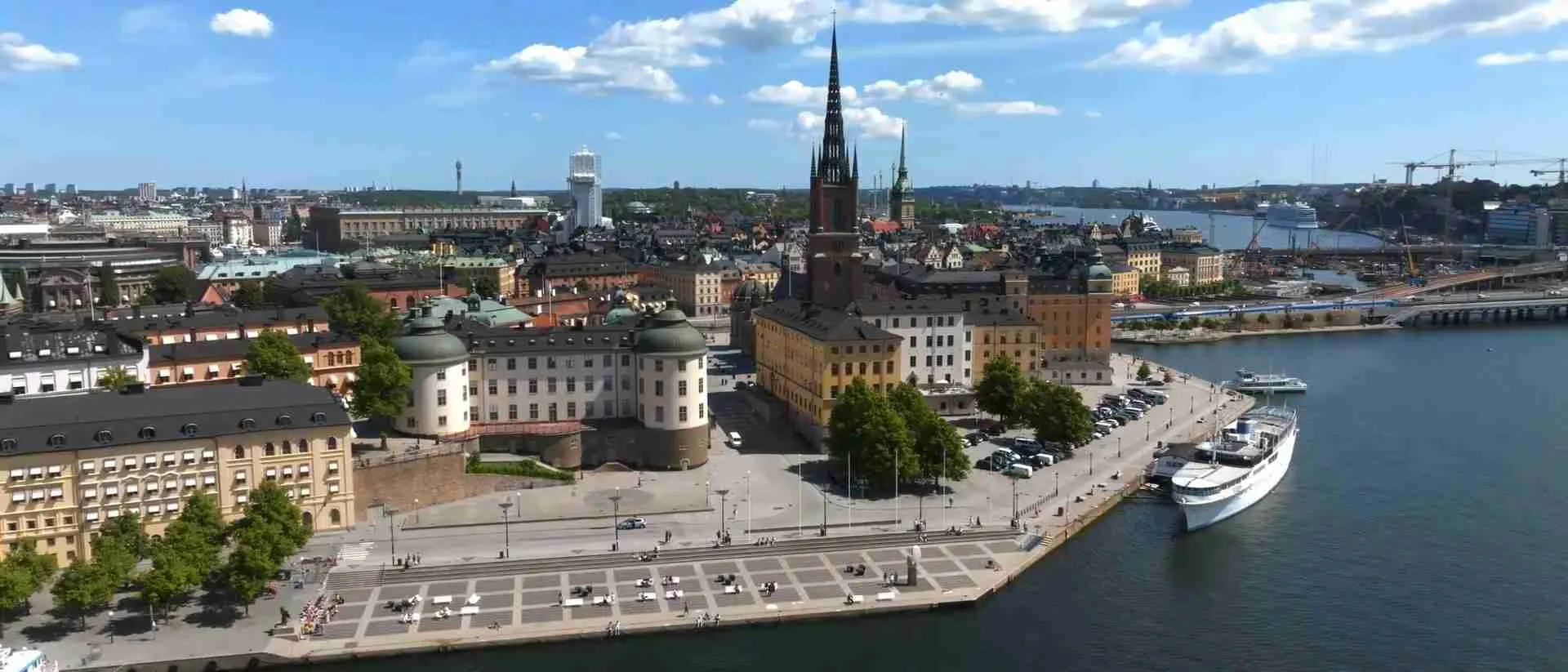
Stockholm Archipelago Guide: Island Hopping & Best Boat Tours
Stockholm’s archipelago stretches 80 kilometers from the city center into the Baltic Sea, encompassing approximately 30,000 islands, skerries, and rocky outcrops that create one of the world’s most spectacular island systems. This vast maritime landscape ranges from forested inner islands accessible within 30 minutes to remote outer archipelago destinations requiring two hours of ferry travel, offering everything from historic villages and sandy beaches to pristine wilderness and traditional Swedish summer cottage culture.
Key Takeaways
- Extensive Island System: The Stockholm archipelago contains roughly 30,000 islands ranging from tiny rocky skerries to substantial inhabited islands, extending from central Stockholm to the outer Baltic Sea
- Multiple Access Methods: Reach islands via public ferries (Waxholmsbolaget), guided sightseeing tours (Stromma and others), commuter ferries (SL line 83), private boat charters, and bridge access to select islands
- Ferry Cost Range: Public ferry tickets run 150-300 SEK return for inner archipelago islands and 250-450 SEK for outer destinations, with 5-day (600 SEK) and 30-day (1,800 SEK) unlimited travel passes available
- Seasonal Operations: Peak services operate May through September with multiple daily departures, while year-round service continues to major islands at reduced frequency during winter months
- Varied Island Character: Inner archipelago islands like Vaxholm and Grinda offer accessible tourism infrastructure, while outer islands like Sandhamn and Landsort provide remote beach culture and wilderness experiences
- Stockholm Archipelago Trail: A new 270-kilometer hiking route inaugurated in October 2024 connects 21 islands from Stockholm to Landsort, combining ferry crossings with walking paths for multi-day adventures
People Also Ask About Stockholm Archipelago
How many islands are in the Stockholm archipelago?
The Stockholm archipelago contains approximately 30,000 islands, though this number depends on how you define an “island.” Geological surveys count around 30,000 distinct land formations, but only about 1,000 are inhabited year-round or seasonally. The definition matters because the archipelago includes everything from substantial forested islands with villages and infrastructure to tiny rocky skerries barely rising above water. The Swedish land survey’s official count includes any distinct land mass surrounded by water, regardless of size. About 150 islands have regular ferry service, making them accessible for tourism and daily transportation. The vast majority of the 30,000 count comprises small rocky formations and uninhabited skerries that create the archipelago’s distinctive fractured coastline and complex navigation channels.
What is the best way to explore the Stockholm archipelago?
The optimal exploration method depends on your available time, budget, and interests. For first-time visitors with limited time, a 2-3 hour guided sightseeing cruise provides an overview of inner archipelago beauty with live commentary explaining history and landmarks. These tours cost 350-450 SEK and depart from central Stockholm multiple times daily. For deeper exploration, public ferries operated by Waxholmsbolaget allow flexible island hopping—you can visit one island for the day (150-300 SEK return) or purchase a 5-day pass (600 SEK) for unlimited travel across the entire ferry network. This approach lets you spend hours exploring specific islands, swimming at beaches, hiking forest trails, and experiencing authentic island life. For photographers and nature enthusiasts, multi-day journeys to outer archipelago islands like Sandhamn (2 hours from Stockholm) or Landsort provide pristine landscapes and classic Swedish summer cottage culture. The new Stockholm Archipelago Trail offers a completely different experience, combining hiking with ferry connections across 10-14 days for serious outdoor adventurers.
Which Stockholm archipelago island is best for a day trip?
Vaxholm stands as the most popular day trip destination, offering the ideal balance of accessibility (1 hour from Stockholm), tourism infrastructure, and authentic archipelago character. The island features a historic fortress, charming wooden architecture, waterfront restaurants, specialty shops, and the Archipelago Museum explaining local maritime culture. Vaxholm is accessible by public ferry (75 SEK each way), SL commuter ferry line 83 (regular Stockholm transit ticket), or car via bridge connection. For visitors seeking more natural environments, Grinda provides beautiful beaches, forest hiking trails, and rocky swimming spots with less commercial development than Vaxholm. Grinda requires ferry transport only, enhancing the island experience. Fjäderholmarna, the closest island at just 30 minutes from Stockholm, works perfectly for brief visits—it offers restaurants, craft workshops, and waterfront strolling without requiring extensive time commitment. For beach enthusiasts, Sandhamn in the outer archipelago (2 hours from Stockholm) showcases classic Swedish beach culture with sandy shores, sailing traditions, and distinctive outer archipelago landscapes, though the longer journey requires full-day commitment.
When is the best time to visit the Stockholm archipelago?
Summer (June through August) provides peak archipelago experiences with warm weather for swimming, extended daylight hours, maximum ferry frequencies, and all tourism services fully operational. July marks the absolute peak with Midsummer celebrations, though this also means higher prices and larger crowds. Late May and early September offer excellent conditions—comfortable temperatures, fewer tourists, lower accommodation costs, and still-ample daylight—making these shoulder seasons ideal for travelers seeking quality experiences without peak-season congestion. Ferry services operate year-round to major islands, making winter visits possible for those interested in stark Nordic landscapes, frozen seascapes, and peaceful solitude, though many island restaurants and accommodations close October through April. Spring (April-May) brings migratory birds and blooming landscapes particularly appealing to nature photographers and ornithologists. Autumn (September-October) delivers spectacular foliage colors across forested islands and comfortable hiking temperatures before winter arrives.
Extended multi-day tours – 5+ days
Featured Stockholm Multi-Day Tour Packages

3 days
Stockholm 3-Day Discovery Tour
- ✓ Comprehensive Stockholm experience
- ✓ Expert local guides included
- ✓ All accommodation included
- ✓ Transportation provided

5 days
Stockholm 5-Day Highlights Experience
- ✓ Comprehensive Stockholm experience
- ✓ Expert local guides included
- ✓ All accommodation included
- ✓ Transportation provided

7 days
Stockholm 7-Day Cultural Journey
- ✓ Comprehensive Stockholm experience
- ✓ Expert local guides included
- ✓ All accommodation included
- ✓ Transportation provided
10 days
Stockholm 10-Day Complete Adventure
- ✓ Comprehensive Stockholm experience
- ✓ Expert local guides included
- ✓ All accommodation included
- ✓ Transportation provided
Multi-day tour packages powered by TourRadar. Prices and availability subject to change.
Understanding the Stockholm Archipelago Geography
The Stockholm archipelago extends approximately 80 kilometers eastward from central Stockholm into the Baltic Sea, creating a complex maritime landscape shaped by glacial activity during the last ice age. The archipelago’s geological foundation consists of ancient bedrock—some of Earth’s oldest rock formations—carved and smoothed by massive ice sheets that retreated about 10,000 years ago.
The archipelago divides into three distinct zones, each with characteristic landscapes and island types:
Inner Archipelago
The inner archipelago begins immediately adjacent to Stockholm’s city center, with Djurgården technically qualifying as an archipelago island despite its urban character and bridge connections. Inner archipelago islands lie within 10-20 kilometers of central Stockholm, accessible in 30-60 minutes by ferry.
These islands feature relatively dense forests, sheltered waters, and substantial permanent or seasonal populations. Many inner islands connect to the mainland or each other via bridges, making them accessible by car or bus. The landscape shows more human influence with summer cottages, small villages, marinas, and tourism infrastructure.
Representative inner archipelago islands include Fjäderholmarna, Vaxholm, Grinda, and Möja. These destinations offer the most accessible archipelago experiences, suitable for brief visits or day trips without extensive planning.
Middle Archipelago
The middle archipelago extends 20-50 kilometers from Stockholm, where islands become more spread out with wider waterways between them. Ferry journeys to middle archipelago destinations typically require 1-2 hours from central Stockholm.
Forests remain substantial but islands show more rocky coastline with granite outcrops breaking through the tree cover. Sheltered bays and inlets continue providing good swimming and boating conditions, though open water between islands increases. Summer cottage culture dominates middle archipelago islands, with small year-round communities supplemented by seasonal residents.
Notable middle archipelago islands include Finnhamn, Möja’s outer reaches, and Rödlöga. These destinations attract visitors seeking more remote experiences while maintaining reasonable accessibility.
Outer Archipelago
The outer archipelago begins roughly 50 kilometers from Stockholm and extends to the open Baltic Sea. Islands here face direct Baltic exposure, creating distinctive landscapes of smooth glacial rock, sparse vegetation, and dramatic seascapes.
Outer archipelago islands feature predominantly rocky terrain with limited forest cover. Windswept pine trees grow stunted and gnarled by Baltic storms. Sandy beaches appear more frequently here than in the inner archipelago, with several outer islands known for excellent swimming beaches.
These remote destinations require 2-3 hours travel from Stockholm, making them full-day or overnight excursion targets. Sandhamn, Utö, and Landsort represent the outer archipelago’s character—classic Swedish summer destinations combining natural beauty, maritime culture, and relative isolation.
Seasonal Landscape Transformations
The archipelago undergoes dramatic seasonal transformations beyond simple weather changes. Summer’s green forests and blue waters transform into autumn’s gold and rust foliage against steel-gray seas. Winter freezes portions of the archipelago, with ice creating temporary walking paths between islands—traditional “ice roads” used for centuries by islanders.
Spring breakup, when winter ice fractures and melts, creates one of the archipelago’s most dynamic periods, though ferry schedules can be disrupted during ice movement. Summer brings the famous Swedish midnight sun effect—at midsummer, twilight extends nearly throughout the night this far north, with true darkness lasting only a few hours.
Transportation: Ferries and Boat Services
Waxholmsbolaget Public Ferries
Waxholmsbolaget, established in 1885, operates the archipelago’s comprehensive public ferry network as part of Stockholm County’s integrated transportation system. These ferries provide reliable, affordable transportation to approximately 150 islands across the entire archipelago range, from Arholma in the north to Landsort in the south.
The company runs various vessel types suited to different routes and conditions—large modern ferries for major routes with heavy traffic, smaller vessels for remote outer archipelago service, and specialized ice-strengthened boats maintaining winter operations. All ferries operate on published schedules available through the Waxholmsbolaget website and journey planner.
Ticket Pricing and Options:
Standard single tickets cost 75-225 SEK depending on distance, with return tickets providing slight discounts. Inner archipelago destinations (Vaxholm, Grinda, Möja) typically cost 150-300 SEK return, while outer archipelago journeys (Sandhamn, Utö, Landsort) run 250-450 SEK return.
Multi-day passes offer significant value for extensive island hopping. The 5-day pass (approximately 600 SEK) provides unlimited travel across the entire Waxholmsbolaget network for five consecutive days, making it economical when planning to visit 3+ islands. The 30-day pass (approximately 1,800 SEK) suits extended stays or local residents using ferries for regular transportation.
Children under 6 travel free. Reduced fares apply to children 6-17, students with valid ID, and seniors 65+. Group rates accommodate organized parties of 10+ passengers.
All tickets are purchased onboard using credit or debit cards—Waxholmsbolaget ferries do not accept cash. Ticket machines and crew members sell tickets, with contactless card payment standard. The system requires no advance booking for standard tickets; simply board the ferry and purchase your ticket.
Departure Points and Operations:
Most archipelago ferries depart from Strömkajen, the main quay in central Stockholm adjacent to the Grand Hôtel and Nationalmuseum. Additional departure points include Vaxholm (for continuing to outer islands) and various island-to-island connections that don’t route through Stockholm.
Summer schedules (May-September) feature multiple daily departures to popular islands—Vaxholm might have 8-10 departures daily, allowing flexible timing. Outer archipelago destinations receive 2-4 daily departures during peak season. Winter schedules reduce frequency substantially, with popular islands maintaining 2-3 daily connections while remote destinations might have single daily service or several weekly departures only.
Journey times vary by destination and vessel type. Express routes to Vaxholm complete the crossing in 50 minutes, while scenic routes with multiple island stops might take 1.5 hours. Sandhamn in the outer archipelago requires approximately 2 hours via direct service, longer if traveling via intermediate islands.
Journey Planning:
The Waxholmsbolaget website provides a journey planner tool (Swedish language only, though navigable with basic knowledge of island names). Input your origin and destination to receive schedule information, connection times, and total journey duration.
The planner accounts for island-hopping itineraries requiring ferry changes—for example, traveling from Stockholm to remote outer islands often requires changing vessels at intermediate hubs like Vaxholm or Stavsnäs.
Mobile apps and printed timetables supplement online planning, with timetables available at major ferry terminals and visitor information centers.
SL Commuter Ferries
Stockholm’s public transportation authority (SL) operates commuter ferry line 83 connecting central Stockholm with Vaxholm as part of the standard transit network. This service functions like bus or metro routes—regular SL single tickets or travel cards provide valid passage.
Line 83 departs from Strömkajen and Slussen, reaching Vaxholm in approximately 1 hour. Frequency matches commuter demand patterns—frequent departures during weekday morning and evening rush hours, reduced midday and weekend service.
For visitors holding SL 24-hour, 72-hour, or 7-day travel cards for Stockholm city sightseeing, line 83 provides essentially free archipelago access to Vaxholm. This represents excellent value compared to dedicated ferry tickets or tours.
Stromma Sightseeing Cruises
Stromma Kanalbolaget operates guided archipelago sightseeing tours focusing on tourism experiences rather than transportation. These cruises run on fixed routes with onboard guides providing English and Swedish commentary about islands, history, landmarks, and local culture.
Three primary tour durations operate on different classic steamships:
1.5-Hour Tour (M/S Angantyr): Introductory cruise through inner archipelago, departing from berth 14. Provides overview of nearby islands and Stockholm’s maritime relationship. Good for travelers with limited time wanting archipelago introduction without extensive commitment.
2.5-Hour Tour (M/S Östanå I): More comprehensive middle archipelago journey with detailed commentary, departing from berth 15. This duration allows deeper immersion while remaining practical for half-day planning. The vessel features an onboard restaurant offering optional lunch or dinner upgrades.
3-Hour Tour (S/S Stockholm): Extensive inner and middle archipelago exploration aboard a historic steamship, departing from berth 16. Maximum scenic value with time to appreciate landscapes and learn substantial historical context. Optional brunch buffet available.
Tour pricing runs approximately 350-450 SEK for standard sightseeing cruises, with meal-inclusive upgrades (lunch, dinner, brunch) costing additional fees. The Stockholm Pass includes certain Stromma tours, providing value for pass holders.
All tours include cafeteria service selling sandwiches, pastries, beverages, and alcoholic drinks. Outdoor deck seating provides best views and photography opportunities, with indoor seating available during inclement weather.
Stromma also operates the “Cinderella boats” running scheduled services to specific islands including Vaxholm, Grinda, and Sandhamn. These boats can be pre-booked and offer more tourist-oriented experiences than standard Waxholmsbolaget public ferries, though at higher prices.
Private Boat Charters and Water Taxis
Private boat charters accommodate groups seeking customized itineraries, flexible timing, or access to islands without scheduled ferry service. Charter options range from small motorboats (4-6 passengers) to luxury yachts (20+ passengers).
Half-day charters (4 hours) typically start around 3,000-5,000 SEK, while full-day charters (8 hours) run 6,000-12,000+ SEK depending on vessel size and amenities. Luxury yachts with catering and premium service can exceed 15,000-20,000 SEK for full-day experiences.
Water taxis provide point-to-point service for travelers needing transport outside regular ferry schedules or to destinations without public service. Costs vary by distance, typically starting around 1,000-2,000 SEK for short inner archipelago transfers.
Private charters make sense for large groups, special occasions, or travelers with specific island interests not well-served by public transport schedules. Environmental considerations favor public ferries for routine travel, as private vessels consume significantly more fuel per passenger.
Bridge-Accessible Islands
Several inner and middle archipelago islands connect to the mainland or each other via bridges, tunnels, or car ferries (operating as part of the road network, distinct from passenger ferries). These islands can be reached by personal vehicle or public bus service.
Vaxholm, the archipelago’s most visited destination, features road connections making it accessible by car (approximately 45 minutes from central Stockholm) or bus routes 670, 676, and others. This accessibility contributes to Vaxholm’s popularity and more developed tourism infrastructure.
Other bridge-accessible islands include Yxlan, Muskö, and Värmdö, which technically qualify as archipelago islands despite road access transforming their character compared to ferry-only destinations.
For travelers with rental cars or personal vehicles, bridge-accessible islands provide convenient bases for exploring the archipelago while maintaining car access for flexibility. However, parking on popular islands proves limited during summer, and the authenticity of the archipelago experience arguably diminishes somewhat with road connections.
Top Islands for Visitors
Vaxholm: The Capital of the Archipelago
Vaxholm earned its “Archipelago Capital” nickname through its central position, excellent accessibility, historic significance, and well-developed tourism infrastructure. Located about 1 hour from Stockholm by ferry or car, Vaxholm attracts more visitors than any other archipelago island.
The town center features quintessential Swedish wooden architecture painted in traditional colors—ochre yellow, Falun red, and white structures lining narrow streets leading to the waterfront. The pedestrian-friendly layout makes exploration pleasant, with boutique shops selling local crafts, maritime antiques, and archipelago-themed souvenirs.
Vaxholm Fortress: The island’s signature landmark, this imposing coastal fortification has guarded the Stockholm approach since the 1540s. The current citadel dates to the mid-1800s, featuring distinctive granite construction and strategic positioning on a small island visible from Vaxholm town.
The fortress now houses the National Museum of Coastal Defence, documenting Swedish naval military history, coastal fortification architecture, and the fortress’s role in defending Stockholm. Exhibits include period artillery, military artifacts, and detailed explanations of the fortress’s construction and strategic importance.
Ferry access to the fortress operates during summer months, departing from Vaxholm’s main harbor. Admission includes fortress entry and museum access, with guided tours available in Swedish and English.
Archipelago Museum (Hembygdsgård): This local heritage museum preserves traditional archipelago culture through preserved buildings, historical exhibits, and craft demonstrations. The complex includes a 19th-century customs house, fisherman’s cottage, and traditional boat displays showing archipelago maritime traditions.
Dining and Provisions: Vaxholm supports numerous restaurants, cafés, and bakeries catering to day-trippers and overnight visitors. Waterfront restaurants serve fresh archipelago seafood—herring preparations, smoked salmon, and local fish specialties. Several bakeries produce traditional Swedish pastries and fresh-baked bread.
The town includes grocery stores and markets for visitors planning picnics or self-catering on other islands. This provisioning opportunity makes Vaxholm a practical stop before continuing to more remote destinations.
Accommodation: Hotels, guesthouses, and private rentals accommodate overnight stays. The Waxholms Hotell, a landmark yellow wooden structure on the waterfront, provides historic ambiance and central location. Smaller guesthouses offer more intimate experiences, while vacation rental apartments suit families or longer stays.
Grinda: Natural Beauty and Active Recreation
Grinda represents the middle archipelago character—forested landscapes, rocky coastlines, excellent beaches, and emphasis on outdoor activities. Located approximately 1.5 hours from Stockholm by ferry, Grinda attracts visitors seeking nature experiences with modest infrastructure support.
The island features minimal commercial development, preserving natural landscapes while providing essential amenities. No bridges connect Grinda to the mainland, ensuring ferry access maintains island character and tranquility.
Beaches and Swimming: Grinda’s coastline offers numerous swimming spots ranging from sandy beaches to smooth granite rocks sloping into clear water. The variety accommodates different preferences—families with children favor sandy beaches with gradual depth increases, while sun-seekers prefer flat rock platforms ideal for towel-spreading and jumping into deep water.
Water quality throughout the archipelago generally ranks excellent, though cooler temperatures than southern European destinations create bracing swimming conditions. Summer water temperatures reach 18-22°C (64-72°F), comfortable for most swimmers though not tropical warmth.
Hiking and Nature Trails: Marked trails traverse the island’s forests and coastline, providing access to scenic viewpoints, secluded coves, and diverse ecosystems. The relatively small island size makes it possible to explore most of Grinda’s landscapes in a single day of moderate hiking.
Trail networks include both easy coastal paths suitable for families and children, and more challenging routes traversing rocky terrain and steeper forest sections. Seasonal wildflowers, berry bushes (with traditional Swedish berry-picking rights applying), and bird populations provide nature observation opportunities.
Accommodation and Dining: Grinda Wärdshus provides the island’s primary hospitality services—restaurant, café, and accommodation ranging from hotel rooms to simpler cottage units. The restaurant emphasizes local ingredients and traditional Swedish preparations, with seasonal menus featuring archipelago fish and game.
Cottages and rooms should be reserved well in advance for summer weekends and peak season periods. The accommodation allows multi-day stays, transforming Grinda from day-trip destination into a proper archipelago retreat.
Sandhamn: Outer Archipelago Beach Culture
Sandhamn embodies classic outer archipelago character—sandy beaches, sailing traditions, summer cottage culture, and distinctive landscapes shaped by Baltic Sea exposure. The approximately 2-hour ferry journey from Stockholm places Sandhamn among the more remote accessible destinations, requiring commitment but delivering authentic outer archipelago experiences.
The island’s name translates to “sand harbor,” referencing the unusual sandy beaches uncommon in the predominantly rocky archipelago. These beaches, combined with Sandhamn’s historic role as a sailing destination and pilot station, created its reputation as a premier summer resort.
Beaches: Sandhamn’s beaches rank among the archipelago’s finest, with expansive sandy shores along the southern and eastern coasts. Trouville, the main beach area, provides classic beach resort atmosphere during summer—beach volleyball, sunbathing areas, and shallow water suitable for children.
More secluded beaches exist away from the village center, accessible via forest paths and coastal trails. These quieter spots appeal to visitors seeking solitude and natural beauty without resort atmosphere crowds.
Sailing and Maritime Culture: Sandhamn functions as a major sailing hub, hosting yacht races and serving as destination for recreational sailors throughout summer. The harbor fills with sailboats from midsummer through August, creating lively maritime atmosphere.
The Royal Swedish Yacht Club maintains presence on Sandhamn, and major sailing regattas finish here. For non-sailors, this maritime activity adds cultural interest and waterfront vibrancy, with yacht watching becoming informal entertainment.
Village Character: Sandhamn village preserves traditional wooden architecture with narrow lanes between summer cottages and permanent structures. Walking the village reveals classic archipelago building styles, colorful paint schemes, and intimate scale creating cozy atmosphere.
Boutique shops sell nautical-themed goods, local crafts, and beach essentials. Several restaurants and cafés serve everything from casual beach snacks to upscale dining emphasizing local seafood and seasonal Swedish ingredients.
Accommodation: Sandhamn’s hospitality infrastructure includes the historic Sandhamn Seglarhotell (Sailor’s Hotel), guesthouses, and numerous vacation rental cottages. Advance booking proves essential for summer weekends and peak season, as accommodation capacity limits visitor numbers.
Many visitors make Sandhamn a multi-day destination given the 2-hour ferry journey each direction. Overnight stays allow experiencing the island’s transformation from busy daytime tourist hub to peaceful evening retreat when day-trippers depart.
Fjäderholmarna: Closest Archipelago Island
Fjäderholmarna (The Feather Islands) lies just 30 minutes by boat from central Stockholm, making it the most accessible archipelago destination. This proximity suits travelers with limited time, families with young children, or those wanting a brief archipelago taste before committing to longer journeys.
The islands (actually several small islands connected by bridges and walkways) developed specifically for tourism, creating a “greatest hits” presentation of archipelago culture and crafts condensed into compact, easily-navigated space.
Craft Workshops and Galleries: Artisan workshops demonstrate traditional crafts including glassblowing, pottery, textile production, and jewelry making. Visitors can observe craftspeople working, purchase items directly from makers, and sometimes participate in workshops or demonstrations.
These working studios provide insight into Swedish craft traditions while offering authentic locally-made souvenirs superior to mass-produced tourist merchandise available in city shops.
Dining: Several restaurants and cafés serve traditional Swedish cuisine with emphasis on seafood and local ingredients. Outdoor seating dominates during summer, providing waterfront dining with archipelago views despite being only 30 minutes from city center.
Nature and Walking: Despite small size and tourism development, Fjäderholmarna preserves natural areas with walking paths, rocky coastline, and native vegetation. The compressed nature makes it possible to walk the entire island complex in 1-2 hours while stopping to explore workshops and rest at cafés.
Practical Considerations: The brief ferry journey makes Fjäderholmarna practical for half-day outings. You can leave Stockholm mid-morning, spend 2-3 hours on the island, and return by early afternoon with the entire day not consumed by travel.
This accessibility comes with trade-offs—crowds during peak summer days, more commercial atmosphere than remote islands, and less authentic wilderness character. However, for constrained schedules or uncertain weather, Fjäderholmarna delivers reliable archipelago introduction with minimal commitment.
Finnhamn: Middle Archipelago Wilderness
Finnhamn occupies the middle archipelago zone approximately 1.5-2 hours from Stockholm, offering wilderness character with basic tourism infrastructure. The island appeals to hikers, kayakers, campers, and visitors seeking natural environments with some amenities but minimal development.
Multiple islands comprise the Finnhamn complex, connected by trails and featuring varied topography—forested hills, rocky coastlines, sheltered bays, and open Baltic-facing shores. This landscape diversity provides excellent hiking with constantly changing scenery.
Hiking and Nature: Marked trails traverse the islands, from easy coastal walks to more challenging hill climbs offering panoramic archipelago views. The trail network connects beaches, viewpoints, and different landscape types, allowing custom route planning based on fitness and interest.
Forest sections shelter bird populations, while coastal areas attract seabirds and sometimes seals visible on offshore rocks. Berry picking (blueberries, lingonberries) is popular in late summer under Sweden’s allemansrätt (right of public access) traditions.
Beaches and Swimming: Finnhamn features numerous swimming spots—sandy beaches in sheltered bays and smooth granite rock platforms in more exposed locations. The variety allows finding suitable conditions regardless of wind direction or wave conditions.
Accommodation: Basic hostel-style accommodation and cottage rentals provide overnight options. Camping is permitted in designated areas, attracting budget travelers and outdoor enthusiasts. The accommodation intentionally maintains simple character consistent with the island’s wilderness emphasis.
A small shop sells basic provisions, and a simple restaurant serves traditional Swedish food during summer months. Infrastructure deliberately remains minimal to preserve natural atmosphere.
Utö: Cycling and Historic Mining
Utö, one of the outer archipelago’s largest islands, offers distinctive character through cycling opportunities, mining history, and excellent beaches. The approximately 2-hour ferry journey from Stockholm positions Utö as a full-day or multi-day destination rewarding the travel commitment.
Cycling Infrastructure: Utö’s relatively flat terrain and developed network of gravel roads make it ideal for cycling. Bike rentals are available on the island, allowing visitors to cover significant distance and access remote areas impractical to reach on foot.
The island’s size (considerably larger than most popular archipelago destinations) makes cycling the practical exploration method. Distances between the ferry dock, beaches, historic sites, and accommodation can span several kilometers—pleasant bike rides but long walks.
Iron Ore Mining History: Utö hosted iron ore mining operations from the 13th century through 1879, making it one of Sweden’s longest-operating mines. Remnants of mining infrastructure, old mine entrances, and heritage sites document this industrial history.
A mining museum explains the operations, social history of mining communities, and environmental impacts. Guided tours of certain historic mine sites operate during summer months, providing underground experiences in former extraction tunnels.
Beaches: Utö’s southern and eastern shores feature excellent sandy beaches with clearer water characteristic of outer archipelago locations. These beaches attract swimmers and sunbathers, with beach facilities including changing rooms and sometimes summer cafés.
Accommodation and Services: Utö Värdshus (Utö Inn) provides the primary hospitality service with restaurant, pub, and accommodation. Additional guesthouses and cottage rentals supplement capacity. A grocery store allows self-catering for longer stays or cottage renters.
Landsort: Sweden’s Southernmost Archipelago Point
Landsort marks the Stockholm archipelago’s southern terminus, featuring Sweden’s oldest lighthouse and representing the most remote commonly-accessible destination. Reaching Landsort requires considerable effort—a 2-hour bus journey from Stockholm to Ankarudden port, followed by a 30-minute ferry crossing.
This effort filters casual tourists, meaning Landsort attracts committed visitors seeking authentic outer archipelago wilderness, bird watching opportunities, and lighthouse heritage.
Landsort Lighthouse: Established in 1670, Landsort Lighthouse represents Sweden’s oldest light station, guiding vessels through these treacherous waters for over 350 years. The current lighthouse tower dates to the early 19th century, with the lighthouse complex including keeper’s residences and support buildings.
The lighthouse now operates automatically, but the complex opens for tours during summer months. Climbing the tower provides spectacular panoramic views across the outer archipelago and open Baltic Sea.
Bird Watching: Landsort’s position at the archipelago’s edge creates important bird migration routes and seabird habitat. Spring and autumn migrations bring remarkable species diversity, while summer nesting periods allow observing seabirds raising young.
Serious birders consider Landsort a premier location, with rare species occasionally appearing during migration. Bird watching blinds and observation points facilitate wildlife viewing without disturbing nesting areas.
Wilderness Character: Landsort exemplifies outer archipelago landscapes—windswept rocky terrain, sparse vegetation, dramatic seascapes, and sense of isolation despite being accessible by public transportation. The landscape feels fundamentally different from forested inner islands, with open horizons and constant Baltic presence.
Activities: Beyond bird watching and lighthouse visiting, Landsort offers rock scrambling, coastal hiking, swimming in sheltered bays, and simply experiencing remote island solitude. Bredmarsviken bay provides snorkeling opportunities in surprisingly clear Baltic waters.
Limited accommodation exists on Landsort—basic hostel facilities and few cottage rentals. Many visitors make Landsort a long day trip, taking the first ferry out and last ferry back, spending 4-6 hours on the island. Overnight stays suit those seeking extended wilderness immersion or dedicated bird watching.
Guided Tours and Organized Excursions
Numerous tour operators provide structured archipelago experiences, combining transportation, guiding, and sometimes meals into comprehensive packages. These tours suit travelers preferring organized itineraries over independent exploration.
Sightseeing Cruises
Standard sightseeing cruises operate 1-3 hour routes through inner and middle archipelago waters with live guides providing English and Swedish commentary. These tours emphasize scenic value and historical narrative over island visits—most cruises don’t dock at islands, instead providing continuous water-based sightseeing.
Commentary covers archipelago formation geology, maritime history, Swedish summer cottage culture, famous residents and their island estates, navigation challenges in the complex waterways, and current environmental issues affecting the archipelago.
Pricing typically runs 350-450 SEK for 2-hour cruises, with 3-hour extended tours costing slightly more. Onboard cafeterias sell refreshments, though some tours include basic coffee/tea and pastries.
These cruises work well for travelers with limited time, mobility challenges making island hiking impractical, or those simply wanting relaxing water-based sightseeing without the commitment of island visits.
Island-Hopping Day Tours
Full-day tour packages combine ferry transportation with visits to 2-3 islands, guided walking tours at each stop, and sometimes lunch or traditional Swedish fika (coffee and pastries). These tours typically operate 6-8 hours including travel time.
Common itineraries include Vaxholm + Grinda combinations, or Vaxholm + Sandhamn routes for longer days. The structured timing ensures you experience each island’s highlights without needing to navigate ferry schedules or plan your own route.
Pricing for full-day island-hopping tours ranges 800-1,200 SEK per person, usually including ferry transport, guiding, and sometimes one meal. Group sizes vary from small intimate tours (8-12 participants) to larger groups (25-40 people) affecting the experience quality and price point.
Activity-Based Tours
Specialized tours organize around specific activities:
Kayaking Tours: Guided sea kayaking excursions ranging from 3-hour introductions to multi-day expeditions camping on remote islands. These tours provide equipment, instruction for beginners, and expert guidance through the archipelago’s intricate waterways. Kayaking offers intimate island experiences impossible on larger vessels, accessing narrow channels and remote beaches.
Fishing Charters: The archipelago supports excellent fishing, with tours targeting Baltic herring, pike, perch, and seasonal salmon runs. Both traditional angling and modern sport fishing approaches are available, with experienced guides knowing productive locations and techniques.
Wildlife and Bird Watching: Specialized nature tours focus on seabird colonies, seal populations, and seasonal migration patterns. Spring and autumn migrations bring remarkable bird diversity, while summer allows observing nesting behaviors. These tours typically operate from small boats allowing close approaches to wildlife areas without disturbing animals.
Photography Tours: Dedicated photography excursions optimize timing and locations for landscape and nature photography. Guides familiar with the archipelago’s photographic opportunities position groups for optimal light conditions, seasonal colors, and compositional viewpoints.
RIB Speed Boat Tours
High-speed rigid inflatable boat (RIB) tours offer adrenaline-focused experiences combining archipelago sightseeing with thrilling boat handling. These tours cover more distance in less time compared to traditional ferries, allowing outer archipelago access in compressed timeframes.
RIB tours typically last 1.5-2.5 hours, reaching outer archipelago islands and returning to Stockholm while traditional ferries would still be traveling outbound. The speed and open-boat experience appeal to adventure seekers and those maximizing limited time.
Pricing runs higher than standard cruises—approximately 700-1,000+ SEK for 2-hour RIB experiences. Warm waterproof gear is provided, as spray and wind create challenging conditions at speed. These tours operate May-September only, weather dependent.
Food and Dining Cruises
Specialized dining cruises combine archipelago sightseeing with onboard meals ranging from traditional Swedish smörgåsbord to modern Nordic cuisine. These experiences emphasize culinary aspects alongside scenic beauty.
Lunch cruises typically operate 2-3 hours with buffet or set-menu service. Dinner cruises extend to 3-4 hours, often including multiple courses prepared onboard. Some cruises feature live music or traditional Swedish entertainment.
Pricing varies significantly based on meal quality and service level—basic lunch cruises start around 500-600 SEK, while premium dinner cruises with extensive menus can exceed 1,000-1,500 SEK per person.
Private and Small Group Tours
Premium tour operators arrange private or small-group (4-8 participants) customized itineraries. These bespoke experiences cater to specific interests, timing preferences, and activity levels.
Private tours command premium pricing—typically 8,000-15,000+ SEK for full-day experiences depending on group size, included services, and vessel type. The cost covers exclusive guide services, private boat charter, and customized routing.
These tours suit special occasions, photography enthusiasts requiring flexible timing, or groups with specific interests not well-served by standard tours.
Stockholm Archipelago Trail
In October 2024, Sweden inaugurated the Stockholm Archipelago Trail (Skärgårdsledens), a 270-kilometer (168-mile) hiking route connecting 21 islands from Stockholm to Landsort. This trail represents a significant development for archipelago exploration, combining ferry crossings with walking paths to create a multi-day adventure.
Trail Concept and Structure
The trail links existing island paths, coastal routes, and newly-marked sections into a continuous long-distance hiking experience. Unlike traditional hiking trails that maintain land continuity, the Archipelago Trail necessarily incorporates ferry crossings as integral route components.
This ferry integration creates unique logistical considerations—hikers must coordinate walking stages with ferry schedules, and timing depends on both physical hiking speed and ferry timetables. The trail cannot be “through-hiked” in the traditional sense of continuous daily progress, as ferry schedules, particularly during off-season, may require planning overnight stays at specific islands.
Distance and Duration
The complete 270-kilometer route requires approximately 10-14 days for most hikers, accounting for both walking time and ferry connections. Daily stages vary from 10-25 kilometers of actual hiking, with additional time spent on ferries.
The trail can be divided into shorter sections for travelers without time for the complete route. Popular segment hikes focus on specific archipelago zones—inner, middle, or outer—allowing 3-5 day mini-expeditions sampling the trail experience.
Terrain and Difficulty
Trail difficulty varies by section. Inner archipelago sections often traverse forested landscapes on established paths with moderate elevation changes. Middle archipelago terrain becomes rockier with more exposed coastal hiking. Outer archipelago sections feature the most challenging conditions—windswept rock formations, sparse path development, and navigation requiring map and compass skills.
Technical hiking skills aren’t required, but good fitness, appropriate footwear for rocky terrain, and outdoor navigation abilities prove essential. Weather changes rapidly in the archipelago, particularly in exposed outer sections where Baltic storms can create difficult conditions quickly.
Accommodation Along the Trail
The trail passes through islands offering various accommodation options including guesthouses, hostels, simple cottages, and designated camping areas. The trail map identifies these facilities, though advance booking is strongly recommended, especially during summer months.
Some sections require camping as the only overnight option, with designated sites and simple shelters available. Hikers must carry camping equipment for these segments, even if planning to use accommodation where available.
Logistics and Planning
Successfully hiking the Archipelago Trail requires careful planning around ferry schedules, accommodation availability, and seasonal considerations. The trail is most practical May through September when ferry frequencies are highest and weather most favorable.
Trail maps are available through Visit Sweden, local tourism offices, and outdoor retailers. The maps show ferry connection points, accommodation locations, and specific route markers for following the trail.
Resupply points exist at several islands along the route where grocery stores allow purchasing food. However, some sections require carrying several days of provisions, making pack weight management important.
Trail Segments
The trail divides into logical segments based on ferry connections and overnight locations:
Stockholm to Vaxholm (Days 1-2): Initial stages traverse inner archipelago, often using bridge-connected islands and well-developed paths. This introduction allows hikers to establish rhythm before reaching more remote sections.
Vaxholm to Middle Archipelago (Days 3-6): Progressing through middle archipelago islands including Grinda, Finnhamn, and similar destinations. Ferry connections between islands create the characteristic trail pattern of hiking stages alternating with water crossings.
Middle to Outer Archipelago (Days 7-10): Transitioning to more exposed terrain, with islands like Sandhamn and Utö featuring in this section. Landscapes become more dramatic with increasing Baltic exposure.
Outer Archipelago to Landsort (Days 11-14): Final stages reach the archipelago’s southern terminus at Landsort lighthouse. These remote sections offer wilderness experience and sense of accomplishment reaching the trail’s endpoint.
Seasonal Considerations
Summer (June-August) provides optimal trail conditions—maximum daylight hours, warmest weather, highest ferry frequencies, and all accommodation options operational. However, this season also brings the most hikers, potentially creating crowding at popular sections and overnight locations.
Shoulder seasons (May and September) offer excellent hiking with fewer people, though reduced ferry schedules require more careful planning and some accommodation may be closed. Weather becomes more unpredictable in shoulder seasons.
Winter hiking the full trail proves impractical due to minimal ferry service, closed accommodation, and harsh weather. However, dedicated winter hikers can tackle inner archipelago sections using bridge-accessible islands during calm weather windows.
Practical Planning Information
Cost Planning and Budgets
Archipelago visit costs vary enormously based on chosen approach:
Budget Day Trip: Using public ferries to a single island costs 150-300 SEK return. Bringing packed lunch and drinks minimizes spending beyond ferry tickets. Total budget day trip: 200-400 SEK per person.
Mid-Range Day Trip: Public ferry (150-300 SEK), island restaurant lunch (150-300 SEK), and café stop (50-100 SEK). Total: 350-700 SEK per person.
Guided Tour Day Trip: Full-day guided tour (800-1,200 SEK) including ferry, guiding, and sometimes one meal. Additional spending for extra meals and shopping. Total: 1,000-1,500 SEK per person.
Overnight Island Stay: Public ferry return (300-450 SEK for outer archipelago), mid-range accommodation (800-1,500 SEK per night), three meals (300-600 SEK), activities and incidentals (200-400 SEK). Two-day trip total: 1,600-3,000 SEK per person.
Extended Island Hopping (5 days): 5-day ferry pass (600 SEK), hostel accommodation (400-600 SEK per night = 2,000-3,000 SEK), meals primarily self-catered with some restaurants (200-400 SEK per day = 1,000-2,000 SEK), activities and incidentals (500-1,000 SEK). Total: 4,100-6,600 SEK per person.
Luxury Archipelago Experience: Private boat charter (6,000-12,000 SEK shared among group), premium island accommodation (2,000-4,000 SEK per night), upscale dining (500-1,000 SEK per day). Multi-day luxury experience: 8,000-15,000+ SEK per person.
Best Time to Visit
Seasonal characteristics strongly influence the archipelago experience:
Summer (June-August): Peak season offers warm weather (20-25°C typical), long daylight hours (18+ hours in midsummer), swimming-comfortable water temperatures (18-22°C), maximum ferry frequencies, all tourism services operational, and vibrant island social life. Drawbacks include highest prices, largest crowds, and necessity for advance accommodation booking. July is absolutely peak, particularly around Midsummer (third weekend of June).
Late Spring (May): Lengthening days, mild temperatures (12-18°C), blooming wildflowers, bird migration peak, fewer tourists, and lower prices. Some accommodation and restaurants still closed or operating limited schedules. Water too cold for comfortable swimming for most people.
Early Autumn (September): Still pleasant weather (15-20°C early month), spectacular autumn colors on forested islands, comfortable hiking temperatures, reduced crowds, and lower accommodation costs. Ferry frequencies begin reducing, some services close after summer season, and weather becomes more variable. Water temperature cooling but some still swim.
Late Autumn (October-November): Few tourists, dramatic weather and seascapes, excellent photography opportunities, and rock-bottom accommodation prices where available. Significant ferry schedule reductions, most island restaurants and shops closed, cold temperatures (5-10°C), and short daylight hours (8-10 hours). Suitable only for hardy outdoor enthusiasts and those comfortable with minimal services.
Winter (December-March): Magical frozen landscapes, possible ice skating between islands, Northern Lights occasionally visible, complete solitude, and extremely low costs. Most accommodation closed, minimal ferry service to outer islands, very cold (often below freezing), short daylight (6-7 hours midwinter), and challenging weather. Practical only for experienced winter outdoors people visiting inner/middle archipelago.
Spring (April): Ice breakup creates dramatic landscapes but unreliable ferry schedules, increasing daylight, early migrants returning, and anticipation of approaching summer. Still cold (5-10°C), most tourism services not yet open, and unpredictable weather.
What to Pack
Essential items for archipelago visits:
Clothing: Layers for variable weather (temperatures can change significantly), windproof and waterproof outer layer (Baltic weather changes rapidly), comfortable walking shoes or hiking boots (rocky terrain common), sun protection including hat and sunglasses, swimsuit if visiting May-September.
Practical Items: Refillable water bottle (limited sources on some islands), sunscreen and insect repellent (mosquitoes present in forested areas), basic first aid supplies, plastic bags for wet clothes or trash, daypack for island exploration, cash backup despite card-payment dominance (some small island services may have card machine issues).
Photography Equipment: Camera with good low-light capability (even in summer, interesting light occurs during long Nordic twilight), extra batteries and memory cards, waterproof protection for equipment, polarizing filter helpful for water scenes.
For Overnight Stays: All toiletries (limited/no shopping on small islands), reading material or entertainment for evenings (island nightlife minimal on most destinations), headlamp or flashlight (walking paths unlit), seasickness medication if prone to motion sickness, extra clothing layers.
For Multi-Day Hiking: Camping equipment if necessary, hiking poles (helpful on rocky terrain), trail maps and compass or GPS, emergency whistle and shelter, comprehensive first aid kit, water purification for sections without reliable water sources.
Food and Dining Considerations
Food availability varies by island:
Popular Islands (Vaxholm, Sandhamn, Grinda): Multiple restaurants, cafés, and seasonal food kiosks. Grocery stores on larger islands allow purchasing picnic supplies. Expect to pay tourist prices—restaurant meals 150-350 SEK, café coffee and pastry 80-120 SEK.
Smaller Islands: May have only one restaurant or café operating summer-only. Grocery options limited or nonexistent. Bringing food from Stockholm or Vaxholm advisable.
Remote Islands: Likely no commercial food services. You must bring all food. Check facilities before traveling—some islands have no fresh water sources either.
Self-Catering Strategy: Stockholm and Vaxholm grocery stores offer superior selection and prices compared to small island shops. Purchasing picnic supplies before boarding ferries saves money and ensures adequate provisions. Swedish supermarkets provide excellent ready-made sandwiches, salads, fruit, and snacks suitable for island picnics.
Restaurant Reservations: Popular island restaurants during summer weekends should be reserved days in advance. Walk-in seating may be unavailable at peak times.
Environmental and Cultural Considerations
The archipelago’s natural beauty requires visitor responsibility:
Allemansrätt (Right of Public Access): Swedish law grants public right to access nature regardless of land ownership, with corresponding responsibilities. You may walk, swim, boat, and forage on all land except immediate vicinity of private homes and cultivated gardens. Camp overnight on any land except private property boundaries. Do not disturb, do not destroy—leave no trace of your presence.
Berry and Mushroom Foraging: Traditional rights allow picking wild berries and mushrooms. Late summer brings blueberries and lingonberries in forest areas. If foraging, ensure proper identification—some mushrooms are poisonous.
Campfire Regulations: Open fires permitted only at designated sites with existing fire rings. Forest fire risk exists during dry periods—sometimes total fire bans are implemented. Always completely extinguish fires.
Waste Management: Some small islands lack waste facilities. Carry out everything you carry in. “Leave no trace” principles apply strictly.
Wildlife Respect: Nesting seabirds are particularly vulnerable to disturbance May-July. Stay on marked paths in seabird areas. Seal hauling-out sites should be observed from distance—approaching seals causes them to panic into water, wasting valuable energy.
Private Property: While allemansrätt grants broad access rights, respect private cottages and their immediate surroundings. Don’t peer in windows, use private docks without permission, or walk through gardens.
Water Conservation: Some islands rely on wells or limited water supplies. Use water thoughtfully, particularly during dry summers.
Frequently Asked Questions
Do I need to book ferry tickets in advance?
Standard Waxholmsbolaget public ferries don’t require advance booking—you simply board and purchase tickets onboard using a payment card. However, during peak summer weekends (particularly in July), popular routes to Sandhamn and other outer islands can fill to capacity. If traveling during absolute peak times with large groups, consider taking earlier ferries to ensure passage. Guided tour boats and Stromma sightseeing cruises benefit from advance booking to guarantee space on your preferred departure.
Can I bring my dog to the archipelago islands?
Dogs are permitted on Waxholmsbolaget ferries at no additional charge, though they must be leashed and well-behaved. Island regulations vary—most public areas welcome dogs, but some beaches implement summer restrictions (typically June-August) prohibiting dogs to protect bird nesting areas and maintain beach cleanliness. Restaurant outdoor seating areas often welcome dogs, while indoor dining typically excludes them. Check specific island regulations if planning to bring pets. Some accommodation explicitly welcomes dogs, others prohibit them—verify when booking.
Are the archipelago islands wheelchair accessible?
Accessibility varies significantly. Modern Waxholmsbolaget ferries feature wheelchair access with ramps and designated spaces, though older vessels on some routes may present challenges. Once on islands, accessibility depends on development level. Vaxholm offers the best accessibility with paved paths, accessible restaurants, and relatively flat terrain. More natural islands feature rocky paths, stairs, and challenging terrain unsuitable for wheelchairs. Some islands have no paved surfaces whatsoever. Contact specific accommodation and facilities in advance to discuss accessibility needs.
What is the best island for families with young children?
Fjäderholmarna works excellently for families with young children—the 30-minute ferry journey suits short attention spans, the compact island is easily navigated with strollers, craft workshops engage children, and multiple departure times throughout the day provide schedule flexibility. Grinda offers more extensive beach time with shallow, calm swimming areas particularly suitable for children, though the longer ferry journey (1.5 hours) challenges very young kids. Vaxholm provides good family infrastructure with restaurants, shops, and the fortress attraction while remaining accessible by car if ferry travel proves difficult.
Can I swim in the archipelago?
Absolutely—swimming ranks among the archipelago’s premier activities. Water quality throughout the archipelago is generally excellent, with regular monitoring ensuring safety. Summer water temperatures reach 18-22°C (64-72°F), comfortable for most swimmers though cooler than Mediterranean destinations. Inner archipelago waters warm slightly more than outer areas. Sandy beaches appear primarily in the outer archipelago (Sandhamn, Utö), while inner and middle islands typically offer rocky coastline swimming. Shallow areas near beaches remain warmer than deep water. Some sheltered bays offer notably warmer conditions than exposed coastlines.
Are there ATMs on the islands?
Vaxholm has ATMs given its size and popularity, but most smaller islands lack cash machines. Sweden’s highly cashless society means this rarely creates problems—virtually all island businesses accept cards, and ferries don’t accept cash at all. However, bringing some cash as backup proves wise for any small vendors or services that might have card machine failures. Plan to rely primarily on credit/debit cards throughout your archipelago travels.
What happens if I miss my return ferry?
Ferry schedules typically provide multiple daily departures from popular islands, particularly during summer. If you miss a ferry, simply wait for the next scheduled departure—check posted timetables at ferry docks. On remote islands with infrequent service (perhaps only 1-2 ferries daily), missing the last departure means spending an unexpected night on the island. This makes checking return ferry times upon arrival essential. Some islands have emergency water taxi services, though these are expensive. Always note return ferry schedules immediately upon arriving at each island.
Can I camp overnight on the islands?
Sweden’s allemansrätt (right of public access) permits camping on most land provided you camp out of sight of private homes (generally 50+ meters distance) and leave no trace. Some islands designate specific camping areas with basic facilities. Wild camping requires carrying all supplies including water purification if fresh water sources aren’t available. Check whether your destination island permits camping and has designated sites, or if wild camping under allemansrätt is your only option. Many islands prohibit camping in certain areas to protect sensitive ecosystems or nesting birds.
Is mobile phone coverage reliable in the archipelago?
Inner and middle archipelago islands generally have good mobile coverage from major Swedish carriers (Telia, Tele2, Telenor). As you progress to outer archipelago destinations, coverage becomes patchier with some areas having no signal. Don’t rely on mobile phones for critical navigation or emergency communication in remote areas—bring paper maps and inform others of your plans. Some ferries lose signal mid-journey, particularly in outer archipelago routes. WiFi availability varies by island—popular destinations with hotels typically offer WiFi, while remote islands may have no internet access.
What should I do in case of emergency on an island?
Sweden’s emergency number 112 works from any phone with signal, connecting to police, medical, and rescue services. The Swedish Maritime Administration coordinates sea rescue operations. Major islands have healthcare facilities or resident nurses, while smaller islands may have only basic first aid supplies. Serious medical emergencies require helicopter evacuation to mainland hospitals. Bring comprehensive travel insurance covering medical evacuation. For non-emergency medical needs, larger islands like Vaxholm have pharmacies and healthcare centers. Always inform accommodation hosts or locals about your plans when hiking or exploring remote areas.