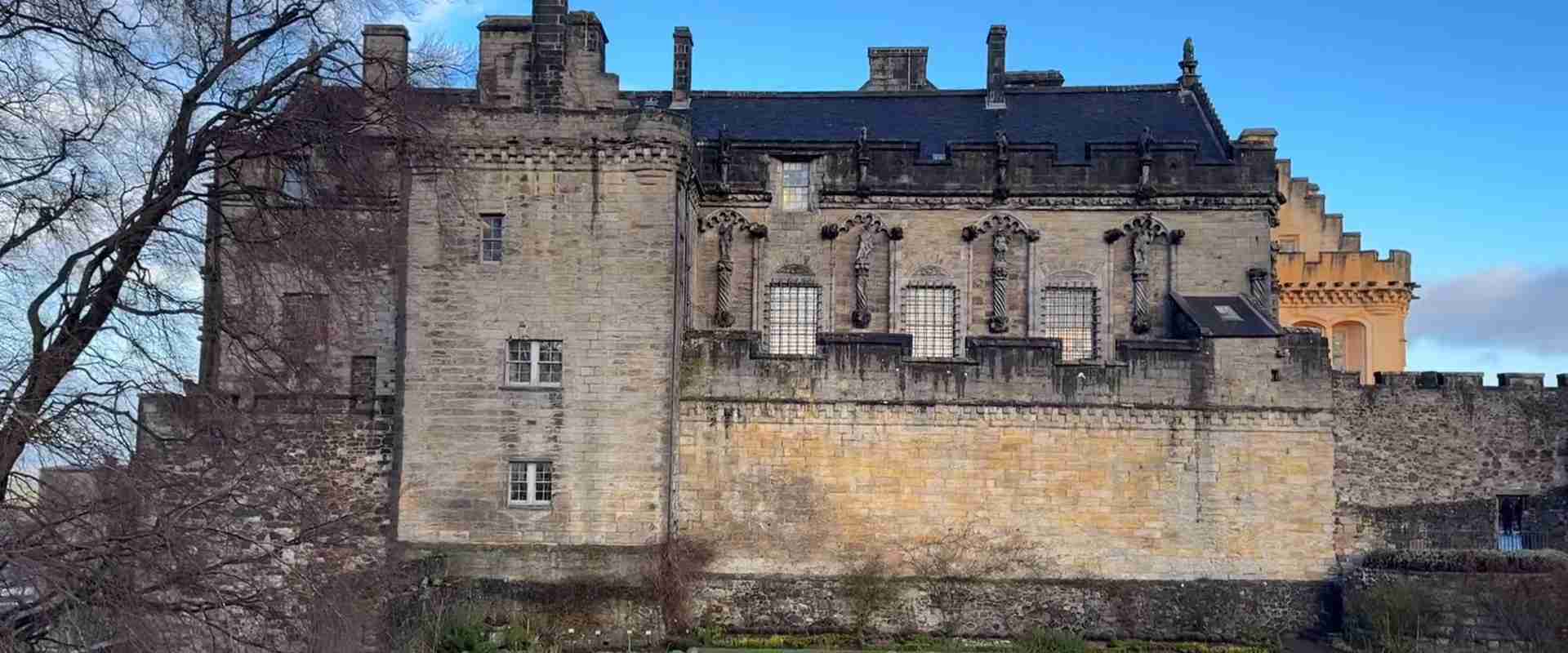
Stirling Castle Day Trip from Edinburgh 2026: Complete Planning Guide
Stirling Castle stands as Scotland’s most strategically important fortress, rising 250 feet above the River Forth on volcanic rock that has witnessed nine centuries of royal drama and military conflict. Located just 37 miles from Edinburgh, this remarkably preserved Renaissance palace offers one of Scotland’s most rewarding day trips, combining spectacular medieval architecture with sweeping Highland views and the pivotal battlegrounds where Scotland’s independence was forged.
Key Takeaways:
- Independent Travel Efficiency 2026: Direct trains depart Edinburgh Waverley every 30 minutes, reaching Stirling in 40-50 minutes. Advance tickets cost £6-8, day-of-travel fares £13-22. Buses offer budget alternatives at £8-17 with 1h 20m journey times.
- Castle Admission Strategy 2026: Online booking saves £2 per ticket compared to gate prices. Adults pay £18.50 online versus £20.50 at entrance. Historic Scotland Explorer Pass (£40) covers Stirling, Edinburgh Castle, and 70+ attractions, paying for itself within two castle visits.
- Time Allocation for Complete Experience: Allow 2.5-3.5 hours exploring the castle itself—Royal Palace apartments, Great Hall, Chapel Royal, Great Kitchens, and rampart walks. Add 90 minutes for travel each direction plus 30-45 minutes for lunch in Stirling’s Old Town.
- Budget Planning for Independent Visitors 2026: Complete day trip costs £40-55 per person including return train transport £12-16, castle admission £18.50, lunch £12-18, and coffee £5-8. Guided coach tours from Edinburgh run £45-75 including transport, admission, and expert commentary.
- Optimal Visit Timing: Arrive between 9:30-10:30am to experience the castle before peak crowds (11:30am-2:30pm summer). October-March offers 40% fewer visitors than July-August but closes one hour earlier at 5pm instead of 6pm.
- Enhanced Experiences Beyond Standard Admission: Secret Stirling guided tours (£33.50) unlock hidden chambers and restricted areas closed to regular visitors. Free guided tours depart every 30 minutes 10am-3pm, while audio guides (£3) provide multi-language self-paced exploration in English, Gaelic, French, German, and Spanish.
People Also Ask About Stirling Castle Day Trip 2026
How long does it take to get from Edinburgh to Stirling Castle in 2026?
Direct trains from Edinburgh Waverley to Stirling Station take 40-50 minutes, with services departing every 30 minutes throughout the day from approximately 5am until midnight. From Stirling Station, Stirling Castle sits 20 minutes uphill on foot or 6 minutes by P2 bus to Bow Street plus a short walk. Total journey time including the station-to-castle transfer reaches 70-80 minutes door-to-door. Buses from Edinburgh’s St Andrew Square to Stirling require 1 hour 20-30 minutes but drop closer to the Old Town. Driving covers the 37 miles in 50-60 minutes via M9 motorway, though castle parking fills quickly in summer and costs £4 for maximum 4 hours.
Can you visit Stirling Castle as a day trip from Edinburgh in 2026?
Stirling Castle makes an ideal day trip from Edinburgh in 2026. The compact distance of 37 miles and frequent direct train connections allow comfortable exploration of the castle within a single day while returning to Edinburgh by evening. Most independent visitors allocate 5-6 hours total: 90 minutes outbound travel, 2.5-3.5 hours at the castle, 45 minutes for lunch in Stirling, and 90 minutes return travel. First trains depart Edinburgh around 5am with last returns after 11pm, providing flexibility for early starts or extended afternoons. Guided coach tours handle all logistics, departing Edinburgh at 8:30am and returning by 6:30pm after visiting the castle plus surrounding attractions like Loch Lomond or the Kelpies.
What is the best way to visit Stirling Castle from Edinburgh in 2026?
The best transportation method depends on priorities and budget. Independent train travel offers the most flexibility and speed at £12-16 return when booked in advance, departing every 30 minutes with 40-50 minute journeys. This option suits travelers who want to control their schedule, explore Stirling at their own pace, and potentially combine the castle with Wallace Monument or other Stirling attractions. Guided coach tours costing £45-75 provide comprehensive experiences without planning stress, including expert driver-guide commentary, castle admission, and often additional stops at Loch Lomond, the Kelpies, or Scottish villages. Budget-conscious travelers favor buses at £8-17 return, though these take 1h 20-30m and offer less frequent departures than trains. Private tours starting around £300-450 per group suit families or groups wanting customized itineraries and door-to-door service.
How much time should I spend at Stirling Castle in 2026?
Allocate 2.5-3.5 hours minimum for a thorough Stirling Castle visit in 2026. The Royal Palace apartments alone warrant 45-60 minutes to appreciate the lavishly recreated Renaissance interiors, carved Stirling Heads, and Hunt of the Unicorn tapestries. The Great Hall requires 20-30 minutes, the Chapel Royal and Great Kitchens each merit 15-20 minutes, and the Argyll and Sutherland Highlanders Museum deserves 20-30 minutes for military history enthusiasts. Walking the ramparts, exploring the outer defenses, and photographing panoramic views across the Forth Valley add another 30-45 minutes. Visitors joining free guided tours (departing every 30 minutes 10am-3pm) should add 45-60 minutes for expert-led exploration of key areas. Those booking the 90-minute Secret Stirling tour need 3.5-4 hours total at the castle. Summer crowds can add 15-30 minutes to castle entry and popular areas, making early morning or late afternoon visits more efficient.
Extended multi-day tours – 5+ days
Featured Edinburgh Multi-Day Tour Packages
3 days
Edinburgh 3-Day Discovery Tour
- ✓ Comprehensive Edinburgh experience
- ✓ Expert local guides included
- ✓ All accommodation included
- ✓ Transportation provided
5 days
Edinburgh 5-Day Highlights Experience
- ✓ Comprehensive Edinburgh experience
- ✓ Expert local guides included
- ✓ All accommodation included
- ✓ Transportation provided
7 days
Edinburgh 7-Day Cultural Journey
- ✓ Comprehensive Edinburgh experience
- ✓ Expert local guides included
- ✓ All accommodation included
- ✓ Transportation provided
10 days
Edinburgh 10-Day Complete Adventure
- ✓ Comprehensive Edinburgh experience
- ✓ Expert local guides included
- ✓ All accommodation included
- ✓ Transportation provided
Multi-day tour packages powered by TourRadar. Prices and availability subject to change.
Introduction: Planning Your Stirling Castle Day Trip 2026
Stirling Castle occupies a unique position in both Scottish geography and history—perched on a 250-foot volcanic crag at the precise point where the Lowlands meet the Highlands, controlling the main crossing of the River Forth and the route into northern Scotland. This strategic location made Stirling the most fought-over stronghold in Scotland’s tumultuous past, changing hands eight times during the Wars of Independence alone. Today, the same commanding position that made it a military prize offers visitors some of Scotland’s finest castle views, sweeping across the Forth Valley to the Wallace Monument, the Ochil Hills, and the southern Highland peaks.
Unlike Edinburgh Castle’s primarily military focus, Stirling functioned as both fortress and royal palace, serving as the principal residence of Scotland’s Stuart monarchs during the Renaissance. The castle witnessed some of Scotland’s most consequential moments: Mary Queen of Scots was crowned here as a nine-month-old infant in 1543, James VI was baptized in the Chapel Royal in 1566, and the castle’s proximity to the Stirling Bridge and Bannockburn battlefields connects it directly to William Wallace’s 1297 victory and Robert the Bruce’s decisive triumph of 1314.
The castle’s current appearance reflects its 15th and 16th-century transformation from medieval fortress into Renaissance showpiece. James IV constructed the Great Hall—Scotland’s largest medieval banqueting space—in 1503, while his son James V created the Royal Palace apartments in the 1540s, drawing on French and Italian Renaissance design to create Scotland’s finest palace interiors. These meticulously restored spaces now allow visitors to step back into the lavish world of Scotland’s royal court, enhanced by period furnishings, reproduction tapestries, and costumed interpreters who bring the Stuart court to life.
Modern restoration work has recreated the Royal Palace apartments to their 1540s glory, complete with hand-woven replicas of the Hunt of the Unicorn tapestries and the vibrant colors that originally adorned the walls. The result is a rare opportunity to experience a Renaissance palace as it actually appeared during its golden age, rather than the bare stone ruins typical of many Scottish castles. Combined with the military history displayed in the Argyll and Sutherland Highlanders Museum, the functioning Great Kitchens demonstration, and the panoramic views from the ramparts, Stirling offers extraordinary depth for a half-day visit.
Planning a 2026 day trip from Edinburgh to Stirling Castle requires decisions about transportation method (train, bus, or guided tour), timing to avoid summer crowds, and whether to combine the castle with other Stirling attractions like the Wallace Monument or Old Town exploration. This guide provides the verified information needed to design an efficient, rewarding day trip that balances travel time, exploration depth, and budget considerations while experiencing one of Scotland’s most historically significant and architecturally stunning castles.
Getting to Stirling Castle from Edinburgh 2026
Train Transportation: Fastest and Most Frequent Option
ScotRail operates direct trains from Edinburgh Waverley to Stirling Station every 30 minutes throughout the day, with approximately 60-80 services daily. Journey time ranges from 40-51 minutes depending on the specific service, with the fastest trains completing the 31-mile route in 40 minutes. First departures begin around 4:18-5:18am, while last trains leave Edinburgh between 11:35pm-11:44pm, providing exceptional scheduling flexibility for early starts or extended afternoon visits.
Train fares in 2026 demonstrate significant savings for advance booking. Advance tickets purchased at least four weeks before travel start from £6-8, representing up to 47% savings compared to day-of-travel Standard tickets costing £13-22. Peak travel times (weekday mornings 7-9am and evenings 4:30-6:30pm) command higher fares, while Off-Peak tickets offer intermediate pricing. Railcard holders save an additional one-third on most fares—the 16-25 Railcard, Senior Railcard (60+), and Two Together Railcard each cost £30 annually and pay for themselves within a few journeys.
Edinburgh Waverley Station sits at the eastern end of Princes Street in the heart of Edinburgh’s city center, easily accessible from most accommodations by foot, bus, or tram. Stirling Station lies approximately 1.2 miles from Stirling Castle, requiring either a 20-25 minute uphill walk through the Old Town or a 6-minute ride on the P2 bus to Bow Street followed by a 5-minute walk to the castle esplanade. The walk offers the advantage of passing through Stirling’s historic core, including views of Argyll’s Lodging, Mar’s Wark, and the Church of the Holy Rude.
Trains feature comfortable seating, generous luggage space, power outlets at most tables, and free Wi-Fi. First Class upgrades provide wider seats, complimentary food and beverages, and access to the First Class lounge at Edinburgh Waverley. Standard Class proves entirely comfortable for the short journey, with most travelers preferring to invest savings into castle admission or lunch rather than upgrading.
Bus Transportation: Budget-Conscious Alternative
Scottish Citylink, FlixBus, and Megabus operate bus services from Edinburgh to Stirling with fares starting from £3-5 when booked well in advance, rising to £8-17 for same-day purchases. Journey time ranges from 1 hour 10 minutes to 1 hour 30 minutes depending on route and stops, making buses considerably slower than trains but potentially more economical for budget-conscious travelers.
Scottish Citylink buses depart from Edinburgh’s St Andrew Square or Princes Street approximately 10 times daily, with the quickest journeys taking 1 hour 30 minutes. FlixBus services run from St Andrew Square with roughly 7 departures daily taking 1 hour 20-30 minutes. Megabus offers similar frequencies and journey times. All services drop passengers at Stirling Bus Station or Islamic Centre stop, both within 10-15 minutes’ walk of the castle through the town center.
Buses provide comfortable seating, luggage storage, power outlets, and on-board toilets on most services. Wi-Fi availability varies by operator and specific coach. The slower journey time compared to trains becomes less significant for travelers departing from western Edinburgh neighborhoods, where reaching Edinburgh Waverley Station adds 15-30 minutes compared to St Andrew Square bus stops.
Guided Coach Tours: Comprehensive Experiences
Full-day guided coach tours from Edinburgh to Stirling Castle typically cost £45-75 per person in 2026, departing around 8:30am and returning approximately 6:30pm. These tours include return transportation in luxury coaches, professional driver-guide commentary, and often combine Stirling Castle with additional attractions like Loch Lomond, the Kelpies, Wallace Monument, or Trossachs National Park.
Popular operators including The Hairy Coo, Discover Scotland Tours, and various other companies offer small-group experiences (typically 16-32 passengers) with knowledgeable guides who provide historical context throughout the journey. Stirling Castle admission tickets typically cost an additional £20.50 purchased on the day of the tour, though some premium tours include admission in the package price. Optional add-ons like Loch Lomond cruises (£17.50) can be purchased during the tour.
Guided tours eliminate navigation stress, provide expert commentary connecting Scotland’s complex history, and often include photo stops at scenic viewpoints not easily accessible by public transport. The trade-off comes in reduced flexibility—visitors must follow the group schedule and typically receive 1.5-2 hours at the castle rather than the 3+ hours independent travelers can allocate. Tours suit first-time visitors wanting comprehensive overview experiences and travelers preferring not to handle logistics.
Driving: Maximum Flexibility with Parking Limitations
Driving from Edinburgh to Stirling covers 37 miles via M9 motorway, taking 50-60 minutes in normal traffic conditions. The route follows M8 westbound from Edinburgh, joining M9 northbound at Newbridge, then exiting at Junction 10 for Stirling. Navigation proves straightforward with clear motorway signage throughout.
Stirling Castle’s esplanade car park offers limited on-site parking costing £4 for a maximum 4-hour stay. Spaces fill quickly during peak summer months (June-August), often reaching capacity by 11am on weekends and school holidays. Disabled parking spaces remain available on the esplanade when the main car park fills. The car park cannot accommodate vehicles with trailers, caravans, or mobile homes.
Alternative parking exists in Stirling town center at various public car parks, typically costing £1-2 per hour with 10-15 minute walks to the castle. The Goosecroft Coach Station area and Stirling Station vicinity offer additional parking options. Walking from town center car parks to the castle provides the bonus of experiencing Stirling’s historic core along the approach route.
Stirling Castle Admission and Opening Hours 2026
Standard Admission Prices and Ticketing
Stirling Castle admission costs £18.50 for adults when purchased online in advance, offering £2 savings compared to the £20.50 gate price. Check the official Historic Environment Scotland website for current rates as seasonal pricing adjustments may apply. Concession tickets (age 65+) cost £15 online or £16.60 at the gate. Children aged 7-15 pay £11.50 online or £12.50 at entrance, while children under 7 enter free. All children under 16 must be accompanied by an adult at all times.
Family tickets provide cost savings for groups with children. A family pass for one adult and two children costs £36.50 online or £41 at the gate. Families with two adults and two children pay £53 online or £59.50 at entrance. Extended families with two adults and three children pay £63 online or £70.50 at the gate. These family packages deliver substantial savings compared to individual ticket purchases.
Online booking through the Historic Environment Scotland ticketing system guarantees entry and allows selection of specific arrival time slots. Advance booking proves essential during peak summer months (June-August) when the castle frequently reaches capacity, particularly on weekends and school holidays. Booking 3-7 days ahead ensures availability, while last-minute same-day purchases risk sold-out slots during busy periods.
Historic Scotland Explorer Pass: Multi-Attraction Value
The Historic Scotland Explorer Pass costs approximately £40 for adults (7-day validity) and covers admission to Stirling Castle, Edinburgh Castle, and over 70 other Historic Environment Scotland properties including Doune Castle (famous as Outlander filming location), Dunfermline Abbey, and numerous abbeys, castles, and historic sites across Scotland. The pass pays for itself within two major castle visits—Stirling at £18.50 plus Edinburgh at £21 already exceeds the £40 pass cost.
Explorer Pass holders receive priority entry, avoiding ticket queues at participating sites. The pass proves particularly valuable for visitors planning multiple castle or historic site visits during Scotland trips. Three-day Explorer Passes offer shorter-term alternatives at reduced rates for focused itineraries. Audio guide rentals receive 20% discounts with Explorer Pass presentation.
Special Discount Categories and Free Entry
Young Scot cardholders pay just £1 admission—a remarkable 95% discount from standard pricing. The Young Scot card serves as Scotland’s national youth information and discount card for ages 11-26, with membership free to Scottish residents and available for purchase by visitors. This extraordinary value makes Stirling Castle accessible to young travelers.
Carers accompanying visitors with disabilities enter free when presenting appropriate documentation. Historic Environment Scotland membership (first-year members receive 50% admission discount, renewal members enter free) provides another route to reduced or free entry for frequent visitors. Residents of the ancient Burgh of Stirling may qualify for special local rates—contact the castle directly to verify eligibility with proof of residence.
Opening Hours Throughout 2026
Stirling Castle operates daily throughout the year with seasonal schedule variations. Summer hours (April 1 – September 30) run 9:30am to 6pm, with last entry at 5pm allowing visitors a full hour to explore before closing. Winter hours (October 1 – March 31) reduce to 9:30am to 5pm closing, with last entry at 4pm.
Special Christmas and New Year schedules apply during holiday periods. The castle closes entirely on December 25 and 26. December 24 offers reduced hours of 9:30am to 4pm with last entry at 2:30pm. New Year’s Day (January 1) features special hours from 11am to 5pm with last entry at 4pm. December 27-31 follows regular winter schedule of 9:30am to 5pm.
Arriving within the first 90 minutes after opening (9:30-11am) provides the quietest experience with smallest crowds and freshest castle atmosphere. The busiest period runs 11:30am-2:30pm when both independent visitors and guided tour groups concentrate their visits. Late afternoon arrivals after 3pm encounter fewer crowds but sacrifice exploration time, particularly during winter’s 5pm closing when only 60 minutes remain after 4pm last entry.
Exploring Stirling Castle: What to See in 2026
The Royal Palace: Renaissance Magnificence Recreated
The Royal Palace represents Stirling Castle’s crown jewel and Scotland’s finest Renaissance palace interiors. Constructed by James V in the 1540s, these apartments have undergone meticulous restoration to recreate their original splendor with vibrant colors, period furnishings, and extraordinary decorative details that transport visitors to the height of Stuart court luxury.
The King’s Inner Hall showcases the magnificent Stirling Heads—hand-carved oak medallions over three feet in diameter depicting kings, queens, nobles, Roman emperors, and mythological characters. These Renaissance masterpieces originally adorned the palace ceilings and represent Scotland’s greatest collection of carved Renaissance portraiture. The vivid colors and gold leaf visible today replicate the palace’s original 1540s appearance, overturning centuries of assumptions that such spaces existed in bare stone.
The Queen’s Inner Hall features reproductions of the Hunt of the Unicorn tapestries, with the actual hand-woven versions created by modern craftspeople using 16th-century techniques now displayed on the palace walls. These seven massive tapestries took 12 years to complete and represent one of the most ambitious heritage craft projects ever undertaken in Scotland. The unicorn—Scotland’s national animal—chased through forest settings creates a stunning visual narrative around the hall’s walls.
The King’s and Queen’s Bedchambers reveal the private spaces where Scotland’s monarchs slept, entertained intimate guests, and conducted confidential business. Elaborate wall hangings, period furniture, and painted decoration recreate the warmth and luxury these rooms provided. Costumed interpreters often occupy the palace rooms, portraying courtiers, servants, and nobles who inhabited these spaces during James V’s reign, ready to answer questions and provide historical context.
Allocate 45-60 minutes minimum for thorough Royal Palace exploration. The restoration’s extraordinary attention to detail rewards slow, careful examination of individual elements—carved medallions, woven tapestries, painted decorations, and period furnishings. Audio guides provide room-by-room commentary explaining architectural features, historical context, and the complex court life that unfolded here.
The Great Hall: Scotland’s Finest Medieval Banqueting Space
James IV’s Great Hall, completed in 1503, stands as Scotland’s largest medieval banqueting hall and one of the finest examples of late medieval architecture in Britain. Measuring 138 feet long and 48 feet wide, with a spectacular open timber roof rising to impressive heights, the Great Hall demonstrates the Scottish crown’s power and prestige at the turn of the 16th century.
The hall’s scale accommodated massive royal banquets with hundreds of guests, demonstrating hospitality that reinforced political alliances and displayed royal wealth. Five enormous fireplaces provided warmth in Scotland’s harsh winters, while tall Gothic windows at the dais end flooded the high table with light, emphasizing the king’s elevated position above his guests.
Modern restoration returned the Great Hall to its original splendor after centuries serving military functions as barracks and armory. The warm golden stone of the building’s exterior recreates its original 16th-century appearance, while the interior’s whitewashed walls and restored timber roof reveal the space’s architectural magnificence. The hall now hosts special events, concerts, and ceremonies, occasionally limiting public access—check the castle website before visiting if the Great Hall represents a priority.
Chapel Royal: Reformation-Era Religious Architecture
The Chapel Royal, built in just seven months in 1593-94 on James VI’s orders for his son Prince Henry’s baptism, represents one of Scotland’s earliest Protestant churches and the castle’s final royal building. This elegant rectangular chapel demonstrates the shift from Catholic to Reformed religious architecture, with its simple design prioritizing the preached word over elaborate decoration.
The chapel’s interior features beautiful painted decoration on walls and ceiling, with theological imagery appropriate to Protestant worship. The royal loft at the west end provided private worship space for the monarch, separated from common worshippers. The building’s rapid seven-month construction timeline speaks to royal determination and the skilled craftspeople available in late 16th-century Scotland.
Regular Sunday services no longer occur in the Chapel Royal, allowing daily visitor access. The intimate scale and exquisite decorative details create a contemplative atmosphere contrasting with the castle’s military fortifications. The chapel sits adjacent to the Royal Palace, making a natural pairing during palace exploration.
Great Kitchens: Tudor Court Culinary Life
The Great Kitchens exhibition recreates the enormous food preparation operation required to feed Scotland’s royal court in the 1500s. Multiple fireplace hearths, preparation tables, storage areas, and working displays demonstrate the dozens of cooks, scullions, and servants who labored daily producing elaborate meals for kings, queens, nobles, and castle residents.
Period foodstuffs on display—meats, fish, vegetables, breads, and ingredients—illustrate the diverse diet enjoyed by Tudor court members. Interpretive panels explain the social hierarchy reflected in food: the finest dishes went to the king’s table, with quality declining through ranks of nobles, courtiers, and servants. The sheer scale of food required to feed hundreds of people daily becomes viscerally apparent in the kitchen spaces.
Costumed interpreters sometimes demonstrate period cooking techniques, using replica utensils and discussing historical recipes. The exhibition reveals both the luxury of court dining and the hot, smoky, exhausting labor involved in creating elaborate banquets. The Great Kitchens occupy the castle’s northern side, easily accessible during general castle exploration.
Argyll and Sutherland Highlanders Regimental Museum
The Argyll and Sutherland Highlanders Museum chronicles 200 years of this distinguished Highland regiment’s military history through weapons, uniforms, medals, photographs, and personal artifacts. The collection illuminates Scotland’s military traditions and the regiment’s service in conflicts from Napoleonic Wars through World Wars to modern deployments.
Display cases feature Victoria Crosses awarded to regiment members, demonstrating extraordinary battlefield courage. Uniforms trace the evolution of Highland military dress from traditional kilts and tartans through modern combat fatigues. Weapons displays include historical firearms, swords, and military equipment spanning two centuries of warfare technology.
Personal letters, diaries, and photographs humanize military history, revealing individual soldiers’ experiences behind the regiment’s official campaigns. The museum occupies rooms adjacent to the Royal Palace, typically requiring 20-30 minutes for thorough exploration. Military history enthusiasts often allocate more time examining the extensive collections.
Castle Ramparts and Views
Stirling Castle’s elevated position on a 250-foot volcanic crag provides spectacular panoramic views across central Scotland. The castle walls and ramparts offer multiple vantage points surveying the Forth Valley, the Wallace Monument on Abbey Craig, the Ochil Hills to the northeast, and the southern Highland mountains to the north and west.
The views directly connect to Scotland’s independence struggles—the Stirling Bridge battlefield lies visible below the castle where William Wallace defeated English forces in 1297, while the Bannockburn battlefield sits just south where Robert the Bruce secured Scotland’s greatest victory in 1314. The Wallace Monument tower rises prominently from Abbey Craig, commemorating Scotland’s freedom fighter and offering its own spectacular views for visitors with energy for an additional climb.
Walking the rampart paths and exploring the outer defenses reveals the castle’s military engineering and the commanding position that made Stirling so strategically vital. The King’s Knot formal gardens stretch below the castle, with the distinctive geometric earthworks visible from above. Allocate 30-45 minutes for leisurely rampart walks and view-taking, bringing cameras for exceptional photography opportunities.
Douglas Garden and Queen Anne Garden
The castle’s formal gardens offer peaceful retreat spaces with beautifully maintained plantings, shade trees, and additional viewpoints across the Forth Valley. The Douglas Garden features a magnificent beech tree over 200 years old providing generous shade in summer. The Queen Anne Garden sits adjacent to the Royal Palace, recreating Renaissance-era formal garden layouts with geometric planting beds and period-appropriate flowers and herbs.
Family trails through the gardens engage younger visitors with interactive elements and discovery activities. The Unicorn Garden specifically targets families with children, featuring fun exploration activities. Garden spaces provide respite from stone interiors and summer sun, with benches offering opportunities to rest while absorbing castle atmosphere.
Guided Tours vs Independent Visit 2026
Free Castle Guided Tours Included with Admission
Historic Environment Scotland provides complimentary guided tours included with standard admission tickets, departing every 30 minutes from 10am to 3pm daily. Tours last approximately 45-60 minutes and meet outside the Fort Major’s House at the castle well. Knowledgeable guides bring Scottish history to life through fascinating facts, royal scandals, military drama, and answers to visitor questions.
Each guide develops their own presentation style and emphases, creating unique experiences based on individual expertise and storytelling approaches. Some guides focus heavily on royal family dynamics and court intrigue, others emphasize military history and strategic importance, while architectural specialists illuminate building techniques and design evolution. The variety means repeat visitors experience different perspectives on return trips.
Free guided tours prove particularly valuable for first-time visitors seeking structured introduction to the castle’s complex history and architecture. Guides identify key features visitors might otherwise overlook, explain connections between different buildings and periods, and place Stirling Castle within Scotland’s broader historical narrative. Tours typically cover the Great Hall, Chapel Royal, and select other areas, with Royal Palace apartments best explored independently due to detailed interpretive displays.
Secret Stirling Guided Tours: Behind-the-Scenes Access
Secret Stirling guided tours cost £33.50 for adults (including castle admission), £30 for concessions, and £24 for children aged 12 and older. These special 90-minute tours venture into hidden areas of the castle normally closed to public access, passing through locked doors and beyond ‘Private’ signs to explore spaces known only to craftspeople who built the castle, soldiers who defended it, and monarchs who lived here.
Tours accommodate maximum 12 participants, ensuring intimate group sizes and opportunities for questions. Departure times run at 11am and 2pm daily, requiring advance booking through the Historic Environment Scotland website to guarantee spaces. The limited capacity means tours regularly sell out during peak summer months—book as early as possible for July-August visits.
Secret Stirling tours suit adventurous visitors comfortable with uneven surfaces, ancient stairways, low narrow doorways, and confined spaces. Tours involve significant climbing and traversing of areas not adapted for accessibility, making them unsuitable for anyone with mobility limitations or fear of heights. Appropriate footwear with good grip proves essential for navigating historic staircases and passages.
The behind-the-scenes access reveals construction techniques, defensive features, hidden chambers, and architectural elements invisible during regular castle visits. Guides share specialized knowledge about the castle’s evolution, building methods, and lesser-known historical events. For visitors seeking deeper engagement beyond standard castle touring, Secret Stirling provides remarkable value despite the £33.50 price representing nearly double standard admission costs.
Audio Guides: Self-Paced Multilingual Exploration
Audio guides cost £3 to rent at the ticket office or can be purchased when buying admission tickets online for use on personal mobile phones and headphones. The guides provide room-by-room commentary explaining architectural features, historical context, and fascinating details throughout the castle. Available languages include English (with audio description version for visually impaired visitors), Gaelic, French, German, and Spanish.
Historic Scotland Explorer Pass holders receive 20% discount on audio guide rentals, reducing the cost to £2.40. The audio guide system allows visitors to explore at personal pace, pausing commentary to examine details or moving quickly through less interesting areas. Detailed historical information, architectural analysis, and royal court stories provide thorough understanding without group tour constraints.
The English audio guide includes an audio description track specifically designed for blind and partially sighted visitors, describing visual elements and spatial relationships throughout the castle. Print versions in both standard large print and Open Dyslexic large print formats are available for download or from staff at the castle entrance.
Self-guided audio exploration suits independent travelers who prefer moving at their own pace, families with children whose attention spans vary, photography enthusiasts wanting time for careful composition, and anyone uncomfortable with group dynamics or scheduled tour times. The modest £3 cost adds minimal expense while substantially enriching castle understanding.
Comparison: Independent vs Guided Day Trips
Independent train travel from Edinburgh to Stirling Castle costs approximately £40-55 per person total: return train tickets £12-16 (advance booking), castle admission £18.50, lunch £12-18, and coffee or snacks £5-8. This budget provides complete schedule flexibility, allowing early morning departures to beat crowds, extended afternoon exploration, and personal pace throughout the visit. Independent travelers can easily combine the castle with Wallace Monument, Old Town exploration, or Stirling Smith Art Gallery visits.
Guided coach tours from Edinburgh cost £45-75 per person including transportation and driver-guide commentary, with Stirling Castle admission (£20.50) typically purchased separately on the day. Total cost reaches £65-95 per person. Tours eliminate navigation stress and provide expert historical context throughout the journey, often including photo stops at the Kelpies, Loch Lomond, or other attractions. The trade-off comes in reduced flexibility—fixed departure times (typically 8:30am), limited castle exploration time (usually 1.5-2 hours), and group schedule adherence.
Independent travel better suits experienced travelers comfortable navigating public transport, visitors wanting thorough castle exploration (3+ hours), photography enthusiasts needing time for composition and lighting, and anyone with specific interests requiring extended time at particular castle features. Guided tours appeal to first-time Scotland visitors seeking comprehensive introduction experiences, travelers preferring not to handle logistics, groups wanting social atmospheres, and anyone valuing expert commentary that connects complex Scottish history.
Best Time to Visit Stirling Castle 2026
Seasonal Considerations Throughout 2026
Summer months from June through August bring Stirling Castle’s highest visitor numbers, with daily crowds exceeding 1,500 visitors during peak July-August weekends. The castle operates extended hours until 6pm during summer (April-September), providing maximum exploration time. Weather proves most reliable with temperatures reaching 15-22°C and lowest rainfall probability, ideal for rampart walks and outdoor photography. However, summer’s popularity means crowded Royal Palace apartments, queues for popular areas, and bustling atmosphere that can detract from historical immersion.
Autumn (September-November) delivers excellent visit conditions with 40% fewer visitors than summer peak while maintaining pleasant weather through September and early October. Golden autumn colors across the Forth Valley create spectacular photography opportunities, particularly for views from the castle ramparts. Temperatures range 12-18°C in September, cooling to 5-12°C by November. October marks the transition to winter hours (9:30am-5pm closing instead of 6pm), reducing available exploration time by one hour.
Winter (December-February) offers the quietest castle experiences with very low visitor numbers except December 27-30. The castle takes on moody, atmospheric character under grey Scottish skies, appealing to photographers seeking dramatic settings. Temperatures hover 0-7°C with frequent rain and occasional snow, requiring warm waterproof clothing. Reduced daylight and 5pm closing limit visit times, but same-day ticket availability is virtually guaranteed, and intimate exploration of the Royal Palace without crowds provides exceptional experiences for those undeterred by weather.
Spring (March-May) builds gradually from quiet March toward busy summer, with optimal conditions in April-May offering 9:30am-6pm summer hours without peak summer crowds. Easter weekend (April 17-20, 2026) brings busy periods requiring 10+ days advance booking. Spring weather proves variable with temperatures 10-16°C and frequent showers, but expanding daylight and blooming gardens create appealing visit conditions. May represents a sweet spot with extended hours, moderate crowds, and improving weather.
Day of Week and Time of Day Strategies
Weekdays (Tuesday-Thursday) experience notably lower visitor numbers than weekends throughout the year, particularly during school term times when family visitors concentrate on Saturdays and Sundays. School holiday periods (Easter, summer, October half-term, Christmas) eliminate weekday advantages as families visit any day. Summer weekend crowds peak 11am-2:30pm when both independent visitors and guided tour groups concentrate their visits.
Arriving at 9:30am opening provides the optimal experience—minimal queues for ticket collection or purchase, quiet Royal Palace apartments allowing leisurely examination of details, and freshest castle atmosphere. The first 60-90 minutes after opening offer the most peaceful conditions before late-morning crowds arrive. Photography enthusiasts particularly benefit from early morning light on castle stonework and clearer views before midday haze.
Late afternoon arrivals after 3pm encounter reduced crowds as coach tours depart and families with young children head home. However, winter’s 5pm closing allows only 60 minutes after 4pm last entry, providing insufficient time for thorough exploration. Summer’s 6pm closing permits more comfortable late afternoon visits with 2-hour exploration potential after 4pm arrival, though some visitors find castle atmosphere less appealing with afternoon shadows on displays.
Weather Considerations and Indoor Alternative Plans
Scottish weather proves notoriously unpredictable with rapid changes possible any time of year. Even summer days can bring unexpected rain showers, while winter offers occasional crisp sunny days between grey weather. Stirling Castle’s substantially indoor focus—Royal Palace apartments, Great Hall, Chapel Royal, museums, and kitchens all under roof—provides excellent wet weather resilience compared to outdoor-heavy attractions.
Rampart walks and views become less appealing in heavy rain or strong winds, though architectural photography enthusiasts often prize dramatic stormy skies. Bring waterproof jackets year-round regardless of morning weather, as conditions can deteriorate during multi-hour visits. Castle interiors remain comfortable in all weather with minimal temperature control, making warm layers advisable for extended visits even in summer when stone buildings retain chill.
If weather proves particularly unpleasant during your visit, Stirling offers excellent indoor alternatives within 10-15 minutes’ walk. Stirling Smith Art Gallery and Museum provides free admission with strong Scottish art and local history collections. The Old Town Jail interactive museum offers Victorian prison experience with costumed guides and theatrical presentations. Various cafes, restaurants, and pubs in Stirling’s historic core provide warm comfortable spaces for extended lunch breaks while waiting for weather improvement.
Complete Day Trip Itinerary Suggestions 2026
Efficient Half-Day Morning Visit
Depart Edinburgh Waverley on the 7:40-8:10am train, arriving Stirling Station 8:20-8:50am. Walk 20-25 minutes through Old Town to reach castle gates by 9:15-9:30am opening. Secure admission tickets if not pre-booked, then proceed immediately to Royal Palace apartments before crowds arrive. Allocate 60 minutes for thorough palace exploration including Stirling Heads, tapestries, and period rooms with costumed interpreters.
Exit the palace by 10:30am and visit the Great Hall for 20-30 minutes, examining the medieval banqueting space and impressive timber roof. Walk the castle ramparts for 30 minutes, photographing views across the Forth Valley to Wallace Monument and surrounding mountains. Visit Chapel Royal (15 minutes) and Great Kitchens (20 minutes) to complete core castle attractions by 12:00pm.
Depart the castle around 12:15pm and walk to one of Stirling’s Old Town restaurants for lunch. Allocate 45-60 minutes for a relaxed meal, departing Stirling Station on 1:40-2:10pm trains to arrive back in Edinburgh by 2:30-3pm. This efficient itinerary provides 2.5 hours at the castle and returns to Edinburgh by early afternoon, leaving the remainder of the day free for other Edinburgh activities or afternoon rest.
Comprehensive Full-Day Castle and Old Town Experience
Catch the 9:00-9:30am train from Edinburgh Waverley, arriving Stirling Station 9:40-10:10am. Walk leisurely through the Old Town, stopping at Argyll’s Lodging (exterior only, private hotel conversion) and Mar’s Wark ruins along the approach to the castle. Arrive castle gates by 10:15-10:30am.
Join the 10:30am or 11am free guided tour for 60-minute introduction to castle history and highlights, departing from the Fort Major’s House. Following the tour, spend 90 minutes in independent exploration—Royal Palace apartments (60 minutes), Argyll and Sutherland Highlanders Museum (30 minutes), Great Hall revisit (20 minutes), and Chapel Royal (10 minutes). Exit for lunch around 1:00-1:30pm.
Descend to the Old Town for lunch at one of the historic pubs or restaurants near Broad Street. After lunch, explore the Old Town on foot—Church of the Holy Rude (where James VI was crowned in 1567), Old Town Cemetery, and the Victorian Old Town Jail interactive museum if time and interest permit. The Stirling Smith Art Gallery and Museum offers free admission and strong Scottish art collection, located 10 minutes from the train station.
Alternatively, taxi or bus to the Wallace Monument (£9.50 admission) standing 1.5 miles from the city center. The 246-step climb to the monument’s crown rewards visitors with exceptional views across central Scotland and detailed exhibition about William Wallace’s life and legacy. Allocate 90 minutes minimum for the monument visit including travel time.
Return to Stirling Station for 5:00-6:00pm departure trains, arriving Edinburgh 5:40-6:40pm. This full-day itinerary provides comprehensive castle exploration, Old Town atmosphere, and optional additional Stirling attractions while maintaining comfortable pacing without rushed transitions.
Photography-Focused Itinerary
Photography enthusiasts should prioritize early morning light for optimal castle exteriors and views. Depart Edinburgh on the 7:10-7:40am train, arriving Stirling Station by 8:00-8:20am. The 20-minute walk to the castle provides excellent Old Town architecture photography in morning light.
Arrive castle gates at 9:30am opening. Immediately proceed to the ramparts and outer defenses for golden hour photography of castle exteriors, defensive walls, and Forth Valley views. Allocate 60-90 minutes for exterior photography including various vantage points, architectural details, and panoramic views to Wallace Monument and beyond.
By 10:30-11:00am, move to interior photography in the Royal Palace apartments. The vibrant colors, carved Stirling Heads, and tapestries provide extraordinary subject matter. Allocate 90 minutes for interior photography, respecting photography guidelines (no flash, tripods require permission). The Great Hall’s architectural drama and Chapel Royal’s intimate details warrant 30-45 minutes combined.
Exit the castle by 12:30-1:00pm for lunch in the Old Town. Afternoon photography opportunities include the Old Town’s medieval architecture, Church of the Holy Rude exterior, and if weather cooperates, the walk to Stirling Bridge site where William Wallace defeated English forces in 1297. Return Edinburgh on 4:00-5:00pm trains with full day of photography accomplished while avoiding midday harsh light.
Budget Planning: Day Trip Costs 2026
Complete Cost Breakdown for Independent Visitors
Transportation costs dominate independent day trip budgets. Return train tickets from Edinburgh to Stirling range £12-16 when booked in advance (4+ weeks before travel) versus £26-44 for same-day Standard tickets. The £12-16 advance fare represents optimal value, requiring only basic planning to secure. Railcard holders reduce these fares by one-third, bringing advance returns to £8-11.
Castle admission adds £18.50 per person for standard adult online tickets. Concession rates (age 65+) cost £15, while children 7-15 pay £11.50. Family tickets deliver savings—one adult with two children costs £36.50, two adults with two children pay £53. The Historic Scotland Explorer Pass at £40 covers Stirling plus Edinburgh Castle plus 70+ other sites, paying for itself within two castle visits.
Meals and refreshments complete the budget equation. Stirling’s Old Town offers diverse dining options spanning budget to upscale. Pub lunches with mains, soft drink, and coffee run £12-18 per person. Cafes provide lighter options—sandwiches with drinks cost £8-12. Coffee and pastries in castle cafe or Old Town establishments add £5-8. Bringing packed lunch from Edinburgh eliminates this expense for extreme budget travelers.
Optional extras include Secret Stirling tours (£33.50 including admission, representing £15 premium over standard entry), audio guides (£3), and Wallace Monument admission (£9.50) if combining attractions. Most visitors skip these extras on first visits, keeping total day trip costs at £40-55 per person: train £12-16, admission £18.50, lunch £12-18, coffee £5-8.
Guided Coach Tour Value Analysis
Guided coach tours from Edinburgh cost £45-75 per person for transportation and driver-guide services, with Stirling Castle admission (£20.50 gate price) typically purchased separately on tour day. All-inclusive cost reaches £65-95 per person. Premium small-group tours occasionally include castle admission in the base price, worth verifying when comparing options.
The apparent premium over independent travel (£65-95 guided versus £40-55 independent) delivers several included benefits: luxury coach transportation, professional driver-guide historical commentary throughout the journey, photo stops at Kelpies or other attractions inaccessible via public transport, and elimination of all planning and navigation stress. Tours often combine Stirling with Loch Lomond, Trossachs scenery, or Highland villages, expanding the day’s experiences beyond castle-only focus.
Guided tours prove particularly cost-effective for solo travelers who would pay full independent costs alone, while couples or groups sharing independent travel expenses find better value managing their own logistics. First-time Scotland visitors without UK public transport experience often appreciate tour structure despite the £25-40 per person premium over independent options. The expertise of knowledgeable guides and stress-free experience justify the cost for many travelers.
Money-Saving Strategies for 2026
Book train tickets at least four weeks in advance to secure £6-8 fares instead of £13-22 day-of-travel prices, saving £7-14 per person on returns. This single strategy alone cuts total day trip costs by 15-25%. Set calendar reminders 4-6 weeks before planned Scotland trips to catch advance ticket release windows.
Purchase the Historic Scotland Explorer Pass (£40) rather than individual castle tickets if visiting both Stirling and Edinburgh Castle. The pass costs £40 versus £40 for the two castles purchased separately (£18.50 Stirling + £21 Edinburgh), making the break-even immediate while adding 70+ other sites for potential visits. Three-day or longer Scotland itineraries easily justify the Explorer Pass investment.
Travel Off-Peak rather than Peak times when booking trains. Weekday mid-morning and afternoon trains cost significantly less than rush hour services. Since castle visits work well on any schedule, avoiding Peak train times delivers instant savings without sacrifice. Tuesday-Thursday travel additionally encounters fewer castle crowds than weekend visits.
Bring picnic lunch from Edinburgh accommodations rather than purchasing meals in Stirling. Supermarkets near Edinburgh Waverley (Tesco Metro, Sainsbury’s Local) provide pre-made sandwiches, snacks, and drinks at £5-8 total versus £12-18 for restaurant lunches. This strategy saves £7-10 per person while allowing scenic outdoor dining in the castle gardens or Old Town parks during nice weather.
Join free castle guided tours included with admission rather than paying £33.50 for Secret Stirling tours. The free tours provide excellent historical context and expert commentary for 45-60 minutes without additional cost. Save specialized Secret Stirling experiences for return visits after experiencing the castle through standard exploration and free tours.
Comparing Total Day Trip Investment
Budget-conscious independent travelers spending £40-45 per person (advance train £12-16, castle admission £18.50, packed lunch £0-5, coffee £5-8) achieve comprehensive Stirling Castle day trips at minimum cost. This approach suits students, backpackers, and travelers prioritizing destination experiences over dining or premium services.
Standard independent visitors allocating £50-60 per person (advance train £12-16, admission £18.50, restaurant lunch £12-18, coffee/snacks £5-8) balance comfort and value. This mid-range approach represents most visitors’ actual spending and delivers excellent experiences without budget stress or luxury expenses.
Guided tour participants investing £65-95 per person (tour £45-75, castle admission £20.50 if separate) receive comprehensive experiences eliminating planning stress and providing expert historical context throughout. The premium over independent travel purchases convenience, knowledge, and often additional attractions beyond the castle itself.
Luxury independent travelers booking First Class trains (£35-50 return) and adding Secret Stirling tours (£33.50) plus upscale dining (£25-35) reach £100-125 per person. This premium delivers maximum comfort, behind-the-scenes access, and finest dining while maintaining independent schedule flexibility. The experience suits special occasions, anniversary trips, or travelers prioritizing exceptional experiences over budget considerations.
Combining Stirling Castle with Other Attractions 2026
Wallace Monument: Scotland’s Independence Icon
The National Wallace Monument stands prominently on Abbey Craig, 1.5 miles from Stirling city center, commemorating William Wallace and Scotland’s struggle for independence. The 220-foot Victorian tower requires climbing 246 steps to reach the crown level, but rewards climbers with spectacular panoramic views across central Scotland, the Forth Valley, and the precise battlefield where Wallace defeated English forces at the Battle of Stirling Bridge in 1297.
Admission costs £9.50 for adults, £6.50 for children, and £8.50 for concessions. Audio guides included with admission provide detailed historical context through the monument’s exhibition levels. The Hall of Heroes displays busts of famous Scots including Robert Burns, Adam Smith, and Robert the Bruce. The Wallace Sword—a massive two-handed sword purportedly wielded by Wallace—occupies a place of honor, though modern scholarship questions its authentic connection to the historical figure.
Reaching the Wallace Monument from Stirling Castle requires either taxi (£8-12 one-way, 8-10 minutes), local bus (routes vary, check locally), or energetic 35-40 minute walk for fit travelers. The monument operates daily with seasonal hours similar to the castle—typically 10am-5pm winter, extended summer hours. Allocate 90-120 minutes for monument visit including travel from castle, exhibitions, tower climb, and views.
Combining both attractions in a single day proves feasible but demanding. The recommended sequence starts with Stirling Castle at 9:30am opening, allows 2.5-3 hours for thorough castle exploration, lunch break in Stirling, then afternoon Wallace Monument visit before returning to Edinburgh. This full-day itinerary requires early Edinburgh departure (before 9am) and later evening return (after 6pm).
Stirling Old Town Exploration
Stirling’s Old Town preserves exceptional medieval and Renaissance architecture along steep cobbled streets climbing to the castle. Significant sites include Argyll’s Lodging—Scotland’s finest surviving Renaissance town house, now converted to luxury accommodation but viewable from exterior; Mar’s Wark—the impressive ruined facade of a palace commissioned by the Earl of Mar in 1570; and the Church of the Holy Rude, where infant James VI was crowned King of Scotland in 1567.
The Old Town Cemetery behind the Church of the Holy Rude contains fascinating historic gravestones and monuments, including the Martyr’s Monument commemorating Covenanter martyrs. The cemetery’s elevated position provides excellent views across Stirling and the surrounding countryside. The Tolbooth jail building now houses the Tolbooth arts venue with exhibitions and performances.
Guided Old Town walking tours operate seasonally, typically £8-12 per person for 90-minute experiences led by costumed guides who bring Stirling’s history to life through storytelling and theatrical presentations. These tours visit the major Old Town sites while explaining connections to Scottish royalty, religious reformation, and independence struggles. Book through Stirling’s tourist information center or online tour platforms.
Self-guided Old Town exploration costs nothing and allows personal pace. Pick up free walking maps from the tourist office on the castle esplanade or download digital versions from Stirling Council websites. The compact Old Town requires only 45-90 minutes for thorough exploration, easily incorporated into castle day trip itineraries before or after castle visits.
Bannockburn Visitor Centre
The Bannockburn Visitor Centre, operated by the National Trust for Scotland, sits approximately 2.5 miles south of Stirling Castle at the site of Robert the Bruce’s decisive 1314 victory over Edward II’s English army. The battle secured Scottish independence for centuries and represents Scotland’s most important military triumph.
The modern visitor center features interactive 3D battle experiences allowing visitors to command troops through digital representations of the two-day conflict. The Battle Room uses state-of-the-art technology to recreate medieval warfare, explaining Scottish tactics, English mistakes, and how Bruce’s smaller force defeated a much larger English army. Outdoor heritage park contains the iconic Robert the Bruce monument—an impressive equestrian statue commemorating Scotland’s great warrior king.
Admission costs £12 for adults, £8.50 for children, and £10 for concessions. National Trust for Scotland members enter free. Opening hours typically run 10am-5pm daily, with seasonal variations. Allocate 90 minutes minimum for battle exhibition and heritage park exploration.
Reaching Bannockburn from Stirling Castle requires taxi (£8-12, 10 minutes) or local bus services (check schedules locally). The center sits too far for comfortable walking. Combining Stirling Castle, Bannockburn, and Wallace Monument in one day creates an intensive Scottish history immersion but requires careful time management and likely private transportation rather than public transport.
Doune Castle: Outlander and Monty Python Location
Doune Castle, located 8 miles northwest of Stirling, achieved international fame as a filming location for Outlander, Monty Python and the Holy Grail, and Game of Thrones. The 14th-century medieval castle remains remarkably complete, with interior spaces accessible for exploration and atmospheric medieval chambers that transport visitors to Scotland’s medieval period.
Admission costs £10 for adults through Historic Environment Scotland, with free entry for Explorer Pass holders. Audio guides narrated by Monty Python’s Terry Jones add entertainment value to historical information. The castle’s most famous feature is the Great Hall with its carved musician’s gallery, massive fireplace, and impressive medieval proportions.
Reaching Doune from Stirling requires driving (20 minutes via A84) or infrequent local bus services making independent public transport visits challenging. Guided tours from Edinburgh often include Doune alongside Stirling Castle, providing the most practical access method for non-drivers. The village of Doune itself offers charming small-town atmosphere, craft shops, and cafes worth brief exploration if visiting the castle.
Outlander enthusiasts particularly cherish Doune as Castle Leoch filming location, though no specific Outlander interpretation exists at the castle itself. The atmospheric medieval spaces allow fans to recognize familiar locations from the series while appreciating the castle’s genuine 14th-century architecture.
Practical Tips for Your Visit 2026
Physical Accessibility and Mobility Considerations
Stirling Castle’s hilltop location and medieval architecture present significant accessibility challenges for visitors with mobility limitations. The castle entrance sits at the top of a steep cobbled approach from Stirling Old Town, making the uphill walk difficult for many visitors. Taxis can drop passengers directly at the castle esplanade, eliminating the climb.
Within the castle, several areas involve stairs, narrow passages, and uneven surfaces typical of 15th-16th century architecture. Wheelchair access exists to the Great Hall, Chapel Royal, and several outer defensive areas via ramps and lifts. However, the Royal Palace upper floors, various tower sections, and Secret Stirling tour areas remain inaccessible to wheelchair users and people with significant mobility limitations.
The castle provides wheelchair loan service free of charge—reserve in advance by contacting Historic Environment Scotland. Accessible toilets exist near the visitor entrance. Visitors with disabilities receive free admission for one carer when accompanying ticket holder. Audio guides include audio description tracks specifically designed for blind and partially sighted visitors.
Download accessibility information from Historic Environment Scotland’s website before visiting to understand which specific areas remain accessible versus restricted. Contact the castle directly (01786 450 000) with specific accessibility questions—staff provide honest assessments of whether particular mobility situations allow meaningful castle experiences.
What to Bring and Wear
Scottish weather changes rapidly and unpredictably—bring waterproof jacket year-round regardless of morning conditions. Layered clothing proves essential as castle interiors remain cool even in summer due to thick stone walls, while outdoor rampart walks can be warm in sunshine or cold in wind. Comfortable walking shoes with good grip handle cobbled Old Town streets, castle staircases, and uneven medieval floors.
Cameras and phones suffice for photography—professional equipment welcome but tripods require permission from staff. The castle allows photography throughout for personal use, but commercial photography requires advance permission. Bring fully charged phone batteries as photo opportunities abound and phone-based audio guides drain power.
Small backpacks or bags work fine for carrying water bottles, snacks, extra layers, and personal items. Large bags and backpacks may require security inspection at castle entrance. No specific bag size restrictions exist beyond security requirements. Lockers are not available, so avoid bringing valuables or items unnecessary for the day trip.
Winter visits (November-February) require warm clothing layers, gloves, hats, and waterproof outerwear due to 0-7°C temperatures and frequent rain or snow. Summer visits (June-August) still need light jacket or sweater for cool castle interiors and potentially breezy ramparts despite 15-22°C daytime temperatures.
Photography Guidelines and Opportunities
Photography for personal use is permitted throughout Stirling Castle without flash. The Royal Palace apartments provide exceptional photography subjects—the carved Stirling Heads, vivid painted decorations, reproduction tapestries, and period furnishings all photograph beautifully. The vibrant colors create striking images contrasting sharply with typical castle stone grey tones.
The ramparts offer Scotland’s finest castle photography opportunities with sweeping views to Wallace Monument, the Forth Valley, and Highland mountains. Morning light (9:30-11am) provides warm illumination on castle stonework and clearer atmospheric conditions than afternoon haze. Late afternoon golden hour (summer 7-8pm, winter 3-4pm) creates dramatic lighting though winter’s early castle closing prevents capturing this light.
Tripods require special permission from castle staff—inquire at ticket desk upon arrival if planning tripod photography. Handheld photography works well in most areas given modern camera capabilities and image stabilization. The Great Hall’s soaring interior and the Chapel Royal’s intimate details both reward careful composition.
Costumed interpreters in the Royal Palace usually permit photographs with them, adding human interest to architectural images. Always ask permission before photographing people. The castle’s exterior provides numerous architectural detail opportunities—carved stones, defensive features, Renaissance sculpture, and weathered medieval masonry all offer rich subjects for photography enthusiasts.
Family Visit Considerations
Stirling Castle engages children through multiple interactive elements. The Royal Palace costumed interpreters interact with young visitors, answering questions in character and demonstrating period court life. The Great Kitchens’ displays of period food and explanation of medieval cooking techniques capture children’s imagination. The castle’s military history and defensive features appeal to children interested in soldiers, weapons, and medieval warfare.
The Unicorn Garden specifically targets families with interactive trail activities and discovery elements. Rampart walks provide opportunities to run off energy while adults appreciate views. The castle’s dramatic hilltop position and imposing architecture create memorable impressions even for children who don’t fully grasp historical significance.
Family tickets deliver cost savings—two adults with two children pay £53 versus £67 for individual tickets, saving £14. Children under 7 enter free. Activity sheets available at entrance provide structured exploration activities helping children engage with castle features. Audio guides can entertain older children though younger ones typically lack patience for extended commentary.
Allocate shorter visit times when traveling with young children—2 hours often proves sufficient before attention spans wane, compared to 3-4 hours for adult-focused visits. Plan lunch or snack breaks to maintain energy. The Old Town offers playgrounds and open spaces for breaks between cultural attractions if children need activity time.
Security, Safety, and Visitor Conduct
Bag checks occur at castle entrance—allow extra time for security screening during busy periods. Prohibited items include weapons (including ceremonial or replica), illegal substances, and large bags. Standard tourist items (cameras, water bottles, snacks, light jackets) present no security issues.
Castle ramparts and defensive walls feature historic low barriers and steep drops—supervise children carefully in these areas. Uneven medieval floors, narrow staircases, and low doorways require attention to prevent trips or head bumps. Wear sensible footwear with grip for navigating historic stairs and slopes.
Respect castle preservation by not touching historic furnishings, tapestries, or carved elements unless specifically designated as touchable by interpretive signage. Reproduction furniture exists specifically for touching and sitting, clearly marked. Follow staff instructions in restricted areas and remain on designated paths.
Food and drinks are prohibited inside historic buildings to protect artifacts and decorations. Outdoor areas including ramparts and gardens permit snacking. The castle cafe sells refreshments, and Stirling Old Town offers numerous dining options within 5-minute walk of castle entrance.
Dining Options in Stirling 2026
Castle Cafe and On-Site Options
The Unicorn Cafe operates within Stirling Castle, providing convenient refreshments without leaving the historic site. The cafe serves hot and cold beverages including coffee, tea, hot chocolate, and soft drinks alongside light meals of soups, sandwiches, panini, cakes, and pastries. Prices run typical visitor attraction rates: coffee £3.50-4.50, tea £2.80-3.50, sandwiches £6-8, soup with bread £5.50-7, cakes £3.50-4.50.
Seating includes both indoor cafe space and outdoor picnic tables in the castle grounds. The outdoor areas provide pleasant lunch settings during good weather with views across the Forth Valley. The cafe accepts card and cash payments. Opening hours align with castle hours—9:30am until approximately 30 minutes before castle closing.
Quality proves adequate for tourist refreshment needs without competing with Stirling’s town center dining options. The convenience of remaining within the castle during visits justifies the moderate premium over town center prices. Families with young children often appreciate the cafe’s proximity, avoiding the need to navigate back down to the Old Town for food.
Old Town Pubs and Restaurants
Stirling’s Old Town contains numerous dining establishments within 5-10 minutes’ walk down from the castle gates. Traditional Scottish pubs offer the most atmospheric dining experiences, serving classic pub fare alongside Scottish specialties in historic settings. The Portcullis Hotel pub, immediately below the castle approach, provides convenient location with mains £12-16, traditional Scottish dishes, and local beer selection.
Settle Inn occupies a 400-year-old building near the castle, serving lunch and dinner with Scottish cuisine focus. Mains run £14-18, portions prove generous, and the historic atmosphere enhances dining experience. Reservations recommended for weekend lunches during summer months when tourist numbers peak.
Brea restaurant offers contemporary Scottish cuisine using local ingredients in upscale casual environment. Lunch mains cost £15-20, dinner mains £18-25. The modern approach to traditional dishes appeals to food enthusiasts wanting elevated dining experiences during their Stirling visit. Located on Baker Street near the city center, Brea sits 10-12 minutes’ walk from the castle.
Casual Cafes and Quick Options
Darnley Coffee House, located in historic building near the castle approach, serves excellent coffee, tea, light lunches, and home baking in cozy atmospheric space. Sandwiches and soups cost £6-9, coffee £3-4, cakes £3.50-4.50. The intimate setting and local character provide authentic Stirling atmosphere away from tourist-focused establishments.
Nicky Tams Bar & Bothy serves casual food including burgers, fish and chips, haggis, and traditional Scottish dishes at moderate prices (mains £10-14). Located on Baker Street in the town center, it offers reliable quality in relaxed pub environment suitable for families and casual diners. No reservations required for lunch, walk-ins accommodated easily except peak summer weekends.
Allan Park South provides modern cafe environment with wraps, panini, sandwiches, and salads at £6-10 range plus coffee and tea. Located in the city center near the train station, it suits pre-departure meals before catching afternoon trains back to Edinburgh. The contemporary atmosphere contrasts with Old Town historic pubs, appealing to travelers preferring modern settings.
Fine Dining and Special Occasions
River House restaurant occupies stunning riverside location with views across the Forth. Contemporary Scottish cuisine using seasonal local ingredients commands £20-28 mains at dinner, £15-20 at lunch. The refined atmosphere and exceptional food quality suit anniversary trips or special occasion Stirling visits. Reservations essential, particularly for evening dining.
Stirling Highland Hotel’s Scholars Restaurant offers upscale dining in historic hotel setting, formerly the city’s high school. Scottish cuisine with modern techniques delivers £18-24 mains in elegant surroundings. The hotel location near the castle makes it convenient for day visitors wanting elevated lunch experiences before afternoon castle exploration or post-visit dinners.
These upscale options add £40-60 per person for multi-course meals with wine, substantially increasing day trip budgets but providing memorable dining experiences showcasing Scotland’s contemporary food scene. The quality justifies the expense for travelers prioritizing culinary experiences alongside historical tourism.
Frequently Asked Questions About Stirling Castle Day Trip 2026
Is one day enough to visit Stirling Castle from Edinburgh in 2026?
One day provides entirely sufficient time for comprehensive Stirling Castle exploration from Edinburgh. The 40-50 minute train journey allows easy morning departure and evening return while allocating 2.5-3.5 hours for thorough castle touring—enough to explore the Royal Palace apartments, Great Hall, Chapel Royal, museums, kitchens, and rampart walks. Most visitors complete satisfying castle experiences in 3-4 hours including free guided tours, leaving time for lunch in Stirling’s Old Town before returning to Edinburgh. Extended full-day itineraries can incorporate the Wallace Monument or Bannockburn Visitor Centre for comprehensive Scottish history immersion in a single day, though this requires early departure and later return.
Should I book Stirling Castle tickets in advance for 2026?
Advance booking proves essential during peak summer months (June-August) when the castle frequently reaches capacity, particularly on weekends and school holidays. Book tickets 3-7 days ahead for summer visits to guarantee admission at preferred time slots. Online advance booking saves £2 per ticket (£18.50 online versus £20.50 gate price), adding financial incentive beyond availability security. Spring and autumn months offer more flexibility, though popular dates like Easter weekend still require advance booking. Winter visits (November-February) rarely sell out, making same-day ticket purchases feasible, but online booking still delivers the £2 savings regardless of season. Select specific entry time slots when booking—morning slots (9:30-11am) provide quietest experiences before peak crowds arrive.
What is the best time of year to visit Stirling Castle in 2026?
May, September, and October represent optimal visit windows, balancing favorable weather, extended opening hours, and manageable crowd levels. May offers summer hours (9:30am-6pm) without peak July-August crowds, pleasant 14-18°C temperatures, and blooming gardens. September maintains good weather with declining visitor numbers as families return to school schedules. October combines autumn colors, 40% fewer crowds than summer peak, and comfortable 10-15°C temperatures, though closing time reduces to 5pm. July-August deliver the warmest weather and longest daylight but encounter highest crowds and premium accommodation rates in Stirling. Winter (December-February) offers atmospheric moody castle experiences and minimal crowds for visitors unconcerned about 0-7°C temperatures and frequent rain.
Can I visit Stirling Castle and Edinburgh Castle in the same day in 2026?
Visiting both castles in one day proves physically possible but requires very early start and rushed experiences that sacrifice each castle’s depth. Edinburgh Castle requires 2.5-3 hours for thorough exploration, Stirling Castle needs 2.5-3.5 hours, with 2 hours travel time plus meal breaks totaling 8-10 hours minimum. This intensive schedule eliminates leisurely exploration and appreciation of either castle’s richness. A superior strategy divides the castles across separate days, allowing proper time for each. Purchase the Historic Scotland Explorer Pass (£40) covering both castles plus 70+ other sites, then visit Edinburgh Castle one day and make Stirling Castle a dedicated half-day or full-day trip on another day. This approach respects each castle’s historical significance and architectural complexity while avoiding exhaustion from attempting too much in a single day.
Are there luggage storage facilities at Stirling Castle in 2026?
Stirling Castle does not provide luggage storage facilities or lockers for visitor bags. Large backpacks and suitcases prove impractical for castle touring given numerous staircases, narrow passages, and medieval spaces. Travelers with luggage should utilize Edinburgh Waverley Station’s left luggage services or hotel storage before departing for Stirling day trips. Edinburgh luggage storage options include Bounce, Stasher, and LuggageHero services located near Waverley Station and throughout the city center, typically charging £5-8 per bag per day. For travelers incorporating Stirling day trips into larger Scotland itineraries with luggage, store bags in Edinburgh before the day trip rather than attempting to bring them to the castle.
Is Stirling Castle suitable for young children in 2026?
Stirling Castle engages children through interactive elements including costumed interpreters in the Royal Palace who interact with young visitors, the Great Kitchens with period food displays capturing children’s imagination, and the castle’s dramatic hilltop position with rampart walks providing activity opportunities. The Unicorn Garden specifically targets families with interactive trail activities. However, very young children (under 5) may find the extensive walking, numerous stairs, and primarily educational focus challenging for extended visits. Allocate 2-2.5 hours for visits with young children compared to 3-4 hours for adult-focused exploration, incorporating breaks and snacks. Activity sheets available at entrance help children engage with castle features. The free guided tours run 45-60 minutes and work well for children aged 8+ with interest in history, though younger children typically lack patience for extended commentary. Overall, Stirling Castle suits families with children aged 6+ who can manage stairs and walking while appreciating castles and history.
What alternative activities exist in Stirling if the castle is closed in 2026?
Stirling offers multiple alternatives if castle closure or sold-out tickets disrupt plans. The Wallace Monument provides Scotland’s most dramatic independence memorial with 246-step tower climb, exhibition halls, and spectacular views (admission £9.50). The Stirling Smith Art Gallery and Museum offers free admission with strong Scottish art collection and local history exhibits located 10 minutes from the train station. The Old Town Jail interactive museum presents Victorian prison experiences through costumed guides and theatrical presentations. The Church of the Holy Rude where infant James VI was crowned remains open for visitors. Bannockburn Visitor Centre (£12 admission) provides interactive 3D battle experiences at Robert the Bruce’s most famous victory site. Stirling’s compact Old Town rewards exploration through medieval streets with historic architecture. These alternatives ensure worthwhile Stirling visits even when castle access proves impossible.
Is the Stirling Castle Secret Stirling tour worth the extra cost in 2026?
The Secret Stirling guided tour costs £33.50 including admission (representing £15 premium over standard £18.50 entry) and delivers unique value for visitors seeking deeper engagement with castle architecture and history. The 90-minute behind-the-scenes experience ventures into hidden chambers, restricted areas, and spaces closed to regular visitors, revealing construction techniques, defensive features, and architectural elements invisible during standard touring. Groups limit to 12 participants ensuring intimate experiences and easy question opportunities. However, first-time visitors should prioritize experiencing the castle through standard admission and free guided tours before investing in Secret Stirling. The premium tour suits return visitors, architecture enthusiasts, history lovers seeking specialized knowledge, and travelers wanting exceptional experiences beyond typical castle visits. For budget-conscious travelers or those making their first Stirling Castle visit, the free included guided tours provide excellent historical context without additional cost, making Secret Stirling an optional enhancement rather than essential expense.
Can I bring food and drinks into Stirling Castle in 2026?
Food and drinks are prohibited inside Stirling Castle’s historic buildings to protect artifacts, tapestries, and decorative elements from spills and damage. However, outdoor areas including ramparts, gardens, and grounds permit eating and drinking. Visitors can bring packed lunches and snacks, consuming them in designated outdoor spaces while enjoying views across the Forth Valley. The Unicorn Cafe within the castle grounds sells refreshments, or visitors can exit to Stirling Old Town’s numerous restaurants and cafes within 5-10 minutes’ walk, then return to complete castle exploration. Water bottles are permitted throughout the castle for hydration. This policy balances visitor comfort with heritage preservation, allowing food access while protecting irreplaceable historic interiors from accidental damage.
How difficult is the walk from Stirling Station to Stirling Castle in 2026?
The walk from Stirling Station to Stirling Castle covers approximately 1.2 miles (2 kilometers) requiring 20-25 minutes uphill through the Old Town. The route follows relatively steep inclines along paved streets and cobbled approaches, presenting moderate difficulty for most visitors. The uphill gradient proves challenging for people with limited mobility, elderly visitors, or anyone with significant luggage. Fit travelers handle the walk comfortably while enjoying Old Town architecture and gradually revealing castle views. Alternative transportation options include taxis (£5-7, 5-8 minutes) from the station rank directly to the castle esplanade, eliminating the climb. Local buses (P2 route) run from near the station to Bow Street stop, reducing walking to 5-6 minutes flat approach to the castle gates. Most independent day trippers walk up to the castle after train arrival (experiencing the Old Town’s character), then taxi down after afternoon castle exploration (avoiding tired downhill walk before train journey).