Statue of Liberty Hidden Gems Guide
The Statue of Liberty attracts millions of visitors annually, yet most experience only the monument’s most obvious features. Beyond the well-known attractions lie hidden gems—overlooked details, lesser-known viewpoints, secret spots, and insider experiences that reveal new dimensions of this iconic monument. These hidden treasures reward curious explorers willing to look beyond standard tourist itineraries, providing deeper understanding and more memorable experiences. This guide reveals the Statue of Liberty’s secrets, from architectural details invisible to casual observers to viewing locations unknown to typical tourists.
Key Takeaways
- The broken chains at Lady Liberty’s feet remain largely invisible to visitors but carry profound symbolism about freedom from oppression
- Fort Wood’s star-shaped fortification walls, visible from the island’s grounds, predate the statue and add historical layers to the site
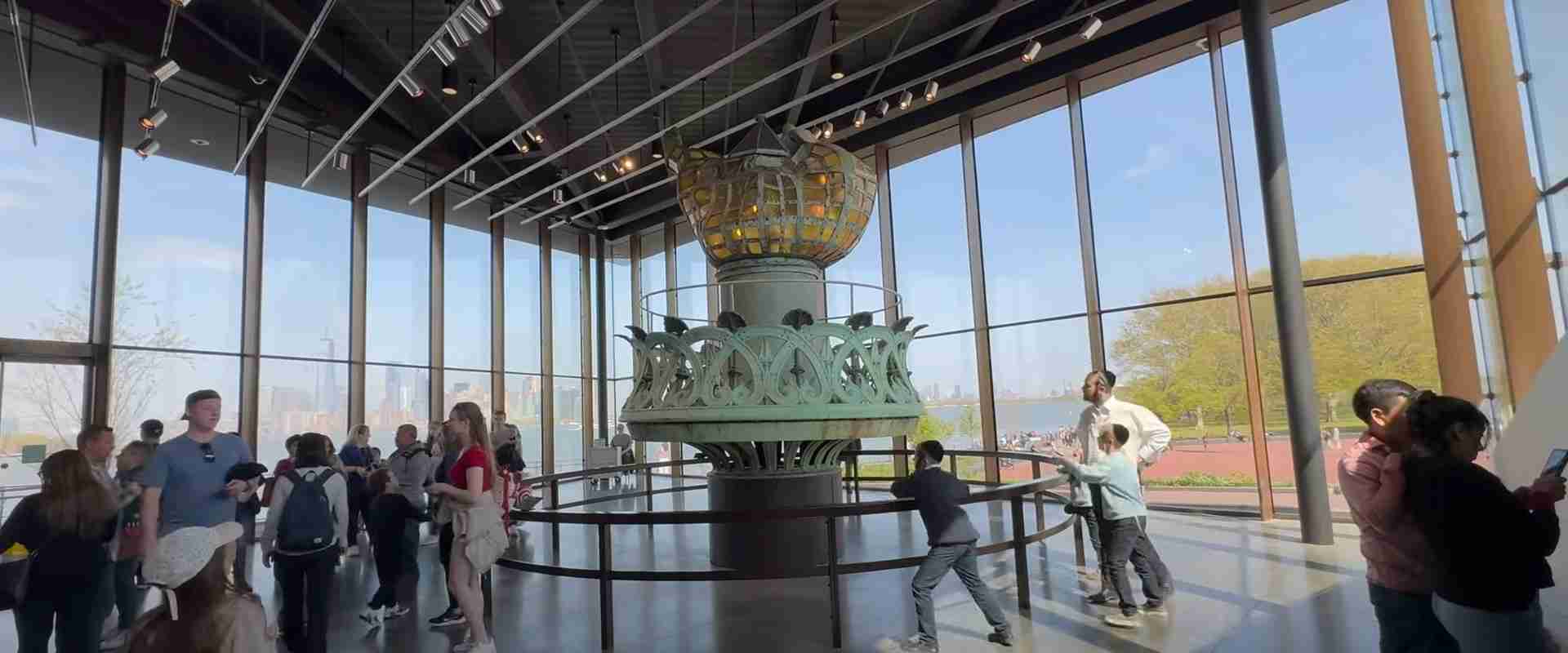
- The original 1886 torch displayed in the museum shows details impossible to see when it was mounted 305 feet high
- Governors Island offers unique statue views and represents a hidden gem itself with historical buildings and car-free exploration
- The pedestal balcony provides a rarely experienced perspective halfway up the monument with spectacular harbor views
- Red Hook in Brooklyn and Bayonne in New Jersey offer uncrowded vantage points with dramatic statue views unknown to most tourists
Introduction: Beyond the Obvious Experience
Hidden gems fall into several categories: overlooked physical features on Liberty Island itself, alternative viewing locations that avoid crowds while providing superior perspectives, museum artifacts that receive insufficient attention, historical details missed by most visitors, and insider tips for experiencing the monument differently. Understanding these hidden aspects transforms a basic tourist visit into rich exploration revealing layers of meaning, history, and beauty that most visitors miss. The statue rewards sustained attention and curiosity, offering discoveries proportional to the effort invested in looking beyond the obvious.
This comprehensive guide serves multiple audiences: first-time visitors wanting to maximize their experience, repeat visitors seeking new perspectives, photographers hunting for unique angles, history enthusiasts interested in details, and anyone who believes that the best experiences come from exploring beyond the beaten path. The hidden gems described here remain accessible to all visitors—they don’t require special permissions or extreme effort, merely awareness that they exist and willingness to seek them out. Discovering these treasures transforms passive monument viewing into active exploration, creating personal connections to this American icon.
People Also Ask About Statue of Liberty Hidden Gems
What details on the statue do most visitors miss?
Most visitors never notice the broken chains at Lady Liberty’s feet, as they’re visible only from elevated positions or close to the statue’s base where they’re difficult to see due to the pedestal’s height. The chains represent freedom from oppression and the abolition of slavery, making them symbolically crucial despite their invisibility. The tablet’s inscription appears from distance as undifferentiated text, but close observation reveals it reads “JULY IV MDCCLXXVI” in Roman numerals. The seven windows in the crown each have specific viewing angles offering unique perspectives. The copper’s varying patina shows different colors depending on exposure and drainage patterns—not uniformly green but displaying blues, browns, and greens. The drapery folds contain initials and marks from craftspeople who shaped the copper sections. These details remain invisible in standard tourist photographs but reveal themselves to patient observers.
Where are the best uncrowded places to see the statue?
Red Hook in Brooklyn offers spectacular statue views from Louis Valentino Jr. Park with far fewer crowds than Battery Park or Liberty State Park. The park’s pier provides unobstructed sight lines, and the neighborhood’s authentic character contrasts with tourist-oriented areas. Bayonne Bridge in New Jersey provides elevated views from the walkway across the bridge. The pedestrian path along the Kill Van Kull offers unique perspective from the west. Staten Island’s shoreline parks including Snug Harbor and Alice Austen House provide distant views with peaceful settings. Governors Island, accessible by ferry from Manhattan or Brooklyn, offers various vantage points around its car-free landscape. Brooklyn Army Terminal’s waterfront, though requiring exploration to access public areas, provides industrial-aesthetic statue views. These locations attract mainly locals, offering authentic experiences without tourist crowds.
What’s inside the Statue of Liberty that visitors don’t see?
The statue’s interior contains Gustave Eiffel’s iron framework—now replaced with stainless steel—visible to visitors climbing the stairs but often underappreciated. The framework’s engineering elegance deserves more attention than most give it. The double-helix stairway design, with separate ascending and descending spirals, represents clever space-efficient engineering. The connection points where framework attaches to copper skin show the flexible mounting system that allows the statue to move in wind. The torch’s interior, closed to public access, contains the ladder rising through the arm—photographs from maintenance inspections reveal this cramped space. The head’s interior framing, visible only to those reaching the crown, shows how Eiffel’s structure shapes the face’s interior contours. Storage areas in the pedestal house maintenance equipment, spare parts, and historical materials. These interior spaces rarely receive attention in standard narratives but reveal the monument’s functional reality.
Are there any secret viewing spots on Liberty Island?
While Liberty Island has no truly “secret” locations, several spots offer experiences most visitors miss. The island’s back side, away from the main paths, provides different perspectives and relative solitude even on crowded days. Walking the complete perimeter of Fort Wood’s star-shaped walls reveals all points of the fort while providing varied statue views from different angles. The flagpole area near the island’s northwest tip offers views across to Ellis Island and Manhattan with fewer people congregated. Sitting on the walls of Fort Wood rather than remaining on main pathways provides elevated perspective and quiet observation opportunities. The area near the superintendent’s house, though not off-limits, sees little foot traffic. The museum’s upper levels have windows providing unique interior-framed views of the statue. These spots aren’t hidden but are underutilized, offering more contemplative experiences than the crowded main plaza.
Extended multi-day tours – 5+ days
Featured New York Multi-Day Tour Packages
3 days
New York 3-Day Discovery Tour
- ✓ Comprehensive New York experience
- ✓ Expert local guides included
- ✓ All accommodation included
- ✓ Transportation provided
5 days
New York 5-Day Highlights Experience
- ✓ Comprehensive New York experience
- ✓ Expert local guides included
- ✓ All accommodation included
- ✓ Transportation provided
7 days
New York 7-Day Cultural Journey
- ✓ Comprehensive New York experience
- ✓ Expert local guides included
- ✓ All accommodation included
- ✓ Transportation provided

10 days
New York 10-Day Complete Adventure
- ✓ Comprehensive New York experience
- ✓ Expert local guides included
- ✓ All accommodation included
- ✓ Transportation provided
Multi-day tour packages powered by TourRadar. Prices and availability subject to change.
Hidden Architectural and Artistic Details
The broken chains at the Statue of Liberty’s feet carry enormous symbolic significance but remain virtually invisible to most visitors. Located at the base of the statue, these chains represent freedom from oppression and the abolition of slavery, connecting the monument to the American Civil War and emancipation that concluded just 21 years before the statue’s dedication. Bartholdi placed the chains deliberately, making them integral to the statue’s symbolism. However, their position at ground level combined with the elevated pedestal means they’re barely visible from normal viewing positions. Aerial photographs reveal the chains clearly, showing broken shackles at Liberty’s right foot. Visitors aware of these chains and specifically looking for them can spot them from certain angles, but most never realize they’re there. This hidden detail deserves more attention, as it explicitly connects the statue to African American freedom and positions Liberty as representing liberation from slavery specifically, not merely abstract freedom.
Fort Wood’s star-shaped fortification walls, which form the statue’s immediate foundation, represent significant historical architecture that most visitors barely notice. Built between 1808 and 1811 to defend New York Harbor from British naval attack, the fort’s 11-pointed star design followed military engineering principles for coastal defense. The granite walls rise approximately 20 feet, creating the elevated platform on which the pedestal stands. The star shape remains clearly visible in aerial views and partially visible from the ground. Walking around Fort Wood’s perimeter allows appreciation of 19th-century military architecture. The fort never fired shots in anger, transitioning from military installation to monument foundation. This layering of historical periods—early 19th-century military architecture supporting late 19th-century monumental sculpture—adds depth to the site that visitors typically miss while focused on the statue itself. The fort deserves recognition as significant historical structure in its own right.
The copper’s varying patina shows subtleties invisible in most photographs or casual observation. While the statue appears uniformly green from distance, close examination reveals variations in color depending on drainage patterns, exposure to elements, and original construction details. Areas where water drains show different coloration than protected sections. The patina isn’t pure green but includes blues, turquoises, and occasional browns where copper oxides formed differently. Some sections show residue from decades of acid rain before environmental improvements. The copper’s surface texture varies—some areas are smooth while others show hammer marks from the repoussé shaping process. These variations create subtle visual interest that careful observers can appreciate. The patina represents over 135 years of chemical reactions between copper and atmosphere, creating unique surface that could never be artificially replicated. This weathered surface tells the statue’s environmental history through color and texture.
Craftspeople’s marks and construction details remain visible throughout the copper skin for those who look carefully. Workers who shaped the copper sections left marks—initials, dates, numbers indicating piece positions. These marks function as signatures from anonymous craftspeople whose labor created the statue. Rivet patterns show where copper sheets join, revealing construction methodology. Repair patches from various maintenance campaigns show as subtle differences in copper coloration or texture. The copper’s interior, visible while climbing stairs, shows the backs of repoussé hammer marks creating negative space corresponding to exterior sculptural forms. These construction traces humanize the monument, connecting it to actual people who hammered copper, installed rivets, and assembled pieces. Most visitors never notice these details, but they provide tangible connection to the statue’s creation and continuing maintenance.
The pedestal contains artistic elements that often go unnoticed. Richard Morris Hunt designed the pedestal with decorative details including geometric patterns inspired by Aztec architecture, carved panels, and architectural ornamentation. The entrance portal features carved elements that reward close observation. The pedestal’s interior shows different construction materials and techniques across its 89-foot height. The structure’s proportions were carefully calculated to balance the statue visually—too short would make the statue appear squat, too tall would diminish its prominence. The pedestal’s relationship to Fort Wood’s walls creates visual transition from military foundation to civilian monument. These architectural considerations shaped the visitor experience but rarely receive attention in standard narratives focused on the statue itself. Hunt’s pedestal represents significant architectural achievement deserving recognition beyond its supporting function.
Museum Treasures and Overlooked Artifacts
The original 1886 torch, displayed prominently in the Statue of Liberty Museum, deserves more sustained attention than most visitors give it. This artifact represents the only major element of Bartholdi’s original statue removed and preserved separately. Up close, the torch reveals decorative details impossible to see when mounted 305 feet high. The copper work shows masterful repoussé shaping creating flame forms. The glass panels installed during the damaging 1916 modifications remain visible, showing the alterations that ultimately necessitated complete torch replacement. The weathering and patina tell the torch’s story of 100 years holding position above the harbor. Gilding traces remain visible in protected areas. The torch’s size becomes apparent when standing beside it—the flame portion alone measures 8 feet wide. Most visitors photograph the torch but few truly examine it, missing details that reveal both artistic achievement and historical evolution. The torch deserves contemplation as sculpture and artifact, not merely backdrop for selfies.
Bartholdi’s working models displayed in the museum show the artistic process behind the statue’s creation but often receive cursory attention from visitors rushing through exhibits. These models at various scales—from small clay sketches to quarter-scale plasters—reveal how Bartholdi refined his design through iterative enlargement. Close examination shows how details evolved, proportions adjusted, and the artistic vision developed. The models display workmanship worthy of appreciation independent from their function as preparatory studies. Some models show measuring marks and construction notations indicating how they were used to scale up the design. The models provide insight into 19th-century sculptural practice and the labor-intensive process of creating monumental sculpture before modern technology. These artifacts deserve sustained attention rather than quick glances while moving toward more interactive exhibits.
Historical photographs in the museum document the statue’s construction, disassembly, shipment, and reassembly with compelling visual narratives that warrant careful study. Photographs showing the statue rising in Bartholdi’s Paris workshop reveal the enormous scale of the project and the impressive organization required. Images of workers fabricating copper sections or assembling iron framework show the human labor behind the monument. Photographs of the disassembled statue packed in crates ready for shipping convey the ambitious logistics of moving 225 tons of material across the Atlantic. Images of reassembly in New York show engineering challenges overcome through 1880s technology. These historical photographs function as both documentary evidence and aesthetic objects, capturing moment in time with compositions and technical quality that reward close viewing. Most visitors scan these images quickly, but they deserve sustained attention as windows into the statue’s creation.
The museum’s interactive exhibits sometimes overshadow physical artifacts and archival materials that reward investigation. Original documents including fundraising records, construction correspondence, and dedication ceremony materials provide textual evidence complementing visual displays. Architectural drawings show technical details of construction and engineering solutions. Period artifacts including tools, copper samples, and construction materials offer tangible connections to the building process. The museum’s lower levels contain exhibits that visitors sometimes skip in favor of reaching the statue, but these displays provide essential context and contain hidden treasures for those willing to explore thoroughly. The museum rewards visitors who allocate significant time rather than rushing through to reach the statue—the collections deserve attention proportional to their historical and cultural significance.
The statue’s evolution through restoration and modification is documented through exhibits that many visitors overlook. Materials explaining the 1980s restoration, including removed framework elements, replaced torch components, and documentation of conservation decisions, provide insight into monument preservation challenges. These exhibits show that the statue isn’t static historical artifact but living monument requiring ongoing care and adaptation. The decisions made during restorations—what to preserve, what to replace, how to balance historical authenticity with modern safety and longevity—raise philosophical questions about monument stewardship. This preservation narrative deserves attention from visitors interested in how societies maintain their cultural heritage across generations. The restoration story reveals different dimension of the monument’s meaning, showing it as object of continuing care rather than merely historical creation.
Alternative Viewing Locations: Off the Beaten Path
Red Hook, Brooklyn offers one of New York’s best-kept secrets for statue viewing: Louis Valentino Jr. Park and Pier. This waterfront park at the end of Coffey Street provides spectacular unobstructed views of the Statue of Liberty, Manhattan skyline, and Governors Island. The park attracts mainly local residents, lacking the tourist crowds that overwhelm Battery Park or Liberty State Park. The concrete pier extending into the harbor allows different viewing angles. The surrounding Red Hook neighborhood features authentic Brooklyn character with warehouses converted to artists’ studios, independent shops, and excellent restaurants. Visiting Red Hook for statue views allows combining monument appreciation with exploration of genuine Brooklyn neighborhood away from tourist areas. The park’s benches and open green space invite lingering and contemplation. Sunset from this location creates dramatic lighting conditions for photography while the western-facing exposure provides golden hour opportunities impossible from eastern viewing points.
Governors Island, accessible by ferry from lower Manhattan or Brooklyn, represents a hidden gem itself while offering unique Statue of Liberty perspectives. This 172-acre island, once a military base and now a public park, features car-free environment perfect for walking or cycling. The island’s western side provides clear statue views across the harbor. Historic buildings including Fort Jay and Castle Williams create architectural context for photographs combining statue with foreground interest. The island’s open spaces, lawns, and wooded areas offer peaceful alternatives to crowded mainland parks. Hills created from construction debris provide elevated viewpoints. Art installations and summer events make the island destination unto itself while also serving as statue viewing platform. Governors Island operates seasonally from late May through October, requiring planning but rewarding effort with unique experience combining history, recreation, and spectacular harbor views including Lady Liberty.
The Bayonne Bridge pedestrian walkway in New Jersey provides elevated views of the statue from angles impossible to achieve elsewhere. This steel arch bridge spanning the Kill Van Kull between Bayonne and Staten Island includes pedestrian path offering unique perspectives. The bridge’s elevation provides bird’s-eye views looking down toward the statue in the harbor below. The industrial shipping channel passing beneath the bridge creates dynamic foreground with cargo vessels and tugboats adding activity to compositions. The bridge’s dramatic architecture—it’s the fourth-longest steel arch bridge in the world—creates interesting frame for statue photographs. Walking the bridge combines physical activity with sightseeing, offering experience completely different from traditional viewing locations. Few tourists discover this vantage point, making it secret spot for photographers and explorers willing to venture into New Jersey’s less-traveled areas.
Brooklyn Army Terminal in Sunset Park provides industrial-aesthetic views of the statue framed by massive warehouses and waterfront industrial infrastructure. While some areas remain restricted, public waterfront sections offer access to unique perspectives. The industrial context creates stark contrast with the statue’s symbolic meaning—heavy commerce and working waterfront versus abstract ideals of liberty. Photographers appreciate this juxtaposition, creating images that comment on relationship between American idealism and economic reality. The terminal’s architecture—enormous concrete and brick buildings from the 1918-1919 construction—provides dramatic scale and geometric patterns for compositions. The location attracts few tourists, offering solitary viewing opportunities. The neighborhood’s authentic Brooklyn character and burgeoning food scene make it worthwhile destination combining statue views with neighborhood exploration. This location rewards adventurous visitors seeking experiences beyond standard tourist itineraries.
Staten Island’s less-visited waterfront parks offer peaceful alternatives to heavily trafficked viewing locations. Alice Austen House Museum in Rosebank combines cultural attraction with harbor views including the statue. Snug Harbor Cultural Center and Botanical Garden provides beautiful grounds with occasional statue views. South Beach and Midland Beach offer beachfront perspectives. These locations serve primarily local residents rather than tourists, providing authentic Staten Island experiences while allowing statue viewing. The relative obscurity means significantly smaller crowds and more relaxed atmosphere. Combining Staten Island Ferry rides with exploration of these neighborhoods creates full-day adventure encompassing varied New York experiences. Staten Island remains New York’s most overlooked borough, making its statue-viewing locations among the city’s best-kept secrets despite sitting directly in the ferry route passing Liberty Island.
Insider Tips and Lesser-Known Experiences
The pedestal balcony, accessed with pedestal-level tickets, provides an often-overlooked experience between ground level and crown. This outdoor viewing area halfway up the monument offers 360-degree harbor views from approximately 70 feet elevation. The perspective differs significantly from ground level, providing better sight lines over Fort Wood’s walls while remaining lower than the more challenging crown climb. The balcony allows outdoor experience after indoor museum time, providing fresh air and spectacular views. The space sees lighter traffic than the crown, offering more relaxed viewing conditions. Visitors can walk the perimeter appreciating different views—Manhattan skyline, Ellis Island, Jersey City, Brooklyn. The balcony experience suits visitors unable or unwilling to attempt the strenuous crown climb while desiring more than ground-level viewing. Many visitors rush past this level heading for the crown or don’t realize it exists, making it hidden gem in plain sight.
Early morning visits to Liberty Island, particularly on weekdays, provide dramatically different experiences than midday or afternoon arrivals. The first ferries carry far fewer passengers, allowing nearly solitary exploration of the island before crowds arrive. Early morning light creates beautiful photography conditions with soft illumination and fewer tourists in frame. The morning calm provides opportunity for contemplation and connection to the monument without jostling crowds. Birds are more active in morning, adding natural elements to the experience. Early visits allow completing the statue experience before heat, fatigue, and crowds diminish enjoyment. Many visitors sleep late or prioritize other morning activities, leaving early slots underutilized. Early morning visits require discipline but reward early risers with superior experiences. This simple timing adjustment transforms the visit from rushed tourist obligation to peaceful, meaningful encounter with the monument.
The last ferries of the day offer similar crowd advantages while providing golden hour lighting conditions impossible earlier. Late afternoon sun creates dramatic illumination on the statue’s western side. Evening departures allow experiencing the transition from day to evening, seeing the statue’s floodlights activate. The cooling temperatures make late visits more comfortable during summer. The diminishing crowds as the day progresses mean more space and less congestion. Late visits create different mood—contemplative rather than energetic, peaceful rather than bustling. The harbor’s working vessels become more visible as recreational traffic diminishes. Evening visits suit visitors comfortable with later dining or those wanting to maximize daylight hours before visiting the statue. This timing strategy remains underutilized, with most visitors arriving midday when conditions are least favorable.
Weekday visits, particularly Tuesday through Thursday, provide significantly better experiences than weekends or Mondays. Weekend crowds overwhelm the island’s capacity, creating congestion and diminishing enjoyment. Monday brings weekend spillover plus school groups making up for weekend closures. Tuesday through Thursday, especially outside peak summer season, offer manageable crowds allowing more personal space and shorter waits. These midweek visits provide better photography opportunities with fewer people in frame. The ferry rides are more comfortable with seats available rather than standing-room-only conditions. The more relaxed pace allows appreciating details and taking time rather than feeling rushed. This simple scheduling adjustment dramatically improves the experience, yet most visitors, constrained by work schedules or unaware of crowd patterns, arrive during peak periods unnecessarily diminishing their experience.
Combining Liberty Island with Ellis Island visits creates fuller experience than many visitors realize. The same ferry serves both islands, and tickets include access to both, yet some visitors skip Ellis Island or rush through it. Ellis Island deserves several hours for thorough exploration of the museum, audio tour, and genealogical research facilities. The two islands together tell complete story of immigration and American ideals in ways neither achieves alone. Many visitors, unaware or rushed, fail to allocate adequate time for both destinations, shortchanging their understanding. Planning for full-day experience rather than quick statue visit allows proper appreciation of both locations. This fuller immersion provides deeper understanding and more satisfying experience than treating the statue as isolated attraction to be checked off a tourist list.
Seasonal and Temporal Hidden Gems
Winter visits, while less comfortable weather-wise, offer crystal-clear atmospheric conditions that create superior visibility and photographic opportunities. Cold, dry winter air contains less haze and humidity than other seasons, allowing sharp distant views impossible in summer. Snow creates beautiful contrast with the green statue, particularly dramatic when freshly fallen. Winter’s low sun angle creates extended golden hours with dramatic lighting. The severely reduced tourist crowds make winter visits feel almost private, allowing contemplative experiences impossible during peak season. Winter’s challenges—cold, wind, shorter days—deter most visitors, leaving the monument to hardy souls willing to bundle up. Winter photographs show the statue in conditions rarely seen, creating unique images. The season rewards prepared visitors with spectacular natural conditions and genuine solitude rare at major tourist attractions.
Foggy days create mysterious, atmospheric experiences that completely transform the monument’s character. Fog often blankets New York Harbor, particularly in spring and fall, obscuring the statue partially or completely. While this frustrates some visitors, it creates ethereal imagery and unusual experience. The statue emerging from fog banks or disappearing into mist creates dramatic effect impossible in clear conditions. Fog softens sounds, creating acoustic environment different from normal harbor noise. The reduced visibility forces closer observation of immediate surroundings rather than distant views. Photographers prize foggy conditions for moody, artistic images. Visitors willing to embrace rather than resist fog discover hidden gem experiences that clear weather can’t provide. This requires flexible attitude and weather awareness—monitoring forecasts and being willing to visit during conditions most avoid.
Sunrise visits, while requiring very early arrival, provide magical experiences for dedicated visitors. The first ferry runs early enough to reach the island around sunrise, particularly during winter’s shorter days. Sunrise light creates dramatic effects as the low sun illuminates the statue’s eastern face while backlighting her from the west as the sun rises further. The harbor’s morning calm before daytime activity begins creates peaceful atmosphere. Birds become active at dawn, adding natural dimension. The physical effort of very early rising creates psychological investment making the experience more meaningful. Sunrise visits allow completing the statue experience before most tourists begin their days, creating sense of having the monument to oneself. The magic hour lighting provides superior photography conditions. This extreme timing strategy remains rarely used, making sunrise visits among the most exclusive experiences available without special access.
Full moon nights create spectacular opportunities for visitors remaining in lower Manhattan or Brooklyn after visiting the statue during day. While Liberty Island closes in evening, the illuminated statue visible from mainland under full moon creates dramatic nighttime views. The moon’s illumination combined with the statue’s floodlights creates conditions impossible during other lunar phases. The moon appearing near the statue creates compositional opportunities for photographers. The nighttime harbor environment differs completely from daytime—quieter, darker, more mysterious. Combining daytime island visit with evening mainland viewing under full moon provides dual perspective spanning day and night. This requires planning around lunar calendar and willingness to invest extra time, but rewards effort with memorable experiences. Few visitors think to return for evening viewing after daytime visits, making nighttime full moon appreciation a hidden temporal gem.
Anniversary dates including the statue’s October 28th dedication anniversary and Bastille Day on July 14th sometimes feature special programs, though these vary annually. Checking National Park Service websites for special events during planning allows coordinating visits with programming that enhances standard experiences. These anniversary celebrations may include special talks, music, ceremonies, or other programming that won’t be available during ordinary visits. While these events may attract more visitors, the additional programming often justifies the increased crowds. This temporal strategy—aligning visits with special events—creates enhanced experiences for visitors aware of the calendar and willing to research options. The National Park Service doesn’t heavily publicize many smaller events, making them hidden gems for visitors who take initiative to discover what’s offered beyond standard operations.
Hidden Perspectives: Unique Ways of Seeing
Boat charters provide ultimate flexibility for statue viewing, allowing prolonged time near the monument from water level. While more expensive than public ferries, private boat rentals or joining group charters permits approaching Liberty Island from various angles, lingering as desired, and timing visits for optimal lighting. Sunset cruises circle the statue during golden hour creating photography opportunities impossible from land or ferries following fixed routes. Some boat operators offer photography-specific charters allowing serious photographers to request specific positions and timing. Sailboat charters provide quieter, more intimate experiences than motor vessels. The ability to control positioning and timing creates freedom impossible on scheduled public ferries. This option remains hidden to many visitors unaware that boat charters are available or assuming they’re prohibitively expensive—actually, group charters split among several people prove surprisingly affordable.
Kayaking in New York Harbor allows the most intimate water-level perspectives of the statue. Several outfitters offer guided kayak tours that paddle from Brooklyn or Manhattan toward the harbor, providing close but respectful distance from Liberty Island. The physical engagement of paddling creates different relationship with the environment than passive ferry riding. The kayak’s low profile places viewers at water level, creating dramatic upward perspectives of the towering statue. The silence of kayak propulsion allows hearing harbor sounds usually masked by engine noise. This active approach to statue viewing suits adventurous visitors wanting physical challenge combined with sightseeing. Kayaking provides access to areas where larger vessels don’t go, revealing angles and perspectives impossible from standard vantage points. This option remains obscure to most visitors who don’t associate statue viewing with physical adventure sports.
Helicopter tours over New York Harbor provide aerial perspectives revealing details invisible from ground level. The broken chains at the statue’s feet become clearly visible from above. The star-shaped Fort Wood appears in its full geometric pattern. The statue’s relationship to Ellis Island, Manhattan, and the broader harbor environment becomes visually comprehensible in ways impossible from ground level. The aerial perspective allows appreciating the statue’s scale within the vast harbor landscape. While expensive, helicopter tours provide truly unique experiences and photographic opportunities completely different from standard visits. Some tours offer doors-off options for photographers wanting unobstructed shooting. This hidden gem remains relatively unknown because most visitors don’t consider aerial options when planning ground-based tourist activities. The investment provides unparalleled perspectives and images impossible to achieve otherwise.
Drawing or sketching the statue creates engagement completely different from photography or sightseeing. Bringing sketchbook and pencils to Liberty Island, the Staten Island Ferry, or mainland viewing locations forces sustained observation impossible with quick camera snapshots. The process of drawing requires looking carefully at proportions, forms, details, and relationships—seeing in ways that passive viewing doesn’t demand. The resulting sketches, regardless of artistic skill, capture personal impressions and create meaningful souvenirs. Many visitors never consider drawing as activity at monuments, but it provides meditative, contemplative engagement that enriches understanding and memory. Art supplies cost little, and no special skills are required—the value lies in the looking, not the final product. This hidden approach to monument experience remains underutilized but rewards those willing to slow down and truly observe.
Reading at the monument—bringing books about the statue, immigration history, or related subjects—creates intellectual engagement complementing visual experience. Sitting on Liberty Island’s grounds reading Emma Lazarus’s complete poetry, immigration memoirs, or historical accounts connects textual and experiential knowledge. The reading location adds meaning to the texts, making abstract historical narratives concrete. This contemplative approach contrasts with rushed tourist itineraries focused on photographing and checking items off lists. Bringing relevant reading material transforms monument visit into educational experience enriching understanding beyond what exhibits provide. This simple strategy remains hidden because visitors don’t typically associate reading with active tourism, yet it provides depth and meaning exceeding purely visual experiences. The combination of place and text creates powerful learning opportunities.
Hidden Stories and Historical Layers
The statue’s role as lighthouse from 1886 to 1902 represents forgotten history that most visitors never learn. The United States Lighthouse Board operated Lady Liberty as functioning navigational aid, with the torch’s electric lights serving as harbor beacon. The statue proved inadequate for lighthouse purposes—the light wasn’t bright enough and the location wasn’t optimal—but the 16-year lighthouse phase represents interesting historical layer. This operational history shows the statue serving practical maritime function beyond symbolic purpose. Understanding this lighthouse phase enriches appreciation for how the monument’s uses and meanings evolved. The lighthouse story remains obscure because it’s brief, unsuccessful, and contradicts the statue’s primary symbolic identity, yet it represents authentic historical reality deserving recognition.
Bedloe’s Island’s pre-statue history included military fortification, quarantine station, and isolation from Manhattan’s urban bustle. Understanding the island’s earlier incarnations provides context for the statue’s placement and development. The island housed military installations dating to the Revolutionary War. It served disease quarantine purposes during epidemics. The isolation that made it suitable for these purposes also made it appropriate for a monument meant to be viewed from distances. The island’s evolution from military and medical functions to symbolic and tourist purposes represents broader American historical patterns. This earlier history remains hidden because most visitors focus on the statue itself, not the ground it stands on, yet understanding site history enriches appreciation for how landscapes evolve and accumulate meanings.
The statue’s closure following September 11, 2001 attacks and subsequent gradual reopening represents recent history with lasting impacts. Liberty Island closed immediately after the attacks on September 11, 2001 and remained completely closed until December 20, 2001. The crown remained closed until July 4, 2009—nearly eight years. These closures reflected legitimate security concerns but also sparked debates about balancing safety with the statue’s symbolic message of openness. The crown’s closure particularly troubled some who felt it contradicted the statue’s meaning. Understanding this recent history reveals how the monument continues evolving and how contemporary events shape relationships with historical symbols. Many current visitors experienced these closures personally but may not fully comprehend their significance or recognize that current security measures resulted from these events.
The statue’s use in war bond drives, propaganda, and patriotic imagery during World War II created associations between Lady Liberty and American military efforts. Posters featuring the statue urged citizens to buy bonds, support the war effort, and maintain resolve against fascism. This wartime mobilization of the statue’s symbolism connected her to specific historical events and political causes. The statue became symbol not just of abstract liberty but of American power defending freedom against totalitarian threats. This wartime history remains somewhat obscure today, overshadowed by immigration symbolism, yet it represents important chapter in the monument’s evolution. Understanding how the statue has been mobilized for various purposes across different eras reveals how symbols serve changing cultural and political needs while maintaining core identities.
The fundraising struggles in both France and America nearly prevented the statue’s completion, creating drama and uncertainty that most visitors never learn about. French fundraising took years despite patriotic appeals, with money raised gradually through public donations, lotteries, and benefit performances. American fundraising for the pedestal proved even more difficult, with the project nearly failing until Joseph Pulitzer’s newspaper campaign succeeded. Understanding these financial struggles humanizes the statue’s creation, showing it wasn’t inevitable but required dedication, persistence, and public participation. The fundraising stories reveal period attitudes about public monuments, government funding, and civic responsibility. These narratives of near-failure make the statue’s ultimate success more dramatic and meaningful, yet they remain hidden aspects of the history that deserve greater attention in popular understanding of how this icon came to exist.
Frequently Asked Questions About Statue of Liberty Hidden Gems
What’s the significance of the broken chains at the statue’s feet?
The broken chains represent freedom from oppression and specifically commemorate the abolition of slavery following the American Civil War. Bartholdi placed these chains deliberately, making them integral to the statue’s symbolism despite their near-invisibility from normal viewing angles. The chains show broken shackles at Liberty’s right foot, symbolizing freedom from bondage and tyranny. This element explicitly connects the statue to the immediate historical context of post-Civil War America and positions Liberty as representing liberation from slavery, not merely abstract freedom. The chains’ invisibility to most visitors represents unfortunate oversight, as this symbolism deserves wider recognition. The detail reveals Bartholdi’s intention to create multi-layered symbol addressing both universal freedom and specific American historical achievements, particularly emancipation.
Can you see the broken chains from Liberty Island?
The broken chains are extremely difficult to see from ground level on Liberty Island due to the pedestal’s height placing the statue’s feet approximately 150 feet above viewers. The chains are visible from elevated positions—aerial photographs show them clearly, and visitors reaching high floors of surrounding buildings might spot them. On the island itself, looking up at the statue’s base with binoculars or telephoto lenses may reveal glimpses of the chains, though viewing conditions are challenging. The National Park Service acknowledges this visibility problem, and museum exhibits explain the chains’ significance even though most visitors can’t see them directly. This represents one of the monument’s unfortunate design realities—a symbolically crucial element is practically invisible to the millions who visit. Aerial tours or tall building viewpoints in Manhattan offer better chances of seeing the chains.
What’s the best hidden spot on Liberty Island for avoiding crowds?
The back side of Fort Wood, opposite the main plaza and entrance path, provides relative solitude even on crowded days. This area requires walking completely around the pedestal’s base, which many visitors don’t do, focusing instead on the front entrance and main gathering areas. The northwest section of the island near the flagpole also sees lighter traffic. The museum’s upper levels sometimes have fewer visitors who concentrate in ground-floor exhibits. Walking the complete perimeter of Fort Wood’s star-shaped walls takes visitors away from main paths where crowds concentrate. Early morning and late afternoon visits when ferry traffic is lighter provide better conditions throughout the island. No location on Liberty Island is truly secret or empty during peak season, but peripheral areas offer breathing room unavailable in the main plaza where most visitors congregate.
Is Governors Island worth visiting for statue views?
Governors Island absolutely merits visiting as destination unto itself while also providing excellent Statue of Liberty views. The car-free island offers peaceful exploration with historic forts, art installations, lawns, and waterfront paths. The western side provides clear statue views across the harbor from different angles than mainland locations. The island’s seasonal operation (late May through October) requires timing visits appropriately. Ferry service from Manhattan or Brooklyn makes access convenient. Combining Governors Island exploration with statue viewing creates full day of varied experiences. The island attracts primarily New York residents rather than international tourists, offering more authentic local experience. The statue views from Governors Island provide context showing her relationship to the broader harbor environment. For visitors wanting uncrowded alternatives to Battery Park while also experiencing interesting historic site, Governors Island represents hidden gem worth discovering.
What time of year has the least crowds at the Statue of Liberty?
January and February see the lowest visitor numbers due to cold weather deterring tourists. November and early December before holidays also remain relatively quiet. Within any season, weekdays—particularly Tuesday, Wednesday, and Thursday—have fewer visitors than weekends or Mondays. Early morning and late afternoon time slots on any day offer lighter crowds than midday. Combining optimal season (winter), optimal day (midweek), and optimal time (early or late) creates best possible conditions for avoiding crowds. However, weather during winter can be harsh, requiring weighing crowd avoidance against comfort. Shoulder seasons—late fall and early spring—offer reasonable compromises between weather and crowds. Summer and major holidays see peak crowds making visits less enjoyable despite better weather. Strategic timing dramatically affects the experience but requires flexibility and planning.
What’s inside the original torch in the museum?
The original torch in the museum contains the internal structure including framework that supported the copper exterior and glass panels installed during the 1916 modifications. The torch was hollow, with ladder rungs allowing access for maintenance of the lighting system. The interior structure includes the attachment points where the torch connected to the statue’s arm, showing how weight was distributed and supported. The flame section’s interior reveals how the copper was shaped from behind using repoussé technique. The glass panels’ interior faces show mounting systems and weatherproofing attempts. The entire interior surface bears marks from welding, repairs, and modifications across decades of service. While visitors view only the exterior, museum documentation and specialized access has revealed the interior details. The torch’s interior demonstrates the practical engineering requirements underlying the artistic exterior, showing how symbolic monument required mundane functional elements to operate.
Are there any hidden symbols in the statue’s design?
Beyond the obvious symbols like the torch and tablet, several less-recognized symbolic elements appear in the statue’s design. The seven spikes in the crown represent seven continents and seven seas, symbolizing universal liberty rather than American exclusivity. The broken chains at the feet represent freedom from oppression and abolition of slavery. The forward stride suggests progress and advancement. The tablet’s specific date—July 4, 1776—connects the statue to American independence. The torch’s flame represents enlightenment dispelling ignorance. The classical Roman garments reference ancient republican ideals. The female figure representing abstract concept follows allegorical traditions. The green patina, while unintentional, has become symbolic of time and endurance. These symbols work together creating layered meaning that rewards study and interpretation. Some meanings Bartholdi intended consciously, others emerged through use and interpretation over time, demonstrating how monuments accumulate significance beyond original designs.
What’s the most unique way to photograph the Statue of Liberty?
The most unique photograph approaches involve perspectives or techniques rarely attempted. Aerial helicopter photography from above reveals details like the broken chains invisible from ground level. Long exposure night photography from boats creates star trails around the illuminated statue. Infrared photography transforms the statue’s color creating otherworldly effect. Drone photography, while generally prohibited near the monument, has occasionally captured unique perspectives during authorized shoots. Multiple exposure techniques blending different times of day create impossible-in-reality compositions. Extreme telephoto compression from distant locations like Brooklyn creates abstract geometric compositions. Underwater photography from the harbor, while technically challenging, creates surreal perspectives. Reflection photography in harbor waters or building windows creates mirror images. The most unique images often result from technical experimentation, unconventional locations, or creative post-processing rather than simply being at famous landmarks during golden hour.
Is the pedestal balcony experience worth it?
The pedestal balcony provides excellent experience, particularly for visitors unable or unwilling to climb to the crown but wanting more than ground-level viewing. The balcony’s outdoor viewing area approximately 70 feet up offers 360-degree harbor views significantly superior to ground level. The perspective allows seeing over Fort Wood’s walls while avoiding the strenuous 377-step climb to the crown. The balcony typically has lighter crowds than the more famous crown. Fresh air and open views after time in the museum provide refreshing contrast. The balcony visit is included with pedestal tickets, which are easier to obtain than crown tickets often sold out months ahead. For many visitors, the pedestal balcony provides optimal balance between effort and reward—substantially better views than ground level without extreme physical demands. The experience remains somewhat underappreciated, with many visitors focusing solely on crown access, but it represents excellent middle-ground option.
What should I bring to Liberty Island that most people forget?
Binoculars allow seeing architectural details and attempting to spot the broken chains at the statue’s feet. Sunscreen and sun protection are essential as much of the island lacks shade. Water bottles help maintain hydration, particularly during summer or long visits. Comfortable walking shoes matter for exploring the island and climbing stairs. Light jackets or layers account for temperature differences between ferry, indoor museum, outdoor island, and crown climb. Portable phone chargers ensure battery life for full-day visits with extensive photography. Small bills for lockers required for crown climbs. Patience and realistic time expectations—the experience takes longer than many anticipate. Historical context through pre-visit reading enriches the experience. Open-mindedness to discovering unexpected aspects rather than checking boxes on predetermined list. Most importantly, people forget to allocate adequate time—rushed visits diminish experiences that deserve sustained attention and contemplation.