
Statue of Liberty Local Culture Guide
The Statue of Liberty exists not as isolated monument but as integral part of New York’s living cultural fabric. Understanding the local culture surrounding Lady Liberty—from the working harbor to immigrant neighborhoods to civic traditions—enriches appreciation for this icon beyond its symbolic significance. The statue inhabits a specific place with particular history, people, and ongoing cultural life that gives meaning to her presence. This guide explores the cultural context that makes the Statue of Liberty more than tourist attraction, revealing her role in the daily life and consciousness of New Yorkers and Americans.
Key Takeaways
- The Statue of Liberty sits at the heart of New York Harbor’s rich maritime culture, surrounded by working waterways and historic ports
- Lower Manhattan’s Battery Park neighborhood reflects centuries of immigrant arrival, with cultural institutions celebrating this heritage
- Ellis Island’s Imm
igration Museum provides essential cultural context for understanding the statue’s role in American immigration history - New York’s diverse ethnic neighborhoods throughout the five boroughs represent the living legacy of immigration that Lady Liberty symbolizes
- The harbor’s working culture—ferries, tugboats, shipping—continues traditions dating to when the statue first welcomed arriving vessels
- Local celebrations including July 4th festivities and naturalization ceremonies at Liberty Island connect the statue to contemporary civic life
Introduction: The Statue in Living Culture
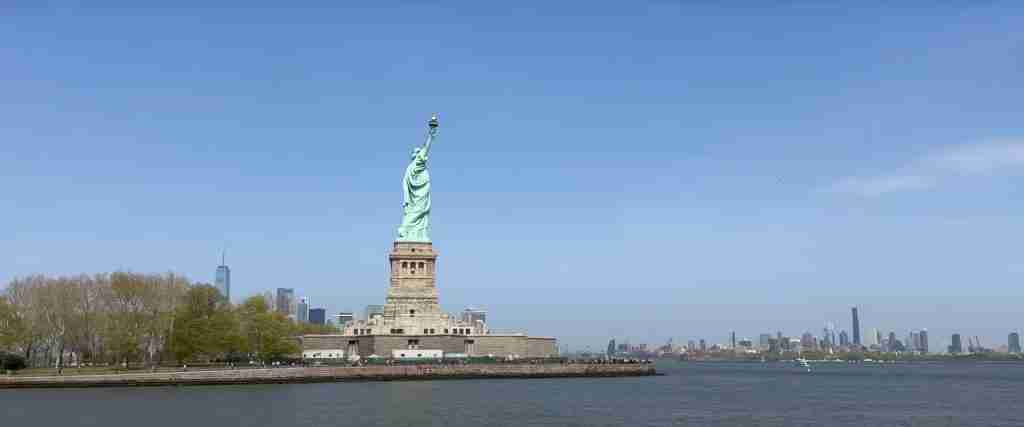
New York Harbor’s culture reflects centuries of maritime activity, immigration, commerce, and urban development. The statue stands witness to this continuing vitality, surrounded by ferries transporting commuters, tugboats guiding cargo vessels, sailboats enjoying recreational waters, and cruise ships departing for distant ports. This working harbor environment contrasts with many monuments situated in ceremonial settings—Lady Liberty participates in active, functional landscape rather than existing in isolated sanctuary. This integration into working waterways connects the statue to the practical, everyday aspects of New York life while maintaining her symbolic importance.
The neighborhoods surrounding the statue in lower Manhattan and New Jersey retain connections to immigration history that defined early 20th century New York. Walking through Battery Park, the Financial District, or Jersey City, visitors encounter layers of cultural history—from Dutch colonial origins through waves of European immigration to contemporary international diversity. Understanding these neighborhoods and their evolution provides essential context for comprehending the statue’s cultural significance. The monument doesn’t exist in vacuum but as part of complex urban tapestry woven from countless individual stories of arrival, struggle, success, and cultural synthesis.
People Also Ask About Statue of Liberty Local Culture
How do New Yorkers view the Statue of Liberty?
New Yorkers hold complex relationships with the Statue of Liberty, viewing her simultaneously as everyday presence and powerful symbol. For those who regularly cross New York Harbor via ferry or work in lower Manhattan, the statue forms part of daily landscape—familiar sight rather than tourist novelty. Many New Yorkers take pride in the statue’s presence in their city, viewing her as defining landmark that makes New York recognizable worldwide. At the same time, most New Yorkers rarely visit Liberty Island itself, leaving that experience to tourists while feeling ownership of the symbol she represents. The statue functions in New York consciousness as both mundane fixture of the harbor skyline and profound emblem of the city’s identity as welcoming destination for people from everywhere seeking opportunity.
What immigrant neighborhoods should visitors explore near the Statue of Liberty?
Lower Manhattan’s Financial District contains remnants of early immigrant neighborhoods, though gentrification has transformed much of the area. Chinatown, a short subway ride from Battery Park, represents one of the largest Chinese communities outside Asia with authentic restaurants, markets, and cultural institutions. Little Italy, adjacent to Chinatown, preserves Italian immigrant heritage though much smaller than historically. The Lower East Side maintains connections to Jewish immigrant history with landmarks like the Tenement Museum. In Brooklyn, neighborhoods like Sunset Park (Chinese), Brighton Beach (Russian), and Bay Ridge (Middle Eastern) showcase contemporary immigrant communities. Jackson Heights in Queens features extraordinary diversity with South Asian, Latin American, and Asian populations. These neighborhoods demonstrate that immigration’s cultural impact extends far beyond Ellis Island’s historical period, continuing to shape New York’s character.
What is New York Harbor’s maritime culture like today?
New York Harbor maintains vibrant working maritime culture despite its evolution from industrial shipping hub to more diversified use. The harbor supports active commercial shipping with container terminals in New Jersey, petroleum terminals, and cruise ship operations. Ferry services including the Staten Island Ferry, NYC Ferry, and Liberty Island ferries transport millions of passengers annually. Tugboat companies based in the harbor guide large vessels through busy waterways. Recreational boating, sailing clubs, and kayaking have expanded as waterfront access improved. The harbor’s working culture includes longshoremen, ferry captains, harbor pilots, tugboat operators, and maritime workers whose daily routines unfold in sight of the Statue of Liberty. This continuing maritime activity connects contemporary harbor culture to historical traditions dating to when the statue first arrived in New York in 1885, maintaining functional relationship between city and water that defines New York’s character.
How does the statue connect to contemporary immigration issues?
The Statue of Liberty remains actively engaged with contemporary immigration debates as politicians, activists, and citizens invoke her symbolism when discussing current policies. Emma Lazarus’s words “Give me your tired, your poor, Your huddled masses” are regularly quoted in debates over refugee admission, border policies, and immigration law. Naturalization ceremonies held at Liberty Island explicitly connect new citizens to the statue’s welcoming symbolism. Protests regarding immigration policies frequently reference or take place near the statue, using her authority to argue various positions. The National Park Service’s interpretation at Liberty Island addresses both historical immigration through Ellis Island and ongoing immigration’s role in American society. The statue’s cultural significance extends beyond historical symbol to active participant in contemporary discussions about American identity, values, and who belongs in American society. This contemporary engagement keeps the statue culturally relevant rather than merely historically interesting.
Extended multi-day tours – 5+ days
Featured New York Multi-Day Tour Packages

3 days
New York 3-Day Discovery Tour
- ✓ Comprehensive New York experience
- ✓ Expert local guides included
- ✓ All accommodation included
- ✓ Transportation provided
5 days
New York 5-Day Highlights Experience
- ✓ Comprehensive New York experience
- ✓ Expert local guides included
- ✓ All accommodation included
- ✓ Transportation provided
7 days
New York 7-Day Cultural Journey
- ✓ Comprehensive New York experience
- ✓ Expert local guides included
- ✓ All accommodation included
- ✓ Transportation provided

10 days
New York 10-Day Complete Adventure
- ✓ Comprehensive New York experience
- ✓ Expert local guides included
- ✓ All accommodation included
- ✓ Transportation provided
Multi-day tour packages powered by TourRadar. Prices and availability subject to change.
New York Harbor: Working Waterways and Maritime Heritage
New York Harbor’s geographical significance shaped the city’s development and explains the Statue of Liberty’s placement. The harbor forms a natural deepwater port protected from Atlantic storms, with the Hudson River, East River, and Arthur Kill providing access to interior regions. This geographical advantage made New York America’s primary port from colonial times through the mid-20th century, facilitating trade, immigration, and naval operations. The statue’s placement at the harbor entrance positions her to greet incoming vessels, making her presence meaningful within the harbor’s functional maritime geography. Understanding the harbor’s layout, waterways, and islands provides essential context for comprehending why the statue stands where she does and how she relates to surrounding landscape.
The Staten Island Ferry, operating since 1905, represents the harbor’s most iconic maritime institution and provides the democratic experience of seeing the Statue of Liberty. This free ferry service transports approximately 75,000 passengers daily between Manhattan and Staten Island, making 109 trips each weekday. The ferry serves commuters going to work, residents traveling between boroughs, and visitors seeking views of the statue and Manhattan skyline. The ferry’s bright orange vessels—the iconic color adopted in the 1960s—have become symbols of New York in their own right. Riding the Staten Island Ferry connects visitors to everyday New York life while providing excellent statue views, creating experience that combines practical transportation with tourism. The ferry demonstrates how the statue exists within working infrastructure rather than isolated tourist bubble.
Commercial shipping continues in the harbor despite decline from its historical peak. Container terminals in New Jersey process cargo from international ships. Petroleum products move through harbor terminals serving the region’s energy needs. Cruise ships depart from Manhattan terminals carrying passengers to Caribbean and Canadian destinations. Tugboats, often operated by family businesses with multigenerational harbor experience, guide large vessels through busy waterways. Maritime pilots board incoming ships to navigate them safely to dock. This commercial activity creates constant motion in the harbor—cargo vessels, tankers, barges, tugs—providing dynamic backdrop for the statue. Lady Liberty watches over working harbor, not merely scenic landscape, connecting her to practical economic activity that sustains the region.
Recreational maritime culture has expanded as waterfront access improved and environmental cleanup made harbor waters safer. Sailing clubs operate from various harbors around the bay. Kayakers explore the harbor’s edges, launch sites in Brooklyn, Manhattan, and New Jersey providing access. Yacht clubs maintain marinas for pleasure craft. Fishing boats pursue striped bass, bluefish, and other species. Sunset cruises and tour boats offer entertainment and education. This recreational use represents democratization of waterfront previously dominated by commercial and industrial activity. The Statue of Liberty serves as focal point for much recreational boating, with paddlers, sailors, and boaters enjoying close-up views impossible from land. The harbor’s evolution from purely industrial to mixed commercial-recreational use reflects broader changes in urban waterfronts while maintaining connections to maritime heritage.
The harbor’s ecology represents another dimension of local culture often overlooked by visitors. The waters support diverse marine life including oysters (which once formed massive reefs), fish species, seals, and occasional dolphins. Environmental organizations work to restore harbor ecology degraded by centuries of pollution and industrial use. Oyster restoration projects aim to improve water quality through natural filtration. The harbor’s water quality has improved dramatically from mid-20th century lows, though challenges remain. Understanding the harbor as living ecosystem adds depth to appreciation of the Statue of Liberty’s setting—she stands not just in water but in complex marine environment connecting to Atlantic Ocean, supporting life, and undergoing ecological restoration. This environmental dimension of harbor culture connects contemporary environmental values to historical maritime landscape.
Battery Park and Lower Manhattan: Gateway Neighborhood
Battery Park, at Manhattan’s southern tip, serves as the primary mainland departure point for Statue of Liberty ferries, making it essential gateway for statue visitors. The park’s 25 acres of green space, waterfront promenades, monuments, and harbor views provide transition between Manhattan’s dense urban environment and the experience of visiting Liberty Island. The park’s name derives from artillery battery positioned there during colonial times to defend the port. Today the park balances multiple functions—commuter path, lunch spot for Financial District workers, tourist gathering place, memorial space, and cultural venue. Understanding Battery Park’s role in neighborhood life provides context for the statue experience, showing how monument visits integrate with daily urban rhythms.
Castle Clinton, the circular fort within Battery Park, connects to early 19th century when British naval threats prompted American coastal fortifications. Built 1808-1811, the fort never fired shots in anger. It later served as entertainment venue called Castle Garden, then as immigrant processing station before Ellis Island opened in 1892, processing over 8 million immigrants. This pre-Ellis Island immigrant processing connects the Battery Park area directly to immigration history that the Statue of Liberty later came to symbolize. Today Castle Clinton houses the ticket office for Statue of Liberty ferries, making the historical immigration processing site the contemporary departure point for visiting the monument. This functional connection between past and present enriches the visitor experience for those aware of Castle Clinton’s history.
The surrounding Financial District neighborhood demonstrates New York’s evolution from immigrant gateway to global financial center. The area’s narrow streets follow colonial-era patterns, creating intimate urban texture contrasting with midtown Manhattan’s grid. Wall Street, one block inland from Battery Park, represents global capitalism’s geographic heart. The neighborhood’s history includes Dutch colonial New Amsterdam, British colonial rule, early American governance, and development as financial district. Skyscrapers tower above narrow streets, creating dramatic urban canyons. The neighborhood empties after business hours as financial workers return home, creating distinct daytime versus nighttime characters. This financial district context seems far from the immigrant heritage the statue represents, yet the neighborhood’s evolution reflects America’s economic development that drew immigrants seeking opportunity.
The National Museum of the American Indian, housed in the old U.S. Custom House facing Battery Park, provides cultural enrichment complementing a Liberty Island visit. The museum, part of the Smithsonian Institution, features extensive Native American art, artifacts, and contemporary indigenous culture exhibits. The magnificent Beaux-Arts Custom House building itself merits attention for architectural beauty. The museum’s focus on indigenous peoples predating European colonization provides important counternarrative to Ellis Island’s European immigrant story, acknowledging that the “American Dream” represented by the Statue of Liberty involved displacement of peoples who were already here. This more complete understanding of American history enriches appreciation of the statue’s complex cultural meanings.
The September 11th Memorial and Museum, several blocks from Battery Park, connects to the Statue of Liberty through themes of resilience, freedom, and national identity. The attacks on September 11, 2001 profoundly affected New York’s psyche, and the statue took on renewed significance as symbol of American values and endurance. Liberty Island closed immediately after the attacks and reopened gradually over subsequent years. The memorial’s reflecting pools, survivor tree, and museum create powerful space for remembering and reflection. Many visitors combine trips to the 9/11 Memorial with Statue of Liberty visits, creating journey that connects American history, tragedy, and resilience. The proximity of these sites reflects how lower Manhattan concentrates locations significant to American identity and memory.
Ellis Island: Immigration Heritage and Museum Culture
Ellis Island, adjacent to Liberty Island and accessible by the same ferry service, provides essential cultural and historical context for understanding the Statue of Liberty’s immigration significance. The Ellis Island National Museum of Immigration occupies the restored Main Building where officials processed immigrants arriving between 1892 and 1954. Over 12 million immigrants entered through Ellis Island during this period, with 40 percent of Americans today having ancestors who passed through this facility. The museum’s exhibits trace immigration history from pre-Colonial times through today, with particular focus on the Ellis Island era. Understanding Ellis Island enriches statute visits by providing the human stories behind the symbol—the hopes, fears, challenges, and ultimate outcomes for those who saw Lady Liberty while approaching American shores.
The Great Hall (Registry Room), where immigrants awaited processing, represents the museum’s emotional and architectural centerpiece. This enormous room with its vaulted Guastavino tile ceiling witnessed countless life-changing moments as families waited to learn if they would be admitted to America or turned away. The room’s size, architectural grandeur, and historical significance create powerful atmosphere. Standing in the Great Hall allows visitors to imagine the experience of tired, anxious immigrants after long ocean voyages, facing uncertain futures. The room’s restoration during the 1980s preserved historical character while making it accessible to modern visitors. Audio guides and exhibits explain processing procedures, medical examinations, legal requirements, and daily operations, helping visitors understand what happened in this space and what it meant to those who passed through.
The American Family Immigration History Center at Ellis Island provides genealogical research opportunities for visitors seeking information about immigrant ancestors. The center’s database contains records of passengers arriving through Ellis Island and the Port of New York. Visitors can search for ancestors, print ship manifests, and obtain certificates documenting family members’ arrival. This research capability makes Ellis Island not merely historical attraction but living resource connecting millions of Americans to their family histories. The genealogical dimension personalizes immigration history, transforming abstract historical forces into specific stories of individual families. Many visitors experience powerful emotional connections when finding ancestors’ names in arrival records, creating memorable personal experiences that deepen appreciation for immigration heritage.
The museum’s exhibits address challenging aspects of immigration history including rejection, detention, and family separation. Not all immigrants were admitted—approximately 2 percent were turned away due to medical conditions, legal issues, or inability to demonstrate ability to support themselves. The hospital complex on Ellis Island’s south side treated immigrants with medical conditions, with some held for weeks or months. Dormitories housed detainees awaiting decisions on their cases. These difficult realities receive appropriate attention in museum exhibits, ensuring visitors understand that immigration involved hardship and sometimes tragedy. This honest interpretation respects historical complexity while honoring the courage of those who undertook difficult journeys seeking better lives. The balanced presentation connects historical immigration to contemporary debates about immigration policy and treatment of migrants.
Special programs and events at Ellis Island connect historical immigration to contemporary citizenship and cultural diversity. Naturalization ceremonies held on the island explicitly link new citizens to the immigration heritage represented by Ellis Island and the Statue of Liberty. Cultural celebrations of various ethnic groups honor specific immigrant communities’ contributions. Educational programs for school groups teach immigration history through age-appropriate activities. These programs make Ellis Island a living cultural institution rather than static historical site, connecting past immigration to present diversity and future citizenship. The combination of historical exhibits, genealogical research, educational programming, and civic ceremonies makes Ellis Island essential complement to a Statue of Liberty visit, providing depth and context for understanding what Lady Liberty represents and why she matters.
Immigrant Heritage in Contemporary New York Neighborhoods
Chinatown in Manhattan, a short subway ride from Battery Park, represents one of the nation’s largest Chinese communities and demonstrates how immigrant neighborhoods maintain cultural identity across generations. The neighborhood features authentic restaurants serving regional Chinese cuisines, markets selling Asian groceries and goods, herbal medicine shops, temples and cultural centers. Street signs appear in English and Chinese, storefront businesses cater to Chinese-speaking customers, and the neighborhood functions as cultural and commercial center for Chinese New Yorkers. Visiting Chinatown provides direct experience of immigrant community vitality, showing how ethnic neighborhoods preserve and adapt cultural traditions. The neighborhood’s evolution from early 20th century settlement to contemporary community demonstrates immigration’s continuing impact on New York’s character.
The Lower East Side Tenement Museum preserves and interprets the immigrant experience through restored apartments in a building that housed working-class immigrants from the 1860s through the 1980s. The museum offers guided tours through apartments restored to specific periods, telling stories of families who lived there—German, Irish, Italian, Eastern European Jewish, and others. These preserved spaces with period furnishings and personal objects provide intimate understanding of immigrant life impossible to achieve through abstract historical description. Visitors see the actual rooms where families cooked, slept, worked, and raised children in challenging conditions. The museum’s interpretation connects historical immigration to contemporary issues, drawing parallels between past and present immigrant experiences. The Tenement Museum makes immigration history personal and immediate, complementing Ellis Island’s broader historical narrative with individual family stories.
Brighton Beach in Brooklyn, often called “Little Odessa,” houses the largest Russian and Ukrainian community in the United States. The neighborhood transformed during the 1970s and 1980s when Soviet Jewish immigrants settled there, creating vibrant ethnic enclave. Russian-language signs, restaurants serving Eastern European cuisine, bakeries, markets, and shops create immersive cultural experience. The neighborhood demonstrates how post-1960s immigration waves continued shaping New York after Ellis Island’s closure. Brighton Beach shows that immigration’s cultural impact extends beyond the historical Ellis Island period, with new communities continuing to establish ethnic neighborhoods that enrich New York’s diversity. Visiting Brighton Beach provides understanding of contemporary immigration’s cultural dimensions, connecting historical patterns to present reality.
Jackson Heights in Queens represents extraordinary ethnic diversity with South Asian, Latin American, Southeast Asian, and other populations concentrated in relatively small area. The neighborhood features Indian and Pakistani restaurants, Colombian and Ecuadorian eateries, Thai grocers, and shops serving multiple ethnic communities. This diversity makes Jackson Heights a microcosm of contemporary global immigration, with residents from dozens of countries maintaining cultural traditions while participating in American life. The neighborhood’s commercial corridors—74th Street, 37th Avenue—offer immersive cultural experiences with authentic businesses serving ethnic communities rather than tourists. Jackson Heights demonstrates that New York’s immigrant gateway role continues, with the city remaining destination for people worldwide seeking opportunity. Understanding this contemporary diversity provides essential context for appreciating the Statue of Liberty’s continuing relevance as immigration symbol.
These ethnic neighborhoods demonstrate that the immigration story the Statue of Liberty represents didn’t end with Ellis Island’s closure in 1954. New York continues receiving immigrants from around the world, who establish communities, maintain cultural traditions, and contribute to the city’s economic and cultural vitality. The neighborhoods show immigration’s living legacy—not merely historical phenomenon but ongoing process shaping American society. Visiting immigrant neighborhoods transforms abstract symbolism of the Statue of Liberty into concrete cultural reality, showing what “welcoming the huddled masses” actually means in practice. These neighborhoods represent fulfillment of the promise Lady Liberty represents, demonstrating that immigration remains central to New York and American identity. Understanding contemporary immigrant communities enriches appreciation for the statue by showing that the ideals she represents continue shaping American society in tangible, everyday ways.
Local Festivals, Celebrations, and Civic Traditions
Independence Day celebrations in New York Harbor feature spectacular fireworks displays that use the Statue of Liberty as centerpiece, creating one of the nation’s most iconic July 4th experiences. The fireworks, launched from barges in the harbor, frame the statue in explosive color visible throughout the region. Millions of New Yorkers and visitors watch from various vantage points—Brooklyn Heights, Battery Park, Liberty State Park, rooftops, and boats in the harbor. The televised broadcast reaches national audience, making the statue central to America’s Independence Day imagery. This annual celebration explicitly connects the statue to patriotic holiday commemorating the independence that Liberty represents. The July 4th fireworks demonstrate how the statue participates in living civic culture, not merely historical symbol but active part of contemporary American celebration.
Naturalization ceremonies held at Liberty Island provide powerful connection between historical immigration and contemporary citizenship. Several times yearly, immigrants from dozens of countries take the oath of citizenship with the Statue of Liberty as backdrop. These ceremonies, often covered by media, explicitly invoke the statue’s symbolism of welcoming immigrants. New citizens taking their oath while facing Lady Liberty experience direct connection to the monument’s meaning, making abstract symbolism personally meaningful. The ceremonies represent fulfillment of journeys that the statue has symbolized for over a century. Family members and friends attend, creating festive atmosphere celebrating individual achievement and American plurality. These naturalization ceremonies demonstrate the statue’s continuing relevance to American immigration and citizenship rather than merely historical commemoration.
The statue’s birthday celebrations on October 28th (dedication anniversary) and Bastille Day events on July 14th (recognizing the statue’s French origin) connect the monument to specific historical moments while celebrating Franco-American friendship. These commemorations attract smaller crowds than July 4th but appeal to history enthusiasts and those interested in French-American cultural connections. Special programs, tours, and educational events mark these occasions. The birthday celebrations reflect New York’s embrace of the statue as civic asset worthy of commemoration. Bastille Day events acknowledge that the statue represents international friendship and cooperation, not merely American achievement. These celebrations maintain cultural memory of the statue’s creation and dedication, ensuring that contemporary generations understand the historical circumstances that produced this icon.
New Year’s Eve traditions in New York include boat owners and maritime workers gathering in the harbor to sound horns and whistles at midnight, creating cacophony of celebration with the illuminated Statue of Liberty as focal point. This maritime New Year tradition connects to harbor culture and the statue’s presence in working waterways. The celebration demonstrates how the statue participates in various life moments and annual rhythms for those who work on or live near the water. While Times Square’s ball drop receives more attention, the harbor’s maritime celebration represents local tradition reflecting the statue’s integration into regional culture. These varied celebrations—from nationally televised July 4th fireworks to intimate maritime New Year horns—show how the statue serves multiple cultural functions simultaneously, from national symbol to local landmark.
Civic protests and demonstrations sometimes target Liberty Island or use the statue’s symbolism to make political statements. Banner drops, climbs onto the statue, and other forms of protest have occurred over the years, often related to immigration policy or other issues connected to the statue’s symbolic meaning. While National Park Service strictly prohibits such actions and they result in arrests, they demonstrate the statue’s power as contested symbol that various groups claim for their causes. These protest uses, while illegal, reflect how deeply the statue is embedded in American political consciousness—the monument matters enough that protest actions there carry significant symbolic weight. The statue’s role in political discourse, both authorized civic ceremonies and unauthorized protests, demonstrates her continuing relevance to contemporary American cultural and political life.
Food Culture: Eating Like a New Yorker Near the Statue
New York’s food culture reflects the city’s immigrant heritage and contemporary diversity, providing gustatory dimension to understanding the cultural context surrounding the Statue of Liberty. The varied cuisines available throughout the city demonstrate immigration’s cultural impact in tangible, delicious form. From historic immigrant foods to contemporary global cuisines, New York’s restaurants, delis, food carts, and markets tell immigration stories through food. Understanding this food culture enriches appreciation for the diversity and cultural synthesis that the statue symbolizes, showing how immigration transforms not just demographics but also daily life, taste, and culinary traditions.
Classic New York foods reflect immigrant influences and urban adaptation. New York-style pizza evolved from Italian immigrants’ traditional recipes adapted to New World ingredients and tastes. Jewish delis serving pastrami, corned beef, bagels, and lox represent Eastern European Jewish immigrant food traditions. Chinese restaurants in every neighborhood demonstrate Chinese immigration’s culinary impact. Hot dogs from street vendors, Italian ice, Irish pubs—each represents immigration’s contribution to New York food landscape. These foods are so thoroughly integrated into New York identity that many people don’t think of them as immigrant foods, yet each tells story of cultural adaptation and synthesis. Eating these classic New York foods connects visitors to immigration heritage in immediate, sensory way that complements historical understanding.
Lower Manhattan and Battery Park area offer limited dining options relative to other neighborhoods, but some establishments merit attention. Stone Street’s historic block features restaurants in restored buildings creating atmospheric dining environment. Pier A Harbor House at Battery Park provides upscale dining with harbor views and outdoor seating. Food vendors in Battery Park offer convenient options for quick meals before ferry departures. The nearby Financial District features lunch spots catering to office workers—delis, sandwich shops, salad bars. For more interesting and affordable options, visitors should explore nearby Chinatown, just a 15-minute walk or quick subway ride from Battery Park, offering authentic Chinese restaurants at various price points. The contrast between Battery Park’s limited, tourist-oriented options and Chinatown’s abundant, community-focused restaurants illustrates differences between tourist zones and immigrant neighborhoods.
Smorgasburg in Brooklyn represents contemporary New York food culture, featuring dozens of food vendors offering creative, diverse options. This seasonal outdoor food market operates in Williamsburg on Saturdays and Prospect Park on Sundays from April through October. Vendors serve everything from traditional ethnic foods to creative fusion dishes, organic snacks, artisanal sweets, and experimental cuisine. Smorgasburg demonstrates how New York’s food culture continues evolving, with new immigrant groups and creative food entrepreneurs constantly adding to the city’s culinary diversity. While not near the Statue of Liberty geographically, Smorgasburg represents the kind of cultural vibrancy and diversity that the statue symbolizes, showing how immigration and cultural synthesis manifest in contemporary food culture.
Ethnic food tours in various immigrant neighborhoods provide guided exploration of authentic restaurants, markets, and food vendors while learning about communities’ histories and cultures. Tours in Chinatown, the Lower East Side, Jackson Heights, Flushing, and other neighborhoods combine food tasting with cultural education. These tours offer deeper understanding of immigrant communities than typical tourist experiences provide, with local guides explaining dishes, ingredients, and cultural contexts. Food tours make immigration history tangible and delicious, connecting historical patterns to present communities through shared meals. For visitors interested in understanding contemporary immigration’s cultural dimensions, ethnic food tours provide excellent complement to Ellis Island’s historical exhibits, showing how immigration continues shaping New York’s culture in ongoing, dynamic ways.
The relationship between food and immigration heritage extends beyond restaurants to markets, groceries, and food shops serving ethnic communities. Visiting markets in Chinatown, Korean grocery stores in Flushing, Latin American supermarkets in Jackson Heights, or Middle Eastern shops in Bay Ridge provides insight into how immigrants maintain connections to home cultures through food. These establishments serve primarily community members rather than tourists, offering products, ingredients, and foods that connect residents to their cultural backgrounds. The existence of these ethnic food sources demonstrates how immigrant communities sustain cultural identity across generations, maintaining traditions while adapting to American context. Understanding this dimension of food culture enriches appreciation for the statue’s symbolic welcome by showing how immigrants actually build lives and communities in America, preserving heritage while contributing to broader American culture.
Frequently Asked Questions About Statue of Liberty Local Culture
What is daily life like for New Yorkers living near the Statue of Liberty?
Residents of lower Manhattan, Battery Park City, and areas of Brooklyn and Jersey City with statue views experience the monument as part of daily landscape rather than tourist attraction. Many see the statue during commutes, from apartment windows, or while walking in waterfront parks. The constant presence makes the statue familiar fixture rather than novelty. Residents appreciate the statue’s symbolic importance and beauty while also dealing with tourist crowds, ferry traffic, and security measures. Some residents work in tourism industries supporting statue visits. Others pursue unrelated careers while happening to live near this icon. Daily life balances pride in living near a world-famous monument with the practical realities of urban living in expensive neighborhoods. For these New Yorkers, the Statue of Liberty represents both special landmark and everyday part of their home environment.
How do immigrant communities connect to the Statue of Liberty today?
Contemporary immigrant communities view the Statue of Liberty as symbol of welcome and opportunity that resonates with their own journeys to America, even though most arrived by airplane rather than ship and processed through modern immigration facilities rather than Ellis Island. Immigrant families often visit the statue and Ellis Island to connect with broader immigration heritage, seeing themselves as part of continuing American immigration story. Naturalization ceremonies at Liberty Island explicitly connect new citizens to this heritage. Immigrant communities appreciate the statue as representing values of openness and opportunity that motivated their moves to America. At the same time, some immigrants find tension between the statue’s symbolism and contemporary immigration policies or experiences they perceive as less welcoming. The statue remains culturally significant for immigrant communities as both symbol of achieved dreams and reference point for discussing immigration’s continuing role in American society.
What role does the statue play in New York’s cultural identity?
The Statue of Liberty functions as defining symbol of New York City, representing the city’s identity as gateway to America and embodiment of urban diversity. The statue appears constantly in New York imagery—tourism materials, business logos, civic communications, art, media. New Yorkers feel proprietary connection to the statue despite her representing national rather than merely local significance. The monument reinforces New York’s self-image as welcoming, diverse, dynamic city built by immigrants. Cultural institutions in New York regularly reference the statue when discussing immigration heritage. The statue provides shared symbol that different New York communities claim while interpreting according to their perspectives. This multifaceted cultural role makes Lady Liberty more than geographic landmark—she represents New York values, history, and identity in ways that continue shaping how New Yorkers understand their city and themselves.
Are there local traditions specifically associated with the statue?
Several local traditions connect to the Statue of Liberty. Maritime workers and boat owners sound horns and whistles in harbor on New Year’s Eve with the illuminated statue as focal point. Many New York families include Statue of Liberty and Ellis Island visits when hosting out-of-town guests, making it ritual of hospitality. School groups from throughout the region make educational trips to learn immigration history. Some families establish traditions of visiting on July 4th to watch fireworks. Photographers have favorite spots and times for shooting the statue, developing personal rituals around capturing her image. Running or cycling routes along the harbor include views of the statue as landmarks and goals. These individual and community traditions demonstrate how local residents integrate the statue into personal and collective cultural practices, making her part of lived experience rather than merely tourist attraction they happen to live near.
How has the September 11th attacks affected local relationship with the statue?
The September 11, 2001 terrorist attacks profoundly affected New York’s relationship with the Statue of Liberty, intensifying her significance as symbol of American resilience and values. Liberty Island closed immediately after the attacks and reopened gradually with enhanced security measures. New Yorkers increasingly viewed the statue as representing what had been attacked and what endured despite tragedy. The statue took on renewed emotional significance, with many residents feeling deeper connection to her symbolism of freedom and democracy. Security changes at Liberty Island—screening, restrictions, closures—reminded visitors that threats to the statue and what she represents remain ongoing concerns. The proximity of the National September 11 Memorial to Battery Park created geographic and thematic connection between sites, with many visitors experiencing both locations as related expressions of American history, tragedy, and resilience. The attacks made the statue feel more precious and vulnerable, intensifying local protective feelings toward this symbol.
What cultural institutions near the statue complement a visit?
Several cultural institutions in lower Manhattan complement Statue of Liberty visits. The Ellis Island National Museum of Immigration provides essential historical context for understanding the statue’s immigration significance. The National Museum of the American Indian in the Custom House offers perspective on indigenous peoples predating European colonization. The National September 11 Memorial and Museum addresses tragedy and resilience themes connected to American identity. The Skyscraper Museum explores New York’s architectural heritage and urban development. The Museum of Jewish Heritage covers Holocaust history and Jewish immigration. South Street Seaport Museum addresses New York maritime history. These institutions create rich cultural landscape around the statue, allowing visitors to explore various aspects of New York and American history, immigration, diversity, and identity. Combining museum visits with the statue provides deeper, more comprehensive understanding than visiting the monument in isolation.
How do New York Harbor workers interact with the statue daily?
Ferry captains, tugboat operators, harbor pilots, longshoremen, and other maritime workers see the Statue of Liberty daily as part of their work environment. Ferry captains navigate past Liberty Island multiple times per shift, their routes precisely timed to provide passengers good views. Tugboat operators guide ships through waters near the statue countless times throughout their careers. These workers develop intimate familiarity with the monument from constantly changing perspectives, seeing her in all weather conditions, times of day, and seasons. The statue serves as navigation reference point and landmark. Some maritime workers feel special connection to the statue, taking pride in working in her presence. Others view her as ordinary part of their workplace, remarkable to others but familiar through constant exposure. This daily professional contact creates different relationship than tourists experience, demonstrating how monuments exist within working landscapes where they become integrated into routine rather than remaining perpetually special.
What languages are commonly spoken in neighborhoods near the Statue of Liberty?
Lower Manhattan and the Battery Park area are predominantly English-speaking, though the tourist crowds bring many languages. Nearby Chinatown is primarily Cantonese and Mandarin-speaking, though English is widely available. Throughout New York City, linguistic diversity is extraordinary—over 200 languages are spoken in the five boroughs, making it the world’s most linguistically diverse urban area. Spanish, Chinese languages, Russian, Bengali, Korean, Haitian Creole, Arabic, and dozens of other languages are spoken in various neighborhoods. This linguistic diversity demonstrates immigration’s impact on New York culture, with the city’s soundscape reflecting the global origins of its residents. The linguistic variety connects directly to what the Statue of Liberty represents—a place where people from everywhere can come, bringing their languages, cultures, and identities while building new American lives.
How do local schools use the Statue of Liberty in education?
New York area schools regularly incorporate Statue of Liberty visits into social studies, history, and civics curricula. Elementary students learn about the statue’s history, symbolism, and connection to immigration. Middle school students explore more complex themes including citizenship, democratic values, and diverse perspectives on American identity. High school students may analyze the statue through multiple lenses—artistic, historical, political, cultural—developing critical thinking about symbols and their meanings. School field trips to Liberty Island and Ellis Island provide experiential learning opportunities that make abstract historical concepts concrete and memorable. Teachers use the statue to discuss contemporary immigration issues, connecting historical patterns to current events. The monument’s proximity and accessibility make it valuable educational resource for regional schools, allowing students to learn about American history and values through direct engagement with this powerful symbol.
What is the relationship between Battery Park City and the Statue of Liberty?
Battery Park City, a planned residential and commercial development on landfill in lower Manhattan, offers unobstructed waterfront views of the Statue of Liberty. The development’s esplanade provides public walkways where residents and visitors enjoy harbor views including the statue. Many Battery Park City apartments and offices feature statue views, making them premium real estate. Residents of this neighborhood see the statue daily, integrate her into their lived environment, and take some proprietary pride in their geographical connection to this icon. The neighborhood’s relatively recent development (primarily 1980s-2000s) contrasts with the statue’s 1886 dedication, showing how New York’s waterfront continues evolving while the statue remains constant presence. Battery Park City residents represent contemporary New York—affluent, professional, diverse—living in view of a monument that symbolizes an earlier era of immigration and different urban reality, creating interesting temporal and cultural contrast.