
Statue of Liberty Cultural Significance & Heritage Guide
The Statue of Liberty’s cultural significance extends far beyond her physical presence in New York Harbor. This monument has become one of the most powerful and recognizable symbols in human history, representing ideals that resonate across cultures, generations, and political perspectives. Understanding the statue’s cultural meaning requires examining how Americans and people worldwide have interpreted, celebrated, debated, and reimagined this icon over more than 135 years. The statue’s significance lies not just in what she was designed to represent, but in how successive generations have claimed her as a symbol of their own hopes and values.
Key Takeaways
- The Statue of Liberty transformed from a symbol of Franco-American friendship into the universal icon of American immigration and the “American Dream”
- Emma Lazarus’s poem “The New Colossus” fundamentally redefined the statue’s meaning, making her the “Mother of Exiles” welcoming immigrants
- The statue represents core American values including freedom, democracy, opportunity, and equality that transcend specific political interpretations
- Lady Liberty appears in countless cultural contexts including films, literature, art, political discourse, and popular culture worldwide
- The monument serves as a focal point for American civic ceremonies, protests, celebrations, and expressions of national identity
- The statue’s cultural significance extends globally as a universal symbol of human rights, democracy, and freedom recognized across cultures
Introduction: From Monument to Cultural Icon
The cultural journey of the Statue of Liberty reveals how symbols evolve through use and interpretation. Frédéric Auguste Bartholdi and Édouard de Laboulaye conceived the monument as “Liberty Enlightening the World,” celebrating Franco-American friendship and Enlightenment ideals. Yet within decades, Americans had reimagined Lady Liberty as the welcoming “Mother of Exiles,” symbol of immigration and the American Dream. This transformation demonstrates how cultural symbols take on meanings beyond their creators’ intentions, becoming vessels for collective hopes, fears, and aspirations that change across time.
Today, the Statue of Liberty functions simultaneously as historical monument, national symbol, tourist destination, political reference point, and cultural icon. She appears in films, advertisements, political cartoons, protests, and artworks. Different groups claim her symbolism for various causes—immigration advocates, restrictionists, freedom movements, and commercial enterprises all invoke Lady Liberty to support their messages. This ubiquity and flexibility demonstrate the statue’s profound cultural penetration, making her one of the few symbols that virtually everyone worldwide immediately recognizes and understands, even if they interpret her meaning differently.
People Also Ask About Statue of Liberty Cultural Significance
Why is the Statue of Liberty important to American culture?
The Statue of Liberty embodies core American values and ideals including freedom, democracy, opportunity, and welcome to immigrants seeking better lives. The monument represents America’s self-conception as a nation founded on principles rather than ethnic identity, a refuge for the oppressed, and a beacon of liberty to the world. For immigrants, the statue symbolized hope and the promise of the American Dream—seeing Lady Liberty meant reaching America after often dangerous journeys from Europe. For native-born Americans, the statue represents national identity and values they believe define the country. This dual significance makes the statue central to how Americans understand their nation and its role in the world.
How did Emma Lazarus’s poem change the statue’s meaning?
Emma Lazarus’s 1883 sonnet “The New Colossus” fundamentally transformed how Americans understood the Statue of Liberty. While Bartholdi designed “Liberty Enlightening the World” to celebrate Franco-American friendship and republican ideals, Lazarus reimagined the statue as the “Mother of Exiles” calling to the oppressed: “Give me your tired, your poor, Your huddled masses yearning to breathe free.” This interpretation connected the statue directly to immigration, turning her from an abstract symbol of enlightenment into a welcoming figure embracing newcomers. Although initially largely forgotten, the poem gained prominence in the early 20th century and eventually became inseparable from the statue’s meaning. Today, most Americans associate Lady Liberty primarily with immigration and Lazarus’s words rather than Bartholdi’s original concept.
What does the Statue of Liberty represent in different cultures?
The Statue of Liberty carries universal symbolism of freedom and human rights that transcends American borders. Pro-democracy movements worldwide invoke Lady Liberty as a symbol of their aspirations—the statue appeared in protests during the 1989 Tiananmen Square demonstrations in China, the Arab Spring movements, and countless other freedom struggles. In popular culture globally, the statue represents America itself, appearing in films, advertisements, and media as shorthand for the United States. Different cultures may emphasize different aspects of the statue’s symbolism—some focus on liberty and democracy, others on opportunity and prosperity, still others on American power and influence. This flexibility allows the statue to function as a universal symbol while carrying specific meanings in different cultural contexts.
How is the Statue of Liberty used in American political discourse?
The Statue of Liberty appears constantly in American political discourse, invoked by various perspectives to support different positions. Immigration debates frequently reference Lady Liberty and Emma Lazarus’s poem, with advocates for generous immigration policies citing the “huddled masses” invitation, while restrictionists emphasize legal processes and national sovereignty. Freedom of speech advocates reference the statue when opposing censorship. Democracy promotion abroad invokes Liberty enlightening the world. The statue appears in political cartoons commenting on current events, her image modified to make various points. Politicians across the political spectrum reference Lady Liberty when claiming to defend American values. This widespread political use demonstrates the statue’s cultural power—everyone wants to claim her symbolism for their cause, precisely because she commands such cultural authority and emotional resonance.
Extended multi-day tours – 5+ days
Featured New York Multi-Day Tour Packages

3 days
New York 3-Day Discovery Tour
- ✓ Comprehensive New York experience
- ✓ Expert local guides included
- ✓ All accommodation included
- ✓ Transportation provided

5 days
New York 5-Day Highlights Experience
- ✓ Comprehensive New York experience
- ✓ Expert local guides included
- ✓ All accommodation included
- ✓ Transportation provided
7 days
New York 7-Day Cultural Journey
- ✓ Comprehensive New York experience
- ✓ Expert local guides included
- ✓ All accommodation included
- ✓ Transportation provided

10 days
New York 10-Day Complete Adventure
- ✓ Comprehensive New York experience
- ✓ Expert local guides included
- ✓ All accommodation included
- ✓ Transportation provided
Multi-day tour packages powered by TourRadar. Prices and availability subject to change.
Immigration Heritage: The Mother of Exiles
The Statue of Liberty’s strongest cultural association connects to American immigration, though this wasn’t the monument’s original primary purpose. The transformation of Lady Liberty into the supreme symbol of American immigration represents one of the most significant evolutions of meaning in American cultural history. This association began with the statue’s location in New York Harbor and her proximity to the Ellis Island immigration station, which opened in 1892, just six years after the statue’s dedication. Over 12 million immigrants entered through Ellis Island between 1892 and 1954, and virtually all saw the Statue of Liberty during their arrival, making her an indelible part of the immigrant experience.
For immigrants traveling in steerage class—the crowded, uncomfortable lower decks where most newcomers traveled—the first glimpse of the Statue of Liberty represented transformation. After weeks at sea in difficult conditions, often leaving behind poverty, persecution, or war, seeing Lady Liberty meant reaching America safely. Countless immigrant memoirs, letters, and oral histories describe the emotional impact of this moment. Many reported weeping at the sight of the statue. Some described feeling their burdens lifting. Others expressed overwhelming gratitude and relief. The statue became associated with the most significant transition in these people’s lives—the journey from old world to new, from oppression to freedom, from poverty to opportunity.
Emma Lazarus’s poem “The New Colossus,” written in 1883 to raise funds for the pedestal, provided the language that cemented this association. Lazarus, a fourth-generation American of Sephardic Jewish descent, was moved by the plight of Eastern European Jews fleeing pogroms. Her sonnet reimagined Bartholdi’s “Liberty Enlightening the World” as a welcoming mother figure. The poem’s most famous lines became almost synonymous with the statue itself: “Give me your tired, your poor, Your huddled masses yearning to breathe free, The wretched refuse of your teeming shore. Send these, the homeless, tempest-tost to me, I lift my lamp beside the golden door!” These words transformed the statue from an abstract Enlightenment symbol into a concrete promise of welcome and refuge.
The poem’s influence developed slowly. Initially read at a fundraising auction in 1883, it was then largely forgotten for years. A bronze plaque bearing the sonnet wasn’t installed inside the pedestal until 1903, nearly 20 years after its composition. The poem gained wider attention gradually through the early 20th century, particularly as immigration debates intensified. By mid-century, “The New Colossus” had become the canonical interpretation of the statue’s meaning, taught in schools, quoted in political speeches, and referenced in citizenship ceremonies. The poem’s permanent attachment to the statue demonstrates how cultural meanings can be retrospectively assigned to monuments, becoming so integrated that many people assume they were always there.
The statue’s role as immigration symbol intensified during the peak immigration years of the late 19th and early 20th centuries. Photographers documented newly arrived immigrants on Ellis Island with the statue visible in background. Postcards showed the statue welcoming ships. Songs celebrated Lady Liberty’s welcome. Films depicted emotional arrivals with the statue prominently featured. This cultural production reinforced the association between statue and immigration, making it nearly impossible to separate the two. Even immigrants who arrived through other ports or entered America by other means claimed Lady Liberty as their symbol, demonstrating how the statue transcended her physical location to represent the entire immigrant experience.
Contemporary immigration debates frequently invoke the Statue of Liberty and Lazarus’s words. Both sides of policy disputes claim the statue’s authority—advocates for generous immigration policies cite the “huddled masses” invitation as expressing core American values, while those favoring restrictions emphasize that the poem represents aspirational sentiment rather than actual policy, and note that massive immigration in the early 20th century led to restrictive legislation in the 1920s. These debates demonstrate the statue’s continuing cultural power. Rather than being a settled historical symbol, Lady Liberty remains contested ground where Americans argue about national identity, values, and the meaning of the American Dream. The statue’s significance in this context lies not in resolving these debates but in providing a common reference point for discussing fundamental questions about American identity.
Symbol of Freedom and Democracy
Beyond immigration, the Statue of Liberty represents fundamental principles of freedom and democracy that have made her a universal symbol recognized worldwide. Bartholdi and Laboulaye conceived the monument to celebrate republican government, individual liberty, and Enlightenment values. These themes remain central to the statue’s cultural significance, invoked whenever freedom and democracy are discussed, celebrated, or defended. The statue represents not just American freedom but human freedom as a universal aspiration, making her symbolism relevant far beyond American borders.
During World War II, the Statue of Liberty became a powerful symbol of what Americans were fighting to preserve. War bonds drives used her image. Propaganda posters featured Lady Liberty standing resolute against tyranny. The statue represented the free world in opposition to fascist totalitarianism. This wartime symbolism reinforced the statue’s association with freedom and democracy, transforming her from a peacetime monument into a symbol of defiant resistance to oppression. The war years embedded the statue even more deeply in American consciousness as a representation of national values worth defending with sacrifice and bloodshed.
The Cold War intensified the statue’s symbolic role as representative of freedom versus Soviet communism. American propaganda contrasted Liberty’s torch with Iron Curtain oppression. The statue appeared in Voice of America broadcasts and printed materials distributed behind the Iron Curtain, representing the free world’s values. Defectors from communist countries described seeing photographs of the Statue of Liberty as inspiration for their escapes. This Cold War symbolism gave the statue geopolitical significance, making her a contestant in ideological warfare where symbols carried enormous importance in winning hearts and minds.
Pro-democracy movements worldwide have adopted the Statue of Liberty as their symbol. Most famously, Chinese students erected a “Goddess of Democracy” statue in Tiananmen Square in 1989, clearly modeled on Lady Liberty, to represent their demands for political freedom. Similar Liberty-inspired statues and images have appeared in protests across Asia, Africa, Latin America, and Eastern Europe. When people seeking freedom create symbols for their movements, they often invoke Lady Liberty, demonstrating her universal resonance. This global adoption of American symbol might seem surprising, but it reflects how the statue’s meaning transcends nationality to represent universal human aspirations for dignity, self-governance, and civil rights.
Civil rights movements within America have invoked the Statue of Liberty to call for living up to professed ideals. African American activists pointed to the contradiction between Liberty’s promise and the reality of segregation and discrimination. Women’s suffrage activists noted the irony of being represented by a female symbol of liberty while being denied the vote. These movements didn’t reject Lady Liberty but claimed her symbolism, arguing that America must actually practice the freedom and equality the statue represents. This appropriation of the statue by marginalized groups seeking full participation in American democracy demonstrates how powerful symbols can be used to critique society while affirming its stated values. Lady Liberty becomes a tool for demanding that reality match ideals.
Popular Culture and Media Representation
The Statue of Liberty permeates popular culture to an extraordinary degree, appearing in films, television, literature, comic books, video games, and virtually every form of entertainment and media. This cultural ubiquity makes Lady Liberty one of the most referenced symbols in popular culture, serving various narrative functions from patriotic affirmation to apocalyptic imagery. Understanding these cultural appearances reveals how the statue functions in American and global popular imagination, evolving with changing cultural contexts while maintaining core symbolic associations.
Films have featured the Statue of Liberty prominently since the early days of cinema. The statue often represents America itself in films—characters arriving in New York see Lady Liberty and know they’ve reached America. Disaster and apocalypse films frequently show the statue damaged or destroyed as shorthand for catastrophic events affecting America or humanity. The famous final scene of the original “Planet of the Apes” (1968) reveals the partially buried statue, instantly communicating that the planet is actually post-apocalyptic Earth. This powerful image demonstrates how recognizable the statue is—a single shot of her damaged form conveys narrative information more effectively than minutes of exposition.
Science fiction and horror films use the statue to represent either American ideals or their corruption. In “Ghostbusters II” (1989), the team animates the statue with positive energy to fight evil, casting Lady Liberty as active defender of the city. In “Cloverfield” (2008), the monster decapitates the statue, sending her head rolling down Manhattan streets—a shocking image precisely because the statue represents endurance and permanence. “X-Men” (2000) stages its climax at Liberty Island, using the statue’s symbolism to enhance themes of freedom and acceptance. These varied uses demonstrate the statue’s flexibility as narrative symbol—she can represent hope, destruction, freedom, America, or humanity depending on creative choices.
Literature extensively references the Statue of Liberty as symbol and setting. Novels about immigration frequently feature emotional arrival scenes with the statue. American historical fiction uses Lady Liberty as temporal marker—her presence signals the late 19th or 20th century. Mystery and thriller novels set climactic scenes at the statue, using the location’s symbolic weight to enhance narrative significance. Poetry continues engaging with the statue, from Lazarus’s definitive “New Colossus” through countless contemporary poems meditating on themes of freedom, immigration, American identity, or iconic symbols. The statue’s literary presence demonstrates her role in American self-understanding and how writers use her to explore national themes.
Comic books and graphic novels feature the statue extensively. Superheroes defend the statue from attack, fight villains at Liberty Island, and use the statue’s torch as vantage point. These stories almost always involve the statue because attacking or defending her raises the narrative stakes—threatening this symbol means threatening everything it represents. The statue appears on countless comic book covers, immediately communicating that stories involve New York, America, or threats to freedom and democracy. Graphic novels exploring immigration or American identity naturally gravitate toward Lady Liberty imagery, making her visual presence shorthand for complex themes.
Advertising and commercial culture extensively exploit the statue’s image. Products wanting to appear American, patriotic, or related to New York feature Lady Liberty. Tourism advertising for New York City always prominently includes the statue. International advertising uses the statue to signify American origin or style. The statue’s image appears on so many products—from tourist souvenirs to luxury goods—that she has become one of the most commercially reproduced symbols in the world. This commercial exploitation sometimes troubles preservationists who feel it debases the symbol, but it also demonstrates the statue’s extraordinary cultural penetration. Commercial value derives from recognition and emotional association—the statue has both in abundance.
Artistic Representations and Reinterpretations
Artists have engaged with the Statue of Liberty throughout her history, creating representations ranging from faithful reproductions to radical reinterpretations. These artistic engagements reveal how the statue functions as cultural raw material that can be reimagined to comment on American society, politics, values, or history. Understanding these artistic treatments shows the statue’s flexibility as symbol—she can represent what America is, what it should be, what it fails to be, or what it might become, depending on artistic intention.
Andy Warhol’s silk-screen prints of the Statue of Liberty exemplify pop art’s approach to American icons. Warhol reproduced Lady Liberty in his characteristic style—multiple images in bright, non-realistic colors that emphasize the statue’s function as mass media image rather than physical monument. These prints comment on how icons become commodified and reproduced in consumer society. Warhol treats the statue the same way he treated soup cans and celebrity photographs—as visual element repeated until meaning becomes both intensified and emptied, simultaneously celebrated and questioned. This artistic strategy reveals how familiarity can make powerful symbols invisible, requiring artistic intervention to make us actually see them again.
Political art and cartoons constantly employ Lady Liberty to comment on current events. Editorial cartoonists show the statue crying, turning her back, welcoming or rejecting people, holding different objects, or otherwise modified to make political points. These images work precisely because viewers instantly recognize the statue and understand that modifications convey specific messages. A cartoon showing Liberty blindfolded comments on justice issues. Lady Liberty locked behind bars suggests freedom threatened. The statue holding a “Help Wanted” sign or “Keep Out” sign communicates immigration policy positions. This artistic vocabulary allows complex political commentary in single images, demonstrating the statue’s efficiency as cultural shorthand.
Street artists and graffiti creators engage with Liberty imagery, often using her to critique American society or politics. Banksy and other street artists have created images of Lady Liberty in various contexts—imprisoned, commercialized, militarized, or transformed. These interventions usually take critical perspectives, using the statue’s official symbolism ironically to highlight gaps between American ideals and reality. Street art’s unauthorized nature makes these artistic commentaries particularly powerful—they represent unofficial, sometimes subversive voices claiming the statue’s symbolism for critique rather than celebration. This demonstrates how powerful symbols become sites of cultural contest where different groups struggle to define meaning.
Conceptual and installation artists have created works engaging with the statue’s meaning and form. Artists have constructed alternative Liberty statues representing different values or groups. Others have created works that deconstruct or analyze Lady Liberty’s symbolism. Some artists have used the statue to explore themes of surveillance, security, commercialization, or environmental destruction. These conceptual works often aim not to create beautiful objects but to provoke thought about what the statue represents, why, and whether those meanings still hold relevance. Conceptual engagement with Liberty demonstrates ongoing artistic interest in examining and challenging cultural symbols rather than simply reproducing them.
Replicas and miniature versions of the Statue of Liberty appear worldwide, from Paris (where a smaller version stands on the Île aux Cygnes) to Tokyo, Las Vegas, and countless other locations. These replicas serve various purposes—commemorating French-American friendship, creating tourist attractions, or simply copying a recognizable form. The proliferation of Liberty replicas demonstrates her global recognition and desirability as symbol. The statue has become what scholars call a “portable monument”—an image so well-known that simplified or miniaturized versions immediately communicate meaning. Souvenirs ranging from expensive sculptures to cheap plastic toys allow people to own their own Lady Liberty, bringing the symbol into domestic space and personal possession.
Civic Ceremonies and National Celebrations
The Statue of Liberty serves as focal point for American civic ceremonies, celebrations, and expressions of national identity. Major national occasions often feature the statue prominently, making her a central participant in America’s civic religion—the secular rituals through which the nation affirms its values and identity. Understanding these ceremonial uses reveals how the monument functions not just as historical artifact but as living symbol actively incorporated into contemporary national life.
Independence Day celebrations feature the statue prominently, with elaborate fireworks displays over New York Harbor using Lady Liberty as centerpiece. These July 4th spectacles, televised nationally, present the statue as embodiment of what the holiday celebrates. The fireworks, visible for miles, create dramatic visual experience that reinforces emotional associations between the statue, independence, freedom, and American identity. Millions watch these displays annually, repeatedly linking the statue to patriotic feeling and national celebration. This regular ceremonial inclusion keeps the statue relevant and emotionally significant for new generations.
Presidential inaugurations and major political ceremonies frequently invoke the Statue of Liberty rhetorically and symbolically. Politicians reference Lady Liberty and Lazarus’s poem when discussing American values, immigration, or freedom. Presidential addresses delivered at or about the statue become significant political events. The statue’s 1986 centennial featured a weekend-long celebration with President Ronald Reagan presiding, including naturalizing new citizens at Liberty Island—a ceremony explicitly connecting the statue to immigration and citizenship. These political ceremonial uses claim the statue’s cultural authority for particular political messages while reinforcing her overall significance as national symbol.
Naturalization ceremonies, where immigrants become American citizens, frequently reference or take place with view of the Statue of Liberty. New citizens taking the oath of citizenship while facing Lady Liberty creates powerful symbolism connecting the monument to American immigration heritage and the transition from foreigner to citizen. Some naturalization ceremonies specifically occur at Liberty Island, making the statue’s presence physical rather than merely symbolic. These ceremonies represent fulfillment of what many see as the statue’s promise—that immigrants can become full Americans. The emotional weight of taking citizenship oath while viewing the statue that welcomed ancestors creates memorable experiences that strengthen the monument’s cultural significance.
Memorial ceremonies following national tragedies frequently incorporate Statue of Liberty imagery or reference. After the September 11, 2001 terrorist attacks, the statue took on renewed significance as symbol of American resilience and enduring values. When Liberty Island reopened to visitors in December 2001 after three months of closure, huge crowds came to see Lady Liberty, viewing her as representing what terrorists had attacked and what survived. Memorial services and commemorations referenced the statue extensively, using her symbolism to affirm that American values persisted despite devastating losses. This pattern repeats following other national tragedies—Lady Liberty becomes symbol of endurance, renewal, and determination to preserve what the nation represents.
Anniversary celebrations of the statue itself—particularly the 1986 centennial and various reopenings after closures—become major national events. The 1986 centennial featured a spectacular weekend with concerts, ceremonies, tall ships parade, and fireworks, culminating in President Reagan lighting the restored torch. These celebrations of the statue become celebrations of America itself, making the monument and nation nearly synonymous. The attention lavished on these anniversaries demonstrates the statue’s importance in American cultural life. These aren’t merely celebrations of a sculpture but affirmations of national identity and values the statue represents.
Protest Symbol and Social Commentary
The Statue of Liberty serves not only as symbol of American ideals but also as focal point for critiquing gaps between ideals and reality. Protest movements frequently invoke Lady Liberty to argue that America falls short of its stated values, using the monument’s symbolism to demand change. This critical engagement doesn’t reject the statue but claims her authority to argue that America must actually embody the freedom and equality she represents. Understanding these protest uses reveals the statue’s role in American social movements and political discourse.
Immigration rights activists regularly invoke the Statue of Liberty and Emma Lazarus’s “New Colossus” to argue for generous immigration policies. Protests favoring refugee admission or opposing deportations often feature Lady Liberty imagery—signs showing the statue welcoming people, quotes from Lazarus’s poem, or arguments that restrictive policies betray the statue’s promise. These activists claim the statue’s symbolism to argue that America has moral obligation to welcome immigrants, particularly refugees fleeing persecution. They use the monument to argue that restrictive immigration policies violate core American values. This strategic invocation of national symbol to critique national policy demonstrates sophisticated use of cultural resources to advance political goals.
Civil rights movements have historically used the Statue of Liberty to highlight contradictions between American ideals and discriminatory practices. African American activists noted the irony of being represented by Liberty while suffering segregation and disenfranchisement. Women’s suffrage activists emphasized the contradiction of being symbolized by a female figure while being denied voting rights. LGBTQ rights activists have invoked Liberty to argue for equal treatment under law. Disability rights advocates have pointed out the irony of Liberty standing while the monument remains partially inaccessible to people with mobility limitations. These movements use the statue to say: America claims these values, but fails to practice them for all citizens. The statute becomes tool for demanding that reality match rhetoric.
Anti-war movements have invoked Lady Liberty to critique American military actions they view as contradicting professed values of freedom and democracy. Vietnam War protesters used Liberty imagery to argue that the war contradicted American ideals. More recently, activists opposing wars in Iraq and Afghanistan similarly invoked the statue. These protesters claim Liberty’s symbolism to argue that certain policies or actions betray what the statue represents. By claiming the statue rather than rejecting her, protesters position themselves as defending true American values against policies they see as violations. This rhetorical strategy proves powerful precisely because it claims patriotic symbols rather than appearing anti-American.
Environmental activists have used Statue of Liberty imagery to highlight climate change threats. Images showing Lady Liberty partially submerged by rising seas communicate urgency of environmental action while suggesting that climate change threatens American values and physical landmarks. These images work because they present familiar symbol in shocking context—seeing the statue underwater creates visceral response that abstract temperature data might not generate. This use demonstrates how the statue’s recognizability and emotional resonance make her effective vehicle for various advocacy messages, even those Bartholdi never imagined.
Artists and activists have created alternative or modified Liberty statues to comment on social issues. “Lady Justice” figures wearing Liberty’s crown have appeared at criminal justice reform protests. Modified Liberty statues holding different objects have commented on gun violence, healthcare, or other issues. Some activists have created Liberty figures representing specific communities—immigrant Liberty, Black Liberty, LGBTQ Liberty—to claim the symbol for particular groups. These creative reinterpretations demonstrate the statue’s flexibility as cultural symbol and how marginalized groups use her to claim full inclusion in American society and identity.
Educational Impact and Historical Consciousness
The Statue of Liberty plays significant role in American education and historical consciousness, serving as entry point for teaching about immigration history, American values, Franco-American relations, 19th-century engineering, and numerous other topics. Virtually every American student learns about Lady Liberty, often through field trips to see her in person. This educational role makes the statue crucial in forming how generations understand American history and identity. Understanding the statue’s educational impact reveals how monuments serve pedagogical functions, teaching values and history beyond their formal educational content.
Elementary and secondary school curricula feature the Statue of Liberty extensively. Students learn about the statue’s history, construction, symbolism, and significance. Many schools organize field trips to visit the monument, making it a rite of passage in American education. These visits create memorable experiences that students retain into adulthood—climbing the stairs, viewing the harbor, visiting Ellis Island—cementing emotional connections to the monument and its meanings. Teachers use the statue to discuss immigration history, connecting abstract historical narratives to tangible symbol. The statue becomes vehicle for teaching that history involves real people making difficult journeys seeking better lives, not just abstract historical forces.
Emma Lazarus’s “The New Colossus” appears in countless textbooks, anthologies, and literature classes, exposing students to both poetry and immigration history. The poem’s memorability—particularly its famous closing lines—means many Americans can quote at least portions from memory. This poetic attachment to the statue enriches her cultural significance, providing language for understanding what she represents. Teaching Lazarus’s poem alongside statue history creates layered understanding of how symbols acquire meanings and how artistic interpretations can reshape monument significance. Students learn that cultural meanings aren’t fixed but evolve through creative reinterpretation and changing social contexts.
College courses in American history, immigration studies, art history, and architecture use the statue as case study. Academic scholarship examines Lady Liberty from multiple perspectives—historical, artistic, engineering, cultural, political—producing sophisticated understanding of the monument’s creation, evolution, and significance. This scholarship informs museum exhibits, documentary films, and popular history books, cycling academic knowledge into broader public consciousness. The statue supports entire scholarly subfield dedicated to monument studies, immigration history, and American cultural symbolism, demonstrating her ongoing relevance to serious intellectual inquiry.
The National Park Service’s educational programs at Liberty Island and Ellis Island reach millions of visitors annually. Park rangers provide historical context, answer questions, and lead educational programs for school groups. The museums inside the pedestal and on Ellis Island offer exhibits explaining the statue’s construction, immigrant experiences, and the monument’s evolving meanings. These educational offerings shape how Americans understand their history and identity. By controlling what information visitors receive, these programs influence national self-understanding. The Park Service generally presents celebratory narrative while acknowledging historical challenges, creating patriotic but not uncritical historical consciousness.
The statue features in citizenship education materials, helping immigrants preparing for naturalization understand American history and values. Study guides for citizenship tests include sections on Lady Liberty, teaching new Americans about this symbol they’re expected to recognize and understand. This educational use positions the statue as embodiment of what becoming American means—accepting certain ideals of freedom, democracy, and opportunity. Including the statue in citizenship education makes her part of the explicit process of becoming American, not just passive symbol but active participant in identity formation.
Global Symbol and International Cultural Impact
While the Statue of Liberty stands in New York Harbor and represents American values, her significance extends globally as universal symbol of freedom, human rights, and democracy. This international dimension reflects both American cultural influence and the genuinely universal appeal of Liberty’s symbolism. Understanding the statue’s global cultural impact reveals how local monuments can achieve worldwide recognition and how symbols cross cultural boundaries to carry meaning in diverse contexts.
Pro-democracy movements worldwide have adopted Statue of Liberty imagery when organizing for political freedom. The “Goddess of Democracy” statue erected by Chinese students in Tiananmen Square in 1989 directly referenced Lady Liberty, standing 33 feet tall and holding aloft a torch. This statue became central symbol of the pro-democracy movement, photographed and televised globally before Chinese authorities destroyed it. The students’ choice to model their symbol on an American monument demonstrated both Liberty’s global recognition and their desire to associate their movement with democratic ideals she represents. Similar liberty figures have appeared in protests across Asia, Africa, Latin America, and Eastern Europe, showing how American symbol has been claimed for universal human rights struggles.
International tourism makes the Statue of Liberty one of the most visited monuments globally. Approximately 4 million people visit Liberty Island annually, many from outside the United States. For international visitors, seeing Lady Liberty represents essential New York experience, comparable to seeing the Eiffel Tower in Paris or Big Ben in London. These visitors photograph themselves with the statue, creating personal connections to a monument they’ve seen in countless films, advertisements, and media representations. International tourism to Lady Liberty demonstrates her global fame while potentially complicating her symbolic meaning—tourists may view her as symbol of America specifically rather than universal freedom, depending on their perspectives on American power and influence.
Replicas of the Statue of Liberty appear in numerous countries, demonstrating her global recognizability and appeal. A smaller version stands on the Île aux Cygnes in Paris, gift from American expatriates living in Paris to commemorate the centennial of the French Revolution. This French replica acknowledges the statue’s origin as French creation while returning the symbol to its country of origin. Replicas in Tokyo, Las Vegas, and other locations serve various purposes—tourist attractions, architectural decorations, or deliberate appropriation of American symbolism. The global proliferation of Liberty replicas shows how completely the statue has penetrated international consciousness as recognizable icon.
American embassies and cultural centers worldwide use Statue of Liberty imagery in their communications, programming, and decoration. The statue functions as official symbol of American presence, values, and cultural identity abroad. This official deployment of Liberty imagery associates her with American soft power—the country’s ability to influence through attraction to its culture and ideals rather than through military or economic coercion. International audiences may read this symbolism differently than American authorities intend—some see the statue as representing admirable values, others view it as symbol of cultural imperialism or hypocrisy, given gaps between American ideals and international policies. This contested interpretation demonstrates how symbols function differently in varied cultural contexts.
Global media and entertainment industries use the Statue of Liberty as instant visual shorthand for America, New York, or freedom more generally. International films set in America almost always include Liberty shots. Advertisements targeting international audiences frequently feature the statue. News coverage of American events often uses Lady Liberty as visual background or symbolic reference. This media saturation has made the statue one of the most photographed and reproduced monuments worldwide, ensuring that even people who have never visited America recognize and understand her basic symbolism. This global media presence gives the statue cultural influence far exceeding her physical location, making her truly international symbol despite remaining firmly rooted in New York Harbor.
Contemporary Cultural Debates and Evolving Meanings
The Statue of Liberty remains at the center of ongoing cultural debates about American identity, values, and the meaning of patriotism and citizenship in the 21st century. Rather than being a settled historical symbol with fixed meaning, Lady Liberty continues generating controversy and discussion as Americans argue about immigration, national security, multiculturalism, and what it means to be American. These contemporary debates demonstrate that powerful symbols never fully stabilize—each generation reinterprets them according to current concerns and values.
Immigration policy debates invoke the Statue of Liberty and Emma Lazarus’s poem with remarkable frequency. Advocates for welcoming refugees and immigrants cite the “huddled masses” passage as expressing core American values and moral obligations. They argue that restrictive immigration policies or border enforcement betray the statue’s promise. Conversely, those favoring immigration restrictions note that Lazarus’s poem represents aspiration rather than binding policy, that massive immigration in the early 20th century led to restrictions in the 1920s, and that managing immigration through laws doesn’t contradict Liberty’s ideals. Both sides claim the statue’s authority for their positions, demonstrating how flexible cultural symbols can be. The statue can’t resolve these policy debates, but she provides common ground where Americans discuss fundamental questions about national identity and values.
Post-9/11 security measures at the statue generated cultural tensions between openness and protection. The monument closed immediately after the September 11, 2001 attacks and reopened only gradually, with crown access remaining closed until 2009. These closures sparked debates about whether security requirements contradict the statue’s symbolism of freedom and openness. Some argued that a welcoming symbol surrounded by security barriers sends confused message about American values. Others maintained that protecting the monument from terrorist threats represents responsible stewardship without compromising what she represents. These debates reflect broader American struggles to balance security and liberty, with the Statue of Liberty serving as focal point where abstract debates become concrete.
Climate change activism increasingly uses Statue of Liberty imagery, particularly images showing Lady Liberty threatened by rising seas. These visualizations serve multiple rhetorical purposes—they warn about concrete threats to New York City from sea level rise, symbolize broader environmental destruction, and suggest that climate change threatens American values and landmarks. The effectiveness of these images depends on viewers’ emotional attachment to the statue—seeing a beloved symbol threatened creates urgency that abstract data might not generate. This environmental appropriation of Liberty imagery demonstrates continuing evolution of the statue’s cultural uses, now extending to threats Bartholdi could never have imagined.
Political polarization affects how different Americans interpret the Statue of Liberty. Progressive activists emphasize her connection to immigration and use her to critique policies they see as xenophobic. Conservative commentators invoke her to celebrate American exceptionalism and argue for particular visions of national identity. These competing interpretations reflect broader American disagreements about national character and direction. The statue’s cultural power means that various perspectives want to claim her symbolism as authorizing their views. Rather than uniting Americans around shared symbol, the statue sometimes becomes contested ground in culture wars. This contestation demonstrates both her importance—symbols worth fighting over matter culturally—and the challenges of maintaining shared meanings in polarized society.
The statue’s relationship to technology and digital culture creates new forms of cultural engagement. Virtual reality experiences allow people to “visit” the statue digitally. Social media generates millions of tourist photographs shared globally. Digital art and memes remix Liberty imagery constantly, creating new interpretations and jokes. Augmented reality applications provide historical information when people point phones at the statue. These digital engagements create new forms of relationship to the monument—people interact with digital representations as much as or more than the physical structure. This digital dimension of cultural significance represents major shift in how monuments function in contemporary culture, raising questions about whether physical presence matters when digital representations are so ubiquitous and accessible.
Frequently Asked Questions About Statue of Liberty Cultural Significance
Why is the Statue of Liberty a symbol of freedom?
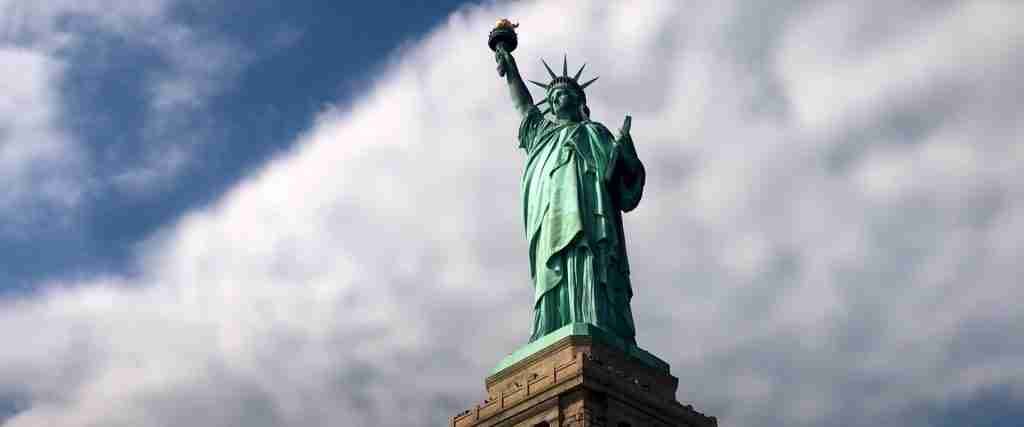
The statue represents Libertas, the Roman goddess of freedom, and was designed specifically to celebrate liberty as political and philosophical principle. Bartholdi and Laboulaye conceived the monument to honor Franco-American friendship based on shared republican values, commemorating American independence while celebrating universal human rights. The statue’s name, “Liberty Enlightening the World,” explicitly identifies her purpose. Her symbolism includes torch (enlightenment dispelling ignorance), broken chains at her feet (freedom from oppression), and crown with seven rays (liberty spreading across seven continents and seas). These elements combine to make freedom and democracy the statue’s central meaning, establishing her as icon of liberty recognized globally.
What is the cultural importance of Emma Lazarus’s “The New Colossus”?
Emma Lazarus’s 1883 sonnet “The New Colossus” fundamentally transformed the Statue of Liberty’s cultural meaning, reimagining her from abstract Enlightenment symbol into the “Mother of Exiles” welcoming immigrants. The poem’s famous lines—”Give me your tired, your poor, Your huddled masses yearning to breathe free”—connected the statue permanently to immigration and American identity as nation of immigrants. Although initially largely forgotten, the poem gained prominence in early 20th century and was inscribed on bronze plaque inside the pedestal in 1903. Today, Lazarus’s interpretation has become the dominant understanding of the statue’s meaning, taught in schools, quoted in political speeches, and referenced in citizenship ceremonies. The poem demonstrates how artistic interpretation can reshape monument significance, adding cultural layers beyond original design intentions.
How do different groups interpret the Statue of Liberty?
Various groups interpret the Statue of Liberty according to their perspectives and values. Immigration advocates emphasize her welcome to the oppressed and her connection to Emma Lazarus’s poem. Those favoring immigration restrictions may emphasize rule of law and controlled borders while still claiming Liberty’s symbolism. Progressive activists use the statue to critique gaps between American ideals and reality. Conservative commentators invoke her to celebrate American exceptionalism and particular national values. International pro-democracy movements see her as universal symbol of human rights and freedom. Descendants of immigrants view her as representing their ancestors’ journey to America. These varying interpretations demonstrate the statue’s flexibility as cultural symbol—she means different things to different people while remaining widely recognized and emotionally significant across these differences.
How has the Statue of Liberty been used in protests?
The Statue of Liberty features prominently in various protest movements as symbol used to critique American policies or demand change. Immigration rights activists invoke Lady Liberty and Lazarus’s poem to argue for generous refugee admission and oppose deportations. Civil rights movements have used the statue to highlight contradictions between American ideals and discriminatory practices. Anti-war protesters invoke Liberty to critique military actions they see as contradicting American values. Environmental activists use images of threatened or submerged statue to warn about climate change. These protest uses don’t reject the statue but claim her authority to argue that America must actually embody the freedom and equality she represents. This rhetorical strategy proves powerful because it positions protesters as defending true American values rather than opposing them.
What role does the Statue of Liberty play in American education?
The Statue of Liberty features extensively in American education, serving as entry point for teaching immigration history, American values, Franco-American relations, and 19th-century engineering. Virtually every American student learns about Lady Liberty, often through school field trips to see her in person. These educational experiences create emotional connections to the monument and its meanings. Emma Lazarus’s “The New Colossus” appears in literature curricula, teaching both poetry and immigration history. College courses use the statue as case study in American history, immigration studies, art history, and architecture. The National Park Service’s educational programs at Liberty Island reach millions annually. The statue appears in citizenship education materials, helping immigrants understand American history and values. This extensive educational role makes Lady Liberty crucial in forming how generations understand American history and identity.
How is the Statue of Liberty used in advertising and commercial culture?
The Statue of Liberty appears extensively in advertising and commercial culture as instantly recognizable symbol of America, New York, freedom, or patriotism. Products wanting to appear American or patriotic feature Lady Liberty. Tourism advertising for New York always prominently includes the statue. International advertising uses her to signify American origin or style. The statue’s image appears on countless products from tourist souvenirs to luxury goods. This commercial exploitation demonstrates her extraordinary cultural penetration—brands use her because people immediately recognize and respond emotionally to the image. While some preservationists feel commercial use debases the symbol, it also indicates cultural importance. The statue’s commercial value derives from recognition and emotional association, both of which she possesses abundantly, making her one of the most commercially reproduced symbols worldwide.
Why do pro-democracy movements worldwide use Statue of Liberty imagery?
Pro-democracy movements worldwide adopt Statue of Liberty imagery because she represents universal aspirations for freedom, human rights, and democratic government that transcend American borders. The statue’s symbolism—torch of enlightenment, broken chains of oppression, crowned figure representing liberty—communicates these ideals in immediately recognizable visual form. When Chinese students erected the “Goddess of Democracy” in Tiananmen Square in 1989, they chose to model it after Lady Liberty because the statue was globally recognized and unmistakably communicated their democratic aspirations. Similar liberty figures have appeared in protests across multiple continents, demonstrating how American symbol has been claimed for universal human rights struggles. This global adoption reflects both Liberty’s recognizability and the genuinely universal appeal of freedom and democracy she represents.
How did World War II affect the statue’s cultural significance?
World War II intensified the Statue of Liberty’s cultural significance by transforming her into symbol of what America was fighting to preserve. War bond drives used her image extensively. Propaganda posters featured Lady Liberty standing resolute against tyranny. The statue represented the free world in opposition to fascist totalitarianism. This wartime symbolism reinforced her association with freedom and democracy while giving her new significance as symbol of defiant resistance to oppression. The war embedded the statue even more deeply in American consciousness as representation of national values worth defending with sacrifice. This wartime experience established patterns for subsequent uses—during the Cold War, Liberty symbolized freedom versus communism. After 9/11, she represented American resilience. World War II fundamentally strengthened the statue’s cultural power as embodiment of American values in conflict with opposing ideologies.
What controversies involve the Statue of Liberty?
Several controversies involve the Statue of Liberty, reflecting her cultural importance and contested meanings. Immigration policy debates invoke her constantly, with different sides claiming her symbolism for opposing positions. Post-9/11 security measures generated debates about whether surrounding the statue with barriers contradicts her meaning of openness. Climate change activists’ use of imagery showing her threatened by rising seas has proven controversial. Commercial exploitation concerns some preservationists who feel it debases her significance. Access restrictions due to safety and security requirements conflict with her symbolism of welcome. Political groups across spectrum invoke Liberty for various causes, sometimes in ways others find inappropriate. These controversies demonstrate that Lady Liberty remains actively meaningful rather than being settled historical symbol—people argue about her because she matters culturally, and controlling her symbolic meaning carries stakes for broader debates about American identity and values.
How has digital culture changed relationships with the Statue of Liberty?
Digital culture has created new forms of engagement with the Statue of Liberty that complement traditional physical visits. Social media generates millions of tourist photographs shared globally, vastly multiplying the statue’s visual presence. Digital art and memes constantly remix Liberty imagery, creating new interpretations ranging from serious political commentary to humor. Virtual reality experiences allow people worldwide to “visit” the statue digitally without traveling to New York. Augmented reality applications provide historical information through smartphones. This digital dimension means people interact with digital representations as much as or more than the physical structure. Digital accessibility democratizes access—people who cannot afford travel to New York can still experience the statue virtually. This represents major shift in how monuments function culturally, raising questions about whether physical presence matters when digital representations are ubiquitous and easily accessible.