
St. Stephen’s Basilica Budapest Visitor Guide 2026: Comprehensive Planning
St. Stephen’s Basilica rises as Budapest’s most prominent religious landmark, combining neoclassical architectural grandeur with profound spiritual significance in Hungary’s capital. This comprehensive guide provides essential planning information for your 2026 visit, covering ticket options for the church hall and panoramic terrace, viewing the Holy Right Hand relic, attending world-class organ concerts, and navigating the basilica’s opening hours to maximize your experience at this sacred and spectacular destination.
Key Takeaways for Your 2026 Basilica Visit
- Flexible ticket options: Choose between church hall-only entry (~2,000 HUF/€5-6), panorama terrace access (3,200 HUF/€8), or combination tickets covering all areas for optimal value
- Multiple access methods: Main church entry available for general sightseeing, while dedicated treasury and dome entrances provide specialized experiences for deeper exploration
- Holy Right Hand viewing: Hungary’s most sacred relic – St. Stephen’s mummified right hand – displayed in a gilded reliquary in the chapel near the main altar, visible during all church visiting hours
- Panorama terrace highlights: Climb 364 steps or take the elevator to the 96-meter-high observation deck for sweeping Budapest views matching the Parliament’s symbolic height
- World-class organ concerts: Weekly performances on Europe’s largest organs (6,500+ pipes) with repertoire spanning Bach to Hungarian composers, typically 60-90 minutes with separate concert tickets
- Strategic timing benefits: Early morning visits (9:00-10:30 AM) offer softer light and fewer crowds, while late afternoon provides golden hour photography opportunities before 5:45 PM closing
People Also Ask About St. Stephen’s Basilica 2026
How much does it cost to visit St. Stephen’s Basilica in 2026?
Entry to St. Stephen’s Basilica church hall costs approximately 2,000 HUF (€5-6) for standard adult admission in 2026. The panorama terrace (dome observation deck) requires a separate ticket at 3,200 HUF (€8), while combination tickets covering both church and terrace are available at reduced rates compared to purchasing separately. Discounts apply for students, seniors, families, people with disabilities, and Budapest Card holders. Children’s pricing varies by age, with specific family ticket options for groups traveling with minors. Treasury access, when included, adds to the ticket price depending on combination chosen. Check the official Basilica website for current rates as pricing may vary.
What are St. Stephen’s Basilica opening hours in 2026?
St. Stephen’s Basilica operates different schedules for its church hall and panorama terrace in 2026. The church hall opens Monday through Saturday from 9:00 AM to 5:45 PM, and Sunday from 1:00 PM to 5:45 PM, with last entry 30 minutes before closing. The panorama terrace maintains Monday through Thursday hours of 9:00 AM to 5:45 PM but closes Friday through Sunday, though seasonal variations may extend terrace hours during peak summer months. Weekend church hall access may be limited if wedding ceremonies are scheduled, as the Basilica remains an active place of worship where religious services take priority over tourist visits.
Can you see the Holy Right Hand at St. Stephen’s Basilica?
The Holy Right Hand – St. Stephen’s mummified right hand preserved in a baroque gilded reliquary – is displayed in a dedicated chapel near the main altar and remains visible during all church visiting hours. This relic represents Hungary’s most venerated artifact, as St. Stephen (István) was the first king of Hungary who established Christianity in the kingdom during the 11th century. The reliquary sits in a glass case that allows visitors to view the relic from close proximity while maintaining preservation protocols. Photography of the Holy Right Hand is permitted, though respectful behavior is required given the relic’s profound spiritual significance to Hungarian Catholics and national identity.
Is St. Stephen’s Basilica free to enter in 2026?
St. Stephen’s Basilica requires paid admission for sightseeing visits in 2026, with tickets starting at approximately 2,000 HUF for church hall access. However, visitors attending religious services (daily masses, Sunday liturgies, special feast day celebrations) may enter through designated doors without sightseeing tickets, as the Basilica functions as an active Catholic co-cathedral. Mass attendees should respect worship protocols, enter quietly, and avoid tourist behaviors like photography during services. The building’s dual role as house of worship and tourist attraction creates separate access streams – religious attendance remains free while architectural and cultural tourism requires ticket purchase to support preservation and operational costs.
Extended multi-day tours – 5+ days
Featured Budapest Multi-Day Tour Packages

3 days
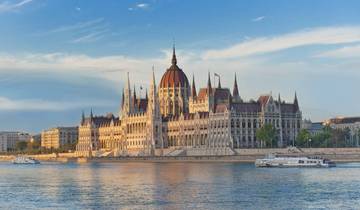
Hungary: Christmas Markets in Budapest
- ✓ Booking needs min. 2 travelers
5 days
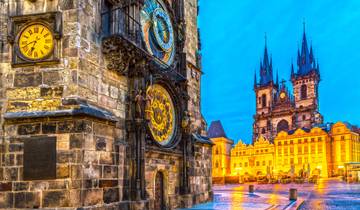
Highlights of Budapest & Danube Bend – 5 Days
- ✓ Comprehensive Budapest tour
- ✓ Expert local guides included
- ✓ All accommodation arranged
- ✓ Transportation provided
7 days
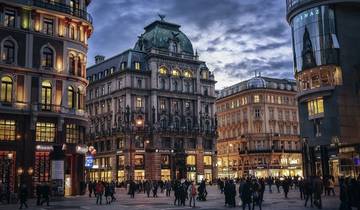
A Piece of Europe GO
- ✓ Comprehensive Budapest tour
- ✓ Expert local guides included
- ✓ All accommodation arranged
- ✓ Transportation provided
6 days
6 Day Vienna, Salzburg, Budapest, Bratislava, and the Danube Valley
- ✓ Comprehensive Budapest tour
- ✓ Expert local guides included
- ✓ All accommodation arranged
- ✓ Transportation provided
Multi-day tour packages powered by TourRadar. Prices and availability subject to change.
Introduction: Planning Your 2026 Basilica Experience
St. Stephen’s Basilica dominates Budapest’s Pest skyline as the city’s largest church and one of Hungary’s most significant spiritual and architectural landmarks. Named after St. Stephen (István), Hungary’s first king who established Christianity in the kingdom around 1000 AD, this neoclassical masterpiece took 54 years to complete (1851-1905) following construction delays caused by dome collapse in 1868 that required extensive rebuilding. The basilica’s 96-meter height deliberately matches the Hungarian Parliament Building, symbolizing the equal importance of spiritual and secular power in Hungarian national identity.
Your 2026 visit requires understanding the Basilica’s multiple access points and ticket options. Unlike single-purpose museums, St. Stephen’s functions simultaneously as active Catholic co-cathedral, concert venue, observation deck, treasury museum, and architectural monument. This multifaceted identity creates various visiting experiences: quick 20-minute church walk-throughs focusing on the Holy Right Hand relic, comprehensive 60-90 minute explorations including dome climb and treasury, evening organ concert attendance, or photography-focused visits during optimal light conditions. Each approach serves different interests and time constraints.
Planning considerations for 2026 extend beyond simple admission tickets. The Basilica’s location in central Pest makes it easily combinable with nearby attractions including the Parliament (1 kilometer north), Chain Bridge (800 meters west), and the Hungarian State Opera (600 meters southeast). Understanding opening hour variations between weekdays and weekends, recognizing seasonal crowd patterns, and coordinating possible organ concert attendance with daytime sightseeing creates optimal Budapest itineraries that maximize value from this spectacular destination.
Understanding Ticket Options and Pricing 2026
St. Stephen’s Basilica offers tiered ticketing that separates church hall access from panorama terrace and treasury visits, allowing visitors to customize their experience based on interests and time availability. The basic church hall ticket costs approximately 2,000 HUF (€5-6) and provides entry to the main nave, side chapels, the Holy Right Hand chapel, and general interior spaces where you can appreciate the neoclassical architecture, mosaics, frescoes, and religious artworks. This basic ticket suffices for visitors primarily interested in the spiritual and artistic elements without climbing to the observation deck.
The panorama terrace ticket costs 3,200 HUF (€8) and grants access to the dome’s observation deck at 96 meters height, reached via 364 steps or elevator (elevator availability may vary, with stairs representing the primary access route). This elevated perspective provides sweeping views across Budapest including the Parliament, Castle District, Danube bridges, and the Buda Hills stretching beyond the city. The terrace ticket proves worthwhile for photography enthusiasts, visitors seeking comprehensive Budapest orientation, or travelers who enjoy architectural viewpoints. However, acrophobia sufferers should note the open-air terrace’s height and limited barriers.
Combination tickets bundle church hall, treasury, and panorama terrace access at rates lower than purchasing each component separately. These combo options deliver best value for visitors planning comprehensive Basilica exploration, typically saving 10-15% compared to individual ticket purchases. The treasury houses liturgical objects, vestments, historical artifacts, and religious artworks that contextualize the Basilica’s role in Hungarian Catholic tradition. Discounted combination tickets particularly benefit first-time Budapest visitors who want complete experiences without rushing through individual sections.
Special discount categories reduce admission costs for specific visitor groups. Students with valid international student ID cards, seniors over 65 years old, people with disabilities, and Budapest Card holders receive reduced rates ranging from 20-50% depending on ticket type. Family tickets accommodate groups traveling with children, offering per-person savings when compared to individual adult tickets. Children’s pricing varies by age brackets – some combination tickets include free entry for young children when accompanied by paying adults. Present appropriate identification at the ticket counter when claiming discounted rates to ensure smooth admission without delays or complications.
Church Hall Experience and Interior Highlights 2026
The main church hall overwhelms visitors immediately upon entry with its cavernous scale and ornate decoration. The nave extends 87.4 meters in length and 55 meters in width, creating an interior space that can accommodate 8,500 worshippers. Natural light filters through stained glass windows and the central dome’s windows, casting colorful patterns across marble floors and illuminating the golden accents that cover capitals, moldings, and decorative elements throughout the space. The atmosphere balances grandeur with contemplative quietness, even during peak tourist hours when hundreds of visitors explore simultaneously.
The central dome rises 96 meters above the floor, featuring mosaics created by Károly Lotz depicting Hungarian saints and religious scenes in Byzantine-influenced style. The dome’s interior diameter measures 22 meters, making it one of Europe’s larger church domes though smaller than St. Peter’s Basilica or Florence’s Duomo. Four massive pillars support the dome’s immense weight, with each pillar measuring 22 meters in circumference and constructed from reinforced concrete – an engineering innovation for the 1860s construction period. The dome’s octagonal base includes windows that flood the central crossing with daylight during morning hours.
The main altar stands beneath the dome in the apse, featuring a marble sculpture of St. Stephen offering the Hungarian crown to the Virgin Mary. This scene represents the historical moment when King Stephen dedicated Hungary to Mary’s protection, establishing the theological foundation for Hungarian Catholic identity. The altar’s white marble contrasts with the gilded bronze details and colorful mosaic backgrounds, creating a focal point visible from anywhere in the nave. Daily masses occur at this altar, meaning tourist access may be temporarily restricted during religious services when the altar area becomes sacred space reserved for worshippers.
Side chapels line both sides of the nave, each dedicated to different saints and featuring distinctive architectural treatments, altars, and religious artworks. The Chapel of St. Leopold on the right side includes notable paintings and sculptures, while the Chapel of St. Gellért on the left honors Budapest’s patron saint. These smaller spaces provide intimate settings for prayer and contemplation away from the main nave’s tourist traffic. Visitors can explore all side chapels freely except during active religious services, when respect for worshippers requires quiet observation or temporary avoidance.
The Holy Right Hand Chapel occupies a position of honor near the main altar, housing Hungary’s most sacred relic in an elaborate gilded baroque reliquary. St. Stephen’s mummified right hand, preserved since his death in 1038, sits behind protective glass that allows close viewing while preventing physical contact. The reliquary includes precious stones, intricate metalwork, and religious symbolism representing centuries of Hungarian devotion to their founding king. A lighting system illuminates the relic for brief periods when visitors activate a coin-operated mechanism – inserting coins enhances visibility for photography and detailed observation of this extraordinary artifact.
Artistic masterpieces fill the Basilica’s walls, ceilings, and apses. Gyula Benczúr’s painting “King St. Stephen Offering the Crown to the Virgin Mary” dominates the main altar backdrop, while numerous frescoes by Károly Lotz and Mór Than decorate dome sections, pendentives, and wall surfaces. More than 50 different marble types from across Europe create the interior’s chromatic richness, ranging from white Carrara marble to Hungarian red marble, green serpentine, and gray-blue stones. Sculptures by leading 19th-century Hungarian artists populate niches, pedestals, and altar areas, representing saints, apostles, and allegorical figures.
Panorama Terrace and Dome Climb 2026
The panorama terrace ascent begins at a dedicated entrance separate from the main church entry, located on the Basilica’s southern side. After ticket validation, visitors choose between 364 steps via the narrow spiral staircase or elevator access (when operational). The staircase winds upward through increasingly confined spaces, with occasional windows providing glimpses of Budapest’s rooftops and streets below. Physical fitness and absence of claustrophobia or acrophobia are recommended for stair climbers, as the spiral becomes tight in upper sections and lacks air conditioning during summer months.
The observation deck encircles the dome at 96-meter height, offering 360-degree Budapest views across open-air terraces protected by waist-high barriers. Westward views encompass the Parliament Building’s Gothic Revival facade along the Danube, with Margaret Island and Margaret Bridge visible to the north. Southward perspectives include the Great Synagogue’s distinctive domes, the Hungarian State Opera’s neoclassical elegance, and the Chain Bridge’s suspension cables stretching toward Castle Hill. Eastward panoramas reveal Pest’s grid-pattern streets extending toward the airport, while northern views show Városliget park and Heroes’ Square monuments in the distance.
Photography opportunities from the terrace vary dramatically by time of day and weather conditions. Morning light (9:00-11:00 AM) provides clear visibility and soft illumination ideal for wide-angle cityscapes and landmark identification. Midday sun creates harsh shadows and intense contrast that challenge camera dynamic range, though the elevated perspective remains impressive. Late afternoon golden hour (approximately one hour before sunset, varying seasonally) produces warm tones across Budapest’s architecture, with the Danube reflecting sunset colors. Telephoto lenses (70-200mm range) help isolate specific landmarks, while wide-angle lenses (16-35mm) capture comprehensive panoramas.
Weather significantly impacts terrace experience quality. Clear days offer visibility extending 20-30 kilometers beyond Budapest’s boundaries, allowing views of the Buda Hills’ forested slopes and distant plains. Overcast conditions reduce visibility and flatten photography’s visual interest, though they eliminate harsh shadows for more even lighting. Wind exposure on the open terrace can be substantial, particularly during spring and autumn transition seasons – secure loose items and prepare for windchill effects even when ground-level temperatures feel comfortable. Rain closes the terrace temporarily for safety, as wet surfaces become slippery and lightning risks necessitate evacuation.
The terrace operates restricted hours compared to the main church, opening Monday through Thursday 9:00 AM to 5:45 PM but closing Friday through Sunday in standard schedule. However, seasonal variations during peak summer months (June-August) may extend terrace hours or modify the Friday-Sunday closure pattern – verify current schedules on the official Basilica website before planning visits that prioritize dome access. Last terrace entry occurs 30 minutes before closing time, providing adequate ascent, viewing, and descent time before the 5:45 PM deadline.
The Holy Right Hand: History and Viewing 2026
The Holy Right Hand represents Hungary’s most venerated relic, embodying the nation’s thousand-year Christian identity through the preserved remains of King St. Stephen (István), who established Christianity as Hungary’s official religion around 1000 AD. According to tradition, Stephen’s body was exhumed in 1083 during his canonization process, at which point his right hand was found incorrupt despite 45 years of burial. This miraculous preservation led to the hand’s enshrinement as a holy relic, beginning its journey through Hungarian history that continues at St. Stephen’s Basilica today.
The relic’s turbulent history mirrors Hungary’s own trials across centuries. The hand survived the Mongol invasions of the 13th century, Ottoman occupation of the 16th-17th centuries, and numerous relocations to protect it from invaders and political upheavals. During World War II, the relic was hidden to prevent Nazi confiscation, later falling into communist government custody when the regime suppressed Catholic institutions. The hand’s return to public veneration in St. Stephen’s Basilica chapel in the late 20th century symbolized Hungary’s religious and cultural restoration following communist rule’s collapse.
The baroque gilded reliquary housing the hand stands as an artwork in itself, created by master craftsmen using gold, precious stones, and intricate metalwork representing centuries of Hungarian devotion and artistic skill. The reliquary’s design incorporates Christian symbolism through crosses, angels, and decorative elements that honor St. Stephen’s role in converting Hungary. Glass panels allow visitors to view the actual mummified hand while protective barriers prevent physical contact that could damage this irreplaceable artifact. The gold and gemstone decorations catch light from the chapel’s illumination system, creating a visually striking presentation.
Viewing the Holy Right Hand requires no additional fee beyond general church hall admission – the relic remains accessible during all church visiting hours as part of the standard Basilica experience. The chapel’s location near the main altar places it along the natural circulation path most visitors follow when exploring the church interior. A coin-operated lighting mechanism enhances the relic’s visibility for closer observation and photography, though adequate viewing is possible even without activating the enhanced lighting. The brief illumination period (typically 2-3 minutes after coin insertion) provides sufficient time for contemplation and photo documentation.
August 20th – St. Stephen’s Day – represents Hungary’s most important national and religious holiday, when the Holy Right Hand becomes the centerpiece of public procession through Budapest streets. Thousands of pilgrims and citizens participate in this annual tradition that combines Catholic devotion with Hungarian patriotic celebration. The Basilica hosts special masses and ceremonies throughout the day, with evening fireworks concluding the national festivities. Visiting on August 20th provides extraordinary cultural immersion but requires accepting massive crowds, restricted access patterns, and the Basilica’s primary function as worship space rather than tourist attraction during this sacred observance.
Organ Concerts and Musical Experiences 2026
St. Stephen’s Basilica houses one of Europe’s largest pipe organs, featuring more than 6,500 pipes ranging from pencil-thickness to massive bass pipes exceeding 30 centimeters in diameter. This magnificent instrument fills the Basilica’s vast interior with sound that resonates off marble walls, stone columns, and the dome’s curved surfaces, creating acoustic effects that transform even familiar compositions into transcendent experiences. The organ’s mechanical and tonal capabilities rival instruments in major European cathedrals, making Basilica concerts worthy of serious music enthusiasts’ attention beyond their role as tourist entertainment.
Regular organ concerts occur weekly throughout the year, typically featuring 60-90 minute programs that balance classical repertoire (Bach, Handel, Mozart, Vivaldi) with Hungarian composers (Liszt, Kodály) and sacred music traditions spanning centuries. Concert schedules vary seasonally, with more frequent performances during peak tourist months (April-October) when demand justifies additional programs. Specific concert dates, times, and repertoire details appear on the Basilica’s official website approximately 2-4 weeks in advance, allowing visitors to plan attendance around their Budapest itineraries.
Shorter organ recitals, typically 20-30 minutes, operate as part of combo ticket packages that pair brief performances with church and terrace access. These abbreviated programs showcase the organ’s capabilities and provide atmospheric enhancement to architectural visits without requiring the time commitment and separate ticket purchase of full-length evening concerts. The organist demonstrates various pipe sections and tonal colors before performing beloved pieces that highlight the instrument’s range and power. These recitals occur during daytime sightseeing hours, making them convenient for tourists combining multiple activities.
Full-length evening concerts require separate ticket purchase beyond general admission, with prices typically ranging €20-35 per person depending on seating location and program prestige. Premium seats near the organ loft or in the central nave’s front sections command higher prices but deliver optimal acoustics and visual connection to the performer. Rear nave seating and side chapel positions cost less while maintaining good sound quality given the Basilica’s excellent acoustics. Concert tickets sell through the Basilica box office, online booking platforms, and sometimes hotel concierge services – advance booking is recommended for popular programs during peak season.
The Basilica’s acoustics favor organ music through natural reverberation that extends notes and creates layered harmonic effects impossible in smaller or less resonant spaces. However, this same acoustic quality means coughing, conversation, and movement sounds carry throughout the building, requiring audience members to maintain concert hall etiquette. Arrive at least 15 minutes before concert start time to allow seating and atmosphere acclimation. Photography during performances is generally prohibited to avoid disturbing performers and audience members – check specific concert policies when purchasing tickets.
Special concert series during Advent and Christmas seasons feature sacred music appropriate to the liturgical calendar, combining traditional carols, classical compositions, and Hungarian Christmas traditions. Easter season concerts similarly emphasize resurrection themes and spring celebration through musical selections. These seasonal programs attract both tourists and local residents, creating cultural events that transcend pure tourism to engage Budapest’s active classical music community. Booking seasonal concerts requires earlier advance planning, as locals purchase tickets weeks ahead of popular programs.
Opening Hours and Visit Timing Strategies 2026
St. Stephen’s Basilica operates a split schedule that differentiates between church hall access and panorama terrace availability. The church hall opens Monday through Saturday from 9:00 AM to 5:45 PM, providing 8 hours and 45 minutes of daily access for sightseeing, religious observance, and interior exploration. Sunday hours shift to 1:00 PM – 5:45 PM, reflecting the Basilica’s primary identity as active place of worship where morning and midday masses take priority over tourist access. Last entry occurs 30 minutes before closing time (5:15 PM weekdays, 5:15 PM Sunday), enforcing sufficient visit duration before staff close the building.
The panorama terrace maintains more restrictive hours, opening Monday through Thursday from 9:00 AM to 5:45 PM but closing Friday through Sunday in the standard schedule. This Friday-Sunday closure pattern may shift during peak summer months when extended tourist demand justifies weekend terrace access – verify current terrace hours on the official website before planning visits that prioritize dome climbing. The terrace’s reduced schedule reflects both visitor flow management considerations and operational costs associated with staffing the separate ticket booth, elevator operation, and safety monitoring at height.
Early morning visits between 9:00-10:30 AM offer several strategic advantages for 2026 visitors. Natural light enters through the dome’s windows and stained glass at optimal angles during these hours, illuminating the interior’s gold accents and marble surfaces with brilliant clarity perfect for photography. Tourist crowds remain light compared to midday peak when organized tour groups converge, allowing personal space for contemplative observation and easier photography without background crowds. Summer mornings provide comfortable temperatures before afternoon heat intensifies, while winter mornings avoid the coldest pre-dawn hours that precede 9:00 AM opening.
Late afternoon visits from 4:00-5:45 PM appeal to visitors who prefer sleeping late, spending mornings elsewhere, or experiencing the Basilica’s atmosphere as daylight transitions toward evening. The low-angle light during this period creates dramatic shadows and warm color tones across the interior, though it’s less evenly distributed than morning illumination. Afternoon crowds typically thin as tour groups depart and day-trippers return to accommodations, providing quieter conditions for those who prioritize peaceful exploration over optimal lighting. However, the compressed visit window before 5:45 PM closing limits flexibility for extended stays or spontaneous terrace climbs.
Midday visits between 11:00 AM – 3:00 PM coincide with peak tourist crowds, organized tour group schedules, and harsh overhead sunlight that creates strong shadows and contrast challenging for interior photography. However, midday visits work well when incorporating the Basilica into multi-attraction itineraries that require efficient timing between locations. The busier atmosphere during these hours actually enhances the building’s impression of vitality and active use, reminding visitors that this remains a functioning church rather than a static museum. Accept the crowds and focus on major highlights rather than attempting comprehensive quiet exploration.
Getting to St. Stephen’s Basilica 2026
St. Stephen’s Basilica occupies Szent István tér (St. Stephen’s Square) in central Pest, making it accessible via multiple transport options that serve Budapest’s downtown core. The Basilica’s location places it within easy walking distance of most central Pest accommodations – from Deák Ferenc tér transport hub, the walk takes approximately 5 minutes (400 meters), while hotels near the Danube riverfront sit just 7-10 minutes away. This central positioning makes the Basilica an ideal pivot point for multi-attraction Budapest itineraries.
Metro access utilizes Line 1 (yellow/Millennium Line) or Line 3 (blue line), both stopping at Deák Ferenc tér station approximately 5 minutes’ walk from the Basilica. From the station, exit toward Bajcsy-Zsilinszky út and walk north, turning right onto Szent István tér at the major intersection. The route follows level sidewalks through active commercial areas, providing shops, cafés, and landmarks en route. Metro frequency peaks during rush hours with trains every 2-3 minutes, dropping to every 5-7 minutes during midday and evening periods. A single metro ticket costs approximately 350 HUF.
Tram Lines 47 and 49 stop at Deák Ferenc tér, providing the same 5-minute walk as metro access. These trams connect the Basilica to both Buda side locations via the Danube bridges and eastern Pest neighborhoods, offering scenic travel options for visitors whose accommodations align with tram routes. Tram frequency matches metro service during peak hours, slightly less frequent during quiet periods. The trams’ surface travel provides better orientation and landmark recognition compared to underground metro, benefiting first-time Budapest visitors still learning the city’s geography.
Bus routes 15 and 115 stop at Hercegprímás utca, located within 100 meters of the Basilica’s main entrance. These buses serve neighborhoods not directly connected by metro or tram, providing access alternatives when your accommodation or previous attraction doesn’t align with train routes. Bus frequency varies by route and time – Route 15 operates every 7-10 minutes during peak hours, while Route 115 runs every 15-20 minutes throughout the day. The buses’ frequent stops create slower travel compared to metro but deliver you essentially to the Basilica’s doorstep.
Walking from nearby attractions creates natural combination itineraries. From the Hungarian Parliament (Kossuth tér), the 12-15 minute walk follows the Danube riverside south before turning inland toward Szent István tér, passing government buildings and urban parks. From Chain Bridge, walk 8-10 minutes northeast through central Pest’s pedestrian streets and commercial zones. From the Hungarian State Opera, the 7-10 minute walk heads northwest through elegant residential and shopping districts. These walking routes work best during moderate weather when outdoor strolling enhances Budapest exploration rather than creating discomfort.
Combining the Basilica with Other 2026 Attractions
The Hungarian Parliament Building sits approximately 1 kilometer north of St. Stephen’s Basilica, creating Budapest’s most logical dual-monument combination for architecture and history enthusiasts. After touring the Parliament’s interior (45 minutes) and exploring Kossuth Square memorials (20-30 minutes), the walk south to the Basilica takes 12-15 minutes along the Danube riverside or through parallel inland streets. This combination requires 3-4 hours total including both interior tours, walks, and breaks. Morning Parliament tours (9:00-10:00 AM) pair well with late morning Basilica visits (11:00 AM-12:30 PM), before afternoon heat intensifies during summer.
The Chain Bridge and Castle Hill funicular lie 800 meters southwest of the Basilica, accessible via 10-12 minute walks through central Pest’s commercial heart. After visiting the Basilica, walk to the Danube embankment, cross Chain Bridge to Buda, and ride the funicular to Castle Hill for Buda Castle, Matthias Church, and Fisherman’s Bastion exploration. This west-to-east traverse creates natural progression from Basilica spiritual focus to Castle Hill historical attractions, consuming 5-6 hours total when including Castle District walking time, museum visits, and lunch breaks. The combination works particularly well for first-day Budapest orientation, establishing geographic understanding through this cross-Danube progression.
The Hungarian State Opera stands 600 meters southeast of the Basilica along Andrássy út, Budapest’s grand boulevard connecting downtown with Heroes’ Square and City Park. The walk takes 7-10 minutes through elegant shopping districts and café-lined streets that exemplify Pest’s late 19th-century urban development. Opera tour schedules (typically hourly departures) coordinate well with Basilica visits – complete your Basilica exploration, walk to the Opera for the next available tour, then continue along Andrássy út toward Heroes’ Square if time permits. This combination emphasizes architectural heritage and cultural institutions within a compact geographic area.
The Great Synagogue in the Jewish Quarter lies approximately 1.2 kilometers southeast of the Basilica, representing 15-18 minutes’ walking through central Pest or quick tram rides on Line 47/49. This combination creates comparative religious architecture experiences – the Christian Basilica’s neoclassical grandeur versus the Synagogue’s Moorish Revival style, both representing 19th-century Hungarian spiritual identity but serving different faith communities. Allow 1.5-2 hours for Synagogue exploration including the Jewish Museum and memorial courtyard, plus travel time between locations. The combination resonates with visitors interested in Budapest’s diverse religious heritage and comparative architectural analysis.
Danube river cruises departing from piers near Chain Bridge or Margaret Bridge include views of St. Stephen’s Basilica from water level, though the building sits inland enough that river perspectives don’t match the dramatic Parliament viewpoints. Evening cruises offer glimpses of the illuminated Basilica dome rising above surrounding buildings, creating backdrop elements for comprehensive Budapest riverfront appreciation. Booking combo tickets that include Basilica admission and river cruise can save 5-10% compared to separate purchases while ensuring coordinated schedules that don’t conflict between attractions.
Photography Tips and Opportunities 2026
Interior photography in St. Stephen’s Basilica is generally permitted throughout the church hall, side chapels, and most viewing areas, though specific restrictions apply to active religious services when worship takes priority over tourist photography. The Holy Right Hand chapel allows photography of the relic and its gilded reliquary, making this Hungary’s most photographed sacred artifact. Flash photography is discouraged throughout the interior to protect artwork and decorative elements from light damage, though modern cameras’ high-ISO capabilities make flash unnecessary in most situations given the Basilica’s abundant natural light during daytime hours.
The central dome provides the Basilica’s most dramatic photographic subject, requiring ultra-wide-angle lenses (14-24mm range) to capture its full height and decorative details within single frames when shooting from directly beneath. Károly Lotz’s ceiling mosaics work best photographed during mid-morning hours (10:00-11:30 AM) when natural light streams through the dome’s windows at angles that illuminate the gold backgrounds and colored figures. Vertical compositions emphasizing the dome’s soaring height create stronger visual impact than horizontal frames, while slight underexposure (1/3 to 2/3 stop) preserves detail in the bright dome windows and golden highlights.
The main altar’s marble sculpture and mosaic background photograph beautifully with standard zoom lenses (24-70mm range) from various positions throughout the nave. Morning side-lighting creates dimensional shadows that emphasize the sculpture’s three-dimensional forms, while midday overhead light flattens the scene but illuminates the mosaic background more evenly. Avoid shooting during active masses when approaching the altar area would disrupt worshippers – respect religious services by photographing from rear nave positions or returning after services conclude.
Side chapels reward detail-oriented photographers who focus on specific altars, paintings, and sculptural elements rather than attempting comprehensive wide views. Normal focal lengths (35-50mm) work well for isolating individual artwork within chapel contexts, while telephoto lenses (70-200mm) compress perspective to emphasize specific paintings or sculptural details. The chapels’ varied lighting conditions – some bright with windows, others dim with artificial illumination – require flexible ISO settings and willingness to accept higher noise levels for proper exposure.
Exterior photography from Szent István tér provides frontal Basilica views but lacks dramatic context or unique perspectives that distinguish postcards from snapshot tourism. The square’s relatively tight dimensions make fitting the entire facade difficult without extreme wide-angle lenses, while surrounding buildings crowd the frame edges. Better exterior photography opportunities exist from side streets during golden hour (one hour before sunset) when warm light rakes across the facade’s limestone surfaces, or from elevated positions like hotel rooftops or the nearby Gellért Hill observation points that provide city-context views showing the Basilica among Budapest’s roofscape.
The panorama terrace itself offers panoramic cityscape photography rather than Basilica architecture documentation. Bring wide-angle lenses (16-35mm) for comprehensive Budapest vistas and telephoto lenses (70-200mm or longer) for isolating specific landmarks like the Parliament or Chain Bridge. Circular polarizing filters help manage reflections on the Danube’s surface and deepen blue sky tones during clear weather. Sunrise photography from the terrace works only if special access can be arranged before standard 9:00 AM opening, while sunset photography faces similar timing challenges given the terrace’s Friday-Sunday closure when late-day light would be optimal.
Dress Code and Visitor Etiquette 2026
St. Stephen’s Basilica enforces modest dress requirements reflecting its identity as active Catholic place of worship where religious reverence takes precedence over casual tourist comfort. Shoulders must be covered – sleeveless tops, tank tops, and off-shoulder garments are prohibited. Knees must be covered – short shorts, miniskirts, and above-knee hemlines are not permitted. The dress code applies to all visitors regardless of religious affiliation or cultural background, recognizing the Basilica’s sacred function that demands respectful appearance from everyone entering the space.
Hats and head coverings must be removed upon entry except when worn for religious or medical reasons. Baseball caps, beanies, and fashion headwear come off inside the church, while religious head coverings (Jewish kippahs, Muslim hijabs, Sikh turbans) remain permissible. Sunglasses should be removed when entering the Basilica interior, as they’re considered disrespectful in sacred spaces and unnecessary given adequate interior lighting. These rules follow universal Catholic church traditions that govern appropriate appearance and behavior in consecrated buildings across Europe and worldwide.
Behavior expectations extend beyond clothing to encompass noise levels, movement patterns, and respectful conduct. Maintain quiet voices when talking with companions – the Basilica’s marble surfaces and dome amplify even moderate conversation across the entire interior space. Refrain from eating, drinking, or chewing gum inside the church. Children must be supervised to prevent running, shouting, or touching artifacts and decorative elements. Photography should be discrete without flash, tripods, or excessive movement that disrupts other visitors’ experiences. When religious services are in progress, either remain quiet and still in peripheral areas or exit temporarily to allow worshippers undisturbed prayer and mass participation.
Seating in pews is reserved primarily for worshippers attending mass or seeking prayer and contemplation. Tourists should avoid occupying pews for extended rest breaks during busy periods when space is limited – brief seated pauses to appreciate the architecture are acceptable, but treating church seating as general rest areas disrespects the building’s religious purpose. If you need extended breaks during your visit, use the outdoor square benches or nearby cafés rather than church pews meant for spiritual use.
Commercial photography including professional fashion shoots, wedding photos (except for actual wedding ceremonies being celebrated at the Basilica), or marketing content requires advance permission from Basilica administration. Amateur tourist photography falls under general permission without special permits, but commercial use of photos taken inside may be restricted by copyright and property rights. If planning any professional photography beyond personal travel documentation, contact the Basilica administration weeks in advance to discuss permissions, fees, and scheduling constraints.
Accessibility and Family Considerations 2026
St. Stephen’s Basilica provides ground-level wheelchair access to the main church hall through ramped entrances that bypass exterior steps. The church interior’s wide aisles, level marble floors, and accessible positioning of major highlights including the Holy Right Hand chapel ensure wheelchair users can experience all main attractions without barriers. However, the panorama terrace remains inaccessible to wheelchair users due to its 364-step staircase and limited elevator capacity that may not accommodate all mobility devices. Visitors requiring wheelchair access should focus on the church hall and treasury rather than expecting dome access.
Families with young children face the typical church etiquette challenges that arise when energetic kids encounter quiet sacred spaces. The Basilica makes no special accommodations for children – adult behavior expectations apply regardless of visitor age, meaning running, loud talking, and uncontrolled exploration are prohibited. Parents should realistically assess whether their children can maintain church-appropriate behavior for 30-60 minutes before entering. If children become disruptive, step outside to the square until calm is restored – other visitors and worshippers deserve peaceful experiences regardless of family touring priorities.
Stroller access works in the main church hall where wide aisles and level floors accommodate wheeled devices without difficulty. However, the panorama terrace’s staircase prohibits stroller ascent – families wanting terrace access must carry young children while folding strollers for temporary storage at the terrace entrance. The Basilica provides no stroller parking or checked storage facilities, so families should minimize what they bring or plan church hall-only visits that avoid terrace climbing complications.
Baby changing facilities are not provided within the Basilica – parents requiring diaper changes should plan to use nearby cafés, restaurants, or shopping centers that offer public restrooms with changing tables. The Basilica’s limited toilet facilities serve basic needs but lack family amenities common in modern tourist attractions. Pack all necessary supplies and plan timing to minimize bathroom and changing needs during your Basilica visit.
Visitors with hearing impairments can enjoy the visual architectural experience without disadvantage, as the Basilica’s primary appeal lies in its visual grandeur rather than audio content. However, organ concert attendance obviously depends on hearing capability – hearing-impaired visitors interested in organ music may feel vibrations and sense the acoustic power even without distinguishing individual notes. Service dogs assisting visitors with disabilities are permitted throughout the Basilica when properly credentialed, though pet dogs are strictly prohibited regardless of size or training.
Budget Planning for Basilica Visits 2026
A basic St. Stephen’s Basilica visit costs approximately 2,000 HUF (€5-6) for church hall access, representing the minimum investment for experiencing Hungary’s largest church and viewing the Holy Right Hand relic. Adding public transport from central Pest accommodations contributes minimal cost since most visitors can walk to the Basilica in 10-15 minutes from downtown hotels. Even when using metro or tram, single tickets cost just 350 HUF, making transport essentially negligible in overall budget calculations.
Mid-range budgets incorporating panorama terrace access raise costs to approximately 5,200 HUF (€13-14) when purchasing separate church and terrace tickets, though combination tickets reduce this slightly through bundled pricing. Adding a 20-30 minute organ recital (often included in enhanced combo tickets) provides musical enrichment without substantial price increase. A comprehensive mid-range Basilica visit including church, terrace, and brief recital costs €15-18 per person, comparable to major museum admissions elsewhere in Budapest while delivering unique architectural and spiritual experiences.
Premium Basilica experiences center on full-length evening organ concerts costing €20-35 per person depending on seating location and program prestige. Combining daytime comprehensive visit (church + terrace + treasury at €15-18) with evening concert attendance creates €35-53 per-person costs that rival Budapest’s most expensive cultural attractions. However, this combination delivers 2-3 hours of total Basilica engagement across architecture, religious artifacts, panoramic views, and world-class musical performance – value that justifies premium pricing for classical music enthusiasts or visitors seeking Budapest’s finest cultural experiences.
Budget-conscious strategies reduce costs through selective experiences and timing optimization. Attending mass (free entry through designated doors) allows viewing the church interior without sightseeing ticket purchase, though photography during services is discouraged and time constraints may limit exploration. Skipping the panorama terrace eliminates the 3,200 HUF dome ticket while retaining access to the church’s primary highlights including the Holy Right Hand. Visiting during December when free or reduced-price holiday concerts sometimes occur can provide organ music experiences without standard concert ticket costs.
Seasonal Considerations for 2026 Visits
Summer visits (June-August) benefit from extended daylight that enhances both interior illumination through the dome windows and exterior photography opportunities during long golden hour periods. However, Budapest’s summer heat creates uncomfortable conditions inside the Basilica’s non-air-conditioned interior, where marble surfaces and stone construction offer no temperature relief. Afternoon interior temperatures during July-August heat waves can reach 26-28°C (79-82°F), making summer visits more comfortable during early morning hours before heat peaks. Summer also brings maximum tourist crowds that fill the church hall during midday hours and create terrace queue delays.
Winter visits (December-February) eliminate summer’s oppressive heat but introduce interior cold that mirrors outdoor temperatures with minimal heating in the historical church hall. The Basilica’s stone construction and vast interior volume make warming the space impractical, meaning interior temperatures during winter hover just slightly above outdoor conditions. Dress in warm layers including coats that you keep on throughout your visit rather than checking them. Winter’s shortened daylight reduces natural illumination through the dome windows, though artificial lighting maintains adequate visibility. December’s Christmas season brings special concerts, holiday decorations, and festive atmosphere that compensate for weather challenges.
Spring (April-May) and autumn (September-October) shoulder seasons provide Budapest’s optimal Basilica visiting conditions. Moderate temperatures make both interior exploration and panorama terrace climbing comfortable without extreme heat or cold. Natural light during these months streams through the dome at pleasant angles that illuminate the interior without harsh summer glare or winter’s weak low-angle sun. Tourist crowds remain manageable compared to summer peak, though weekends still see substantial visitor numbers. Advance planning 1-2 weeks ahead typically secures preferred visit times without the months-ahead booking required during July-August.
Special religious celebrations create extraordinary Basilica experiences during specific annual periods. Easter season (March-April) features special masses, processions, and organ concerts emphasizing resurrection themes. August 20th – St. Stephen’s Day – represents Hungary’s most important religious and national holiday when the Holy Right Hand processes through Budapest streets followed by evening fireworks. Christmas season (late November through January 6) brings Advent concerts, nativity displays, and festive decorations. These special periods offer enhanced cultural immersion but require accepting crowds, potential access restrictions during religious services, and the Basilica’s primary identity as worship space rather than tourist attraction.
Frequently Asked Questions: St. Stephen’s Basilica 2026
How long does a St. Stephen’s Basilica visit take?
A focused St. Stephen’s Basilica visit concentrating on the church hall and Holy Right Hand requires 30-45 minutes for self-paced exploration of the interior, side chapels, and relic viewing. Adding panorama terrace access extends visit duration to 60-90 minutes total, accounting for stair climb (or elevator wait), observation deck time, and descent. Comprehensive visits including church hall, treasury, terrace, and brief organ recital consume 90-120 minutes. Attending full-length evening organ concerts adds 60-90 minutes on top of daytime architectural exploration, creating 2.5-3 hour total engagement for visitors combining both experiences on the same day.
Can you attend mass at St. Stephen’s Basilica?
St. Stephen’s Basilica functions as an active Catholic co-cathedral where daily masses, Sunday liturgies, weddings, and special feast day celebrations occur regularly throughout the year. Mass attendees may enter through designated doors without purchasing sightseeing tickets, as religious service attendance remains free in accordance with Catholic tradition. Sunday mass schedules typically include morning and midday services, while weekday masses occur less frequently – consult the Basilica’s official website or posted schedules for current mass times. During services, behave respectfully by remaining quiet, avoiding photography, and refraining from tourist activities like terrace climbing that would disrupt worship.
Is there an elevator to the St. Stephen’s Basilica dome?
An elevator provides alternative access to the panorama terrace for visitors unable or unwilling to climb the 364-step staircase. However, elevator availability may vary, with stairs representing the primary and most reliable access route. The elevator accommodates limited passenger numbers per trip and may experience queues during peak visiting hours, potentially creating longer wait times than simply climbing the stairs. Visitors with severe mobility limitations should contact the Basilica before arrival to verify elevator operational status and make arrangements if necessary. The elevator does not eliminate all walking, as short stair sections may still be required depending on specific access configuration.
What is the best time to visit St. Stephen’s Basilica?
Early morning visits between 9:00-10:30 AM offer optimal Basilica experiences combining softer natural light, fewer tourist crowds, and comfortable temperatures before midday heat during summer. Late afternoon visits from 4:00-5:45 PM provide quieter conditions as tour groups depart while maintaining adequate visit time before closing. Midday hours (11:00 AM-3:00 PM) coincide with peak crowds and harsh overhead light but work well when incorporating the Basilica into multi-attraction itineraries requiring efficient scheduling. Evening organ concert attendance creates entirely different experiences focused on musical performance rather than architectural tourism, typically occurring after standard sightseeing hours with separate ticket requirements.
Can you take photos inside St. Stephen’s Basilica?
Photography is permitted throughout most of St. Stephen’s Basilica including the main church hall, side chapels, Holy Right Hand chapel, and observation terrace. Flash photography is discouraged to protect artwork and decorative elements from light damage, though modern cameras’ high-ISO capabilities make flash unnecessary given adequate natural and artificial lighting. Photography is prohibited during active religious services when worship takes precedence over tourist photography. Commercial photography including professional fashion shoots or marketing content requires advance permission from Basilica administration. The panorama terrace allows unrestricted photography of Budapest cityscape views with no flash restrictions since outdoor conditions and distant subjects don’t require flash anyway.
Where is St. Stephen’s Basilica located in Budapest?
St. Stephen’s Basilica occupies Szent István tér (St. Stephen’s Square) in central Pest, approximately 1 kilometer southeast of the Hungarian Parliament and 800 meters northeast of Chain Bridge. The address is Szent István tér 1, 1051 Budapest, Hungary. Metro Lines 1 (yellow) and 3 (blue) serve Deák Ferenc tér station 5 minutes’ walk southeast of the Basilica, while tram lines 47 and 49 stop at the same location. Bus routes 15 and 115 stop at Hercegprímás utca within 100 meters of the main entrance. The Basilica’s central Pest location makes it easily combinable with nearby attractions through short walks or brief public transport connections.
Is St. Stephen’s Basilica the same as Matthias Church?
St. Stephen’s Basilica and Matthias Church are distinct buildings serving different functions in Budapest’s religious landscape. St. Stephen’s Basilica is the city’s largest church, a neoclassical structure in central Pest functioning as Catholic co-cathedral. Matthias Church (officially Church of Our Lady) is a smaller Gothic Revival church on Castle Hill in Buda, serving as parish church rather than cathedral. The Basilica houses the Holy Right Hand of St. Stephen, while Matthias Church features distinctive colored tile roof and served as coronation church during the Austro-Hungarian period. Both merit visits for different architectural and historical reasons, but they’re separate attractions requiring individual attention rather than single combined visits.
What is the dress code for St. Stephen’s Basilica?
St. Stephen’s Basilica enforces modest dress requirements: shoulders must be covered (no sleeveless tops, tank tops, or off-shoulder garments), and knees must be covered (no short shorts, miniskirts, or above-knee hemlines). The dress code applies to all visitors regardless of religious affiliation. Hats and sunglasses must be removed inside except for religious or medical head coverings. These requirements reflect the Basilica’s identity as active Catholic place of worship where religious reverence takes precedence over casual tourist comfort. Visitors not meeting dress code standards may be denied entry or asked to cover exposed shoulders/legs using scarves or wraps before entering.
Are there guided tours of St. Stephen’s Basilica?
St. Stephen’s Basilica offers occasional guided tours that provide architectural history, religious significance, and artifact explanations beyond what self-guided visits deliver. However, guided tours operate irregularly rather than on fixed daily schedules, requiring advance checking on the official website or booking platforms for current availability. Many visitors explore independently using printed materials or smartphone apps that explain the Basilica’s highlights. Private guided tours can be arranged through Budapest tour companies though they cost substantially more than simple admission tickets. The Basilica’s relatively straightforward layout and clear highlight identification (Holy Right Hand, main altar, dome) make self-guided visits viable for most tourists without guided tour necessity.
Can you climb to the top of St. Stephen’s Basilica?
The panorama terrace at 96-meter height represents the highest accessible point in St. Stephen’s Basilica, reached via 364-step staircase or limited elevator access. This observation deck encircles the dome exterior, providing 360-degree Budapest views but not actual dome interior access at the very top. The terrace height matches the Hungarian Parliament’s symbolic 96-meter height, both buildings honoring the year 896 when Magyar tribes conquered the Carpathian Basin. Terrace access requires separate ticket purchase (3,200 HUF / €8) beyond basic church hall admission, with operating hours limited to Monday-Thursday 9:00 AM – 5:45 PM in standard schedule, closing Friday-Sunday. Verify current terrace hours before planning visits that prioritize dome climbing.