Bordeaux Port of the Moon UNESCO World Heritage Guide: Enlightenment City, Garonne Quays & Heritage Treasures Bordeaux sits on a wide crescent of the Garonne, a river port rebuilt in pale limestone during the Age of Enlightenment and still alive with trade, wine and student life. UNESCO inscribed the city […]
Read MorePost Tagged with: "Neoclassical Architecture"
The Colognole Aqueduct: Pasquale Poccianti’s Neoclassical Water Engineering in the Livorno Hills
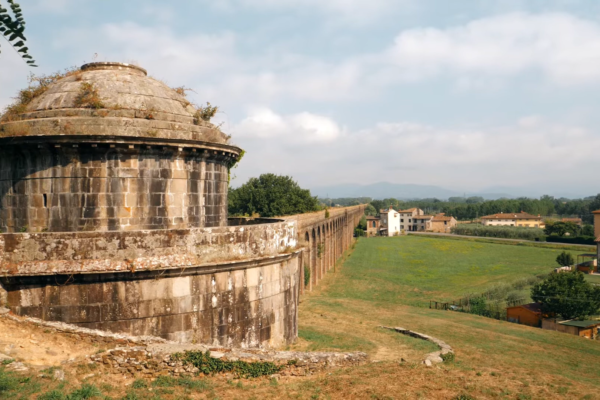
The Colognole Aqueduct: Pasquale Poccianti’s Neoclassical Water Engineering in the Livorno Hills Hidden inside the holm-oak forest above Livorno, the Colognole Aqueduct carried spring water eighteen kilometers to the city for nearly a century, using nothing but gravity, stone, and the calculations of one of Tuscany’s most gifted neoclassical architects. […]
Read MoreThe Liquid Arteries of Lucca: The Nottolini Aqueduct and the Geomorphology of the Vorno Springs
The Liquid Arteries of Lucca: The Nottolini Aqueduct and the Geomorphology of the Vorno Springs Stretching across three kilometres of Tuscan farmland on 460 brick arches, the Nottolini Aqueduct is the most architecturally ambitious monument in the Lucca countryside — a Neoclassical hydraulic machine that reads, from a passing train […]
Read MoreThe Tempio Canoviano of Possagno Treviso: Neoclassical Metrology and Metaphysical Light Ingestion
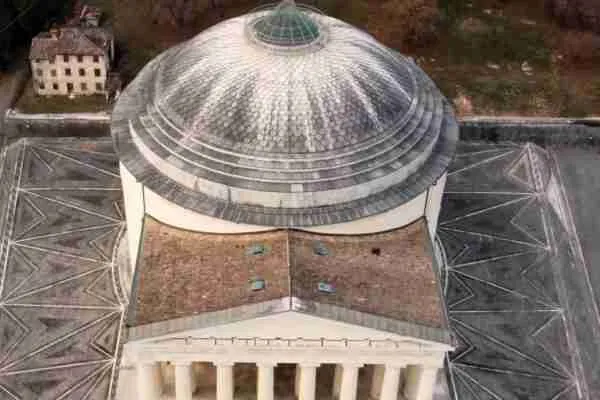
The Tempio Canoviano of Possagno: Neoclassical Metrology and Metaphysical Light Ingestion On a sun-drenched hilltop above the Venetian town of Possagno, Antonio Canova’s Tempio Canoviano stands as the most rigorous architectural self-portrait in the neoclassical canon. Designed by the sculptor himself across fourteen years of revision, the building fuses three […]
Read MoreVisiting La Scala: Milan’s Legendary Opera House Guide
Visiting La Scala: Milan’s Legendary Opera House Guide Teatro alla Scala stands as the world’s most prestigious opera house, where architectural genius meets legendary performances in a neoclassical masterpiece that has defined operatic excellence for nearly 250 years. From Verdi’s triumphs to Maria Callas’s incomparable artistry, La Scala represents the […]
Read MoreCorfu Old Town UNESCO Guide: Venetian Heritage & Fortresses
Corfu Old Town UNESCO Guide: Venetian Heritage & Fortresses Inscribed as a UNESCO World Heritage Site in 2007, Corfu Old Town represents the Mediterranean’s most complete surviving example of a fortified Venetian port city, where four centuries of Venetian rule shaped architectural character and urban planning distinct from anywhere else […]
Read MoreHelsinki Cathedral & Senate Square: Complete Guide
Helsinki Cathedral & Senate Square: Complete Guide Helsinki Cathedral and Senate Square form the architectural heart of Finland’s capital, representing one of Europe’s most cohesive examples of neoclassical urban planning. This extraordinary ensemble, designed by Carl Ludvig Engel between 1818 and 1852, showcases the vision of Russian imperial architecture adapted […]
Read MoreSt. Stephen’s Basilica Budapest Visitor Guide 2026: Comprehensive Planning
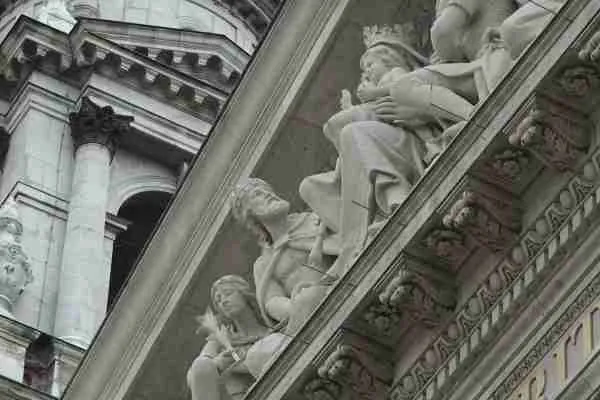
St. Stephen’s Basilica Budapest Visitor Guide 2026: Comprehensive Planning St. Stephen’s Basilica rises as Budapest’s most prominent religious landmark, combining neoclassical architectural grandeur with profound spiritual significance in Hungary’s capital. This comprehensive guide provides essential planning information for your 2026 visit, covering ticket options for the church hall and panoramic […]
Read MoreBaden-Baden Guide: Spa Town UNESCO Heritage
Baden-Baden Guide: Spa Town UNESCO Heritage Key Takeaways Baden-Baden represents the pinnacle of European spa culture, recognized as UNESCO World Heritage for its exceptional thermal bath architecture and urban spa landscape The town’s thermal waters have been celebrated since Roman times, with modern spa culture reaching its zenith during the […]
Read MoreBerlin Brandenburg Gate: History & Visitor Guide
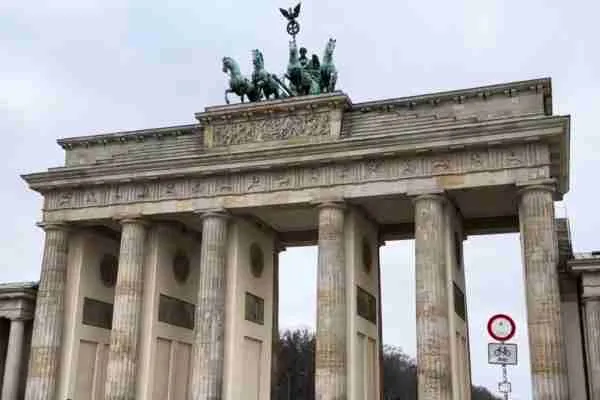
Brandenburg Gate: History & Visitor Guide Key Takeaways The Brandenburg Gate represents Berlin’s transformation from Prussian royal capital through Cold War division to reunified European metropolis, embodying German national identity across three centuries Carl Gotthard Langhans designed the neoclassical structure in 1791 as a monumental city gate celebrating peace, drawing […]
Read More