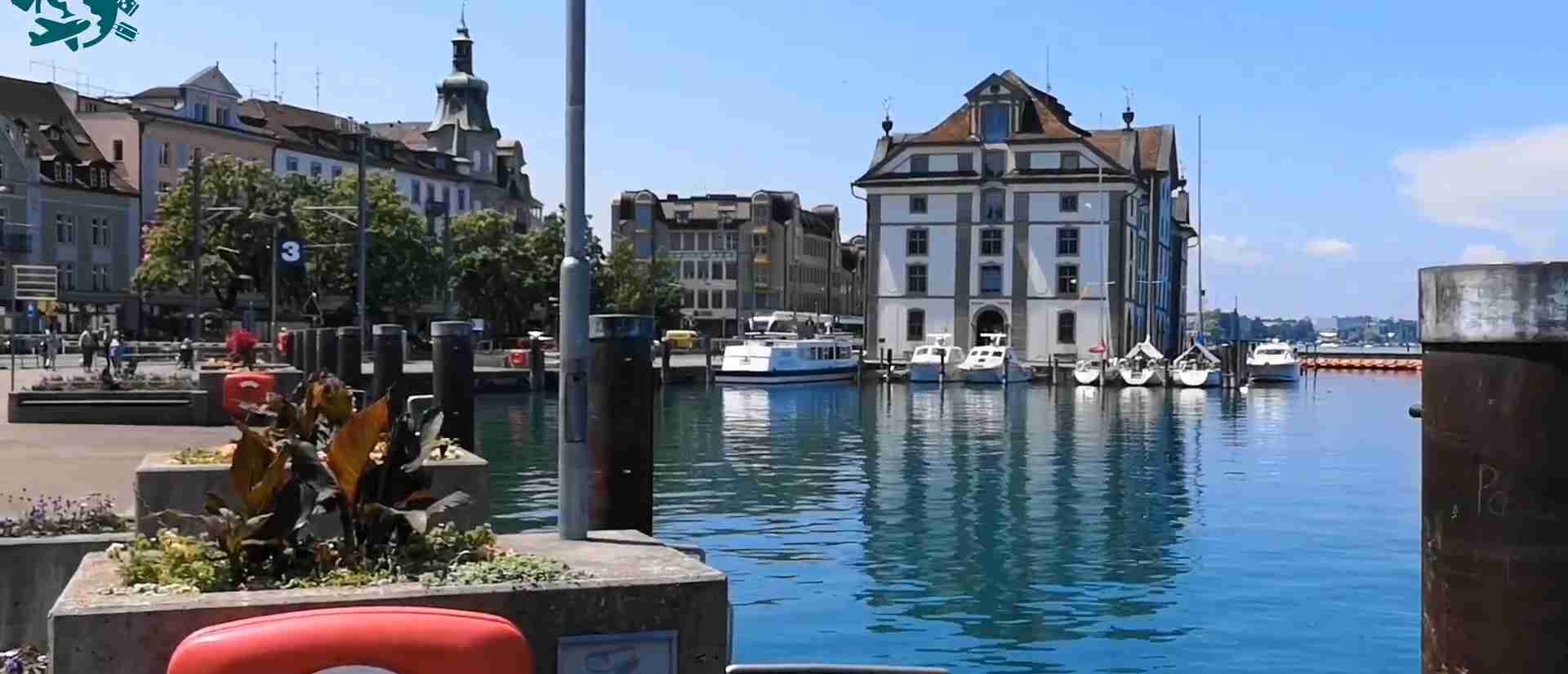
St. Gallen Travel Guide 2026: Ultimate Planning Resource
St. Gallen blends UNESCO-protected baroque splendor with Switzerland’s approachable eastern charm, offering Europe’s most magnificent library, colorful medieval architecture, and Lake Constance proximity at costs notably lower than Zurich or Geneva. This compact city rewards travelers with extraordinary cultural depth, efficient Swiss infrastructure, and easy access to Alpine landscapes, wine valleys, and cross-border excursions into Austria, Germany, and Liechtenstein.
Key Takeaways
- UNESCO Heritage Excellence: The Abbey Library of St. Gallen stands among the world’s most beautiful baroque libraries, featuring 170,000 volumes including 2,100 medieval manuscripts dating to the 8th century. Entry costs CHF 18 ($22) and includes access to vaulted cellar exhibitions and the exhibition space.
- Budget Planning for 2026: Budget travelers manage on CHF 75-145 ($90-175) per person daily in shared hostel or budget hotel accommodations. Mid-range visitors spend CHF 175-300 ($215-365) per person daily for comfortable hotels and quality dining. Luxury travelers invest CHF 315-510 ($385-625) per person daily for premium accommodations and upscale experiences.
- Strategic Location Advantage: St. Gallen sits 60 minutes by train from Zurich and 15 minutes from Lake Constance, positioning visitors within easy reach of Appenzell’s rolling hills, Säntis mountain at 2,502 meters, Rhine Valley wineries, and the Four-Countries Corner where Switzerland meets Germany, Austria, and Liechtenstein.
- Cost-Effective Swiss Experience: St. Gallen offers authentically Swiss experiences without Zurich or Geneva pricing. Hotels cost 25-35% less than major Swiss cities, restaurant meals run CHF 18-35 for quality local fare, and the compact old town eliminates expensive taxi needs through walkability.
- Transportation Efficiency 2026: The Swiss Travel Pass (CHF 254 for 3 days) covers unlimited trains, buses, trams, and boat rides throughout Switzerland plus free museum entry including the Abbey Library. Local St. Gallen transport costs CHF 4-5 per ride, with monthly passes at CHF 70 for extended stays.
- Seasonal Variation: Peak summer months (June-August) see hotel rates 30-45% higher than winter (November-March). Spring shoulder season (April-May) and autumn (September-October) deliver optimal weather, lower accommodation costs, and reduced tourist crowds while maintaining full attraction accessibility.
People Also Ask About St. Gallen 2026
How much does visiting St. Gallen cost per day in 2026?
Budget travelers spend CHF 75-145 ($90-175) per person daily when sharing hostel dorms or budget hotel rooms, eating at casual restaurants and bakeries, using public transport, and selecting free or low-cost attractions. Mid-range travelers allocate CHF 175-300 ($215-365) per person daily for comfortable three-star hotels, quality restaurant meals, convenient transportation, and paid museum entries. Luxury visitors invest CHF 315-510 ($385-625) per person daily for four-star hotels, upscale dining, private tours, and premium experiences. These figures assume two people sharing hotel accommodations with costs divided equally.
Is St. Gallen worth visiting in 2026?
St. Gallen absolutely merits inclusion on Switzerland itineraries for travelers seeking cultural depth without overwhelming crowds or Zurich-level expenses. The Abbey Library alone justifies the visit as one of Europe’s most spectacular baroque interiors, while the UNESCO-protected Abbey District, 111 oriel windows decorating the old town, and proximity to Lake Constance and Alpine landscapes create a distinctly Swiss experience. The city excels as a two-to-three day destination or as a strategic base for exploring eastern Switzerland, Appenzell, and cross-border attractions. Budget-conscious travelers particularly benefit from St. Gallen’s 25-35% lower costs compared to major Swiss cities while maintaining full Swiss quality and efficiency.
What is the best time to visit St. Gallen in 2026?
Late April through early June and September through mid-October represent optimal visiting windows, delivering pleasant 15-22°C temperatures, lower hotel rates than peak summer, reduced tourist crowds, and full attraction accessibility. Summer months (July-August) offer warmest weather and extended daylight but command 30-45% higher accommodation costs and increased visitor numbers. Winter months (November-March) present the lowest hotel rates and authentic local atmosphere but colder 0-8°C temperatures; the Abbey Library and indoor attractions maintain full winter operations while outdoor activities shift to nearby ski areas and Christmas markets in December.
How many days do you need in St. Gallen in 2026?
Two full days sufficiently cover St. Gallen’s primary attractions including the Abbey Library and Cathedral, old town exploration, Textile Museum, and Drei Weieren ponds. Three days allows comfortable pacing plus one day trip to Lake Constance, Appenzell, or Säntis mountain. First-time visitors allocate one day for the Abbey District and old town, one day for museums and local neighborhoods, and optional third day for regional excursions. Travelers using St. Gallen as an eastern Switzerland base extend stays to five-seven days for comprehensive regional exploration including Rhine Valley, Liechtenstein, and Austrian Vorarlberg.
Extended multi-day tours – 5+ days
Featured St Gallen Multi-Day Tour Packages
6 days
Highlights of Switzerland – 6 days
- ✓ Comprehensive St Gallen tour
- ✓ Expert local guides included
- ✓ All accommodation arranged
- ✓ Transportation provided

6 days
Via Jacobi: Rorschach – Einsiedeln 6 Days
- ✓ Comprehensive St Gallen tour
- ✓ Expert local guides included
- ✓ All accommodation arranged
- ✓ Transportation provided
6 days
Lake Constance | self-guided | Germany, Austria, Switzerland
- ✓ Comprehensive St Gallen tour
- ✓ Expert local guides included
- ✓ All accommodation arranged
- ✓ Transportation provided

7 days
Lake Constance | Guided Bike tour | Germany, Switzerland, Austria | scheduled departures
- ✓ Comprehensive St Gallen tour
- ✓ Expert local guides included
- ✓ All accommodation arranged
- ✓ Transportation provided
Multi-day tour packages powered by TourRadar. Prices and availability subject to change.
Introduction
St. Gallen occupies a distinctive position in Switzerland’s cultural landscape. Founded in 612 when Irish monk Gallus established a hermitage in the Steinach Valley, the city grew around one of Europe’s most important medieval monasteries, becoming a center of learning and manuscript preservation throughout the Dark Ages. The Abbey Library’s baroque hall, completed in 1767, houses irreplaceable 8th to 11th-century manuscripts that chronicle European intellectual history. UNESCO recognized the Abbey District’s exceptional cultural value in 1983, placing St. Gallen alongside Switzerland’s greatest heritage sites.
Modern St. Gallen balances its historical significance with contemporary Swiss efficiency. The compact old town, where 111 colorful oriel windows adorn medieval buildings, sits entirely walkable within 30 minutes from any point. Switzerland’s precision public transport connects the city to Zurich in exactly 60 minutes, Lake Constance in 15 minutes, and extends throughout eastern Switzerland via the Ostwind regional network. The location at 680 meters elevation positions St. Gallen between Lake Constance’s lakeside promenades and the Alpstein massif’s 2,500-meter peaks, creating exceptional day-trip diversity.
Economically, St. Gallen developed on textile manufacturing, specifically elaborate embroidery exported to haute couture houses worldwide. The Textile Museum preserves this heritage through exhibitions spanning local production history to contemporary fashion applications. This industrial past created a pragmatic city character that manifests in moderate pricing compared to Zurich or Geneva—hotels cost 25-35% less, restaurants serve quality meals at CHF 18-35 instead of CHF 30-50, and the walkable scale eliminates expensive transportation needs that inflate costs in larger Swiss cities.
Geographically, St. Gallen sits in Switzerland’s northeastern corner where borders meet Germany, Austria, and Liechtenstein. This Four-Countries Corner position enables cross-border excursions: German Konstanz across Lake Constance, Austrian Bregenz 35 kilometers east, and Liechtenstein’s capital Vaduz 50 kilometers south. The Rhine Valley stretches south from Lake Constance, terraced with vineyards producing Pinot Noir and Müller-Thurgau wines available at family-owned cellars. Appenzell’s pastoral landscapes roll 20 kilometers east, preserving traditional Swiss Alpine culture in car-free villages accessible by narrow-gauge railway.
St. Gallen’s appeal concentrates on travelers seeking authentic Swiss experiences without Interlaken crowds or Zermatt expenses. The city rewards those interested in cultural depth—the Abbey Library requires 90 minutes minimum for proper appreciation, the Textile Museum merits two hours, and the old town walking routes span half-day explorations. Active visitors access Alpine hiking from nearby trailheads, Lake Constance swimming and boating, and Rhine Valley cycling routes. The compact scale suits travelers who appreciate walkable cities, efficient infrastructure, and concentrated sightseeing over sprawling destinations requiring constant transportation.
Practical considerations shape St. Gallen’s visitor experience. The city lacks an airport; Zurich Airport serves as the primary gateway with 90-minute train connections. Accommodation inventory concentrates on mid-range business hotels and budget options rather than luxury resorts, though quality remains consistently Swiss-standard. English proficiency runs high in tourist-facing businesses but diminishes in residential neighborhoods where Swiss German predominates. The old town’s pedestrian zones and steep surrounding terrain present mobility challenges for wheelchair users, though the Abbey Library and major museums provide accessible entrances.
Seasonally, St. Gallen experiences distinct patterns. Summer (June-August) delivers warmest weather and longest daylight but 30-45% higher hotel rates and increased visitor numbers at the Abbey Library. Shoulder seasons (April-May, September-October) offer optimal conditions—pleasant temperatures, lower accommodation costs, reduced crowds, and full attraction accessibility. Winter (November-March) presents the most affordable period with authentic local atmosphere but colder temperatures; the Abbey Library operates year-round while outdoor activities shift to nearby ski areas. Christmas markets in December create festive atmosphere with special events and seasonal decorations throughout the old town.
Understanding St. Gallen Costs in 2026
St. Gallen operates on Switzerland’s high-cost structure while offering 25-35% savings compared to Zurich, Geneva, or tourist-heavy Alpine resorts. The Swiss Franc (CHF) trades at approximately 1.10 to the US dollar in 2026, making Switzerland expensive for American visitors but less painful than previous years when rates reached 1:1 parity. Prices reflect Swiss quality standards—exceptional cleanliness, punctual service, organic food emphasis, and infrastructure investment—rather than artificial tourist inflation. Budget travelers manage successfully in St. Gallen where they might struggle in Interlaken or Zermatt.
The cost differential between St. Gallen and major Swiss cities stems from business-travel dominance rather than resort pricing. Hotels cater to corporate visitors and university families, maintaining moderate rates except during trade fair periods. Restaurants serve local workers rather than tourists exclusively, keeping lunch specials competitive at CHF 15-22. The compact walkable scale eliminates taxi costs that inflate daily budgets in sprawling cities. Lake Constance proximity and Austrian border enable cross-border shopping for groceries and supplies at German supermarkets where prices run 20-30% below Swiss levels.
Three expense categories dominate St. Gallen budgets: accommodation, food, and transportation. Accommodation represents 40-50% of daily costs for budget and mid-range travelers. Food accounts for 30-40% across all budget tiers, varying more in quality than quantity given generous Swiss portions. Transportation consumes 10-20% depending on Swiss Travel Pass usage versus point-to-point tickets. Attractions run surprisingly affordable—the CHF 18 Abbey Library admission represents the primary cultural expense, with numerous free options including the Cathedral, Drei Weieren ponds, and old town exploration.
Credit cards enjoy near-universal acceptance in hotels, restaurants, museums, and shops, though smaller bakeries and market stalls prefer cash. ATMs distribute Swiss Francs widely with international card acceptance; withdrawing larger amounts less frequently minimizes bank fees. Tipping operates differently than American expectations—service charges include in restaurant bills, though rounding up to the nearest CHF 5 or adding 5-10% for exceptional service remains appreciated. Taxi drivers expect rounded-up fares. Hotel porters receive CHF 2-3 per bag. Museum and tour guides merit CHF 5-10 depending on group size and service quality.
Seasonal pricing fluctuates significantly. Summer peak season (June-August) commands 30-45% higher hotel rates than winter baseline (November-March), with shoulder seasons (April-May, September-October) falling between. Restaurant and attraction prices remain stable year-round. Transportation costs stay fixed except special event surcharges. Budget-conscious travelers targeting spring or autumn capture optimal weather without peak-season premiums while maintaining full access to attractions and activities.
Hidden costs warrant consideration. Switzerland’s famous high prices extend to incidentals: bottled water CHF 4-5, coffee CHF 4-6, beer CHF 6-8, snacks CHF 3-7. Public restrooms in train stations charge CHF 1-2 though museum and restaurant facilities offer free access. Tourist tax (Kurtaxe) adds CHF 2-5 per person nightly to accommodation bills. Some hotels charge extra for breakfast despite advertised rates including the meal. Parking in the old town runs CHF 3-5 hourly though visitors typically avoid car rentals given excellent public transport.
Value opportunities exist throughout St. Gallen. The Swiss Museum Pass (CHF 231 annually, CHF 145 for 6 months, CHF 100 for 3 months) covers Abbey Library admission plus 500 Swiss museums, paying for itself after 3-4 museum visits. The Bodensee Card Plus (CHF 105 for 3 days) includes free attractions around Lake Constance plus one-time Abbey Library entry. Supermarket shopping for breakfast and lunch supplies reduces food costs by 40-60% versus restaurant meals. The Bäderbus runs free between the city center and Drei Weieren swimming ponds in summer. Many hiking trails and nature areas charge no admission.
Accommodation Costs and Options 2026
St. Gallen’s accommodation landscape favors mid-range business hotels and budget-friendly hostels over luxury resorts, reflecting the city’s commercial character rather than resort orientation. Approximately 60 properties serve visitors ranging from dormitory beds at CHF 30 nightly to luxury spa hotels at CHF 450 per room. Location matters minimally given the compact 2-kilometer old town diameter—even the farthest hotels sit within 15 minutes’ walk of the Abbey District. Hotels near the train station offer maximum convenience for day trips throughout eastern Switzerland.
Budget accommodations in St. Gallen start with hostel dormitory beds at CHF 30-50 per person nightly. The city lacks major international hostel chains but offers several independent properties with shared facilities, communal kitchens, and social atmospheres. Private rooms in budget hotels cost CHF 75-115 for doubles, including basic breakfast, private bathrooms, and WiFi. These properties typically occupy older buildings with smaller rooms and minimal amenities but maintain Swiss cleanliness standards. Budget hotels concentrate near the train station and in the Bruggen district northeast of the old town, requiring 10-20 minute walks to the Abbey Library.
Mid-range hotels dominate St. Gallen’s accommodation market, charging CHF 160-280 for double rooms with breakfast. Three-star properties offer comfortable modern rooms, buffet breakfasts, elevators, business centers, and convenient locations within the old town or adjacent neighborhoods. Popular chains include Sorell Hotels, Radisson, and B&B Hotel, maintaining consistent quality standards. Independent hotels like Hotel Walhalla and Hotel Dom position directly in the pedestrian old town near the Abbey District. Mid-range rates increase 25-40% during trade fair periods (check OLMA dates in October, other events throughout the year) when business demand fills available rooms.
Luxury accommodation options remain limited in St. Gallen compared to resort destinations. The Einstein St. Gallen stands as the premier property, charging CHF 280-400 for doubles in its historic building near the old town. Radisson Blu offers modern four-star amenities at CHF 240-320. The Oberwaid health resort, located in the hills above the city, provides spa facilities and wellness programs at CHF 350-500 for doubles. These properties include upscale breakfast buffets, fitness centers, business amenities, and evening dining options. True luxury seekers often prefer staying in St. Gallen’s budget-friendly accommodations and investing saved funds in day trips to nearby premium destinations.
Apartment rentals through Airbnb and similar platforms range CHF 80-180 nightly for one-bedroom units, offering kitchen facilities that significantly reduce food costs. Availability concentrates in residential neighborhoods surrounding the old town, providing authentic local atmosphere at the expense of tourist-district convenience. Minimum stay requirements of 2-3 nights common. Vacation apartments particularly suit families and small groups splitting costs across multiple travelers, though cleaning fees add CHF 50-80 per stay.
Booking strategy significantly impacts costs. Advance reservations 60-90 days ahead secure best rates and selection, particularly for mid-range properties during shoulder and peak seasons. Last-minute deals occasionally appear in winter months when business travel slows. Price comparison across booking platforms (Booking.com, Expedia, hotel direct websites) reveals variations of 10-20%; loyalty programs and direct booking sometimes yield lower rates than third-party sites. Flexible date searches identify cost differences across weekdays versus weekends—business hotels reduce Friday-Saturday rates when corporate demand drops.
Neighborhood considerations matter less in compact St. Gallen than in larger cities. The Abbey District and old town provide maximum walking convenience to attractions but limited evening restaurant options given the residential character. The train station area offers more dining variety and instant access to regional trains but less atmospheric surroundings. The Bruggen district northeast of center combines affordable accommodations with quick tram connections to the old town. Drei Weieren in the western hills provides nature access and swimming ponds but requires 20-30 minute walks or bus rides to central attractions.
Alternative accommodations include monastery guesthouses offering simple rooms at CHF 60-90, though availability runs limited and locations peripheral. University dormitories sometimes accept travelers during summer vacation periods (July-August) at hostel-equivalent rates. Camping exists at facilities around Lake Constance 15 kilometers north, charging CHF 15-25 per person nightly, requiring public transport connections into St. Gallen proper.
Food and Dining Costs 2026
St. Gallen’s culinary scene balances traditional Swiss cuisine with international variety, serving quality meals at prices 20-30% below Zurich or Geneva levels. The local specialty, St. Galler Bratwurst (white veal sausage without skin), appears on menus throughout the city alongside cheese fondue, rösti, and other Swiss classics. University presence and business-traveler base support diverse dining options from Turkish kebab shops to Vietnamese restaurants, Italian pizzerias to Lebanese mezze specialists. Bakeries open early for breakfast, lunch cafes operate Monday-Friday, and dinner restaurants serve from 18:00 onward.
Budget dining in St. Gallen starts with bakery breakfasts at CHF 5-10 for coffee and pastries. Migros and Coop supermarkets offer self-service breakfast items, prepared sandwiches, and salad bars at CHF 8-15 for complete meals. Turkish döner kebab shops charge CHF 12-18 for substantial wraps or plates. Pizzerias serve individual pizzas at CHF 15-22. Asian takeaway restaurants including Rice & More offer generous portions at CHF 6-12, representing the city’s cheapest sit-down dining. McDonald’s and Burger King charge CHF 14-18 for combo meals. These budget options concentrate near the university, train station, and in the Marktplatz area.
Mid-range restaurants dominate St. Gallen’s dining landscape, charging CHF 20-35 for main courses at lunch, CHF 35-55 at dinner. Traditional Swiss restaurants serve fondue (CHF 28-38 per person), cordon bleu (CHF 32-42), and seasonal specialties using regional ingredients. Italian restaurants offer pasta (CHF 18-28), risotto (CHF 22-32), and meat dishes (CHF 28-38). The Zeughaus restaurant occupies the old city wall, serving quality Swiss fare at moderate prices. Tibits operates a popular vegetarian buffet charging by weight, averaging CHF 25-35 for complete meals. Lebanese and Turkish restaurants provide mezze platters at CHF 22-35 for two people.
Upscale dining exists but remains limited compared to resort destinations. Fine dining restaurants charge CHF 50-80 for main courses, CHF 90-140 for multi-course menus. The Einstein St. Gallen hotel restaurant represents the city’s premier dining, serving modern European cuisine at CHF 60-90 per person for dinner excluding drinks. Oberwaid’s restaurant focuses on health-conscious gourmet menus at similar price points. These establishments require reservations, particularly weekends, and maintain dress codes excluding casual athletic wear.
Lunch specials provide substantial value throughout St. Gallen. Many restaurants offer fixed-price lunch menus (Tagesmenü) at CHF 15-22 including soup or salad, main course, and sometimes dessert. University cafeterias serve students and public visitors at CHF 12-18 for complete meals. Market stalls in the Marktplatz (Tuesday and Saturday mornings) sell fresh produce, cheese, bread, and prepared foods at supermarket-comparable prices. Picnic supplies from supermarkets cost CHF 10-15 per person for bread, cheese, cold cuts, fruit, and drinks.
Beverage costs add significantly to restaurant bills. Water (mineral or tap) costs CHF 4-7 per bottle in restaurants though tap water remains free upon request. Coffee runs CHF 4-6, cappuccino CHF 5-7. Beer (0.3-0.5 liters) costs CHF 6-9, wine by the glass CHF 7-12. Soft drinks charge CHF 4-6. Alcohol-free dining reduces meal costs by 30-40%. Supermarket beverages cost 50-70% less than restaurant pricing—buying drinks from Migros or Coop before dining out saves substantially.
St. Gallen’s famous bratwurst merits specific mention. Traditional butchers like Metzgerei Rietmann sell raw St. Galler bratwurst at CHF 3-5 per sausage for home preparation. Restaurant servings with bread and mustard cost CHF 10-15. The white veal sausage contains no skin, distinguishing it from other Swiss varieties, and traditionally pairs with sweet mustard rather than spicy condiment. Multiple butchers claim the authentic original recipe—sampling different versions constitutes a worthy culinary exploration costing CHF 30-50 for a comprehensive tasting tour.
Grocery shopping at Migros or Coop supermarkets costs roughly: bread CHF 3-6, cheese CHF 4-8 per 200 grams, cold cuts CHF 3-7 per 100 grams, yogurt CHF 1-3, fruit CHF 3-6 per kilogram, prepared salads CHF 5-10. A full grocery shop for two days’ breakfast and lunch supplies runs CHF 40-60 for one person, reducing meal costs by 50-60% versus restaurant dining. Markets near the German border in Konstanz sell groceries 20-30% cheaper than Swiss supermarkets—budget travelers making Lake Constance day trips sometimes shop German supermarkets to supplement Swiss supplies.
Dietary accommodations function well in St. Gallen. Vegetarian options appear on virtually all restaurant menus, often including creative preparations beyond basic salads. Vegan dining requires more research but several restaurants specialize including Tibits vegetarian buffet. Gluten-free awareness runs high with many establishments offering marked menu options. Halal food availability concentrates in Turkish and Middle Eastern restaurants. Kosher options remain limited—Zurich’s larger Jewish community 60 minutes away provides better selection.
Transportation Costs and Strategies 2026
St. Gallen’s transportation infrastructure combines walkable old town, efficient local buses, regional trains, and strategic access to Switzerland’s national rail network. The city center spans just 2 kilometers end-to-end, making walking the primary exploration method. Public transport fills gaps for steep hill climbs, accommodation-to-attractions transfers, and regional excursions. Switzerland’s legendary punctuality extends to St. Gallen’s buses arriving exactly on schedule, with real-time information displays at all stops showing precise countdown minutes.
Walking serves most old town exploration needs. The Abbey District sits 10 minutes on foot from the train station. Drei Weieren ponds require 30 minutes uphill walk or 15 minutes by bus. The Textile Museum, Nature Museum, and Art Museum all position within 15 minutes’ walk from the Abbey Library. St. Gallen’s pedestrian zones occupy the old town core with vehicle restrictions creating safe, pleasant walking conditions. Hills surrounding the valley center present challenges—ascents to Drei Weieren, Mühlegg, and upper neighborhoods involve sustained climbs totaling 100-150 meters elevation gain. Budget travelers maximize walking to minimize transport costs while enjoying the oriel window architecture lining narrow streets.
Local bus transport in St. Gallen operates under the VBSG network, charging CHF 4 for short distances (zone 10), CHF 5 for city-wide coverage (zones 10-14). Single tickets purchased from machines at bus stops remain valid 45-60 minutes depending on zones, allowing transfers between routes. Day passes cost CHF 9 for unlimited local travel, paying for themselves after three rides. Monthly passes run CHF 70, suitable for extended stays. The free Bäderbus operates summer weekends between the city center and Drei Weieren, connecting Marktplatz to the swimming ponds from May through September.
The Swiss Travel Pass (CHF 254 for 3 days, CHF 367 for 4 days, CHF 420 for 8 days, CHF 499 for 15 days in 2026) covers unlimited train, bus, and boat travel throughout Switzerland plus free admission to 500 museums including the Abbey Library. For travelers planning day trips from St. Gallen to Zurich, Appenzell, Lake Constance, and other destinations, the pass typically pays for itself within 3-4 days of active use. Point-to-point tickets from St. Gallen cost: Zurich CHF 31, Appenzell CHF 12, Konstanz CHF 16, making the Swiss Travel Pass economical for multi-destination itineraries. Children under 16 travel free with parents holding Swiss Travel Passes via the free Swiss Family Card.
Regional train connections operate through the Ostwind network covering eastern Switzerland. St. Gallen serves as the hub with frequent departures to: Zurich (60 minutes, 2-3 trains hourly), Konstanz (45 minutes, hourly), Appenzell (50 minutes, hourly), Chur (90 minutes, hourly). The scenic Voralpen-Express runs to Lucerne in 2.5 hours, offering panoramic windows for mountain views. Seat reservations remain unnecessary on regional trains except panoramic routes during peak season. First-class upgrades cost 50-70% more than second-class tickets but rarely justify the premium given short journey times and comfortable second-class seating.
Taxi costs in St. Gallen start at CHF 6 flag drop plus CHF 4 per kilometer, making typical old town rides CHF 15-25. Late-night trips from restaurants to hotels run CHF 20-35 depending on location. Uber and similar ride-sharing services function in St. Gallen but offer minimal savings versus traditional taxis given Switzerland’s regulated pricing. Budget and mid-range travelers avoid taxis given excellent public transport and walkable scale—taxi use typically indicates late-night safety concerns or heavy luggage situations rather than routine transportation needs.
Car rental makes little sense within St. Gallen itself but serves travelers planning extensive regional exploration beyond public transport routes. Rental companies operate at Zurich Airport and St. Gallen train station, charging CHF 60-120 daily depending on vehicle class and season. Parking in St. Gallen’s old town costs CHF 3-5 hourly, CHF 25-40 daily, with overnight hotel parking adding CHF 15-30 to accommodation costs. Swiss driving requires Highway Vignette (CHF 40 annually) for motorway access. Gas prices reach CHF 1.80-2.20 per liter. Most St. Gallen visitors avoid car rentals, relying instead on trains for day trips.
Bicycle rental provides alternative transportation for flat lakeside routes though St. Gallen’s hilly terrain challenges casual cyclists. Public bike stations (PubliBike) charge CHF 1 per 30 minutes, suitable for short trips. Traditional bike rental shops near the train station offer full-day rentals at CHF 25-35. E-bikes rent for CHF 40-60 daily, electric assistance making hill climbs manageable. Lake Constance’s flat shoreline paths, Rhine Valley cycling routes, and Appenzell’s gentle terrain suit cycling better than St. Gallen’s steep surrounding hills. Bikes travel free on regional trains during off-peak hours, paid during peak commute times.
Walking tour costs vary dramatically. Self-guided exploration costs nothing beyond comfortable shoes and optional CHF 5 audio guide rental. Guided walking tours charge CHF 20-35 per person for 90-minute old town circuits. Private guides cost CHF 150-250 for 2-hour tours with flexible routes customized to interests. The tourist information office at Bankgasse 9 provides free city maps and attraction information Monday-Friday 09:00-18:00, Saturday 09:00-15:00.
Attraction Costs and Free Activities 2026
St. Gallen’s primary attractions concentrate cultural and historical significance with moderate admission fees or free access. The Abbey Library’s CHF 18 ($22) entry represents the principal expense, while numerous high-quality experiences cost nothing. The compact old town scale allows comprehensive exploration in 2-3 days without overwhelming admission budgets. Museum quality matches Switzerland’s high standards with detailed English signage, interactive exhibits, and well-preserved collections meriting the entry fees charged.
The Abbey Library of St. Gallen dominates any cultural visit to the city. Admission costs CHF 18 for adults, CHF 12 for students with valid ID, free for children under 16. The ticket includes access to three exhibition spaces: the baroque library hall itself, the vaulted cellar displaying medieval manuscripts, and the exhibition space housing rotating thematic exhibitions. Audio guides rent for additional CHF 5, providing detailed commentary on the collection, architecture, and historical significance. Visitors spend 90-120 minutes minimum for proper appreciation. The library opens daily 10:00-17:00 with seasonal closures (check stiftsbezirk.ch for current schedule). Felt slippers worn over shoes protect the precious wooden floor—removing shoes proves unnecessary, oversize slippers slip over footwear upon entry.
The Abbey Cathedral of St. Gallen welcomes visitors free of charge. The baroque interior features elaborate stucco work, ceiling frescoes, and the ornate high altar. The church functions as active worship space with services Sunday mornings and occasional weekday masses. Modest dress requested—shoulders covered, no shorts. Photography permitted without flash. The cathedral opens approximately 06:00-18:00 daily though hours vary for services. Combined with the adjacent Abbey Library, the cathedral anchors a half-day exploration of the UNESCO World Heritage Abbey District.
The Textile Museum presents St. Gallen’s embroidery heritage through permanent and temporary exhibitions. Entry costs CHF 12 for adults, CHF 8 for students, free for children under 16. The collection spans hand embroidery from the 18th century through contemporary fashion collaborations with haute couture houses. Interactive displays demonstrate embroidery techniques and machinery evolution. Visitors spend 90-120 minutes navigating the three-story exhibition. Open Tuesday-Sunday 10:00-17:00. The museum shop sells embroidered souvenirs and local textile products, though prices reflect luxury positioning rather than bargain hunting.
The St. Gallen Art Museum charges CHF 12 admission, displaying Swiss and European paintings from the late Middle Ages to contemporary works. The collection emphasizes regional artists alongside recognizable international names. Temporary exhibitions rotate quarterly, covering modern and classical themes. Museum architecture combines a historic building with modern extension creating interesting spatial contrasts. Open Tuesday-Sunday 10:00-17:00, Wednesday until 20:00. Art enthusiasts allocate 60-90 minutes for the permanent collection, 30-60 minutes additional for temporary exhibitions.
The Nature Museum costs CHF 12 for adults, CHF 8 for students. The three-story building presents regional flora and fauna through dioramas, interactive exhibits, and preserved specimens. The centerpiece holds Switzerland’s largest 3D relief map showing the area from Lake Constance to Alpine peaks. Children engage strongly with hands-on stations. Open Tuesday-Sunday 10:00-17:00. Families spend 90-120 minutes exploring all floors and interactive elements.
St. Laurenzen Church offers free entry with a unique opportunity—climbing the tower for CHF 5 provides 360-degree views over the Abbey District and city. The tower opens March-November, Monday-Saturday at 10:00 and 15:00 for one-hour access periods. The climb involves 150+ steps up a narrow spiral staircase—not suitable for claustrophobic or mobility-limited visitors. Clear weather reveals views extending to Lake Constance and Alpine peaks. Photographers capture optimal Abbey Library and cathedral shots from this elevated vantage.
Drei Weieren (Three Ponds) provides free recreation in the hills west of the old town. Three artificial ponds constructed in the 19th century offer swimming June-September with water temperatures reaching 20-24°C. Surrounding lawns provide picnic areas and walking paths. The Bäderbus runs free summer weekends from Marktplatz. Walking from the old town requires 30 minutes uphill through residential neighborhoods, burning 100 calories ascending while enjoying oriel window architecture along steep streets. Local families populate the ponds summer afternoons and weekends—weekday mornings offer quieter swimming.
The Wildlife Park Peter & Paul (Wildpark Peter und Paul) charges no admission. Located 20 minutes’ walk or short bus ride from the old town, the park houses native species including deer, chamois, ibex, lynx, wild boar, and marmots in naturalistic enclosures. Walking paths wind through the wooded hillside with viewing platforms overlooking animal habitats. Open daily dawn to dusk year-round. Families allocate 60-90 minutes for a complete circuit. The on-site restaurant serves traditional Swiss fare at CHF 18-32 for main courses with outdoor terrace overlooking the valley.
The old town walking tour costs nothing beyond time and energy. Start at the Abbey District to appreciate the UNESCO heritage, wander narrow streets counting oriel windows (aim for 20+ sightings), explore the Marktplatz on Tuesday or Saturday market days, photograph the colorful building facades, and discover the Roten Platz (Red Square) with its modern red rubber flooring art installation covering the plaza. The City Lounge along Raiffeisenplatz features red foam sculptures and communal seating where locals gather afternoons. Self-guided routes take 2-3 hours at leisurely pace.
The Mühleggbahn funicular costs CHF 2.50 one-way, CHF 4 return, climbing 150 meters to the Mühlegg district. The historic 1893 funicular operates as more attraction than transportation, offering views during the 3-minute ascent. The upper station provides trail access for walks through Bernegg Forest. The restaurant terrace serves refreshments at café prices. The funicular operates daily approximately 07:00-19:00 with 15-minute frequency.
The Trail of Bridges (Brückenweg) along the River Sitter provides free hiking passing 18 bridges, viaducts, and boardwalks in 2-3 hours. The route starts at Bruggen on St. Gallen’s western edge, follows the river gorge south through forest, and concludes near the village of Appenzell. The Sitter Viaduct, Switzerland’s tallest railway bridge at 99 meters, highlights the walk. Swimming holes along the river offer summer refreshment. The hike suits moderate fitness levels with some steep sections. Return via regional train from Appenzell to St. Gallen costs CHF 12.
Free concerts and events occur throughout the year. The Abbey Cathedral hosts free organ concerts select Sundays. The Stadtlounge outdoor space programs summer music and cultural events. The Botanical Garden opens free daily for plant enthusiasts. Market days (Tuesday and Saturday mornings) at Marktplatz provide lively local atmosphere for free. Christmas markets in December create festive ambiance with free browsing though food and drink purchases add up quickly.
Day Trips from St. Gallen 2026
St. Gallen’s strategic position enables diverse day trips spanning Alpine peaks, lakeside towns, historic cities, and cross-border destinations. Efficient rail connections reach most destinations within 30-90 minutes, returning travelers to St. Gallen evenings for accommodation savings versus multi-city hotel changes. The Swiss Travel Pass covers most day-trip transportation, maximizing value for active itineraries. Day trips suit travelers seeking variety without constant packing and unpacking logistics.
Säntis mountain at 2,502 meters elevation provides Switzerland’s most accessible high-Alpine experience from St. Gallen. The journey requires a 45-minute train to Schwägalp followed by a 10-minute cable car ascending 1,200 meters to the summit. Round-trip costs CHF 58 (CHF 29 with Swiss Travel Pass 50% mountain transport discount). The summit observation platform delivers 360-degree Alpine panoramas spanning six countries on clear days. Restaurants serve traditional mountain fare at CHF 18-28. The descent option includes hiking trails of various difficulties. Weather critically impacts the experience—check current conditions before departing as clouds obscure views frequently. Budget 5-6 hours including travel time.
Appenzell village preserves traditional Swiss Alpine culture 50 minutes southeast of St. Gallen by regional train (CHF 12 one-way). The car-free village center features painted wooden facades, traditional shops selling embroidered textiles, cowbells, and local cheese, plus restaurants serving Appenzeller cheese specialties. The Appenzeller Cheese Dairy offers tours CHF 8 showing traditional production. Ebenalp mountain accessed via cable car (CHF 32 round-trip) provides hiking to the Aescher cliff-side restaurant, one of Switzerland’s most photographed mountain establishments. Combine village exploration with moderate hiking for a full-day outing. Train frequency allows flexible return timing.
Lake Constance (Bodensee) stretches 63 kilometers along Switzerland’s northern border with Germany and Austria. From St. Gallen, Rorschach (15 minutes by train, CHF 6) offers the closest lakeside access with swimming beaches, promenade walks, and boat departures. Konstanz, Germany (45 minutes by train, CHF 16) provides the largest lakeside city with old town shopping, restaurants, and the flower island Mainau (ferry plus admission CHF 35). Austrian Bregenz (50 minutes by train, CHF 18) hosts the famous floating opera stage on the lake. Boat cruises between lakeside towns operate May-October, included with Swiss Travel Pass on Swiss boats, charged separately on German and Austrian vessels. Pack swimsuit for summer lake swimming.
Rhine Falls near Schaffhausen represents Europe’s largest waterfall by volume. The 75-minute train journey from St. Gallen (CHF 28 one-way) reaches Neuhausen where the falls thunder 23 meters high across 150 meters width. Admission to viewing platforms costs CHF 5. Boat rides to the central rock formation run CHF 8. The spectacular flow peaks May-July following Alpine snowmelt. Budget 4-5 hours including travel and exploration time. Combine with Schaffhausen old town for extended day trip.
Liechtenstein’s capital Vaduz sits 50 minutes south by regional train (CHF 18 one-way). The tiny principality offers novelty value—passport stamps available at the tourist office for CHF 3, the royal castle visible on the hillside (not open to public), art museums, and duty-free shopping. The journey through Rhine Valley terraced vineyards provides scenic appeal. Vaduz fills 2-3 hours comfortably; combine with wine tasting at nearby Swiss or Liechtenstein vineyards for fuller day. Return train connections run hourly.
Zurich accessibility in exactly 60 minutes enables day trips to Switzerland’s largest city without St. Gallen accommodation costs. Round-trip tickets cost CHF 62 or included with Swiss Travel Pass. Zurich offers luxury shopping along Bahnhofstrasse, lake cruises, extensive museums, and sophisticated dining. Day-trippers depart St. Gallen mornings, explore Zurich 6-8 hours, and return evenings to the more affordable accommodations in St. Gallen. This strategy saves CHF 80-150 nightly on hotel costs while accessing Zurich’s attractions.
The Chocolate Train operates seasonally May-October, departing Montreux for Gruyères cheese factory and Broc chocolate factory. While geographically distant from St. Gallen (2.5 hours each way), the panoramic train represents a quintessential Swiss excursion combining scenic rail travel with culinary experiences. Full-day packages cost CHF 125-165 depending on class. Alternatively, day trips to Lucerne (2.5 hours, CHF 54 one-way), Interlaken (3 hours, CHF 76), or Bern (2 hours, CHF 56) stretch St. Gallen’s day-trip radius for travelers prioritizing variety over proximity.
The Rhine Valley wine route south of Lake Constance presents an underappreciated excursion. Small family wineries welcome visitors for tastings (CHF 10-20 for 3-5 wines) without the crowds of famous wine regions. The villages of Berneck, Au, and Marbach string along the hillside terraces accessible by regional train. Call ahead for winery reservations or visit spring-autumn when cellar doors open more readily. Combine wine tasting with walking between villages through the vineyards. Budget full day for relaxed wine exploration.
Cross-border shopping in Germany provides budget opportunities. Konstanz’s German supermarkets sell groceries 20-30% cheaper than Swiss prices. Outlet shopping centers in Metzingen (2 hours south) offer luxury brand discounts. Budget travelers sometimes justify day trips to Germany primarily for grocery shopping, filling backpacks with supplies reducing subsequent Swiss food costs. German restaurants serve meals at 30-40% below Swiss prices—a day trip to Konstanz combining sightseeing with affordable dining and supermarket shopping delivers multiple savings.
Sample St. Gallen Itineraries 2026
Budget 3-Day St. Gallen Itinerary
Day 1 – Abbey District and Old Town: Arrive St. Gallen mid-morning by train from Zurich (CHF 31 one-way). Check into hostel dormitory (CHF 45 per person). Walk to Abbey District for UNESCO heritage exploration. Enter Abbey Library (CHF 18). Visit Cathedral (free). Lunch at budget pizzeria (CHF 18). Afternoon walking tour of old town counting oriel windows, photographing Roten Platz, exploring Marktplatz area. Dinner at Turkish restaurant (CHF 20). Grocery shopping at Migros for breakfast supplies (CHF 12). Day total approximately CHF 144 per person.
Day 2 – Museums and Nature: Bakery breakfast (CHF 8). Visit Textile Museum (CHF 12) and Nature Museum (CHF 12). Picnic lunch from supermarket supplies (CHF 10). Walk or take free Bäderbus to Drei Weieren for afternoon swimming. Return for budget dinner (CHF 18). Day total approximately CHF 95 per person including accommodation (CHF 45).
Day 3 – Appenzell Day Trip: Bakery breakfast (CHF 8). Train to Appenzell (CHF 12 one-way). Explore village (free), cheese dairy tour (CHF 8), budget lunch in Appenzell (CHF 20). Return train to St. Gallen (CHF 12). Early dinner before departing to Zurich (CHF 16). Train to Zurich (CHF 31). Day total approximately CHF 107 per person.
3-Day Budget Total: Accommodation CHF 90, transportation CHF 56, attractions CHF 50, food CHF 110. Total CHF 306 ($372) per person for three days.
Mid-Range 5-Day St. Gallen Itinerary
Day 1 – Arrival and Abbey District: Morning train from Zurich Airport (CHF 31). Check into three-star hotel near old town (CHF 110 per person). Afternoon Abbey Library (CHF 18) and Cathedral (free). Climb St. Laurenzen tower (CHF 5). Dinner at traditional Swiss restaurant (CHF 45). Day total approximately CHF 209 per person.
Day 2 – Cultural Immersion: Hotel breakfast (included). Morning at Textile Museum (CHF 12). Lunch at mid-range Italian restaurant (CHF 30). Afternoon Art Museum (CHF 12). Evening walking tour with guide (CHF 25). Dinner at Lebanese restaurant (CHF 38). Day total approximately CHF 227 per person including accommodation.
Day 3 – Lake Constance Excursion: Hotel breakfast. Train to Konstanz, Germany (CHF 16 one-way). Lake Constance boat cruise (CHF 20). Mainau Island ferry and admission (CHF 35). Lunch in Konstanz (CHF 25). Return train (CHF 16). Dinner in St. Gallen (CHF 42). Day total approximately CHF 264 per person including accommodation.
Day 4 – Alpine Experience: Hotel breakfast. Train to Schwägalp plus Säntis cable car (CHF 29 with Swiss Travel Pass). Summit restaurant lunch (CHF 28). Afternoon Appenzell village (train CHF 12). Dinner in Appenzell (CHF 40). Return to St. Gallen (CHF 12). Day total approximately CHF 231 per person including accommodation.
Day 5 – Relaxation and Departure: Hotel breakfast. Morning Drei Weieren swimming (free). Lunch at café (CHF 28). Afternoon shopping in old town. Early dinner (CHF 35). Train to Zurich (CHF 31). Day total approximately CHF 204 per person including accommodation.
5-Day Mid-Range Total: Accommodation CHF 550, transportation CHF 147, attractions CHF 127, food CHF 311. Total CHF 1,135 ($1,385) per person for five days.
Luxury 3-Day St. Gallen Itinerary
Day 1 – Premium Arrival: Private car transfer from Zurich Airport (CHF 150 per person). Check into Einstein St. Gallen (CHF 175 per person). Private guided old town tour (CHF 125). Abbey Library private early access tour (CHF 40). Upscale dinner at hotel restaurant (CHF 85). Day total approximately CHF 575 per person.
Day 2 – Spa and Cuisine: Hotel breakfast (included). Morning spa treatments at Oberwaid (CHF 120). Taxi to spa and return (CHF 50). Lunch at Oberwaid restaurant (CHF 60). Afternoon at leisure in hotel. Fine dining dinner in old town (CHF 95). Day total approximately CHF 500 per person including accommodation.
Day 3 – Alpine Luxury: Hotel breakfast. Private car to Säntis mountain (CHF 100 per person). Säntis cable car (CHF 29). Summit lunch (CHF 45). Afternoon wine tasting in Rhine Valley (CHF 80 per person including private transport and tastings). Farewell dinner at premium restaurant (CHF 105). Private transfer to Zurich (CHF 150). Day total approximately CHF 684 per person including accommodation.
3-Day Luxury Total: Accommodation CHF 525, transportation CHF 450, attractions CHF 189, food CHF 390. Total CHF 1,554 ($1,900) per person for three days.
Seasonal Planning for St. Gallen 2026
St. Gallen experiences distinct seasonal patterns affecting costs, weather, crowds, and activity availability. Understanding these variations enables optimal timing for different travel priorities. Eastern Switzerland’s continental climate delivers warm summers, cold winters, and pleasant shoulder seasons, each offering distinct advantages for budget, weather, or crowd-conscious travelers.
Spring (April-May) presents excellent value combining moderate weather with off-peak pricing. April temperatures average 8-15°C, May reaches 12-20°C. Hotel rates run 20-25% below summer peaks. Crowds remain minimal at attractions. Wildflowers bloom in Alpine meadows, Drei Weieren ponds warm sufficiently for swimming by late May, and regional hiking trails open following snowmelt. Occasional rain showers require waterproof layers though precipitation decreases through May. Easter crowds spike briefly mid-April but subside quickly. Spring shoulder season suits budget-conscious travelers accepting variable weather for cost savings.
Summer (June-August) delivers warmest weather and longest daylight but commands peak pricing and maximum crowds. Temperatures range 18-27°C with occasional heat waves reaching 30°C+. Hotel rates increase 30-45% above winter baseline. The Abbey Library experiences maximum visitor numbers mid-morning through afternoon. Drei Weieren swimming ponds operate fully with lifeguards and facilities. Lake Constance water reaches 20-24°C for comfortable swimming. Alpine hiking conditions peak with snow-free trails and stable weather. Outdoor festivals including St. Galler Fest in August and various summer concerts fill event calendars. Summer suits travelers prioritizing weather certainty and full activity access despite higher costs and crowds.
Autumn (September-October) mirrors spring advantages with arguably superior weather. September temperatures average 14-22°C, October drops to 8-16°C. Hotel rates decrease 20-30% from summer peaks. Tourist numbers decline substantially post-Labor Day. Fall foliage colors surrounding hills and Rhine Valley vineyards in late September through October. Harvest festivals celebrate grape picking in wine regions. Drei Weieren swimming extends through mid-September weather permitting. October’s OLMA Swiss agricultural fair fills hotels city-wide—avoid these specific dates (check OLMA schedule) for best availability and rates. Autumn represents optimal timing for weather, costs, and crowds combined.
Winter (November-March) presents lowest costs and authentic local atmosphere alongside cold temperatures and limited outdoor options. November-February temperatures average 0-8°C with occasional sub-zero nights. Snowfall dusts the city periodically though accumulation remains modest. Hotel rates drop 35-45% below summer peaks. The Abbey Library and indoor museums maintain full operations with minimal crowds. Christmas markets brighten December with festive stalls, seasonal foods, and decorations throughout the old town. Nearby ski areas including Wildhaus and Flumserberg open December-March for winter sports day trips. Winter suits budget maximizers, museum enthusiasts, and travelers comfortable with cold weather and early darkness (16:30 sunset in December).
Specific event timing influences planning. The OLMA agricultural fair (typically second week of October) fills accommodation completely city-wide with 10-day advance booking essential. Christmas markets operate late November through December 24 creating festive atmosphere but increasing crowds and some price premiums. Easter week (variable dates, typically late March to mid-April) sees brief crowd surges. St. Galler Fest (late August) brings street festivals, concerts, and local celebration to the old town. University terms (September-December, February-June) fill student-oriented cafes and hostels while creating lively campus atmosphere; vacation periods (late December-January, July-August) quiet university areas.
Weather planning considerations include year-round rain possibility—pack waterproof jacket regardless of season. Alpine day trips require layered clothing with temperature drops of 10-15°C at elevation. Summer sun exposure risks at altitude demand sunscreen and hats. Winter indoor attractions mitigate cold weather impacts but outdoor enthusiasts find limited options beyond skiing in nearby mountains. Spring and autumn shoulder seasons deliver best weather-cost-crowd combinations for general sightseeing, cultural exploration, and regional day trips.
Booking timing affects costs significantly. Summer and autumn shoulder season (June-October) reservations placed 60-90 days ahead secure best selection and moderate rates. Last-minute summer bookings face high prices and limited availability. Winter and early spring (November-March except Christmas/New Year) allow shorter booking windows of 2-4 weeks with minimal premium for late reservations. OLMA week requires 90+ day advance booking. Christmas market period (December) needs 60-day advance for best rates despite winter seasonal classification.
Money-Saving Strategies for St. Gallen 2026
St. Gallen enables significant budget optimization through strategic choices in accommodations, dining, transportation, and activities. These tactics reduce costs 30-50% versus baseline travel patterns without sacrificing Swiss quality or major experiences. Budget consciousness suits Switzerland’s high-cost environment where small savings multiply substantially over multi-day visits.
Accommodation savings start with booking timing and property selection. Advance reservations 60-90 days ahead capture lowest rates before demand increases prices. Price comparison across platforms (Booking.com, Expedia, hotel direct) reveals 10-20% variations—check all options before booking. Hotel direct booking sometimes yields lower rates than third-party sites, particularly when calling to request best available rate. Hostels slash costs by 50-60% versus budget hotels when accepting shared facilities. Apartment rentals with kitchen facilities reduce meal expenses by 40-60% through self-catering breakfast and some lunches. Staying Sunday-Thursday in business hotels captures lower rates than Friday-Saturday when weekend tourism drives demand.
Transportation optimization centers on the Swiss Travel Pass calculation. Calculate your planned routes and admission fees—if the total exceeds the pass cost (CHF 254 for 3 days), purchase the pass. Day trips to Zurich, Appenzell, Konstanz, and Säntis plus Abbey Library admission alone total CHF 180-220, making the 3-day pass economical for active itineraries. Walking maximizes savings—the entire old town plus Drei Weieren exploration costs nothing beyond shoe leather. The free summer Bäderbus eliminates bus costs for swimming pond access. Bicycle rental suits flat Lake Constance routes, avoiding public transport costs for shoreline exploration. Avoiding taxis through walking and public transport saves CHF 15-35 per avoided ride.
Food cost reduction centers on breakfast and lunch strategies. Supermarket breakfast supplies (bread, cheese, yogurt, fruit, coffee) cost CHF 8-12 versus hotel breakfast CHF 15-25 or café breakfast CHF 12-18. Picnic lunches from Migros or Coop run CHF 8-15 versus restaurant lunch CHF 18-32. Water bottles refilled from taps save CHF 4-6 per bottled water purchase—Swiss tap water meets high quality standards. Lunch specials (Tagesmenü) at restaurants deliver better value than dinner same establishments, saving 20-30% for identical food quality. University cafeterias allow public access to student-priced meals at CHF 12-18. Rice & More and other budget eateries serve filling meals at CHF 6-12. Eating one main meal at budget restaurants and preparing the other from groceries cuts daily food costs to CHF 25-35 from CHF 50-75 restaurant-only budgets.
Attraction expenses minimize through free options and strategic selections. The Cathedral costs nothing. Drei Weieren swimming charges nothing. Wildlife Park Peter & Paul costs nothing. Old town exploration costs nothing. St. Laurenzen tower views cost CHF 5 versus CHF 18 Abbey Library when budget tightens. Tuesday and Saturday market days provide free entertainment. The Trail of Bridges hike costs nothing. Budget-conscious travelers select 1-2 paid attractions (Abbey Library essential, plus one museum matching interests) and fill remaining time with free activities. The Swiss Museum Pass (CHF 100 for 3 months) covers Abbey Library plus 500 museums if planning extensive museum visits across Switzerland beyond St. Gallen.
Cross-border shopping in Germany delivers grocery savings of 20-30%. Day trips to Konstanz combine sightseeing with supermarket stops filling backpacks with supplies at German prices. Restaurant meals in Konstanz cost 30-40% less than St. Gallen equivalents. While train tickets add cost, the savings on food and supplies offset transportation expenses for multi-day St. Gallen stays when stocking up occurs during Lake Constance excursions. This strategy particularly benefits travelers in St. Gallen 4+ days who exhaust Swiss-purchased groceries.
Seasonal timing selection slashes costs dramatically. Winter (November-March except Christmas) delivers hotel rates 35-45% below summer. Shoulder seasons (April-May, September-early October) reduce rates 20-30% while maintaining pleasant weather and full attraction access. Avoiding OLMA week in October prevents the annual price spike and availability crisis. Midweek (Sunday-Thursday) hotel stays cost 15-25% less than weekend rates in business-oriented properties. Last-minute winter bookings capture deep discounts as hotels fill empty rooms versus summer when advance booking secures best rates.
Activity bundling creates efficiencies. Combining Abbey Library admission with Cathedral visit, old town walking, and St. Laurenzen tower climb fills a half-day from a single neighborhood versus scattered transportation between distant attractions. Packing picnic lunches for day trips eliminates mountain or lakeside restaurant premiums—summit dining costs 40-60% more than valley equivalents. Using borrowed or hostel kitchen facilities for simple dinner preparations (pasta, salads, sandwiches) saves CHF 15-25 per meal versus budget restaurant dining.
Free entertainment supplements paid activities. Evening walks through illuminated old town cost nothing. Sunset at Drei Weieren provides free scenic beauty. Public squares host occasional free concerts and events—check local listings. Botanical Garden tours cost nothing. Self-guided oriel window photography expeditions create engaging exploration without fees. Window shopping Swiss watch boutiques and embroidery shops costs nothing and provides cultural insights into local craftsmanship.
Hidden cost avoidance includes bringing refillable water bottles (saves CHF 4-6 per bottled purchase), packing snacks from supermarkets (versus CHF 3-7 convenience store prices), walking instead of taxis (saves CHF 15-35 per ride), using free public restrooms in museums versus paid station facilities (saves CHF 1-2), and declining optional hotel breakfast when grocery alternatives cost 50% less. These small savings accumulate to CHF 30-50 daily across extended stays.
Where to Stay in St. Gallen 2026
St. Gallen’s compact geography simplifies accommodation decisions—virtually all hotels position within 15 minutes’ walk of the Abbey District. Neighborhood selection balances walkability, dining options, character, and budget rather than dramatic location advantages found in sprawling cities. Most visitors prioritize proximity to the train station for day-trip convenience or old town positioning for atmospheric pedestrian surroundings. Property quality matters more than specific street addresses given the walkable scale.
The Abbey District and old town pedestrian zone offer maximum walking convenience to UNESCO heritage sites, museums, and architectural highlights. Hotels here occupy historic buildings with period character though sometimes smaller rooms and older facilities. Einstein St. Gallen represents the district’s premier property, combining luxury amenities with central location at CHF 280-400 nightly. Hotel Dom positions directly adjacent to the Abbey Library at CHF 160-240 for mid-range comfort. Hotel Walhalla sits in the pedestrian core at CHF 180-280. Evening dining options remain somewhat limited as the residential character empties shops and restaurants after 19:00. Daytime exploration reaches peak convenience from this neighborhood.
The train station area maximizes transportation convenience for day trips throughout eastern Switzerland while offering more diverse dining and services. The area serves business travelers and transit passengers, creating functional rather than atmospheric surroundings. Radisson Blu Hotel positions 5 minutes’ walk from the station at CHF 240-320, delivering international chain consistency. B&B Hotel St. Gallen offers budget-friendly CHF 75-115 rates with basic amenities 10 minutes from the station. Restaurants operate later hours serving business dinners, and supermarkets provide convenient grocery access. The 10-minute walk to the Abbey District remains manageable for old town exploration.
The Bruggen district northeast of the old town combines affordable accommodations with residential authenticity. Guesthouses and smaller hotels charge CHF 90-150 for doubles, attracting budget-conscious travelers willing to walk 15-20 minutes or take brief bus rides to central attractions. The neighborhood lacks tourist infrastructure but provides authentic Swiss residential experience with local bakeries, neighborhood restaurants, and parks. Supermarkets operate convenient hours for self-catering groceries. The quieter environment suits light sleepers avoiding old town’s limited street noise.
Drei Weieren and western hills position accommodations near the swimming ponds and forest walking trails. Properties in this area target nature-oriented visitors and families seeking swimming access. Oberwaid Das Hotel occupies the premium position at CHF 350-500, offering spa facilities and wellness programs in parkland setting 20 minutes’ walk from the old town. The elevated location provides valley views and immediate trail access. Evening dining requires descending to the city center as the residential hillside offers minimal restaurant options. This neighborhood suits travelers balancing city culture with nature recreation.
Budget accommodation selection emphasizes hostels over hotels for maximum savings. St. Gallen’s hostels lack major international chains but independent properties provide clean dormitories at CHF 30-50 per person with shared facilities, communal kitchens, and social atmospheres. Private hostel rooms cost CHF 60-90, offering budget hotel comfort at lower rates. Most hostels position within 15 minutes’ walk of the old town. Guests sacrifice private bathrooms and quiet environments but gain kitchen access for meal preparation, common areas for socializing, and storage lockers for valuables.
Mid-range hotel concentration reflects St. Gallen’s business-travel base. Three-star properties dominate the inventory at CHF 160-280 nightly including breakfast. Standard amenities comprise private bathrooms, WiFi, work desks, and elevators. Breakfast buffets serve continental spreads with breads, cold cuts, cheese, yogurt, coffee. Some properties maintain fitness rooms and business centers. Mid-range hotels position throughout the city center and station area with consistent quality across major hotel groups (Sorell, Radisson, B&B) and independent establishments. Advance booking secures best rates, particularly for weekend leisure travel when business demand drops.
Luxury accommodation remains limited to 3-4 properties. Einstein St. Gallen leads at CHF 280-400 with historic charm and upscale dining. Radisson Blu offers modern luxury at CHF 240-320. Oberwaid provides spa-resort experience at CHF 350-500. These properties deliver Swiss four-star standards—impeccable cleanliness, professional service, quality linens and toiletries, gourmet breakfast buffets, and premium facilities. True luxury seekers sometimes opt for nearby five-star resorts in Zurich or lakeside properties on Lake Constance, visiting St. Gallen as day trips from those bases rather than expecting resort-level luxury within the modest city.
Apartment rentals serve extended stays and self-catering priorities. One-bedroom units rent CHF 80-180 nightly through Airbnb and Booking.com with fully-equipped kitchens reducing meal costs substantially. Most apartments position in residential neighborhoods 10-20 minutes’ walk from the old town. Minimum stays of 2-3 nights commonly required. Cleaning fees add CHF 50-80 per stay, making apartments economical for 3+ night bookings. Kitchen facilities enable breakfast preparation (saving CHF 15-25 daily per person) and simple dinners (saving CHF 20-40 daily per person), reducing overall trip costs by 30-40% for travelers comfortable cooking.
Booking platform selection affects rates and benefits. Hotel direct websites sometimes offer best available rates when calling to request quotes, particularly for longer stays or repeat visits. Booking.com provides extensive inventory with reliable reviews and flexible cancellation policies. Expedia bundles hotel-flight packages for potential savings. Airbnb specializes in apartments and unique stays. Price comparison across platforms reveals 10-20% variations—investing 15 minutes comparing options saves CHF 20-40 per night consistently.
Practical Travel Tips for St. Gallen 2026
St. Gallen operates on Swiss efficiency standards with reliable infrastructure, high cleanliness levels, and well-organized services. Understanding practical details enables smooth navigation of local customs, technology, safety, and logistics. These operational aspects differentiate comfortable from frustrating experiences, particularly for first-time Switzerland visitors adjusting to local practices.
Language composition reflects Switzerland’s multilingual character with Swiss German predominating in St. Gallen. German serves as the official written language while Swiss German dialect dominates spoken communication. English proficiency runs high in tourist-facing businesses—hotels, restaurants near attractions, museums, and the tourist office operate comfortably in English. Residential neighborhoods, local shops, and public transport announcements use Swiss German primarily. Basic German phrases (Grüezi for hello, Danke for thank you, Entschuldigung for excuse me) demonstrate courtesy though English almost always succeeds for practical communication. Menus typically include English translations in tourist areas, sometimes requiring requests for English versions in local establishments.
Mobile connectivity requires either international roaming (expensive) or local SIM card purchase. Swisscom, Salt, and Sunrise sell prepaid SIM cards at CHF 20-40 with data packages ranging 1-10 GB. The train station, electronics shops, and mobile provider stores stock SIM cards requiring passport for registration. Switzerland’s high mobile coverage extends throughout St. Gallen with 4G/5G widely available. Free WiFi operates in hotels, many cafes and restaurants, the train station, and some public spaces though connection quality varies. Downloading offline maps before travel eliminates data consumption for navigation.
Safety levels rank extremely high with violent crime virtually absent and petty theft rare. St. Gallen’s small size and residential character create community atmosphere discouraging criminal activity. Standard precautions suffice—securing valuables in hotel safes, watching bags in crowded areas, avoiding empty parks late night. Emergency numbers include 112 (general emergency), 117 (police), 118 (fire), 144 (ambulance). Hospitals provide excellent care though costs run high without insurance—travel insurance strongly recommended for medical coverage. Pharmacies (Apotheke) offer professional consultation for minor ailments with extended hours and Sunday rotation schedules posted prominently.
Banking and money exchange concentrate around the train station and Marktplatz. ATMs distribute Swiss Francs with international card acceptance, charging fees of CHF 5-8 per withdrawal—taking larger amounts less frequently minimizes fees. Currency exchange offices charge 3-5% commissions with less favorable rates than ATMs. Credit cards work universally in hotels, restaurants, museums, and shops though smaller establishments sometimes prefer cash. Carrying CHF 50-100 cash covers market purchases, small café bills, and occasional cash-only situations. Swiss Franc coins include unusual CHF 5 denomination—larger than expected and easily confused with CHF 2 coins in pockets.
Tipping practices differ from American expectations. Restaurant bills include service charges making tipping optional rather than obligatory. Rounding up to the nearest CHF 5 or adding 5-10% for exceptional service demonstrates appreciation without obligation. State the final amount when paying by card (“CHF 55 please” rather than paying exact bill of CHF 52.50). Taxi drivers expect rounded-up fares. Hotel porters receive CHF 2-3 per bag. Tour guides merit CHF 5-10 depending on group size and service quality. Leaving small change at café counters for coffee shows courtesy without formal tipping requirements.
Opening hours follow Swiss patterns with variations across business types. Shops typically operate Monday-Friday 09:00-18:30, Saturday 09:00-17:00, closed Sundays except monthly Sunday shopping events. Supermarkets extend hours to 19:00-20:00 weekdays. Restaurants serve lunch 11:30-14:00, dinner 18:00-22:00 with kitchens closing earlier. Museums open Tuesday-Sunday 10:00-17:00, closed Mondays. The Abbey Library operates daily 10:00-17:00. Sunday closures mean planning grocery shopping Saturday or accepting limited Sunday convenience store options at premium prices. Train station shops remain open Sundays with extended hours but charge 10-20% more than regular supermarkets.
Public restrooms charge CHF 1-2 in train stations and public facilities. Museums, restaurants, and cafes provide free restrooms for customers. Shopping centers offer facilities without charges. Cleanliness standards exceed international averages with well-maintained facilities and regular cleaning. Accessibility features include wheelchair access at major locations though some historic buildings present challenges. The Toilet Finder app identifies nearby public and accessible restrooms throughout Switzerland.
Dress codes remain casual for most situations. Churches request covered shoulders and no shorts for visits. Fine dining restaurants expect smart casual attire excluding athletic wear and beach clothing. Museums and attractions impose no dress requirements. Weather-appropriate layering suits St. Gallen’s variable conditions—waterproof jacket year-round, warm layers October-April, sun protection May-September. Comfortable walking shoes handle cobblestone streets and hill climbs better than fashion footwear. The felt slippers required for Abbey Library entry slip over existing shoes without removal.
Electricity operates on 230V with Type C and Type J plugs (two and three round pins). North American devices require voltage converter and plug adapter. Electronics with universal power supplies (laptops, phone chargers) need only plug adapters available at electronics shops or train station convenience stores for CHF 5-15. Hotels sometimes provide adapters upon request. Buying adapters at home before travel typically costs less than Swiss prices.
Drinking water from taps meets highest quality standards throughout Switzerland. Refillable bottles eliminate bottled water purchases saving CHF 4-6 per bottle. Public fountains throughout the old town dispense potable water for free bottle refills—marked with drinking water symbols. Restaurant tap water remains free upon request despite some establishments preferring bottled water sales.
Smoking restrictions ban indoor smoking in restaurants, cafes, bars, and public buildings. Designated outdoor terraces and street seating allow smoking where other diners aren’t affected. Cigarettes cost CHF 7-9 per pack at kiosks and convenience stores. Smoking rates run lower in Switzerland than many European countries with designated areas clearly marked.
Photography freedom extends throughout St. Gallen except the Abbey Library where flash and tripods are prohibited (regular photography allowed). Churches may restrict photography during services. Museums sometimes prohibit flash or commercial photography while allowing personal photography. Street photography encounters no legal restrictions though courtesy suggests avoiding close-ups of individuals without permission. The best Instagram spots include the Abbey Library exterior, colorful oriel windows along Gallusstrasse and Schmiedgasse, Roten Platz modern art installation, Cathedral interior, and Drei Weieren pond views.
St. Gallen for Different Traveler Types 2026
St. Gallen adapts successfully to various travel styles though certain visitor profiles align better with the city’s character than others. Understanding how St. Gallen serves different needs enables realistic expectations and optimal planning for specific traveler circumstances.
Solo travelers find St. Gallen exceptionally safe and manageable. The compact walkable scale eliminates navigation complexity while high safety levels enable confident independent exploration. Hostel dormitories facilitate meeting other travelers at CHF 30-50 nightly versus solo hotel room costs of CHF 75-200. Public transport efficiency eliminates single-traveler transportation challenges. Museums and attractions welcome solo visitors without couples-orientation or group pressure. The one disadvantage affects budget-conscious solos—hotel rooms designed for two create per-person costs double the shared rate, though hostels and some budget hotels offer single rooms at 60-70% of double pricing.
Couples enjoy St. Gallen’s romantic old town atmosphere, manageable size for stress-free navigation, and balance of culture with nature. Shared hotel costs of CHF 80-140 per person (mid-range) remain reasonable for Swiss standards. The Abbey Library’s beauty impresses even non-library enthusiasts. Drei Weieren swimming provides casual outdoor activity. Lake Constance boat cruises and Rhine Valley wine tasting create romantic day-trip options. Upscale dining exists though fine dining selection remains limited versus major cities. Anniversary and special occasion couples seeking luxury sometimes find St. Gallen’s business-hotel orientation less atmospheric than resort destinations.
Families with children encounter mixed advantages. The compact scale suits young legs avoiding excessive walking. Wildlife Park Peter & Paul entertains children 2-8 years old with animal viewing. Drei Weieren swimming occupies summer afternoons. Train travel fascinates transportation-interested kids. The Abbey Library intrigues teens interested in history but bores younger children quickly—the slippery floors and valuable collection create parental stress managing active kids. Museums lean academic rather than interactive children’s programming. Restaurant high chairs and family-friendly menus exist but Switzerland’s expensive dining challenges family budgets (four people eating out costs CHF 70-140 per meal). Families benefit from apartment rentals with kitchens reducing meal costs substantially.
Senior travelers appreciate St. Gallen’s walkable old town, excellent infrastructure, and cultural depth. The Abbey Library represents world-class cultural achievement accessible without extreme physical demands. Public transport reliability eliminates driving stress. Hotels maintain elevators and accessibility features (though some historic buildings present challenges). The quieter pace compared to Zurich or Interlaken suits travelers preferring observation over adventure activities. Steep hills to Drei Weieren and surrounding neighborhoods challenge mobility-limited seniors though public buses serve these areas. Bench availability throughout the old town allows frequent rest stops. Museums provide seating in galleries for extended viewing comfort.
Budget backpackers find St. Gallen more challenging than typical European backpacker destinations. Switzerland’s high costs strain shoestring budgets despite St. Gallen’s savings versus Zurich or Interlaken. Hostel dormitories at CHF 30-50 nightly, supermarket meals at CHF 8-15, and free attractions enable CHF 50-70 daily budgets for disciplined travelers. The lack of party hostel culture and limited nightlife reduces appeal for social backpackers seeking nightclub scenes. Budget travelers appreciating cultural depth, Swiss efficiency, and Alpine access while accepting quiet evenings and grocery-store dining succeed in St. Gallen. The strategic location enables day trips throughout eastern Switzerland extending regional exploration from a single affordable base.
Business travelers constitute St. Gallen’s primary visitor demographic. Most hotels cater specifically to corporate guests with business centers, meeting rooms, reliable WiFi, and breakfast schedules accommodating early departures. The university and local companies generate steady business-travel demand year-round except August vacation period and Christmas holidays. Business visitors find familiar international hotel chains, professional services, and efficient infrastructure. Cultural attractions provide evening activities following business meetings, though limited fine dining and entertainment options leave some corporate travelers seeking Zurich’s urban amenities instead.
Cultural enthusiasts and history buffs discover exceptional value in St. Gallen. The Abbey Library justifies visits alone as one of Europe’s baroque masterpieces housing irreplaceable medieval manuscripts. The UNESCO World Heritage designation reflects genuine cultural significance rather than tourist marketing. The Textile Museum’s international reputation, traditional Swiss architecture, and Appenzell’s preserved customs provide cultural depth rivaling better-known destinations. Travelers prioritizing museum quality and historical authenticity over buzzing nightlife and shopping districts find St. Gallen delivers outstanding cultural experiences at lower costs than tourist-heavy alternatives.
Nature and outdoor enthusiasts use St. Gallen as a base for surrounding Alpine activities rather than city attractions exclusively. Day trips reach Säntis mountain hiking, Lake Constance swimming and boating, Rhine Valley cycling, and Appenzell’s pastoral trails. The city itself offers limited urban outdoor recreation beyond Drei Weieren and the Trail of Bridges, though proximity to extensive nature areas (30-90 minutes away) enables daily outdoor excursions from affordable St. Gallen accommodations. Winter sports enthusiasts access Wildhaus and Flumserberg ski areas within 60 minutes.
Photography enthusiasts find strong subject matter in oriel window architecture, Abbey Library baroque interiors (no flash), Cathedral details, and Drei Weieren pond reflections. The compact old town concentrates photogenic subjects within walkable radius. Early morning and golden hour lighting enhance colorful building facades. Seasonal events including Christmas markets provide additional visual interest. Limited dramatic landscape photography exists within St. Gallen proper though day trips to Säntis, Lake Constance, and Appenzell extend portfolio possibilities substantially.
Frequently Asked Questions
Do I need a car in St. Gallen?
No, St. Gallen functions excellently without a car. The compact 2-kilometer old town sits entirely walkable, public buses serve outlying neighborhoods, and trains connect regional destinations efficiently. Car rental adds parking costs of CHF 15-40 daily, navigation complexity in the medieval street grid, and unnecessary expense given excellent public transport. Visitors planning day trips to remote Alpine valleys or multiple small wine villages might justify rental, but most travelers rely exclusively on trains, buses, and walking without missing any major attractions or experiences.
Is St. Gallen safe for solo female travelers?
Yes, St. Gallen ranks among Europe’s safest cities with virtually no violent crime and minimal harassment. Solo female travelers walk freely throughout the old town day and evening without safety concerns. Standard precautions apply—avoiding empty parks late at night, securing valuables, staying aware of surroundings—but the small city character, residential neighborhoods, and Swiss social norms create exceptionally safe environment. Public transport operates safely at all hours. Solo female visitors report comfortable experiences exploring independently without unwanted attention or threatening situations.
What is the tourist tax in St. Gallen 2026?
St. Gallen charges tourist tax (Kurtaxe) of CHF 3.50 per person per night, automatically added to hotel bills. The tax funds tourism infrastructure, marketing, and public services. All accommodation types including hotels, hostels, and apartments collect the tax. The charge appears as a separate line item on checkout bills rather than being included in quoted room rates. Budget travelers should factor CHF 3.50 per person nightly into accommodation cost calculations—a three-night stay adds CHF 10.50 per person to the total bill.
Can I drink tap water in St. Gallen?
Yes, Swiss tap water meets exceptionally high quality standards throughout the country including St. Gallen. Drinking directly from taps eliminates bottled water purchases saving CHF 4-6 per bottle. Public fountains throughout the old town dispense potable water—marked with drinking water symbols—for free bottle refills. Restaurants provide tap water upon request though some establishments prefer selling bottled water. Visitors bringing refillable bottles save substantially over multi-day stays while enjoying water quality superior to most countries.
How much does a week in St. Gallen cost in 2026?
Budget travelers spend CHF 525-1,015 ($640-1,240) per person weekly, sharing hostel or budget hotel accommodations, eating supermarket breakfasts and lunches with budget restaurant dinners, using public transport, and selecting free or low-cost attractions. Mid-range visitors allocate CHF 1,225-2,100 ($1,495-2,565) per person weekly for comfortable three-star hotels, quality restaurant meals, convenient transportation including some taxis, and paid museum admissions. Luxury travelers invest CHF 2,205-3,570 ($2,695-4,360) per person weekly for four-star hotels, upscale dining, private tours, and premium experiences. These ranges assume two people sharing accommodations with costs divided equally.
What should I pack for St. Gallen in 2026?
Pack waterproof jacket year-round for St. Gallen’s variable weather. Comfortable walking shoes handle cobblestone streets and hill climbs essential for old town exploration. Layers suit temperature fluctuations—light sweater or fleece for cool mornings and air-conditioned interiors. Summer visits (June-August) require sun protection, swimsuit for Drei Weieren and Lake Constance, and lightweight clothing for 18-27°C temperatures. Winter stays (November-March) need warm coat, gloves, hat, and sturdy waterproof boots for 0-8°C conditions and occasional snow. The Abbey Library requires no special attire—felt slippers provided slip over regular shoes without removal. Electrical adapters for Type C/J plugs serve North American devices. Refillable water bottle saves money on bottled purchases.
Is St. Gallen expensive compared to other Swiss cities?
No, St. Gallen costs 25-35% less than Zurich, Geneva, or popular Alpine resorts while maintaining full Swiss quality standards. Hotels charge CHF 160-280 mid-range versus CHF 220-380 in Zurich. Restaurant meals run CHF 18-35 for quality local fare versus CHF 30-50 in major cities. The walkable scale eliminates expensive taxi costs inflating budgets in sprawling metropolitan areas. Budget travelers find St. Gallen among Switzerland’s most affordable cities offering authentic Swiss experiences without tourist-heavy pricing. Only rural areas and small towns deliver lower costs, typically sacrificing cultural attractions and infrastructure convenience.
What language is spoken in St. Gallen?
Swiss German dominates spoken communication in St. Gallen, with standard German serving as the official written language. English proficiency runs high in tourist-facing businesses—hotels, restaurants near attractions, museums, and the tourist office communicate comfortably in English. Residential neighborhoods, local shops, and public transport announcements use Swiss German primarily. Basic German phrases demonstrate courtesy though practical communication succeeds in English for most visitor needs. Restaurant menus typically include English translations in tourist areas. Young people generally speak English fluently from school education.
How far is St. Gallen from Zurich Airport?
St. Gallen sits 80 kilometers northeast of Zurich Airport with direct train connections in exactly 60 minutes. Trains depart Zurich Airport station hourly throughout the day, requiring no changes, arriving St. Gallen Hauptbahnhof. One-way tickets cost CHF 31, round-trip CHF 62, or included with Swiss Travel Pass. The reliable hourly schedule simplifies arrival planning without complex transfers. Travelers landing Zurich Airport reach St. Gallen accommodations within 75-90 minutes including walking time from the train station, making St. Gallen viable for same-day arrival after morning flights.
What is St. Gallen famous for?
St. Gallen achieved fame for the Abbey Library of St. Gallen, one of the world’s oldest and most beautiful baroque libraries housing 170,000 volumes including 2,100 medieval manuscripts dating to the 8th century. The city also earned renown for elaborate embroidery production exported to haute couture fashion houses worldwide throughout the 19th and 20th centuries. The UNESCO World Heritage Abbey District (designated 1983) preserves exceptional baroque architecture. St. Galler Bratwurst, the local white veal sausage without skin, represents the region’s culinary specialty. The 111 colorful oriel windows decorating old town buildings create distinctive architectural character recognized throughout Switzerland.