
Sorrentine Peninsula Travel Guide 2026: Ultimate Planning Resource
The Sorrentine Peninsula stretches dramatically into the Tyrrhenian Sea between the Bay of Naples and the Gulf of Salerno, creating Italy’s most celebrated coastal landscape where sheer cliffs plunge into azure waters, terraced lemon groves cling to impossibly steep slopes, and pastel-painted villages cascade toward harbors filled with fishing boats. This comprehensive 2026 guide provides verified transportation schedules, accommodation strategies, town-by-town insights, and budget breakdowns for experiencing Sorrento, the Amalfi Coast’s clifftop towns, and Capri’s island glamour without logistical confusion or financial surprises.
Key Takeaways About the Sorrentine Peninsula in 2026
- Sorrento serves as the peninsula’s most practical base with direct ferry access to Capri (€21.50, 25 minutes), hydrofoil connections to Naples (€16-18.50, 40 minutes), and year-round train links to Pompeii and Naples via Circumvesuviana
- SITA buses provide the primary ground transportation along the coastal road, with single-ride tickets costing €1.80-6.80 depending on distance and unlimited 24-hour passes at €10-12 offering value for multiple daily journeys
- Accommodation costs vary dramatically by town and season, ranging from €80-150 nightly budget options in Sorrento to €300-600+ luxury properties in Positano, with April-May and September-October offering 25-40% savings versus summer peaks
- The winding SS163 coastal road represents one of Europe’s most challenging drives, making ferries (April-October only) and SITA buses preferable transportation for most visitors despite notorious summer crowding
- Daily costs excluding accommodation range €100-300 per person depending on dining choices, ferry versus bus transportation, and activity selection, making the Sorrentine Peninsula significantly more expensive than Rome or Florence
- Path of the Gods hiking trail from Agerola to Positano delivers the peninsula’s most spectacular free experience, requiring moderate fitness for the 3-4 hour descent through ancient terraced landscapes with panoramic coastal views
People Also Ask About the Sorrentine Peninsula 2026
How many days do you need on the Sorrentine Peninsula in 2026?
Five to seven days allows comprehensive exploration of Sorrento, Positano, Amalfi, and Ravello plus a Capri day trip without excessive rushing. A typical itinerary dedicates two days in Sorrento (one for town exploration, one for Capri ferry excursion), one day visiting Positano via ferry or bus, one day in Amalfi and Ravello, one day hiking the Path of the Gods or exploring smaller villages like Atrani and Praiano, and additional days for beach relaxation or Pompeii visits. Three-day minimums permit sampling highlights with Sorrento base plus one Amalfi Coast town and Capri, while week-long stays enable deeper immersion including multiple coastal villages, extended hiking, and unhurried beach time.
What is the best month to visit the Sorrentine Peninsula in 2026?
May and September represent optimal months balancing favorable weather, moderate crowds, and reasonable pricing compared to peak summer. May brings spring blooms including bougainvillea cascading from cliff-side terraces, temperatures averaging 20-24°C ideal for hiking without heat stress, hotel rates 25-35% below July-August peaks, and full ferry service beginning mid-April. September combines lingering summer warmth of 22-26°C with reduced tourist pressure after Italian school resumption in mid-September, continued ferry operations through October, accommodation discounts of 20-30% below August, and sea temperatures of 22-24°C permitting comfortable swimming. Both months avoid July-August crowds that overwhelm narrow streets and fill buses to capacity while escaping winter closures limiting ferry access and many restaurant operations.
Is Sorrento or Positano better for a base in 2026?
Sorrento functions as the more practical base offering superior transportation connections, flatter walkable streets, lower accommodation and dining costs, and year-round service availability, while Positano delivers incomparable vertical drama and romantic atmosphere at premium prices with challenging logistics. Sorrento provides direct Circumvesuviana train access to Pompeii and Naples, year-round ferry departures to Capri, central positioning for both Amalfi Coast exploration and Bay of Naples islands, relatively level historic center avoiding constant stair climbing, and accommodation averaging 30-40% less expensive than equivalent Positano properties. Positano counters with the coast’s most photographed cliffside village cascading toward its beach, intimate atmosphere in pedestrian-only center with limited vehicle access, superior beach quality compared to Sorrento’s rocky shores, but requires ferry-only access April-October or challenging SITA bus rides year-round, imposes near-constant stair climbing with 400+ steps from beach to upper town, and commands premium pricing for hotels, restaurants, and basic services.
How much does a trip to the Sorrentine Peninsula cost in 2026?
Budget travelers spending €80-150 on accommodation, utilizing SITA buses exclusively, self-catering some meals from supermarkets, and limiting paid activities average €180-280 daily per person. Mid-range visitors selecting €150-300 hotels, dining at restaurants twice daily, taking occasional ferries for scenic coastal travel, and participating in moderate activities reach €350-550 daily. Luxury travelers choosing €300-600+ properties, dining at premium restaurants, hiring private boat tours or drivers, and maximizing experiences exceed €700-1,000 daily per person. A week-long trip totals approximately €1,400-2,000 for budget travelers, €2,500-3,800 for mid-range visitors, and €5,000-7,000+ for luxury experiences, with these ranges excluding international flights but including all ground transportation, accommodation, meals, activities, and day trip expenses.
Extended multi-day tours – 5+ days
Featured Sorrento Multi-Day Tour Packages

3 days
Sorrento 3-Day Discovery Tour
- ✓ Comprehensive Sorrento experience
- ✓ Expert local guides included
- ✓ All accommodation included
- ✓ Transportation provided

5 days
Sorrento 5-Day Highlights Experience
- ✓ Comprehensive Sorrento experience
- ✓ Expert local guides included
- ✓ All accommodation included
- ✓ Transportation provided

7 days
Sorrento 7-Day Cultural Journey
- ✓ Comprehensive Sorrento experience
- ✓ Expert local guides included
- ✓ All accommodation included
- ✓ Transportation provided
10 days
Sorrento 10-Day Complete Adventure
- ✓ Comprehensive Sorrento experience
- ✓ Expert local guides included
- ✓ All accommodation included
- ✓ Transportation provided
Multi-day tour packages powered by TourRadar. Prices and availability subject to change.
Introduction: Understanding the Sorrentine Peninsula in 2026
The Sorrentine Peninsula occupies a distinctive geographic position jutting 50 kilometers into the Tyrrhenian Sea, creating natural boundaries between the Bay of Naples to the north and the Gulf of Salerno to the south. This limestone promontory rising to 1,444 meters at Monte Sant’Angelo creates the dramatic topography defining both the peninsula’s scenic beauty and its transportation challenges, with near-vertical coastal cliffs limiting road access to a single narrow route carved into precipitous slopes.
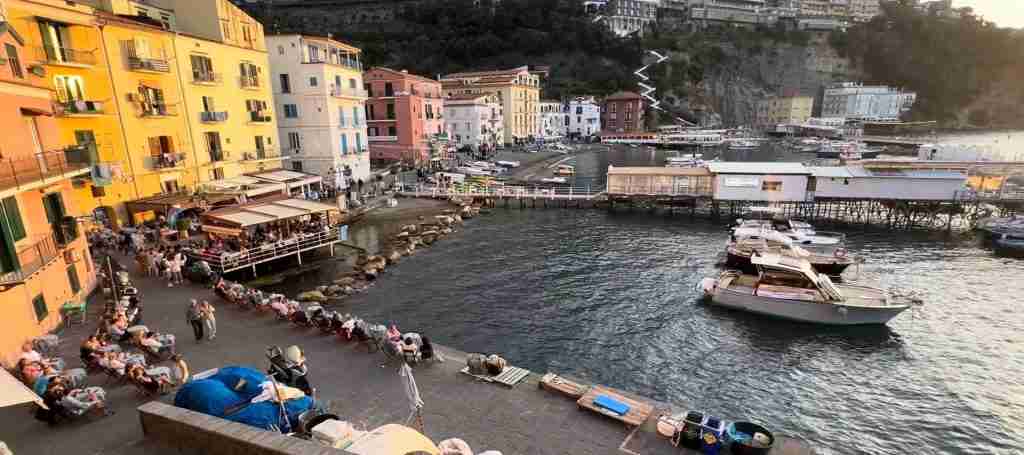
Sorrento anchors the peninsula’s northwestern corner as the largest town with 16,000 residents, occupying a clifftop plateau 50 meters above Marina Piccola port. Its relatively flat historic center, direct train connections to Naples via the Circumvesuviana commuter line, and year-round ferry services to Capri and Naples establish it as the region’s primary tourist hub. The town’s commercial character balances authentic Italian life supporting permanent residents against tourism infrastructure developed over centuries welcoming visitors dating to Grand Tour aristocrats in the 18th and 19th centuries.
The Amalfi Coast section of the peninsula stretches 50 kilometers from Positano in the west to Vietri sul Mare in the east, designated UNESCO World Heritage status in 1997 for representing “an outstanding example of a Mediterranean landscape, with exceptional cultural and natural scenic values.” Thirteen municipalities cling to slopes where elevation changes of 500-900 meters occur within 2-3 kilometers from sea level, creating the vertical villages photographed endlessly in travel media. Positano’s 4,000 residents occupy a natural amphitheater descending 400 meters from highway to beach. Amalfi, the medieval maritime republic controlling Mediterranean trade routes until the 12th century, now hosts 5,000 residents in its valley setting surrounded by peaks. Ravello perches 350 meters above sea level, offering panoramic views rewarding the winding ascent from coastal elevations.
Planning for 2026 requires understanding seasonal patterns profoundly affecting costs, crowds, and service availability. Peak season from late June through August brings maximum pricing for accommodation and restaurants, crowded SITA buses often departing coastal towns at capacity without room for intermediate stops, ferry services operating at full frequency but selling out for popular times, and street congestion in Positano and Amalfi sometimes creating gridlock. Shoulder seasons in April-May and September-October offer optimal conditions with 25-40% accommodation discounts, moderate weather averaging 20-26°C, full ferry operations, and manageable tourist numbers permitting spontaneous restaurant dining and comfortable bus boarding. Winter November through March sees dramatic price reductions of 50-60% for hotels, many restaurants and shops closed, ferry services severely limited or suspended entirely, and cooler temperatures of 12-18°C discouraging beach activities but supporting hiking and cultural exploration.
Transportation planning represents the most critical aspect of Sorrentine Peninsula logistics, as the single coastal road creates bottlenecks during summer months while ferry alternatives operate only April-October. The SS163 Amalfi Drive ranks among Europe’s most spectacular and challenging roads, with 2.5-meter width restrictions in many sections barely accommodating SITA buses passing each other, hairpin turns every few hundred meters, sheer drops from roadside lacking guardrails, and summer traffic frequently creating 30-60 minute delays for 15-kilometer journeys. Private vehicle rental imposes additional challenges including extremely limited parking in all coastal towns, ZTL restricted traffic zones prohibiting tourist vehicle access to historic centers, and nerve-testing navigation requiring constant alertness for oncoming buses, motorcycles, and pedestrians sharing narrow roadway.
This guide structures planning around verified 2026 pricing for transportation, accommodation, dining, and activities, with specific town recommendations, sample itineraries, and budget breakdowns supporting informed decision-making. Readers gain actionable intelligence for selecting optimal base locations, timing visits for best value, navigating transportation options, and budgeting accurately for various travel styles from backpacker through luxury.
Best Time to Visit the Sorrentine Peninsula 2026: Seasonal Planning Analysis
May represents the spring optimal month combining pleasant weather, blooming Mediterranean vegetation, moderate pricing, and full tourism infrastructure activation. Temperatures averaging 20-24°C suit outdoor activities including hiking the Path of the Gods without summer heat stress, while sea temperatures of 18-20°C accommodate hardy swimmers though most visitors prefer beach sunbathing to extended water immersion. Ferry services from Sorrento, Positano, and Amalfi begin mid-April operations, providing scenic coastal transportation alternatives to crowded buses. Accommodation rates during May run 25-35% below July-August peaks, with three-star Sorrento hotels averaging €120-180 nightly compared to €180-280 in high summer. Restaurant availability reaches near-summer levels with most establishments operating full schedules, while tourist numbers remain manageable permitting walk-in dining at quality venues and comfortable bus boarding at intermediate stops.
June transitions toward summer conditions with temperatures rising to 24-28°C and sea warmth increasing to 21-23°C encouraging swimming. Tourist arrivals accelerate through the month, with late June approaching peak season crowds particularly during Italian Republic Day (June 2) long weekend. Accommodation pricing climbs 15-20% above May levels, ferry frequencies increase to maximum summer schedules, and popular hiking trails like the Path of the Gods experience heavier traffic. June offers the season’s longest daylight hours with sunset after 8:30 PM permitting extended evening exploration, though afternoon heat makes midday hiking progressively uncomfortable as the month advances.
July and August constitute peak season bringing maximum temperatures averaging 28-32°C, warm sea temperatures of 24-26°C ideal for swimming, and overwhelming tourist crowds transforming the experience from Mediterranean paradise to mass tourism challenge. Accommodation rates peak 40-60% above shoulder season, with Positano hotels demanding €400-800 nightly for properties costing €250-450 in May. SITA buses operate at or beyond capacity, frequently departing Amalfi already full without space for passengers waiting at intermediate Positano stops, forcing hour-plus waits for subsequent buses. The SS163 coastal road experiences severe congestion with traffic jams extending journeys from Sorrento to Positano from normal 90 minutes to 2-3 hours during midday peaks. Italian domestic tourism concentrates in August, particularly around Ferragosto holiday (August 15) when accommodation availability plummets and advance reservations months ahead prove essential. These months suit visitors prioritizing beach swimming, accepting premium pricing, and comfortable with crowded conditions, while those seeking authentic atmosphere and reasonable costs should avoid July-August entirely.
September delivers optimal conditions balancing favorable weather, reduced crowds, moderate pricing, and continued ferry operations. Temperatures averaging 24-28°C in early September gradually declining to 22-24°C by month-end maintain summer warmth without excessive heat, while sea temperatures of 23-25°C permit comfortable swimming through September. Tourist pressure reduces dramatically after Italian school resumption around September 15, creating stark before-and-after contrast with mid-September offering superior value and atmosphere. Accommodation rates drop 20-30% below August levels, restaurant availability improves significantly with walk-in seating at previously overbooked venues, SITA buses return to manageable capacity allowing boarding at all stops, and coastal road traffic flows smoothly. Ferry services maintain full summer schedules through October, providing reliable scenic transportation. September particularly suits visitors seeking the best overall peninsula experience combining weather quality, cost effectiveness, and crowd avoidance.
October extends the shoulder season with temperatures declining to 18-22°C and sea cooling to 20-22°C, still pleasant for hiking and sightseeing though swimming becomes less attractive. Accommodation pricing continues dropping 10-15% below September, with many hotels offering promotional packages for extended stays. Ferry services begin reducing frequencies in late October, with some routes suspending operations by month-end in preparation for winter closure. Restaurant hours shorten and some establishments begin closing for annual winter vacations. October suits budget-conscious visitors comfortable with cooler weather and willing to verify ferry schedules carefully, as some travelers encounter unexpected service suspensions requiring bus alternatives.
Winter from November through March transforms the peninsula into a predominantly local destination with dramatically reduced tourism, corresponding deep accommodation discounts, but significantly limited services and cool weather. Hotels offering 60-70% discounts versus summer appeal to visitors prioritizing cost savings and quiet atmosphere over full service availability. Many restaurants, shops, and attractions close entirely for winter, ferry services suspend operations except occasional weekend connections from Naples to Sorrento, and temperatures averaging 12-16°C with frequent rain discourage outdoor activities. Winter visits suit travelers seeking off-season tranquility, pursuing cultural exploration rather than beach activities, and comfortable with limited dining and transportation options.
Getting to the Sorrentine Peninsula 2026: Complete Transportation Guide
Naples serves as the primary gateway to the Sorrentine Peninsula, with Naples Capodichino Airport located 50 kilometers from Sorrento and direct transportation connections via train, bus, or private transfer. The Alibus airport shuttle operates to Naples Centrale railway station for €5, requiring 30 minutes under normal traffic conditions with departures every 20-30 minutes throughout the day. From Naples Centrale, the Circumvesuviana commuter train provides direct service to Sorrento, departing every 30 minutes from dedicated platforms below the main station. The journey requires 65-75 minutes with stops at all intermediate stations including Pompeii Scavi (55 minutes from Naples) and Vico Equense before reaching Sorrento terminal. Single tickets cost €4.50 purchased from automated machines or ticket windows, with no advance reservations available or necessary on this local service. The Circumvesuviana operates distinctly separate from Trenitalia’s mainline network, requiring passengers to locate the dedicated underground platforms marked “Circumvesuviana” rather than following standard railway station signage.
Hydrofoil ferry services from Naples Molo Beverello to Sorrento operate year-round with 40-minute crossing times charging €16-18.50 per person in 2026. These passenger-only vessels depart 6-8 times daily during winter months, increasing to 10-15 daily departures April through October. The Naples port location in Piazza Municipio near Castel Nuovo sits walking distance from the historic center and connects via metro to Naples Centrale station. Ferry departure schedules concentrate morning hours with first service around 9 AM, midday departures 11 AM-2 PM, and final evening service 6-7 PM. Advance online booking through operators including Alilauro, NLG, and SNAV secures specific departure times and avoids port ticket window queues, though walk-up purchasing remains viable for midweek low-season travel. Baggage allowances typically limit each passenger to one carry-on bag measuring 50x35x20 cm weighing up to 9 kg, with additional luggage charged €2 supplements.
Rome to Sorrento transportation requires Naples connection, as no direct services exist between the capital and the peninsula. High-speed Frecciarossa and Italo trains from Roma Termini to Naples Centrale operate hourly requiring 70-80 minutes, costing €20-45 depending on advance booking timing and service class. From Naples Centrale, passengers transfer to the Circumvesuviana for the Sorrento leg, with total journey time from Rome approximately 3-3.5 hours including connection time. Budget travelers can substitute regional trains for the Rome-Naples segment, requiring 2.5-3 hours at €12-18 but arriving at the same Naples Centrale station for Circumvesuviana connections.
Private transfers from Naples Airport directly to Sorrento or Amalfi Coast towns provide door-to-door convenience at premium pricing, with costs ranging €120-180 for up to 4 passengers reaching Sorrento in 75-90 minutes depending on traffic. Transfers to Positano or Amalfi require 2-2.5 hours charging €150-220 given the additional distance and challenging coastal road navigation. These services suit travelers with heavy luggage, mobility limitations, or tight schedules justifying the cost premium over public transportation, and multiple booking platforms including Welcome Pickups, Sorrento Car Service, and local operators offer advance reservations.
Salerno on the peninsula’s eastern end provides alternative access particularly for visitors approaching from southern Italy or focusing Amalfi Coast exploration. The city’s main railway station receives Frecciarossa high-speed services from Rome (2 hours 15 minutes, €25-50) and Naples (40 minutes, €8-15), with the adjacent port offering ferry departures to Amalfi, Positano, and Capri during April-October season. SITA bus connections from Salerno station to Amalfi operate year-round requiring 75 minutes for €3.40, providing budget access to the coast with manageable crowding compared to the heavily-trafficked Sorrento-Positano-Amalfi route.
Getting Around the Sorrentine Peninsula 2026: Transportation Options and Costs
SITA buses operated by SITA Sud transport company provide the primary ground transportation along the Sorrentine Peninsula and Amalfi Coast, running the single SS163 coastal road connecting Sorrento through Positano, Praiano, and Amalfi to Salerno. Single-ride tickets (Corsa Singola) cost €1.80-6.80 depending on distance traveled, with Sorrento to Amalfi charged at €6.80 for the 18-kilometer journey requiring 90-120 minutes, Positano to Amalfi at €2.60 for 45-60 minutes, and Amalfi to Ravello at €1.80 for the 20-minute uphill route. Tickets must be purchased before boarding from tobacco shops (tabacchi), newsstands, bars displaying SITA logos, or automated machines at major bus stations, as drivers cannot sell tickets. The UnicoCampania smartphone app permits digital ticket purchases activated immediately before boarding, though connectivity issues in some coastal tunnels sometimes complicate this option.
Unlimited 24-hour passes (COSTIERASITA) priced at €10-12 offer excellent value for travelers making multiple journeys within a single day, covering all SITA Sud routes between Sorrento, all Amalfi Coast municipalities, and Salerno. These passes require validation on first use and display passenger name written on the ticket. Three or more bus journeys in a day make the pass economically advantageous compared to individual tickets, and the unlimited nature permits spontaneous exploration without cost concerns for additional stops. Passes can be purchased at the same locations as single tickets, with the ticket seller writing the passenger’s name at time of purchase.
Bus boarding strategy significantly impacts successful transportation, particularly during summer months when capacity constraints create challenges. Boarding at route origin points (Sorrento for westbound travel, Salerno or Amalfi for eastbound) guarantees seating, while intermediate stops like Positano frequently experience buses passing full without stopping during peak hours 10 AM-6 PM. Early morning departures before 9 AM and evening services after 7 PM typically offer better boarding success at all stops. Luggage storage compartments beneath buses accommodate suitcases when available, though some smaller buses lack this feature requiring passengers to manage bags in aisles or on laps during crowded periods.
Ferry services provide scenic alternatives to SITA buses during April-October operating season, connecting Sorrento, Positano, Amalfi, Maiori, Minori, Salerno, and Capri with multiple daily departures. Operators including Travelmar, NLG, Alicost, and Positano Jet charge €9-25 per journey depending on route length, with Sorrento to Positano costing €15-18 for 30-minute crossings, Positano to Amalfi €12-15 for 40 minutes, and Amalfi to Salerno €15-20 for 70 minutes. Ferries operate more reliable schedules than buses subject to coastal road traffic congestion, provide spectacular views impossible from land-based transport, and typically allow easier boarding without capacity issues affecting buses. However, rough sea conditions particularly spring and fall sometimes cancel services with limited advance notice, and winter suspension November through March eliminates this option entirely for cold-season visitors.
The Circumvesuviana commuter train serves Sorrento with connections to Naples, Pompeii, and Herculaneum but provides no access to Amalfi Coast towns lacking rail infrastructure. Sorrento to Naples trains depart every 30 minutes requiring 65-75 minutes for €4.50, with the Pompeii Scavi stop permitting direct archaeological site access in 30 minutes from Sorrento. The Campania Express represents a premium seasonal alternative operating April-October with fewer stops, air conditioning, luggage racks, and reserved seating for €8-12 compared to the basic Circumvesuviana. Both services experience crowding during summer with pickpocketing incidents reported particularly on Naples routes, warranting vigilant attention to belongings.
Private car rental permits maximum flexibility for exploring secondary destinations and mountain villages beyond bus routes, but imposes significant challenges on the coastal road. Rental costs range €40-80 daily for compact vehicles through international operators at Naples Airport or Sorrento locations, with manual transmission vehicles significantly cheaper than automatics in limited supply. The SS163 coastal road demands constant focus navigating hairpin turns with oncoming tour buses, motorcycles, and pedestrians sharing narrow pavement frequently lacking shoulders or guardrails. Parking availability severely limits the private car advantage, with Positano offering only expensive cliff-carved garages at €30-50 daily, Amalfi restricting vehicle access to historic center, and Ravello’s limited spaces filling early mornings. Visitors renting vehicles for broader Campania exploration including Pompeii and inland destinations find better value than those limiting travel to the coastal towns well-served by buses and ferries.
Organized day tours from Sorrento to Amalfi Coast or Capri provide hassle-free alternatives bundling transportation with guided commentary, typical costs €60-120 per person for full-day excursions. These tours handle all logistics including coastal road driving, town stops, and sometimes lunch, appealing to visitors prioritizing convenience over independent exploration. However, the rigid schedules limit time in each location and often emphasize tourist-oriented shops and restaurants rather than authentic local experiences.
Where to Stay on the Sorrentine Peninsula 2026: Town-by-Town Accommodation Guide
Sorrento functions as the most practical accommodation base offering the broadest lodging inventory from budget hostels to luxury hotels, superior transportation connections, level walking surfaces avoiding constant stair climbing, and year-round service availability. Budget options from €80-150 nightly include family-run B&Bs, basic hotels in residential neighborhoods, and hostel dormitories concentrated near the train station and Piazza Tasso. These properties provide simple rooms with private or shared bathrooms, typically including breakfast, located 5-15 minutes walking from the historic center. Mid-range hotels from €150-280 occupy the sweet spot for most visitors, offering comfortable rooms with air conditioning and balconies, rooftop pools or sun terraces, breakfast buffets featuring local pastries and limoncello tastings, and helpful staff booking day trip tours. Properties in this category cluster around Piazza Tasso providing immediate access to shopping streets, restaurants, and the elevator/stairs descending to Marina Piccola port. Luxury accommodations from €300-600+ occupy clifftop positions with panoramic Gulf of Naples views, featuring elegant rooms with period furnishings, landscaped gardens with pools, fine dining restaurants, spa facilities, and concierge services. Grand Hotel Excelsior Vittoria and Bellevue Syrene represent Sorrento’s premier properties commanding corresponding rates justified by exceptional locations, impeccable service, and refined atmosphere.
Sorrento’s flat historic center spanning Piazza Tasso to the cathedral and Villa Comunale park permits easy walking without the exhausting stair climbing defining Positano and other vertical villages. The town maintains year-round vitality with local residents supporting restaurants, shops, and services regardless of tourist season, contrasting smaller villages heavily dependent on summer visitors with winter closures. Marina Grande fishing village provides alternative accommodation options with several waterfront hotels offering authentic local atmosphere and beach proximity, though the steep 200+ step descent from town center or bus connection requirements reduce convenience for most visitors.
Positano delivers the Sorrentine Peninsula’s most iconic vertical village experience commanding premium pricing reflecting its photogenic beauty and romantic atmosphere. Accommodation costs run 40-60% higher than equivalent Sorrento properties, with budget options starting €120-180 for basic rooms often lacking air conditioning or views, mid-range hotels €250-450 offering comfortable rooms with partial sea views and breakfast included, and luxury properties €500-1,000+ providing spectacular positions cascading down cliffside with infinity pools, Michelin-starred restaurants, and private beach access. All Positano lodging requires navigating countless stairs, with properties categorized by proximity to Spiaggia Grande beach: lower town rooms minimize uphill climbing but maximize stair descent for beach access, mid-level positions balance convenience with moderate stair climbing both directions, while upper town properties near the highway bus stops reduce beach access stairs but impose 200-400 step climbs returning from sea level.
Positano’s pedestrian-only center prohibits vehicle access with limited exceptions for resident permits and loading deliveries, meaning all arrivals carry luggage from bus stops or parking garages through narrow stepped streets to accommodations. The town’s intimate scale and limited dining options concentrate tourists into relatively few restaurants, many commanding premium prices reflecting captive clientele. Spring and fall shoulder seasons offer optimal Positano value with rates 30-40% below summer peaks, though winter sees many hotels and restaurants closing entirely November through March.
Amalfi provides the coast’s central hub position with the broadest restaurant selection, ferry terminal access, and cathedral plaza focal point creating urban energy absent from smaller villages. Accommodation ranges from €100-200 budget hotels in valley positions away from sea views through €200-350 mid-range properties offering comfortable rooms and convenient locations to €400-700+ luxury hotels occupying prime waterfront real estate or converted monasteries with historic ambiance. The town’s valley setting creates less dramatic vertical geography than Positano, though stairs remain unavoidable reaching hotels in elevated positions. Amalfi maintains stronger year-round services compared to smaller villages, with more restaurants remaining open winter months and local residents supporting commerce beyond summer tourism.
Ravello occupies a mountaintop perch 350 meters above sea level, offering incomparable panoramic views rewarding the winding bus ascent from Amalfi. The village attracts visitors prioritizing scenic beauty, cultural sophistication including summer music festivals at Villa Rufolo, and refined atmosphere over beach access. Accommodation from €120-250 mid-range options to €350-600+ luxury properties including Hotel Caruso and Palazzo Avino capitalize on the spectacular setting. The elevation location provides cooler temperatures during summer heat, appeals to visitors uncomfortable with beach crowds preferring cultural exploration and relaxation, but requires bus connections for sea-level activities and beach access.
Praiano, Maiori, Minori, and Cetara represent smaller villages offering 30-50% accommodation savings versus Positano and Ravello while maintaining quality standards. These towns appeal to visitors seeking authentic atmosphere with predominantly local rather than tourist populations, lower restaurant and service costs, and quieter beaches with less crowding. However, limited evening atmosphere, fewer restaurant choices, and positions between major tourist hubs mean less frequent direct ferry service and longer bus journeys to reach other destinations. These locations suit extended stays where daily town-hopping proves unnecessary, or visitors prioritizing budget optimization over central positioning and maximal activity access.
Top Attractions and Activities 2026: Experiencing the Peninsula
The Path of the Gods (Sentiero degli Dei) hiking trail delivers the Sorrentine Peninsula’s most spectacular free experience, traversing mountain ridges 500-600 meters above sea level between Agerola and Positano with panoramic views encompassing the entire coast, Capri island, and the Gulf of Salerno. The standard route begins at Bomerano hamlet in Agerola municipality, accessible via SITA bus from Amalfi requiring 40 minutes, then descends 600 vertical meters over 7.5 kilometers requiring 3-4 hours for the complete trek to Positano. The trail follows ancient mule paths connecting mountain villages to coastal settlements, passing through abandoned terraces reclaimed by Mediterranean macchia, traversing exposed ridgelines with sheer drops, and entering shaded ravines before the final steep descent into Positano’s upper town.
Moderate fitness suffices for the Path of the Gods with steady descending gradient minimizing cardiovascular demands, though proper footwear proves essential on rocky uneven surfaces with loose stones creating ankle-turning hazards. The exposed nature of ridge sections demands sun protection including hat, sunscreen, and adequate water supplies as no facilities exist along the route. Morning starts before 9 AM avoid midday heat and secure optimal lighting for photography, while spring April-May and fall September-October provide most comfortable temperatures compared to summer’s 30°C+ exposure. Winter hiking remains viable during dry weather, though reduced daylight hours and occasional trail closures after heavy rain require planning. The trailhead at Bomerano lacks formal facilities, while Positano arrival deposits hikers at Nocelle hamlet requiring additional 1,500+ steps descending to town center and beach, or bus connection from upper Positano stops.
Capri island represents the peninsula’s premier day-trip destination, accessible via frequent ferries from Sorrento requiring 25-35 minutes at €21.50+ per person each way in 2026. The island’s dramatic Faraglioni rock formations, Blue Grotto sea cave, chairlift to Monte Solaro summit, and upscale Piazzetta social scene create full-day itineraries combining natural beauty with luxury atmosphere. Ferry departures from Sorrento begin 7-8 AM with hourly services through late afternoon, returning until 6-7 PM providing 6-8 hours island time. A landing tax of €5 per person April-October (€2.50 November-March) automatically included in ferry tickets funds island preservation. Upon arrival at Marina Grande port, visitors choose between funicular to Capri town center (€2 each way included in many ferry packages), bus to Anacapri (€2), or boat excursions around the island perimeter to Blue Grotto (€15-18 including grotto admission and rowboat transfer).
Blue Grotto visits require calm sea conditions permitting small rowboat entry through the 1.3-meter-high cave entrance, with frequent cancellations during rough weather particularly spring and fall shoulder seasons. The €15-18 grotto experience includes motorboat transfer from Marina Grande plus rowboat passage into the illuminated cavern lasting 5 minutes, creating cost-per-minute concerns for budget travelers though the ethereal blue light reflecting through underwater entrance creates memorable visual impact. Chairlift rides from Anacapri to Monte Solaro summit (€15 round trip) deliver 360-degree views spanning the Bay of Naples, Sorrento Peninsula, and Amalfi Coast from 589-meter elevation reached in 12-minute open-air journey. The summit features café, walking trails, and scenic overlooks justifying 60-90 minute visits before descending.
Positano beach (Spiaggia Grande) provides the Amalfi Coast’s most accessible swimming and sunbathing venue, stretching 300 meters along the town center waterfront. The beach divides between free public sections at eastern and western ends plus extensive private beach club areas in prime central positions. Beach clubs charge €15-30 per person for lounger and umbrella packages with access to changing facilities, showers, and typically on-site restaurants delivering food and drinks to loungers. Free sections require early morning arrival by 9 AM securing space before crowds, with visitors bringing personal beach equipment or renting standalone items from vendors. The beach’s dark volcanic sand heats intensely during summer requiring water shoes for comfortable crossing, while the dramatic mountain backdrop creates picturesque setting particularly during afternoon when sunlight illuminates cliff faces.
Amalfi Cathedral (Duomo di Sant’Andrea) dominates the town’s central piazza, accessed via dramatic 62-step staircase leading to the Arab-Norman facade. Cathedral admission costs €3 including access to the Cloister of Paradise with its distinctive Moorish arches, crypt housing the relics of Saint Andrew, and museum displaying liturgical treasures. The cathedral opens 9 AM-6:45 PM with midday closure 1-2:30 PM, requiring 45-60 minutes for thorough exploration. The adjacent Piazza del Duomo hosts cafés perfect for people-watching while surveying the cathedral facade and fountain, though tourist-area prices reflect the premium location.
Villa Rufolo and Villa Cimbrone in Ravello provide the peninsula’s finest garden experiences combining historic architecture with spectacular coastal panoramas. Villa Rufolo charges €7 admission for terraced gardens featuring exotic plantings, Moorish cloister, and terraces hosting summer music festivals. Villa Cimbrone demands €8 entry delivering formal gardens leading to the Terrace of Infinity, a balustrade overlook 350 meters above sea providing arguably the coast’s most celebrated view decorated with classical marble busts. Both villas open 9 AM-sunset year-round, requiring 90 minutes each for comprehensive visits. The walk between villas crossing Ravello’s pedestrian center takes 15 minutes, making combined visits efficient for day-trippers from Amalfi.
Pompeii archaeological site lies 30 minutes from Sorrento via Circumvesuviana train to Pompeii Scavi station, offering half-day or full-day excursions from peninsula bases. Site admission costs €18 with tickets valid single entry during standard 9 AM-7 PM hours (reduced winter schedule 9 AM-5 PM). The excavated city covers 66 hectares with major highlights including Forum, amphitheater, House of the Faun, Stabian Baths, and preserved bodies cast in volcanic ash positions, requiring minimum 3-4 hours exploring main sections or full days for comprehensive visits. Audio guide rentals (€9) or hiring licensed guides (€120-150 for 2-hour tours accommodating up to 25 people) enhance understanding of the complex site’s history and significance beyond self-guided wandering.
Dining and Food Costs 2026: Sorrentine Peninsula Cuisine and Budget
Sorrentine Peninsula cuisine emphasizes fresh seafood, locally grown lemons, handmade pasta, and mozzarella from nearby Agerola dairies, creating regional specialties distinct from broader Neapolitan or Southern Italian traditions. Sorrento’s signature limoncello liqueur derives from thick-skinned Sfusato lemons cultivated on terraced groves surrounding the town, while gnocchi alla sorrentina features potato dumplings in tomato sauce with mozzarella baked until melted. Positano’s specialty scialatielli pasta with seafood combines wide ribbon noodles with mixed shellfish in light tomato sauce. Amalfi produces the peninsula’s finest lemons (limoni di Amalfi) holding IGP protected status, starring in both savory dishes and desserts including delizia al limone cake.
Budget dining at pizzerias and casual trattorias ranges €12-18 for Margherita or marinara pizzas, €10-15 for simple pasta dishes including spaghetti with tomato sauce or aglio e olio, and €3-5 for house wine by the glass. These establishments cluster in Sorrento around side streets off Corso Italia and near the train station, in Amalfi along streets radiating from the cathedral piazza, and in most villages offering local-oriented dining beyond tourist menus. Breakfast at bars costs €5-8 for cappuccino and cornetto (Italian croissant), while lunchtime panini filled with mozzarella, tomatoes, and prosciutto run €6-9. A complete budget meal including appetizer, pizza or pasta, wine, and coffee totals €20-30 per person.
Mid-range restaurants featuring regional specialties and seafood charge €14-20 for pasta courses, €20-35 for grilled fish or seafood mains, €5-8 for wine by the glass or €20-40 for bottles of local whites including Falanghina or Fiano di Avellino, and €6-9 for desserts. These dining rooms occupy both tourist-oriented locations along waterfronts and shopping streets plus residential neighborhood spots frequented by locals offering superior value. A complete mid-range dinner including antipasto plate, pasta primo, seafood secondo, contorni side dishes, wine, dessert, and coffee averages €50-80 per person. Positano commands 20-30% premium pricing for equivalent quality compared to Sorrento or Amalfi, with waterfront terraces overlooking Spiaggia Grande charging tourist-area rates often disappointing quality-to-price ratios.
Fine dining establishments primarily in luxury hotels and select independent restaurants command €80-150+ per person for multi-course meals, featuring creative presentations of traditional ingredients, extensive wine cellars, professional service, and refined ambiance. Michelin-starred venues including Don Alfonso 1890 in Sant’Agata sui Due Golfi and Rossellinis in Ravello offer tasting menus €100-180 per person excluding wine, positioning the peninsula as a gastronomic destination beyond simple tourist dining. These experiences require advance reservations particularly summer months, with dress codes typically enforcing smart casual minimum standards.
Aperitivo traditions in many peninsula bars provide excellent value through complimentary buffets accompanying evening drink purchases €8-15. The practice particularly strong in Sorrento and Amalfi sees bars setting elaborate spreads of finger foods, small sandwiches, pasta salads, and cheeses from 6-9 PM, with drink purchases granting unlimited buffet access. Strategic aperitivo timing can replace full restaurant dinners for budget-conscious travelers, though the custom remains dining supplement rather than complete meal replacement for most Italians.
Grocery shopping at supermarkets enables self-catering for travelers with apartment accommodations or assembling picnic lunches for beach and hiking days. Costs include bread €2-3, local mozzarella €4-6 per 250g, prosciutto €3-5 per 100g, fresh tomatoes €2-3 per kilogram, fruit €2-5 per kilogram, and local wine €6-15 per bottle. Sorrento offers several full-service supermarkets including Conad and Deco near Piazza Tasso, while Positano and smaller villages maintain limited groceries with reduced selection and premium pricing. Weekly market days in each town provide superior produce quality and value with local farmers selling directly, though early morning timing required securing best selections before sellout.
Gelato represents essential peninsula experience with quality gelaterie offering artisanal flavors in all major towns, costing €3-5 for small cups or cones. Lemon-based flavors including limoncello gelato, crema di limone, and granita al limone showcase the peninsula’s citrus excellence, while traditional options of pistachio, hazelnut, and stracciatella maintain universal appeal. Beach days typically involve ice cream breaks providing refreshment and cultural authenticity combined.
Sample Daily Budget Breakdown 2026: Complete Cost Analysis
Budget Daily Planning: Budget travelers averaging €180-280 daily combine strategic accommodation selection in Sorrento or smaller villages, SITA bus-exclusive transportation, self-catered breakfasts and lunches, and single daily restaurant dinner with free attractions emphasis. Accommodation in €80-120 Sorrento B&Bs or €60-90 Maiori hotels provides simple rooms with breakfast included. Transportation using €10-12 COSTIERASITA unlimited passes permits full-day coastal exploration via bus. Meals feature supermarket breakfast supplies totaling €5-8, assembled picnic lunches averaging €10-15 from grocery ingredients, and budget restaurant dinners of pizza or pasta at €20-30 including wine. Free activities including Path of the Gods hiking, public beach access, historic center walking tours, and sunset viewpoints from Villa Comunale in Sorrento provide memorable experiences without admission costs. A single paid attraction every 2-3 days using budget options like Amalfi Cathedral (€3) or Villa Rufolo (€7) maintains cultural engagement. Total estimated daily costs: accommodation €100, meals €35-55, transportation €12, attractions €5 amortized, incidentals €10. Daily average: €162-182 per person including accommodation.
Mid-Range Daily Planning: Mid-range visitors spending €350-550 daily select €150-250 Sorrento or Praiano hotels offering pools and sea views, balance SITA buses with occasional ferries for scenic coastal journeys, dine at quality restaurants twice daily, and include regular paid attractions and activities. Morning hotel breakfast buffets with limoncello tastings provide substantial starts, lunch at waterfront trattorias costs €25-40, and dinners at regional specialty restaurants average €50-80 including wine. Transportation combines €10-12 bus passes with 2-3 weekly ferry trips at €15-25 each providing variety and avoiding bus crowding. Daily activities include one admission-charged attraction like Capri chairlift (€15), Pompeii entry (€18), or villa gardens (€7-8), plus occasional boat tours or cooking classes. Total estimated daily costs: accommodation €200, meals €85-130, transportation €20, attractions €15, activities €25. Daily average: €345-390 per person including accommodation.
Luxury Daily Planning: Luxury travelers exceeding €700 daily choose €300-600+ properties in Positano or Ravello featuring infinity pools and Michelin-starred restaurants, hire private boats for coastal exploration, dine at premium establishments for all meals, and maximize exclusive experiences. Professional guides lead private Pompeii tours (€150-200), private boat charters around Capri cost €600-1,200 for full-day excursions accommodating 6-8 passengers, and spa treatments at luxury hotel wellness centers add €120-200 per session. Fine dining emphasizing seafood and local specialties averages €100-150 per person for dinner, while lunch at beachfront venues runs €60-90. Transportation via private drivers eliminates public transport entirely, charging €150-250 daily for at-disposal service. Total estimated daily costs: accommodation €450, meals €180-260, transportation €200, activities and guides €150-300. Daily average: €980-1,210 per person including accommodation.
Three-Day Budget Example: Day 1 arrival via €16 hydrofoil from Naples, Sorrento hotel check-in, evening Piazza Tasso gelato and light dinner €25. Day 2 features full-day Amalfi Coast SITA bus exploration with €12 pass, packed lunch €12, Amalfi Cathedral visit €3, Atrani beach time, dinner in Amalfi €35. Day 3 combines Path of the Gods hiking via morning bus to Agerola, trail descent to Positano, afternoon beach time, €15 ferry return to Sorrento, pizza dinner €20. Three-day costs: accommodation €240 (two nights), meals €107, attractions €3, transportation €55, ferry €31. Total: €436 per person for three days, or €145 daily average.
Weekly Budget Range: Seven-night stays benefit from accommodation weekly discounts often providing 10-15% savings compared to nightly rates, particularly during shoulder seasons when occupancy-hungry hotels welcome extended bookings. Budget weekly totals reach €1,200-1,600 per person including accommodation, all meals with mix of self-catering and budget restaurants, comprehensive bus transportation, selective paid attractions, and one Capri day trip. Mid-range weekly budgets average €2,400-3,200 covering comfortable hotels, regular restaurant meals, combined ferry and bus transport, multiple paid attractions including Pompeii and Capri chairlift, and one activity like cooking class or boat tour. Luxury weekly stays exceed €5,500-7,500 per person for resort properties, fine dining, private transportation and guides, premium activities, and spa treatments.
Money-Saving Strategies for the Sorrentine Peninsula 2026: Maximizing Value
Timing optimization delivers the most significant cost savings, with shoulder season visits in May or September reducing accommodation expenses 25-40% compared to July-August peaks while maintaining favorable weather and full service availability. Specific booking windows targeting the period after Italian Easter through mid-June or post-Italian school resumption in mid-September through October maximize value. Avoiding the Ferragosto period (August 10-20) when Italian domestic tourism peaks eliminates the year’s highest pricing and worst crowding. Weekend visits command 15-25% premiums versus midweek stays Sunday-Thursday, with many properties offering discounted rates for stays including three or more weeknights.
Accommodation location strategy trading prestige addresses for practical alternatives generates substantial savings. Selecting Sorrento rather than Positano as a base reduces accommodation costs 30-40% for equivalent quality, while choosing smaller villages like Maiori, Praiano, or Vico Equense rather than Sorrento saves additional 20-30%. Properties in residential neighborhoods slightly removed from waterfront tourist concentrations often deliver superior quality-to-price ratios compared to premium-location hotels serving primarily day-trippers and short-stay tourists. Extended stays negotiating weekly or biweekly rates directly with hotel management yield 10-20% discounts particularly during shoulder seasons when occupancy concerns motivate flexibility.
Transportation discipline using SITA buses exclusively rather than mixing ferries and buses saves €50-100+ weekly on a multi-day itinerary, as the €10-12 unlimited daily bus pass permits comprehensive exploration at fixed cost while ferry tickets accumulate rapidly at €15-25 per journey. Strategic bus boarding at route origins (Sorrento for westbound, Amalfi or Salerno for eastbound) guarantees seating and avoids standing-room discomfort during crowded midday hours. Off-peak bus timing before 9 AM or after 7 PM provides better boarding success at intermediate stops when morning and evening services operate below capacity.
Dining cost control through meal mix strategies combining self-catered breakfast and lunch with single daily restaurant dinner dramatically reduces food expenses from €80-120 daily restaurant-only budgets to €35-60 hybrid approaches. Supermarket breakfast supplies including bread, yogurt, fruit, and coffee cost €5-8 daily, while assembled picnic lunches from grocery ingredients total €10-15 compared to €25-40 restaurant midday meals. Timing restaurant dinners strategically emphasizing inland village venues rather than tourist-heavy waterfront locations saves 20-35% for equivalent quality. Aperitivo buffets providing substantial evening food with €8-15 drink purchases occasionally substitute for full dinners, though cultural sensitivity suggests avoiding this as nightly strategy appearing to exploit hospitality.
Activity prioritization emphasizing free experiences including the Path of the Gods hiking, public beach access, historic center wandering, and sunset viewpoints creates memorable days without admission charges. Villa gardens in Ravello at €7-8 represent the peninsula’s best paid attraction value delivering world-class views, while Capri chairlift at €15 provides accessible summit access worth the moderate cost. Blue Grotto visits at €15-18 for 5-minute experiences generate cost-per-minute concerns for budget travelers potentially skipping this optional excursion. Pompeii merits its €18 admission for history enthusiasts, though visitors primarily seeking coastal beauty rather than archaeology can reasonably omit this inland detour saving both admission and transportation costs.
Capri day-trip optimization reducing island costs while maintaining quality experiences emphasizes early ferry departures securing full daylight hours, focuses free activities including coastal walking paths and Piazzetta people-watching, and strategically selects one paid attraction (chairlift or boat tour but not both) rather than attempting comprehensive visits accumulating expenses. Pack lunches from Sorrento supermarkets rather than €25-40 Capri restaurant meals, skip the Blue Grotto during questionable weather when cancellation risks waste prepaid tickets, and limit shopping to window-browsing given the island’s notoriously premium pricing for designer goods and tourist souvenirs.
Practical Travel Tips for the Sorrentine Peninsula 2026: Essential Planning Advice
Language considerations acknowledge limited English proficiency outside major hotels and tourist-focused businesses, making basic Italian phrases valuable for restaurant orders, transportation tickets, and local interactions. Key phrases include “buongiorno” (good morning), “grazie” (thank you), “scusi” (excuse me), “quanto costa” (how much), and “il conto per favore” (the check please). Younger service staff in tourist areas typically manage functional English conversation, while older generations in neighborhood restaurants and shops often communicate Italian-only. Google Translate smartphone app with photo translation function helps decipher menus and signs, while offline translation capabilities function without data connectivity in areas with weak signal.
Cash requirements remain significant despite increasing credit card acceptance, with many smaller restaurants, beach clubs, SITA bus ticket vendors, and shops preferring cash or imposing minimum purchases for card transactions. ATMs concentrate in Sorrento, Positano, Amalfi, and larger villages, dispensing maximum €250-500 per transaction with typical €3-5 foreign transaction fees charged by international bank networks. Carrying €100-200 cash covers daily needs for meals, bus tickets, gelato, and beach access while maintaining credit cards for hotel bills and larger restaurant tabs. Notify credit card companies of Italy travel dates preventing fraud holds during peninsula stay.
Mobile connectivity and data roaming through international plans or local Italian SIM cards facilitates navigation, restaurant research, ferry schedule checking, and translation app access. Major Italian operators including TIM, Vodafone, and WindTre sell tourist SIM packages for €15-25 providing 20-50GB data valid 15-30 days, available at tobacco shops, phone stores, and electronics retailers in Sorrento and Naples. Many hotels, restaurants, and cafés offer free Wi-Fi reducing data requirements for travelers limiting connectivity to accommodations and meal venues. The UnicoCampania app for SITA bus tickets requires cellular data for ticket activation, making Wi-Fi-only strategies problematic without advance paper ticket purchases.
Electrical outlets use Italian Type F and L plugs requiring adapters for North American and UK devices, with voltage at 230V demanding appropriate power supplies for electronics. Universal adapters purchased before departure ensure compatibility across all situations, though many modern hotels provide USB charging ports and international outlet options in guest rooms.
Weather and packing essentials emphasize sun protection for extended outdoor exposure on ferries, beaches, and hiking trails, with high-SPF sunscreen, wide-brimmed hats, and sunglasses preventing overexposure during summer months averaging 8-10 hours daily sunshine. Lightweight layers accommodate temperature variations between sea-level coastal areas and mountain elevations like Ravello, where 5-8°C differences occur within short distances. Comfortable walking shoes handle endless stairs and uneven surfaces in vertical villages, with water-resistant footwear valuable for occasional rain particularly spring and fall. Beach visits require swimwear, towels, and water shoes protecting feet on rocky sections and hot volcanic sand. Modest clothing covers shoulders and knees for cathedral visits enforcing dress codes.
Health and safety conditions on the peninsula remain excellent with minimal violent crime, though standard precautions against pickpocketing in crowded ferry terminals, buses, and tourist areas prove sensible. Valuables secured in hotel safes rather than carried to beaches minimize loss risks. Swimming safety requires attention to current and wave conditions, with lifeguard supervision at major beaches during summer but limited oversight on smaller coves. Mountain hiking demands appropriate footwear, sun protection, adequate water supplies, and realistic fitness assessment before attempting trails like the Path of the Gods where rescue assistance proves challenging in remote sections.
Cultural considerations acknowledge traditional Italian meal timing with restaurants often closed 3-6 PM between lunch and dinner service, reopening for dinner no earlier than 7-7:30 PM with peak dining crowds arriving 8:30-9:30 PM. Breakfast in Italian culture emphasizes light pastries and coffee rather than substantial meals, with hotel buffets catering to international expectations but local bars serving only cornetti and cappuccino. Sunday and Italian holidays see many shops closed while restaurants operate normally, and August sees local businesses close for annual vacations particularly weeks surrounding Ferragosto (August 15).
Sorrentine Peninsula Compared to Other Italian Destinations 2026: Selection Considerations
The Sorrentine Peninsula positions itself among Italy’s most expensive destinations, with daily costs exceeding Rome, Florence, Venice, and Bologna while approaching or matching Capri and Portofino pricing. Budget travelers spending €180-280 daily on the peninsula would manage €120-180 in Rome or Florence for equivalent quality, while mid-range visitors averaging €350-550 peninsula costs would achieve superior accommodation and dining in Tuscan hilltowns or Umbrian countryside for €220-320. This premium reflects several factors including limited accommodation inventory concentrating demand in small towns, seasonal business models requiring establishments to earn annual revenue during 6-7 month tourism season, tourist-heavy economies with limited local populations supporting year-round pricing discipline, and dramatic scenery commanding premium positioning.
Logistics complexity distinguishes the peninsula from flatter Italian regions, as the single coastal road creates transportation bottlenecks absent in destinations with comprehensive rail networks or multiple highway access routes. Venice’s vaporetto water buses and Florence’s walkable city center provide easier navigation than SITA buses subject to summer traffic jams, while Rome’s metro system offers efficient alternative to surface transport. This logistical challenge particularly affects summer visitors experiencing crowded buses and road congestion, though shoulder season travel mitigates these concerns significantly.
Beach quality varies across the peninsula with Positano and smaller coves offering authentic Mediterranean swimming experiences superior to Rome’s distant Ostia development or Florence’s landlocked position requiring day trips to reach Tuscan coast. However, the peninsula’s beaches cannot match Sardinian powder-sand perfection or Puglia’s crystal Adriatic waters, positioning it as scenic rather than pure beach destination. The vertical geography creates dramatic backdrops photographically but demands constant stair climbing contrasting typical Italian towns’ level historic centers.
Cultural density comparing archaeological sites, museums, and Renaissance art favors Rome and Florence concentrating world-class collections, with the peninsula offering Pompeii archaeological significance but limited museum depth beyond this singular attraction. Visitors prioritizing Italian art, architecture, and cultural heritage find better value in Rome’s Forum and Colosseum, Florence’s Uffizi and David, or Venice’s Doge’s Palace compared to the peninsula’s primarily scenic and culinary appeal rather than concentrated cultural monuments.
Culinary focus emphasizing seafood, lemons, and coastal specialties attracts food enthusiasts pursuing regional Italian diversity beyond Rome’s cacio e pepe or Florence’s bistecca fiorentina. The peninsula delivers authentic Mediterranean cuisine showcasing fresh ingredients in preparations impossible inland, though Bologna’s pasta culture and Emilia-Romagna’s Parmigiano-Reggiano production offer equivalent gastronomic depth with different regional character. Food-focused travelers find the peninsula essential for comprehensive Italian culinary education, while those prioritizing cultural sightseeing over dining experiences might allocate limited Italy time to Rome-Florence-Venice triangle.
Frequently Asked Questions About the Sorrentine Peninsula 2026
What is the Sorrentine Peninsula famous for?
The Sorrentine Peninsula gained international recognition for the UNESCO World Heritage Amalfi Coast designation (1997) protecting vertical clifftop villages including Positano, Amalfi, and Ravello as outstanding examples of Mediterranean cultural landscape, combined with Sorrento’s traditional limoncello liqueur production, the Path of the Gods hiking trail offering panoramic coastal views, and serving as gateway to Capri island and Pompeii archaeological site. The dramatic geography where mountains plunge into crystalline sea creates Instagram-famous scenery photographed globally, while regional cuisine emphasizing fresh seafood, handmade pasta, and lemon-based specialties attracts culinary tourism.
Can you do the Amalfi Coast without a car in 2026?
SITA buses and seasonal ferries (April-October) provide comprehensive public transportation permitting complete Amalfi Coast exploration without private vehicles, often delivering superior experiences versus driving the notoriously narrow and crowded coastal road. SITA buses connect all towns between Sorrento and Salerno operating year-round with €10-12 unlimited daily passes offering excellent value, while ferries provide scenic alternatives between major destinations at €9-25 per journey. Most visitors find car-free travel preferable given extreme parking limitations in all coastal towns, stressful narrow-road driving conditions, and ZTL restricted zones prohibiting tourist vehicle access to historic centers. Taxis and private transfers provide on-demand alternatives for specific journeys like luggage transport between accommodations or reaching trailheads, though regular use becomes expensive rapidly.
Which is more expensive: Sorrento or Positano in 2026?
Positano commands 40-60% premium pricing across accommodation, dining, and services compared to Sorrento, with budget hotels starting €120-180 versus Sorrento’s €80-150, mid-range properties €250-450 versus €150-280, and similar restaurant meals costing 20-30% more. This differential reflects Positano’s limited accommodation inventory concentrating demand into fewer properties, vertical village drama commanding romantic premium, and predominantly tourist-dependent economy lacking Sorrento’s year-round local population supporting more competitive pricing. A three-night Positano stay with moderate restaurant dining typically costs €500-800 more per couple than equivalent Sorrento experience, though the unique vertical village atmosphere and superior beach quality justify premium for visitors prioritizing setting over value.
How long does the Path of the Gods take in 2026?
The standard Path of the Gods route from Bomerano to Positano requires 3-4 hours for the 7.5-kilometer descent covering 600 vertical meters at moderate hiking pace with photo stops at scenic overlooks. Morning starts before 9 AM complete the hike by early afternoon avoiding peak heat, while additional time accounts for SITA bus access to Bomerano trailhead requiring 40 minutes from Amalfi plus potential wait times at bus stops. The trail’s final section deposits hikers at Nocelle hamlet in Positano’s upper town, requiring either 1,500+ step descent to town center and beach taking 30-45 minutes, or bus connection from upper Positano stops. Total door-to-door time including transportation from Sorrento or Amalfi base reaches 6-7 hours for comprehensive day trip.
Do I need to book ferries in advance for 2026?
Advance ferry bookings prove essential for popular routes and times during July-August peak season when capacity constraints see services selling out, while shoulder season April-June and September-October permits more flexibility with walk-up purchasing viable for midweek departures. Sorrento to Capri services particularly require advance reservations for weekend travel and Italian holidays when day-trippers from Naples and beyond converge on limited departures. Online booking through operators including Alilauro, NLG, and SNAV or aggregator sites like Ferryhopper secures specific departure times and avoids port ticket window queues, typically without advance purchase premiums making early booking risk-free. Winter months November-March with severely reduced services and minimal tourist demand allow spontaneous port purchases without capacity concerns.
What should I pack for the Sorrentine Peninsula in 2026?
Essential items include comfortable walking shoes managing endless stairs in vertical villages, water shoes protecting feet on rocky beaches and hot volcanic sand, swimwear and beach towels for coastal activities, high-SPF sunscreen and wide-brimmed hat providing sun protection during ferry rides and hiking, lightweight layers accommodating temperature differences between sea-level towns and mountain elevations, and modest clothing covering shoulders and knees for cathedral visits. Electrical adapters for Italian Type F/L outlets enable device charging, while reusable water bottles refillable from public fountains reduce costs and plastic waste. Small daypack carries essentials for bus and ferry trips, with waterproof outer layer valuable for occasional spring and fall rain. Beach visits benefit from personal umbrellas and chairs allowing free public beach access without club rental fees.
Can you swim in the sea on the Sorrentine Peninsula in 2026?
Sea swimming proves enjoyable May through October with water temperatures ranging 18-20°C in May warming to 24-26°C in July-August and maintaining 22-24°C through September, while April and November represent transition months with 16-18°C temperatures suitable only for hardy swimmers. Positano’s Spiaggia Grande provides the most accessible swimming venue with gradual sandy entry, while Sorrento’s rocky platforms require ladder access from elevated decks built over water. Smaller beaches throughout the coast including Marina di Praia, Atrani, Maiori, and Minori offer excellent swimming with less crowding than major tourist beaches. Water quality remains generally excellent with EU Blue Flag designations at numerous beaches, though occasional closures occur after heavy rains overwhelming sewage systems in some areas. Morning hours before noon provide calmest conditions, while afternoon winds particularly on western-facing beaches create chop uncomfortable for relaxed swimming.
What is the cheapest way to get around the Amalfi Coast in 2026?
SITA bus unlimited 24-hour passes at €10-12 represent the most economical transportation option permitting comprehensive coastal exploration with multiple daily journeys between all towns from Sorrento to Salerno. A typical day visiting Positano and Amalfi from Sorrento base requires three bus journeys (Sorrento-Positano, Positano-Amalfi, Amalfi-Sorrento) totaling €9-15 in single tickets versus €10-12 for the unlimited pass also covering additional exploration. Walking between adjacent towns suits specific routes including Amalfi to Atrani (10-minute seaside path), though vertical geography makes inter-town walking generally impractical. Strategic timing emphasizing early morning and evening bus services when capacity permits easier boarding at all stops rather than midday peak hours when full buses pass intermediate stops without halting maximizes value and minimizes frustration.
Is Ravello worth visiting in 2026?
Ravello merits inclusion in comprehensive Sorrentine Peninsula itineraries for visitors seeking panoramic views, sophisticated cultural atmosphere including summer music festivals, and refined dining and accommodation away from beach crowds. The 20-minute SITA bus ascent from Amalfi reveals progressively expanding coastal vistas culminating in the Terrace of Infinity at Villa Cimbrone offering arguably the peninsula’s finest panorama. The village’s mountaintop setting provides cooler temperatures during summer heat, appeals to travelers preferring gardens and views over beach activities, and delivers excellent value accommodation compared to beach-level Positano or Amalfi. However, visitors on tight schedules prioritizing beach time, limited budgets seeking to minimize paid attractions, or uncomfortable with winding mountain roads might reasonably skip Ravello focusing resources on coastal towns offering swimming and more varied dining options.
What are the best restaurants on the Sorrentine Peninsula for 2026?
Outstanding dining experiences balancing quality, atmosphere, and reasonable pricing include Ristorante Bagni Delfino in Sorrento offering waterfront setting at Marina Grande with fresh seafood and local specialties at €40-65 per person for complete meals, Da Adolfo beach restaurant in Positano accessible via boat from Spiaggia Grande delivering authentic grilled fish and pasta in casual beachfront setting for €35-55 excluding wine, Trattoria Da Gemma in Amalfi serving traditional regional cuisine including their signature scialatielli pasta with seafood at €45-70 for full dinners, Rossellinis at Palazzo Avino in Ravello providing Michelin-starred fine dining with spectacular terrace views at €100-150 per person for tasting menus, and Don Alfonso 1890 in Sant’Agata sui Due Golfi representing the peninsula’s two-Michelin-star pinnacle with farm-to-table philosophy and exceptional wine cellar at €150-200+ per person. Budget travelers find excellent value at L’Antica Trattoria in Sorrento for €25-40 complete meals and Da Ciccio Cielo Mare Terra in Amalfi offering quality seafood at €30-50 per person.