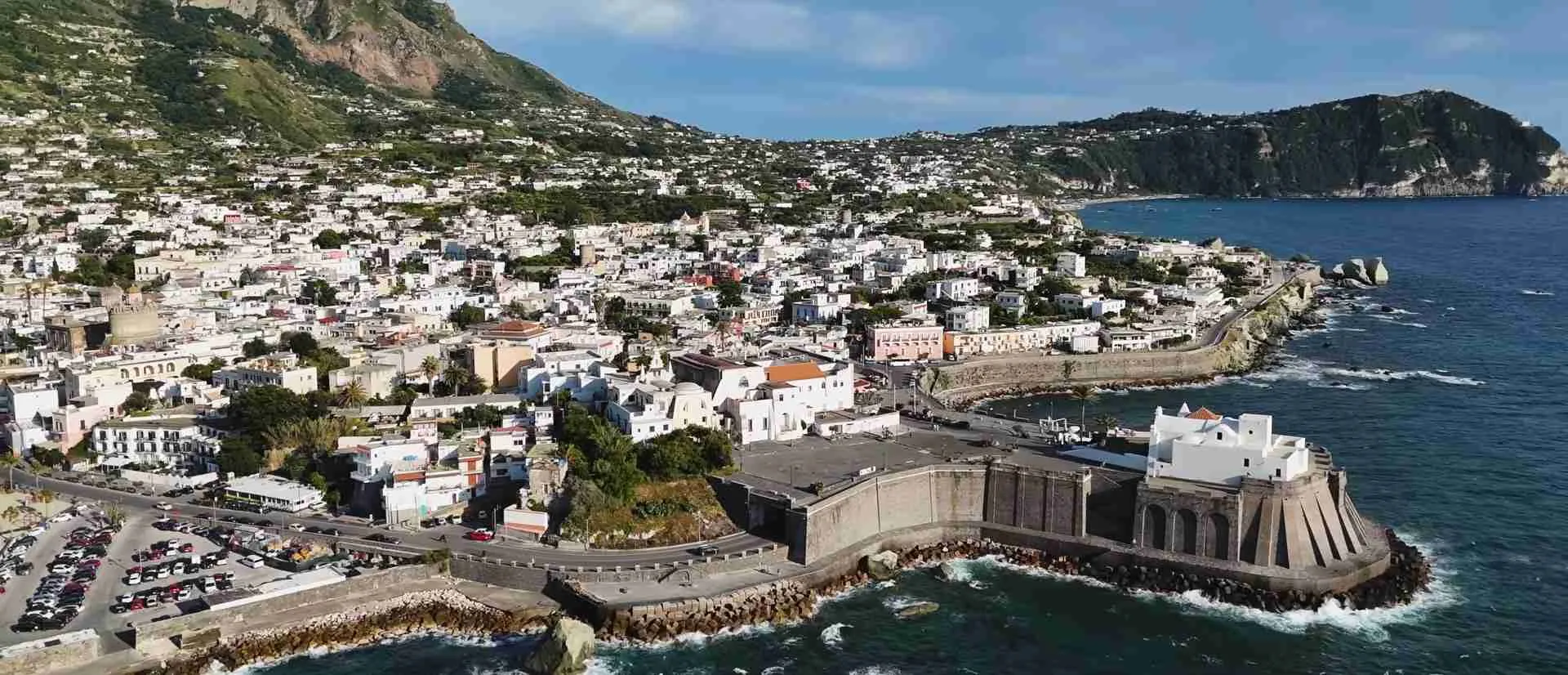
Ischia Travel Guide 2026: Ultimate Planning Resource
Ischia rises from the Bay of Naples as Italy’s volcanic wellness paradise, where thermal springs bubble from ancient rock, medieval castles crown coastal promontories, and lush Mediterranean gardens cascade down slopes toward crystalline beaches. This comprehensive planning guide equips travelers with verified 2026 pricing, transportation logistics, accommodation strategies, and insider tips for experiencing the island’s thermal parks, hiking trails, coastal villages, and culinary traditions without the crowds that overwhelm neighboring Capri.
Key Takeaways About Visiting Ischia in 2026
- Ferry connections from Naples operate year-round with 26-30 daily departures in high season, taking 50 minutes by hydrofoil or 90 minutes by conventional ferry
- Major thermal park admission ranges €22-70 depending on facility and season, with Poseidon Gardens and Negombo offering the most comprehensive spa experiences
- Accommodation spans €50-80 nightly for budget options, €110-240 for mid-range hotels with thermal amenities, and €210+ for luxury resort properties
- The island’s circular bus routes (CS and CD lines) provide affordable transportation around the six municipalities for exploring beaches, villages, and attractions
- April-May and September-October offer optimal conditions combining pleasant weather, lower thermal park prices, and reduced tourist crowds compared to summer peak
- Mount Epomeo hiking, Aragonese Castle exploration, and free natural thermal beaches at Sorgeto Bay complement the paid thermal park experiences
People Also Ask About Ischia Travel 2026
How much does it cost to visit Ischia in 2026?
Daily costs in Ischia range €80-200 per person depending on accommodation and activity choices. Budget travelers spending €50-80 on accommodation, €25-35 on meals, €22-48 on thermal park admission, and €10-15 on local transportation average €110-180 daily. Mid-range visitors selecting €110-180 hotels, dining at €40-60, and adding boat tours or spa treatments reach €180-280 per day. Luxury travelers staying at €210+ properties with premium dining and private experiences exceed €300 daily. Ferry transportation from Naples adds €15-24 each way depending on vessel type.
What is the best way to get to Ischia in 2026?
Hydrofoils departing from Naples Molo Beverello reach Ischia Porto in 50 minutes for €22-24 per person, operating every 30-60 minutes during high season from April through October. Conventional ferries leaving from Naples Calata Porta di Massa take 90 minutes for €15-17, offering more space for luggage and operating in rougher weather conditions when hydrofoils cancel. Both routes provide multiple daily departures year-round, with reduced frequency November through March. Pozzuoli serves as an alternative departure point with shorter crossing times for travelers arriving from northern Naples or Rome.
Which thermal park should I visit in Ischia 2026?
Poseidon Gardens in Forio offers the largest facility with 20+ pools, Kneipp baths, natural sauna grottos, and private beach access overlooking Citara Bay for €41-48 depending on season. Negombo near Lacco Ameno combines 13 thermal pools with botanical gardens featuring contemporary sculpture, volcanic cave waterfalls, and San Montano Bay beach for €70 full-day admission. Tropical Thermal Park in Sant’Angelo provides a more intimate eight-pool experience for €22 with views over Maronti Bay. Visitors seeking free thermal experiences can access Sorgeto Bay’s natural sulfur springs below Panza village or Maronti Beach’s fumaroles where hot sand provides geothermal heating.
How many days do you need in Ischia 2026?
Three to four days allows thorough exploration of Ischia’s thermal parks, coastal villages, hiking trails, and beaches without rushing. A typical itinerary dedicates one day to a major thermal park experience, one day exploring Aragonese Castle and Ischia Porto/Ponte, one day hiking Mount Epomeo or visiting Sant’Angelo and Forio villages, and a fourth day for beach relaxation or boat excursions around the island. Weekend visitors can sample highlights with one thermal park day and one sightseeing day. Week-long stays permit deeper immersion in the island’s six municipalities, multiple thermal park comparisons, and day trips to Procida or the Amalfi Coast.
Extended multi-day tours – 5+ days
Featured Amalfi Coast Multi-Day Tour Packages
4 days
Amalfi Coast Experience – Budget Friendly Small Group Tour
- ✓ Comprehensive Amalfi Coast tour
- ✓ Expert local guides included
- ✓ All accommodation arranged
- ✓ Transportation provided
9 days
Campania Region Highlights, Private Tour
- ✓ Comprehensive Amalfi Coast tour
- ✓ Expert local guides included
- ✓ All accommodation arranged
- ✓ Transportation provided
6 days
Best of Rome, Naples, Pompeii & Sorrento – 6 Days
- ✓ Comprehensive Amalfi Coast tour
- ✓ Expert local guides included
- ✓ All accommodation arranged
- ✓ Transportation provided
7 days
Historic Rome To Sorrento Coastal Bliss
- ✓ Comprehensive Amalfi Coast tour
- ✓ Expert local guides included
- ✓ All accommodation arranged
- ✓ Transportation provided
Multi-day tour packages powered by TourRadar. Prices and availability subject to change.
Introduction: Planning Your Ischia Journey in 2026
Ischia’s transformation from ancient Greek settlement to modern wellness destination spans nearly three millennia, yet the volcanic forces that shaped the island continue feeding its renowned thermal springs with mineral-rich waters reaching 80°C below ground. The largest island in the Bay of Naples covers 46 square kilometers divided among six municipalities, each offering distinct character: Ischia Porto’s ferry hub and shopping district, Ischia Ponte’s castle and fishing village atmosphere, Casamicciola Terme’s spa heritage, Lacco Ameno’s archaeological sites and upscale tourism, Forio’s beaches and Poseidon Gardens, Serrara Fontana’s mountain villages, and Barano’s secluded coastline with Maronti Beach.
Planning for 2026 benefits from understanding seasonal pricing patterns, transportation logistics, and strategic accommodation selection. The island experiences three distinct tourism periods affecting costs and crowds: high season from June through August brings peak pricing, maximum ferry frequencies, and thermal park capacity limits requiring advance reservations; shoulder seasons in April-May and September-October offer optimal value with 20-30% lower accommodation rates, reduced thermal park admission, pleasant 20-26°C temperatures, and manageable visitor numbers; low season November through March sees significant price reductions but limited thermal park operations, fewer ferry departures, and cooler weather averaging 12-16°C.
This guide structures planning around verified 2026 pricing for transportation, accommodation, dining, and activities, providing specific cost ranges rather than approximations. Readers gain practical strategies for navigating the island’s bus network, selecting among competing thermal facilities, timing visits for optimal weather and value, and budgeting accurately for various travel styles. Whether seeking romantic thermal spa retreats, active hiking adventures, family beach vacations, or culinary explorations of Ischian rabbit recipes and local wines, the following sections deliver actionable intelligence for maximizing both experience quality and budget efficiency during your 2026 Ischia visit.
Best Time to Visit Ischia 2026: Seasonal Planning and Weather Analysis
Ischia’s Mediterranean climate produces distinct seasonal experiences affecting both trip quality and budget considerations. Spring from April through May brings average temperatures of 18-24°C with moderate rainfall, blooming Mediterranean vegetation, and thermal park opening dates typically mid-April. This shoulder season offers excellent value with accommodation rates 25-35% below summer peaks, thermal park admission at reduced spring pricing, and manageable crowds permitting spontaneous restaurant dining and beach access without advance reservations. Sea temperatures ranging 16-19°C suit hardy swimmers while discouraging casual beach-goers, leaving coastal areas pleasantly uncrowded.
Summer from June through August delivers peak Mediterranean conditions with temperatures averaging 26-30°C, minimal rainfall, and sea temperatures reaching 24-26°C ideal for extended swimming sessions. This high season corresponds with maximum ferry frequencies, full thermal park operations, and vibrant evening atmosphere in coastal villages, but brings corresponding challenges including accommodation rates 40-60% above shoulder season, thermal park admission at premium pricing, crowded beaches requiring early arrival for optimal positioning, and restaurant reservations essential for quality establishments. July and especially August experience intense tourism pressure from Italian domestic vacationers during Ferragosto holidays mid-August.
Autumn September through October represents optimal conditions balancing favorable weather, reduced crowds, and moderate pricing. Temperatures averaging 22-26°C in September declining to 18-22°C in October remain comfortable for all outdoor activities, while sea temperatures of 22-24°C in September and 20-22°C in October extend swimming season through mid-October. Thermal parks maintain full operations through October with shoulder-season pricing, accommodation rates drop 20-30% below summer peaks, ferry frequencies gradually reduce but remain ample for flexible scheduling, and restaurant availability improves significantly after Italian school resumption in mid-September. This period particularly suits visitors prioritizing wellness experiences, hiking Mount Epomeo in comfortable temperatures, and exploring the island’s cultural attractions without heat stress or excessive crowds.
Winter November through March transforms Ischia into a primarily local destination with dramatically reduced tourism infrastructure but corresponding deep discounts. Temperatures averaging 12-16°C require layered clothing for outdoor activities, while sea temperatures of 14-16°C discourage swimming except for dedicated cold-water enthusiasts. Most thermal parks close for the season, though several hotel thermal facilities remain operational for guests and day visitors. Ferry frequencies reduce to basic service levels with occasional weather cancellations during rough seas, and many restaurants close or operate reduced schedules. Accommodation rates plummet 60-70% below summer peaks for visitors willing to accept limited services, making winter viable for budget-conscious travelers seeking quiet coastal walks, cultural explorations, and off-season thermal experiences in operating facilities.
Getting to Ischia 2026: Complete Ferry Transportation Guide
Naples serves as the primary departure point for Ischia ferry connections, with services operating from two distinct port locations serving different vessel types. Hydrofoils and high-speed catamarans depart from Molo Beverello in central Naples near Castel Nuovo, offering 50-minute crossings to Ischia Porto for €22-24 per person in 2026. These fast vessels operated by Alilauro, SNAV, and Caremar hydrofoil services provide approximately 10-15 daily departures during high season April through October, reducing to 4-6 daily departures November through March. Hydrofoils carry foot passengers only with baggage restrictions typically limiting luggage to one piece of hand baggage measuring 50x35x20 cm weighing up to 9 kg, charging €2 supplements for additional or oversized bags.
Conventional ferries depart from Naples Calata Porta di Massa, located within the same port complex but at a separate pier approximately 500 meters from the hydrofoil terminal. These larger vessels operated primarily by Caremar and Medmar require 90 minutes for Ischia Porto crossings, charging €15-17 per person with more generous baggage allowances permitting 20 kg luggage per passenger. Ferry services provide 4-8 daily departures depending on season, operating in rougher sea conditions that frequently cancel hydrofoil services during winter storms. Vehicle transport availability exists on select ferry departures, though restrictions prohibit Campania region residents from bringing cars and motorcycles to Ischia from April through October due to traffic management regulations addressing excessive summer vehicle congestion.
Reaching Naples port from Naples Capodichino Airport involves either the Alibus shuttle service costing €5 with 30-minute journey times under normal traffic conditions, or fixed-rate taxis charging approximately €21 for the 15-kilometer transfer. From Naples Centrale railway station, the port lies 10 minutes by taxi or 15-20 minutes via public transportation to Municipio metro stop. Travelers should arrive at the port 60 minutes before departure during summer months to account for ticket purchase, security procedures, and boarding, with 30-minute advance arrival typically sufficient during low season.
Alternative departure points include Pozzuoli offering shorter crossing times of 40-60 minutes to Ischia Porto and Casamicciola, though with fewer daily departures typically 3-5 services operated by Medmar and Caremar. Seasonal connections operate from Sorrento, Positano, and Amalfi on the Amalfi Coast during April through October, providing direct access for travelers combining Ischia with Amalfi Coast itineraries but commanding premium pricing of €28-30 per person for 2-hour crossings. Capri maintains year-round connections via Ischia facilitating island-hopping itineraries.
Booking strategies for 2026 emphasize advance online reservations for weekend travel and Italian holiday periods including Easter, Ferragosto mid-August, and major Italian bridges combining national holidays with strategic vacation days. Online booking through Ferryhopper, Direct Ferries, or individual company websites secures specific departure times and avoids port ticket window queues, though walk-up purchasing remains viable for midweek low-season travel. Children under 2 travel free, while ages 2-12 receive discounted fares typically 30-50% below adult rates. Pet transport requires advance notification during booking, with small animals carried in appropriate carriers and large dogs requiring muzzles and leashes.
Getting Around Ischia 2026: Island Transportation Strategies
Ischia’s public bus network operated by EAV provides comprehensive service connecting all six municipalities via two circular routes and several cross-island lines. The CS line (Circolare Sinistra) circles the island counterclockwise while the CD line (Circolare Destra) travels clockwise, both completing full circuits in approximately 90 minutes with stops at all major towns, beaches, thermal parks, and tourist attractions. Single-ride tickets cost €2 purchased from tobacco shops, newsstands, or bars displaying the blue EAV sign, with 90-minute validity permitting one transfer. Day passes at €5 provide unlimited rides within 24 hours, offering excellent value for visitors planning multiple stops around the island.
Buses operate approximately every 30-40 minutes during high season April through October, extending to hourly or longer intervals during winter months. Key stops include Ischia Porto ferry terminal serving as the central hub, Casamicciola for Castiglione Thermal Park access, Lacco Ameno for Negombo thermal park and San Montano Beach, Forio for Poseidon Gardens and Citara Bay, Sant’Angelo village requiring a short walk from the nearest bus stop as vehicles cannot access the car-free zone, and various beaches including Maronti, Spiaggia dei Pescatori, and Spiaggia di Citara. Printed timetables available at tobacco shops and the Ischia Porto tourist information office help plan connections, though schedules adjust seasonally requiring verification for current timings.
Taxis provide convenient point-to-point transportation at fixed rates established by municipal regulations. Sample fares for 2026 include Ischia Porto to Negombo approximately €25, Ischia Porto to Forio €30-35, and Ischia Porto to Sant’Angelo €35-40. Taxis line up at ferry terminals, major hotels, and central piazzas in each municipality, though telephone booking proves necessary in quieter areas or evening hours. Ride-sharing services do not operate on Ischia, maintaining traditional taxi monopoly.
Scooter and car rentals offer independence for exploring remote beaches and mountain villages beyond efficient bus service. Scooter rentals average €35-45 daily for 50cc models requiring standard automobile licenses, or €50-60 daily for 125cc motorcycles requiring motorcycle endorsements. Car rentals range €60-80 daily for compact models during high season, dropping to €40-50 daily in shoulder periods. Parking availability varies significantly, with Ischia Porto and Forio offering paid lots while Sant’Angelo prohibits vehicle access entirely. Narrow mountain roads climbing to Serrara Fontana and descent to Sorgeto Bay demand cautious driving, while coastal routes between municipalities handle moderate traffic during summer months but flow smoothly spring and fall.
Water taxis operate between certain coastal points including Sant’Angelo to its nearest road-accessible point, and seasonal boat services connect beaches and coves around the island perimeter during summer months. These provide scenic transportation alternatives while accessing swimming spots unreachable by road, typically charging €5-10 per person for short transfers.
Where to Stay in Ischia 2026: Complete Accommodation Guide
Accommodation on Ischia ranges from budget guesthouses to luxury thermal resort complexes, with strategic location selection significantly impacting both convenience and experience quality. Budget options from €50-80 per night include basic hotels, B&Bs, and apartments concentrated in Ischia Porto and Casamicciola, offering proximity to ferry terminals, shopping, and public transportation hubs without direct beach or thermal amenities. These properties suit independent travelers prioritizing affordable bases for daily excursions around the island, typically providing simple rooms with private bathrooms, Wi-Fi, and breakfast but lacking pools, spa facilities, or sea views.
Mid-range hotels from €110-240 nightly represent optimal value for most visitors, combining convenient locations with thermal pool facilities, restaurant dining, and comfortable amenities. Three-star properties throughout the island typically include outdoor thermal pools fed by natural springs, breakfast service featuring local pastries and Ischian specialties, air-conditioned rooms with balconies, and helpful staff providing local recommendations and tour booking assistance. Properties in Lacco Ameno and Forio command premium rates within this category due to proximity to major thermal parks and prime beaches, while Barano and Serrara Fontana locations offer tranquil hillside settings with panoramic views at the lower end of mid-range pricing. This accommodation tier allows thermal bathing at your hotel in the morning or evening while dedicating daytime hours to exploring thermal parks, beaches, and villages around the island.
Luxury accommodations from €210-450+ nightly concentrate in prime coastal locations offering comprehensive spa facilities, private beach access, gourmet restaurants, and attentive service. Five-star resort properties in Ischia Porto, Lacco Ameno, and Forio feature extensive thermal wellness centers with multiple indoor and outdoor pools at varying temperatures, professional spa treatments including thermal mud therapy and massages, à la carte and buffet dining showcasing Ischian cuisine, sea-view rooms with premium furnishings, and concierge services arranging boat tours, private transfers, and restaurant reservations. Several converted historic properties including former monasteries and aristocratic villas provide distinctive architectural character combined with modern luxury amenities.
Neighborhood selection influences both atmosphere and access to island attractions. Ischia Porto offers maximum convenience with ferry terminal proximity, abundant restaurants and shopping, evening atmosphere with bars and gelaterias, and central positioning for bus connections island-wide, but lacks quiet residential character and commands premium pricing for hotel rooms. Ischia Ponte provides charming fishing village atmosphere with Aragonese Castle views, excellent seafood restaurants, and morning fish market authentic local color, while maintaining walking distance to Ischia Porto’s services. Lacco Ameno attracts upscale tourism with proximity to Negombo thermal park, San Montano Bay beach, and sophisticated dining, offering quieter ambiance than Ischia Porto with correspondingly higher accommodation costs. Forio presents the island’s largest municipality with extensive hotel options near Poseidon Gardens and Citara Beach, combining convenience with beachfront locations and sunset views over the western coast. Sant’Angelo delivers the most exclusive atmosphere with pedestrian-only village charm, luxury boutique hotels, and pristine beaches, though distance from the ferry terminal and premium pricing suit visitors prioritizing retreat seclusion over convenience. Barano and Serrara Fontana provide tranquil hillside and mountain locations with panoramic views, lower pricing, and proximity to hiking trails and Maronti Beach, appealing to active travelers and those seeking authentic residential neighborhoods away from tourist concentrations.
Booking strategies for 2026 emphasize early reservations for high-season July-August travel, particularly for properties with superior thermal facilities and prime beach locations. Spring and fall shoulder seasons permit more flexible booking timelines with good availability 2-4 weeks in advance, while winter months offer substantial last-minute discounts for visitors accepting reduced services and cooler weather. Package deals combining accommodation with thermal park admission or ferry transfers occasionally provide savings, particularly through Italian tour operators catering to domestic thermal spa tourism.
Top Attractions and Thermal Parks 2026: Admission Fees and Planning
Poseidon Gardens represents Ischia’s largest and most comprehensive thermal park facility, occupying prime coastline at Citara Bay in Forio with direct private beach access. The complex features 20+ thermal pools ranging from refreshing 15°C sea water to therapeutic 40°C thermal pools, each fed by different spring sources providing varied mineral compositions. Facilities include natural sauna grottos carved into volcanic rock, Kneipp therapy pools alternating hot and cold water for circulatory benefits, Japanese-style pebble walking paths, cascading thermal waterfalls, and spacious sunbathing areas with complimentary loungers and umbrellas. The on-site wellness center offers professional massage treatments, thermal mud therapy, and beauty services requiring advance reservations and additional fees beyond admission.
Admission pricing for Poseidon Gardens in 2026 follows seasonal tiers: €41 per person during low season in April, May, and October; €43 during high season June, July, and September; and €48 during peak August. These rates include full-day access from 9 AM to 7 PM, beach access, sunbed and umbrella, changing facilities, and showers. Half-day afternoon admission starting after 3:30 PM costs approximately 30% less than full-day rates. Children under 1 meter tall enter free, while reduced rates apply for children 1-1.4 meters. On-site dining includes a casual restaurant serving lunch, snack bars, and a formal dining room for more elaborate meals, with typical lunch costs of €15-25 per person. Lockers require €20 refundable deposits, while towel and bathrobe rentals cost additional €5-8. Parking at the facility costs €5 daily.
Negombo thermal park in Lacco Ameno combines thermal bathing with botanical garden beauty, featuring 13 pools of varying temperatures integrated into lush Mediterranean landscaping with contemporary sculpture installations by artists including Arnaldo Pomodoro. The facility occupies San Montano Bay providing both thermal pools and natural beach access, with volcanic cave grottos featuring hot waterfalls and the Black Hole grotto offering dramatic thermal plunge pools. The garden setting creates intimate spaces throughout the multi-level property, with upper pools providing panoramic bay views and lower areas nestled among tropical plants and artistic elements.
Negombo admission for 2026 is expected at €70-75 per person for full-day access based on 2025 rates of €70, representing gradual annual increases. Half-day afternoon entry starting after 3:30 PM costs €40. Children under 1 meter enter free, with reduced rates for heights 1-1.4 meters. Admission includes sunbed and umbrella subject to availability, access to all pools and facilities, changing rooms, and showers. Locker deposits of €20 are refundable upon key return, while towel and bathrobe rentals total approximately €15. The on-site restaurant La Casa Colonica serves traditional Neapolitan cuisine with mains averaging €18-28. Parking costs €5 daily in shaded lots near the entrance. The facility opens mid-April and closes mid-October, typically operating 9 AM to 7 PM.
Tropical Thermal Park in Sant’Angelo provides a more intimate eight-pool experience overlooking Maronti Bay, offering thermal waters, natural sauna access, and private beach with traditional fishing boat charm. This smaller facility attracts visitors seeking quieter atmosphere compared to the larger parks, with admission at €22 full day, €18 for 1-6 PM entry, and €14 for 3-6 PM entry. The budget-friendly pricing suits travelers allocating resources toward other experiences while still enjoying quality thermal bathing. Swimming caps are mandatory at Tropical Park, requiring visitors to bring their own or purchase on-site.
Free thermal experiences exist around the island for budget-conscious visitors willing to forgo the amenities and convenience of formal thermal parks. Sorgeto Bay below Panza village features natural hot springs bubbling directly into the sea, creating warm bathing pools accessible via steep stairway descent or boat from Sant’Angelo. The site operates 24/7 without admission fees, though lack of facilities means visitors must bring towels, drinking water, and snacks while exercising caution on slippery rocks. Best visited during low tide when pools form distinct bathing areas, Sorgeto attracts both tourists and locals particularly during evening hours. Maronti Beach offers natural fumaroles heating the sand to bathable temperatures, with beachside establishments renting loungers allowing extended sessions of geothermal heat therapy for standard beach chair fees of €10-15 daily.
Aragonese Castle perched on its rocky islet connected to Ischia Ponte via 15th-century stone causeway represents the island’s premier historical attraction. The medieval fortress complex occupies the entire islet rising 113 meters above sea level, housing castle ruins, the Cathedral of the Assumption dating to 1301, underground prison chambers, botanical gardens, and exhibition spaces. Admission costs €10 adults, €6 children ages 10-14, and free under 10. The site opens 9 AM to sunset year-round, requiring 2-3 hours for thorough exploration including the climb to upper levels rewarding visitors with panoramic views across the Bay of Naples to Vesuvius, Procida, and Capri. On-site café serves drinks and light snacks. The property operates independently from major thermal parks, making it suitable for non-thermal-park days or evening visits after thermal bathing.
Mount Epomeo at 789 meters represents Ischia’s highest point, offering hiking trails through chestnut forests and Mediterranean macchia to summit panoramas encompassing the entire island, Bay of Naples, and Amalfi Coast. The standard hiking route begins in Fontana village accessible via bus from Ischia Porto, requiring approximately 90 minutes uphill walking on mixed trail and stone pathway surfaces. The summit features a chapel carved into volcanic rock and a restaurant serving traditional Ischian specialties. This free activity requires only appropriate footwear, sun protection, and water supplies, rewarding moderate fitness levels with spectacular vistas and authentic island landscapes away from coastal tourism concentrations.
Dining and Food Costs 2026: Ischian Cuisine and Budget Strategies
Ischian cuisine emphasizes fresh seafood, locally grown vegetables, rabbit preparations, and volcanic-soil wines distinctive to the island’s DOC designation. Typical meal costs vary significantly by restaurant category and location. Budget dining at pizzerias and casual trattorias averages €10-15 for pizza margherita or pasta dishes, €3-5 for house wine by the glass, and €2-3 for espresso. These establishments concentrated in Ischia Porto, Forio, and around ferry terminals provide filling meals without elaborate preparations, often featuring family-run operations with multi-generational recipes. A complete budget lunch or dinner including appetizer, pasta or pizza, wine, and coffee totals €18-25 per person.
Mid-range restaurants serving regional specialties and seafood charge €12-18 for pasta courses, €18-28 for grilled fish or coniglio all’ischitana (rabbit in tomato sauce with wild herbs), €4-6 for wine by the glass or €18-30 for bottles of local Biancolella or Per’e Palummo wines, and €4-6 for desserts including torta caprese or delizia al limone. These establishments clustered around Sant’Angelo, Lacco Ameno waterfront, and Ischia Ponte fishing village offer terrace dining with sea views, attentive service, and careful preparation showcasing island ingredients. A complete mid-range dinner including antipasto, primo, secondo, contorni (side vegetables), wine, dessert, and coffee averages €40-60 per person.
Fine dining venues commanding €70-100+ per person concentrate in luxury hotel restaurants and select independent establishments, featuring creative interpretations of traditional recipes, extensive wine cellars, formal service, and refined presentations. Multi-course tasting menus range €60-90 excluding wine, with premium seafood selections like local lobster or grilled turbot commanding supplements. These restaurants require advance reservations particularly during summer months.
Breakfast options depend on accommodation type, with hotels typically providing complimentary buffets featuring cornetti (Italian croissants), pastries, yogurt, fresh fruit, cheese, salumi, and coffee. Independent breakfast at local bars costs €5-8 for cornetto and cappuccino, with savory options like tramezzini sandwiches adding €3-5. Lunch strategies emphasizing pizza al taglio (by the slice) at €3-4 per portion, panini at €5-7, or beachside snack bars charging €8-12 for simple pasta plates minimize midday dining expenses while maximizing beach or thermal park time.
Grocery shopping at local supermarkets provides budget alternatives for breakfast supplies, picnic lunches, and snacks, with typical costs including bread €2-3, local cheese €6-8 per 200g, prosciutto €3-4 per 100g, fresh fruit €2-4 per kilogram, and local wines €6-12 per bottle. Markets in Ischia Porto, Forio, and Lacco Ameno offer superior produce selection compared to smaller village shops.
Specialty food experiences include agriturismo farm restaurants in Serrara Fontana and Barano serving multi-course meals of farm-grown vegetables, house-raised rabbit, and estate wines for €25-35 per person. Fish markets in Ischia Ponte operate mornings with exceptional fresh catches available for purchase, while local wine producers in Forio and Serrara Fontana offer tastings typically €10-20 per person with purchases encouraged but not mandatory.
Beaches and Coastal Experiences 2026: Access and Facilities
Ischia’s 34-kilometer coastline encompasses sandy beaches, volcanic rock formations, hidden coves, and thermal spring-heated shores distributed around the island’s perimeter. Beach access divides between free public sections and stabilimenti balneari (beach clubs) offering lounger rentals, umbrellas, changing facilities, and often restaurant service. Understanding this dual system optimizes both experience quality and budget allocation.
Citara Beach in Forio spans 300 meters of golden sand adjacent to Poseidon Gardens thermal park, offering both free public access at the beach extremities and organized beach club sections with amenities. Beach club packages including two loungers, umbrella, and access to changing rooms and showers cost €20-30 daily depending on season and row proximity to waterline. The beach benefits from western exposure providing spectacular sunset views and thermal springs creating warm bathing zones in certain areas. Public sections at beach ends permit free access with visitors bringing their own beach equipment, though space fills quickly during summer requiring morning arrival for optimal positioning.
San Montano Bay near Lacco Ameno curves gently with calm shallow waters ideal for families with children, bordered by Negombo thermal park occupying one section. Public beach access exists at the bay’s northern end, while the Negombo section requires thermal park admission. Beach clubs charge €15-25 for lounger and umbrella packages. The protected bay position minimizes wave action and afternoon winds common on western and southern exposures.
Maronti Beach stretching 3 kilometers along Barano’s southern coast represents Ischia’s longest beach, featuring dark volcanic sand and fumarole zones where geothermal heat warms both sand and shallow waters. Multiple beach club operations along the expansive shoreline charge €12-20 for equipment rental, with several offering restaurant service delivering food and drinks to loungers. Water taxi service from Sant’Angelo provides scenic access avoiding the steep road descent, operating during summer months for €5-8 per person. Free public sections exist throughout the beach’s length, with the fumarole area near the eastern end attracting visitors seeking natural thermal sand therapy without equipment rental costs.
Spiaggia dei Pescatori in Ischia Ponte presents a small fishing village beach with Aragonese Castle backdrop, combining swimming access with authentic local atmosphere including beached fishing boats and morning catch landings. Beach club facilities charge €10-15 for loungers, while free public access permits swimming and sunbathing with personal equipment. The beach’s central Ischia Ponte location makes it convenient for visitors staying in that neighborhood or combining beach time with castle visits.
Cava dell’Isola beach near Forio features dramatic cliff backdrops and crystal-clear waters in a compact cove setting, accessible via steep stairway descent. Limited space concentrates visitors into beach club sections charging €15-20 for equipment, with minimal free public space. The secluded setting and striking scenery justify the access effort for visitors seeking Instagram-worthy coastal beauty.
Sant’Angelo’s two beaches flank the isthmus connecting the fishing village to its promontory, with Spiaggia dei Maronti accessible via beach path or water taxi, and Cava Grado beach offering intimate swimming in the village center. The pedestrian-only village creates special beach atmosphere without road traffic or parking stress, though higher overall costs in Sant’Angelo extend to beach club rates averaging €20-30 for premium positioning.
Beach clubs typically operate April through October with expanded service during June-August peak season. Amenities beyond basic lounger rental often include beach bar or restaurant service, hot showers, Wi-Fi access, and storage lockers. Premium clubs in Sant’Angelo and select Citara locations add VIP services including waiter table service, reserved parking, and private cabanas for €80-150 daily. Budget beach strategies emphasize free public sections, morning arrival securing optimal space before crowds, and bringing own umbrellas, towels, and coolers with drinks and snacks purchased from supermarkets rather than beach bars charging premium prices.
Day Trips and Excursions from Ischia 2026: Island Exploration Options
Boat excursions circumnavigating Ischia reveal coastal perspectives impossible from land, showcasing dramatic cliffs, hidden grottoes, secluded swimming coves, and natural rock formations. Standard group tours departing from Ischia Porto or Sant’Angelo operate late-morning to late-afternoon, typically including 3-5 swimming stops, onboard aperitifs, and sometimes lunch. Pricing ranges €50-80 per person for full-day excursions with meals, or €35-50 for half-day tours without food. Routes typically visit Green Grotto with its emerald water reflections, English Beach accessible only by boat, hot spring swimming spots where thermal waters mix with sea creating warm bathing zones, and coastal viewpoints showcasing Aragonese Castle, Sant’Angelo promontory, and Mount Epomeo profiles.
Private boat charters provide customized itineraries for €400-800 for groups up to 8-12 passengers depending on vessel type, duration, and included services. These permit flexible scheduling, preferred swimming location selection, and privacy for special occasions or families seeking personalized experiences. Speedboats enable rapid transit to distant island sections, while traditional gozzo wooden boats offer authentic Mediterranean atmosphere with slower cruising speeds.
Procida island lies 15 minutes by ferry from Ischia, offering day-trip opportunities to explore the smaller island’s pastel-painted fishing villages, tranquil beaches, and authentic local culture predating mass tourism. Return ferry tickets cost €5-8 depending on operator and vessel type, with multiple daily departures permitting flexible scheduling. Procida’s compact size allows thorough exploration on foot or via bicycle rental, with highlights including Marina Corricella’s colorful waterfront, Chiaiolella beach, and Terra Murata citadel views. Budget visitors can complete satisfying Procida day trips for €15-25 total including ferry, street food lunch, and gelato, while mid-range spending adding restaurant lunch and beach club access totals €40-60 per person.
Capri represents the premium day-trip option accessible via seasonal ferry services April through October, requiring approximately 60-90 minutes crossing time for €28-35 each way. The upscale island rewards visitors with dramatic landscapes including Faraglioni rock formations, Blue Grotto access weather permitting, luxury shopping on Via Camerelle, and chairlift rides to Monte Solaro summit. Budget-conscious planning emphasizes free activities including coastal walking paths and town exploration while minimizing high-cost restaurant meals and boat excursions, with total day costs reaching €80-120 per person including ferry, modest lunch, and Blue Grotto visit. Luxury day trips adding fine dining, private boat tours, and shopping easily exceed €200-300 per person.
Amalfi Coast destinations including Positano, Amalfi, and Ravello connect via seasonal ferries April through October, with services operating several times weekly to Positano and Amalfi. These excursions require full-day commitments with limited return schedule flexibility, but showcase UNESCO World Heritage coastal scenery and cliffside village charm distinct from Ischia’s volcanic character. Ferry costs of €28-30 each way plus Amalfi Coast dining and activity expenses total €100-150+ for complete day trips.
Naples offers urban cultural contrast for visitors seeking museums, archaeological sites, pizza pilgrimages, and city atmosphere. Frequent ferry connections throughout the day permit flexible scheduling, with hydrofoil fares of €22-24 each way. Naples highlights accessible within day-trip timeframes include National Archaeological Museum housing Pompeii artifacts, Spaccanapoli historic center, Castel Nuovo, and pizzeria Starita or L’Antica Pizzeria da Michele. Budget day trips minimizing museums and emphasizing street food exploration total €60-80, while comprehensive visits adding museum admissions and sit-down dining reach €100-140 per person.
Vesuvius and Pompeii excursions require early morning departures maximizing daylight hours for both sites, combining ferry to Naples, Circumvesuviana train to Ercolano or Pompeii, and local transportation to volcano access. These intensive day trips work best for energetic visitors comfortable with complex logistics and extensive walking, totaling €80-120 per person including all transportation, site admissions, and meals.
Sample Daily Budget Breakdown 2026: Complete Cost Analysis
Budget Daily Planning: Budget travelers spending €80-120 daily combine strategic accommodation selection with self-catering meals, free attractions, and public transportation. Accommodation in basic €50-65 hotels or B&Bs in Ischia Porto or Casamicciola provides simple rooms with breakfast. Transportation using €5 day passes for unlimited bus travel permits complete island exploration. Meals emphasize supermarket purchases for picnic lunches averaging €8-12 assembled from bread, cheese, fruit, and drinks, with budget restaurant dinners of pizza or pasta at €18-25 including wine. Free attractions include Mount Epomeo hiking, public beach access, Ischia Ponte village exploration, and sunset viewing. One thermal park visit every 2-3 days using Tropical Park’s €22 admission or afternoon-entry discounts at major parks (€18-40) maintains thermal experience while controlling costs. Total estimated daily costs: accommodation €60, meals €30-40, thermal park €11 (amortized), transport €5, incidentals €10. Daily average: €116-126 per person excluding accommodation, or €176-191 including accommodation.
Mid-Range Daily Planning: Mid-range visitors averaging €180-280 daily select €110-180 hotels with thermal pools, restaurant breakfast, and convenient locations. Morning thermal bathing at hotel pools followed by day trips around the island using bus transport or occasional taxis provides varied experiences. Lunch at beachside trattorias costs €15-25, while dinners at quality restaurants featuring local specialties average €40-60 including wine. Major thermal park admission every other day using Poseidon Gardens (€41-48) or Negombo (€70-75) alternates with beach days and island exploration. Beach club lounger rental (€20-30) provides comfort for seaside relaxation days. Occasional boat tours or private experiences add variety. Total estimated daily costs: accommodation €145, meals €65-85, thermal park €35 (amortized), beach club €15 (amortized), transport €15, activities €20. Daily average: €295-315 per person including accommodation.
Luxury Daily Planning: Luxury travelers exceeding €350 daily choose €210-450+ resort hotels offering comprehensive spa facilities, gourmet restaurants, private beach access, and premium service. Professional spa treatments including massage and mud therapy add €80-120 per session. Fine dining at hotel restaurants or select independent establishments averages €70-100 per person for dinner, with premium wine selections supplementing meal costs. Private boat tours, exclusive experiences, and luxury beach club VIP sections enhance the island experience beyond mass-tourism offerings. Total estimated daily costs: accommodation €330, meals €100-140, spa treatments €40 (amortized), transport €30 (taxis/private), activities €60-100. Daily average: €560-640 per person including accommodation.
Three-Day Budget Example: Day 1 arrival includes €22 hydrofoil from Naples, hotel check-in, evening walk through Ischia Porto, pizza dinner €20. Day 2 features all-day Poseidon Gardens admission €43, packed lunch €10, bus transport €5. Day 3 combines Aragonese Castle visit €10, Maronti Beach with public access and packed lunch €12, seafood dinner in Ischia Ponte €45, bus transport €5. Three-day costs: accommodation €180 (three nights at €60 average), meals €87, attractions €53, transport €37, ferry €22. Total: €379 per person for three days, or €126 daily average.
Weekly Budget Range: Seven-night stays benefit from accommodation weekly rates often discounting 10-15% compared to nightly booking, particularly during shoulder seasons. Budget weekly totals reach €1,100-1,300 per person including accommodation, meals, two major thermal park visits, ferry transfers, and comprehensive island exploration. Mid-range weekly budgets average €1,900-2,300 covering superior hotels, daily dining flexibility, multiple thermal park experiences, and boat tours. Luxury weekly stays exceed €3,500-4,500 per person for resort accommodation, fine dining, private excursions, and spa treatments.
Money-Saving Strategies for Ischia 2026: Maximizing Value
Timing optimization represents the most impactful cost control strategy, with shoulder season visits in April-May or September-October reducing accommodation expenses 20-35% compared to summer peaks while maintaining pleasant weather and full thermal park operations. Avoiding July-August peak and especially Ferragosto mid-August prevents premium pricing across all sectors. Midweek stays from Sunday through Thursday secure better hotel rates than Friday-Saturday bookings, with many properties offering 5-7 night packages discounting nightly rates further.
Accommodation selection prioritizing properties with included thermal pools permits morning or evening thermal bathing without paying major park admission, effectively providing €40-70 daily value. Booking directly with hotels via phone or email sometimes yields better rates than third-party platforms due to avoided commission costs, while loyalty program memberships with booking sites accumulate points toward future stays. Alternative accommodation in Barano or Serrara Fontana rather than premium Lacco Ameno or Sant’Angelo locations saves 30-40% on comparable quality.
Ferry transportation using conventional ferries rather than hydrofoils saves €7-8 each way while requiring only 40 additional minutes, a worthwhile tradeoff for budget-conscious travelers without time constraints. Midweek ferry travel and booking 1-2 weeks advance occasionally identifies promotional fares particularly during low season.
Thermal park strategies emphasizing afternoon-entry tickets priced 30-40% below full-day admission suit visitors content with 3-4 hours thermal bathing rather than all-day sessions. Alternating major park days with free thermal experiences at Sorgeto Bay or Maronti Beach fumaroles maintains thermal therapy benefits while controlling costs. Visiting one comprehensive park like Poseidon Gardens thoroughly rather than sampling multiple facilities maximizes experience quality while minimizing cumulative admission expenses. Some hotels offer thermal park discount coupons saving €5-10 per person on admission.
Dining cost control through strategic meal planning significantly impacts daily budgets. Breakfast at local bars for €5-8 rather than hotel breakfasts saves €10-15 daily at properties charging breakfast supplements. Lunch emphasis on pizza al taglio, panini, or supermarket picnics maintains €8-15 midday costs compared to €20-35 restaurant lunches. Aperitivo traditions in many Ischia bars offering complimentary buffets with evening drink purchase provide substantial food for €8-12 beverage costs, potentially replacing traditional dinners. House wine by the carafe rather than bottled selections saves €10-20 per meal, while morning market shopping for local cheeses, salumi, and bread creates quality picnic components at supermarket fractions of restaurant prices.
Beach strategies using free public access sections eliminates daily €20-30 beach club charges, requiring only early arrival securing optimal space and personal equipment including umbrellas and beach chairs brought from home or purchased inexpensively at Ischia Porto shops. Morning beach arrival before 9 AM guarantees space selection, while 3-4 PM arrival often finds departing visitors vacating premium positions.
Transportation discipline using unlimited bus day passes at €5 rather than taxis charging €25-40 for equivalent journeys multiplies savings across multi-day stays. Scooter rentals at €35-45 daily become cost-effective for groups of two sharing vehicle costs compared to individual bus tickets or separate taxis, while providing scheduling flexibility and access to remote beaches requiring transport.
Activity selection prioritizing free experiences including Mount Epomeo hiking, coastal village wandering, and public beach access creates memorable days without admission costs. Sunset viewing from Forio’s San Francesco church terrace or Spiaggia di Citara, morning fish market visits in Ischia Ponte, and Via Vittoria Colonna shopping deliver authentic island experiences without expense.
Practical Travel Tips for Ischia 2026: Essential Planning Advice
Language considerations recognize limited English proficiency outside major hotels and tourist-focused businesses, making basic Italian phrases valuable for restaurant orders, bus ticket purchases, and local interactions. Google Translate’s camera function helps decipher menus and signs, while offline translation apps function without data connectivity. Many Ischians speak Neapolitan dialect among themselves but switch to standard Italian for tourists, with older generations in mountain villages sometimes knowing only dialect requiring patience and gestures for communication.
Cash requirements remain significant despite increasing credit card acceptance, with many smaller restaurants, beach clubs, taxi services, and shops preferring cash or accepting cards only above minimum purchases. ATMs concentrate in Ischia Porto, Forio, and Lacco Ameno, dispensing maximum €250-500 per transaction with typical €3-5 foreign transaction fees charged by international bank cards. Carrying €100-200 cash covers daily needs for meals, beach club fees, and incidental purchases while maintaining credit cards for hotel bills and larger restaurant tabs.
Mobile connectivity and data access through international roaming plans or local SIM card purchases facilitates navigation, restaurant research, and ferry schedule checking. Italian operators including TIM, Vodafone, and WindTre sell tourist SIM packages for €10-20 providing 20-50GB data valid 15-30 days, available at tobacco shops and phone stores in Ischia Porto. Free Wi-Fi availability at most hotels, many restaurants and bars, and some public piazzas reduces data requirements for travelers limiting connectivity to accommodations and meal venues.
Electrical outlets use Italian Type F and Type L plugs requiring adapters for North American and UK devices, with voltage at 230V demanding appropriate power supplies for electronics. Many modern hotels provide USB charging ports and international outlet options, though bringing universal adapters ensures compatibility across all situations.
Health and safety considerations emphasize sun protection for extended thermal park and beach exposure, with high-SPF sunscreen, wide-brimmed hats, and afternoon shade breaks preventing overexposure. Thermal water bathing guidelines recommend limiting sessions to 15-20 minutes particularly in hottest pools above 38°C, with cool-down breaks preventing overheating and dehydration. Adequate water consumption throughout the day counters thermal dehydration, with bottled water readily available from shops and bars. Public healthcare access for EU citizens operates through European Health Insurance Card (EHIC), while others require travel insurance covering potential medical needs. Pharmacies in each municipality provide minor medical supplies and over-the-counter medications, with pharmacists offering basic health advice for common tourist ailments.
Safety conditions on Ischia remain excellent with minimal violent crime, though standard precautions against pickpocketing in crowded ferry terminals and tourist areas prove sensible. Valuables secured in hotel safes rather than carried to beaches minimize loss risks. Swimming safety requires attention to currents and wave conditions, with red flag warnings prohibiting water entry during rough seas. Mountain hiking demands appropriate footwear and route planning, with afternoon summer heat making morning departures advisable for Mount Epomeo ascents.
Environmental responsibility practices increasingly emphasized by island authorities include plastic reduction through reusable water bottles fillable from public fountains, proper litter disposal in designated bins, and respectful behavior at natural thermal sites like Sorgeto Bay where visitor impacts accumulate. Several beaches implement smoking bans during summer months, enforced through fines for violations.
Cultural considerations acknowledge traditional Italian dining schedules with restaurants often closed 3-6 PM between lunch and dinner service, opening for dinner no earlier than 7-7:30 PM with peak crowds arriving 8:30-9:30 PM. Beach club and thermal park facilities attract Italian families with children particularly during August, creating lively atmosphere with corresponding noise levels. Sunday and Italian holidays concentrate local visitors around beaches and restaurants while reducing some shop and service availability. Photography etiquette respects private beach club guests who may object to appearing in wide-angle shots, while thermal park regulations sometimes prohibit photography in changing areas.
Ischia Compared to Other Bay of Naples Islands 2026: Destination Selection
Ischia distinguishes itself among Bay of Naples islands through unique thermal spring concentrations, larger size permitting diverse landscapes and activities, and more accessible pricing compared to luxury-oriented Capri. The island’s 46 square kilometers dwarf Capri’s 10 square kilometers and Procida’s 4 square kilometers, creating varied ecosystems ranging from volcanic Mount Epomeo forests through agricultural terraces to coastal beaches. This geographic diversity supports longer stays exploring different environments without repetitive experiences.
Thermal wellness focus represents Ischia’s primary differentiator, with multiple thermal parks, countless hotels featuring thermal pools, and natural thermal beaches creating comprehensive spa destination character absent from Capri and Procida. Visitors prioritizing relaxation, wellness treatments, and therapeutic bathing find superior infrastructure on Ischia compared to alternatives. Daily costs for thermal park admission and treatments add expenses absent from pure beach or cultural destinations, though corresponding accommodation often includes thermal facilities providing value through included amenities.
Pricing structures generally position Ischia mid-range between budget-friendly Procida and expensive Capri. Accommodation averages 30-40% below equivalent Capri hotels while running 40-60% above Procida rates, with meal costs similarly intermediary. Ferry access from Naples costs comparably across all three islands, though Ischia’s size sometimes necessitates additional transportation costs for reaching remote island sections. Overall vacation budgets for Ischia typically exceed Procida by 50-70% while undershooting Capri equivalents by 30-50%.
Atmosphere and tourism character vary significantly, with Capri’s luxury shopping, celebrity associations, and premium positioning attracting upscale international visitors and day-trippers overwhelming the small island during summer middays. Procida maintains authentic fishing village character with minimal tourism development and primarily Italian domestic visitors. Ischia balances these extremes, offering sophisticated thermal tourism infrastructure without Capri’s luxury excess or Procida’s limited amenities. The island sustains year-round local population creating authentic neighborhoods distinct from tourist zones, while thermal parks and beach resorts cater specifically to vacation visitors.
Beach quality and access differ across islands, with Ischia’s volcanic sand beaches and thermal-heated shores contrasting Capri’s limited rocky swimming platforms and Procida’s compact sandy beaches. Ischia provides greatest beach variety and easiest access via multiple municipalities offering direct beachfront options, while Capri requires boat access for optimal swimming spots and Procida’s beaches crowd quickly given limited space. Thermal benefits specific to Ischia’s beaches add wellness dimension absent from other islands.
Activity diversity advantages Ischia through mountain hiking opportunities on Mount Epomeo, extensive thermal facilities, archaeological sites, and coastal exploration combining to support week-long itineraries. Capri’s compact size permits complete exploration in 2-3 days focused on chairlift rides, Blue Grotto visits, and coastal walks, while Procida’s minimal attractions suit single-day visits or quiet beach weekends without extensive sightseeing demands. Families with children benefit from Ischia’s beach variety, thermal parks offering unique experiences, and accommodation options providing thermal pools and family-friendly atmospheres.
Frequently Asked Questions About Visiting Ischia 2026
What is Ischia most famous for?
Ischia’s international reputation centers on natural thermal springs feeding therapeutic spa facilities, extensive thermal park complexes, and wellness tourism dating to ancient Roman periods. The island’s volcanic origin creates mineral-rich waters reaching surface temperatures of 40°C in numerous locations, utilized in modern thermal parks like Poseidon Gardens and Negombo as well as natural bathing sites including Sorgeto Bay. Beyond thermal tourism, Ischia’s reputation includes Aragonese Castle representing medieval island fortifications, distinctive volcanic-soil wines, and Mount Epomeo hiking offering panoramic Bay of Naples vistas.
Do I need to speak Italian to visit Ischia in 2026?
Basic English communication functions in major hotels, thermal parks, and tourist-oriented restaurants, though Italian language skills enhance interactions and access local establishments preferred by residents. Staff at ferry terminals, larger thermal facilities, and mid-range to luxury accommodations typically manage fundamental English conversation covering reservations, directions, and service needs. Smaller family restaurants, beach clubs, and shops outside main tourist zones often operate with Italian-only communication, making translation apps valuable tools. Learning essential Italian phrases including greetings, numbers for pricing, and food vocabulary improves experiences and demonstrates cultural respect appreciated by local residents.
Can I visit Ischia as a day trip from Naples in 2026?
Day trips from Naples to Ischia function logistically but severely limit island exploration and thermal park experiences warranting longer stays. Optimal day-trip itineraries involve morning hydrofoil departure by 9 AM, focused activities through afternoon including either abbreviated thermal park visit or Aragonese Castle tour plus beach time, and return ferry by 6-7 PM. This schedule permits single main activity plus brief lunch and shopping but prevents comprehensive island exploration, multiple site visits, or relaxed thermal bathing sessions extending several hours. Most visitors find 2-3 night minimum stays appropriate for experiencing Ischia’s primary attractions without constant rushing.
What should I pack for an Ischia trip in 2026?
Essential items include comfortable walking shoes for village exploration and hiking, water shoes protecting feet on rocky beach sections, swimwear and beach towels for thermal parks and beaches, reef-safe sunscreen respecting marine environment, sun hat and sunglasses for extended outdoor exposure, light layers accommodating temperature variations between sea level and mountain areas, and modest clothing for visiting churches and formal restaurants. Thermal park visits require swimwear and optionally robe and slippers for comfort between pools. April-May and September-October shoulder seasons demand light jacket or sweater for cooler evenings. Summer months need minimal clothing beyond beach and evening wear. Bringing personal beach umbrellas and chairs permits free beach access without equipment rental fees. Electronic adapters for Italian outlets and reusable water bottles for fountain refills reduce costs and environmental impact.
Are thermal parks suitable for children in 2026?
Major thermal parks welcome families with children, providing dedicated play areas, shallow pools, and beach access alongside adult-oriented thermal therapy facilities. Poseidon Gardens features several pools suitable for children including cooler-temperature options and Olympic-size swimming pool, while Negombo’s San Montano beach access offers calm shallow waters ideal for young swimmers. Children under specific height thresholds typically enter free or at reduced rates. Supervision requirements, appropriate bathing duration limits in hot pools, and sun protection remain parental responsibilities. Some pools restrict access based on temperature considerations for young children. Family-friendly hotels with thermal pool facilities often provide better value than repeated thermal park admissions for families planning extended stays.
What is the water temperature in Ischia’s thermal pools in 2026?
Thermal park pools range from ambient seawater temperature around 15-18°C through hot therapeutic pools reaching 38-40°C, with facilities offering 15-20 pools at varying temperatures permitting visitors to select comfortable bathing conditions. Individual preferences, outside air temperature, and therapeutic goals influence optimal pool selection. Medical guidance recommends limiting time in hottest pools above 38°C to 15-20 minutes followed by cooling periods, while moderate 32-36°C pools permit extended sessions. Facilities provide temperature markings at each pool allowing informed selection. Beach swimming in the Bay of Naples averages 16-19°C in May, 23-26°C in July-August, 22-24°C in September, and 20-22°C in October.
Can I bring my car to Ischia in 2026?
Vehicle transport to Ischia operates via conventional ferry services from Naples Calata Porta di Massa and Pozzuoli, though restrictions prohibit Campania region residents from bringing cars April through October due to traffic management regulations during peak tourism. Non-resident visitors can embark vehicles year-round with advance ferry reservations required and supplemental fees beyond passenger tickets. Island road conditions including narrow streets in villages, limited parking availability particularly in Sant’Angelo and historic centers, and efficient public bus network make personal vehicles unnecessary for most visitors. Rental cars available on Ischia at €60-80 daily provide local mobility for visitors requiring transportation without importing vehicles from mainland. Scooter rentals at €35-45 daily offer maneuverable alternatives for couples exploring beyond bus routes.
What are the best restaurants in Ischia for 2026?
Outstanding dining experiences emphasizing traditional Ischian cuisine and fresh seafood include Ristorante Da Ciccio in Ischia Ponte specializing in seafood preparations with Aragonese Castle views, average mains €22-32; Ristorante Il Focolare in Sant’Angelo offering elegant presentations of local specialties including coniglio all’ischitana, mains €25-38; Da Peppina di Renato in Sant’Angelo featuring garden terrace dining and wood-fired pizzas alongside seafood, mains €18-28; Ristorante Alberto in Sant’Angelo with harborfront positioning and traditional recipes, mains €20-32; and Trattoria Il Fortino in Forio combining beach proximity with authentic local cuisine, mains €16-26. Advance reservations prove essential for summer dining at premier establishments particularly July-August. Local wine pairings featuring Ischia DOC Biancolella whites and Per’e Palummo reds enhance dining experiences while supporting island viticulture.
Is Ischia more expensive than Capri in 2026?
Ischia operates at significantly lower price points than Capri across accommodation, dining, and activities despite both islands’ tourism orientation. Equivalent-quality hotel rooms run 30-50% less expensive on Ischia, with mid-range options averaging €110-240 nightly compared to Capri’s €180-350 range. Restaurant meals cost 25-40% less with similar quality and setting, while activities including boat tours and excursions charge comparable or slightly reduced rates. Thermal park admission represents Ischia-specific expense absent from Capri, adding €20-70 daily for visitors prioritizing spa experiences. Overall vacation budgets for week-long Ischia stays typically total 35-45% below equivalent Capri itineraries while delivering comparable comfort levels and experience quality through different activity focuses.
What is the best month to visit Ischia in 2026?
September and May represent optimal months balancing favorable weather, moderate pricing, manageable crowds, and full facility operations. September combines summer warmth averaging 22-26°C with reduced tourist pressure after Italian school resumption, thermal parks operating full schedules with shoulder-season pricing, accommodation rates 20-30% below August peaks, and sea temperatures of 22-24°C permitting comfortable swimming through month-end. May offers spring beauty with blooming Mediterranean vegetation, temperatures of 20-24°C ideal for hiking and sightseeing without summer heat, thermal park openings mid-month providing access with low-season pricing, and accommodation availability permitting spontaneous booking. Both months avoid July-August crowds overwhelming beaches and restaurants while escaping winter closure periods limiting services. Visitors prioritizing budget optimization favor May’s lower costs, while those emphasizing beach swimming prefer September’s warmer waters.