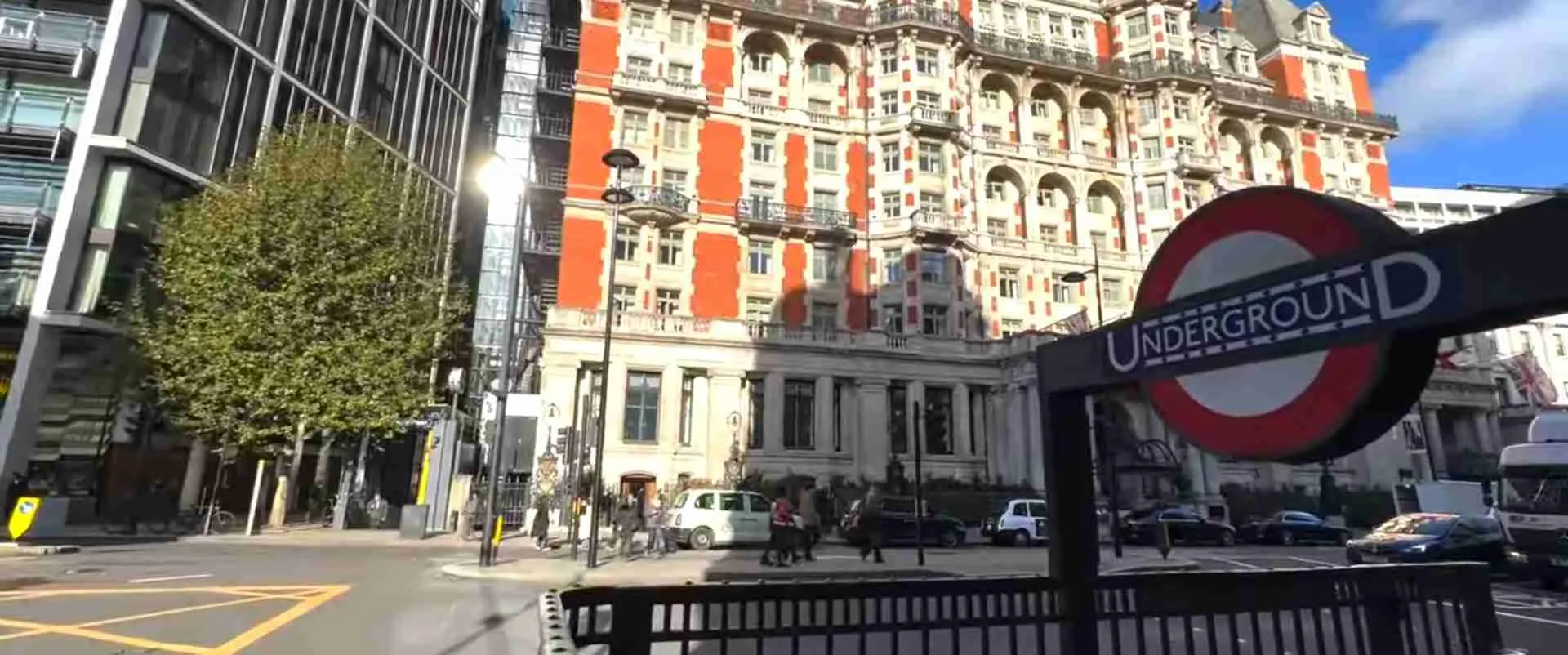
Solo Travel London 2026: Safety Tips & Best Experiences
Key Takeaways
- London ranks among the safest major cities for solo travelers with excellent public transportation, 24-hour activity options, and welcoming solo-friendly culture at museums, restaurants, and entertainment venues
- Strategic accommodation in zones 1-2 (central areas including Bloomsbury, South Kensington, Victoria, King’s Cross) provides walkable access to attractions with extensive transport connections and late-night safety
- Solo-specific activities maximize independent travel benefits: museum self-pacing without group compromises, flexible dining from food markets to Michelin-starred counters, last-minute theatre tickets from £10-25
- Budget planning for 2026 solo travel: hostels £25-45/night, budget hotels £80-140/night, daily food £25-50, transport £6-15, creating total daily costs £60-120 depending on accommodation choices
- Safety strategies emphasize awareness without paranoia: trust London’s extensive CCTV network and visible police presence, use official transport only, avoid deserted areas late night, share itinerary with contacts
Introduction: Why London Excels for Solo Travelers in 2026
London presents ideal conditions for solo travel combining cosmopolitan diversity, comprehensive public infrastructure, and cultural acceptance of independent dining and entertainment. The city’s size paradoxically enhances solo experiences – anonymity allows exploring without self-consciousness while extensive tourist infrastructure means solo travelers never truly travel alone but move through crowds of fellow explorers. In 2026, London continues evolving its solo-friendly offerings with increased hostel social programming, restaurant counter seating, and experience-sharing platforms connecting independent travelers.
Safety considerations top solo travel concerns, yet London delivers reassurance through visible security presence, extensive CCTV coverage (over 600,000 cameras citywide), 24-hour public transport options, and generally respectful street culture. Violent crime remains substantially lower than major American cities, while petty theft requires standard urban vigilance without extreme measures. Female solo travelers, older independent explorers, and first-time solo adventurers all find London accessible with appropriate awareness replacing anxiety.
The practical advantages of solo London travel extend beyond safety into flexibility and authenticity. Solo travelers pace museum visits to personal interests without group compromise, secure last-minute theatre tickets and restaurant reservations unavailable to larger parties, pivot itineraries based on weather and mood, engage more readily with locals and fellow travelers, and explore niche interests from obscure bookshops to specialist museums. This guide transforms solo travel from compromise necessitated by circumstances into deliberate choice maximizing London’s unique offerings.
People Also Ask About Solo Travel London 2026
Is London safe for solo travelers in 2026?
Yes, London ranks among Europe’s safest major cities for solo travelers with low violent crime rates, extensive CCTV coverage, visible police presence in tourist areas, and 24-hour public transportation creating consistent activity and witness populations. Standard urban awareness suffices: avoid deserted areas late night, use official transport only, keep valuables secure in crowded areas, maintain awareness of surroundings. Female solo travelers report generally positive experiences with respectful street culture though standard precautions apply after dark in less-trafficked neighborhoods. The city’s diversity means solo travelers blend naturally without standing out as obvious targets.
How much does solo travel to London cost in 2026?
Solo travel to London costs £60-120 per day depending on accommodation and dining choices in 2026. Budget breakdown: hostel accommodation £25-45/night (private room £80-140), food £25-50 daily (market lunches £10-15, budget dinners £15-25), transport £6-15 (Zone 1-2 daily cap), attractions £15-30 (many major museums free). Check accommodation platforms and Transport for London for current official rates as pricing may vary. A week-long trip totals £420-840 for budget-conscious travelers, £700-1,400 for mid-range comfort, excluding flights. Solo travelers face “single supplements” at hotels but save on transport and dining flexibility.
What are the best neighborhoods for solo travelers in London 2026?
The best solo-friendly London neighborhoods for 2026 include Bloomsbury (central, literary atmosphere, walking distance to British Museum and theaters, abundant cafes with solo diners), South Kensington (museum district, safe streets, upscale dining with counter seating, excellent transport), King’s Cross (regenerated area, modern hostels, European train connections, St. Pancras International hub), Victoria (central location, budget accommodation options, walkable to Westminster and Buckingham Palace), and Shoreditch (creative neighborhood, social hostels, independent restaurants, younger traveler scene). All provide Zone 1-2 transport access, late-night activity maintaining street presence, and solo-friendly dining and entertainment options.
Can you eat alone in London restaurants comfortably?
London restaurants welcome solo diners with counter seating, bar areas, and tables for one becoming standard at establishments from casual to fine dining. Counter culture at restaurants like Bao, Barrafina, and Koya provides social solo dining observing kitchen activity. Traditional pubs serve excellent meals with comfortable bar seating where chatting with bartenders creates connection. Food markets including Borough Market and Maltby Street Market offer communal seating where solo diners naturally mingle. Even Michelin-starred restaurants accommodate solo diners without awkwardness, often providing preferred counter seats with chef interaction. Booking solo reservations online faces fewer restrictions than large parties requiring specific seating configurations.
Extended multi-day tours – 5+ days
Featured London Multi-Day Tour Packages
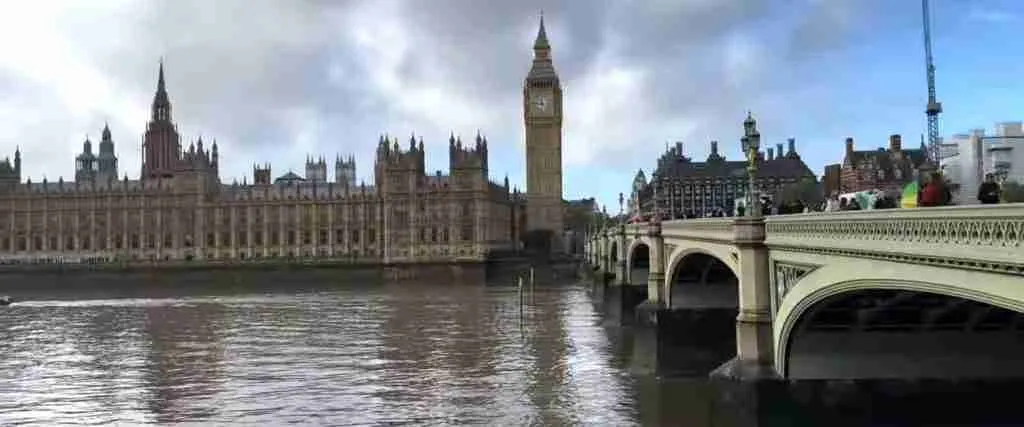
3 days
London 3-Day Discovery Tour
- ✓ Comprehensive London experience
- ✓ Expert local guides included
- ✓ All accommodation included
- ✓ Transportation provided

5 days
London 5-Day Highlights Experience
- ✓ Comprehensive London experience
- ✓ Expert local guides included
- ✓ All accommodation included
- ✓ Transportation provided

7 days
London 7-Day Cultural Journey
- ✓ Comprehensive London experience
- ✓ Expert local guides included
- ✓ All accommodation included
- ✓ Transportation provided
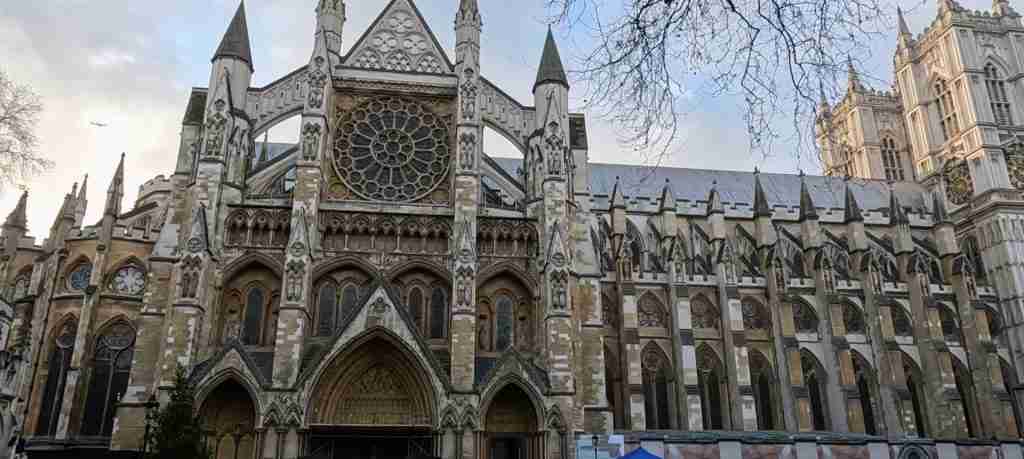
10 days
London 10-Day Complete Adventure
- ✓ Comprehensive London experience
- ✓ Expert local guides included
- ✓ All accommodation included
- ✓ Transportation provided
Multi-day tour packages powered by TourRadar. Prices and availability subject to change.
Essential Solo Travel Planning for London 2026
Pre-Trip Preparation and Documentation
Solo travel preparation begins months before departure with document organization and backup systems. Store digital and physical copies of passport, travel insurance, credit cards, and accommodation confirmations in multiple locations including cloud storage, email, and separate luggage compartments. Share complete itinerary with family or friends including accommodation addresses, contact numbers, and daily general plans without requiring constant check-ins creating unnecessary worry.
Travel insurance becomes non-negotiable for solo travelers lacking companions to provide emergency support. Comprehensive policies cover medical emergencies (NHS provides emergency care but travel insurance covers repatriation and comprehensive treatment), trip cancellation, lost luggage, and theft with coverage costs approximately $50-100 for week-long UK trips (verify current rates with insurance providers as pricing may vary). London’s healthcare system ranks among the world’s finest, but insurance provides peace of mind handling unexpected situations independently.
Research London geography before arrival understanding Underground lines, major neighborhoods, and attraction clusters. Download offline maps (Google Maps allows downloading London sections for offline access), transportation apps (Citymapper provides comprehensive London navigation), and translation apps if English proficiency concerns exist. Pre-book essential items including accommodation, airport transfers if arriving late night, and any must-see attractions with limited capacity or advance-booking requirements. Flexible planning balances preparation against over-scheduling eliminating spontaneity.
Arrival and Airport Transfer Strategies for Solo Travelers
London serves five airports with Heathrow and Gatwick handling most international traffic. Solo travelers arriving Heathrow access central London via Heathrow Express (£25 single, 15 minutes to Paddington), Underground Piccadilly Line (£5.50 off-peak, 50 minutes to central London), or Elizabeth Line (£12.80, 30-45 minutes to various central stations). Gatwick connects via Gatwick Express (£19.90, 30 minutes to Victoria) or Thameslink trains (£10-15, 45-60 minutes to multiple central stations). Check National Rail and Transport for London for current official rates as pricing may vary.
Night arrivals require extra planning as some transport options reduce frequency after midnight. The Night Tube operates Friday and Saturday nights on Victoria, Central, Jubilee, Northern, and Piccadilly lines providing 24-hour service these nights. Other nights, night buses serve major routes designated with “N” prefix (N9, N73, N207, etc.) connecting airports and central areas. Pre-booked taxis or ride-share services cost £50-80 from Heathrow, £60-90 from Gatwick but provide direct-to-accommodation convenience worth considering for late arrivals or heavy luggage situations.
Airport arrivals create first impressions and potential vulnerability for solo travelers. Proceed directly to official transport without engaging unsolicited “taxi” offers or distraction techniques used by thieves. Keep luggage visible and controlled during transport navigation, avoid displaying expensive electronics or large cash amounts while purchasing tickets, and maintain awareness of surroundings particularly in crowded airport train carriages where pickpockets operate. The transition from airport to accommodation represents the trip’s most vulnerable moment requiring heightened alertness.
Safe Accommodation Options for Solo Travelers 2026
Social Hostels: Budget-Friendly with Built-In Community
London’s hostel scene evolved significantly beyond stereotypical backpacker crash pads into design-conscious social hubs with private rooms, quality facilities, and extensive programming connecting solo travelers. Modern hostels include Generator London in King’s Cross (from £25/night dorms, £80-100 private rooms), Wombat’s City Hostel London (from £30/night dorms, £90-120 private rooms), and Clink hostels in multiple locations (from £22-35/night dorms). Check hostel websites for current official rates as pricing may vary seasonally and with advance booking discounts.
Social programming distinguishes quality hostels from mere budget accommodation. Daily activities include free walking tours introducing the city and connecting travelers, pub crawls creating instant social groups, cooking classes teaching British cuisine, quiz nights in hostel bars, and organized day trips to attractions like Stonehenge or Bath. Common areas with comfortable seating, communal kitchens encouraging interaction during meal preparation, and hostel bars staying open until midnight create natural social opportunities without forced participation pressure.
Private rooms in hostels provide solo traveler sweet spot balancing budget consciousness against privacy needs. Expect clean, compact rooms with private bathrooms, secure key-card access, adequate storage for luggage, and often en-suite facilities matching budget hotel quality at £80-140 per night compared to equivalent hotels at £120-200. The hybrid approach allows socializing in common areas when desired while retreating to private space for rest, work, or introvert recharging. Location matters significantly – choose hostels in Zone 1-2 for walkability and late-night transport access.
Budget Hotels: Privacy with Consistent Standards
Budget hotel chains offer solo travelers predictable quality, central locations, and room-for-one rates avoiding the “single supplement” penalty of traditional hotels. Premier Inn, Travelodge, and Ibis operate multiple London locations with rooms £80-140 per night for single occupancy depending on location and booking lead time. Check hotel booking platforms for current rates as pricing varies significantly by season and advance purchase timing. The standardization eliminates accommodation uncertainty allowing focus on exploration rather than lodging concerns.
Advantages for solo travelers include consistent security with electronic key-card systems, 24-hour reception providing assistance and local knowledge, en-suite bathrooms with predictable cleanliness, adequate workspace for travel planning or remote work, and locations chosen for transport connectivity rather than atmospheric neighborhoods. The trade-off sacrifices character and social opportunities compared to hostels while providing privacy, security, and reliable rest quality. Morning breakfast buffets (additional £8-15) offer value and social opportunities chatting with fellow solo travelers at communal tables.
Strategic location selection matters more than brand choice. South Kensington and Victoria provide walkable access to major museums and Westminster attractions, Bloomsbury places travelers near British Museum and theaters, King’s Cross offers European train connections and regenerated neighborhood atmosphere, and Paddington provides Heathrow access and Hyde Park proximity. Avoid outer-zone budget hotels requiring 45+ minute commutes despite lower nightly rates – time and transport costs negate savings while isolating travelers from evening activities.
Alternative Accommodation: Aparthotels and Serviced Apartments
Serviced apartments and aparthotels provide middle ground between hotels and rental apartments with hotel-style reception, housekeeping, and security combined with apartment kitchens, living areas, and more space than standard hotel rooms. Options include Citadines (multiple locations, from £100-180/night), Native (aparthotels in various neighborhoods, from £120-200/night), and The Zetter Townhouse (boutique serviced apartments, from £150-250/night). Verify current rates through booking platforms as pricing varies significantly by location, season, and length of stay.
Solo travelers benefit from kitchen facilities reducing food costs through self-catering breakfast and simple meals prepared from market purchases. The additional space accommodates work-from-London digital nomads requiring proper desk areas beyond hotel room cramped conditions. Living rooms with comfortable seating provide decompression space after intensive sightseeing days. The format suits longer stays (week+) where hotel room limitations become oppressive and apartment normality enhances experience.
Security considerations require attention as aparthotels vary in reception coverage and security systems. Choose properties with 24-hour reception or comprehensive electronic access systems rather than key-under-mat scenarios. Neighborhood selection matters more than with hotels as apartment buildings integrate into residential areas rather than hotel districts – research street safety, late-night transport options, and proximity to evening activity maintaining street presence after dark. The format excels for experienced solo travelers comfortable with more independent lodging but proves unnecessarily complex for first-time London visitors better served by hostel social support or hotel predictability.
Transportation and Navigation Strategies for Solo Travelers 2026
Mastering the London Underground
The London Underground (“the Tube”) provides solo travelers with efficient, safe transportation across central and outer London with 11 color-coded lines covering 270 stations. Contactless payment cards (credit/debit cards with contactless symbol) or Oyster cards deliver best value with automatic daily capping limiting maximum daily charges to £8.10 for Zone 1-2 travel (check Transport for London for current official rates). Simply tap card on yellow readers entering and exiting stations without purchasing individual tickets or navigating confusing fare structures.
Peak vs. off-peak pricing affects costs significantly: peak hours (Monday-Friday 6:30-9:30 AM, 16:00-19:00) charge higher single fares while off-peak rates apply weekends, public holidays, and non-peak weekday hours. Solo travelers maximize savings by sightseeing during off-peak hours, using morning museum opening times before peak commuter crush, and traveling mid-morning or after 19:00 for lower fares and less crowded carriages. The daily cap means unlimited travel once the maximum is reached – take advantage by combining distant attractions in single days.
Safety on the Tube requires standard urban transit awareness. Sit in central carriages near other passengers during off-peak hours and late night, keep bags zipped and controlled (not on seats or floor where thieves access easily), avoid displaying expensive electronics or jewelry, position yourself near exits in crowded carriages allowing quick departure if uncomfortable situations develop, and trust instincts moving carriages or exiting if environments feel threatening. The system operates extensive CCTV coverage and help points on platforms, while Transport for London staff patrol stations providing assistance and security presence.
Buses, Walking, and Alternative Transport
London buses provide scenic alternative to Underground travel with above-ground routes revealing neighborhood character and architectural details invisible underground. Bus fares cost £1.75 per journey with contactless payment or Oyster card, with free transfers to other buses within one hour creating cost-effective route combinations. Route 11 runs from Liverpool Street through Westminster to Chelsea showing major landmarks, Route 15 uses heritage Routemaster buses connecting Tower Hill to Trafalgar Square, and night buses (N prefix) provide 24-hour transport when Tube closes.
Walking maximizes solo travel flexibility allowing spontaneous exploration, photography stops, and authentic neighborhood immersion impossible on fixed-route transport. Central London’s compact core means walking distances surprise Americans accustomed to car dependency: Trafalgar Square to British Museum covers 15 minutes, Tower of London to Borough Market crosses 20 minutes along the Thames Path, and Westminster to South Kensington measures 35 minutes through beautiful parks and streets. Quality walking shoes become solo travelers’ essential equipment transforming transport necessity into experience opportunity.
Thames riverboats provide unique transport perspective with Uber Boat services operating hop-on-hop-off routes from Westminster to Greenwich. Fares cost £9.90 single journey (check Thames Clippers for current official rates), with Oyster cards and travelcards providing discounts. The journey combines transportation functionality with sightseeing value passing Tower Bridge, the Shard, Tate Modern, and maritime Greenwich. Evening cruises offer magical perspectives of illuminated landmarks though focus more on experience than efficient transport.
Ride-Share and Taxi Considerations
Licensed black cabs and ride-share services (Uber, Bolt) provide door-to-door transport useful for late-night returns, luggage transport between accommodations, or journeys to outer areas poorly served by public transport. Black cabs cost approximately £3.80 minimum fare plus £2.60 per mile (rates increase evenings and weekends), while Uber and Bolt typically cost 20-30% less for equivalent journeys. Solo travelers should only use licensed vehicles – black cabs display TFL license plates, while ride-share apps verify driver identity and vehicle registration before entry.
Safety protocols for solo ride-share use include verifying driver photo and vehicle registration before entering, sitting in back seats rather than front (increasing distance from driver), sharing trip details with contacts via app functionality, maintaining awareness during journey noting route follows GPS navigation, and trusting instincts exiting vehicle if driver behaves inappropriately or routes deviate unexpectedly. The apps provide trip records and driver ratings creating accountability systems deterring criminal behavior.
Cost-effectiveness varies by situation: late-night transport from outer restaurants or venues to central accommodation justifies £12-20 ride-share costs compared to navigating unfamiliar night bus routes, while daytime journeys during Tube operation rarely warrant the premium over £2.80 Underground fares. Solo travelers balance safety, convenience, and budget considerations – erring toward safer paid options late night in unfamiliar areas while maximizing public transport during standard hours.
Solo-Friendly Activities and Experiences in London 2026
Museums and Galleries: Perfect Solo Pace
Museums epitomize ideal solo travel experiences allowing personalized pacing without group compromise. The British Museum’s 94 galleries support focused 90-minute highlights tours or comprehensive full-day explorations according to individual interest. Solo travelers linger at personally fascinating exhibits – spending 45 minutes studying Rosetta Stone linguistic implications or quickly passing Egyptian galleries toward Greek sculpture – without coordinating group preferences or maintaining collective schedule.
The contemplative nature of art viewing suits solo travel perfectly. Standing before Turner’s seascapes at Tate Britain or Monet’s water lilies at National Gallery creates meditative experiences diminished by companion conversation expectations. Solo gallery visitors engage more deeply with artworks, read extended wall text without rushing, sketch favorite pieces, and revisit particularly moving works multiple times. Museum cafes provide ideal solo dining with book or journal, observing other visitors while digesting both lunch and cultural experiences.
Lesser-known museums reward solo exploration with uncrowded intimate experiences: Sir John Soane’s Museum in Bloomsbury preserves an eccentric architect’s townhouse crammed with art and antiquities requiring solo visitors to squeeze through passages and discover hidden galleries at personal pace, the Hunterian Museum at Royal College of Surgeons displays medical specimens and surgical instruments fascinating for science enthusiasts willing to explore independently, and the Geffrye Museum in Shoreditch shows London domestic interiors through centuries ideal for solo wandering imagining historical daily life.
Theatre and Performance: Last-Minute Solo Opportunities
London’s West End theatre district offers solo travelers significant advantages through last-minute ticket availability and single-seat opportunities. The TKTS booth in Leicester Square sells same-day discounted tickets £10-50 for major productions (check official TKTS website for available shows), while individual theaters release day-of-show rush tickets and standing room at reduced prices. Solo travelers secure these limited single seats unavailable to groups requiring multiple adjacent seats.
Attending theatre solo eliminates pre-show coordination, allows last-minute decisions based on mood and weather, provides freedom to leave during interval if show disappoints, and paradoxically enhances engagement without companion distraction during performance. The theatrical experience itself proves deeply personal – emotional responses to powerful performances need not be articulated or defended to companions. Post-show solo travelers process experiences privately while walking through illuminated West End streets, stopping at late-night cafes for reflection, or journaling impressions before memory fades.
Alternative performance venues beyond West End offer solo-friendly experiences: Shakespeare’s Globe presents groundling standing-room tickets (£7) creating communal atmosphere where solo attendees naturally mingle during performance breaks, the National Theatre’s South Bank complex offers multiple simultaneous productions with extensive foyer spaces hosting free performances and exhibitions, and small fringe venues in Camden, Shoreditch, and Battersea present experimental works to intimate audiences where solo presence feels natural rather than conspicuous.
Food Markets and Solo Dining Opportunities
Food markets represent perfect solo traveler venues combining dining with cultural exploration and natural social interaction. Borough Market’s communal tables create organic conversation opportunities between solo travelers and locals sharing cheese, charcuterie, and artisan breads. The market atmosphere encourages grazing multiple small portions rather than committing to single restaurant meals – £5 for Middle Eastern falafel wrap, £8 for artisan grilled cheese, £4 for Portuguese custard tart creates diverse £17 lunch sampling multiple cuisines.
Counter-culture dining revolutionized London’s solo eating experience with restaurants designed around counter seating facing open kitchens. Bao in Soho serves Taiwanese buns at counters where diners watch chefs construct each order and naturally chat with seat neighbors, Barrafina (multiple locations) presents Spanish tapas at wraparound counters where solo diners receive chef attention and explanations, Koya in Soho specializes in udon noodles served at minimalist counters facing the kitchen, and Hoppers delivers Sri Lankan hopper pancakes in counter-focused spaces welcoming solo diners.
Traditional pub culture inherently welcomes solo patrons who order meals at bars, claim comfortable seating with newspapers or books, and optionally engage bartenders in conversation. Quality gastropubs like The Harwood Arms (Michelin-starred pub), The Marksman in Hackney, and The Anchor & Hope near Southwark Station serve excellent British cuisine in settings where solo dining feels completely natural. Sunday roast tradition (slow-roasted meats with Yorkshire pudding and vegetables served Sunday lunchtime) presents authentic cultural experience accessible solo at any neighborhood pub for £14-22.
Walking Tours: Self-Guided and Group Options
Self-guided walking tours provide ultimate solo travel flexibility allowing personalized pacing, photography stops, and spontaneous detours. Heritage walking trails include the Diana Princess of Wales Memorial Walk (7-mile route through royal parks marked with ground plaques), the Jubilee Walkway (15-mile route connecting major landmarks with circular pavement markers), and Thames Path following the river through historic maritime areas. Free apps and printed maps from tourist information centers provide narrated routes without booking or costs.
Group walking tours offer solo travelers instant social connections while maintaining independent travel freedom. Free walking tours (operating on tips model, typically £10-15 per person) run multiple daily departures covering Westminster and royal London, East End history and Jack the Ripper, and Harry Potter filming locations. The group format creates natural conversation with fellow travelers while professional guides provide historical context and local recommendations. Tours last 2-3 hours allowing afternoon or evening freedom after morning group activity.
Specialized thematic walks appeal to niche solo traveler interests: literary walks explore Bloomsbury’s Virginia Woolf connections and Charles Dickens’ London, street art tours reveal East End’s graffiti and urban art scene, architectural walks analyze Christopher Wren’s London reconstruction after 1666 Great Fire, and food tours combine walking with market sampling and restaurant tastings. The focused themes attract like-minded participants creating shared interest foundation for solo travelers seeking temporary travel companionship.
Safety Strategies and Awareness for Solo Travelers 2026
Situational Awareness Without Paranoia
Effective solo travel safety balances awareness against paranoia that diminishes experience. London’s extensive CCTV network (over 600,000 cameras), visible police presence in tourist areas, and generally respectful street culture create safe environment where standard urban precautions suffice. Awareness means noticing who occupies spaces, identifying exit routes, keeping valuables secure and out of sight, and trusting instincts when situations feel uncomfortable. Paranoia means seeing threats everywhere, avoiding all interaction, and missing authentic experiences through excessive fear.
Practical safety measures include walking confidently appearing purposeful rather than lost (study maps before departing rather than stopping constantly on streets displaying confusion), keeping bags zipped and worn across body in crowded areas, avoiding displaying expensive camera equipment or jewelry, maintaining phone charge for emergency contact and GPS navigation, and keeping emergency cash separate from primary wallet. These habits become automatic after days establishing routines rather than requiring constant mental energy.
The safety calculation differs between solo women, men, older travelers, and different ethnicities due to unfortunate realities. Solo women receive more unwanted attention and should exercise extra caution in deserted areas late night, avoid excessive alcohol consumption impairing judgment, and utilize well-lit transport routes and accommodations. LGBTQ+ travelers find London generally accepting with Soho’s gay scene and overall progressive culture, though standard urban precautions apply. Racial minorities rarely report systematic discrimination in tourist areas though everyone potentially faces isolated incidents requiring situation assessment and, when necessary, confident confrontation or strategic departure.
Evening and Night Safety Protocols
Evening activity remains vibrant and generally safe in central London with theater crowds, restaurant diners, and late-night transport maintaining street presence until midnight and beyond. Solo travelers should stick to well-lit main streets rather than cutting through parks or alleyways after dark, use official transport only (licensed taxis, Underground, buses – never unlicensed “minicabs”), and maintain awareness of surroundings without excessive phone distraction reducing observation capacity. Friday and Saturday nights see increased intoxication-related incidents particularly near nightlife districts requiring extra awareness around pub closing times (23:00-01:00).
Late-night transport decisions prioritize safety over minor cost savings. The Night Tube operates Friday-Saturday nights on major lines providing safe, efficient late-night travel, while night buses serve other nights with routes covering the entire city. Waiting for buses or night Tube, position yourself in well-lit areas near other travelers, avoid isolated platform ends, and board central carriages rather than empty end cars. If walking from transport to accommodation, call or text contacts during transit creating accountability trail and providing speaking occupation that projects confidence deterring potential harassers.
Accommodation security begins with choosing properties in areas maintaining late-night activity – central neighborhoods, transport hubs, and entertainment districts where streets never truly empty provide safer return routes than residential areas deserted after 22:00. Upon returning, verify door locks engage properly, use any additional security features (chain locks, door wedges), and position luggage or furniture blocking door access if accommodation security seems questionable. These measures provide peace of mind without transforming rooms into fortresses or indicating specific threat levels.
Scams and Petty Crime Awareness
London’s most common threats targeting tourists involve petty theft rather than violent crime. Pickpockets operate in crowded tourist areas, on packed Underground trains during peak hours, and at major attractions including Borough Market, Tower of London surroundings, and Oxford Street. Protection strategies include front-pocket wallet carrying, bags worn across body with zippers closed and facing forward, avoiding back-pocket phone storage, and maintaining hand contact with bags in crowded situations. Pickpockets seek easy targets requiring seconds of access – making theft difficult through positioning eliminates most risk.
Common scam variations include: “charity petition” scammers in tourist areas requesting signatures before demanding donations (decline politely and continue walking), “found gold ring” con artists claiming to find valuable jewelry then requesting reward (ignore and continue), unofficial ticket sellers near attractions offering “skip the line” access at inflated prices (purchase tickets online or at official venues only), and distraction techniques where one person creates commotion while accomplice accesses bags or pockets (maintain bag awareness during any unexpected interactions). Situational awareness and confident declining of unsolicited approaches eliminates most scam risk.
Violent crime rates remain low compared to major American cities, but isolated incidents occur anywhere. Avoid displaying large cash amounts or expensive electronics unnecessarily, stick to well-traveled tourist areas rather than exploring deserted industrial zones, trust instincts leaving situations that feel threatening, and recognize that intoxication significantly increases vulnerability to both crime and accidents. The balance maintains exploration enthusiasm while exercising judgment about risk-benefit calculations – photographing famous landmarks at midnight alone in deserted areas fails reasonable risk assessment, while enjoying evening West End shows followed by well-lit walk to central accommodation represents normal, safe London tourism.
Budget Planning for Solo Travel London 2026
Comprehensive Cost Breakdown and Daily Budgets
Solo travel to London costs £60-120 per day depending on accommodation choices and lifestyle preferences. Budget breakdown: hostel dorm accommodation £25-45/night, private hostel room or budget hotel £80-140/night, food £25-50 daily combining market lunches and budget dinners, public transport £6-15 reaching daily cap, paid attractions £15-30 (many major museums free), miscellaneous shopping and entertainment £10-20. Check accommodation booking platforms and Transport for London for current official rates as pricing varies seasonally and with advance booking.
Three-tier budget models illustrate different solo travel styles: Budget-conscious travelers spend £60-80 daily using hostel dorms, self-catering breakfast and some meals, free museums and walking routes, and limited paid attractions. Mid-range comfortable travelers spend £100-140 daily with private hostel rooms or budget hotels, restaurant meals mixing budget and mid-range establishments, combination of free and paid attractions, and occasional taxis for convenience. Premium solo travelers spend £180-250+ daily staying boutique hotels, dining at quality restaurants, attending theatre regularly, taking taxis when convenient, and accessing all desired paid attractions without budget constraints.
Weekly budget totals for 7-day London solo trips: Budget tier £420-560 providing basic but comfortable experience with hostel dorms and careful spending, mid-range £700-980 offering private accommodation and dining flexibility without excessive luxury, and premium £1,260-1,750 delivering upscale experience with boutique hotels and full cultural access. These figures exclude international flights but include all in-destination costs. Solo travelers face the “single supplement” reality that per-person costs exceed group travel where accommodation and meals divide across multiple travelers, but London’s extensive free attractions and solo-friendly dining options minimize the solo travel premium compared to other destinations.
Money-Saving Strategies for Solo Travelers
Accommodation represents the largest solo travel expense with opportunities for significant savings. Booking accommodation 2-4 months ahead typically saves 20-40% compared to last-minute reservations, while shoulder season (March-May, September-November) offers substantially lower rates than peak summer without sacrificing weather or attraction availability. Hostel private rooms deliver hotel-quality privacy at budget prices when social hostel atmosphere appeals. Extended stays (week+) sometimes unlock discounts or serviced apartment options with kitchen facilities reducing food costs.
Food costs minimize through strategic choices: hostel kitchen facilities allow breakfast preparation and simple dinners using supermarket ingredients, market lunches at Borough Market or Maltby Street Market provide quality dining for £10-15 vs. £20-35 at sit-down restaurants, Pret A Manger and similar chains deliver £5-8 sandwiches and salads suitable for park picnics, and pub lunches during weekday “specials” sometimes offer complete meals for £8-12 compared to evening dinner pricing. Bring reusable water bottles filling at free fountains throughout museums and public buildings avoiding £2-3 bottled water purchases accumulating to £15-20 weekly.
Transport savings come through understanding fare capping and off-peak timing. The daily cap means unlimited Zone 1-2 travel once reaching £8.10, encouraging combining distant attractions into single days rather than spacing across multiple days each requiring new transport costs. Walking between clustered central attractions eliminates short journey charges while providing neighborhood exploration. Off-peak travel (avoiding Monday-Friday 6:30-9:30 AM and 16:00-19:00) saves approximately 30% per journey compared to peak fares, easily achieved through tourist flexibility sightseeing mid-morning through afternoon rather than commuting with office workers.
Connecting with Other Travelers and Locals in London 2026
Hostel Social Activities and Common Spaces
Quality hostels program extensive social activities specifically designed to connect solo travelers into temporary communities. Generator London runs free walking tours departing the hostel introducing both the city and fellow guests, pub quiz nights in the ground-floor bar, and organized group outings to West End shows or weekend day trips. Clink hostels host “family dinners” where travelers cook and share meals in communal kitchens, movie nights in common lounges, and Friday night “socials” mixing guests through games and conversation starters.
Common area design facilitates natural interaction without forced participation. Long communal tables in hostel kitchens create shared cooking and dining spaces where meal preparation conversation happens organically, lounge areas with comfortable seating arranged in conversational groupings rather than television-focused rows encourage discussion, and on-site bars provide low-pressure evening gathering spots. The key distinction between social and antisocial hostels lies in physical space design and programming investment – research hostel reviews specifically for “solo traveler” and “social atmosphere” mentions when booking.
Hostel social dynamics require minimal effort from solo travelers willing to initiate conversation. Simple openers like “where are you from?” or “what have you seen in London so far?” generate extended discussions and potential day-trip companions. Communal meals particularly facilitate connection as sharing food creates natural conversation contexts. The temporary nature of hostel communities eliminates long-term social pressure – travelers connect intensely for days then depart without ongoing obligation, ideal for introverts needing periodic social recharging while maintaining independent travel structure.
Meet-Up Groups and Experience-Sharing Platforms
Experience-sharing platforms connect solo travelers with locals and other visitors for shared activities from museum visits to pub nights. Meetup.com lists hundreds of London groups covering interests from photography walks to language exchange, board game nights to hiking trips. Many groups specifically target travelers and newcomers to the city, explicitly welcoming temporary participants without requiring ongoing membership commitment. Activities range from free walking tours to organized dinners, from professional networking to purely social gatherings.
Couchsurfing (beyond its accommodation roots) hosts regular meetups and social events connecting travelers with local hosts. Weekly pub nights, weekend brunches, and group outings provide instant social networks without pressure of staying with hosts or reciprocating hospitality. The traveler community self-selects for people interested in cultural exchange and social connection rather than pure tourism, creating engaged conversation partners and potential ongoing contacts.
Facebook groups focused on London travel, specific nationality expat communities, and interest-based groups (London photography, London theatre enthusiasts, etc.) allow posting inquiries about joining group activities or organizing meet-ups. The advantage over formal tour booking includes flexibility, authentic local perspective, and connection opportunities extending beyond single-event participation. Exercise standard internet-meeting caution: meet in public spaces, share meeting details with accommodation contacts, maintain personal information privacy until trust develops, and trust instincts exiting situations feeling uncomfortable or unsafe.
Local Interaction Opportunities
Pubs function as Britain’s community living rooms where locals genuinely welcome solo travelers initiating conversation. Claim bar seating at neighborhood pubs (not tourist-packed West End establishments) during quieter afternoon hours, order a pint, and naturally engage bartenders or fellow patrons in conversation. British reserve means locals rarely initiate with strangers but respond warmly once conversation begins. Topics like football (ask locals about their team), travel experiences, or observations about London neighborhoods generate extended discussions revealing insider perspectives unavailable in guidebooks.
Market vendors, particularly at Borough Market, Camden Market, and neighborhood farmers’ markets, provide authentic interaction opportunities. Asking about product sourcing, preparation recommendations, or local specialties creates conversations revealing London food culture while supporting local businesses. Unlike rushed tourist-trap transactions, quality markets encourage leisurely browsing and genuine vendor-customer relationships developing across multiple visits.
Activity-based interaction through classes, tours, or workshops creates natural connection contexts. Cooking classes teaching British classics, photography workshops exploring East End street art, or guided river walks led by enthusiast volunteers connect participants through shared interests rather than forced “let’s be friends” dynamics. The activity provides conversation content and natural icebreakers eliminating awkward small talk while building genuine connections around authentic mutual interests.
Frequently Asked Questions About Solo Travel London 2026
What is the best time of year for solo travelers to visit London?
May-June and September-October provide optimal solo travel conditions with pleasant weather (15-20°C), manageable tourist crowds compared to July-August peak, extended daylight hours facilitating evening exploration, and full cultural programming including theatre, festivals, and events. Spring offers blooming parks and moderate temperatures, while early autumn brings cultural season reopening after August closures. Winter (November-February) delivers lowest accommodation costs and smallest crowds but shorter daylight limits evening activities, while peak summer (July-August) brings best weather but maximum crowds requiring advance booking and premium pricing.
How do solo female travelers stay safe in London at night?
Solo female travelers in London maintain safety through choosing accommodations in well-lit central areas with late-night activity, using official transport exclusively (licensed taxis, Tube, buses – verify driver identity in ride-share apps), avoiding isolated parks or alleyways after dark, maintaining phone charge for emergency contact, sharing evening plans and expected return times with hostel staff or contacts, moderating alcohol consumption to maintain judgment, and trusting instincts leaving situations feeling uncomfortable. London’s generally respectful street culture, extensive CCTV coverage, and visible police presence create relatively safe environment where standard urban awareness suffices without extreme measures.
Can introverted travelers enjoy solo London?
London excels for introverted solo travelers through museums allowing self-paced exploration without group interaction pressure, extensive parks providing peaceful outdoor respite, quiet cafe culture welcoming solo diners with books, architectural walking creating contemplative urban exploration, and accommodation options from private hotel rooms to social hostels allowing controlled interaction levels. The city’s size provides anonymity eliminating small-town everyone-knows-everyone pressure, while diverse entertainment from libraries to galleries accommodates introverted interests. Social interaction happens when desired through hostel common areas, walking tours, or pub conversations, but introvert recharging solitude remains readily available.
Is it worth joining group tours as a solo traveler?
Group tours provide solo travelers with instant social connection, local expertise, and access to attractions difficult reaching independently (Stonehenge, Bath, Windsor Castle day trips). Half-day or full-day group tours work excellently as occasional solo itinerary components rather than constant companions, allowing morning group structure followed by independent afternoon exploration. Free walking tours specifically welcome solo travelers creating natural meet-cute situations with like-minded explorers. Avoid multi-day packaged tours restricting flexibility and independence unless specifically desiring structured experience and guaranteed social contact throughout trip.
How can solo travelers meet locals rather than just other tourists?
Meeting locals requires venturing beyond tourist zones into neighborhood pubs, attending local events through Meetup groups focusing on London residents rather than travelers, taking classes or workshops (cooking, art, photography) filled with Londoners, visiting neighborhood markets where vendors recognize regular customers, attending religious services or community events if culturally appropriate, and using language exchange programs or conversation groups. Couchsurfing meetups and Facebook groups focused on local interests rather than tourist attractions connect with residents. Understanding that Londoners work demanding schedules and maintain established friend groups tempers expectations about deep local friendships forming during short visits.
What are the biggest mistakes solo travelers make in London?
Common solo traveler mistakes include over-planning itineraries eliminating flexibility and spontaneity, staying in outer zones for budget savings requiring 45+ minute commutes wasting time and money, avoiding restaurant dining from self-consciousness missing London’s food culture, remaining exclusively in tourist zones never experiencing authentic neighborhoods, failing to use free attractions and thinking expensive activities equal quality experiences, over-relying on apps and technology preventing real observation and interaction, and booking accommodation purely on price without considering location safety and late-night transport access. Learning to balance structure with flexibility, safety with adventure, and budget consciousness with experience quality develops through first days establishing personal London rhythm.
Can solo travelers access London nightlife safely?
London nightlife remains accessible to solo travelers through choosing venues with reputations welcoming solo patrons (many Soho bars, live music venues, comedy clubs), attending earlier shows or events (19:00-22:00) allowing safe return on regular transport, using official ride-share or taxis for direct accommodation returns eliminating late-night street navigation, moderating alcohol maintaining judgment and safety awareness, and sticking to well-populated entertainment districts (Soho, Shoreditch, South Bank) rather than isolated clubs. Theatre, comedy shows, and live music naturally accommodate solo attendance without nightclub dancing awkwardness. The extensive late-night transport and 24-hour convenience stores maintaining street presence create safer late-night conditions than many cities.
Should solo travelers purchase travel insurance for London trips?
Yes, travel insurance becomes essential for solo travelers lacking companion support during emergencies. Comprehensive policies cover medical treatment (UK emergency care works for visitors but insurance covers comprehensive treatment and repatriation), trip cancellation and interruption, lost or delayed luggage, and theft replacing expensive electronics or documents. Costs approximately $50-100 for week-long UK trips (verify current rates with insurance providers as pricing varies). Solo travelers face higher vulnerability during medical emergencies, theft, or trip disruptions without companions providing practical support, making insurance worth the relatively minor cost against potentially devastating financial or health consequences.
How much solo travel experience do I need before visiting London?
London works excellently as first solo travel destination due to English language eliminating communication barriers, extensive tourist infrastructure providing support systems, excellent public safety compared to many global cities, and cosmopolitan culture accustomed to international visitors. No prior solo experience required – the city’s accessibility, predictable logistics, and traveler-friendly culture welcome beginners while offering sufficient depth to engage experienced solo travelers. Start with central accommodation providing staff support and social opportunities, focus on major attractions building confidence before exploring obscure neighborhoods, and allow extra time adjusting to independent decision-making and navigation.
What’s the solo traveler community like in London?
London attracts massive solo traveler populations creating instant community through hostel social programming, free walking tours connecting temporary groups, and shared-table dining at food markets where striking conversations with fellow solo diners happens naturally. The transient nature means friendships form quickly and intensely before departures create space for new connections – ideal for people enjoying social contact without long-term commitment pressures. Ages range from gap-year twenty-somethings to retirement-age explorers with concentrations around 25-35 demographic. Shared solo travel experience creates immediate bonding topic and mutual understanding about independence versus loneliness, providing instant conversation foundation with strangers sharing similar journeys.
Conclusion: Embracing Solo Travel Freedom in London
Solo travel in London transforms from daunting prospect into empowering adventure through understanding the city’s inherent solo-friendly characteristics. The extensive free museums encourage personal-pace exploration impossible with companions requiring consensus, flexible dining culture from counter seating to communal market tables welcomes independent eaters, and comprehensive public transportation creates safe navigation throughout the city. London’s size provides anonymity eliminating self-consciousness about solitary dining or museum visits while simultaneously offering instant community through hostel social programming and traveler-focused activities.
Safety concerns that often deter first-time solo travelers prove largely manageable through standard urban awareness rather than extreme measures. The city’s extensive CCTV coverage, visible police presence, respectful street culture, and 24-hour transport options create environment where solo travelers move comfortably during day and evening activities. Female solo travelers, older independent explorers, and first-time solitary adventurers all report positive London experiences when exercising judgment about timing, neighborhoods, and transport choices.
The practical advantages of solo London travel extend beyond mere feasibility into genuine enhancement of experiences. Museum contemplation deepens without group compromise, last-minute theatre tickets become available to single-seat buyers, spontaneous itinerary changes respond to weather and mood, authentic local interaction happens more naturally without group buffer, and personal growth through independent navigation and decision-making creates lasting confidence beyond the trip itself.
Budget concerns about solo travel’s single-supplement costs prove surmountable through London’s extensive free attractions, hostel private rooms offering affordable privacy, food markets providing quality dining at reasonable costs, and public transport eliminating expensive taxi reliance. While solo travelers inevitably spend more per-person than couples or groups splitting accommodation, strategic choices around timing, neighborhood selection, and activity planning create comfortable experiences at £60-120 daily covering all needs from accommodation to entertainment.
London in 2026 continues evolving its solo-traveler offerings with increased hostel social programming, expanded counter-seating restaurant culture, and experience-sharing platforms connecting independent explorers with locals and fellow travelers. The city that once intimidated solitary visitors now actively welcomes them, recognizing that solo travelers represent significant tourism segment seeking authentic experiences, cultural immersion, and flexible exploration impossible through packaged group tours.
The ultimate discovery for solo London travelers exceeds logistics and safety strategies – it’s the recognition that traveling alone doesn’t mean traveling lonely. The hostel communities, museum encounters, market conversations, pub interactions, walking tour friendships, and simple joy of making independent choices create rich experiences rivaling or exceeding traditional partnered or group travel. Solo travel in London teaches that being alone and being lonely represent entirely different states, and that solitude combined with curiosity, openness, and reasonable awareness unlocks London’s layers unavailable to those constantly cushioned by companion presence.
For first-time solo travelers, London provides ideal training ground combining English language familiarity, predictable infrastructure, genuine safety, and supportive solo-traveler culture. For experienced independent explorers, the city offers endless depth from obscure museums to hidden neighborhoods, cutting-edge cultural programming to centuries-old traditions, creating destination worthy of repeated solo visits each revealing new dimensions. In both cases, solo London travel transforms from necessity accommodated by circumstances into deliberate choice celebrating independent exploration, authentic connection, and personal empowerment through navigating one of the world’s great cities entirely on your own terms.